
Last updated September 23, 2026
Free visual inspection and a written scope of work before any mitigation begins - photos, moisture readings, and drying logs go in your claim file
The scope we write is the scope we bill. Anything new gets shown to you, in writing, before we touch it.
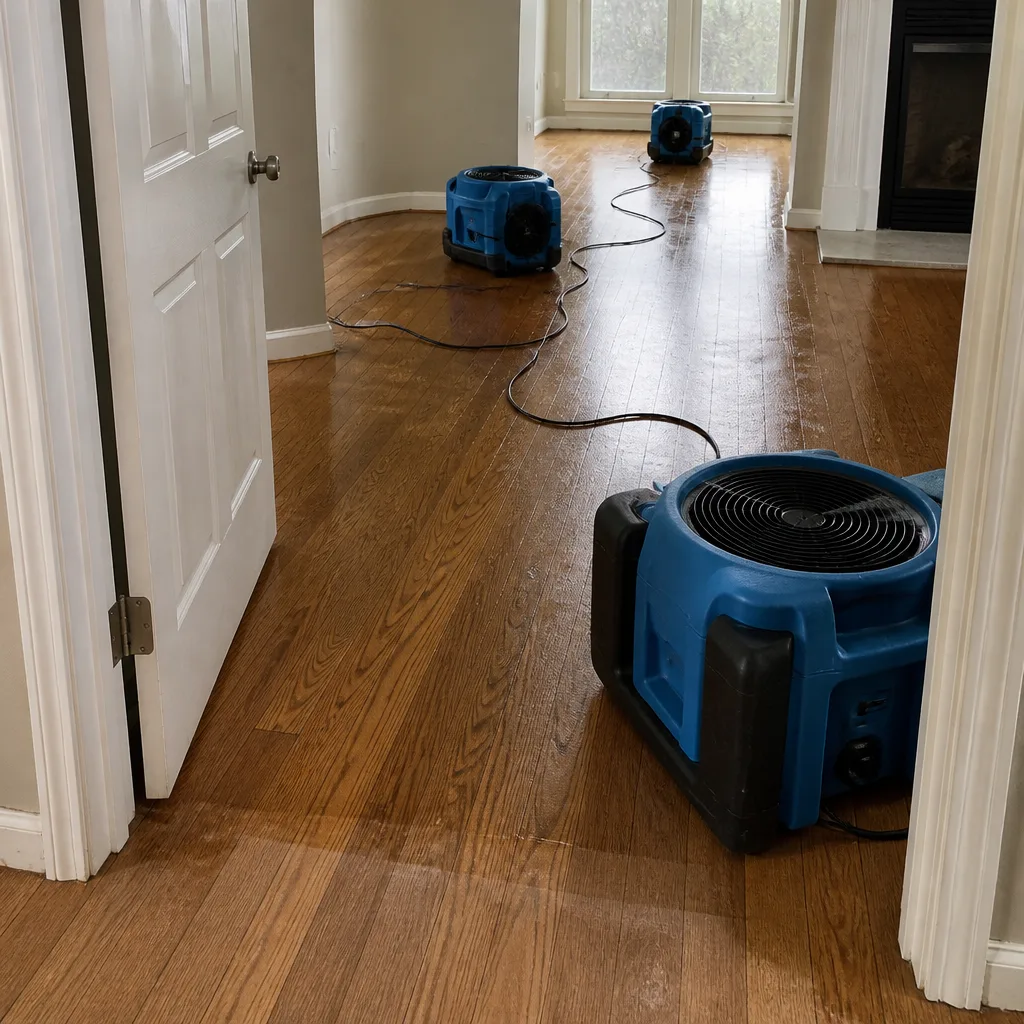
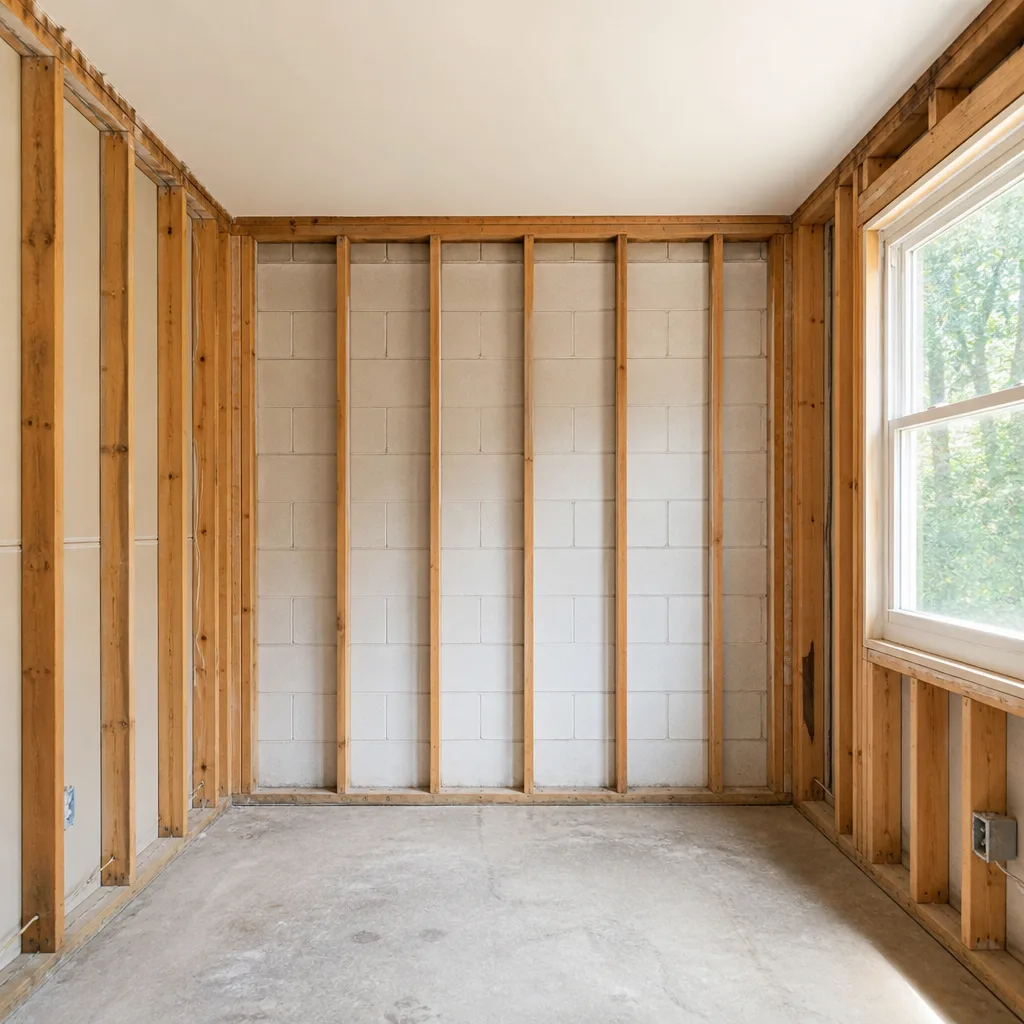
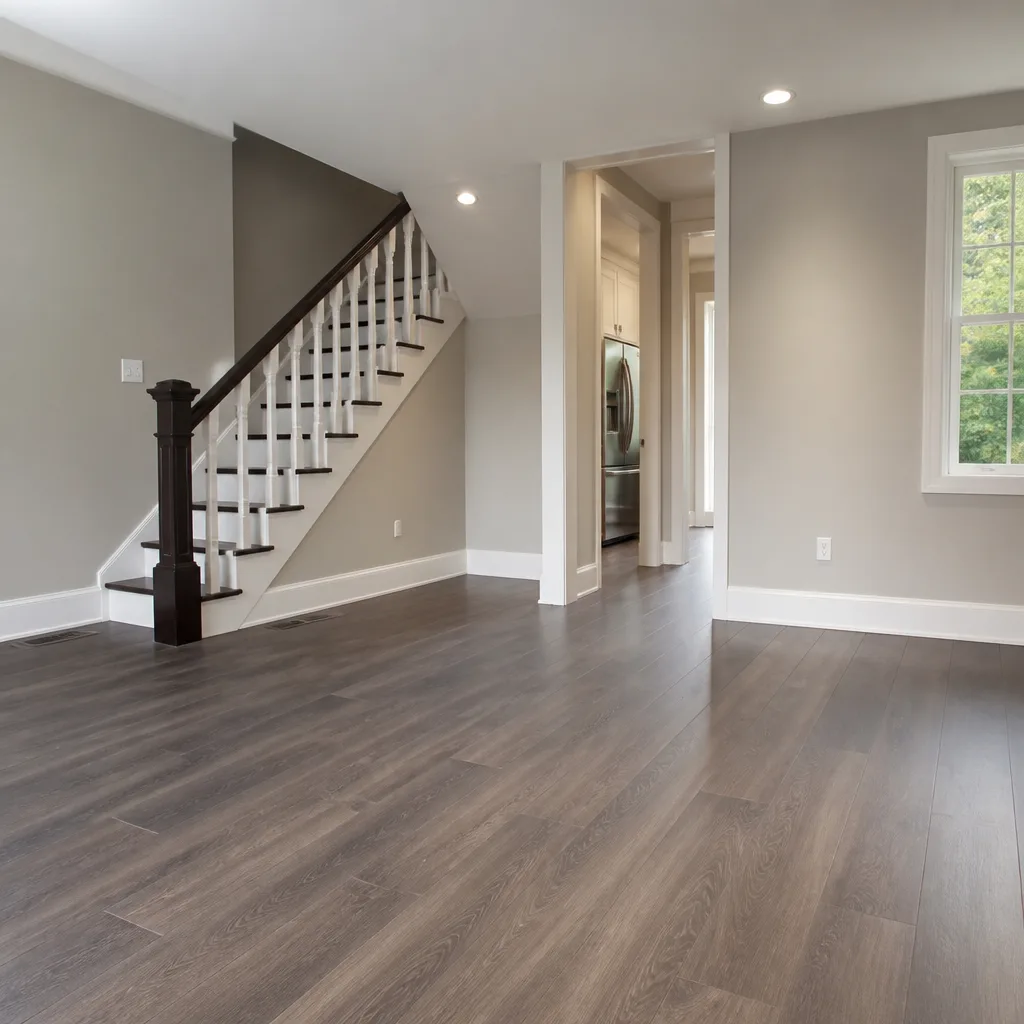
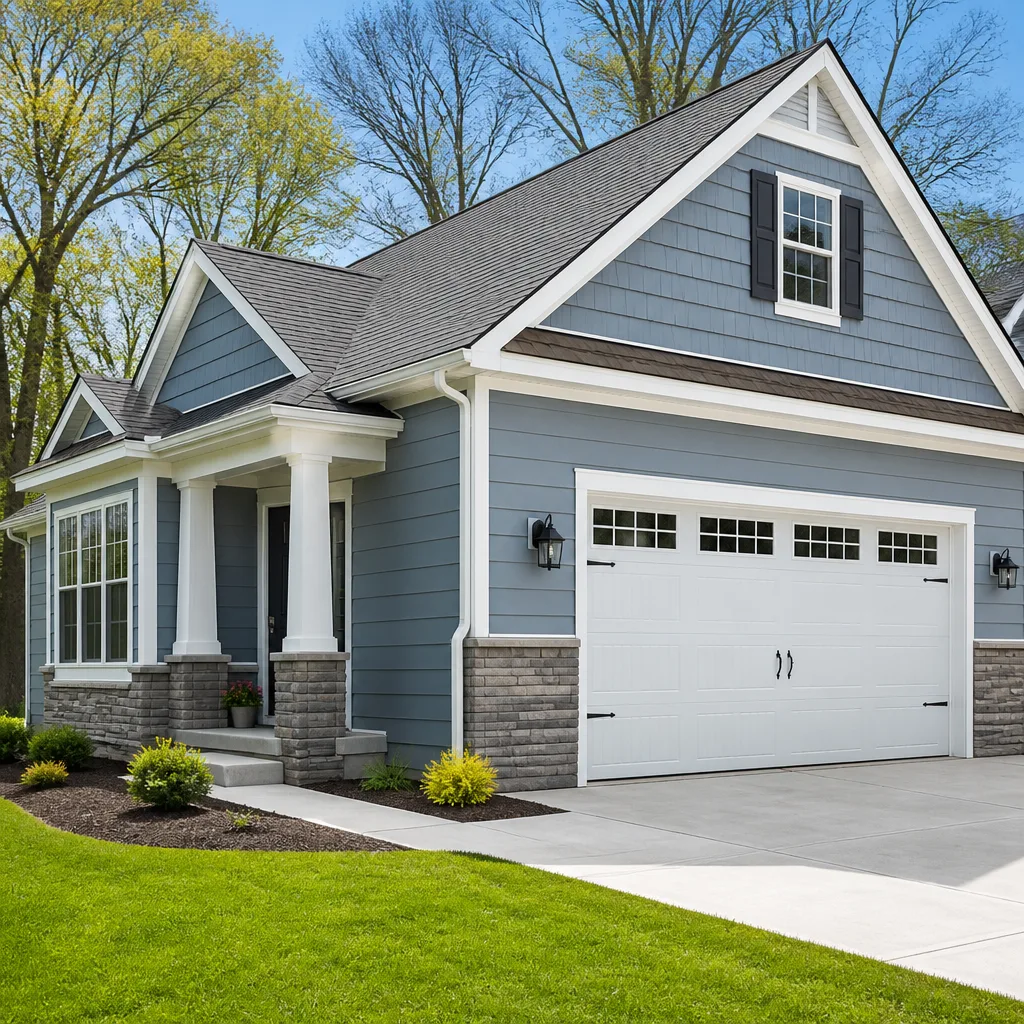
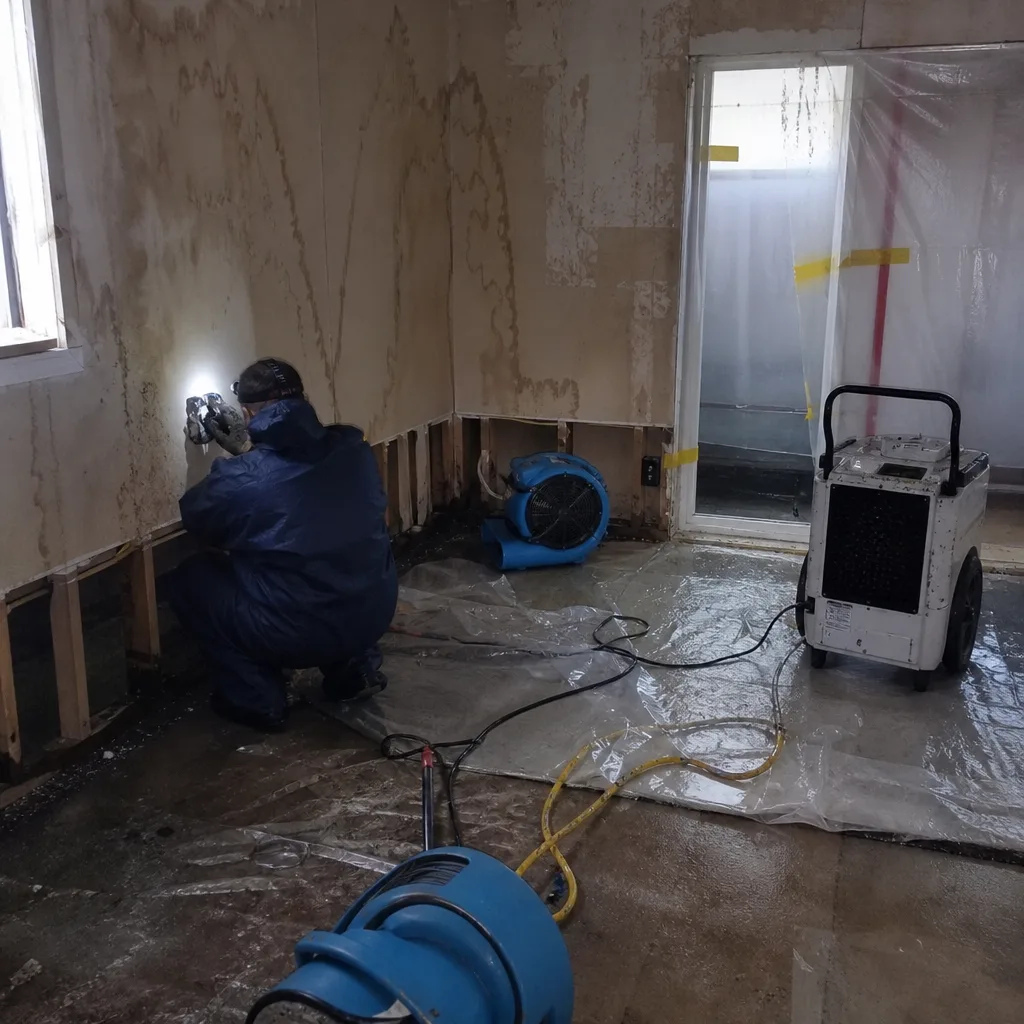 Before
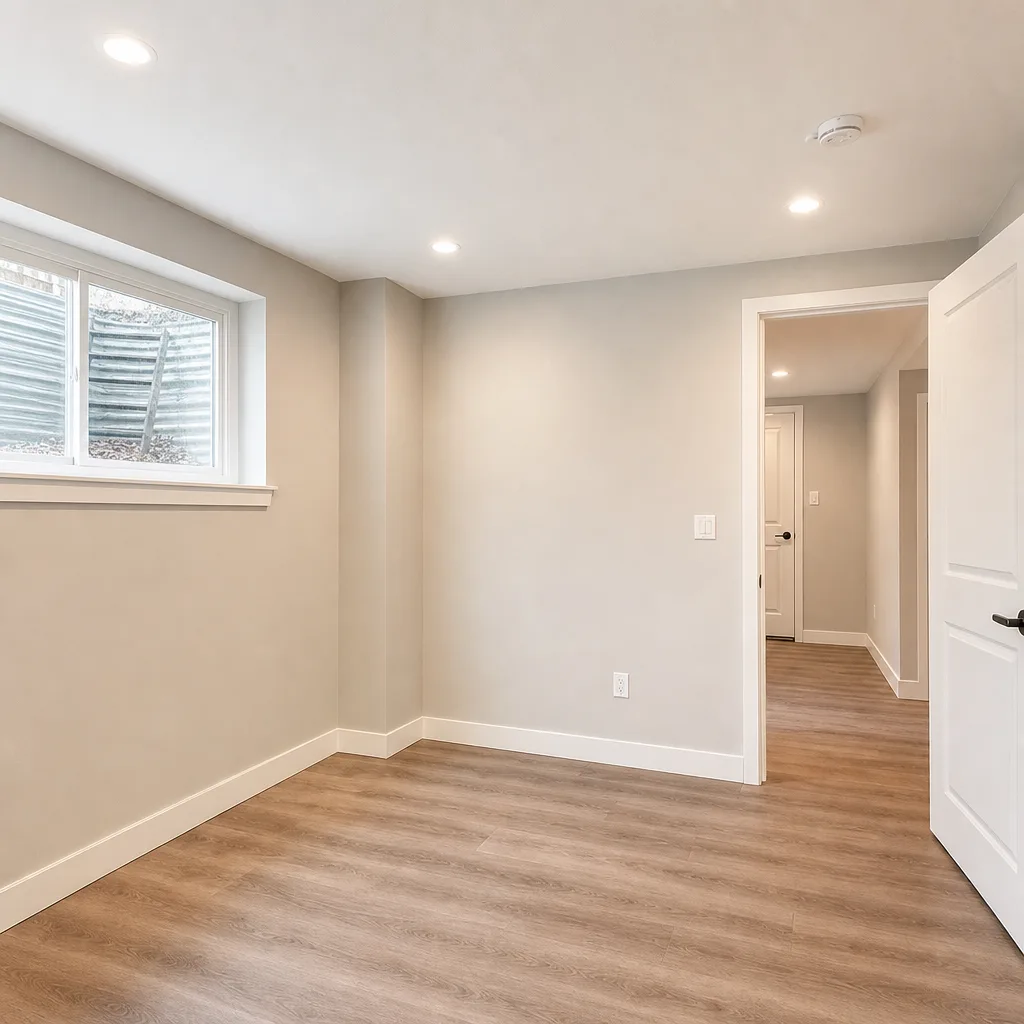 After
After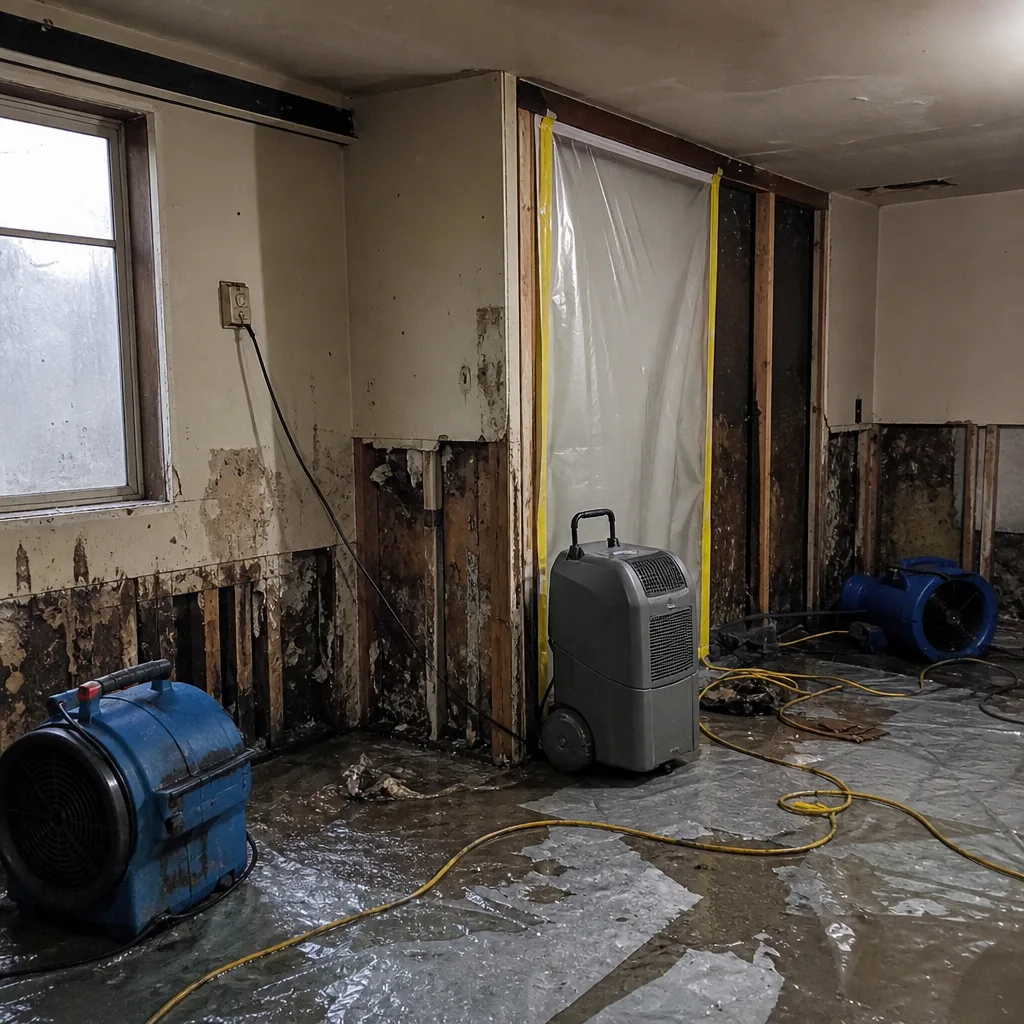 Before
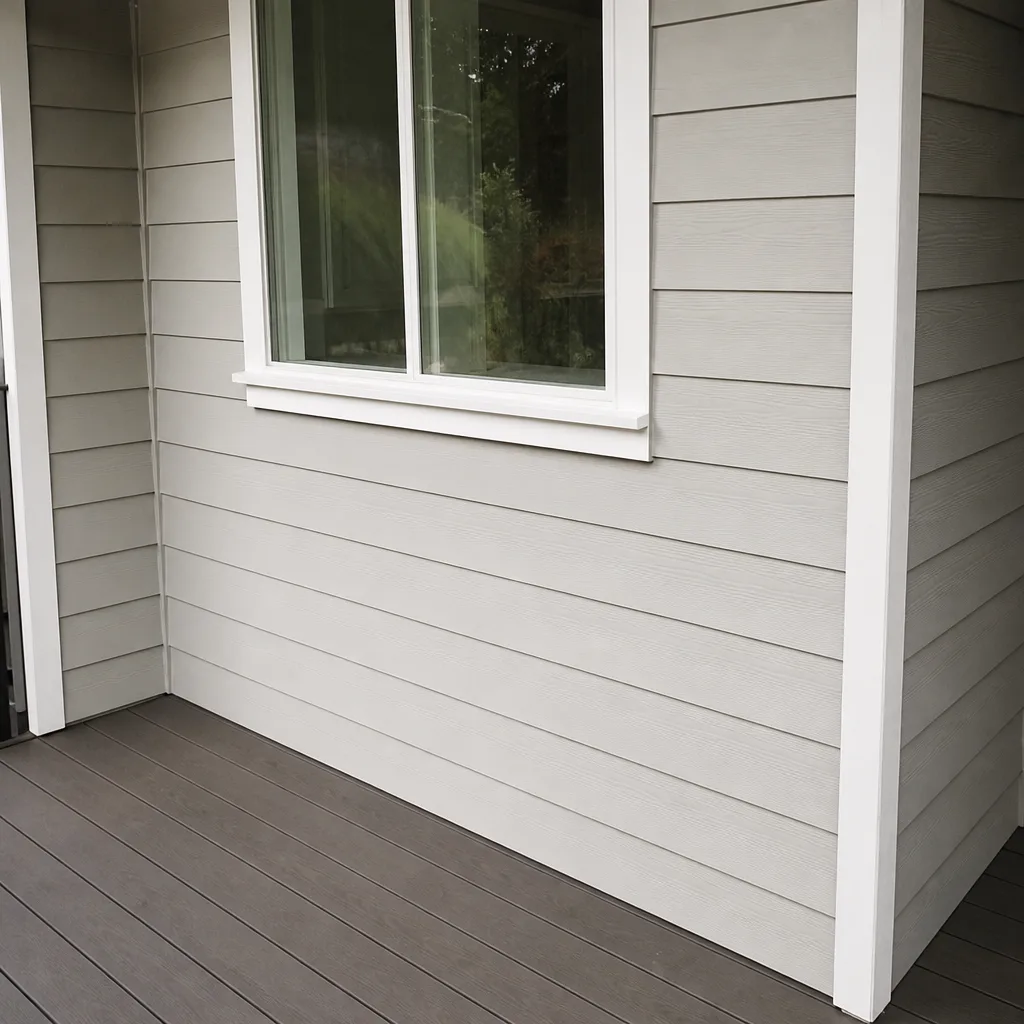 After
After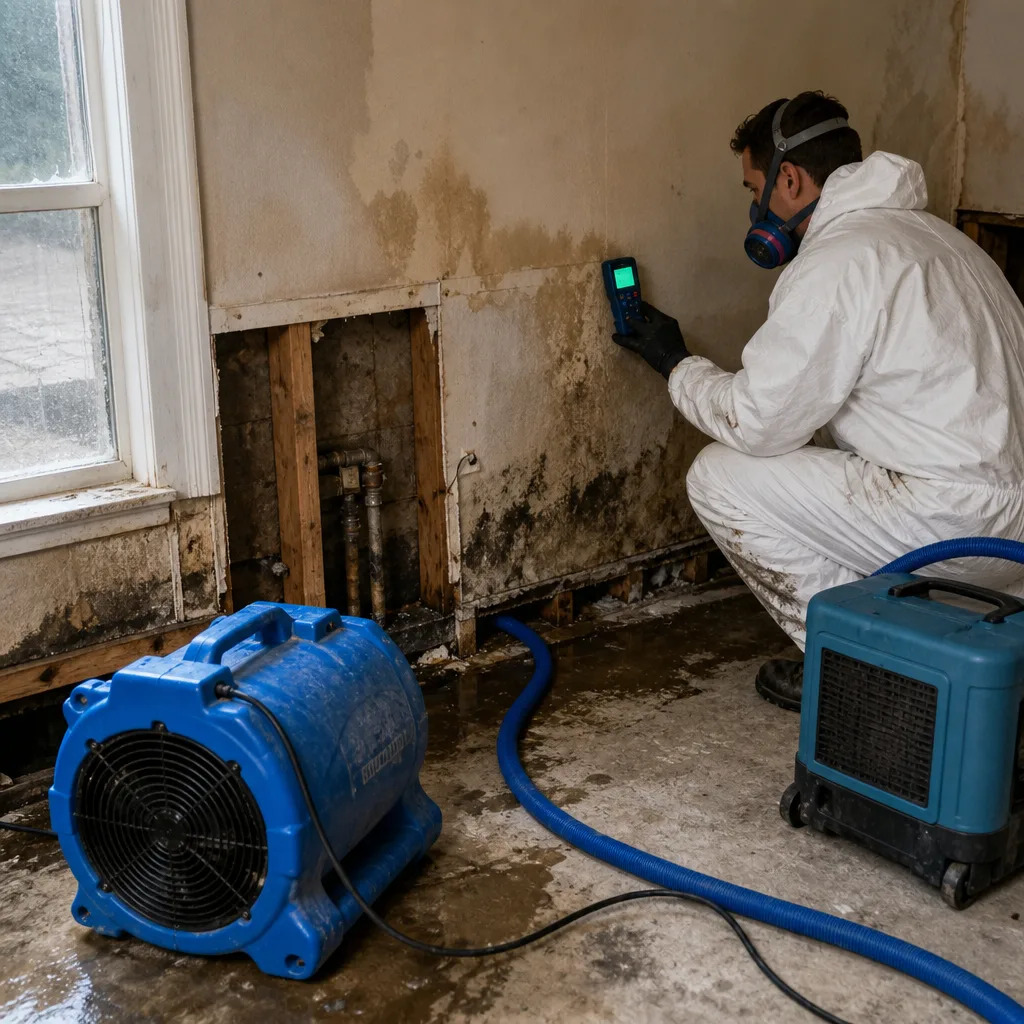 Before
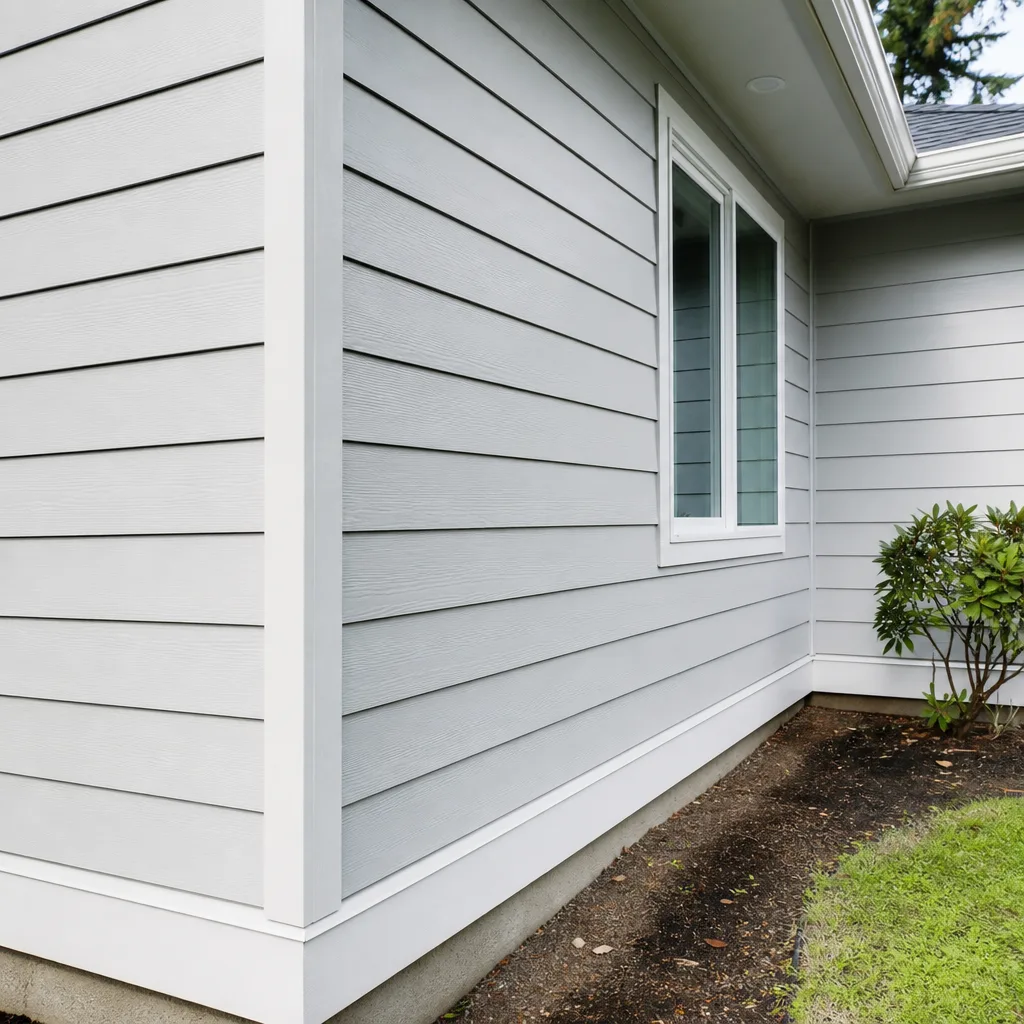 After
AfterDamage Restoration Permits, Codes & Inspections in WA: What You Need to Know
Here’s the counterintuitive truth we’ve learned restoring over 12,000 homes since 2011: the permit you didn’t pull today becomes the defect you must disclose tomorrow. Under Washington’s RCW 64.06, sellers must disclose known material defects, and an unpermitted post-flood structural repair is a documented defect the moment a future buyer’s inspector finds it. In Kent, where we’ve watched the housing market tighten and buyer scrutiny intensify, that unpermitted subfloor replacement from three years ago can tank a sale or trigger a renegotiation that costs far more than the original permit fee. This guide explains which restoration triggers require permits in Washington State, how Kent’s permitting process actually works during emergency drying scenarios, and why insurers increasingly treat permit numbers as claim documentation, not bureaucratic box-checking.
Quick Answer
Most structural, electrical, and mechanical repairs following water, fire, or storm damage in Washington State require a building permit under the International Building Code (IBC) and International Residential Code (IRC) as adopted by local jurisdictions. Cosmetic restoration, such as painting, carpet replacement, and non-structural drywall patching, typically does not. In Kent, permits are issued through the City of Kent Community Development Department, and failure to obtain required permits can void insurance supplements, complicate resale disclosures under RCW 64.06, and expose homeowners to code-compliance remediation costs.
Table of Contents
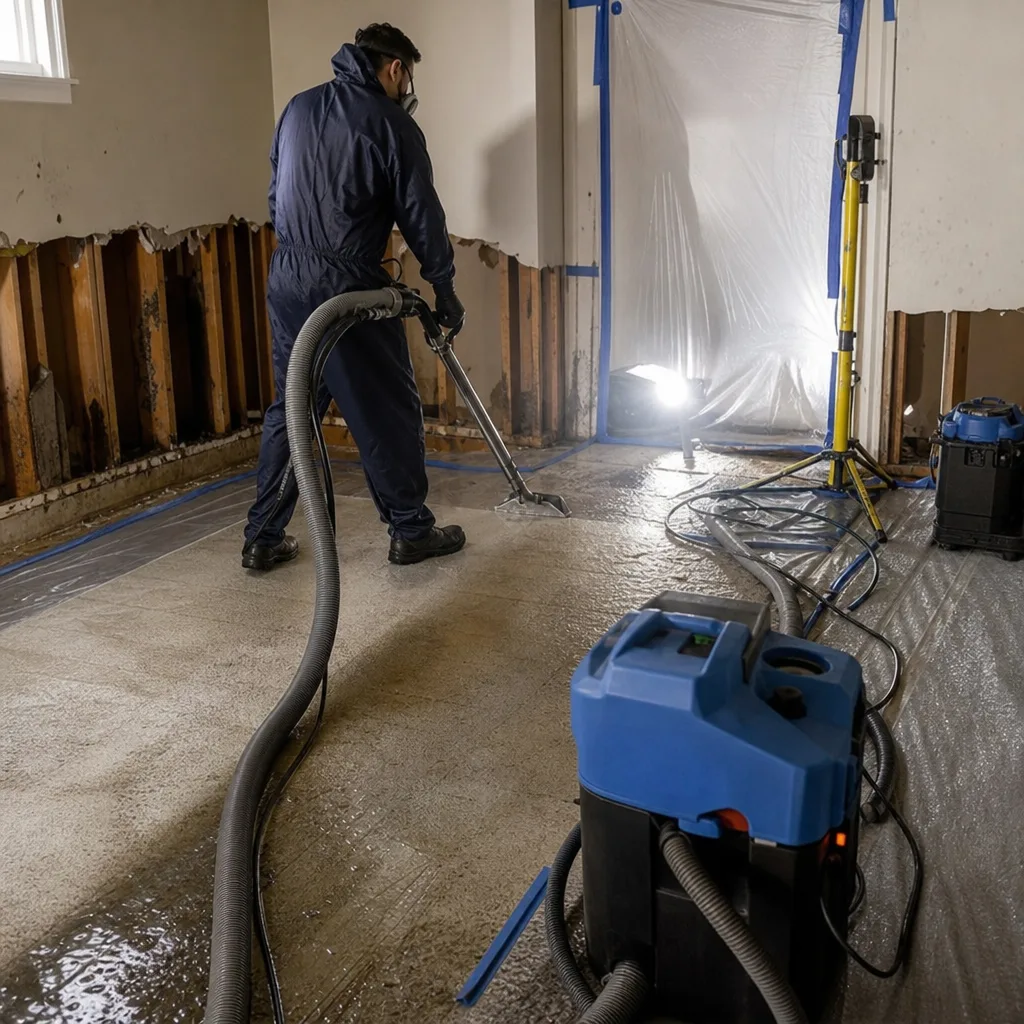
- When Are Permits Required for Restoration Work in Washington?
- How the Kent Permitting Process Works for Damage Restoration
- Why Insurers Now Request Permit Numbers on Structural Claims
- IRC and IBC Sections That Govern Post-Damage Repairs
- Using a Closed Permit as a Documentation Asset
- How Permit Timelines Affect Drying and Rebuild Sequencing
- Common Mistakes to Avoid
- When to Call a Professional
- Frequently Asked Questions
- The Bottom Line
BeforeAfterWhen Are Permits Required for Restoration Work in Washington?
Washington State operates under a home-rule framework: the state adopts model codes, but cities and counties enforce them. This means the permit threshold in Kent may differ in timing or fee structure from Seattle or Tacoma, even when the underlying code section is identical. Understanding what triggers a permit versus what qualifies as maintenance is the first decision point that determines whether your restoration project builds equity or creates liability.
Work That Typically Requires a Permit
Structural repairs are the clearest permit trigger. In our experience across Kent neighborhoods from East Hill to the West Valley, these scenarios consistently require permits:
- Subfloor replacement exceeding 32 square feet or spanning between structural members
- Wall framing repairs where load-bearing studs are removed, notched, or sistered
- Ceiling drywall replacement where the ceiling functions as a fire-rated assembly between floors
- Electrical outlet or switch replacement in locations affected by water intrusion
- HVAC ductwork replacement or modification, including flex-duct in crawl spaces
- Plumbing fixture relocation or drain line repair behind walls
- Window or door replacement where the rough opening is modified
- Insulation replacement in exterior walls or roof assemblies when the vapor retarder is disturbed
The 32-square-foot subfloor threshold comes from IRC Section R105.2, Work Exempt from Permit, which exempts “minor repairs” but explicitly excludes structural work. We’ve seen Kent homeowners assume that because their insurance adjuster approved the repair, the permit requirement was satisfied. It wasn’t. The adjuster approves payment; the city approves the work method. These are separate approvals, and conflating them is where documentation gaps begin.
Work Typically Classified as Maintenance (No Permit Required)
Not every restoration task triggers permitting. In Kent’s climate, where we see significant seasonal moisture variation, this distinction matters for scheduling and cost:
- Surface mold cleaning on non-porous materials where no substrate is removed
- Carpet and pad extraction and replacement without subfloor exposure
- Baseboard removal and replacement without wall cavity access
- Cosmetic painting, including stain-sealing after smoke damage
- Content cleaning and pack-out services
- Dehumidification and air movement using portable equipment like Dri-Eaz or Phoenix units
The critical distinction is whether the work affects the building’s structural, electrical, or mechanical systems. A Phoenix 200HT dehumidifier running in a living room for three days is equipment deployment, not construction. Removing the saturated drywall behind that dehumidifier to access wet insulation is construction, and if that wall is exterior, the permit question activates.
The Gray Zone: When Maintenance Becomes Construction
We’ve encountered this repeatedly in Kent’s older housing stock, particularly in the Midway neighborhood and near the historic downtown core. A water line fails in a 1950s ranch. The crew extracts water, sets XPOWER air movers, and begins removing drywall to expose studs. The drywall removal reveals compromised fire blocking, or outdated knob-and-tube wiring that must be addressed before the wall can close. At that moment, the scope crosses from maintenance into construction, and the permit requirement attaches retroactively to work already begun.
This is why our water damage restoration process in Kent includes a structural assessment before any material removal. Identifying permit triggers early prevents the costly stop-work scenarios we’ve seen when Kent building inspectors discover unpermitted electrical or framing work during routine follow-up.
How the Kent Permitting Process Works for Damage Restoration
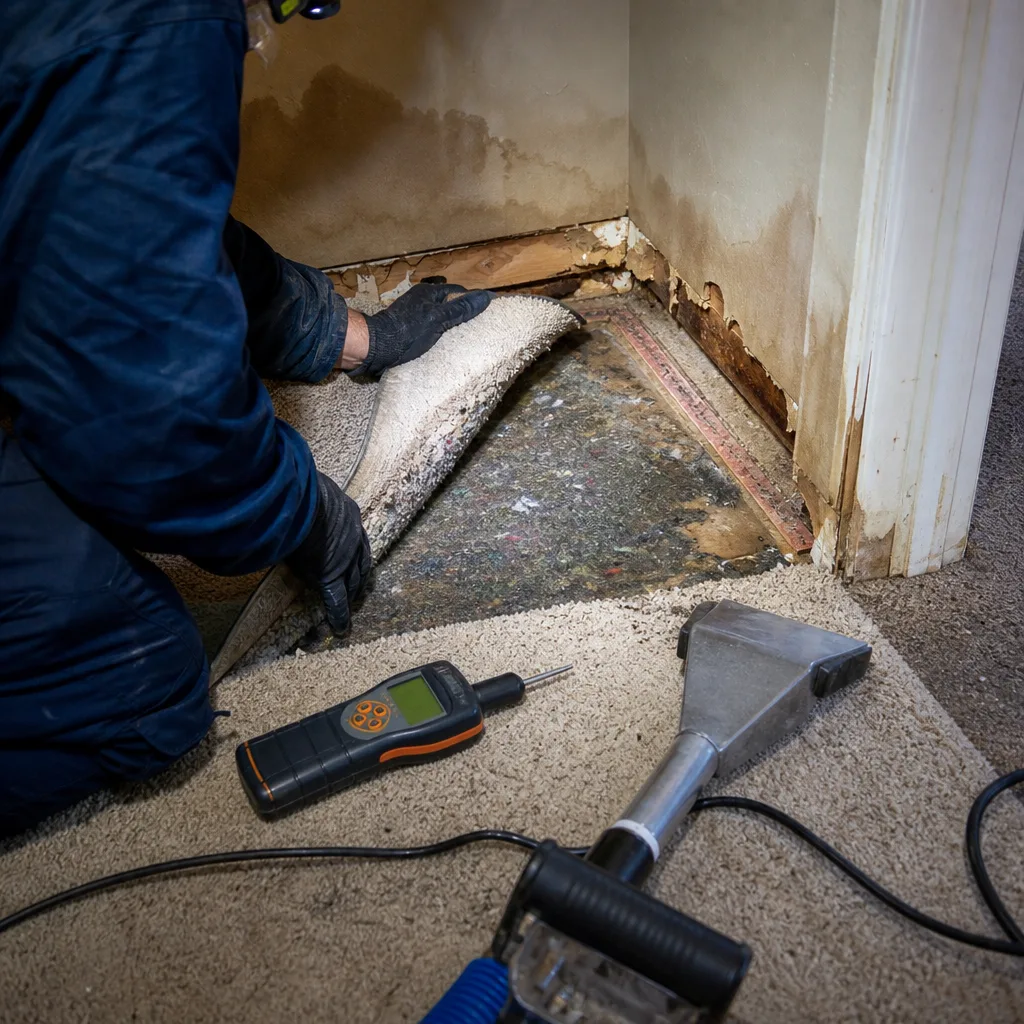
The City of Kent Community Development Department issues permits through its Building Division, located at 220 4th Avenue South. For restoration contractors and homeowners navigating emergency repairs, understanding the actual workflow matters more than the published office hours.
Permit Types and Application Pathways
Kent offers several permit tracks relevant to restoration:
- Emergency Repair Authorization: For situations presenting immediate safety hazards, such as compromised electrical service or structural collapse risk. This is not a permit exemption; it is a streamlined path to legal work commencement. The contractor must apply for full permitting within 72 hours of starting work, with photographic documentation of the emergency condition.
- Standard Building Permit: Required for structural, electrical, mechanical, and plumbing repairs. In 2024, residential building permit fees in Kent for repair work typically range from $150 for limited electrical repairs to $800+ for full-room reconstruction involving multiple trades. These fees are based on project valuation, not a flat rate.
- Mechanical/HVAC Permit: Separate from building permits for ductwork replacement, furnace relocation, or ventilation system modification following fire or water damage.
- Electrical Permit: Required for panel replacement, circuit additions, or outlet relocation in water-affected areas. Kent contracts electrical plan review to a third-party firm, which can add 3-5 business days to processing.
Typical Timelines and Restoration Sequencing
Standard permit review in Kent takes 10-15 business days for residential repair work. For restoration projects, this timeline creates a direct conflict with drying science. Mold colonization begins in 48-72 hours on wet organic materials. Waiting two weeks for permit approval while saturated drywall remains in place is not a viable strategy.
We address this through phased permitting, a practice we’ve refined across hundreds of Kent jobs. Phase 1 covers emergency stabilization and drying: permit-exempt extraction, equipment deployment with Dri-Eaz and B-Air dehumidifiers, and controlled demolition of non-structural materials. Phase 2, submitted while Phase 1 proceeds, covers the structural repairs that require inspection. This sequencing preserves the 72-hour mold prevention window while keeping all subsequent work code-compliant.
Kent’s inspectors understand this rhythm. The Building Division offers next-day inspection scheduling for most residential repair permits once issued, and same-day inspection for emergency authorizations. The critical discipline is submitting Phase 2 before Phase 1 concludes, so no work pause occurs between drying completion and rebuild commencement.
Documentation Requirements Specific to Kent
Kent requires permit applications for restoration work to include:
- A site plan showing the affected area’s location within the structure
- Detailed repair scope, including material specifications for subfloor, insulation, and vapor retarder replacements
- Contractor license verification (Washington State required)
- Proof of insurance, including general liability and workers’ compensation
For properties in Kent’s flood-prone areas near the Green River, additional documentation may include FEMA flood zone verification and elevation certificate references. We’ve handled claims in the Soos Creek basin where flood insurance requirements layered onto standard building code compliance, creating a dual documentation track that unprepared contractors failed to navigate.
Why Insurers Now Request Permit Numbers on Structural Claims
The shift we’ve observed since 2019 is unmistakable: where insurers once treated permits as the contractor’s problem, they now treat them as claim documentation. This change reflects two pressures on the insurance industry, both relevant to Kent homeowners.
Supplemental Claim Denial Based on Permit Gaps
When initial restoration scope proves insufficient, which occurs in roughly 30% of water damage claims we handle, the adjuster issues a supplement. Increasingly, that supplement request includes a direct question: “Provide permit numbers for all structural repairs completed to date.” If no permit was pulled, the supplement may be denied or delayed pending code-compliance verification.
The insurer’s logic is straightforward. Unpermitted work may not meet code, and code-noncompliant work may require future remediation. The supplement is intended to restore the property to pre-loss condition, not to pre-loss condition plus latent code defects. In our documentation-first practice, we provide permit numbers in our initial claim package, eliminating this friction point entirely.
Reserve Strengthening and Reinsurance Requirements
Behind the adjuster’s desk, insurance companies face pressure from reinsurers and state regulators to demonstrate that claim reserves accurately reflect ultimate payout. Permitted work, with its third-party inspection and documented code compliance, carries lower reserve uncertainty than unpermitted work. This actuarial reality translates into faster claim closure for permitted repairs and extended investigation for unpermitted ones.
For Kent homeowners, this means the permit fee paid to the City of Kent Building Division, typically $300-600 for standard repair work, functions as claim acceleration insurance. The alternative, unpermitted work, may save that fee upfront but cost weeks in supplemental processing and, in worst cases, trigger a coverage dispute.
Subrogation and Third-Party Liability
When water damage originates from a liable third party, such as a municipal main break or negligent contractor, permit documentation becomes evidence in subrogation. We’ve supported subrogation counsel on Kent claims where the difference between permitted and unpermitted repair documentation affected recovery amounts by 15-20%. The permit, with its inspection sign-offs, proves the repair was necessary and properly executed. Without it, the defendant’s counsel can argue the scope was inflated or the work substandard.
IRC and IBC Sections That Govern Post-Damage Repairs
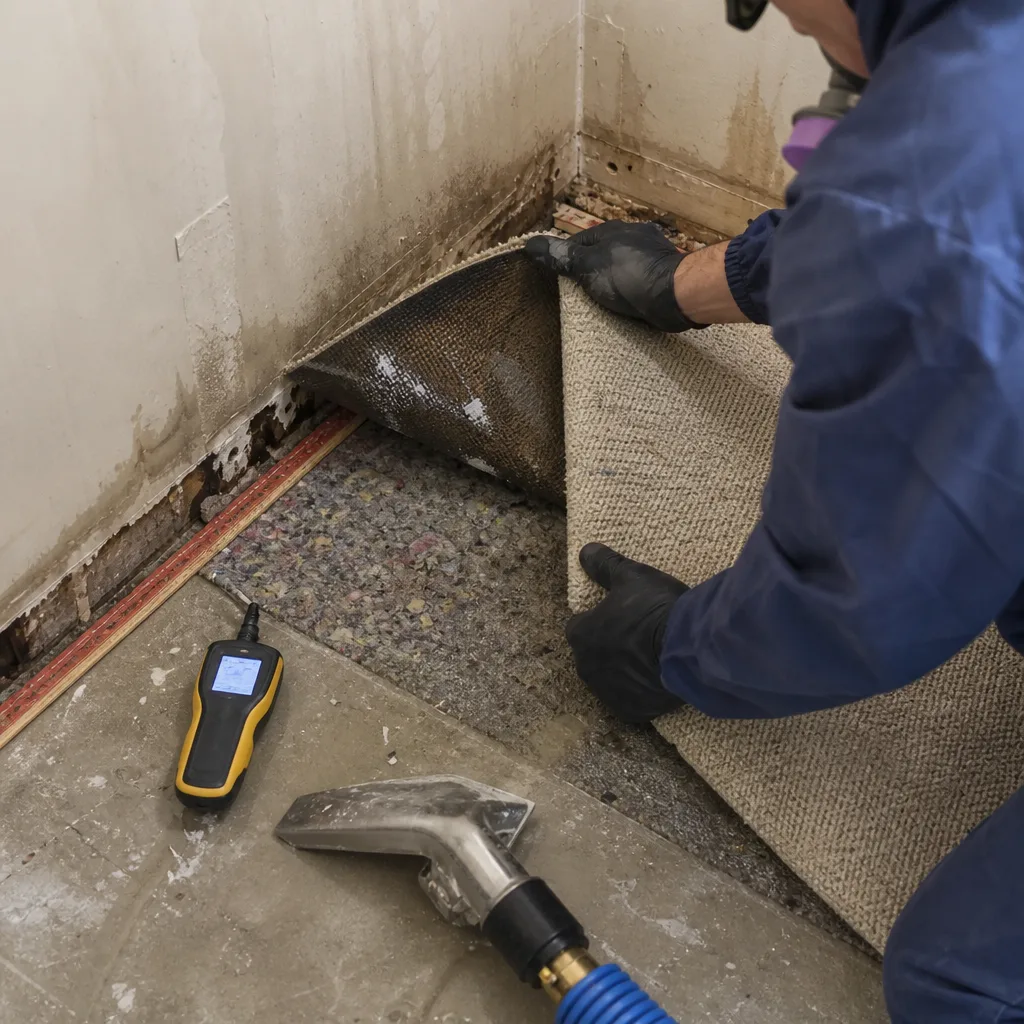
Washington adopts the IRC for residential construction and the IBC for commercial and multi-family structures. In Kent, both codes are enforced with amendments published in the Kent Building Code. For restoration contractors, several sections recur across projects with sufficient frequency that familiarity is professional necessity.
IRC R502.10: Subfloor Replacement and Span Requirements
Post-water-damage subfloor replacement in residential structures must comply with span tables for the specific wood species and grade installed. In Kent’s market, we commonly encounter OSB subflooring rated at 23/32″ thickness for 24″ on-center joist spacing. When water damage requires partial replacement, the IRC requires either full-panel replacement or a minimum 4-foot span of new material to avoid joint staggering violations. We’ve inspected competitor work in Kent’s Panther Lake area where 2-foot patch panels were installed to save material cost, creating code noncompliance that surfaced at resale.
IRC R702.7: Vapor Retarder Installation
Water-damaged exterior walls in Kent’s marine climate require careful vapor retarder management. IRC R702.7 mandates Class I or II vapor retarders on the interior side of frame walls in Climate Zone 4C, which includes all of King County. When wet insulation is removed and replaced, the vapor retarder must be reinstalled with taped seams at all penetrations. Failure to do so creates interstitial condensation risk, particularly in Kent’s winter months when interior humidity exceeds exterior vapor pressure.
Our crews document vapor retarder installation with dated photographs showing material type, seam taping, and penetration sealing. This documentation, included in every job file under The Haven Standard, satisfies both code inspection and insurance documentation requirements.
IBC 2304.11.2.1: Preservative-Treated Wood in Damp Locations
For commercial restoration in Kent’s retail and industrial properties, IBC requirements for preservative-treated wood apply to sill plates, sleepers, and blocking in contact with concrete slabs. Water damage frequently exposes these concealed elements, and replacement must use treated material rated for the exposure condition. Untreated replacement wood in a ground-contact or damp location is a code violation that will fail inspection and may void manufacturer warranties on finish flooring installed above.
IRC E3901: Electrical Receptacle Replacement in Wet Locations
Water-affected electrical outlets in kitchens, bathrooms, laundry rooms, and exterior walls must be replaced with GFCI-protected receptacles under current IRC adoption. In Kent’s older housing stock, particularly pre-1980 construction, this often requires circuit modification beyond simple outlet swap. The permit for this work is electrical-specific, and Kent requires inspection before device cover plates are installed.
Kent Amendments and Local Variations
Kent maintains several amendments to state-adopted codes, including enhanced seismic bracing requirements for water heater replacement and specific fire-resistance ratings for party walls in townhome construction. Restoration contractors working across multiple jurisdictions must verify current amendments; we maintain subscription access to the Kent Building Code updates as part of our standard practice.
Using a Closed Permit as a Documentation Asset
The conventional framing treats permits as costs. The documentation-first approach treats them as assets with appreciating value over the property ownership cycle. This reframe, which we’ve applied since Back to Dry’s founding, changes how homeowners and contractors should think about permit compliance.
Claim Closure Documentation
A closed permit, with its final inspection sign-off, is third-party verification that work was completed to code. When an insurer requests “proof of repair” months or years after claim closure, the permit record, available through the City of Kent’s online permit history, provides definitive documentation. We’ve used Kent permit records to resolve claim disputes where the original contractor’s documentation was lost or insufficient.
Resale Disclosure Under RCW 64.06
Washington’s Seller Disclosure Statement, Form 17, requires disclosure of “material defects known to the seller.” An unpermitted structural repair, even if executed competently, becomes a known defect when the seller is aware of the permit gap. In Kent’s competitive market, where we’ve seen properties receive multiple offers within days, disclosure of unpermitted work can trigger buyer inspection contingencies, price reductions, or transaction cancellation.
A closed permit transforms the same repair into a documented improvement. The seller checks “no known defects” with confidence, and the buyer’s inspector verifies permit compliance through public records. The permit fee, amortized over ownership, typically costs less than the inspection contingency renegotiation it prevents.
Property Tax and Assessment Records
Permitted improvements in Kent are reflected in King County property records, which supports assessed value and can affect refinancing appraisals. Unpermitted improvements may add square footage or functionality that cannot be documented to appraisers, reducing available equity in cash-out refinancing scenarios.
Warranty and Guarantee Transferability
Under The Haven Standard, our 365-Day Done Right Promise transfers to subsequent property owners when documented with permit records. The permit provides the addressable record that proves work scope, date, and compliance, making warranty claims verifiable years after original completion. Without permit documentation, warranty claims rely on contractor record retention, which varies widely in the restoration industry.
How Permit Timelines Affect Drying and Rebuild Sequencing
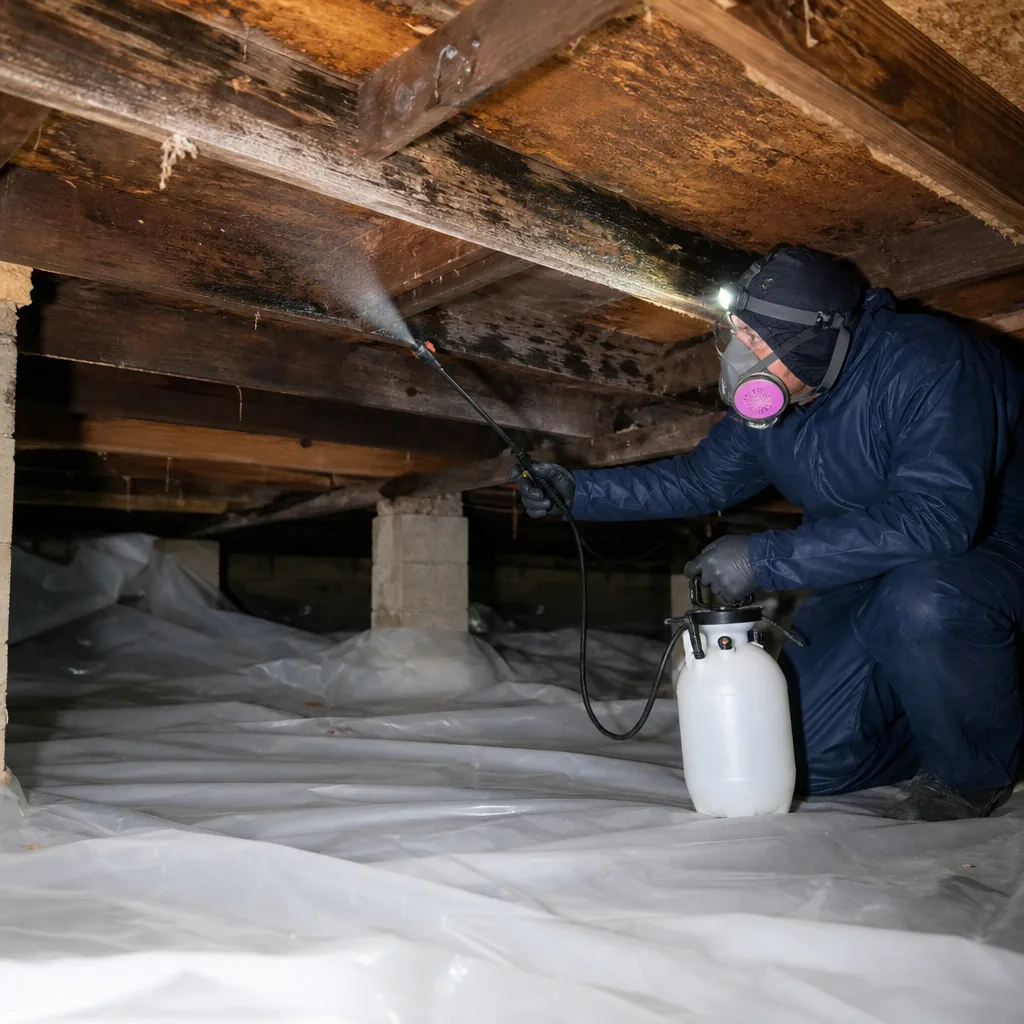
The technical challenge in restoration is aligning biological deadlines with bureaucratic timelines. Mold grows faster than permits issue. This section details the sequencing protocol we’ve developed across Kent projects to satisfy both constraints.
The 72-Hour Window: Emergency Actions Without Permits
Under Kent’s emergency repair authorization and standard IRC maintenance exemptions, the following actions proceed immediately:
- Water extraction using truck-mounted or portable extraction equipment
- Controlled demolition of non-structural materials to expose wet cavities for drying
- Deployment of dehumidification and air movement equipment, including B-Air and Phoenix units sized to the affected volume
- Application of antimicrobial agents to prevent microbial growth on exposed framing
- Content pack-out and protective storage
These actions, properly documented with moisture readings and photographs, preserve the structure without triggering permit requirements. The critical discipline is stopping at the structural boundary: if studs are exposed for drying but found to be compromised, work pauses pending permit before removal or sistering begins.
Permit Submission During Drying
While emergency drying proceeds, Phase 2 permitting is submitted. For standard Kent residential repairs, this includes:
- Completed permit application with project valuation
- Repair scope with material specifications
- Contractor license and insurance verification
- Site plan showing affected areas
During the 10-15 day review period, drying continues with daily moisture logs tracking specific humidity, temperature, and vapor pressure differential. Our crews use Dri-Eaz monitoring equipment to document progressive drying, with readings recorded in IICRC-compliant format. This documentation serves dual purposes: it proves drying completion for rebuild authorization, and it demonstrates that no secondary damage occurred during the permit waiting period.
Inspection Coordination and Rebuild Commencement
Kent Building Division offers online inspection scheduling with next-day availability for most residential repair types. We schedule rough inspections before wall closure and final inspections after finish work, ensuring each phase is documented before concealment. For fire damage restoration in Kent, where smoke-damaged framing may require specialized cleaning or sealing before insulation, the inspection sequence may include an additional intermediate check for fire-resistance assembly integrity.
The sequencing goal is zero downtime: drying completes, permits issue, inspections pass, and rebuild proceeds without gaps that expose the structure to re-wetting or temperature fluctuations. In Kent’s fall and winter seasons, when rain events are frequent, this continuity protection is particularly valuable.
Common Mistakes to Avoid
- Assuming insurance approval equals permit approval. Your adjuster authorizes payment; your city authorizes construction method. These are separate processes, and proceeding on insurance approval alone creates compliance gaps we’ve seen cost Kent homeowners thousands in retroactive permitting and rework.
- Starting demolition without identifying structural boundaries. Removing that “little bit” of drywall to speed drying can expose load-bearing elements, electrical, or HVAC that triggers permit requirements not anticipated in the original scope. We assess before we cut.
- Neglecting vapor retarder reinstallation in exterior walls. Kent’s Climate Zone 4C designation means vapor management is code-mandated, not optional. Skipping this step to save time creates condensation risk and fails inspection.
- Failing to document emergency conditions for retroactive permitting. If you begin work under emergency authorization, photograph everything: the standing water, the compromised electrical, the sagging ceiling. Kent requires this documentation within 72 hours, and without it, your emergency authorization may not convert to standard permitting.
- Using unlicensed contractors for permitted work. Kent requires licensed contractors for all permitted restoration work. Unlicensed work, even if technically competent, will fail inspection and may void insurance coverage for subsequent damage.
- Ignoring permit requirements for “like-for-like” replacements. Replacing a water-damaged window with an identical unit still requires permit if the rough opening is modified or if energy code compliance must be verified. The “like-for-like” exemption is narrower than most homeowners assume.
- Discarding permit documentation after project completion. The closed permit is a permanent asset. Store it with your property records, insurance claim file, and any transferable warranties. We’ve resolved disputes years after completion where the permit record was the definitive documentation.
When to Call a Professional
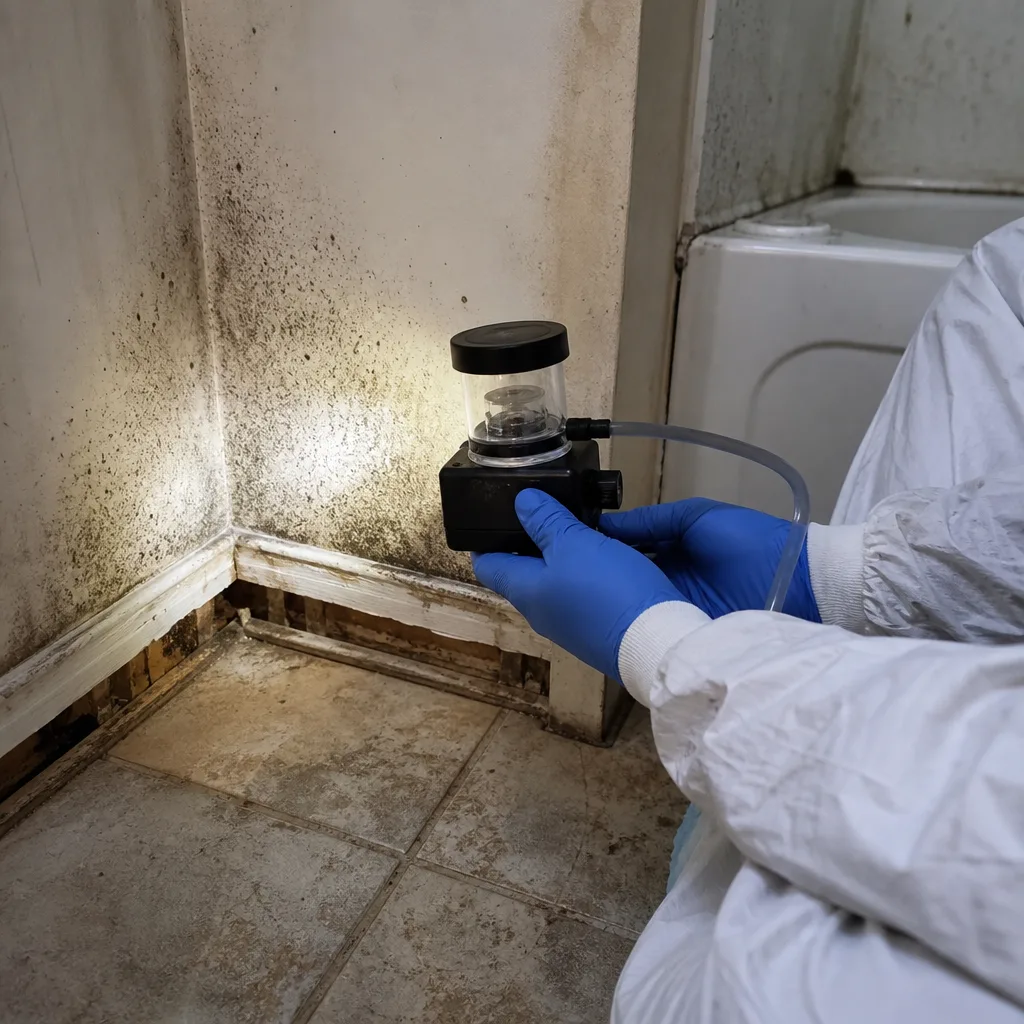
Call a professional restoration contractor when water, fire, or storm damage affects structural elements, electrical systems, or HVAC components, or when the affected area exceeds approximately 32 square feet of material removal. In Kent, where seasonal rainfall and aging infrastructure create recurring risk, professional assessment prevents the permit and documentation gaps that surface at claim time or resale.
DryMark Restoration Kent offers free estimates in Kent. Our assessment includes permit requirement identification, phased scope development, and written pricing before any work begins, consistent with Haven Standard, Clause 1. For emergency situations, live phone coverage is available 24 hours a day, 7 days a week with no voicemail on emergency lines. Call (360) 997-2427.
Frequently Asked Questions
Non-structural drywall replacement on interior walls typically does not require a permit in Kent, but replacement on fire-rated assemblies, exterior walls where vapor retarders are disturbed, or ceilings between dwelling units does require permitting. The specific location and function of the drywall determines the requirement, not merely the material being replaced.
Standard residential repair permits in Kent typically require 10-15 business days for review, with emergency repair authorizations available same-day or next-day for documented safety hazards. Electrical permits add 3-5 business days due to third-party plan review. Phased permitting allows emergency drying to proceed while structural permits are processed.
Most standard homeowner policies include permit fees as part of “reasonable repair costs” for covered perils, though specific coverage varies by carrier and policy form. We document permit fees as line items in our written scopes, submitted to adjusters with the permit application as supporting documentation. For exact coverage verification, call (360) 997-2427 and we’ll review your policy language with you.
Under RCW 64.06, you must disclose known material defects, which includes unpermitted structural repairs. Failure to disclose exposes you to post-sale liability, and buyer inspections routinely verify permit history through Kent’s online records. The disclosure obligation attaches to your knowledge, not to whether the work was competently performed.
Mold remediation itself, defined as cleaning and treating affected surfaces, typically does not require a building permit. However, if remediation requires removal of structural materials, electrical fixtures, or HVAC components, the underlying repair work triggers standard permit requirements. Our mold remediation process in Kent includes structural assessment to identify permit triggers before work begins.
Washington State allows homeowners to pull permits for work on their own residence, but the permit holder becomes responsible for code compliance and inspection scheduling. Most insurers prefer contractor-pulled permits, as the contractor’s license and insurance back the compliance obligation. For complex restoration involving multiple trades, contractor permitting is standard practice and reduces homeowner liability exposure.
The Bottom Line
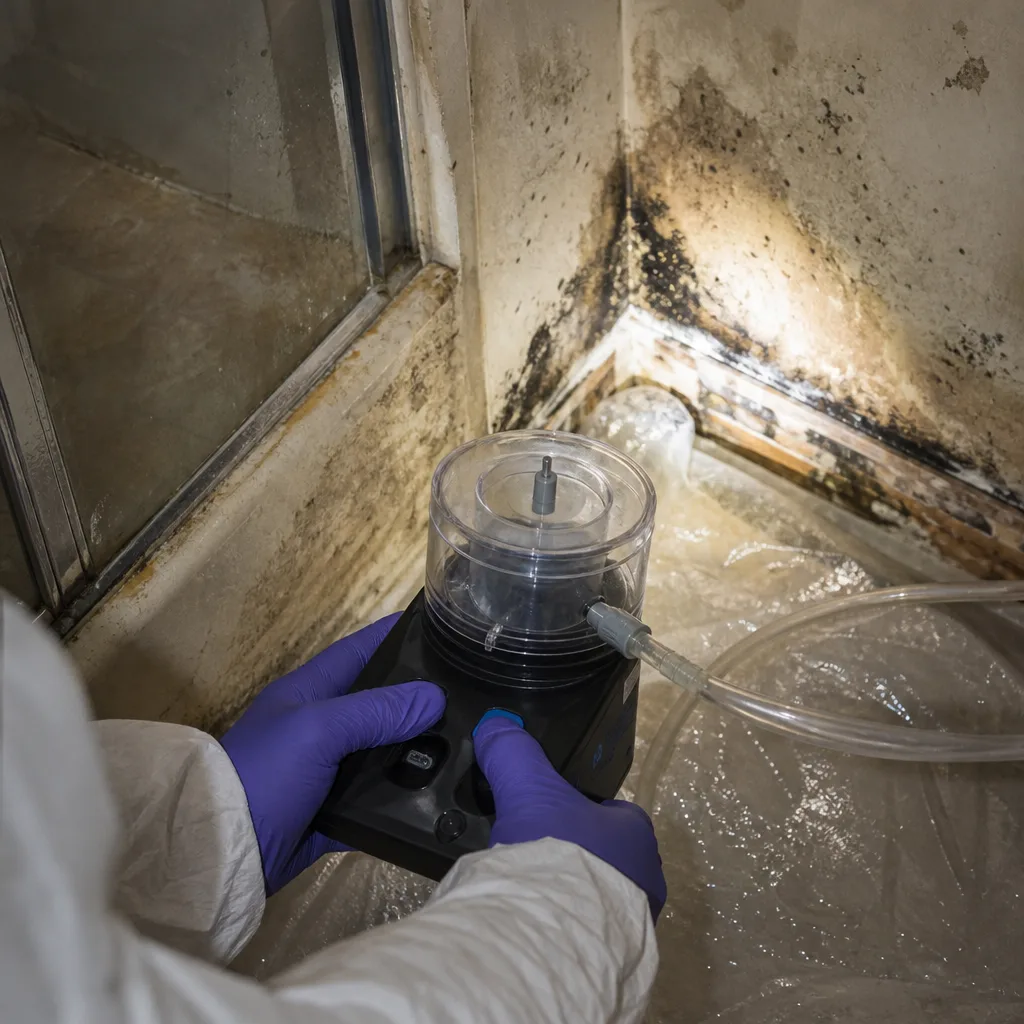
Permits in damage restoration are not bureaucratic overhead. They are third-party documentation that proves structural repairs were executed to code, and that documentation appreciates in value across the property ownership cycle, from claim closure through resale. In Kent, where we’ve restored homes since 2011, the permit gap is the single most common documentation failure we correct, whether on new projects or on competitor work that failed inspection. The cost of permitting, typically $300-800 for standard residential repairs, is recovered many times over in faster claim closure, transferable warranties, and unimpeded property sales. Treat permits as assets, not obstacles, and your restoration project builds lasting value rather than latent liability.
Written by Alicia Brennan, Owner at DryMark Restoration Kent, serving Kent since 2011.