
Last updated September 23, 2026
Free visual inspection and a written scope of work before any mitigation begins - photos, moisture readings, and drying logs go in your claim file
The scope we write is the scope we bill. Anything new gets shown to you, in writing, before we touch it.
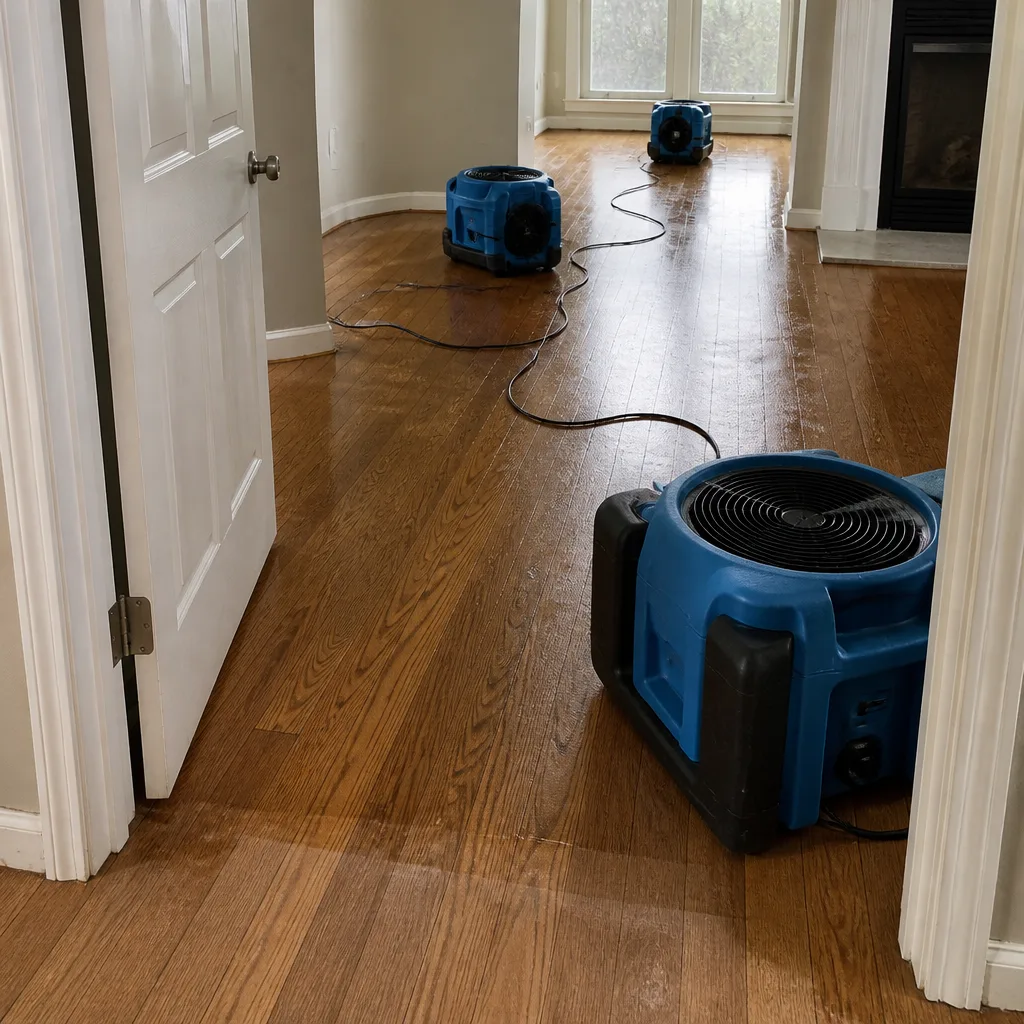
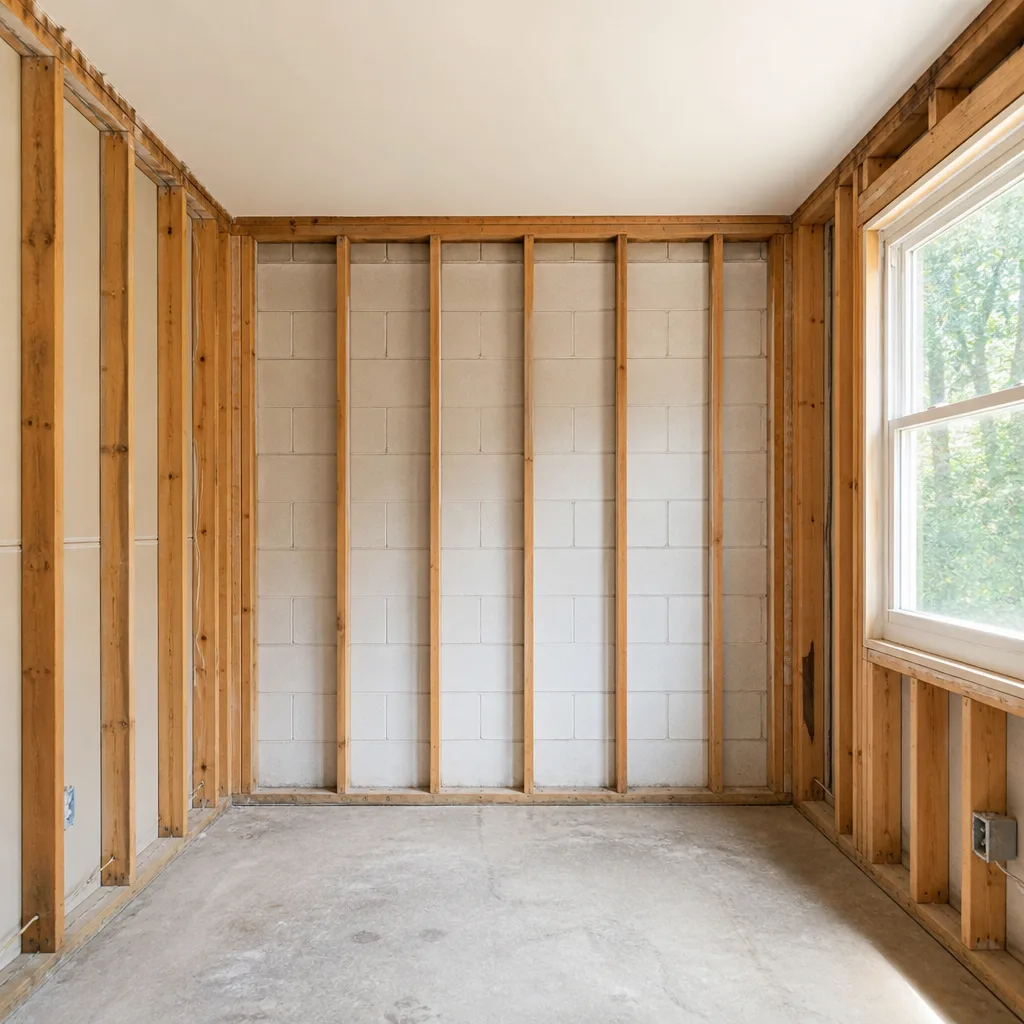
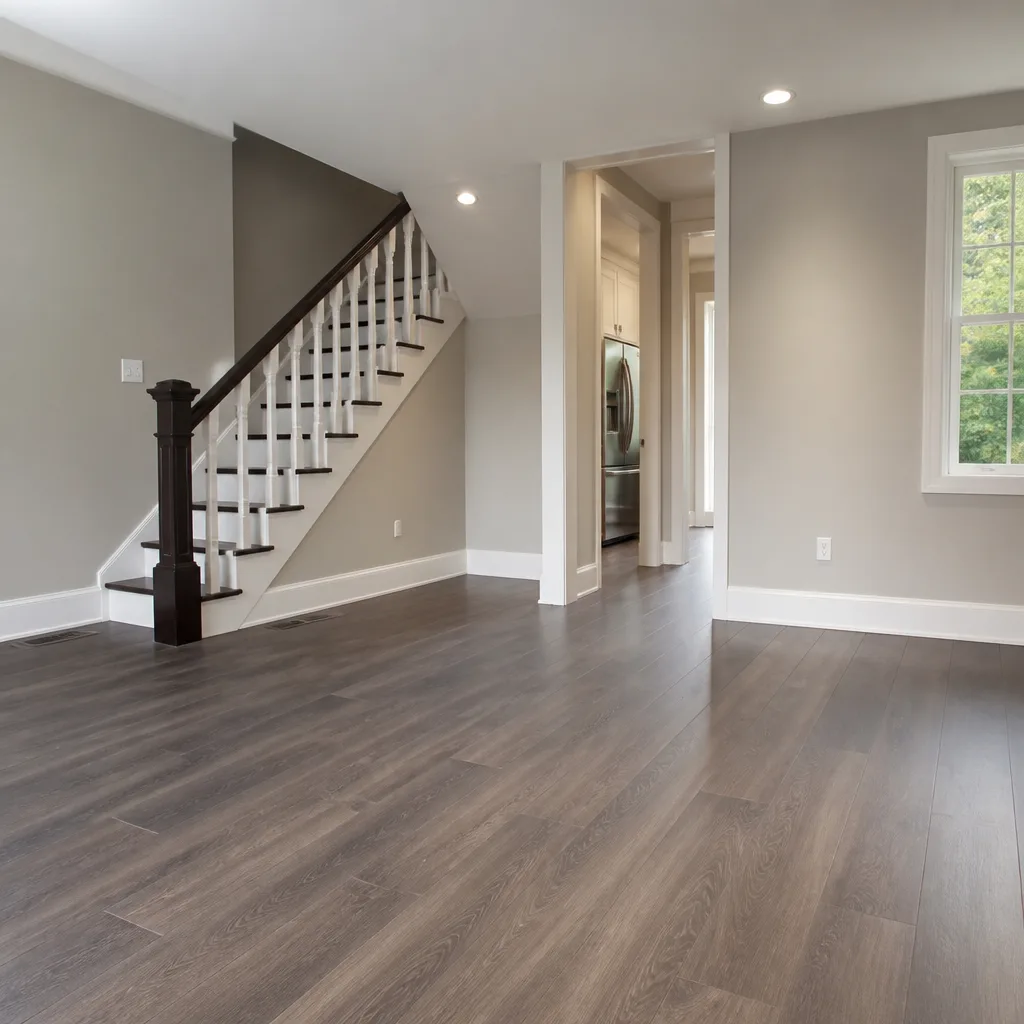
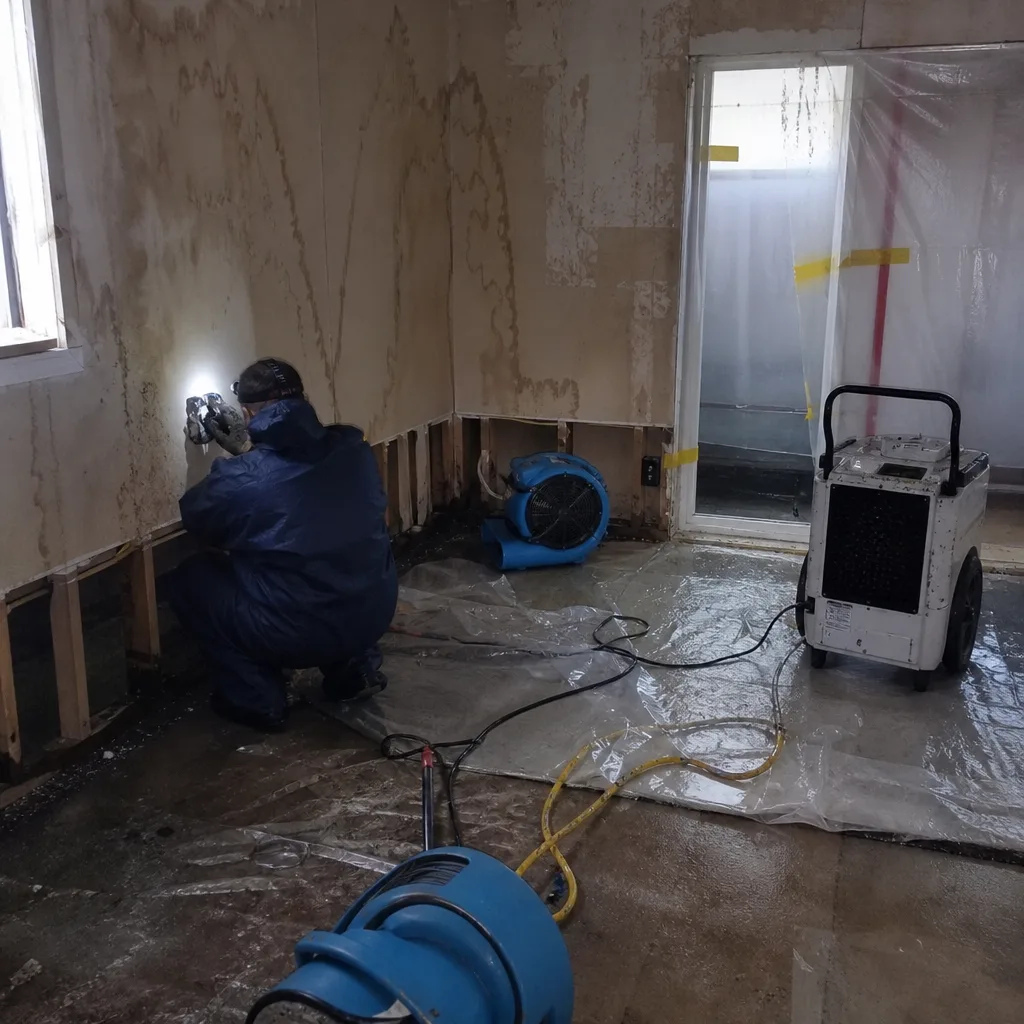 Before
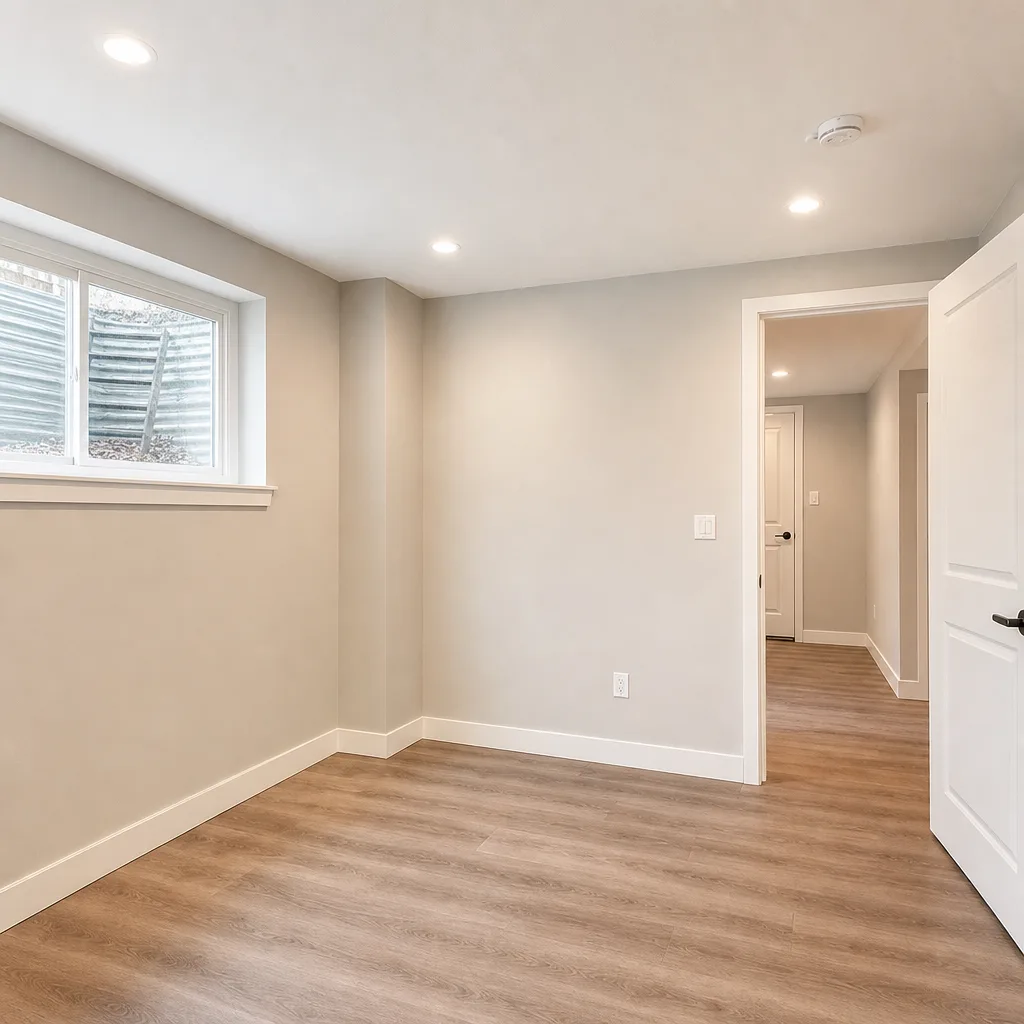 After
After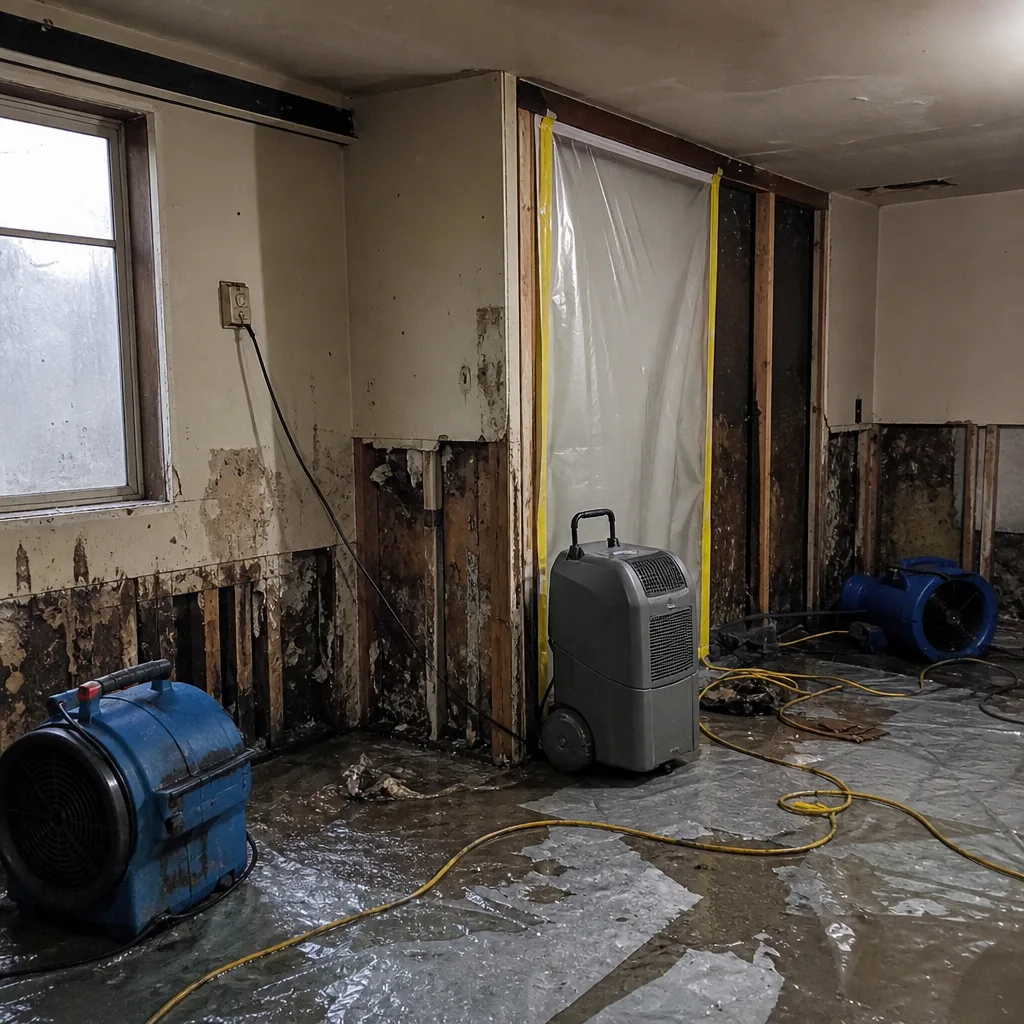 Before
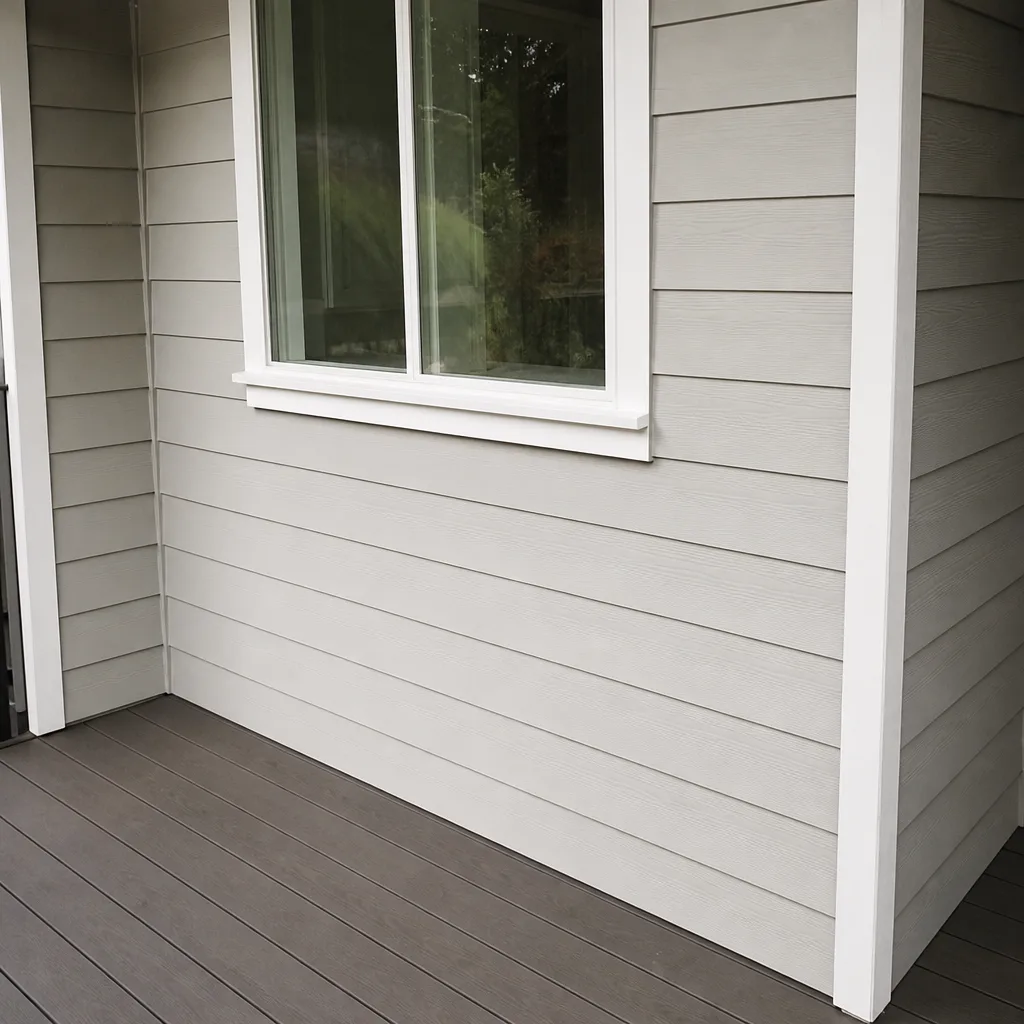 After
After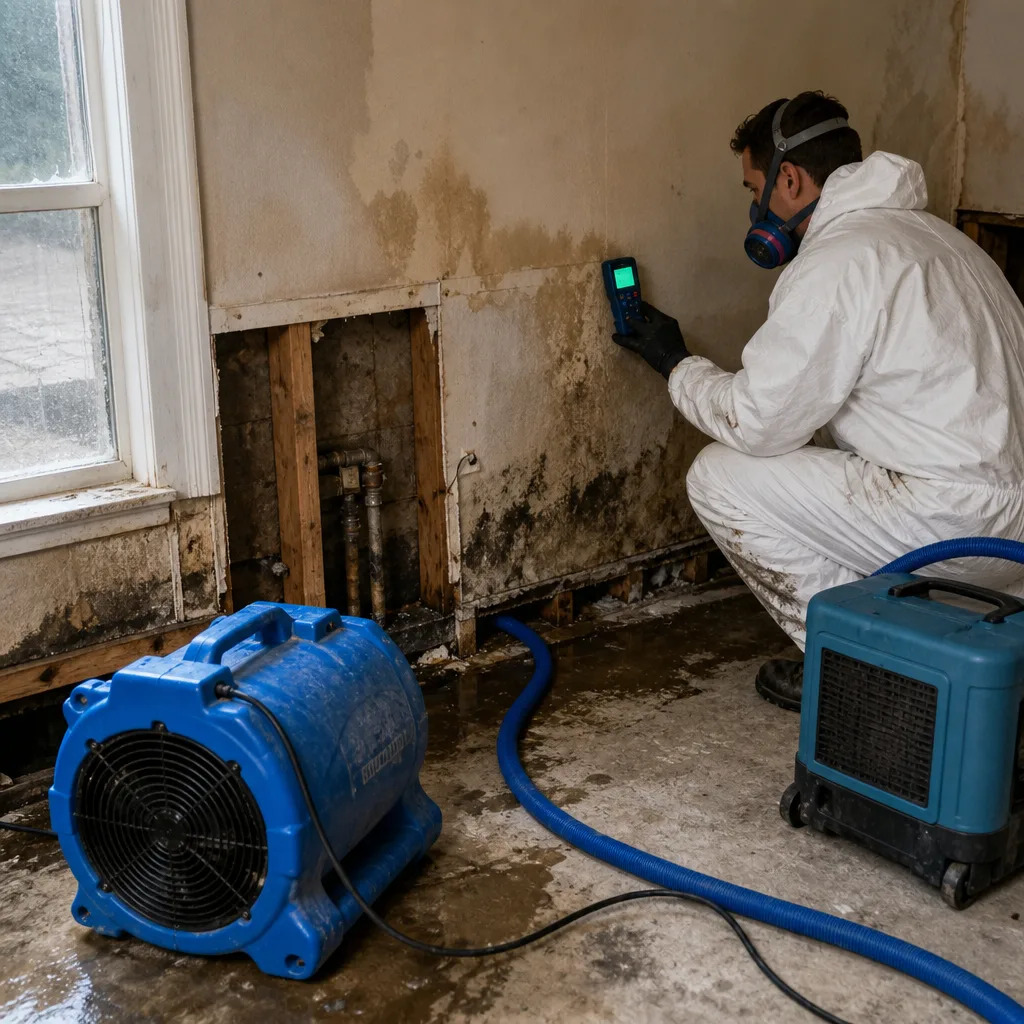 Before
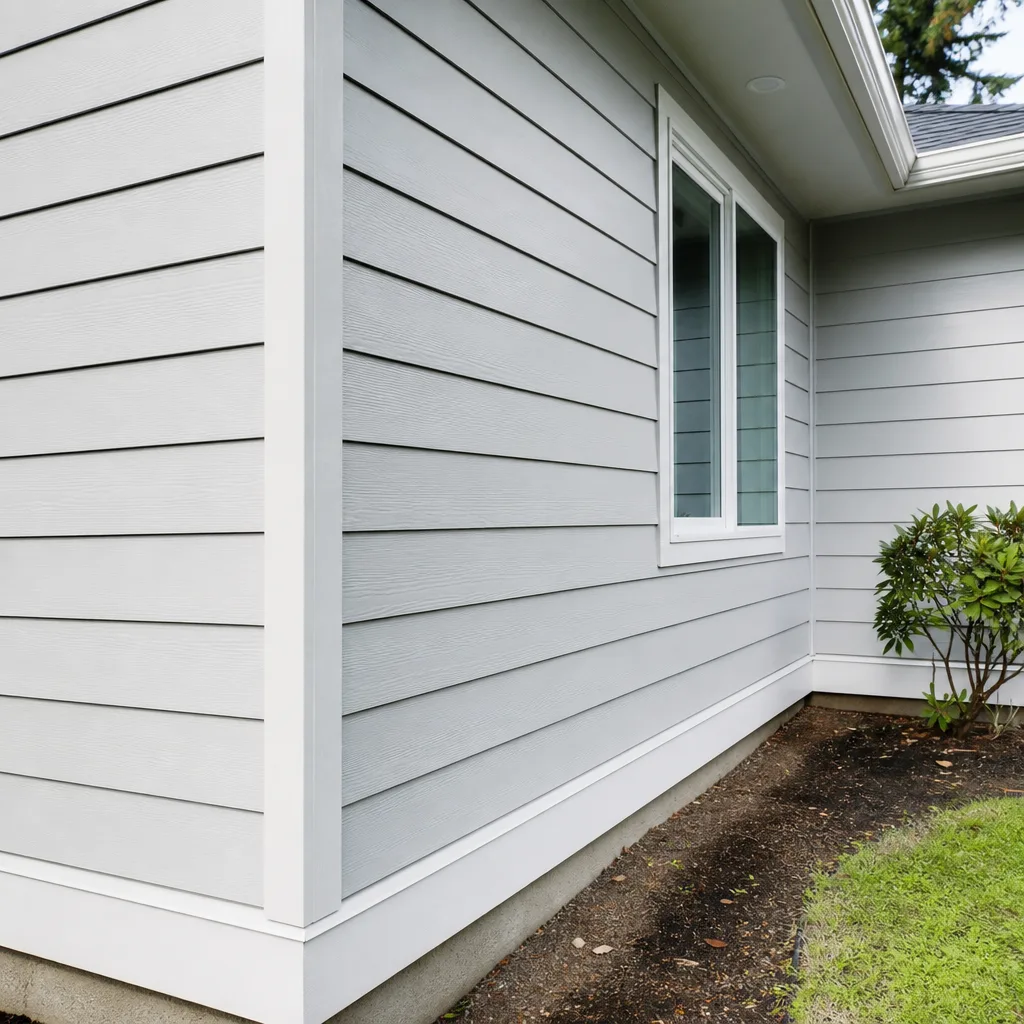 After
AfterHow to Hire a Damage Restoration Contractor in Kent: A Step-by-Step Guide
Here’s a number that should slow you down: in Washington State, a contractor can legally begin $15,000 of emergency water mitigation on your Kent home with nothing more than a verbal agreement and a handshake at your front door. No written scope. No line-item pricing. No signature. The Department of Labor & Industries requires registration, but it does not require a contractor to put a price in writing before boots hit your carpet. We’ve reviewed competitor invoices in Kent, from East Hill to Panther Lake, where the “emergency authorization” the homeowner signed was a blank work order with a signature line at the bottom. This complete guide to damage restoration in Kent will teach you to spot that trap before you sign, verify the credentials that actually matter, and demand the documentation that turns a restoration invoice into a paid insurance claim.
Quick Answer
Hiring a damage restoration contractor in Kent starts with verifying active Washington State contractor registration and requiring a written, line-item scope before any work begins. The contractor should document every visit with dated photos and moisture readings, carry general liability and workers’ compensation insurance, and never ask to contact your insurer before you’ve seen and approved a written price. Ask to see samples of their documentation from a previous job; if they can’t produce a drying log or photo record on request, their invoice will likely face pushback at claim time.
Table of Contents
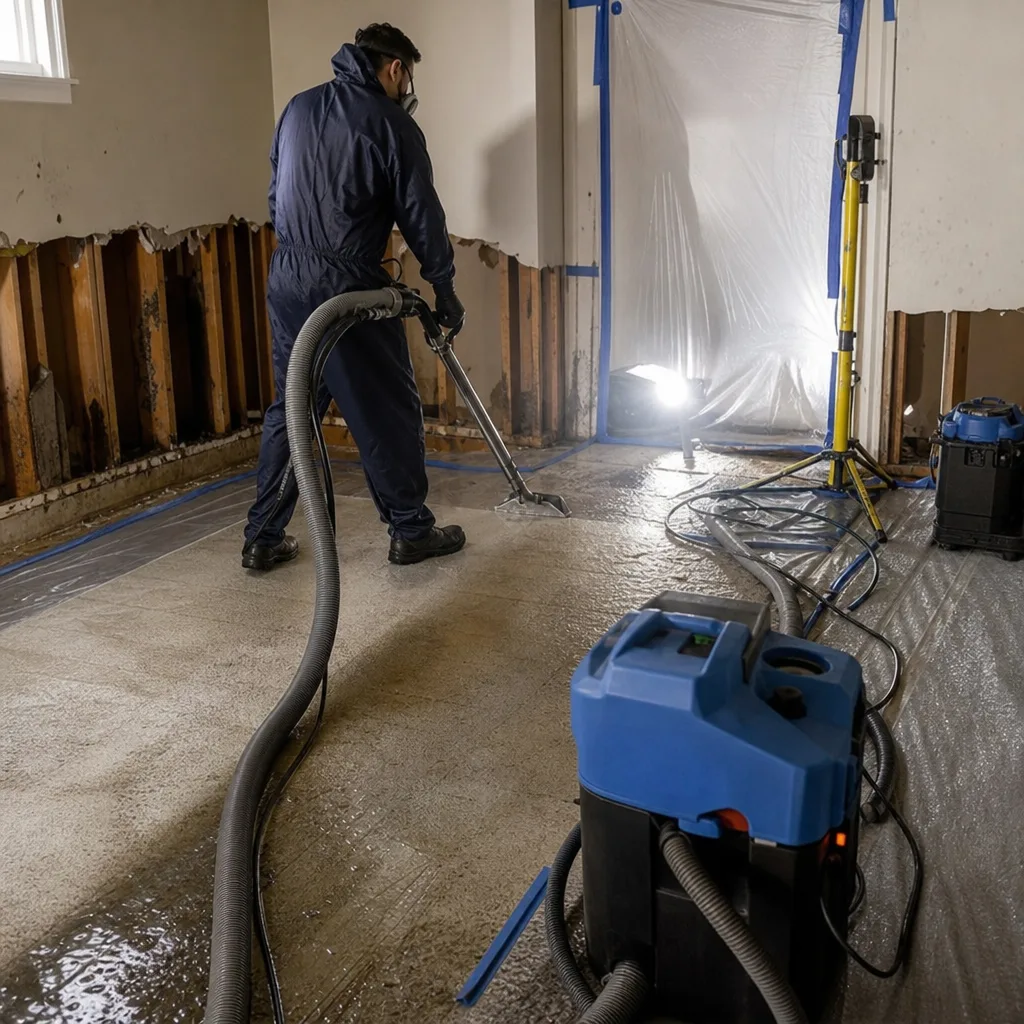
- Verify Credentials the Right Way
- Why the Written Scope Is Non-Negotiable
- The Six-Question Interview Script
- Documentation Red Flags to Spot Before You Hire
- How Kent’s Climate and Geography Affect Restoration Work
- The Insurance Contact Conflict You Need to Understand
- What Restoration Costs in Kent: Realistic Ranges
- Common Mistakes to Avoid
- When to Call a Professional
- Frequently Asked Questions
BeforeAfterVerify Credentials the Right Way
Every restoration contractor in Kent must carry two things: an active Washington State contractor registration and proof of insurance. The registration is not a license in the sense of a master plumber’s credential; it’s a state-level requirement that bonds the contractor and creates a paper trail if something goes wrong. Here’s how to check it properly, and what most homeowners miss.
Step 1: Check the L&I Database Directly
Go to the Washington State Department of Labor & Industries contractor lookup at lni.wa.gov. Enter the contractor’s exact business name or the individual’s name. What you’re looking for:
- Status: “Active” - not expired, not suspended, not pending.
- Bond on file - the amount varies by contractor type, but the bond must be current.
- Workers’ compensation coverage - if they have employees, this is mandatory. If they subcontract labor, verify those subs are covered too.
- General liability insurance - ask for a certificate of insurance (COI) naming you as additional insured during the project period.
We’ve seen Kent homeowners skip the COI step because the contractor “seemed professional” or drove a branded truck. A branded truck is a vinyl wrap; it is not insurance. In our experience working across Kent, from the Valley to Lake Meridian, the contractors who hesitate to produce a COI are the same ones whose documentation falls apart under adjuster review.
Step 2: Verify Trade-Specific Certifications
Restoration is not a single trade. Water damage mitigation follows IICRC S500 standards. Mold remediation follows IICRC S520 and, in Washington, may trigger Department of Health notification requirements depending on square footage and building type. Fire and smoke restoration follows IICRC S730. Ask which standards the contractor documents to, then ask to see an example of that documentation from a completed job.
At DryMark Restoration Kent home, our technicians hold certifications through IICRC and document every job to IICRC, RIA, and IFA standards. The drying logs we produce use psychrometric data - temperature, relative humidity, and vapor pressure differential, which is the force that drives moisture from wet materials into the air - to prove that equipment was sized correctly and run long enough. Adjusters recognize this format. Blanket invoices with no daily readings do not get the same reception.
Why the Written Scope Is Non-Negotiable
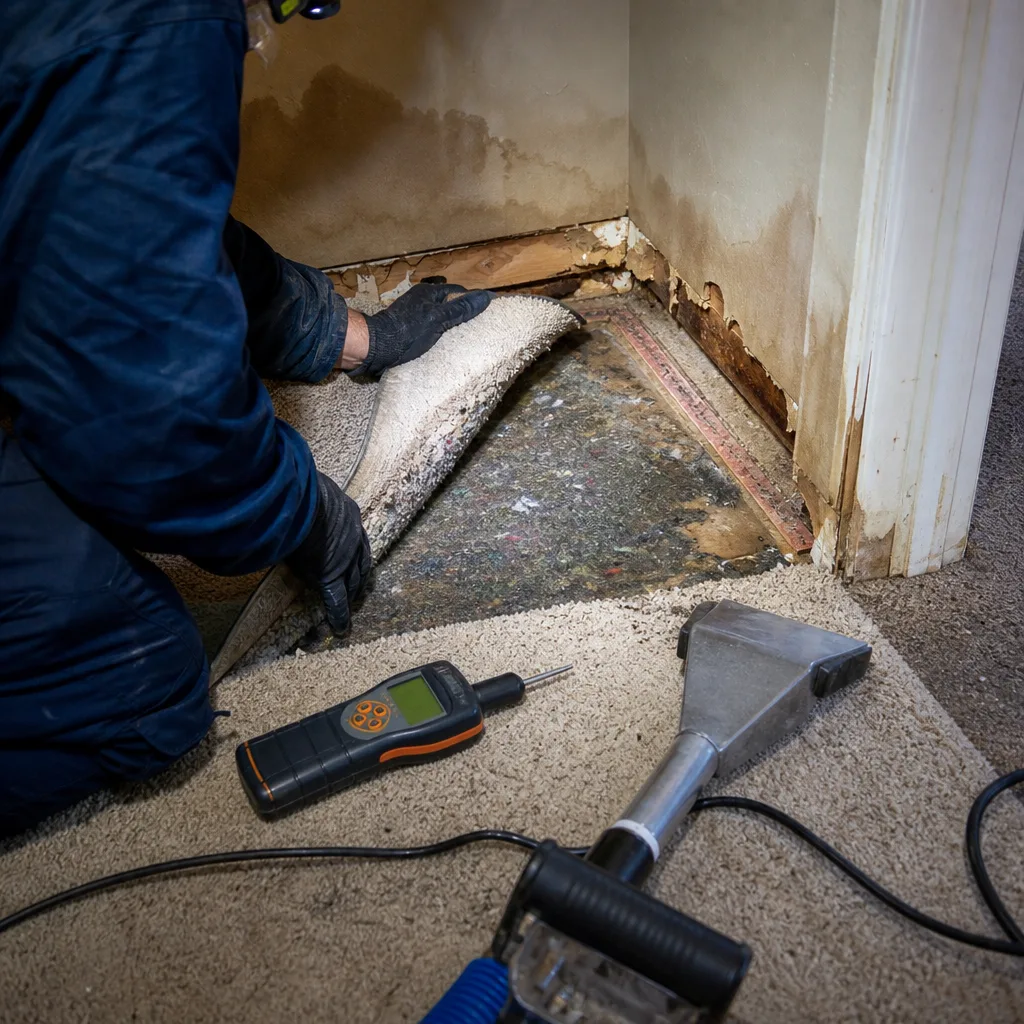
Haven Standard, Clause 1: written price before work begins. We built our company around this clause because we’ve seen what happens without it. A homeowner in East Hill, Kent, calls for emergency water extraction. The crew arrives at 10 PM, starts work, and hands the homeowner an “authorization to proceed” that authorizes “all necessary emergency services” with no dollar cap. Three days later, the invoice arrives: $8,400 for extraction, $3,200 for equipment rental, $1,800 for “contents manipulation.” The homeowner never saw these numbers before the fans started spinning.
This is legal in Washington. It should not be acceptable to you.
What a Compliant Written Scope Must Contain
- Line-item pricing for each phase - extraction, demolition, drying, cleaning, reconstruction. Not a single lump sum.
- Affected materials identified by name and location - “wet drywall, north wall, living room, 32 square feet” not “wall repair.”
- Drying method specified - direct heat, low-grain refrigerant dehumidification, desiccant, or Injectidry cavity drying system.
- Equipment list with projected runtime - “2x Dri-Eaz Revolution LGR dehumidifiers, 72 hours minimum, subject to daily moisture readings.”
- Projected timeline with measurable endpoints - “Drying complete when moisture content of affected framing reads within 4% of dry standard, documented on daily log.”
- Exclusions clearly stated - what is not included, so scope creep is impossible to disguise.
A written scope protects both parties. It gives you a document to compare against your insurance adjuster’s estimate. It gives the contractor protection against scope expansion requests that weren’t in the original agreement. Most importantly, it gives your claim a foundation that can survive scrutiny. We’ve processed over 12,000 homes since 2011, and the claims that pay fastest are the ones with the thickest file.
The Six-Question Interview Script
Use these questions on every contractor you consider in Kent. The answers will tell you whether their documentation process will support your claim or sink it.
Question 1: “Can you show me a completed drying log from a recent job?”
What you’re testing: whether they produce daily documentation as standard practice or scramble to create it when asked. A legitimate log shows moisture readings by room, by material, by day, with equipment settings noted. It looks like a spreadsheet with dates, numbers, and initials. If they show you a single “before and after” photo instead, they are not documenting to IICRC standards.
Question 2: “What is your exact process for determining when drying is complete?”
What you’re testing: whether they use measurable standards or guesswork. Correct answer: moisture content readings compared to dry standard or unaffected control areas, recorded on a daily basis, with equipment adjusted based on psychrometric data. Red flag answer: “when it feels dry” or “usually three days.”
Question 3: “Will I receive a written price before any work begins, and will it be itemized?”
What you’re testing: Haven Standard, Clause 1 compliance. If they say “we’ll assess and then bill” or “your insurance will handle it,” you are looking at an open-ended invoice. In Kent’s competitive restoration market, some contractors use the “insurance will cover it” line to avoid pricing discussions entirely. Insurance covers what is documented and reasonable; it does not cover vague.
Question 4: “Who takes photos, how often, and who receives them?”
What you’re testing: whether photo documentation is a system or an afterthought. Correct answer: technician takes dated, geotagged photos at arrival, during work, and at completion; you receive them as a standard deliverable; they are stored with job file for claim support. At Back to Dry, our photo record is included on every visit, never sold as an upsell.
Question 5: “What is your policy if I bring you a competitor’s written estimate?”
What you’re testing: transparency and confidence. We offer a Free Second Opinion on any written estimate because we believe homeowners deserve to understand what they’re actually being charged for. A contractor who refuses to review a competitor’s scope is telling you they don’t want you comparing.
Question 6: “Can I speak with Alicia Brennan directly if I have concerns about documentation or billing?”
What you’re testing: accountability structure. In a company led by a former claims adjuster, the owner understands why documentation fails at claim time. If the owner is unreachable and all questions route through a project manager with no authority, your concerns about a disputed line item will bounce between voicemail boxes while your mortgage payment comes due.
Documentation Red Flags to Spot Before You Hire
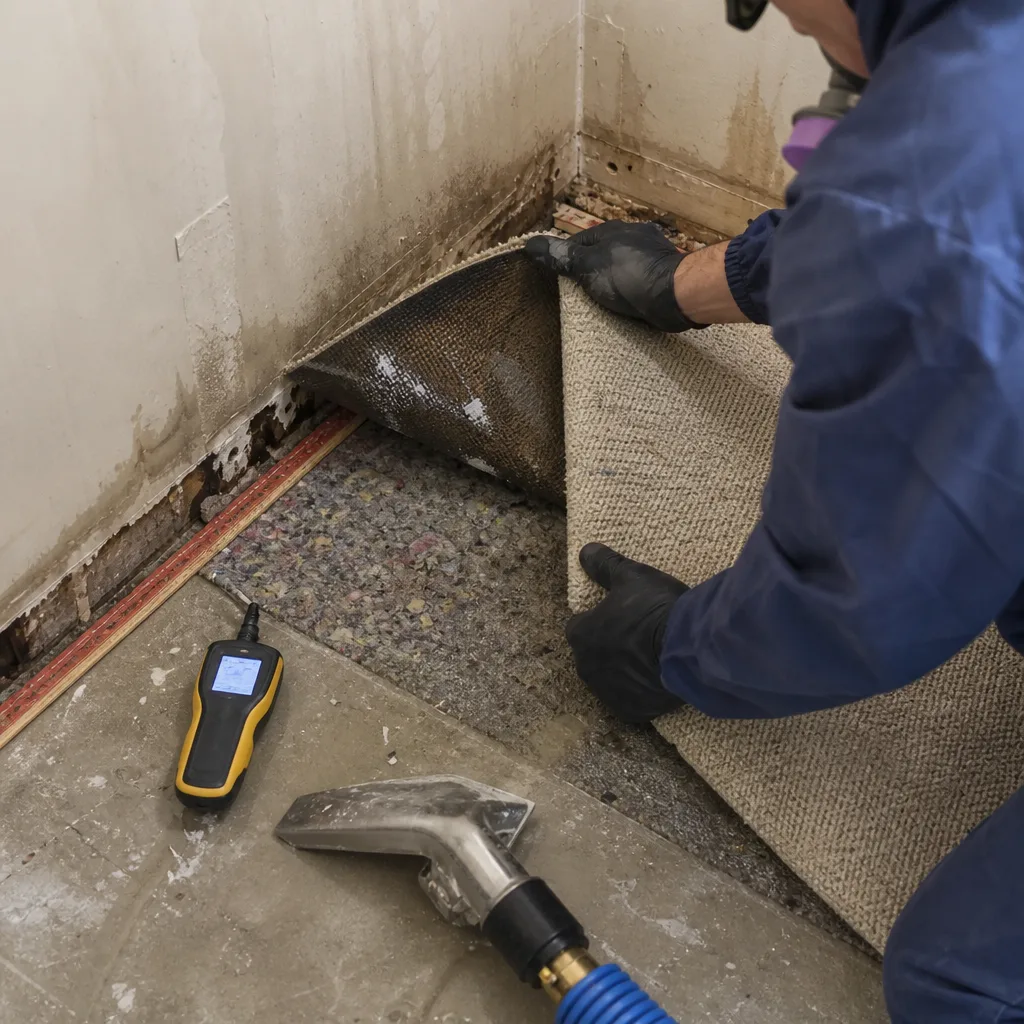
We’ve reviewed hundreds of competitor files from Kent jobs. These patterns predict trouble:
- Staged “before” photos - The damage looks fresh in every shot, but the carpet indentation patterns suggest furniture was moved for the photo after the crew arrived. Ask for time-stamped arrival photos; legitimate documentation shows the space as found.
- Moisture readings without meter calibration dates - A moisture meter reading of “28%” means nothing if the meter was last calibrated in 2019. Professional documentation notes meter model, calibration date, and reading method (pin, pinless, or thermo-hygrometer).
- Single-point readings in large rooms - A 400-square-foot basement with one moisture reading is insufficient. IICRC standards require readings at regular intervals, typically every 16-32 square feet in affected areas.
- No vapor pressure differential calculations - This measures whether the air is actually pulling moisture from materials. Without it, a contractor is running equipment on hope.
- Equipment logs that don’t match photo timestamps - If the dehumidifier serial number in the log doesn’t appear in any photo, the log may be templated from another job.
- “Tertiary drying” claimed without documentation - Tertiary drying addresses bound water in dense materials like hardwood or concrete. It requires specific equipment, extended timelines, and detailed logs. Claiming it without proof is a common inflation tactic.
Ask to see a sample before you sign. A contractor with legitimate documentation will have sanitized examples ready. One who stalls, redacts everything, or claims “confidentiality” is protecting poor practice, not client privacy.
How Kent’s Climate and Geography Affect Restoration Work
Kent sits in the Green River Valley with the Cascade foothills to the east and Puget Sound influence from the west. This geography creates specific restoration challenges that a generic contractor won’t anticipate, as detailed in our Seasonal Damage Restoration Care for Kent: Year-Round Homeowner’s Guide.
High water table in valley neighborhoods. In areas near the Green River, including portions of the Valley and West Hill, groundwater intrusion is common during extended winter rains. Standard extraction may not address hydrostatic pressure pushing water through slab foundations. A competent contractor will specify sub-slab drainage or vapor barrier installation in the written scope, not discover it as a “change order” on day three.
Marine layer humidity slows natural drying. Kent’s summer mornings often start at 75% relative humidity or higher. This means air-drying without mechanical dehumidification is ineffective for most of the year. A contractor who proposes “opening windows and letting it air out” is proposing mold growth. Proper drying requires LGR dehumidifiers sized to the space, with vapor pressure differential monitored to confirm moisture is actually leaving materials, not just redistributing.
Older housing stock in Meridian Valley. Homes built before 1980 in this area may contain asbestos-containing materials or lead-based paint. Disturbing these during water or fire damage remediation triggers EPA RRP requirements and Washington State Department of Health notification. A contractor who doesn’t ask about construction year before demolition is creating liability you will inherit.
Seasonal freeze-thaw in unconditioned spaces. Kent’s winter temperatures occasionally drop below freezing, particularly in outbuildings and unheated garages. Pipe bursts in these spaces require different documentation because the damage pattern (sudden, high-volume) differs from slow leaks. Insurance adjusters scrutinize burst pipe claims for maintenance exclusions; your contractor’s documentation must establish the event as sudden and accidental, not gradual deterioration.
The Insurance Contact Conflict You Need to Understand
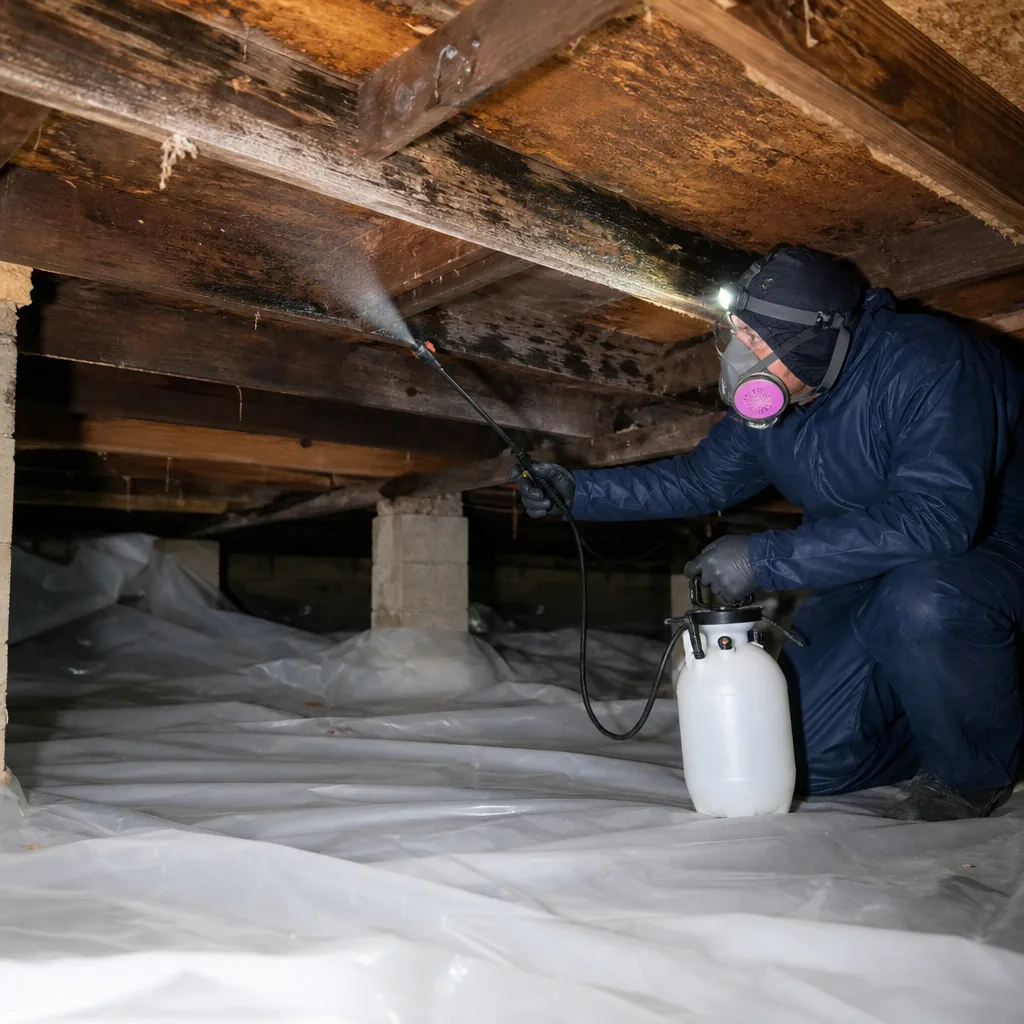
This is the most expensive misunderstanding in restoration. A contractor who asks to contact your insurer directly before giving you a written scope is creating a structural conflict of interest. Here’s why.
When a contractor speaks to your adjuster before you have a written scope in hand, they are negotiating the scope of work without your review. The adjuster’s incentive is to minimize the claim. The contractor’s incentive, if they rely on insurer referrals for volume, is to agree to a scope that satisfies the adjuster rather than fully restores your property. You are not in that conversation. You will not see the concessions made.
We’ve seen this play out in Kent repeatedly. A homeowner signs an “assignment of benefits” or “direction to pay” at 2 AM during an emergency. The contractor now controls the claim communication. The scope is negotiated between contractor and adjuster. The homeowner receives a completed job and a surprise: the bathroom wasn’t fully gutted, the subfloor wasn’t replaced, the moisture readings in the wall cavity were never taken. But the claim is closed, the contractor is paid, and the homeowner discovers the problem six months later when mold appears behind the new paint.
The correct sequence: written scope first, your approval second, insurance notification third. You retain control. The contractor works for you, not the adjuster. If your insurer disputes the scope, you have a document to defend, not a memory of a phone call you didn’t participate in.
At Water Damage Restoration in Kent, we provide the written scope directly to you before any insurer contact. We will coordinate with your adjuster, but only after you’ve reviewed and approved the work. This is Haven Standard, Clause 1 in practice.
What Restoration Costs in Kent: Realistic Ranges
These ranges reflect our experience in the Kent market, including jobs from Panther Lake to Soos Creek. Every job is unique; these are planning figures, not quotes.
| Service Category | Typical Range (Kent Market) | What Drives Variation |
|---|---|---|
| Emergency water extraction (single room) | $450 - $1,200 | Volume of water, contamination category, access difficulty |
| Structural drying (3-day minimum, LGR dehumidification) | $1,800 - $4,500 | Square footage affected, material types, humidity load |
| Demolition and disposal (wet drywall, insulation, flooring) | $800 - $2,400 | Asbestos/lead testing requirements, disposal fees, access |
| Mold remediation (contained area, < 10 sq ft) | $1,200 - $2,800 | Containment complexity, air filtration requirements, post-remediation verification |
| Mold remediation (whole room or HVAC-involved) | $3,500 - $9,000+ | Ductwork contamination, structural involvement, third-party clearance testing |
| Fire and smoke damage (structural cleaning) | $4,000 - $15,000 | Soot type (protein vs. synthetic), odor penetration depth, contents cleaning scope |
| Reconstruction (drywall, paint, flooring replacement) | $2,500 - $12,000+ | Material matching requirements, code upgrades, finish quality |
These figures assume a written scope delivered before work begins, with no scope-creep additions. The most common source of invoice shock is not the base rates; it’s the “discovered” charges that appear after work is underway. A written scope with clear exclusions prevents this. For Fire & Smoke Damage Restoration in Kent, reconstruction is always scoped separately from emergency cleaning, with a signed agreement for each phase.
Common Mistakes to Avoid
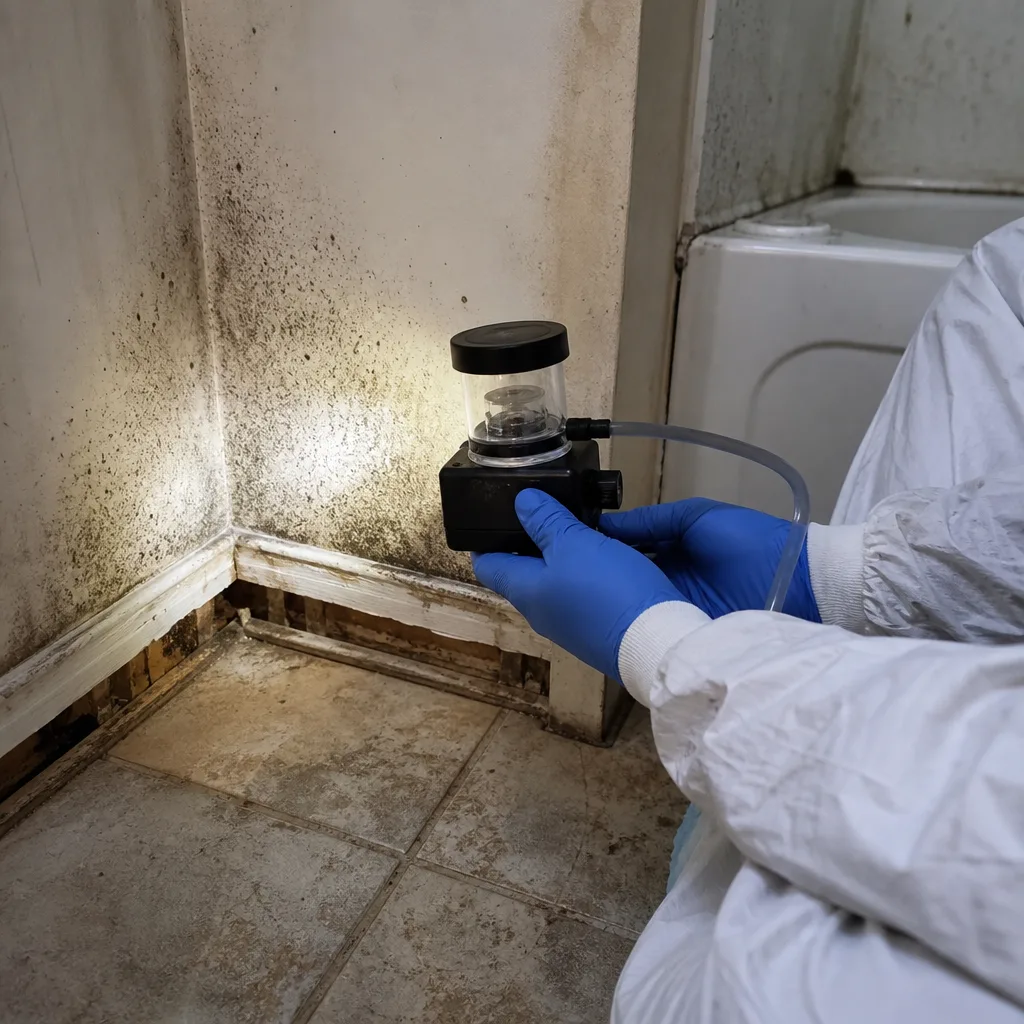
- Signing a blank work authorization. In Kent, as across Washington, this is a binding contract for “reasonable and necessary” services. The contractor defines “reasonable.” You define nothing.
- Assuming your insurance company’s “preferred vendor” is vetted for documentation quality. Preferred vendor status typically reflects pricing agreements and response time commitments, not claim success rates. Ask the same documentation questions of preferred vendors that you ask of independents.
- Waiting for three estimates during an active water loss. Water damage compounds hourly. Mold colonization begins in 48-72 hours under Kent’s typical humidity. Get one competent contractor with a written scope; don’t let comparison shopping become self-inflicted secondary damage.
- Accepting verbal assurances about “insurance will cover it.” Insurance covers documented, reasonable, and necessary work. It does not cover work that cannot be proven. The contractor’s documentation process determines coverage more than their sales pitch.
- Neglecting to verify workers’ compensation coverage. If a technician is injured on your Kent property and the contractor lacks coverage, your homeowner’s policy may be drawn into litigation. Check the L&I database; don’t take their word.
- Hiring based on arrival speed alone. A contractor who arrives in 30 minutes with no written scope is not faster; they’re just earlier at creating your future dispute. For true emergencies, speed matters, but it must be paired with documentation. Our live phone coverage answers 24 hours a day, 7 days a week, and we dispatch with a tablet-based scope system that produces your written price on-site.
When to Call a Professional
Call immediately when: water is actively flowing and you cannot stop the source; sewage or gray water is involved; electrical systems are wet or compromised; smoke or soot has penetrated multiple rooms; mold is visible and covers more than a few square feet; or any damage involves your HVAC system, which can distribute contamination throughout the house.
For water damage, every hour of delay increases the restoration scope and cost. In Kent’s climate, a basement flood on Friday evening that waits until Monday morning will likely require mold remediation that wasn’t necessary at 10 PM Friday. For Mold Remediation in Kent, early containment prevents the spread that turns a $2,000 job into an $8,000 job.
DryMark Restoration Kent offers free estimates in Kent. Call (360) 997-2427. A live person will answer, gather the essential details, and dispatch a technician with documentation equipment, not just a wet-dry vacuum and good intentions.
Frequently Asked Questions
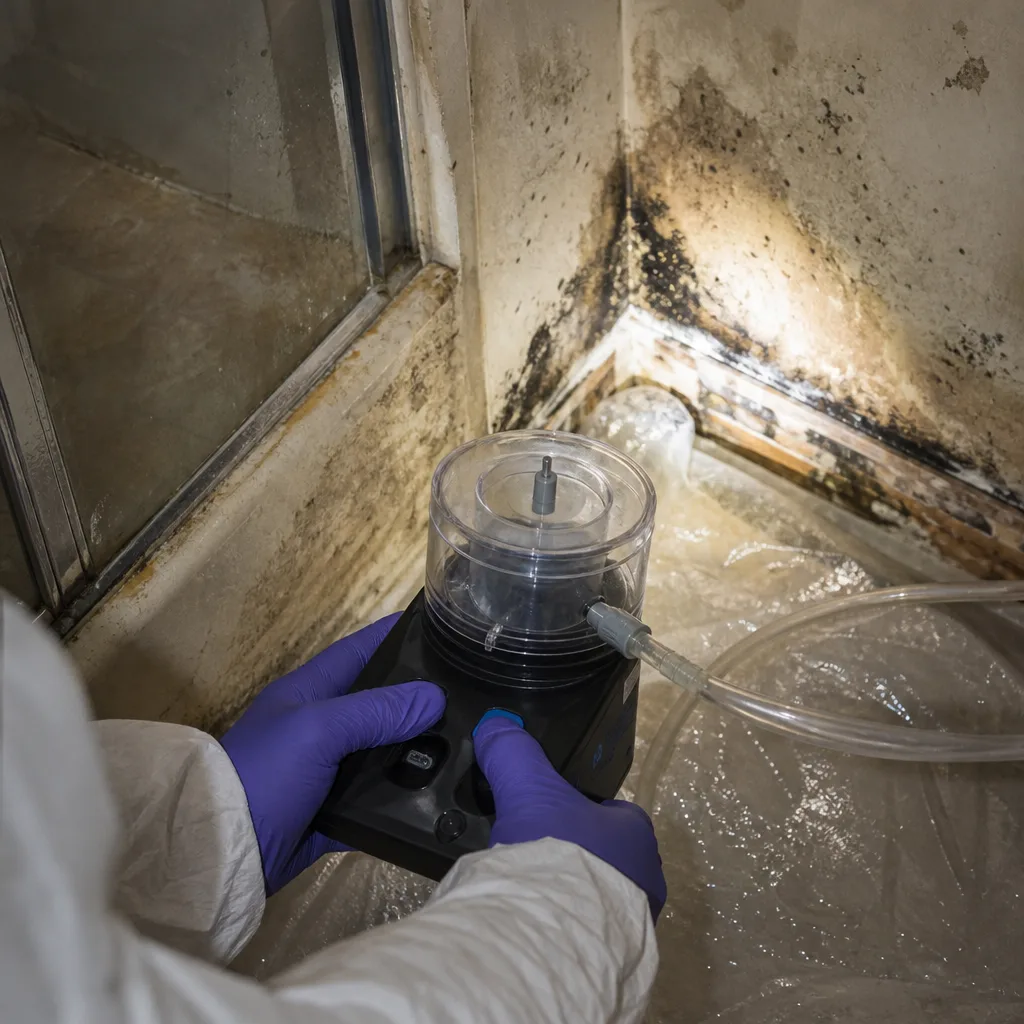
Search the Department of Labor & Industries contractor database at lni.wa.gov using the contractor’s exact business name or individual name. Confirm status is “Active,” bond is current, and workers’ compensation coverage is on file if they have employees. Request a certificate of insurance naming you as additional insured.
No. In Washington, you have the right to choose your contractor. Insurance companies may suggest “preferred vendors,” but these relationships are typically pricing agreements, not quality guarantees. Evaluate preferred vendors with the same documentation standards you apply to independent contractors.
For true emergencies - active water flow, sewage backup, fire damage with structural compromise - reputable contractors in Kent aim for arrival within 60-90 minutes during normal hours, longer in severe regional weather events. The critical factor is not arrival time alone; it’s whether they arrive with documentation capability and a written scope process, not just extraction equipment. Call (360) 997-2427 for current response availability.
A compliant scope includes line-item pricing by phase, affected materials identified by location and square footage, specified drying method with equipment list, projected timeline with measurable completion criteria, and clear exclusions. Anything less is an invitation to dispute. At Back to Dry, Haven Standard, Clause 1 requires this document before any work begins.
Not always. Visible mold growth in a contained area with a known moisture source often requires no pre-testing; remediation proceeds with proper containment and post-remediation verification. Testing becomes necessary when the moisture source is hidden, health concerns exist for immunocompromised occupants, or third-party documentation is required for a claim dispute. We assess each Kent job individually and recommend testing only when it changes the approach.
For Category 1 clean water affecting less than a few square feet of non-porous materials, self-drying with proper ventilation and dehumidification may be adequate. For anything beyond this - Category 2 gray water, Category 3 black water, water affecting walls or flooring, or any situation where you cannot confirm complete drying within 24-48 hours - professional documentation and equipment are necessary to prevent mold growth and support any future insurance claim. In Kent’s humid climate, “feels dry” is not a reliable standard.
The Bottom Line
The contractor you hire in Kent will determine whether your restoration invoice becomes a paid claim or a months-long dispute. The difference is not their equipment brand or their response time; it’s their documentation discipline. Verify active Washington State registration. Demand a written, line-item scope before work begins. Ask to see samples of daily drying logs and photo records. Never surrender control of insurer communication before you’ve approved the scope in writing. These steps take 30 minutes before signing and save months of conflict after the crew leaves. The Haven Standard was built around this reality, and every clause exists because we’ve seen what happens when it’s ignored. For more guides & resources on protecting your Kent home, visit our blog.
Written by Alicia Brennan, Owner at DryMark Restoration Kent, serving Kent since 2011.