
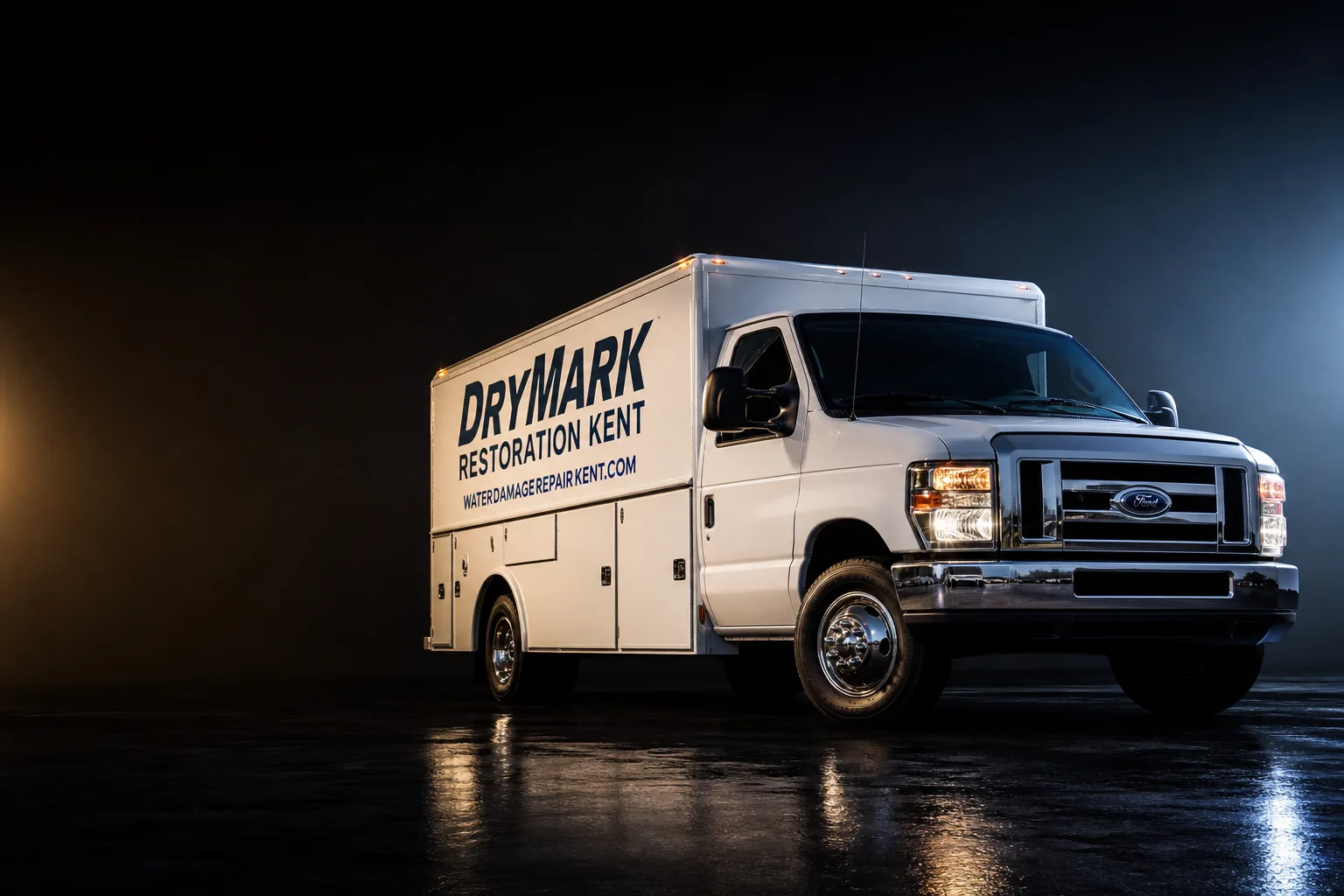
Free visual inspection and a written scope of work before any mitigation begins - photos, moisture readings, and drying logs go in your claim file
The scope we write is the scope we bill. Anything new gets shown to you, in writing, before we touch it.
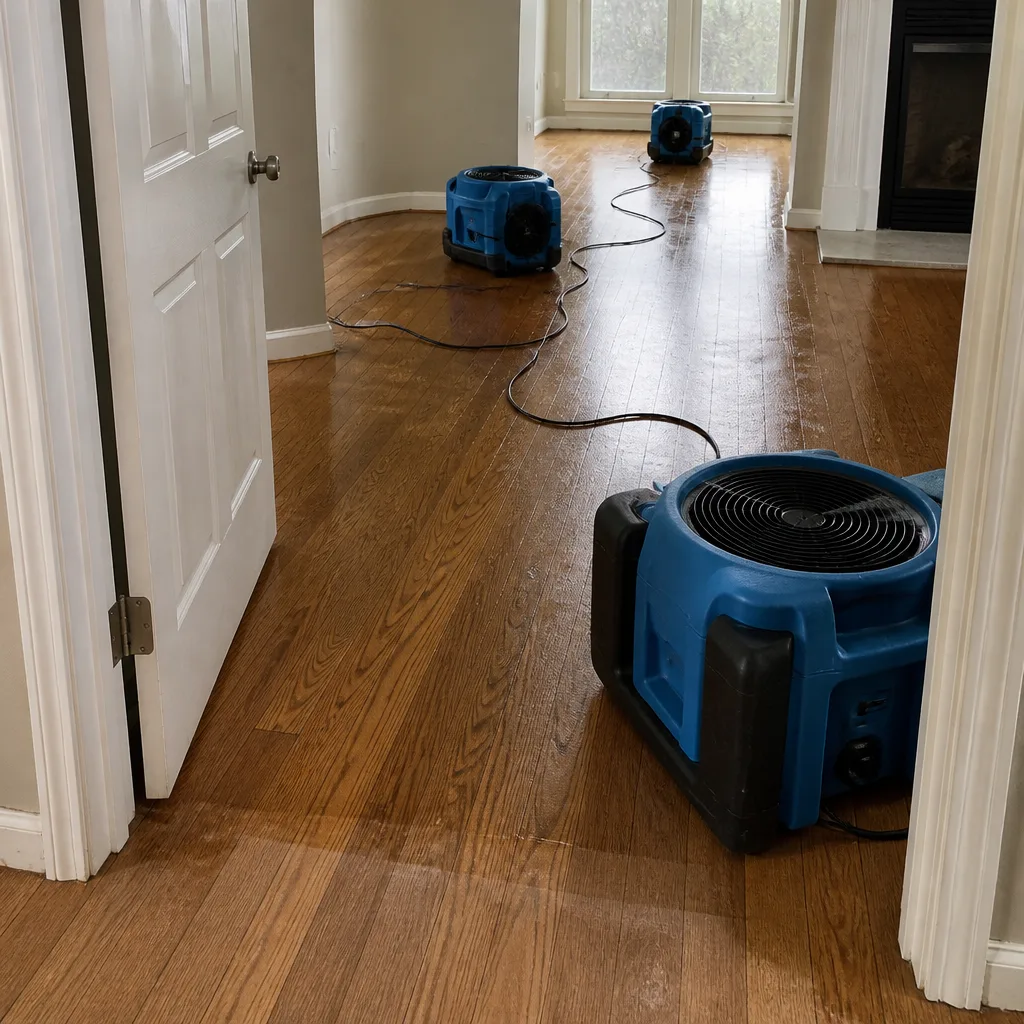
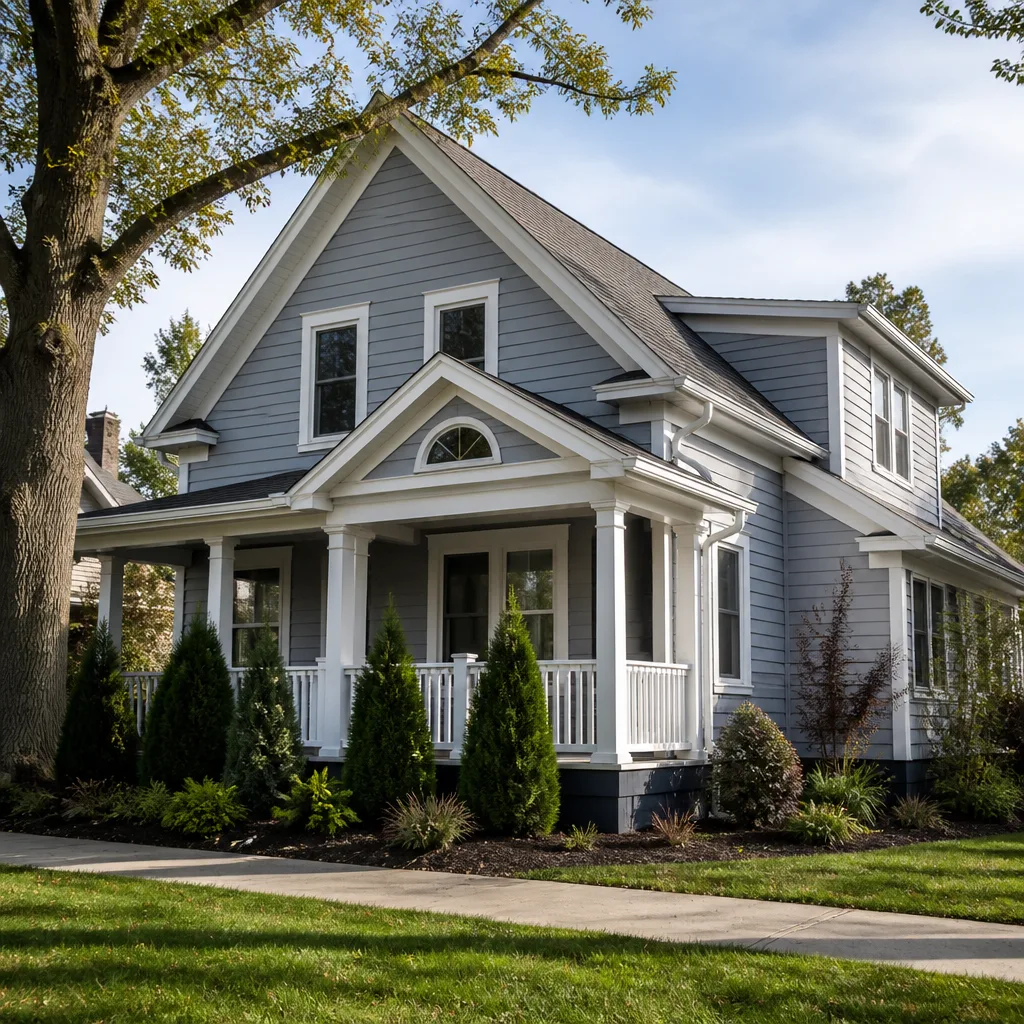
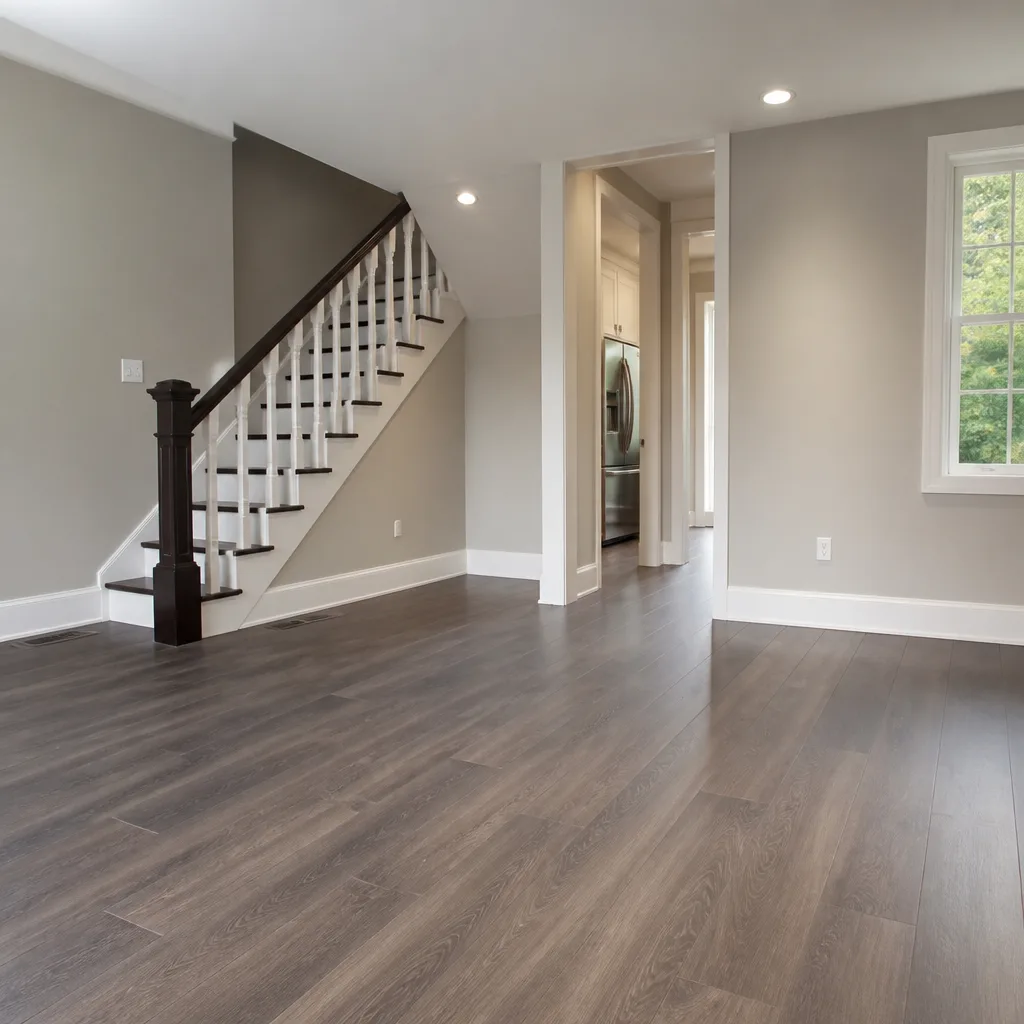
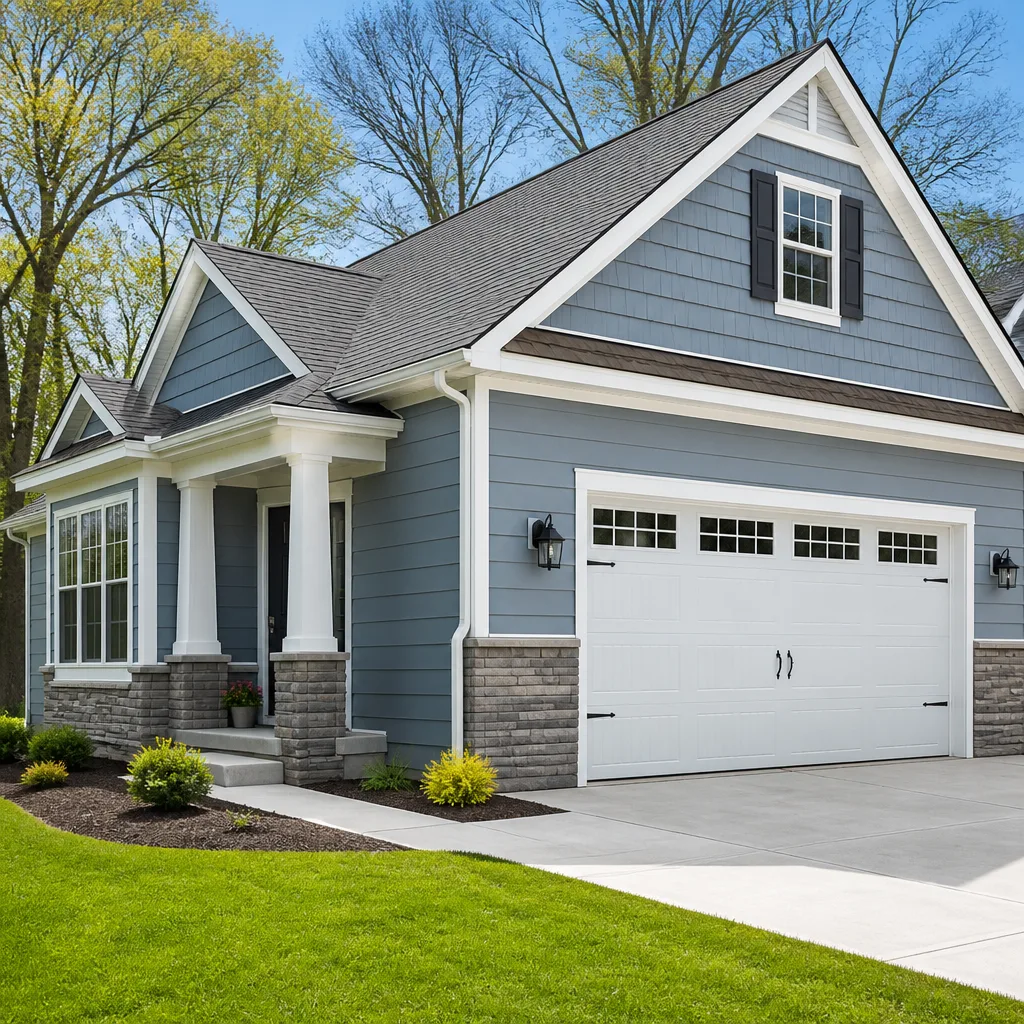
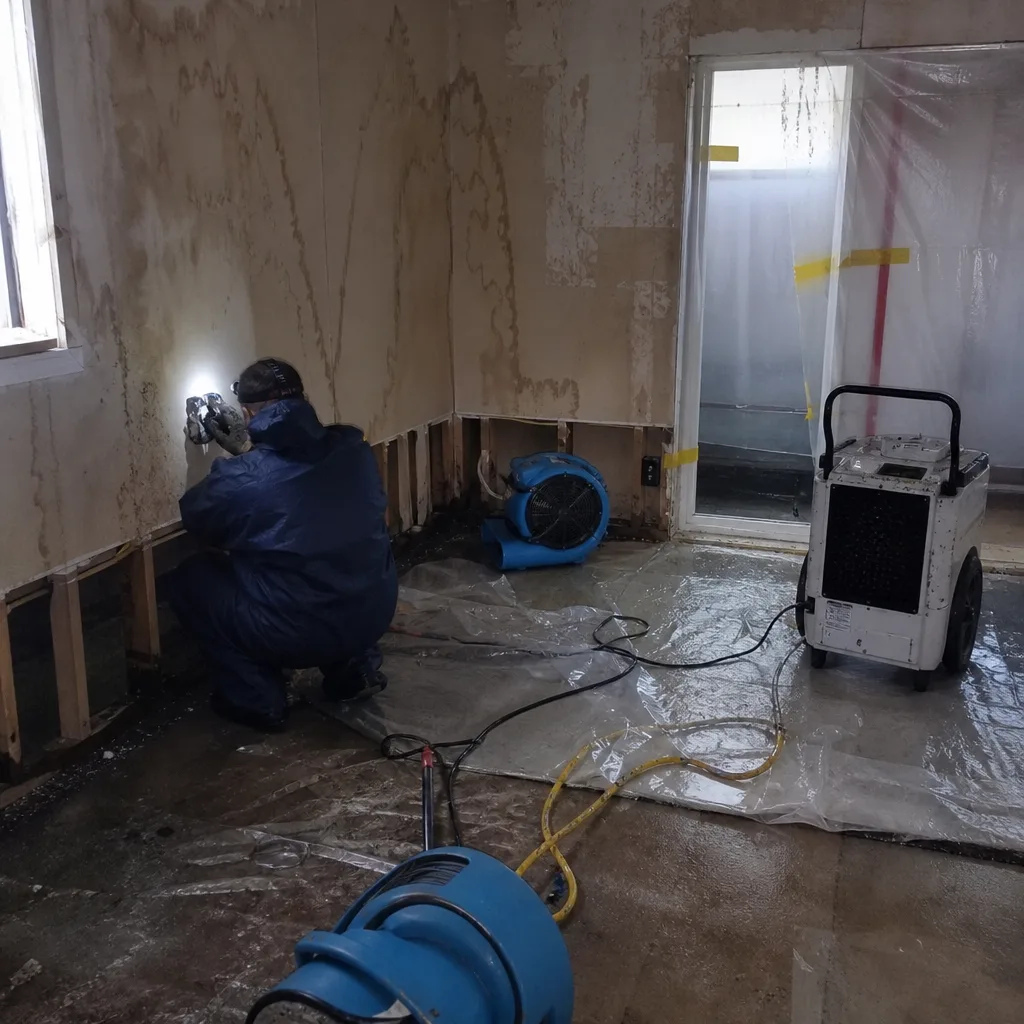 Before
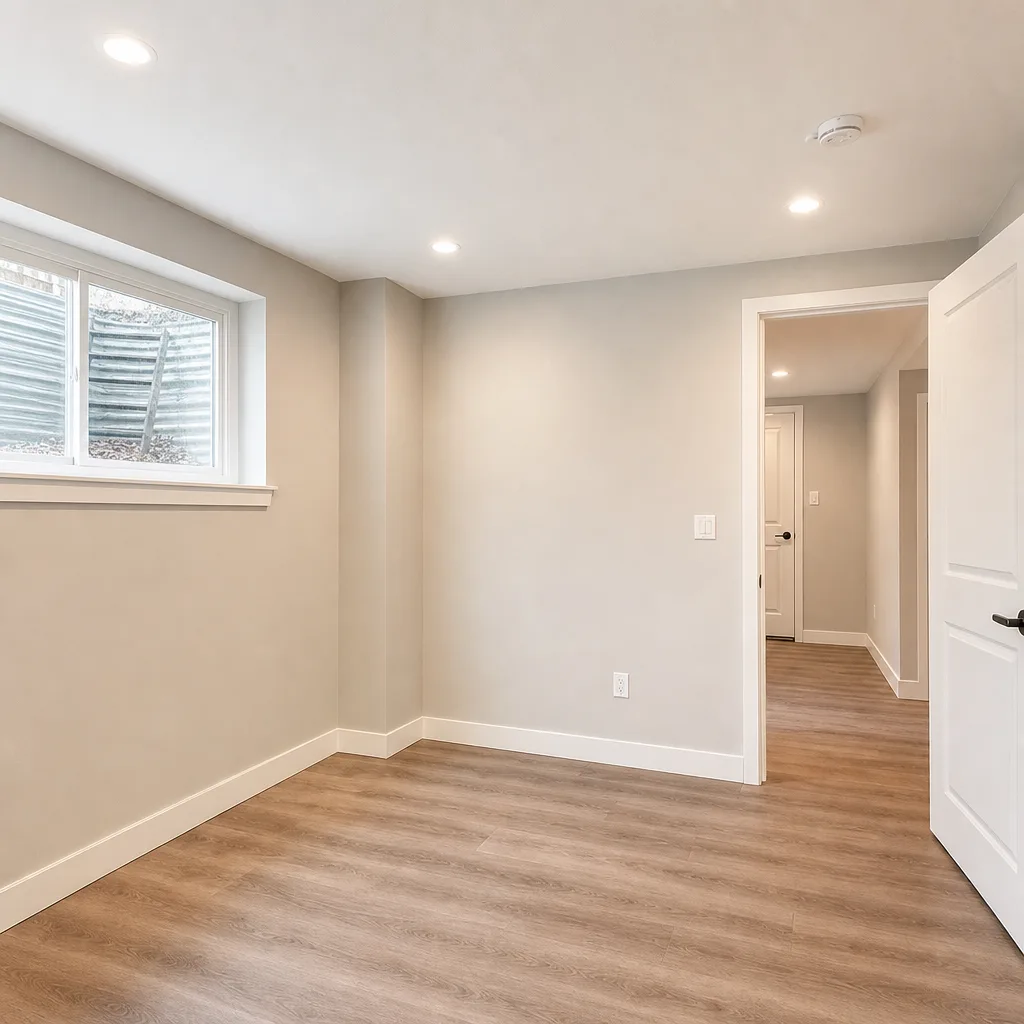 After
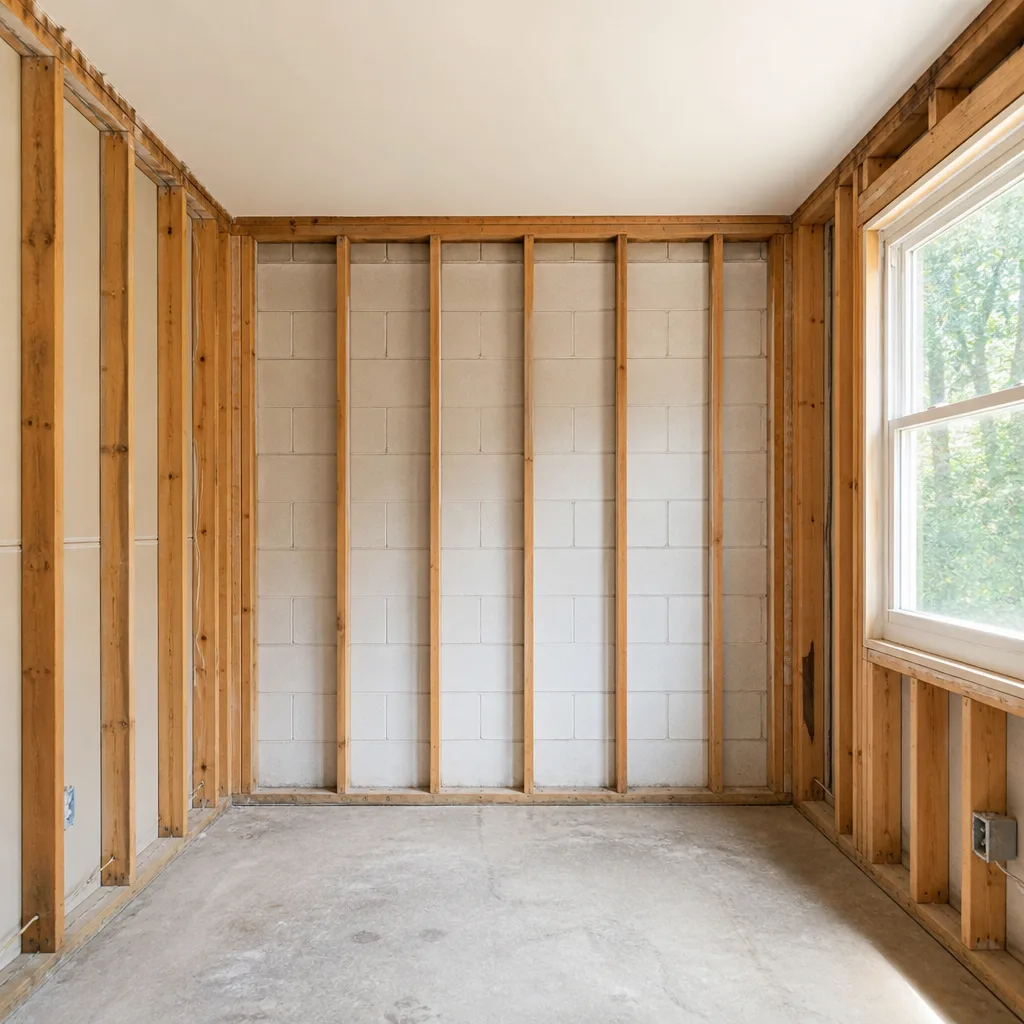
After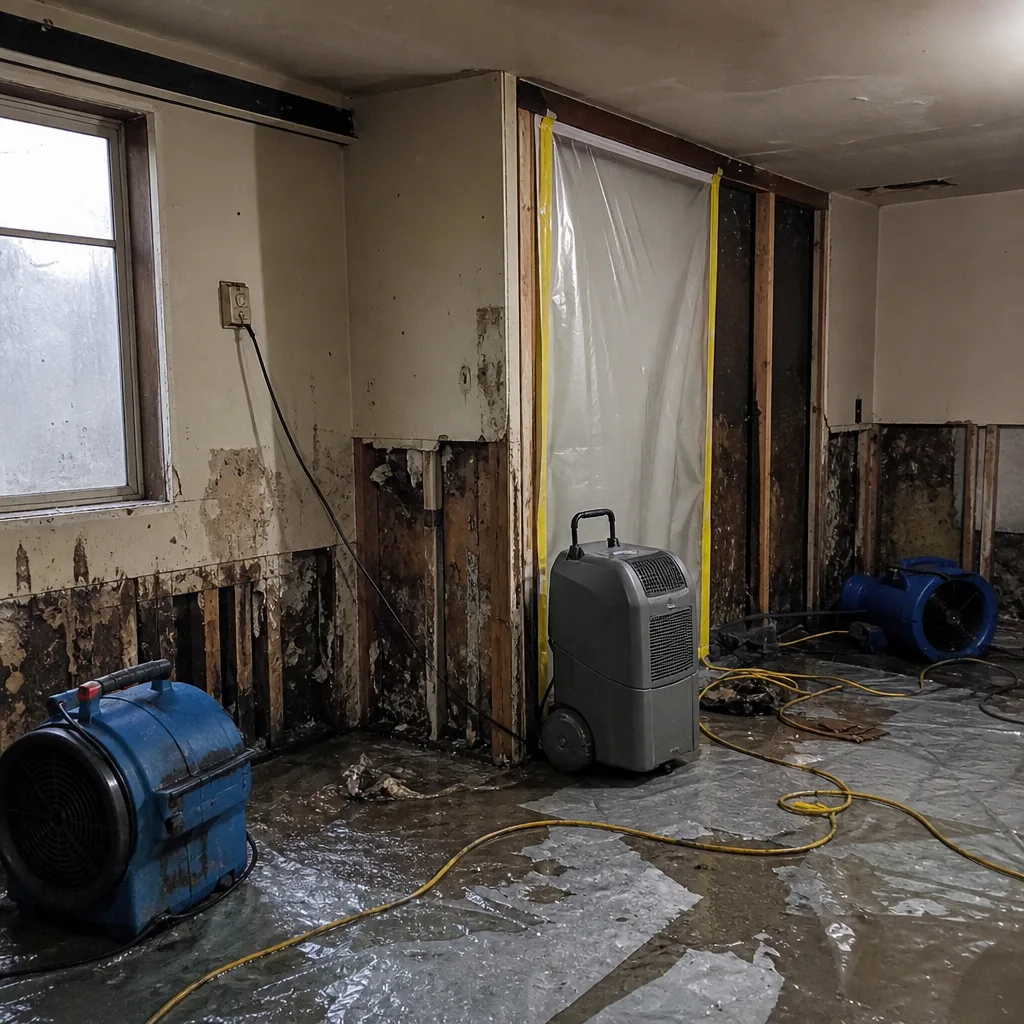 Before
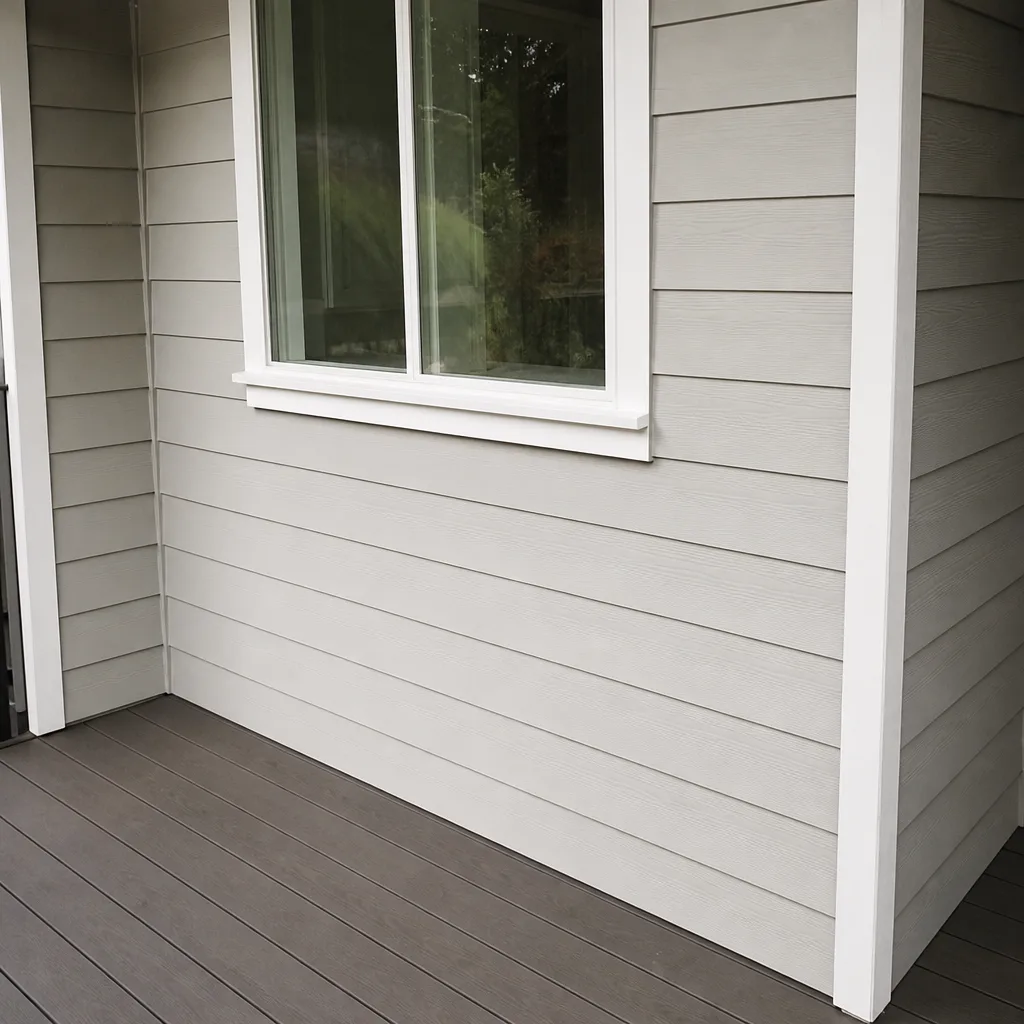 After
After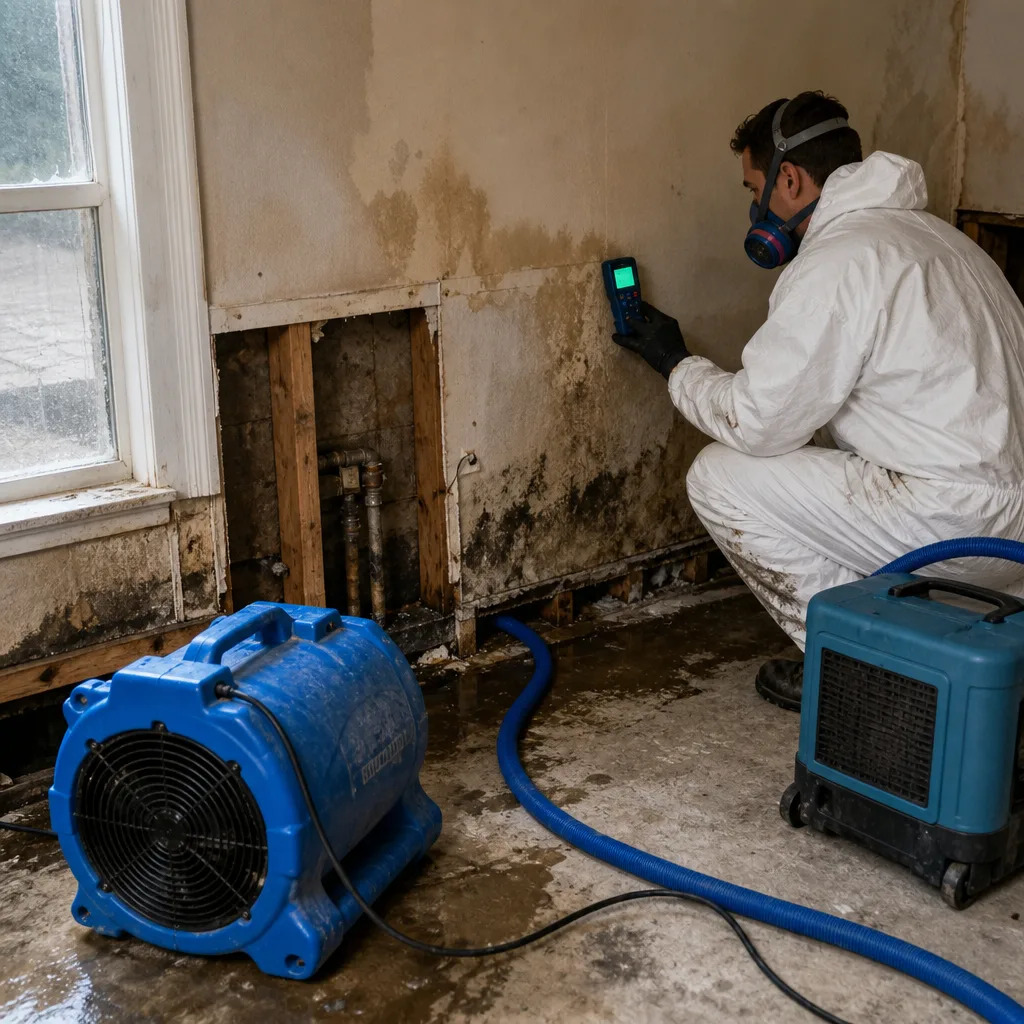 Before
 After
After24/7 Emergency Fire & Smoke Damage Restoration in Kent
A fire in your Kent home needs immediate attention even after the flames are out. Smoke keeps corroding metal, plastics, and wiring for hours, and the water used to suppress the fire is already wicking into walls, floors, and the structural cavities behind them. We answer live at (360) 997-2427, 24 hours a day, 7 days a week - a real person, never a voicemail tree. Our crews dispatch throughout Kent from our Seattle office, and we arrive with thermal imaging cameras, moisture meters, and HEPA filtration equipment to assess what the fire damaged, what the water reached, and where smoke traveled before you call your adjuster. The first hour determines how much of your structure we can save versus how much must be removed and rebuilt.
Understanding Fire & Smoke Damage Restoration Severity in Kent Properties
Fire damage in Kent falls into three practical categories that dictate our response. Light damage means smoke residue on surfaces, minor charring to materials, and limited water from suppression - often addressable with targeted cleaning, deodorization, and controlled drying. Moderate damage involves burned structural elements, significant smoke migration through HVAC systems or wall cavities, and standing water requiring extraction before drying can begin. Severe damage means compromised framing, roof or exterior envelope failure, and extensive water saturation reaching subfloors and the concrete slab.
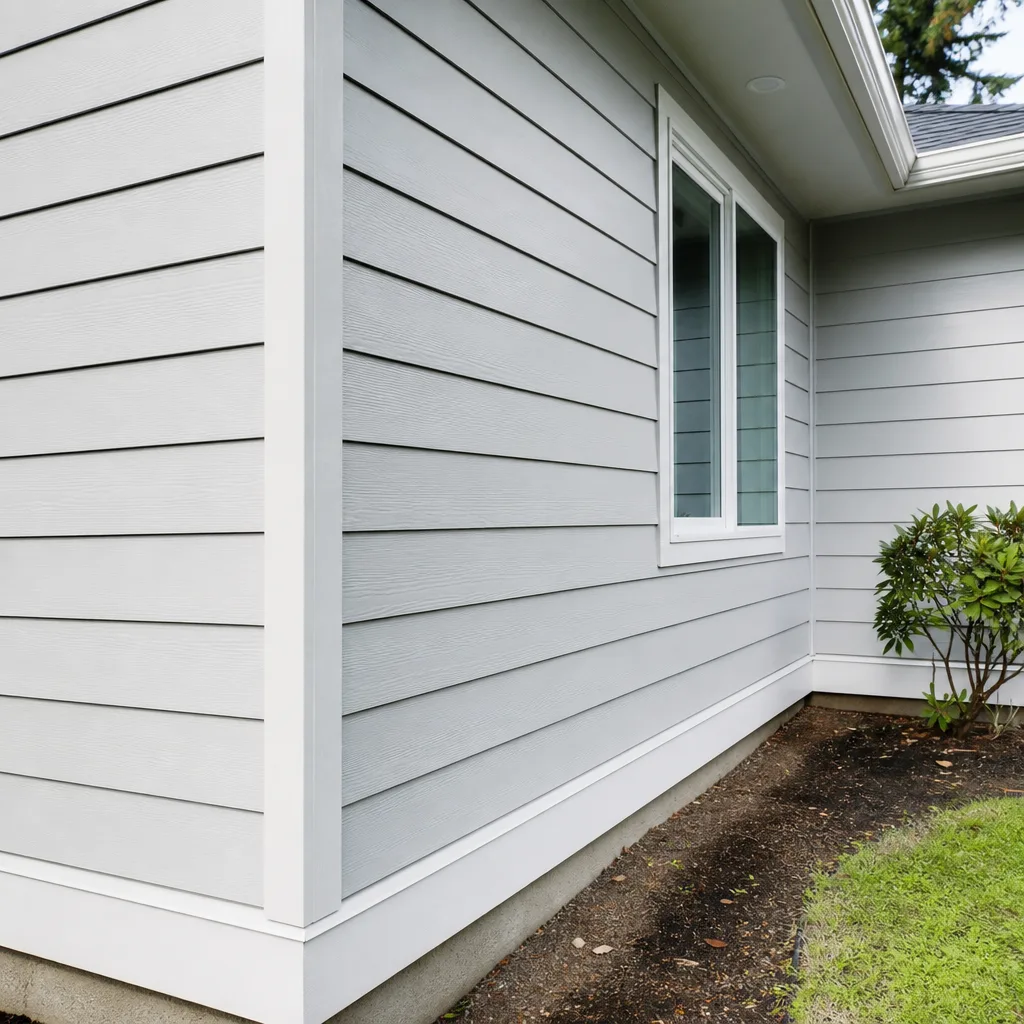
Kent’s housing stock shapes what we find. The 1970s-1990s wood-frame tract homes on East Hill - thousands of them - have original housewraps and composition siding now well past their service life. Fire heat and pressure force smoke through these failing envelopes into exterior wall assemblies, so the damage you smell often extends far beyond the room that burned. On the valley floor, mid-century light-industrial buildings and older residential pockets sit on former agricultural floodplain land with poor subsurface drainage. After suppression water hits these slabs, hydrostatic pressure from Kent’s high water table drives moisture upward for weeks. Surface extraction and air movers alone won’t complete the dry-out. We address vapor pressure differentials - the force that moves moisture from wet materials to drier air - with dehumidification, heat, and containment to hit the psychrometric targets our drying logs require.
Why Kent Property Owners Choose DryMark Restoration Kent
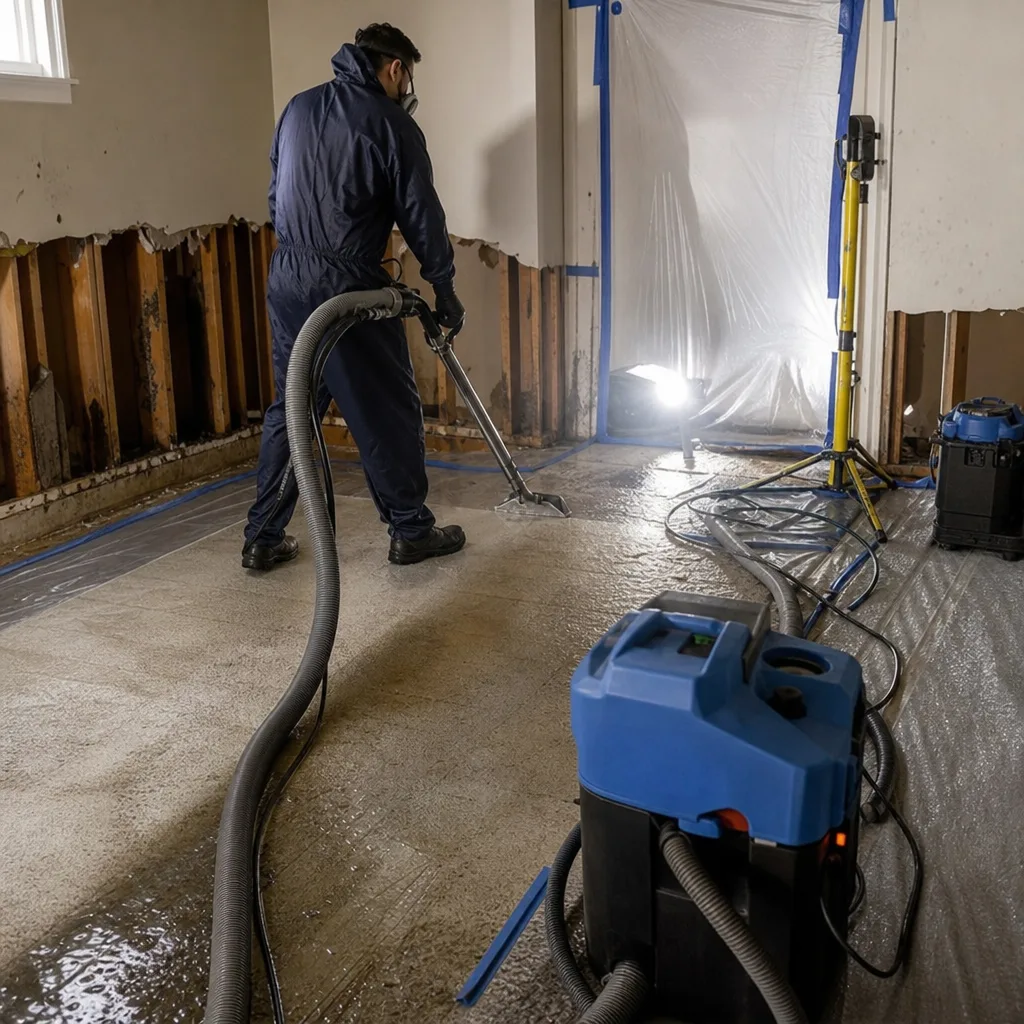
- 45-minute response commitment to Kent addresses, including East Hill and the valley-floor commercial core.
- 24/7 live answer - a real person picks up every call, never an automated system routing you to tomorrow.
- IICRC-certified crews holding FSRT (Fire and Smoke Restoration Technician) and WRT (Water Damage Restoration Technician) credentials, with AMRT (Applied Microbial Remediation Technician) certification for the mold that follows fire suppression.
- Free visual inspection and written scope - we document what we find before any work begins.
- Direct insurance billing with photo-documented estimates and daily drying logs that adjusters recognize and pay.
- One team from emergency board-up through structural repair - no handoffs between contractors that lose the story of your damage.
BeforeAfterOur Fire & Smoke Damage Restoration Process
1. Inspection & Assessment
We arrive with thermal imaging cameras, hygrometers, and moisture mapping tools to trace fire, smoke, and water damage beyond the visible burn zone. In Kent’s older tract homes, we specifically check exterior wall cavities where failing housewraps let smoke migrate - and we test slab moisture on valley-floor properties where hydrostatic pressure keeps water wicking upward after extraction.
2. Emergency Board-Up & Stabilization
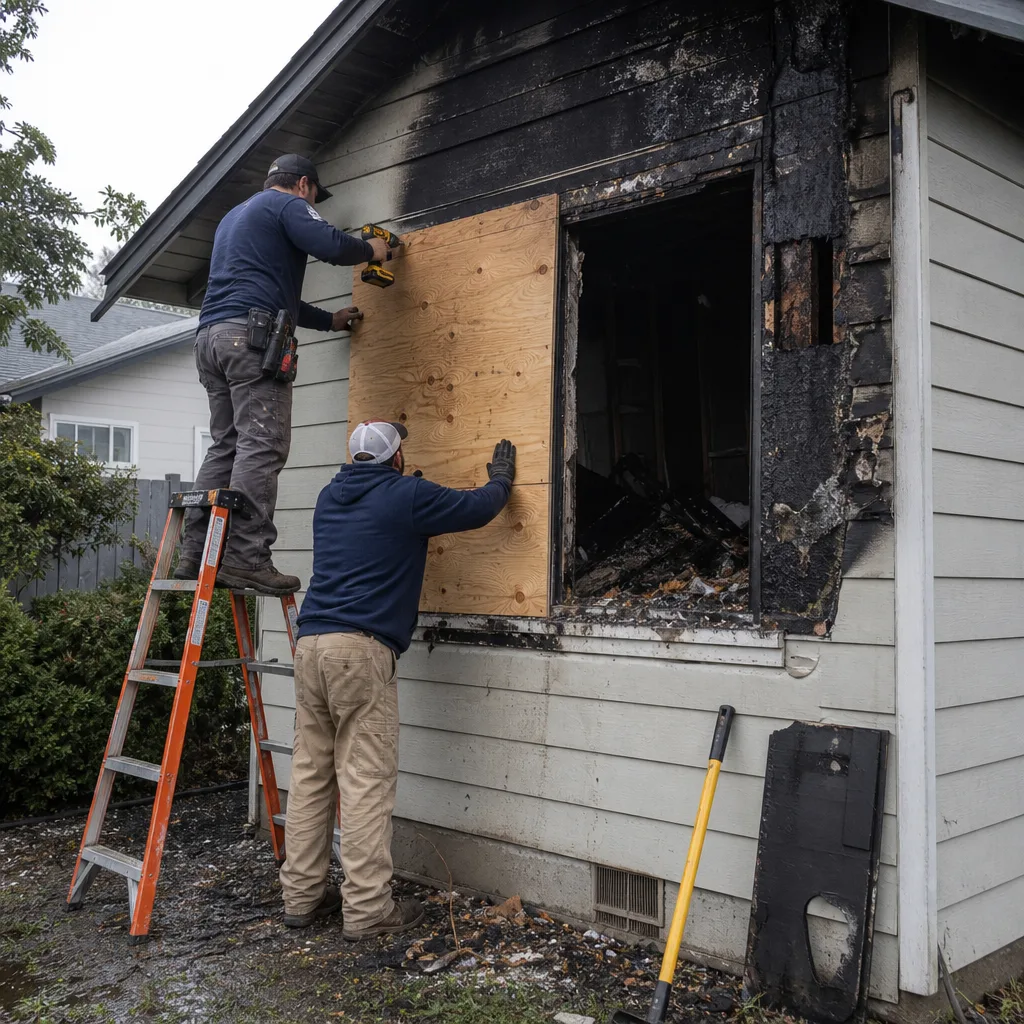
Broken windows, compromised roofs, and damaged doors get secured immediately to prevent weather intrusion and unauthorized entry. We tarp exposed areas and establish temporary power and lighting so the site is safe for our crews and your adjuster.
3. Water Extraction & Structural Drying
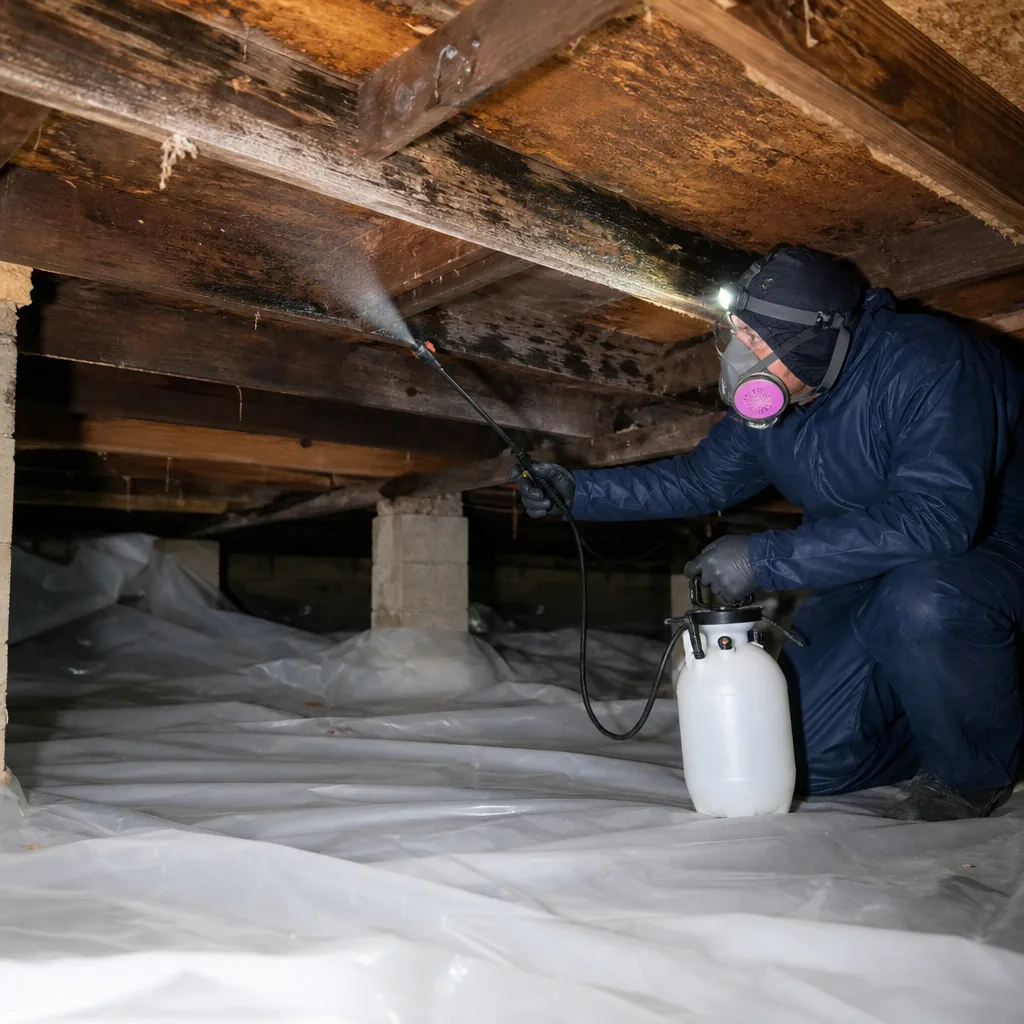
Suppression water gets extracted with truck-mounted systems, then we deploy Dri-Eaz and Phoenix dehumidifiers, XPOWER and B-Air air movers, and Injectidry wall-cavity drying panels to force dry air into enclosed spaces. On Kent valley-floor slabs, we run extended drying cycles with documented moisture readings until the concrete and bottom plates hit IICRC drying standards - stopping early means mold behind your rebuilt walls.
4. Smoke & Soot Removal
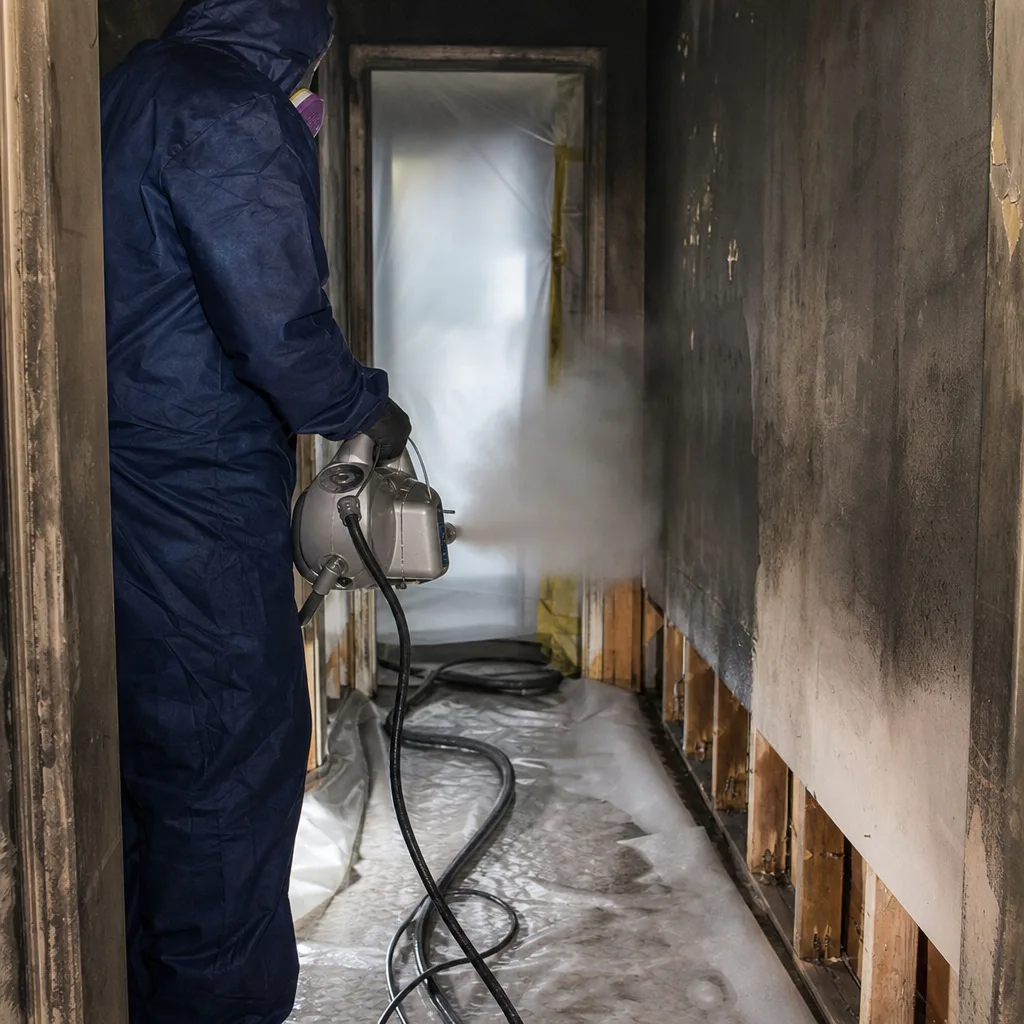
Dry soot, wet soot, and protein residue each require different cleaning chemistry and technique. We HEPA-vacuum loose particulate, apply appropriate cleaners by surface type, and use air scrubbers with activated carbon filtration to capture airborne odor particles. In Kent’s East Hill homes with aging composition siding, we often find soot has penetrated the exterior sheathing and requires opening the wall to access it.
5. Odor Removal & Deodorization
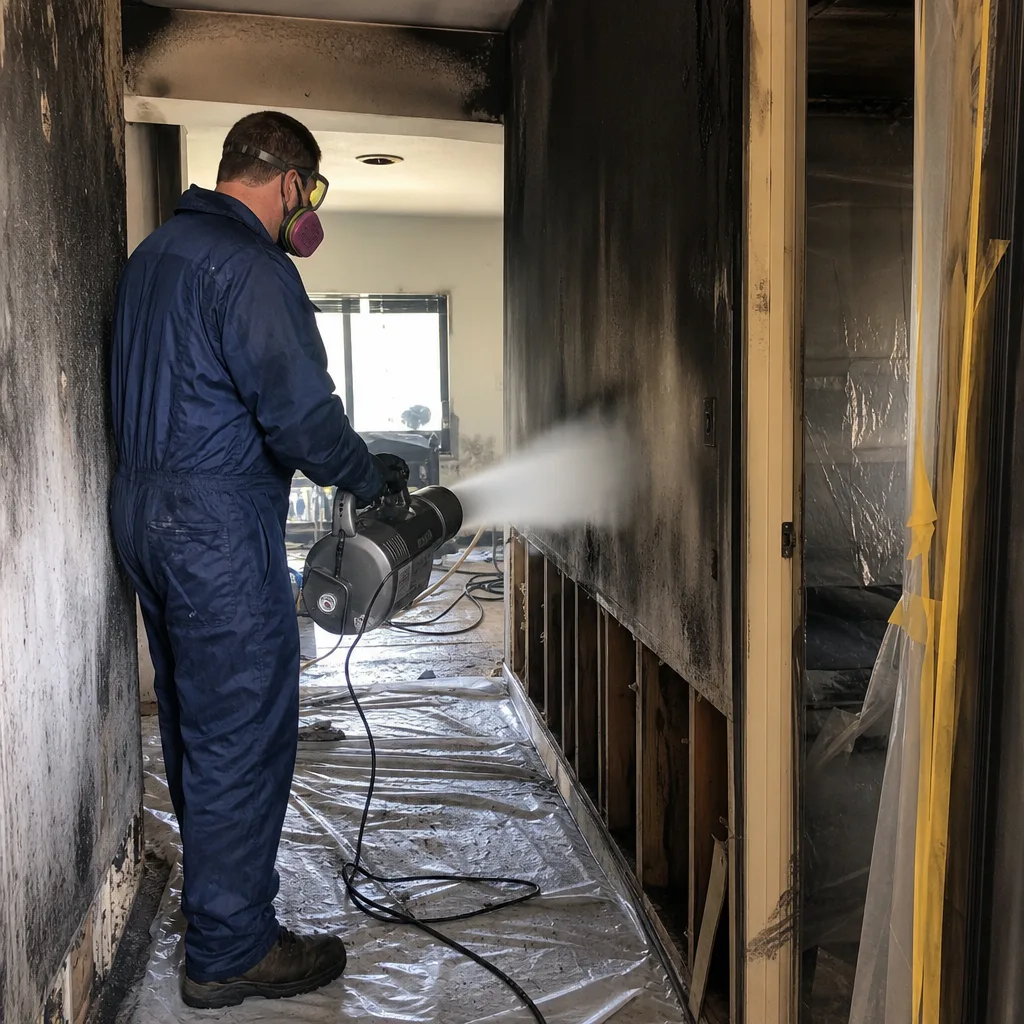
Surface cleaning doesn’t reach odor molecules absorbed into framing, insulation, and porous finishes. We deploy thermal fogging, ozone treatment, or hydroxyl generators depending on occupancy status and material sensitivity, with containment to prevent odor redeposition. Kent’s cold, saturated valley air from October through April slows natural off-gassing, so active deodorization is essential - waiting for fresh air won’t work here.
6. Structural Fire Repair & Restoration
Charred or heat-compromised framing gets sistered or replaced. Drywall, insulation, flooring, and finishes are reinstalled to match pre-loss condition. Every repair is documented with before-and-after photos, and our 365-Day Done Right Promise under The Haven Standard covers the completed work.
Need Emergency Fire & Smoke Damage Restoration in Kent Now?
Crews minutes away, answering live 24 hours a day. The sooner we start, the less it costs.
Working With Your Insurance Company
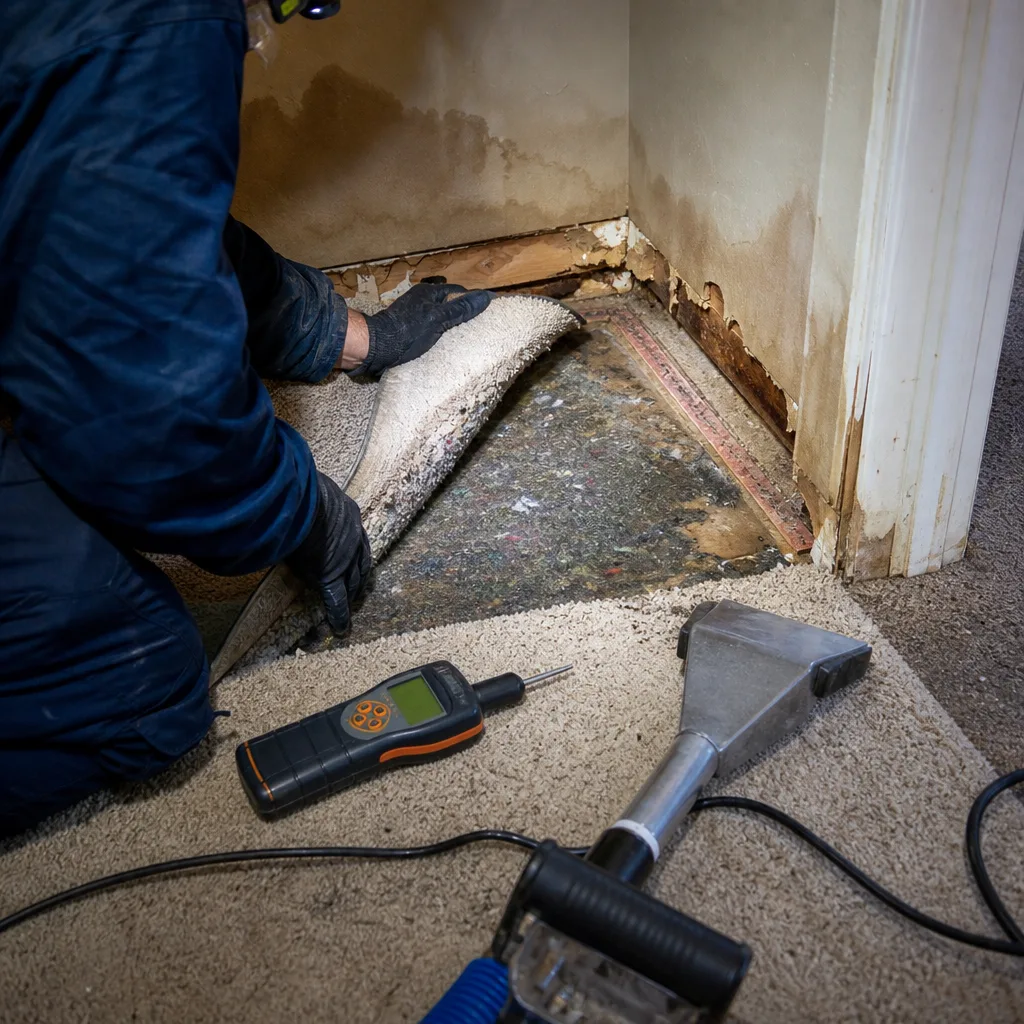
Fire claims fail when documentation gaps let adjusters dispute the scope. We close those gaps from hour one. Our crew chief photographs every room, records moisture readings on every surface, and maintains daily drying logs that track temperature, relative humidity, and specific humidity - the psychrometric data that proves drying progress. We write line-item scopes in the format your carrier’s estimating software expects, and we coordinate directly with your adjuster so you’re not translating between two parties who speak different languages.
Haven Standard, Clause 1: your written price before any work starts. No exceptions. That scope becomes the baseline for insurance negotiation. If you already have a competitor’s estimate, our Free Second Opinion service reviews it at no charge - we’ll flag what’s missing and what might get denied.
What We Provide Your Insurer
- Thorough documentation of the loss
- Photos of all damage, room by room
- Moisture readings and drying logs
- A detailed, line-item scope of work
- Direct coordination with your carrier
Built for Kent’s Loss Calendar
January through March brings the highest fire risk in Kent. Heating systems in 1970s-1990s East Hill tract homes work harder as valley temperatures drop, and aging electrical panels, space heaters, and fireplace inserts strain original wiring never designed for modern loads. Kitchen fires spike during holiday cooking. Every one of these incidents gets suppressed with water that then sits in wall cavities through Kent’s cold, saturated winter air - natural drying barely happens.
April through June sees spring storms and the beginning of outdoor cooking and grilling season. Deck fires from charcoal embers or propane leaks spread quickly to wood siding that’s already moisture-compromised from winter saturation. July and August bring drier conditions but peak electrical demand; air conditioning units on aging panels cause overload fires. September through December returns to heating-system strain and holiday electrical loads. Year-round, Kent’s position at the bottom of the Green River Valley means any fire suppression water faces slow drainage and high water table rebound - the drying challenge never goes away.
Fire & Smoke Damage Restoration Across Kent’s Neighborhoods
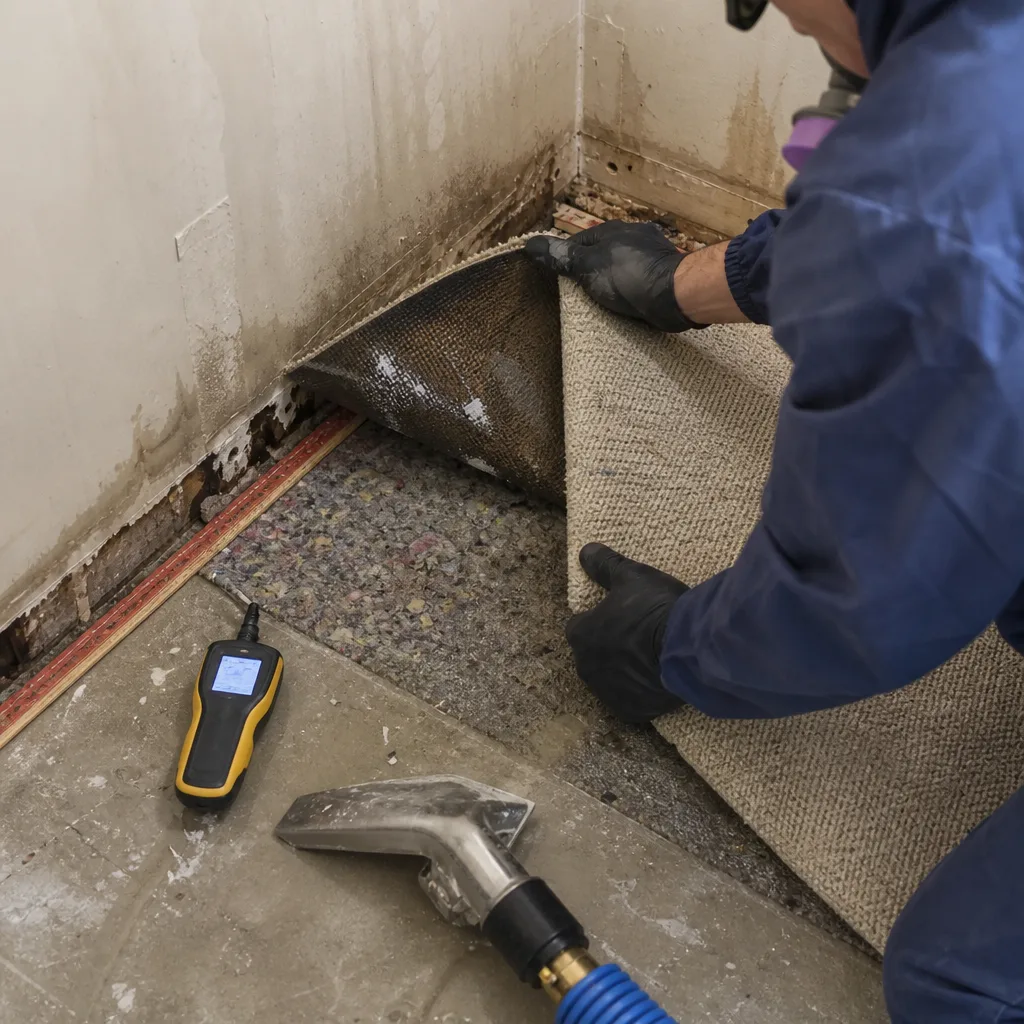
Our crews know the difference between a valley-floor response and an East Hill call.
East Hill - The 1970s-1990s wood-frame tract homes here share a common vulnerability: original housewraps and composition siding that have degraded past weather resistance. When a kitchen or garage fire pressurizes the interior, smoke finds every gap in that failing envelope and deposits soot in the exterior wall cavity. We’ve opened sheathing on East Hill jobs to find smoke staining on the backside of siding that interior cleaning never reached. The odor comes back until that cavity is accessed and treated.
Kent Valley / West Hill - The commercial and industrial core along West Valley Highway and the warehouse district south of State Route 516 sits on former agricultural floodplain with poor subsurface drainage. Fire suppression here creates a dual problem: the burn damage above and the water wicking up through the slab below. We’ve measured elevated moisture readings in concrete six weeks after extraction on valley-floor jobs because the water table rebounded faster than the surface dried. Tertiary drying - the final phase where bound moisture is removed from deep in materials - takes longer here than anywhere else in our service area.
Panther Lake - The residential neighborhoods around this kettle lake sit slightly higher than the main valley floor but still deal with saturated soils and older homes with original construction details. Fire restoration here often involves navigating tight lot lines for equipment access and coordinating with King County on any drainage or environmental concerns.
Downtown Kent / Historic Core - Mixed-use buildings and older residential stock near Kent Station and along Meeker Street have legacy construction, shared walls, and limited parking for restoration equipment. We’ve worked with property managers and the City of Kent’s building department on phased restoration plans that keep businesses operational while we address fire and smoke damage in adjacent units.
Specialized Fire & Smoke Damage Restoration Services We Offer in Kent
Fire Damage Cleanup
We remove charred debris, evaluate structural integrity, and document every material classification for your insurance estimate. In Kent’s older East Hill homes, we pay particular attention to original construction materials that may contain asbestos or lead-based paint - we test before disturbing, and we abate under proper containment if needed.
Smoke & Soot Removal
Dry soot brushes off; wet soot smears; protein residue from kitchen fires is nearly invisible but intensely pungent. We match the cleaning chemistry to the residue type and the surface material. On Kent jobs with failing exterior envelopes, we often need to open walls to reach soot that migrated through degraded housewrap - surface cleaning alone leaves the odor source intact.
Odor Removal & Deodorization
Smoke odor molecules bond with porous materials at the molecular level. We deploy thermal fogging to penetrate where liquid cleaners can’t reach, hydroxyl generators for occupied spaces, and activated carbon filtration on air scrubbers. Kent’s damp valley climate means odor molecules don’t naturally dissipate - active treatment is mandatory, and containment prevents redeposition during the process.
Contents Cleaning & Pack-Out
Your belongings get inventoried, photographed, and packed to our cleaning facility or a secure storage location. Textiles, electronics, documents, and furniture each receive appropriate cleaning and deodorization methods. We document condition before and after for your contents claim.
Emergency Board-Up & Tarping
Broken windows, roof holes, and compromised doors get secured immediately with materials that withstand Kent’s winter wind and rain. We establish temporary weatherproofing that holds until permanent repairs begin, protecting undamaged areas from secondary loss.
Structural Fire Repair
Heat-compromised framing gets sistered or replaced. Drywall, insulation, flooring, and finishes are restored to pre-loss condition. On Kent valley-floor jobs, we don’t close walls until slab moisture readings confirm the concrete and bottom plates are dry - rebuilding over wet substrate guarantees mold and warranty claims.
What happens when you call
- 1
A real person answersNo phone trees - you reach a local pro.
- 2
You get an upfront price rangeHonest numbers before anyone is dispatched.
- 3
A background-checked tech heads outLicensed & insured, dispatched right away.
- 4
You approve before work beginsNothing starts until you say go.
Fire & Smoke Damage Restoration Costs in Kent, WA
These are the price ranges we typically see for Kent fire and smoke restoration jobs in 2024-2025:
| Service | Typical Range in Kent |
|---|---|
| Emergency board-up & tarping | $350 - $850 |
| Smoke & soot cleaning (light, per room) | $450 - $950 |
| Smoke & soot cleaning (heavy, per room) | $1,200 - $2,800 |
| Odor removal & deodorization (whole house) | $1,500 - $4,500 |
| Contents pack-out & cleaning | $2,500 - $7,500 |
| Structural drying (water extraction + equipment) | $1,800 - $5,500 |
| Drywall removal & replacement (per room) | $1,200 - $3,200 |
| Full structural fire repair (rebuild) | $15,000 - $75,000+ |
What moves the price: the square footage affected, whether smoke reached HVAC ductwork, the extent of water damage from suppression, and whether exterior wall cavities need opening. Insurance typically covers direct fire and smoke damage plus necessary water mitigation; our documentation package supports that coverage. Haven Standard, Clause 1: you’ll have a written price before any work starts. Call (360) 997-2427 for your free inspection and exact scope.
We Also Serve Cities Near Kent
Our crews respond throughout the Green River Valley and surrounding ridges: Kent, Renton, Auburn, Federal Way, and Maple Valley. Each has distinct elevation, drainage, and housing-stock characteristics that shape our approach - ask us about the difference between a valley-floor job and a ridge-city response when you call.
Serving Kent, WA - Our Local Coverage Area
We’re based in the Kent area and know this community well. Use the map below to see our service coverage - if you’re nearby, we can almost certainly help.
Kent Fire & Smoke Damage Restoration Questions, Answered
Does a fire in a Kent valley-floor home need more drying than the burn damage suggests?
Yes - often significantly more. Kent’s valley-floor water table rebounds quickly after suppression water is extracted, and hydrostatic pressure drives moisture up through concrete slabs for weeks. We’ve measured elevated slab moisture six weeks after surface extraction on former agricultural floodplain properties. Air movers alone won’t hit drying targets here; we deploy Injectidry cavity panels, Phoenix dehumidifiers, and extended drying cycles with documented moisture logs. Call (360) 997-2427 and we’ll assess your specific slab and wall conditions.
Why does smoke smell come back in Kent’s older East Hill tract homes after a fire?
The original housewraps and aging composition siding on 1970s-1990s East Hill homes have degraded past the point of sealing the exterior wall assembly. Fire pressure forces smoke through these gaps into the cavity between sheathing and drywall. Surface cleaning and interior deodorization don’t reach that hidden reservoir. We often need to open the exterior sheathing or interior drywall to access and treat the odor source - then confirm with air sampling before closure. The Haven Standard requires we find and fix the root cause, not mask it.
How fast do we need to start mitigation after a Kent fire?
Immediately - within the first few hours. Smoke residue is acidic and begins corroding metal fixtures, electronics, and painted surfaces within hours. Suppression water starts wicking into drywall, insulation, and framing within minutes. The longer either sits, the more material must be removed rather than restored. We answer live 24/7 and commit to 45-minute response anywhere in Kent. Call (360) 997-2427 and we’ll dispatch now.
Do you have to tear out a lot of drywall on a Kent fire job?
Not always - it depends on what the fire reached and where smoke and water traveled. Light smoke damage on hard surfaces often cleans without removal. But when smoke has penetrated exterior wall cavities through failing housewrap, or when suppression water has saturated insulation and bottom plates, we remove affected drywall to dry the cavity and treat the framing. We make that call with thermal imaging and moisture mapping, not guesswork, and we document the rationale for your adjuster. Every removal is in the written scope before work begins.
Can you clean and store our contents during a Kent fire restoration?
Yes - contents pack-out, inventory, cleaning, and secure storage are standard services, not upsells. We photograph each item’s condition, pack with appropriate materials, and transport to our cleaning facility or a secure storage location. Textiles get deodorized, electronics get assessed and cleaned, documents get dried and stabilized if water-damaged. You receive a detailed inventory for your contents claim, and items are returned when your home is ready. Call (360) 997-2427 to arrange pack-out as part of your restoration scope.
Will insurance cover fire and smoke restoration in Kent?
Homeowners insurance typically covers direct fire damage, smoke damage, and necessary water mitigation from suppression - but the claim succeeds or fails on documentation. We provide the photo record, moisture readings, drying logs, and line-item scope that adjusters need to approve payment. We bill directly and coordinate with your carrier so you’re not managing the paperwork alone. If you have a competitor’s estimate, our Free Second Opinion reviews it at no charge for gaps that might delay approval.
How long does fire and smoke restoration take in Kent?
Light smoke cleaning: 2-5 days. Moderate damage with water mitigation and cavity drying: 2-4 weeks. Severe damage requiring structural repair: 2-6 months. Kent’s damp valley climate extends drying timelines compared to drier ridge locations - we don’t close walls until moisture logs confirm targets are met, and we don’t rush documentation that your insurance needs to pay the claim. We give you a written timeline with the scope, and we update it if conditions change.
Are your technicians certified for fire and smoke restoration?
Yes - our lead technicians hold IICRC FSRT (Fire and Smoke Restoration Technician) certification, with WRT (Water Damage Restoration Technician) for the water mitigation that follows every suppression event, and AMRT (Applied Microbial Remediation Technician) for the mold risk in Kent’s damp climate. All technicians are background-checked, uniformed, and licensed - their credentials are available on request. Equipment meets IICRC, RIA, and IFA documentation standards. Call (360) 997-2427 and we’ll confirm the specific certifications for your assigned crew.
Fire damage doesn’t wait for business hours, and neither do we. Our Fire & Smoke Damage Restoration team answers live at (360) 997-2427, 24 hours a day, 7 days a week. We’ll arrive, assess, document, and give you a written price before any work begins - Haven Standard, Clause 1, every time. The sooner we start, the less of your home we have to remove to make it right.
Written by Alicia Brennan, Owner at DryMark Restoration Kent, serving Kent since 2011.
Fire & Smoke Damage Restoration in Nearby Areas