
Last updated September 23, 2026
Free visual inspection and a written scope of work before any mitigation begins - photos, moisture readings, and drying logs go in your claim file
The scope we write is the scope we bill. Anything new gets shown to you, in writing, before we touch it.
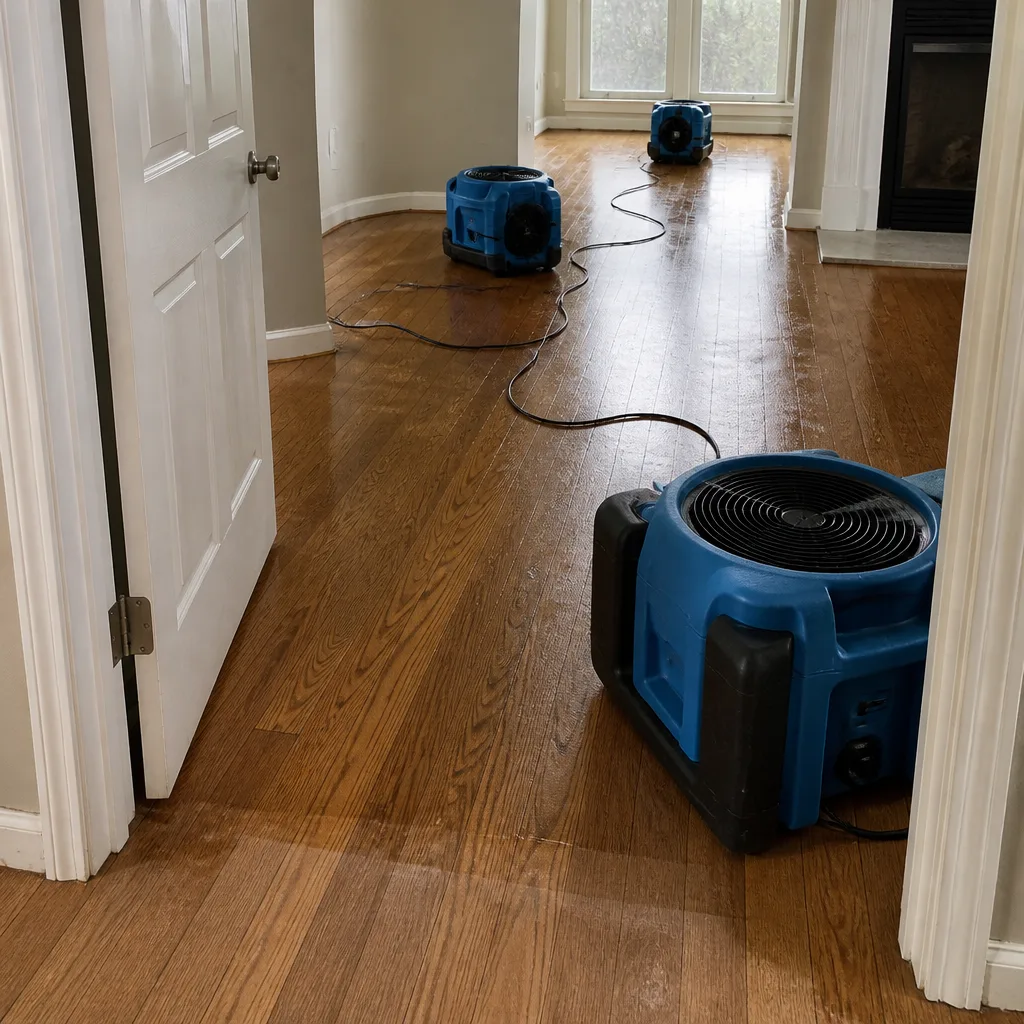
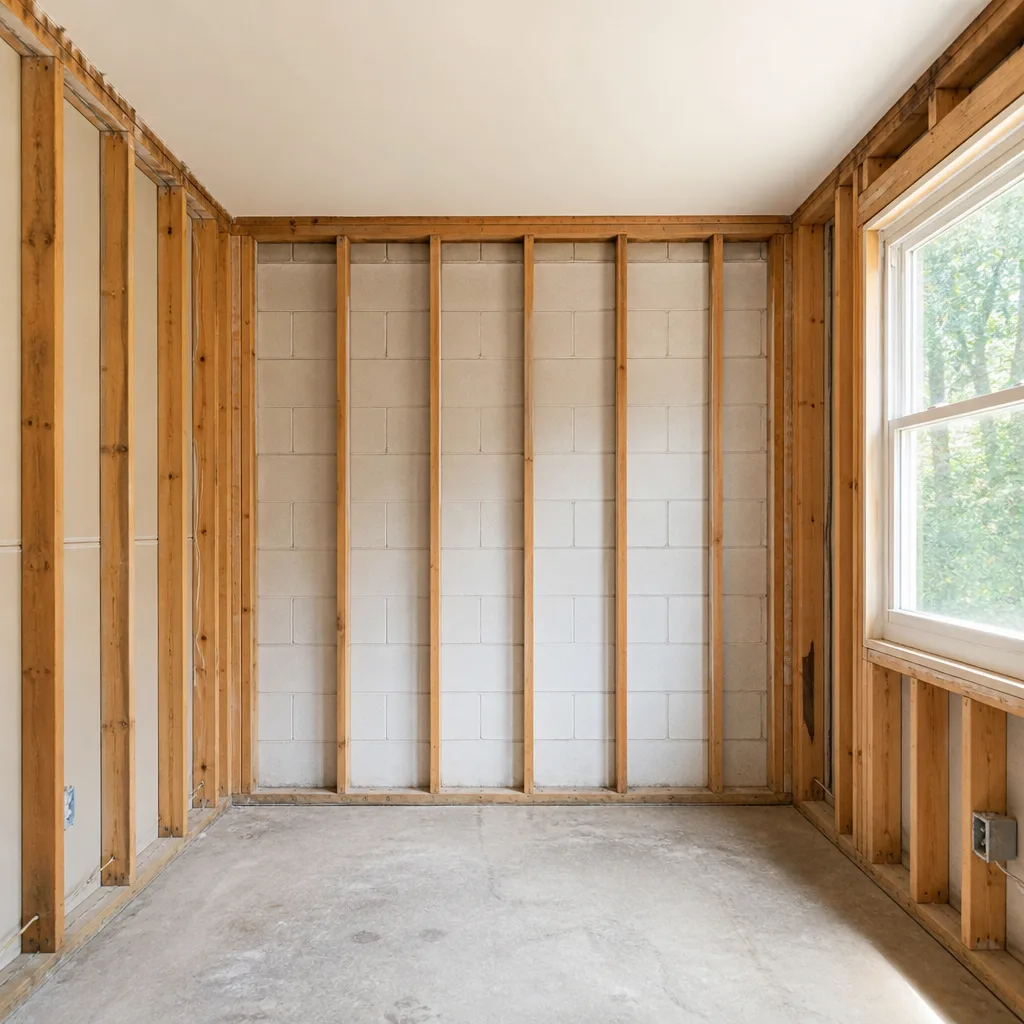
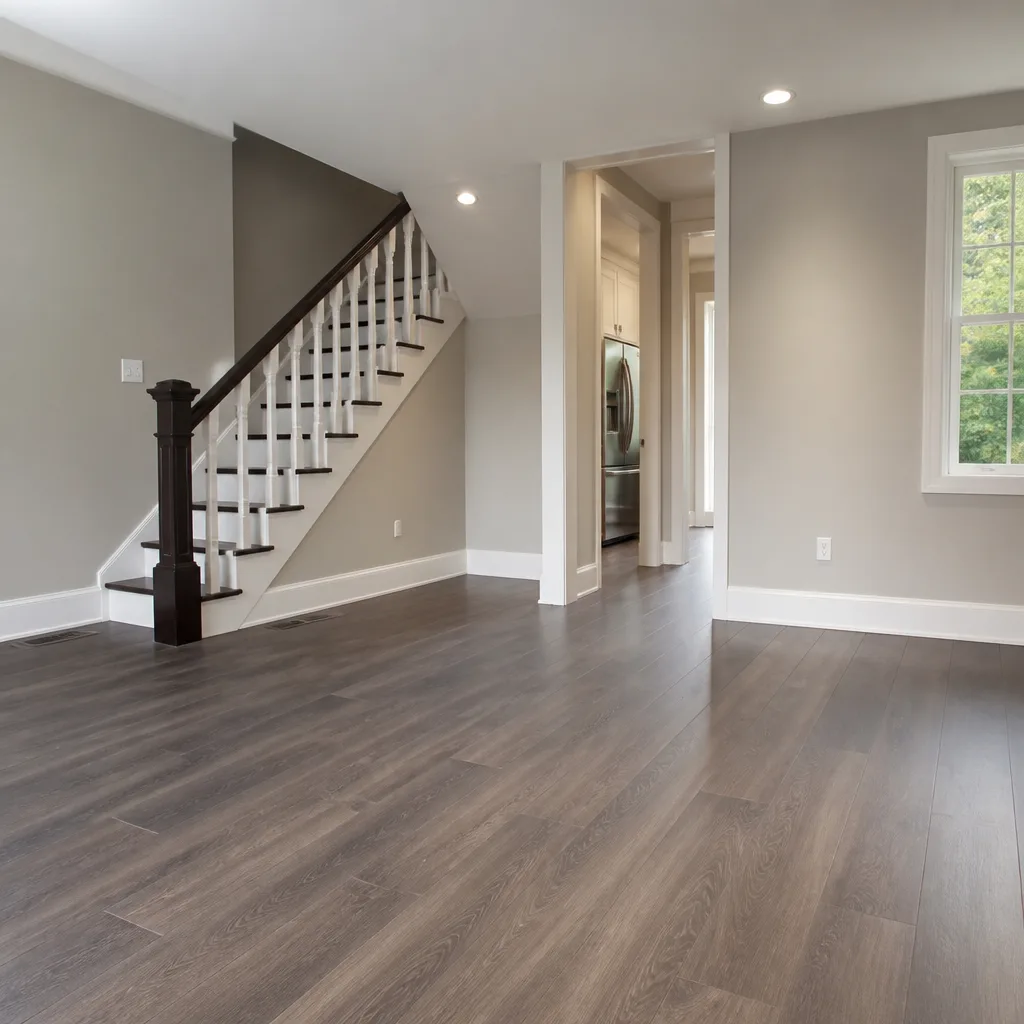
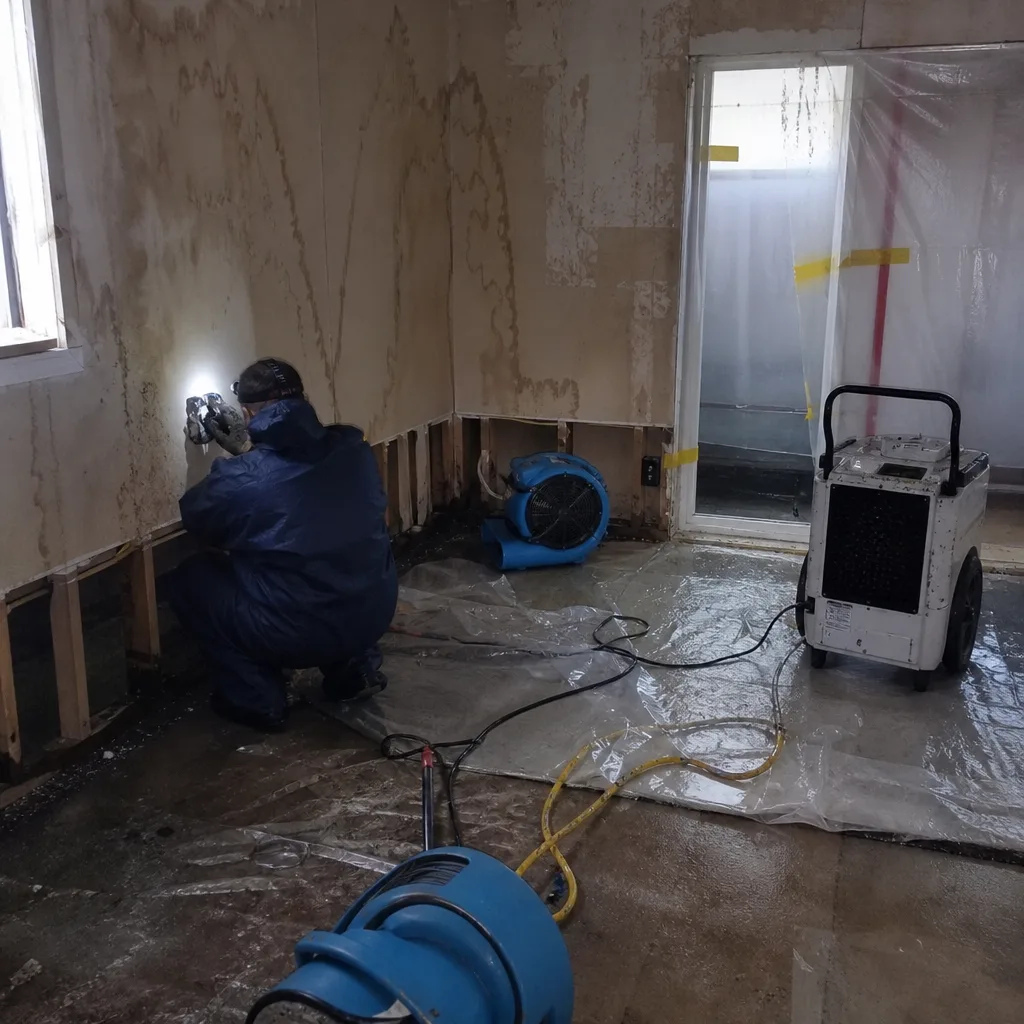 Before
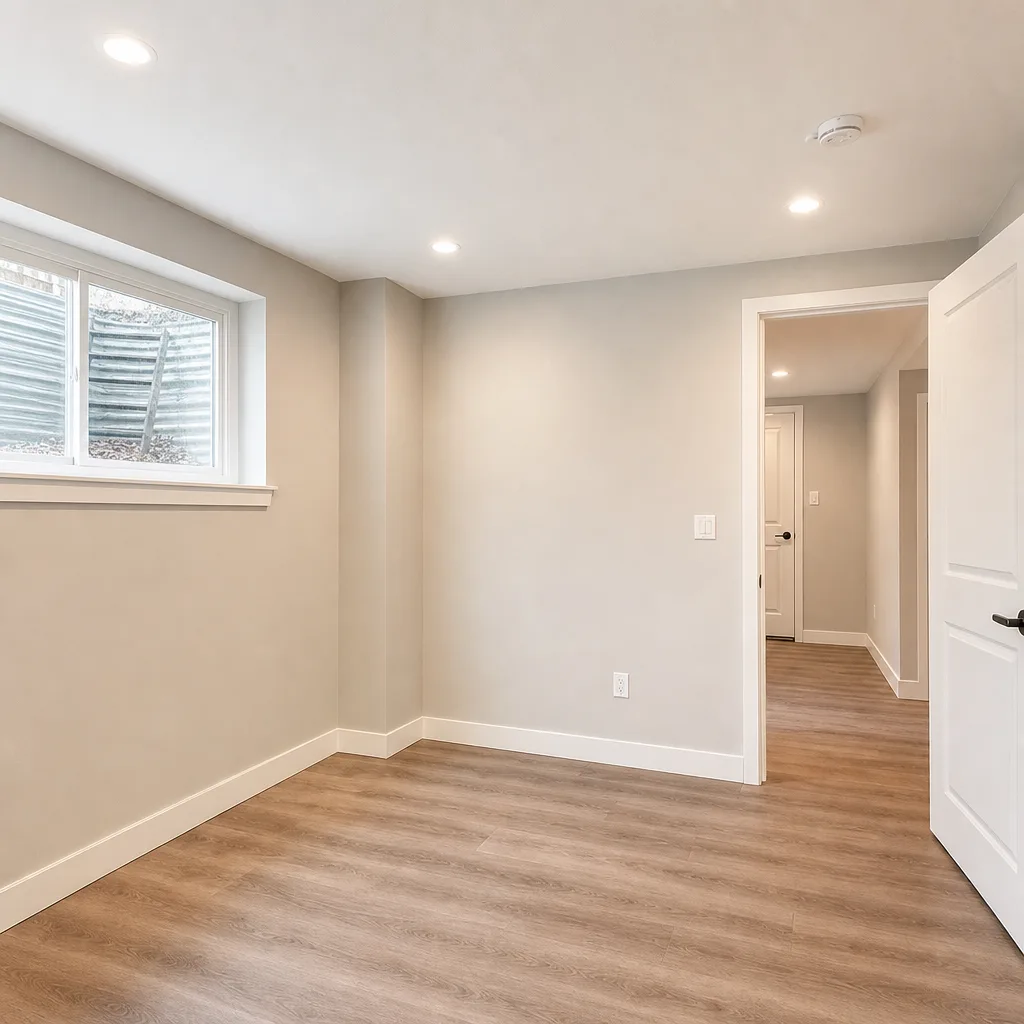 After
After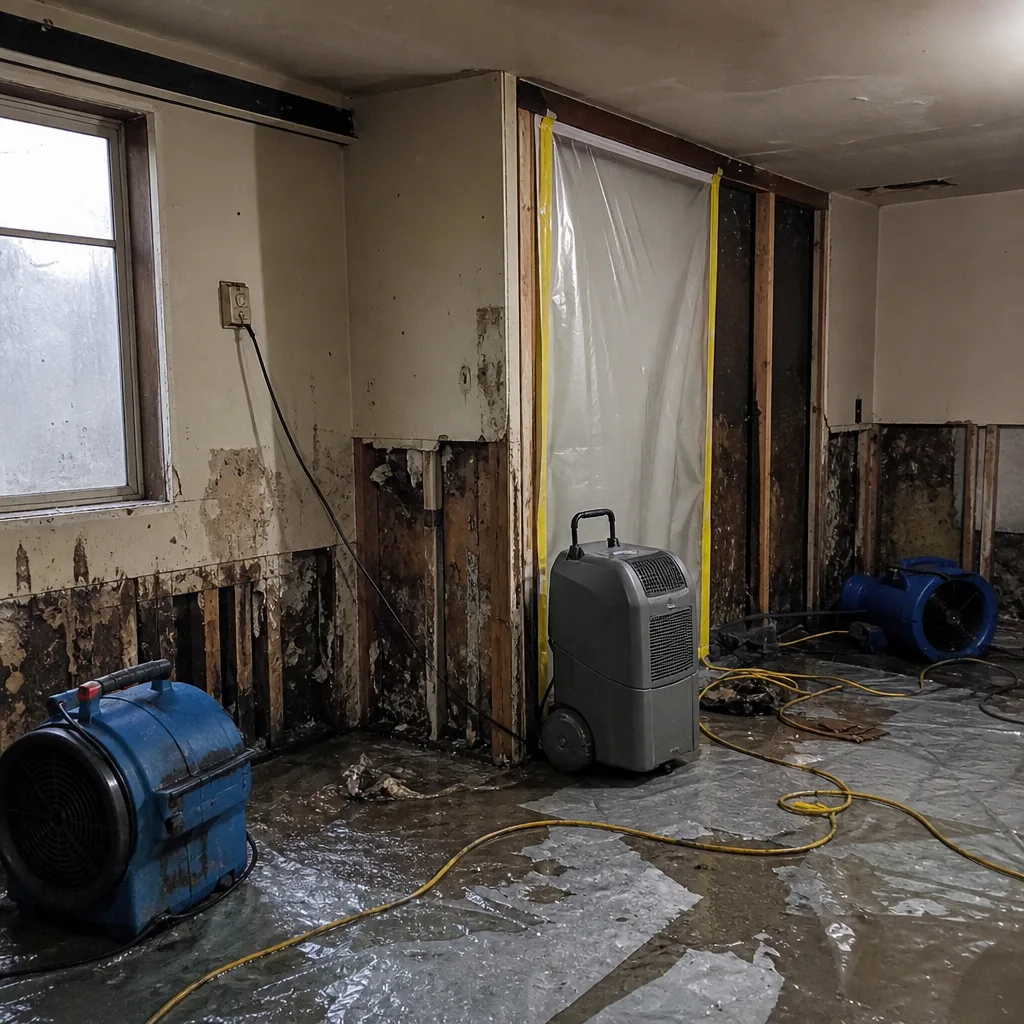 Before
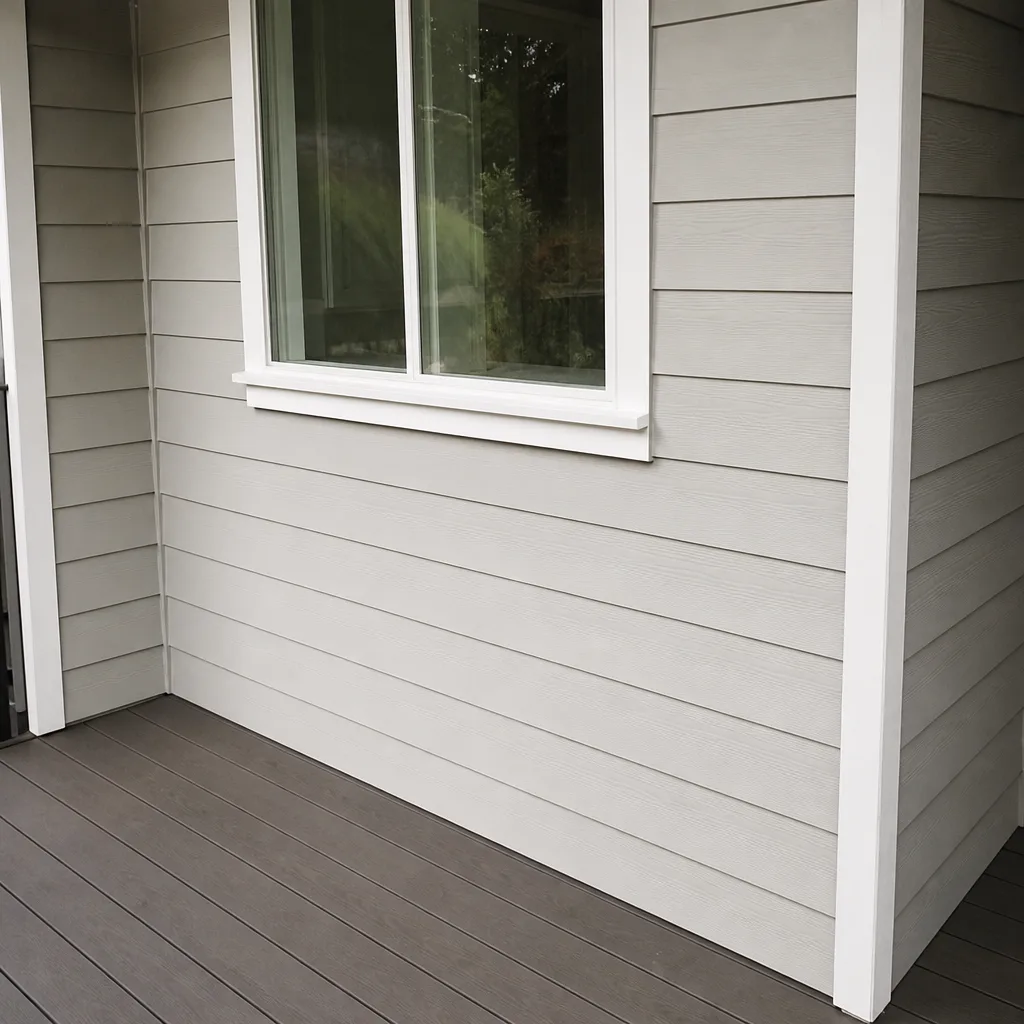 After
After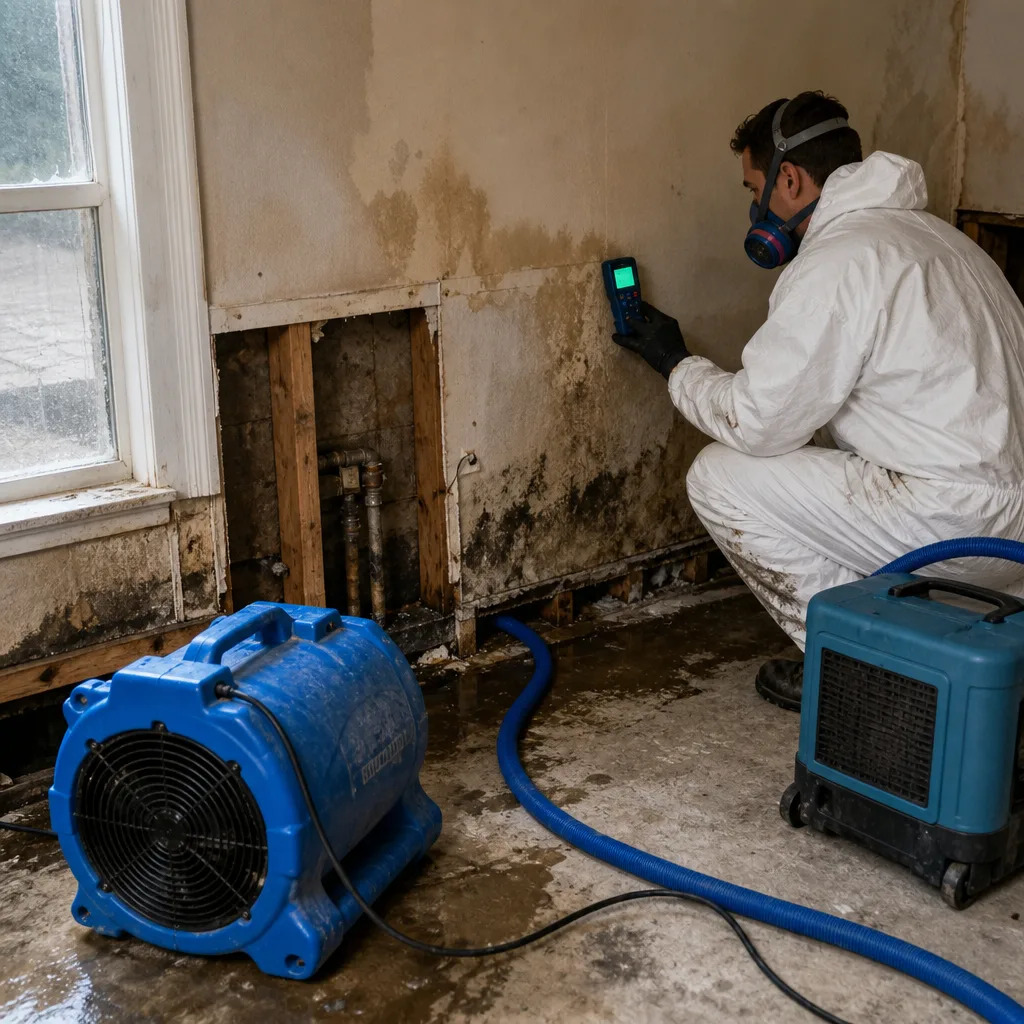 Before
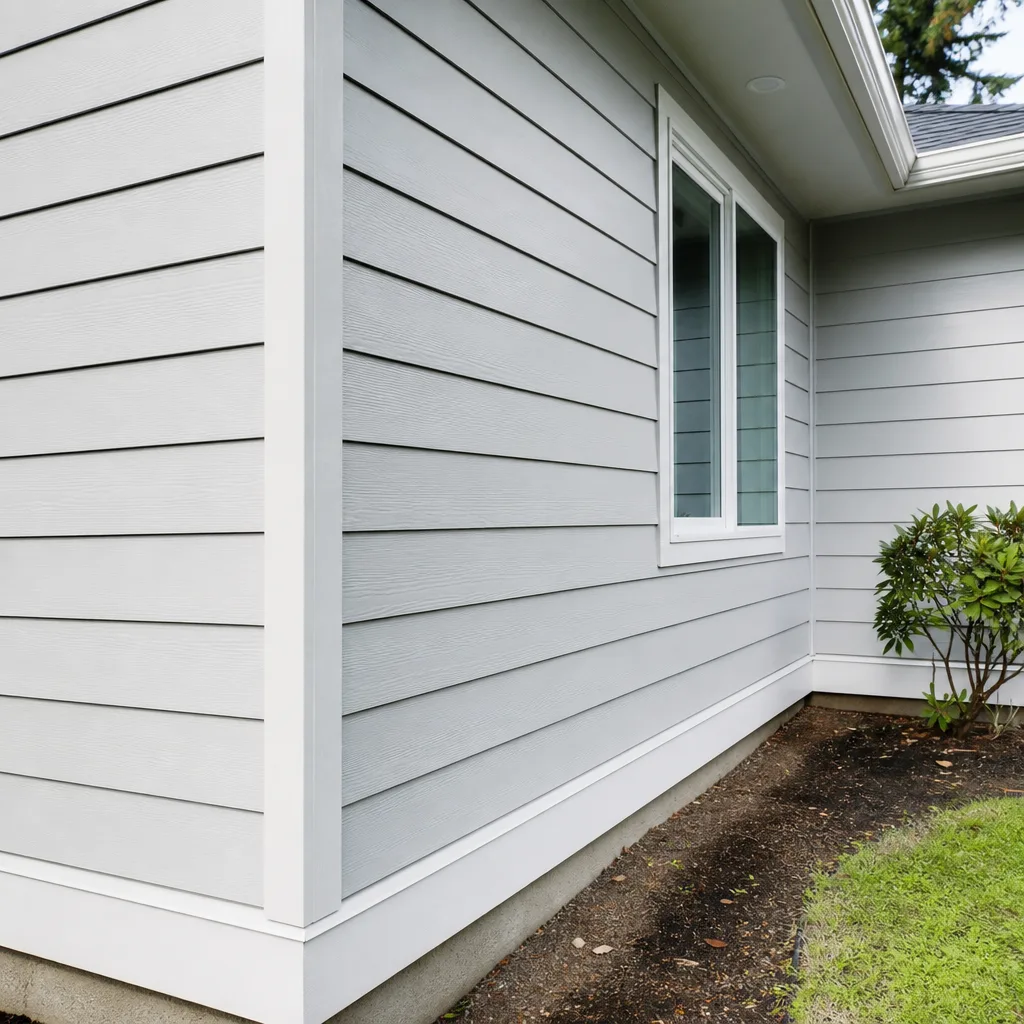 After
AfterThe Complete Guide to Damage Restoration in Kent
A restoration job with a moisture log closing at 14% reads differently to an adjuster than an identical job with no log at all - and the difference can be thousands of dollars on the same claim. In Kent, where clay-heavy soils trap water against foundations and winter rainfall averages 38 inches annually, we’ve seen homeowners lose legitimate coverage not because the damage wasn’t real, but because the documentation didn’t prove it. This guide explains how damage restoration actually works in Kent: what the process looks like, what documents your contractor should produce, and how to protect your claim from the paperwork gap that costs more than the water itself. For related reading, see our Damage Restoration Warning Signs: A Kent Homeowner’s Reference Guide.
Quick Answer
Damage restoration in Kent is a documented drying and rebuilding process that moves from emergency mitigation (water extraction, containment, stabilization) through remediation (mold removal, smoke cleaning, structural drying) to reconstruction (repairs, replacement, final certification). A properly documented restoration produces four deliverables: a written scope, daily moisture logs, a photo record, and a certificate of drying - and missing any one can reduce your insurance settlement or delay it entirely. In Kent’s wet climate, drying targets often need adjustment below industry defaults because of the region’s high ambient humidity and clay soil moisture retention.
Table of Contents
- How Kent’s Climate and Soil Change the Restoration Process
- The Four Documents Every Restoration Must Produce
- Mitigation vs. Remediation: Why the Order of Operations Matters
- How to Read a Restoration Invoice Line by Line
- Equipment, Drying Targets, and When Industry Defaults Fail in Kent
- The Documentation Gap: Why Insurers Deny Claims in Washington State
- Choosing a Restoration Contractor in Kent
- Common Mistakes to Avoid
- When to Call a Professional
- Frequently Asked Questions
BeforeAfterHow Kent’s Climate and Soil Change the Restoration Process
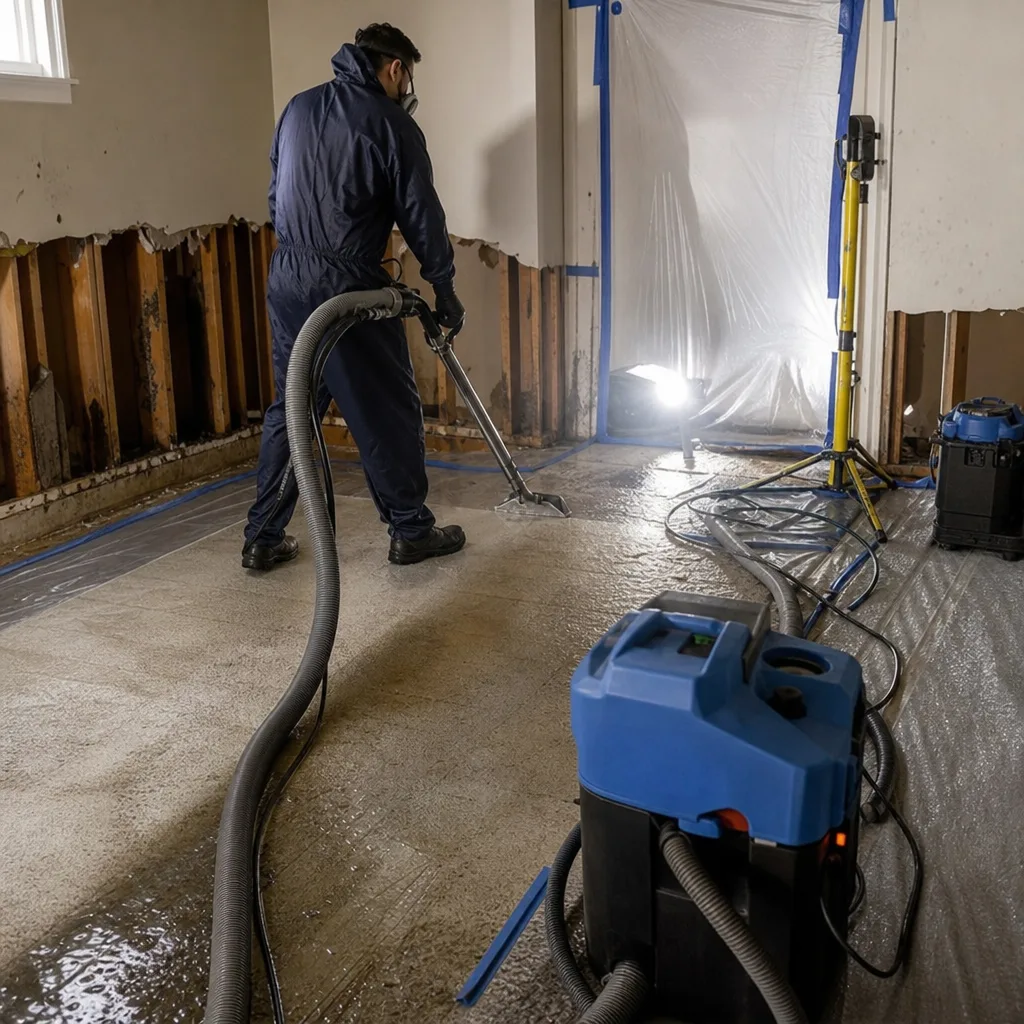
Kent sits on the Kent Valley floor, where glacial outwash and lacustrine clay deposits create soil that holds water like a sponge. This isn’t a geological curiosity - it’s a variable that changes how we dry structures. When water enters a Kent home, whether from a failed sump pump in East Hill, a backed-up sewer on the West Valley Highway corridor, or wind-driven rain in the Benson Hill area, that moisture doesn’t behave the same way it would in a drier climate or sandier soil.
The practical effects show up in three places:
- Foundation wicking: Clay soil against basement and crawl space walls creates a capillary action that pulls groundwater into concrete and framing even after the interior standing water is gone. We’ve measured moisture content in Kent basement rim joists at 22% two weeks after extraction because the soil outside was still saturated.
- Extended drying seasons: Kent’s fall and winter humidity often sits above 70% ambient. Dehumidification equipment sized for Arizona or even Eastern Washington won’t hit vapor pressure differentials fast enough here. We regularly deploy Phoenix LGR dehumidifiers and XPOWER air movers at higher counts per square foot than IICRC tables suggest for drier climates.
- Secondary moisture sources: In the Panther Lake and Lake Meridian areas, high water tables mean slab-on-grade homes can show new moisture migration during drying even when the original leak is fixed. Our moisture mapping includes perimeter soil readings in these neighborhoods because the substrate itself becomes a continuing source.
What this means for homeowners: drying targets need to be set lower, and verification needs to run longer. A carpet that reads “dry” at 16% moisture content in Phoenix may still be wicking from Kent’s clay soil at that reading. Our crews in Kent typically hold drying until wood structural materials reach 12-14% and gypsum wallboard reads below 0.5% on a calibrated moisture meter, with daily psychrometric data logged to prove the trend line.
Psychrometric data, for those unfamiliar, is simply the measurement of temperature, relative humidity, and vapor pressure in the drying environment. We log it because adjusters ask for it, and because it tells us whether our equipment is actually changing conditions or just recirculating wet air.
The Four Documents Every Restoration Must Produce
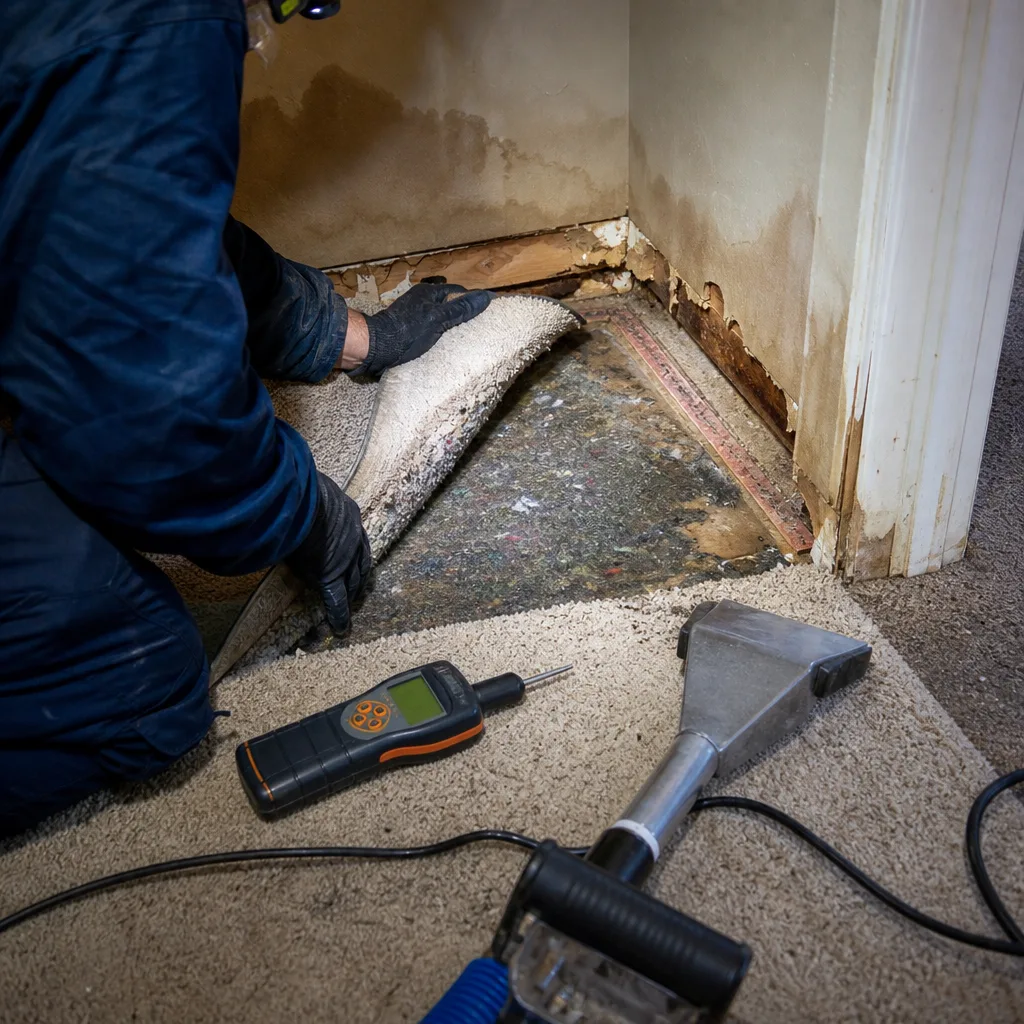
We’ve reviewed thousands of claims files since 2011. The pattern is consistent: the jobs that pay without dispute have documentation, and the jobs that stall are missing at least one of four critical documents. Here’s what they are, what each contains, and what happens when it’s absent.
1. The Written Scope of Work
This is the contract. It lists every task, material, and piece of equipment to be used, with quantities and unit prices. Haven Standard, Clause 1 requires that this document be signed before any work begins. We’ve seen Kent homeowners accept verbal scopes during emergencies, then face invoices with line items like “containment: 4 hrs @ $95” that weren’t discussed.
What a proper scope includes: room-by-room task lists, equipment counts and placement locations, demolition boundaries with square footage, material specifications (not just “drywall” but “5/8″ Type X, per local code”), and a total price with payment terms.
What happens without it: Insurers apply “reasonable and customary” limits per line item, and without a pre-approved scope, the contractor’s actual charges often exceed those limits. The homeowner pays the gap.
2. Daily Moisture Logs
These are the drying diary. Every visit, every room, every material type gets a moisture reading with the meter type, calibration date, and reading location. In Kent, where we might be running Injectidry hardwood floor drying systems for 10-14 days, these logs prove that drying progressed under controlled conditions.
What a proper log includes: Date and time of reading, technician name, equipment inventory on-site, ambient readings (temperature, RH, GPP), material-specific readings with meter make/model, and notes on any adjustments made.
What happens without it: The insurer can’t verify that drying was complete before reconstruction started. If mold appears later, the contractor’s liability becomes the homeowner’s problem, and coverage for subsequent damage may be denied.
3. Photo Record
Every visit, every phase. Not just “before and after” - that’s marketing photography. The documentation photo record shows: pre-loss condition, damage extent, equipment placement, moisture readings in situ, demolition boundaries, and post-drying verification. At DryMark Restoration Kent, this is standard on every job, included in our base pricing, never an upsell.
What happens without it: Disputes over whether damage was pre-existing, whether areas were actually dried, or whether demolition was necessary become word-against-word. The photo record is objective evidence.
4. Certificate of Drying / Completion
This final document states that materials have been returned to pre-loss moisture content or industry-acceptable levels, lists the final readings that support that conclusion, and certifies that the drying phase is complete. It’s the green light for reconstruction to begin, and the documentation that closes the mitigation portion of an insurance claim.
What happens without it: Reconstruction starts on wet materials, trapping moisture in wall cavities. We’ve been called to Kent homes six months after “completion” where hidden mold had colonized the back side of new drywall because no certificate was issued and no final verification was performed.
Mitigation vs. Remediation: Why the Order of Operations Matters
These terms get used interchangeably by contractors and insurers, but they describe different phases with different pricing structures, different documentation requirements, and different timelines. Conflating them in a single document is one of the most expensive mistakes we see in Kent claims.
Mitigation is emergency stabilization: extraction, containment, initial drying setup, and prevention of further damage. It’s urgent, it’s billed by time and equipment, and it’s typically covered under “additional living expense” or emergency provisions with faster approval.
Remediation is the controlled removal of damaged materials and contaminants: mold removal, smoke-impacted material demolition, sewage-impacted porous material removal, and antimicrobial application. It’s scoped, it’s priced by square foot or unit, and it requires specific documentation for health and safety compliance.
Reconstruction is rebuilding: new drywall, flooring, paint, fixtures. It’s scheduled, not dispatched, and it’s priced like any construction contract with material allowances and labor rates.
The order matters for three reasons:
- Insurance coding: Mitigation and remediation often fall under different coverage limits. A single combined invoice may be applied entirely to the lower limit, reducing your total payable claim.
- Drying efficiency: Extraction must precede dehumidification. Every gallon removed by extraction equipment is a gallon the dehumidifiers don’t have to pull from the air. In a Kent basement with 2 inches of standing water, we might extract 200 gallons in two hours with a B-Air trash pump before placing a single dehumidifier. Skipping this step extends drying by days and runs equipment costs up proportionally.
- Moisture mapping before demolition: Demolition without mapping destroys the evidence of moisture extent. We map first with thermal imaging and pinless meters, document the readings, then remove only what’s wet. Contractors who demolish first and map later (or never) often remove dry material at your expense and miss wet material that will cause future problems.
In our Kent work, we write separate scopes for each phase, even when all three are approved at once. This lets the adjuster apply correct coverage limits, lets us document phase completion properly, and gives the homeowner clear stopping points if they choose to handle reconstruction separately.
How to Read a Restoration Invoice Line by Line
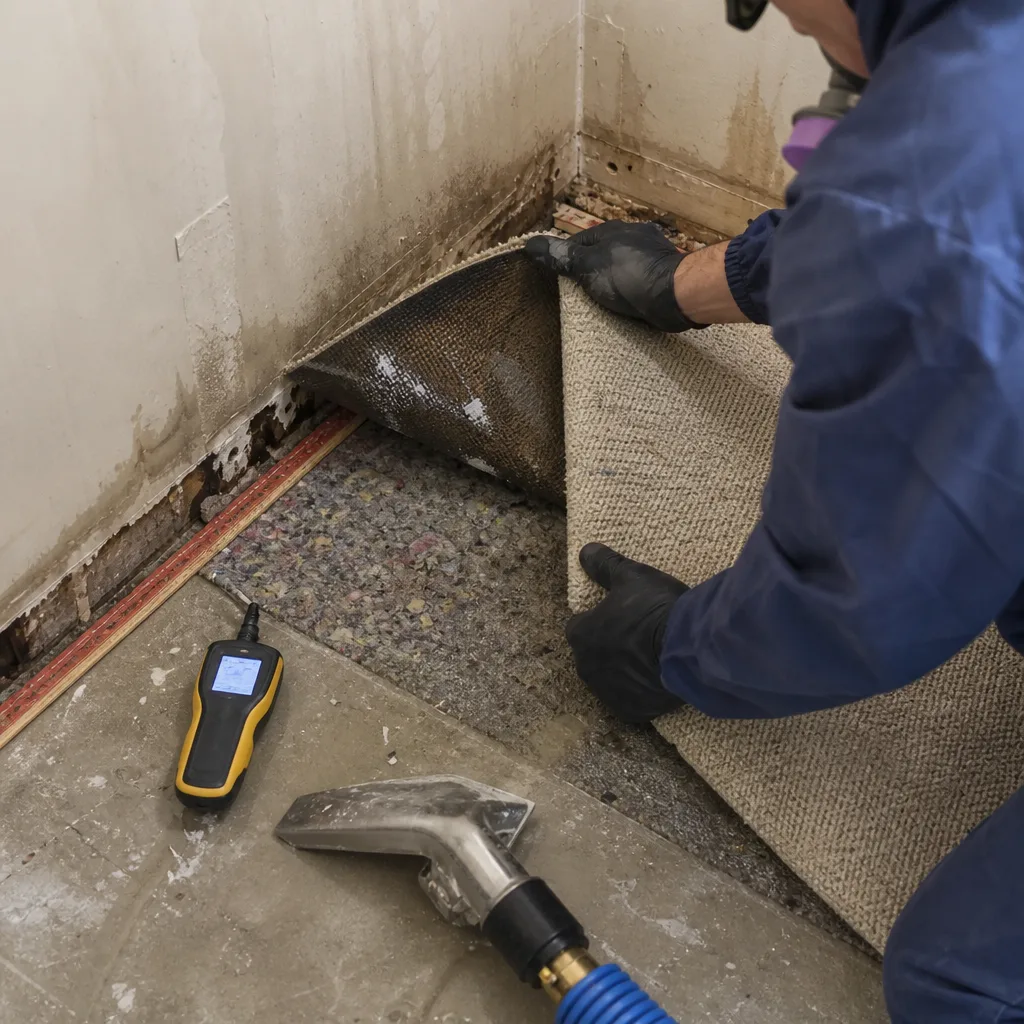
Restoration invoices in Washington State follow pricing databases - primarily Xactimate, with some carriers using internal variants. For a detailed look at typical costs, see our Damage Restoration Cost Breakdown: The Kent Homeowner’s Reference for 2026. Understanding what each line means, and what adjusters flag, lets you question charges before they become disputes.
Here’s a typical Kent water damage invoice structure, with the insurer perspective on each section:
| Line Item Category | What It Covers | Common Flags/Denials |
|---|---|---|
| Emergency Service Call | After-hours dispatch, initial assessment, equipment delivery | Denied if no actual emergency (slow leak left unaddressed for days) |
| Water Extraction | Standing water removal, truck-mounted or portable extractors | Flagged when extraction hours exceed standing water volume; 2 hours for 1/4″ over concrete is reasonable, 6 hours is not |
| Equipment (Dehu/Air Mover) | Daily rental of dehumidifiers, air movers, specialty drying | Denied when equipment counts exceed IICRC recommendations without justification; we document square footage and psychrometric need |
| Demolition/Removal | Tear-out of unsalvageable materials | Flagged when demolition exceeds mapped moisture boundaries; photo record prevents this |
| Antimicrobial Application | EPA-registered disinfectant on affected surfaces | Routinely denied on Category 1 (clean water) losses without mold suspicion; we document visible microbial growth or high-risk conditions |
| Contents Manipulation | Moving furniture, blocking, packing | Denied when “manipulation” is actually full pack-out billed separately |
| Monitoring/Inspection | Daily or every-other-day moisture readings, equipment checks | Flagged when visits exceed drying need; we justify extended drying with logged psychrometric data |
| Tertiary Drying | Specialized hardwood, plaster, or cavity drying systems | Often denied as “not standard” without pre-approval; our written scope includes justification based on material type |
Tertiary drying, for context, is the phase after primary (extraction) and secondary (ambient dehumidification) where targeted systems address specific materials. Injectidry panel systems for hardwood floors, or Phoenix heat drying systems for plaster, fall here. These aren’t upsells in Kent’s older housing stock - they’re necessary for materials that won’t respond to standard air movement alone.
Red flags to watch for: equipment left running without documented moisture progress, demolition with no pre-demolition moisture map, antimicrobial on every job regardless of water category, and “monitoring” visits that don’t produce logged readings. Each of these patterns appears on invoices we’ve reviewed from competitors, and each has been denied by adjusters who know what to look for.
Equipment, Drying Targets, and When Industry Defaults Fail in Kent
IICRC S500 provides industry-standard drying targets and equipment sizing formulas. In Kent, we start with those tables and adjust for local conditions. The defaults assume moderate humidity and free-draining soil. Kent offers neither.
Our equipment deployment typically runs:
- Dehumidifiers: One LGR (low-grain refrigerant) unit per 400-500 square feet in Kent conditions, versus the 700 square feet the tables suggest for drier climates. We use Phoenix 200 MAX units with grain depression monitoring to verify they’re actually pulling moisture, not just cycling air.
- Air movers: One per 50-60 linear feet of wall in standard conditions; in Kent’s high-humidity periods, we increase to one per 40 linear feet and add axial fans for whole-room air exchange.
- Specialty drying: Injectidry systems for hardwood floors in the older homes near Kent’s historic downtown; XPOWER centrifugal air movers for dense, water-retentive materials like plaster and lath; and desiccant dehumidifiers for commercial spaces where temperature control limits refrigerant unit effectiveness.
Drying targets we use in Kent, with the reasoning:
| Material | Industry Default | Kent Adjusted Target | Reasoning |
|---|---|---|---|
| Framing lumber (pine/fir) | 15-16% | 12-14% | Clay soil wicking; higher ambient humidity slows final equilibration |
| OSB subfloor | 15% | 13% | Edge swelling in high humidity; lower target prevents delamination |
| Gypsum wallboard | 1% above dry standard | 0.5% or below | Primer and paint trap surface moisture; lower target ensures core dryness |
| Concrete slab | 4.0 lbs/1000 sq ft/24hr (calcium chloride) | 3.0 lbs or below | High water table areas (Panther Lake, Lake Meridian) require lower readings before flooring installation |
Vapor pressure differential is the engine of drying - the difference between the moisture in the wet material and the moisture capacity of the air around it. In Kent’s humid seasons, that differential is smaller to start with, so we create it with temperature control, dehumidification capacity, and air movement volume. The equipment list isn’t arbitrary; it’s the physics of drying applied to local conditions.
The Documentation Gap: Why Insurers Deny Claims in Washington State
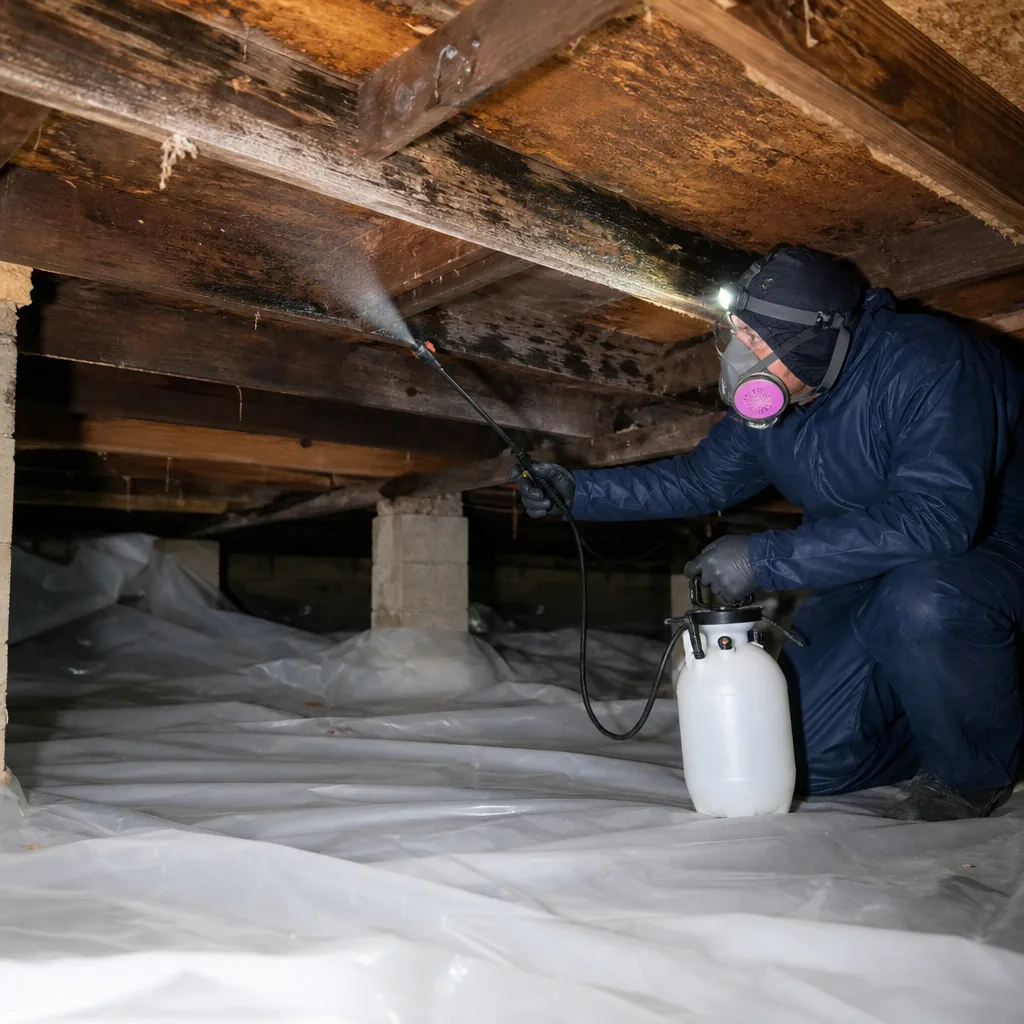
Washington State follows standard homeowners policy language with some regional variations in water damage coverage. The most common denial reasons we see in Kent aren’t about coverage limits - they’re about documentation failures that make a valid claim unprovable.
Four patterns dominate:
- Pre-existing condition disputes: The insurer claims the damage existed before the reported loss. Without dated photos of pre-loss condition, the homeowner can’t rebut this. Our photo record includes baseline shots of unaffected areas to establish what “dry” looked like in this specific structure.
- Failure to mitigate: Policies require homeowners to take reasonable steps to prevent further damage. If a Kent homeowner waits three days to call after discovering a leak, the insurer may deny secondary damage. Our documentation includes the initial moisture map with timestamps, proving what was wet when we arrived and what worsened despite immediate action.
- Over-mitigation: The insurer accepts the loss but disputes the scope of work. This is where the written scope, signed before work, becomes critical. Haven Standard, Clause 1 exists because we’ve seen $8,000 mitigation bills on $3,000 losses where the homeowner approved nothing in writing.
- Incomplete drying before reconstruction: The mitigation pays, reconstruction proceeds, then mold appears. The insurer denies the mold claim as “resulting from faulty workmanship” - meaning the contractor’s failure to dry properly. Our certificate of drying, with final readings, prevents this sequence.
Direct insurance billing is standard for us, but the homeowner remains the policyholder. We document so the policyholder can enforce their coverage. In Kent, where many homeowners carry higher deductibles and may self-fund smaller losses, our photo record and written scope also support cash-pay customers who want to verify they’re getting what they paid for.
Our free second opinion service applies here: bring a competitor’s written estimate, and we’ll review it against what the documentation should show. We’ve found scope gaps, equipment overcharges, and missing verification steps in estimates from other Kent-area contractors. No charge for the review, no obligation to use our services.
Choosing a Restoration Contractor in Kent
The contractor you choose shapes both the physical outcome and the financial one. In Kent’s restoration market, we’ve seen significant variation in documentation practices, pricing transparency, and technical approach. Here’s what to verify before signing.
Documentation commitment: Ask specifically about the four documents above. Any contractor who can’t describe their standard deliverables, or who treats moisture logs as “available on request,” is documenting for their convenience, not your claim.
Written price before work starts: Haven Standard, Clause 1. Not an estimate range, not a “we’ll bill actuals.” A price, in writing, with line items, signed before equipment is placed. We’ve heard Kent homeowners told “we can’t know until we start” - which is true for unknown damage, but not for the initial scope. The unknowns get handled with written change orders, not verbal assurances.
Local equipment inventory: Contractors who rent equipment as needed can’t respond to multiple simultaneous losses, and may leave equipment in place longer than necessary because pickup is scheduled for their convenience, not your drying curve. We own our Phoenix, XPOWER, B-Air, and Injectidry inventory and can deploy same-day in Kent.
Technician standards: Background-checked, uniformed, named on the work order. License numbers available on request. The technician who enters your Kent home should be identifiable, accountable, and trained to the IICRC, RIA, and IFA standards we document to.
Response structure: Live person answers every call, 24 hours a day, 7 days a week. No voicemail trees on emergency lines. Water doesn’t schedule its arrival, and the first hours determine whether a loss is $3,000 or $30,000.
We’ve operated under The Haven Standard since 2011, when Alicia Brennan founded Back to Dry Restoration after seeing documentation gaps from the adjuster’s side of the desk. That origin - solving the problem that denied claims - shapes every process we use in Kent today.
Common Mistakes to Avoid
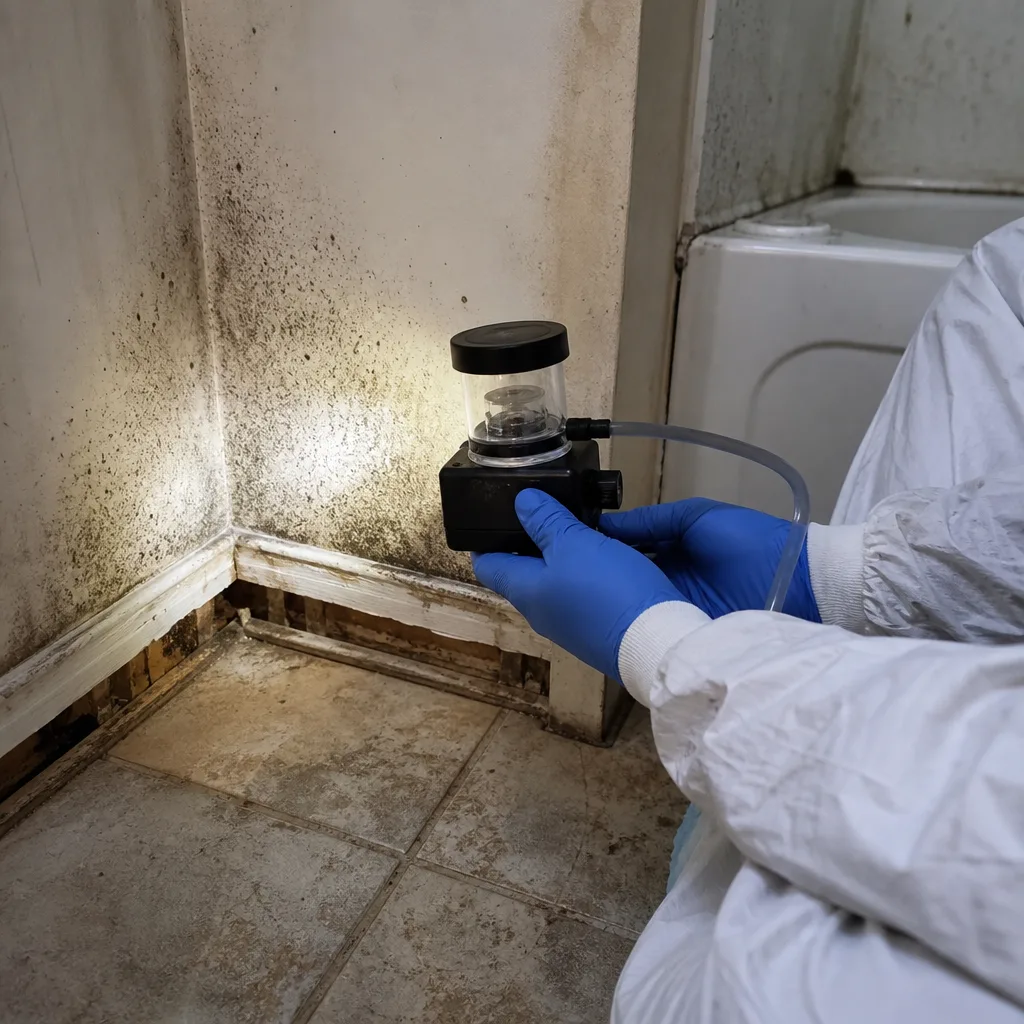
- Waiting to document: Kent homeowners often start cleanup before photographing damage. By the time the insurer’s adjuster arrives, the evidence is gone. Document first, mitigate second - or hire a contractor whose documentation begins on arrival.
- Accepting a single combined scope: When mitigation, remediation, and reconstruction are bundled in one document, coverage limits get misapplied and phase completion becomes impossible to verify. Insist on separate scopes for separate phases.
- Ignoring soil conditions: A Kent homeowner who stops drying when the carpet feels dry may miss wicking moisture in the pad and subfloor from clay soil contact. Moisture mapping must include perimeter and below-grade readings in this market.
- Skipping the certificate of drying: Starting reconstruction without documented proof of dryness is the single most common cause of secondary mold damage in our Kent callbacks. The certificate isn’t bureaucracy - it’s protection.
- Assuming insurance covers everything: Washington policies often exclude gradual leaks, foundation seepage, and certain mold conditions. Our documentation helps prove sudden, accidental loss - but no documentation can create coverage where none exists. Read your policy’s water damage exclusions.
- Choosing by speed alone: Fast response matters for mitigation, but reconstruction scheduled in haste often produces poor outcomes. The contractor who promises to “have you back to normal in a week” on a major loss is cutting documentation, drying time, or both.
When to Call a Professional
Call immediately when water is actively spreading, when sewage or Category 3 contamination is present, when smoke or fire damage has affected multiple rooms, when mold covers more than 10 square feet, or when structural damage is visible. These situations require containment, specialized equipment, and documentation that protects your health and your claim.
For slower leaks, isolated stains, or minor odors, you still benefit from professional moisture mapping - what appears minor often conceals extensive hidden damage in Kent’s climate. Water damage restoration in Kent requires different drying targets than drier regions, and self-assessment often misses the soil-contact wicking that continues after surface water is gone.
DryMark Restoration Kent offers free estimates throughout Kent - call (360) 997-2427. Our written scope, delivered before any work begins, lets you compare apples-to-apples with any competitor’s quote. We also provide free second opinions on written estimates from other contractors.
Frequently Asked Questions
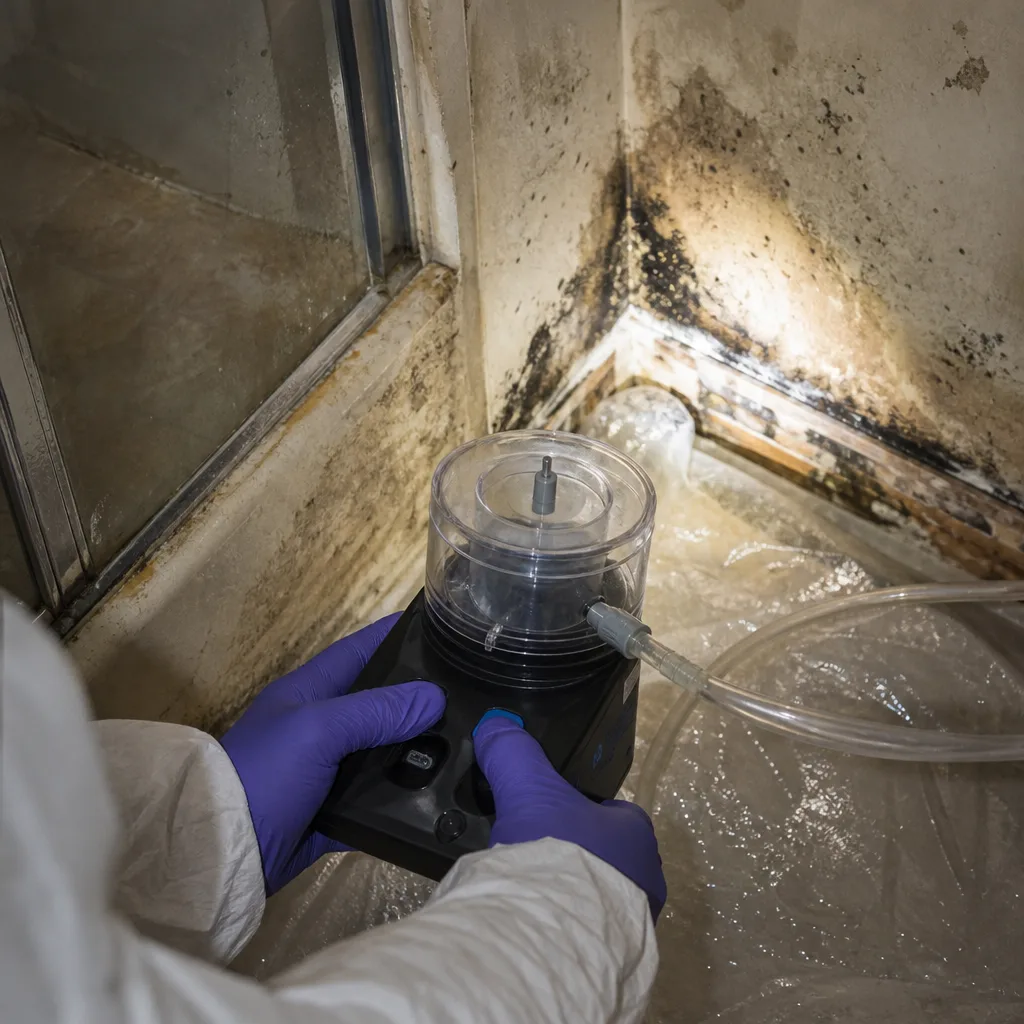
Water damage mitigation in Kent typically ranges from $1,200 for minor extraction and drying to $8,000+ for whole-house drying with extensive demolition and contents manipulation. Mold remediation runs $15-$30 per square foot of affected area, with containment and air filtration adding $500-$1,500 per contained zone. Fire and smoke restoration varies widely based on structural involvement, but initial mitigation and cleaning typically start at $3,000-$5,000. Every job we perform includes a written price before work begins, with no scope additions once the crew is inside - Haven Standard, Clause 1. Call (360) 997-2427 for a specific estimate; assessments are free.
Mitigation (extraction, initial drying setup) is same-day. Structural drying typically requires 3-7 days in Kent’s climate, with hardwood and plaster extending to 10-14 days. Remediation (mold removal, smoke cleaning) adds 2-5 days depending on containment requirements. Reconstruction is scheduled separately, typically 2-8 weeks depending on material availability and permit requirements. The full process from emergency call to move-back can range from two weeks for minor losses to four months for major reconstructions. Daily moisture logs let us prove drying completion rather than guessing.
Sudden, accidental water damage from burst pipes, appliance failures, or storm intrusion is typically covered under standard Washington homeowners policies. Gradual leaks, maintenance failures, and groundwater seepage are often excluded. Fire and smoke damage is generally covered. Mold coverage varies - some policies cap it at $10,000, others exclude it entirely unless it results from a covered water loss. We document to prove sudden loss, coordinate directly with adjusters, and provide the photo records and moisture logs that support coverage determinations. Call (360) 997-2427 and we can review your specific situation.
Mitigation is emergency stabilization - extraction, drying setup, prevention of further damage. Remediation is the controlled removal of damaged or contaminated materials - moldy drywall, sewage-impacted carpet, smoke-damaged insulation. Mitigation is urgent and billed by time and equipment. Remediation is scoped and priced by unit. They require different documentation, different insurance coding, and should never be combined in a single scope document. We write separate scopes for each phase so your claim is processed correctly.
Ask for the four documents before work starts: written scope, daily moisture logs, photo record, and certificate of drying. Ask to see a sample moisture log - it should include dates, technician names, meter types, and specific readings by location. Ask how photos are delivered and stored. If the contractor can’t show you these or describes them as “available later,” you’re likely facing a documentation gap that will cost you at claim time. Our documentation is standard, not optional, on every Kent job.
Small, clean water spills on hard surfaces - yes, with proper drying equipment. Any water that has contacted porous materials (carpet, drywall, insulation), any water that has stood for more than 24 hours, or any water in contact with Kent’s clay-soil foundation conditions should be professionally assessed. The risk isn’t the visible water; it’s the moisture you can’t see that wicks into wall cavities and subflooring. Our moisture mapping finds what DIY drying misses. For your safety, we do not recommend DIY handling of sewage backups, fire damage cleanup, or mold remediation over 10 square feet - these require containment, respiratory protection, and proper disposal that most homeowners cannot safely provide.
The Bottom Line
Damage restoration in Kent is a documentation process that happens to involve drying equipment. The homeowners who recover fully - physically and financially - are those who treat every phase as evidence collection: the written scope that prevents overbilling, the moisture logs that prove drying completion, the photo record that verifies every claim, and the certificate that closes the file. Kent’s clay soils and wet climate make proper documentation more critical here than in drier markets, where industry defaults might suffice. The difference between a paid claim and a denied one often isn’t the damage - it’s whether the paperwork proves the damage was handled correctly.
At DryMark Restoration Kent, we’ve built every process around this reality since 2011. Our 365-Day Done Right Promise, backed by The Haven Standard, means the documentation isn’t just for the insurer - it’s our accountability to you. If it’s not done right, we make it right. That’s a signed guarantee, not a marketing line.
Written by Alicia Brennan, Owner at DryMark Restoration Kent, serving Kent since 2011.