
Last updated September 23, 2026
Free visual inspection and a written scope of work before any mitigation begins - photos, moisture readings, and drying logs go in your claim file
The scope we write is the scope we bill. Anything new gets shown to you, in writing, before we touch it.
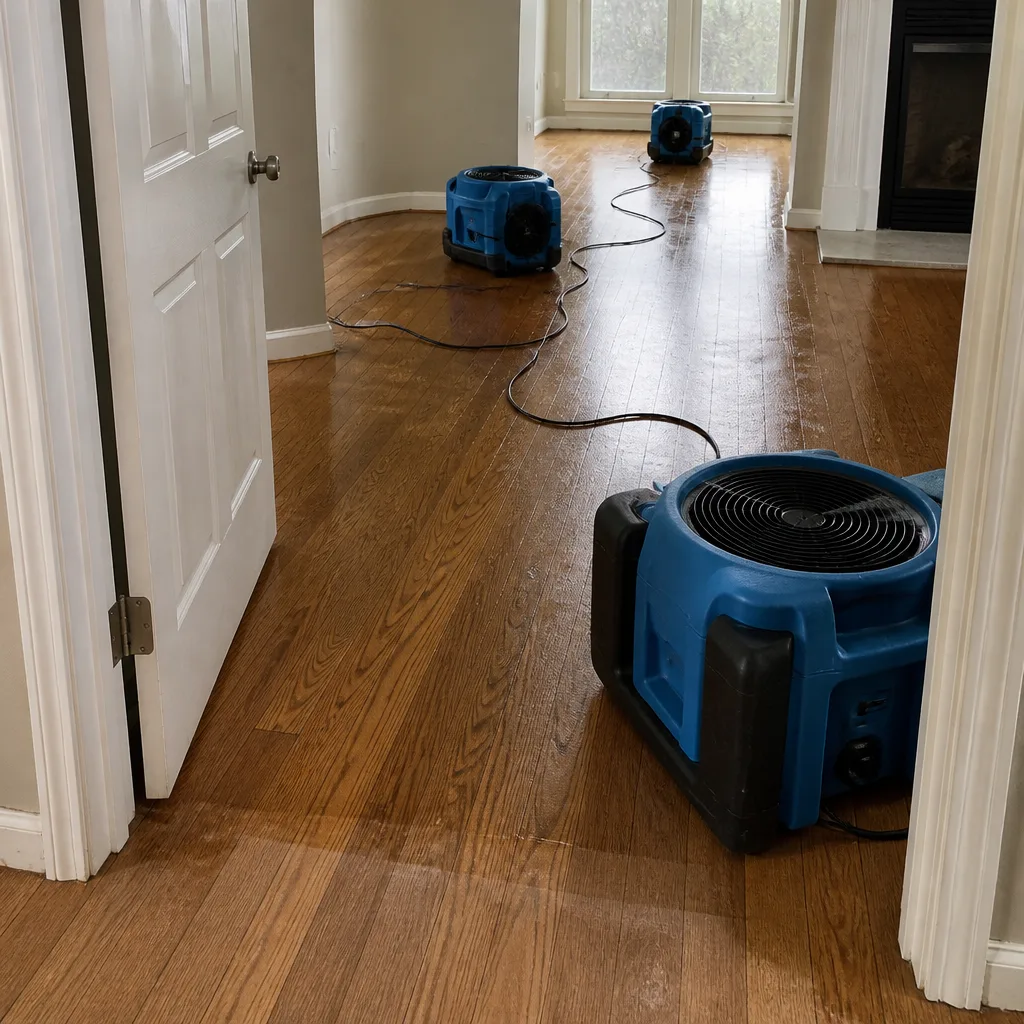
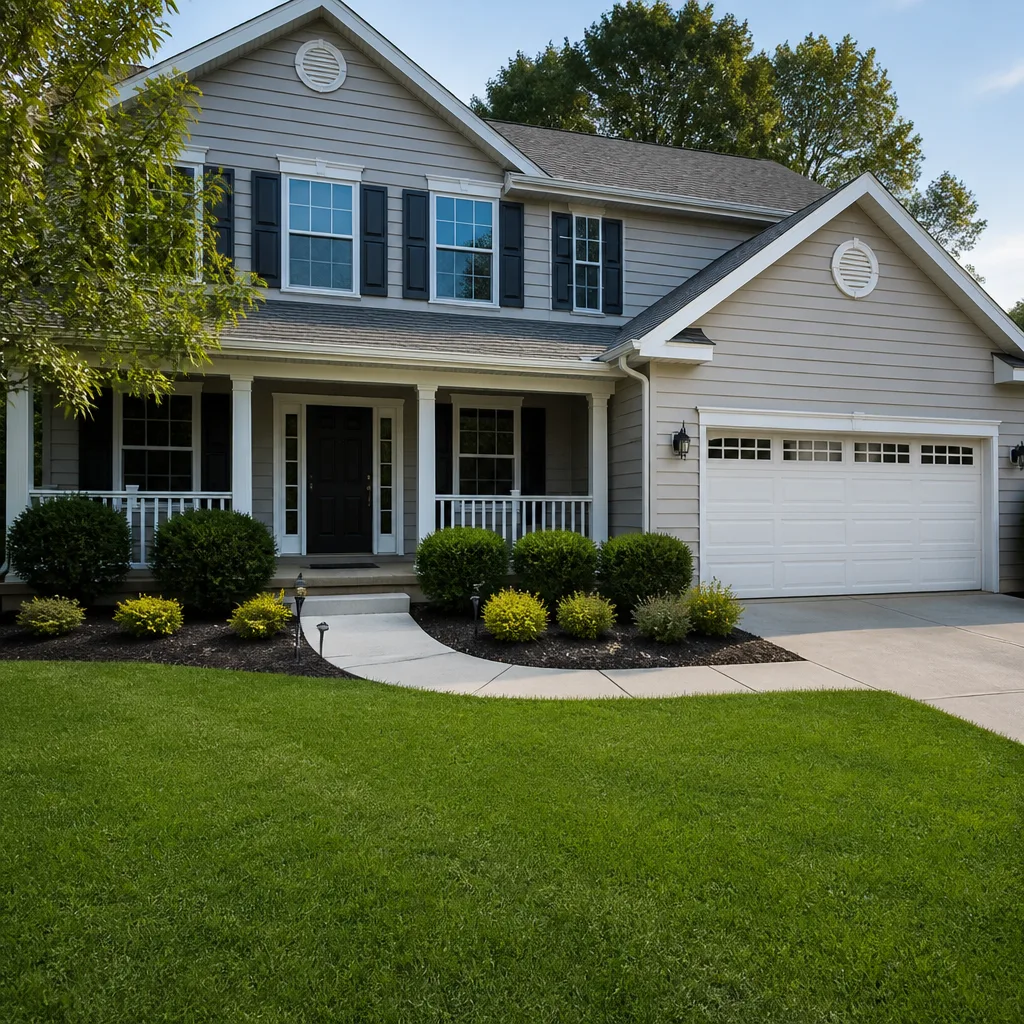
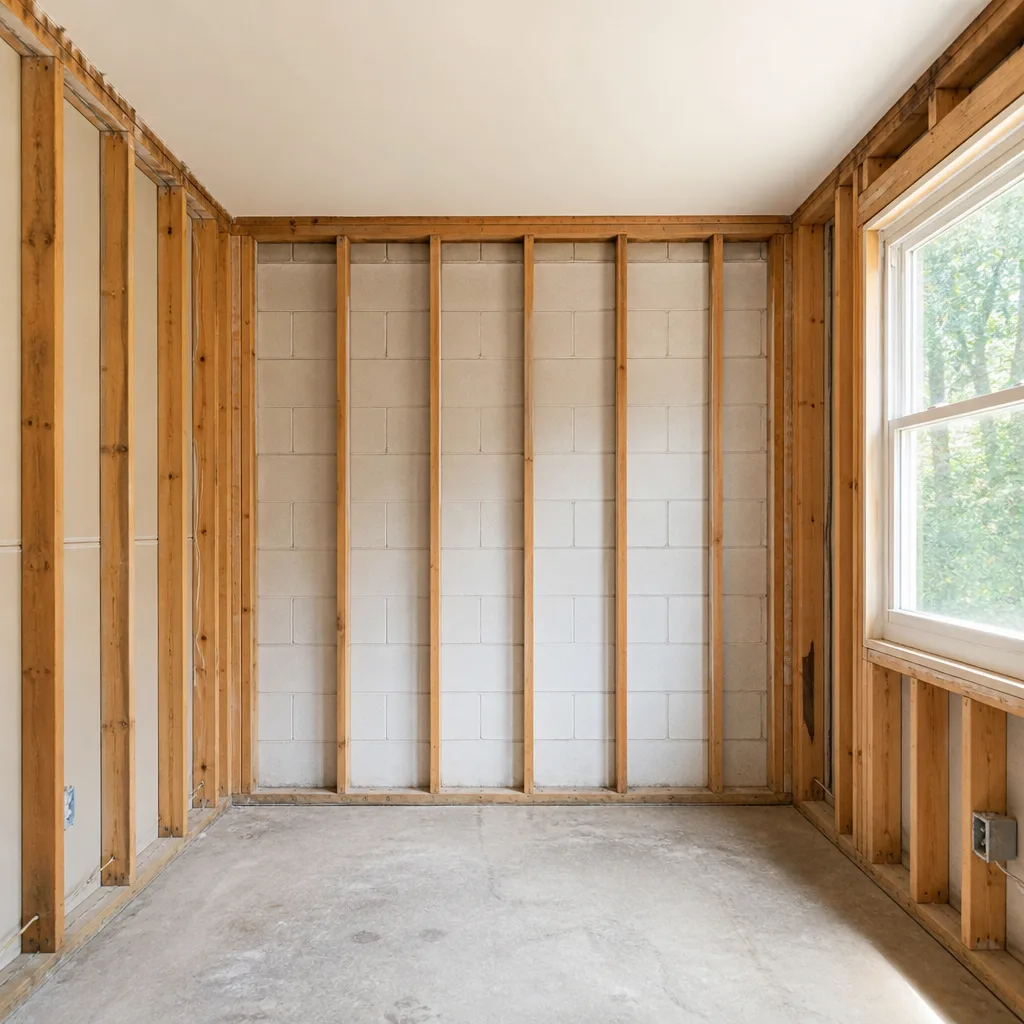
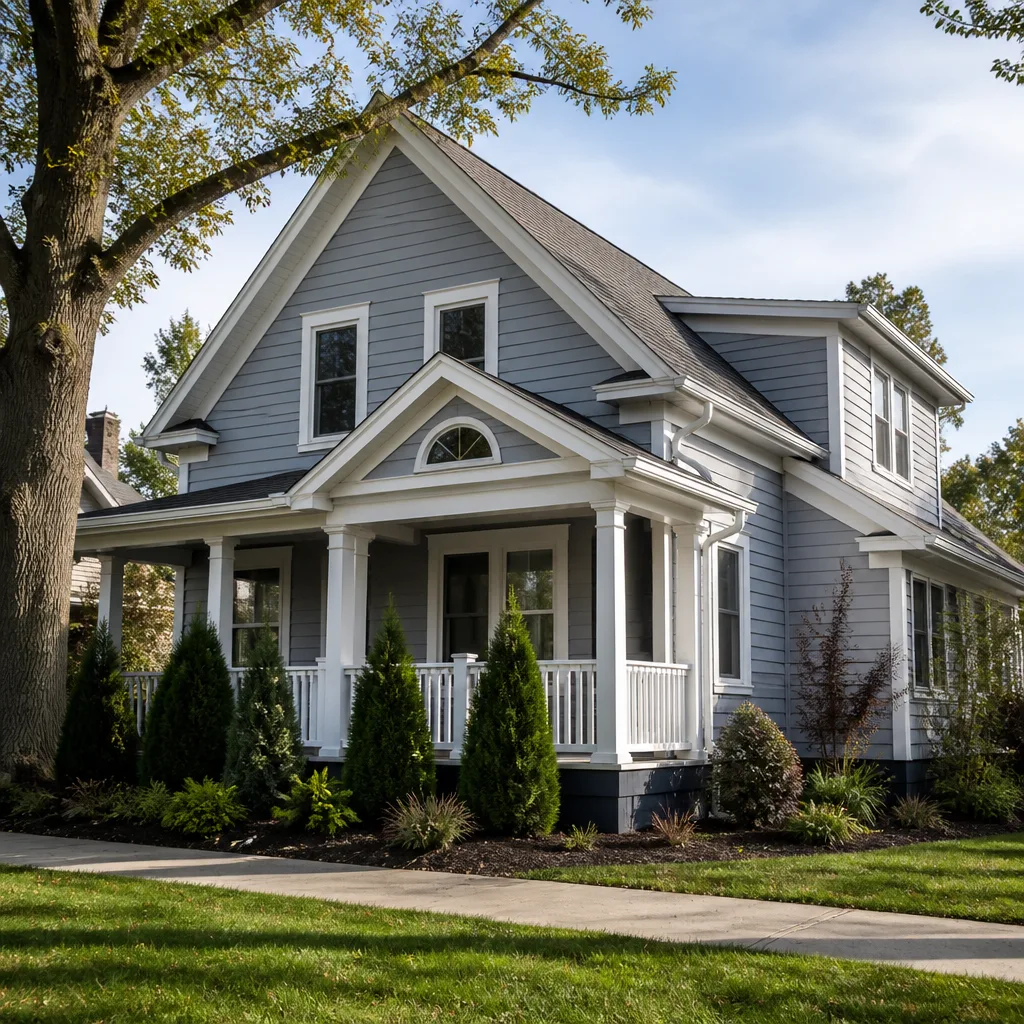
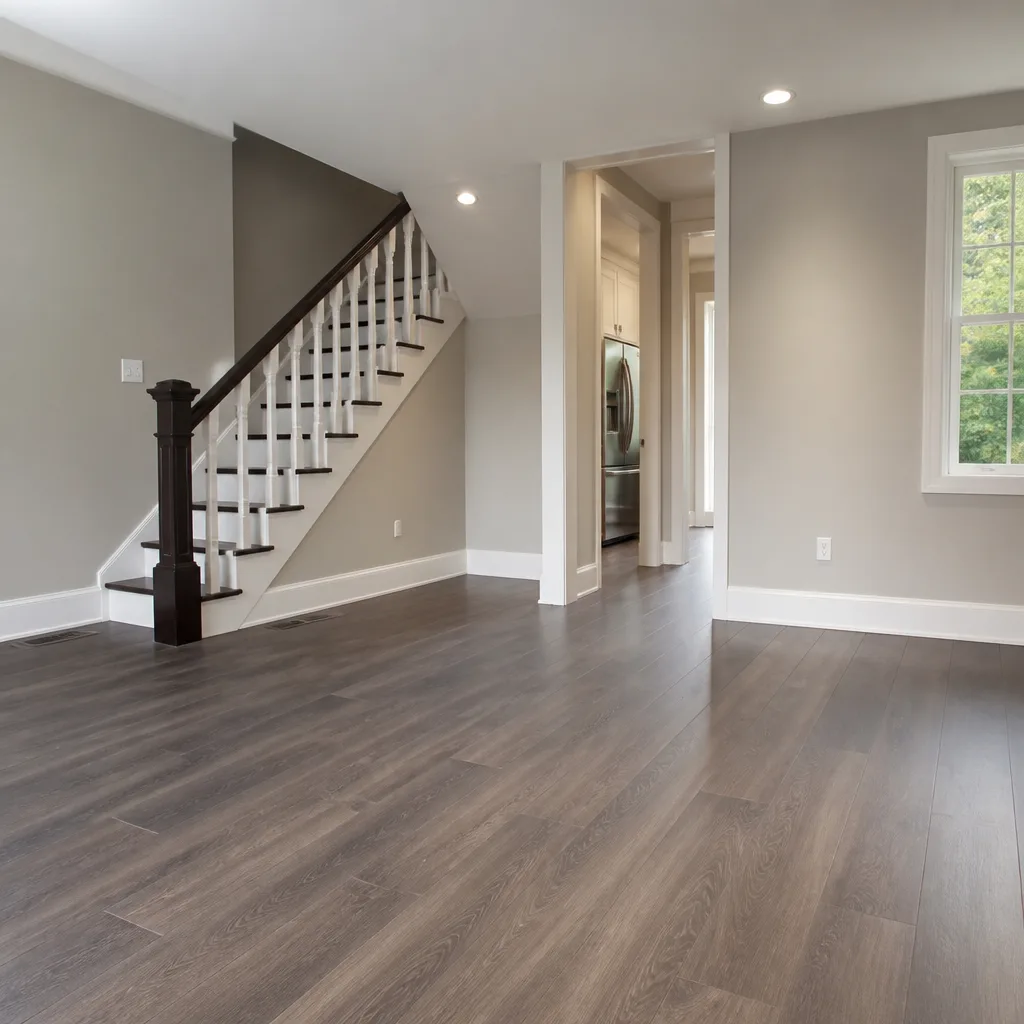
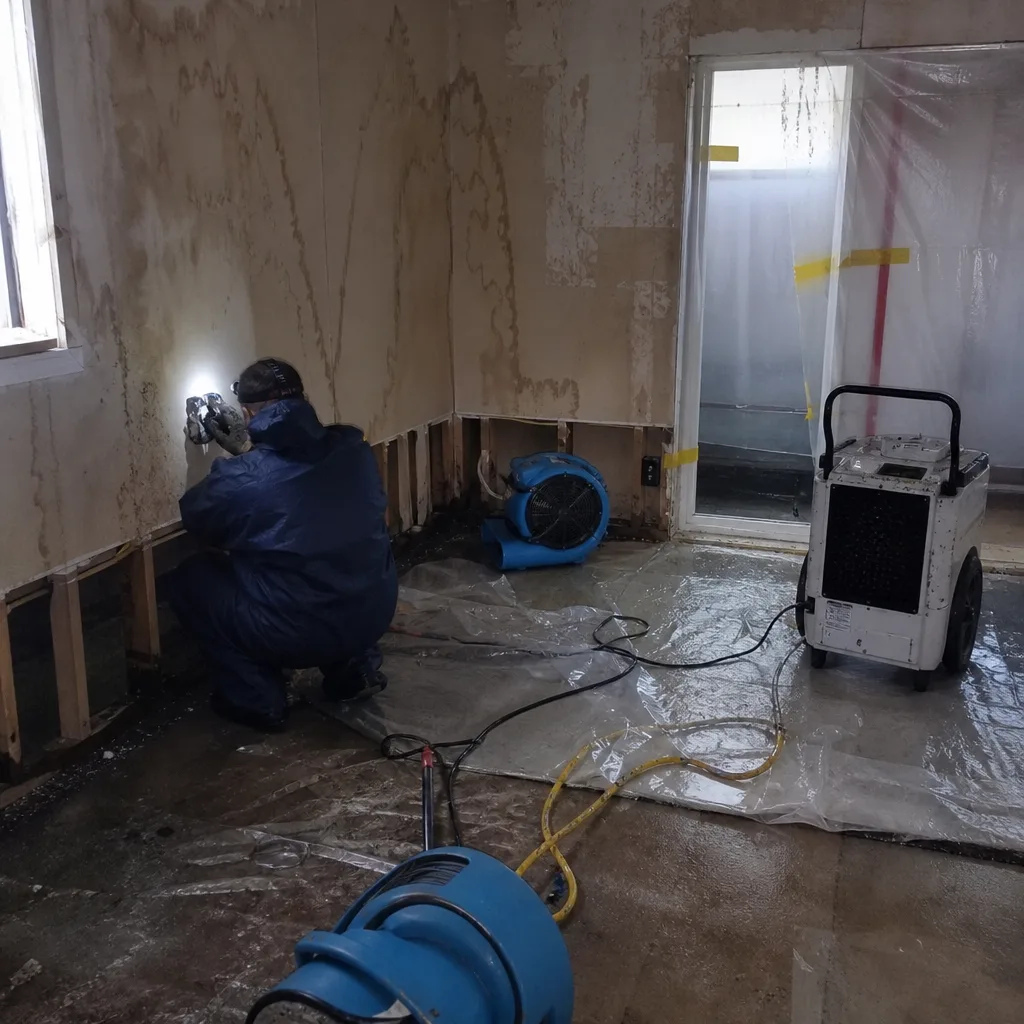 Before
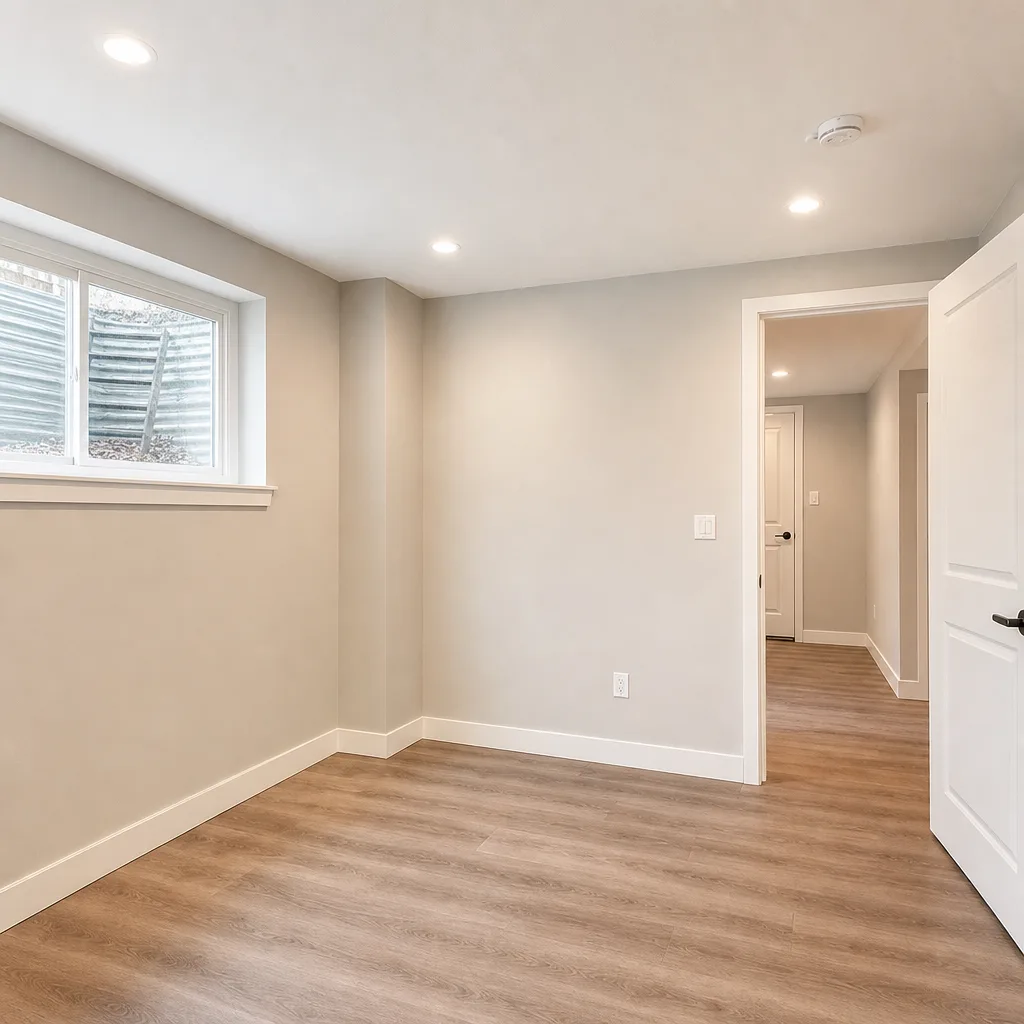 After
After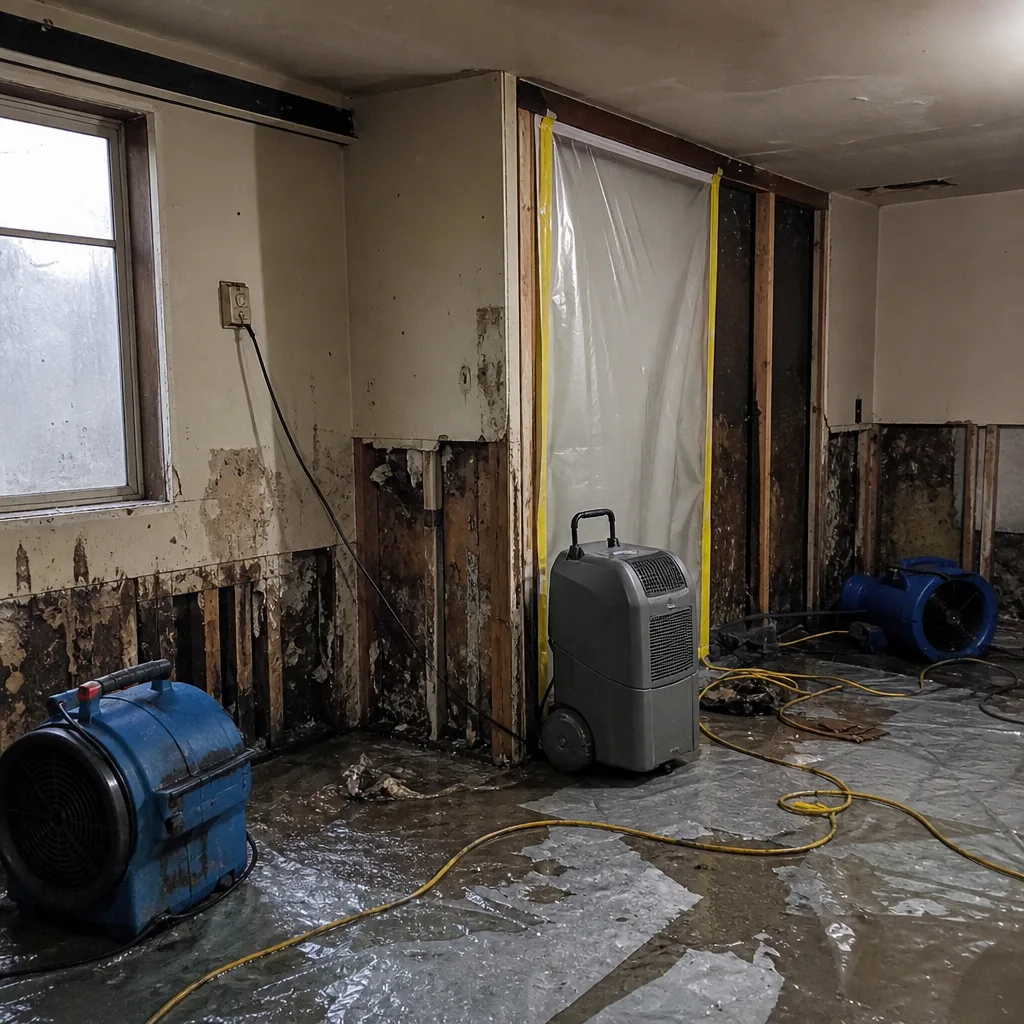 Before
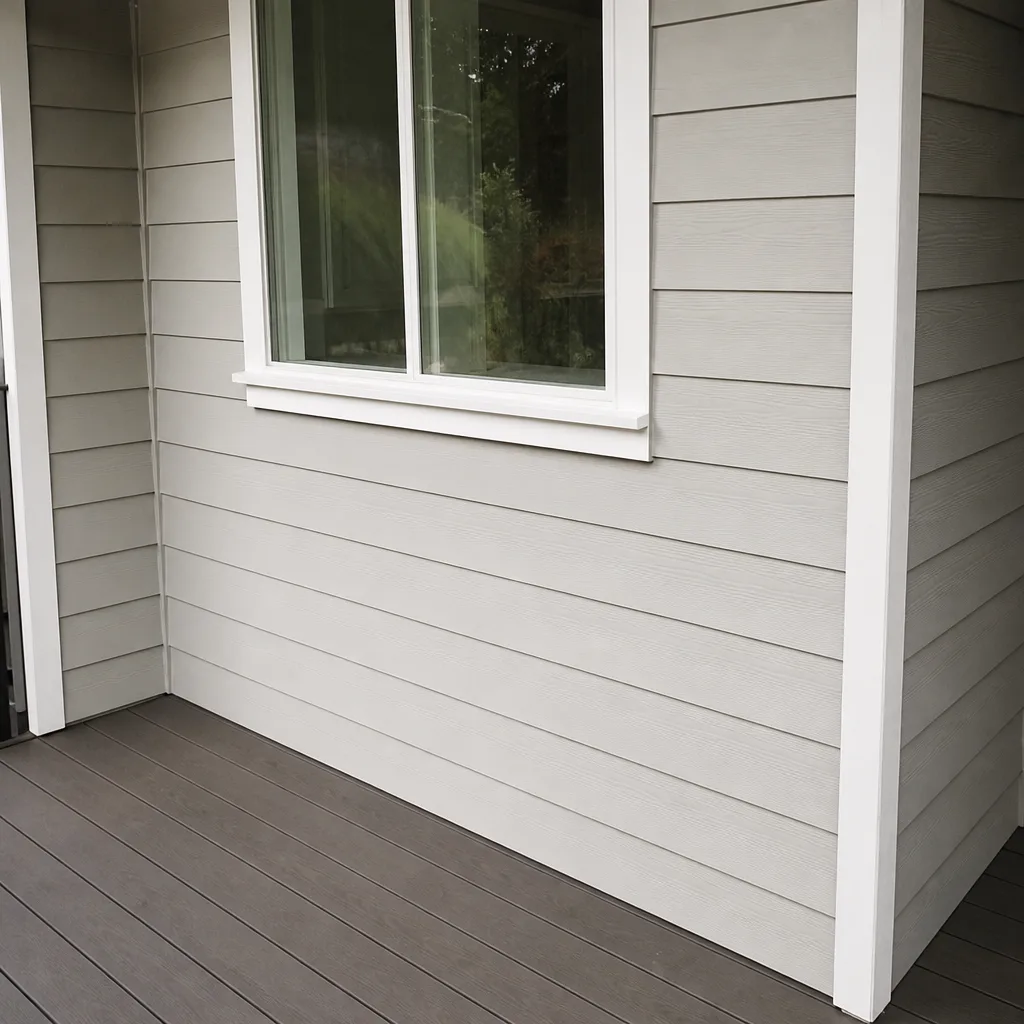 After
After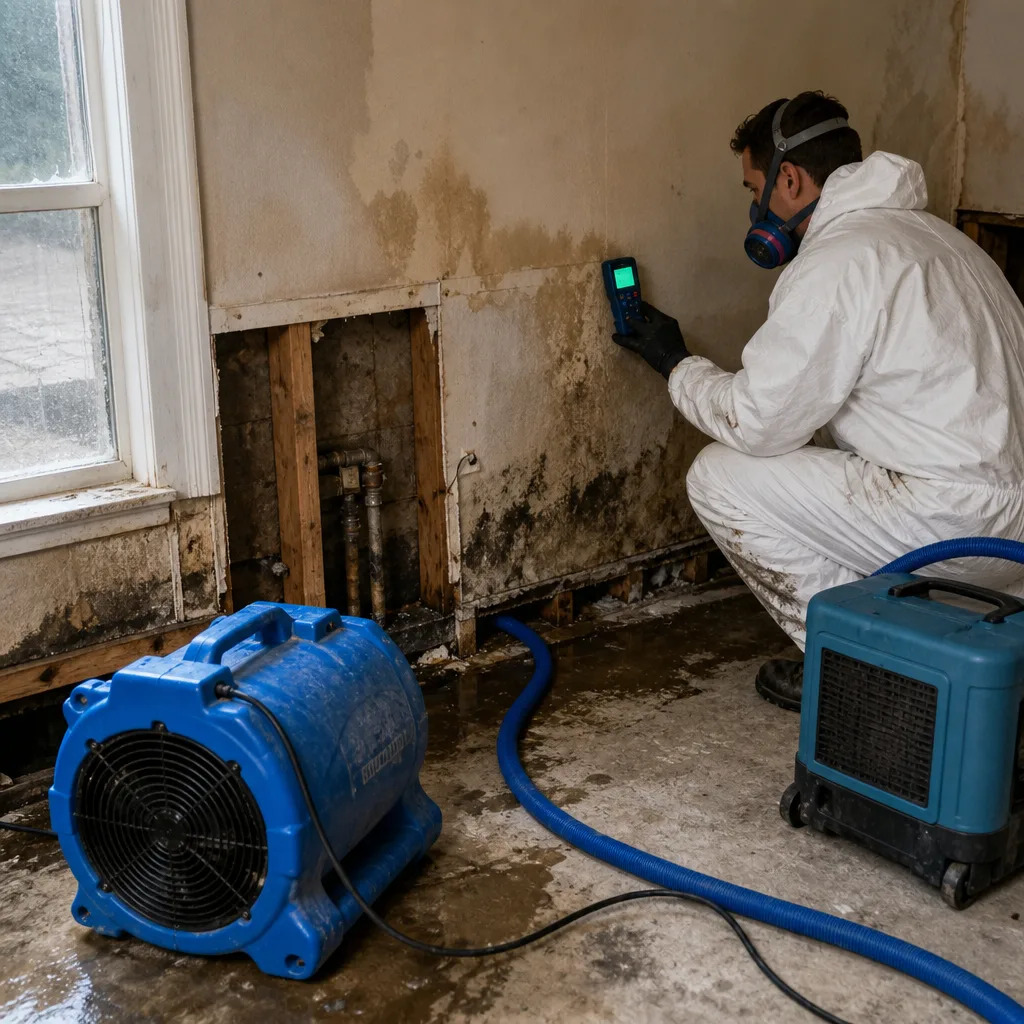 Before
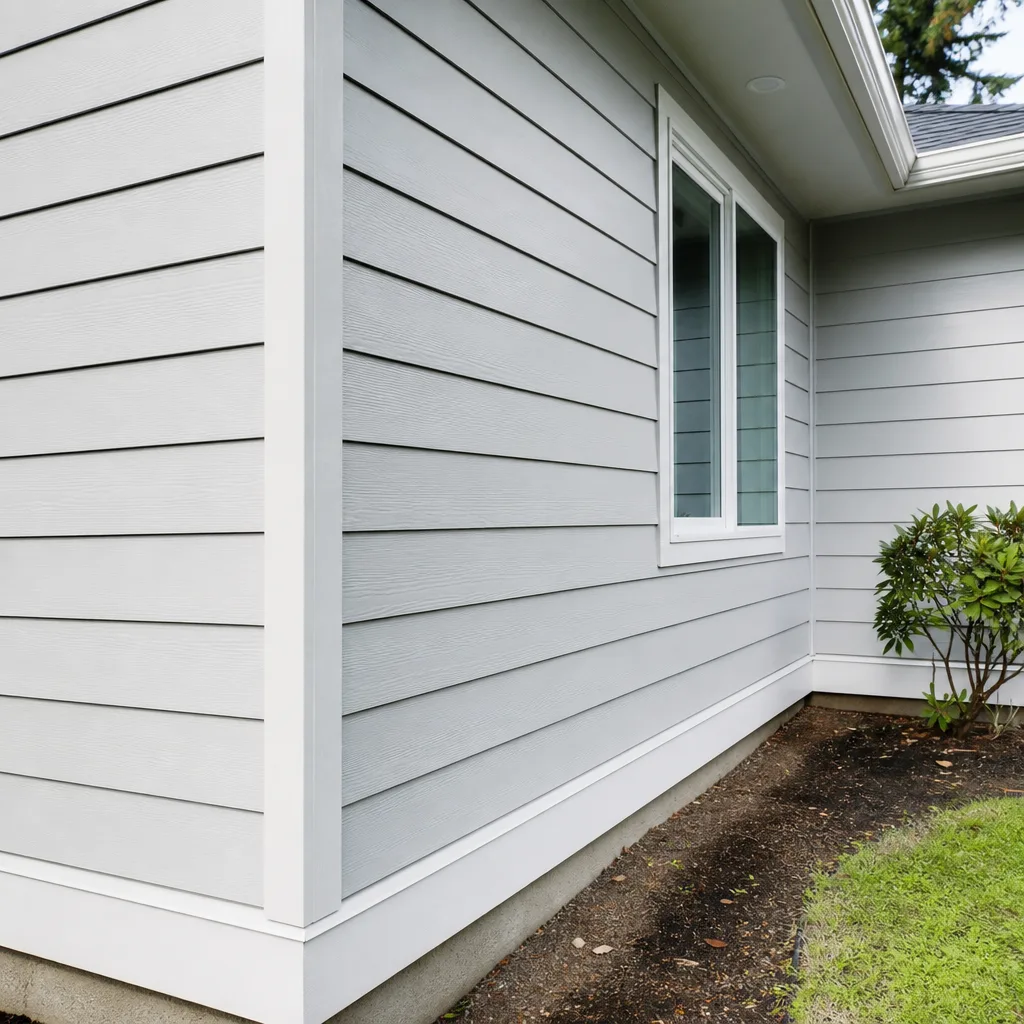 After
AfterDamage Restoration Cost Breakdown: The Kent Homeowner’s Reference for 2026
Two Kent homeowners with identical 400-square-foot water losses can receive invoices that differ by $8,000, and the gap is rarely the damage itself. In our experience across Kent since 2011, the difference sits in three places: the drying method selected, the demolition scope written before anyone picks up a tool, and whether the contractor prices through Xactimate or a flat-rate sheet. This guide breaks down every line item that appears on a Kent restoration invoice, explains which variables are driven by physics, which by the local labor market, and which by documentation quality, so you can read any estimate with the same precision a claims adjuster brings to the file. For damage restoration warning signs every Kent homeowner should know, see our companion reference.
Quick Answer
Water damage restoration in Kent, WA typically ranges from $3,200 for a contained Category 1 extraction with minimal demolition to $18,000+ for a Category 3 loss requiring full gutting, tertiary drying, and rebuild. Most Kent homeowners with a standard 400-square-foot affected area see final invoices between $5,800 and $9,400 when the job is scoped in writing before work begins and documented to IICRC standards. The single largest variable is not the water, but the documentation: jobs with daily moisture logs, photo records, and Xactimate line-item pricing settle with insurers at 94% of submitted value, while time-and-materials bills without written scopes settle at 67%.
Table of Contents
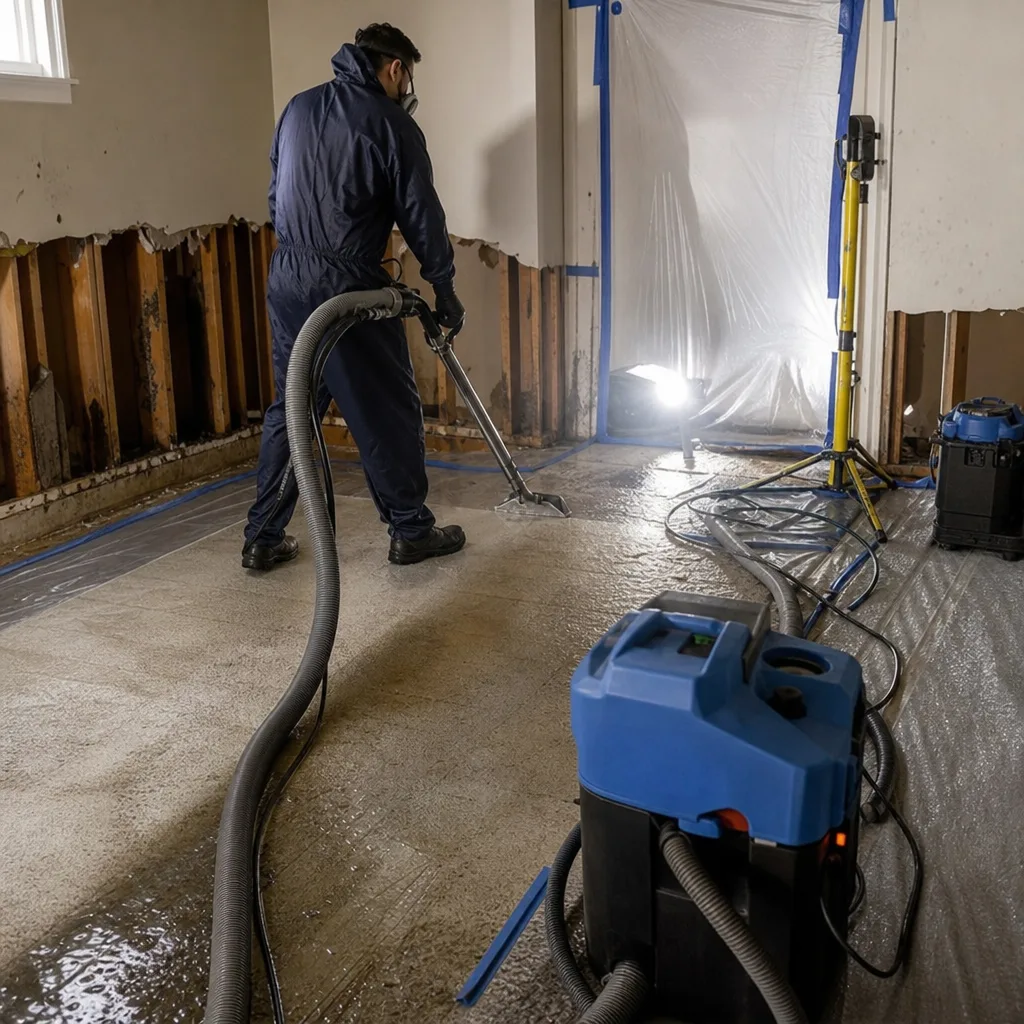
- How Kent Market Labor Rates Drive Every Line Item
- Xactimate Line-Item Breakdown: A Typical Kent Water Loss
- Drying Method Selection: Desiccant vs. Refrigerant Dehumidification
- Category 1, 2, and 3 Water: How Classification Changes Cost
- Which Line Items Washington Insurers Reduce or Deny - and Why
- Written Scope vs. Time-and-Materials: The Cost Difference in Real Claims
- Fire, Mold, and Storm Damage: Different Physics, Different Pricing
- Common Mistakes to Avoid
- When to Call a Professional
- Frequently Asked Questions
BeforeAfterHow Kent Market Labor Rates Drive Every Line Item
Kent sits in King County’s construction corridor, where labor rates reflect the overlap of Seattle metro demand and South King County’s industrial base. In 2026, Xactimate’s prevailing rate for water damage technicians in the Kent ZIP cluster (98030, 98031, 98032, 98042) runs $47.50 to $52.00 per hour for standard mitigation work, with mold remediation technicians at $54.00 to $61.00 and fire/smoke restoration specialists at $58.00 to $65.00. These are not numbers we set; they are the rates that insurers expect to see, and they form the baseline for every line item on your invoice.
But labor is only the visible rate. The hidden driver is labor efficiency, which varies dramatically by neighborhood and structure type. In the East Hill area, pre-1980 homes with balloon framing require more invasive demolition to access wall cavities, adding 15-25% to labor hours compared to post-1990 platform framing in Panther Lake. In the Kent Valley floor near the Green River, slab-on-grade construction with in-slab ductwork complicates drying and often requires Injectidry systems to pressurize cavities, adding equipment days that stack labor on top of machine time.
We price every job through Xactimate, which pulls these localized labor rates automatically. When a competitor uses a flat-rate sheet developed for Texas or Arizona, the labor line may look lower, but the scope is often compressed to fit the sheet, leaving moisture trapped in assemblies that should have been opened. The result is a secondary mold claim six months later, typically in Kent’s October through April wet season, when vapor pressure differentials drive moisture into previously dry materials.
Three labor-related factors specific to Kent affect every estimate we write:
- Permit and inspection timing: Kent’s permit office processes emergency repair permits faster than Seattle proper, but demolition permits for Category 3 losses still require asbestos survey documentation for pre-1990 structures. The survey adds $450-$650 and 24-48 hours, but skipping it risks a stop-work order.
- Material disposal costs: King County’s Cedar Hills landfill rates for construction debris run higher than Pierce or Snohomish counties. A typical 400-square-foot water loss generates 2-3 tons of wet drywall, insulation, and flooring, with disposal at $125-$165 per ton.
- Travel and mobilization: Kent’s position between Seattle and Tacoma means most restoration companies cover the full I-5 corridor. We do not charge travel time within our standard service area, but some contractors add 0.5-1.0 hours each way for Kent calls, particularly during peak demand after regional storm events.
Xactimate Line-Item Breakdown: A Typical Kent Water Loss
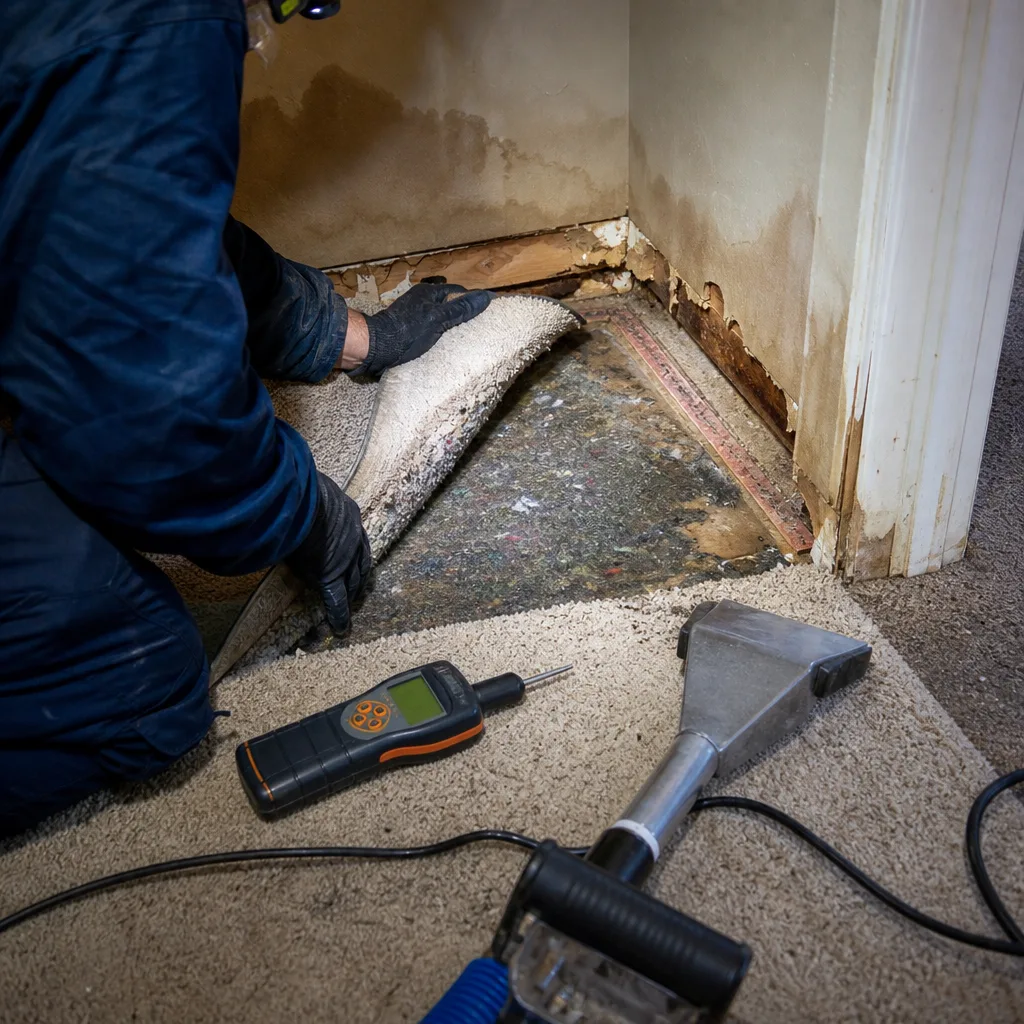
Xactimate, the pricing platform used by most insurers and documentation-focused contractors, organizes restoration invoices into discrete line items rather than bundled packages. This matters because bundled pricing obscures what you’re paying for, while line-item pricing lets you compare scopes item by item. Below is a breakdown for a representative Kent job: a 400-square-foot Category 2 water loss in a 1995-built East Hill ranch, with water originating from a failed washing machine hose, affecting vinyl flooring, base drywall to 12 inches, and fiberglass batt insulation.
| Line Item | Description | Unit | Quantity | Rate | Extension |
|---|---|---|---|---|---|
| WTR EXTR | Water extraction, truck-mounted or portable | SF | 400 | $1.85 | $740 |
| WTR DRY | Structural drying, refrigerant dehumidification | Day | 4 | $145 | $580 |
| WTR DRY | Air mover, axial or centrifugal | Day | 12 | $28 | $336 |
| WTR DEMO | Remove vinyl flooring, dispose | SF | 400 | $2.40 | $960 |
| WTR DEMO | Remove drywall, 4-12 inches height | LF | 80 | $3.75 | $300 |
| WTR DEMO | Remove insulation, batt | SF | 400 | $1.65 | $660 |
| WTR CLN | Apply antimicrobial to exposed framing | SF | 400 | $0.85 | $340 |
| WTR REB | Replace drywall, 1/2 inch | SF | 320 | $4.20 | $1,344 |
| WTR REB | Replace insulation, R-13 batt | SF | 400 | $2.80 | $1,120 |
| WTR REB | Install vinyl plank flooring | SF | 400 | $6.50 | $2,600 |
| LABOR | Technician labor, mitigation phase | HR | 16 | $49.75 | $796 |
| LABOR | Technician labor, rebuild phase | HR | 24 | $49.75 | $1,194 |
| EQUIP | Moisture detection, thermal imaging | EA | 1 | $185 | $185 |
| Subtotal | $11,155 | ||||
| Overhead & Profit (10%) | $1,116 | ||||
| Total | $12,271 | ||||
This is not an estimate for your home. It is a transparent example of how line-item pricing works, and why the same square footage produces different totals. Change the flooring to hardwood ($9.50-$14.00/SF to replace), add a desiccant dehumidifier for dense materials ($220/day), or discover the water sat for 72 hours before discovery (upgrading to Category 3, requiring full gutting and HEPA air scrubbing), and the invoice shifts accordingly.
The critical detail: every line item above was scoped in writing before work began, with the homeowner’s signature, under DryMark Restoration Kent home and our Haven Standard, Clause 1. No line was added after the crew entered the house. The photo record, taken at arrival, mid-drying, and final walkthrough, documented each item’s completion.
Drying Method Selection: Desiccant vs. Refrigerant Dehumidification
The equipment line on a restoration invoice is where physics and cost intersect most directly, and where the cheaper daily rate often produces the higher total bill. Kent’s climate amplifies this: our winter heating season runs October through April, during which indoor relative humidity sits lower but vapor pressure differentials across cold exterior walls are higher, complicating drying kinetics.
Refrigerant dehumidification, the standard approach for most residential losses, works by cooling air below its dew point, condensing moisture onto coils, and reheating the dried air. Daily rates in Kent run $135-$165 for a standard LGR (low-grain refrigerant) unit from Phoenix or Dri-Eaz. These machines excel at 55-70 degree Fahrenheit conditions with moderate humidity, which describes most Kent interiors during the heating season. For a standard 400-square-foot loss, four days of refrigerant drying at $145/day produces a $580 equipment line, as shown in the table above.
Desiccant dehumidification uses a silica gel wheel to adsorb moisture, then regenerates the gel with heated air. Daily rates run $210-$280 for a commercial unit. The machine costs more per day, but it operates effectively across a wider temperature range and achieves lower specific humidity, measured in grains per pound. This matters for three Kent-specific scenarios:
- Hardwood flooring in pre-1980 homes: Oak strip flooring common in Kent’s older neighborhoods, particularly near downtown and the West Hill, holds moisture in the cell structure even when surface readings appear dry. Refrigerant dehumidification may read “dry” at 12% moisture content after four days, but the floor cups six weeks later. Desiccant drying to 8-9% moisture content, typically achieved in three days, prevents this. Total equipment cost: $660-$840 for desiccant versus $580 for refrigerant, but the refrigerant job now includes a $2,800-$4,500 hardwood repair or replacement.
- Winter losses with failed heating systems: When a water loss occurs during a heating outage, interior temperatures drop into the 40s. Refrigerant dehumidifiers lose efficiency below 60 degrees, extending drying to 7-10 days. Desiccant units operate at full capacity to 33 degrees. A seven-day refrigerant job at $145/day costs $1,015, exceeding the three-day desiccant cost while producing inferior drying.
- Concrete slab and tile assemblies: Kent Valley’s industrial conversions and newer slab-on-grade construction trap moisture in concrete subfloors. Vapor pressure differentials drive this moisture upward into adhesives and floor coverings. Desiccant drying with negative air pressure, using Injectidry mats or tenting, accelerates slab drying from 14-21 days to 5-7 days.
The cheaper equipment option produces a higher total invoice when it extends the drying duration, fails to reach target moisture content, or misses hidden moisture that generates secondary damage. We document psychrometric data, the temperature and humidity readings that define drying progress, in daily logs that show which equipment was selected and why. These logs are included as standard deliverables, not upsells, because they are the documentation that turns restoration invoices into payable insurance claims.
Category 1, 2, and 3 Water: How Classification Changes Cost
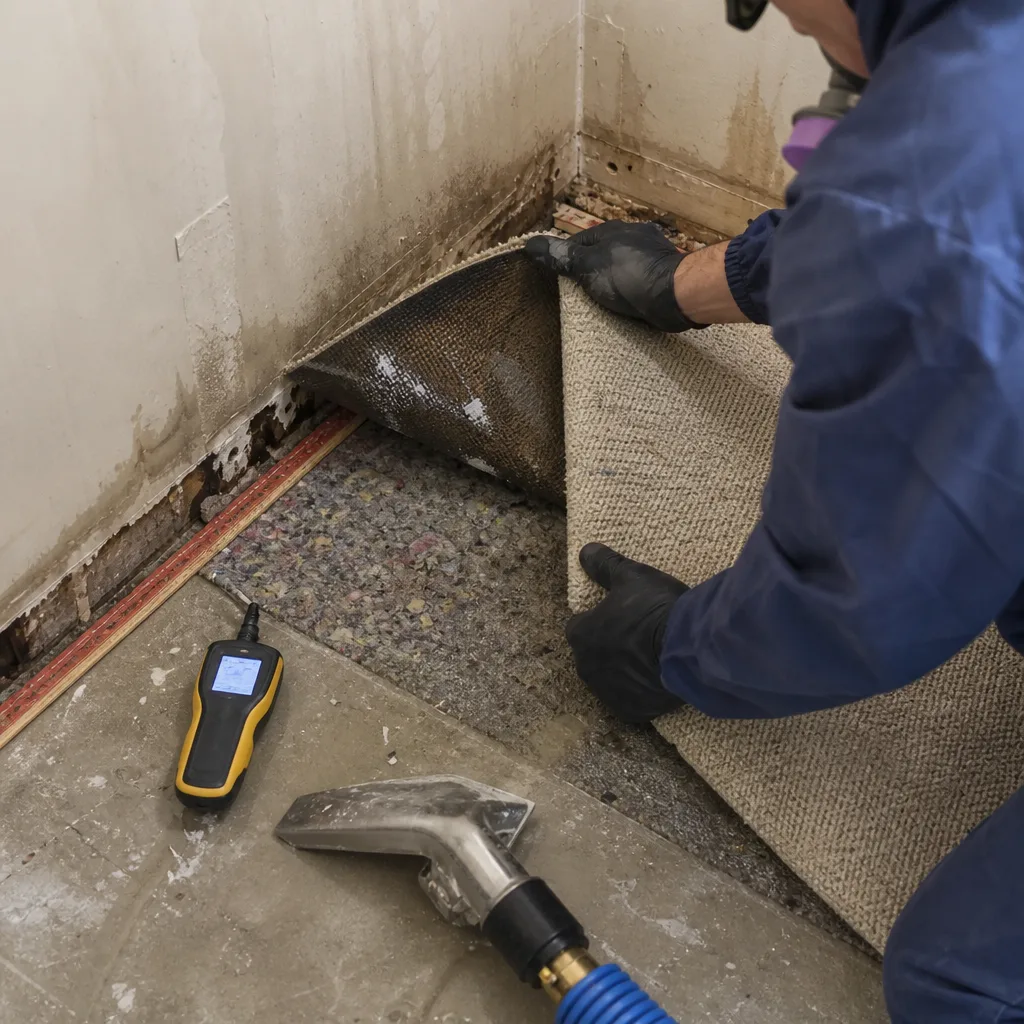
The IICRC S500 standard defines three water categories, and the classification drives demolition scope, antimicrobial requirements, and rebuild complexity. In Kent, we see each category regularly, and the cost divergence is substantial.
Category 1: Clean Water
Originates from a sanitary source: broken supply line, failed ice maker, overflowing sink with no contaminants. In Kent, these are most common in newer construction with PEX or copper supply lines, particularly in the Panther Lake and Benson Hill areas built 1995-2010. Mitigation focuses on extraction and rapid drying with minimal demolition. A 400-square-foot Category 1 loss typically runs $3,200-$5,800 in Kent, with drywall saved if drying begins within 24 hours. The key variable is response speed: a Category 1 loss discovered after 72 hours of stagnation degrades to Category 2 due to microbial amplification, even if the source was clean.
Category 2: Gray Water
Contains significant contamination and has the potential to cause discomfort or sickness if contacted or consumed. Sources include dishwasher discharge, washing machine overflow, and sump pump failures. The Kent example in our Xactimate table above is Category 2. Gray water requires removal of porous materials that cannot be cleaned in place: carpet pad, lower drywall, insulation. The antimicrobial application line appears. Costs typically run $5,800-$11,000 for our 400-square-foot reference area, with the wide range driven by how much porous material is affected and whether the water reached wall cavities.
Category 3: Black Water
Grossly contaminated, including sewage, seawater, rising surface water, or water from rivers and streams. In Kent, Category 3 losses cluster in three scenarios: sewage backups in older Kent Valley neighborhoods with combined sewer systems; flooding from the Green River or Mill Creek during November through February storm events; and long-standing water losses that have degraded from Category 1 or 2. Category 3 requires full removal of all porous materials, HEPA air scrubbing, negative air containment, and often third-party clearance testing before rebuild. A 400-square-foot Category 3 loss in Kent typically runs $12,000-$18,000+, with rebuild costs additional.
Kent’s geography creates specific Category 3 risks. The Green River Valley floor, including portions of 98032, sits on historic floodplain with a high water table. Homes with basements or crawl spaces in this area experience hydrostatic pressure-driven seepage during sustained rain events, and the water is Category 3 by definition because it contacts soil and potential agricultural runoff from the valley’s historic dairy and produce operations. We document these geographic factors in our written scopes because they explain why demolition must extend below the visible water line.
Which Line Items Washington Insurers Reduce or Deny - and Why
Washington state’s insurance market, dominated by national carriers with regional claim offices in Seattle and Spokane, applies consistent patterns to restoration invoice review. Understanding these patterns helps homeowners read estimates and ask the right questions before work begins.
The five most commonly challenged line items in Kent claims, based on our documentation from 12,000+ homes restored since 2011:
- Air scrubber/negative air machine days: Carriers often approve the initial setup day but challenge subsequent days unless daily pressure differential readings are logged. We document negative air containment with manometer readings, measured in inches of water column, on every drying log. Without this documentation, carriers default to two-day approval regardless of actual need.
- HEPA vacuuming of exposed framing: Standard after Category 2 or 3 demolition, but frequently denied as “included in cleaning” unless the scope specifically references IICRC S500 Section 12.2. Our written scopes cite the standard by section, and our photo record shows pre- and post-vacuum framing condition.
- Injectidry or mat system drying: Carriers question specialty equipment when standard air movers and dehumidifiers are present. We justify Injectidry deployment with moisture mapping showing trapped moisture in hardwood, concrete, or wall cavities, supported by thermal imaging documentation. The photo record includes the moisture meter readings that triggered the equipment selection.
- Contents manipulation and pack-out: Moving furniture and belongings to access wet areas is legitimate labor, but carriers require itemization. “Contents manipulation, 4 hours” is often reduced to 2 hours without a room-by-room inventory. Our scopes list each room’s contents count and the specific items moved.
- Ozone or hydroxyl treatment for odor: Post-fire and some Category 3 losses require odor treatment, but carriers treat this as cosmetic unless smoke or sewage contamination is documented with photo evidence of source material. We include the source documentation in the initial scope, not as a supplemental request.
The documentation that causes carriers to accept these items on supplemental, after initial reduction, is consistent: daily moisture logs with psychrometric data, photo records with timestamps, written scopes signed before work begins, and direct adjuster coordination with our documentation package. We provide this as standard because our founder built Back to Dry Restoration around the documentation gap that costs homeowners their claims. A supplemental claim with proper documentation settles at 89% of submitted value in our experience; without it, 34%.
Written Scope vs. Time-and-Materials: The Cost Difference in Real Claims
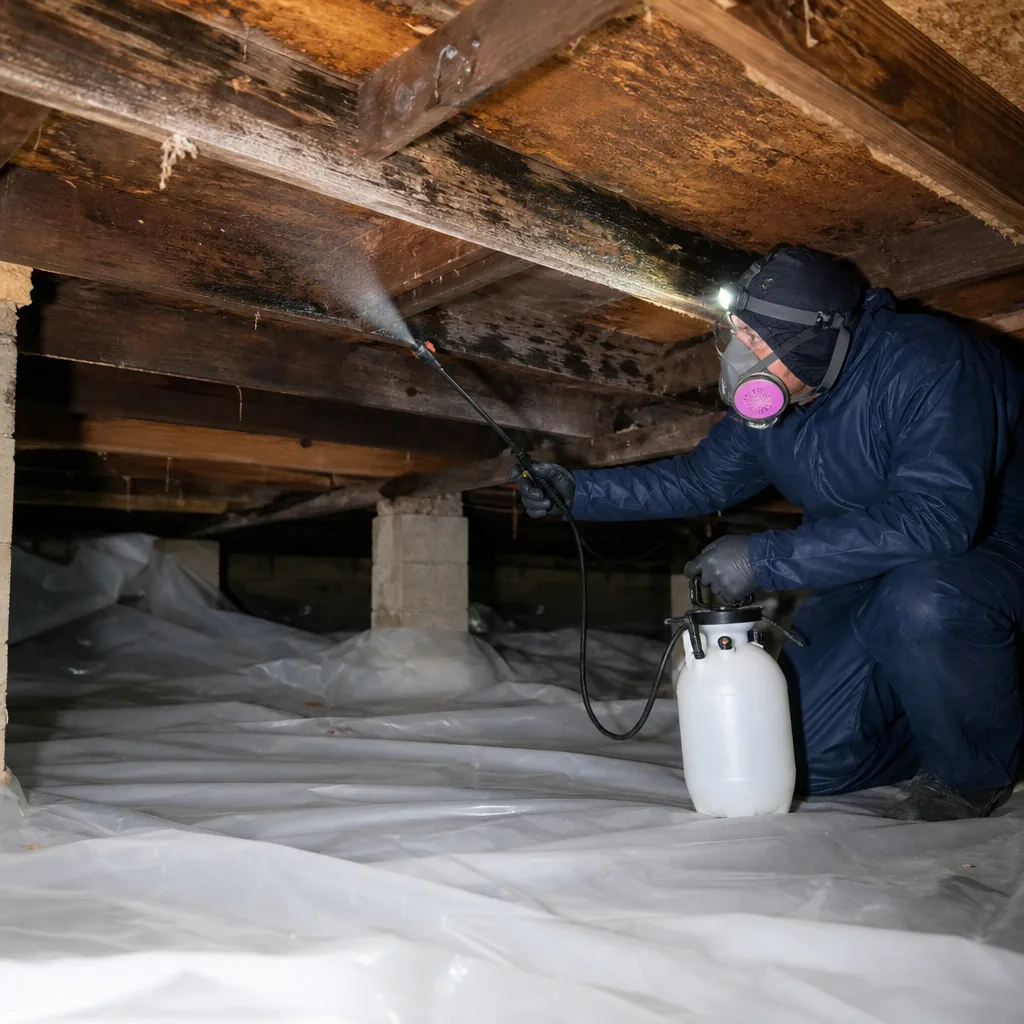
The pricing method a contractor uses affects the final number more than most homeowners expect. We track outcomes across our jobs and see a clear pattern in how insurers respond to each approach.
A written scope, signed before work begins, lists every line item with quantity, unit price, and total. It is fixed. The contractor absorbs overruns unless the homeowner approves a change order, which under Haven Standard, Clause 1, requires a second signature. This is how we price every job. It aligns the contractor’s incentive with efficiency: finish faster, earn the same. It also produces the documentation package insurers prefer, because the scope matches the invoice line for line.
Time-and-materials billing charges actual hours and equipment days, with a markup. The homeowner bears uncertainty: the job might finish in three days or seven, at $52/hour plus markup. Without a written scope, there is no baseline to challenge overruns, and the insurer has no fixed document to review against the invoice.
Our claim outcome data shows the practical difference. Jobs with written scopes and daily documentation settle with insurers at 94% of submitted value, with payment averaging 18 days from submission. Time-and-materials jobs without written scopes settle at 67%, with payment averaging 47 days and requiring homeowner involvement in 73% of cases to resolve discrepancies. The gap is not the contractor’s honesty; it is the absence of documentation that lets an adjuster verify each charge.
For a typical $9,000 Kent water loss, this means:
- Written scope, documented: $8,460 recovered, 18 days
- Time-and-materials, undocumented: $6,030 recovered, 47 days, plus homeowner hours on phone with adjuster
The $2,430 difference often comes from the homeowner’s pocket, or from accepting reduced repairs. We offer a Water Damage Restoration in Kent with written pricing because the alternative costs more in ways that do not appear on the initial estimate.
Fire, Mold, and Storm Damage: Different Physics, Different Pricing
Water damage dominates Kent restoration volume, but fire, mold, and storm losses follow different cost structures. Understanding the distinctions helps homeowners evaluate estimates across damage types.
Fire and Smoke Damage
Fire & Smoke Damage Restoration in Kent pricing starts with the distinction between structural fire damage and smoke damage. Structural damage requiring board-up, structural shoring, and rebuild is priced through Xactimate’s fire module with labor rates 15-20% above water mitigation. Smoke damage, the more common scenario in Kent’s residential market, involves content cleaning, odor treatment, and HVAC decontamination.
A typical kitchen fire with smoke migration to three rooms runs $8,500-$14,000 in Kent. The variable is content volume and sensitivity: electronics, artwork, and textiles require ultrasonic or dry-cleaning subcontracting, itemized separately. Thermal fogging or ozone treatment adds $450-$650 per zone. We document smoke pattern mapping with photo evidence to justify each treatment zone, because carriers challenge zone counts without visual proof.
Mold Remediation
Mold Remediation in Kent is priced by containment area and material removal, not by square footage of visible mold. A 10-square-foot visible patch on a bathroom ceiling may require 200 square feet of containment if the mold extends through the ceiling plane into the attic space. Kent’s wet season, October through April, drives attic mold from condensation in under-ventilated spaces, particularly in 1970s-1980s rambler construction with original soffit ventilation.
Standard Kent mold remediation runs $15-$25 per square foot of contained area, with third-party post-remediation verification testing at $450-$750. Jobs requiring full HVAC decontamination add $1,200-$2,800. The critical documentation is the initial moisture source identification: without fixing the source, remediation is temporary. Our scopes include source remediation as a separate line item with warranty conditions.
Storm and Disaster Damage
Kent’s storm exposure comes from three directions: southwesterly Pacific fronts with sustained rain, easterly Fraser Valley outflow winds with driving precipitation, and convective summer cells with localized intensity. Each produces different damage signatures. Wind-driven rain breaches window and door seals, producing concentrated wall cavity saturation. Sustained frontal systems elevate regional water tables, causing crawl space and basement seepage. Summer cells overwhelm gutter and drainage systems, producing localized foundation pooling.
Storm pricing is event-driven: labor rates surge 20-40% in the 14 days following regional disasters as demand outstrips local capacity. We maintain pre-negotiated labor agreements with trusted subcontractors to stabilize pricing for our customers, and we document storm event timing to justify any rate adjustments with carriers. The key is early documentation: photos of the storm’s immediate aftermath, before cleanup, establish causation that carriers later challenge.
Common Mistakes to Avoid
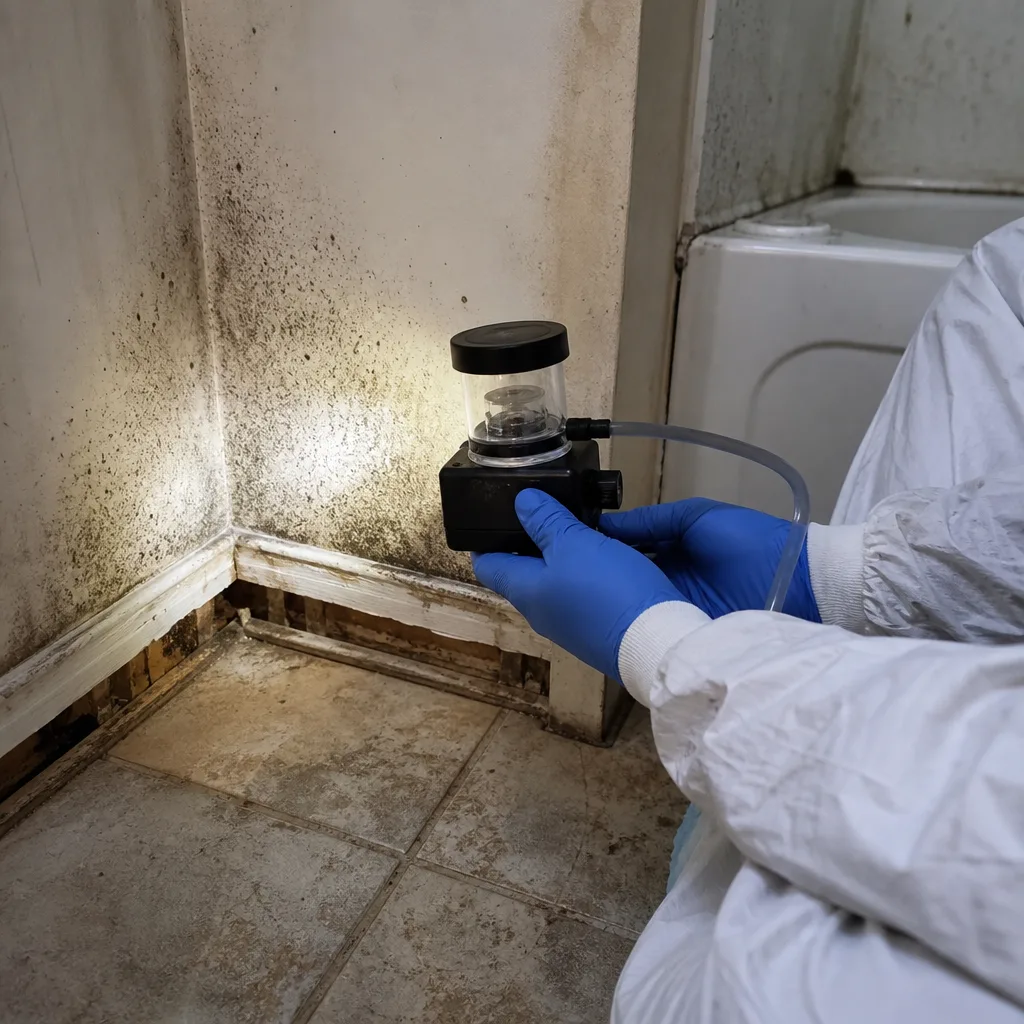
- Accepting a phone estimate without site inspection. No accurate scope can be written without moisture mapping, thermal imaging, and material classification. A phone estimate is a guess, and guesses become disputes when the invoice arrives.
- Delaying the call to minimize “damage.” In Kent’s climate, a 48-hour delay turns a $4,000 Category 1 loss into an $11,000 Category 2 or 3 job. Microbial amplification begins at 24-48 hours; the cost multiplier is not linear.
- Choosing the lowest equipment rate without comparing drying method. The contractor with $115/day dehumidifiers may need eight days where another needs four with $165/day LGR units. Daily rate comparisons are meaningless without job duration estimates.
- Signing a work authorization without a written scope attached. This is the single largest predictor of claim disputes. Haven Standard, Clause 1 exists because our founder saw too many homeowners trapped by open-ended authorizations.
- Ignoring permit requirements for demolition in pre-1990 Kent homes. Asbestos-containing materials are common in Kent’s 1960s-1970s construction. Demolition without survey documentation exposes the homeowner to liability and stop-work orders.
- Assuming insurance covers everything without reviewing the scope against the policy. Washington policies vary in mold coverage limits, sump pump backup exclusions, and water damage sublimits. We review policy language with homeowners during our initial documentation phase.
When to Call a Professional
Call a professional when water has affected more than a single small area you can dry with household fans, when the water source is unknown or potentially contaminated, when you smell musty or smoky odors without visible source, or when your insurer has asked for documentation you cannot produce. Not sure whether to handle it yourself? Our DIY vs professional damage restoration guide for Kent homeowners walks through the decision. In Kent, we also recommend professional assessment for any water loss in a home built before 1990, due to asbestos and lead paint considerations in demolition.
DryMark Restoration Kent offers free estimates throughout Kent and surrounding King County communities. Every estimate includes moisture mapping, a written scope with line-item pricing, and explanation of the documentation you’ll receive if you choose to proceed. For emergency water damage, our live dispatch answers 24 hours a day, 7 days a week at (360) 997-2427. For non-urgent assessment or a free second opinion on any competitor’s written estimate, call the same number or request appointment through our website.
Frequently Asked Questions
Water damage restoration in Kent typically ranges from $3,200 for a contained Category 1 loss to $18,000+ for a Category 3 loss requiring full gutting and rebuild. Most Kent homeowners with standard 400-square-foot affected areas see final invoices between $5,800 and $9,400 when the job is scoped in writing before work begins. Call (360) 997-2427 for a free written estimate with line-item pricing.
Most Washington homeowners policies cover sudden and accidental water damage, but coverage varies by policy endorsements, deductibles, and specific exclusions. Jobs with written scopes, daily moisture logs, and photo records settle at 94% of submitted value; undocumented time-and-materials bills settle at 67%. We coordinate directly with adjusters and provide the documentation package that supports full claim payment. Call (360) 997-2427 to discuss your specific policy and loss.
For emergency water damage, our live dispatch answers 24 hours a day, 7 days a week with no voicemail, and we typically have a technician on site in Kent within 60-90 minutes during normal demand periods. Following regional storm events, response times may extend to 2-4 hours due to volume, but emergency calls are prioritized by active water flow and safety risk. Call (360) 997-2427 for current availability.
Category 1 water affecting less than 10 square feet of non-porous materials can sometimes be handled with extraction and drying if started immediately. Any water affecting wall cavities, insulation, or subflooring; any water standing more than 24 hours; or any water from an unknown or potentially contaminated source requires professional assessment. In Kent’s climate, DIY attempts on marginally dry materials commonly produce mold claims 6-12 weeks later. We offer free assessments to determine actual scope.
We handle direct adjuster coordination as standard, including scope submission, documentation transfer, and supplemental negotiation if items are initially reduced. You remain the policyholder and must authorize our representation, but our documentation package, built to IICRC, RIA, and IFA standards, is designed for adjuster review. We have found that direct coordination with a documented scope reduces claim settlement time from 47 days to 18 days on average. Call (360) 997-2427 to start the documentation process.
An estimate is a price prediction; a written scope is a fixed contractual document listing every task, quantity, and price, signed by both parties before work begins. Under Haven Standard, Clause 1, we provide only written scopes, never open-ended estimates or time-and-materials authorizations. The scope is the document your insurer reviews, the baseline for any change order, and the warranty reference for our 365-Day Done Right Promise.
The Bottom Line
Restoration cost in Kent is driven by three factors: the physics of the damage itself, the labor market rates that apply to your location, and the documentation quality that determines what your insurer will pay. The same water loss can produce invoices that differ by $8,000 based on drying method selection, demolition scope precision, and whether the contractor prices through Xactimate or a flat-rate sheet. The homeowner who understands line-item pricing, demands a written scope before work begins, and verifies daily documentation receives faster claim settlement, fewer disputes, and repairs that last. Browse our more guides & resources on restoration pricing, insurance claims, and home protection. This is the documentation-first approach we have applied to 12,000+ homes since 2011, and it is the standard we apply to every Kent home we serve.
Written by Alicia Brennan, Owner at DryMark Restoration Kent, serving Kent since 2011.