
Free visual inspection and a written scope of work before any mitigation begins - photos, moisture readings, and drying logs go in your claim file
The scope we write is the scope we bill. Anything new gets shown to you, in writing, before we touch it.
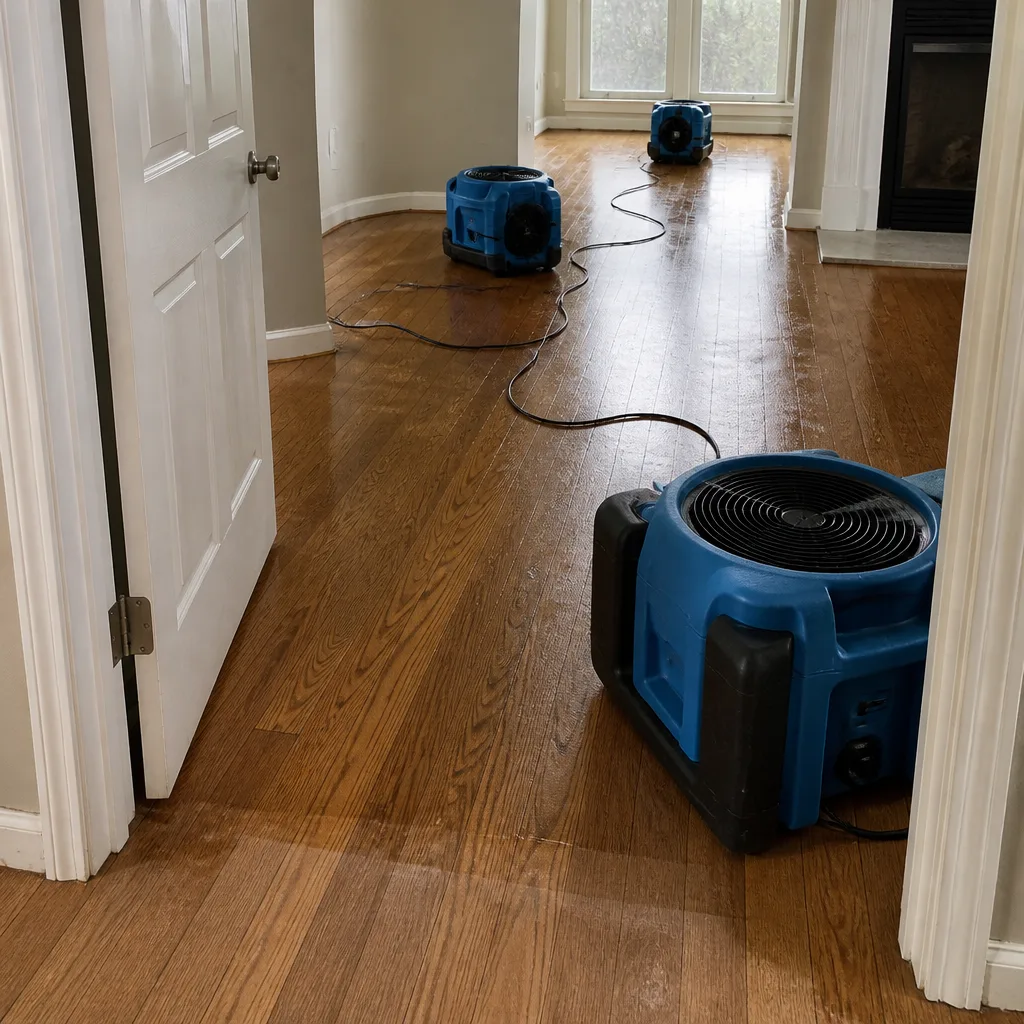
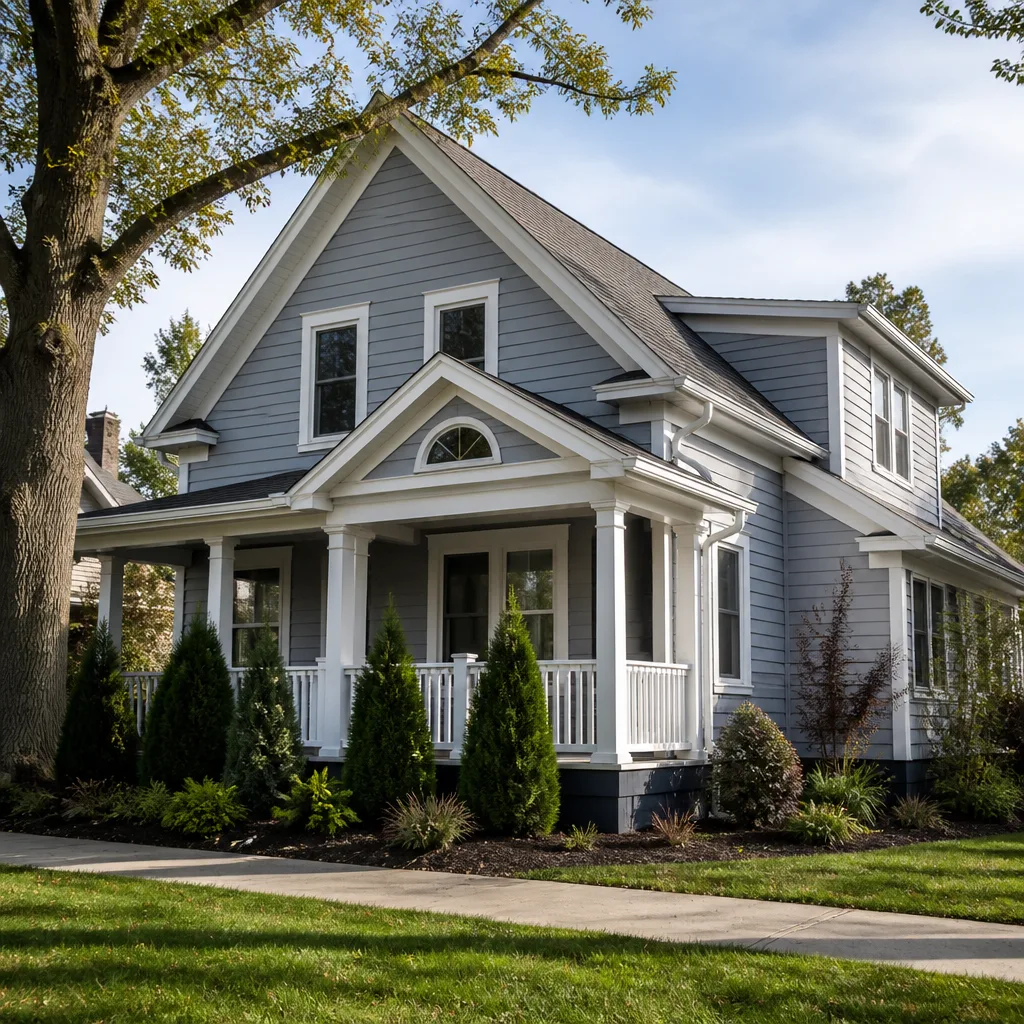
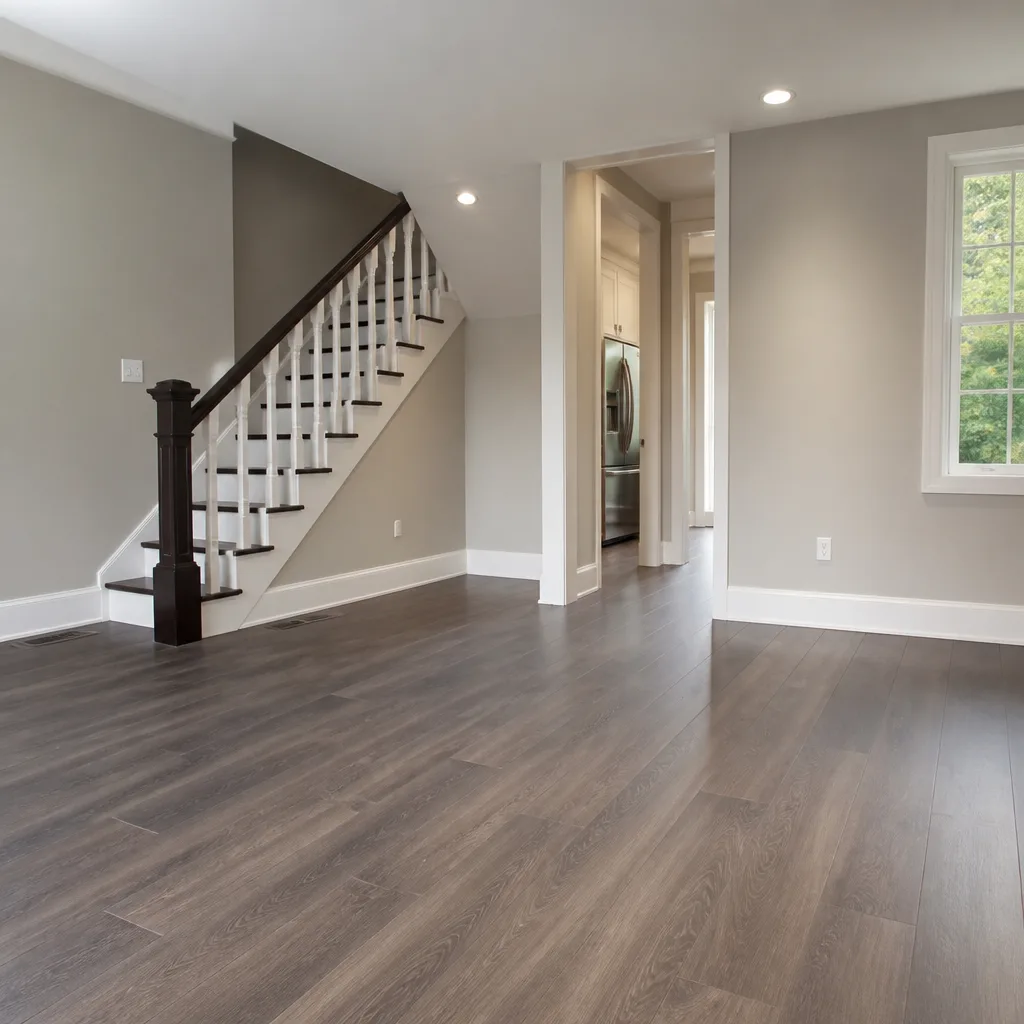
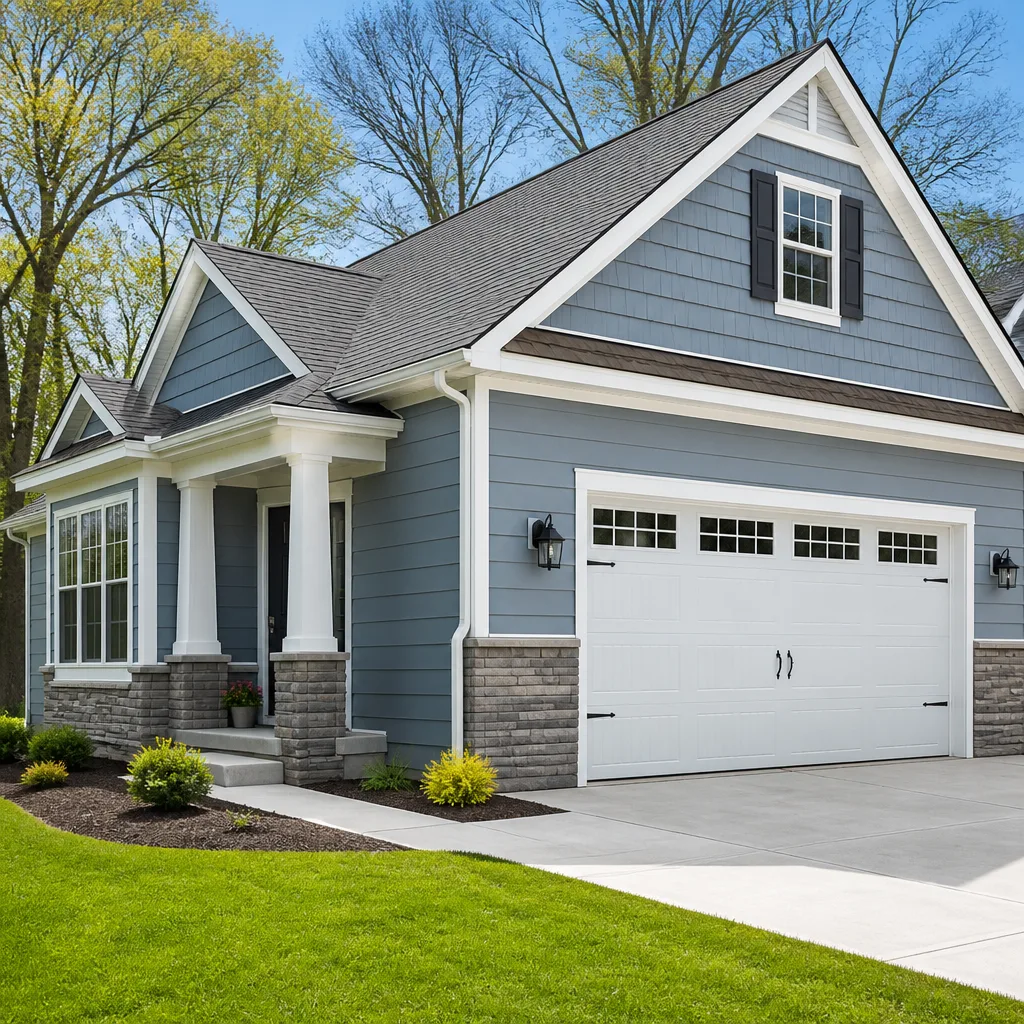
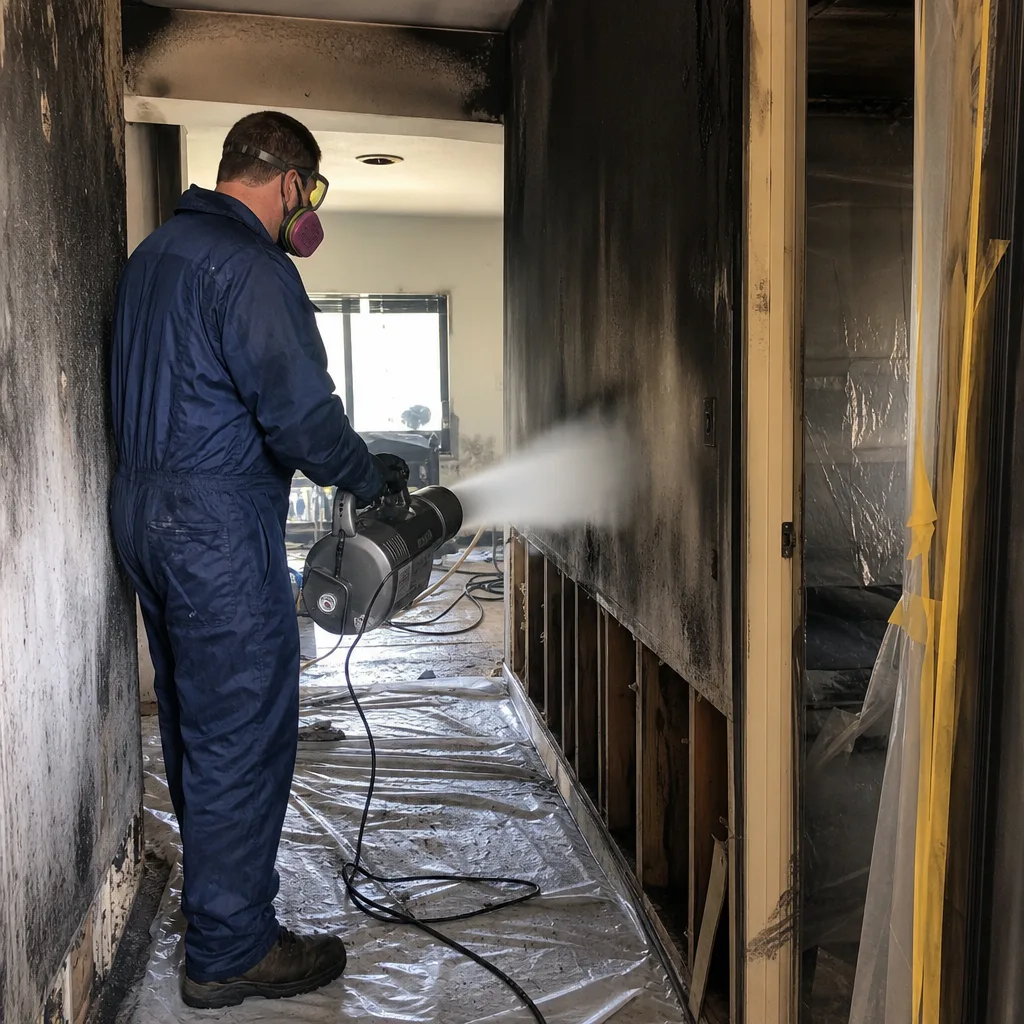
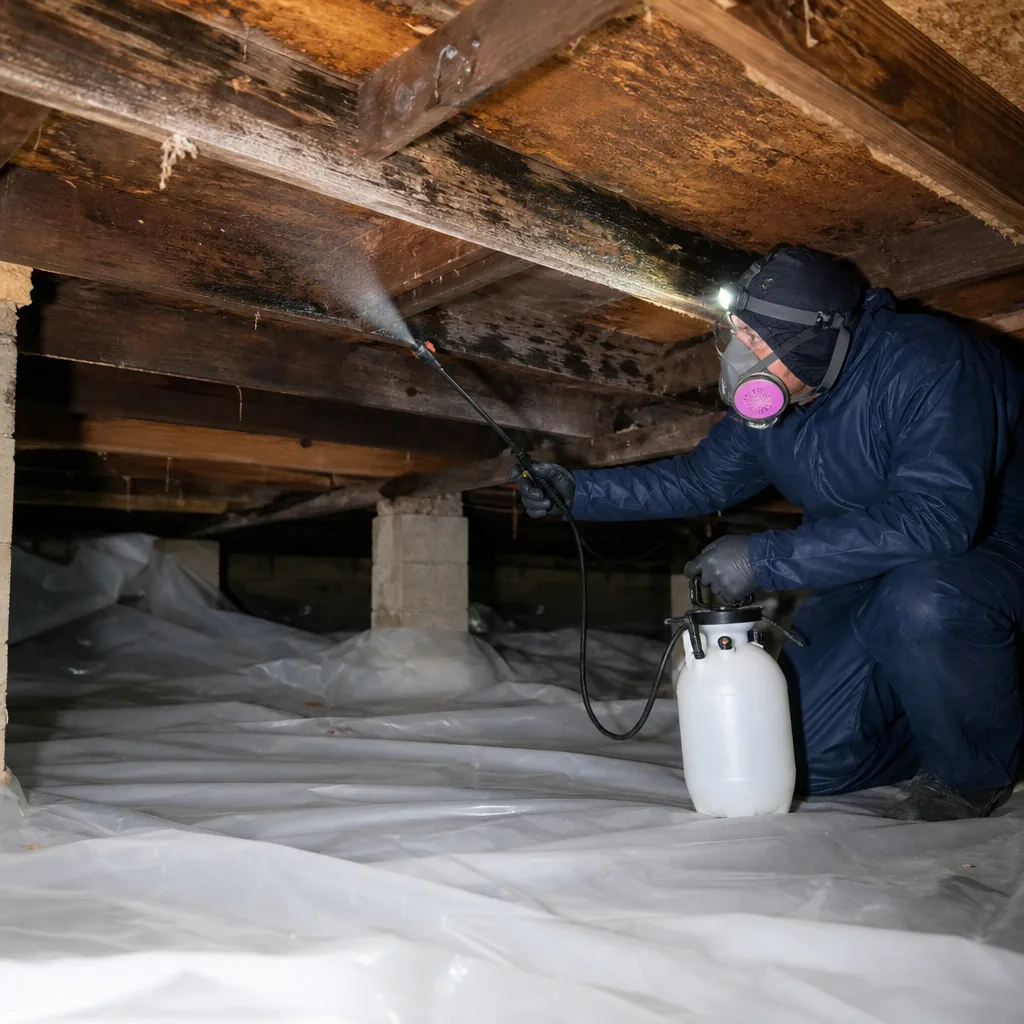
 Before
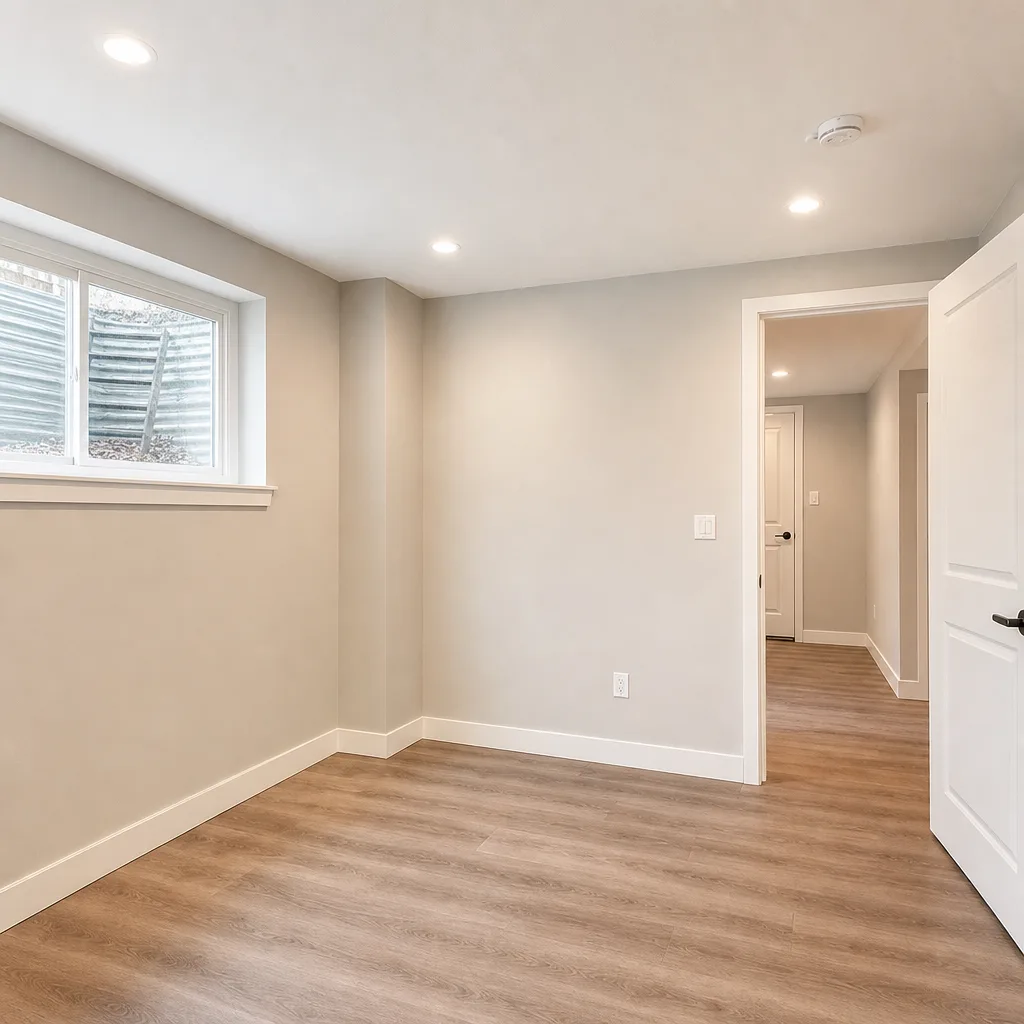 After
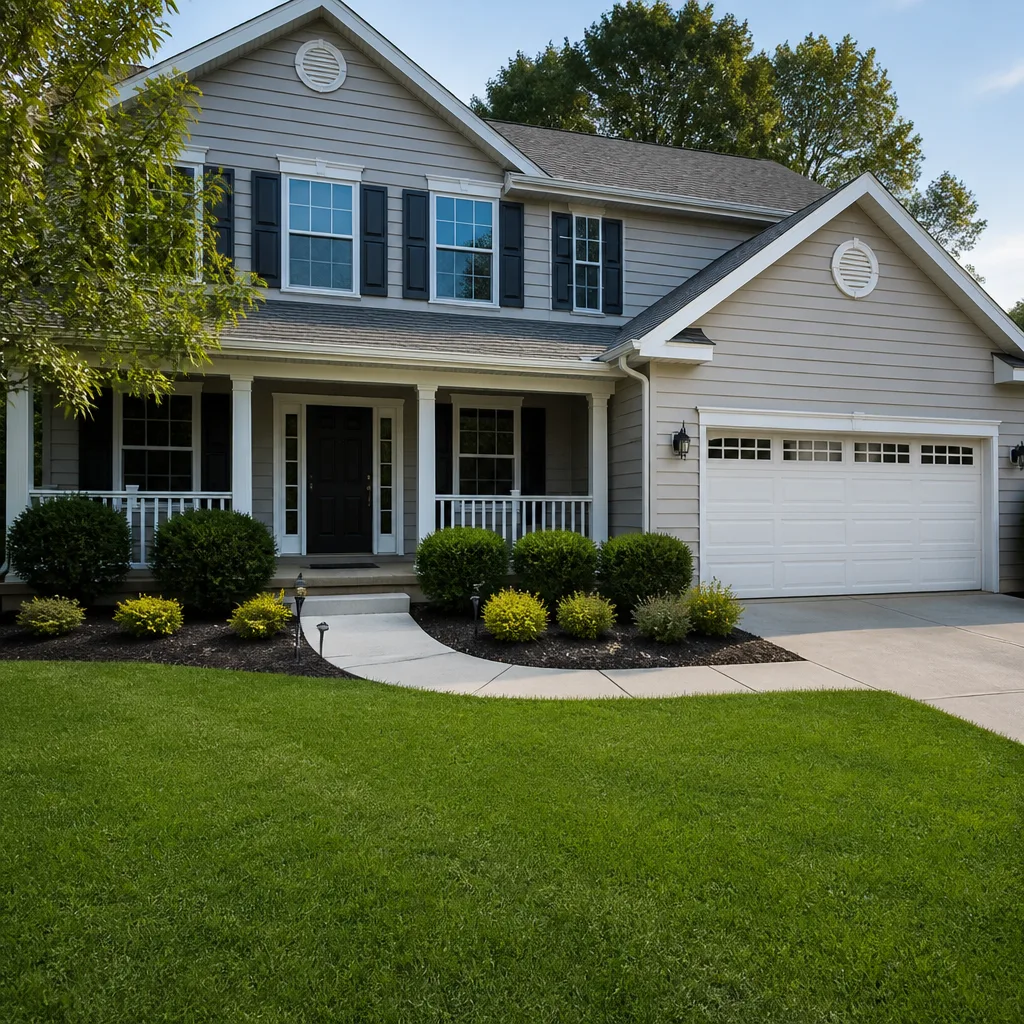
After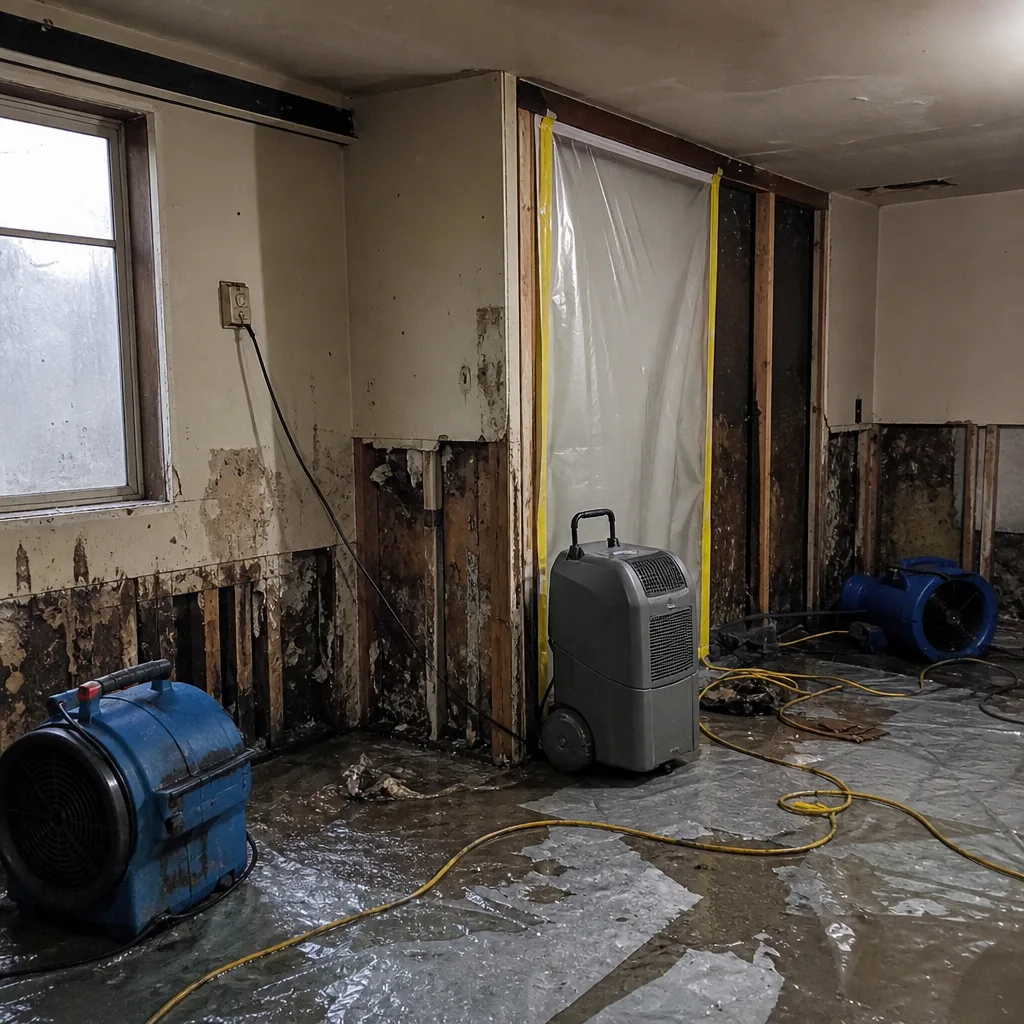 Before
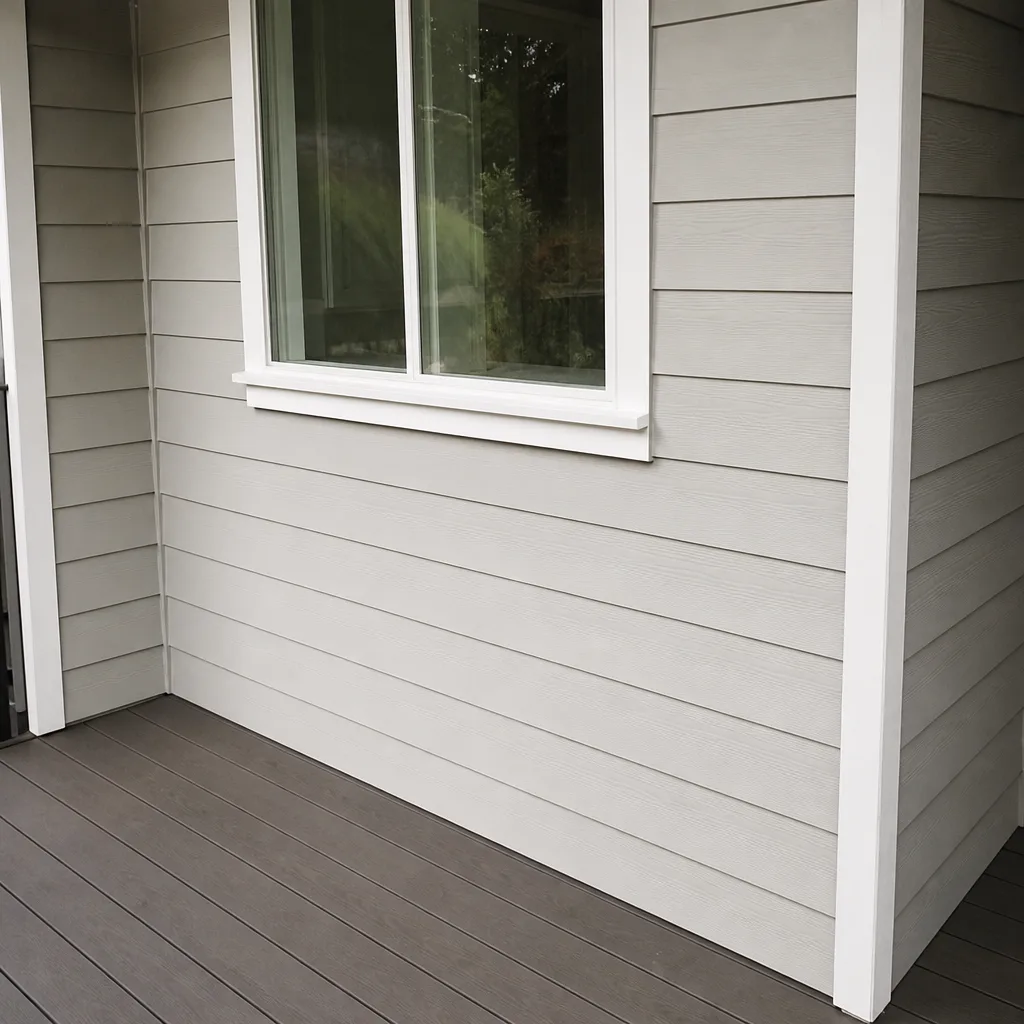 After
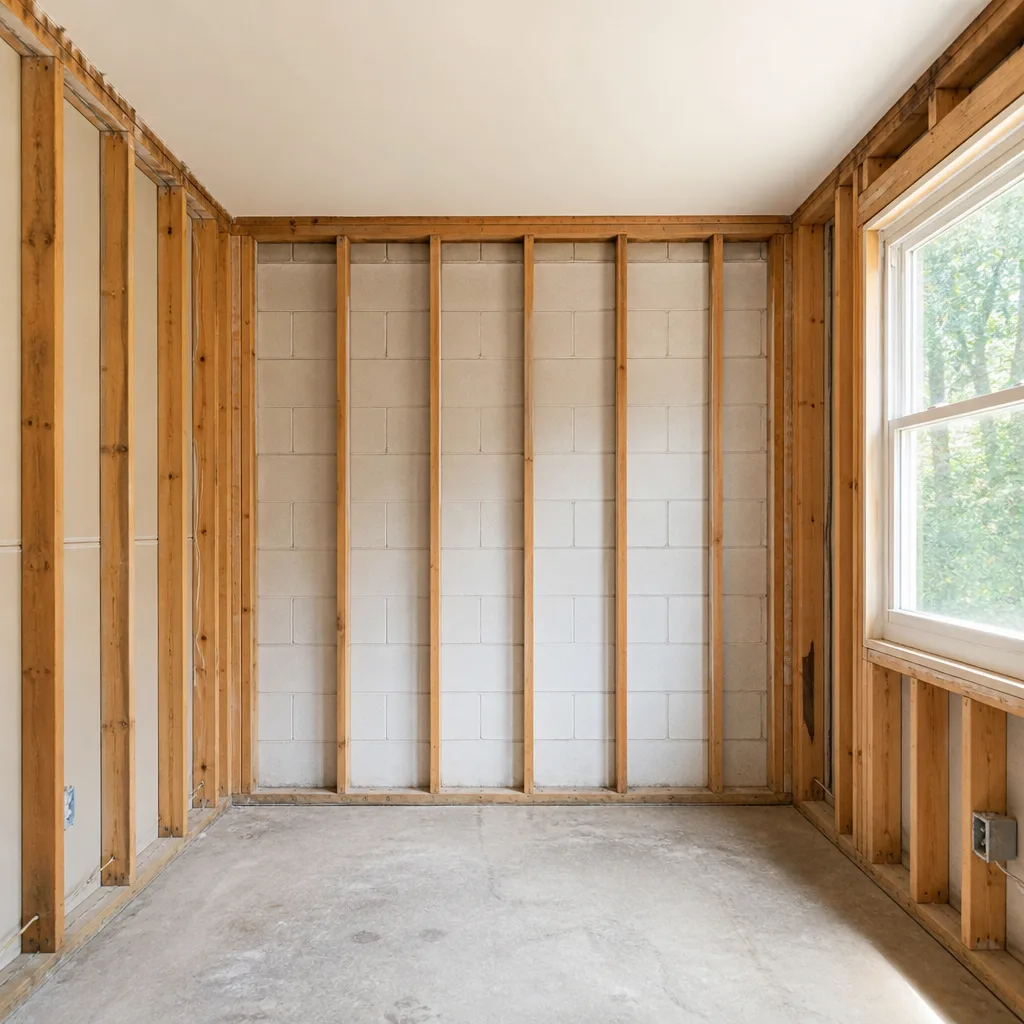
After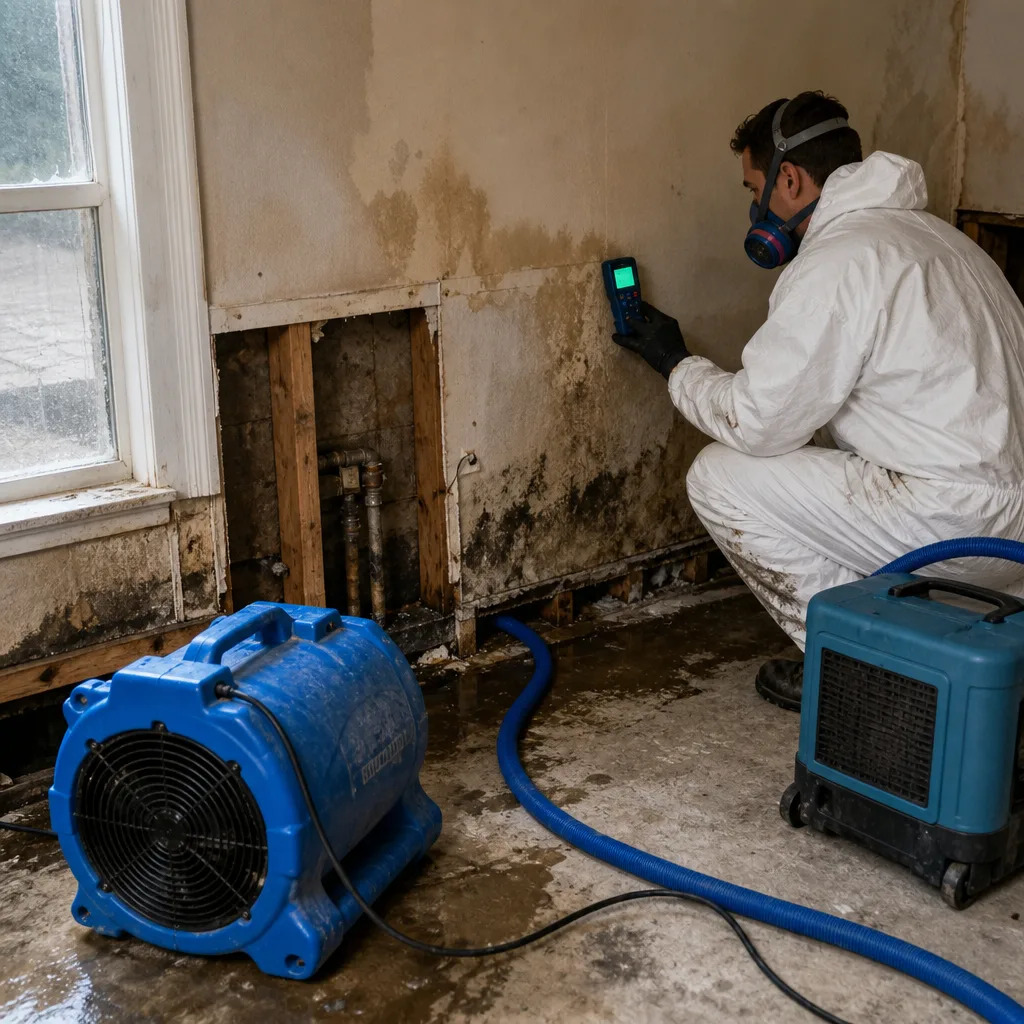 Before
 After
After24/7 Emergency Water Damage Restoration in Sumner
Water damage restoration in Sumner typically runs $2,800-$7,500 for a standard residential loss, with emergency extraction starting at $450-$950 and full structural drying adding $1,800-$4,200 depending on square footage and water classification. Our crews answer live at (360) 997-2427 around the clock, and we dispatch into Sumner within 45 minutes of your call. The first hour determines whether your loss stays a Category 1 extraction job or degrades into Category 2 or 3 contamination requiring full remediation, antimicrobial treatment, and contents pack-out. We don’t guess. We moisture-map on arrival, photograph every affected surface, and hand you a written price before anyone touches a pump or air mover. Haven Standard, Clause 1.
Understanding Water Damage Restoration Severity in Sumner Properties
Water damage in Sumner falls into three categories under IICRC S500 standards, and misidentifying the category is where upland contractors lose claims. Category 1 is clean water from a broken supply line or overflowing sink. Category 2 is gray water with chemical or biological contamination, dishwasher discharge, or sump pump failures. Category 3 is black water: sewage intrusion, ground surface water flooding, or any water that has passed through soil or building materials. Sumner’s valley-floor geography pushes many losses toward Category 2 or 3 faster than upland properties because the high water table keeps crawl spaces chronically damp, and flood-plain backwater carries silt and agricultural runoff from upstream Puyallup River basin farmland.
Moisture mapping with thermal imaging and pinless meters tells us the true migration pattern. In Sumner’s older downtown wood-frame stock, we’ve seen water wick up through sill plates and into wall cavities 18 inches above the visible flood line. Psychrometric data, vapor pressure differential readings, and daily grain depression logs drive our drying strategy, not a calendar date. Tertiary drying, the final phase where bound moisture releases from dense materials like Douglas fir joists and old-growth subfloor, often extends 24-72 hours longer here than in Auburn or Lakewood because valley humidity slows evaporation rates.
Why Sumner Property Owners Choose DryMark Restoration Kent
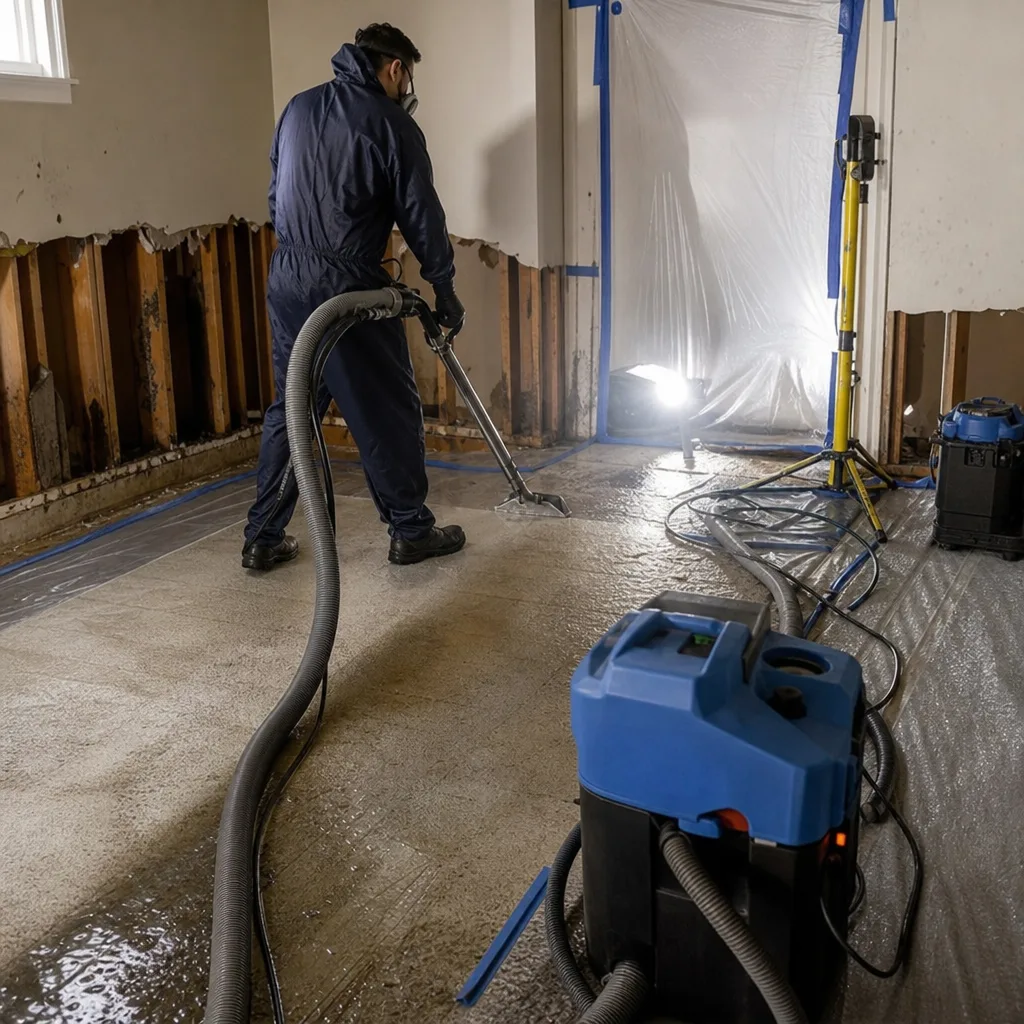
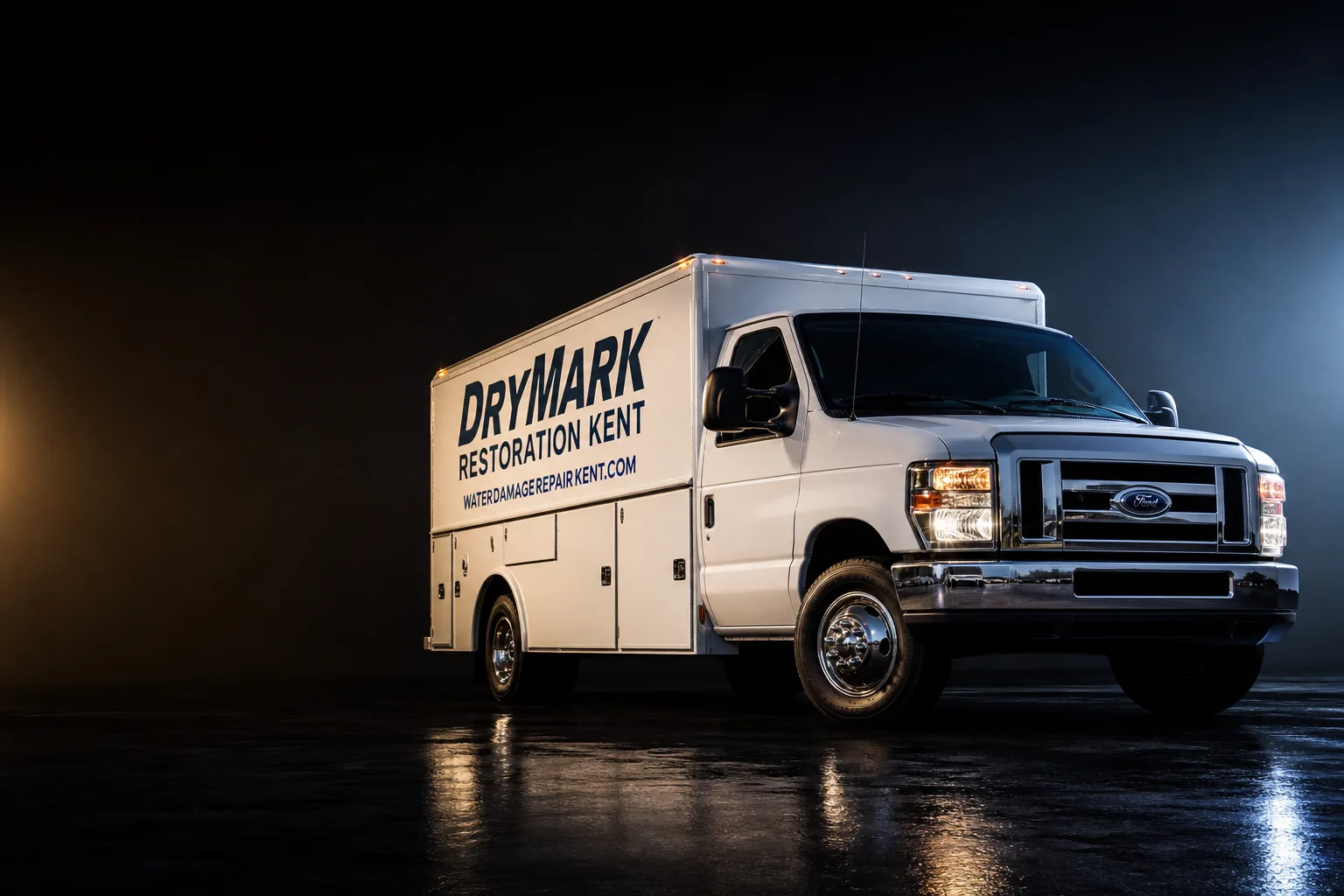
- 45-minute response commitment to Sumner properties, with crews staging equipment street-side for downtown alleys and narrow historic lots where box trucks can’t pass.
- 24/7 live answer by a real person, never an automated system, on our emergency line - no voicemail trees while water is still moving through your structure.
- IICRC-certified crews holding WRT (Water Damage Restoration Technician), ASD (Applied Structural Drying), and AMRT (Applied Microbial Remediation Technician) certifications, with license numbers documented on every job file.
- Free visual inspection and moisture assessment, with a written scope and price delivered before any extraction or drying equipment is deployed.
- Direct insurance billing and adjuster coordination, including NFIP flood policy documentation standards that many upland contractors fail to meet on Sumner flood-plain properties.
- One team from extraction through reconstruction - no handoffs between mitigation and rebuild contractors, no gaps in documentation, no disputed scope items.
BeforeAfterOur Water Damage Restoration Process
1. Inspection & Assessment
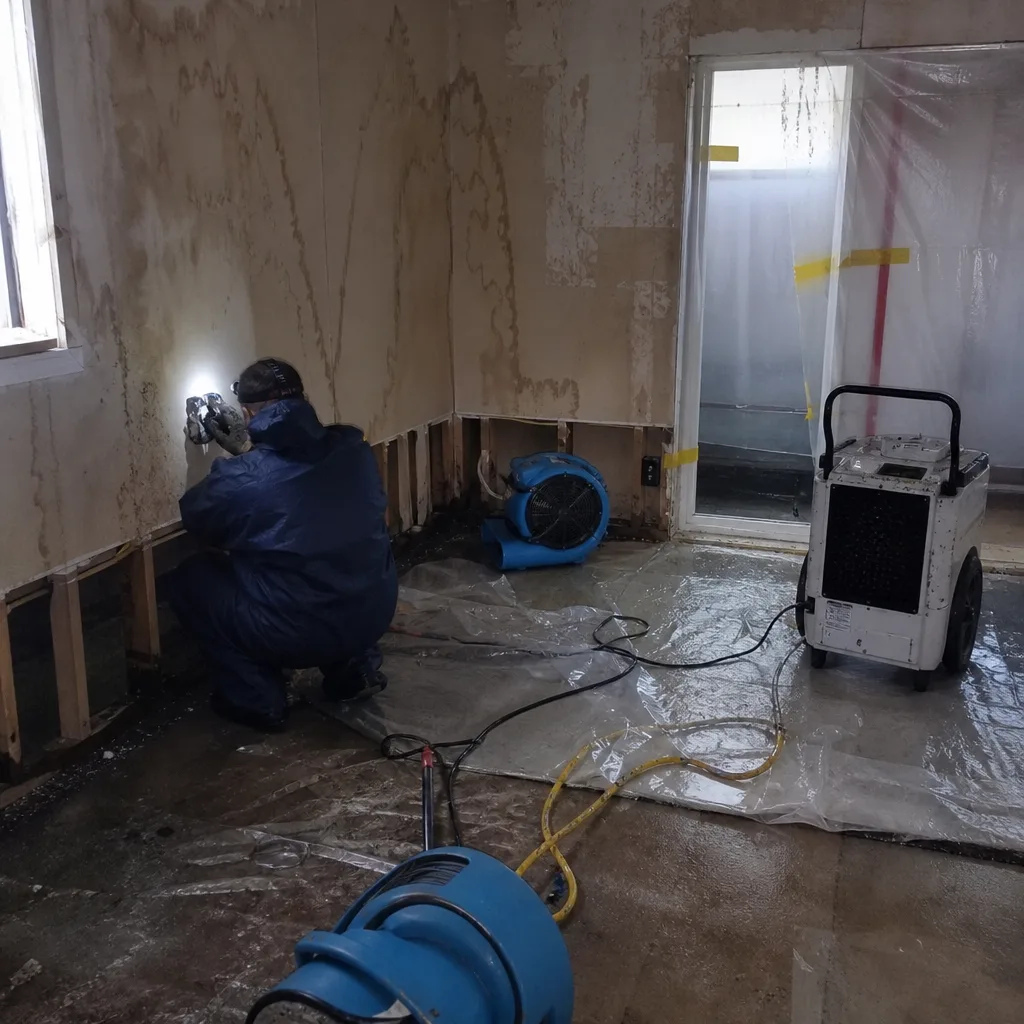
We arrive with thermal imaging cameras, pin and pinless moisture meters, and a hygrometer to map the full extent of migration. In Sumner’s older downtown core, we check crawl space vapor barriers, sill plate saturation, and wall cavity wicking that surface inspection misses. You receive a written scope and price before work begins.
2. Water Extraction & Stabilization
Truck-mounted extraction units remove standing water; portable units access tight downtown Sumner crawl spaces and second-floor townhome units where hose runs exceed 150 feet. We deploy weighted extraction tools on saturated carpet and pad, then apply antimicrobial treatment to prevent Category 2 reclassification.
3. Structural Drying & Dehumidification
We size the drying system to the cubic volume and vapor load, deploying Dri-Eaz and Phoenix LGR dehumidifiers alongside XPOWER and B-Air axial air movers. In Sumner’s high-humidity valley environment, we monitor vapor pressure differential daily and adjust equipment counts to achieve target equilibrium moisture content in joists and subflooring.
4. Cleaning & Sanitization
All affected surfaces receive HEPA vacuuming and antimicrobial treatment per IICRC S520 standards. For Category 2 or 3 losses, we deploy HEPA air scrubbers with charcoal filtration to capture particulate and control odor during the drying period.
5. NFIP-Standard Documentation & Adjuster Coordination
We format every Sumner flood-plain job to NFIP adjuster requirements: room-by-room photo records, daily moisture logs with psychrometric data, line-item scope narratives, and direct carrier portal submission. This is where contractors from drier markets lose claims. We don’t.
6. Repairs & Restoration
Once drying targets are verified with final moisture readings, our reconstruction team replaces compromised drywall, subfloor, trim, and finishes. The 365-Day Done Right Promise under The Haven Standard covers all workmanship. One file, one team, one accountable scope from flood to finish.
Need Emergency Water Damage Restoration in Sumner Now?
Crews minutes away, answering live 24 hours a day. The sooner we start, the less it costs.
Working With Your Insurance Company
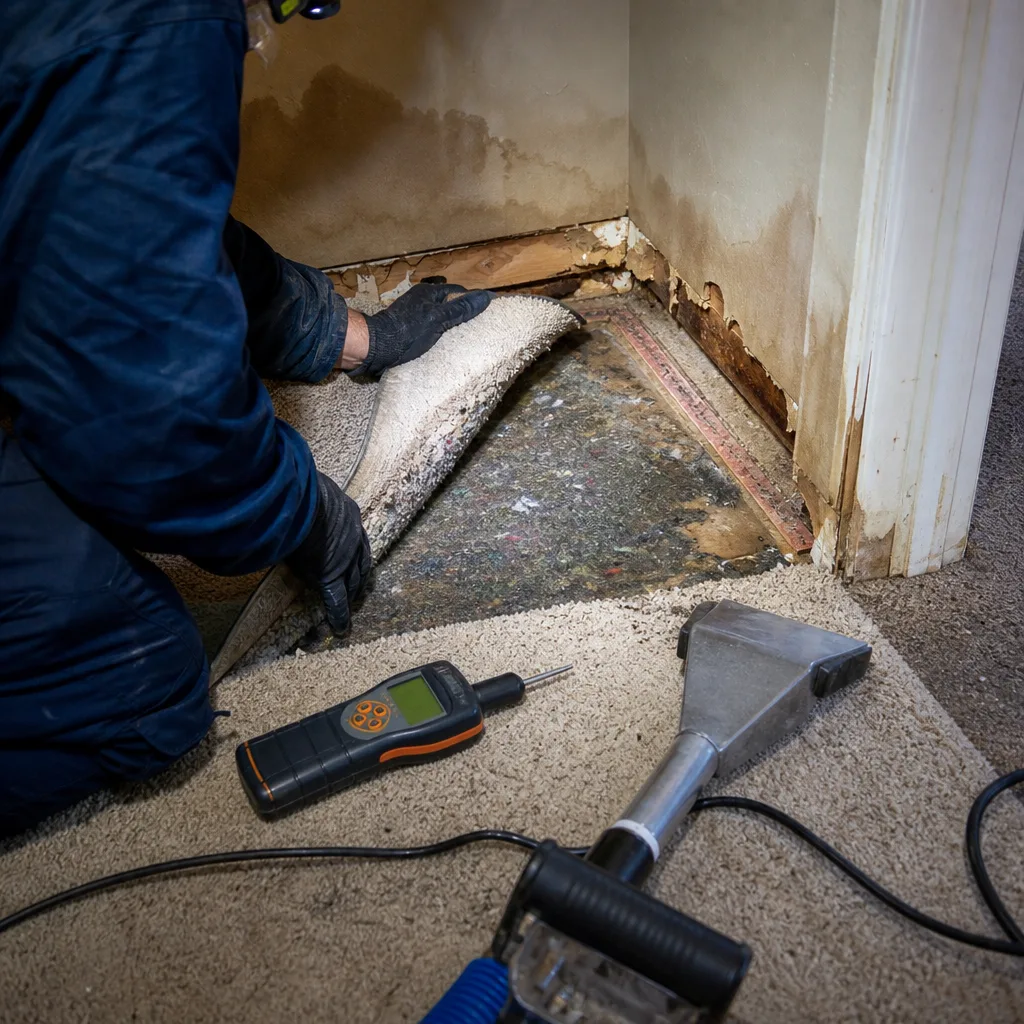
Documentation starts the moment our technician steps onto your property. We photograph every room, every elevation, every material classification before a single piece of equipment is placed. Your adjuster receives a complete file: dated photo records, daily moisture readings with equipment serial numbers, psychrometric charts showing vapor pressure differential trends, and a line-item scope written to Xactimate or Symbility standards. For Sumner properties carrying NFIP policies, we format specifically to flood adjuster requirements, distinguishing between building and contents coverage, documenting pre-existing conditions, and noting flood-proofing measures required by FEMA Special Flood Hazard Zone occupancy. Direct carrier coordination means you’re not chasing paperwork while trying to live in a construction zone.
What We Provide Your Insurer
- Thorough documentation of the loss
- Photos of all damage, room by room
- Moisture readings and drying logs
- A detailed, line-item scope of work
- Direct coordination with your carrier
Built for Sumner’s Loss Calendar
January through March brings rain-on-snow events from the Cascades, surging the Puyallup River and backing water into low-elevation Sumner neighborhoods near the river channel. April and May see sustained spring rainfall on already-saturated valley soils, pushing groundwater into crawl spaces through compromised vapor barriers. June through September delivers drier conditions, but summer thunderstorm cells can dump localized rainfall faster than Sumner’s storm drainage infrastructure can clear it, particularly in the compact downtown grid where impervious surfaces dominate. October through December is peak loss season: atmospheric river events, early mountain snowpack, and the Puyallup Valley’s funnel geography concentrating precipitation into rapid river rises. Year-round, the valley’s high water table means endemic moisture intrusion in older crawl spaces even without a declared flood event.
Water Damage Restoration Across Sumner’s Neighborhoods
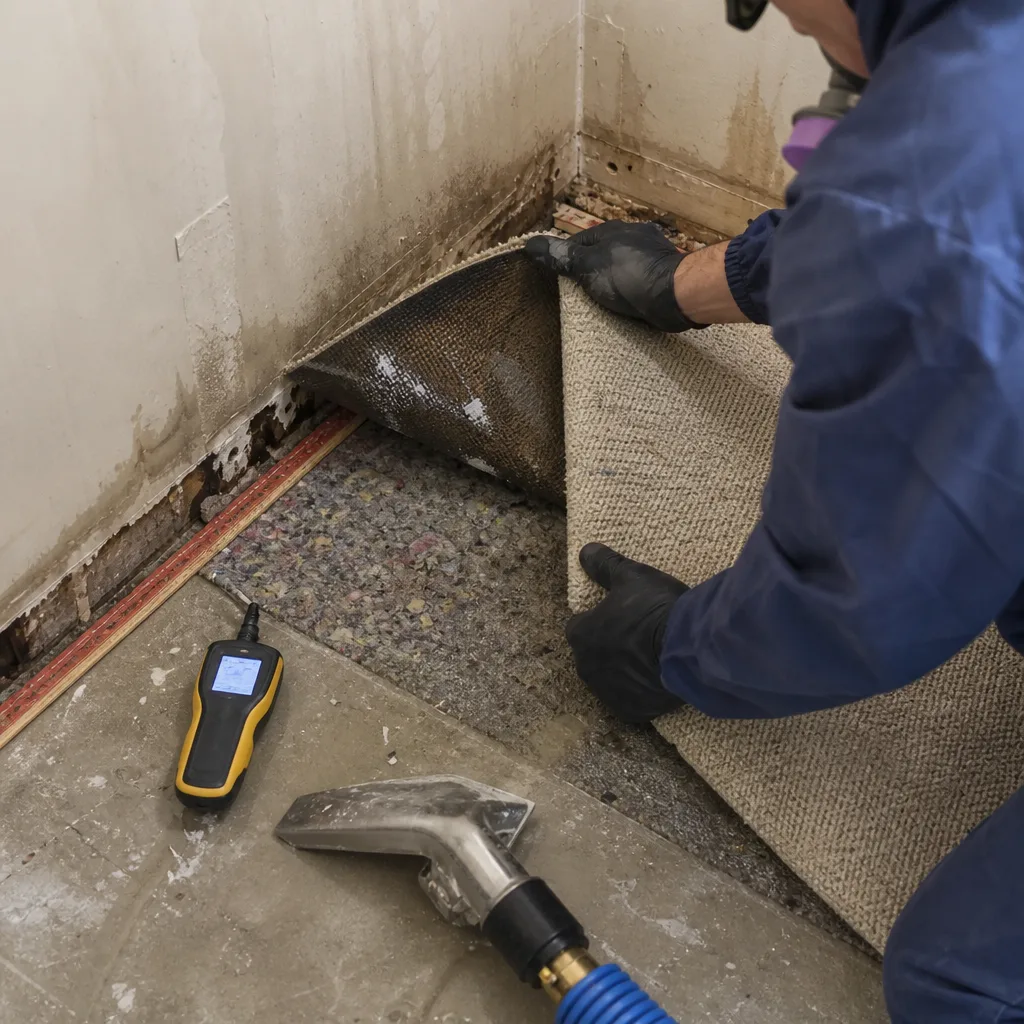
Downtown Sumner, centered on Main Street and the historic commercial core, presents our most frequent access challenge. Narrow alleys behind the 1890s-1920s brick and wood-frame buildings, townhome rows with no rear egress, and historic-lot driveways built for Model T width force us to stage extraction equipment street-side and run hose lays up to 200 feet. We’ve learned which blocks allow parking on Maple Street versus which require permits on Alder Avenue.
The residential hillside above the flood plain, toward Bonney Lake and Edgewood, sees more burst pipe and appliance failure losses in winter. These properties dry faster, but the newer construction often uses engineered joists that trap moisture differently than the old-growth Douglas fir found downtown. We adjust our drying protocols accordingly.
West Sumner, toward the Puyallup River levee and the industrial corridor along State Route 410, carries the heaviest NFIP policy concentration. Losses here are typically large-loss flood events requiring full contents pack-out, structural drying, and reconstruction scoped to FEMA substantial damage thresholds. Our Water Damage Restoration team maintains lahar-specific large-loss staging capability because Sumner’s emergency management planning maps this corridor for volcanic debris flow as well as riverine flooding.
The Ryan House neighborhood and areas near Sunset Park see recurring groundwater intrusion in crawl spaces during extended wet periods. These aren’t dramatic flood events. They’re slow, chronic moisture accumulation that degrades indoor air quality and triggers mold amplification in wall cavities. We catch these with moisture mapping before visible damage appears.
Specialized Water Damage Restoration Services We Offer in Sumner
Emergency Water Extraction
Standing water begins degrading material classification within 24-48 hours. Our truck-mounted and portable extraction units deploy to Sumner properties within 45 minutes, with street-side staging for downtown access constraints. We remove water from carpet, pad, hardwood, tile, and concrete substrates, then apply immediate antimicrobial treatment to prevent Category 2 reclassification.
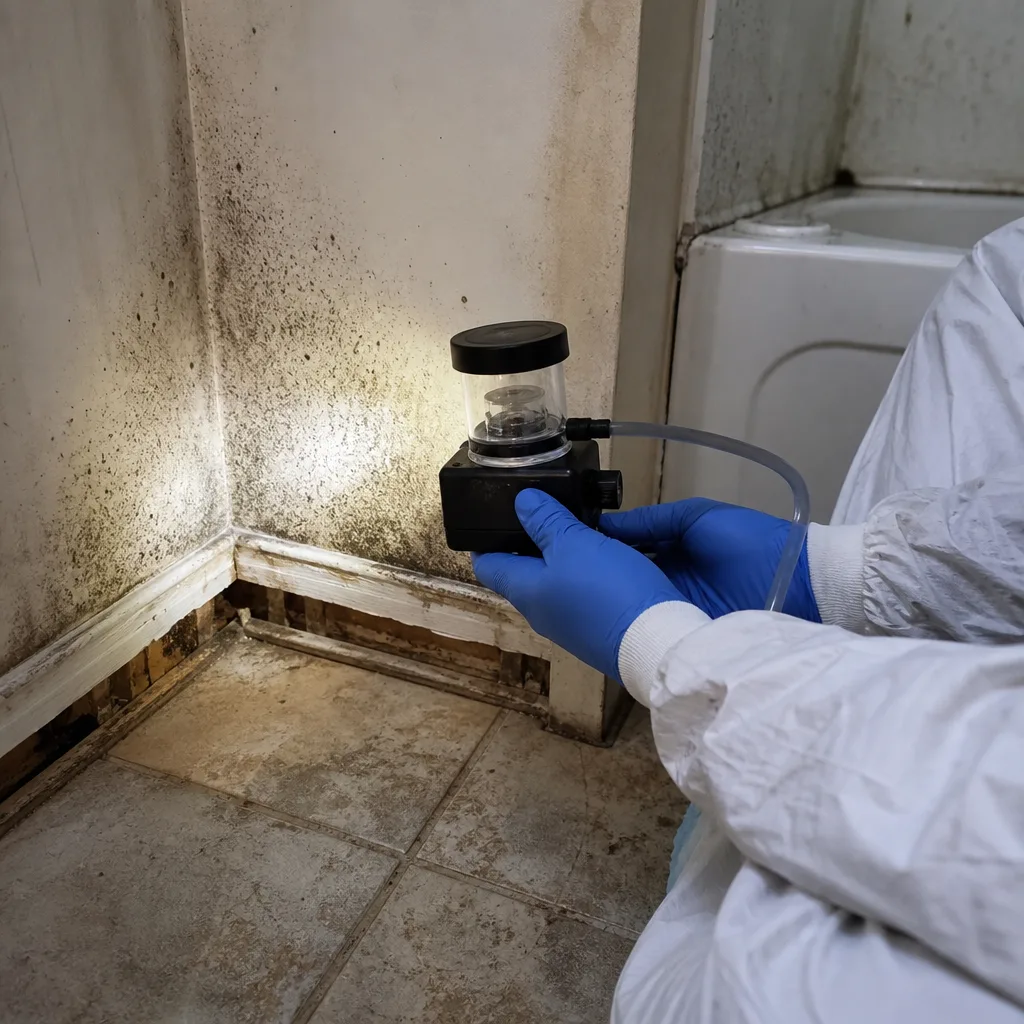
Structural Drying & Dehumidification
Sized to cubic volume and vapor load, our Dri-Eaz and Phoenix LGR dehumidifiers work with XPOWER and B-Air air movers to achieve target equilibrium moisture content. In Sumner’s high-humidity valley environment, we extend tertiary drying phases and document daily grain depression to prove completion to adjusters. Injectidry systems access wall cavities and hardwood flooring without demolition where possible.
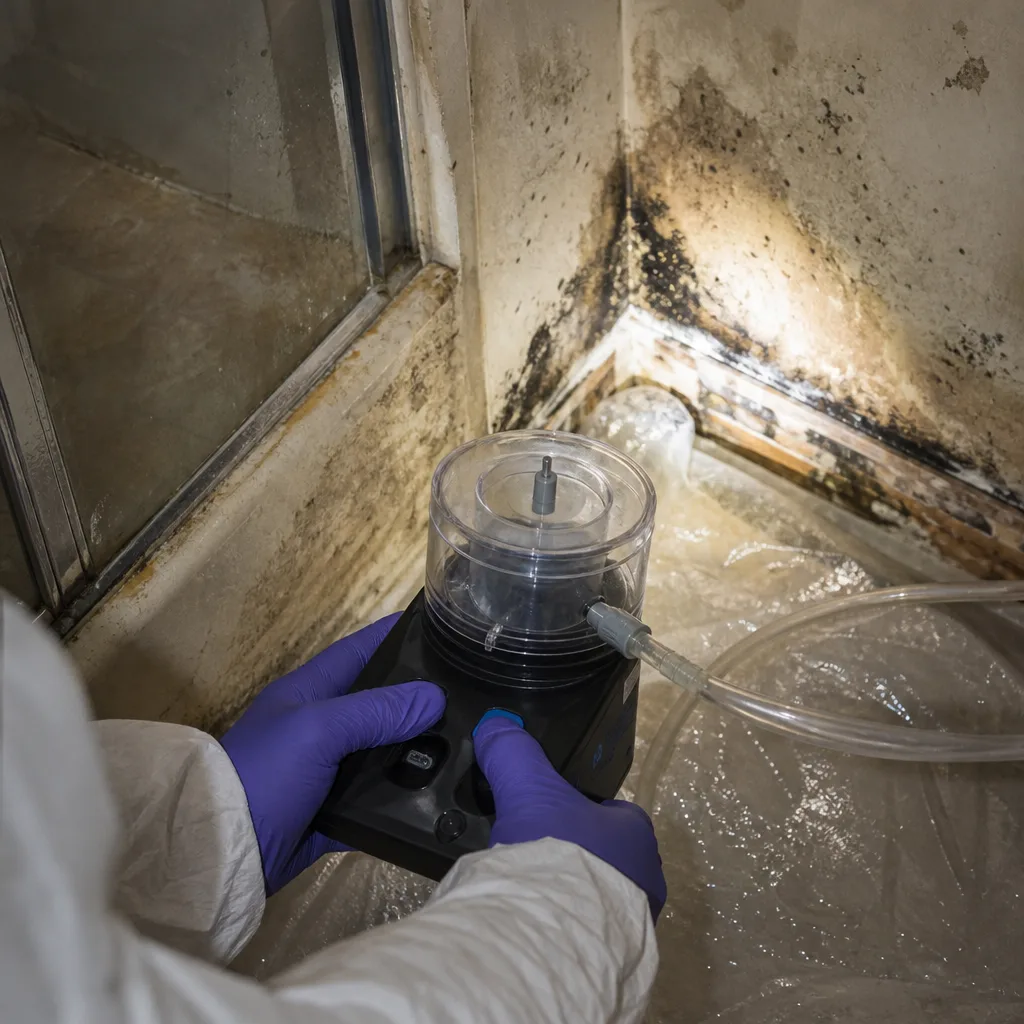
Flood Cleanup
Sumner’s FEMA flood-plain properties require NFIP-standard documentation that many contractors fail to provide. We separate building from contents coverage, document pre-existing conditions per flood adjuster requirements, and coordinate directly with NFIP vendors. Large-loss staging includes pack-out, temporary power, and containment for properties awaiting adjuster inspection.
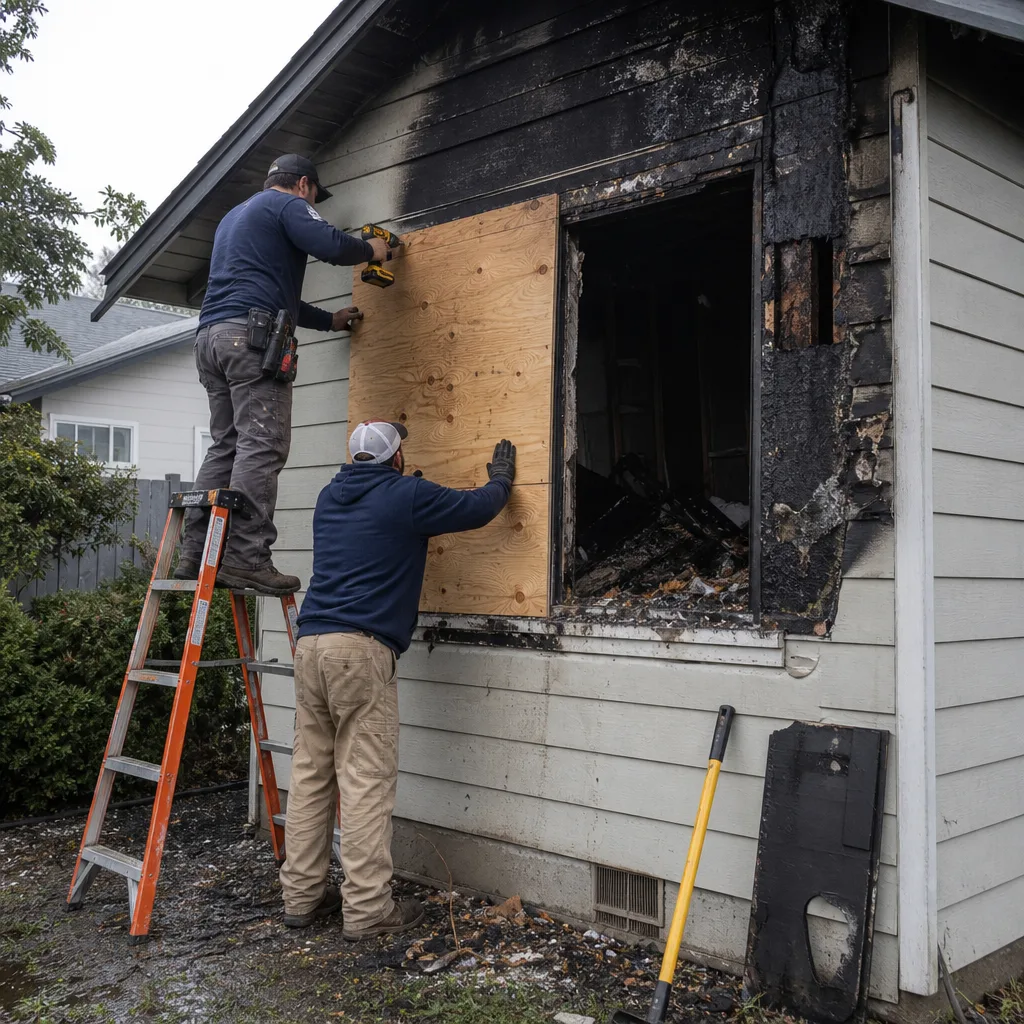
Burst Pipe Restoration
Winter freeze-thaw cycles affect hillside Sumner properties more than the valley floor. We extract, dry, and scope replacement of compromised plumbing, drywall, insulation, and finishes. A written price precedes all reconstruction work.
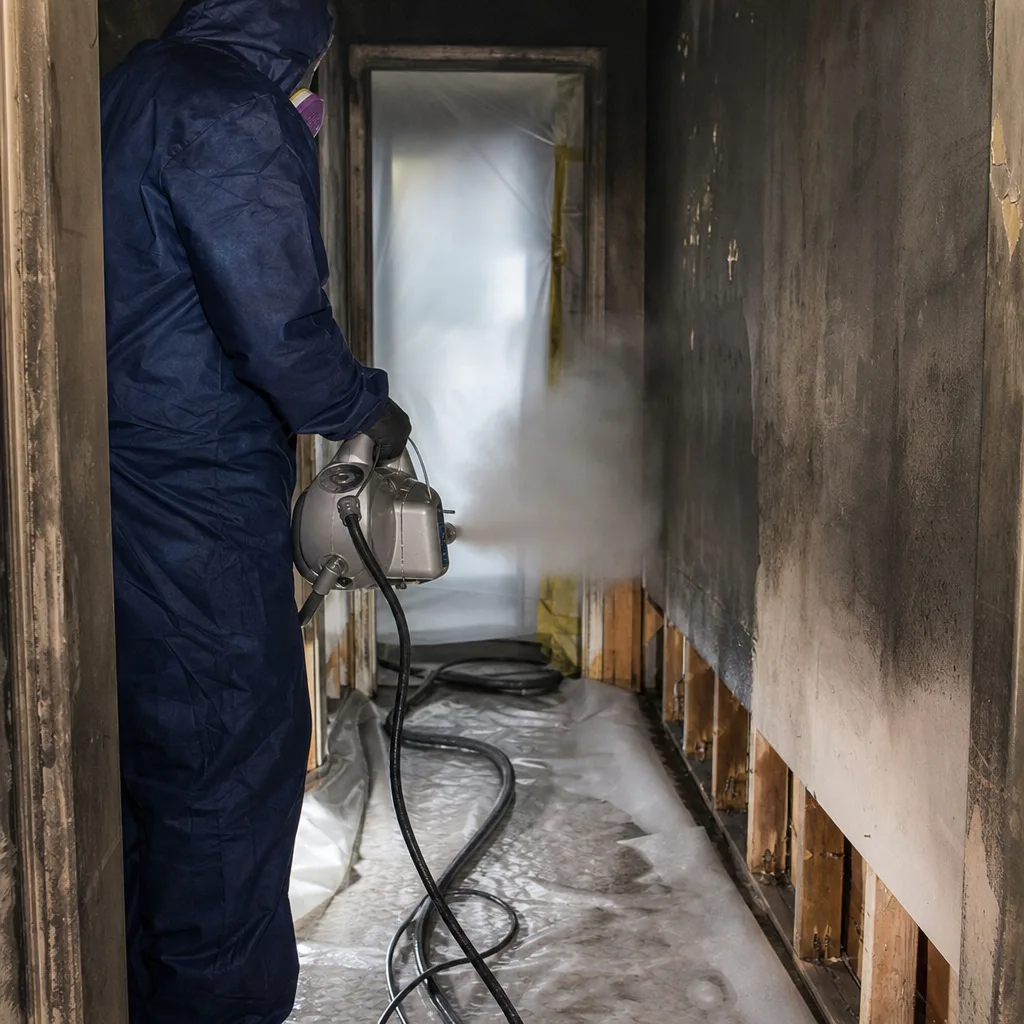
Basement Water Removal
Sumner’s high water table makes full basement drying challenging. We install submersible pumps, apply negative air pressure where needed, and monitor slab moisture content with calcium chloride testing before declaring drying complete.
What happens when you call
- 1
A real person answersNo phone trees - you reach a local pro.
- 2
You get an upfront price rangeHonest numbers before anyone is dispatched.
- 3
A background-checked tech heads outLicensed & insured, dispatched right away.
- 4
You approve before work beginsNothing starts until you say go.
Water Damage Restoration Costs in Sumner, WA
Emergency water extraction in Sumner runs $450-$950 for most residential losses, with commercial and multi-family properties scaling to $1,200-$2,800 depending on square footage and access complexity. Structural drying and dehumidification typically adds $1,800-$4,200 for a 1,500-2,500 square foot home, with downtown Sumner’s tight-access properties sometimes requiring additional equipment for equivalent airflow coverage. Full reconstruction, including drywall, flooring, trim, and paint, ranges $3,500-$12,000 depending on finish quality and material match requirements.
What moves the price: water category (Category 3 losses requiring full antimicrobial treatment and contents disposal run 40-60% higher than Category 1), affected square footage, whether demolition is required to access wall cavities or subfloor, and the presence of hazardous materials like asbestos or lead in pre-1978 Sumner housing stock. Insurance typically covers sudden and accidental water losses; gradual leaks and maintenance-related moisture intrusion often fall to homeowner responsibility. We provide a free visual inspection and written scope so you know exactly where you stand before any work begins. Call (360) 997-2427 for your estimate.
We Also Serve Cities Near Sumner
Our crews respond throughout the Puyallup Valley and surrounding communities, including Sumner and nearby Puyallup, Milton, Auburn, and Lakewood. Dispatch and scheduling are coordinated from our Seattle office; crews serve each city locally with equipment staged for that area’s specific loss patterns.
Serving Sumner, WA - Our Local Coverage Area
We’re based in the Sumner area and know this community well. Use the map below to see our service coverage - if you’re nearby, we can almost certainly help.
Sumner Water Damage Restoration Questions, Answered
Why does my Sumner flood claim get held up when my neighbor in Bonney Lake had no problem?
Sumner properties in FEMA Special Flood Hazard Zones typically carry NFIP policies, not standard homeowner flood riders, and NFIP adjusters require specific documentation formats that differ from standard water loss claims. Contractors from drier upland markets like Bonney Lake often submit standard drying logs and scope narratives that NFIP adjusters reject for missing building/contents separation, pre-existing condition documentation, or flood-proofing compliance notes. We format every Sumner flood-plain job to NFIP standards from day one. Call (360) 997-2427 if your claim is stalled and we’ll review the file at no charge.
How fast does water damage in a Sumner crawl space become a mold problem?
Mold amplification begins in 48-72 hours in Sumner’s chronically damp crawl spaces because the valley’s high water table maintains ambient humidity above 60% even without active flooding. Older downtown wood-frame homes with compromised vapor barriers are particularly vulnerable; we’ve documented Aspergillus and Penicillium growth in crawl spaces where moisture readings exceeded 20% wood moisture content for 96 hours. We recommend emergency extraction and dehumidification within 24 hours, with antimicrobial treatment and HEPA air scrubbing for any Category 2 or 3 loss. Call (360) 997-2427 for immediate response.
Does Sumner’s location near the Puyallup River change how you handle a water loss?
Yes. Sumner’s valley-floor position means saturated soils slow drainage, extend drying times, and increase the likelihood of groundwater intrusion carrying agricultural runoff and silt. We size dehumidification capacity higher than for equivalent upland properties, extend tertiary drying phases, and document daily moisture logs that account for the valley’s slower evaporation rates. For flood-plain properties, we also maintain NFIP-formatted documentation standards that river-adjacent losses require. The Puyallup River isn’t just scenery here; it’s a constant variable in our drying calculations.
Can you work around tight downtown Sumner access - alleys, townhome rows, narrow historic lots?
We stage equipment street-side and run portable extraction units and hose lays up to 200 feet for downtown properties where box trucks and trailer-mounted rigs can’t access. Our crews know which blocks allow parking on Maple Street versus permit-restricted Alder Avenue, and we carry compact Dri-Eaz and XPOWER equipment specifically for tight-clearance crawl spaces and second-floor townhome units. Access constraints don’t delay our response; they shape our staging plan. Call (360) 997-2427 and we’ll confirm access for your specific address.
What’s the difference between category 1, 2, and 3 water, and why does it matter for my Sumner home?
Category 1 is clean water from a supply line or sink overflow. Category 2 is gray water with chemical or biological contamination, dishwasher discharge, or sump failures. Category 3 is black water: sewage, ground surface flooding, or any water that has passed through soil or building materials. The category determines antimicrobial treatment requirements, which materials must be removed versus dried in place, and whether your insurance claim covers the full scope. Sumner’s high water table and flood-plain geography push many losses toward Category 2 or 3 faster than drier markets, which is why we test and document water classification on arrival rather than assuming based on the source. Call (360) 997-2427 for classification and scope.
How fast can you actually get to my Sumner property?
We commit to 45 minutes from call to on-site for emergency water damage in Sumner, with crews staging from our Seattle-coordinated dispatch. Live answer 24 hours a day, no voicemail trees. The first hour determines whether your loss stays contained or spreads into wall cavities, subflooring, and material degradation that multiplies the scope and cost. Call (360) 997-2427 now.
Will my insurance cover water damage restoration in Sumner?
Sudden and accidental water losses, burst pipes, and appliance failures are typically covered under standard homeowner policies. Flood damage from surface water, river overflow, or groundwater intrusion requires separate flood insurance, and many Sumner properties in FEMA Special Flood Hazard Zones carry NFIP policies. We document every loss to carrier-specific standards, coordinate directly with your adjuster, and provide the photo records, moisture logs, and line-item scopes that turn restoration invoices into payable claims. Call (360) 997-2427 and we’ll review your coverage situation during the free inspection.
What should I do in the first 30 minutes after discovering water damage?
Shut off the water source if it’s a supply line break, then call (360) 997-2427 immediately. Don’t enter standing water if electrical outlets or panels are submerged. Move valuable contents to dry areas if safe to do so, but don’t attempt DIY extraction on Category 2 or 3 water, which carries genuine health hazards. Our live dispatcher will guide you through immediate safety steps while crews are en route. The actions you take in the first 30 minutes, and the ones you avoid, directly affect the final restoration scope and cost.
We took a call on a 1920s wood-frame house off Cherry Avenue in downtown Sumner where the crawl space had been sitting in the valley’s high water table all winter; moisture mapping showed elevated readings well past the flood line, and the older ribbons of subfloor were wicking water up into the joists. Our techs laid containment, set Dri-Eaz air movers and dehumidification across the crawl, applied antimicrobial treatment to the affected framing, and logged daily moisture readings into a drying log formatted for an NFIP adjuster - because this property carried a flood policy, not a standard rider. We finished the structural drying with a pack-out staged for the contents that couldn’t stay in place, and turned the file over with a scope of work the adjuster could actually approve.
Sumner is one of the few U.S. cities where restoration work is mapped against two overlapping catastrophic scenarios - FEMA Special Flood Hazard Zones on the Puyallup River and the documented Mount Rainier lahar inundation corridor - so large-loss preparedness here is not a marketing line, it’s a government-mapped planning requirement. Our equipment staging, documentation protocols, and crew training account for both scenarios. When the Puyallup River rises or when emergency management drills for volcanic debris flow, we’re already positioned to respond with the documentation standards that get claims paid and properties restored.
Ready for a written scope and price before any work begins? Call (360) 997-2427. Our live dispatcher is standing by, and our crews are minutes from your Sumner property.
Written by Alicia Brennan, Owner at Back to Dry Restoration, serving Sumner since 2011 under The Haven Standard.
Water Damage Restoration in Nearby Areas