
Free visual inspection and a written scope of work before any mitigation begins - photos, moisture readings, and drying logs go in your claim file
The scope we write is the scope we bill. Anything new gets shown to you, in writing, before we touch it.
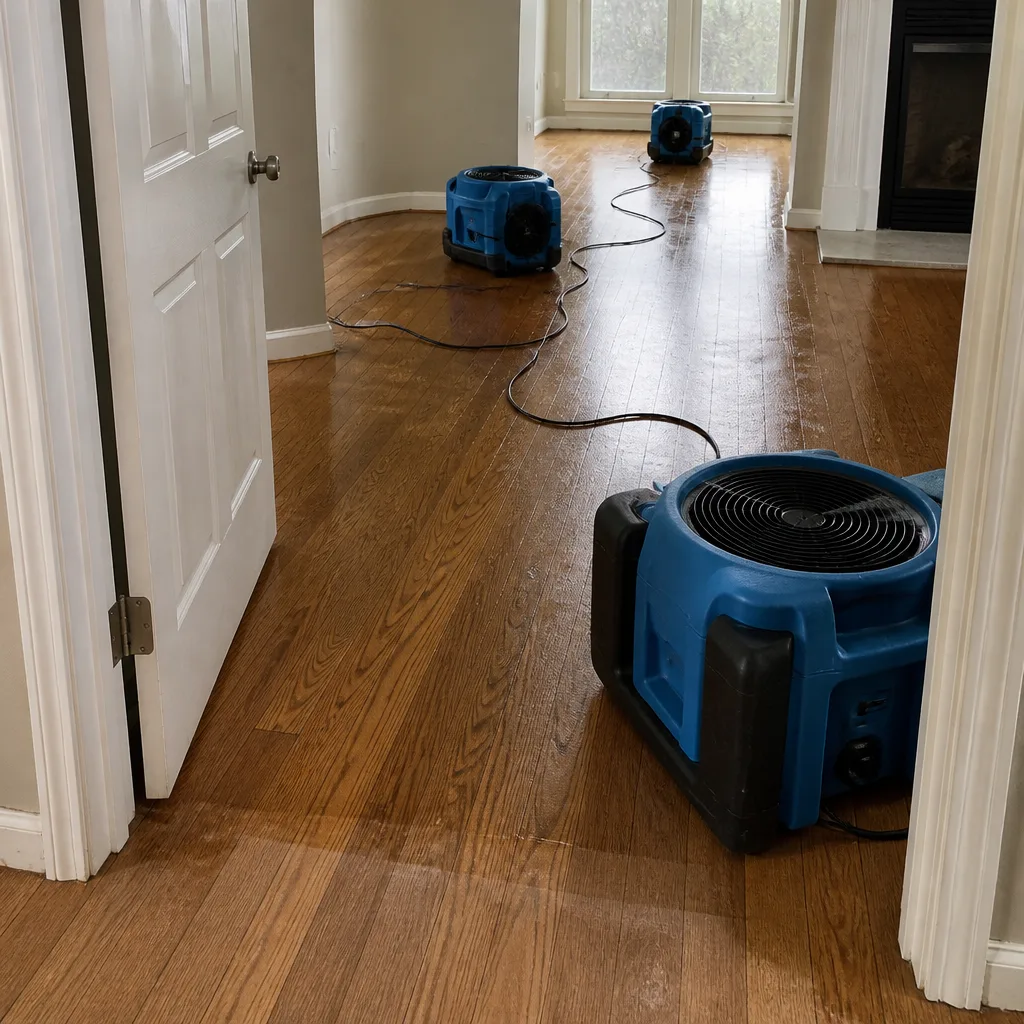
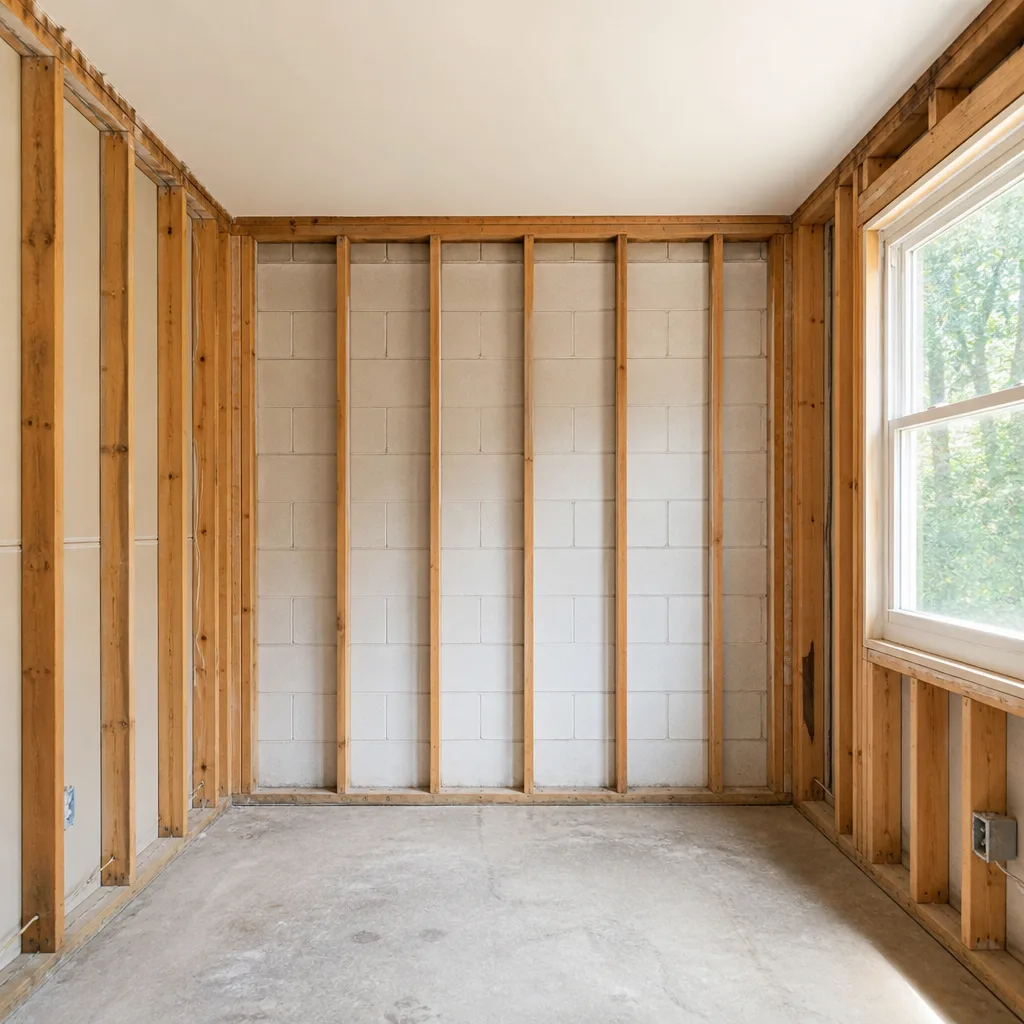
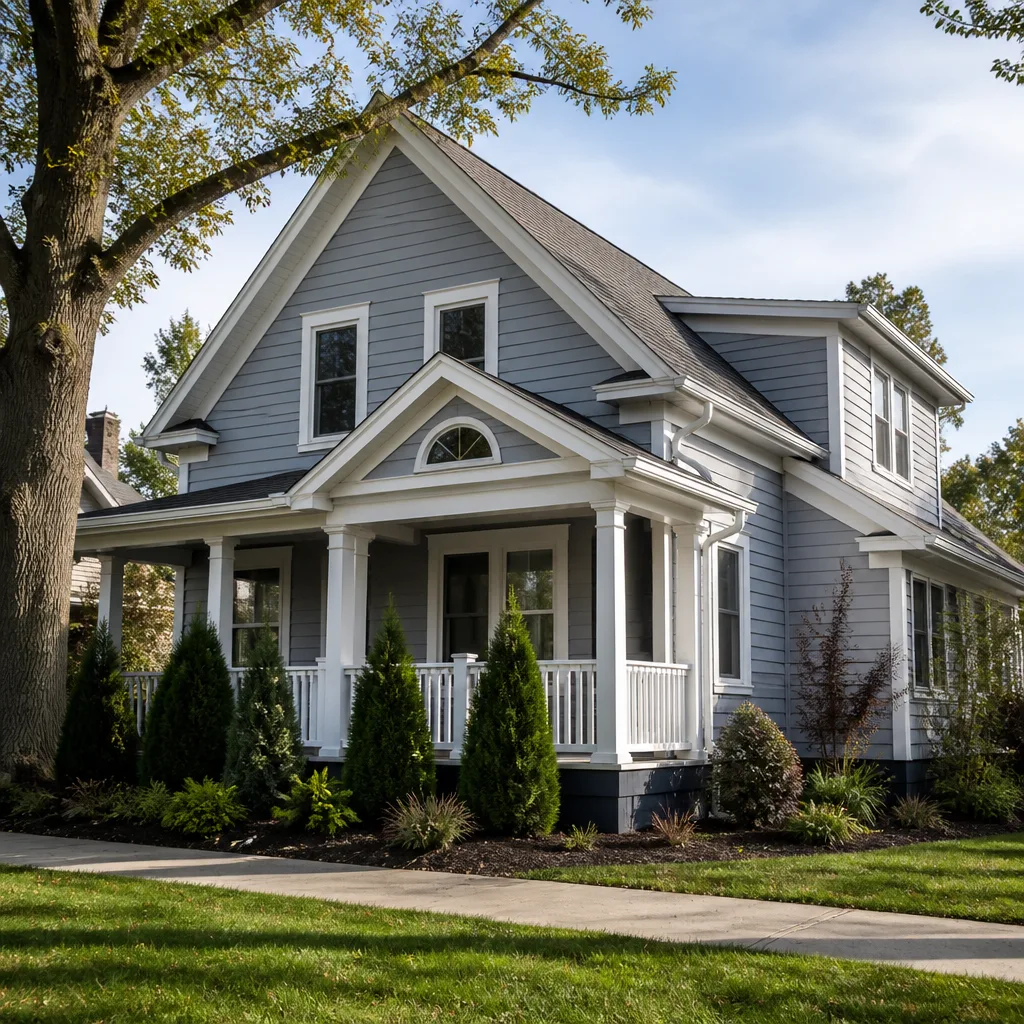
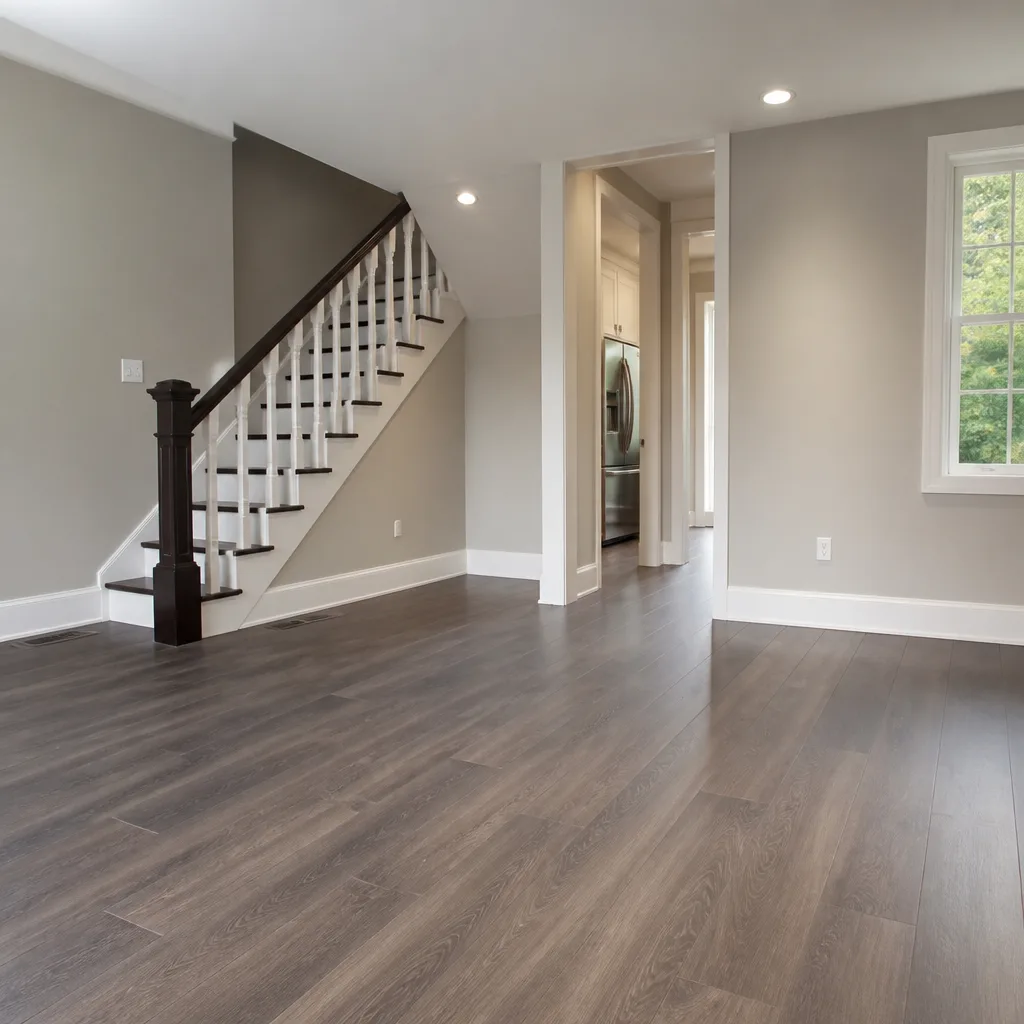
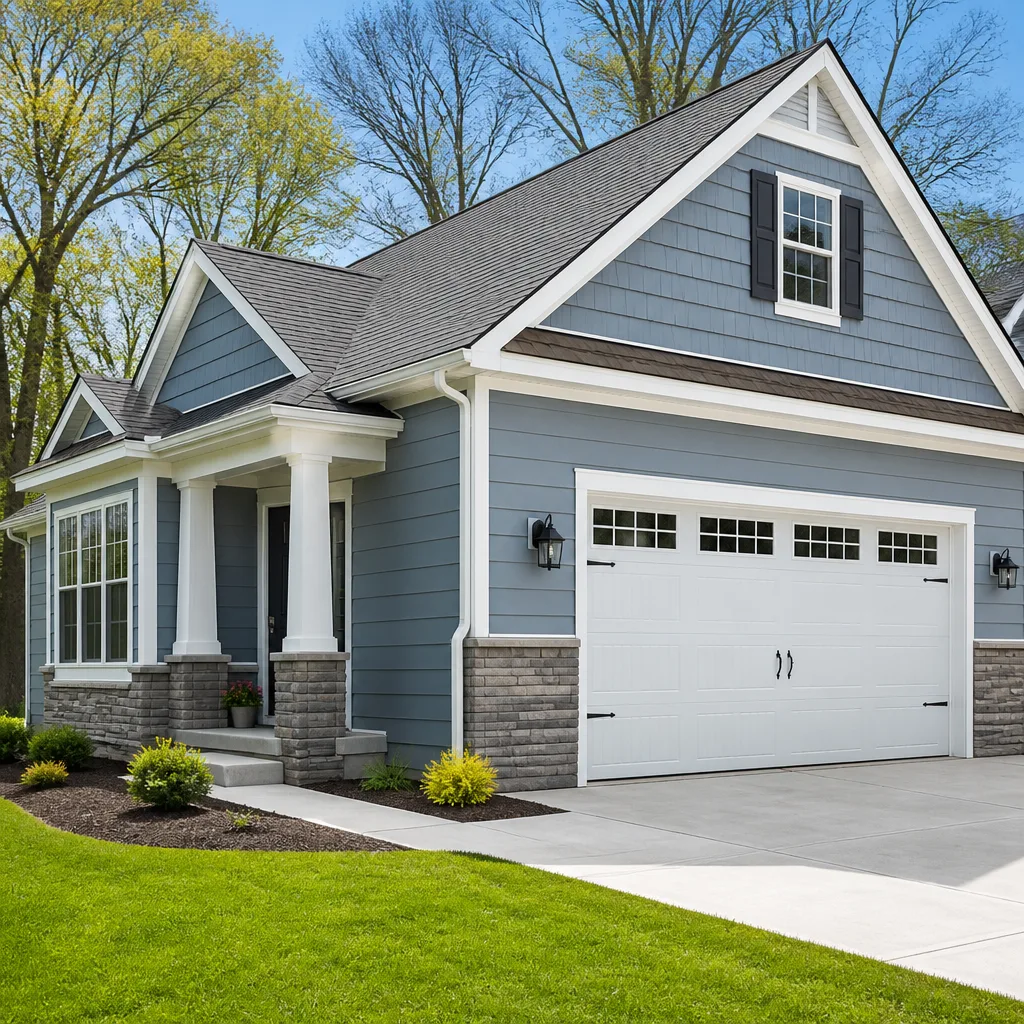
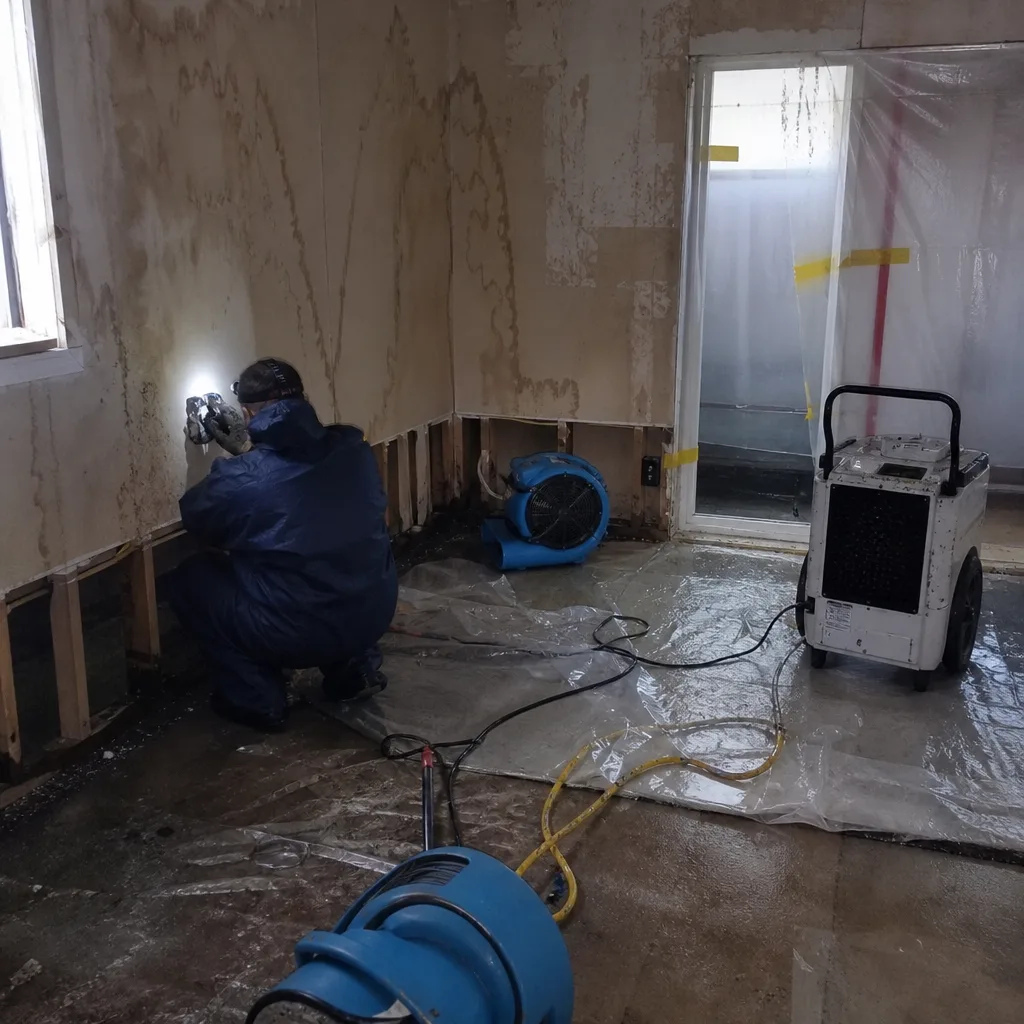 Before
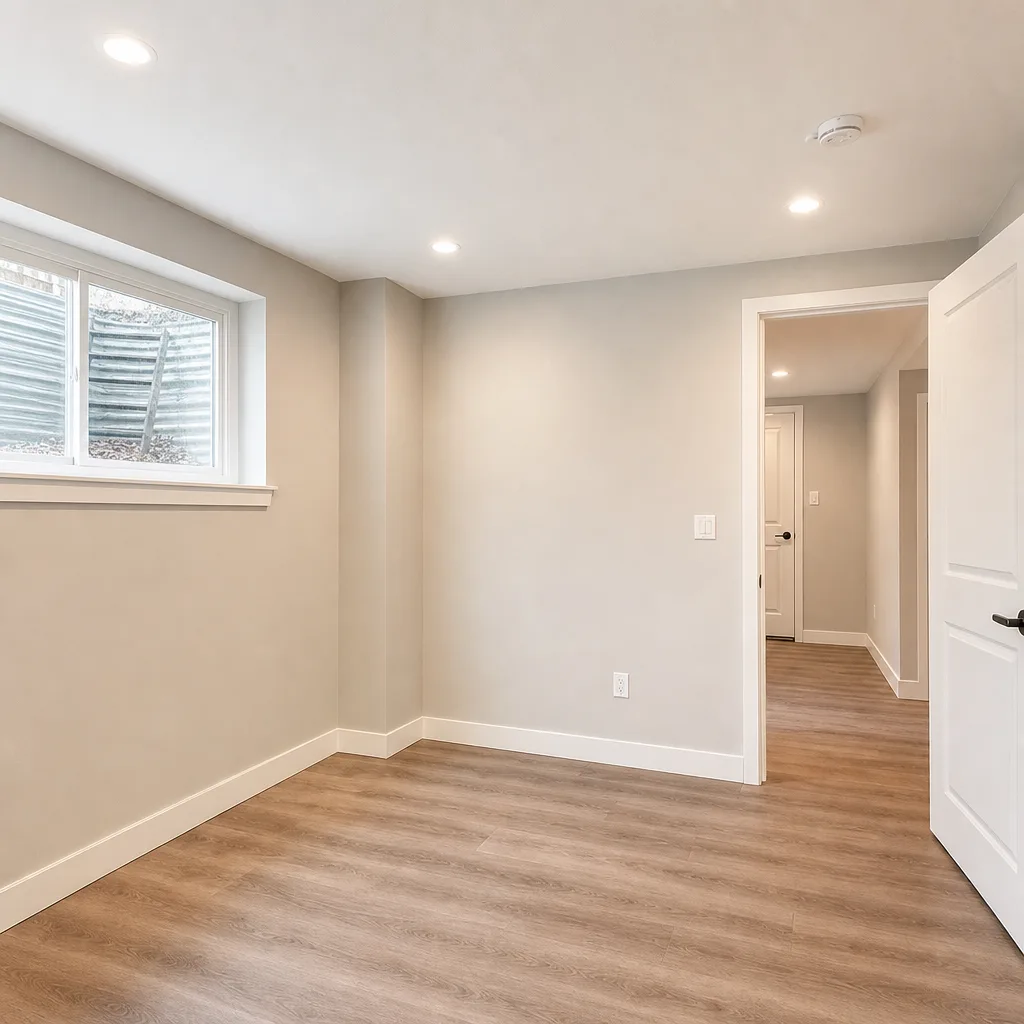 After
After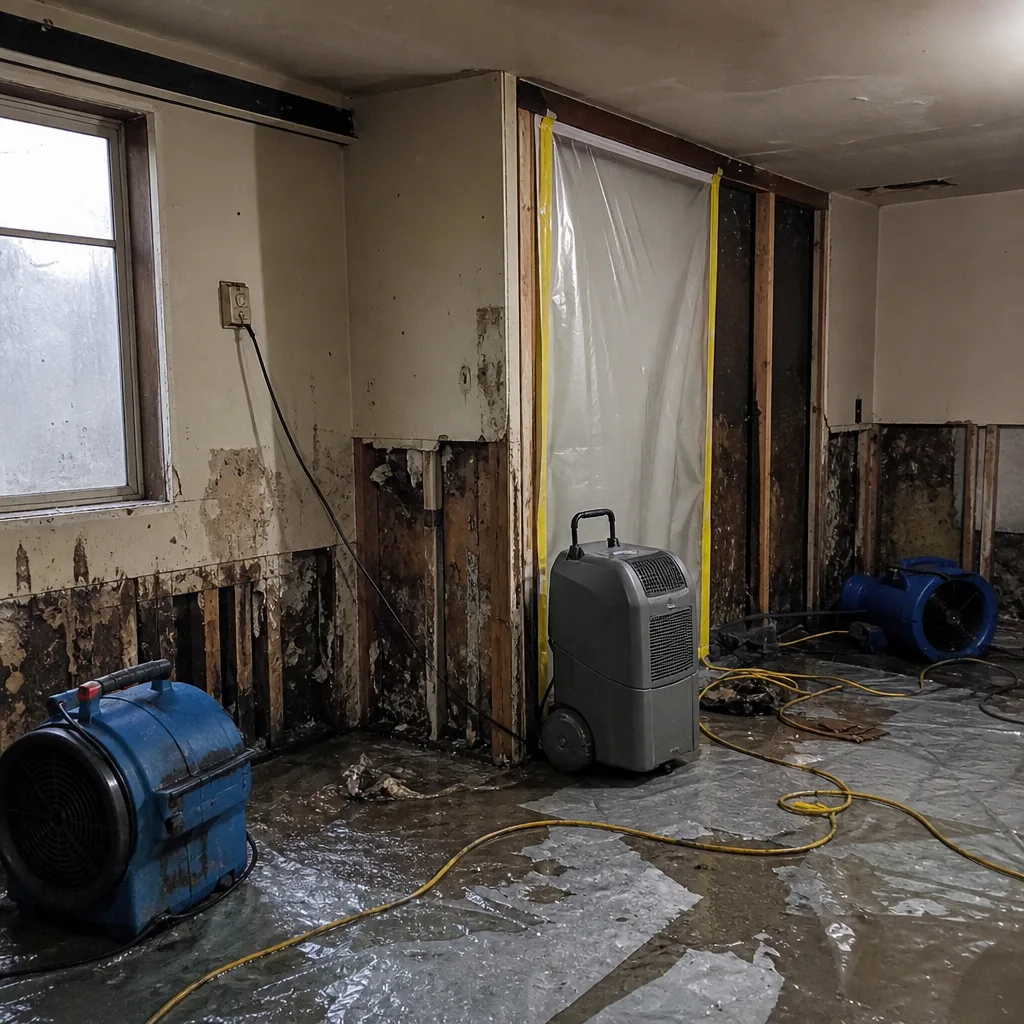 Before
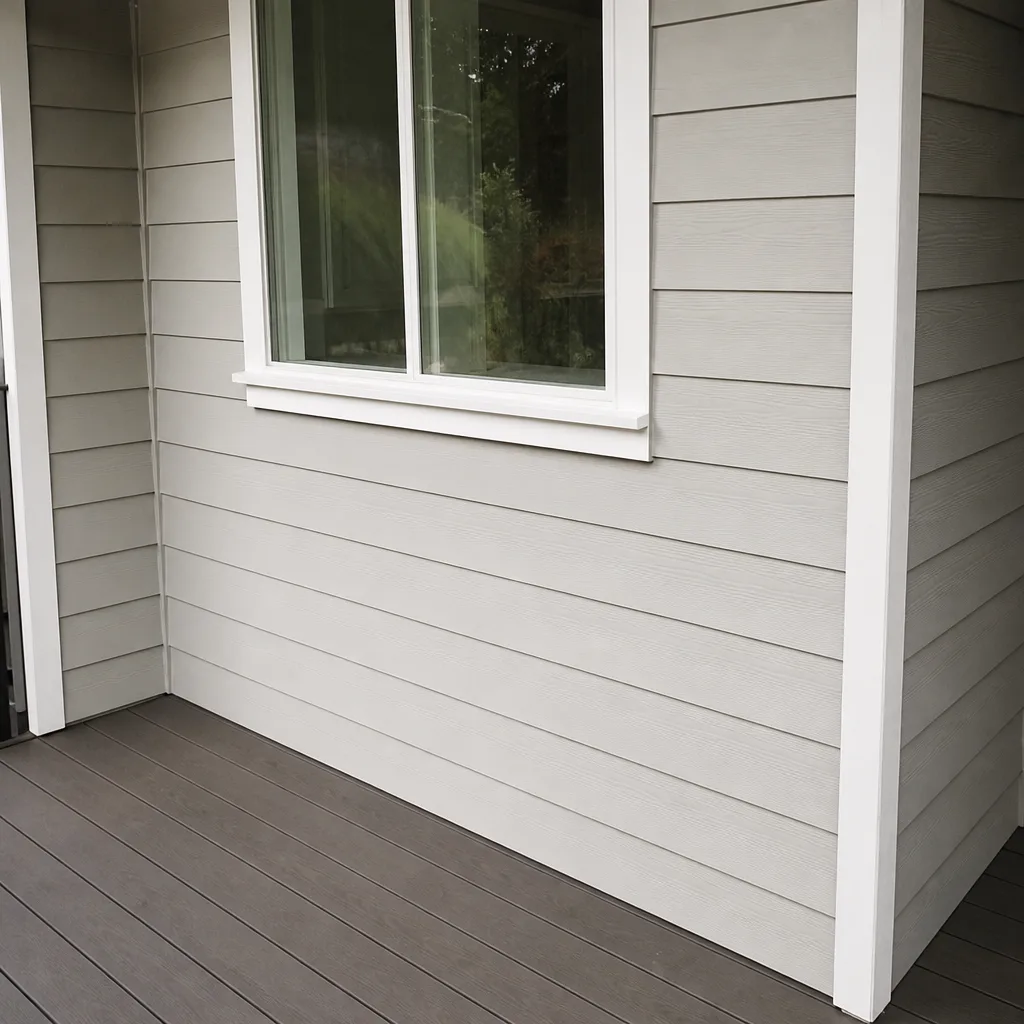 After
After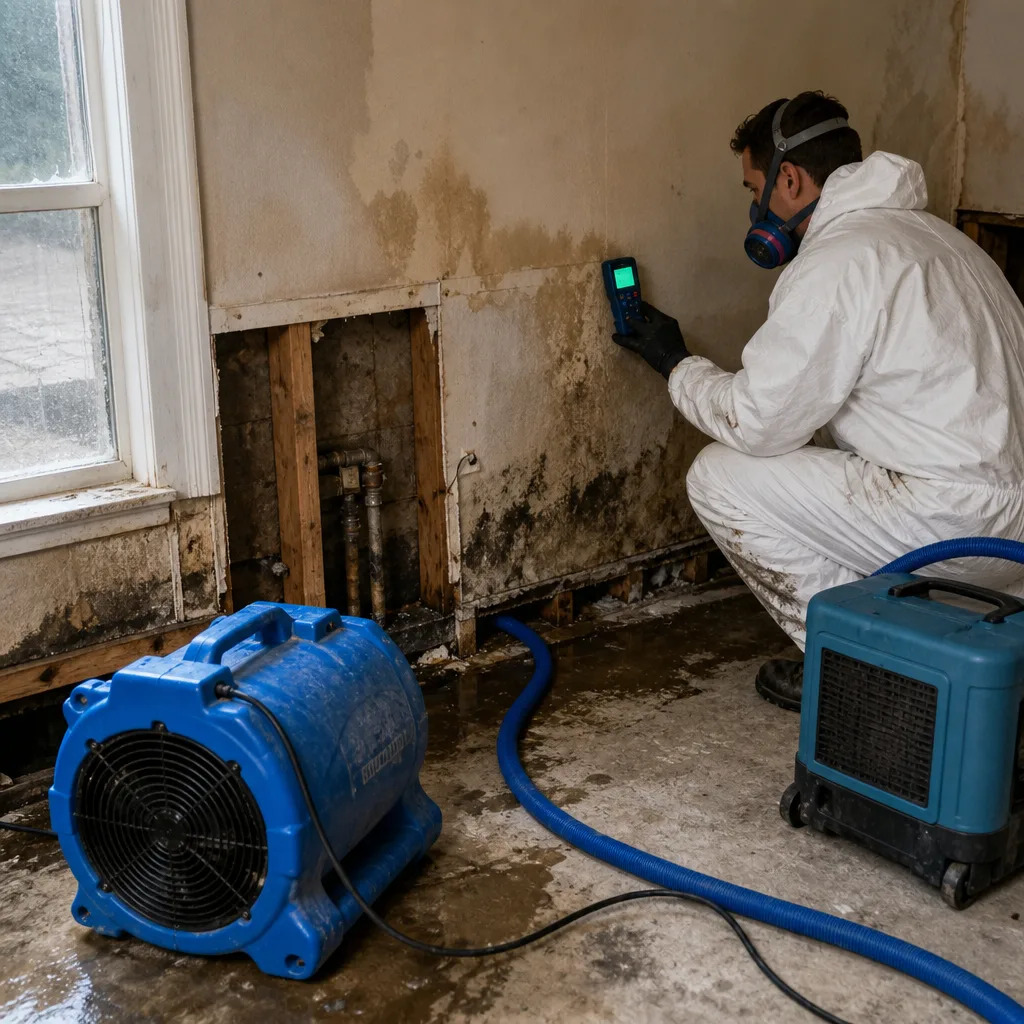 Before
 After
After24/7 Emergency Water Damage Restoration in Lakewood
Water damage restoration in Lakewood typically costs $2,800-$7,500 for a standard residential loss, with emergency extraction starting at $450-$950 and structural drying running $1,200-$3,200 depending on affected square footage. Most Lakewood properties require 3-5 days of active drying, though our Water Damage Restoration team has handled Tillicum crawl-space jobs that needed two weeks to reach dry standard. Call (360) 997-2427 and a live person answers, 24 hours a day, 7 days a week - no voicemail, no callback queue. Crews dispatch from our Seattle office and can be on-site anywhere in Lakewood within 45 minutes. The first hour determines whether you’re looking at extraction and drying or full subfloor replacement. Water moves horizontally through Lakewood’s mid-century wood-frame walls faster than most owners expect, especially in properties with degraded vapor barriers from decades of rental turnover.
Understanding Water Damage Restoration Severity in Lakewood Properties
Water damage breaks into three categories. Category 1 is clean water from a supply line - the least hazardous, but in Lakewood’s 1950s-1970s rentals with original galvanized plumbing, it rarely stays Category 1 long. Category 2, gray water, carries contaminants from washing machines or dishwasher drains. Category 3, black water, means sewage intrusion or ground flooding, common in Lakewood’s western neighborhoods when atmospheric rivers overwhelm flat-terrain drainage.
Moisture mapping with thermal imaging and penetrating hygrometers tells us what the eye cannot. In Lakewood’s crawl-space homes, we regularly find vapor pressure differential - the force that pulls ground moisture up through compromised barriers - driving hidden saturation ten feet or more from any visible leak. Psychrometric data, the relationship between air temperature, humidity, and vapor pressure, governs our drying strategy. Tertiary drying targets the bound moisture trapped inside wood cells after surface water is gone. Without it, floor joists in Tillicum rentals read “dry” on the surface while rotting underneath.
Lakewood’s housing stock amplifies every severity level. Mid-century tract homes on crawl-space foundations, built fast for the Fort Lewis and McChord workforce, now show decades of deferred maintenance. Degraded vapor barriers, aging supply lines, and compromised subfloor systems mean our crews navigate structural issues alongside standard remediation.
Why Lakewood Property Owners Choose DryMark Restoration Kent
- 45-minute response commitment to any Lakewood address, including Tillicum and JBLM-adjacent neighborhoods where deferred damage demands immediate containment.
- 24/7 live answer - a real person, never an automated system, picks up every call to our emergency line at (360) 997-2427.
- IICRC-certified crews holding WRT (Water Damage Restoration Technician) and AMRT (Applied Microbial Remediation Technician) credentials, with FSRT-certified supervisors on fire-related water losses.
- Free visual inspection with moisture readings and a documented photo record before any work is proposed.
- Direct insurance billing with adjuster coordination, daily drying logs, and line-item scopes that turn restoration invoices into payable claims.
- One team from extraction to reconstruction - no handoffs between mitigation and rebuild contractors, no gaps in documentation.
BeforeAfterOur Water Damage Restoration Process
1. Inspection & Assessment
We arrive with thermal imaging cameras, penetrating and non-penetrating moisture meters, and hygrometers to map the full extent of saturation. In Lakewood’s older rentals, this means checking ten feet beyond visible damage - vapor pressure differential moves moisture silently through crawl spaces and wall cavities. Every reading is logged with a timestamp and photo.
2. Extraction & Stabilization
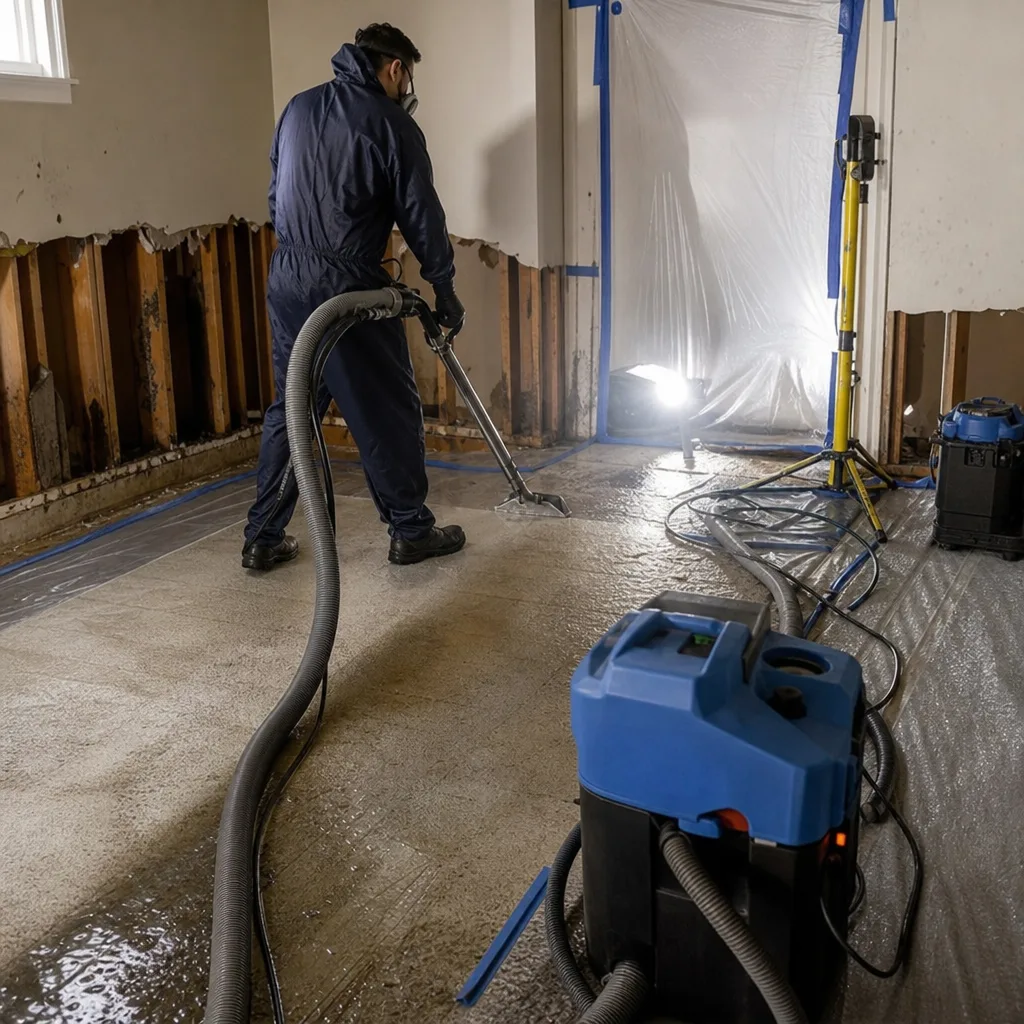
Truck-mounted extraction units remove standing water from floors, carpets, and pad. For Lakewood basements and crawl spaces with failed drainage, we deploy submersible pumps and portable extraction units. Containment barriers go up immediately if Category 2 or 3 water is present to prevent cross-contamination.
3. Drying & Dehumidification
We position air movers, dehumidifiers, and specialty drying equipment based on psychrometric calculations, not guesswork. Dri-Eaz and Phoenix low-grain refrigerant dehumidifiers pull moisture to 40 grains per pound or below. Injectidry systems dry inside wall cavities without demolition when possible. Daily moisture logs track progress to dry standard.
4. Cleaning & Sanitization
Category 2 and 3 losses receive antimicrobial treatment to affected surfaces. HEPA air scrubbers run continuously during this phase to capture airborne particles. In Lakewood’s humid climate, where mold colonizes in under 48 hours, this step is never skipped or rushed.
5. Mold Assessment & Containment
Given Lakewood’s maritime humidity and the chronic moisture-loading pattern from October through March, we evaluate every water loss for secondary mold growth. If colonization is present, containment with negative air pressure and air scrubbing precedes any reconstruction. AMRT-certified technicians handle all microbial remediation.
6. Repairs & Restoration
Our reconstruction team repairs or replaces subfloor, drywall, trim, and flooring to match pre-loss condition. For Lakewood’s mid-century rentals, this often means addressing the root cause - failed vapor barriers, degraded plumbing, or inadequate ventilation - so the loss does not repeat at the next tenant turnover.
Need Emergency Water Damage Restoration in Lakewood Now?
Crews minutes away, answering live 24 hours a day. The sooner we start, the less it costs.
Working With Your Insurance Company
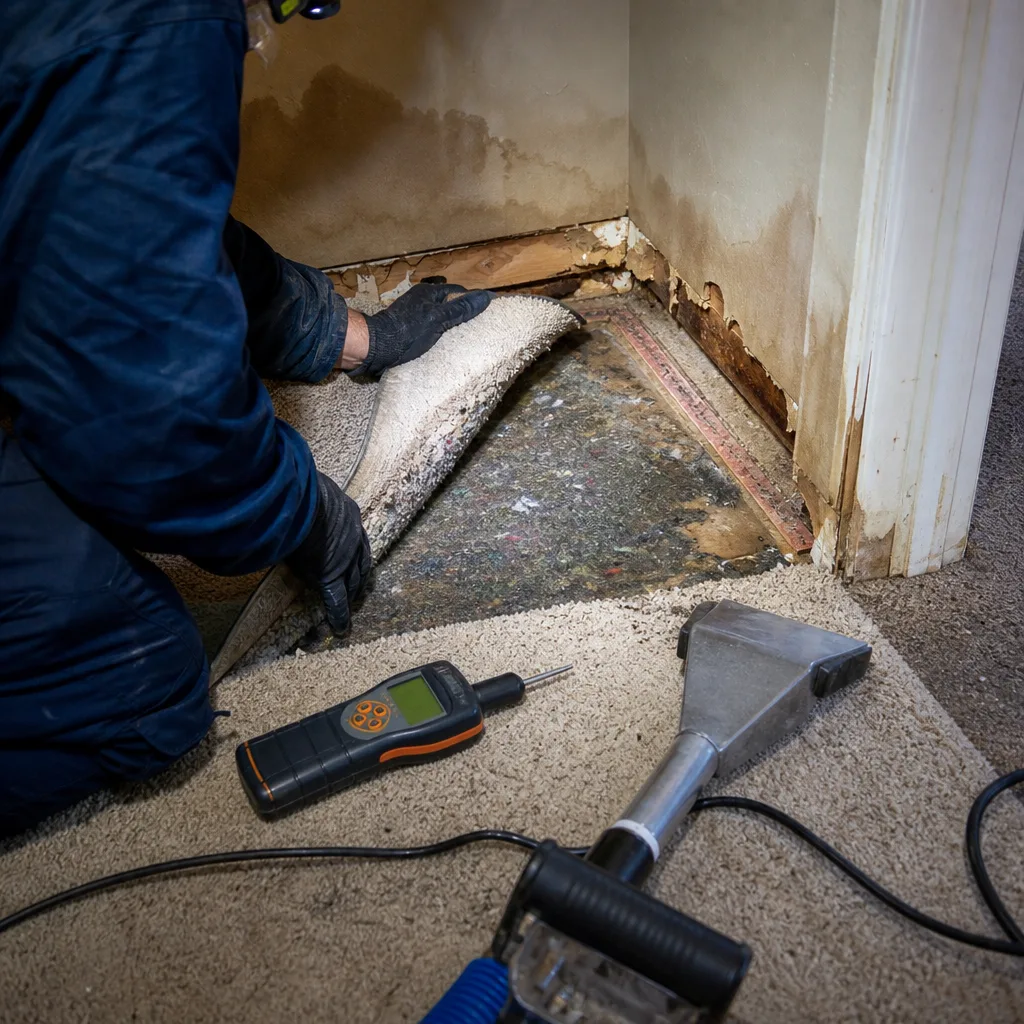
Documentation starts at arrival, not when the adjuster asks for it. Our crews photo-document every room, every moisture reading, every piece of equipment placement. We produce industry-standard estimates formatted for carrier review, with line-item scopes that separate extraction, drying, cleaning, and reconstruction. Direct adjuster coordination means your claim moves faster - we speak the language of depreciation, code upgrade coverage, and actual cash value versus replacement cost.
The daily drying logs we generate, compliant with IICRC S500 standards, are the single most effective tool for claim approval. Adjusters recognize our documentation because it matches what they need to justify payment. No gaps, no guesswork, no disputes over whether drying was necessary or complete.
What We Provide Your Insurer
- Thorough documentation of the loss
- Photos of all damage, room by room
- Moisture readings and drying logs
- A detailed, line-item scope of work
- Direct coordination with your carrier
Built for Lakewood’s Loss Calendar
October through March defines Lakewood’s water damage season. Thirty-eight to forty inches of annual rainfall concentrate in these months, with atmospheric river events that dump inches in hours. The maritime humidity between storms means building materials never fully dry - crawl spaces and wall cavities stay above 70% relative humidity, the threshold where mold spores activate. January freezes burst aging galvanized supply lines in uninsulated crawl spaces. Spring thaw raises groundwater tables in Lakewood’s flat western neighborhoods, pushing into basements through foundation cracks widened by decades of freeze-thaw cycles.
Summer brings a different pattern: sudden vacancy gaps between PCS moves, when landlords finally discover months of unreported leaks. We see a spike in Tillicum and JBLM-adjacent calls from June through August - not from new damage, but from damage finally visible after tenant turnover.
Water Damage Restoration Across Lakewood’s Neighborhoods
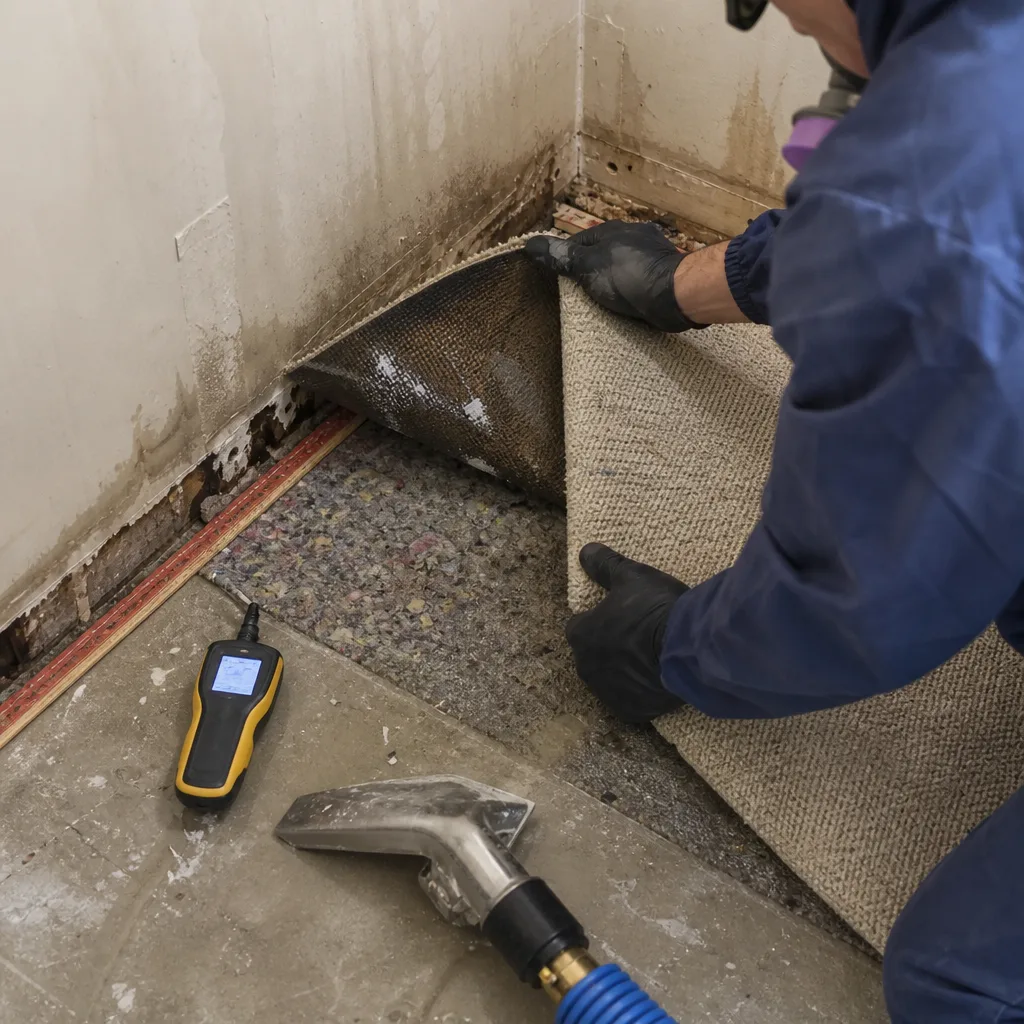
Lakewood‘s neighborhoods each present distinct loss patterns. Tillicum and the blocks abutting JBLM’s perimeter fence hold the highest concentration of 1950s-60s wood-frame rentals with original crawl-space vapor barriers. Here, our crews expect multi-layer deferred damage: saturated joists, compromised subfloor sheathing, and mold colonization that built across ten or more tenant turnovers. Response routes from our Seattle office put us on Gravelly Lake Drive or Bridgeport Way within 30 minutes.
American Lake and Lakeview/Kendrick areas include more owner-occupied mid-century homes, often with similar crawl-space issues but faster reporting. These properties tend toward supply-line bursts in original plumbing and ice-dam seepage into attics during freeze events. Clover Park and Lake Louise neighborhoods mix older rentals with 1980s-90s construction, where we see more slab-on-grade flooding and failed sump pumps during atmospheric river saturation.
Gravelly Lake’s higher-end properties present their own challenge: finished basements with built-ins and hardwood flooring that trap moisture against slab foundations. The documentation standard stays identical - moisture mapping, photo records, written scopes - but the pack-out and contents handling scale up significantly.
Specialized Water Damage Restoration Services We Offer in Lakewood
Emergency Water Extraction
Truck-mounted and portable extraction units remove standing water within hours of your call. In Lakewood’s crawl-space rentals, this includes submersible pump deployment for flooded cavities and specialized extraction wands for saturated carpet and pad. Speed matters: every hour of standing water increases the square footage requiring structural drying.
Structural Drying & Dehumidification
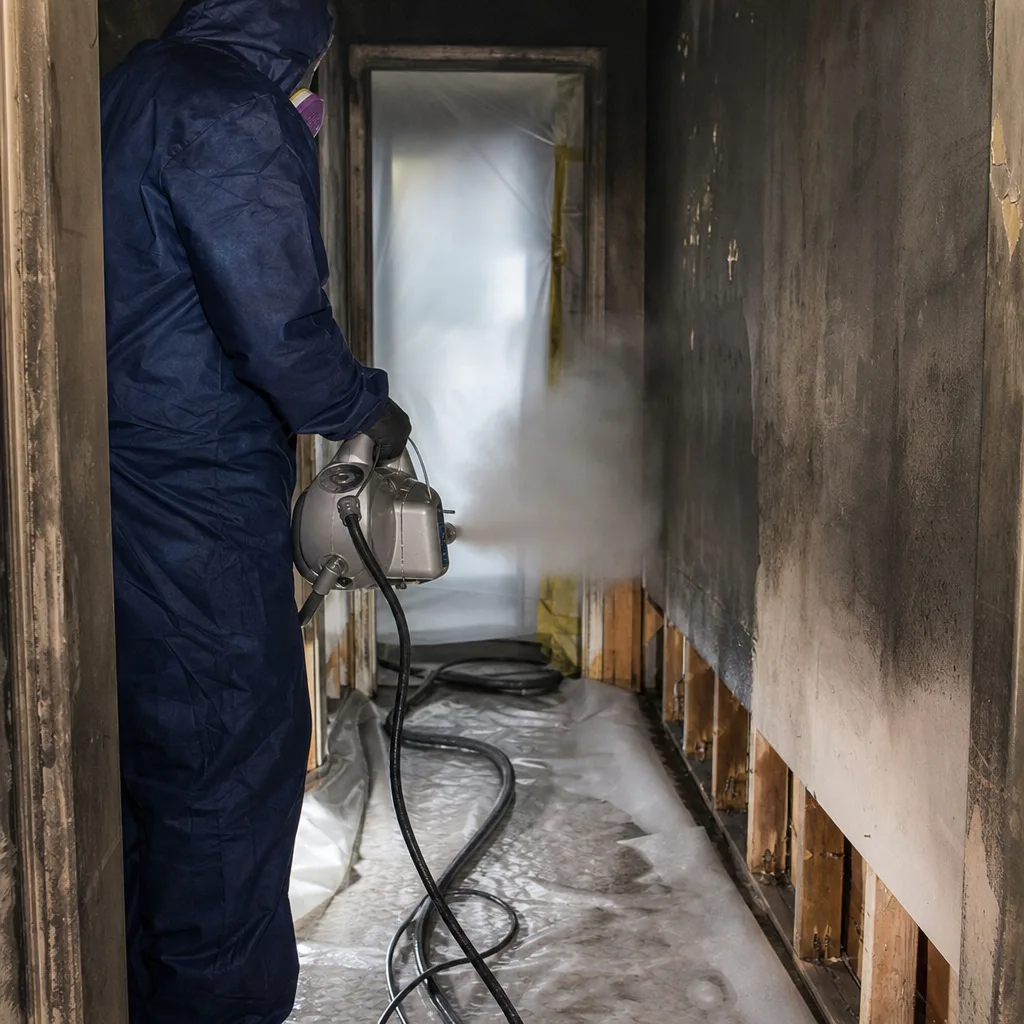
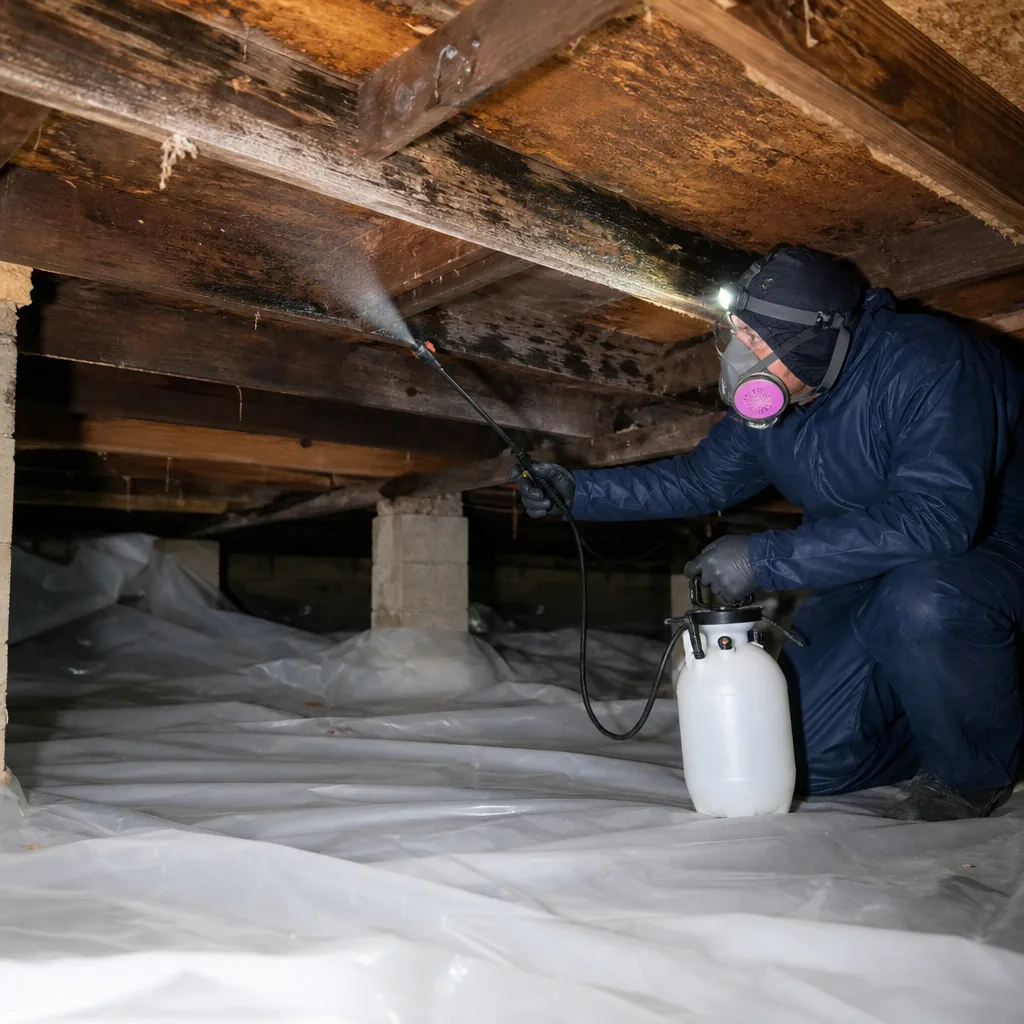
Our Dri-Eaz and Phoenix dehumidifiers, paired with Injectidry cavity drying systems, target bound moisture in framing and subfloors. In Lakewood’s chronic-humidity environment, we run equipment longer than drier inland markets demand - typically 72 hours minimum for crawl spaces, with daily moisture logs proving dry standard to 12% wood moisture content or below.
Flood Cleanup
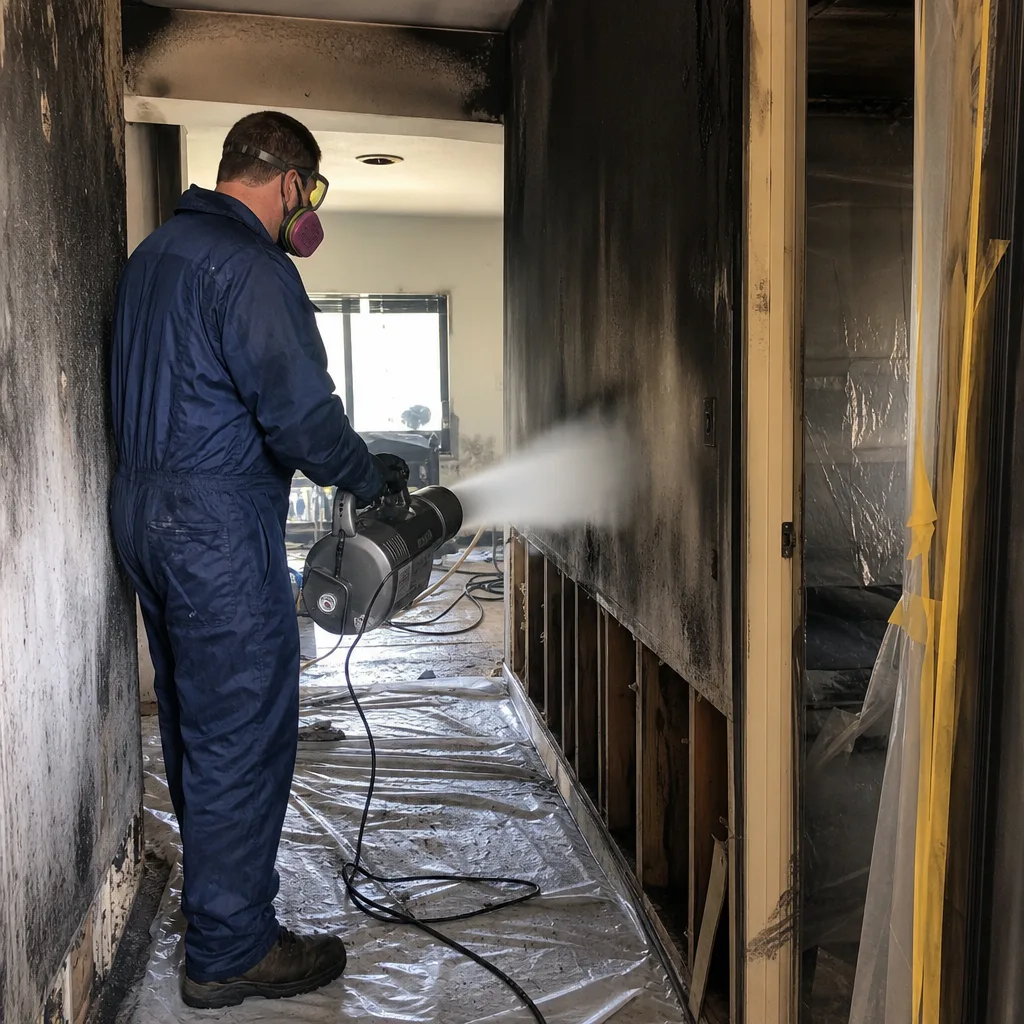
Atmospheric river events and overwhelmed drainage systems push Category 3 water into Lakewood’s lower-lying properties. Full PPE, containment, and antimicrobial treatment are non-negotiable. We document contamination levels with photos and lab sampling where required for carrier submission.
Burst Pipe Restoration
Aging galvanized supply lines in Lakewood’s mid-century rentals fail without warning, often behind walls or in crawl spaces. Our thermal imaging locates the full spread before demolition, and our reconstruction team replaces failed plumbing with modern PEX or copper to code.
Basement Water Removal
Lakewood’s flat terrain and high water table make basements vulnerable to hydrostatic pressure and seepage. We install temporary and permanent drainage solutions alongside extraction and drying, with written scopes that separate mitigation from optional waterproofing.
What happens when you call
- 1
A real person answersNo phone trees - you reach a local pro.
- 2
You get an upfront price rangeHonest numbers before anyone is dispatched.
- 3
A background-checked tech heads outLicensed & insured, dispatched right away.
- 4
You approve before work beginsNothing starts until you say go.
Water Damage Restoration Costs in Lakewood, WA
| Service | Typical Range in Lakewood |
|---|---|
| Emergency water extraction | $450-$950 |
| Structural drying & dehumidification (per day) | $350-$650 |
| Crawl-space drying with containment | $1,800-$4,200 |
| Category 3 flood cleanup | $4,500-$9,500+ |
| Full basement water removal + drying | $2,200-$6,800 |
| Mold remediation (if secondary growth present) | $1,500-$5,500 |
| Subfloor and joist replacement (Tillicum-type deferred damage) | $3,500-$12,000 |
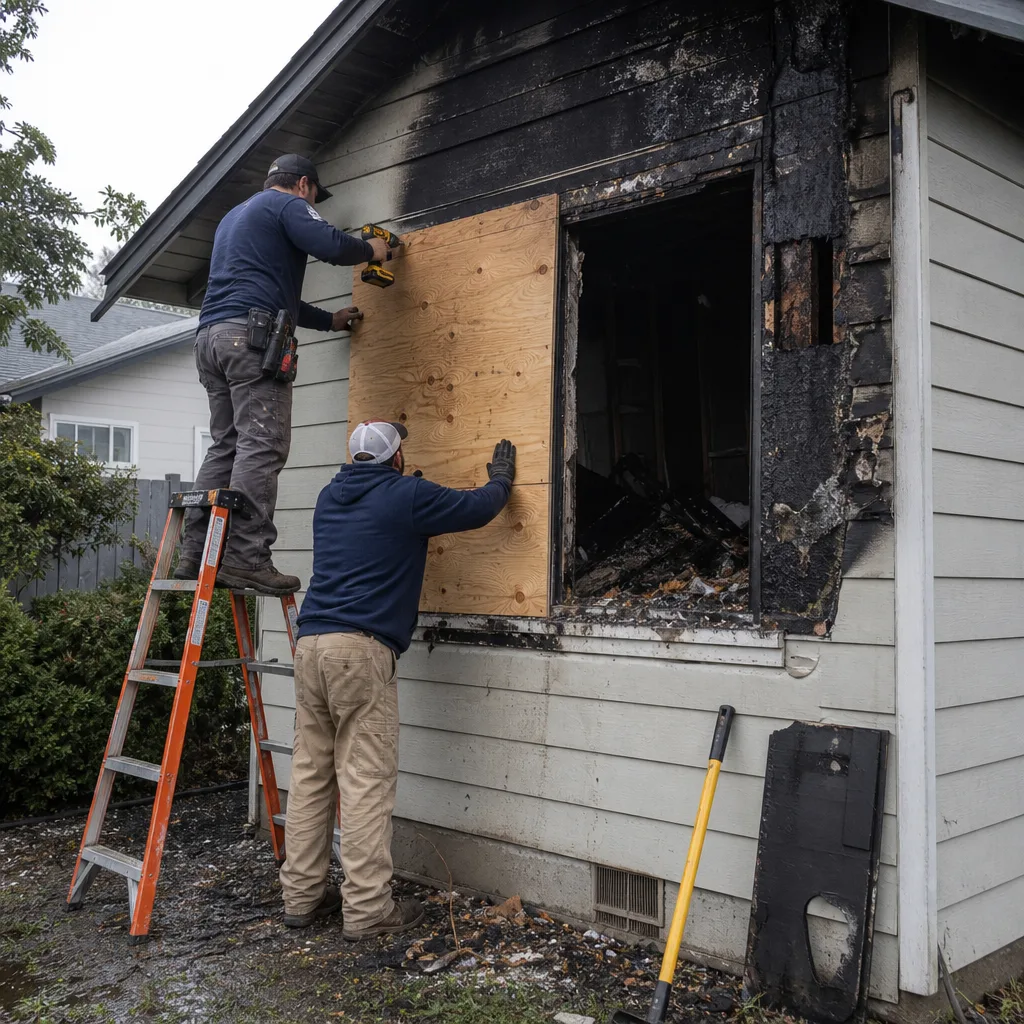
What moves the price: affected square footage, water category, accessibility (crawl spaces cost more than open basements), and whether deferred damage requires structural repair beyond standard drying. Insurance typically covers sudden and accidental water damage; long-term leaks from failed vapor barriers may fall under maintenance exclusions. Our free visual inspection includes a written scope with line-item pricing before any work begins - Haven Standard, Clause 1. Bring a competitor’s written estimate and we’ll review it at no charge.
We Also Serve Cities Near Lakewood
Our crews respond throughout Pierce and South King counties, including Tacoma to the north, Puyallup to the east, Milton to the northeast, and Federal Way to the north along I-5. Dispatch and scheduling are coordinated from our Seattle office; crews serve each city locally with the same documentation standards and 45-minute response commitment.
Serving Lakewood, WA - Our Local Coverage Area
We’re based in the Lakewood area and know this community well. Use the map below to see our service coverage - if you’re nearby, we can almost certainly help.
Lakewood Water Damage Restoration Questions, Answered
Why does water damage in Lakewood’s Tillicum neighborhood often look worse than the initial leak suggests?
Because the visible leak is usually the last chapter of a longer story. In Tillicum and JBLM-adjacent blocks, original 1950s-60s crawl-space vapor barriers have failed entirely, letting ground moisture rot joists and subfloor sheathing across multiple PCS tenant turnovers. By the time a landlord feels soft flooring after a vacancy, the damage spans ten feet or more from the original source and includes three layers of deferred, unreported water intrusion. Moisture mapping with penetrating meters reveals the true extent. Call (360) 997-2427 for a free inspection with full documentation.
How fast does mold become a problem in Lakewood rentals compared with drier inland cities?
Mold colonizes in under 48 hours in Lakewood’s maritime climate, roughly half the time it takes in drier eastern Washington markets. The persistent humidity from October through March prevents wall cavities and crawl spaces from drying between rain events, so spores that would remain dormant inland activate immediately here. Our crews deploy HEPA air scrubbers and antimicrobial treatment at every Category 2 or 3 loss, not just where mold is visible. Call (360) 997-2427 if you suspect hidden growth in a rental between tenants.
What water category do Lakewood restoration crews typically find in mid-century rentals near JBLM?
Category 2 or 3 more often than Category 1. Aging galvanized supply lines burst behind walls, and because tenants PCS every 1-3 years, water often sits through a vacancy gap - picking up contaminants from degraded building materials, rodent activity in crawl spaces, and soil intrusion. By the time moisture mapping confirms the spread, what began as clean supply water has degraded. This affects both remediation protocol and insurance coverage. Call (360) 997-2427 and we’ll categorize accurately before proposing any scope.
Does a Lakewood landlord need emergency water extraction if the leak happened during a vacancy?
Yes, and urgently. Standing water in a vacant Lakewood rental compounds faster than in an occupied home because no one is running HVAC or opening doors to circulate air. In Tillicum properties with failed vapor barriers, a vacant crawl space becomes a humidity chamber that accelerates joist rot and mold colonization. Emergency extraction stabilizes the loss and documents the timeline for insurance. Call (360) 997-2427 - we answer live 24/7 and can be on-site within 45 minutes.
Can a burst pipe in a Lakewood crawl space be dried without ripping out the whole subfloor?
Sometimes, if we catch it fast and the vapor barrier beneath is intact. Injectidry systems can dry inside wall cavities and limited crawl-space areas without full demolition. But in Lakewood’s JBLM-adjacent rentals with failed original barriers, we regularly find that subfloor sheathing is already compromised from prior moisture events - the burst pipe was just the trigger that made it visible. Moisture readings on the subfloor and joists tell the real story. We never recommend demolition without documented cause; we also won’t leave rotted sheathing in place. Call (360) 997-2427 for a written scope before any work starts.
How long does structural drying take in Lakewood’s humid climate?
Standard residential drying runs 3-5 days in most markets; in Lakewood, we plan for 4-7 days minimum due to chronic ambient humidity that reintroduces moisture as fast as equipment pulls it. Crawl spaces with failed vapor barriers may need 10-14 days to reach 12% wood moisture content. We don’t guess at completion - daily moisture logs with documented readings prove dry standard to your insurer and to our 365-Day Done Right Promise. Call (360) 997-2427 to schedule monitoring.
Can my family or tenants stay in the home during water damage restoration?
For Category 1 losses limited to one room, usually yes. For Category 2 or 3, or any loss affecting multiple rooms, HVAC systems, or crawl spaces with mold potential, we recommend temporary relocation. In Lakewood’s older rentals with degraded materials, the combination of antimicrobial chemicals, equipment noise, and airborne particulates during drying makes occupancy impractical. We document occupancy recommendations in writing for your insurance claim. Call (360) 997-2427 to discuss your specific situation.
What certifications should I look for in a Lakewood water damage restoration company?
IICRC WRT (Water Damage Restoration Technician) is the baseline; AMRT (Applied Microbial Remediation Technician) for any mold involvement; and FSRT (Fire & Smoke Restoration Technician) if the loss involved fire suppression. Our crews carry all three, with documentation to IICRC, RIA, and IFA standards on every job. Ask to see current certificates - a legitimate contractor produces them on request. Call (360) 997-2427 and we’ll verify credentials before dispatch.
Water damage in Lakewood rarely arrives as a single, clean event. The JBLM-driven rental market, the failed vapor barriers in Tillicum, the chronic maritime humidity - these conditions layer damage across years and tenants until one visible leak finally forces a call. Our approach is built for that reality: moisture mapping that finds the full extent, documentation that proves it to your insurer, and a written scope with a fixed price before any equipment runs. The 365-Day Done Right Promise, backed by The Haven Standard, means if we miss something, we return and make it right.
Written by Alicia Brennan, Owner at DryMark Restoration Kent, serving Lakewood since 2011.
Water Damage Restoration in Nearby Areas