
Free visual inspection and a written scope of work before any mitigation begins - photos, moisture readings, and drying logs go in your claim file
The scope we write is the scope we bill. Anything new gets shown to you, in writing, before we touch it.
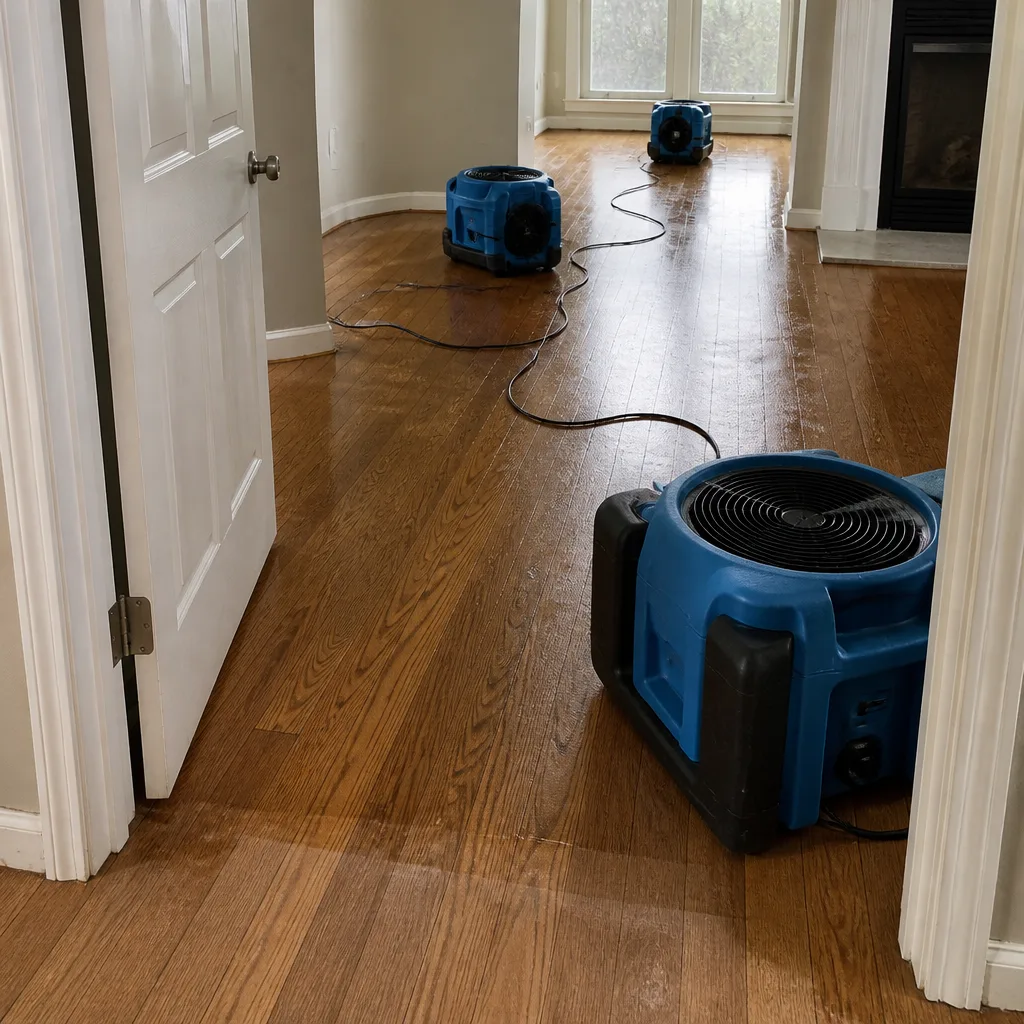
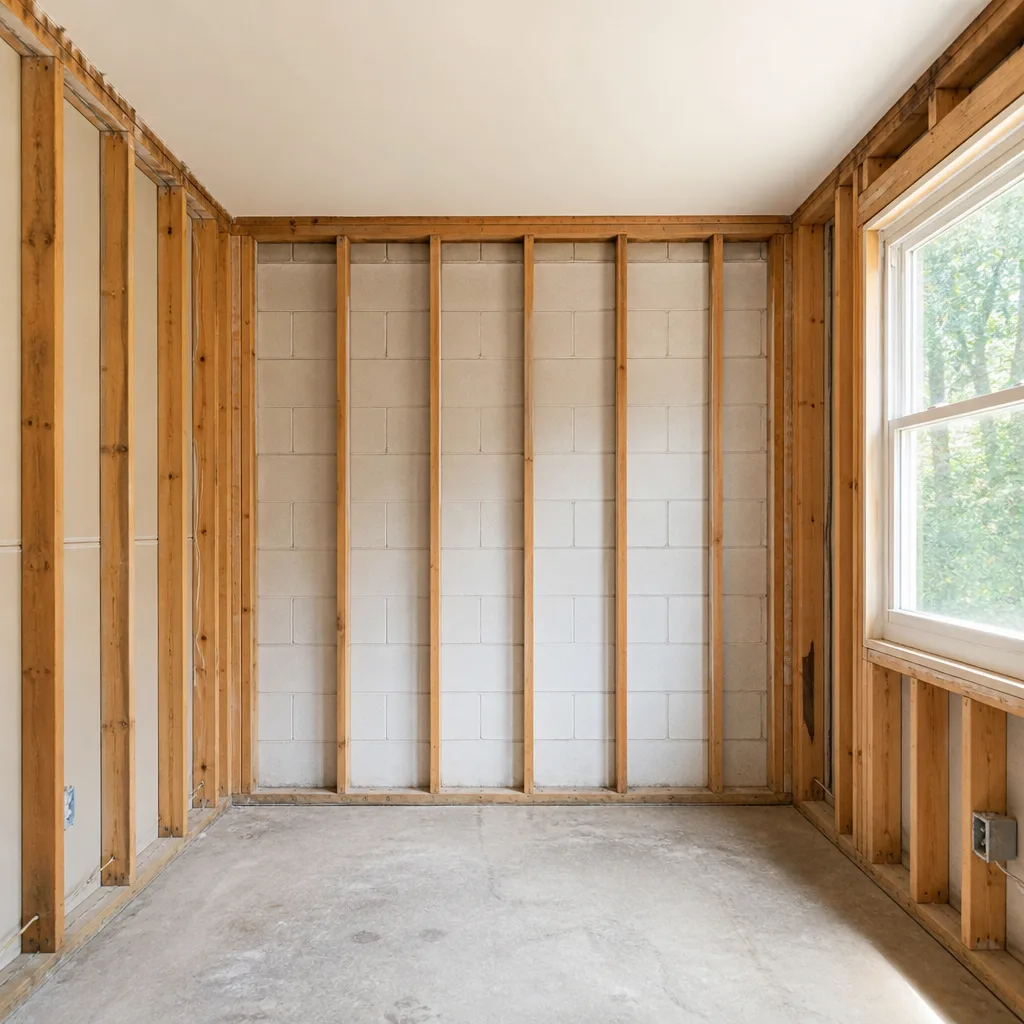
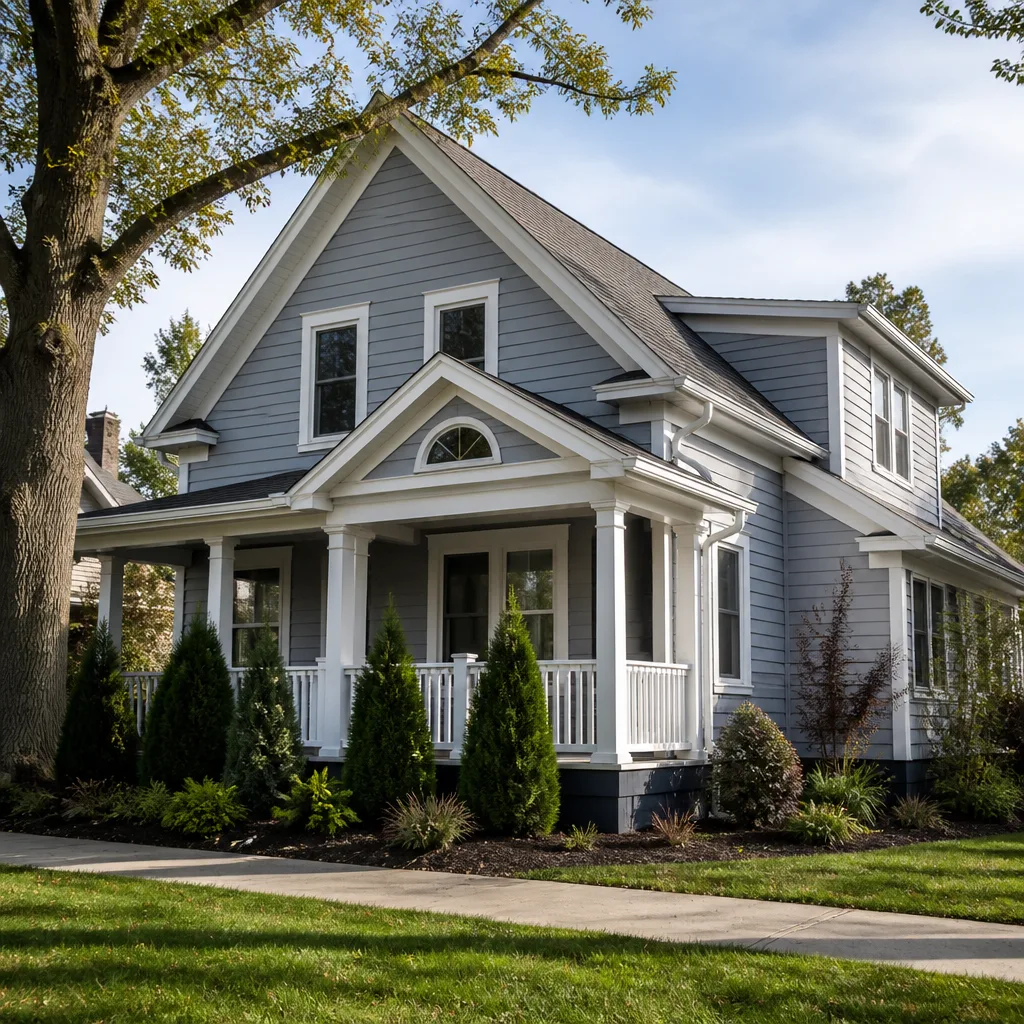
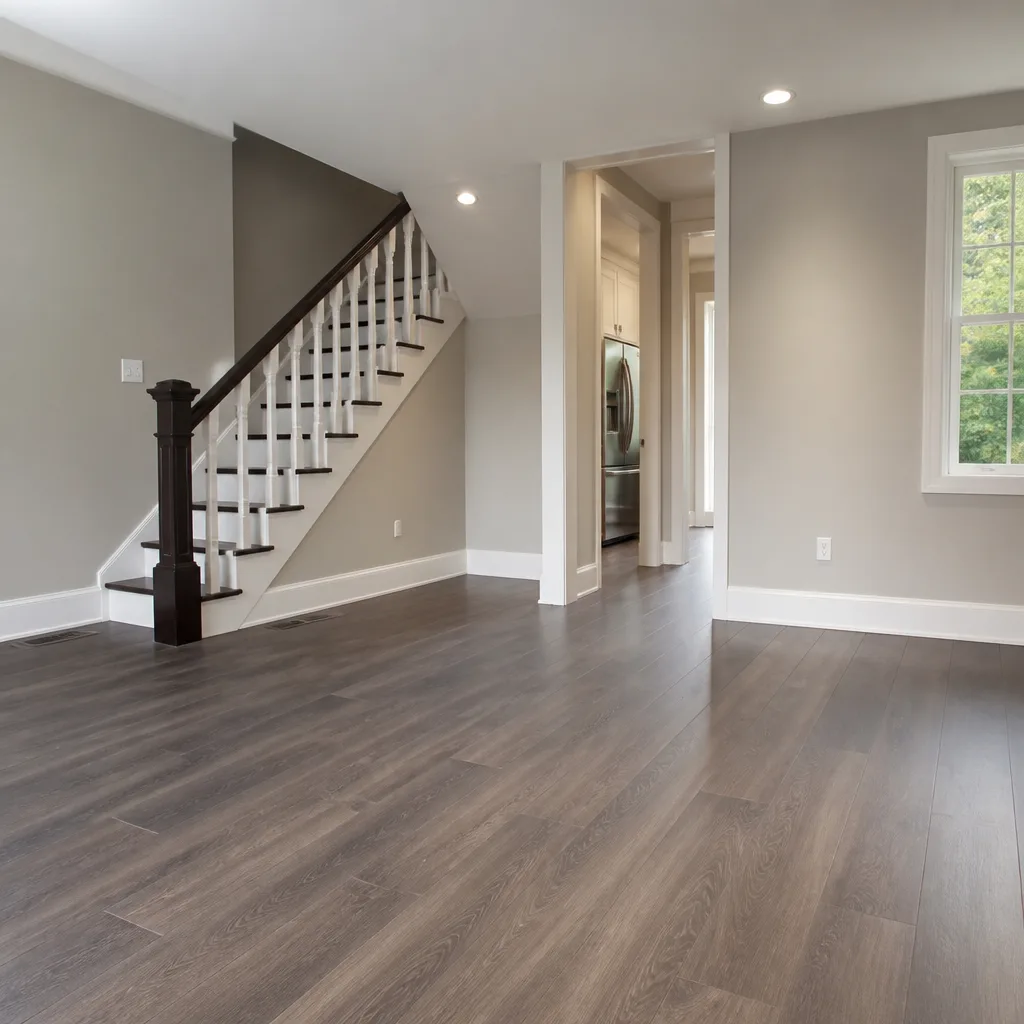
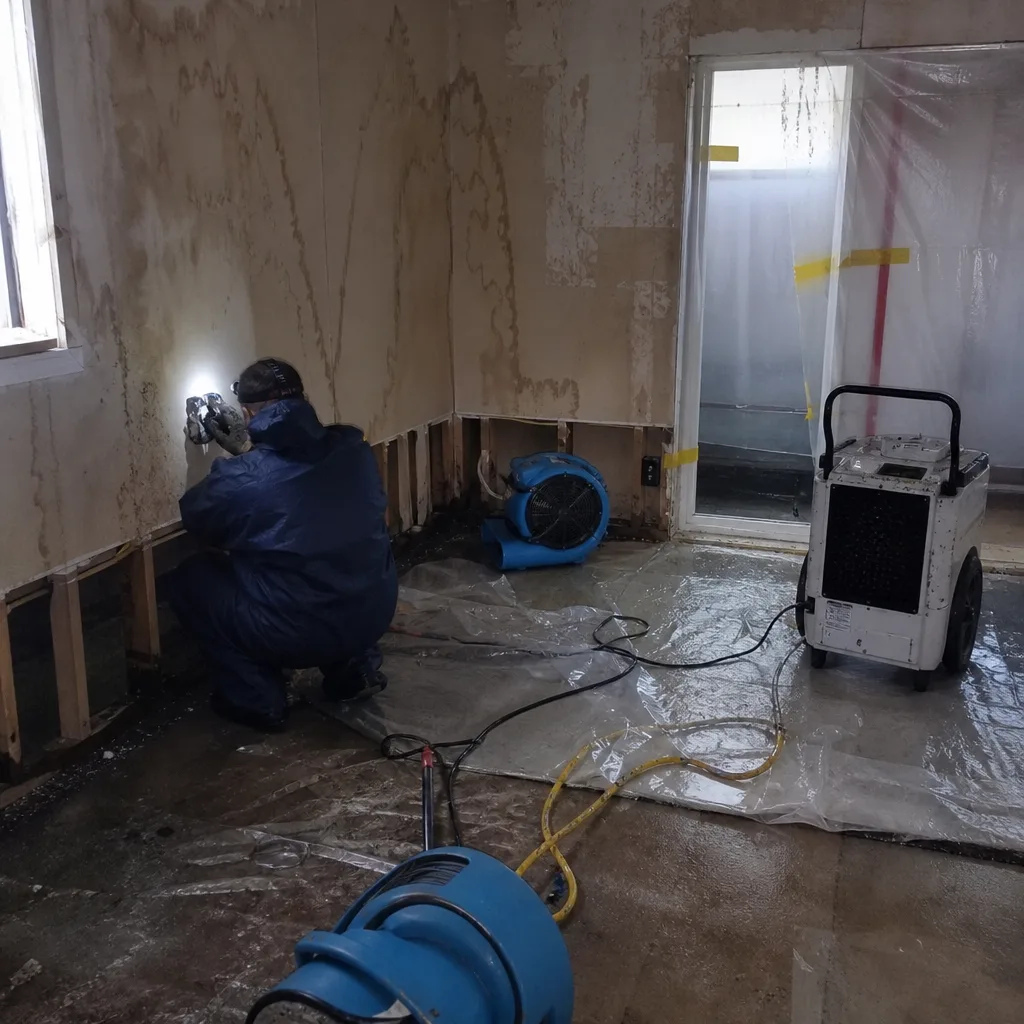 Before
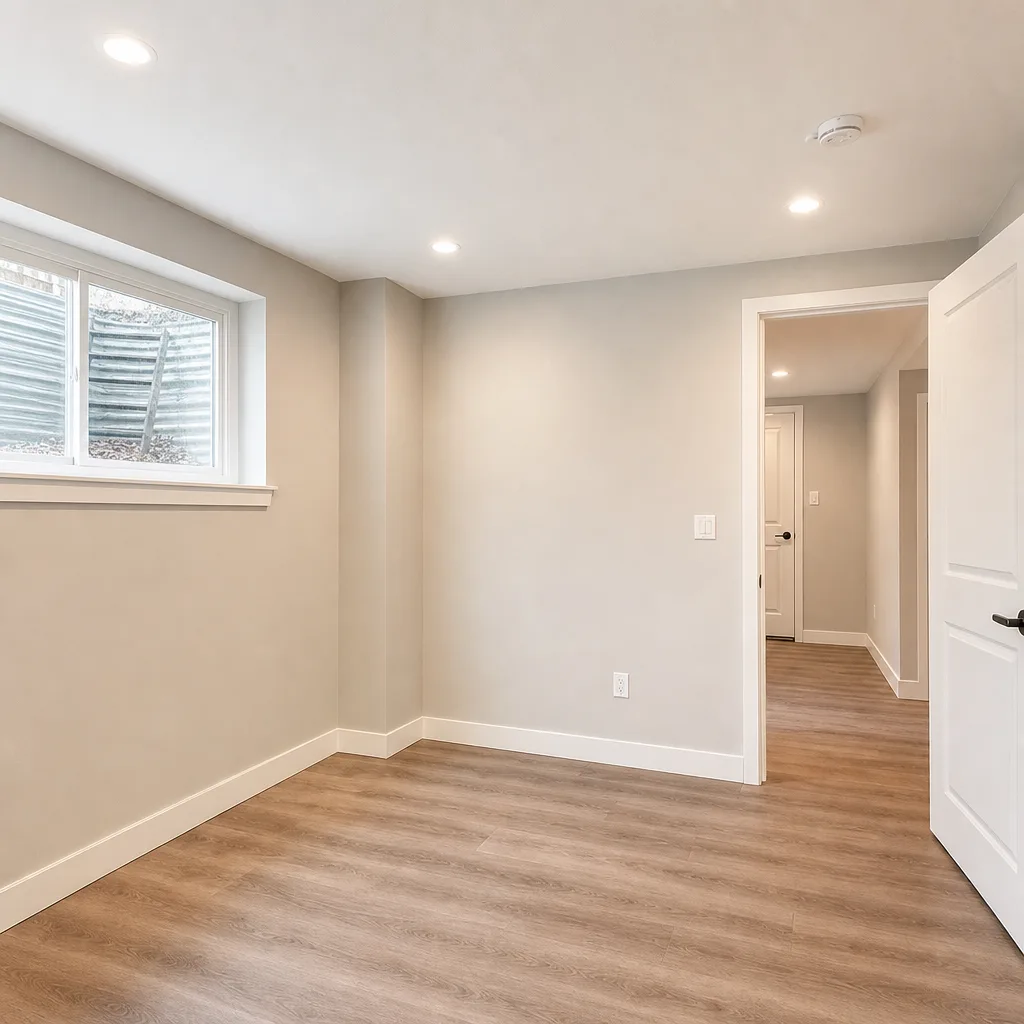 After
After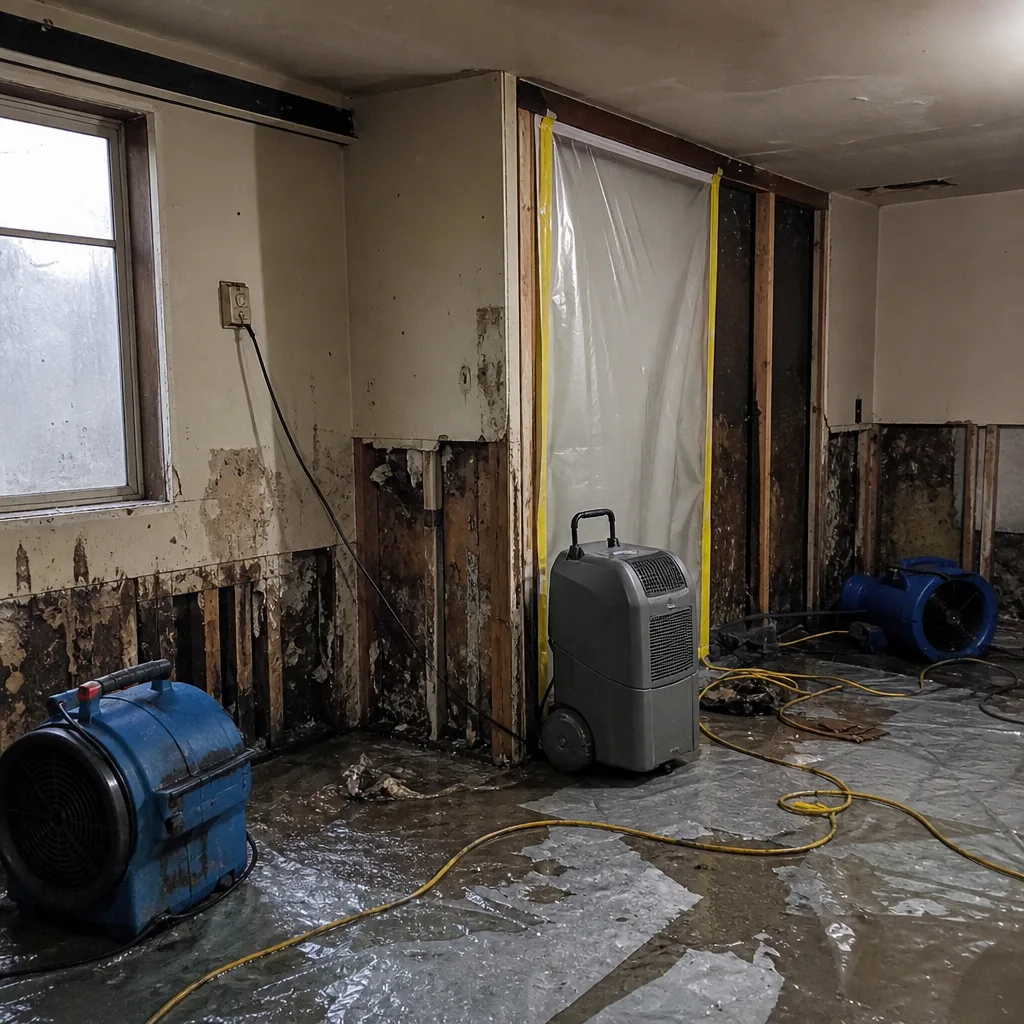 Before
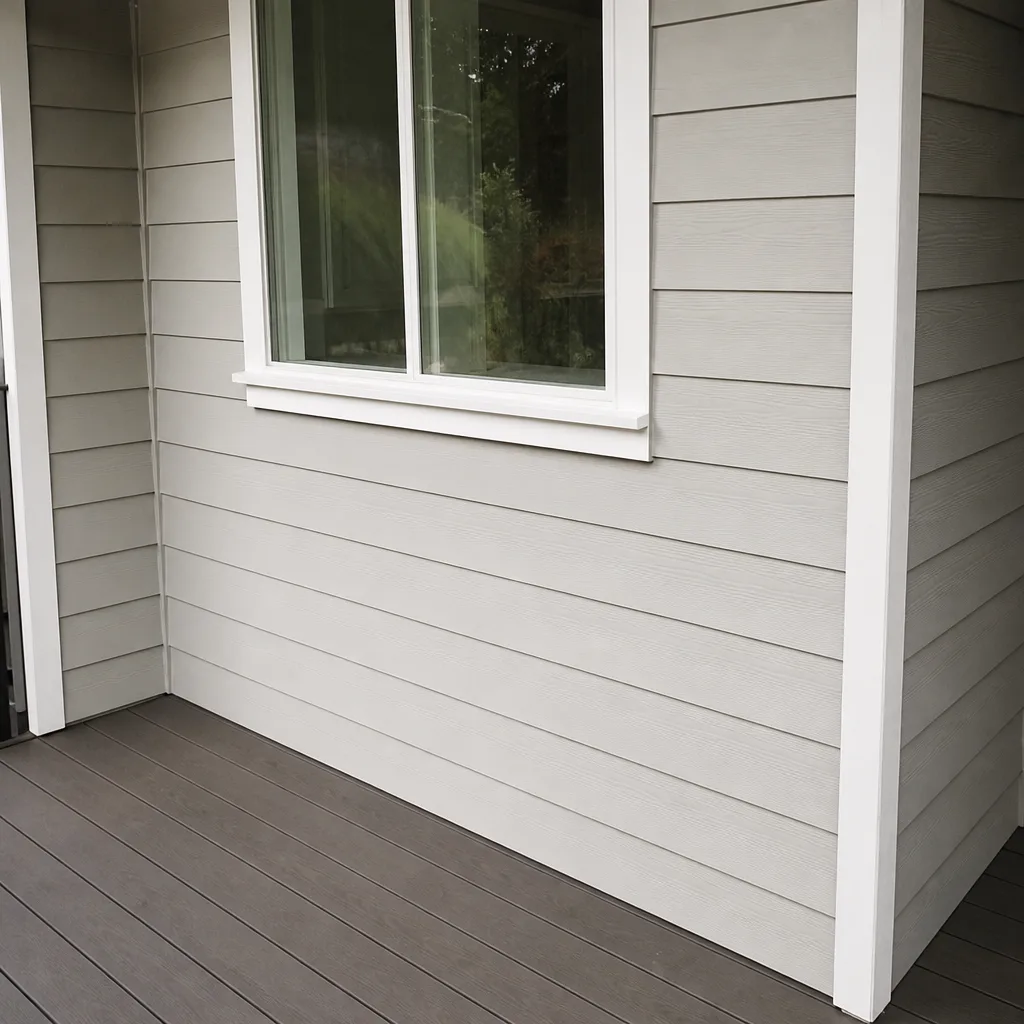 After
After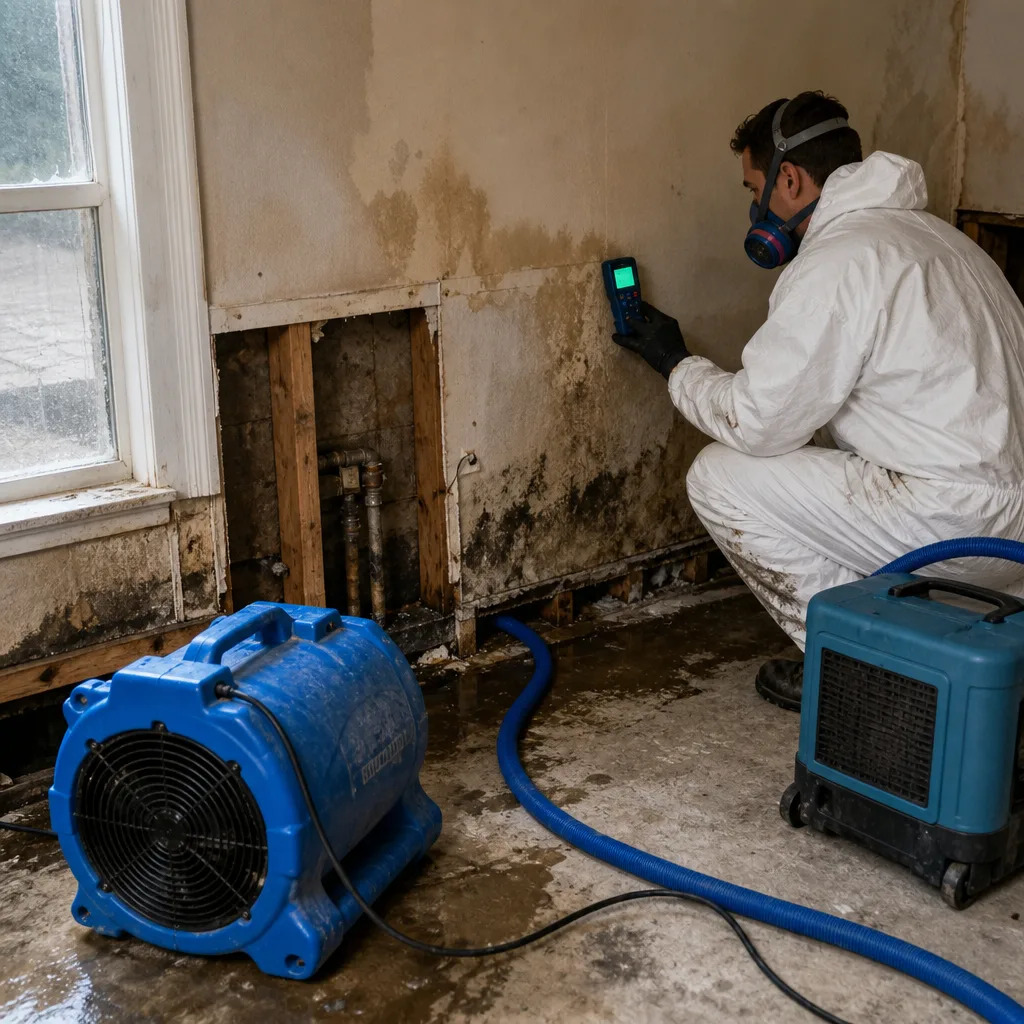 Before
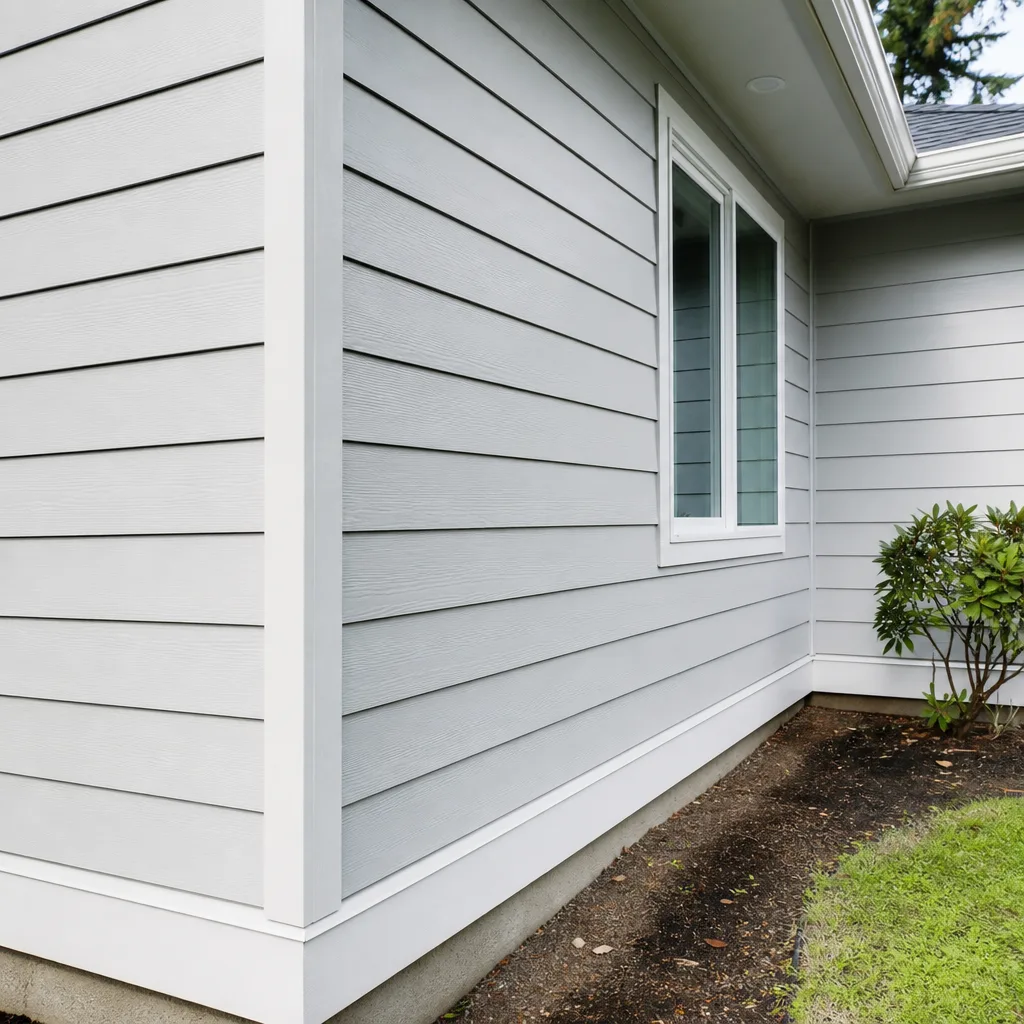 After
After24/7 Emergency Water Damage Restoration in Tacoma
Water damage restoration in Tacoma typically runs $2,800-$6,500 for a standard residential mitigation, with emergency extraction starting around $450-$950 and full structural drying adding $1,800-$4,200 depending on square footage and material saturation. Call (360) 997-2427 now and a live person will answer - no voicemail, no callback queue. We dispatch crews throughout the Tacoma metro within 45 minutes of your call, including the North End, Stadium District, Hilltop, and waterfront corridors along Ruston Way.
The first hour determines whether you’re looking at extraction and drying or full gutting and reconstruction. Water moves horizontally through wall cavities and vertically through subflooring faster than most homeowners realize, especially in Tacoma’s pre-WWII housing stock with original plaster and lath, minimal insulation, and no modern vapor barriers. Our Water Damage Restoration team arrives with thermal imaging, moisture meters, and extraction equipment to stop that migration before it reaches electrical runs and HVAC ductwork.
Every emergency call includes a free visual inspection and a written scope of work before any equipment runs or walls open. Haven Standard, Clause 1: written price before work begins. Always.
Understanding Water Damage Restoration Severity in Tacoma Properties
Water damage classification follows IICRC protocols: Category 1 is clean water from a supply line, Category 2 carries significant contamination from appliances or sump failures, and Category 3 is grossly contaminated from sewage intrusion or ground flooding. In Tacoma, we see Category 2 escalate to Category 3 rapidly because of how moisture lingers in unencapsulated crawl spaces and original wall assemblies, creating microbial growth conditions within 48-72 hours instead of the textbook 72-96.
Moisture mapping - the systematic documentation of moisture content across all affected and adjacent materials - is where our process diverges from standard practice. In a typical Tacoma Craftsman built between 1895 and 1945, we’ll find original Douglas fir subflooring, horsehair plaster, and no vapor barrier between the crawl space dirt and the floor joists. That means water wicks upward through capillary action even after the visible surface reads dry. Our psychrometric data - the measurement of temperature, relative humidity, and vapor pressure differential that governs how fast materials actually release moisture - consistently shows Tacoma drying curves running 30-50% longer than drier inland markets because the building envelope never fully dries between rain events.
Structural drying in these conditions requires tertiary drying protocols: extending dehumidification beyond primary surface drying to address bound water in dense wood framing and plaster, then verifying with calibrated moisture readings rather than visual inspection alone.
Why Tacoma Property Owners Choose DryMark Restoration Kent
- 45-minute response commitment to any Tacoma address, with crews staged for the North End, South End, and waterfront corridors.
- 24/7 live answer - a real person picks up every call, every hour, with no automated phone tree while water is still spreading through your floors.
- IICRC-certified crews holding WRT (Water Damage Restoration Technician), ASD (Applied Structural Drying), and AMRT (Applied Microbial Remediation Technician) certifications, with license numbers documented on every job file.
- Free visual inspection and moisture assessment before any commitment, with a written scope delivered before work starts.
- Direct insurance billing and adjuster coordination, including photo-documented estimates formatted to carrier standards.
- One team from extraction to reconstruction - no handoffs between mitigation contractors and rebuild crews that lose continuity on your documentation.
BeforeAfterOur Water Damage Restoration Process
1. Inspection & Assessment
We arrive with FLIR thermal imaging cameras, penetrating and non-penetrating moisture meters, and hygrometers to map the full extent of water migration. In Tacoma’s older housing, this step routinely reveals hidden damage behind intact surfaces - moisture trapped in original plaster, saturated rim joists, or wicking in uninsulated wall cavities that a visual check would miss entirely.
2. Extraction & Stabilization
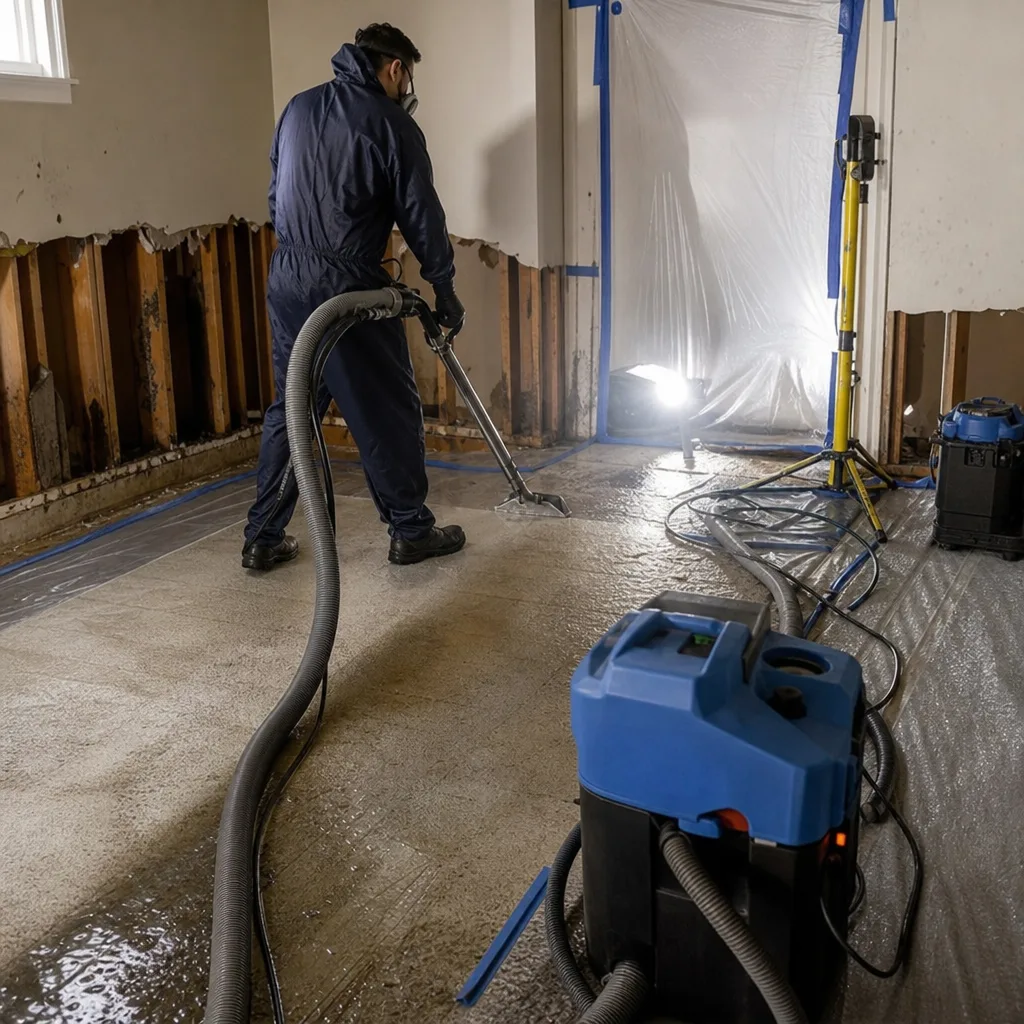
Standing water is removed with truck-mounted extraction systems and weighted water claws for carpeted areas. For hardwood and tile, we deploy specialized squeegee wands and sub-surface extraction tools. We also set up containment barriers and negative air pressure where needed to prevent cross-contamination of clean areas.
3. Drying & Dehumidification
We deploy commercial-grade LGR dehumidifiers from Dri-Eaz and Phoenix, axial and centrifugal air movers from XPOWER and B-Air, and Injectidry hardwood floor drying systems for targeted cavity drying. In Tacoma’s marine climate, equipment runs longer and we log moisture readings twice daily rather than once, documenting the psychrometric data that proves dry to your insurer.
4. Cleaning & Sanitization
All affected surfaces receive antimicrobial treatment appropriate to the water category. For Category 2 and 3 events, we apply EPA-registered disinfectants and HEPA vacuum all porous materials before determining what must be removed. Air scrubbers with HEPA filtration run continuously during this phase.
5. Moisture Verification & Documentation
We don’t remove equipment until moisture content readings meet IICRC drying standards for each material class - typically below 16% for wood framing, 12% for hardwood flooring, and equilibrium with ambient conditions for drywall. Every reading is logged with date, time, location, and technician signature, producing the drying record that turns your invoice into a payable claim.
6. Repairs & Restoration
Once dry, we deliver a written reconstruction scope with line-item pricing. Our rebuild crews handle drywall, flooring, trim, and paint to return the space to pre-loss condition. The 365-Day Done Right Promise applies to all work, backed by The Haven Standard.
Need Emergency Water Damage Restoration in Tacoma Now?
Crews minutes away, answering live 24 hours a day. The sooner we start, the less it costs.
Working With Your Insurance Company
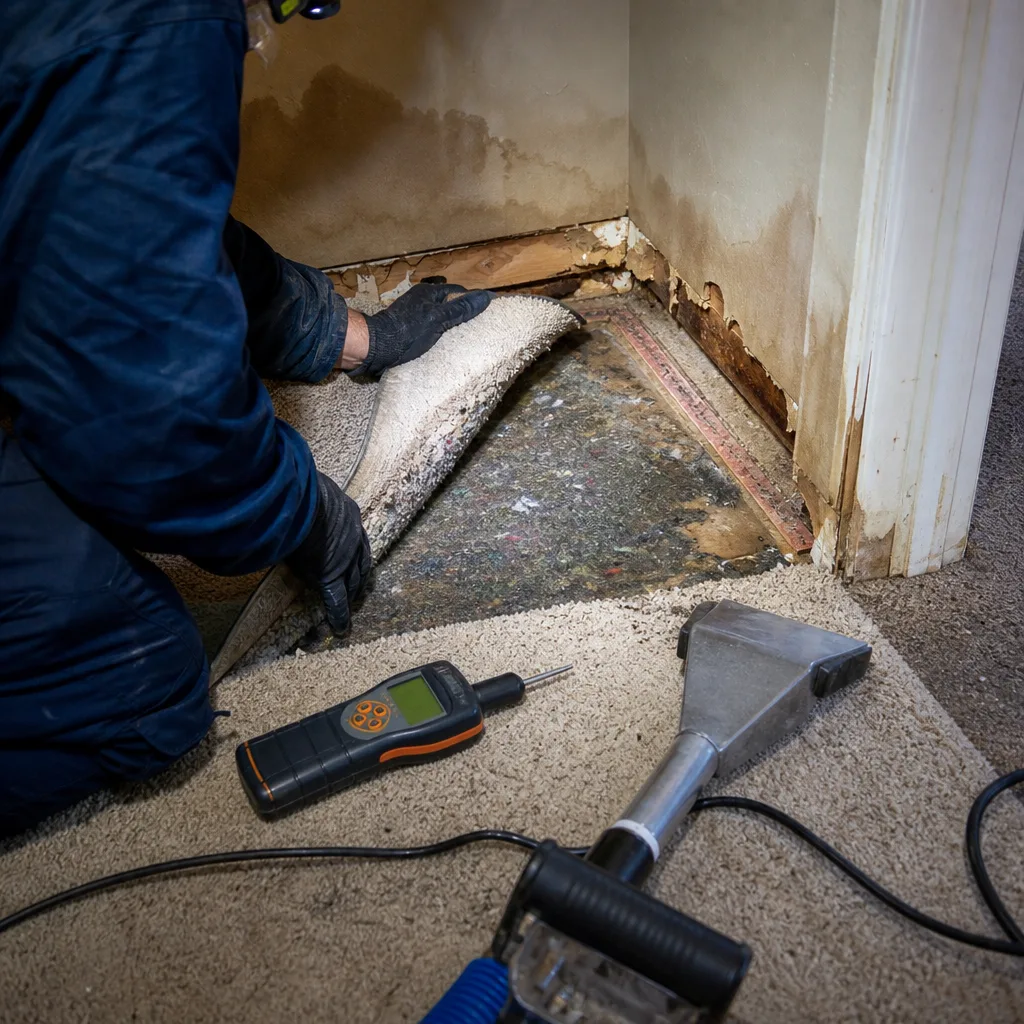
Documentation from the first hour is what separates paid claims from denied ones. We know this because our founder, Alicia Brennan, spent years as a claims adjuster before building Back to Dry around the documentation gap that costs homeowners their settlements. Every water damage job in Tacoma begins with timestamped photos, moisture readings, and material classifications that feed directly into industry-standard estimates formatted to Xactimate or Symbility, the platforms your adjuster already uses.
We communicate directly with your carrier’s adjuster, providing the evidence chain they need to approve scope without delay. Our photo record documents every room, every visit, every change in condition - not as an upsell, but as a standard deliverable on every job.
What We Provide Your Insurer
- Thorough documentation of the loss
- Photos of all damage, room by room
- Moisture readings and drying logs
- A detailed, line-item scope of work
- Direct coordination with your carrier
Built for Tacoma’s Loss Calendar
January through March brings the deepest risk: Cascade snowpack melt combined with prolonged cold snaps that freeze and burst copper supply lines in uninsulated crawl spaces and exterior walls. The Puyallup River swells with snowmelt through Tacoma’s southern industrial corridor, pushing groundwater into low-lying properties near the Port and Lincoln District.
April through June delivers the heaviest sustained rainfall - not dramatic storms, but weeks of drizzle that overwhelm aging gutter systems and find failed flashing on original roof decks. Summer months see shorter but intense convective cells that dump water faster than 100-year-old drainage can handle, particularly in the hillside neighborhoods above downtown where stormwater rushes toward Commencement Bay.
September through November is peak roof-leak season: the first sustained rains after dry summer months reveal shrinkage and separation in aging roofing, failed sealants around original skylights, and deteriorated chimney flashing. December closes the loop with freeze-thaw cycling that cracks exterior spigots and foundation penetrations. Our Tacoma crews maintain 24-hour readiness through every phase.
Water Damage Restoration Across Tacoma’s Neighborhoods
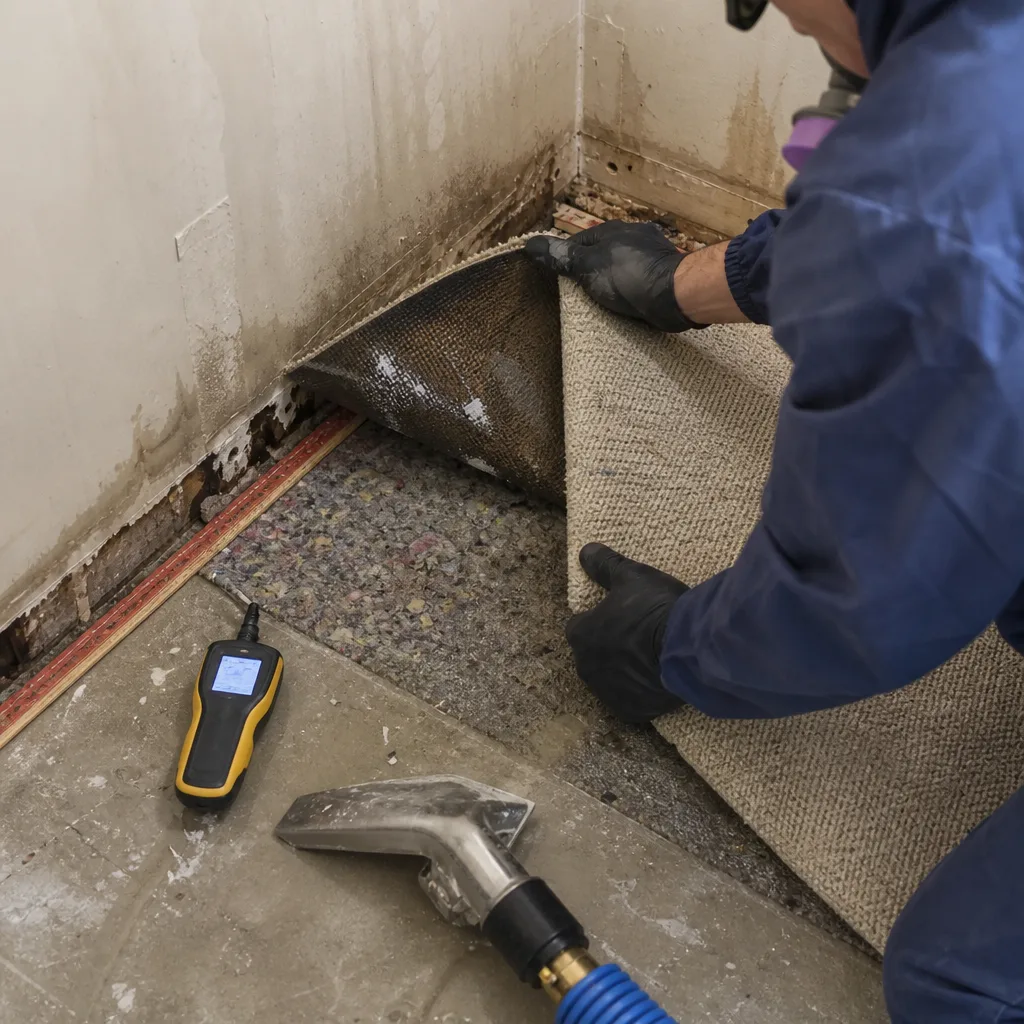
In the Stadium District, we respond to roof leaks in 1920s Craftsman bungalows with original cedar shake roofs and minimal attic ventilation. The marine air here keeps roof decks perpetually damp, so when a leak starts, the sheathing is often already compromised. Moisture mapping in these homes regularly finds the stacked-history pattern: multiple wet events layered in the same wall cavity from different sources over different years.
North End properties - particularly those north of 6th Avenue toward the Ruston peninsula - carry the additional compliance layer of the ASARCO contamination plume. Any excavation around foundations, disturbance of exterior grade during flood cleanup, or soil contact during structural work requires hazardous-soil protocols. Regional franchises routinely miss this. We don’t.
Hilltop and the South End present different challenges: denser housing stock, more rental conversions with deferred maintenance, and a higher incidence of failed galvanized supply lines and original clay sewer laterals. Basement water removal is common here, often complicated by deteriorated foundation waterproofing and clogged perimeter drains.
The waterfront corridors along Ruston Way and the Thea Foss Waterway see periodic surge flooding and groundwater intrusion in low-lying commercial and residential mixed-use properties. These jobs often require coordination with Port of Tacoma security and environmental compliance officers, relationships we’ve maintained since 2011.
Specialized Water Damage Restoration Services We Offer in Tacoma
Emergency Water Extraction
Standing water is removed within hours of your call using truck-mounted extraction systems rated to 15,000+ CFM. For Tacoma’s tighter urban lots and limited street parking, we deploy portable extraction units that don’t require curb access for large vans. Typical extraction for a flooded basement or main level runs $450-$950 in the Tacoma market.
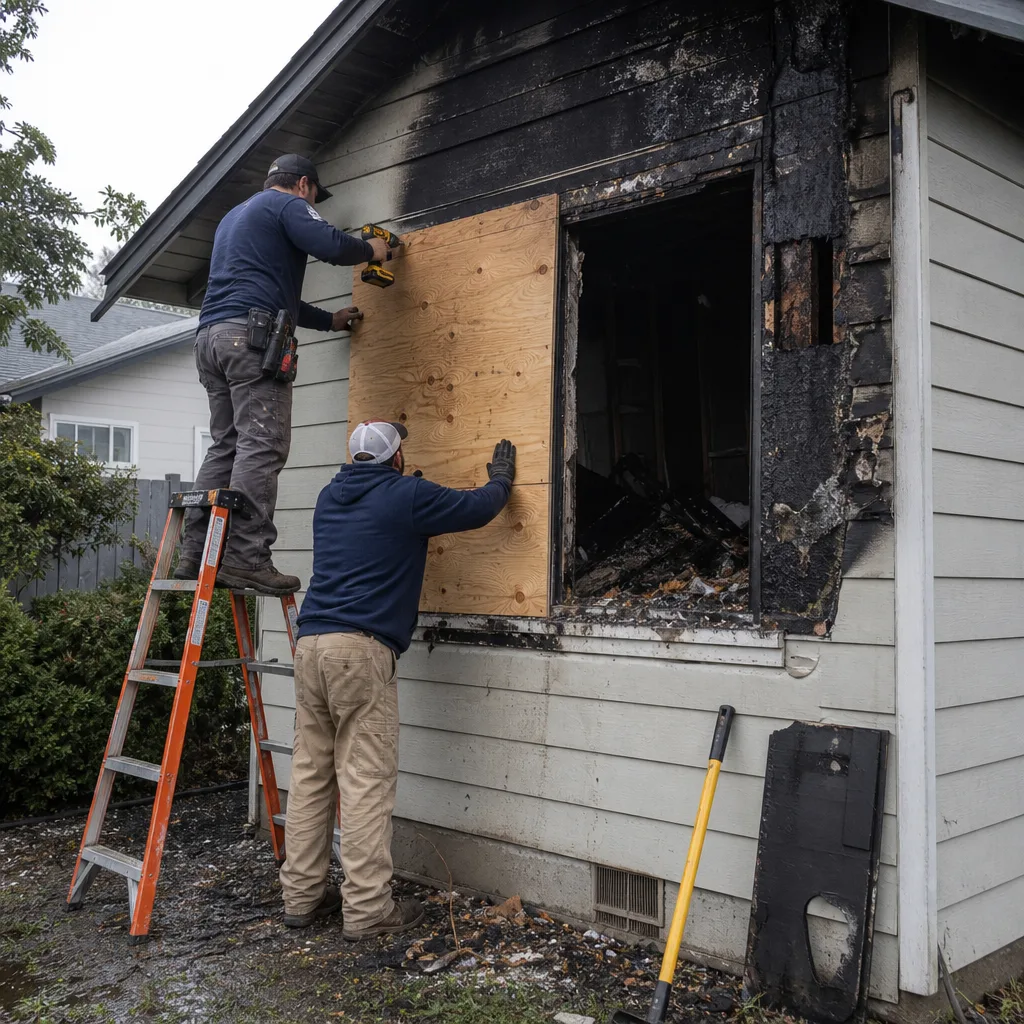
Structural Drying & Dehumidification
This is where our process diverges most from standard practice. Tacoma’s persistent marine moisture means we size dehumidification capacity at 1.5-2x standard psychrometric calculations and extend drying cycles until bound water readings confirm actual dryness, not surface dryness. We document vapor pressure differential daily - the measurement of how aggressively moisture is actually moving out of materials - and adjust equipment placement accordingly. Structural drying for a typical Tacoma single-family home runs $1,800-$4,200, with extended protocols for pre-WWII stock at the higher end.
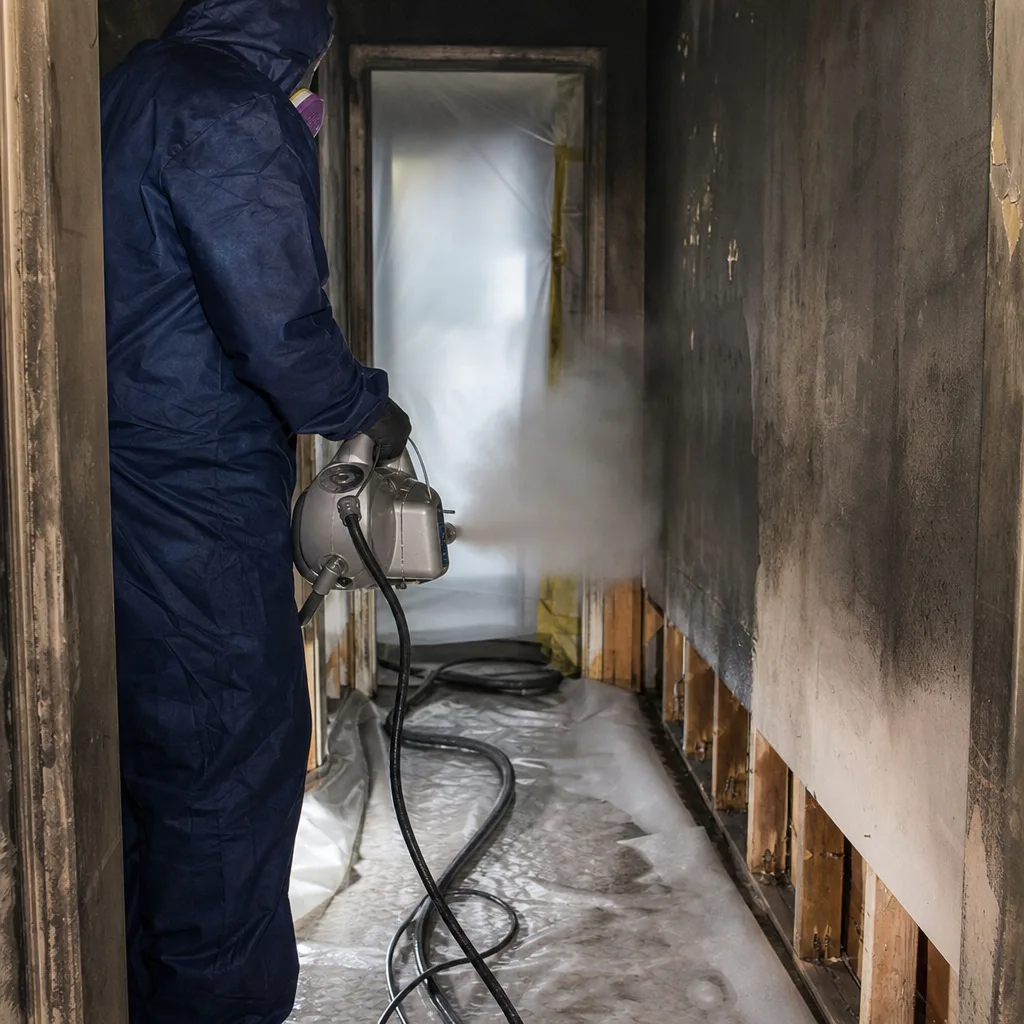
Flood Cleanup
Puyallup River flooding and coastal surge events bring Category 3 contamination: silt, petroleum residue, and agricultural runoff. We handle full muck-out, pressure washing of structural elements, antimicrobial treatment, and hazardous-soil compliance where the ASARCO plume overlaps. Flood cleanup in Tacoma starts around $3,500 for limited intrusion and ranges to $8,000+ for full basement or main-level events with contamination.
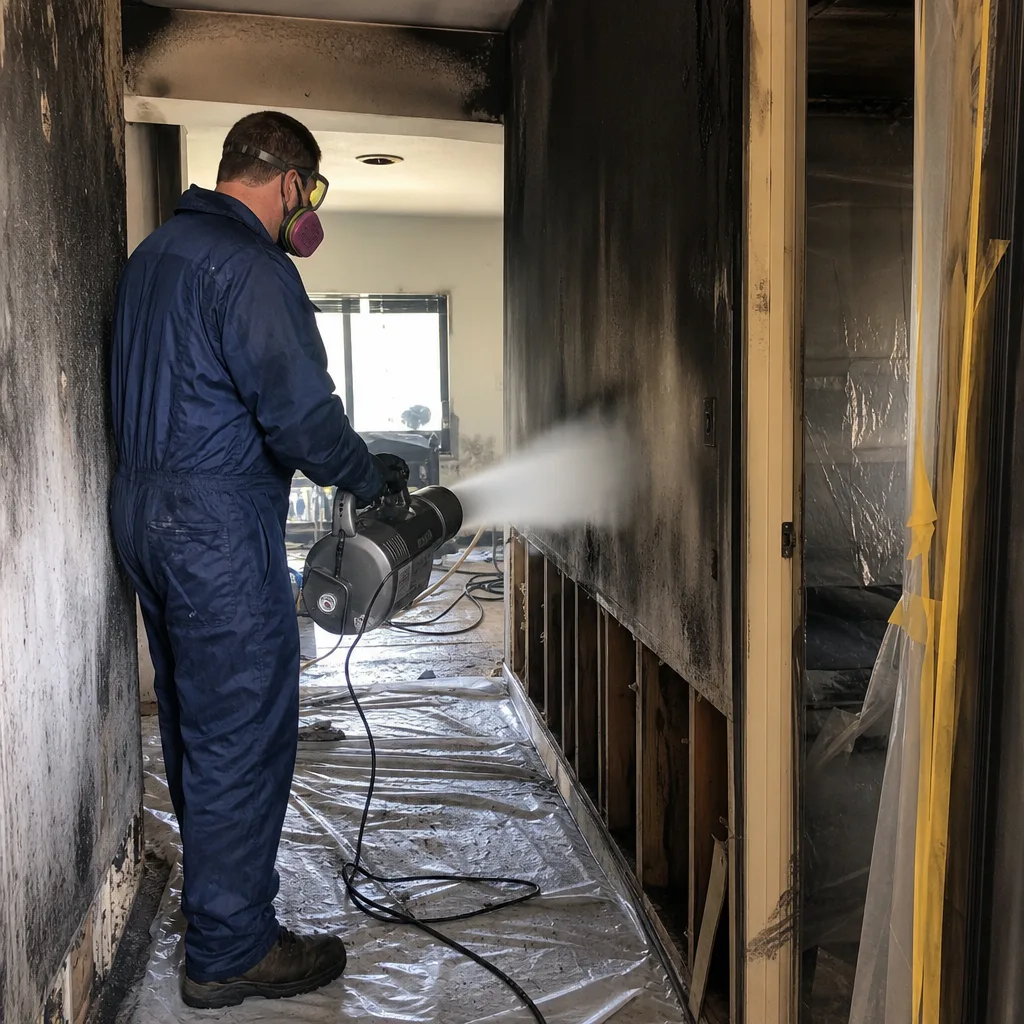
Burst Pipe Restoration
Freeze events in uninsulated crawl spaces and exterior walls are the leading winter cause. We extract, dry, and document the full migration path - water from a burst kitchen line on a main floor often travels down wall cavities to saturate subflooring and ceiling drywall below. The pipe repair itself is coordinated with licensed plumbers; our scope covers everything the water touched.
Ceiling & Roof Leak Water Damage
Tacoma’s drizzle-heavy climate means roof leaks often run for weeks before visible staining appears. By the time a homeowner notices, insulation is saturated, plaster is compromised, and mold growth has started in the attic. We trace the full leak path, remove wet insulation, dry structural members, and document the scope for insurance. Ceiling and roof leak restoration in Tacoma typically runs $2,200-$5,800 depending on attic involvement and whether original plaster requires specialist repair.
Basement Water Removal
Tacoma’s older neighborhoods have basements with original concrete or stone foundations, no sump systems, and dirt or deteriorated concrete floors. Groundwater intrusion is chronic in these properties. We extract, install temporary pumping if needed, dry the space, and address crawl space moisture as part of the scope to prevent re-wetting from below.
What happens when you call
- 1
A real person answersNo phone trees - you reach a local pro.
- 2
You get an upfront price rangeHonest numbers before anyone is dispatched.
- 3
A background-checked tech heads outLicensed & insured, dispatched right away.
- 4
You approve before work beginsNothing starts until you say go.
Water Damage Restoration Costs in Tacoma, WA
| Service | Typical Range in Tacoma |
|---|---|
| Emergency water extraction | $450 - $950 |
| Structural drying & dehumidification (standard home) | $1,800 - $4,200 |
| Full mitigation: extraction + drying + sanitization | $2,800 - $6,500 |
| Flood cleanup (Category 3, limited area) | $3,500 - $8,000+ |
| Ceiling/roof leak restoration | $2,200 - $5,800 |
| Crawl space drying & encapsulation prep | $1,200 - $3,400 |
What moves the price: square footage affected, water category (clean vs. contaminated), material types (hardwood and plaster dry slower than carpet and drywall), and whether we find the stacked-history moisture pattern that extends drying time. Insurance typically covers sudden and accidental water damage from burst pipes, appliance failures, and storm intrusion; gradual leaks and maintenance-related issues often fall under policy exclusions. We review your coverage with you and provide the documentation your adjuster needs to make the determination.
Every job starts with a free visual inspection and a written scope before any work begins. Haven Standard, Clause 1. No exceptions.
We Also Serve Cities Near Tacoma
Our crews respond throughout the south Puget Sound metro, including Milton to the northeast along the Puyallup River corridor, Puyallup to the east with its distinct valley flooding exposure, Federal Way to the north along the I-5 corridor, and Lakewood to the southwest with its own concentration of mid-century and older housing stock. Dispatch and scheduling are coordinated from our Seattle office; crews serve each community locally with the same documentation standards and response commitments.
Serving Tacoma, WA - Our Local Coverage Area
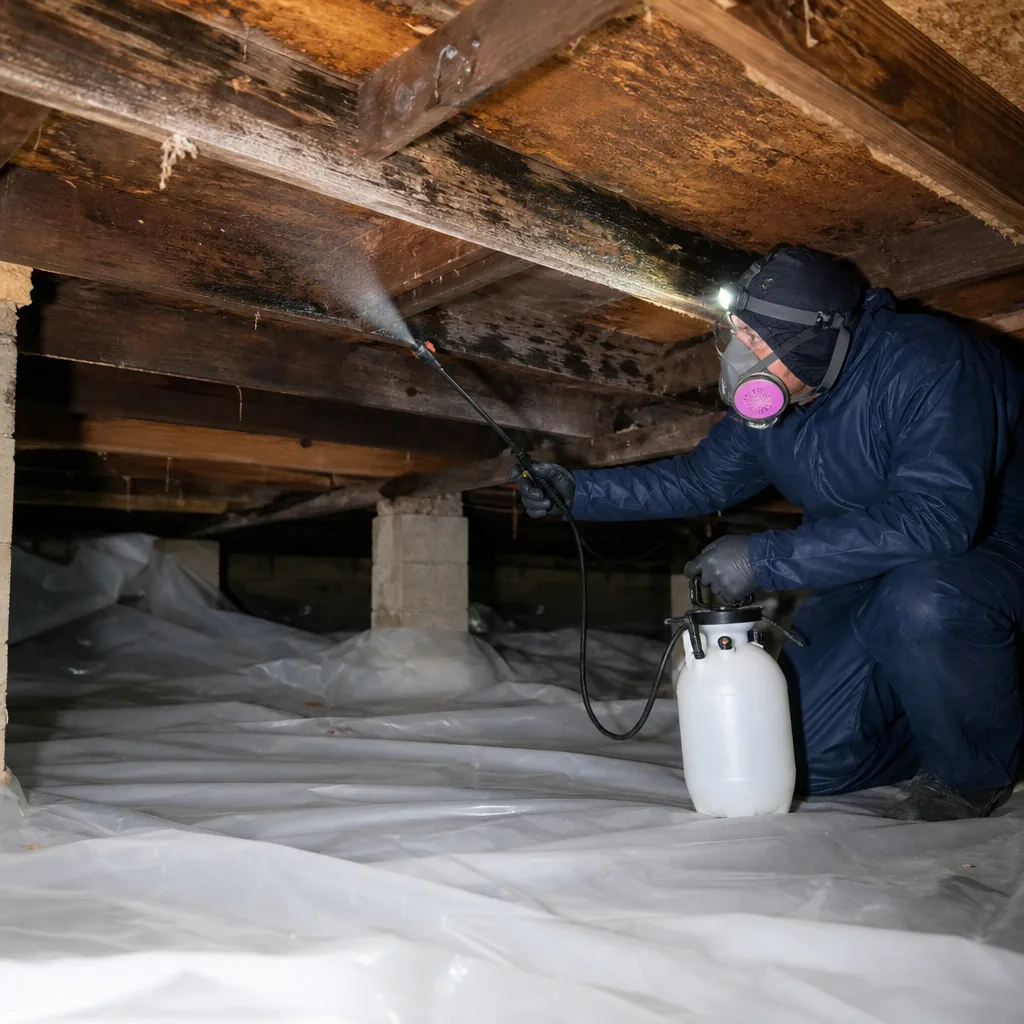
We’re based in the Tacoma area and know this community well. Use the map below to see our service coverage - if you’re nearby, we can almost certainly help.
Tacoma Water Damage Restoration Questions, Answered
Why does water damage in Tacoma take longer to dry than in other Puget Sound cities?
Tacoma’s persistent marine moisture off Commencement Bay keeps building envelopes chronically damp, so materials start from a higher baseline moisture content and the ambient air has less capacity to absorb additional vapor.
Our psychrometric data shows drying curves running 30-50% longer here than in drier eastern Washington markets. We compensate with extended equipment runs, more aggressive moisture verification, and twice-daily logging until readings confirm actual dryness - not just surface dryness - in original plaster, dense framing, and unencapsulated crawl spaces. The drizzle doesn’t stop, so we don’t stop early either. Call (360) 997-2427 for a free inspection and written scope.
My Tacoma Craftsman is from the 1920s. What should I expect when you open the walls?
Expect to find multiple prior water events layered in the same cavity, often from different sources over different decades.
In Tacoma’s Stadium District, we opened a wall on a 1920s Craftsman where a homeowner reported a single roof leak, and our moisture mapping found three separate wet events layered in the same cavity - old staining from a burst pipe, newer damp from a failed window flashing, and active water from a roof leak. We set containment, ran air movers and dehumidification for five days instead of the standard three, and logged moisture readings twice daily until all layers read dry. Original horsehair plaster, minimal insulation, and no vapor barrier mean we work methodically and document everything for your insurer. Call (360) 997-2427 to schedule assessment.
Does the ASARCO contamination zone in North Tacoma affect water damage restoration?
Yes, if the work involves disturbing soil around the foundation, excavating for drainage, or handling exterior grade during flood cleanup.
The former ASARCO copper smelter deposited arsenic- and lead-laden particulate across a documented plume covering much of North Tacoma. Restoration contractors must follow hazardous-soil protocols that simply do not exist in most other Puget Sound cities. Regional franchises routinely miss this compliance layer, exposing homeowners to liability and health risk. We identify affected properties during initial assessment and coordinate with EPA-recognized remediation protocols where required. This is standard in our documentation, never an afterthought. Call (360) 997-2427 for properties north of 6th Avenue.
How quickly do I need to call after a burst pipe or roof leak in Tacoma?
Within the first hour for best outcomes, and never more than 24 hours if you want to avoid mold remediation.
Water migrates horizontally through wall cavities at approximately 1-2 feet per hour in porous materials, and vertically through subflooring even faster when gravity assists. In Tacoma’s pre-WWII housing with original plaster and no vapor barriers, that migration is accelerated. Within 48-72 hours, microbial growth begins in chronically damp conditions - faster than the textbook 72-96 hours because Tacoma’s building envelopes rarely dry fully between rain events. Our 45-minute response commitment exists because we’ve seen what delays cost in additional square footage, additional material removal, and additional claim disputes. Call (360) 997-2427 now.
Do you treat crawl spaces differently in Tacoma’s older neighborhoods?
Yes. Dirt crawl spaces with minimal ventilation are standard in Tacoma’s pre-1945 housing, and they trap ground moisture that re-wets dried assemblies from below.
We treat the crawl space as part of the drying scope, not an afterthought. This means vapor barrier installation or temporary encapsulation, dedicated dehumidification, and moisture readings from the crawl space included in our daily logs. Without this step, floor joists and subflooring that read dry on day three are often re-saturated by day seven from below. The added scope typically runs $1,200-$3,400 in Tacoma, and we include it in our written estimate upfront - no surprise additions once the crew is inside. Haven Standard, Clause 1. Call (360) 997-2427 for assessment.
Will my insurance cover water damage restoration in Tacoma?
Sudden and accidental water damage - burst pipes, appliance failures, storm intrusion - is typically covered under standard homeowners policies.
Gradual leaks, maintenance-related failures, and groundwater intrusion (without specific flood coverage) are commonly excluded. We document the cause, timing, and migration path from the first hour to support your adjuster’s coverage determination. Our estimates are formatted to Xactimate standards, and we coordinate directly with your carrier. The photo record, moisture logs, and written scope we provide are designed to turn your restoration invoice into a payable claim without the back-and-forth that delays payment. Call (360) 997-2427 and we’ll review your situation.
How long does the drying process actually take in a typical Tacoma home?
Standard residential drying runs 3-5 days in drier climates; in Tacoma, we plan for 5-7 days and verify with data, not calendar.
The extended timeline comes from starting moisture baselines that are already elevated, dense original materials that hold bound water longer, and the need to dry multiple layers when stacked-history damage is present. We remove equipment only when daily moisture readings confirm all materials have reached IICRC-specified dryness levels - wood framing below 16%, hardwood below 12%, drywall at equilibrium with ambient conditions. Every reading is logged with timestamp, location, and technician signature. Call (360) 997-2427 for a free inspection and realistic timeline for your property.
Can we stay in the home during water damage restoration?
Sometimes, depending on the water category, affected areas, and whether containment can isolate the work zone.
Category 1 clean water in a limited area with no HVAC contamination often allows occupants to remain with containment barriers and air scrubbers running. Category 2 or 3 events, whole-house drying with extensive equipment noise, or any mold remediation typically require temporary relocation for safety and effectiveness. We assess this during our initial inspection and include occupancy recommendations in your written scope. When displacement is necessary, we document additional living expense needs for your insurance claim. Call (360) 997-2427 to discuss your specific situation.
Call (360) 997-2427 now for 24/7 live answer and free visual inspection. Written price before work begins. Every time.
Written by Alicia Brennan, Owner at Back to Dry Restoration, independently owned and operated under The Haven Standard since 2011.
Water Damage Restoration in Nearby Areas