
Free visual inspection and a written scope of work before any mitigation begins - photos, moisture readings, and drying logs go in your claim file
The scope we write is the scope we bill. Anything new gets shown to you, in writing, before we touch it.
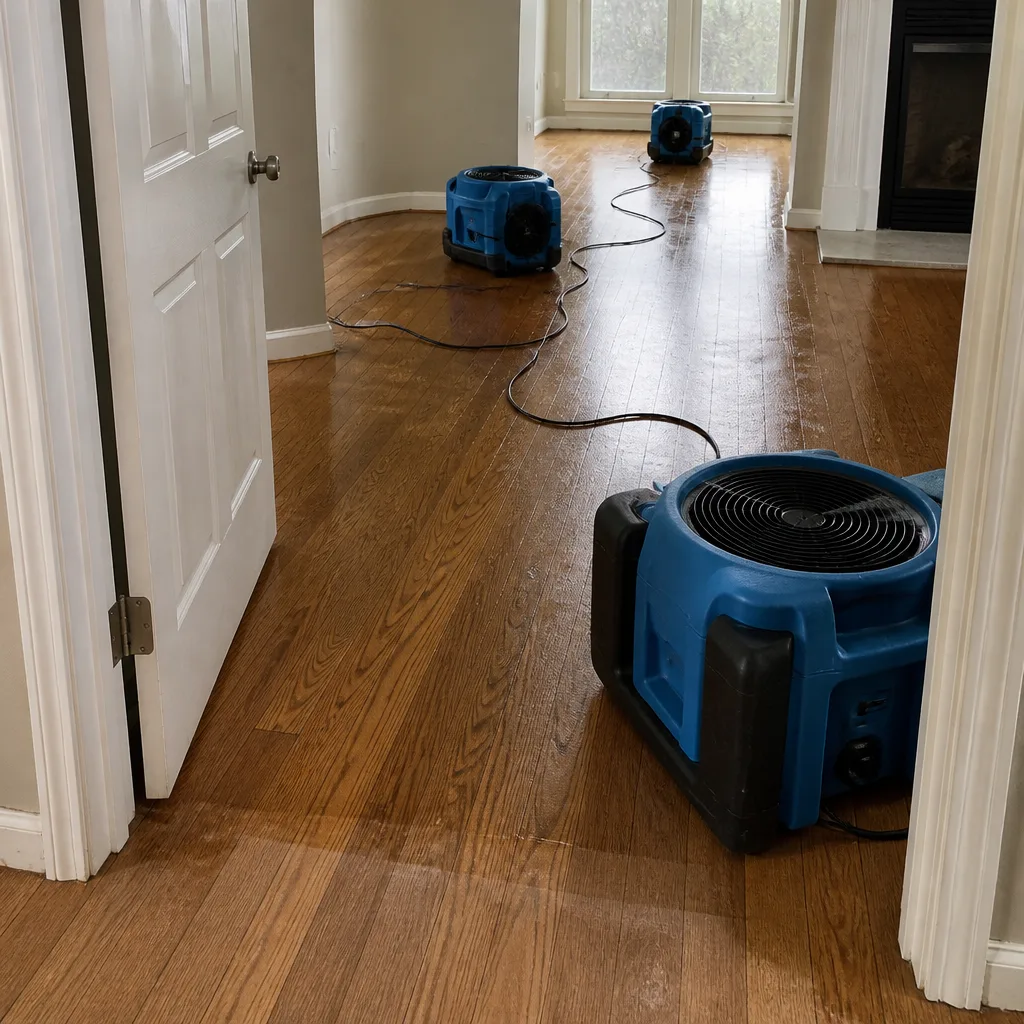
 Before
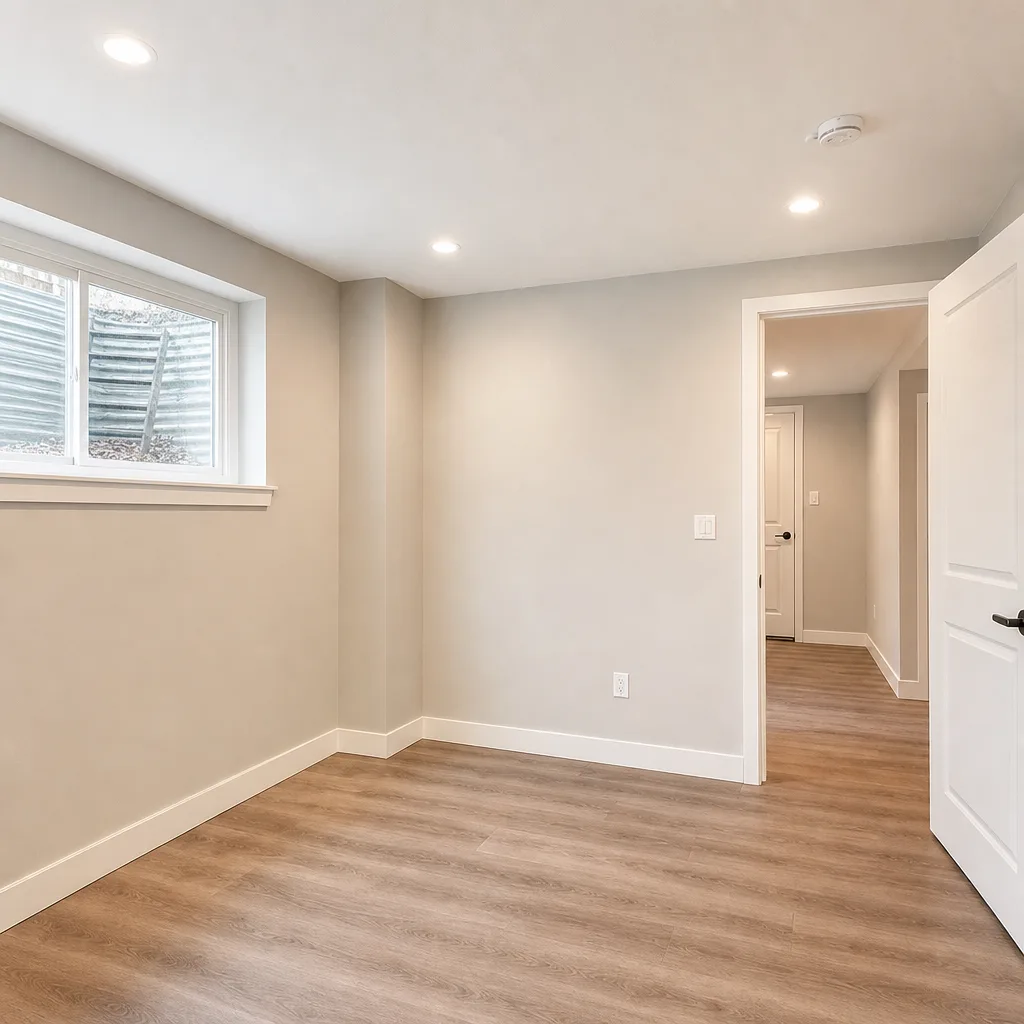 After
After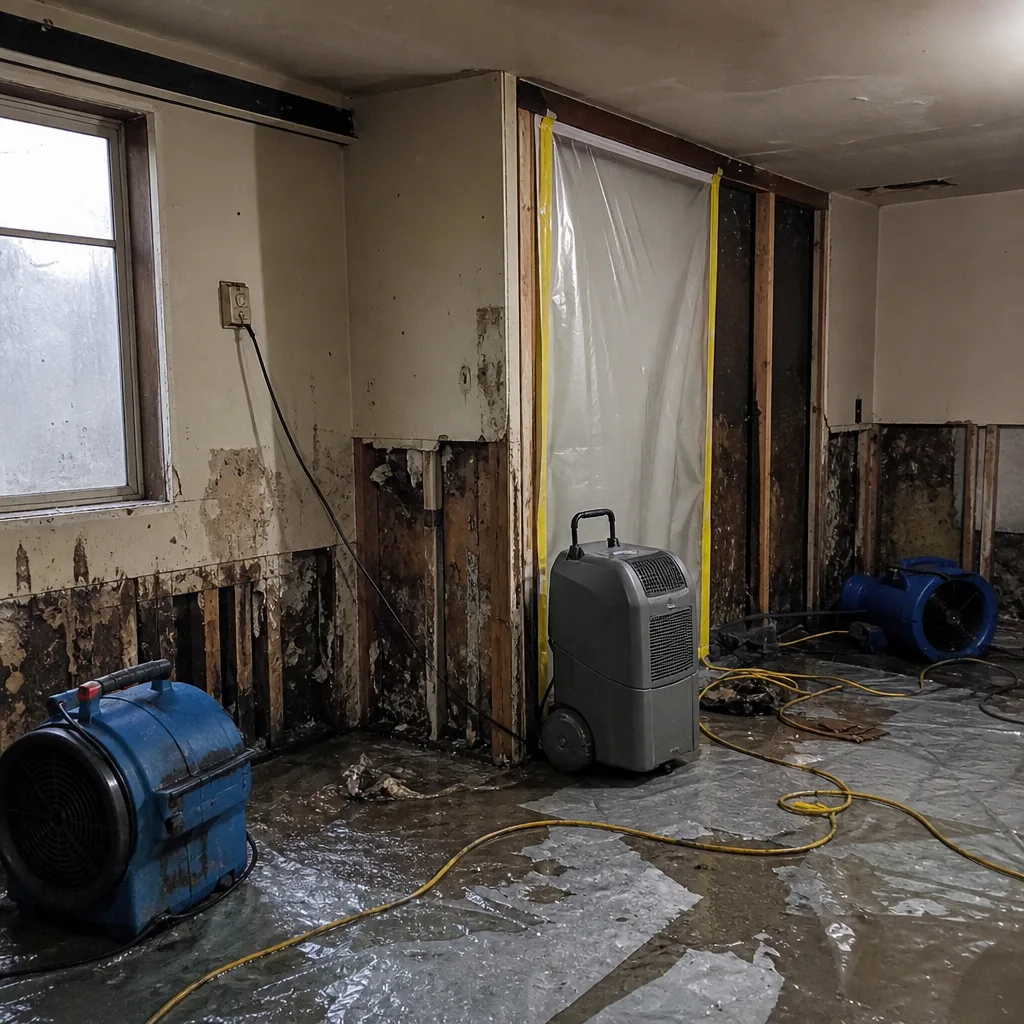 Before
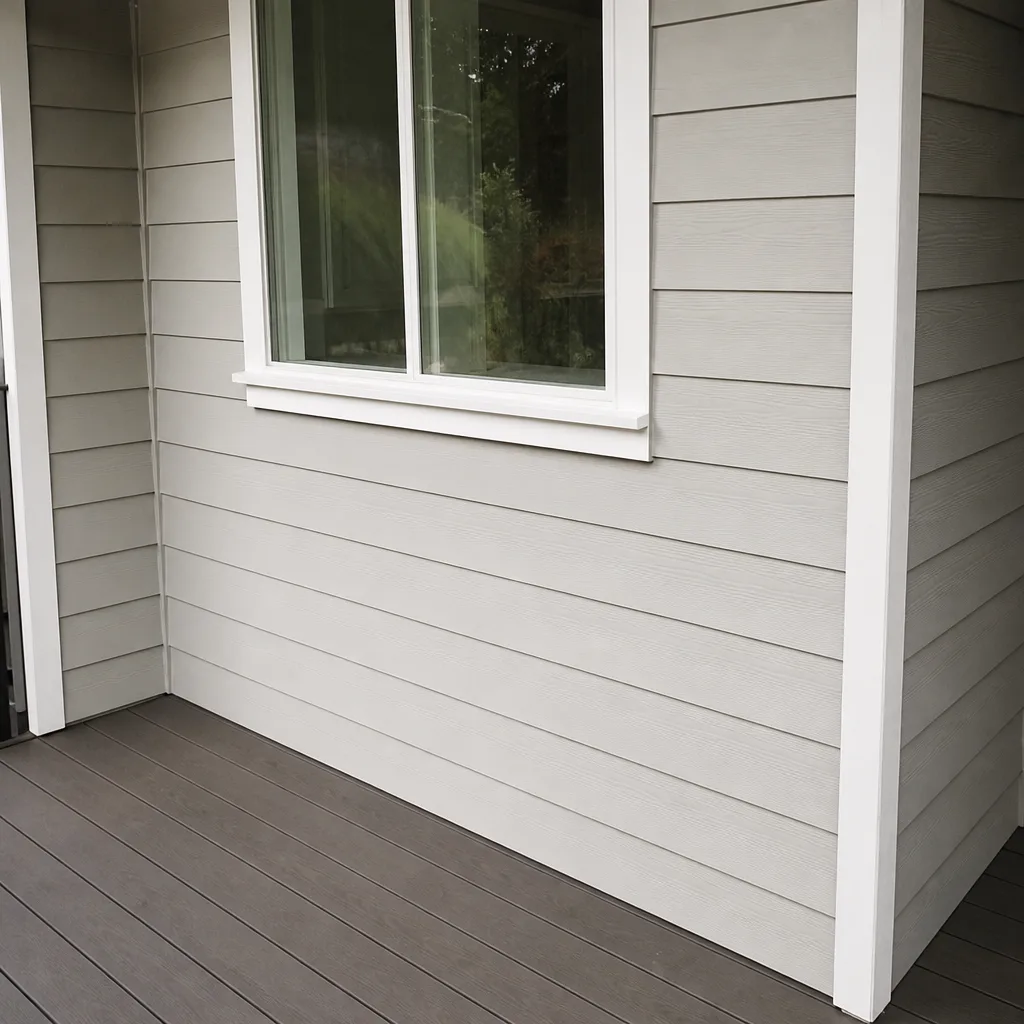 After
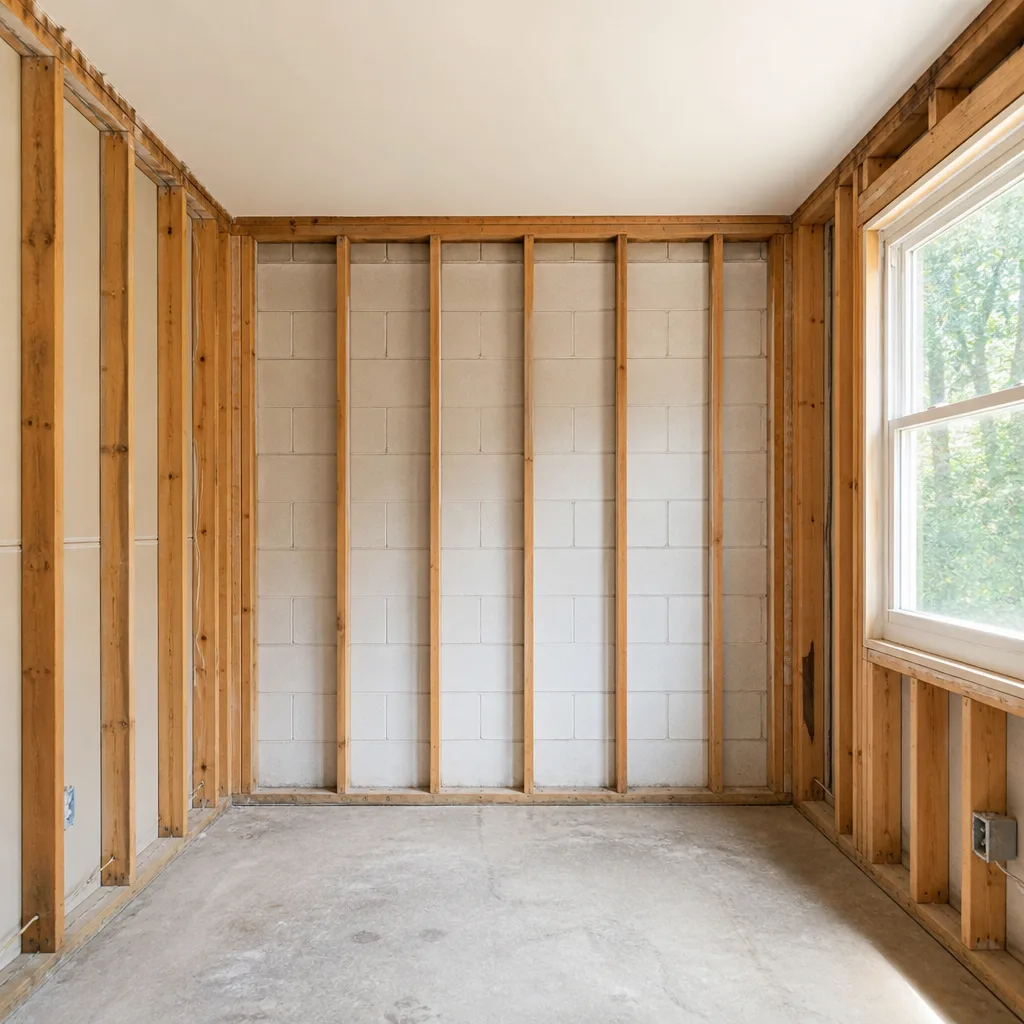
After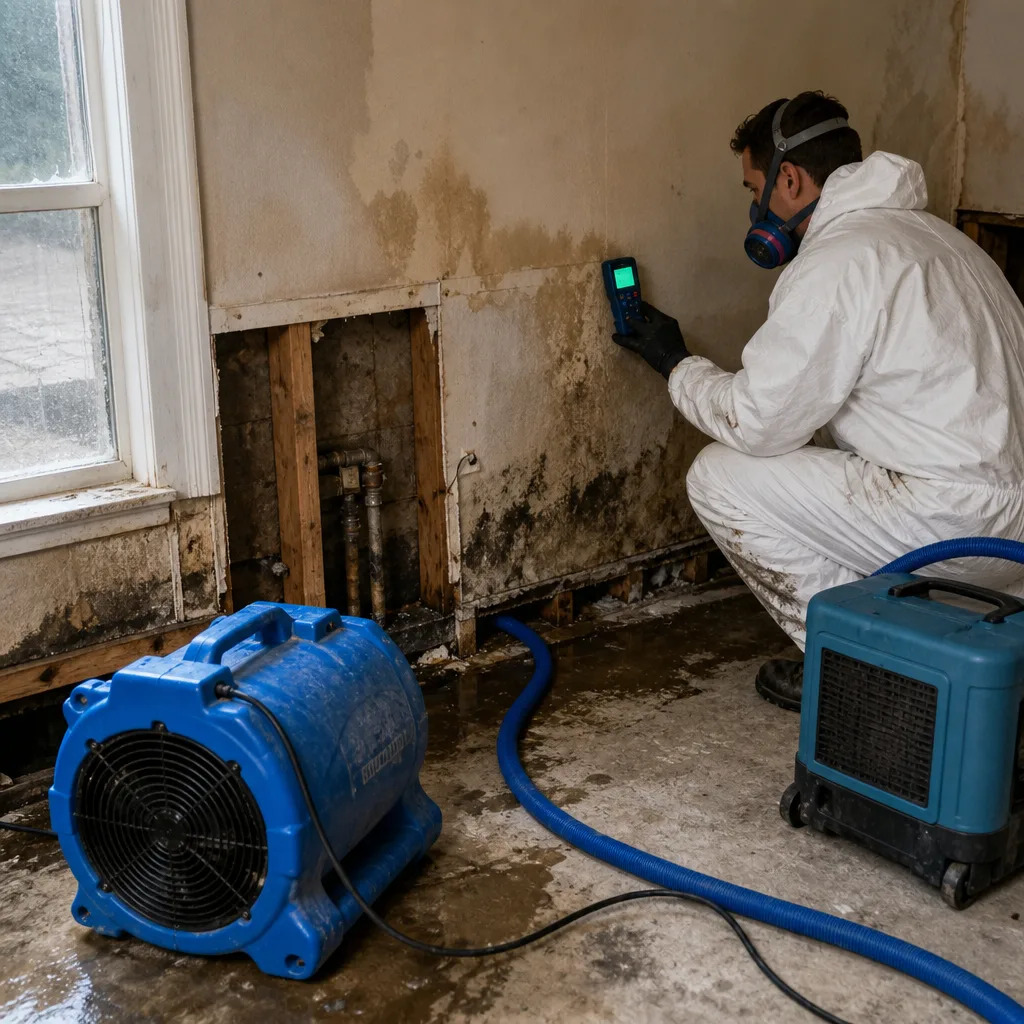 Before
 After
After24/7 Emergency Fire & Smoke Damage Restoration in Sumner
Fire damage in Sumner typically requires same-day board-up and stabilization, with full restoration running $4,200-$18,500 depending on square footage, soot type, and whether firefighting water saturates the structure. Our crews answer live at (360) 997-2427 twenty-four hours a day, seven days a week, with no voicemail trees. We dispatch from our Seattle office and can be on-site anywhere in Sumner within forty-five minutes of your call. The first hour determines whether smoke migrates into HVAC systems, whether water from suppression soaks into the valley’s already-damp crawl spaces, and whether your contents can be recovered or must be declared total loss. We provide a free visual inspection, document everything with photographs, and deliver a written price before any work begins.
Understanding Fire & Smoke Damage Restoration Severity in Sumner Properties
Fire damage severity follows two tracks: the thermal damage from combustion itself, and the secondary damage from smoke migration and firefighting water. In Sumner, the second track often exceeds the first. Smoke travels through pressure differentials, seeking cooler areas - which means it pushes into crawl spaces, attics, and wall cavities where the Puyallup Valley’s high ambient moisture causes soot particles to bond with damp surfaces. We classify soot residue by type: dry smoke (fast-burning, high-heat fires, powdery residue), wet smoke (slow-burning, low-heat fires, sticky and pungent), protein residue (nearly invisible, extremely odorous, from kitchen fires), and fuel oil soot from furnace puff-backs.
Sumner’s housing stock complicates every classification. The late 19th- and early 20th-century wood-frame homes near downtown Main Street and the railroad corridor have balloon framing with continuous wall cavities, no fire blocking, and tongue-and-groove wallboards that absorb odor compounds like a wick. Newer hillside construction above the flood plain uses platform framing and drywall, which responds to standard cleaning protocols. But downtown, wet smoke from a smoldering electrical fire in a 1910 cottage can require soda blasting on original fir trim, followed by thermal fogging and sealed HEPA air scrubbing for seventy-two hours minimum. We run moisture mapping with penetrating and non-penetrating meters on every job, because firefighting water in a Sumner crawl space sits on saturated soils that extend drying times by thirty to fifty percent compared to Auburn or Bonney Lake.
Why Sumner Property Owners Choose DryMark Restoration Kent
- Forty-five-minute response commitment to any Sumner address, from the hillside developments above Traffic Avenue to the river-adjacent properties near Ryan House Museum.
- Twenty-four hours a day, seven days a week live answer - a real person, never an automated system or callback queue.
- IICRC-certified crews holding FSRT (Fire and Smoke Restoration Technician) and WRT (Water Damage Restoration Technician) certifications, with AMRT (Applied Microbial Remediation Technician) for the mold that follows firefighting water.
- Free visual inspection with no obligation, documented with photographs before we leave.
- Direct insurance billing and adjuster coordination, including NFIP-specific documentation for flood-zone properties.
- One team from emergency board-up through final reconstruction - no handoffs to unknown subcontractors.
BeforeAfterOur Fire & Smoke Damage Restoration Process
1. Inspection & Assessment
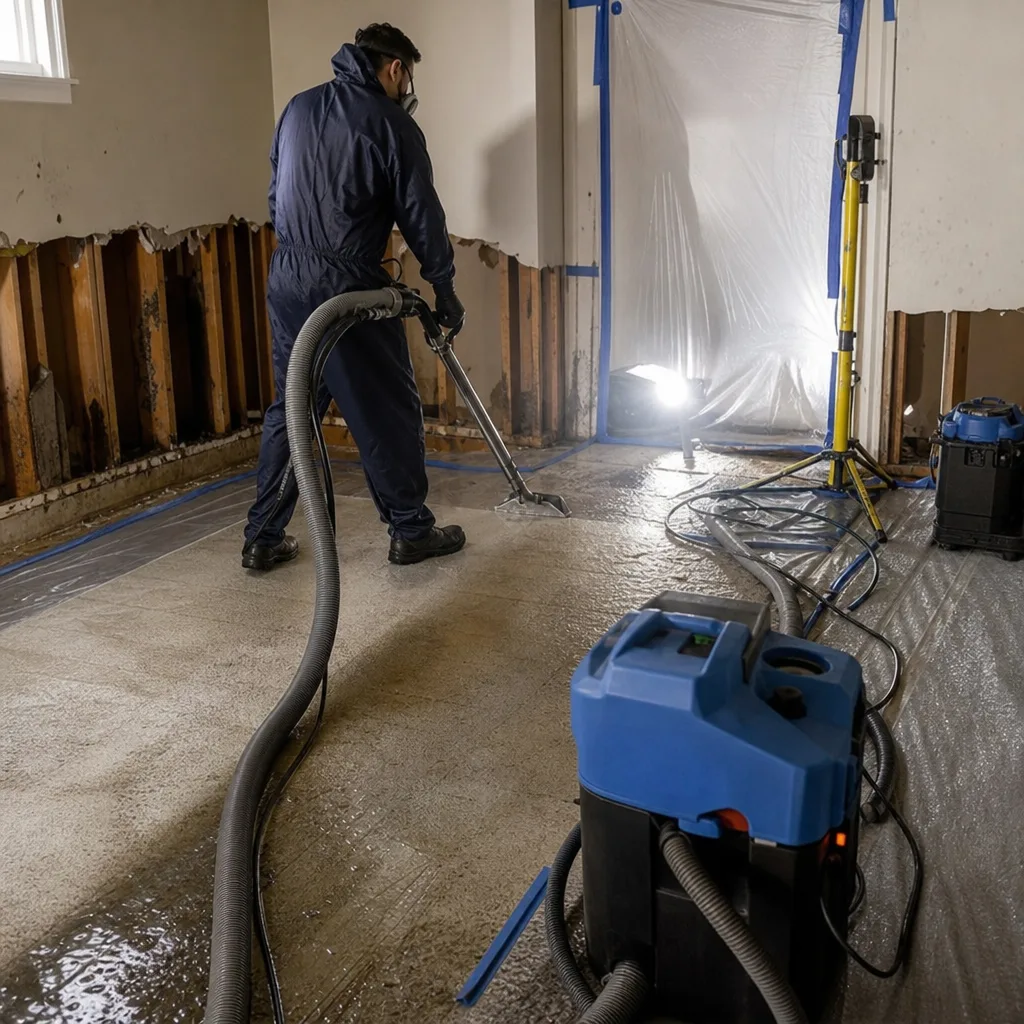
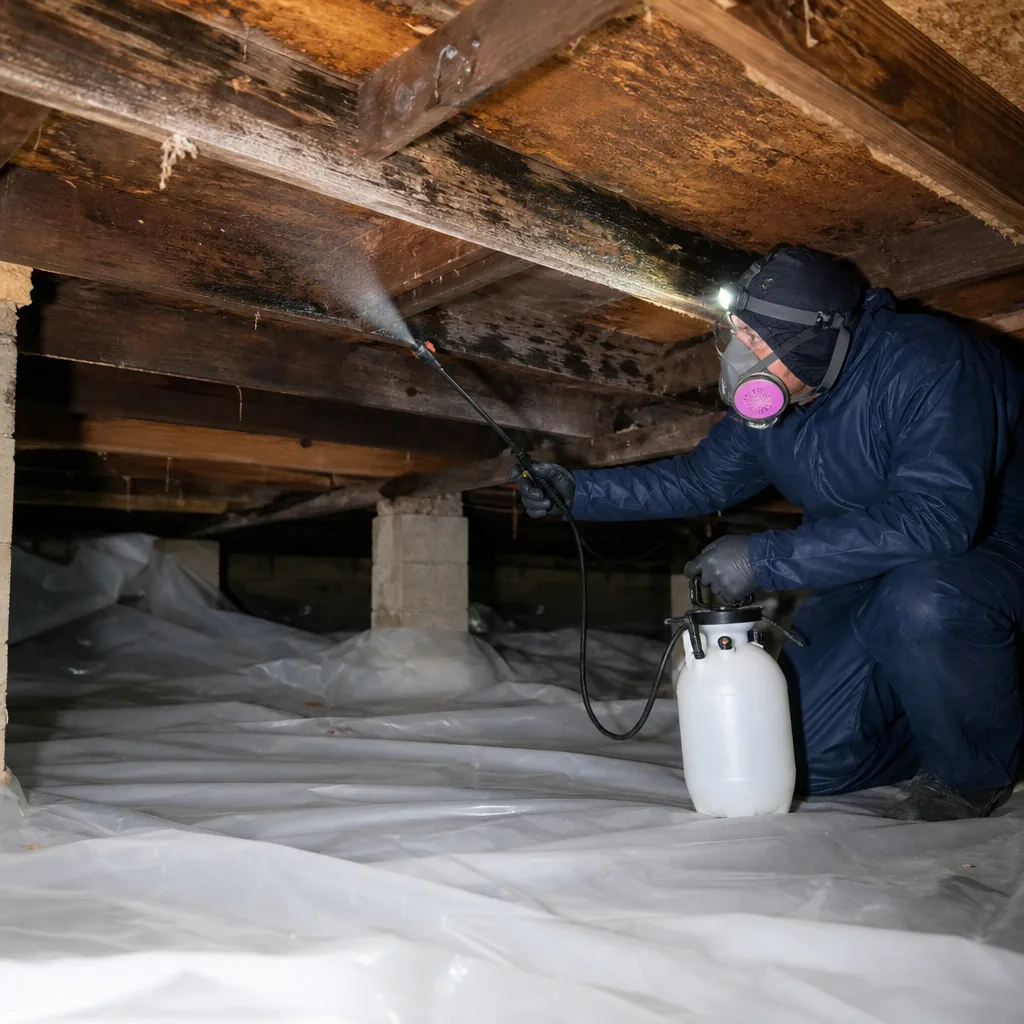
We arrive with thermal imaging cameras, moisture meters, and combustion residue testing kits. Within the first hour we identify soot type, map smoke migration paths, and measure moisture content in structural materials. For Sumner properties near the Puyallup River, we test crawl space humidity and soil saturation to determine whether standard drying protocols suffice or whether vapor pressure differential management is required.
2. Emergency Board-Up & Stabilization
Broken windows, compromised roofs, and damaged doors get temporary sealing to prevent weather intrusion and unauthorized entry. On alley-entry homes in Sumner’s downtown core, we coordinate with the property owner and, when necessary, the City of Sumner for right-of-way access. Tarping accounts for the valley’s heavy fall and winter rainfall.
3. Water Extraction & Structural Drying
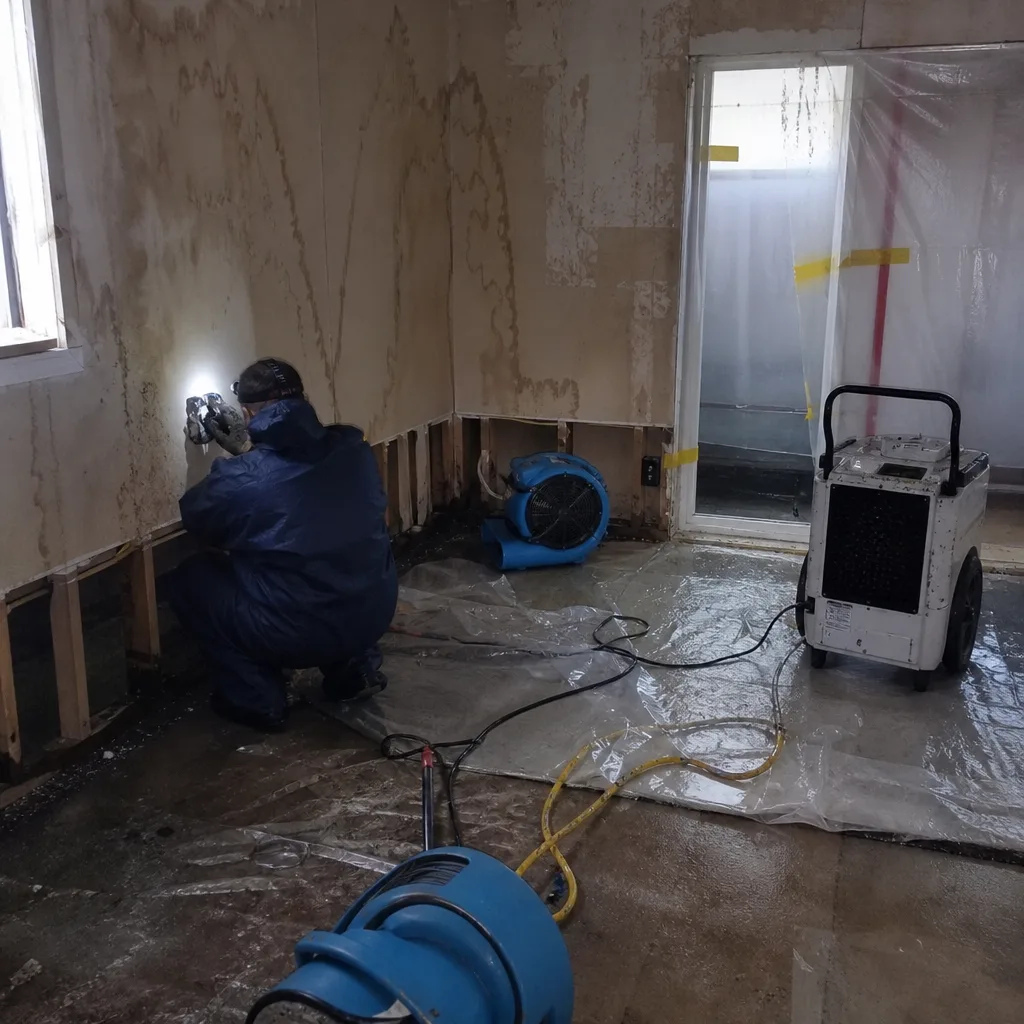
Firefighting water gets extracted with truck-mounted or portable systems, followed by placement of Dri-Eaz and Phoenix dehumidifiers and XPOWER air movers. In Sumner’s high-water-table environment, we monitor psychrometric data daily - temperature, relative humidity, and specific humidity - to calculate vapor pressure differential and confirm that moisture is actually leaving the structure, not just recirculating.
4. Smoke & Soot Removal
Dry smoke gets dry-sponge cleaning and HEPA vacuuming; wet smoke requires solvent-based cleaning or soda blasting on original woodwork. Protein residues need enzyme cleaners and often thermal fogging. We match the method to the residue and the substrate, testing in an inconspicuous area first on Sumner’s historic homes.
5. Odor Removal & Deodorization
Surface cleaning removes visible soot; odor removal requires reaching the source. We deploy hydroxyl generators for occupied spaces, ozone for unoccupied structures, and thermal fogging for deep penetration into porous materials. In Sumner’s damp downtown homes, we extend treatment cycles because moisture reactivates odor compounds in wood framing.
6. Repairs & Restoration
Final reconstruction matches original materials where possible, with full documentation for insurance. For properties in FEMA Special Flood Hazard Zones, we coordinate elevation and flood-venting requirements if the fire damage triggers substantial improvement thresholds under NFIP guidelines.
Need Emergency Fire & Smoke Damage Restoration in Sumner Now?
Crews minutes away, answering live 24 hours a day. The sooner we start, the less it costs.
Working With Your Insurance Company
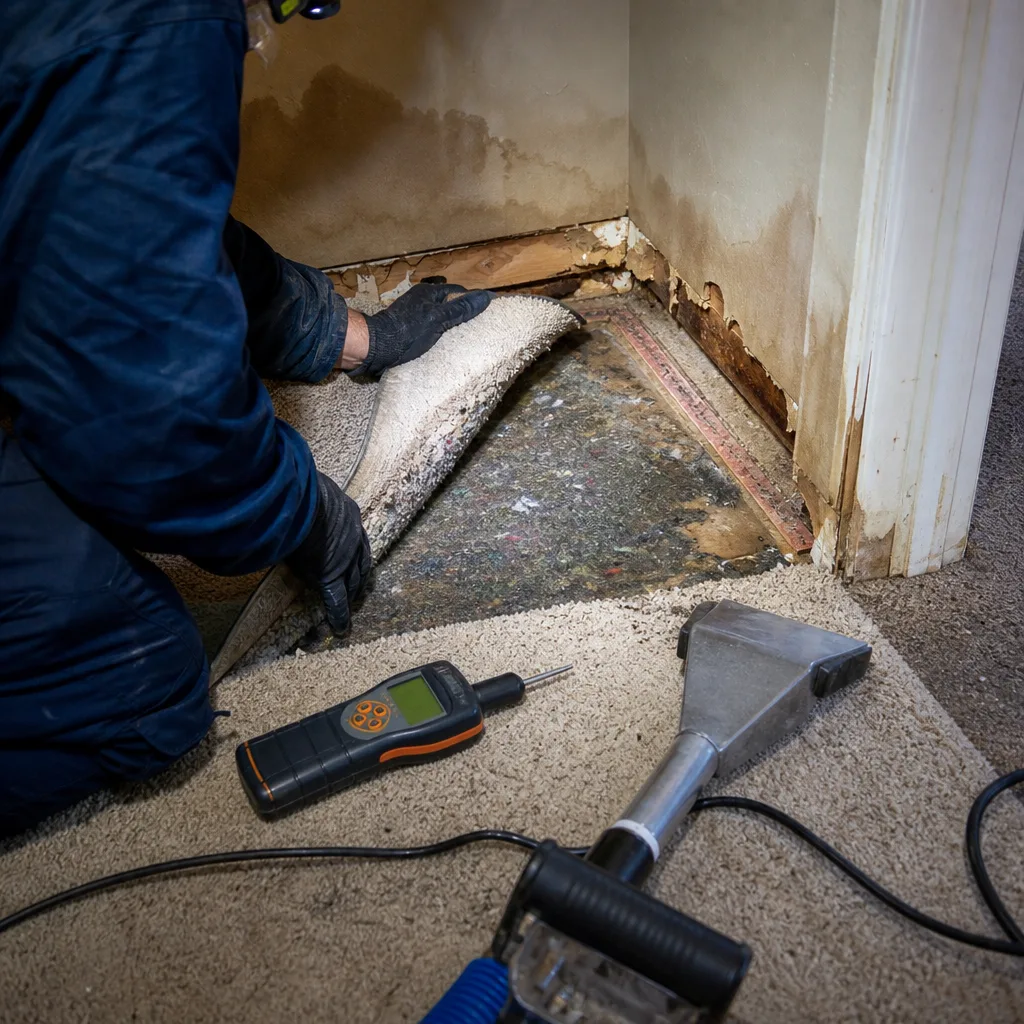
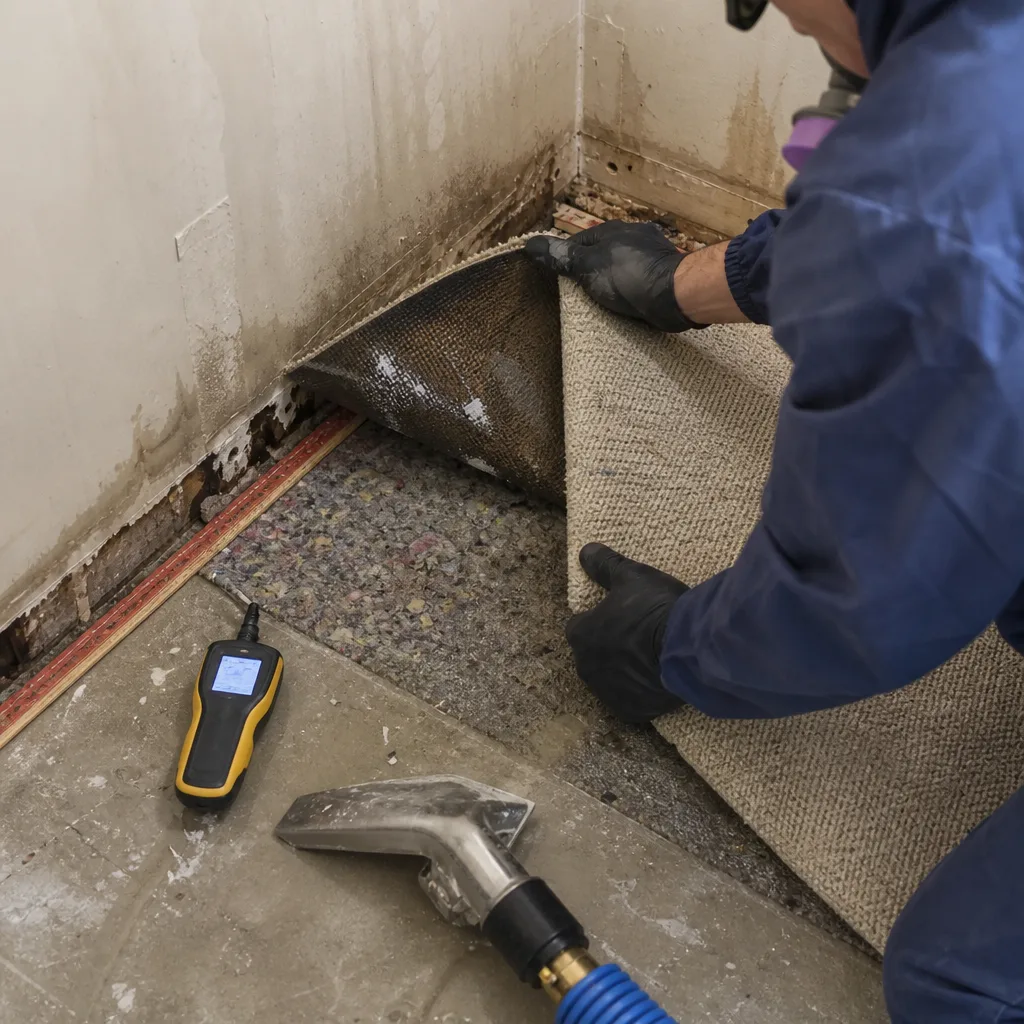
Documentation determines whether your claim gets paid without dispute. We begin photographing from our first arrival, before any disturbance. Every room gets dated images, moisture readings get logged with meter model and calibration date, and each day’s drying progress gets recorded in a format that matches Xactimate or Symbility standards. For Sumner properties carrying NFIP policies rather than standard homeowner flood coverage, we write scopes to the adjuster’s format from the start - line-item categories, depreciation methods, and proof-of-loss documentation that private-market contractors often mishandle.
Our Fire & Smoke Damage Restoration team speaks directly with your adjuster, provides supplemental documentation when hidden damage emerges, and never begins work beyond the emergency stabilization until you have a written price you have approved. Haven Standard, Clause 1: written price before work begins. Always.
What We Provide Your Insurer
- Thorough documentation of the loss
- Photos of all damage, room by room
- Moisture readings and drying logs
- A detailed, line-item scope of work
- Direct coordination with your carrier
Built for Sumner’s Loss Calendar
Fire losses in Sumner peak in November through March, when heating systems work hardest and residents rely on space heaters, wood stoves, and older furnace equipment. The Puyallup Valley’s rain-on-snow events from the Cascades strain electrical infrastructure, and aging knob-and-tube remnants in downtown’s pre-1940 housing create ignition risks. Kitchen fires spike during holiday cooking. Summer brings dryer conditions but also outdoor grilling and wildfire smoke intrusion from regional fires, which can deposit odor and particulate without thermal damage.
The defining local factor is intersection: a kitchen fire in January gets extinguished with hundreds of gallons of water while the Puyallup River runs high, saturating already-wet soils and extending the restoration timeline. A contractor who estimates drying time based on drier upland experience will pull equipment too early, leaving moisture that activates mold and rekindles smoke odor. We account for this in every Sumner scope.
Fire & Smoke Damage Restoration Across Sumner’s Neighborhoods
We work throughout Sumner with protocols adjusted to each area’s building stock and access constraints.
Downtown Sumner / Main Street Corridor. The historic core from Maple Street to the railroad tracks contains the city’s densest concentration of pre-1920 wood-frame homes, many with original balloon framing and alley-facing entries. Parking is tight, setbacks are minimal, and the nearest hydrant may be across the street. Our crews carry portable equipment for narrow access and coordinate with the city for any right-of-way needs. Smoke in these structures migrates vertically through wall cavities and horizontally into attached commercial spaces.
Riverview / Puyallup River Adjacent. Properties near the river channel sit lowest in elevation and face the dual risk of fire damage plus flood-zone rebuilding requirements. NFIP documentation is standard here, not occasional. We arrive prepared with flood-policy-specific scope formats and understand the substantial improvement rules that trigger elevation requirements.
Traffic Avenue / Hillside Developments. Newer construction on the valley’s eastern edge features platform framing, drywall, and modern HVAC systems. Fires here respond faster to standard protocols, but hillside access can challenge heavy equipment placement. We stage from below and carry when necessary.
Sumner Station / Mixed-Use Areas. The transit-oriented development near the Sounder station combines residential and commercial in tight configurations. Smoke migration between units is common, and multi-party claims require precise documentation of origin versus spread. We map each unit separately.
Our Sumner coverage extends to every address in the 98390 ZIP code and adjacent unincorporated areas.
Specialized Fire & Smoke Damage Restoration Services We Offer in Sumner
Fire Damage Cleanup
Structural cleaning removes charred debris, tests salvageability of framing members, and prepares the building for reconstruction. In Sumner’s historic homes, we evaluate original millwork for restoration versus replacement, documenting each decision for insurance.
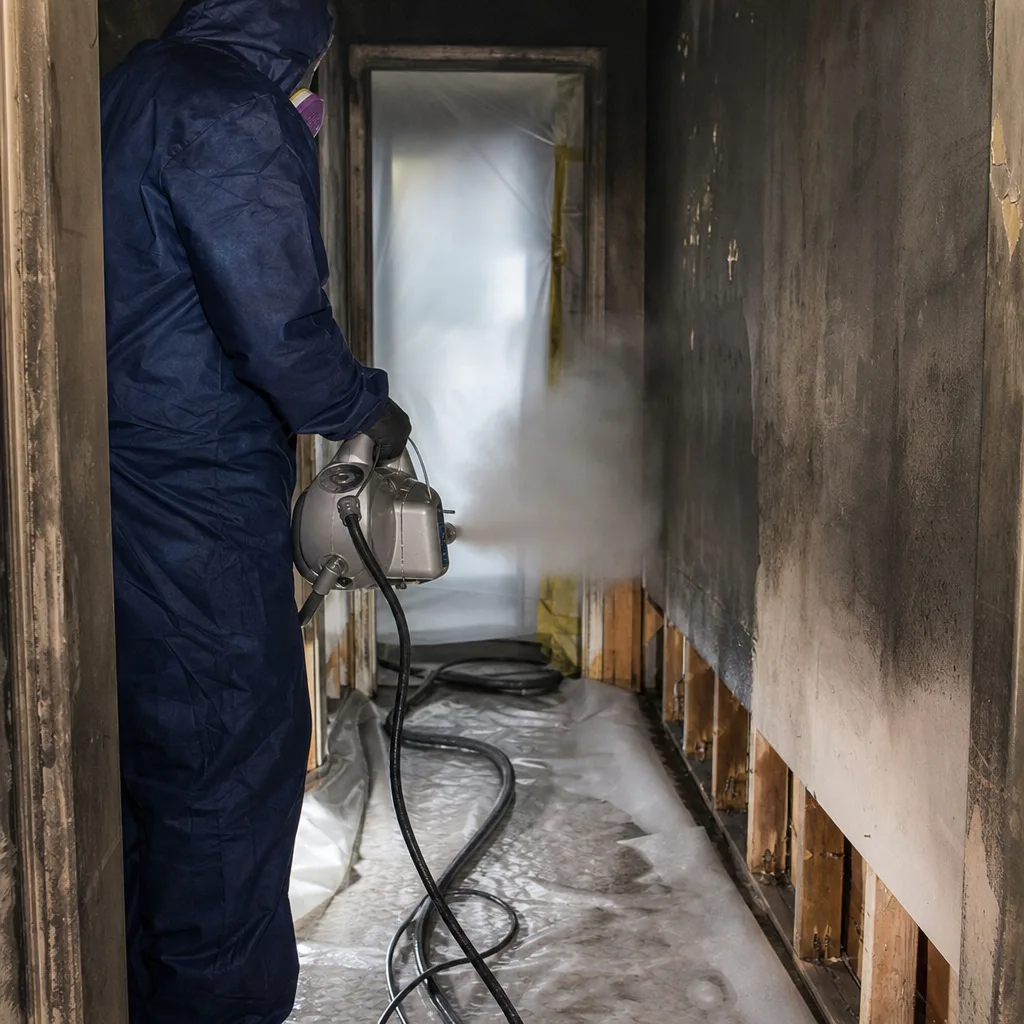
Smoke & Soot Removal
Different soot types demand different chemistry. We test residue on site and select from dry sponging, HEPA vacuuming, solvent cleaning, soda blasting, or ultrasonic immersion for contents. Downtown Sumner’s damp wood framing often requires extended contact time with cleaning agents.
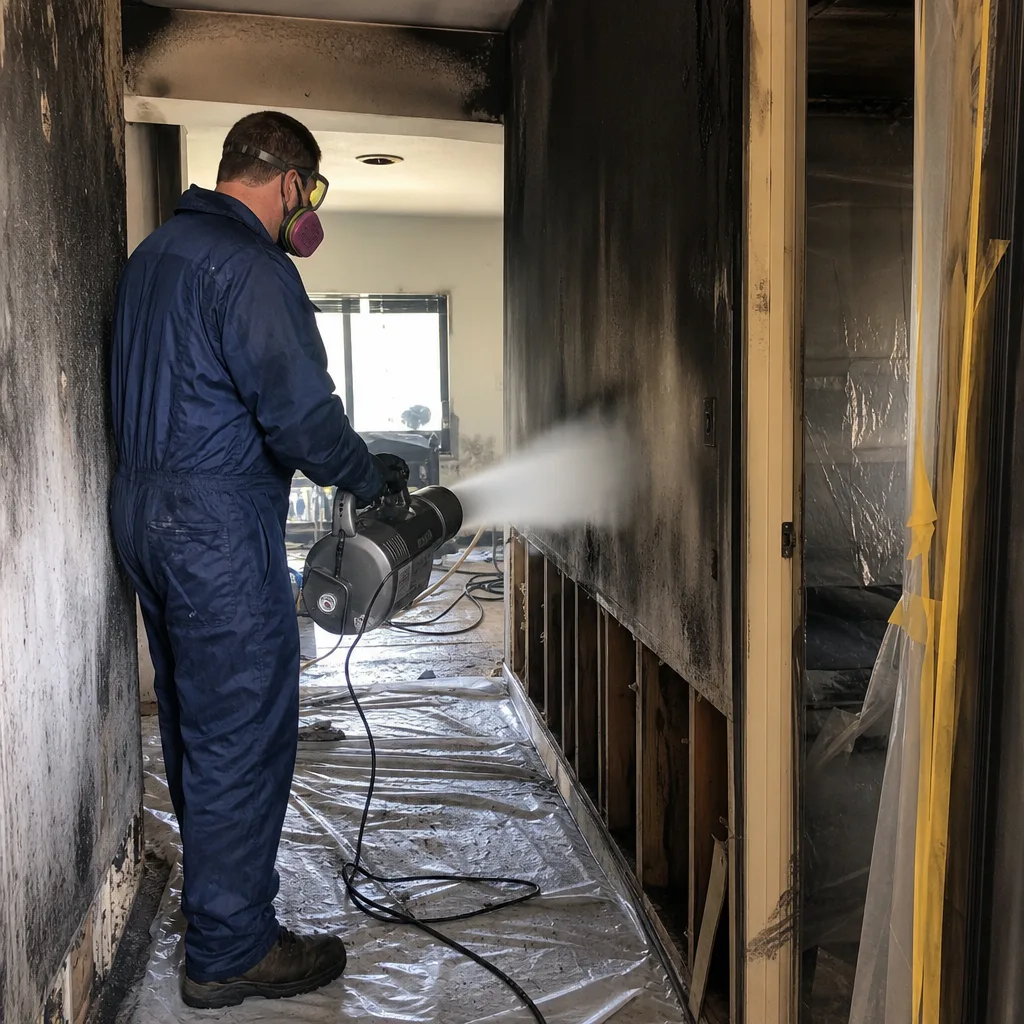
Odor Removal & Deodorization
Masking agents fail; source removal works. We combine thermal fogging, hydroxyl generation, and activated charcoal filtration, extending cycle times for the valley’s humid conditions. Moisture mapping confirms the structure is dry before final odor treatment, because damp wood reactivates odor compounds.
Contents Cleaning & Pack-Out
Salvageable items get inventoried, photographed, packed, and transported to our facility for ultrasonic, ozone, or specialized cleaning. Non-salvageable items get documented for replacement-value claims. For Sumner townhomes with limited staging space, we pack out early to prevent cross-contamination.
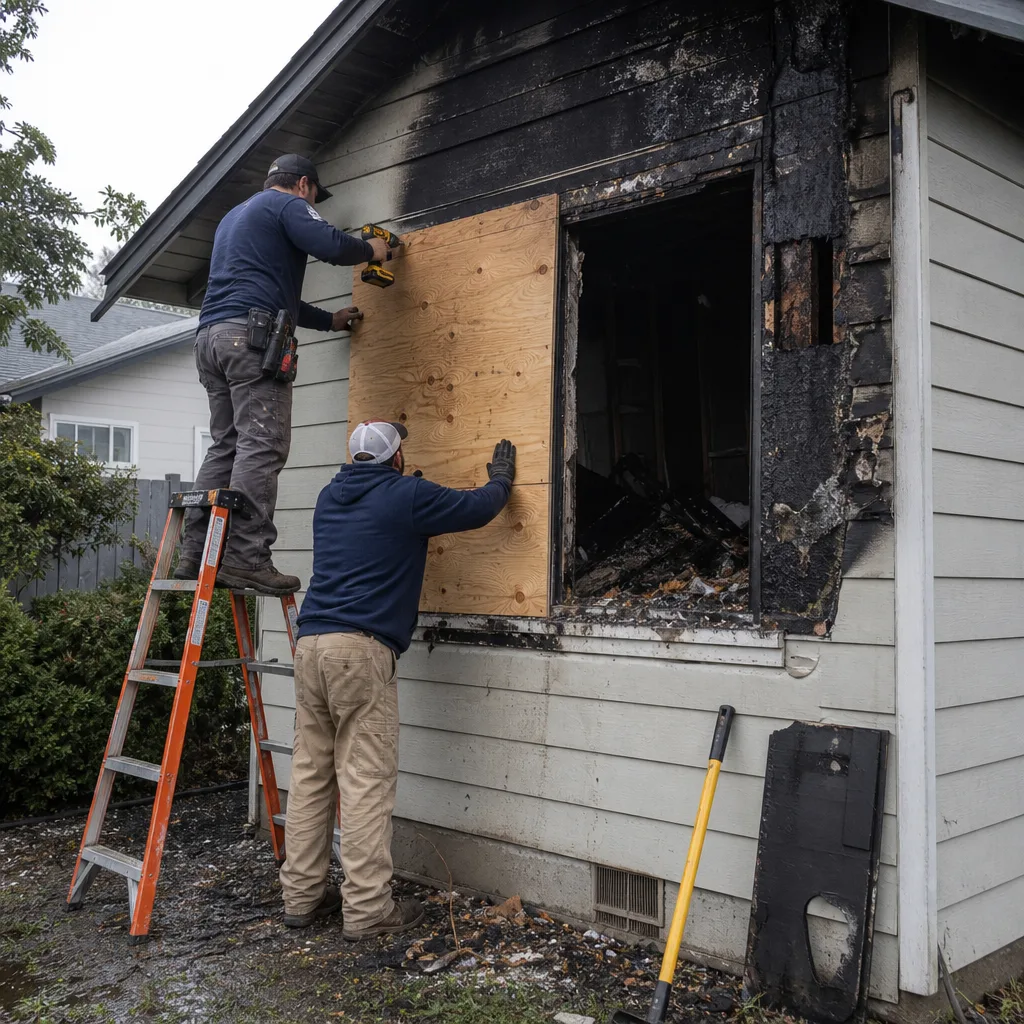
Emergency Board-Up & Tarping
Same-day securing of damaged openings prevents weather intrusion and liability exposure. We maintain materials sized for Sumner’s mix of historic double-hung windows, modern sliders, and commercial storefront systems.
What happens when you call
- 1
A real person answersNo phone trees - you reach a local pro.
- 2
You get an upfront price rangeHonest numbers before anyone is dispatched.
- 3
A background-checked tech heads outLicensed & insured, dispatched right away.
- 4
You approve before work beginsNothing starts until you say go.
Fire & Smoke Damage Restoration Costs in Sumner, WA
These ranges reflect actual Sumner market pricing for 2024-2025, accounting for valley-floor access and moisture conditions:
| Service | Typical Range |
|---|---|
| Emergency board-up and tarping | $350-$1,200 |
| Smoke and soot cleanup, light (single room, dry smoke) | $1,800-$3,500 |
| Smoke and soot cleanup, heavy (multiple rooms, wet smoke) | $4,200-$8,500 |
| Odor removal and deodorization | $900-$2,800 |
| Contents pack-out and cleaning | $1,500-$5,000 |
| Structural drying after firefighting water | $2,500-$6,500 |
| Full reconstruction (fire + water damage) | $12,000-$45,000+ |
What moves the price: square footage affected, soot type (wet smoke requires more labor), whether firefighting water requires structural drying, accessibility for equipment, and whether NFIP documentation requirements add scope complexity. Most homeowner policies cover sudden and accidental fire damage, including smoke and water from suppression; NFIP policies cover only direct flood loss, so fire claims on flood-zone properties typically run through standard homeowners coverage with our documentation supporting both carriers when needed. We deliver a written price before any work begins, with no additions once the crew is inside. Call (360) 997-2427 for your free inspection and exact scope.
We Also Serve Cities Near Sumner
Our crews respond throughout the Puyallup Valley and surrounding communities, including Puyallup to the south, Milton to the northwest, Auburn to the north, and Lakewood to the southwest. Each city gets the same documentation-first protocol, adjusted for local conditions.
Serving Sumner, WA - Our Local Coverage Area
We’re based in the Sumner area and know this community well. Use the map below to see our service coverage - if you’re nearby, we can almost certainly help.
Sumner Fire & Smoke Damage Restoration Questions, Answered
How does Sumner’s flood-plain location affect a fire damage claim?
Properties in FEMA Special Flood Hazard Zones often carry NFIP policies with documentation requirements that differ from standard homeowner claims. We write scopes to NFIP adjuster formats from the start, photograph pre-loss condition, and coordinate with adjusters who understand the intersection of fire damage and flood-zone rebuilding rules. This prevents the re-inspection delays that trip up contractors who work primarily in drier upland markets. Call (360) 997-2427 for a free inspection.
Why does smoke odor linger longer in Sumner’s older downtown homes?
The Puyallup Valley’s high water table keeps crawl spaces and basements chronically damp, and damp wood absorbs and re-releases odor compounds. Balloon framing in pre-1920 homes provides continuous vertical channels for smoke migration. We extend deodorization cycles, confirm structural dryness with moisture meters before final treatment, and use vapor pressure differential management to pull moisture from deep framing. Call (360) 997-2427 for a free inspection.
Can you board up and tarp a fire-damaged alley-entry home in Sumner the same day?
Yes. We carry portable boarding materials for narrow access and coordinate with the City of Sumner when right-of-way staging is required. Same-day board-up is standard on every emergency call. Call (360) 997-2427 for immediate response.
What do you do with smoke-damaged contents in a Sumner townhome?
We inventory, photograph, and pack out salvageable items to our facility for specialized cleaning - ultrasonic for hard goods, ozone for porous materials, dry cleaning for textiles. Non-salvageable items get documented for replacement-value claims. Limited staging space in townhomes makes early pack-out critical to prevent cross-contamination. Call (360) 997-2427 for a free inspection.
How do you know when a fire-damaged Sumner home is actually dry?
We measure, not guess. Daily moisture readings with calibrated penetrating and non-penetrating meters, plotted against psychrometric data from Dri-Eaz and Phoenix dehumidifiers, confirm when structural materials reach equilibrium moisture content. In Sumner’s saturated soils, this typically takes thirty to fifty percent longer than drier upland areas. We do not remove equipment until readings confirm drying goals. Call (360) 997-2427 for a free inspection.
Will my insurance cover fire and smoke damage restoration?
Standard homeowner policies cover sudden and accidental fire damage, including smoke and water from firefighting. NFIP policies cover direct flood loss only. We document to both standards, coordinate directly with your adjuster, and provide the line-item scope that carriers require. Haven Standard, Clause 1: you get a written price before work begins. Call (360) 997-2427 for a free inspection.
How fast can your crew actually get to my Sumner property?
We commit to forty-five minutes from call to on-site anywhere in Sumner, twenty-four hours a day, seven days a week. Dispatch is coordinated from our Seattle office; crews serve Sumner locally. Live answer, no voicemail. Call (360) 997-2427.
Do I need full remediation or just cleaning after a small kitchen fire?
It depends on soot type, smoke migration, and whether firefighting water affected structural materials. Protein residue from kitchen fires is nearly invisible but extremely odorous, and it requires enzyme treatment plus often thermal fogging. We assess with moisture meters and combustion residue testing, then recommend only what the structure actually needs. Call (360) 997-2427 for a free inspection and written scope.
Fire damage in Sumner demands more than standard fire restoration. The valley’s high water table, historic housing stock, and unique flood-zone documentation requirements mean a generic approach costs time and money. We document everything, price in writing before work starts, and stand behind the result with a 365-Day Done Right Promise under The Haven Standard.
Call (360) 997-2427 now for emergency response or to schedule your free inspection. A live person answers twenty-four hours a day.
Written by Alicia Brennan, Owner at Back to Dry Restoration, serving Sumner since 2011.
Fire & Smoke Damage Restoration in Nearby Areas