
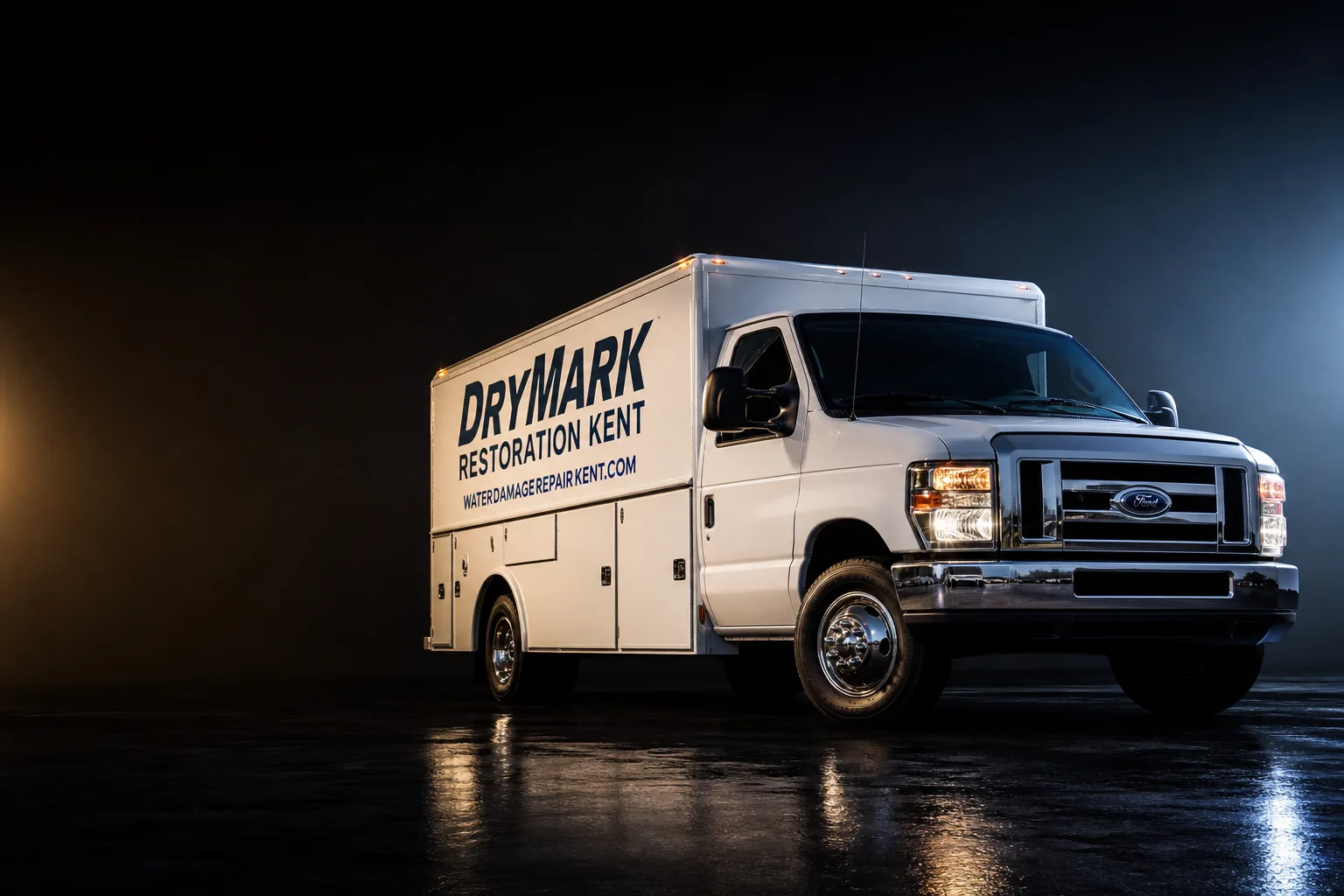
Free visual inspection and a written scope of work before any mitigation begins - photos, moisture readings, and drying logs go in your claim file
The scope we write is the scope we bill. Anything new gets shown to you, in writing, before we touch it.
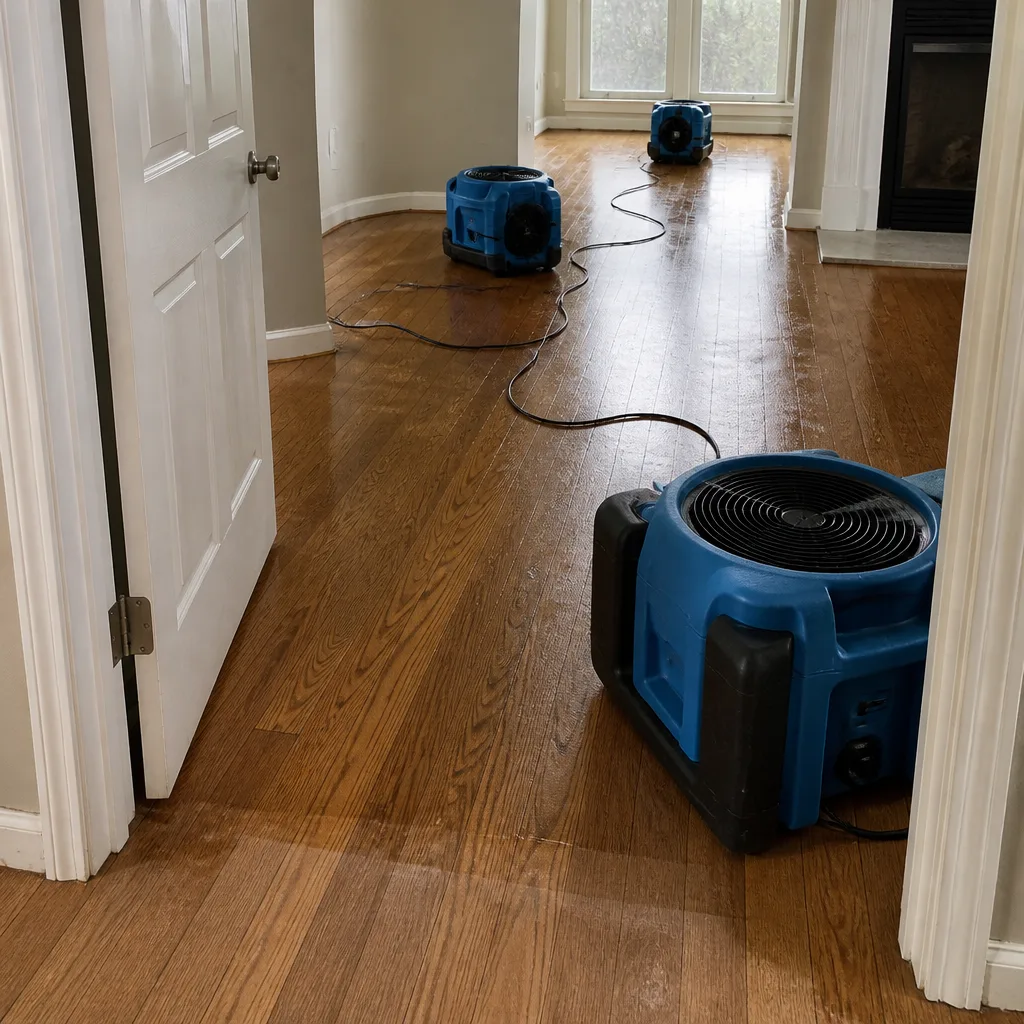
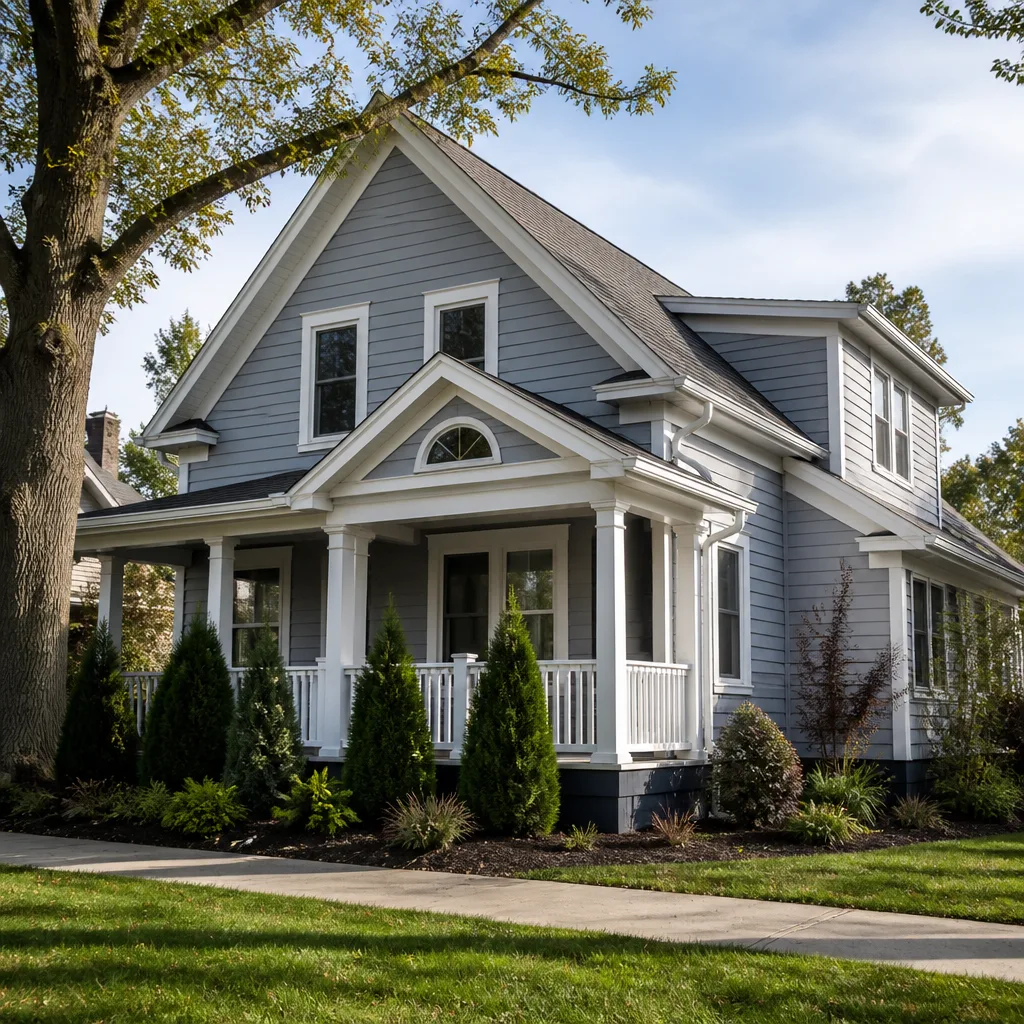
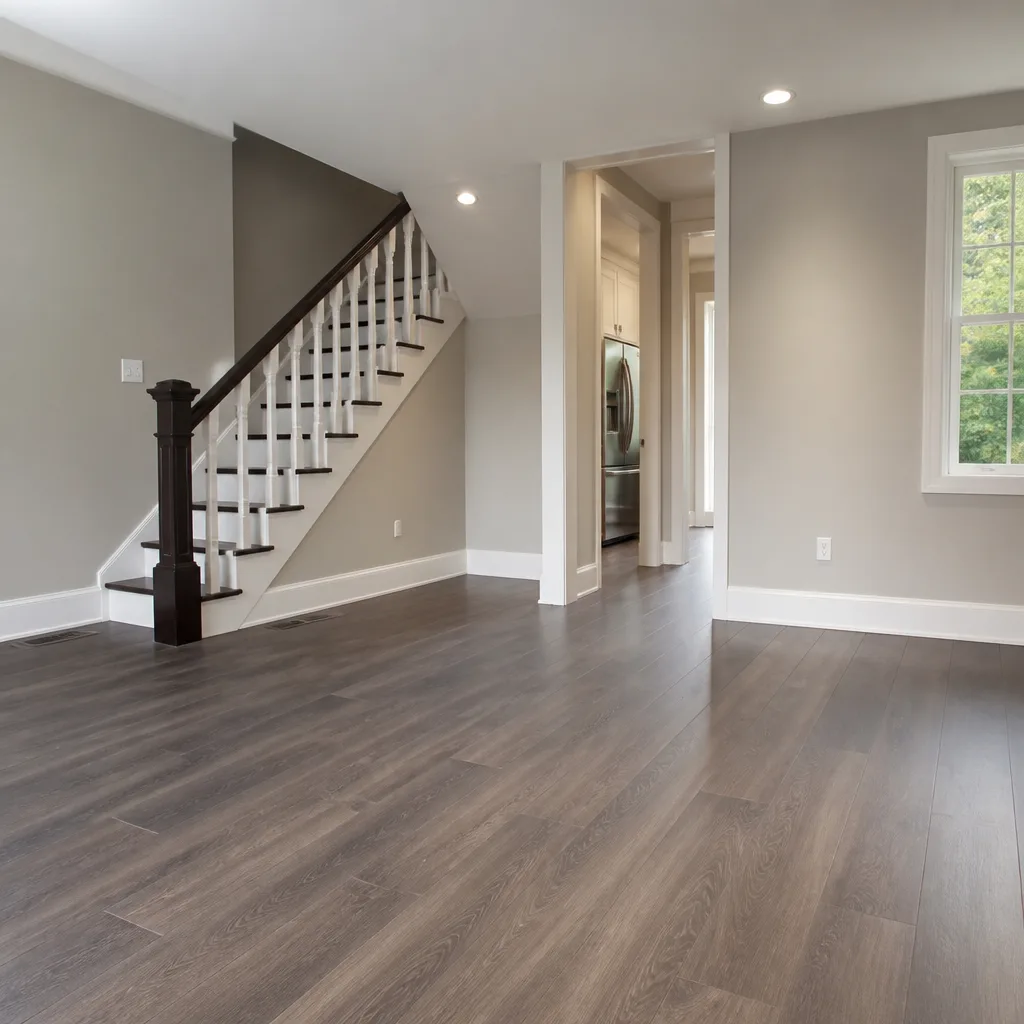
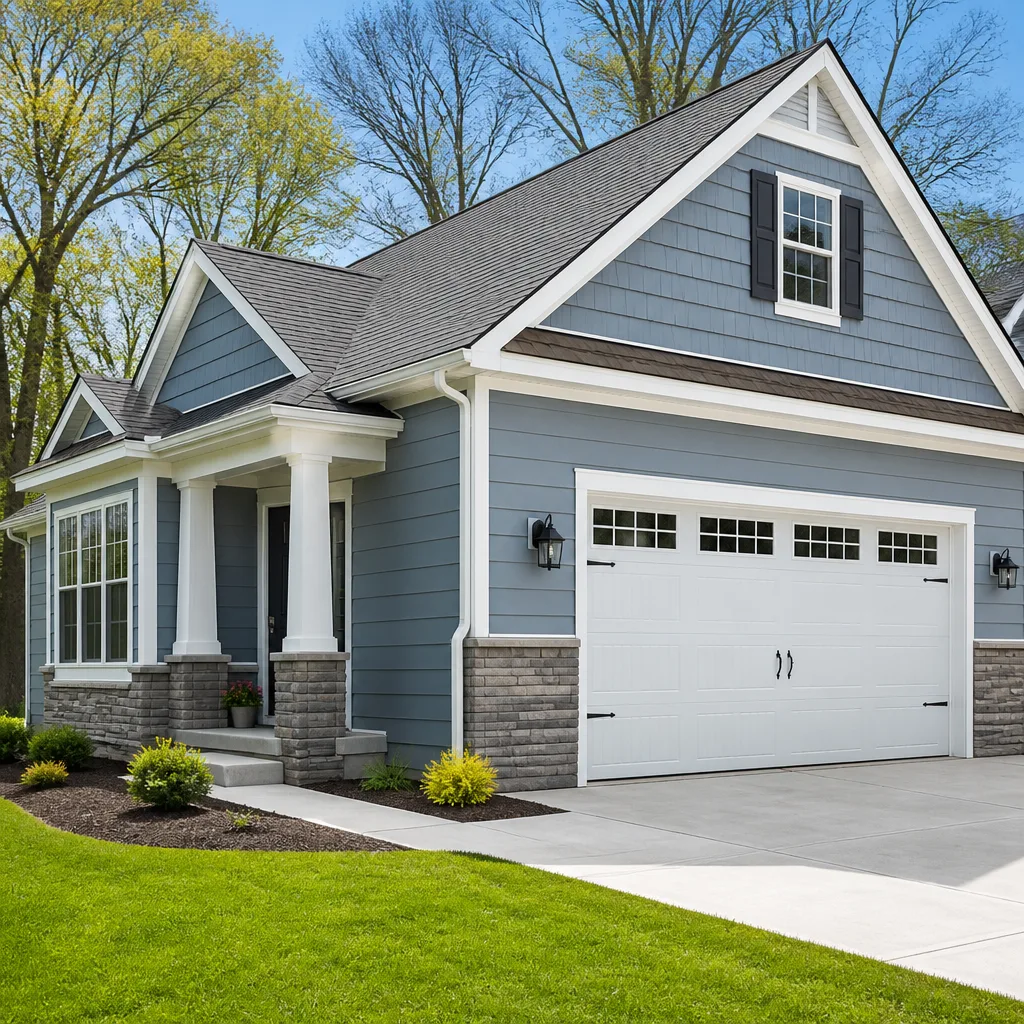
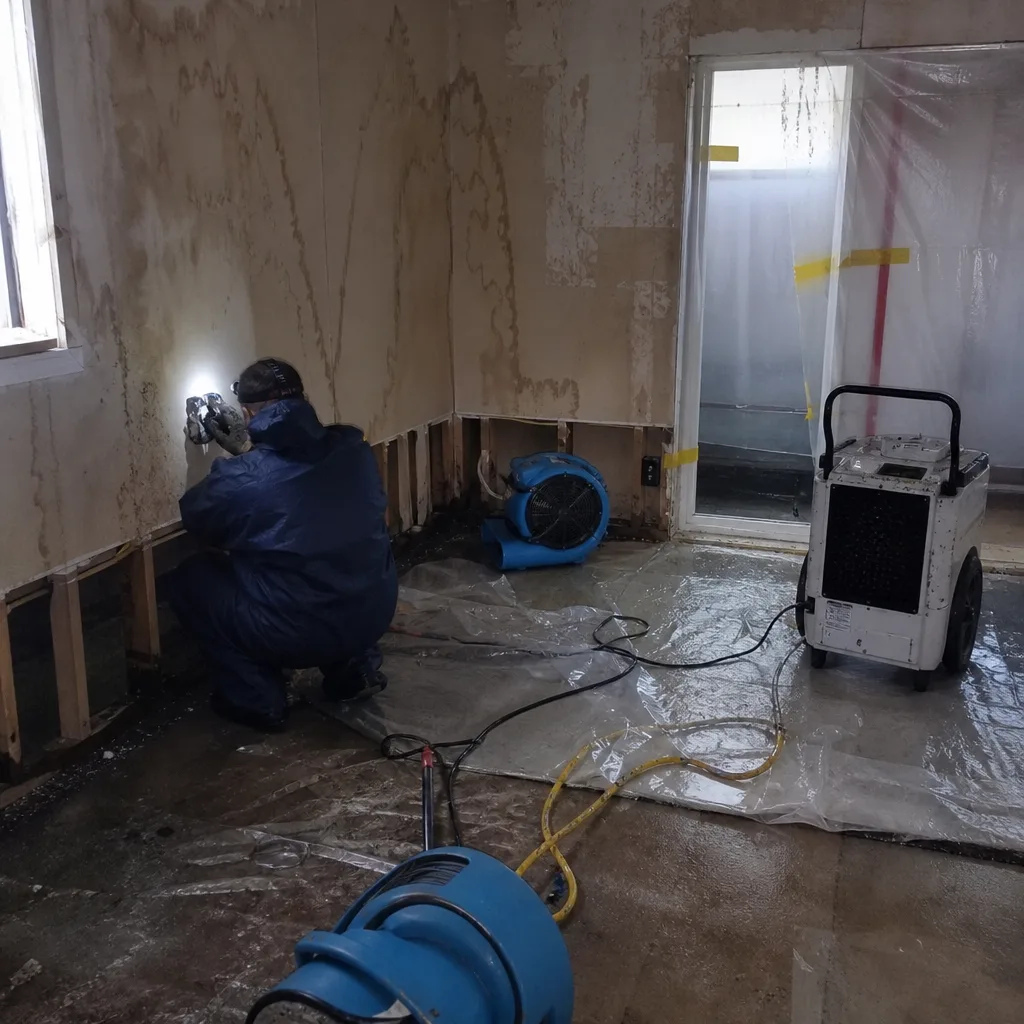 Before
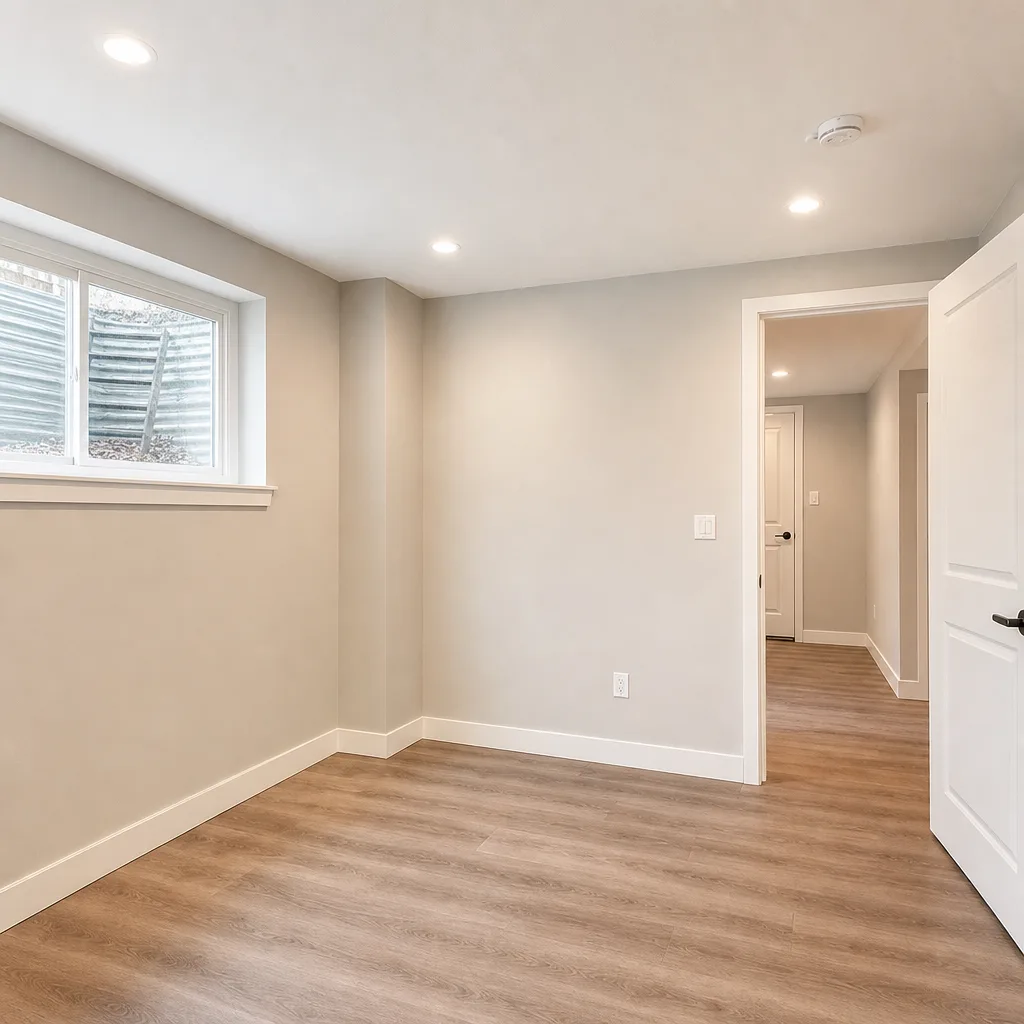 After
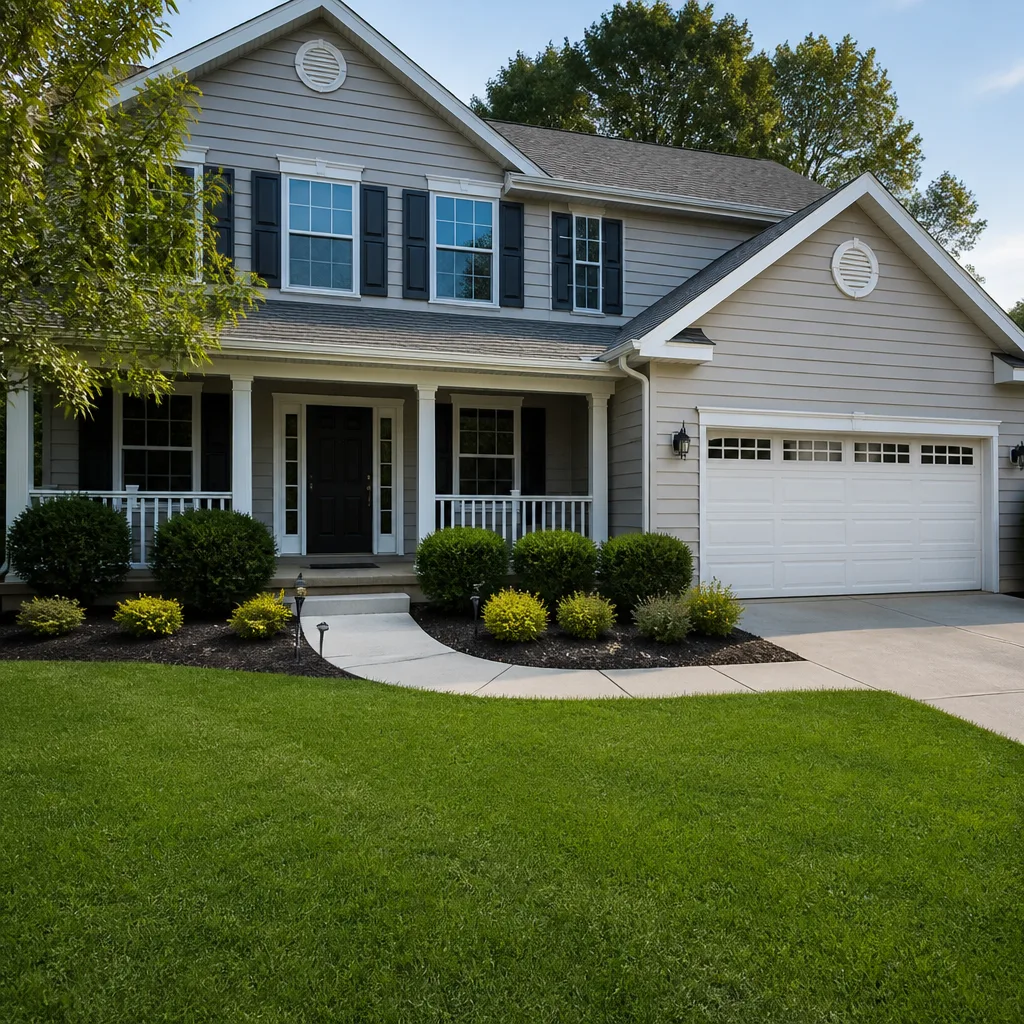
After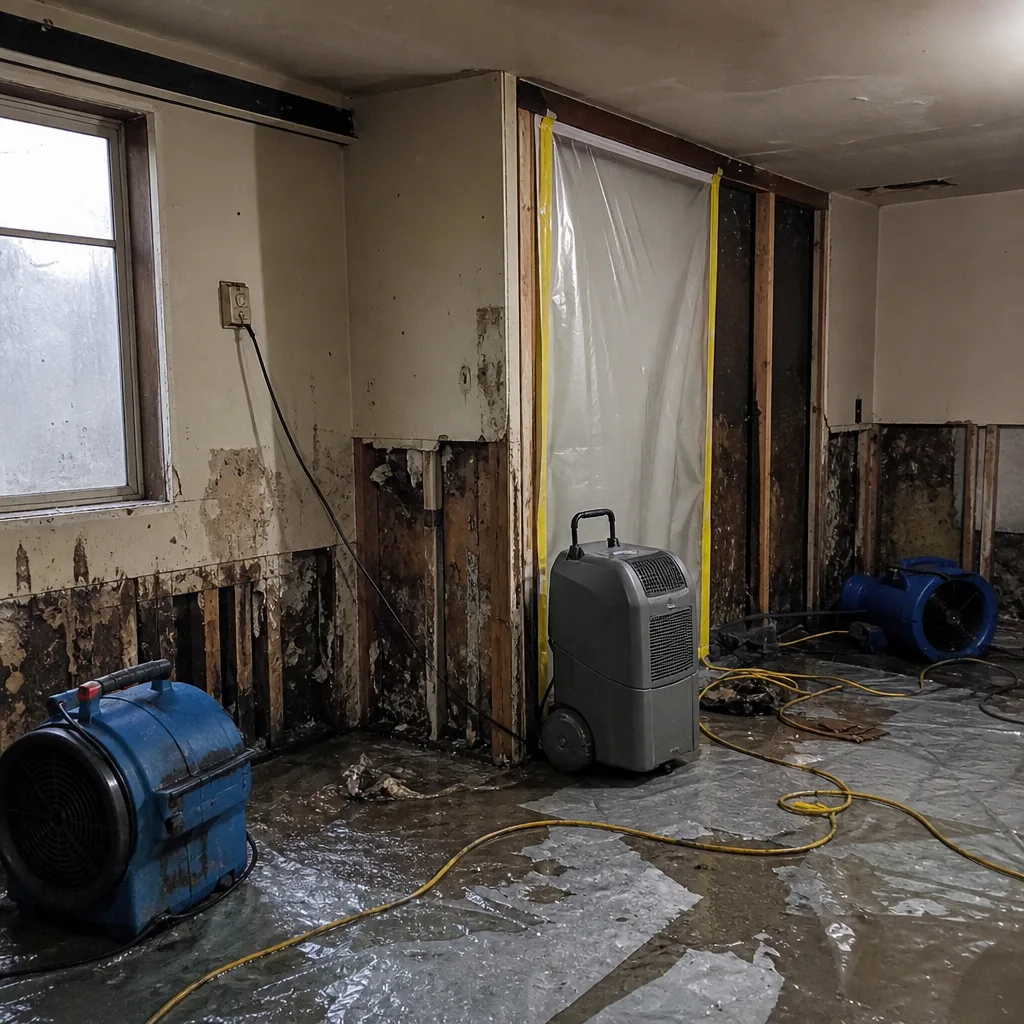 Before
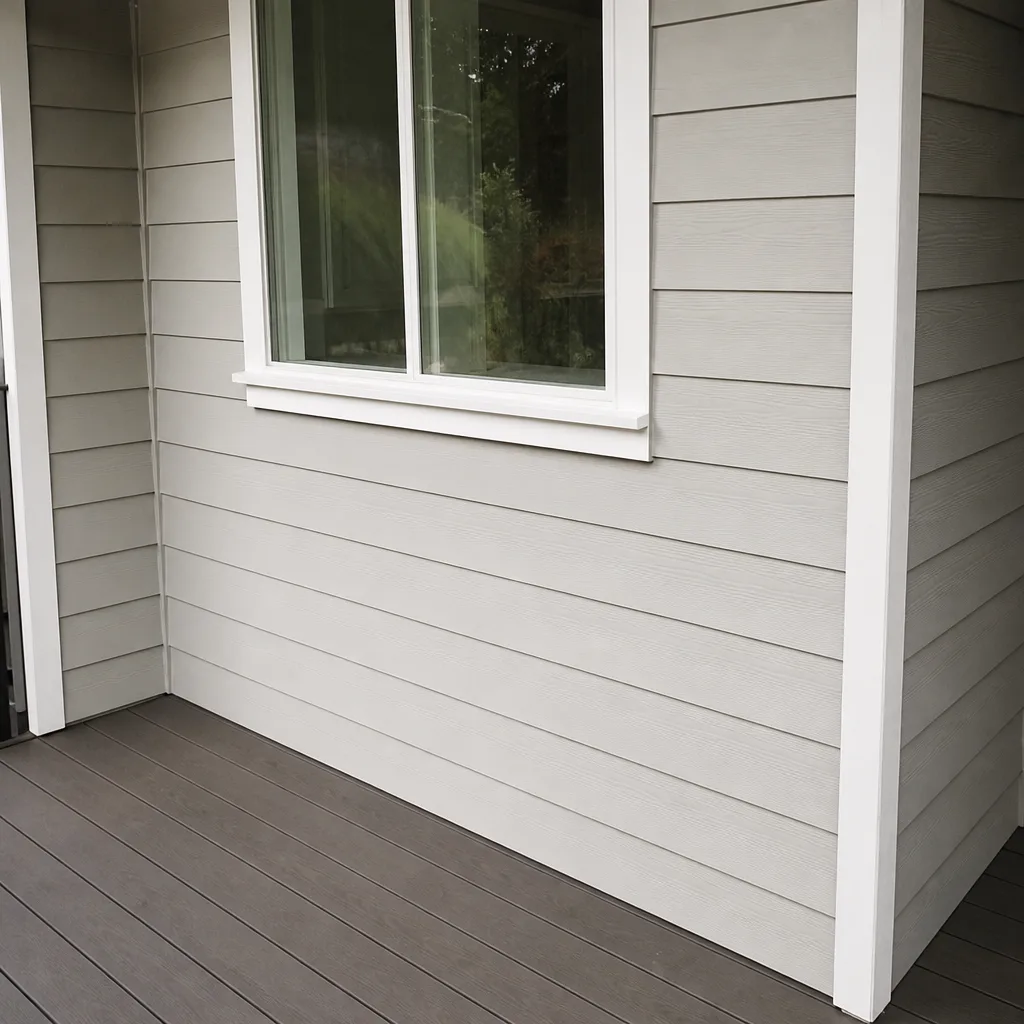 After
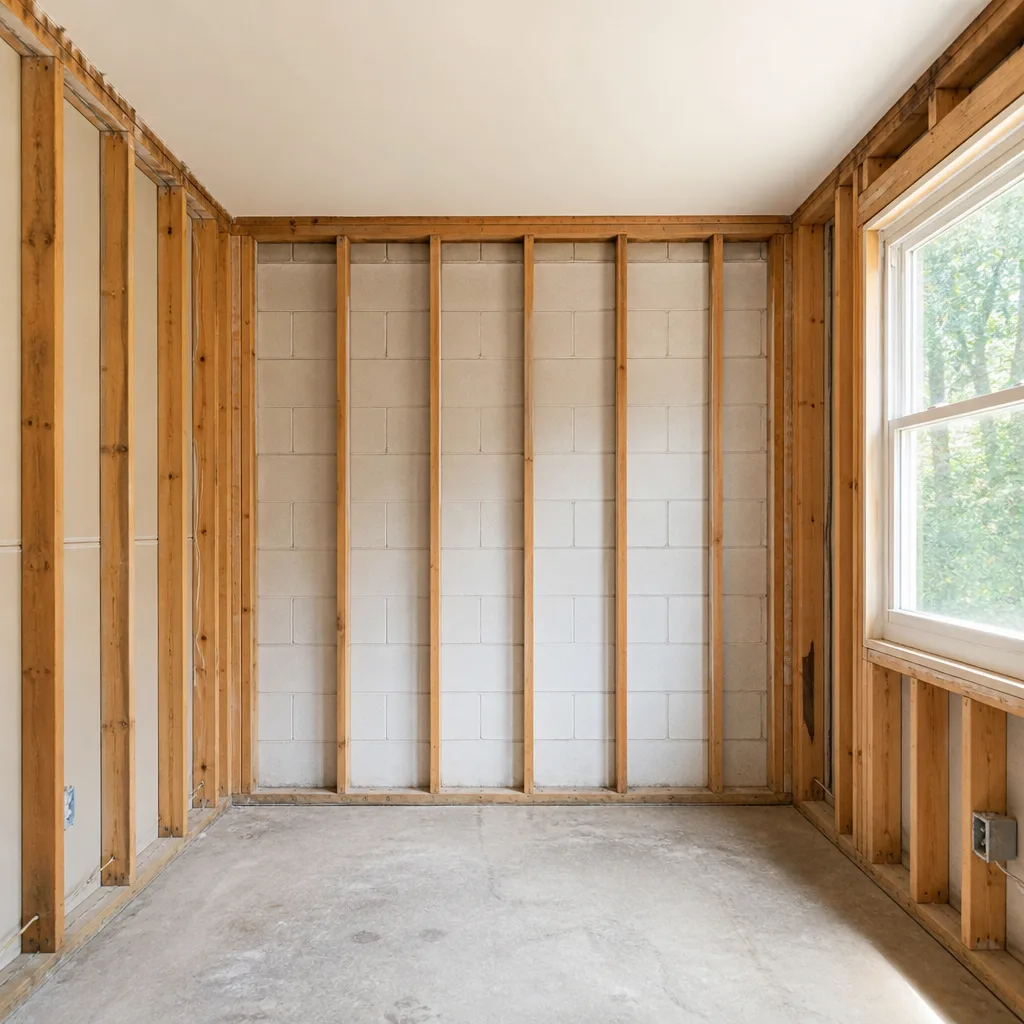
After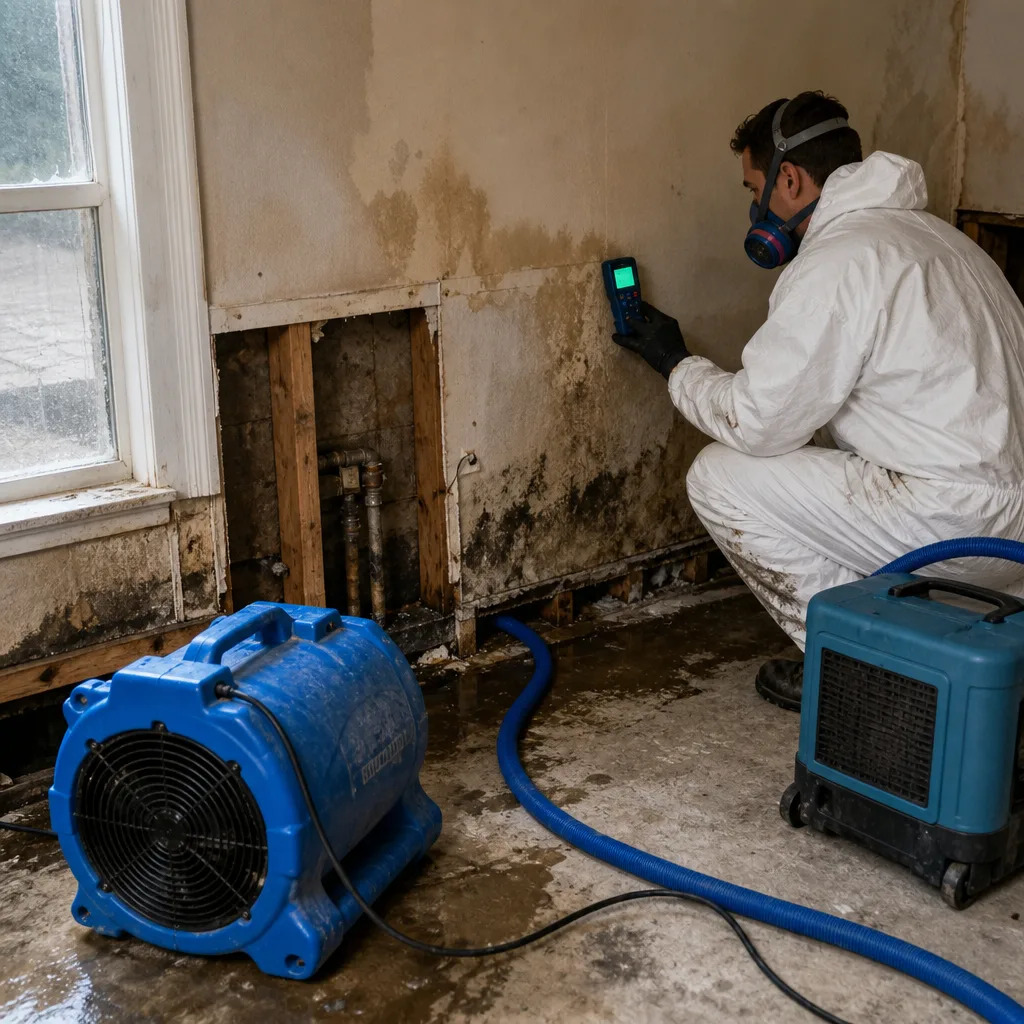 Before
 After
After24/7 Emergency Mold Remediation in Sumner
Mold remediation in Sumner typically runs $1,200-$4,500 for contained crawl-space jobs and $3,500-$8,000+ for whole-home air-quality restoration, with most inspections completed same-day. Call (360) 997-2427 and a live person will answer, 24 hours a day, no voicemail trees. Crews dispatch from our Seattle office and reach Sumner properties within 45 minutes during daylight hours for Sumner Water Damage Restoration. The first hour matters because mold colonizes drywall and wood framing within 24-48 hours of moisture contact; every hour of delay expands the containment perimeter and the final scope.
We start every Sumner mold call with a free visual inspection and moisture mapping. You’ll get a written price before any work begins, Haven Standard, Clause 1. No exceptions.
Understanding Mold Remediation Severity in Sumner Properties
Mold severity in Sumner falls into three practical categories. Limited growth covers under 10 square feet, typically isolated to a single damp corner or bathroom exhaust leak. Moderate growth spans 10-100 square feet, often involving multiple rooms, HVAC cross-contamination, or crawl-space joist colonization. Extensive growth exceeds 100 square feet, requires full containment with negative air pressure, and usually follows flood events or long-undetected plumbing failures in the valley’s older housing stock.
Sumner’s building age drives our assessment approach. The downtown core’s late-1800s wood-frame homes have balloon framing that lets mold travel wall cavities vertically; shallow crawl spaces with dirt floors and minimal vapor barriers trap ground moisture year-round. Newer hillside construction above the flood plain uses platform framing and conditioned crawl spaces, but even these fail when grading channels surface water toward foundation walls. We classify every surface by material permeability: non-porous (tile, metal), semi-porous (wood, concrete), and porous (drywall, insulation, carpet). Porous materials in Category 2 or 3 moisture conditions get removed, not cleaned. Our Mold Remediation crews document each classification with photos and moisture-content percentages measured with pin-type meters.
Why Sumner Property Owners Choose DryMark Restoration Kent
- 45-minute response commitment to Sumner properties during all daylight hours, with crews staged from our Seattle office.
- 24/7 live answer by a real person, never an automated system or next-business-day callback queue.
- IICRC-certified crews holding AMRT (Applied Microbial Remediation Technician) and WRT (Water Damage Restoration Technician) certifications.
- Free visual inspection with moisture mapping before any commitment or charge.
- Direct insurance billing and adjuster coordination, including NFIP-standard documentation for flood-plain properties.
- One team from mold containment through reconstruction, no handoffs between subcontractors.
BeforeAfterOur Mold Remediation Process
1. Inspection & Assessment
We arrive with thermal imaging cameras, pin and non-invasive moisture meters, and hygrometers to map the full moisture perimeter. In Sumner’s older downtown homes, we pay special attention to balloon-framed wall cavities and shallow crawl spaces where the valley’s high water table keeps relative humidity elevated year-round. Every reading gets logged with a timestamp and photo.
2. Containment & Air Quality Control
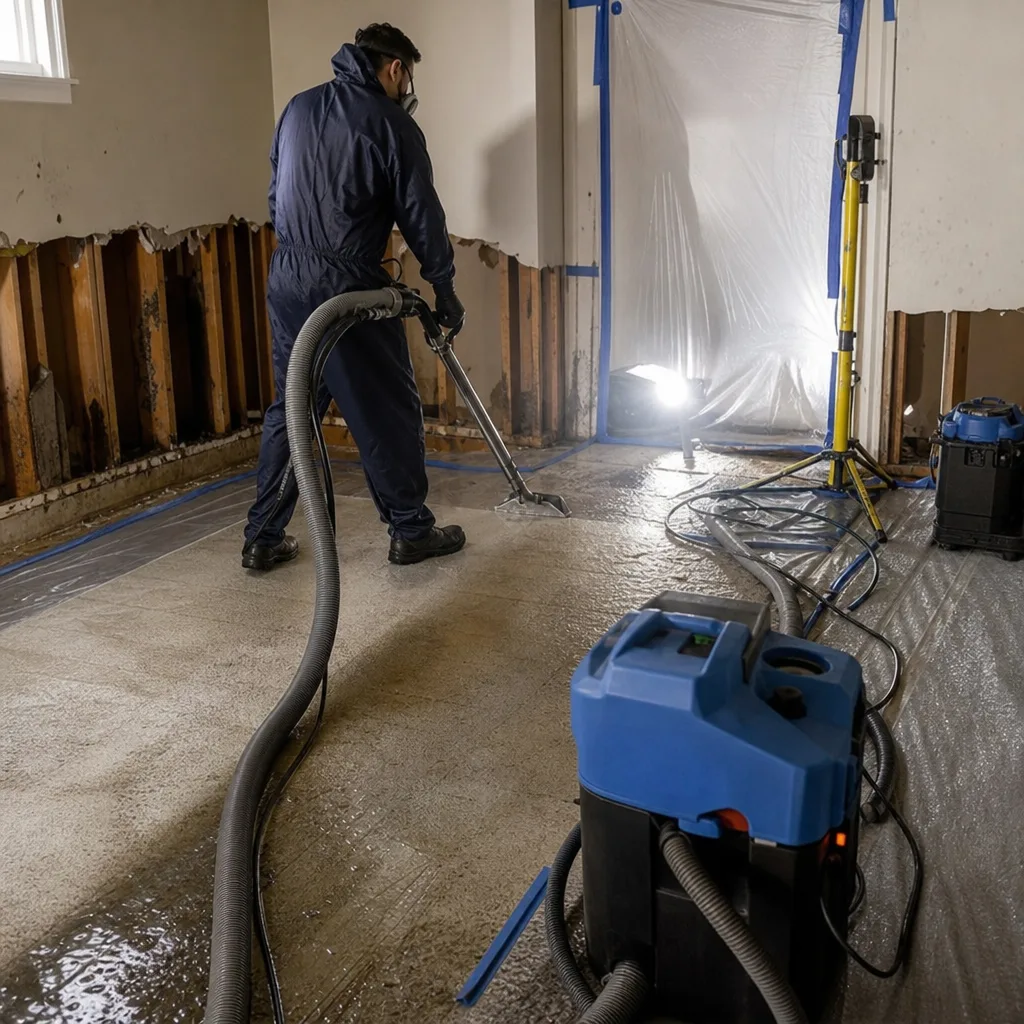
We establish polyethylene containment barriers and negative air pressure using HEPA-filtered air scrubbers. This prevents cross-contamination to unaffected areas during removal. For whole-home jobs, we calculate required air changes per hour based on cubic footage and deploy multiple Phoenix and Dri-Eaz HEPA units.
3. Structural Drying & Dehumidification
We deploy Dri-Eaz and Phoenix LGR dehumidifiers alongside XPOWER and B-Air air movers to establish vapor pressure differential, the measurable force that pulls moisture from materials into the air where dehumidifiers capture it. On Sumner’s valley floor, saturated soils slow drainage and extend drying times 20-40% compared to hillside-edge properties; our psychrometric data accounts for this.
4. Cleaning & Sanitization
HEPA vacuuming removes spore loads from surfaces, followed by antimicrobial application to semi-porous materials that test below replacement thresholds. We document product application by trade name, concentration, and dwell time for your adjuster’s file.
5. Crawl Space Treatment & Moisture Control
Sumner’s endemic crawl-space mold gets addressed at the source: vapor barrier installation, foundation vent management, and in persistent cases, sealed crawl-space conversion with conditioned air supply. We treat the joists, seal the ground, and install permanent humidity monitoring.
6. Clearance Testing & Documentation
Third-party or in-house air and surface sampling confirms spore counts at or below outdoor baseline levels. We deliver your complete photo record, drying logs, moisture readings, and written scope for insurance submission. Haven Standard, Clause 1: the price you agreed to is the price you pay.
Need Emergency Mold Remediation in Sumner Now?
Crews minutes away, answering live 24 hours a day. The sooner we start, the less it costs.
Working With Your Insurance Company
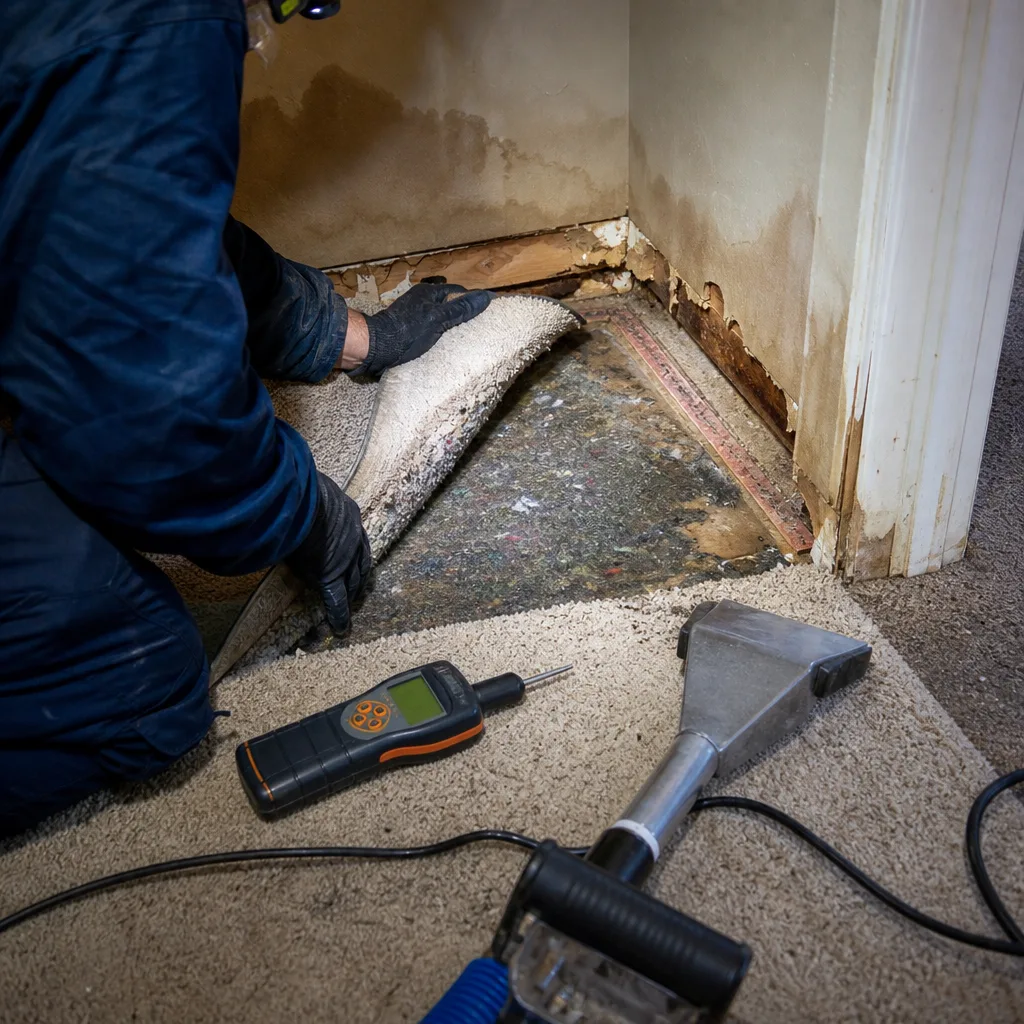
Documentation starts at arrival, not after the work is done. We photograph every affected surface before touching anything, record moisture-content percentages with calibrated meters, and build a line-item scope that matches your carrier’s estimate format. For Sumner properties in FEMA Special Flood Hazard Zones, we document specifically to NFIP adjuster standards, a claims-process nuance that stalls payments when contractors from drier upland markets handle the file.
We speak directly with your adjuster, provide supplemental documentation on request, and never ask you to float costs while waiting for carrier approval. Haven Standard, Clause 1 applies even to insurance jobs: you see your written price before any equipment runs.
What We Provide Your Insurer
- Thorough documentation of the loss
- Photos of all damage, room by room
- Moisture readings and drying logs
- A detailed, line-item scope of work
- Direct coordination with your carrier
Built for Sumner’s Loss Calendar
January through March brings rain-on-snow events from the Cascades, surging the Puyallup River and backing water into low-elevation crawl spaces and basements near the river channel. April to June, snowmelt keeps the water table high; mold calls peak in May as homeowners discover winter’s accumulated moisture has colonized joists and subflooring. July and August see occasional thunderstorm downbursts, but the bigger driver is failed vapor barriers in crawl spaces that cooked all summer and now release trapped humidity into the structure. September through November, the fall rain return hits warm, moist crawl spaces and triggers the year’s heaviest mold-remediation volume. December’s freeze-thaw cycles burst outdoor hose bibs and irrigation lines, sending water into foundation perimeters.
Unlike upland Pierce County towns where mold work is storm-driven and seasonal, Sumner‘s valley-floor geography makes crawl-space mold a year-round constant. The river doesn’t need to flood for the water table to keep joist bays damp.
Mold Remediation Across Sumner’s Neighborhoods
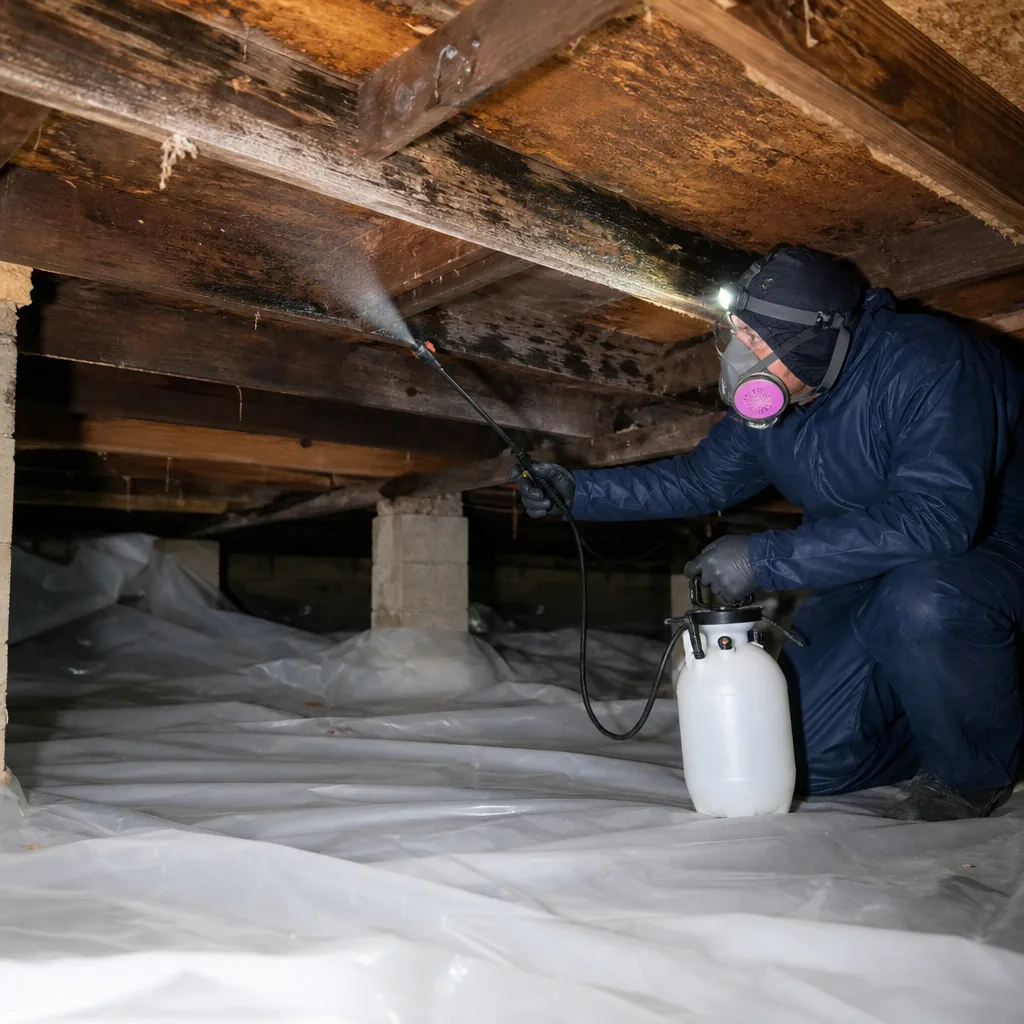
Downtown Sumner, roughly between Main Street and the river channel, contains the city’s highest concentration of pre-1940 wood-frame homes with shallow, unsealed crawl spaces. Our crews know these properties by their dirt-floor crawl spaces, minimal foundation vents, and chronic moisture readings even in August. The field vignette that defines our work here: a downtown homeowner near the river called after noticing musty odor and dark staining along baseboards in a late-1800s house. Moisture mapping flagged elevated content throughout the joist bays. We set containment with Dri-Eaz and Phoenix dehumidifiers plus XPOWER air movers, applied antimicrobial treatment to affected joists, and documented to NFIP adjuster standards since the property carried an NFIP policy. The crawl space was treated and sealed; our drying logs gave the adjuster a clean scope.
West Valley Highway corridor properties, mostly commercial and light industrial, face different mold drivers: roof leaks on flat-built-up roofing, HVAC condensate drain failures, and slab-on-grade moisture wicking. We deploy large-capacity Phoenix dehumidifiers and coordinate with property managers for after-hours access.
Hillside Edge and Bonney Lake-adjacent developments above the flood plain have newer construction but suffer from grading failures that channel surface water toward foundations. Mold here is often newer, less extensive, and tied to specific construction defects rather than chronic groundwater.
Traffic Avenue and the SR-410 corridor mix retail, restaurant, and residential uses. Grease-laden exhaust systems and ice machine drain lines create localized humidity pockets; we inspect above-ceiling plenums with borescope cameras where mold hides from casual observation.
Specialized Mold Remediation Services We Offer in Sumner
Mold Inspection & Testing
We don’t guess. Every Sumner inspection includes thermal imaging, moisture-content mapping with calibrated pin meters, and air sampling where visual evidence is ambiguous. In the river valley’s older homes, we inspect balloon-framed wall cavities with borescope cameras because surface mold often understates cavity colonization by 300% or more. You’ll get a written report with photos, readings, and a clear scope before any remediation work is proposed.
Mold Removal
Removal follows IICRC S520 standards: containment, negative air pressure, HEPA-controlled demolition, and sealed disposal. In Sumner’s flood-plain properties, we distinguish between mold from recent water intrusion (typically insurance-covered) and long-term maintenance-related growth (typically not). Our documentation supports whichever category applies.
Black Mold Remediation
Stachybotrys chartarum and other toxigenic species require enhanced containment with full-face respirator protocols and double-bag disposal. We don’t use scare tactics; we use spore-trap lab identification to confirm species before escalating protocols. Sumner’s chronic crawl-space moisture creates conditions where black mold colonizes paper-faced drywall and wooden joists; we address the moisture source simultaneously or the colony returns.
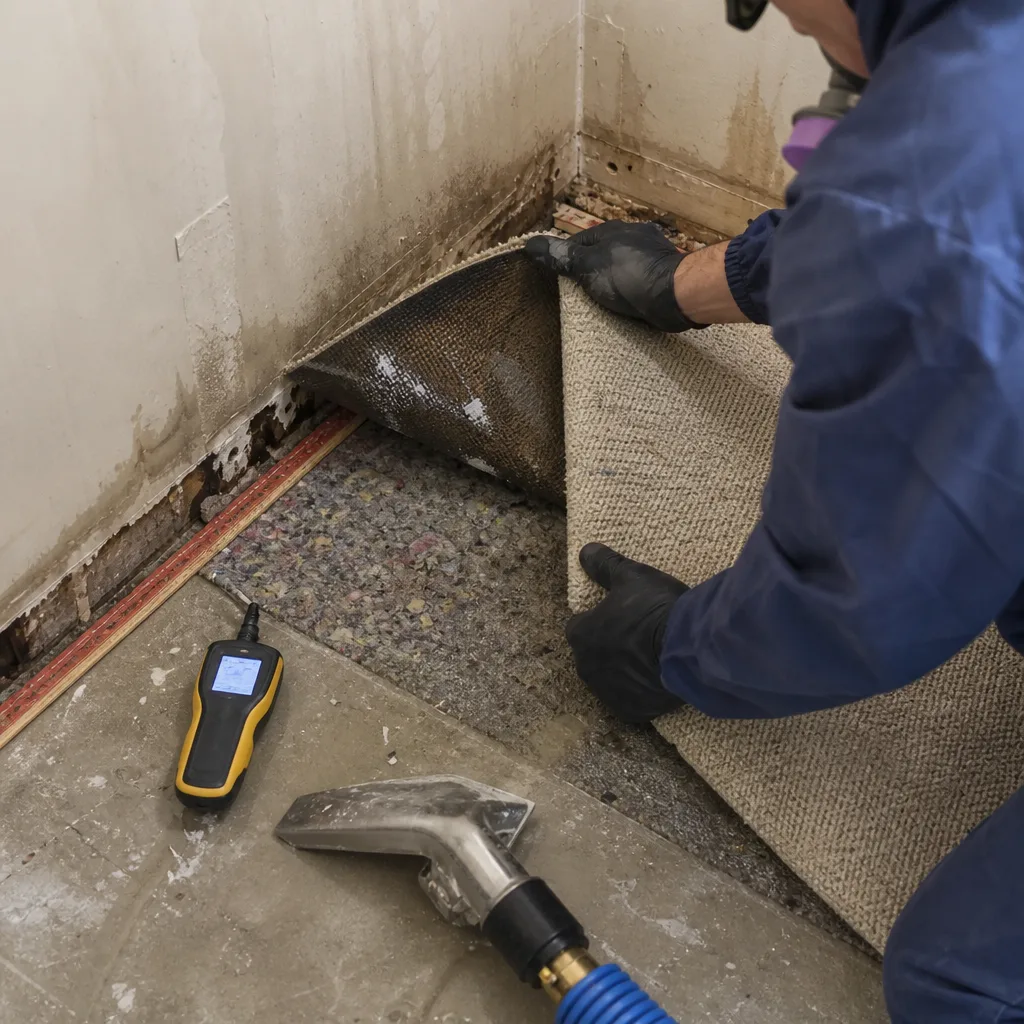
Air Quality Restoration
Whole-home air quality restoration follows mold removal: HEPA filtration, duct cleaning where cross-contamination occurred, and post-remediation air sampling to confirm spore counts at or below outdoor baseline. We run continuous air scrubbers during the entire remediation period, not just during demolition.
Crawl Space Treatment
This is our most frequent Sumner service. We remove contaminated insulation, treat joists and subflooring, install 6-mil or thicker vapor barriers sealed at seams and piers, and manage foundation ventilation or convert to sealed, conditioned crawl spaces. The valley’s high water table makes one-time cleanup pointless without moisture control; we warranty our crawl-space work for 365 days under The Haven Standard.
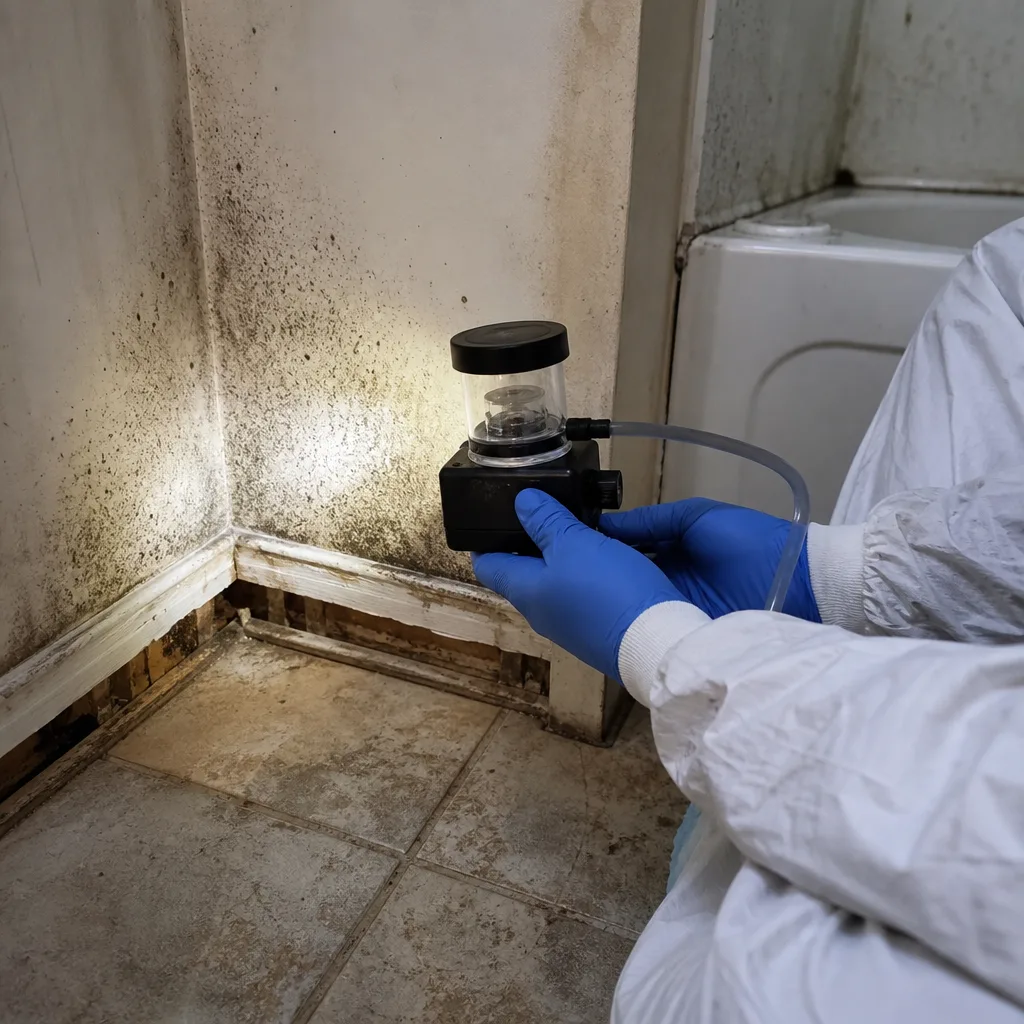
What happens when you call
- 1
A real person answersNo phone trees - you reach a local pro.
- 2
You get an upfront price rangeHonest numbers before anyone is dispatched.
- 3
A background-checked tech heads outLicensed & insured, dispatched right away.
- 4
You approve before work beginsNothing starts until you say go.
Mold Remediation Costs in Sumner, WA
Crawl-space mold treatment in Sumner typically runs $1,200-$2,800 for limited growth under 100 square feet with accessible joists. Moderate crawl-space jobs with insulation removal and vapor barrier replacement land at $2,800-$4,500. Whole-home air-quality restoration with multiple containment zones, duct cleaning, and clearance testing ranges $3,500-$8,000+ depending on square footage and species identification requirements.
What moves the price: accessibility (shallow crawl spaces cost more per square foot because of labor intensity), species confirmation requiring lab testing, extent of porous material removal, and whether the moisture source is resolved as part of the job. NFIP-covered flood losses typically include mold remediation as part of the structural drying scope; standard homeowner policies vary by carrier and endorsement. We provide a written price before work begins on every job, and we offer a Free Second Opinion on any competitor’s written estimate. Call (360) 997-2427 for your inspection and exact scope.
We Also Serve Cities Near Sumner
Our crews respond throughout the Puyallup Valley and surrounding communities: Mold Remediation in Sumner is our focus, and we also serve Puyallup to the west, Milton to the northwest, Auburn to the north, and Lakewood to the southwest with the same 45-minute response commitment and Haven Standard documentation.
Serving Sumner, WA - Our Local Coverage Area
We’re based in the Sumner area and know this community well. Use the map below to see our service coverage - if you’re nearby, we can almost certainly help.
Sumner Mold Remediation Questions, Answered
Why does my Sumner crawl space keep growing mold even when the river hasn’t flooded?
The Puyallup River Valley’s high water table keeps soil moisture elevated year-round, and Sumner’s shallow, unsealed crawl spaces wick that moisture through dirt floors and foundation walls. Even without surface flooding, relative humidity in these crawl spaces stays above 70% for months, which is the threshold for mold colonization on organic materials like wood joists and paper-faced insulation. We address this with vapor barrier installation, ventilation management, or sealed crawl-space conversion, not just surface cleaning. Call (360) 997-2427 for a moisture inspection.
Does my NFIP flood policy cover mold remediation after a Puyallup River flood?
NFIP policies typically cover mold remediation as part of the structural drying and repair scope when the mold is directly caused by a covered flood event, but documentation must meet NFIP-specific standards that differ from standard homeowner carrier requirements. We document losses to NFIP adjuster standards, including dated photos, moisture logs, and line-item scopes in the format flood adjusters expect. Contractors unfamiliar with NFIP protocols often produce documentation that stalls payment. Call (360) 997-2427 and we’ll review your policy type and coverage before work begins.
How fast does mold grow after water gets into my downtown Sumner home?
Mold colonization begins on wet organic surfaces within 24-48 hours, and in Sumner’s older downtown homes with balloon framing, it can travel wall cavities vertically within 72 hours. The valley’s cool, humid climate slows evaporation, so materials stay wet longer than they would in drier eastern Washington conditions. This extended wet time expands the colonized area and increases remediation cost. Our 45-minute response commitment exists to start drying before that 24-hour threshold. Call (360) 997-2427 for immediate dispatch.
My Sumner home is in a FEMA flood zone - does that change how you handle a mold job?
Yes. FEMA Special Flood Hazard Zone properties in Sumner require NFIP-standard documentation rather than standard homeowner insurance formats, and our crews are trained to produce it. We also assess whether the mold source is chronic groundwater intrusion (typically maintenance-related) versus flood event damage (potentially NFIP-covered), because this distinction determines documentation path and coverage. Our written scope specifies the source finding and the documentation standard we’re following. Call (360) 997-2427 to discuss your flood zone status and policy type.
What’s the difference between mold inspection and actual black mold remediation in a Sumner home?
Mold inspection is diagnostic: moisture mapping, visual assessment, air sampling, and a written scope with findings and recommendations. Black mold remediation is the active work: containment, HEPA-controlled removal, antimicrobial treatment, and clearance testing. You can have an inspection without remediation, but you should not have remediation without inspection-based scope definition. In Sumner’s crawl-space-heavy housing stock, we often find that what a homeowner suspects is “black mold” is actually common aspergillus or cladosporium; lab identification determines whether enhanced toxigenic protocols are necessary. Call (360) 997-2427 to schedule inspection first.
How long does mold remediation take in Sumner?
Limited crawl-space jobs complete in 2-3 days. Moderate whole-home containment with multiple rooms runs 4-7 days. Extensive flood-related remediation with structural drying can extend to 10-14 days, especially on Sumner’s valley floor where saturated soils slow the drying process. We don’t guess at completion; we measure moisture content daily and release containment only when materials test below 16% wood moisture equivalent and air samples confirm clearance. Call (360) 997-2427 for a timeline based on your specific scope.
Can my family stay in the home during mold remediation?
For limited growth under 10 square feet in isolated areas, often yes. For moderate or extensive remediation with whole-home containment, we recommend temporary relocation because negative air pressure systems, demolition activity, and elevated spore counts during active work create respiratory exposure even with HEPA control. We discuss this during scope review and can coordinate with your insurance for additional living expense coverage when the loss is covered. Call (360) 997-2427 to review your situation.
What certifications do your mold technicians hold?
Our lead technicians hold IICRC AMRT (Applied Microbial Remediation Technician) and WRT (Water Damage Restoration Technician) certifications, with ongoing education through RIA and IFA programs. All technicians are background-checked, uniformed, and licensed; license numbers are provided on request. We document all work to IICRC S520 standards, the industry-recognized protocol for microbial remediation. Call (360) 997-2427 to verify current certifications for your assigned crew.
Written by Alicia Brennan, Owner at Back to Dry Restoration, serving Sumner since 2011.