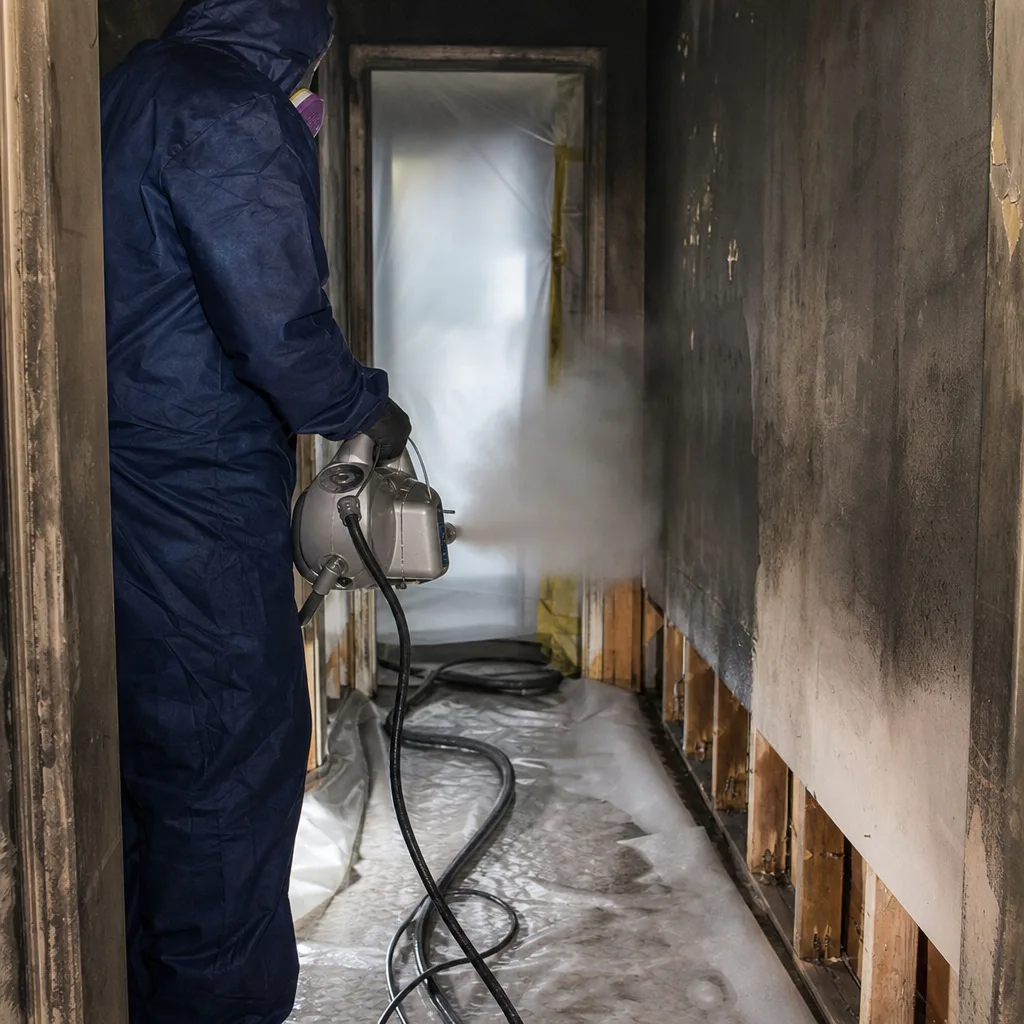
Free visual inspection and a written scope of work before any mitigation begins - photos, moisture readings, and drying logs go in your claim file
The scope we write is the scope we bill. Anything new gets shown to you, in writing, before we touch it.
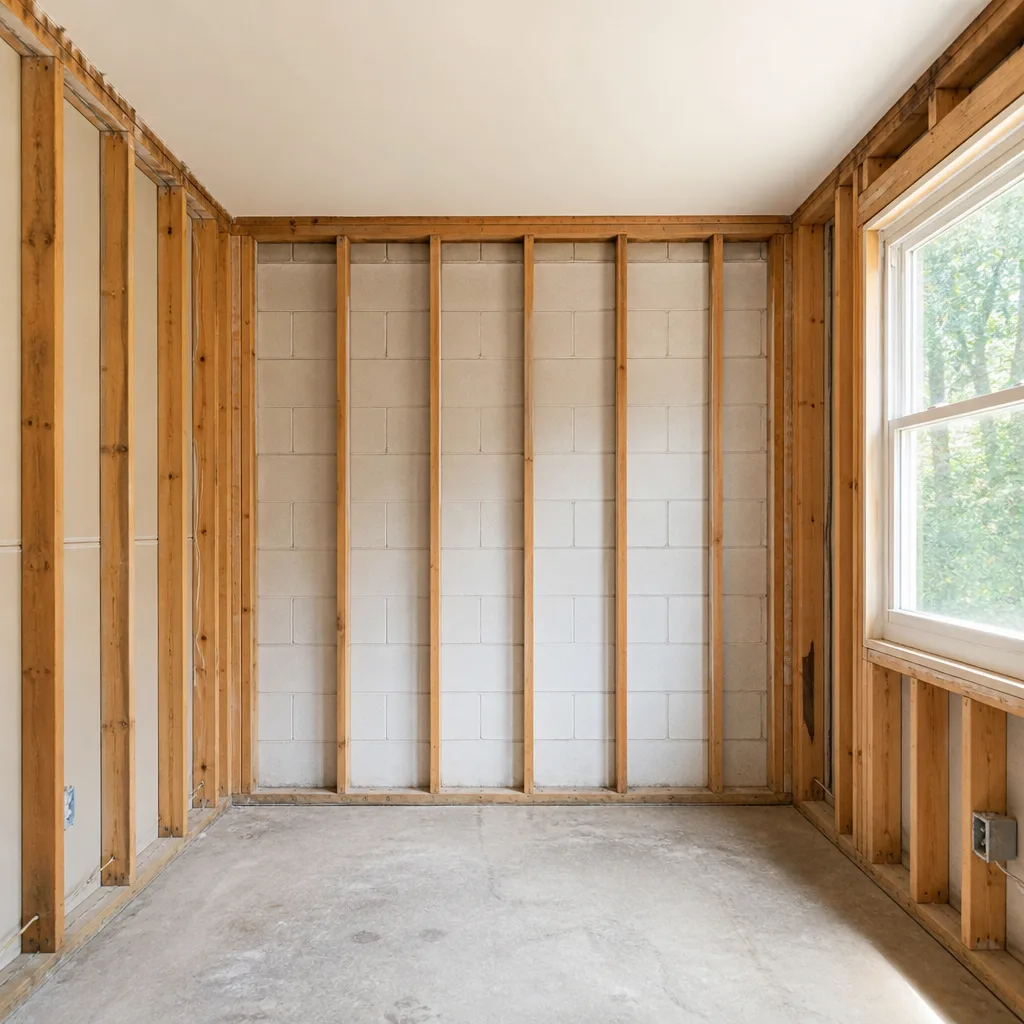
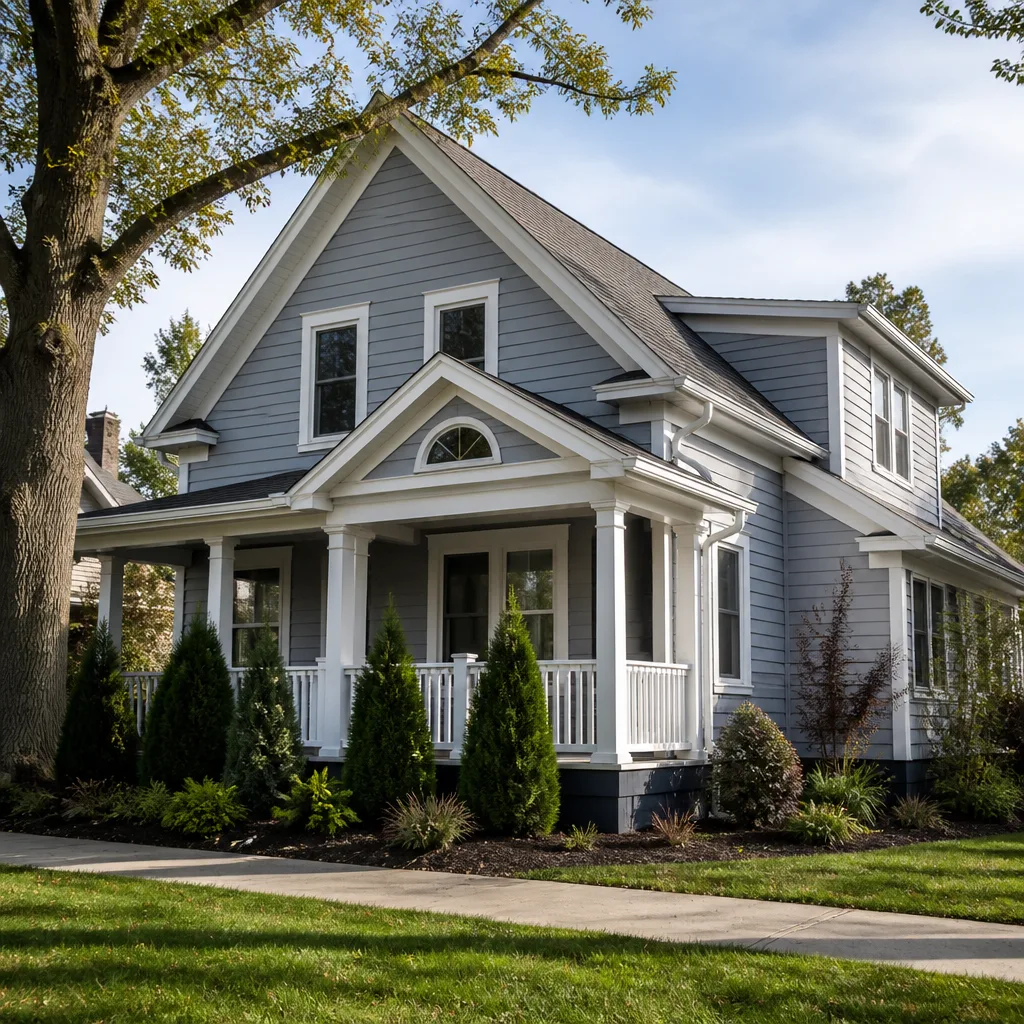
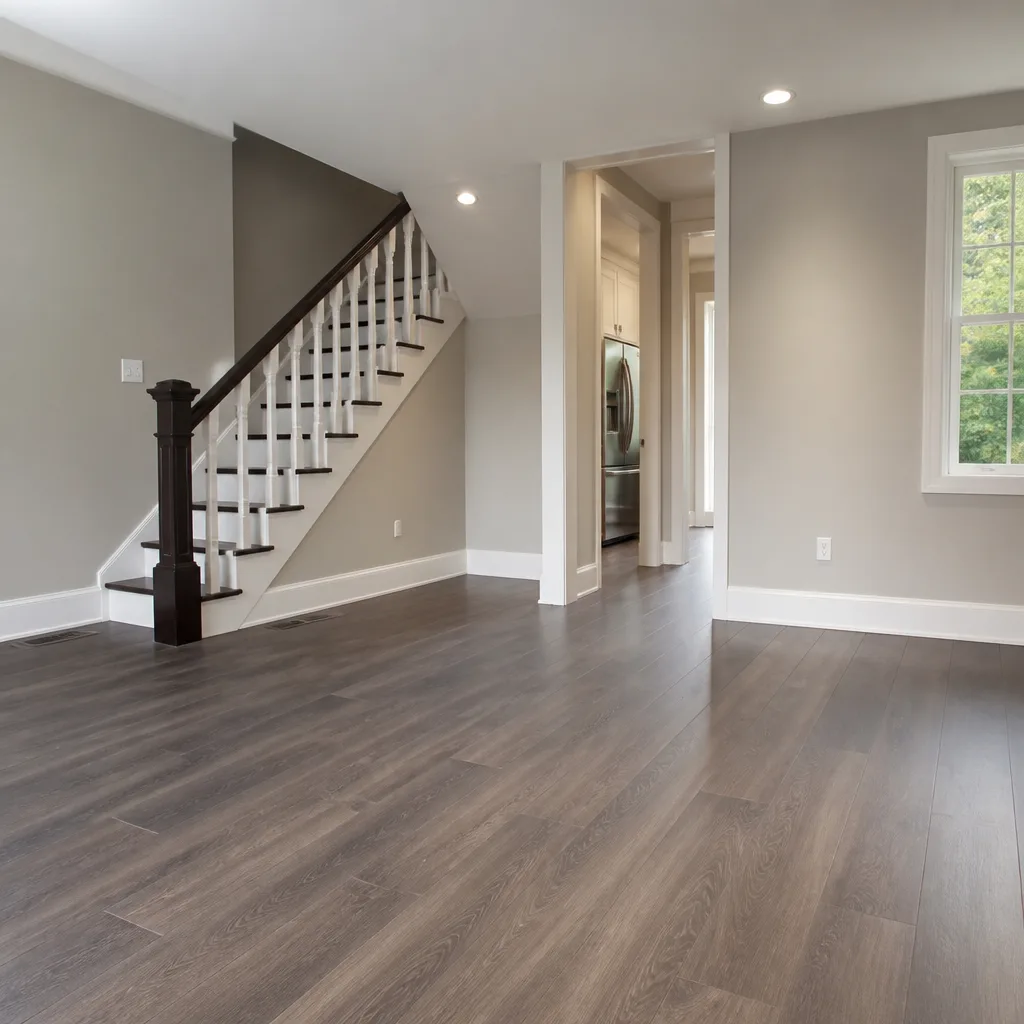
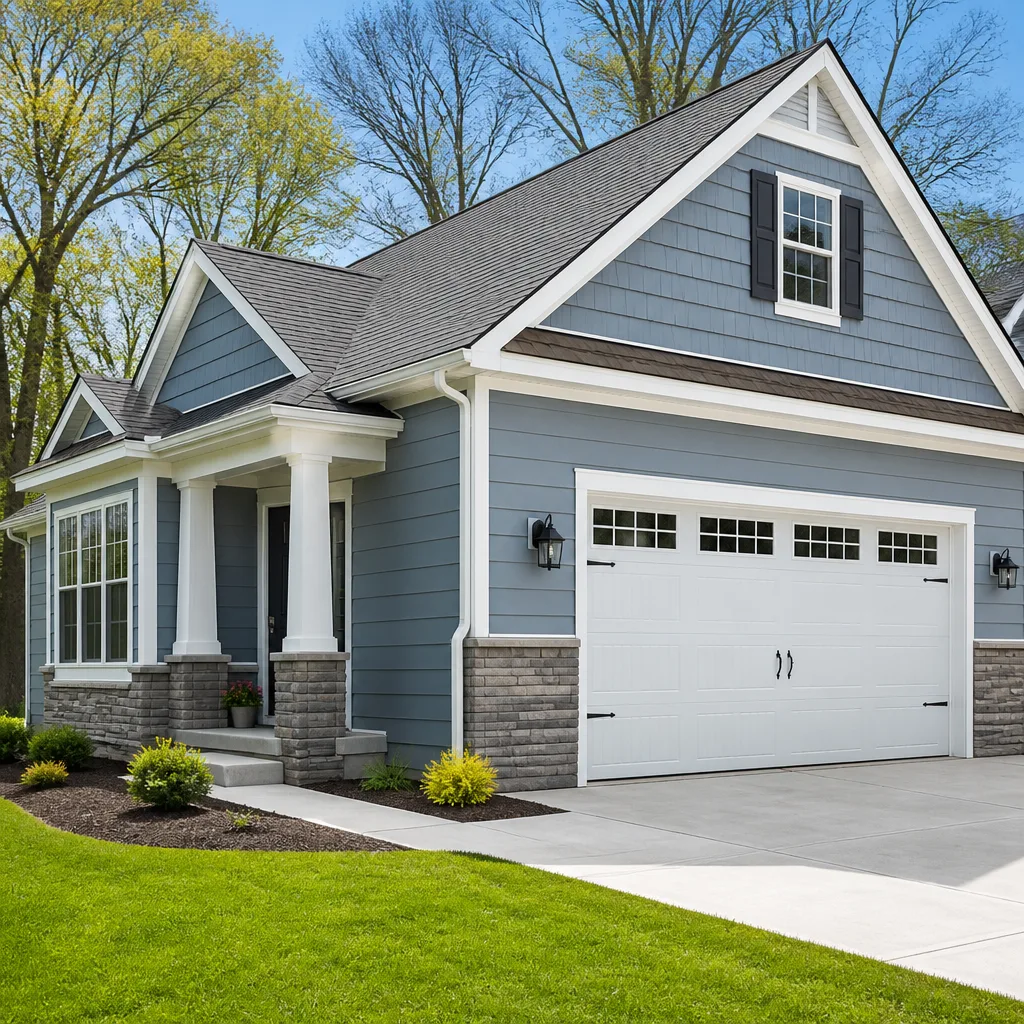
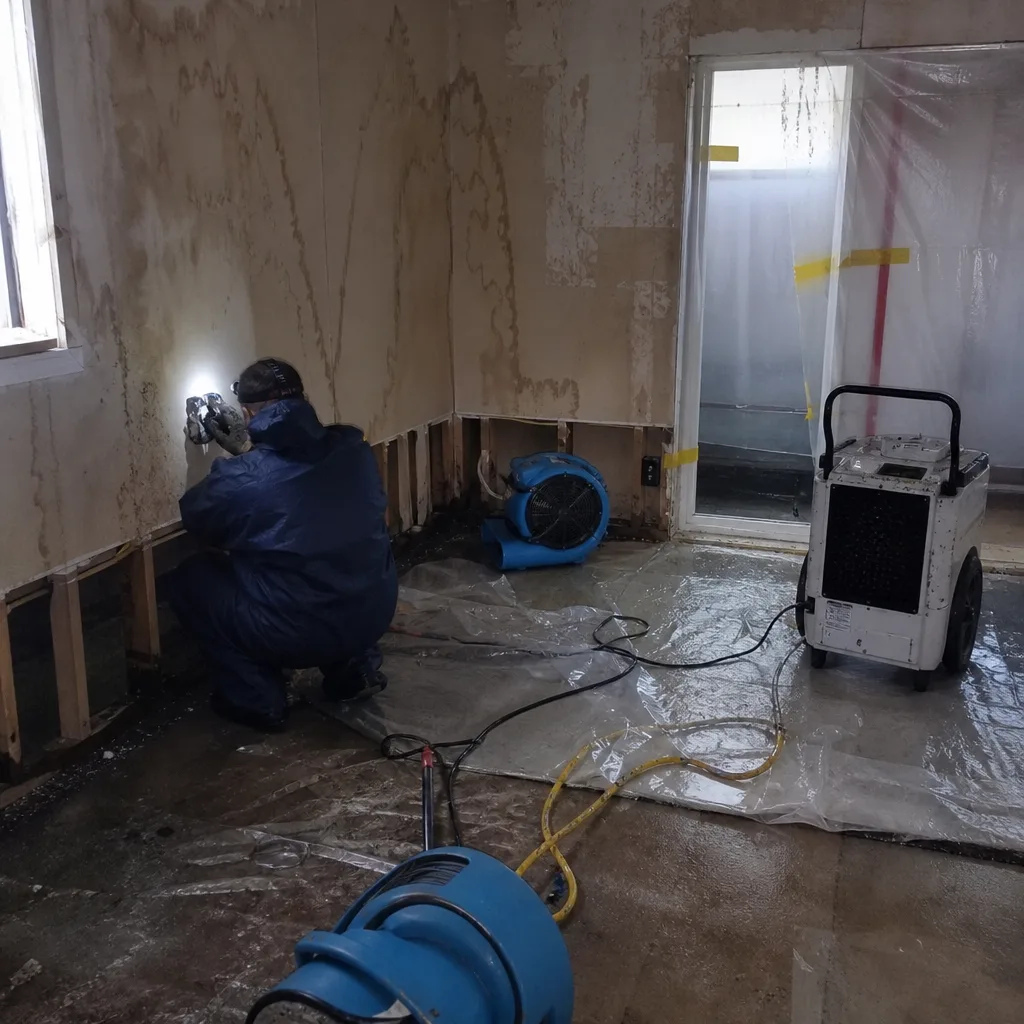 Before
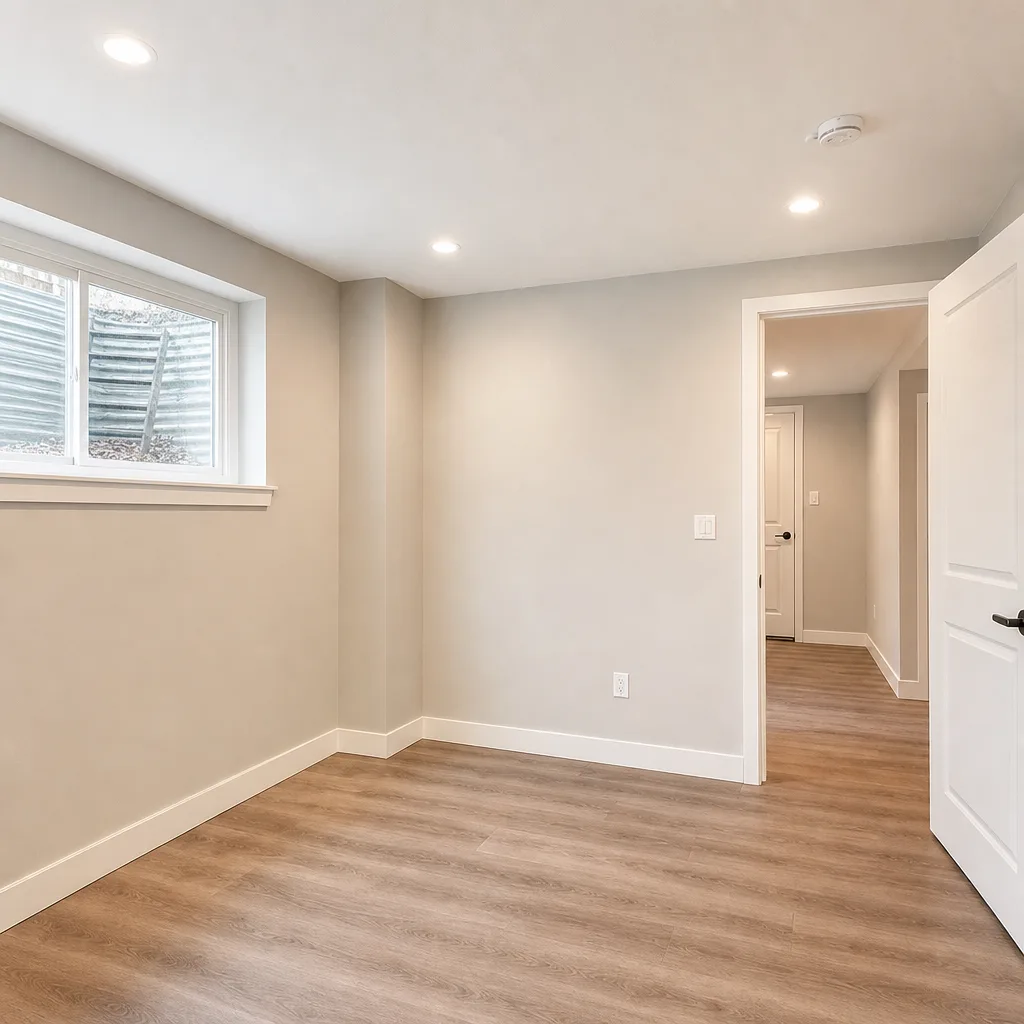 After
After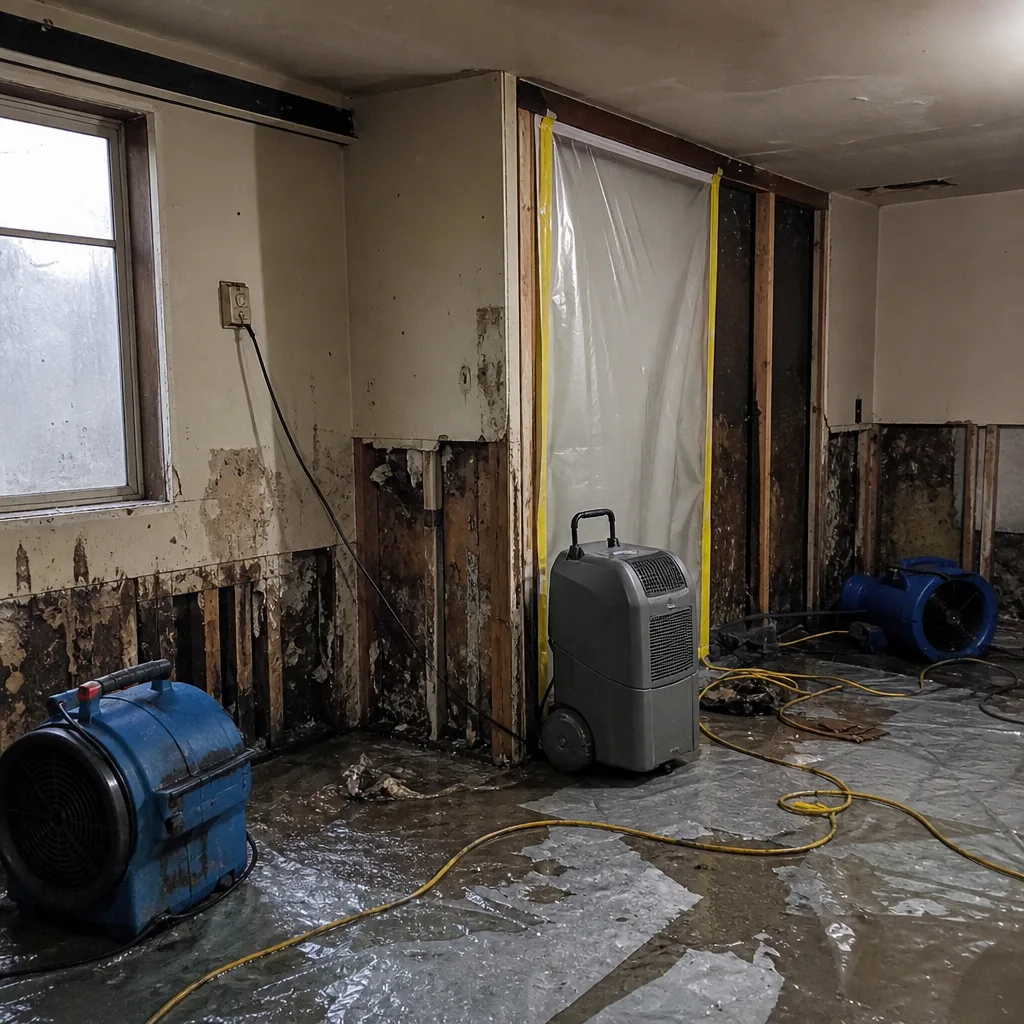 Before
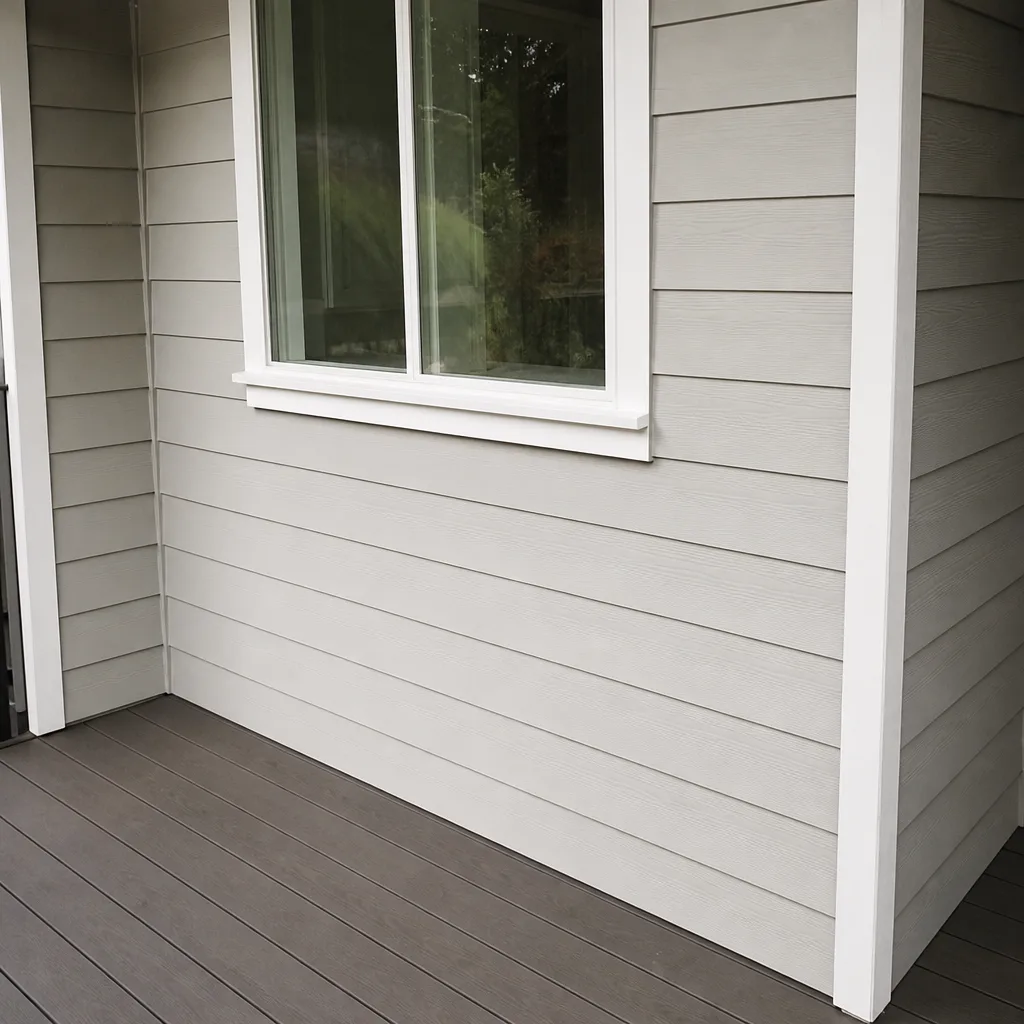 After
After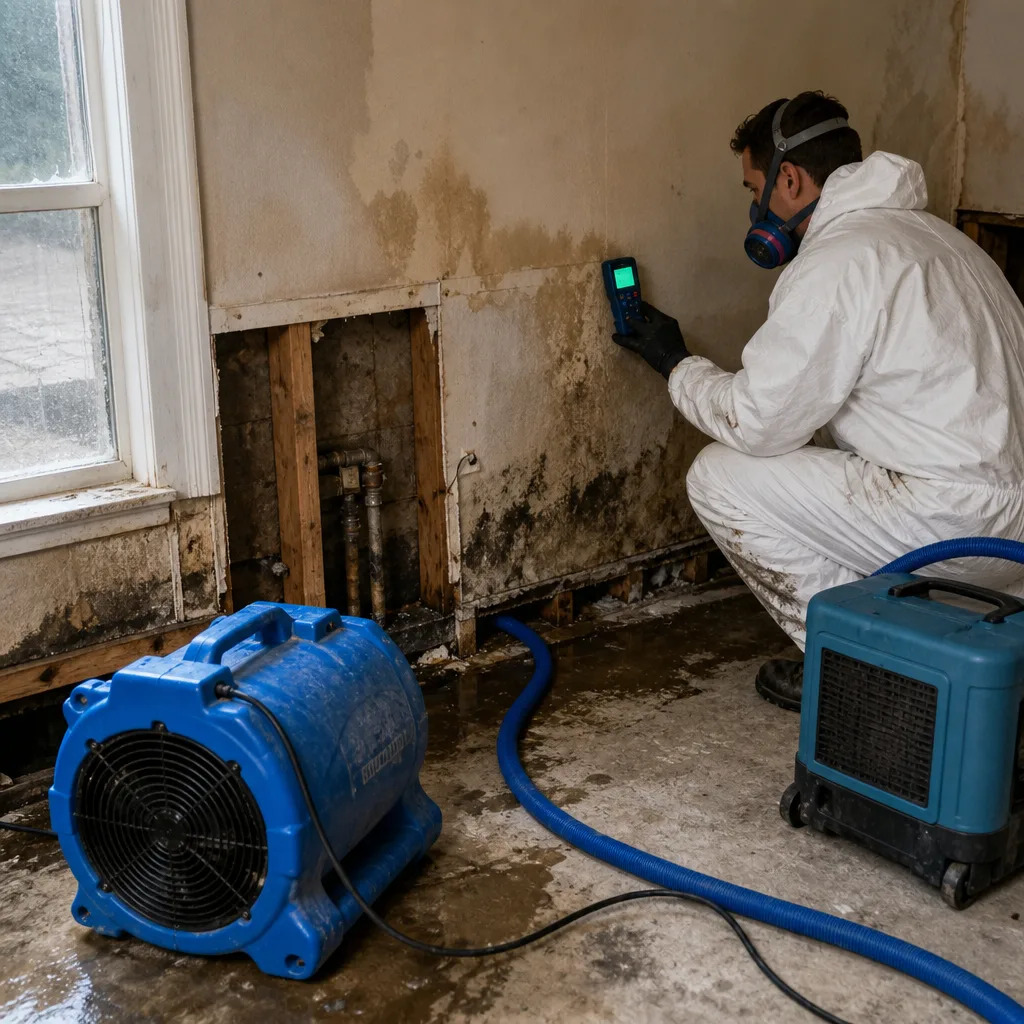 Before
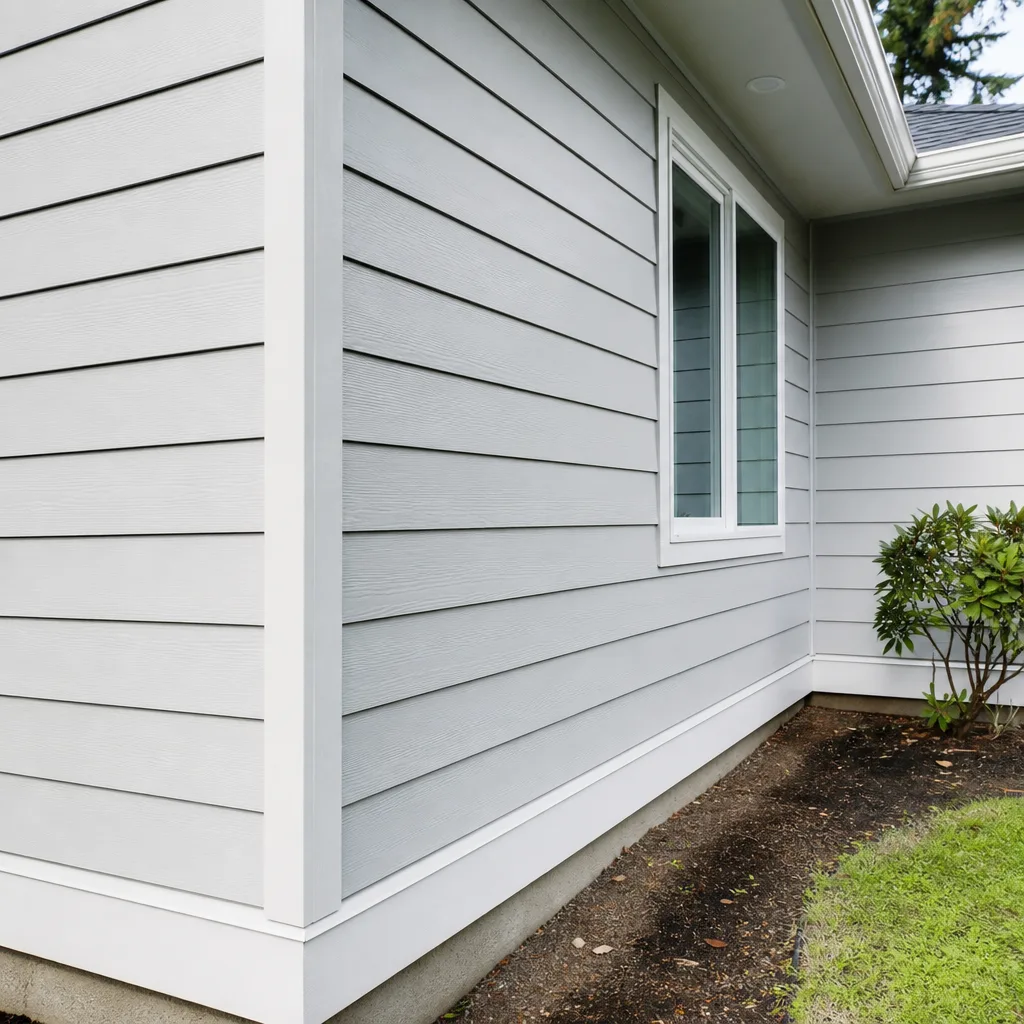 After
After24/7 Emergency Water Damage Restoration in Des Moines
Water damage restoration in Des Moines typically costs $1,800-$6,500 depending on category and square footage, and our crews can be on-site within 45 minutes when you call (360) 997-2427. Every minute water sits unaddressed, it migrates - wicking up drywall, saturating insulation, and finding the path of least resistance through slab cracks and corroded garage-door hardware. That’s why we answer live, 24 hours a day, 7 days a week, with no voicemail trees and no next-business-day callbacks while water is still moving.
We dispatch from our Seattle office to Des Moines properties along Marine View Drive, up the hillside neighborhoods above the marina, and throughout the 98198 zip code. Our first step is always a free visual inspection with moisture mapping, documented with photos from the moment we arrive. On bluff-side lots, we know to look past the obvious wet spot - the salt-laden marine layer here keeps hidden moisture active long after surface water looks gone.
Understanding Water Damage Restoration Severity in Des Moines Properties
Water damage breaks into three categories, and knowing which one you’re facing changes everything about the restoration protocol. Category 1 is clean water - a burst supply line, an overflowing sink - and it degrades fast if left standing. Category 2 is gray water with contaminants, common in Des Moines when stormwater pools against hillside foundations and backs up through garage slabs or daylight-basement door seals. Category 3 is black water: sewage, seawater intrusion, or ground flooding. The steep lots above Puget Sound mean many Des Moines homes see Category 2 water pick up soil bacteria and salt as it channels downhill.
Moisture mapping with thermal imaging reveals what the eye misses. On a 1960s ranch with slab-on-grade construction - the dominant housing type in Des Moines’s post-WWII buildout - water travels laterally through the slab perimeter and wicks up into bottom plates before interior flooring ever shows dampness. Psychrometric data, which measures vapor pressure differential (the force that drives moisture from wet materials into drier air), tells us whether the structure is actually drying or just surface-drying while the envelope stays wet. Tertiary drying, the final phase where dense materials like sill plates and framing reach equilibrium, takes longer in Des Moines because the marine layer outside maintains elevated ambient humidity even when the rain stops.
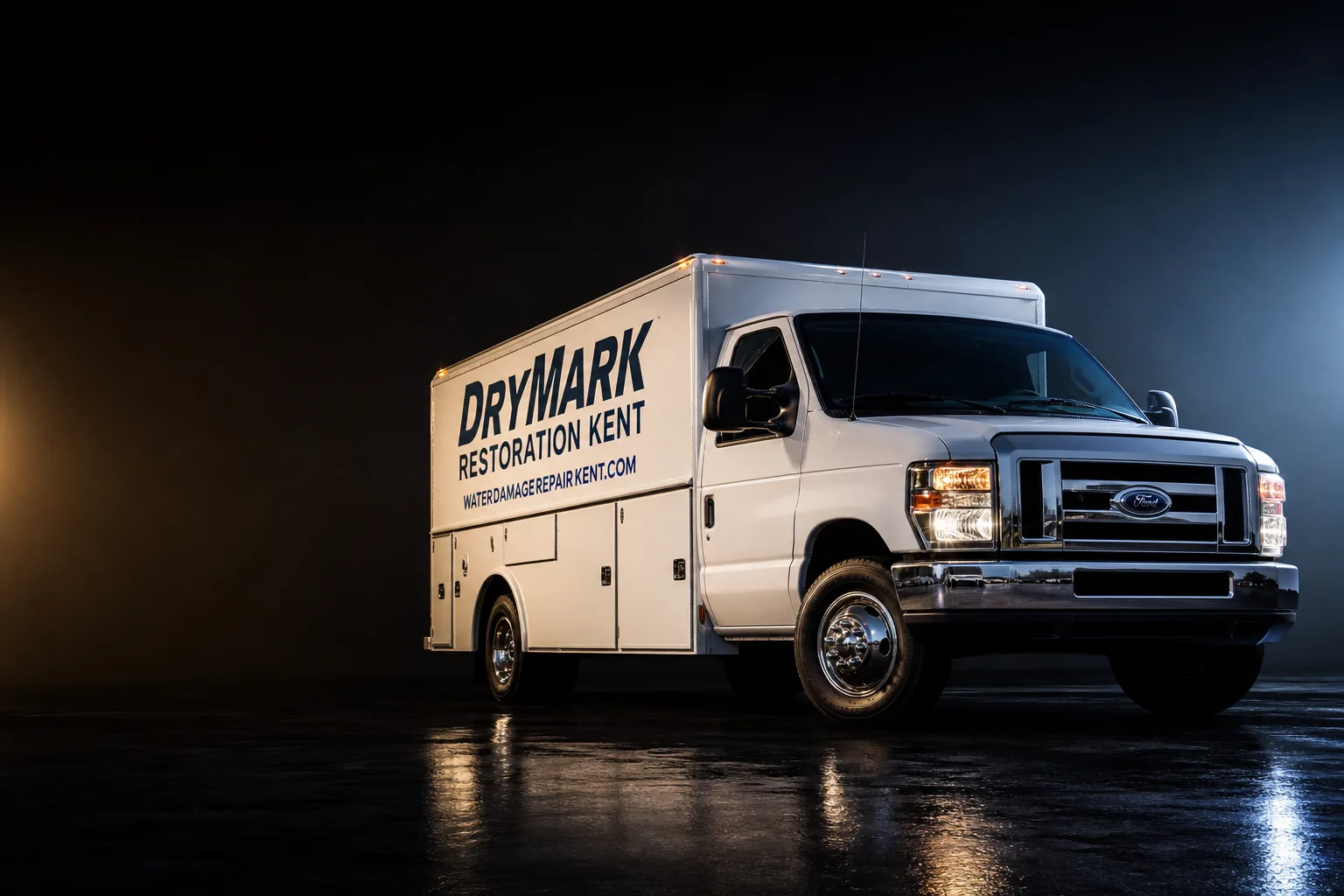
Why Des Moines Property Owners Choose DryMark Restoration Kent
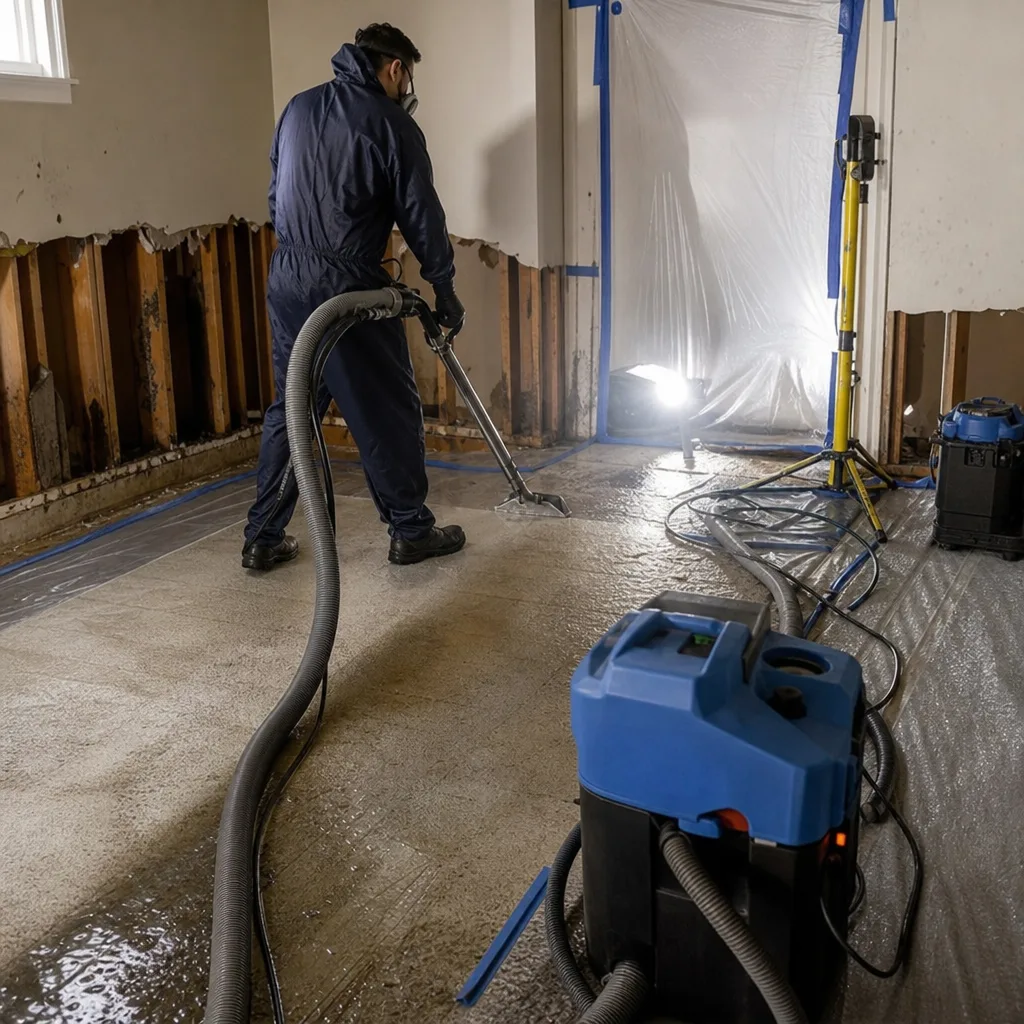
- 45-minute response commitment to Des Moines addresses - our crews know the Marine View Drive hillside and the fastest routes from I-5 through the Kent Des Moines Road corridor.
- 24/7 live answer by a real person, never an automated system - no voicemail trees while water is still migrating through your structure.
- IICRC-certified crews holding WRT (Water Damage Restoration Technician) and ASD (Applied Structural Drying) certifications, with AMRT (Applied Microbial Remediation Technician) on staff for mold-prone bluff-side jobs.
- Free visual inspection with documented moisture readings before any work is discussed.
- Direct insurance billing with photo-documented estimates your adjuster can read line by line.
- One team from extraction through reconstruction - no handoffs between mitigation and rebuild contractors.
BeforeAfterOur Water Damage Restoration Process
1. Inspection & Assessment
We arrive with thermal imaging cameras, penetrating and non-penetrating moisture meters, and hygrometers to map the full extent of the water migration. On Des Moines bluff properties, we specifically inspect garage-door hardware, spring brackets, and hinge plates for salt-corrosion damage that creates secondary leak paths.
2. Extraction & Stabilization
Standing water comes out first with truck-mounted extraction units and portable XPOWER units for tight access. We remove saturated porous materials that can’t be salvaged - wet insulation, compromised drywall, waterlogged subfloor - and stabilize the structure to prevent further migration.
3. Drying & Dehumidification
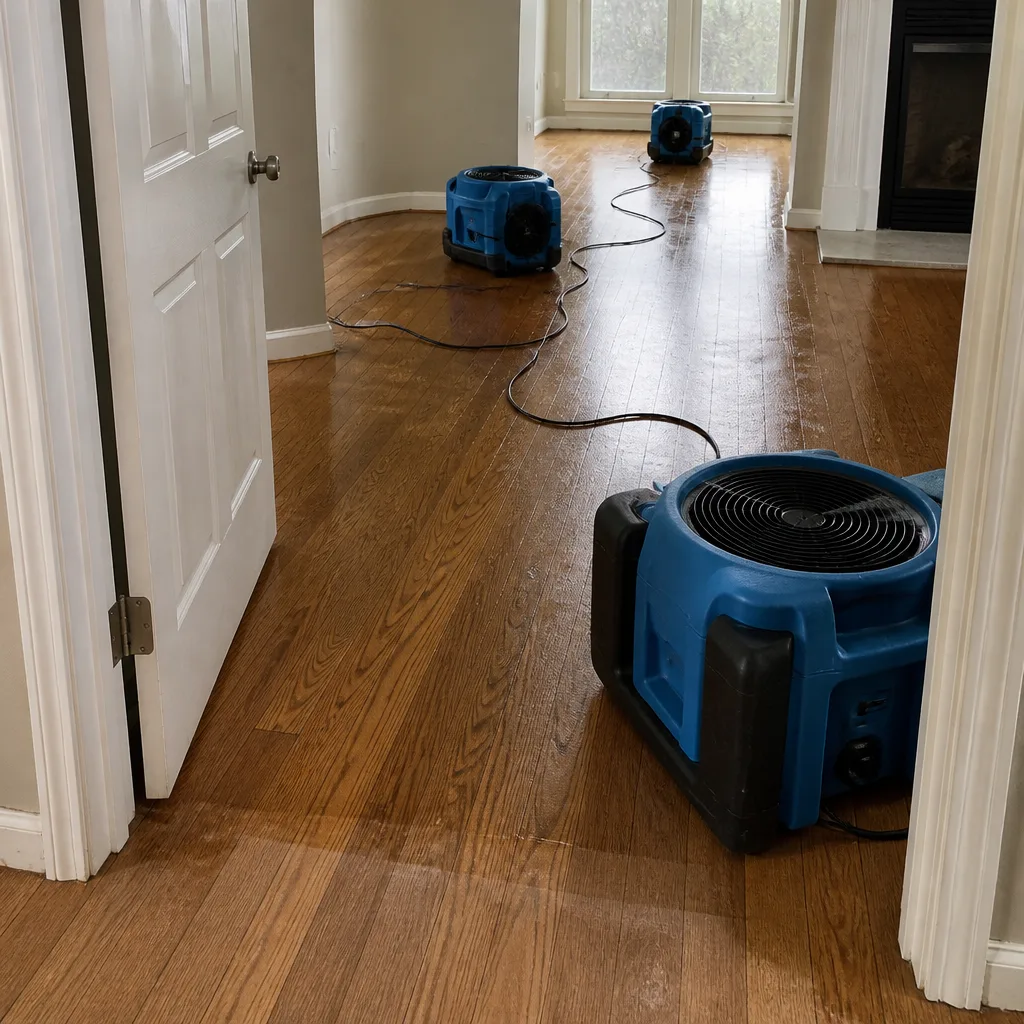
We deploy Dri-Eaz and Phoenix dehumidifiers sized to the space, with air movers creating controlled airflow across wet surfaces. In Des Moines’s marine environment, we run longer drying cycles with more frequent moisture readings because ambient humidity fights the process.
4. Cleaning & Sanitization
All affected surfaces receive antimicrobial treatment appropriate to the water category. Category 2 and 3 losses get full sanitization with documented application. HEPA air scrubbers run during this phase to capture airborne particles.
5. Corrosion-Resistant Hardware Upgrade
Where salt air has compromised garage-door springs, rollers, hinges, or fasteners, we flag these for replacement with galvanized or coated springs and stainless hardware matched to coastal exposure - not the same unprotected steel that failed. This prevents the same leak path from reopening next season.
6. Repairs & Restoration
We rebuild to pre-loss condition with documented photo records at every phase. Our written scope specifies materials, dimensions, and finishes before any reconstruction begins. The 365-Day Done Right Promise covers all work.
Need Emergency Water Damage Restoration in Des Moines Now?
Crews minutes away, answering live 24 hours a day. The sooner we start, the less it costs.
Working With Your Insurance Company
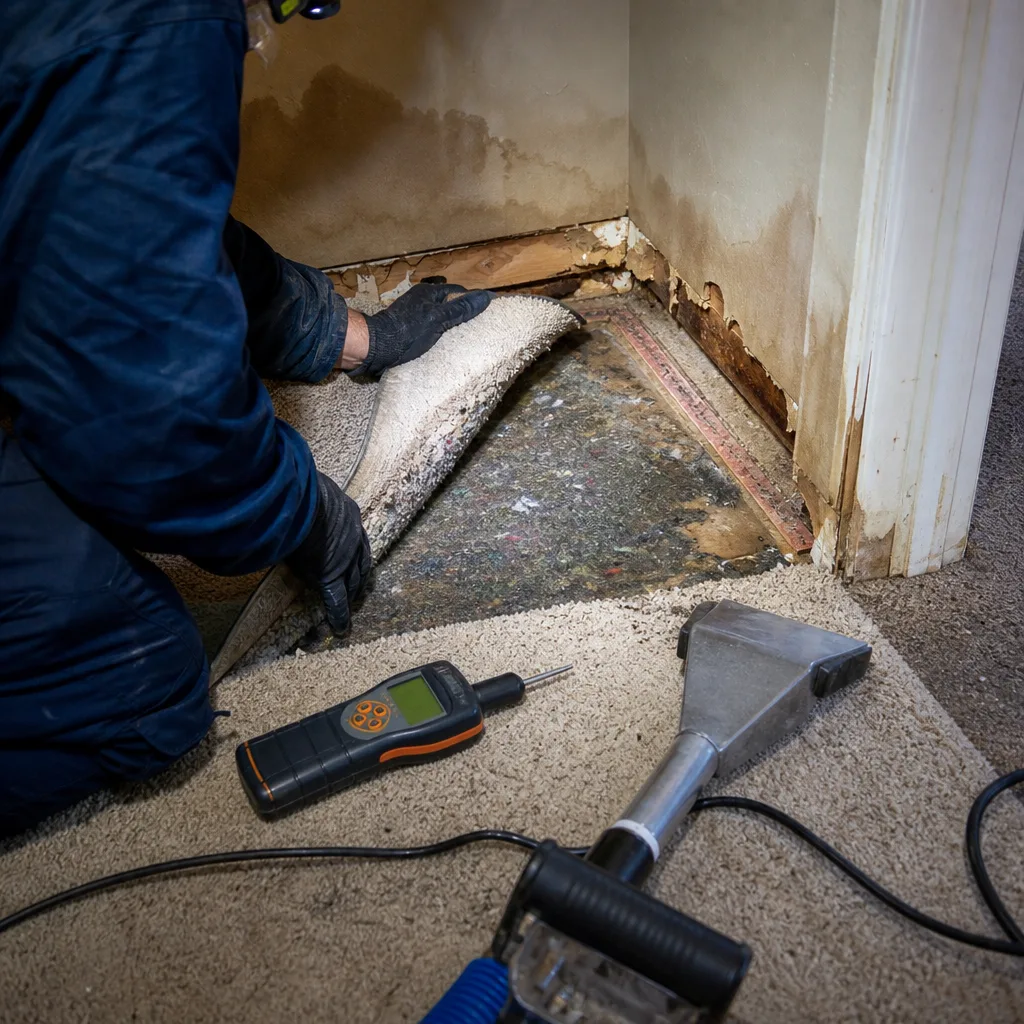
Insurance claims live or die on documentation, and we build the file from hour one. Every Des Moines job starts with timestamped photos, moisture readings with equipment serial numbers, and a written scope before any extraction begins. Our estimates follow industry-standard Xactimate pricing, and we coordinate directly with your adjuster - no middleman, no delayed responses while you chase both sides.
We’ve handled claims for hillside homes where the damage source traced to off-property stormwater - a drainage-chain issue common on steep sequential lots above the marina. Those claims require extra documentation: photos of uphill drainage patterns, moisture mapping that proves the water path, and written verification that the loss wasn’t from maintenance neglect. We provide all of it.
What We Provide Your Insurer
- Thorough documentation of the loss
- Photos of all damage, room by room
- Moisture readings and drying logs
- A detailed, line-item scope of work
- Direct coordination with your carrier
Built for Des Moines’s Loss Calendar
January through March brings the heaviest Pacific storm systems, and Des Moines’s 38+ inches of annual rain concentrate in these months. The marine layer thickens, humidity stays elevated even between fronts, and salt air accelerates corrosion on exposed hardware. We see the most garage and daylight-basement calls when storm-driven rain finds the gap where a corroded hinge plate no longer seats flush.
April through June, the clay-heavy glacial soils on hillside lots reach saturation. Hydrostatic pressure builds against slab foundations and daylight-basement walls. Crawl spaces without modern vapor barriers - common in 1950s-1970s Des Moines builds - become chronic moisture sources.
July and August look drier on paper, but the marine layer persists. Materials that absorbed spring moisture never fully dry. We get calls from homeowners who thought the problem resolved itself, only to find mold in August when warm temperatures activate spores that colonized in June.
September through December, the cycle restarts with early fall storms. The shortest window for effective drying work is November through February, when ambient humidity rarely drops below 70%.
Water Damage Restoration Across Des Moines’s Neighborhoods
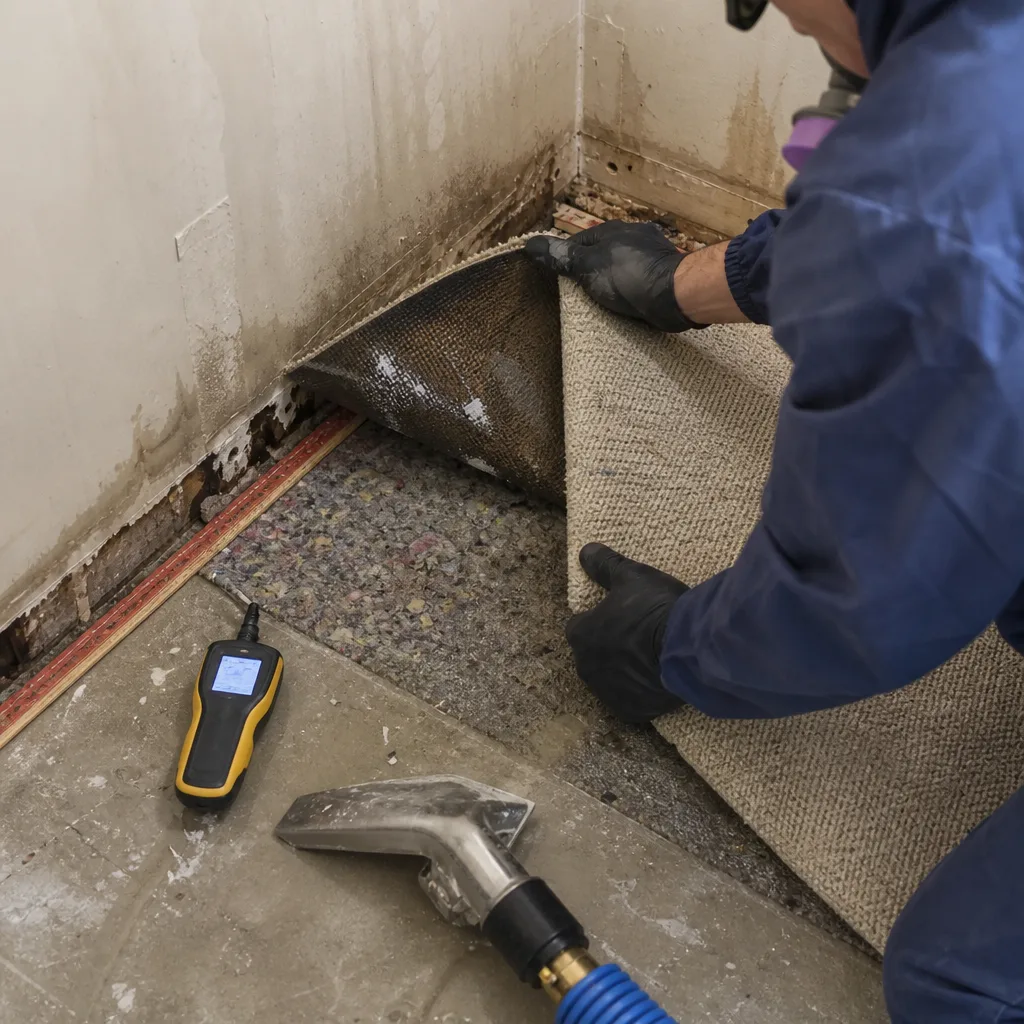
Marine View Drive and the streets terraced above it - Orchard Avenue, 8th Avenue South, and the roads climbing toward Woodmont - see the most corrosion-related water intrusion we handle. The salt air here is constant, and the 1950s-1970s ranch homes with attached or detached garages face the compounding cycle: stormwater channels downslope, pools against foundations, and finds entry through hardware that rusted past its seal. We always inspect the uphill neighbor’s drainage on these calls.
The Woodmont neighborhood, set back from the bluff on flatter ground, sees more traditional slab and crawl space issues - clay soil saturation, failed perimeter drains, and the occasional supply-line burst in aging copper plumbing. Drying protocols here follow standard timelines, but we still check garage-door hardware because the marine layer reaches inland farther than most homeowners assume.
Properties along Redondo Way and the Des Moines Creek corridor deal with groundwater pressure against daylight basements. The creek drainage creates a moisture lens in the soil that pushes water through foundation cracks even during dry weeks. Moisture mapping on these jobs extends to exterior grade and drainage assessment - it’s not enough to dry the interior if the exterior water source remains active.
The commercial corridor along Pacific Highway South and the marina-adjacent mixed-use buildings have their own patterns: flat-roof drainage failures, aging fire-suppression systems, and the occasional seawall overtopping during king tides. We coordinate with property managers on these to minimize tenant displacement.
Specialized Water Damage Restoration Services We Offer in Des Moines
Emergency Water Extraction
Standing water doesn’t wait. Our truck-mounted and portable extraction units - including XPOWER units for tight garage and crawl space access - remove water fast from Des Moines properties. On bluff-side lots, we extract first, then immediately inspect for the corrosion-damaged hardware that often created the entry point.
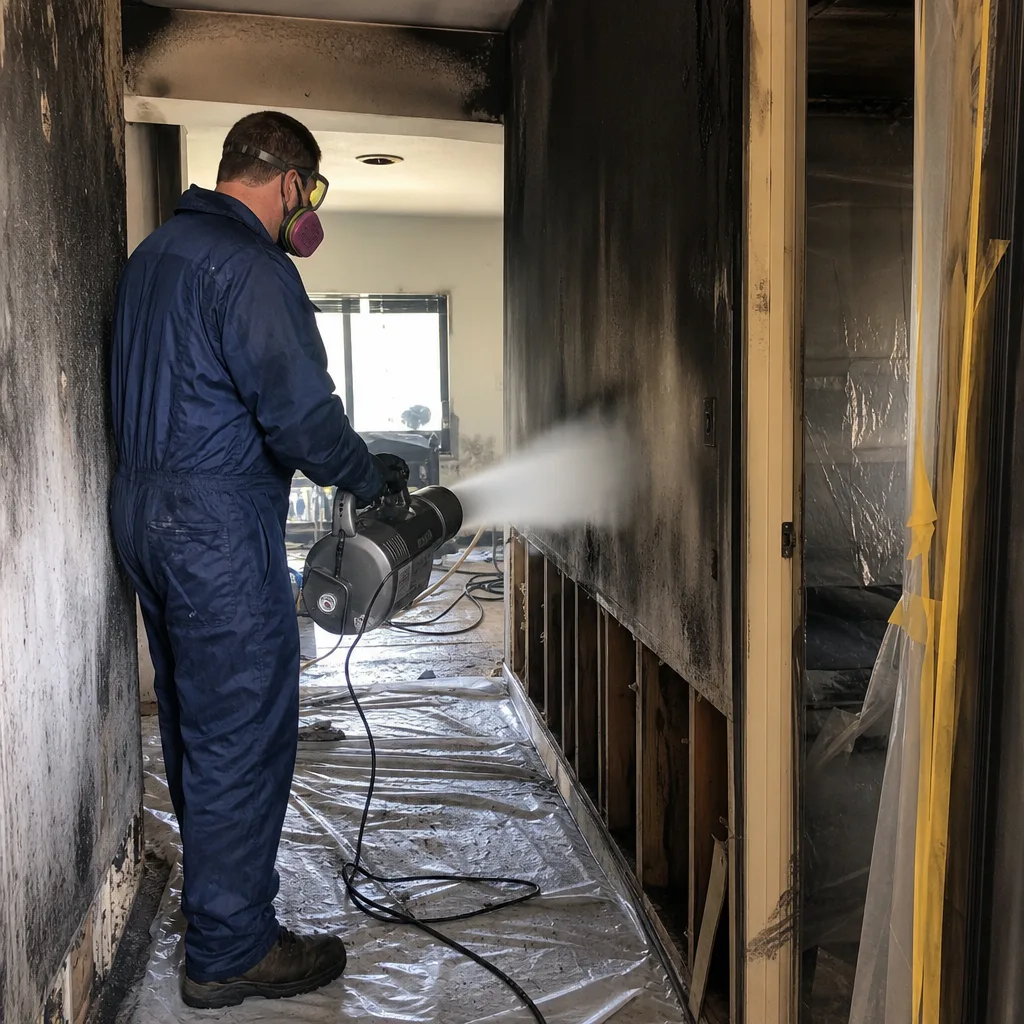
Structural Drying & Dehumidification
We size Dri-Eaz and Phoenix dehumidifier capacity to the space and the ambient conditions. In Des Moines, that means oversized equipment and extended drying cycles because the marine layer keeps relative humidity high. Daily moisture logs document psychrometric readings - temperature, relative humidity, and specific humidity - so your insurer sees the drying happened, not just that equipment ran.
Flood Cleanup
Whether from storm surge, creek overflow, or backed-up stormwater on the hillside, flood damage in Des Moines carries soil bacteria and salt contamination. We categorize the water correctly, sanitize to the appropriate standard, and document the source for your claim.
Burst Pipe Restoration
Older Des Moines homes with original copper or galvanized supply lines are prone to pinhole leaks and full ruptures. We extract, dry, and document the line failure for insurance, then coordinate with licensed plumbers for permanent repair.
Basement Water Removal
Daylight basements on clay-heavy lots face hydrostatic pressure and drainage-chain flooding from uphill properties. We pump, extract, and map the full moisture profile - including the rim joist and sill plate where water wicks upward unseen. Then we assess whether the drainage issue needs addressing before reconstruction.
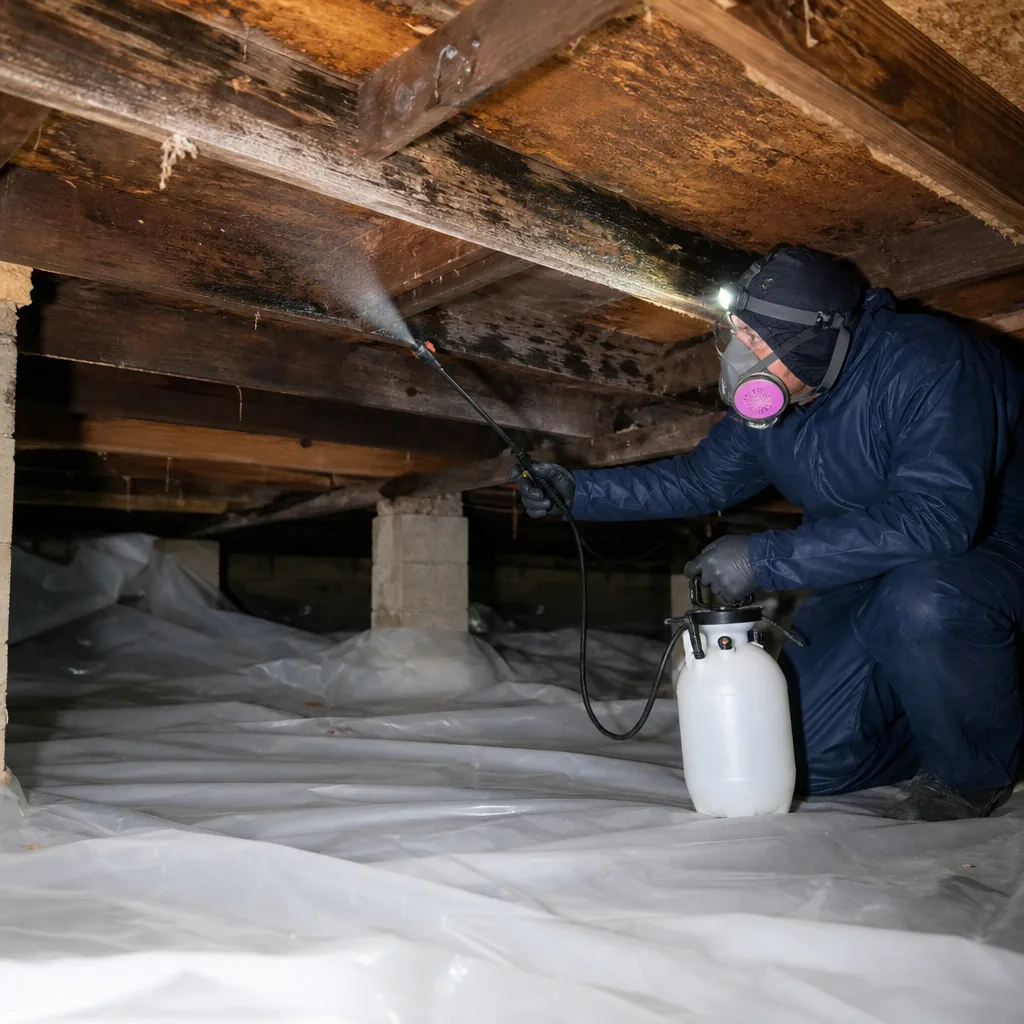
What happens when you call
- 1
A real person answersNo phone trees - you reach a local pro.
- 2
You get an upfront price rangeHonest numbers before anyone is dispatched.
- 3
A background-checked tech heads outLicensed & insured, dispatched right away.
- 4
You approve before work beginsNothing starts until you say go.
Water Damage Restoration Costs in Des Moines, WA
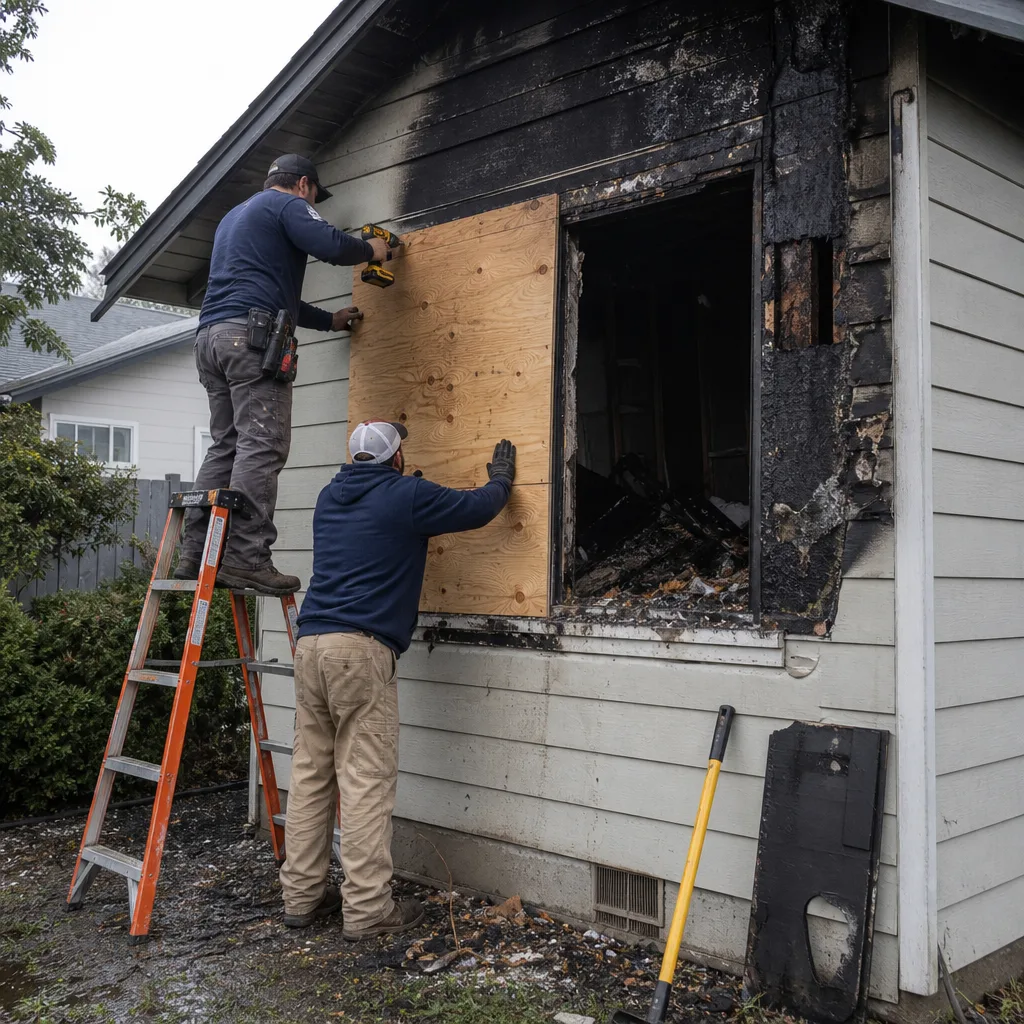
Emergency water extraction in Des Moines typically runs $500-$1,500 for the initial extraction and stabilization, depending on square footage and water depth. Full structural drying with dehumidification and air movers adds $1,200-$3,500 for a standard residential job. Category 3 losses with full sanitization, or jobs requiring significant material removal, range $4,000-$8,500. Reconstruction - drywall, flooring, trim - is priced separately in writing after mitigation completes.
What moves the price: the water category (clean vs. contaminated), how far it migrated before we arrived, whether the structure requires specialty drying (hardwood, plaster, dense framing), and whether corrosion-damaged hardware needs replacement. Insurance typically covers sudden and accidental water damage; gradual leaks and maintenance-related issues often don’t. We document the cause for your adjuster and provide a free second opinion on any competitor’s written estimate.
We Also Serve Cities Near Des Moines
Our crews respond throughout south King County, including Des Moines and the surrounding communities of Kent, SeaTac, Auburn, and Renton. Each area has distinct soil conditions, building ages, and moisture patterns, and we adjust our protocols accordingly.
Serving Des Moines, WA - Our Local Coverage Area
We’re based in the Des Moines area and know this community well. Use the map below to see our service coverage - if you’re nearby, we can almost certainly help.
Des Moines Water Damage Restoration Questions, Answered
Why does our Des Moines garage get water damage when the rain itself didn’t flood it?
The salt-laden marine layer off Puget Sound corrodes garage-door hinges, spring brackets, and bottom seals years faster than inland hardware. Once the metal won’t seat flush, storm-driven rain wicks through the gap - not a flood, but a slow intrusion that saturates the slab and framing while the interior looks dry. We map this hidden moisture and flag the corroded hardware for replacement with galvanized or coated components matched to coastal exposure. Call (360) 997-2427 for a free inspection.
How fast does mold show up after a garage or basement leak on the Des Moines hillside?
Mold can colonize in 48-72 hours under normal conditions, but the persistent humidity from Des Moines’s marine layer shortens that window. Materials that never fully dry between rain events - common on bluff-side properties - can support mold growth even with minimal water intrusion. We treat all Category 2 and 3 losses with antimicrobial application and run HEPA air scrubbers during drying. If visible mold is present, our AMRT-certified technicians handle containment and remediation under separate protocol. Call for moisture mapping before you see mold.
Our house has a daylight basement on a clay-heavy lot - what makes that different for water damage restoration?
Clay soil expands when saturated and holds water against your foundation instead of draining through. On steep Des Moines lots, water from uphill properties often channels toward your daylight basement wall, creating hydrostatic pressure that forces water through cracks and cold joints. Standard interior drying won’t last if the exterior moisture source stays active. We map the full moisture profile including rim joists and sill plates, and we document uphill drainage patterns for your insurer when off-property water contributes to the loss. Call for assessment.
Should I replace corroded garage-door springs and rollers while the restoration crew is already on site?
Yes - if the corrosion contributed to the water intrusion, replacing hardware with coastal-grade materials while we’re already mobilized saves a second visit and prevents recurrence. We flag salt-damaged springs, hinges, rollers, and opener chains in our written scope. You choose whether to proceed; we don’t upsell. The replacement hardware we specify - galvanized or coated springs, stainless fasteners, nylon rollers - is rated for marine exposure, not the standard steel that failed. Ask your estimator during the free inspection.
Do you document the drying process for insurance on a Des Moines water-loss job?
Every job gets daily moisture logs with equipment readings, timestamped photos of each affected room, and a written drying record against the pre-loss condition. This documentation is standard, never an upsell. Insurers pay claims with less friction when the file shows psychrometric data proving the structure reached dry standard - especially critical on Des Moines bluff properties where the marine layer makes drying harder to prove. We coordinate directly with your adjuster. Call (360) 997-2427 to start the file.
How fast can your crew actually get to Des Moines?
We commit to 45 minutes for Des Moines addresses, dispatched from our Seattle office. Live answer 24/7 means no delay in getting crews moving. The first hour is critical - water migrates fast through slab perimeters and up wall cavities, especially in the ranch and split-level construction common in Des Moines’s 1950s-1970s housing stock. Call (360) 997-2427 now.
Will insurance cover my water damage restoration?
Sudden and accidental water damage - burst pipes, storm intrusion through a failed roof or seal - is typically covered. Gradual leaks, maintenance neglect, and groundwater seepage often are not. We document the cause from our first inspection, photograph the failure point, and write the scope to industry standards your adjuster recognizes. Direct coordination with your carrier is standard on every job. Call for a free inspection and we’ll review your coverage scenario honestly.
Can we stay in the house during water damage restoration?
It depends on the water category, the extent of contamination, and whether HVAC systems are affected. Category 1 losses in limited areas often allow occupancy with containment barriers. Category 2 and 3 losses, or jobs with extensive demolition, usually require temporary relocation for safety. We assess this during our free inspection and communicate clearly with your insurer if displacement coverage applies. Call to discuss your specific situation.
When water hits your Des Moines property, the difference between a paid claim and a denied one is the documentation in the first four hours. Our Water Damage Restoration team builds that file from arrival - moisture readings, photos, written scope, and direct adjuster coordination - so you can focus on getting back to normal. Call (360) 997-2427 now. Estimates are free, and a real person answers every call, 24 hours a day.
Written by Alicia Brennan, Owner at Back to Dry Restoration, serving Des Moines and the Puget Sound region since 2011.
Water Damage Restoration in Nearby Areas