Free visual inspection and a written scope of work before any mitigation begins - photos, moisture readings, and drying logs go in your claim file
The scope we write is the scope we bill. Anything new gets shown to you, in writing, before we touch it.
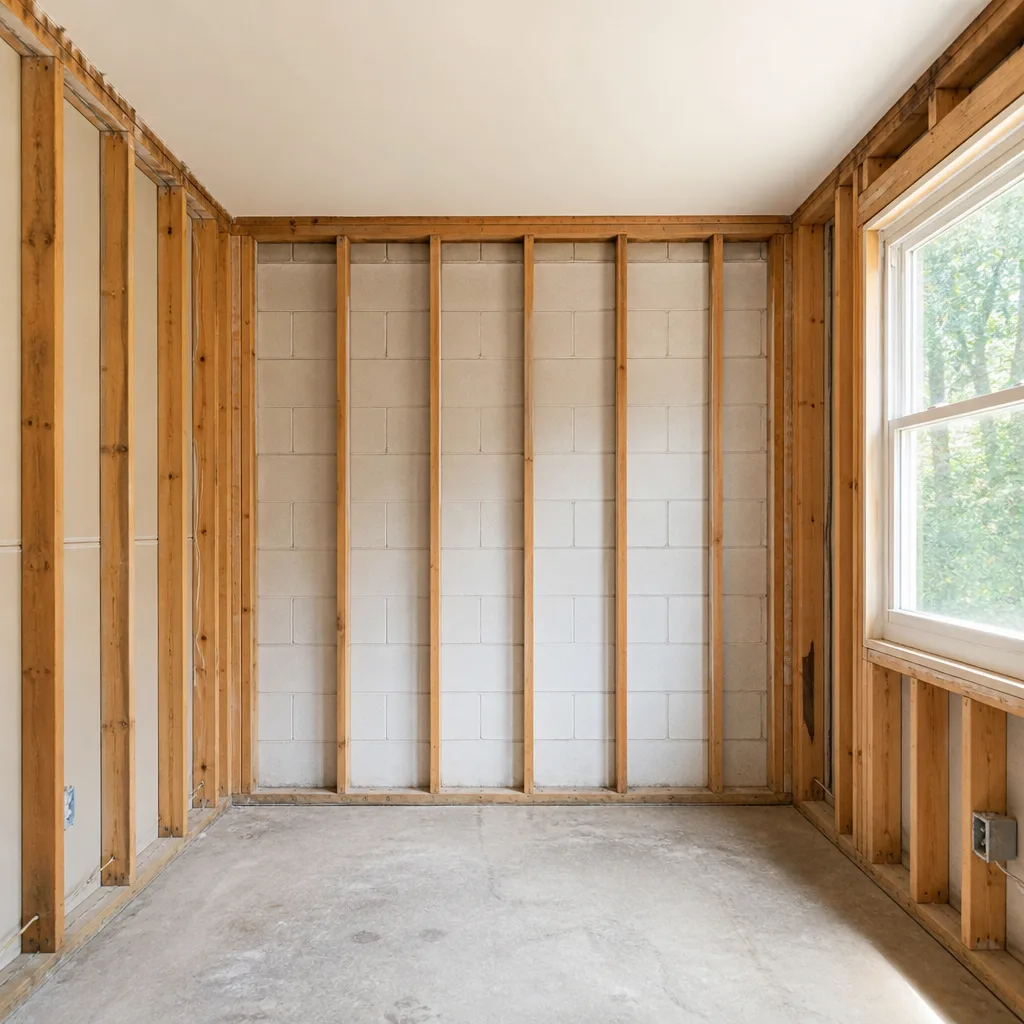
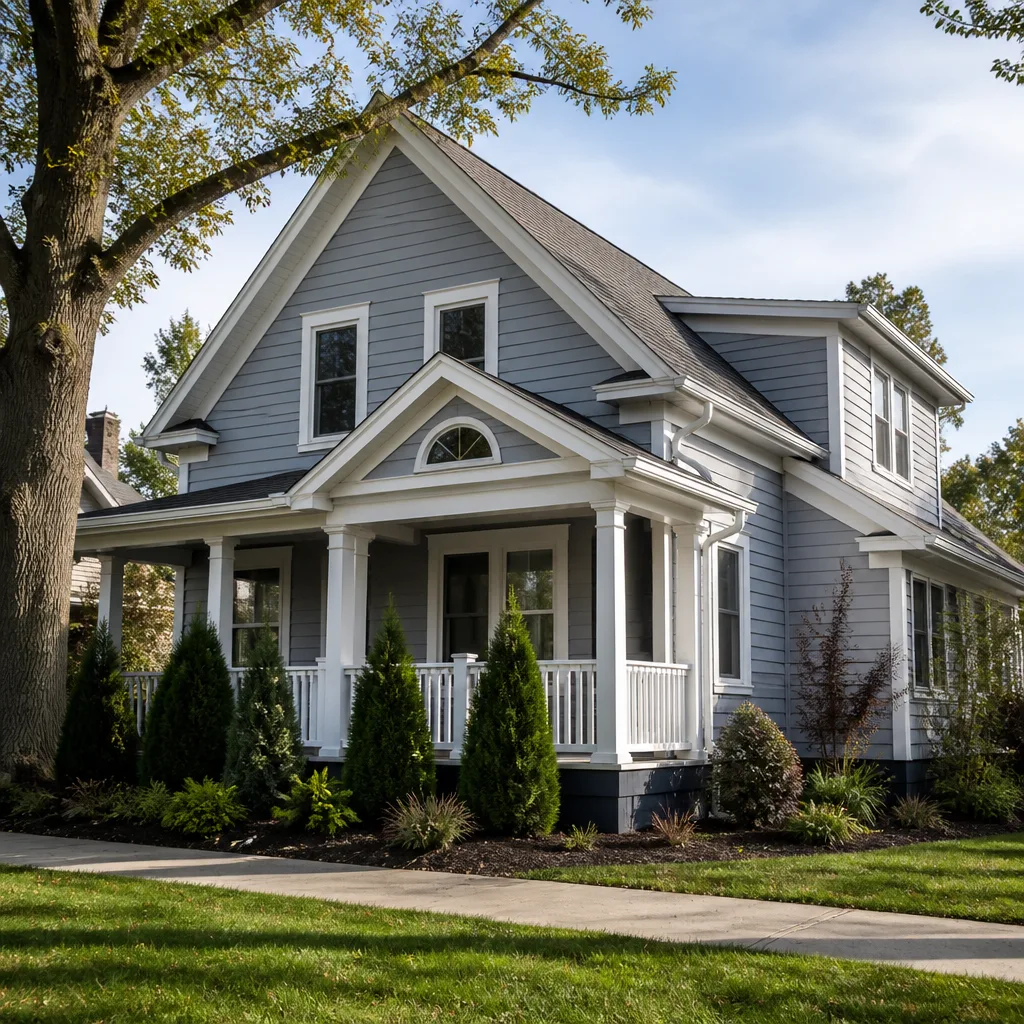
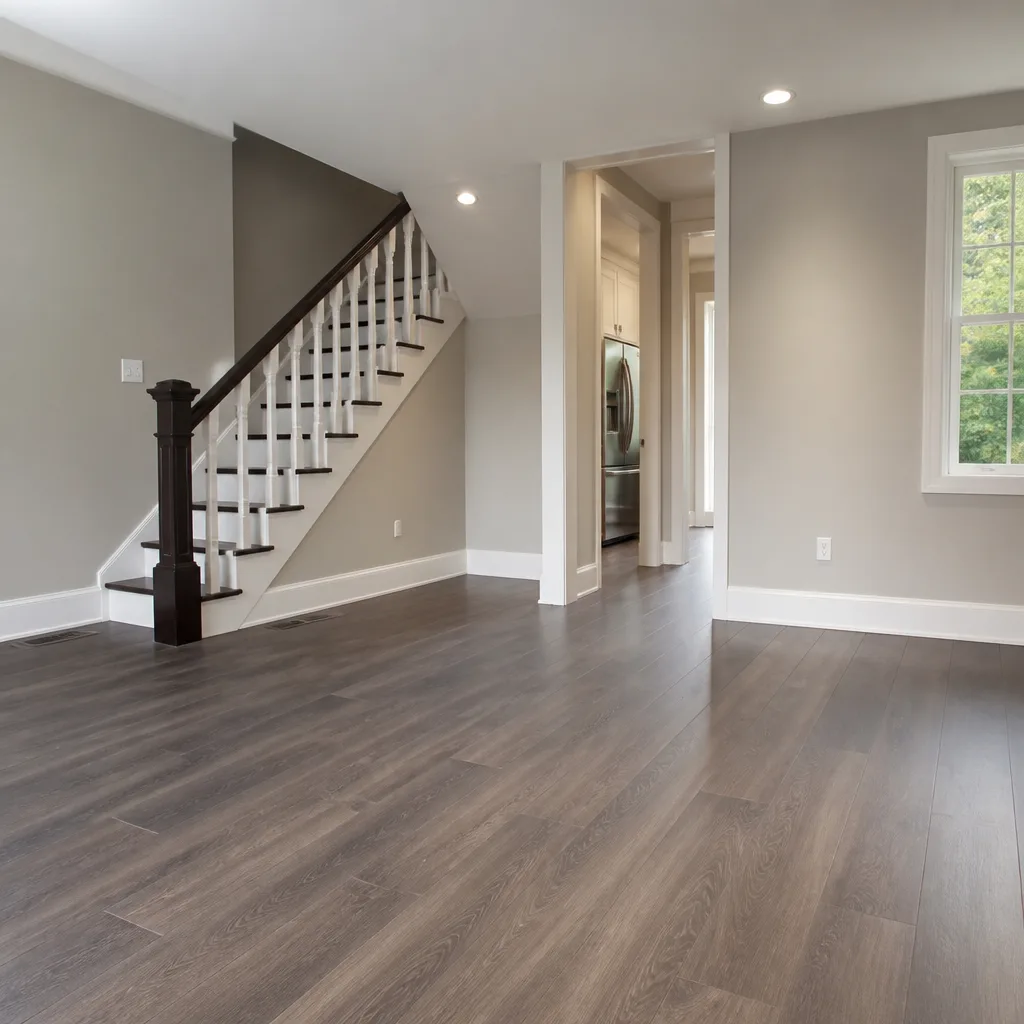
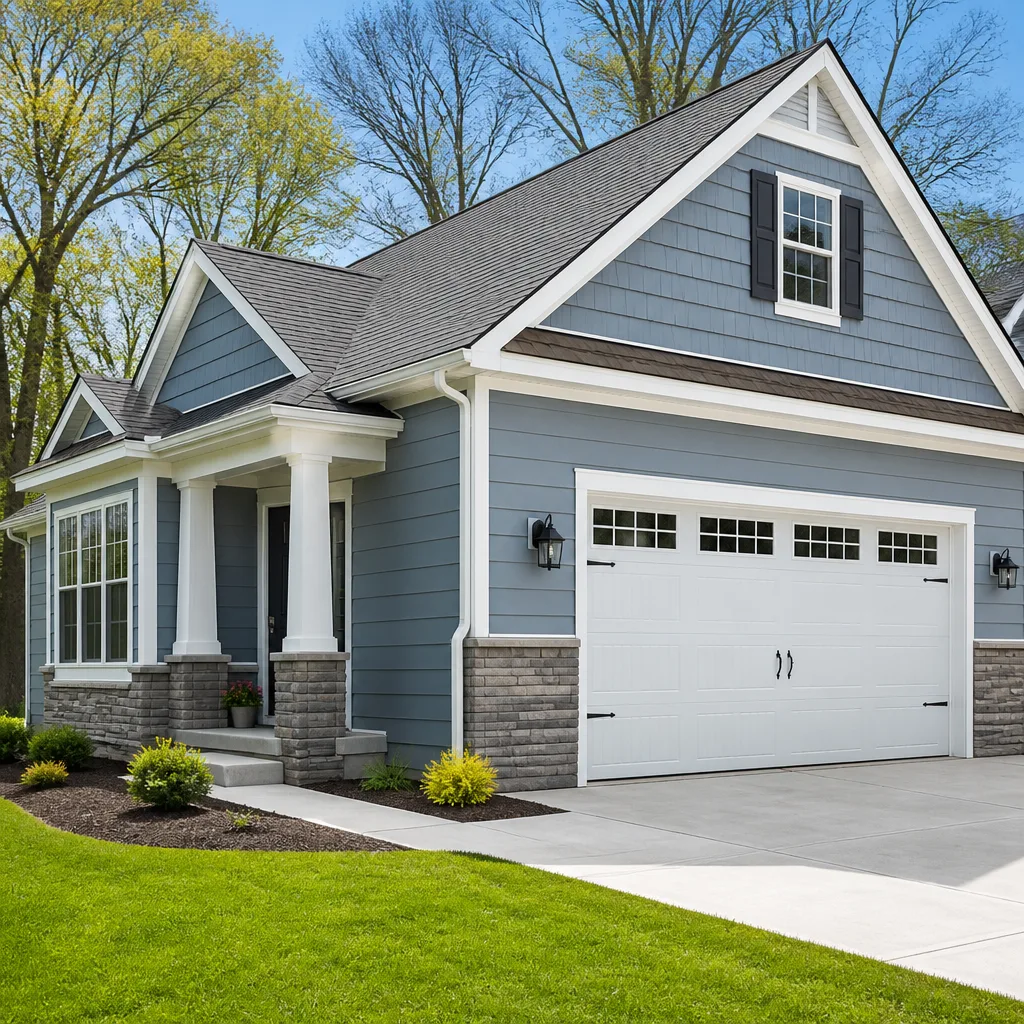
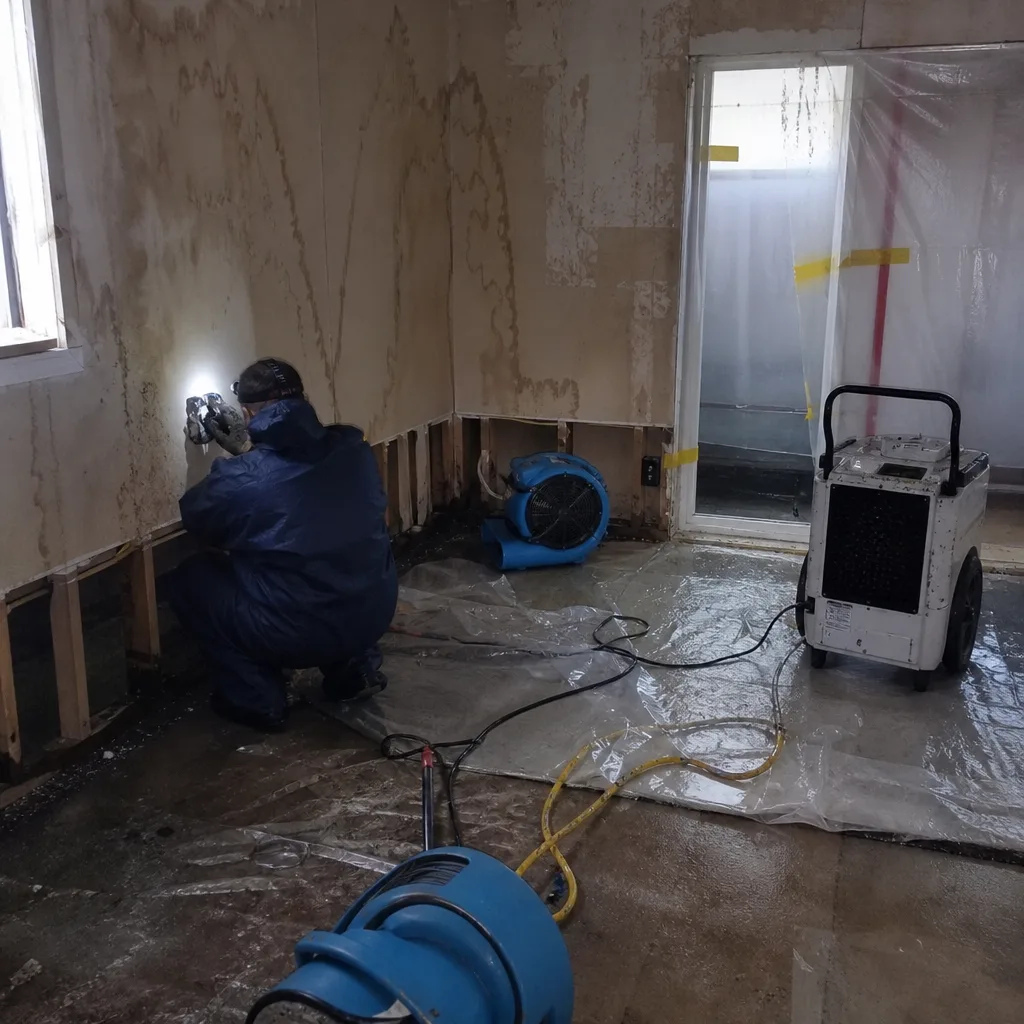 Before
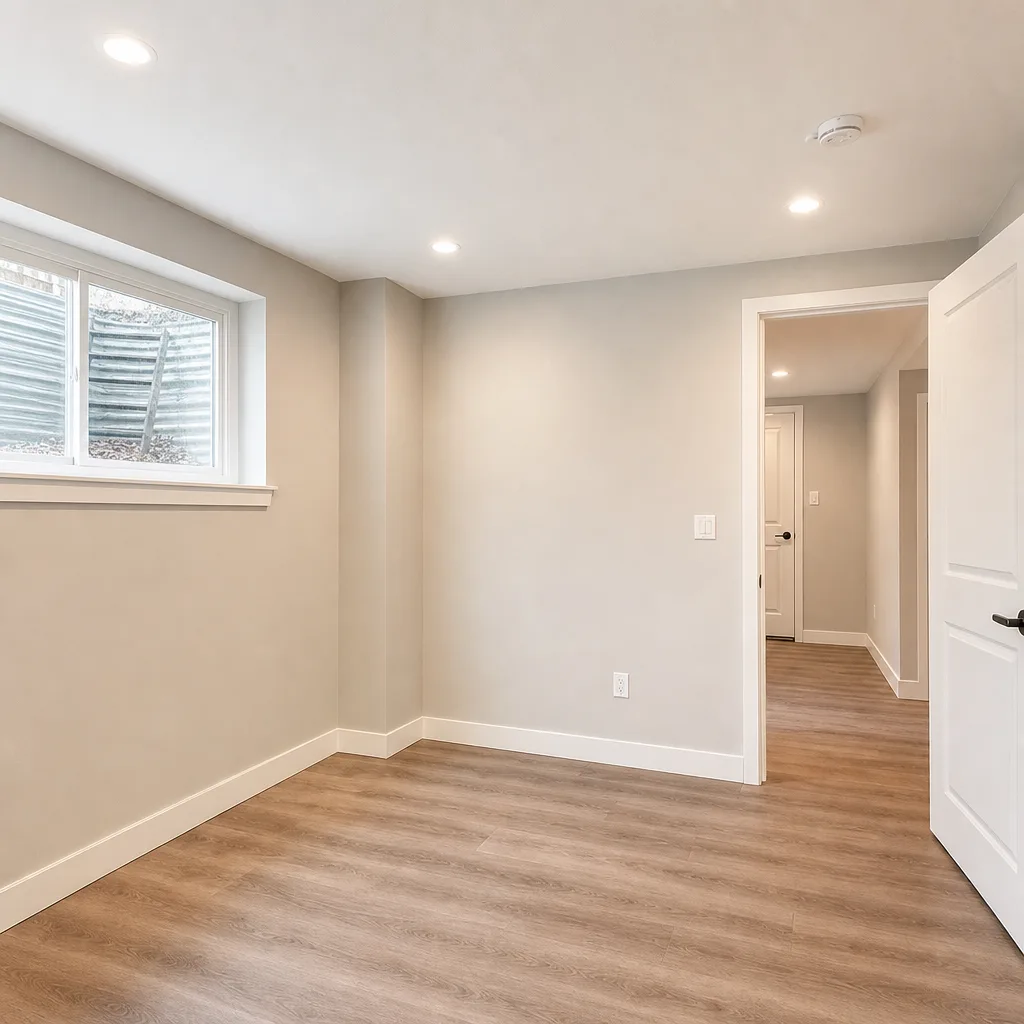 After
After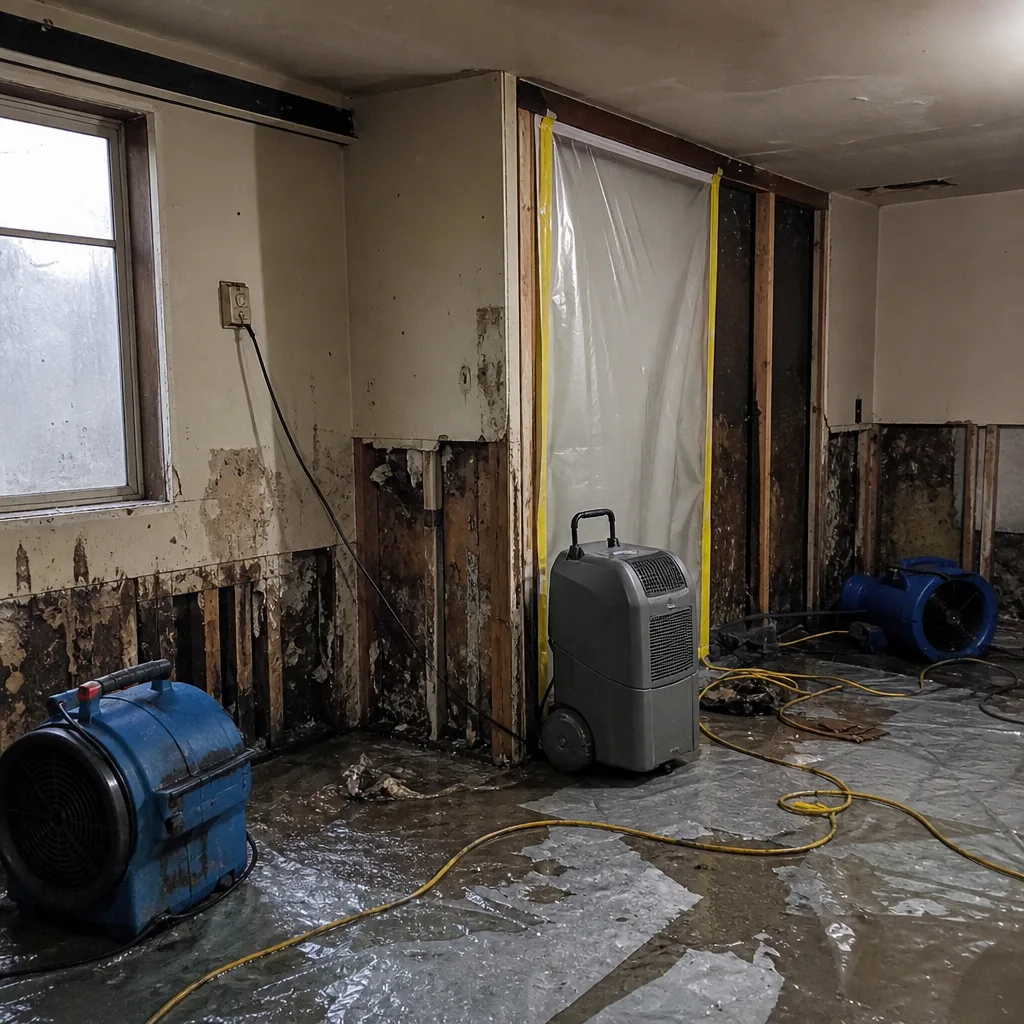 Before
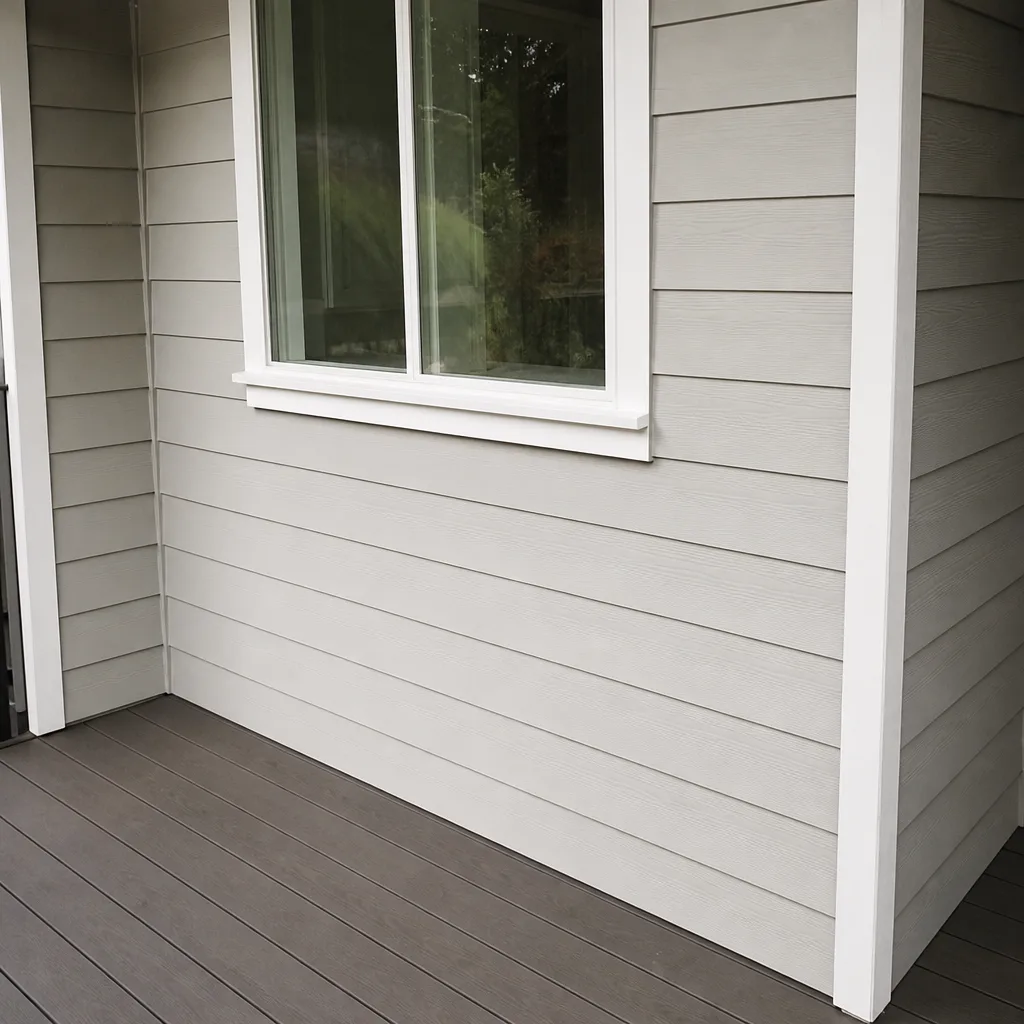 After
After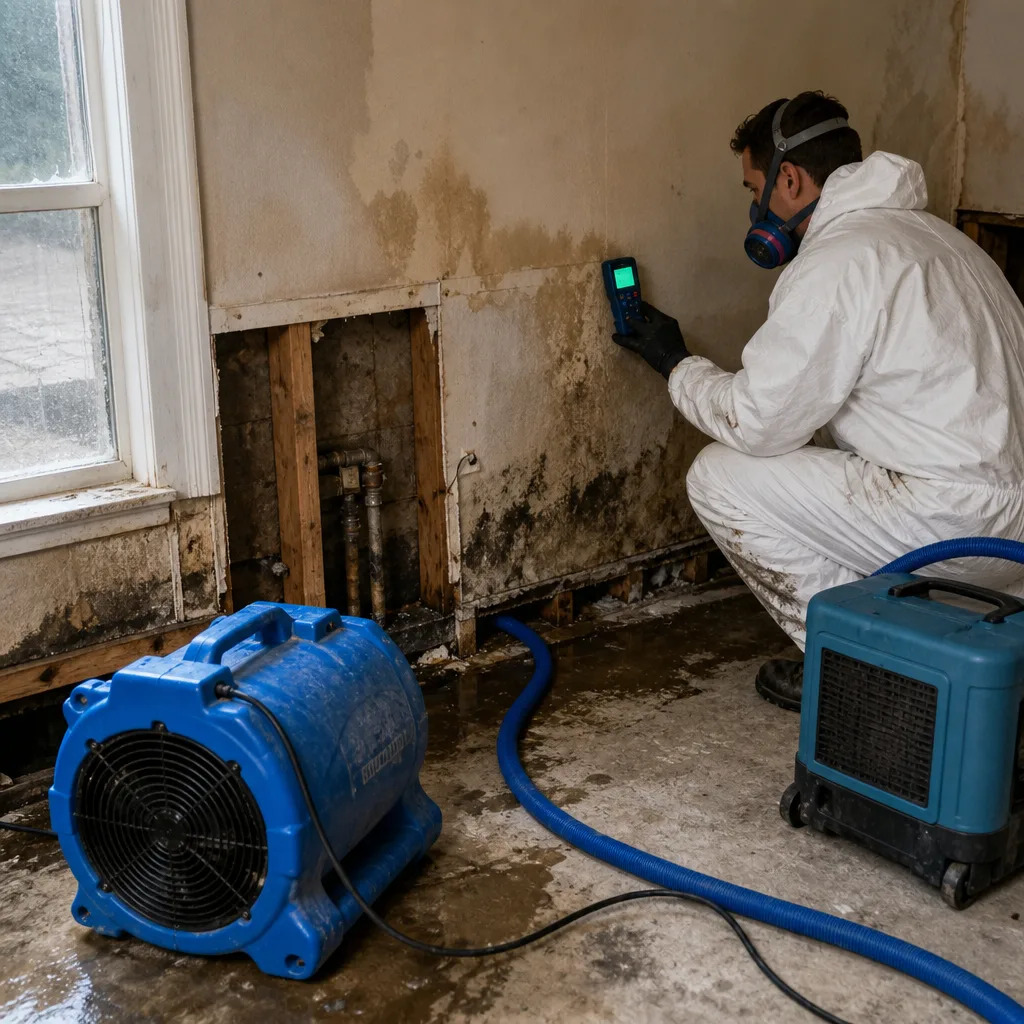 Before
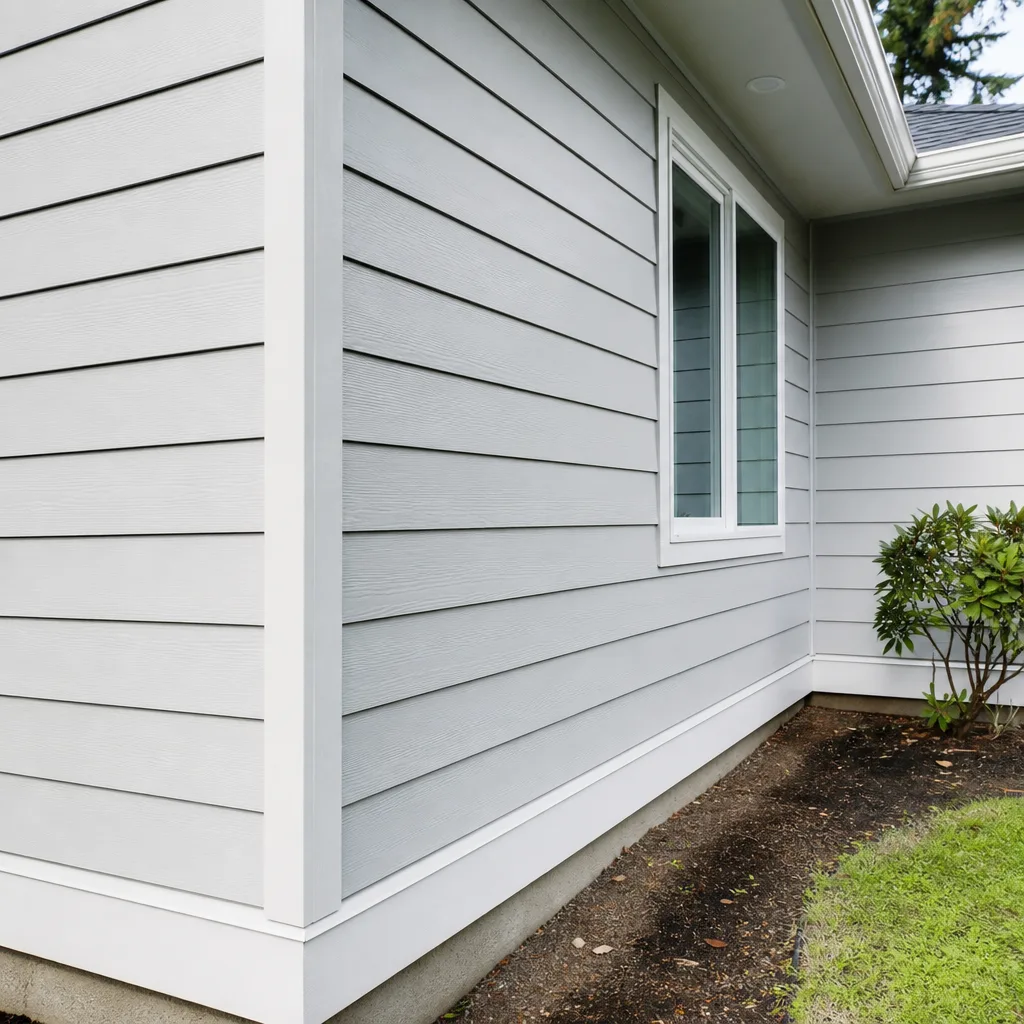 After
After24/7 Emergency Fire & Smoke Damage Restoration in Des Moines
Fire and smoke damage restoration in Des Moines typically costs $3,200-$8,500 for partial-structure cleanup and $12,000-$35,000 for full rebuilds, with most emergency board-up and stabilization calls answered within 45 minutes. Call (360) 997-2427 now - a live person answers every emergency line, 24 hours a day, 7 days a week, with no voicemail trees while smoke is still settling.
The first hour after a fire determines how far smoke migrates through your HVAC system, how deeply soot embeds into porous materials, and whether firefighting water begins secondary mold growth. Our crews dispatch from the Seattle office and serve Des Moines properties directly, carrying thermal imaging cameras, HEPA air scrubbers, and moisture meters on every truck. We perform a free visual inspection, document pre-loss condition with photos, and deliver a written price before any work begins - Haven Standard, Clause 1.
Understanding Fire & Smoke Damage Restoration Severity in Des Moines Properties
Fire damage in Des Moines follows a severity scale that starts with light smoke residue and progresses to structural char, water saturation, and odor penetration into building cavities. Dry smoke from fast-burning, high-heat fires produces fine, powdery soot that wipes from non-porous surfaces but embeds permanently in unsealed drywall and insulation. Wet smoke from slow, smoldering fires - common in the upholstered furniture and synthetic materials found in Des Moines’s 1950s-1970s ranch homes - creates sticky, smeary residue that requires solvent-based cleaning and often demands removal of affected materials entirely.
Protein fires from kitchen incidents, the most frequent call we handle near the Des Moines Marina and commercial corridors, leave nearly invisible but pungent residues that standard cleaning won’t touch. The real complication in Des Moines’s housing stock isn’t the fire itself - it’s what comes after. Those slab-on-grade and daylight-basement foundations, built before modern vapor barriers, trap firefighting water against foundation walls. Meanwhile, the marine layer keeps humidity elevated even when skies clear, so wet framing that might dry in 72 hours inland can stay damp for a week on the bluff, crossing into Category 2 or Category 3 water conditions as microbial growth takes hold.
Smoke migration follows pressure differentials and HVAC pathways, not logic. We’ve traced smoke odor from a garage fire on South 222nd Street into a master bedroom two floors up because the return air path pulled it through wall cavities. Tertiary smoke damage - odor and residue in areas never touched by flame - is where restoration costs multiply, and where documentation matters most for your claim.
Why Des Moines Property Owners Choose DryMark Restoration Kent
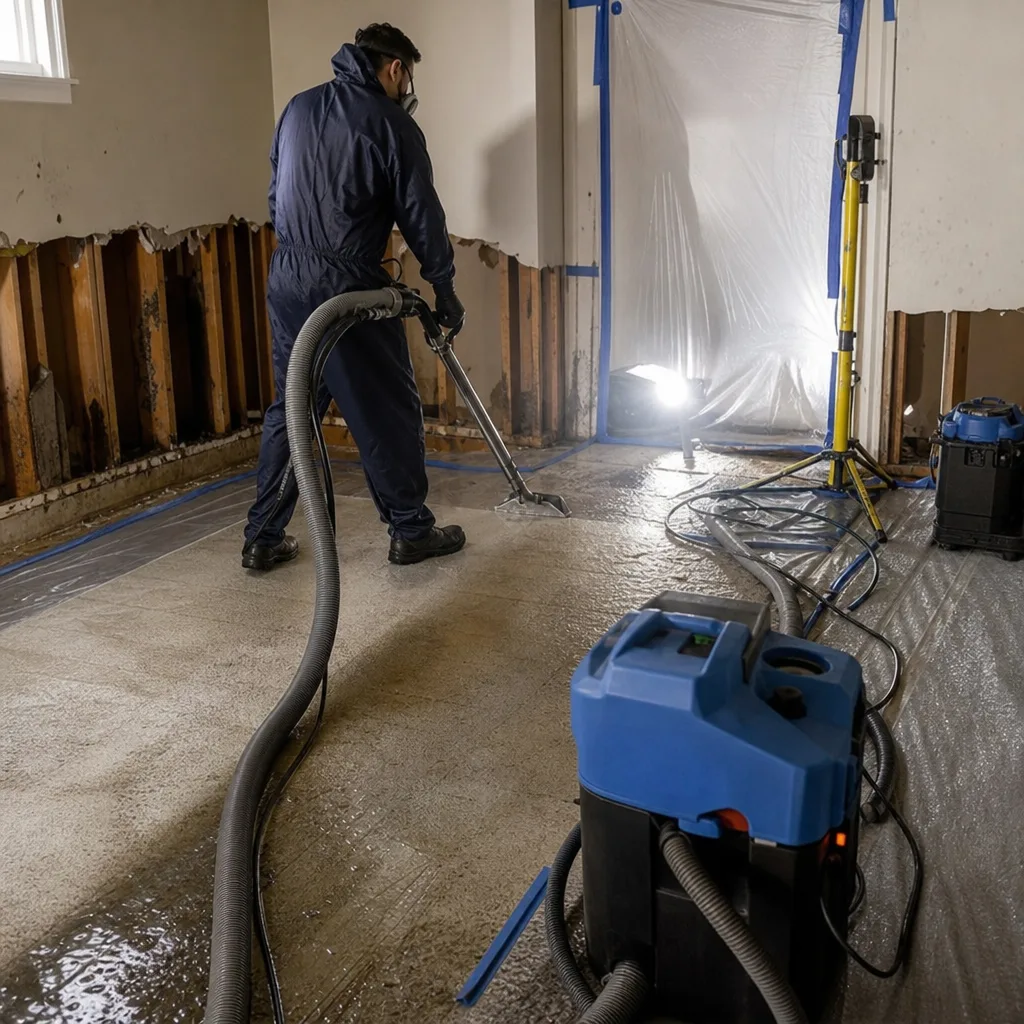
- 45-minute response commitment to Des Moines addresses, measured from dispatch confirmation to truck arrival, because smoke damage compounds every minute it sits.
- 24/7 live answer - a real person, never an automated system or voicemail tree, picks up every call to (360) 997-2427 within three rings.
- IICRC-certified crews holding FSRT (Fire and Smoke Restoration Technician) and WRT (Water Damage Restoration Technician) certifications, with license numbers provided on request and verified before any technician enters your property.
- Free visual inspection with no obligation, producing a documented photo record and moisture readings you can use for any purpose, including competitor comparison.
- Direct insurance billing with daily drying logs, room-by-room moisture readings, and line-item scopes formatted to your carrier’s standard - the documentation that turns restoration invoices into payable claims.
- One team from extraction to reconstruction, so accountability never transfers to a subcontractor whose name isn’t on your written scope.
BeforeAfterOur Fire & Smoke Damage Restoration Process
1. Inspection & Assessment
We document pre-loss condition with photos, test soot residue type (dry, wet, or protein), map smoke migration with thermal imaging, and record moisture readings in all affected and adjacent materials. Every finding goes into your file before any equipment runs.
2. Emergency Board-Up & Stabilization
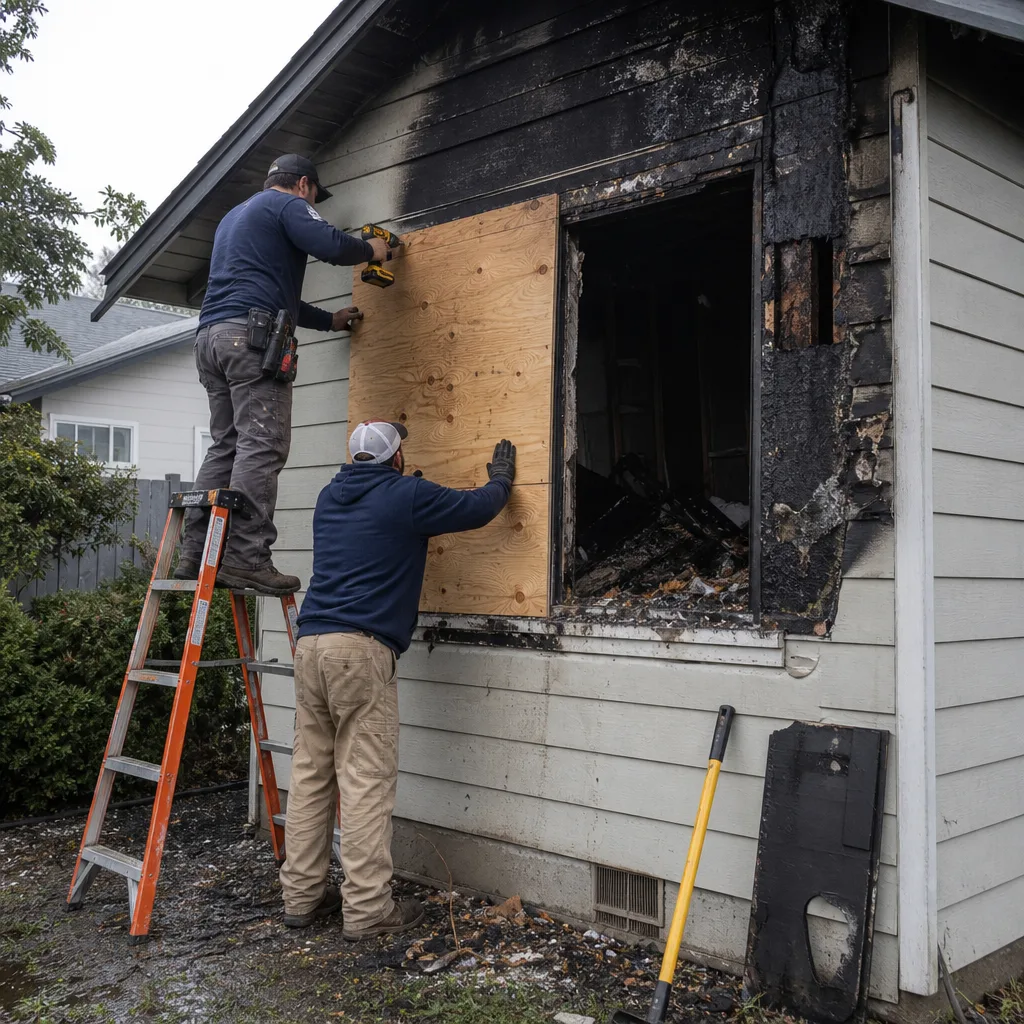
We secure compromised openings with plywood and weather-resistant tarps, shut down HVAC to prevent smoke redistribution, and establish containment barriers. On Des Moines bluff properties, we inspect garage-door hardware for salt-corrosion failure that could re-admit smoke odor.
3. Water Extraction & Structural Drying
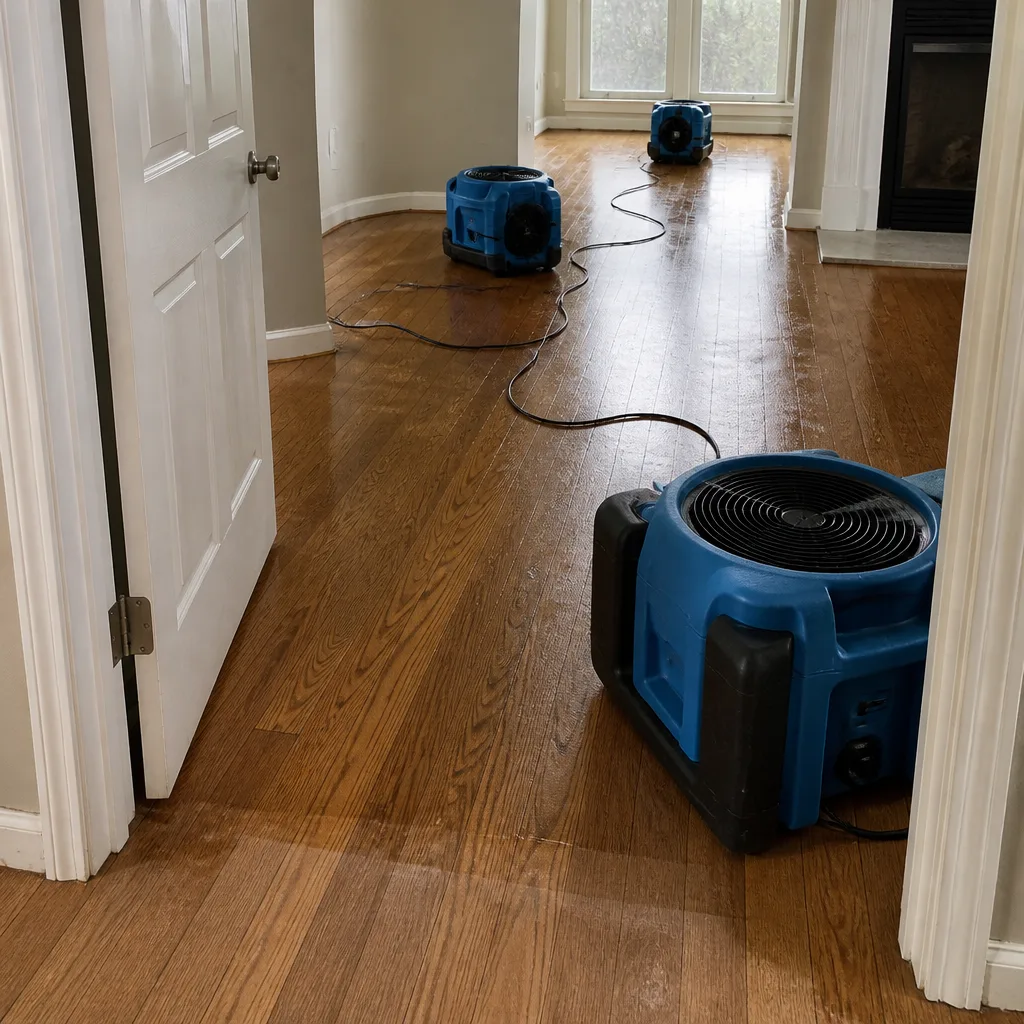
Firefighting water gets extracted with truck-mounted systems, then we deploy Dri-Eaz and Phoenix dehumidifiers with air movers positioned for optimal vapor pressure differential - the measurable force that pulls moisture from materials into the air. Daily moisture logs track progress to IICRC standards.
4. Smoke & Soot Removal
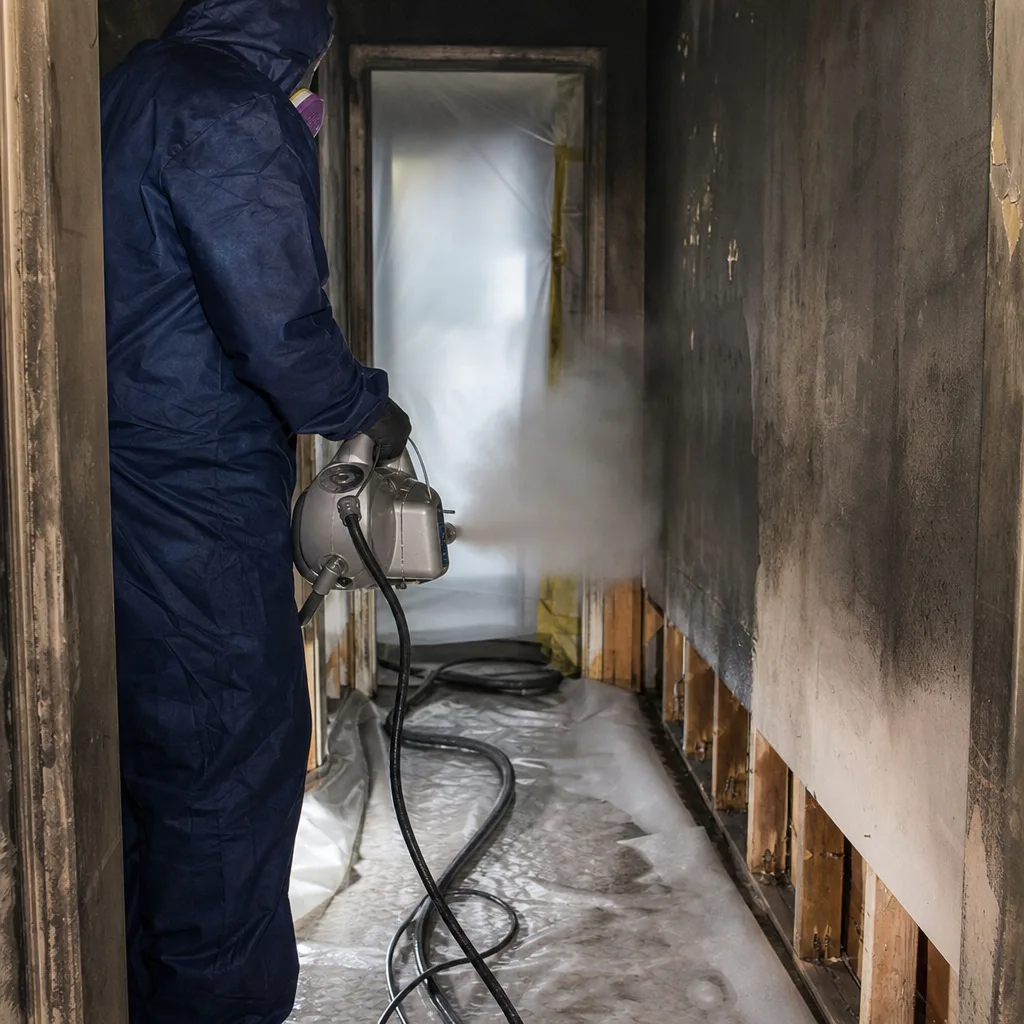
Residue-specific cleaning: dry vacuuming for powdery soot, solvent cleaning for wet smoke, enzymatic treatment for protein fires. HEPA air scrubbers run continuously during this phase, capturing 99.97% of 0.3-micron particles including odor-bearing particulate.
5. Odor Removal & Deodorization
Thermal fogging and ozone treatment penetrate building cavities where smoke traveled, neutralizing odor molecules rather than masking them. In Des Moines’s salt-air environment, we replace compromised weatherstripping and gaskets that marine corrosion has weakened, preventing odor re-entry.
6. Repairs & Restoration
Our crew restores damaged structure to pre-loss condition with a written scope, photo-documented progress, and final moisture verification. The 365-Day Done Right Promise under The Haven Standard covers every repair we perform.
Need Emergency Fire & Smoke Damage Restoration in Des Moines Now?
Crews minutes away, answering live 24 hours a day. The sooner we start, the less it costs.
Working With Your Insurance Company
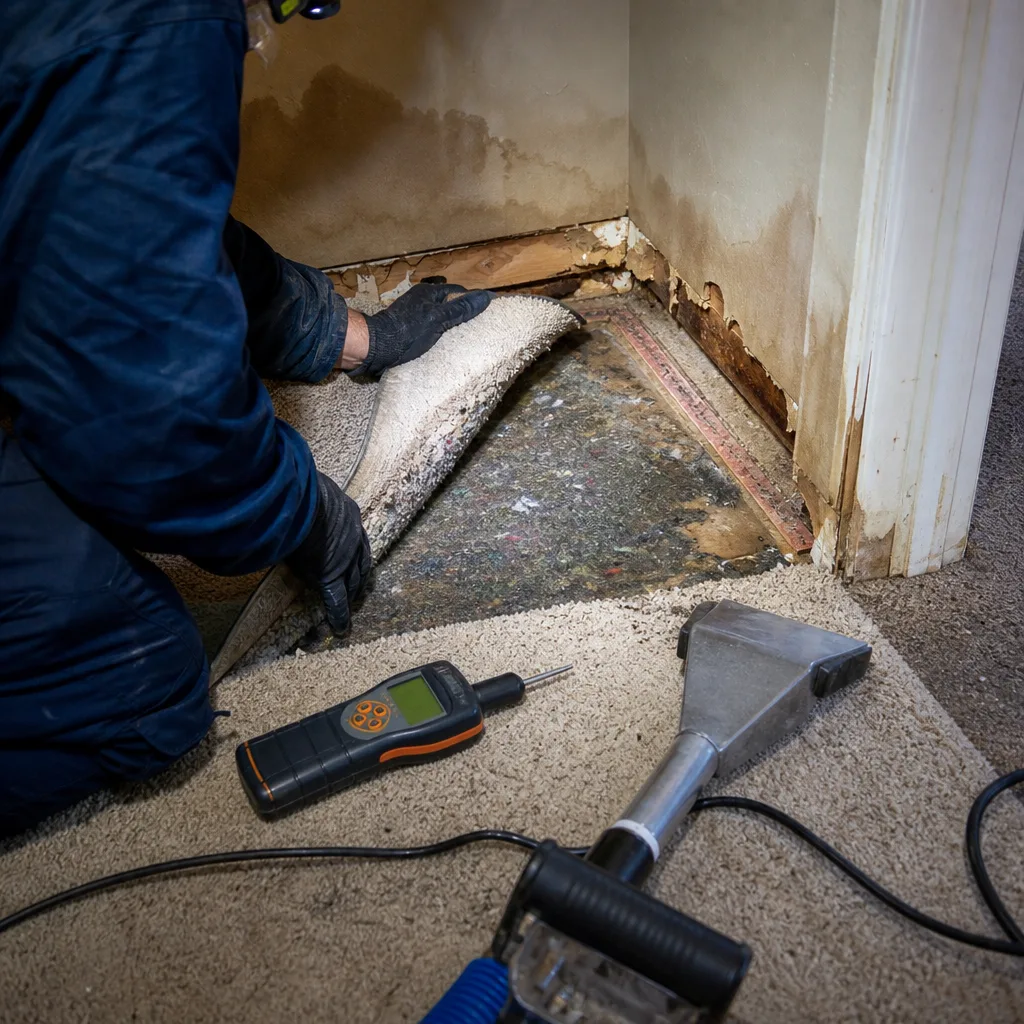
Insurance claims for fire and smoke damage fail most often at the documentation stage - not because the loss isn’t covered, but because the carrier can’t verify what was damaged, when, and by what cause. We solve this from the first hour. Our technician photographs every room, records moisture readings in every affected material, and builds a line-item scope that matches your carrier’s estimating platform.
We provide direct adjuster coordination, not just a bill. Your file includes dated drying logs showing the psychrometric data - temperature, relative humidity, and specific humidity - that proves drying progress. When a Des Moines carrier questions whether mold resulted from firefighting water or pre-existing conditions, our photo record and moisture mapping answer before the question becomes a denial.
What We Provide Your Insurer
- Thorough documentation of the loss
- Photos of all damage, room by room
- Moisture readings and drying logs
- A detailed, line-item scope of work
- Direct coordination with your carrier
Built for Des Moines’s Loss Calendar
Fire losses in Des Moines cluster in predictable patterns tied to our coastal climate and housing age. January through March brings the highest frequency of electrical fires in older ranch homes with original aluminum wiring or overloaded panels never upgraded for modern loads. Space heaters running in uninsulated daylight basements - common in the 1950s-1960s stock along the hillside - account for a disproportionate share of winter calls.
Spring and fall see more kitchen fires, especially in the split-levels where galley kitchens with inadequate ventilation trap grease vapors. Summer brings lightning risk and dryer-vent fires; the marine layer’s moisture actually increases lint accumulation in exterior vents, creating a fire hazard that inland cities don’t face. Year-round, the salt-air corrosion of electrical connections in garages and outbuildings produces arc-fault conditions that smolder before igniting.
The compounding factor across all seasons: firefighting water meeting Des Moines’s persistent humidity. A structure that would dry adequately in Kent’s continental climate often requires extended dehumidification here, with mold growth beginning in 24-48 hours if drying isn’t aggressively documented and adjusted.
Fire & Smoke Damage Restoration Across Des Moines’s Neighborhoods
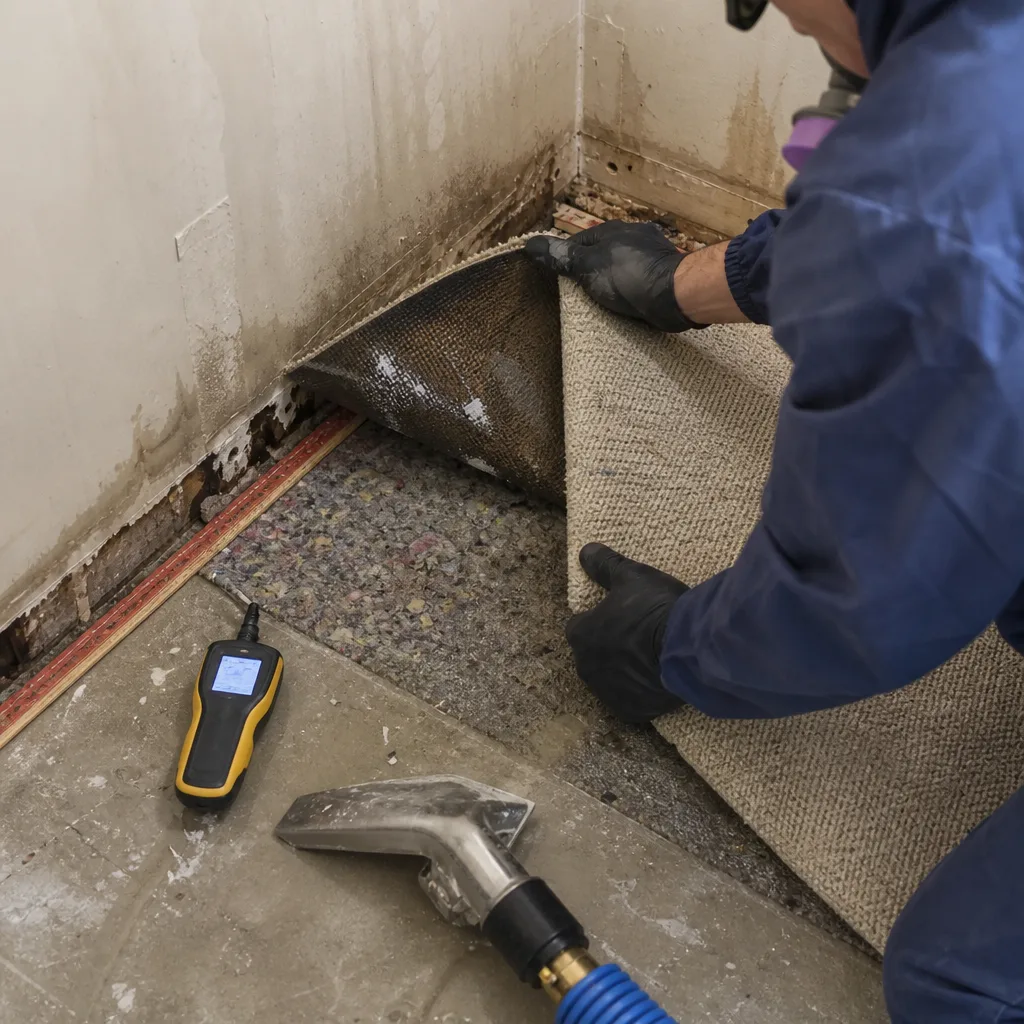
Des Moines’s geography creates distinct restoration challenges by area, and our response routes account for each.
Marine View Drive and the bluff-edge neighborhoods present the salt-air corrosion problem in its most acute form. Garage fires here routinely involve overhead doors that can’t seal after extinguishment because pitted torsion springs and corroded rollers have failed. We budget for hardware replacement on every bluff-side fire call, and we inspect whether smoke odor is being pushed back into living space through compromised door seals.
The Des Moines Marina district and lower commercial corridors mix older residential with restaurant and retail spaces where grease-fire suppression systems have discharged. These jobs often require coordination with the city’s building department on hood-vent inspection and re-certification before reopening.
Mid-hill subdivisions between Pacific Highway and the bluff - the 1960s-1970s ranch concentration - show the slab-on-grade water trap pattern. Firefighting water pools against foundations with no perimeter drainage, then migrates through clay soils into crawl spaces that lack vapor barriers. We frequently find that a “simple” kitchen fire has produced Category 2 water conditions in the crawl space that weren’t visible at first inspection.
The Woodmont and Redondo areas include some of Des Moines’s newer construction, but even 1990s-2000s homes here face the uphill stormwater problem. A fire on a sequential lot may require us to document water sources from neighboring properties before your carrier will accept the full scope.
Specialized Fire & Smoke Damage Restoration Services We Offer in Des Moines
Fire Damage Cleanup
We remove charred structural materials, clean salvageable surfaces with residue-appropriate methods, and document every decision with photos. In Des Moines’s older housing stock, we pay particular attention to lath-and-plaster or early drywall that may contain asbestos - testing before disturbance is standard on pre-1980 homes.
Smoke & Soot Removal
Dry, wet, and protein soot each demand different chemistry and technique. Our FSRT-certified technicians identify residue type on-site and select cleaning agents accordingly. On bluff properties, we also address salt-corroded hardware that can re-distribute soot during ventilation.
Odor Removal & Deodorization
Thermal fogging, ozone, and hydroxyl generators neutralize odor at the molecular level. In Des Moines’s marine environment, we replace weatherstripping and seals degraded by salt air, because deodorization fails if compromised gaskets let new odor-laden air enter.
Contents Cleaning & Pack-Out
Salvageable possessions are inventoried, photographed, and transported to our facility for ultrasonic, dry-cleaning, or ozone treatment. Non-salvageable items are documented for your claim with replacement-value research. We return cleaned contents only after structural odor removal is verified.
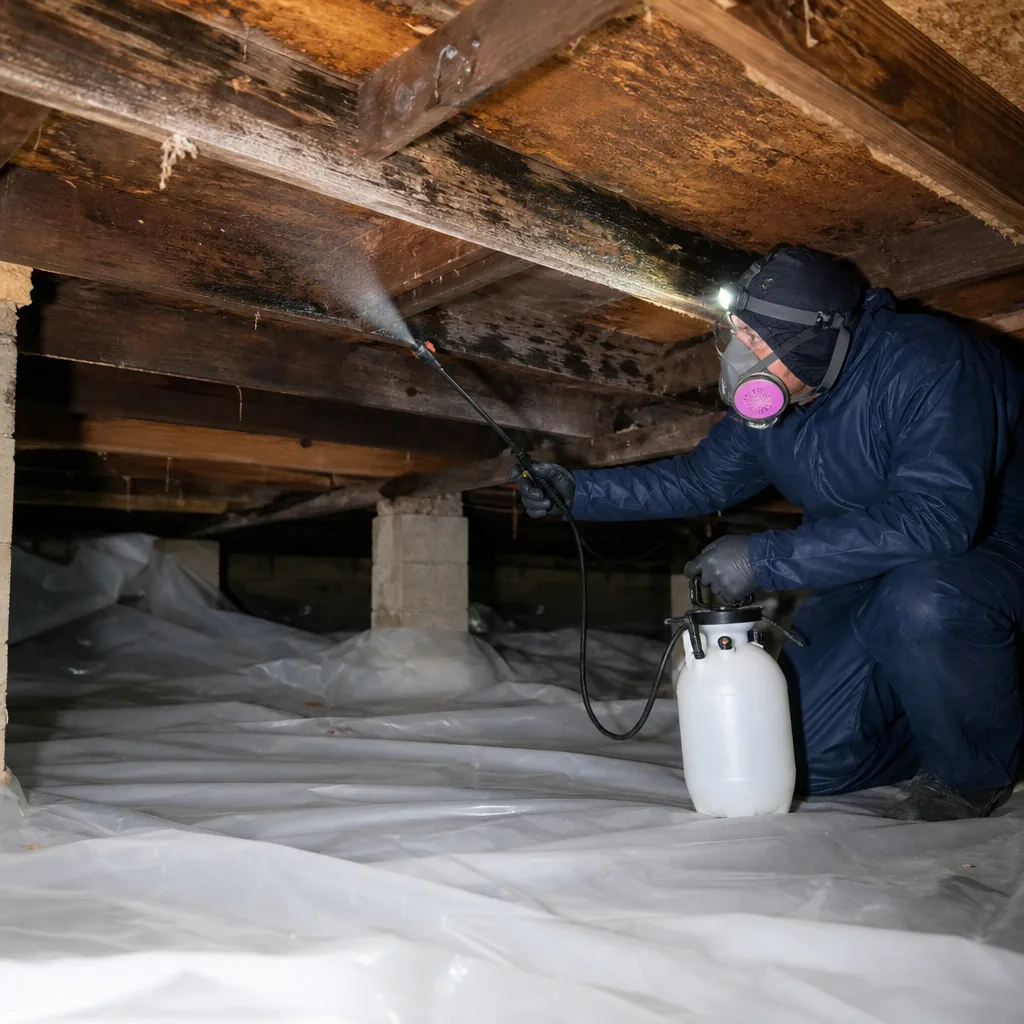
Emergency Board-Up & Tarping
We secure fire-damaged structures against weather and intrusion within hours of your call. On Des Moines’s exposed bluff properties, wind-driven rain can re-enter through compromised roofing or siding within minutes - our tarps are rated for marine wind exposure.
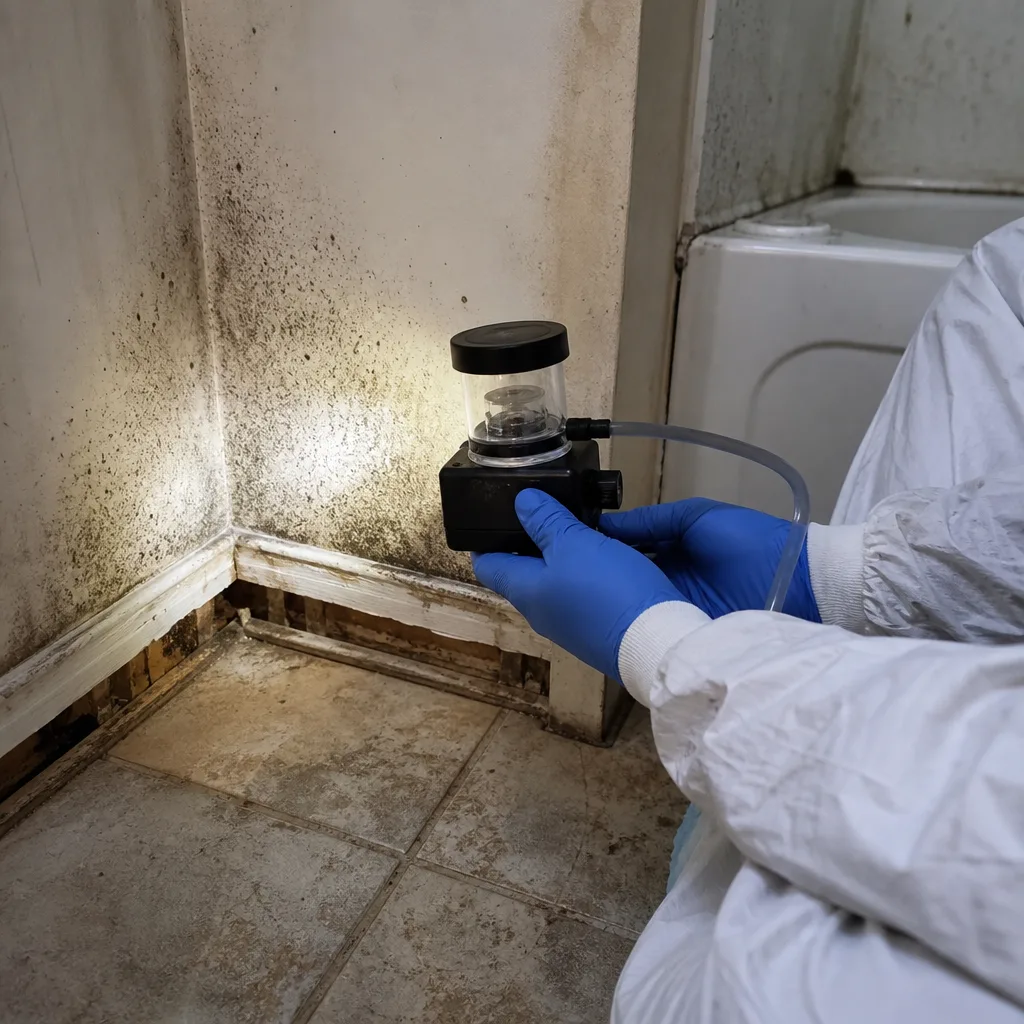
What happens when you call
- 1
A real person answersNo phone trees - you reach a local pro.
- 2
You get an upfront price rangeHonest numbers before anyone is dispatched.
- 3
A background-checked tech heads outLicensed & insured, dispatched right away.
- 4
You approve before work beginsNothing starts until you say go.
Fire & Smoke Damage Restoration Costs in Des Moines, WA
Honest pricing for Des Moines’s market, delivered in writing before work begins:
- Emergency board-up and stabilization: $850-$2,400, depending on opening count and roof access difficulty
- Smoke and soot cleanup (partial structure, one level): $3,200-$6,800
- Full-structure smoke remediation with odor removal: $8,500-$18,000
- Contents pack-out, cleaning, and storage: $1,800-$4,500 plus per-item cleaning rates
- Structural repairs and reconstruction: $12,000-$35,000+ depending on square footage and material match requirements
What moves the price: extent of firefighting water, smoke migration distance (HVAC involvement adds significantly), asbestos or lead testing requirements in pre-1980 homes, and whether salt-corroded garage-door hardware requires replacement as part of the scope. Most homeowner policies cover direct fire and smoke damage; coverage for water damage from extinguishment varies by carrier and policy wording. We review your policy with you and coordinate directly with your adjuster to clarify coverage before work proceeds. Bring any competitor’s written estimate for our Free Second Opinion - we’ll review it at no charge.
We Also Serve Cities Near Des Moines
Our Fire & Smoke Damage Restoration in Des Moines crews also respond to fire and smoke losses in Fire & Smoke Damage Restoration throughout Kent, SeaTac, Auburn, and Renton. Each city’s building stock and climate create distinct restoration profiles, and we adjust our protocols accordingly - but our documentation standards and Haven Standard pricing guarantees remain consistent across every service area.
Serving Des Moines, WA - Our Local Coverage Area
We’re based in the Des Moines area and know this community well. Use the map below to see our service coverage - if you’re nearby, we can almost certainly help.
Des Moines Fire & Smoke Damage Restoration Questions, Answered
Why does our Des Moines garage-door hardware matter after a fire?
Salt-laden marine air off Puget Sound corrodes garage-door torsion springs, rollers, hinges, and opener chains several times faster than in inland Kent, so after a garage fire we budget for corroded-hardware failure during ventilation instead of treating the door as intact.
On a split-level home along Marine View Drive, a garage fire was extinguished but the overhead door’s pitted torsion springs and corroded rollers kept the door from seating, letting smoke odor re-enter the house. Our crew performed water extraction, then used moisture mapping and moisture readings to document the wet framing before setting containment, then antimicrobial treatment on the salt-dampened lower wall plates before structural drying with air movers and dehumidification. We replaced the corroded springs/hinges with galvanized/coated springs and stainless hardware plus nylon rollers, packed out contents for cleaning, and logged daily moisture readings in drying logs so the carrier could see the drying curve. If your garage door won’t seal after a fire, call (360) 997-2427 - we’ll inspect the hardware as part of our free visual inspection.
Does the marine layer affect how long drying takes in Des Moines?
Yes - the marine layer and salt air off Puget Sound keep humidity elevated even during dry spells, preventing structural materials from fully drying between rain events and dramatically shortening the window for effective restoration drying work.
Where inland King County properties might achieve target moisture content in 72 hours with standard dehumidification, Des Moines’s bluff-side homes often require extended drying with supplemental heat and desiccant dehumidifiers to overcome the ambient moisture load. We adjust equipment counts and document the psychrometric data that proves drying progress to your carrier. Call (360) 997-2427 for a free inspection with moisture readings.
How fast can mold start after firefighting water in a Des Moines home?
Mold can begin growth within 24-48 hours of water intrusion in Des Moines’s elevated-humidity environment, faster than the 48-72 hour threshold typical in drier climates.
The combination of firefighting water saturation and marine-layer humidity means that wet drywall and framing in slab-on-grade or daylight-basement foundations - common in Des Moines’s 1950s-1970s housing stock - can support active mold growth while the garage is still being secured. We test moisture content in all adjacent materials at first inspection and establish drying protocols immediately, not after smoke cleanup is complete. If you’ve had firefighting water in your home, call (360) 997-2427 for immediate moisture mapping.
Could stormwater from uphill lots turn a fire loss into a Category 2 or Category 3 job?
Yes - bluff-side stormwater from uphill neighbors’ lots can pool against slab-on-grade and daylight-basement foundations after firefighting water, so Category 1 water may have migrated through clay-heavy soils into areas that require Category 2 or Category 3 handling.
The category decides what can be dried and what must come out. Category 1 (clean water) allows drying of most structural materials. Category 2 (gray water, with chemical or biological contamination from soil contact) requires removal of porous materials. Category 3 (black water, with significant pathogen load) demands removal and antimicrobial treatment. We test water quality at multiple locations and document the classification with photos and lab results where needed for your claim. Call (360) 997-2427 if you’re concerned about water migration from neighboring properties.
Do you document pre-loss condition and drying for insurance in Des Moines?
Yes - documented photo record on every visit, daily moisture logs, and written scope before work begins are standard on every job, not upsells.
Our file for your carrier includes: dated photos of every room showing pre-loss condition where determinable, moisture readings with meter model and calibration date, drying logs with psychrometric data, a line-item scope matching your carrier’s estimating format, and direct adjuster coordination. This documentation-first approach is why Back to Dry Restoration was founded in 2011 by a former claims adjuster - we built the company around the documentation gap that costs homeowners their claims. Call (360) 997-2427 to discuss your claim documentation needs.
How fast can someone actually get to my Des Moines property?
We commit to 45 minutes from dispatch confirmation to truck arrival for emergency fire and smoke calls in Des Moines.
Dispatch and scheduling are coordinated from our Seattle office, with crews serving Des Moines locally. Live phone coverage is available 24 hours a day, 7 days a week with no voicemail on emergency lines. The sooner we start board-up and stabilization, the less smoke migrates and the lower your total restoration cost. Call (360) 997-2427 now for immediate dispatch.
Will insurance cover fire and smoke damage, or just the fire itself?
Most homeowner policies cover direct fire and smoke damage, smoke odor removal, and water damage from firefighting efforts, but coverage limits and exclusions vary by carrier and policy form.
Common points of dispute: whether mold resulting from firefighting water is covered (often limited or excluded), whether code-upgrade requirements are included, and whether detached structures or contents are covered at replacement cost or actual cash value. We review your policy declarations with you, photograph all damage before any cleanup, and coordinate directly with your adjuster to establish coverage scope before work proceeds. Our documentation package is designed to answer carrier questions before they become denials. Call (360) 997-2427 for a free inspection and policy review.
Can we stay in our home during fire and smoke restoration?
Occupancy depends on the extent of smoke migration, structural integrity, and whether HVAC systems can be isolated from affected areas.
For localized fires with contained smoke damage and functional electrical and plumbing, partial occupancy may be possible with HEPA air scrubbers running and containment barriers in place. For fires with extensive smoke migration into bedrooms or HVAC distribution, or where structural repairs are needed, temporary relocation is usually necessary for health and safety. We assess air quality with particulate meters and document findings for your carrier, as additional living expense coverage may apply. Call (360) 997-2427 to discuss your specific situation.
Fire and smoke damage in Des Moines behaves differently than inland - the salt air, the marine layer, the clay soils, and the sequential bluff drainage all create restoration challenges that template approaches miss. Our crews know the local failure patterns because we’ve documented them on hundreds of jobs since 2011. Every call gets a live answer, every job gets a written price before work starts, and every repair is backed by the 365-Day Done Right Promise under The Haven Standard.
Call (360) 997-2427 now for emergency response or to schedule your free visual inspection.
Written by Alicia Brennan, Owner at Back to Dry Restoration, serving Des Moines since 2011.
Fire & Smoke Damage Restoration in Nearby Areas