
Free visual inspection and a written scope of work before any mitigation begins - photos, moisture readings, and drying logs go in your claim file
The scope we write is the scope we bill. Anything new gets shown to you, in writing, before we touch it.
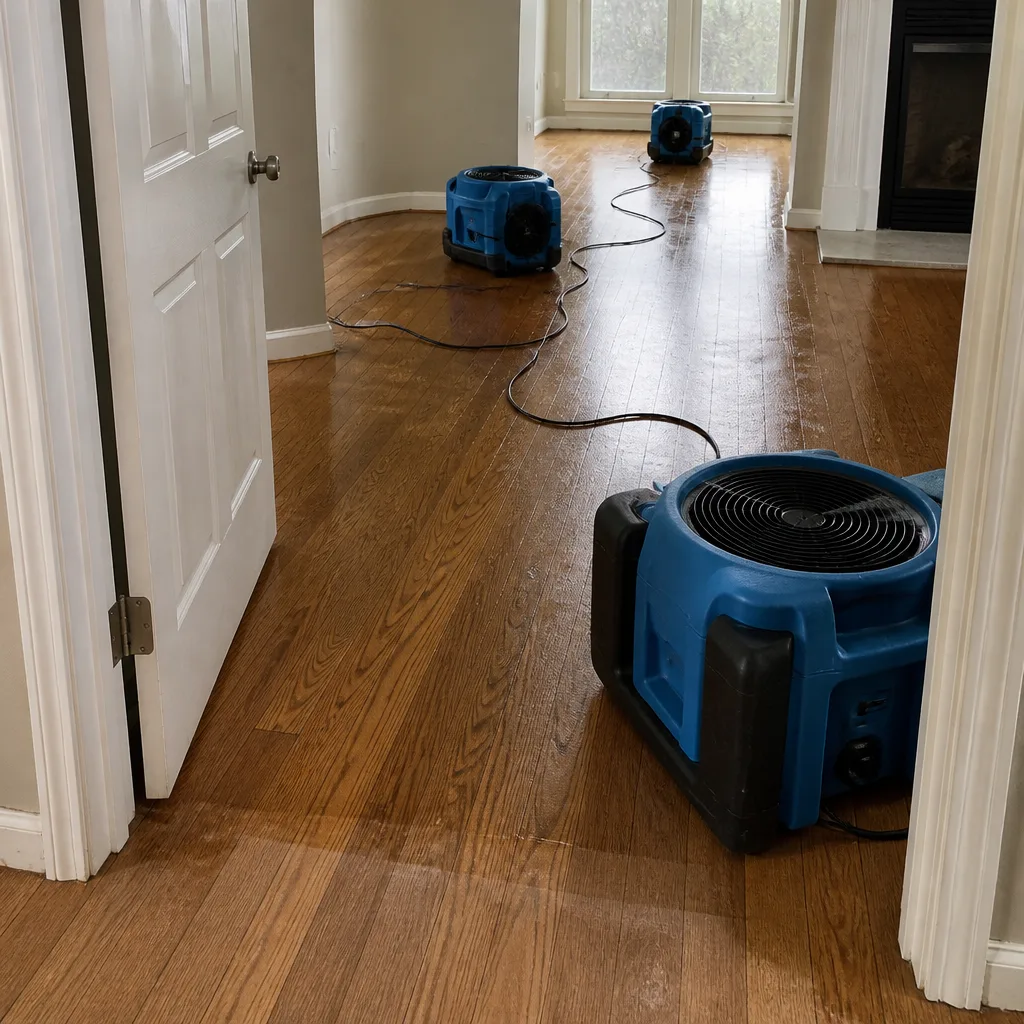
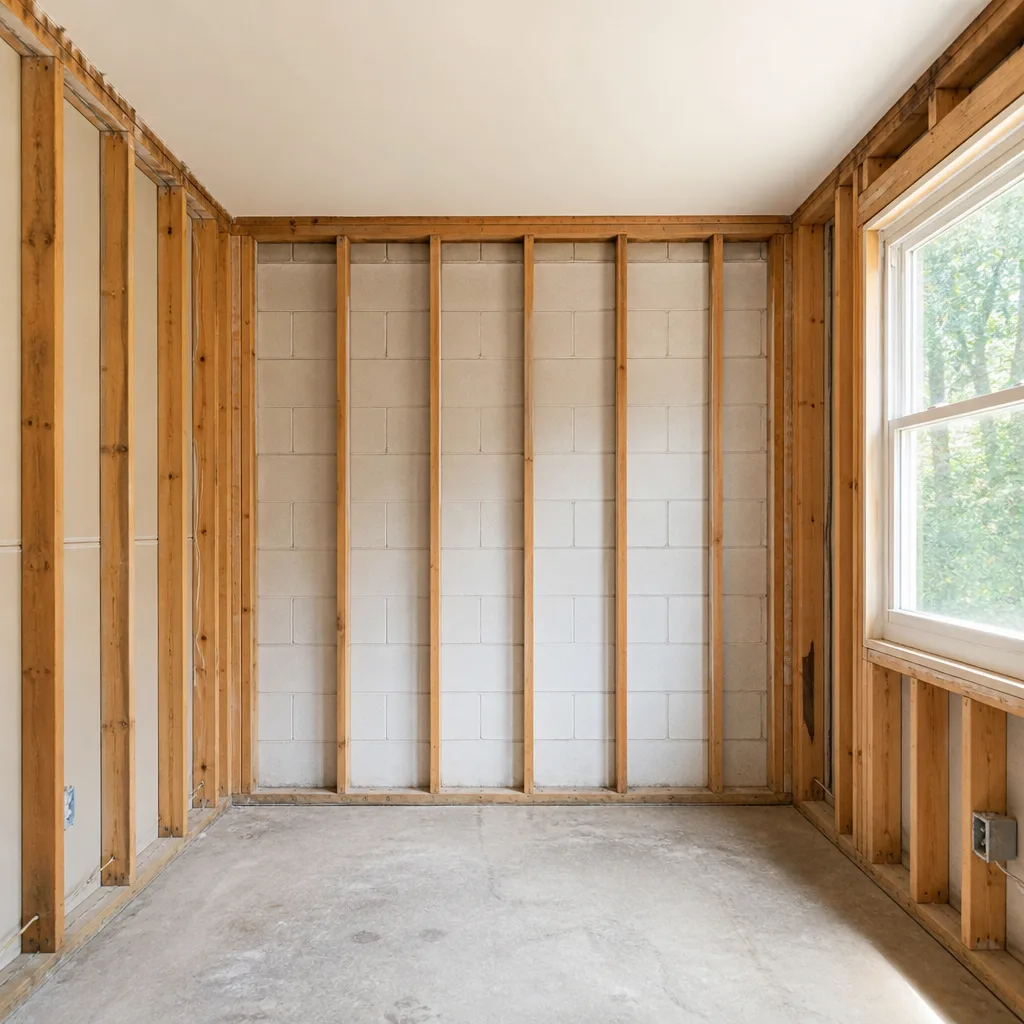
 Before
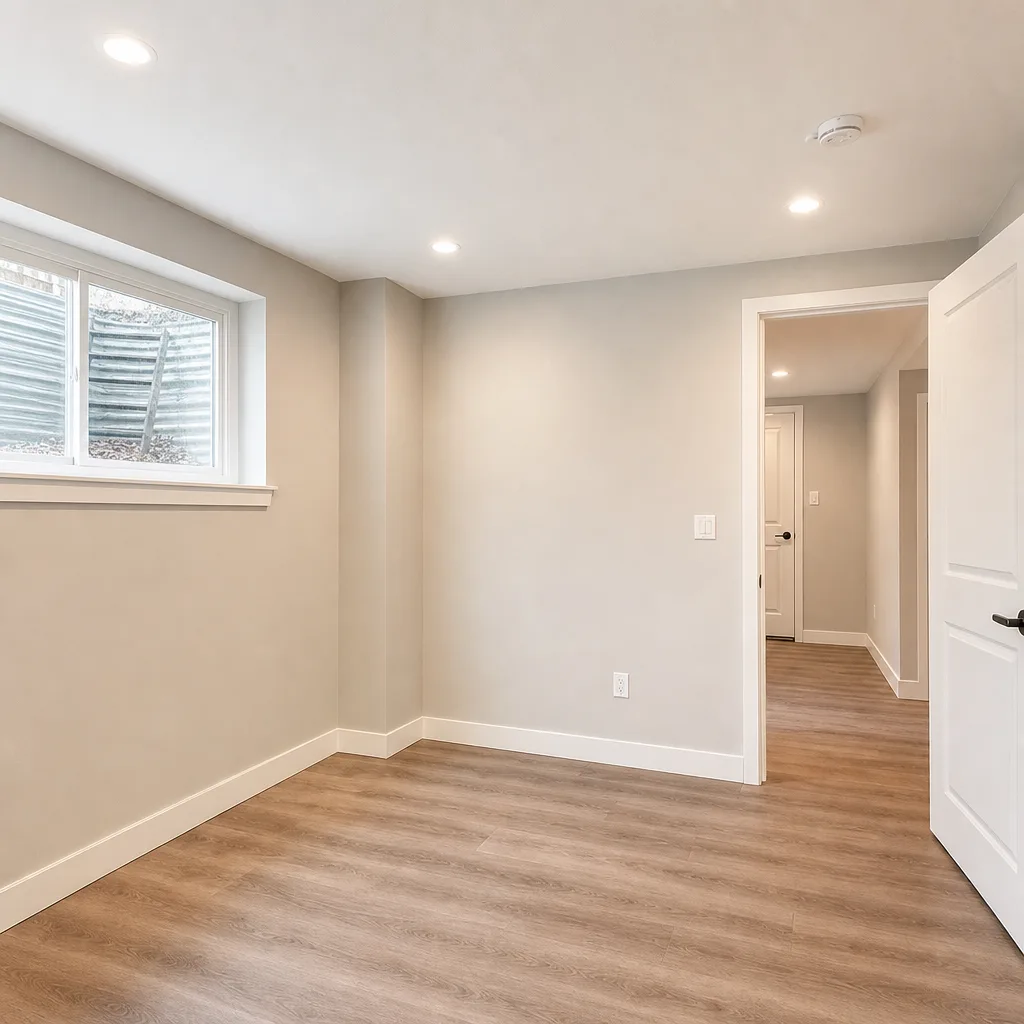 After
After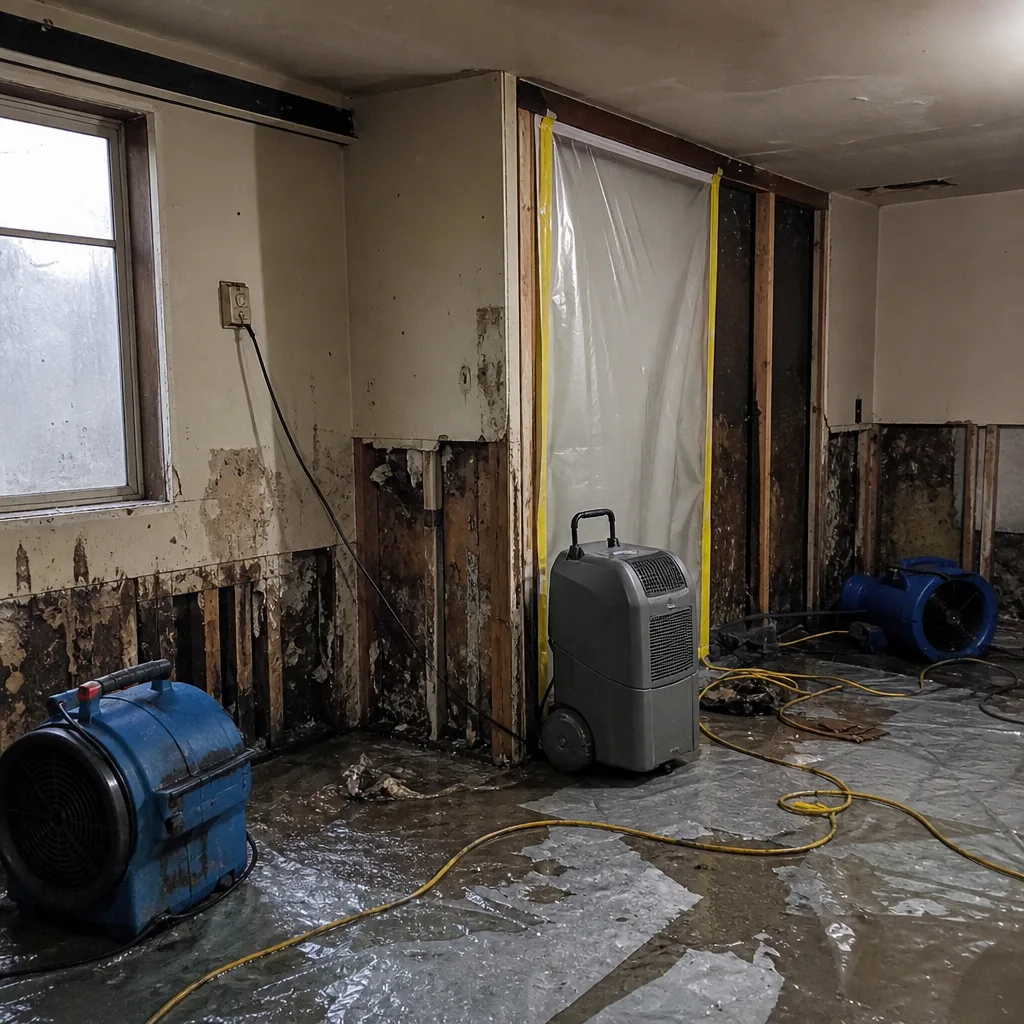 Before
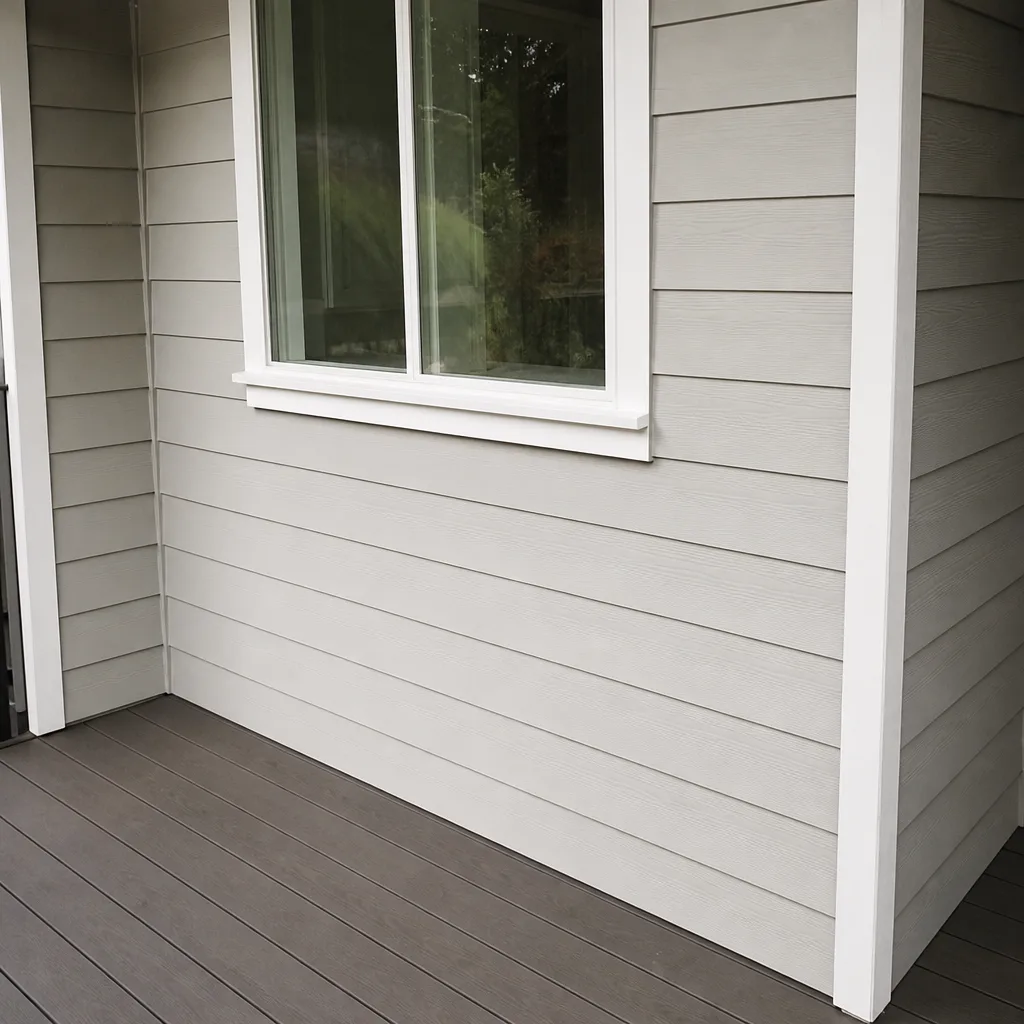 After
After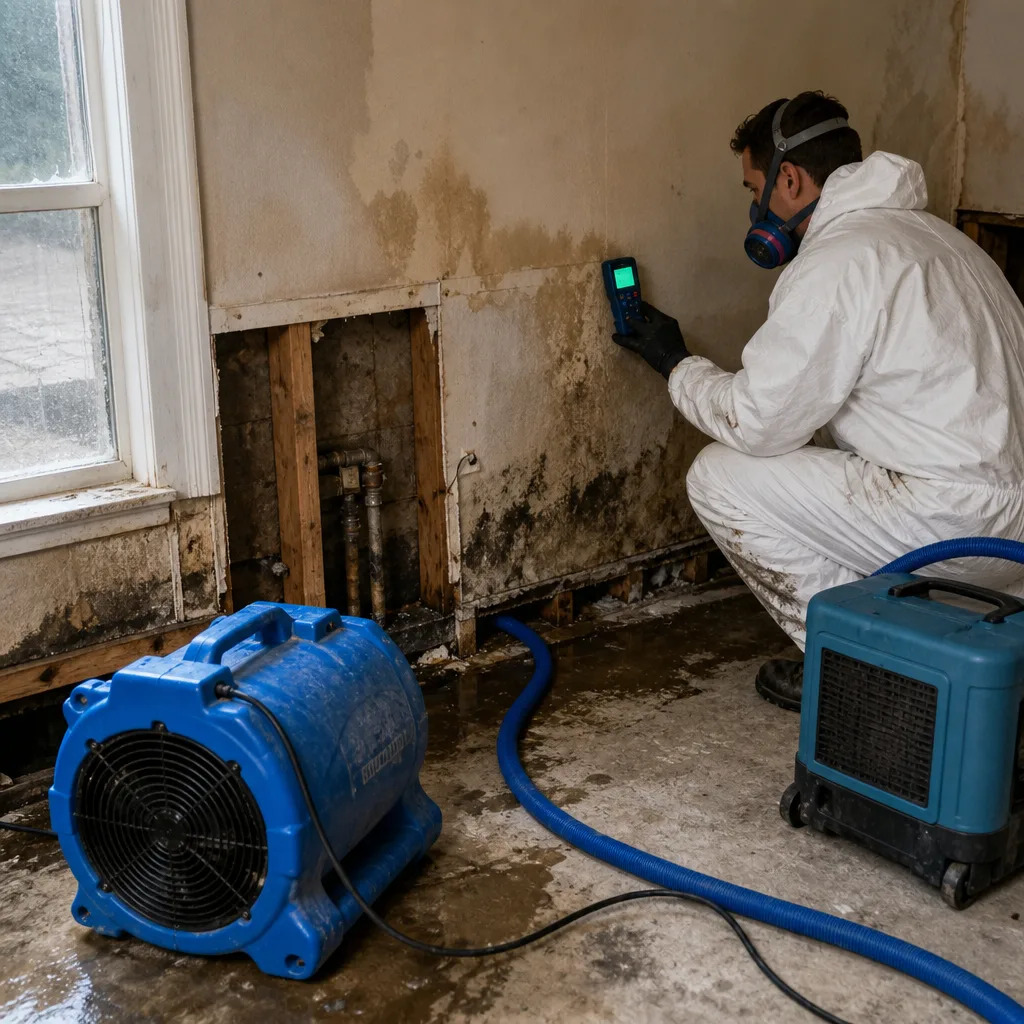 Before
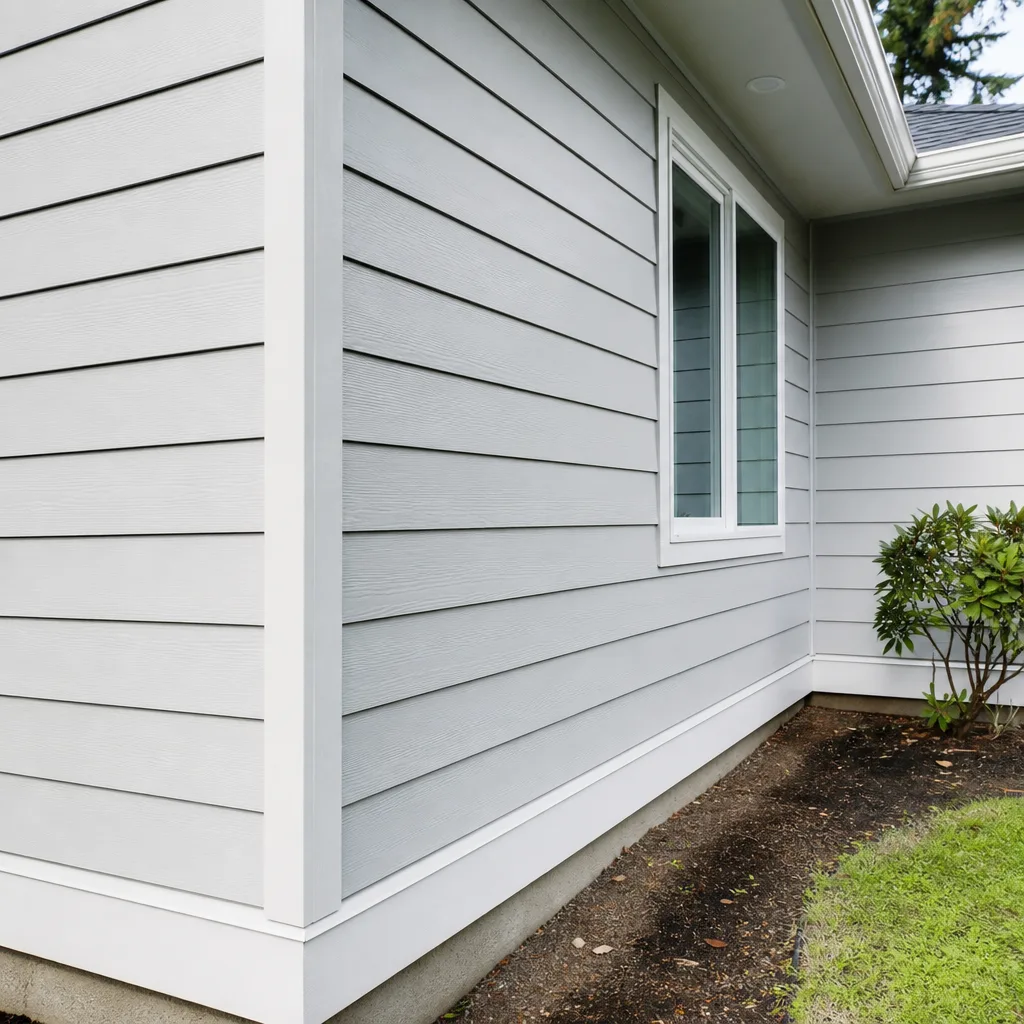 After
After24/7 Emergency Water Damage Restoration in SeaTac
Water damage in SeaTac doesn’t wait for business hours, and neither do we. Call (360) 997-2427 any time, day or night, and a live person answers - no voicemail, no callback queue, no automated system routing you in circles. Our crews dispatch from our Seattle office and can be on-site anywhere in SeaTac within 45 minutes, from the Sound Insulation retrofit ranchers near South 154th Street to the aging apartment blocks along International Boulevard. The first hour determines whether we’re extracting standing water or tearing out mold-gutted drywall. Every minute water sits, it migrates laterally through subfloors, wicks up wall cavities, and drops the ambient humidity just enough to hide the real saturation from a casual look. We start with a free visual inspection, then deliver a written price before any equipment runs. That’s Haven Standard, Clause 1.
Understanding Water Damage Restoration Severity in SeaTac Properties
Water damage breaks into three categories by contamination level, and in SeaTac’s housing stock, the category often escalates faster than owners expect. Category 1 - clean water from a burst supply line or ice-maker - becomes Category 2 (gray water) within 24 to 48 hours as it picks up microbes from subfloor and wall cavity debris. Left longer, it hits Category 3 (black water), requiring full removal of affected porous materials and antimicrobial treatment.
Moisture mapping with thermal imaging and penetrating hygrometers tells us the real story. Surface dryness means nothing. We measure moisture content in wood framing, drywall, and concrete substrates against established drying goals, then track psychrometric data - temperature, relative humidity, and vapor pressure differential - to force evaporation without over-drying and cracking finishes.
SeaTac’s post-WWII ranchers and split-levels, many retrofitted under the Port of Seattle’s Sound Insulation Program, present a unique severity risk. Their tightened building envelopes trap moisture that older, leakier construction would have vented passively. A slow leak behind a sealed wall can saturate insulation and framing for days before any visible sign appears. By the time a homeowner smells something musty, we’re often looking at Category 2 contamination with established mold colonization, not a simple extraction job.
Why SeaTac Property Owners Choose DryMark Restoration Kent
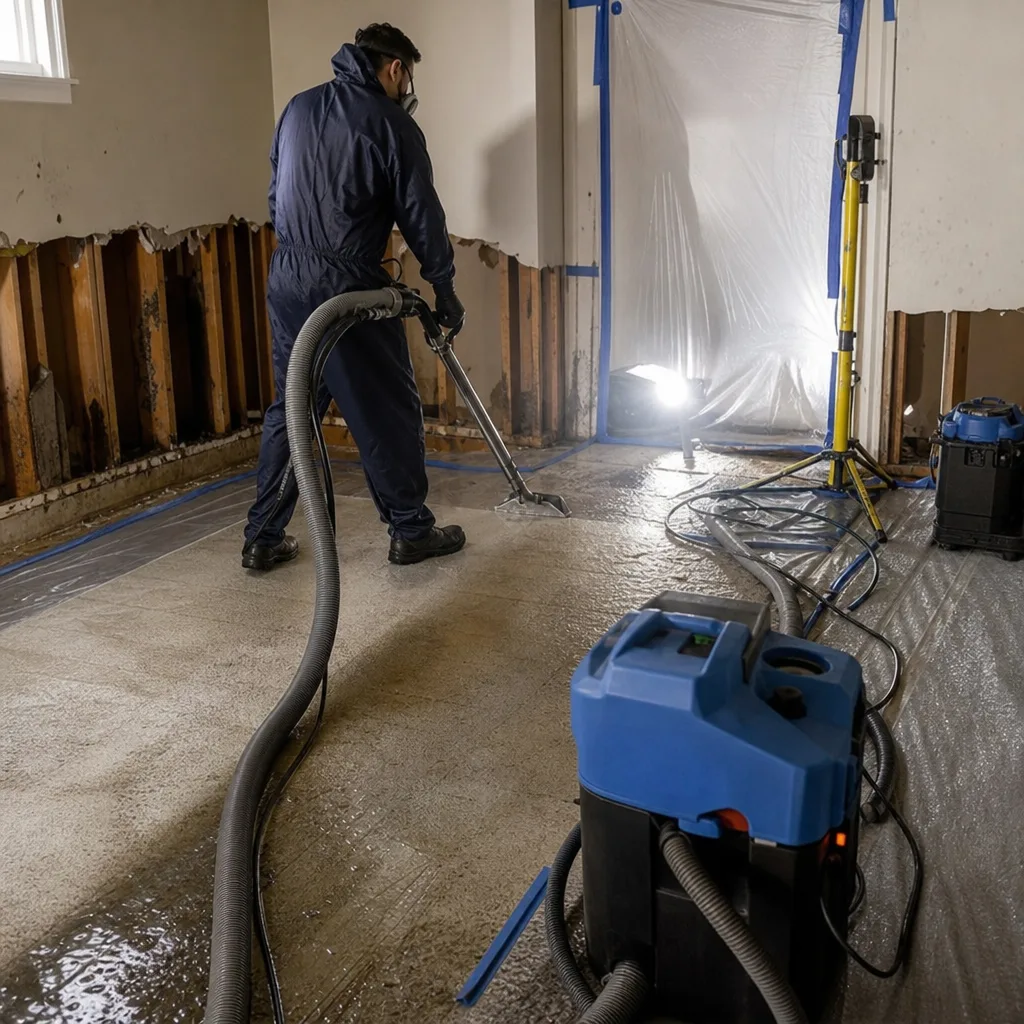
- 45-minute response commitment to any SeaTac address, because water migration doesn’t pause for traffic on SR-99.
- 24/7 live answer - a real person, never an automated system - picks up every call to (360) 997-2427 within three rings.
- IICRC-certified crews holding WRT (Water Damage Restoration Technician) and AMRT (Applied Microbial Remediation Technician) credentials, with license numbers documented on every job file.
- Free visual inspection with moisture readings before any commitment or contract signature.
- Direct insurance billing and adjuster coordination - we document to IICRC standards so your claim processes clean.
- One team from extraction through reconstruction, so no handoff gaps, no blame-shifting, and no duplicated demolition.
BeforeAfterOur Water Damage Restoration Process
1. Inspection & Assessment
We arrive with thermal imaging cameras, non-penetrating moisture meters, and borescopes to map the full water migration pattern. In SeaTac’s Sound Insulation retrofitted homes, we specifically test behind sealed interior walls and check attic insulation for saturation that passive ventilation would have prevented in pre-retrofit construction.
2. Extraction & Stabilization
Truck-mounted extraction units remove standing water from carpet, pad, and hard surfaces. For SeaTac’s tight-access townhomes and alley-load units, we deploy portable submersible pumps and lightweight extraction wands when hose runs can’t reach upper floors through narrow shared stairwells.
3. Drying & Dehumidification
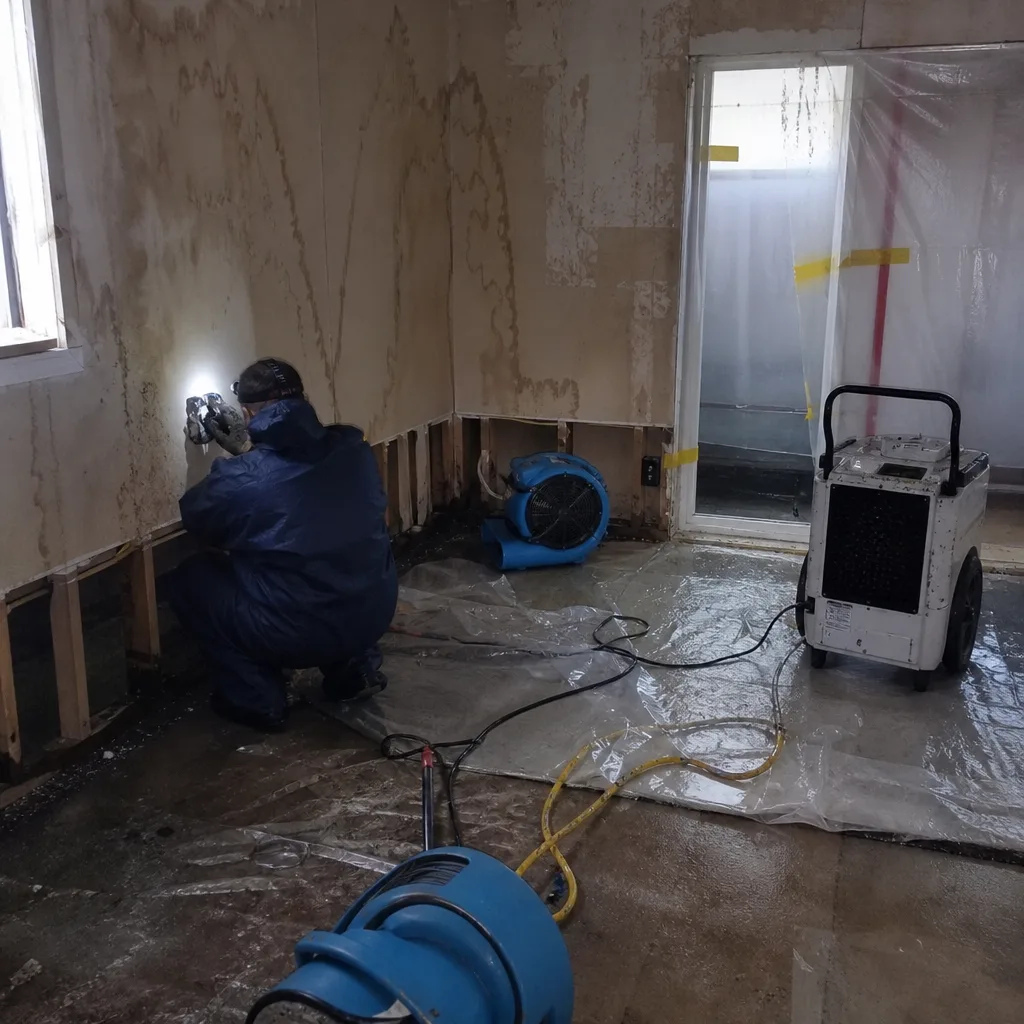
We position Phoenix and Dri-Eaz low-grain refrigerant dehumidifiers alongside XPOWER and B-Air axial air movers, calculating equipment counts from the cubic footage and class of water loss. Daily moisture logs track progress against drying goals, documented to IICRC S500 standards for adjuster review.
4. Cleaning & Sanitization
Category 2 and 3 losses receive antimicrobial treatment with EPA-registered solutions. HEPA air scrubbers run during all disturbance work to capture airborne particles. We clean salvageable contents on-site or coordinate pack-out when secondary damage risk is high.
5. Mold Assessment & Containment
Given SeaTac’s sealed-envelope housing stock, we treat mold suspicion as default, not exception. Where moisture readings or visual inspection indicate colonization, we establish containment barriers with negative air pressure, run air sampling if the adjuster requires it, and document all findings with photo records before any remediation begins.
6. Repairs & Restoration
Our reconstruction crew replaces removed drywall, flooring, and trim to match existing finishes. On Sound Insulation retrofitted homes, we coordinate with the Port of Seattle’s program guidelines when window or door replacement is required, preserving the acoustic integrity the retrofit was designed to maintain.
Need Emergency Water Damage Restoration in SeaTac Now?
Crews minutes away, answering live 24 hours a day. The sooner we start, the less it costs.
Working With Your Insurance Company
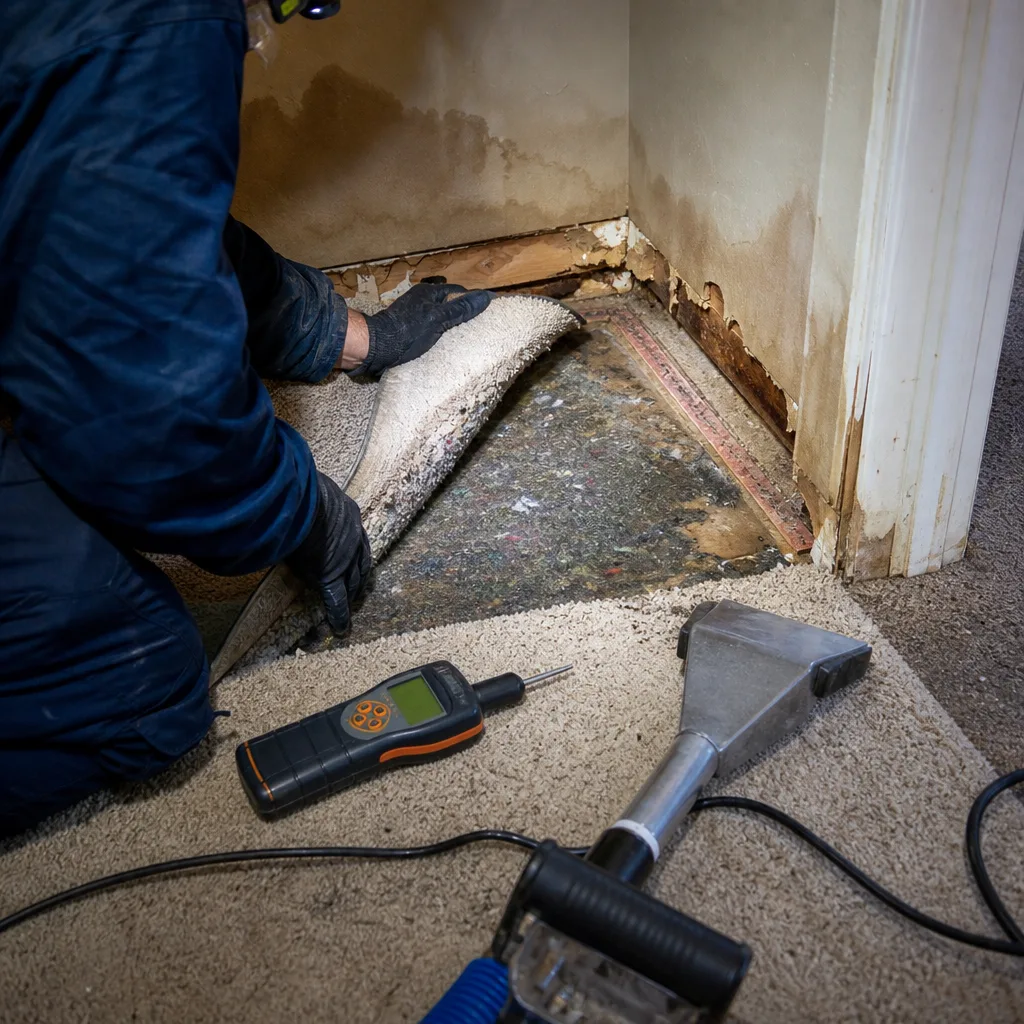
Insurance claims succeed or fail on documentation. We know this because our founder, Alicia Brennan, spent years adjusting claims before building DryMark Restoration Kent around the documentation gap that denies homeowners their coverage. From the first hour on your SeaTac property, we photograph every affected room, record moisture readings with equipment serial numbers, and maintain daily drying logs that show exactly what dried when and how.
We write industry-standard estimates using the same pricing databases your adjuster uses. No inflated line items, no mystery charges. When questions arise, we speak directly with your carrier - no passing you back and forth. Our Water Damage Restoration team has handled claims with every major insurer serving King County, and we know what documentation each requires for clean approval.
What We Provide Your Insurer
- Thorough documentation of the loss
- Photos of all damage, room by room
- Moisture readings and drying logs
- A detailed, line-item scope of work
- Direct coordination with your carrier
Built for SeaTac’s Loss Calendar
SeaTac’s damage calendar follows the airport weather station’s relentless November through March wet season, when 38 inches of annual rainfall concentrate into months of near-continuous precipitation. January deep freezes burst copper supply lines in unconditioned crawl spaces and exterior walls of 1950s ranchers. February and March bring the worst: saturated Vashon glacial till stops absorbing water and starts pushing it laterally against foundations, flooding crawl spaces that haven’t seen standing water since the previous winter.
Spring isn’t a reprieve. Rapid snowmelt in the Cascades combines with still-cold ground to create basement seepage through foundation cracks that opened during freeze-thaw cycles. Summer’s brief dry window ends with early fall storms that overwhelm aging gutters and downspouts on SeaTac’s original housing stock.
The International Boulevard corridor adds a commercial layer: aging motel and apartment complexes with flat roofs, chronic deferred maintenance, and property managers who discover leaks only when guests or tenants complain. These buildings see repeat losses - the same unit, the same leak path, the same inadequate patch - until a full scope forces permanent repair.
Water Damage Restoration Across SeaTac’s Neighborhoods
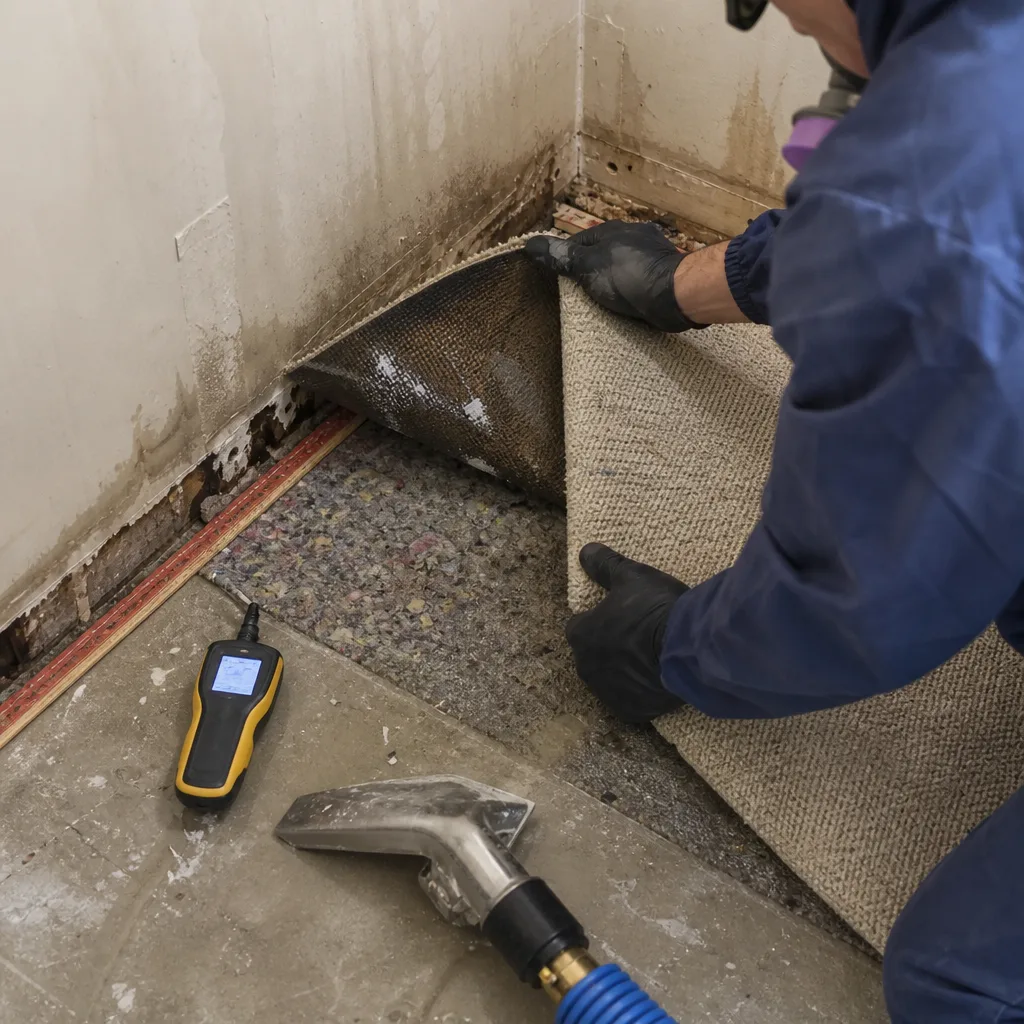
SeaTac isn’t one housing type, and our response adapts to each corridor’s realities.
The Sound Insulation retrofit zones - roughly the blocks within the airport noise contour, including neighborhoods west of International Boulevard and south of South 188th Street - are our highest-moisture-risk calls. These ranchers and split-levels, built 1955 to 1975 and sealed tight in the 1990s and 2000s, hide water damage until mold is established. We arrive with extra moisture mapping equipment and plan for longer drying cycles because passive ventilation can’t assist.
The International Boulevard (SR-99) corridor runs dense commercial and multifamily: motels, extended-stay hotels, and 1960s apartment blocks with flat roofs and aging plumbing risers. Parking is tight, loading zones are shared, and security protocols - rolling-code remotes, keycard entries, manager-approval requirements - slow access. We coordinate with property managers before arrival and carry portable equipment that fits service elevators and narrow stairwells.
The McMicken Heights and Angle Lake areas east of the airport include newer construction but still sit on that same Vashon till. Basement and daylight-ranch homes here flood from hydrostatic pressure during peak wet season, not from roof leaks. We deploy submersible pumps and set up continuous dehumidification for days, not hours.
South 154th Street and the residential blocks between International Boulevard and Pacific Highway South mix original 1950s ranchers with infill townhomes. Alley access is standard; our trucks don’t always fit. We stage equipment at the street and run hoses and power through side yards, accounting for the extra setup time in our response planning.
Specialized Water Damage Restoration Services We Offer in SeaTac
Emergency Water Extraction
Standing water doesn’t extract itself, and in SeaTac’s tight-access housing, speed depends on equipment that fits the space. Our truck-mounted units handle open rancher plans; portable extraction wands and submersible pumps navigate townhome stairwells and alley-load entries. We extract carpet, pad, hardwood, and tile - whatever it takes to stop migration and start drying.
Structural Drying & Dehumidification
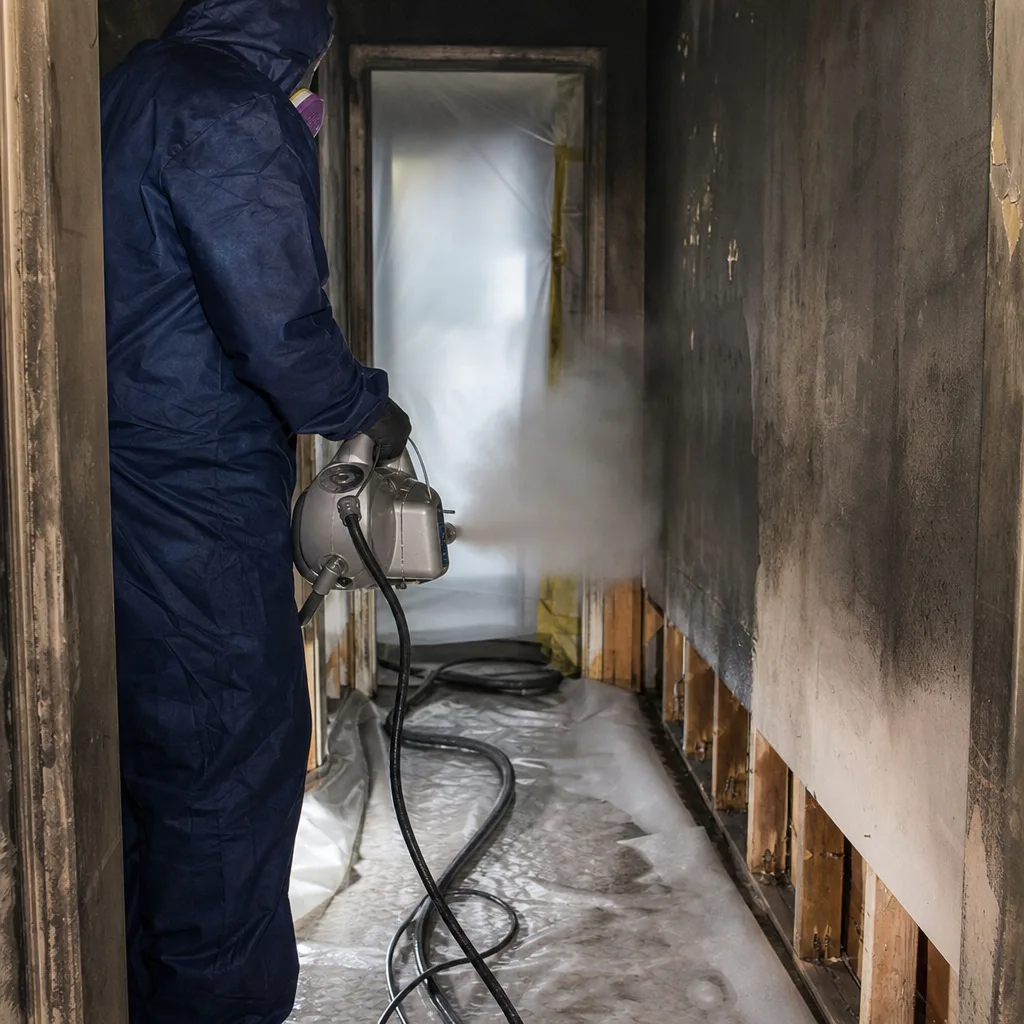
Structural drying is where documentation wins claims. We calculate dehumidifier capacity from the cubic air volume and class of loss, position air movers to create laminar airflow across wet surfaces, and log daily moisture content readings until materials hit their drying goals. In SeaTac’s Sound Insulation retrofitted homes, we extend drying cycles because sealed envelopes release moisture more slowly. Every reading goes to your file and your adjuster.
Flood Cleanup
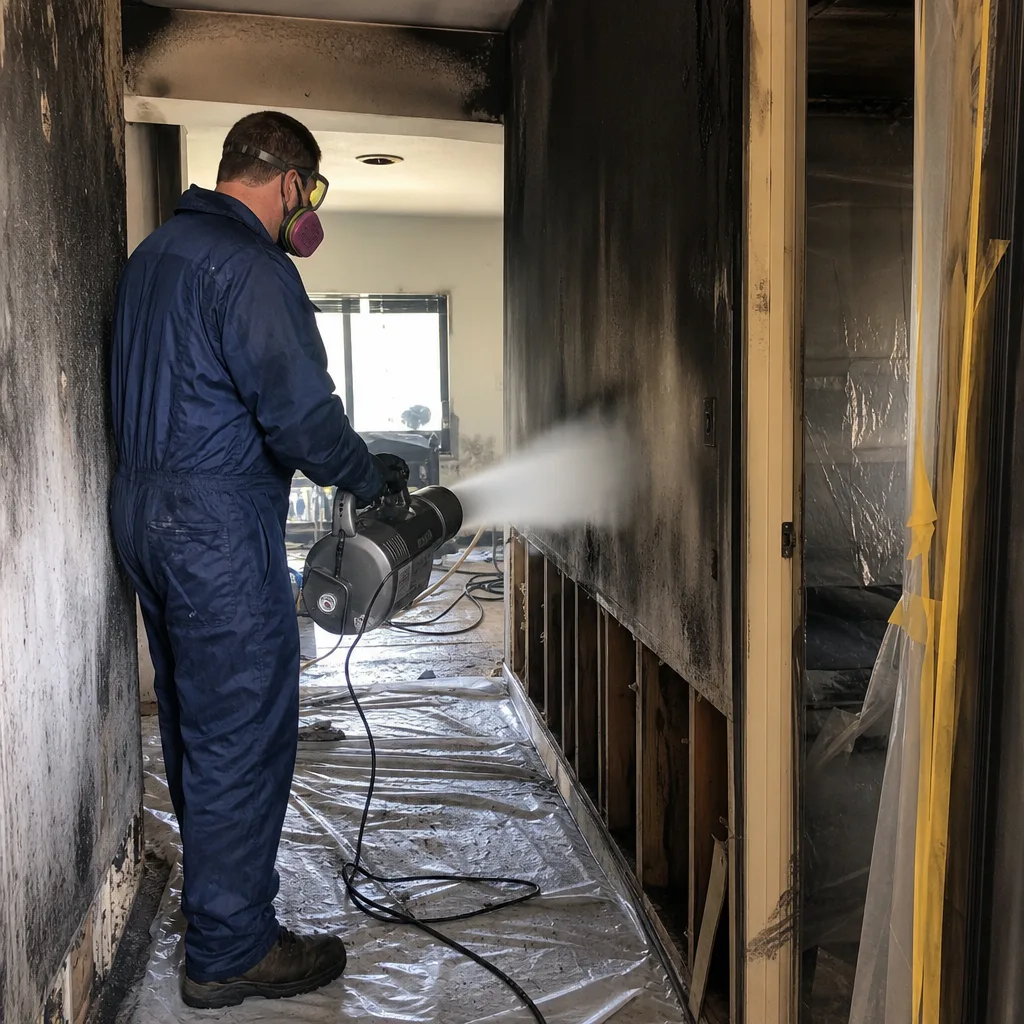
SeaTac flood calls spike when storm systems back up drainage on SR-99 and Pacific Highway South, sending sheet flow into ground-level commercial units and residential basements. Flood water is Category 3 by definition - we remove porous materials that contacted it, sanitize remaining hard surfaces, and document the contamination classification for your insurer from hour one.
Burst Pipe Restoration
January freezes split copper and PEX alike in SeaTac’s unconditioned crawl spaces and exterior walls. We extract, dry, and document the water damage; coordinate with licensed plumbers for the repair; and restore finishes to match. The full scope is written before work starts, with no additions once the crew is inside.
Basement Water Removal
SeaTac’s Vashon glacial till makes basement water removal a specialty, not a standard extraction. Perched water tables push moisture through foundation walls and slab joints for weeks after surface flooding recedes. We install temporary sump systems if needed, run continuous dehumidification, and monitor concrete moisture content with calcium chloride tests before declaring the space dry enough for finished flooring.
Ceiling & Roof Leak Water Damage
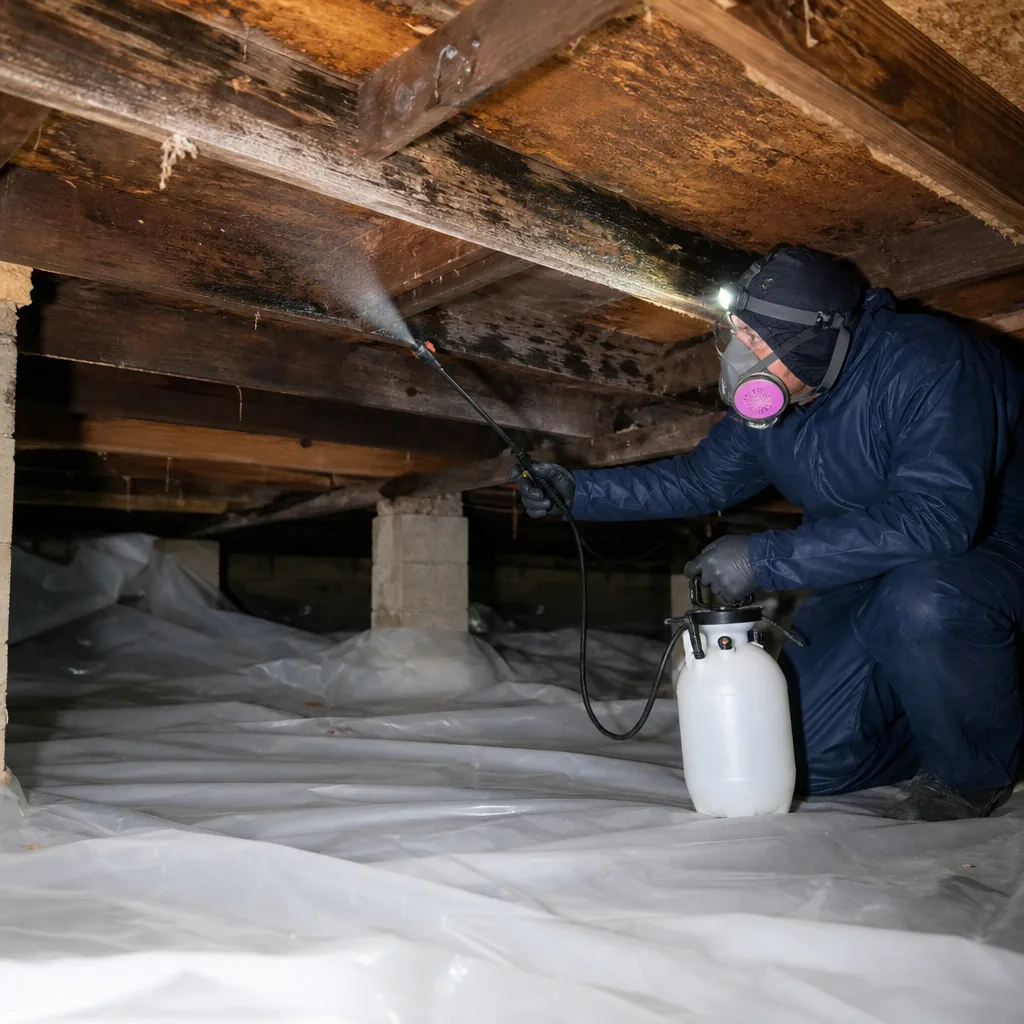
Flat roofs on International Boulevard commercial buildings and aging composite shingles on 1960s ranchers both fail predictably in SeaTac’s wet season. We contain the interior damage, extract saturated insulation, and dry ceiling cavities with Injectidry hose systems that force airflow through confined spaces without tearing out entire ceilings.
What happens when you call
- 1
A real person answersNo phone trees - you reach a local pro.
- 2
You get an upfront price rangeHonest numbers before anyone is dispatched.
- 3
A background-checked tech heads outLicensed & insured, dispatched right away.
- 4
You approve before work beginsNothing starts until you say go.
Water Damage Restoration Costs in SeaTac, WA
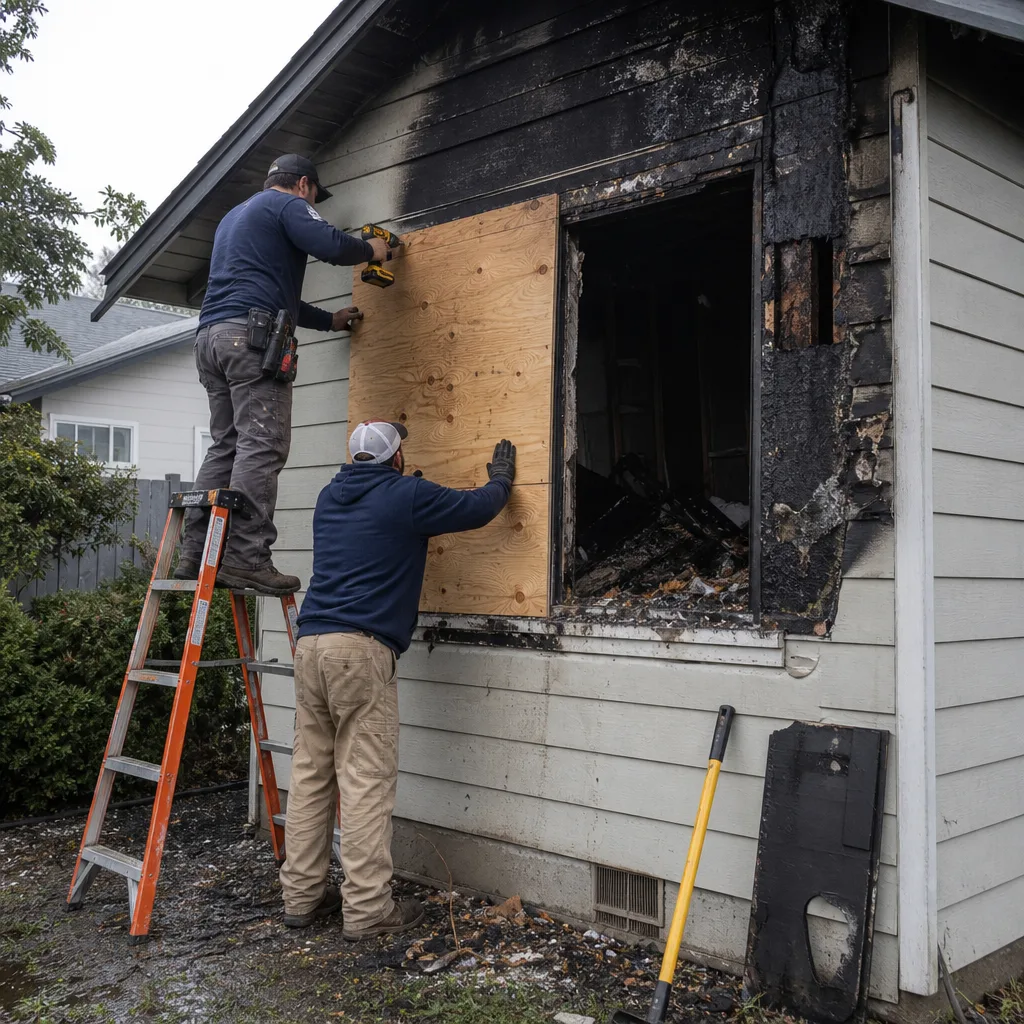
We publish ranges because Haven Standard, Clause 1 requires a written price before work starts - and that price has to come from somewhere.
| Service | Typical Range in SeaTac |
|---|---|
| Emergency water extraction (single room) | $450 - $850 |
| Structural drying & dehumidification (3-5 day cycle) | $1,800 - $3,400 |
| Basement water removal with sump support | $2,200 - $4,500 |
| Burst pipe restoration (extraction + drying only) | $1,200 - $2,800 |
| Flood cleanup (Category 3, per affected room) | $1,600 - $3,200 |
| Mold remediation following hidden water damage | $3,500 - $8,000+ |
What moves the price: square footage affected, contamination category, accessibility constraints, and whether demolition is required. Sound Insulation retrofitted homes often cost more to dry properly because sealed envelopes need longer cycles and more aggressive containment. Insurance typically covers sudden and accidental water damage; slow leaks that went unreported may face coverage limits. Our free inspection produces a firm, written scope with exact pricing - no estimate ranges that balloon later. Bring a competitor’s written quote and we’ll review it free under our Second Opinion policy.
We Also Serve Cities Near SeaTac
Our crews respond throughout south King County from our Seattle coordination office. We regularly handle Water Damage Restoration in SeaTac and neighboring Kent, Des Moines, Auburn, and Renton - same documentation standards, same written-price guarantee, same live-answer dispatch at (360) 997-2427.
Serving SeaTac, WA - Our Local Coverage Area
We’re based in the SeaTac area and know this community well. Use the map below to see our service coverage - if you’re nearby, we can almost certainly help.
SeaTac Water Damage Restoration Questions, Answered
Why does a small water leak in a SeaTac Sound Insulation home get so bad so quickly?
The Port of Seattle’s Sound Insulation Program replaced windows, doors, and added wall and attic insulation to reduce aircraft noise - but it also cut natural air exchange to near zero. In a leaky pre-retrofit house, a slow supply-line leak behind a fridge would partially self-dry through passive airflow. In a sealed retrofit home, that same leak incubates in a stagnant, humid cavity until mold is well established before any visible sign appears. We flag these homes on arrival and run deep moisture mapping beyond the obvious damage zone. Call (360) 997-2427 for inspection - estimates are free.
How does SeaTac’s dense International Boulevard housing affect your water extraction and drying work?
Tight access slows everything: shared stairwells, narrow alleys, and loading zones that serve multiple tenants mean our truck-mounted extraction hoses often can’t reach upper floors. We stage portable submersible pumps and lightweight extraction wands at the entry, running them in series. Drying equipment placement requires coordinating with property managers for electrical load and noise restrictions. The delay makes fast dispatch critical - Category 2 water becomes Category 3 if it sits. We answer live 24/7 at (360) 997-2427 to minimize that gap.
What should I do before your crew arrives at my SeaTac home or rental?
Shut off the water source if you can locate it safely; don’t enter standing water if electrical outlets are submerged. Move valuables and electronics to dry areas if accessible without wading. For rental units, notify your property manager and request they authorize entry - we can’t begin work without it, and delays past 24 hours push mold risk sharply higher. Document the damage with your own photos for your records. Then call (360) 997-2427 - we’ll handle the rest, including adjuster coordination if needed.
Do you handle both the residential and commercial water damage along the motel and apartment corridors?
Yes. The International Boulevard corridor’s aging motels, extended-stay hotels, and 1960s apartment complexes generate repeat commercial losses from flat roof failures, aging plumbing risers, and deferred maintenance. We respond to both occupied units and common-area damage, coordinating with property managers, maintenance staff, and insurance carriers. Our documentation package - photo records, moisture logs, and line-item scopes - is built to survive the scrutiny of commercial property policies and their adjusters. Call (360) 997-2427 for same-day response.
How does SeaTac’s Vashon glacial till affect basement and crawl space water removal?
Nearly impermeable Vashon till under much of SeaTac stops rainwater from draining downward, forcing it laterally against foundations and into crawl spaces. Basements that seem dry in summer can flood repeatedly through fall and winter as the perched water table rises. Standard extraction removes surface water, but the till keeps pushing moisture through slab joints and foundation walls. We install temporary sump support if needed and run extended dehumidification cycles, testing concrete moisture with calcium chloride kits before any flooring goes back down. For a scope and price on your specific situation, call (360) 997-2427.
How fast can you actually get to my SeaTac property?
We commit to 45 minutes from dispatch to any SeaTac address, 24 hours a day, 7 days a week. Dispatch is coordinated from our Seattle office; crews are staged for south King County response. The airport proximity means traffic patterns are unpredictable, but we route around peak congestion on SR-99 and International Boulevard. Live answer at (360) 997-2427 - no voicemail, no callback tomorrow.
Will my insurance cover the full water damage restoration cost?
Sudden and accidental water damage - burst pipes, appliance failures, storm intrusion - is typically covered under standard homeowners policies. Slow leaks that went undetected for weeks may face coverage disputes or sub-limits. We document the loss origin, timeline, and contamination category from hour one to support your claim. Our estimates use industry-standard pricing databases that adjusters recognize, and we coordinate directly with your carrier to resolve questions. For a free inspection and honest assessment of your coverage outlook, call (360) 997-2427.
How long does structural drying take in a typical SeaTac home?
Standard drying cycles run 3 to 5 days for Category 1 and 2 losses in open, well-ventilated spaces. SeaTac’s Sound Insulation retrofitted homes often need 5 to 7 days because sealed envelopes slow moisture release. We don’t guess; we measure daily moisture content in affected materials against established drying goals and adjust equipment until those goals are met. Every reading is logged for your file and your adjuster. Call (360) 997-2427 for a timeline estimate on your specific loss.
On a rancher along South 154th Street near the International Boulevard corridor, our tech found a burst ice-maker line that had soaked the subfloor for days behind a sealed Sound Insulation retrofit wall - no visible swelling, just a faint musty smell when we opened the front door. We ran moisture mapping and found elevated readings 14 feet into the hallway, set up Phoenix dehumidification and XPOWER air movers with containment, and logged a full structural drying cycle with drying logs to justify the scope of work to the adjuster. The pack-out avoided the homeowner’s electronics and the Port-installed windows stayed intact.
Water damage in SeaTac demands more than fast extraction. It demands recognition of how this city’s unique housing stock - those sealed Sound Insulation retrofits, that impermeable glacial till, those tight-access multifamily corridors - changes the physics of every loss. Generic water damage pages don’t mention these factors. We live them on every call.
Call (360) 997-2427 now. A live person answers. We’ll schedule your free inspection, deliver a written price before any work starts, and document every step to IICRC standards for clean insurance processing.
Written by Alicia Brennan, Owner at DryMark Restoration Kent, serving SeaTac since 2011 under The Haven Standard.
Water Damage Restoration in Nearby Areas