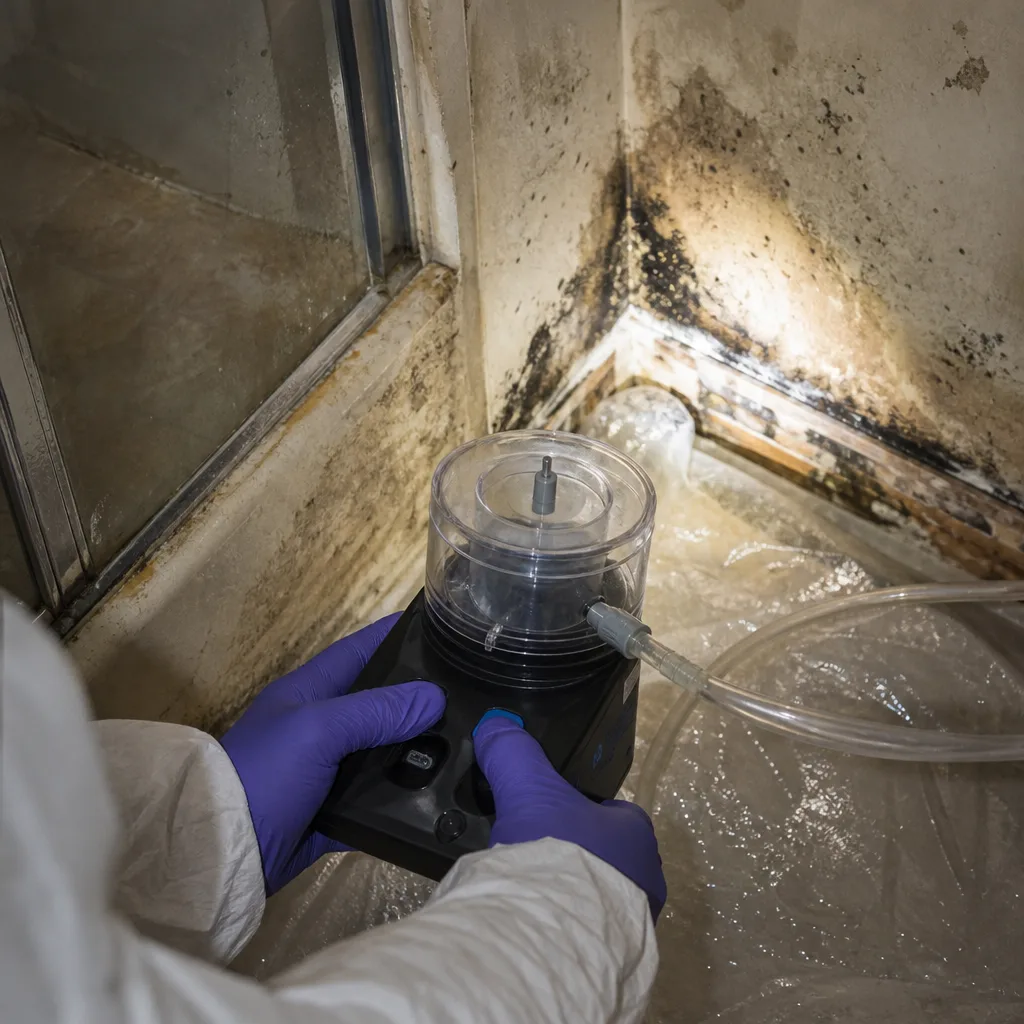
Free visual inspection and a written scope of work before any mitigation begins - photos, moisture readings, and drying logs go in your claim file
The scope we write is the scope we bill. Anything new gets shown to you, in writing, before we touch it.
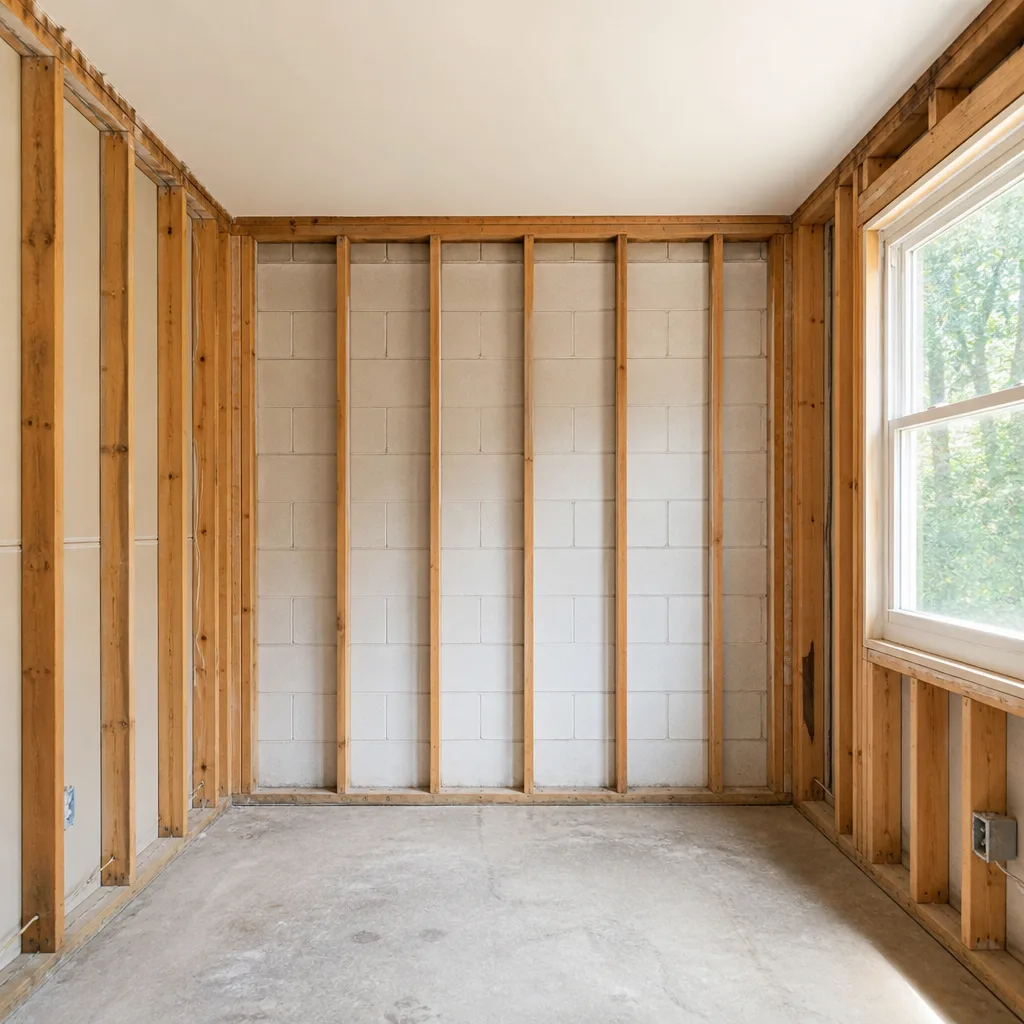
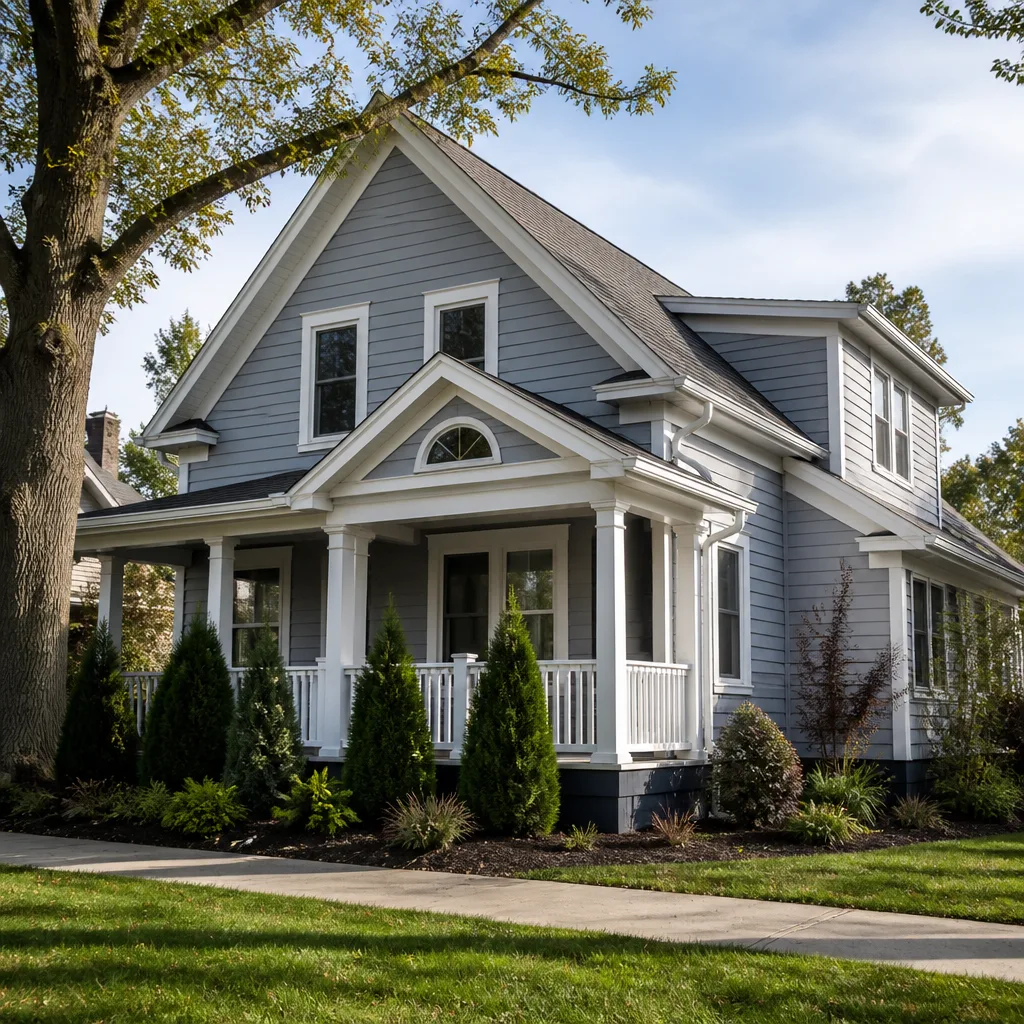
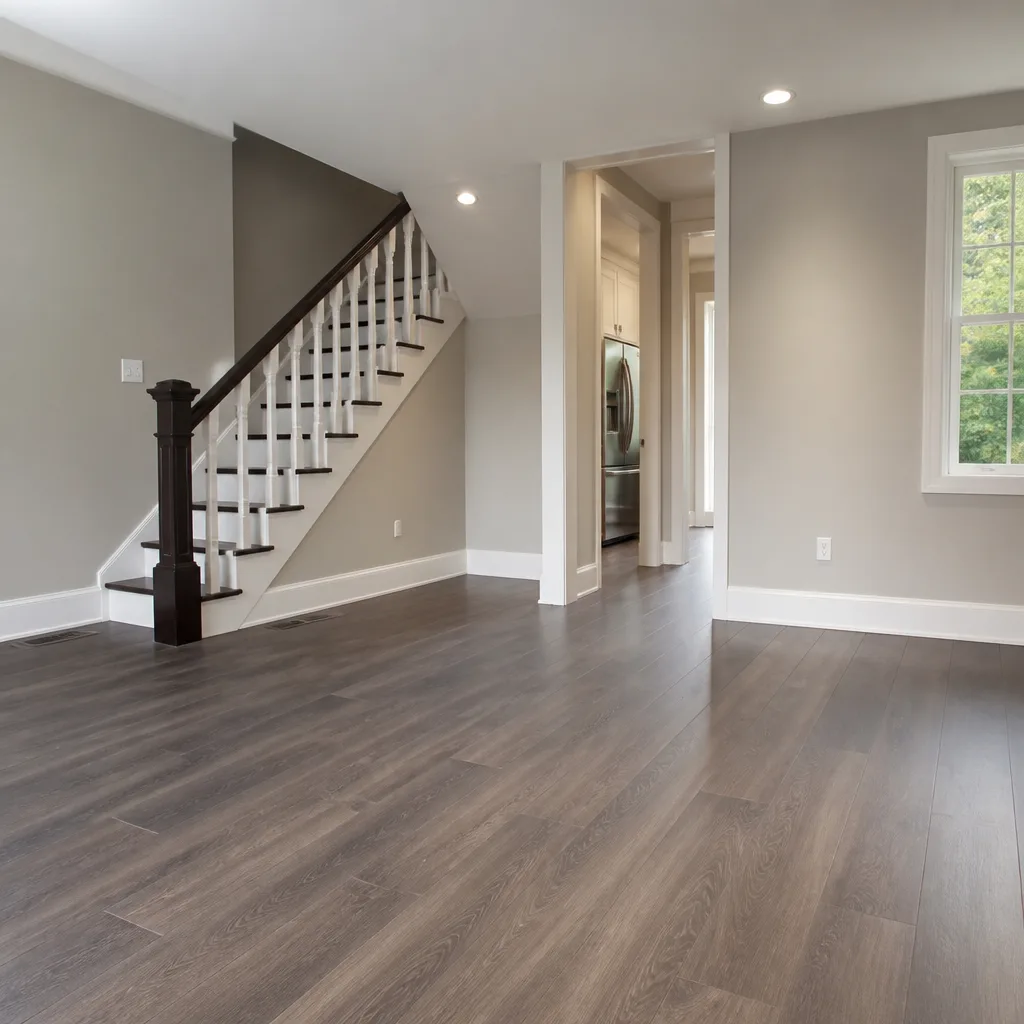
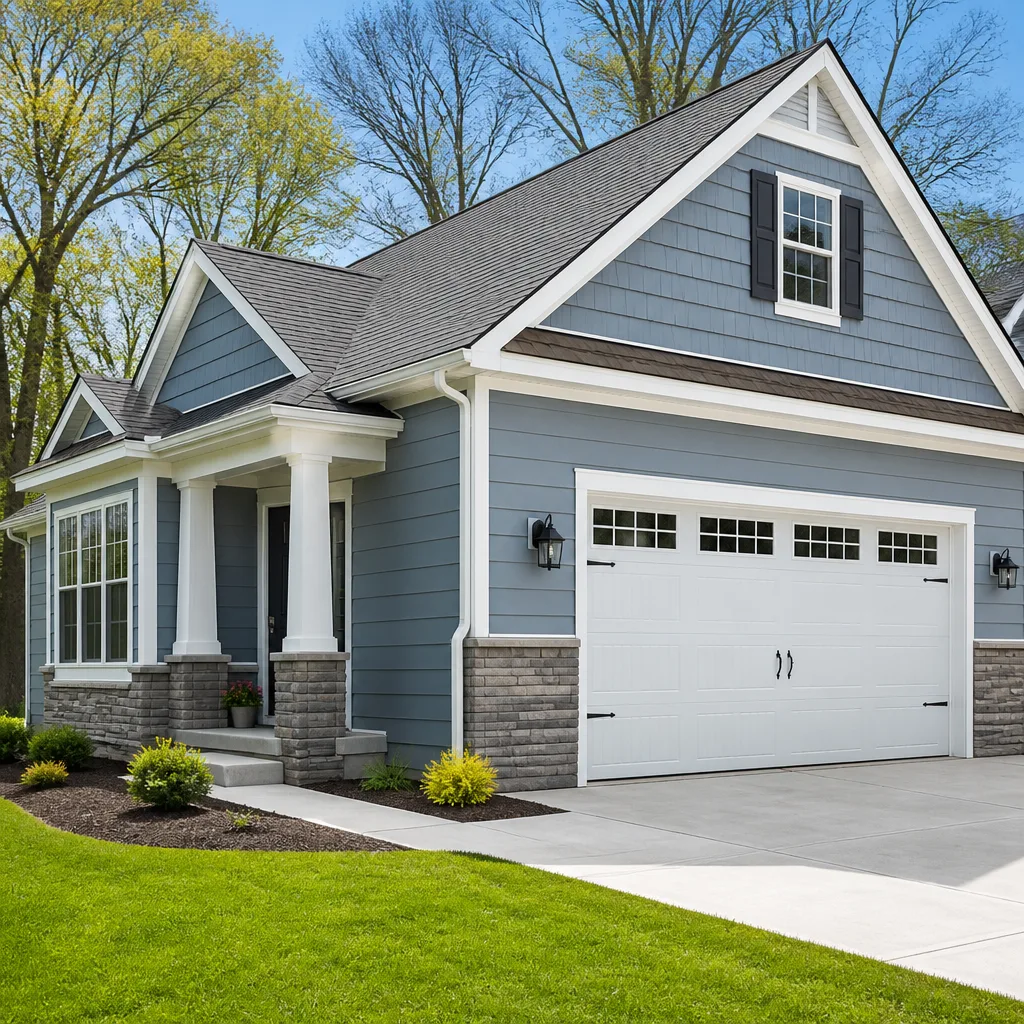
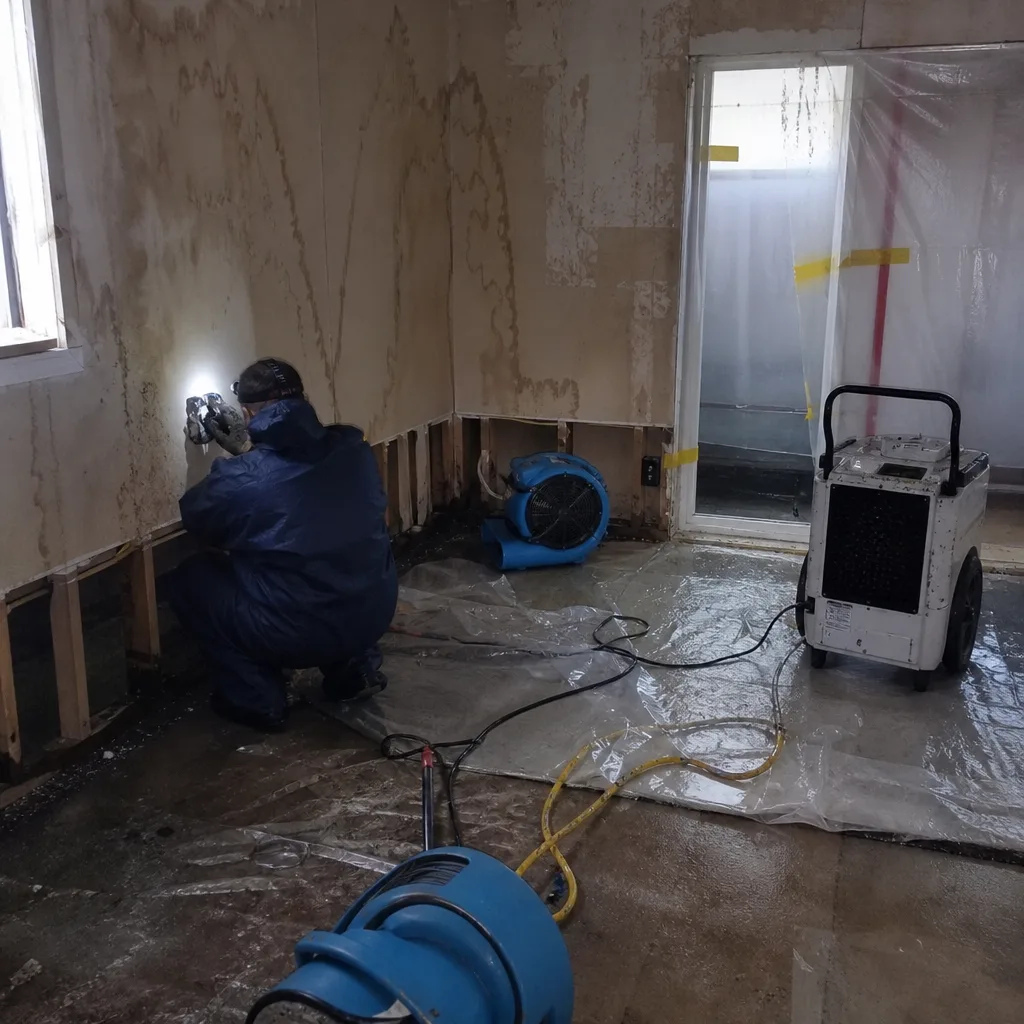 Before
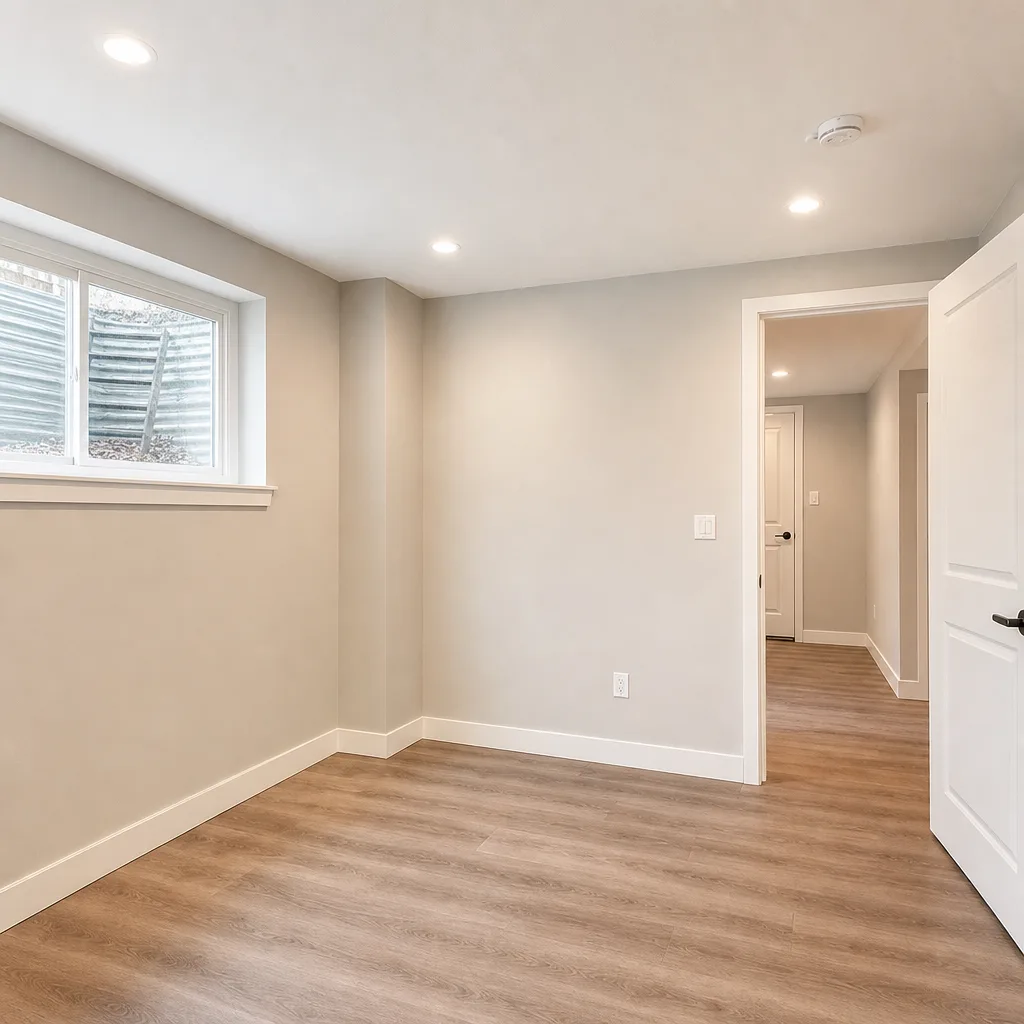 After
After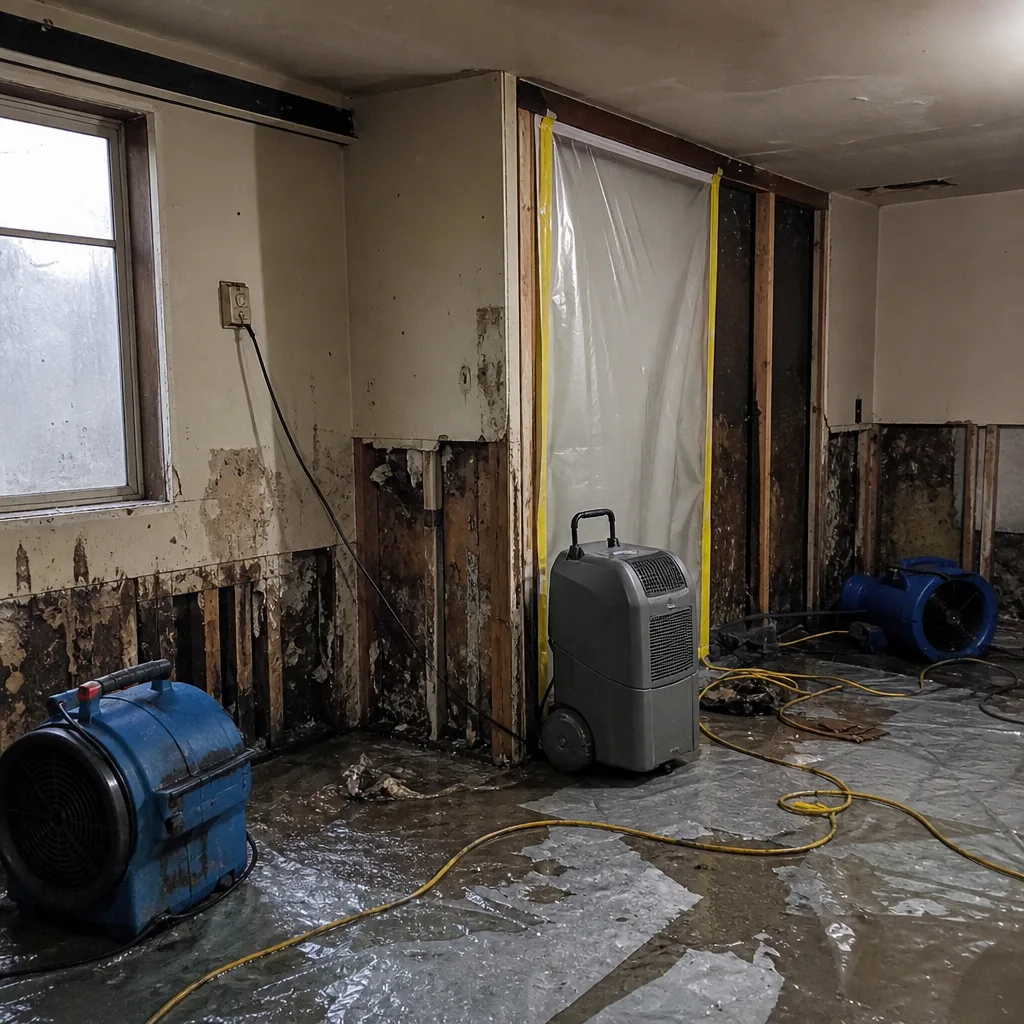 Before
 After
After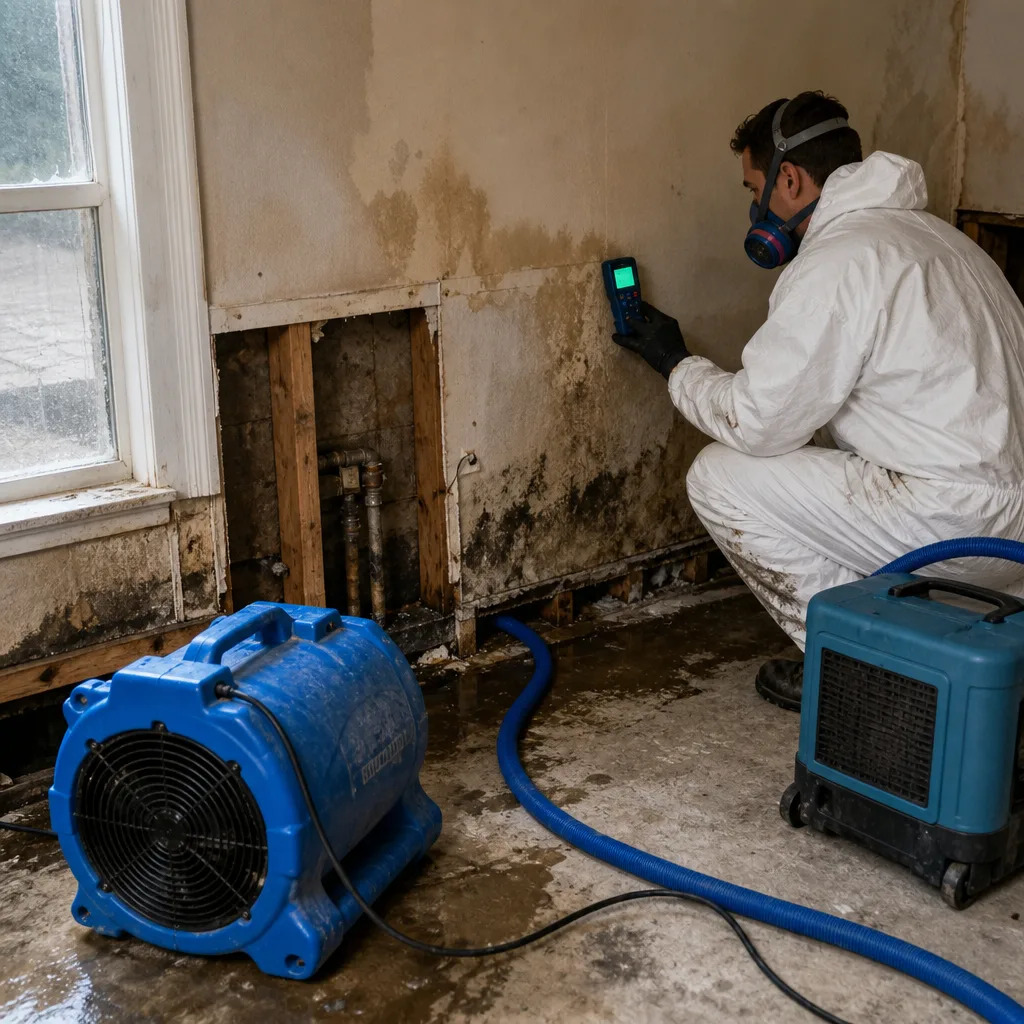 Before
 After
After24/7 Emergency Mold Remediation in SeaTac
Mold remediation in SeaTac typically costs $1,200-$4,500 for contained residential jobs and $5,000-$12,000+ for whole-home or structural treatments, with most inspections completed same-day. Call (360) 997-2427 now and a live person will answer, 24 hours a day, no voicemail trees. Crews dispatch throughout SeaTac from our Seattle office, usually arriving within 45 minutes of your call. The first hour matters because mold colonies double in mass roughly every 24-48 hours under favorable conditions, and in SeaTac’s tight, sound-insulated building envelopes, that clock starts before you ever smell anything. We provide a free visual inspection on arrival, document moisture readings with calibrated hygrometers, and deliver a written scope with a firm price before any work begins - Haven Standard, Clause 1.
Understanding Mold Remediation Severity in SeaTac Properties
Mold severity in SeaTac falls into three practical categories that determine containment strategy, equipment load, and timeline. Limited growth covers under 10 square feet of visible colonization, typically on a single non-porous surface like tile or sealed drywall. This level requires localized containment, HEPA vacuuming, and antimicrobial application with clearance sampling before we release the area. Moderate growth spans 10-100 square feet, often involving multiple rooms, HVAC contamination, or semi-porous materials like unsealed wood framing - this demands full containment with negative air pressure, air scrubbers running continuous filtration, and removal of compromised building materials.
Extensive growth exceeds 100 square feet or involves structural components, requiring full-area isolation, multiple HEPA-filtered negative air machines, and often temporary relocation of occupants during remediation. SeaTac’s housing stock complicates every level. Those 1950s-1970s ranchers and split-levels, many retrofitted under the Port of Seattle’s Sound Insulation Program, have replacement windows and added wall and attic insulation that create near-zero passive air infiltration. A Category 2 water loss in a leaky pre-retrofit house might partially self-dry; in a sound-insulated SeaTac home, that same moisture gets trapped behind added insulation and vapor barriers. Our crews map wall cavities with thermal imaging and borescopes because surface readings lie in these envelopes.
Why SeaTac Property Owners Choose DryMark Restoration Kent
- 45-minute response commitment to SeaTac addresses - we know the International Boulevard (SR-99) corridor, the residential streets west of the airport, and the access constraints at each.
- 24/7 live answer by a real person, never an automated system or next-business-day callback while mold is actively colonizing.
- IICRC-certified crews holding AMRT (Applied Microbial Remediation Technician) and WRT (Water Damage Restoration Technician) credentials, with license numbers documented on every job file.
- Free visual inspection and moisture assessment on every call - no diagnostic fee, no pressure to proceed.
- Direct insurance billing and adjuster coordination, with photo-documented estimates built to industry-standard pricing platforms.
- One team from mold containment through structural drying to final reconstruction - no handoffs between subcontractors that lose continuity on your documentation.
BeforeAfterOur Mold Remediation Process
1. Inspection & Assessment
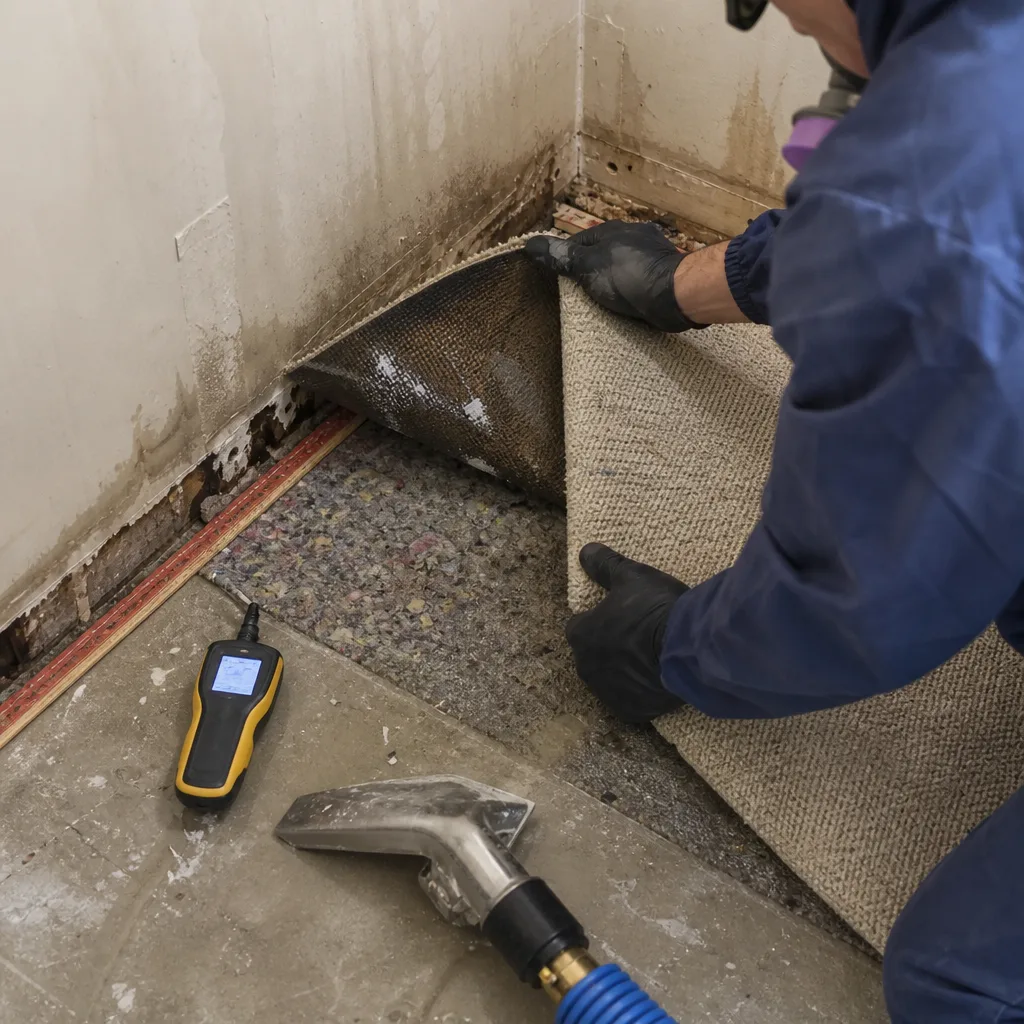
We arrive with thermal imaging cameras, moisture meters, and hygrometers to map the full extent of water damage and mold colonization. In SeaTac’s sound-insulated homes, we specifically probe wall cavities and check behind replacement windows where trapped moisture hides from surface inspection. Every reading is logged.
2. Containment & Air Filtration
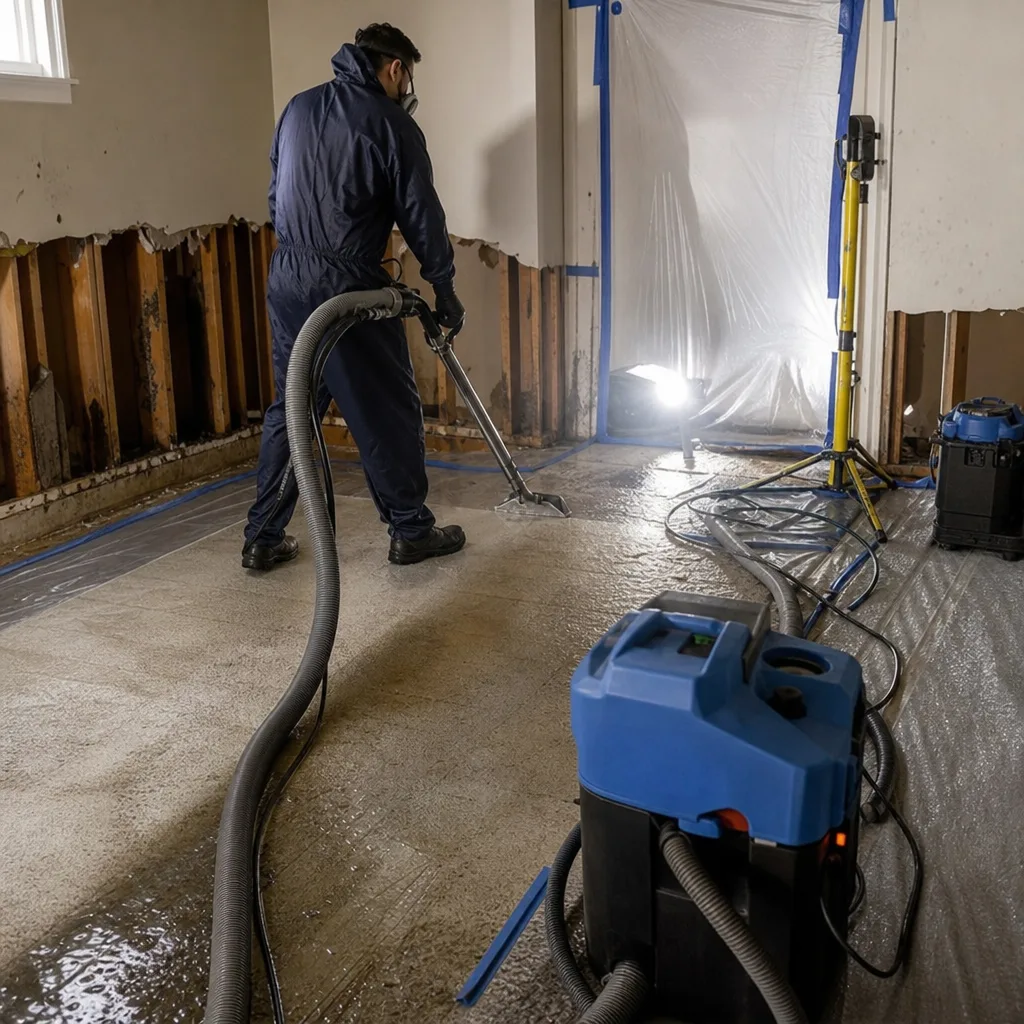
We establish polyethylene containment barriers and run HEPA-filtered negative air machines to prevent cross-contamination. For dense SeaTac apartments and townhomes with shared assemblies, we coordinate with building management on hallway access and ventilation isolation.
3. Moisture Elimination & Structural Drying
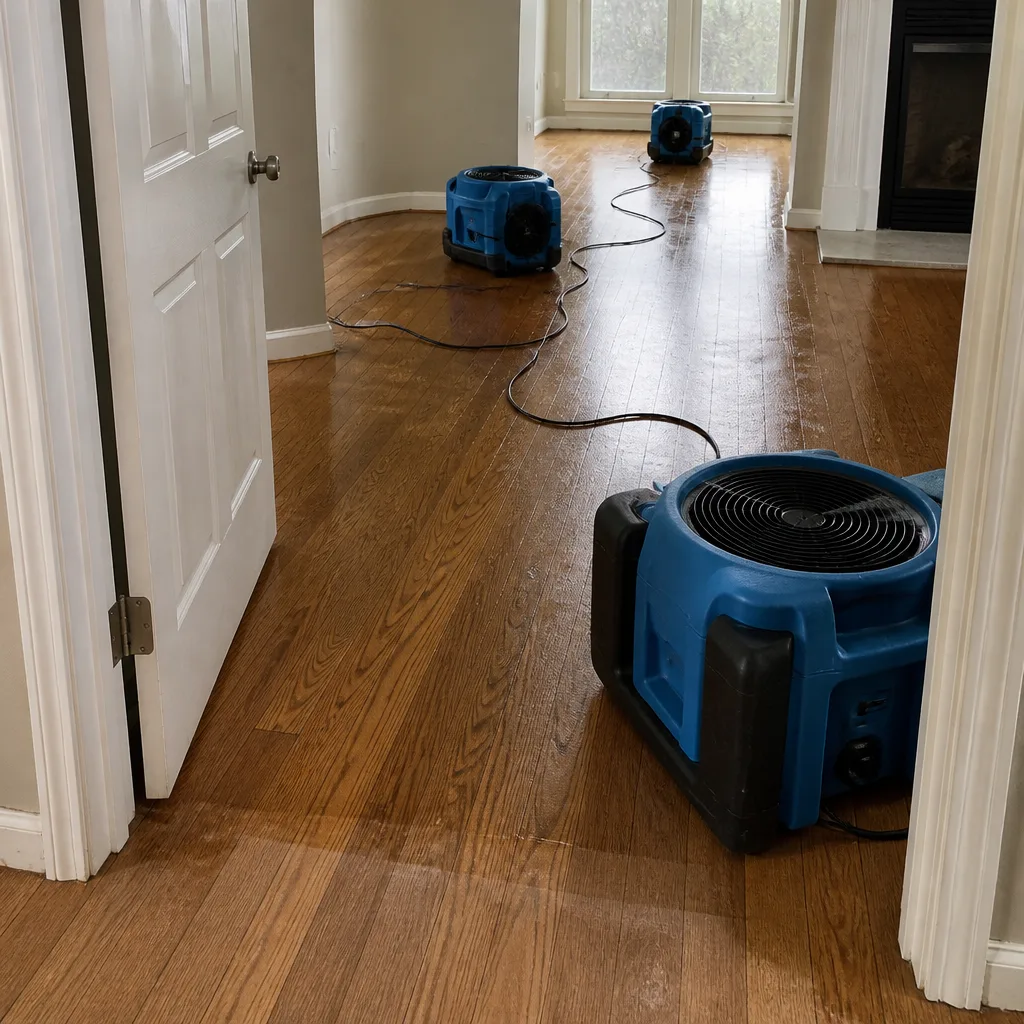
We deploy Dri-Eaz and Phoenix dehumidifiers with XPOWER air movers, calculating specific humidity and vapor pressure differentials to drive moisture out of framing and subfloors. In Sound Insulation Program homes, we run longer drying cycles because the tight envelope resists natural dissipation.
4. Mold Removal & Antimicrobial Treatment
Non-salvageable materials are removed under containment and disposed of per local regulations. Remaining structural elements receive HEPA vacuuming and antimicrobial application, with clearance sampling collected by an independent third party when required by your insurer or local jurisdiction.
5. Crawl Space & Source Moisture Treatment
SeaTac’s Vashon glacial till creates perched water tables that push moisture into crawl spaces. We treat the source, not just the symptom - installing vapor barriers, sump systems, or dehumidification as needed, with every step photo-documented for your adjuster.
6. Repairs, Reconstruction & Documentation
Our crew returns affected areas to pre-loss condition with matching materials, then delivers your complete file: photo record, moisture logs, drying charts, and the signed 365-Day Done Right Promise under The Haven Standard.
Need Emergency Mold Remediation in SeaTac Now?
Crews minutes away, answering live 24 hours a day. The sooner we start, the less it costs.
Working With Your Insurance Company
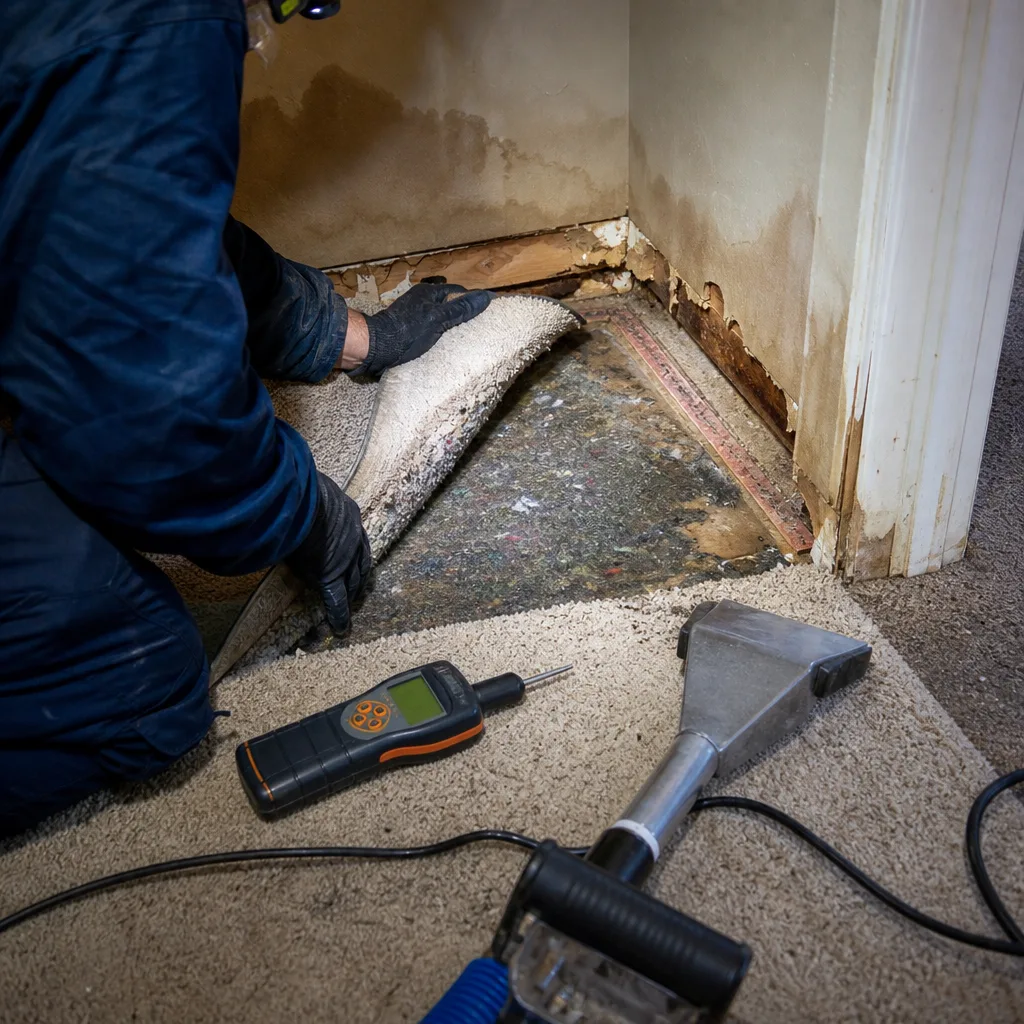
Mold claims fail when documentation gaps let adjusters dispute the scope or timing of loss. We close those gaps from the first hour. Our technician photographs every affected surface, records moisture content percentages for each material type, and builds a line-item estimate using industry-standard pricing platforms that your carrier recognizes. We speak directly with your adjuster, provide additional documentation on request, and never proceed beyond the written scope without signed approval - Haven Standard, Clause 1 protects you from surprise charges, and it protects your claim from dispute.
On a tight International Boulevard (SR-99) stretch of aging apartment stock, we responded to a second-floor unit where a slow supply-line leak had spread behind the wall for weeks. Using moisture mapping and readings, we confirmed elevated moisture in the shared wall cavity, set up containment, ran Dri-Eaz dehumidifiers with XPOWER air movers, and applied antimicrobial treatment to the framing before structural drying. Our tech coordinated alley-load staging and worked around rolling-code gate access so the dry-out didn’t disrupt the complex’s parking or security.
What We Provide Your Insurer
- Thorough documentation of the loss
- Photos of all damage, room by room
- Moisture readings and drying logs
- A detailed, line-item scope of work
- Direct coordination with your carrier
Built for SeaTac’s Loss Calendar
SeaTac’s mold season runs opposite what most homeowners expect. The November-March wet season delivers 38 inches of annual rainfall concentrated into six relentless months, saturating soils and pushing perched water tables against foundations through that impermeable Vashon glacial till. January and February bring the highest crawl space moisture readings we see all year. But the real damage often manifests in April and May, when warming temperatures activate mold spores that have colonized quietly through the winter.
Summer brings its own pattern: air conditioning in SeaTac’s tight, sound-insulated homes creates cold surfaces where humid outdoor air condenses, particularly in basements and crawl spaces. We see secondary mold growth on framing that was never properly dried from a winter leak. The International Boulevard corridor’s aging commercial stock - motels, apartments, and small retail - suffers chronic deferred maintenance that generates repeat calls for Category 2 and 3 water losses with established mold. Our Mold Remediation team schedules proactive crawl space inspections in September, before the wet season locks moisture in.
Mold Remediation Across SeaTac’s Neighborhoods
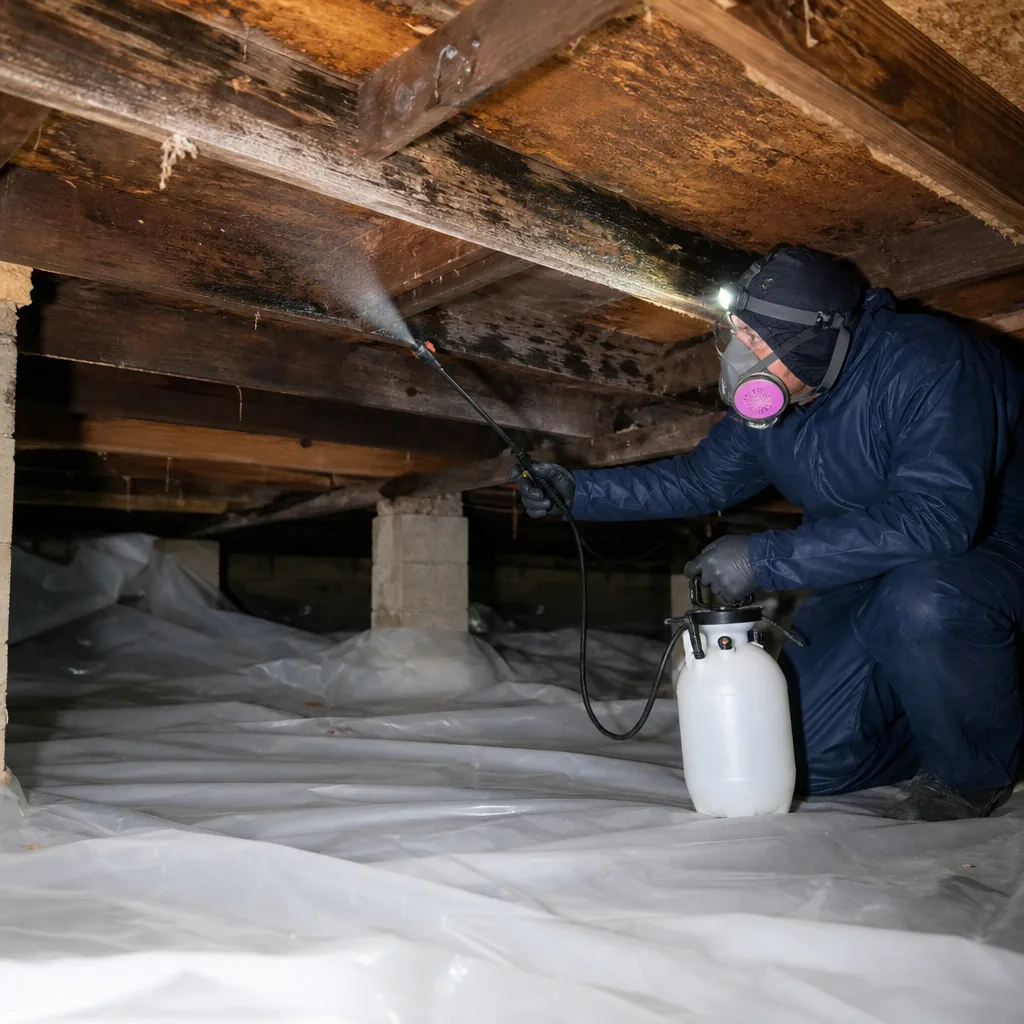
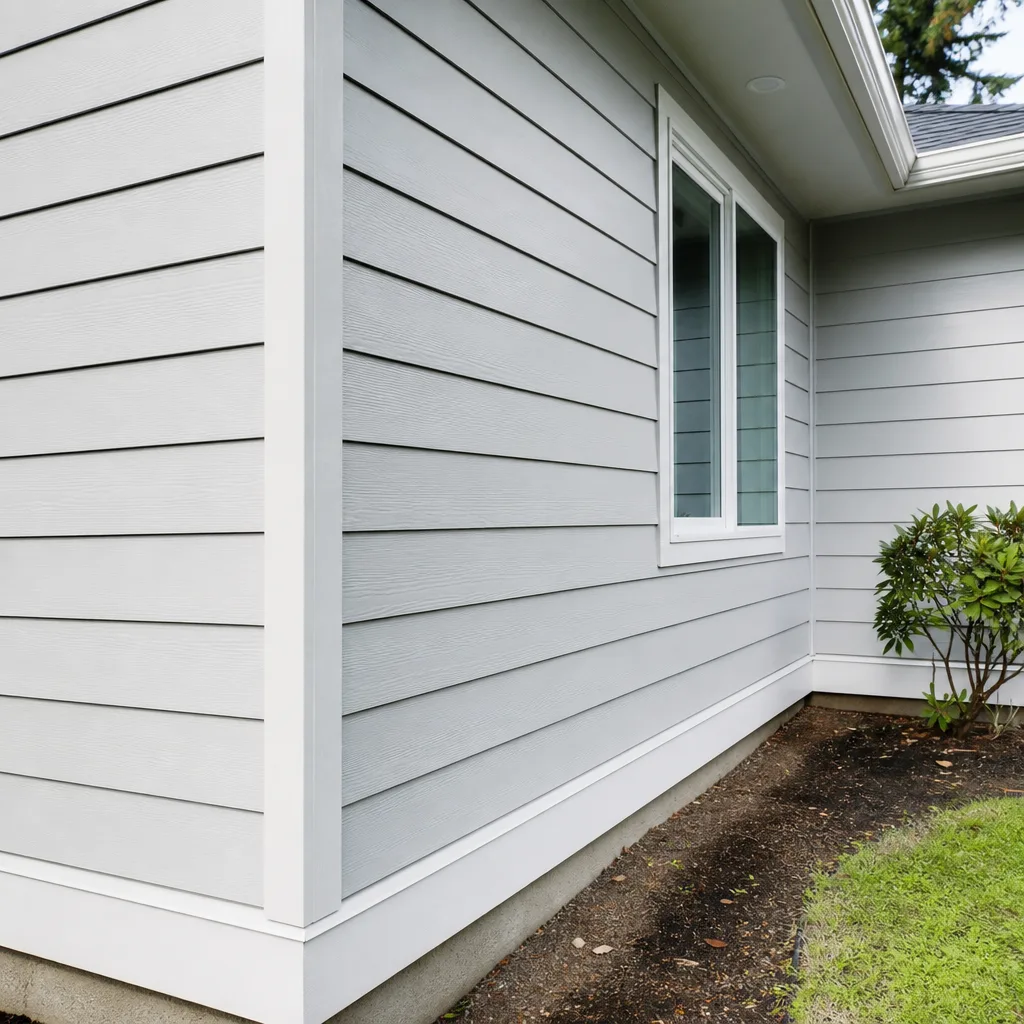
West of the airport, the Riverton Heights and Bow Lake neighborhoods hold dense concentrations of 1950s-1960s ranchers, many retrofitted with sound insulation. These homes look benign from the curb. Inside, we’ve found advanced mold behind replacement windows where failed flashing met added wall insulation. Our crews know to check the original siding-to-window interfaces, a common failure point where the retrofit detail didn’t account for decades of settlement.
North SeaTac Park and the surrounding residential blocks sit lower than the airport grade, with drainage patterns that collect runoff from paved surfaces. Crawl spaces here stay damp year-round. We install permanent dehumidification and vapor barriers more often in this zone than anywhere else in the city. The McMicken Heights area, climbing the hill toward Des Moines, has newer construction but the same glacial till substrate - we find foundation seepage in homes built as recently as the 1990s.
The International Boulevard (SR-99) corridor itself, from South 188th to the city limits, is SeaTac’s highest-call-density zone for commercial mold. Aging motel and apartment plumbing, flat roofs with deferred maintenance, and tight alley access for equipment staging. Our techs carry compact drying systems from Injectidry for these spaces, and we pre-coordinate with property managers on access codes and parking. SeaTac isn’t one housing type, and our response adapts to each.
Specialized Mold Remediation Services We Offer in SeaTac
Mold Inspection & Testing
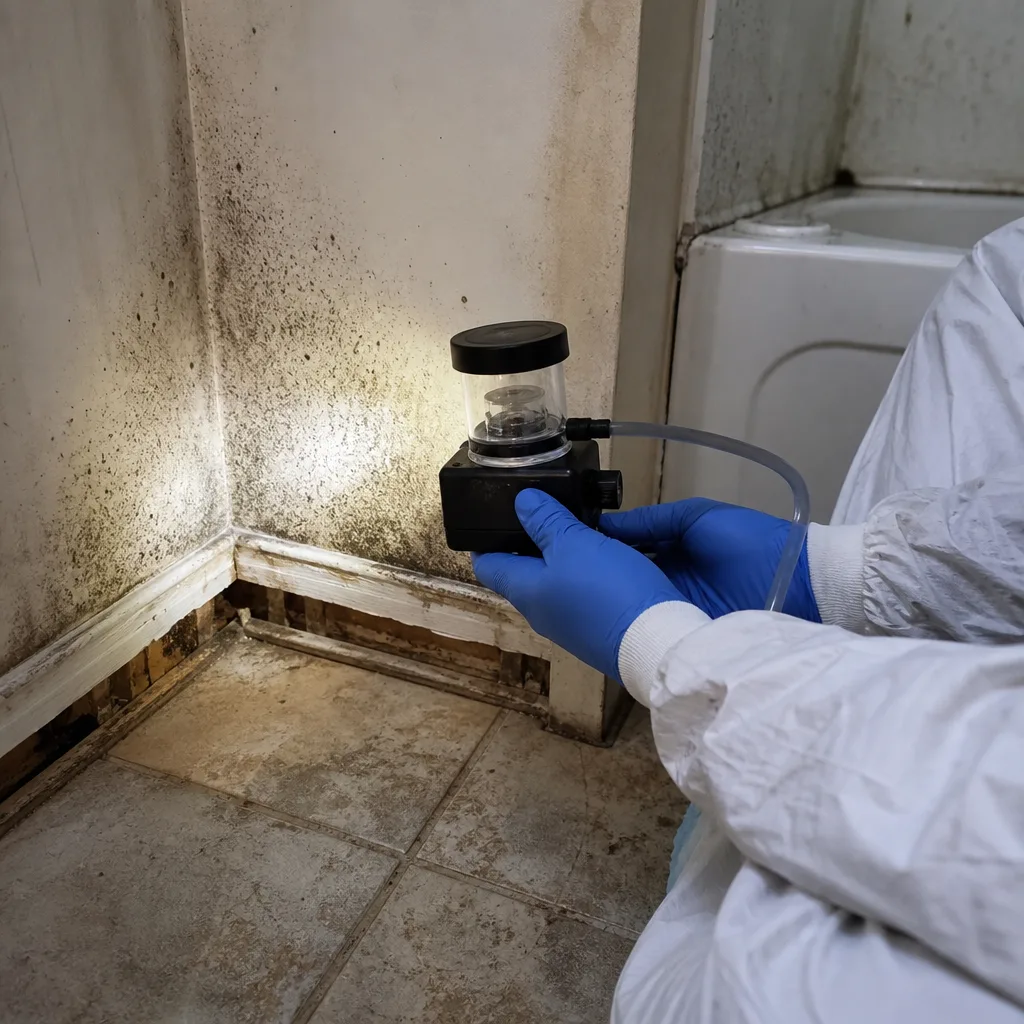
Our inspections start with moisture mapping, not guesswork. We use thermal imaging and calibrated meters to find hidden colonization in SeaTac’s tight building envelopes, then collect air and surface samples for independent lab analysis when needed for medical or legal documentation. A typical SeaTac residential inspection runs $350-$650; commercial properties with multiple zones start at $800.
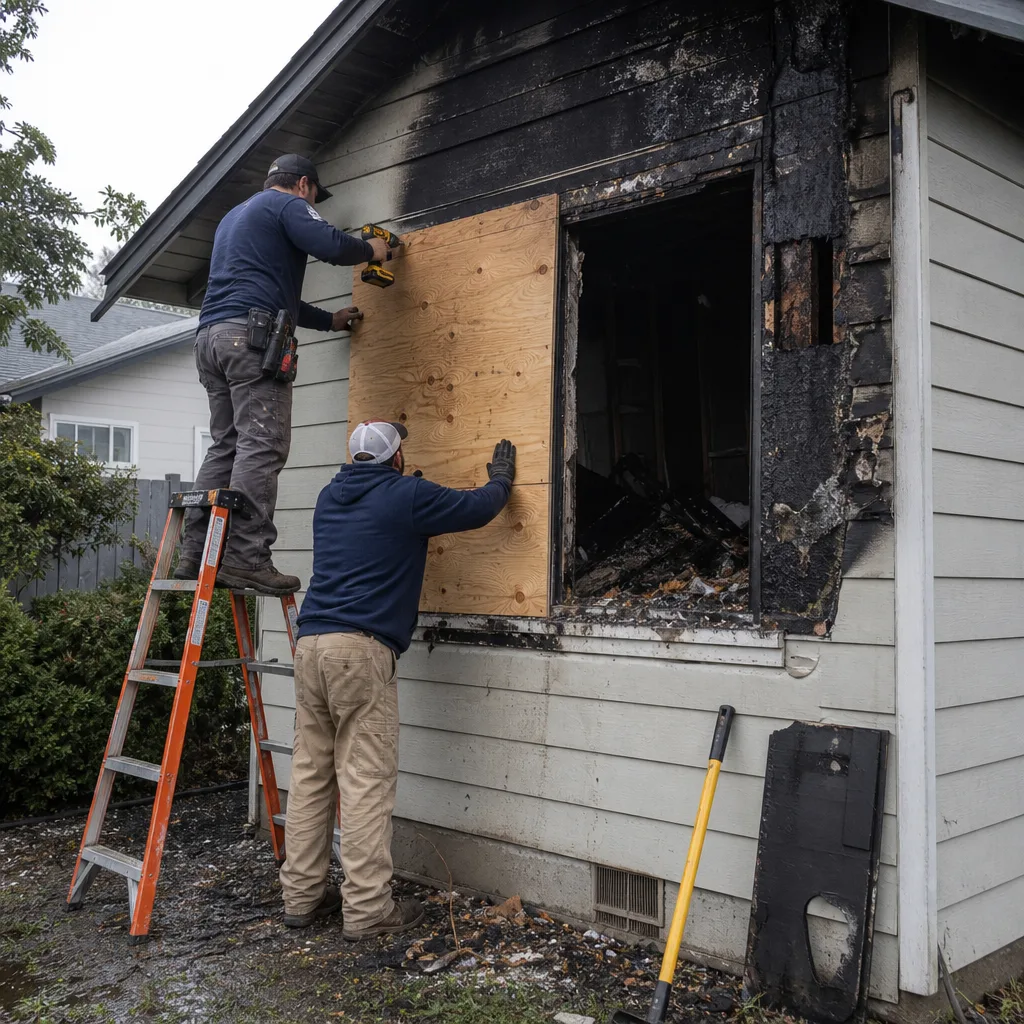
Mold Removal
We remove colonized materials under containment, HEPA vacuum remaining surfaces, and apply antimicrobial treatments registered for structural use. In Sound Insulation Program homes, we often need to open added wall insulation to verify complete removal - a step less experienced crews skip, guaranteeing callback mold.
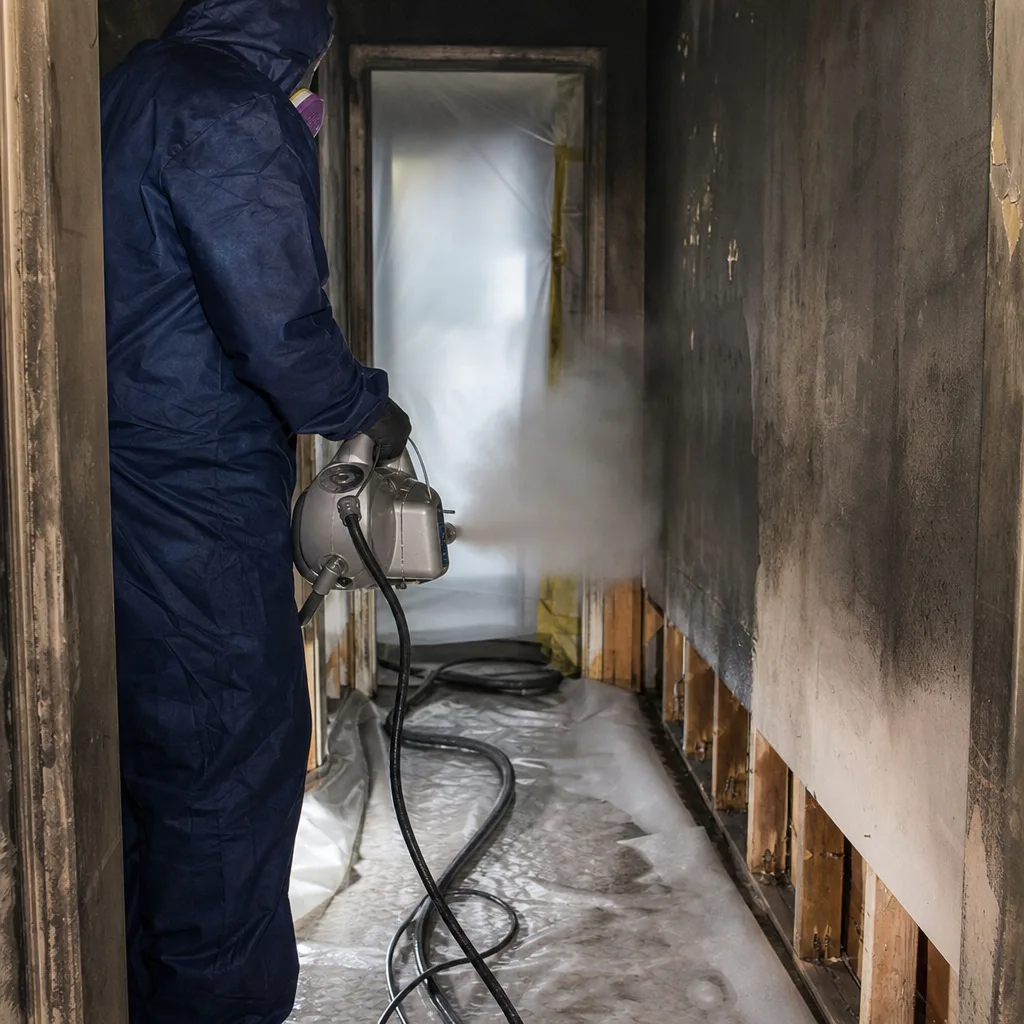
Black Mold Remediation
Stachybotrys chartarum and other toxigenic species require enhanced containment, full-face respirator protocols, and extended air scrubbing. We treat these jobs with the same documentation rigor as any other, but with stricter clearance criteria - typically two consecutive clean air samples before containment comes down.
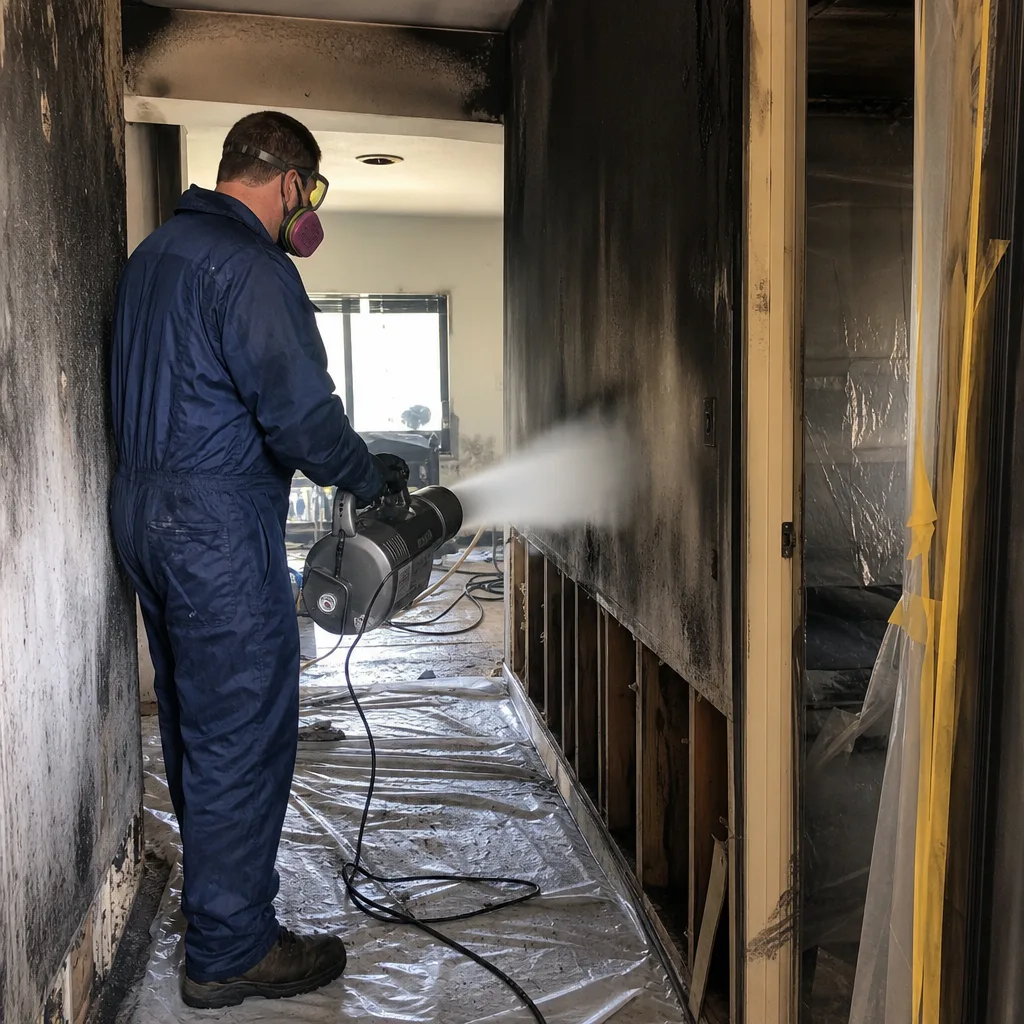
Air Quality Restoration
After remediation, we restore breathable air quality through continued HEPA filtration, HVAC cleaning and sanitization, and optional activated carbon treatment for volatile organic compounds. This matters in SeaTac’s tight homes where the same air circulates with minimal exchange.
Crawl Space Treatment
SeaTac’s perched water tables make crawl spaces the city’s highest-risk zone for hidden mold. We excavate vapor barriers, install sump pumps where gravity drainage fails, and run dedicated dehumidification systems sized to the cubic volume. Most SeaTac crawl space treatments fall between $2,800 and $7,500 depending on access and square footage.
Moisture & Humidity Control
We install permanent humidity control systems, seal foundation penetrations, and correct grading where Vashon till forces water against the structure. This is the work that prevents remediation from becoming a recurring expense - and it’s where we document every step for your insurance file.
What happens when you call
- 1
A real person answersNo phone trees - you reach a local pro.
- 2
You get an upfront price rangeHonest numbers before anyone is dispatched.
- 3
A background-checked tech heads outLicensed & insured, dispatched right away.
- 4
You approve before work beginsNothing starts until you say go.
Mold Remediation Costs in SeaTac, WA
| Service | Typical SeaTac Range |
|---|---|
| Mold inspection & testing | $350-$650 residential; $800+ commercial |
| Limited mold removal (under 10 sq ft) | $1,200-$2,800 |
| Moderate remediation (10-100 sq ft) | $3,500-$7,500 |
| Extensive/structural remediation | $8,000-$15,000+ |
| Crawl space treatment | $2,800-$7,500 |
| Air quality restoration/HVAC cleaning | $1,500-$4,000 |
What moves the price: square footage of colonization, accessibility in tight SeaTac properties, whether the Sound Insulation Program retrofit requires careful disassembly of added insulation, and whether third-party clearance testing is required. Insurance typically covers mold resulting from a sudden, documented water loss - not long-term maintenance neglect. We review your policy, document the loss origin, and build an estimate your adjuster can approve. Every estimate is free, written, and delivered before work starts - call (360) 997-2427.
We Also Serve Cities Near SeaTac
Our crews respond throughout the south Puget Sound metro from our Seattle office, with regular dispatch to Kent, Des Moines, Auburn, and Renton. Each city has distinct housing stock and soil conditions, and our documentation protocols adapt accordingly - but the Haven Standard applies everywhere: written price before work begins, photo record on every visit, 365-Day Done Right Promise.
Serving SeaTac, WA - Our Local Coverage Area
We’re based in the SeaTac area and know this community well. Use the map below to see our service coverage - if you’re nearby, we can almost certainly help.
SeaTac Mold Remediation Questions, Answered
Why are SeaTac homes more likely to have hidden mold than nearby cities?
Thousands of SeaTac homes were retrofitted with replacement windows, doors, and added wall and attic insulation under the Port of Seattle’s Sound Insulation Program, creating near-zero passive air infiltration. A slow leak that would partially self-dry in a leaky pre-retrofit house instead stays trapped behind added insulation until mold colonization is well established. Combined with Vashon glacial till that perches stormwater against foundations, this makes SeaTac’s post-retrofit housing disproportionately prone to hidden mold. Call (360) 997-2427 for a free inspection if your home has uniform replacement windows or added insulation.
How fast can mold start after a leak in a SeaTac home?
Visible mold can develop within 24-72 hours of water intrusion under favorable temperature and humidity, but in SeaTac’s tight, sound-insulated homes, the timeline is often longer and more dangerous - moisture hides longer, so colonization advances unseen until it’s extensive. We find advanced mold in SeaTac homes where the leak started weeks or months before any odor appeared. Early moisture mapping is the only way to catch it before it spreads. Call (360) 997-2427 for same-day assessment.
Do you treat crawl spaces in SeaTac’s Vashon glacial till areas?
Yes - crawl space treatment is one of our highest-demand services in SeaTac because the impermeable Vashon till forces stormwater laterally, creating persistent moisture against foundations. We excavate vapor barriers, install sump systems where needed, and run dedicated dehumidification. Most SeaTac crawl space treatments run $2,800-$7,500, with a written price before work begins. Call (360) 997-2427 for a free crawl space inspection.
What happens during mold remediation in a SeaTac apartment or townhome with tight access?
We coordinate with property management on access codes, alley-load staging, and parking constraints before arrival. Our crews carry compact equipment including Injectidry systems for tight spaces, establish containment that respects shared walls and HVAC, and document every step for the property owner’s insurance file. Rolling-code gates and security protocols are standard operating procedure for us. Call (360) 997-2427 to pre-coordinate your building’s requirements.
Can you work with my insurance on a SeaTac mold claim?
Yes - direct insurance billing and adjuster coordination are standard on every job. We provide photo documentation, moisture logs, line-item estimates built to industry-standard platforms, and a written scope before work begins that your adjuster can review and approve. Our documentation-first approach was built by a former claims adjuster specifically to close the gaps that delay or deny payment. Call (360) 997-2427 and we’ll review your coverage and loss documentation at no charge.
How long does mold remediation take in a typical SeaTac home?
Limited removal jobs finish in 1-3 days; moderate remediation typically runs 3-7 days including drying and clearance; extensive structural cases may require 1-2 weeks. SeaTac’s tight building envelopes often extend drying timelines because added insulation and replacement windows resist natural dissipation. We don’t rush drying - we document moisture readings until materials reach established dry standards, then deliver the logs to your insurer. Call (360) 997-2427 for a timeline specific to your situation.
Can my family stay in the home during mold remediation?
For limited growth under 10 square feet, often yes with containment isolation. For moderate or extensive colonization, or any toxigenic species, we typically recommend temporary relocation until clearance sampling confirms safe air quality. We coordinate with your insurance on additional living expenses when coverage applies, and we never ask you to tolerate unsafe conditions to save time. Call (360) 997-2427 to discuss your specific case.
What certifications do your mold remediation technicians hold?
Our technicians hold IICRC AMRT (Applied Microbial Remediation Technician) and WRT (Water Damage Restoration Technician) credentials, with license numbers documented on every job file. All work follows IICRC S520 Standard for Professional Mold Remediation and is documented to RIA and IFA guidelines. Background checks and verification are completed before any technician enters your property. Call (360) 997-2427 to verify current credentials.
Written by Alicia Brennan, Owner at DryMark Restoration Kent, serving SeaTac since 2011.
Mold Remediation in Nearby Areas