

Free visual inspection and a written scope of work before any mitigation begins - photos, moisture readings, and drying logs go in your claim file
The scope we write is the scope we bill. Anything new gets shown to you, in writing, before we touch it.
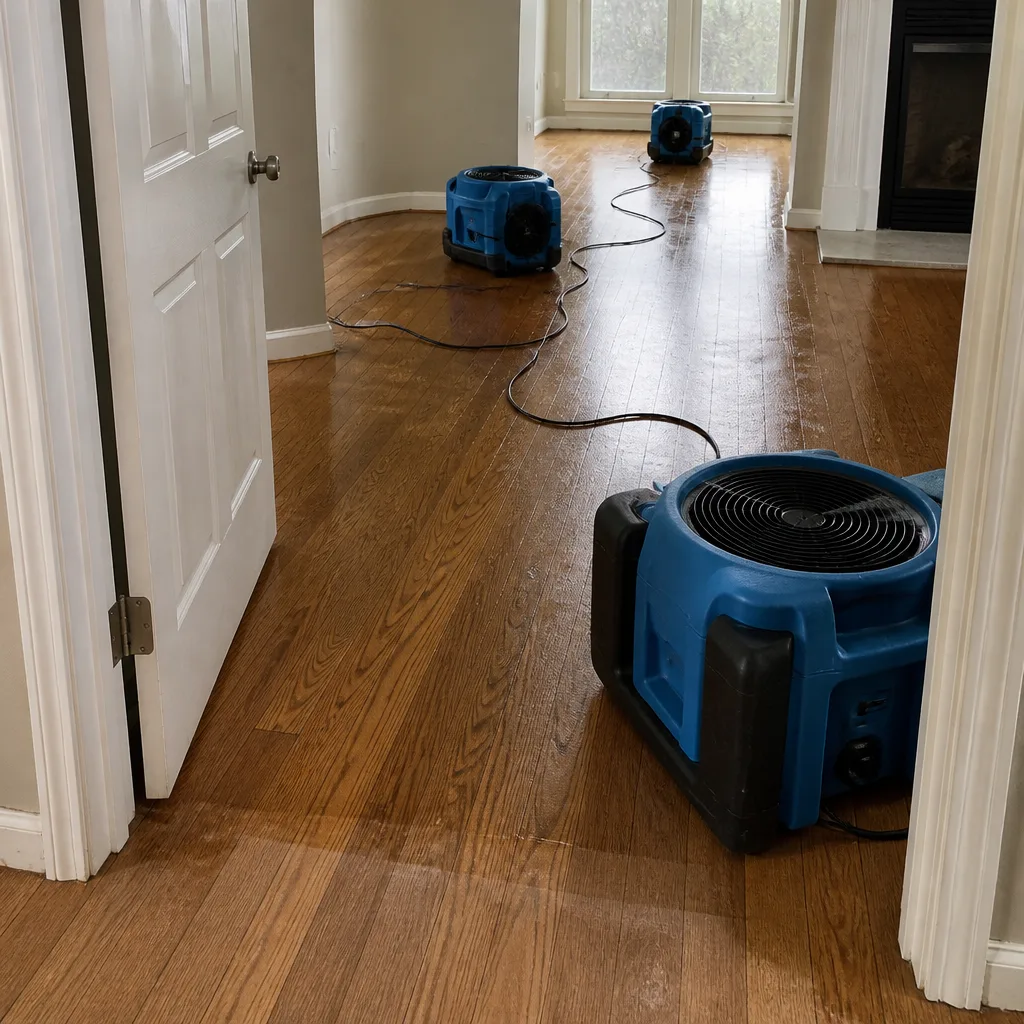
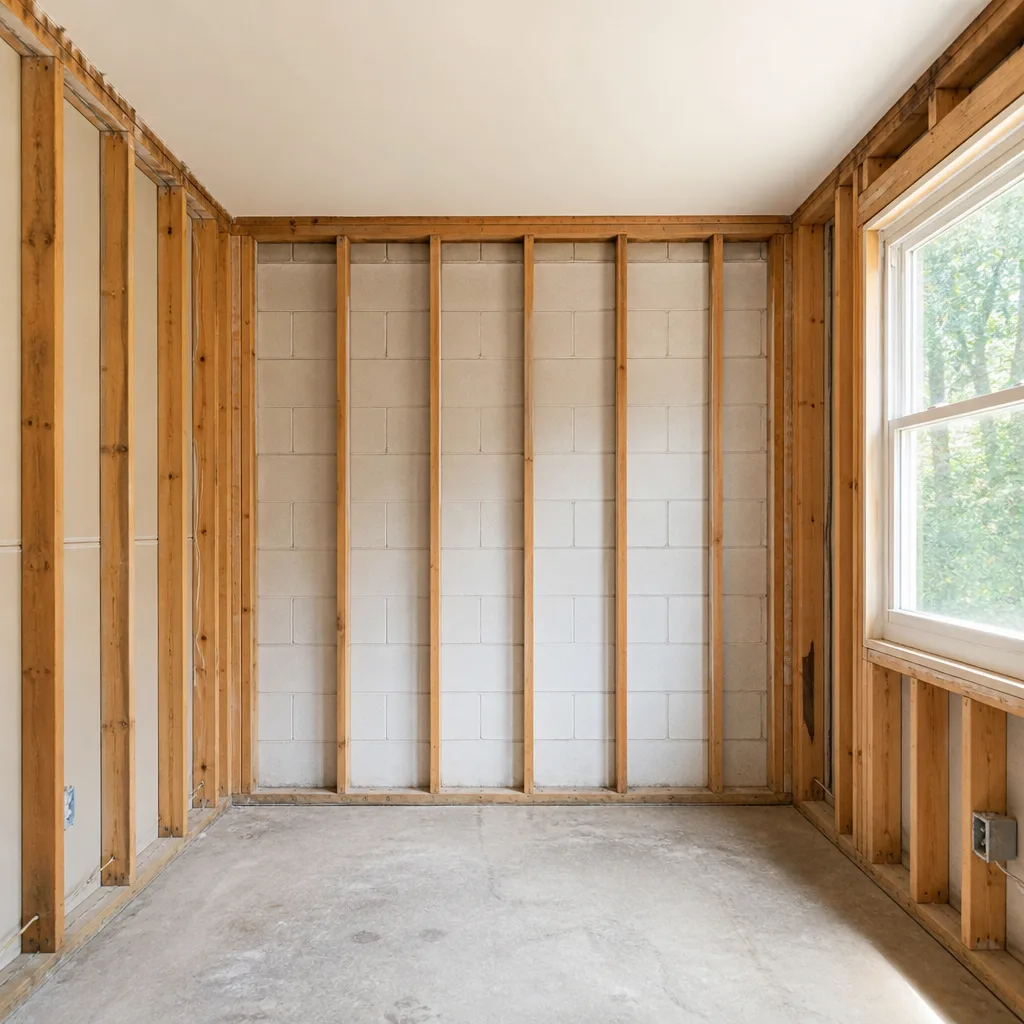
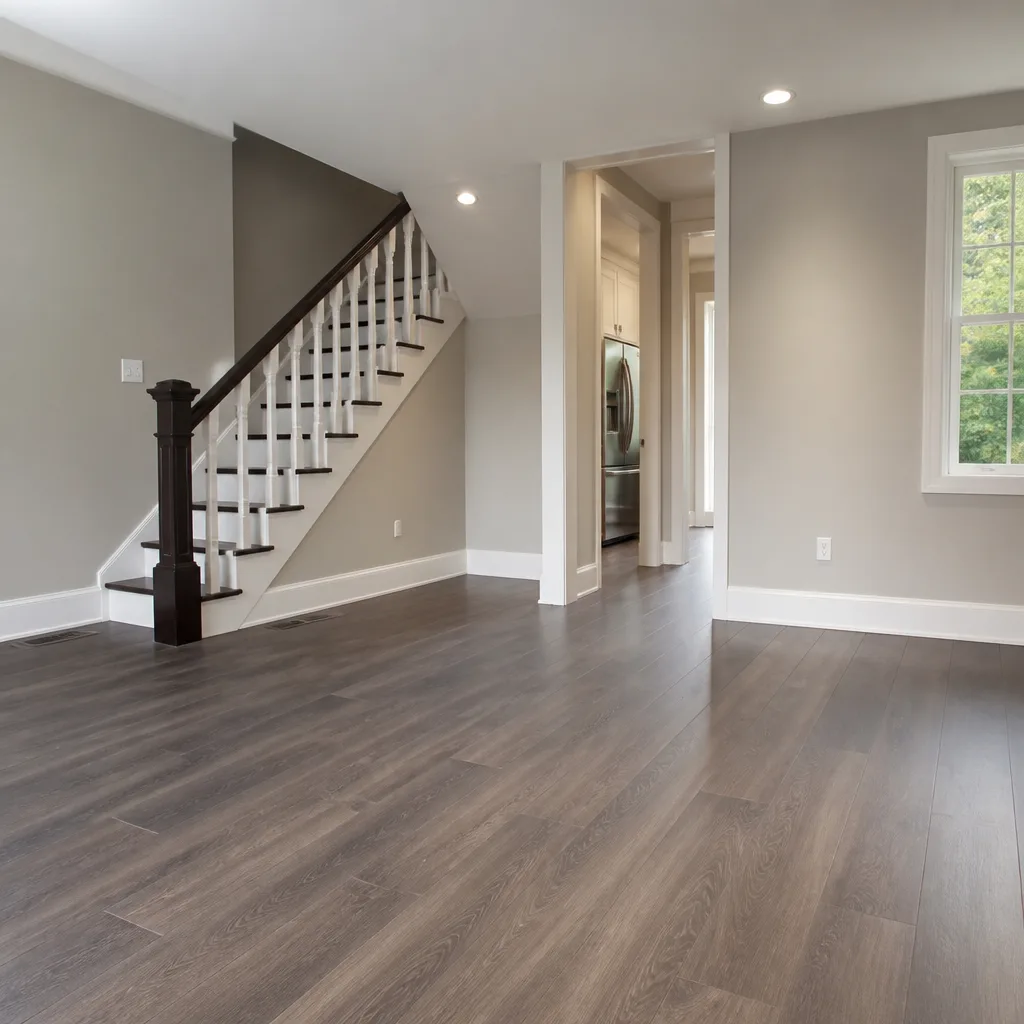
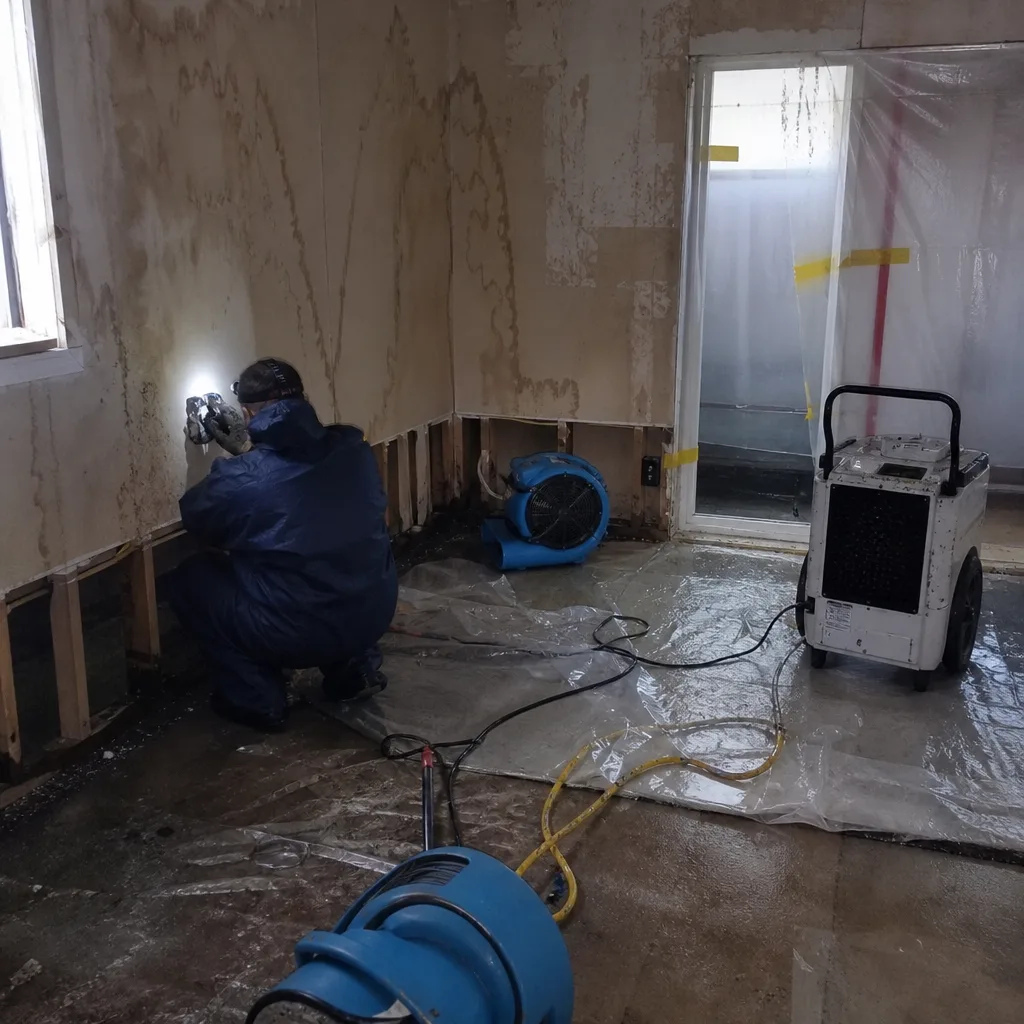 Before
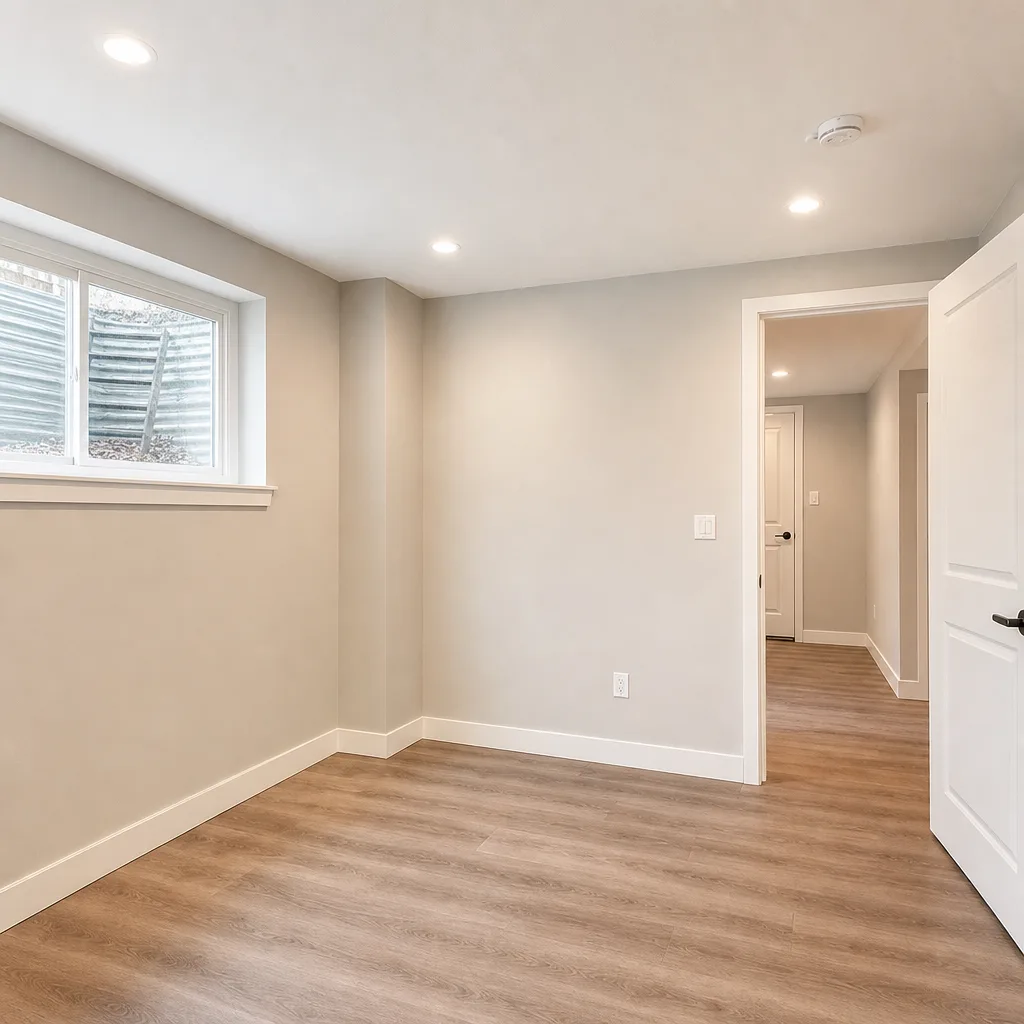 After
After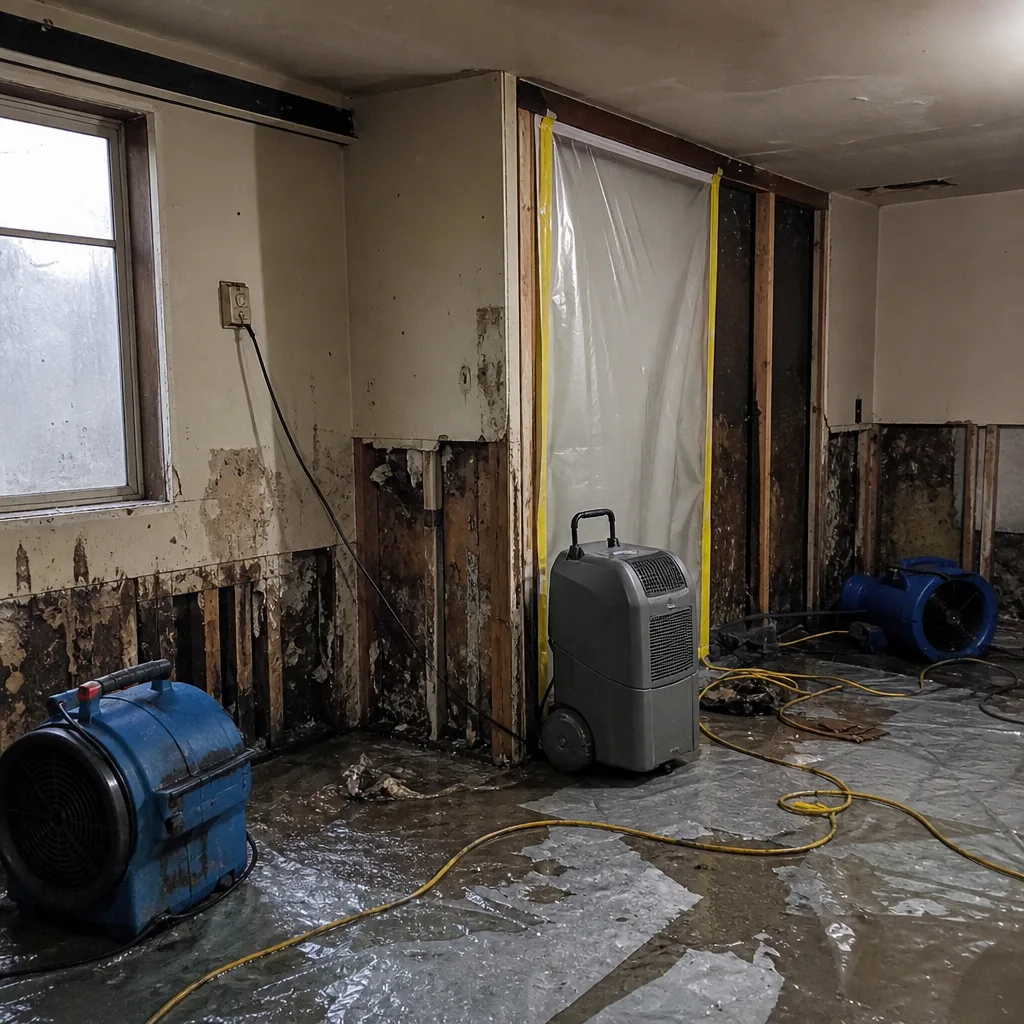 Before
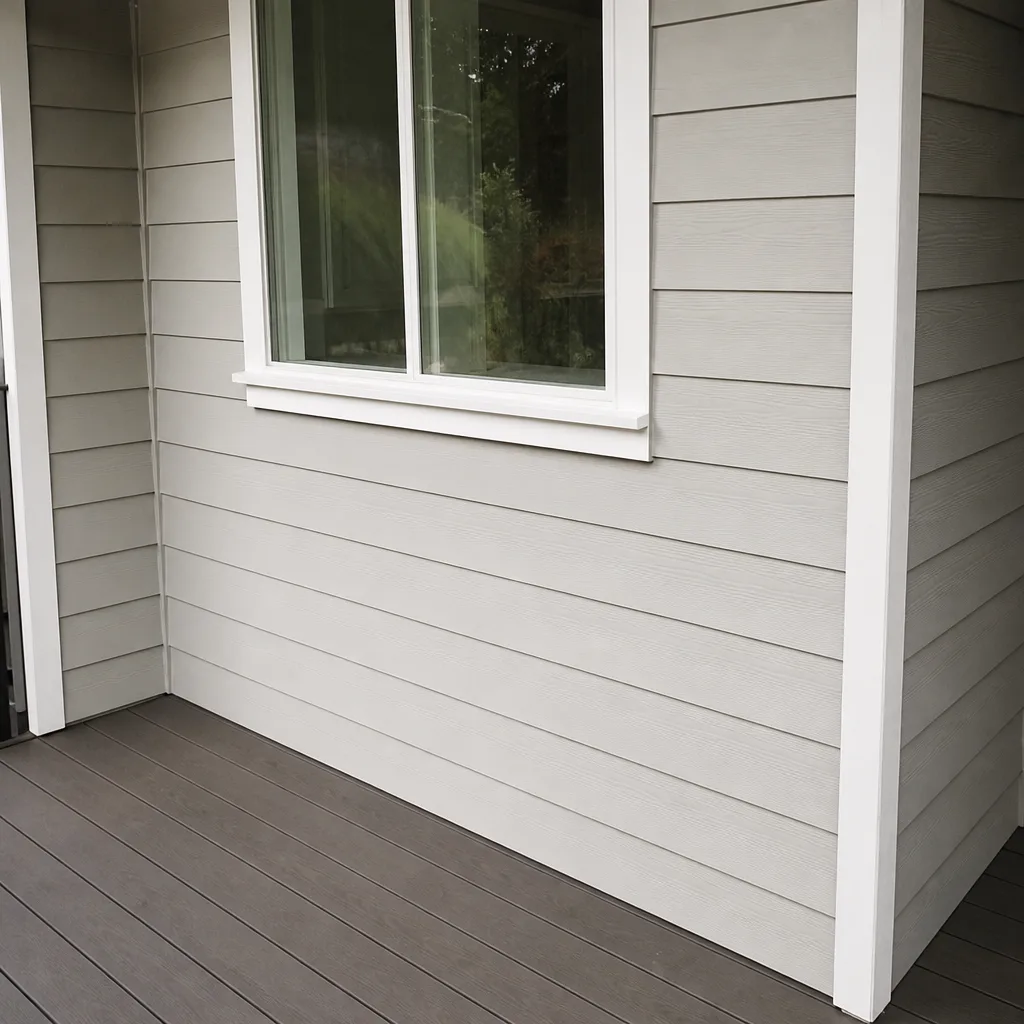 After
After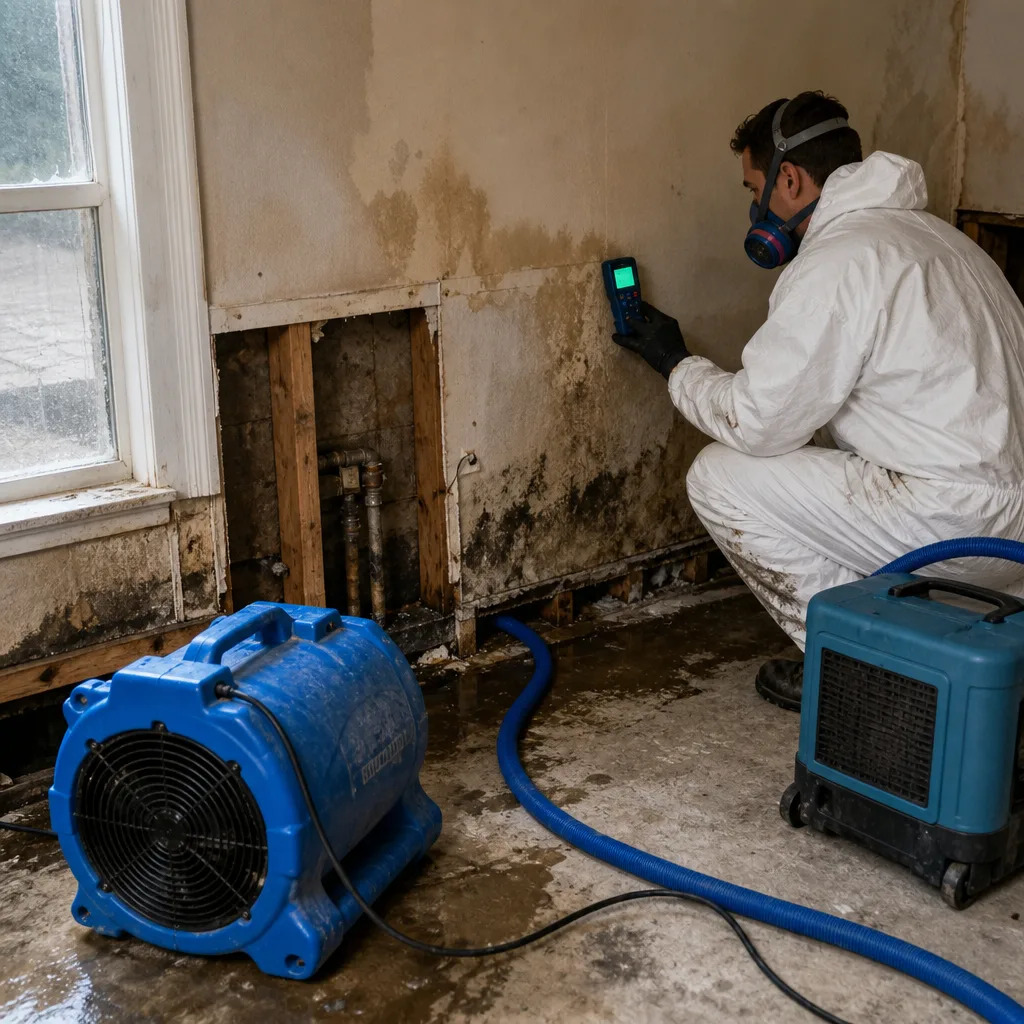 Before
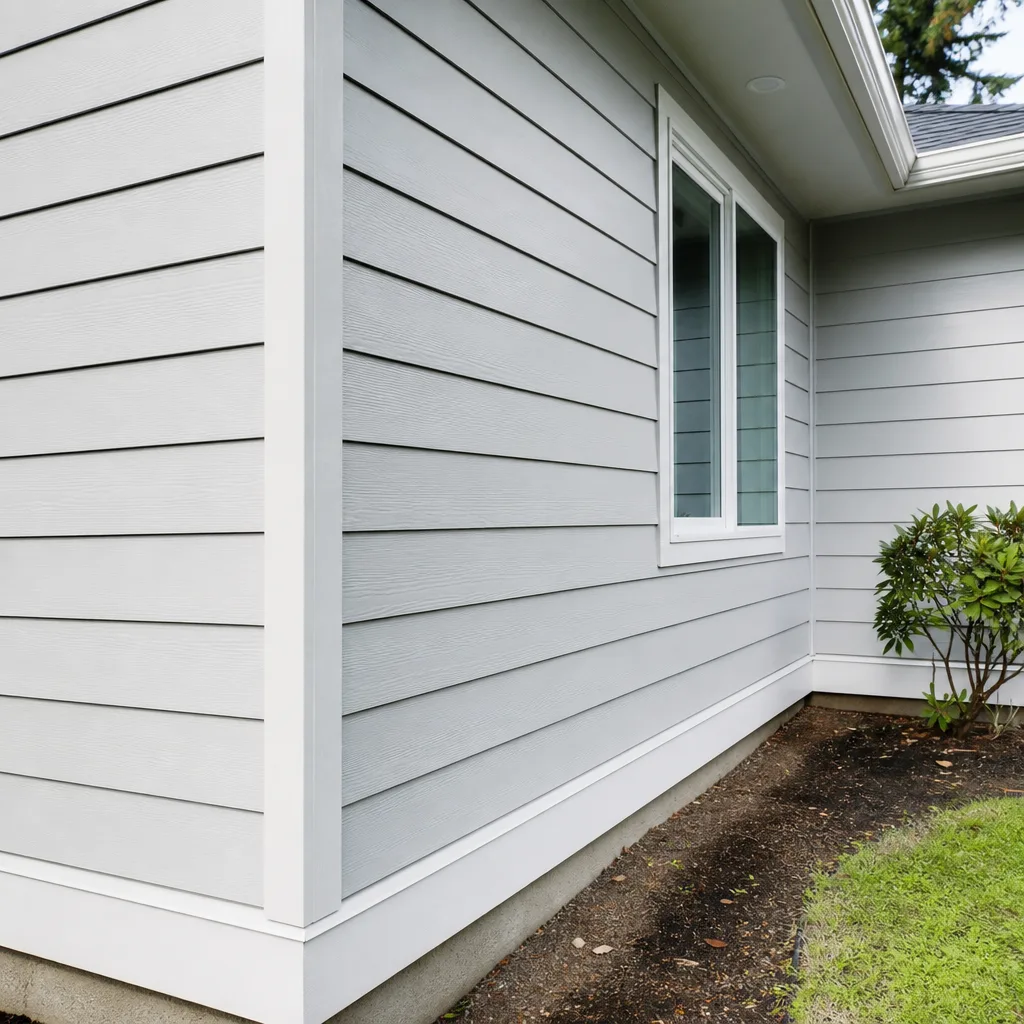 After
After24/7 Emergency Mold Remediation in Auburn
Mold remediation in Auburn typically runs $2,800-$7,500 for a contained residential job, with full structural drying and clearance testing included. Call (360) 997-2427 and you’ll reach a live person, 24 hours a day, 7 days a week - no voicemail, no callback queue. We dispatch crews across Auburn within 45 minutes of your call, and every job starts with a free visual inspection and a written price before any work begins. The first hour matters because mold colonizes drywall and subflooring within 24-48 hours of moisture intrusion, and Auburn’s clay-heavy valley-floor soils keep foundations wet long after the visible water is gone.
Understanding Mold Remediation Severity in Auburn Properties
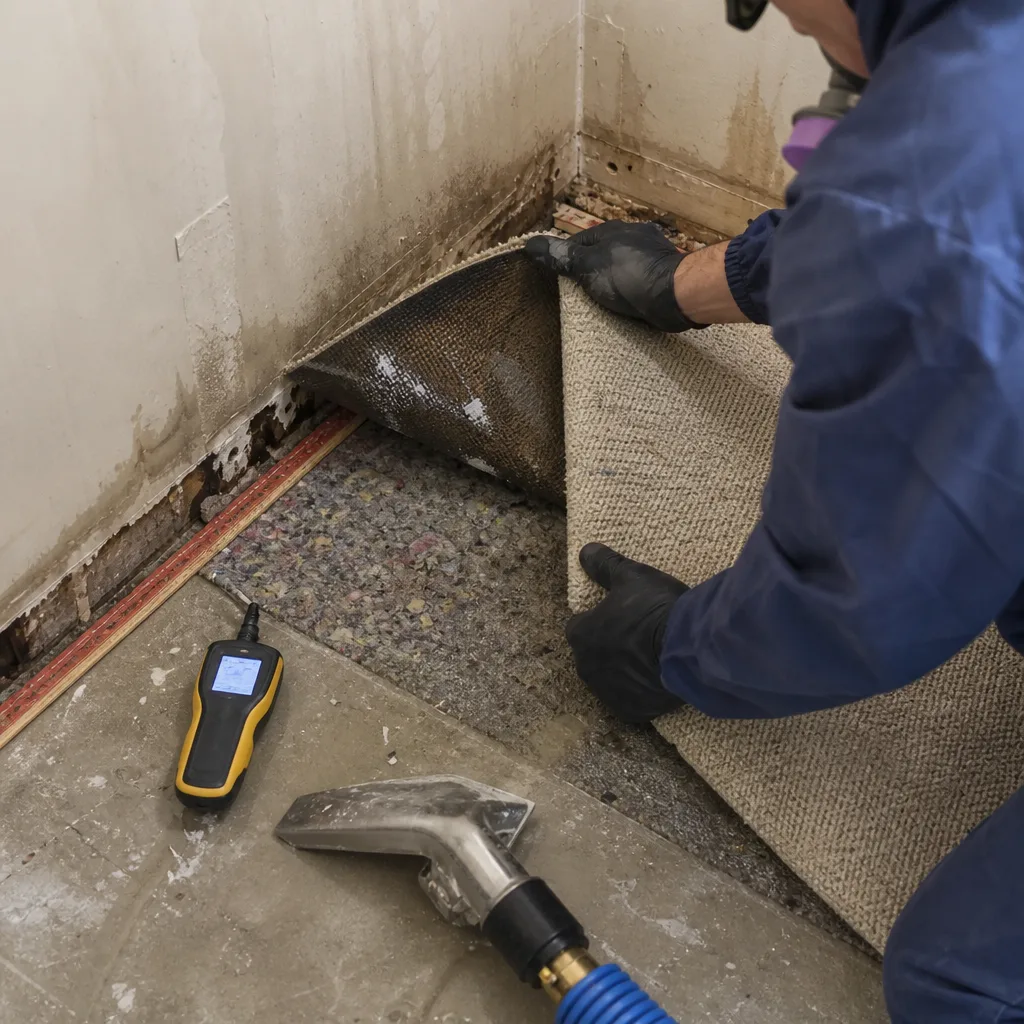
We classify mold contamination by affected square footage, material porosity, and whether the source water was Category 1 (clean supply line), Category 2 (gray water with detergents or urine), or Category 3 (black water from flooding or sewage). In Auburn, the distinction matters more than in most cities. A 1960s ranch on Lea Hill with slab-on-grade construction and saturated clay soils beneath presents a fundamentally different drying challenge than a hillside home in Federal Way with engineered drainage. Category 3 losses from Green River flooding in the warehouse corridor or valley-floor residential areas require full removal of porous materials - drywall, insulation, carpet pad - because flood-borne contaminants penetrate beyond surface treatment. We map moisture with thermal imaging and pinless meters, then establish containment with 6-mil poly and negative air pressure using HEPA-scrubbed exhaust. Air quality restoration follows IICRC S520 standards for professional mold remediation, with clearance testing by a third-party inspector before we remove containment.
Why Auburn Property Owners Choose DryMark Restoration Kent
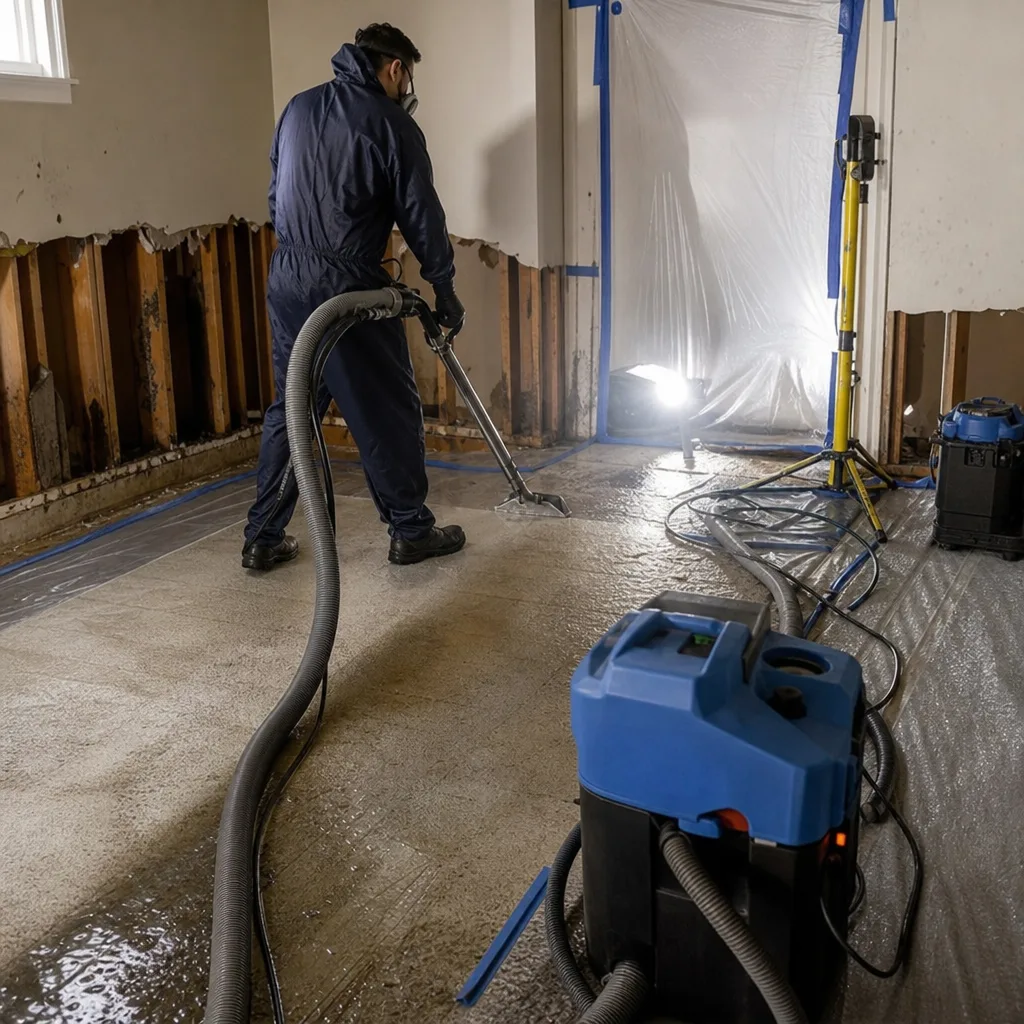
- 45-minute response commitment to any Auburn address, from downtown to the Lea Hill ridge.
- 24/7 live answer - a real person picks up, never an automated system or voicemail tree.
- IICRC-certified crews holding WRT (Water Damage Restoration Technician) and AMRT (Applied Microbial Remediation Technician) credentials.
- Free visual inspection with moisture mapping and a written scope delivered before any work starts.
- Direct insurance billing with photo-documented estimates and adjuster coordination handled by our team.
- One crew from initial extraction through final reconstruction - no handoffs between subcontractors.
BeforeAfterOur Mold Remediation Process
1. Inspection & Assessment
We arrive with thermal imaging cameras, moisture meters, and hygrometers to map the full extent of water intrusion and visible mold growth. In Auburn, we also test slab moisture and exterior soil saturation because valley-floor clay can wick water back into the structure days after extraction.
2. Containment & Air Filtration
We seal affected areas with 6-mil polyethylene sheeting and create negative air pressure using HEPA air scrubbers. This prevents cross-contamination to unaffected rooms, critical in Auburn’s older ranch homes with central HVAC systems that can distribute spores throughout the house.
3. Mold Removal & Material Disposal
Non-salvageable materials - waterlogged drywall, contaminated insulation, degraded carpet pad - are removed and bagged for proper disposal. We treat remaining structural elements with antimicrobial agents and perform detailed HEPA vacuuming of all surfaces within containment.
4. Structural Drying & Dehumidification
We deploy Dri-Eaz and Phoenix dehumidifiers alongside Injectidry cavity drying systems and high-velocity air movers. In Auburn, drying timelines extend 20-40% longer than hillside markets because exterior hydrostatic pressure from saturated clay soils continues feeding moisture into slab foundations.
5. Crawl Space & Moisture Control Treatment
For Auburn’s pier-and-beam and crawl space homes, we install vapor barriers, seal foundation vents, and apply specialized antimicrobial treatments to joists and subflooring. Moisture and humidity control systems prevent recurrence in the damp valley-floor environment.
6. Clearance Testing & Documentation
A third-party industrial hygienist collects air and surface samples for laboratory analysis. We provide your insurer with photo documentation, daily moisture logs, material disposal receipts, and the clearance certificate - the complete file that turns a restoration invoice into a payable claim.
Need Emergency Mold Remediation in Auburn Now?
Crews minutes away, answering live 24 hours a day. The sooner we start, the less it costs.
Working With Your Insurance Company
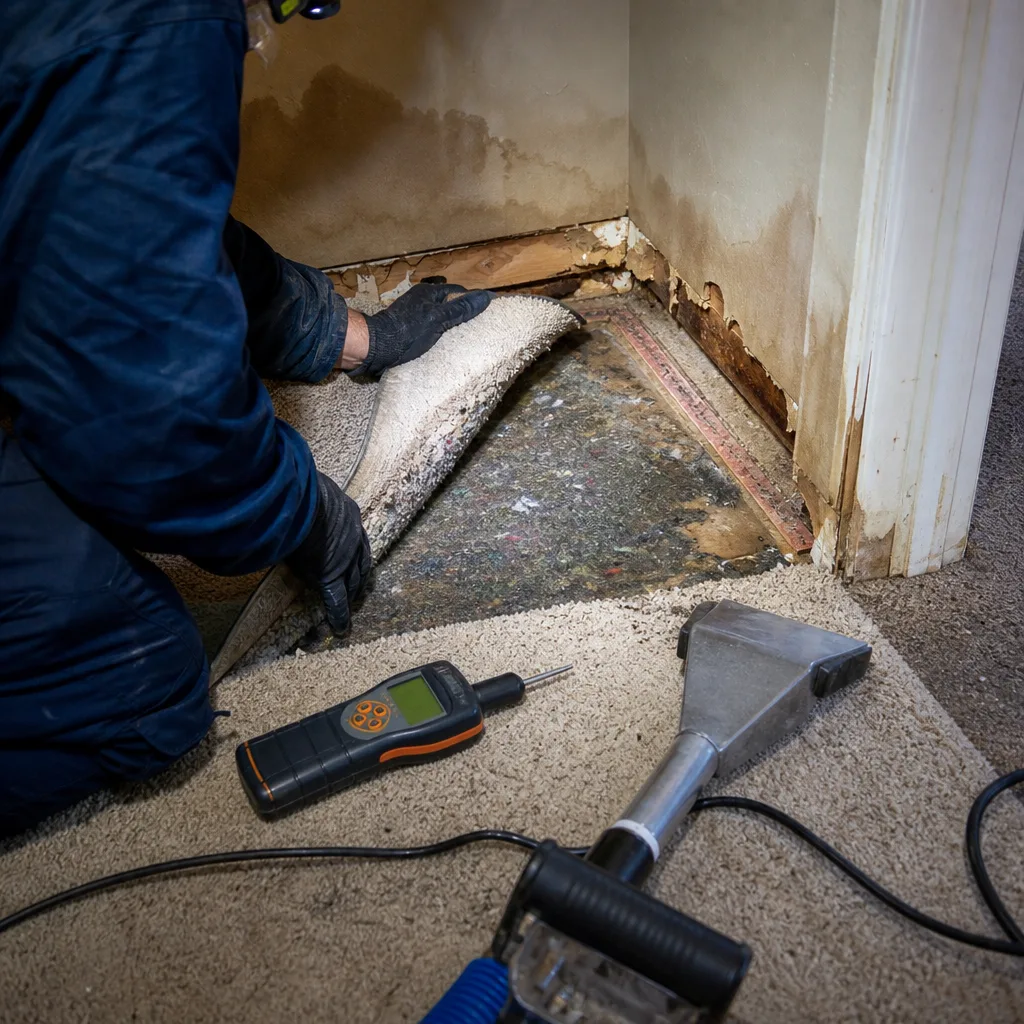
We built our documentation system around what claims adjusters actually need to approve payment. From the first hour on site, we photograph every room, record moisture readings on a standardized grid, and maintain daily drying logs that track temperature, relative humidity, and specific humidity. Our estimates follow industry-standard pricing databases with line-item detail, not lump-sum rounding. We speak directly with your adjuster, provide supplemental documentation when scope expands, and never ask you to pay out of pocket and wait for reimbursement. The photo record, drying log, and written scope are standard deliverables on every job - never upsells.
What We Provide Your Insurer
- Thorough documentation of the loss
- Photos of all damage, room by room
- Moisture readings and drying logs
- A detailed, line-item scope of work
- Direct coordination with your carrier
Built for Auburn’s Loss Calendar
January through March bring the heaviest mold remediation volume in Auburn, driven by Green River Valley flooding and the Howard Hanson Dam’s winter operations. The 2009-2010 season established the pattern: Corps advisories on dam capacity forced evacuation planning across the valley floor, and homes that flooded once faced re-flooding before initial drying completed. April through June sees secondary mold calls from slow leaks that went undetected during winter heating season, especially in 1920s-1940s craftsman bungalows near downtown with aging galvanized supply lines. July and August bring brief spikes from air conditioning condensation in manufactured homes with inadequate drainage. September through November is peak preparedness season - we perform mold inspection and testing for properties that flooded in prior years, catching colonization before winter rains return. December’s freeze-thaw cycles burst outdoor hose bibs and crawl space pipes in uninsulated valley-floor homes, setting up January mold jobs if homeowners don’t catch the leak within 48 hours.
Mold Remediation Across Auburn’s Neighborhoods
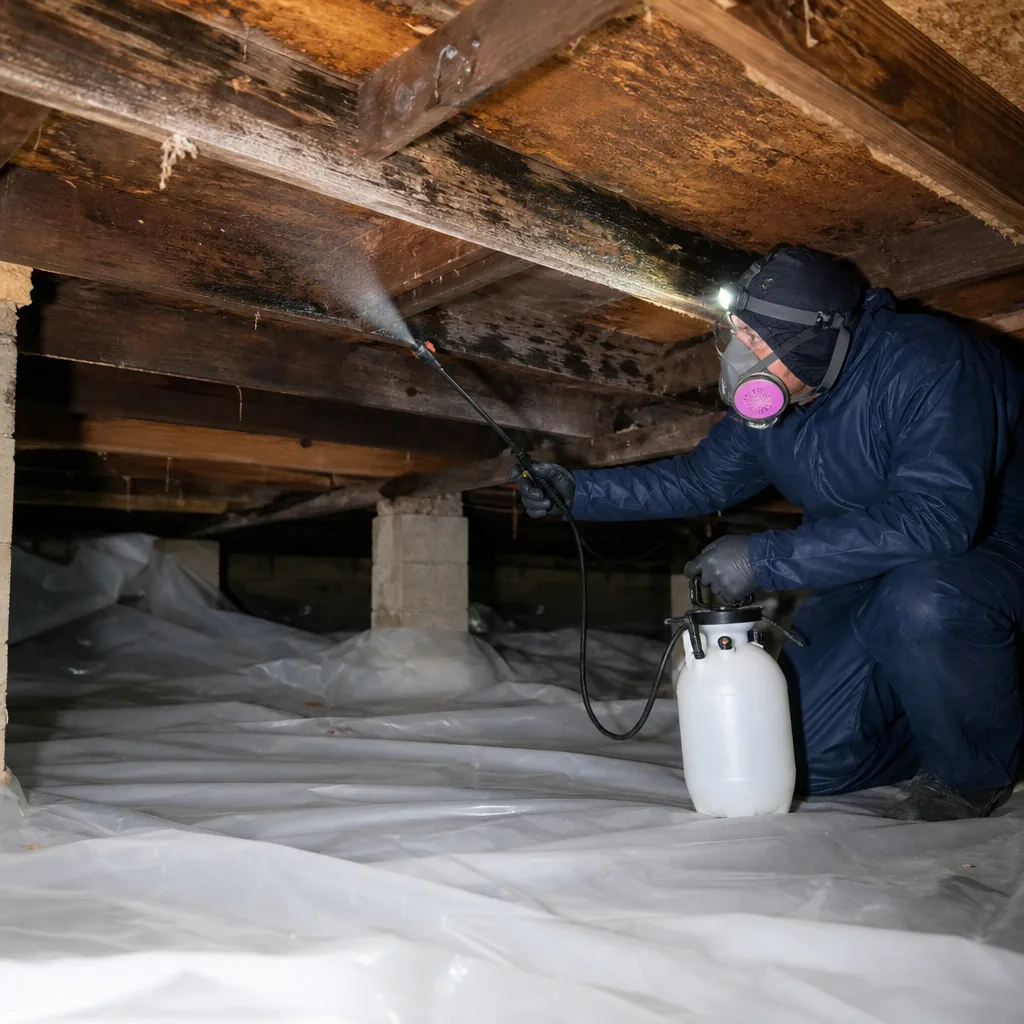
Lea Hill’s 1960s-1980s ranch tracts sit on the valley’s eastern rise with slab-on-grade construction that wicks groundwater from clay soils for days after any intrusion. We’ve replaced more bottom plates and treated more subfloor mold in this neighborhood than any other in Auburn. The old downtown core along Main Street holds 1920s-1940s craftsman bungalows with pier-and-beam foundations, original plaster and lath, and no vapor barriers - perfect conditions for crawl space mold that spreads through floor gaps into living spaces. The West Hill area, closer to the Green River, includes manufactured-home parks developed on fill with drainage systems never engineered for repeated flood events; Category 3 losses here require full gutting of wall cavities because floodwater carries river sediment and chemical contaminants. The warehouse-and-distribution corridor along Highway 18 and West Valley Highway presents a completely different scale - when the Green River rises, we’re responding to hundreds of thousands of square feet of logistics space with rack systems, mezzanines, and inventory that complicates containment and drying. Each zone demands different equipment configurations and timeline expectations.
Specialized Mold Remediation Services We Offer in Auburn
Mold Inspection & Testing
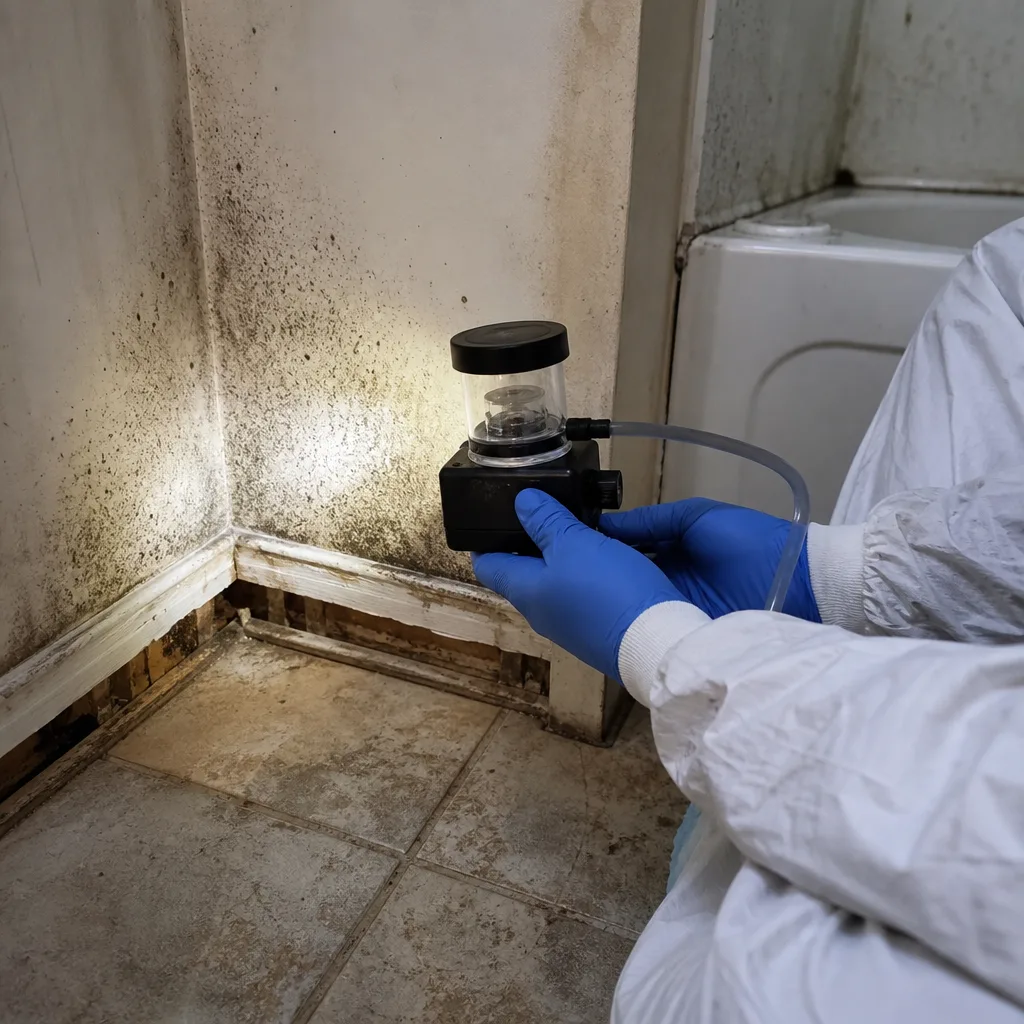
We start with visual assessment, moisture mapping, and air sampling to determine contamination extent and species identification. In Auburn, we always include slab moisture testing and exterior soil assessment because valley-floor conditions can mask ongoing water sources that surface testing misses.
Mold Removal
Our AMRT-certified crews remove contaminated materials following IICRC S520 standards, with HEPA-contained disposal and antimicrobial treatment of remaining structural elements. For Auburn’s older homes with lath-and-plaster walls, we use specialized extraction techniques that preserve historic substrates when possible.
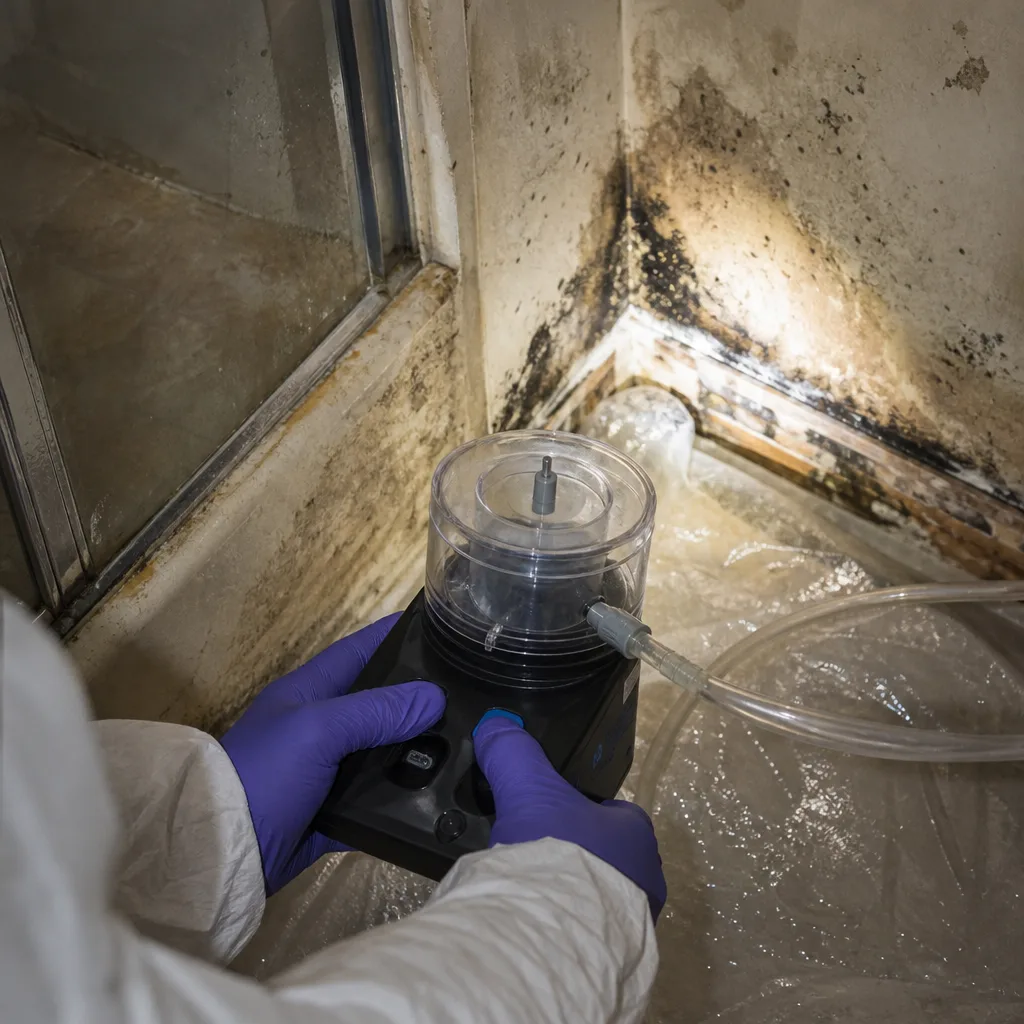
Black Mold Remediation
Stachybotrys chartarum and other toxigenic species require enhanced containment, full-face respirator protocols, and extended air scrubbing. We treat these jobs with the same documentation rigor as any other - photo records, disposal manifests, and clearance testing - because your insurer will scrutinize the file more closely.
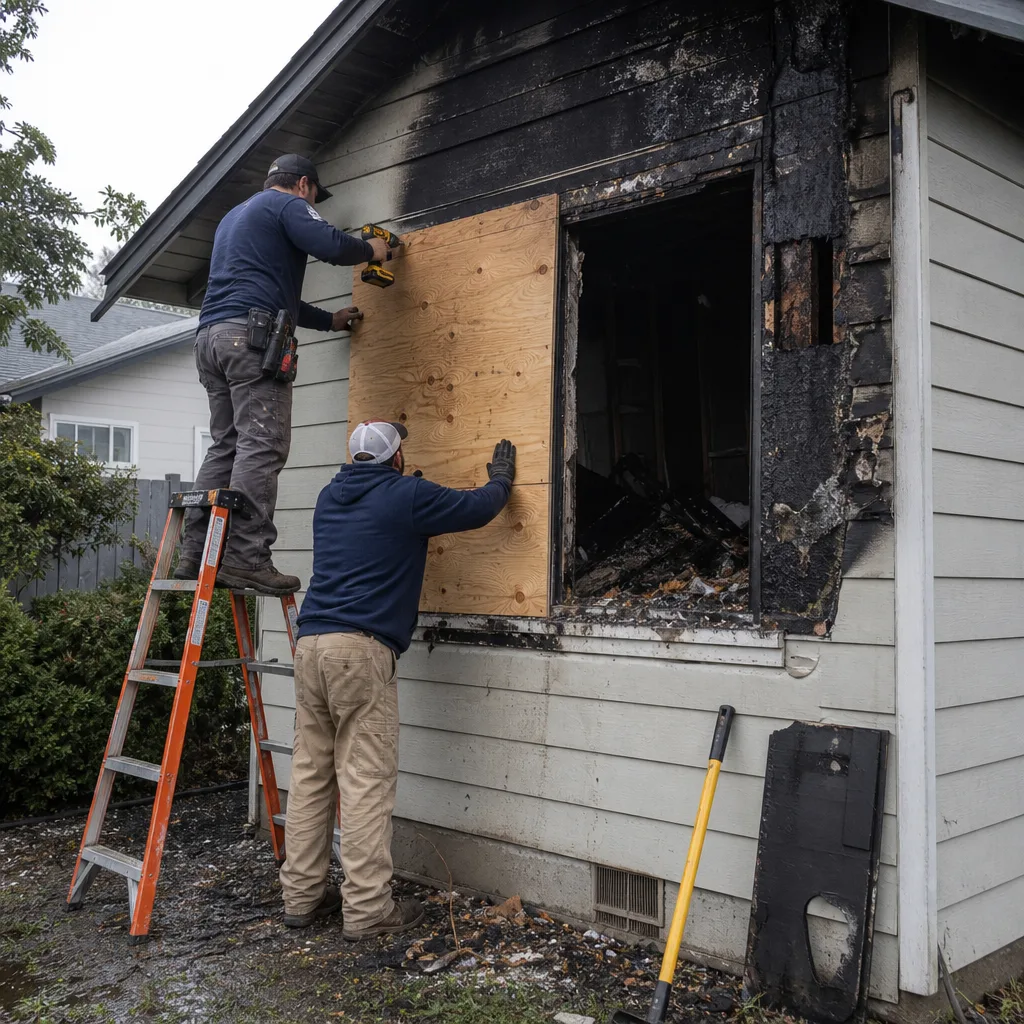
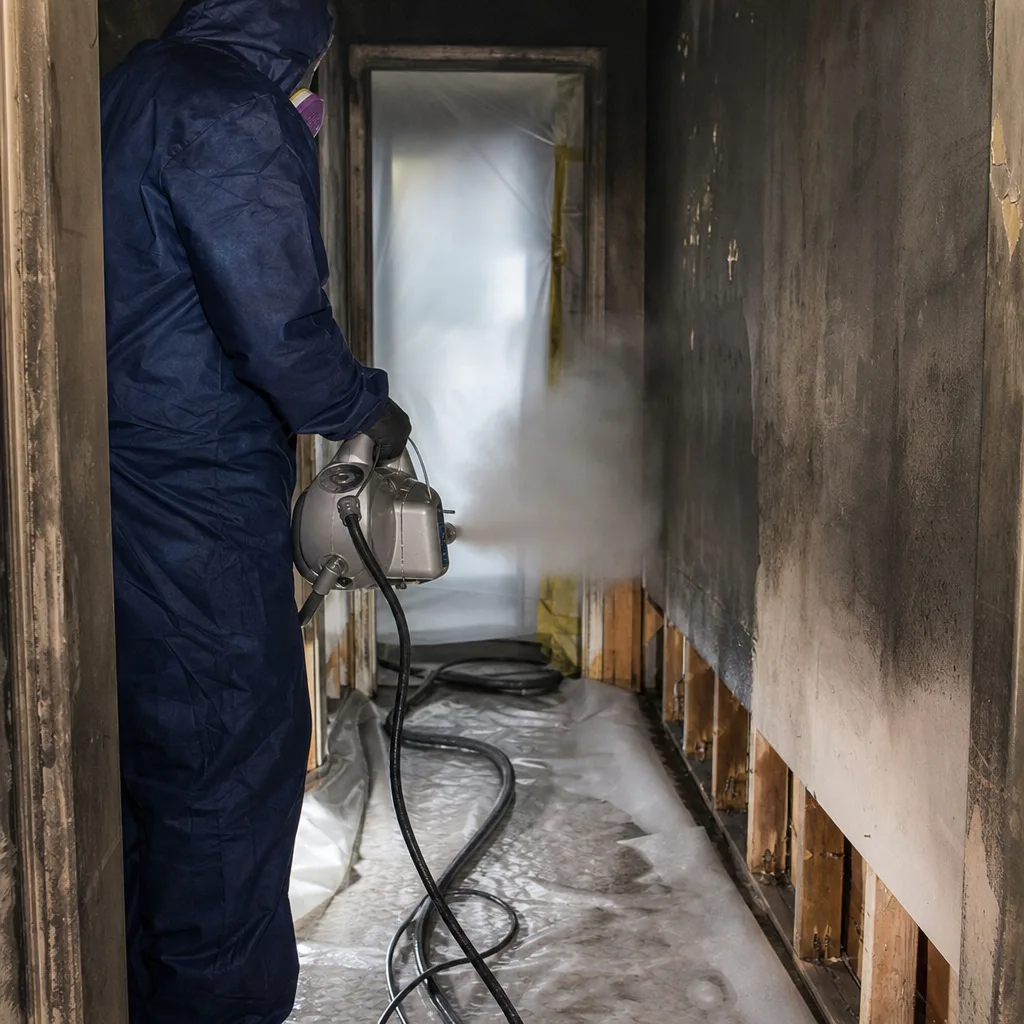
Air Quality Restoration
After physical removal, we run HEPA air scrubbers and activated carbon filtration to capture airborne spores and mycotoxins. Final clearance testing measures spore counts against outdoor baseline levels, with results delivered in a format your adjuster can read without interpretation.
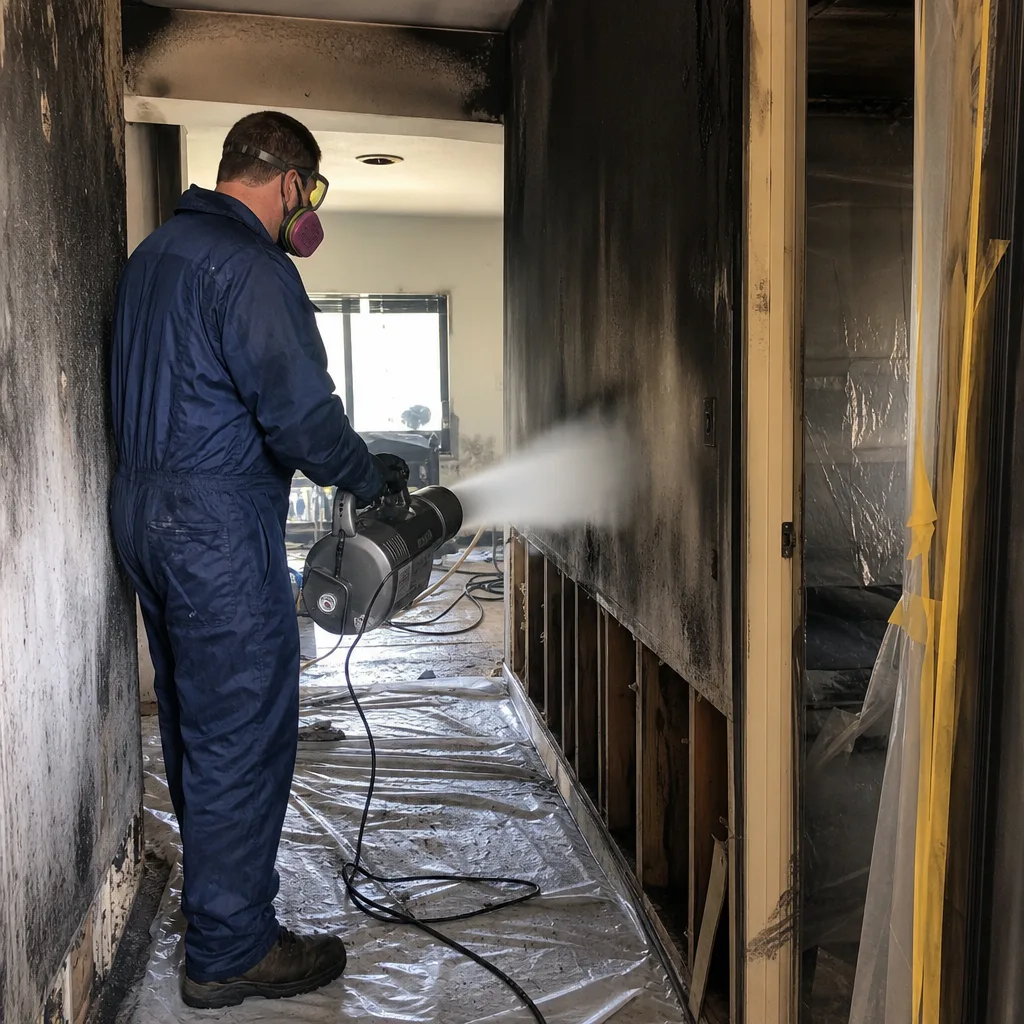
Crawl Space Treatment
Auburn’s pier-and-beam homes, especially in the downtown core and older neighborhoods, harbor persistent crawl space mold from soil vapor and inadequate ventilation. We install vapor barriers, seal vents, treat joists with antimicrobial agents, and in severe cases recommend encapsulated crawl space systems with dehumidification.
What happens when you call
- 1
A real person answersNo phone trees - you reach a local pro.
- 2
You get an upfront price rangeHonest numbers before anyone is dispatched.
- 3
A background-checked tech heads outLicensed & insured, dispatched right away.
- 4
You approve before work beginsNothing starts until you say go.
Mold Remediation Costs in Auburn, WA
A contained crawl space or single-room mold removal in Auburn typically runs $2,800-$4,500, including containment, HEPA air scrubbing, material removal, antimicrobial treatment, and clearance testing. Whole-house remediation with extensive drywall removal and structural drying ranges $5,500-$7,500, with complex jobs in flood-affected valley-floor properties occasionally reaching $12,000-$18,000 when Category 3 contamination requires full gutting and extended drying timelines. What moves the price: square footage affected, material porosity (drywall vs. plaster), whether the water source was Category 1 or Category 3, and whether exterior hydrostatic pressure from saturated soils extends drying time. Insurance typically covers mold remediation when the underlying water damage is a covered peril - sudden pipe burst, appliance failure, or storm intrusion - but may exclude long-term maintenance-related moisture. We provide a free visual inspection and written scope before any work begins, and we offer a free second opinion on any competitor’s written estimate.
We Also Serve Cities Near Auburn
Our crews respond throughout the south Puget Sound region, including Auburn and neighboring Federal Way, Milton, Kent, and Puyallup. Each city’s geography shapes its mold risk differently - hillside drainage in Federal Way, riverine exposure in Kent and Puyallup - and we adjust our drying protocols accordingly.
Serving Auburn, WA - Our Local Coverage Area
We’re based in the Auburn area and know this community well. Use the map below to see our service coverage - if you’re nearby, we can almost certainly help.
Auburn Mold Remediation Questions, Answered
Why does mold remediation in Auburn take longer than in neighboring cities?
Auburn’s clay-heavy alluvial soils on the Green River Valley floor stay saturated for days after a leak is fixed, so our structural drying fights ongoing exterior hydrostatic pressure long after Category 1 water is extracted. A hillside home in Federal Way or Milton drains naturally; your Auburn slab keeps wicking moisture until the water table drops, extending drying timelines 20-40%. We account for this in our initial scope and daily moisture logs, and we don’t remove dehumidification until the subfloor holds pre-loss readings for 48 consecutive hours. Call (360) 997-2427 for a free inspection and written timeline.
Can you remediate mold in a manufactured home in Auburn’s valley-floor parks?
Yes, and we do so regularly - Auburn has one of the highest concentrations of manufactured-home parks in King County, most developed on the low-lying valley floor with limited foundation drainage. These homes use thinner wall cavities and particleboard substrates that wick water faster than stick-built construction, so we often need more aggressive material removal and faster containment deployment. Our crews are experienced with the specific challenges: belly wrap moisture, compromised vapor barriers, and the shallow crawl spaces that limit equipment access. We provide a written scope before work begins, same as any other job. Call (360) 997-2427 to schedule.
What happens to an in-progress mold job if Howard Hanson Dam advisories escalate?
We monitor Army Corps of Engineers dam capacity advisories throughout high-rain winters, and we have paused active remediation when evacuation risk rises. In 2009-2010, the Corps warned of potential dam failure and issued evacuation guidance for the lower Green River Valley; an already-flooded Auburn home could have been re-flooded before initial remediation completed. When advisories escalate, we secure containment, pack out salvageable contents, document the pause with photos and moisture readings, and resume when the Corps clears the risk level. This turns some Auburn jobs into multi-phase projects tied to dam operations, not just building dryness - a reality no hillside city faces. We build this possibility into our written scope and communication plan from day one.
Do you test for mold before or after mitigation in Auburn?
Both, when the situation warrants it. Pre-mitigation testing identifies species and contamination extent, which guides our containment strategy and equipment selection; post-mitigation clearance testing confirms spore counts have returned to acceptable levels before we remove containment. For most residential jobs in Auburn, we perform visual assessment and moisture mapping first, then recommend air sampling based on what we find. If you need documentation for a real estate transaction, insurance dispute, or health concern, we coordinate third-party laboratory analysis with chain-of-custody protocols. Call (360) 997-2427 to discuss whether pre-testing makes sense for your situation.
How does Auburn’s flood risk change the way you classify water damage?
Green River flooding in Auburn’s valley-floor residential and commercial areas produces Category 3 water by definition - black water carrying river sediment, chemical runoff, and potential sewage contamination from overwhelmed systems. This classification is non-negotiable: porous materials must be removed, not dried in place, and antimicrobial treatment protocols are more extensive than for Category 1 supply-line leaks. We verify water source at inspection and document the classification with photos of debris lines, odor characteristics, and visible contamination. Misclassifying Category 3 as Category 1 to save on removal costs leaves spores and contaminants in wall cavities, guaranteeing mold recurrence and potential claim denial. Call (360) 997-2427 for proper assessment.
How fast can your crew actually get to my Auburn property?
We commit to 45 minutes from your call to crew arrival anywhere in Auburn, 24 hours a day, 7 days a week. Our dispatch is coordinated from the Seattle office, with crews staged for the south valley corridor. Lea Hill, downtown, and the Highway 18 corridor are all within our standard response radius. The live person who answers your call at (360) 997-2427 confirms availability and estimated arrival in real time - no callback queues, no “we’ll get back to you tomorrow.”
Will my insurance cover mold remediation, or is it out of pocket?
Insurance covers mold remediation when the underlying moisture source was a sudden, accidental event covered by your policy - burst pipe, appliance failure, storm damage - and when documentation proves the mold resulted from that event, not long-term neglect. We provide the photo record, moisture logs, and written scope that make this connection explicit. Maintenance-related moisture - slow leaks, inadequate ventilation, groundwater seepage - is typically excluded. We review your policy limits and exclusions during our free inspection, and we coordinate directly with your adjuster to establish coverage before work begins. Call (360) 997-2427 for a no-charge assessment and insurance review.
Can my family stay in the home during mold remediation?
For contained, single-room jobs with proper negative air pressure and HEPA filtration, occupants often remain in unaffected areas. For whole-house contamination, Category 3 water sources, or toxigenic species like Stachybotrys, we recommend temporary relocation until clearance testing confirms safe re-entry. We make this determination during inspection and include it in your written scope, never as a mid-project surprise. Our containment protocols are designed to minimize disruption, but health and safety take priority over convenience. Call (360) 997-2427 to discuss your specific situation.
We were called to a 1960s ranch in Auburn’s Lea Hill area after a supply line failed and saturated the slab-on-grade foundation; moisture mapping showed elevated readings 18 inches up the drywall, and because the surrounding clay soils were still draining, our Injectidry system ran alongside an XPOWER air scrubber for five days before structural drying could hold. We set containment, applied antimicrobial treatment to the bottom plate, and logged daily moisture readings until the subfloor hit pre-loss condition. The crew also watched Howard Hanson Dam advisories that week - if the Corps had bumped the dam to a higher risk level, we’d have paused and packed out, but we finished in one trip with Dri-Eaz dehumidification and a signed drying log.
Back to Dry Restoration’s Mold Remediation team serves Auburn with the documentation-first approach that turns restoration invoices into payable claims. Every job starts with a written price before work begins, includes a photo record on every visit, and is backed by our 365-Day Done Right Promise under The Haven Standard. We don’t sell urgency or reassurance - we deliver evidence you can file.
Written by Alicia Brennan, Owner at Back to Dry Restoration, serving Auburn and the Green River Valley since 2011.
Mold Remediation in Nearby Areas