
Last updated September 23, 2026
Free visual inspection and a written scope of work before any mitigation begins - photos, moisture readings, and drying logs go in your claim file
The scope we write is the scope we bill. Anything new gets shown to you, in writing, before we touch it.
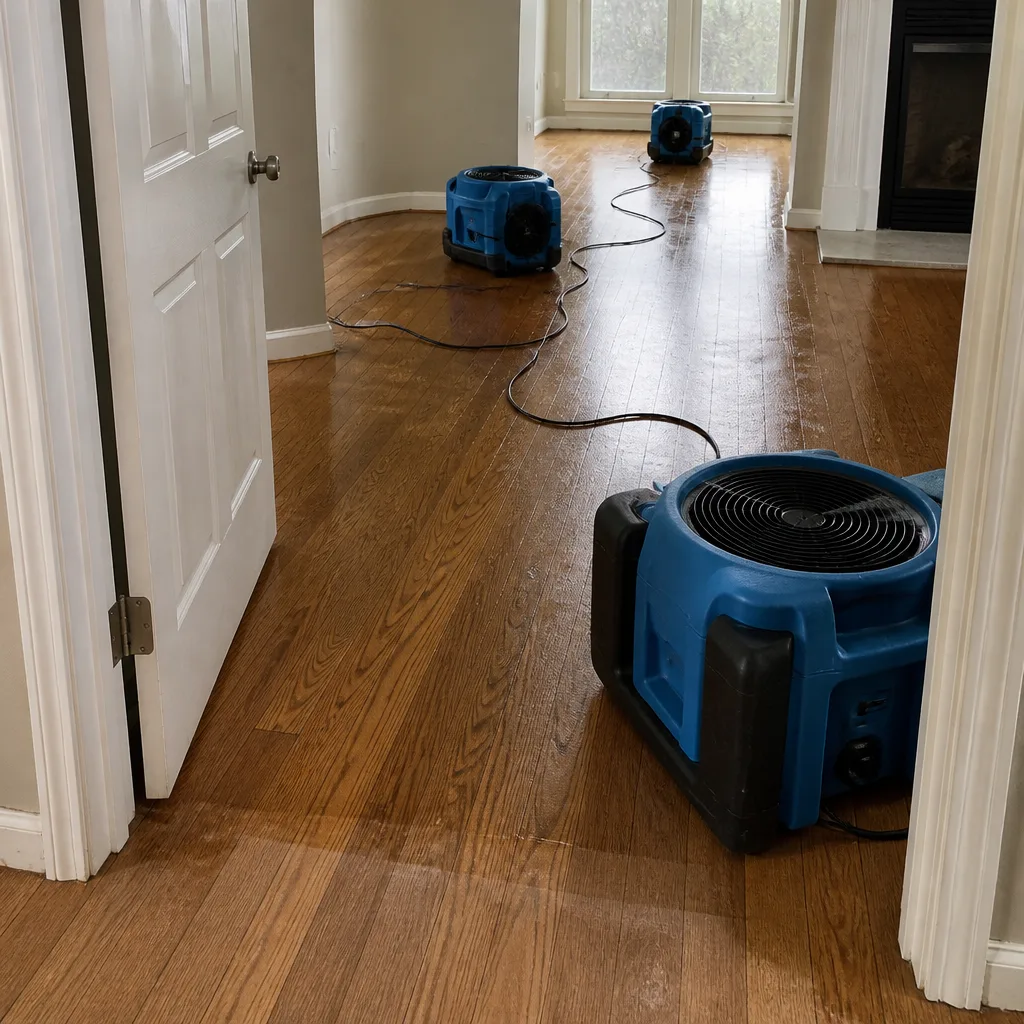
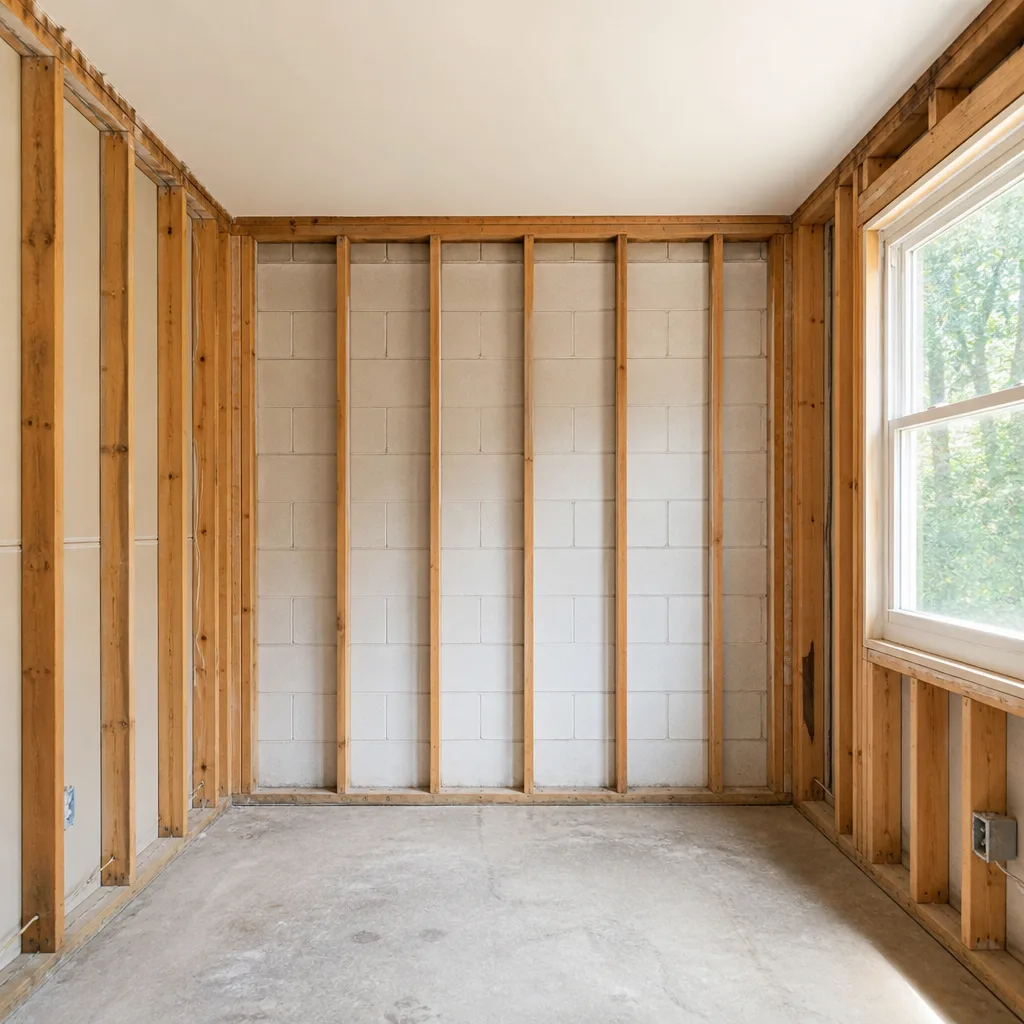
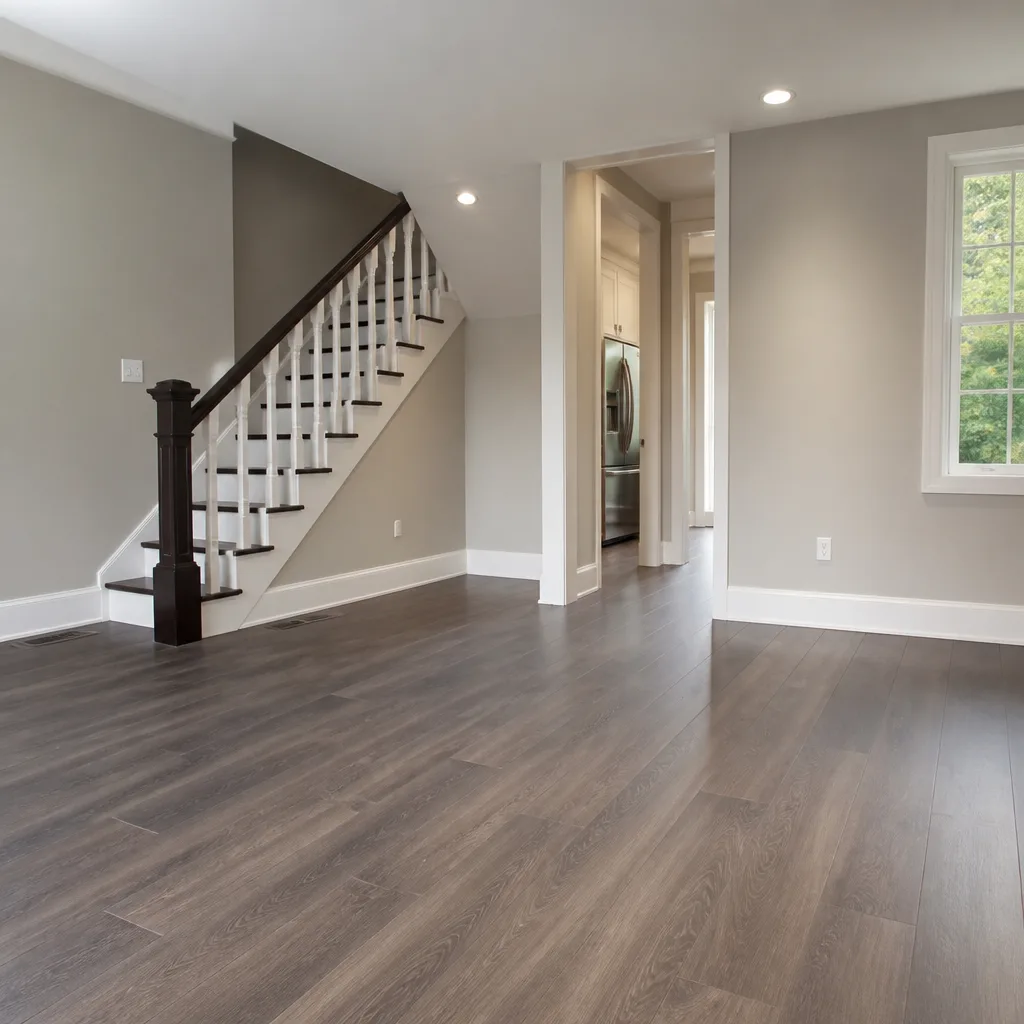
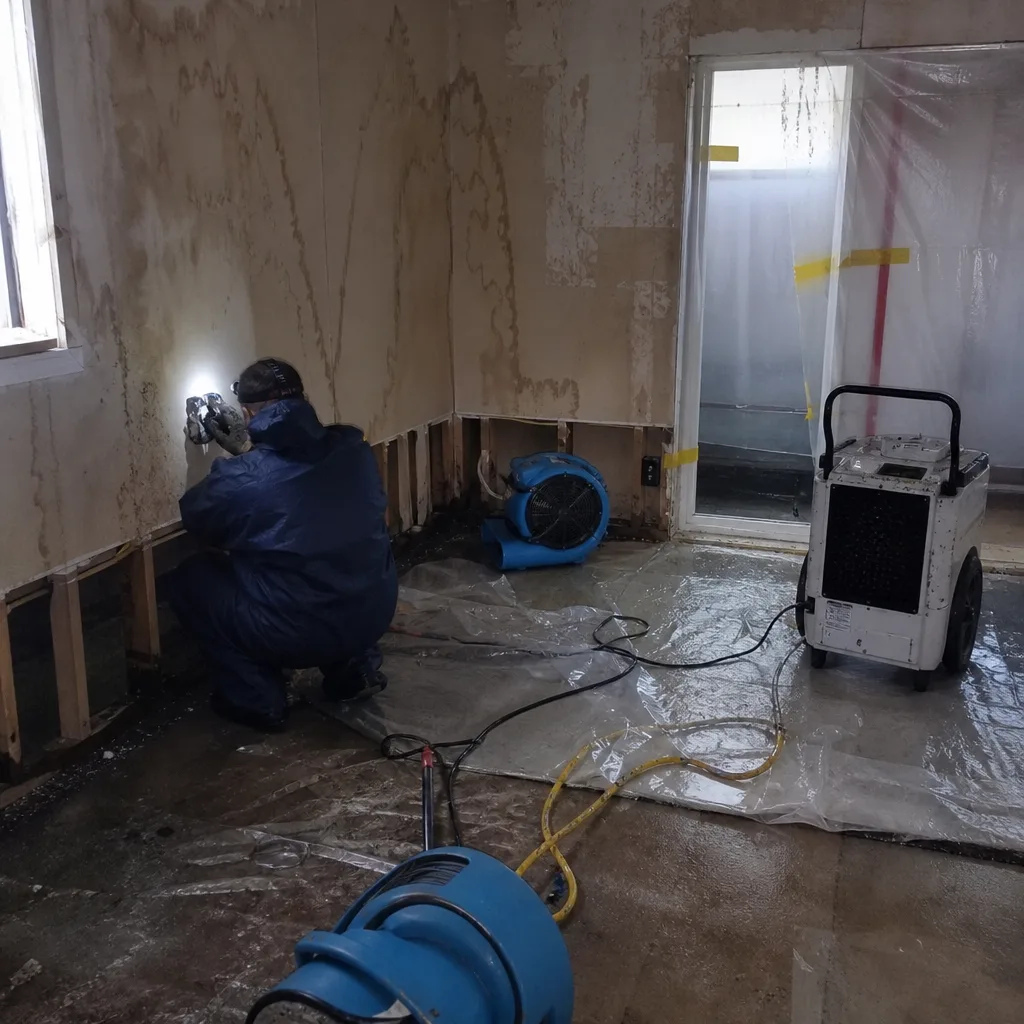 Before
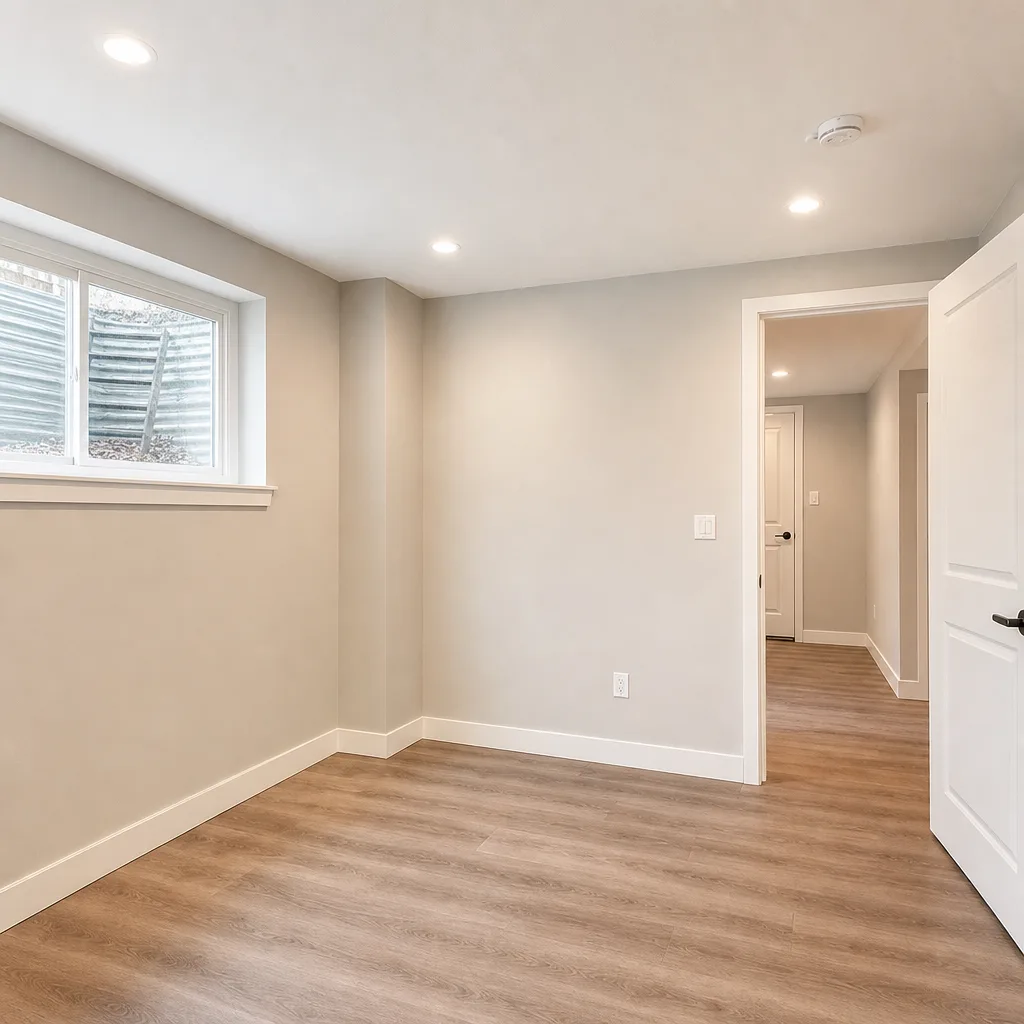 After
After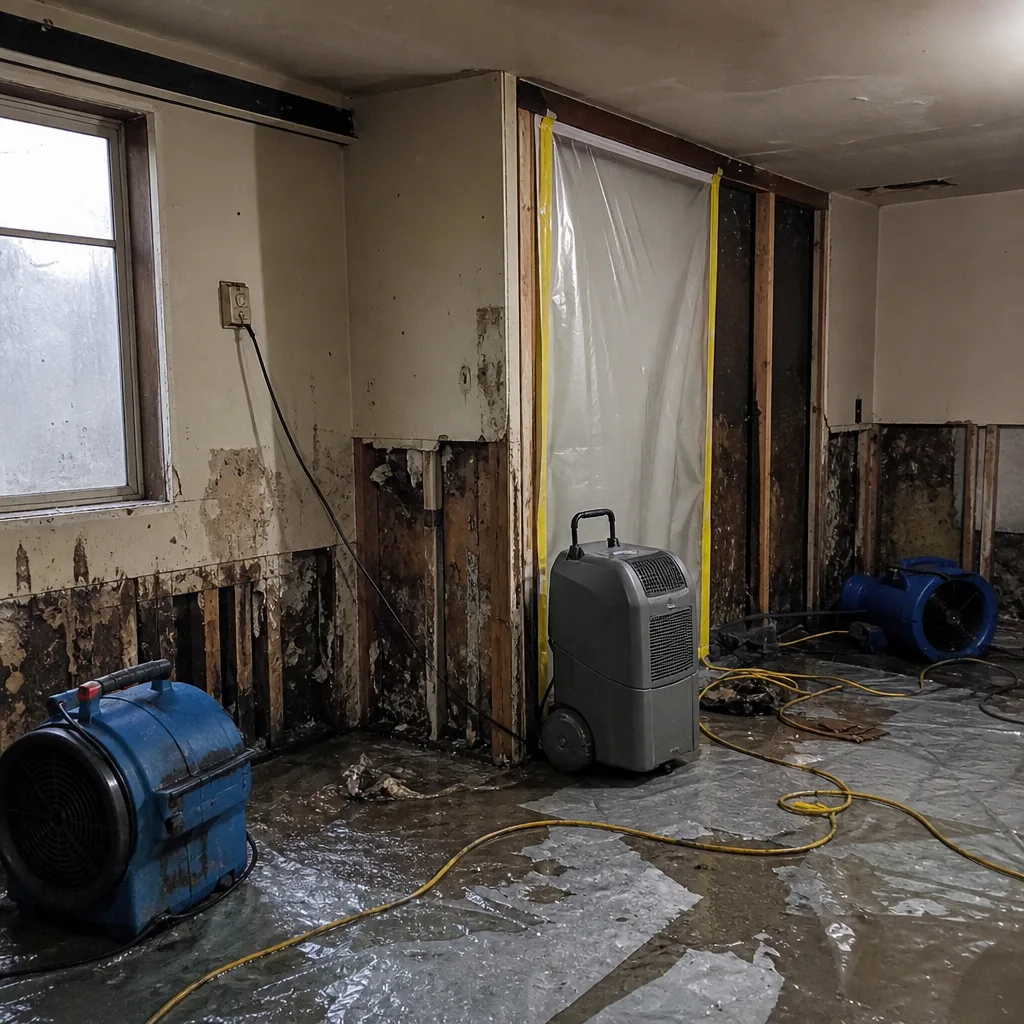 Before
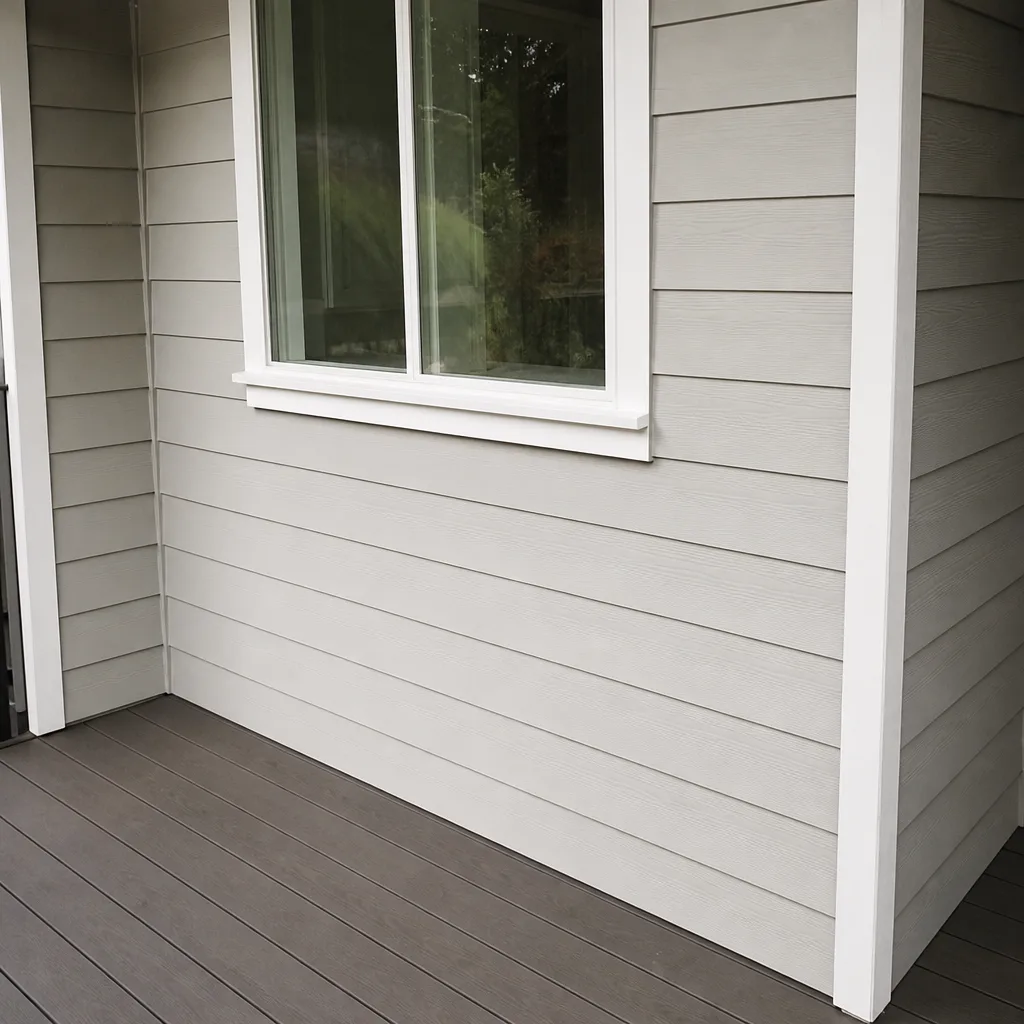 After
After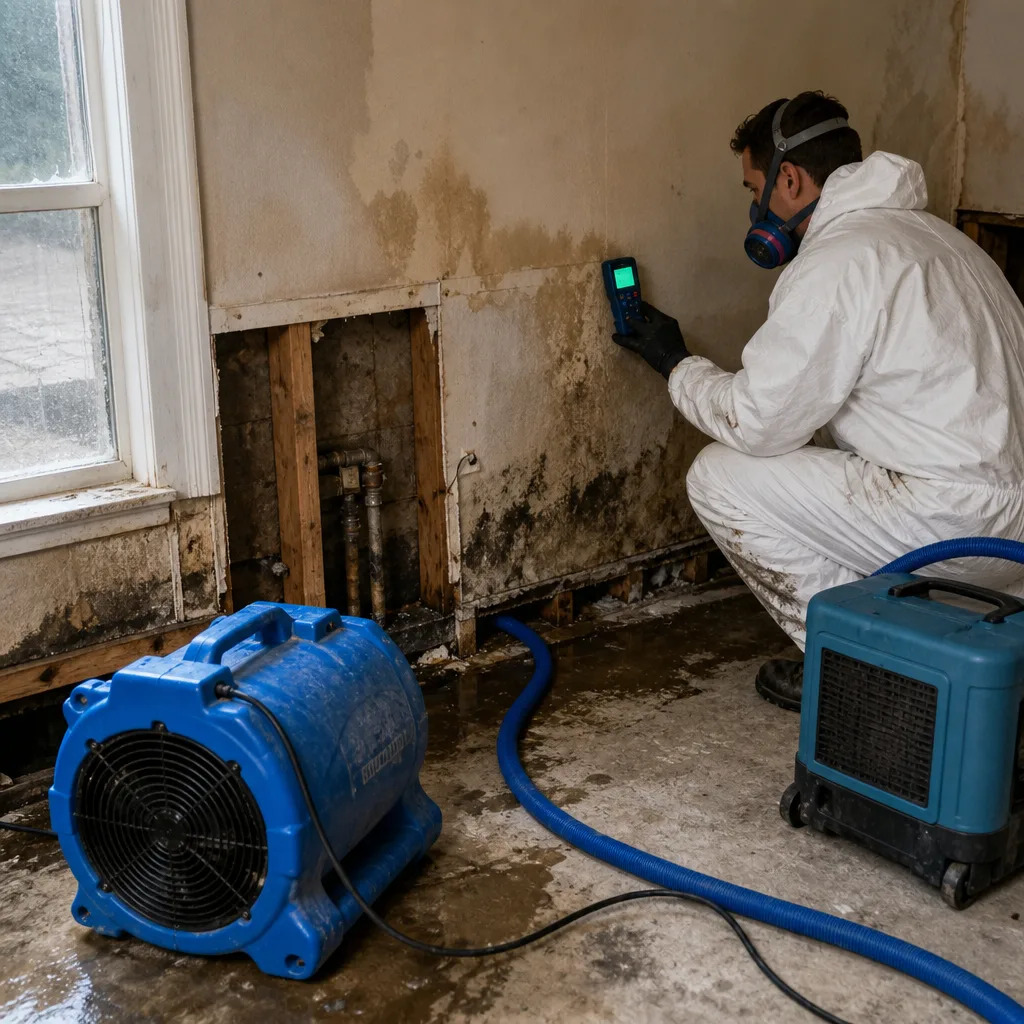 Before
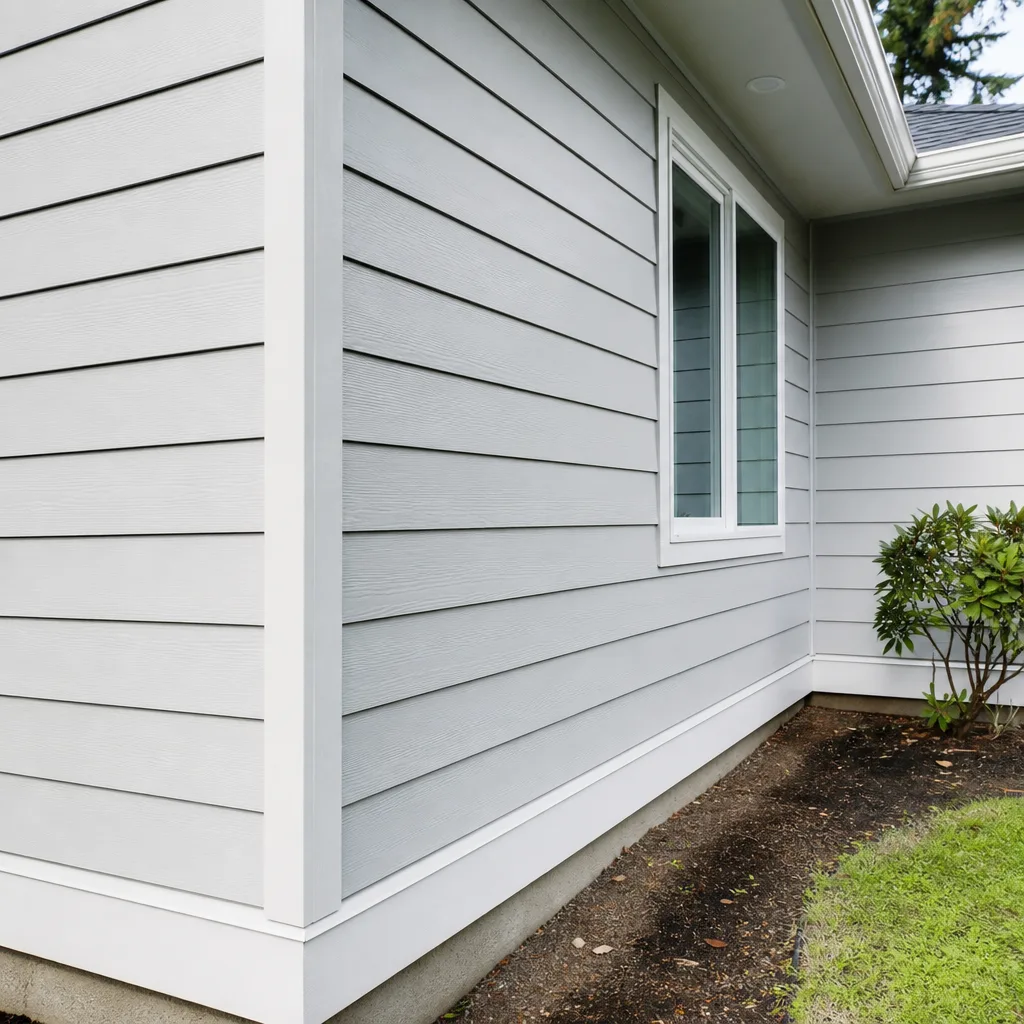 After
AfterSeasonal Damage Restoration Care for Kent: Year-Round Homeowner’s Guide
The repair a Kent homeowner deferred in March because “it wasn’t that bad” is the mold remediation job the following October. Summer drying masks the moisture that stays trapped in wall cavities, behind baseboards, and in crawl space subfloors. In Kent, we don’t face four equal seasons of damage risk. We face a wet compression from November through March, when roughly 80% of moisture intrusion events occur, followed by a dry window where deferred repairs become the next insurance claim. This guide maps Kent’s actual risk calendar month by month, shows you the specific measurements to take in July that reveal what February hid, and gives you a dry-window task list with completion criteria you can check off. For more guides & resources, see our blog.
Quick Answer
Kent homeowners should front-load prevention work between May and September, when access is dry and permits move faster, then shift to rapid-response readiness from October through April when King County’s peak precipitation combines with freeze-thaw cycles to drive 80% of annual water damage claims. The most cost-effective seasonal strategy is documenting July moisture readings in basements and crawl spaces to catch the hidden damage that winter rain pushed into wall cavities. For a detailed breakdown, see our Damage Restoration Cost Breakdown: The Kent Homeowner’s Reference for 2026.
Table of Contents
- Kent’s Wet Compression: November Through March
- The Dry Window Task List: May Through September
- Shoulder Season Traps: October and March-April
- Why Summer Is the Worst Time for Visual Inspections
- Maintenance Documentation vs. Permit Work
- Month-by-Month Risk Calendar for Kent
- What Professional Documentation Looks Like
- Common Mistakes to Avoid
- When to Call a Professional
- Frequently Asked Questions
- The Bottom Line
BeforeAfterKent’s Wet Compression: November Through March
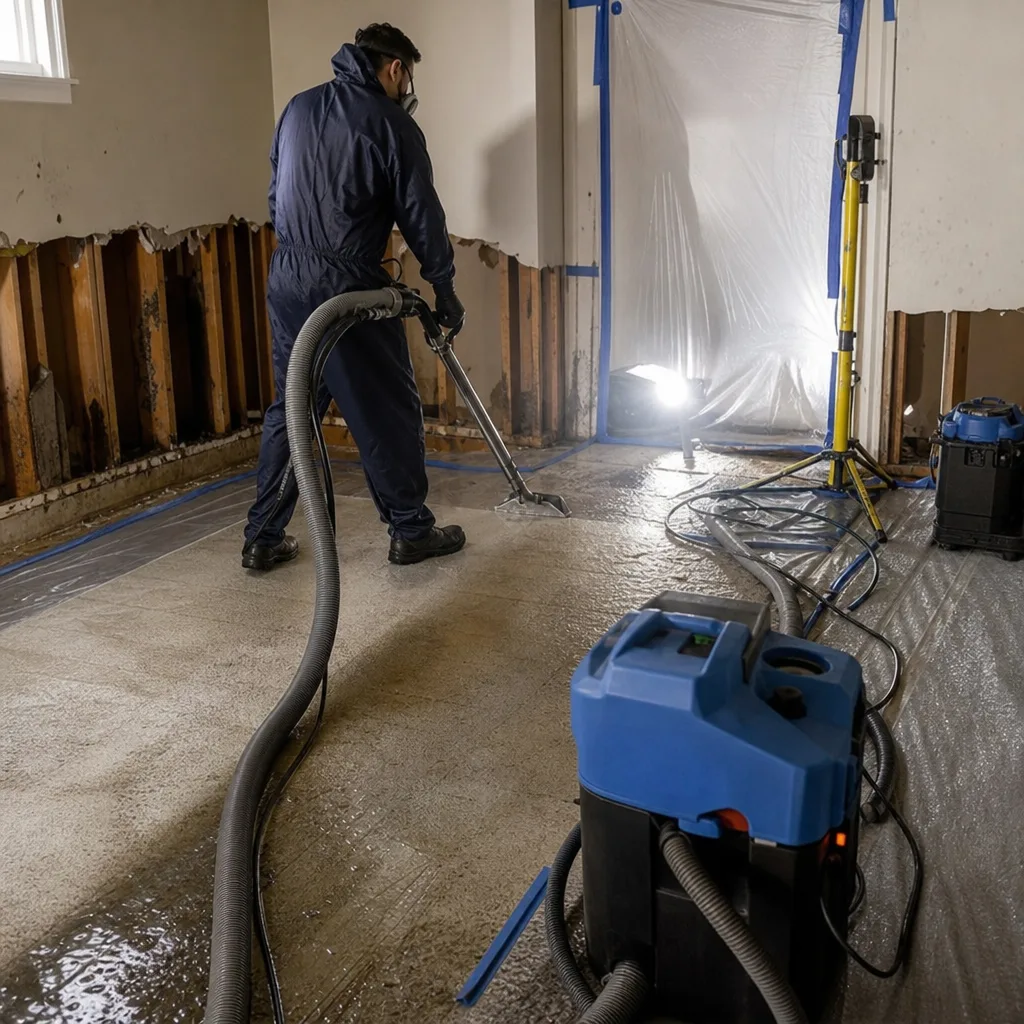
Kent sits in the Puget Sound convergence zone where moist Pacific air meets the Cascade foothills. Between November and March, the city averages 32 inches of precipitation, roughly 75% of its annual total. This isn’t gentle rain. It’s sustained saturation combined with temperature swings that keep materials in a constant expand-contract cycle.
We’ve documented the pattern across thousands of Kent jobs since 2011. The highest-frequency damage events cluster in six specific weeks: the week before Thanksgiving, mid-December through New Year’s, the last week of January, mid-February, and the first two weeks of March. These align with three triggers: first sustained freeze, first major thaw, and the period when accumulated snowpack in the Cascades begins rapid melt that raises local water tables.
Roof and gutter failures in Kent follow a predictable sequence. Composite shingles installed before 2015 in neighborhoods like East Hill and the Kent Valley floor have typically passed their warranty period. When November rains arrive, the first point of failure is almost always the valley flashing or the gutter apron, not the field of the roof. Water enters at the eave, travels the top plate, and exits at interior wall corners where homeowners notice it first as “a little bubbling paint.” By February, that same leak has saturated insulation above the vapor barrier and begun colonizing the cavity with mold.
Crawl spaces in Kent’s pre-1980 housing stock - concentrated in the neighborhoods between Meeker Street and the Green River - are particularly vulnerable during wet compression. Many were built with vented designs that pull in moist winter air. When outside relative humidity stays above 85% for weeks, the wood moisture content in floor joists climbs past the 20% threshold where fungal growth accelerates. We regularly find joists at 28-32% moisture content in March crawl spaces where the homeowner reported “no problems” in December.
Sump pump failure timing is not random. In Kent’s clay-heavy soils, particularly in the Panther Lake and Benson Hill areas, groundwater rises fastest in late January and early February when Cascade snowpack melt begins. Sump pumps that tested fine in October fail now because the float switch has corroded, the discharge line has frozen at the termination point, or the pump is simply undersized for the volume. A 1/3 HP pump adequate for normal conditions can be overwhelmed by a sustained high water table.
The lateral sewer line risk is specific to Kent’s infrastructure age. Large sections of the city’s side sewer system were installed during the 1960s-1970s building boom and are now at or past design life. Tree root intrusion, which slows drainage all summer, becomes a complete blockage when winter grease and debris congeal. The backup typically happens during holiday cooking periods, when household volume spikes. We’ve responded to Kent sewage backups on Thanksgiving evening, Christmas Day, and Super Bowl Sunday - all times when root intrusion met peak usage.
What to do during wet compression:
- Check your sump pump operation weekly from November through March. Pour five gallons into the pit and verify the float triggers, the pump clears the water in under 60 seconds, and the discharge exits at least 10 feet from the foundation.
- Inspect gutter downspout terminations after every freeze-thaw cycle. Ice expansion displaces extensions; displaced extensions dump water at the foundation.
- Run a dehumidifier in unfinished basements and crawl spaces, sized at 30 pints per 1,000 square feet. Target 50% relative humidity or lower.
- Document any interior water marks with dated photos, including a measuring tape in frame for scale. This becomes your maintenance record if a future claim is disputed.
The Dry Window Task List: May Through September
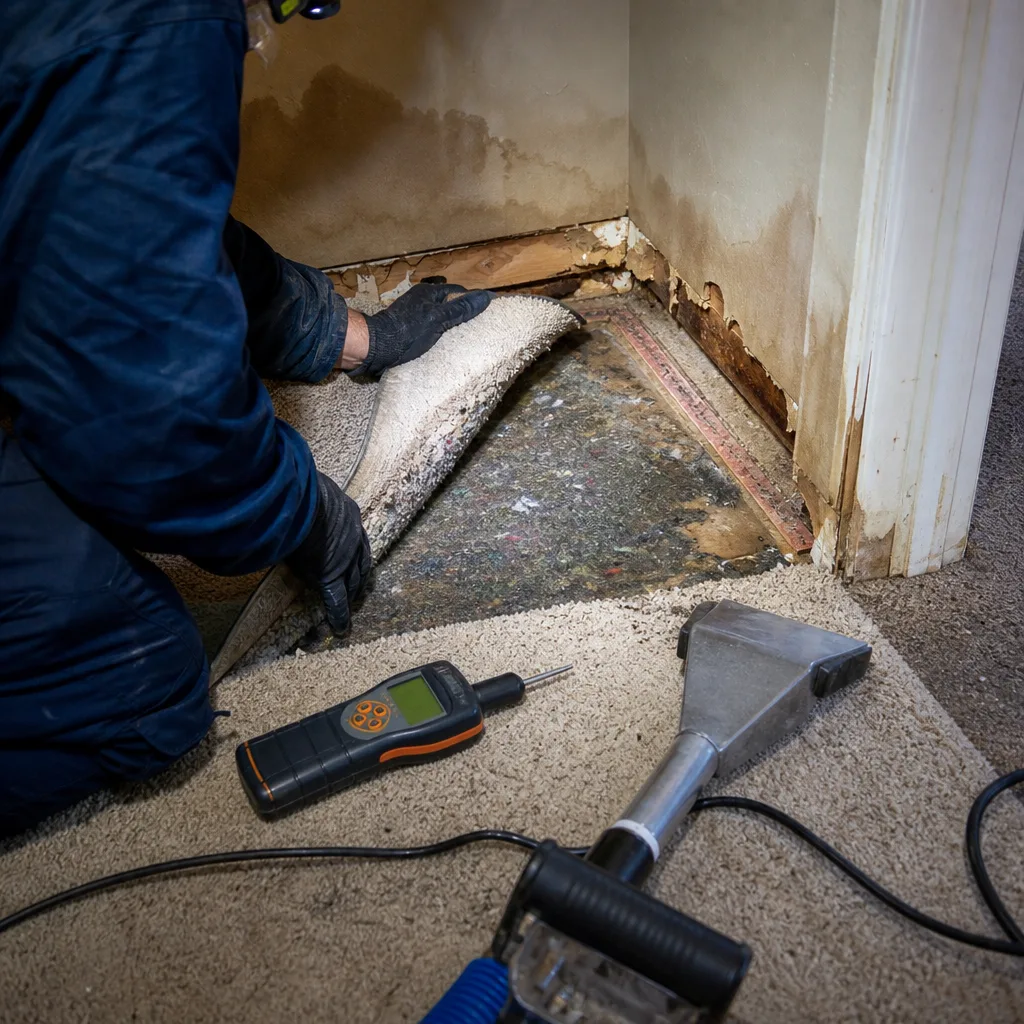
May through September is when Kent’s average monthly precipitation drops below 2 inches and daytime temperatures consistently reach the 70s. This is your only reliable window for exterior work, crawl space access, and permit-dependent repairs. It’s also when insurance adjusters and city inspectors have shorter backlogs.
The mistake we see annually: homeowners use the dry window for cosmetic projects while deferring the moisture-related repairs that winter revealed. Our Water Damage Restoration Maintenance Checklist for Kent Homeowners helps you prioritize the right tasks. The deck gets restained. The kitchen gets painted. The crawl space with the musty smell gets a vent fan that actually makes the problem worse by pulling in more humid air.
Here is the task list with measurable completion criteria:
| Task | Completion Criteria | Typical Kent Cost Range | Permit Required? |
|---|---|---|---|
| Roof inspection and targeted repair | Written report with photos; all flashing sealed; gutters re-sloped where standing water exceeds 1/4 inch | $350-$800 for inspection and minor repair; $2,500-$6,000 for partial re-roof | No for repair; yes for full replacement |
| Crawl space vapor barrier installation or replacement | 6-mil minimum polyethylene, sealed at seams with tape, extended 6 inches up piers, all penetrations sealed | $1,200-$3,500 for typical 1,200 sq ft crawl | No |
| Sump pump upgrade or backup installation | Primary pump 1/2 HP minimum; battery backup with 8-hour runtime; discharge line inspected to daylight | $800-$2,200 for dual-pump system | No for replacement; yes for new discharge to street |
| Foundation crack injection | Epoxy or polyurethane injection of cracks wider than 1/16 inch; written warranty from contractor | $400-$1,200 per crack | No for injection; yes for structural repair |
| Exterior grading correction | Soil slopes away from foundation at 6 inches per 10 feet minimum; no soil contact with siding | $800-$2,500 for typical lot | No |
| HVAC condensate line cleaning and testing | Line flushed with nitrogen or water; flow verified at termination; secondary pan float switch tested | $150-$350 | No |
| Window and door seal replacement | All operable units open, close, and lock; no visible daylight at closed perimeter; weatherstripping replaced where compressed | $25-$75 per unit for weatherstripping; $300-$800 per unit for full seal replacement | No |
Permit strategy matters for future claims. Work done without required permits cannot be cited as maintenance documentation if an insurer disputes whether damage was pre-existing. Kent’s building department, located on Fourth Avenue North, issues permits for roofing, electrical, plumbing, and structural work. The permit record becomes part of your property’s official history and is retrievable by any future buyer, insurer, or adjuster. We recommend pulling permits for any work that affects the building envelope, electrical systems, or plumbing drainage.
Documentation protocol for every dry-window task: Before photo with date stamp, during photo showing the condition found, after photo showing completed work, and the contractor’s written invoice with scope description. Store these in cloud backup, not just on your phone. We’ve seen phones lost to water damage take the only maintenance record with them.
Shoulder Season Traps: October and March-April
Kent’s shoulder seasons produce damage patterns distinct from sustained winter rain. October brings the first freeze-thaw cycle, typically in the third week, when overnight lows dip to 32°F for the first time. March and April bring the reverse: days warm enough for snowmelt, nights cold enough for refreeze. Both periods create what we call crack-and-intrusion events.
The mechanism is thermal shock on materials at their most vulnerable. Concrete and masonry have absorbed maximum moisture during the wet months. When temperature drops rapidly, the surface layer contracts faster than the interior, generating tensile stress. If the material has existing microcracks from age or prior settlement, the crack propagates. When temperature rises and rain follows, water enters the new opening with hydraulic pressure behind it.
In Kent, we see this pattern most often in:
- Foundation walls in the Kent Valley, where expansive clay soils create seasonal pressure cycles. The wall crack that was hairline in September is 1/8 inch by November and actively weeping by January.
- Chimney crowns and brickwork on homes built before 1990 in the East Hill neighborhoods. The crown crack from October freeze lets water saturate the flue liner; the March freeze blows off facing bricks.
- Exterior hose bibs and irrigation backflow preventers that weren’t fully drained. The October freeze splits the copper body; the homeowner discovers it in April when they turn the water on and find the basement flooded.
- Asphalt shingle seal strips that haven’t fully bonded after summer installation. Cold nights in October prevent proper adhesion; wind-driven rain in November lifts the tab and enters.
The March-April period has its own signature: snowpack melt plus rain on frozen ground. Kent’s stormwater systems, particularly in older neighborhoods with combined sewer areas, can be overwhelmed. Basement backups during this period are often from municipal surcharge, not private line failure. The distinction matters for insurance coverage, which typically excludes surface water and off-premises sewer backup unless specific endorsements exist.
Specific prevention for shoulder seasons: Complete all exterior water shutoffs and drain-downs by October 15. Test backflow preventers with a pressure gauge, not just visual inspection. Inspect foundation walls with a flashlight at knee level after the first freeze, looking for new efflorescence or damp spots that weren’t there in September. In March, check the same locations within 48 hours of any rapid thaw.
Why Summer Is the Worst Time for Visual Inspections
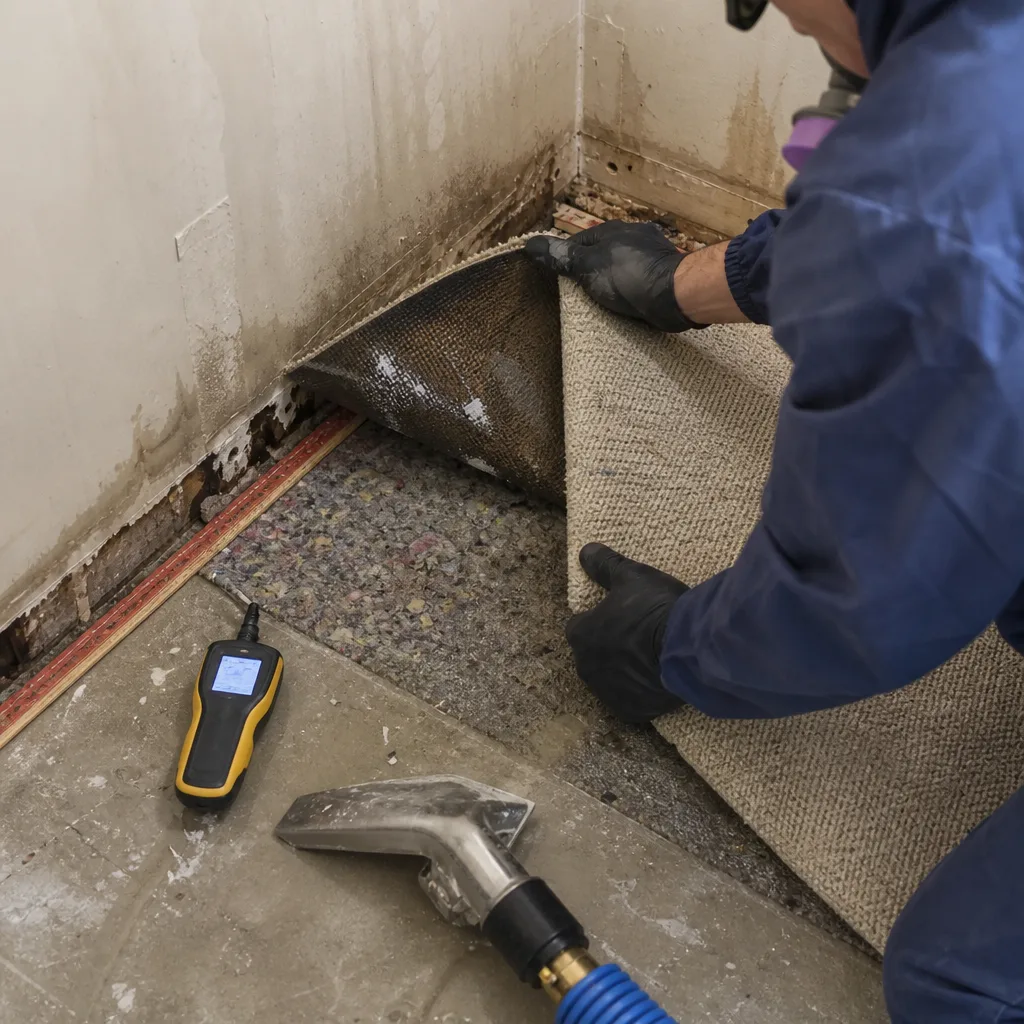
This is the counterintuitive core of Kent’s damage calendar. July and August feel like the safest months. The ground is dry. The basement smells fine. The paint looks normal. And that is precisely why hidden damage goes undetected until it becomes a major remediation.
Here’s what summer drying conceals: Water that entered in February didn’t necessarily leave. It may have wicked up drywall to the evaporation front, then dried at the surface while remaining elevated in the core. It may have pooled in the bottom plate of a wall, where air circulation is minimal, and begun slow fungal colonization that won’t produce visible mold until autumn humidity rises. It may have saturated insulation above a ceiling, which dries slowly from the top down while the visible surface appears normal.
The measurements that reveal hidden damage:
- Pin-type moisture meter readings of baseboards and bottom plates. In July, wood moisture content in above-grade framing should read 9-12% in Kent’s climate. Readings above 15% indicate residual moisture from prior intrusion, even if the surface is dry to touch. We use Delmhorst or Protimeter pin meters on every summer inspection.
- Infrared thermal imaging of exterior walls. Summer sun creates a temperature differential between wet and dry mass. Wet insulation, even if not currently active, shows as cooler thermal patterns during morning warming. The key is scanning at the right time: within two hours after sunrise, before exterior surfaces equalize.
- Crawl space relative humidity logging. A 72-hour data logger placed in July should show relative humidity below 60% with minimal diurnal swing. Spikes above 70%, even brief, indicate moisture sources that summer heat is temporarily suppressing.
- Calcium chloride moisture vapor emission testing of concrete slabs. This measures the rate of moisture moving through the slab, not just surface conditions. Readings above 3 pounds per 1,000 square feet per 24 hours indicate sub-slab moisture that will activate when winter humidity rises.
The documentation value of July readings is substantial. If you discover elevated moisture and address it in August, you have a dated record of proactive maintenance. If you don’t discover it until November, when mold becomes visible, the insurer may classify it as long-term damage and limit coverage. We’ve seen this exact dispute in Kent claims where the homeowner had no summer documentation.
One specific Kent factor: The city’s water table rises significantly in late summer due to agricultural irrigation return flow in the Green River Valley. Basements and crawl spaces in the valley floor neighborhoods can show elevated moisture in July and August even without roof or plumbing leaks. This is environmental, not structural, but it still requires management through dehumidification and vapor barriers.
Maintenance Documentation vs. Permit Work
Not all seasonal repairs are equal in the eyes of an insurance adjuster or a home buyer’s inspector. The distinction between documented maintenance and permitted improvement work determines whether your repair history supports a future claim or complicates it.
Maintenance documentation is evidence of care. It includes dated photos, contractor invoices, and inspection reports for work that preserves the existing condition of the property. Properly documented maintenance can rebut an insurer’s claim that damage was caused by neglect or pre-existing conditions. Key maintenance items for Kent homeowners:
- Annual roof inspections with written condition reports
- Gutter cleaning logs, ideally with before/after photos
- Sump pump test records with date, volume tested, and pass/fail notation
- Crawl space moisture readings, quarterly minimum
- HVAC filter changes and condensate line flushing
- Window and door seal inspections
Permit work is structural or system modification that changes the building’s official record. In Kent, permits are required for: roof replacement (not repair), electrical panel upgrades or circuit additions, plumbing modifications including sump pump discharge to street, structural repairs to foundation or framing, and any work that changes occupancy or use. Permit work, when properly closed with inspection sign-off, becomes part of the property’s permanent record and is transferable to future owners.
The critical overlap: Some maintenance becomes permit work when it crosses a threshold. Replacing 25% of roof sheathing requires a permit; replacing three shingles does not. Installing a new sump pump in an existing pit does not require a permit; running a new discharge line to the street does. Epoxy injection of a foundation crack does not require a permit; building a retaining wall to relieve foundation pressure does.
Our recommendation for Kent homeowners: Pull permits for any work that affects the building envelope, structural capacity, or major systems. Document maintenance for everything else. Store both categories in the same cloud folder with consistent naming: [Date]_[Address]_[Work Type]_[Contractor]. When we arrive for a damage assessment, homeowners who can produce this documentation typically see smoother claim processing and fewer coverage disputes.
Resale implications are real in Kent’s market. Home sales in the $550,000-$850,000 range, common in neighborhoods like Lake Meridian and Panther Lake, increasingly include pre-listing inspections. Unpermitted work discovered at that stage can delay closing, trigger price reductions, or require retroactive permitting at higher cost than original compliance. Documented maintenance and permitted improvements both protect value; the absence of either creates liability.
Month-by-Month Risk Calendar for Kent
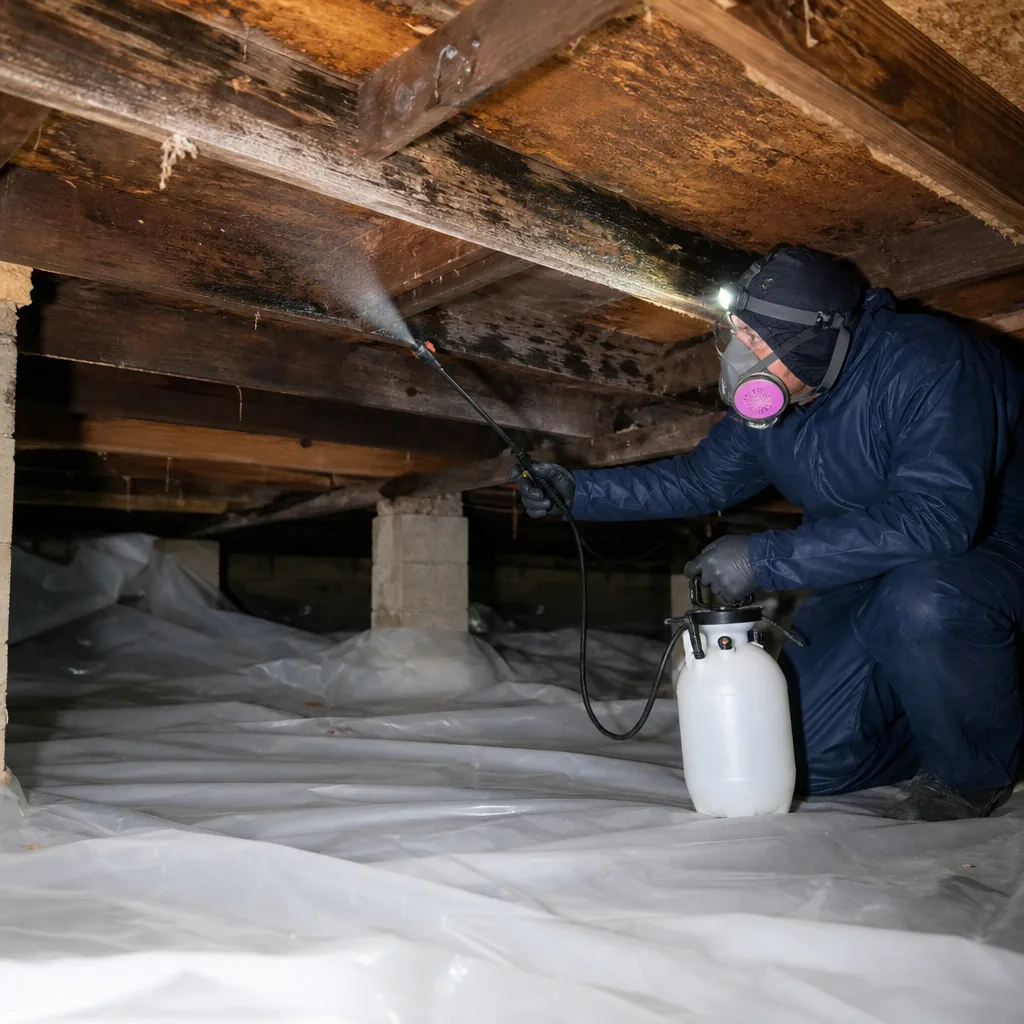
This calendar synthesizes Kent’s precipitation data, temperature patterns, and our 12,000+ job history into actionable guidance. For deeper context, read The Complete Guide to Damage Restoration in Kent. The risk ratings reflect both frequency and severity of damage events we document.
| Month | Primary Risk | Secondary Risk | Action Items |
|---|---|---|---|
| January | Crawl space moisture / mold activation | Sump pump overwhelm | Verify dehumidifier operation; check sump cycle frequency; inspect for ice dams |
| February | Roof leak escalation | Pipe freeze in unconditioned spaces | Post-storm interior inspection of all ceiling corners; verify heat tape on vulnerable pipes |
| March | Freeze-thaw foundation cracks | Lateral sewer backup from melt | Inspect foundation walls after first thaw; test main line with camera if trees nearby |
| April | Basement backup (municipal surcharge) | Gutter displacement from snow load | Verify downspout extensions; check basement floor drain backflow preventer |
| May | Deferred repair activation (dry window opens) | HVAC condensate overflow | Schedule all deferred exterior work; flush condensate lines before first cooling cycle |
| June | Low risk - optimal documentation month | None significant | Take baseline moisture readings; photograph all exterior conditions; begin permit applications |
| July | Hidden damage revelation (measurement-dependent) | Irrigation-related foundation saturation | Perform infrared scan; log crawl space humidity; inspect sprinkler head alignment |
| August | Wildfire smoke infiltration (increasing trend) | Attic heat damage to shingles | Verify attic ventilation; check HVAC filter condition; inspect south-facing roof slope |
| September | Early storm gutter overflow | Window seal failure from summer expansion | Clean gutters before first storm; test window operation and lock engagement |
| October | First freeze damage (hose bibs, irrigation) | Chimney crown crack from thermal shock | Complete winterization by October 15; inspect chimney with binoculars after first freeze |
| November | Gutter apron failure | Crawl space humidity spike | Verify gutter slope and downspout capacity; activate crawl space dehumidifier |
| December | Holiday plumbing overload | Ice dam formation | Inspect drain lines before holiday guests; verify attic insulation depth at eaves |
The six highest-risk weeks, based on our Kent dispatch records: week of November 20-26, December 23-January 2, January 15-21, February 12-18, March 5-18, and April 1-14. These cluster around freeze-thaw transitions, holiday usage spikes, and rapid snowmelt periods.
What Professional Documentation Looks Like
When damage does occur, the quality of documentation determines whether your claim proceeds efficiently or enters the disputed-resolution queue. At DryMark Restoration Kent home, we built our process around the documentation gap that costs homeowners their claims.
The Haven Standard, which governs every job we perform, specifies deliverables that most competitors treat as optional:
- Haven Standard, Clause 1: A written price before any work starts, every time, with no scope-creep additions once the crew is inside your home.
- Documented photo record on every visit, included as standard, showing conditions at arrival, work in progress, and conditions at departure.
- Daily drying logs with psychrometric data: temperature, relative humidity, and specific humidity readings for each affected area, recorded with calibrated meters and plotted against drying goals.
- Room-by-room moisture content readings using pin-type meters, with readings taken at consistent locations to track progress.
- Written scope of work, signed by both technician and homeowner, before equipment deployment or demolition begins.
Psychrometric data is the measurement of air and material moisture conditions that determines whether drying is actually occurring. Temperature alone tells you nothing. Relative humidity alone tells you little. The critical calculation is vapor pressure differential, the difference between the moisture in the affected materials and the moisture in the air. A positive differential means moisture is moving from wet materials to drier air. A negative or flat differential means your drying system isn’t configured correctly, and materials are staying wet while surface conditions look improved.
We use professional-grade drying systems from Dri-Eaz, Phoenix, and B-Air, configured to produce the daily moisture logs that turn restoration invoices into payable insurance claims. Tertiary drying, the final phase where materials approach equilibrium moisture content, is where many jobs fail. The equipment gets pulled when the surface reads dry, but the core remains elevated. Our logs continue until the reading stabilizes at or below the drying goal, typically 12-15% wood moisture content for Kent’s climate.
Injectidry systems allow us to dry inside wall cavities without removing drywall in many cases, preserving the finish while extracting trapped moisture. This is particularly valuable for water damage restoration in Kent where the damage is caught early and the wall assembly can be saved.
The 365-Day Done Right Promise, backed by The Haven Standard, means if it’s not done right, we make it right. It’s a signed guarantee, not a marketing line. We’ve honored it on jobs where hidden moisture revealed itself months after completion, because the documentation showed our drying goals were met and the subsequent issue was unrelated - but we still addressed it under the promise.
Common Mistakes to Avoid
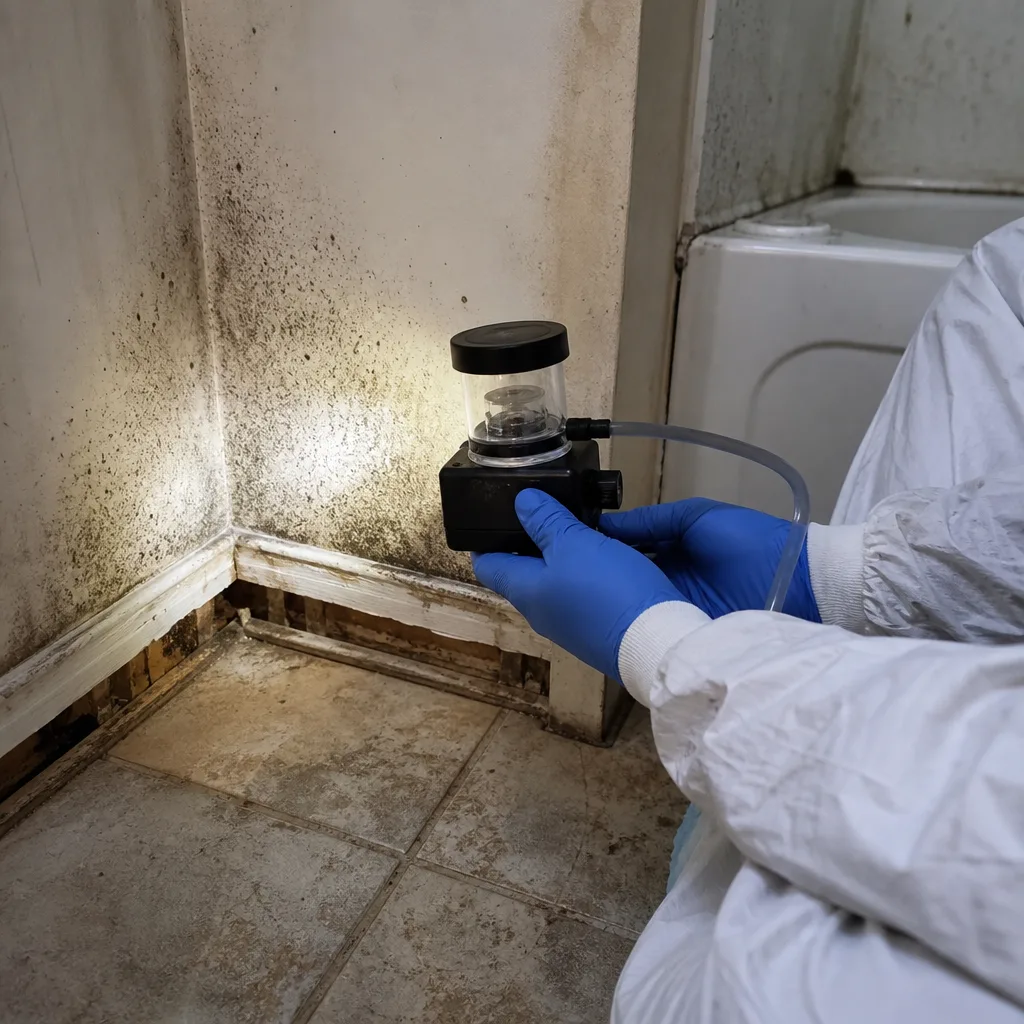
- Deferring the “small” leak until summer. In Kent’s climate, a leak that produces visible water in February has already saturated the wall cavity. By July, surface drying conceals the damage. By October, mold is active. The deferred $400 repair becomes a $4,000 remediation.
- Installing a vent fan in a crawl space without addressing the moisture source. This pulls warm, humid summer air into a cool crawl space, where it condenses on surfaces. We’ve removed dozens of these “solutions” that made moisture problems worse.
- Cleaning mold with bleach and painting over it. Bleach doesn’t penetrate porous materials and can feed future mold by adding moisture. Painted-over mold continues growing and releases spores through the paint film. Proper mold remediation in Kent requires source removal, not surface treatment.
- Ignoring permit requirements for “minor” work. Unpermitted roof replacement, discovered at sale, can require full re-inspection and correction of work that was done correctly but not documented. The cost of retroactive permitting exceeds original compliance.
- Assuming insurance covers all water damage. Standard policies exclude gradual leaks, maintenance-related failures, and off-premises sewer backup without specific endorsements. Documentation of prompt discovery and reporting is essential for coverage.
- Using consumer-grade moisture meters for critical decisions. Pinless meters read surface conditions only and can miss elevated moisture at depth. Pin-type meters with insulated shafts are required for accurate framing readings.
- Failing to document pre-existing conditions before seasonal work. Photos of foundation, roof, and interior conditions taken in June establish baseline status. Without them, an insurer may attribute post-event damage to pre-existing conditions.
When to Call a Professional
Some situations require immediate professional assessment regardless of season. Standing water in a basement or crawl space that exceeds 1 inch and isn’t draining within 2 hours. Visible mold growth covering more than 10 square feet. Sewage backup of any volume. Smoke or fire damage with visible soot on multiple surfaces. Water intrusion that has reached electrical panels, outlets, or HVAC equipment. Any situation where the homeowner cannot identify and safely stop the source of water.
For fire and smoke damage restoration in Kent, professional response is particularly time-sensitive. Acidic soot residues begin etching finishes within hours, and odor compounds penetrate porous materials progressively with time. Documentation of the initial condition, before any cleaning attempts, is critical for insurance valuation.
DryMark Restoration Kent offers free estimates in Kent. Our live phone coverage is available 24 hours a day, 7 days a week with no voicemail on emergency lines. Every job is quoted in writing before work begins, documented with a photo record on every visit, and covered by the 365-Day Done Right Promise. Call (360) 997-2427.
Frequently Asked Questions
Annual prevention spending of $800-$1,500 covers the core tasks: professional roof inspection, gutter maintenance, sump pump testing, crawl space moisture management, and seasonal HVAC service. This compares to average water damage restoration costs of $3,200-$8,500 for a localized basement event, or $15,000-$45,000 for whole-house flooding with mold remediation. The prevention investment is typically 10-15% of the cost of a single moderate damage event. Call (360) 997-2427 for a written estimate on any specific prevention project - estimates are free.
Coverage depends on whether the leak was “sudden and accidental” versus gradual, and whether you took reasonable steps to discover it. Most policies cover sudden pipe bursts or storm damage discovered promptly, but exclude damage from leaks that existed for more than 14 days. Your July discovery of February damage creates a coverage dispute that documentation can help resolve - moisture meter readings showing residual elevation, photos of concealed locations, and records of when the area was last accessible for inspection. Without documentation, insurers typically apply the 14-day exclusion. We provide free second opinions on any competitor’s written estimate if you’re navigating a coverage question.
Our live dispatch answers every call, 24 hours a day, 7 days a week, with no voicemail trees. Response time to Kent addresses typically ranges from 45 minutes to 90 minutes depending on traffic conditions and current call volume. The first hour matters because water continues wicking into materials while you wait. Our crews arrive with moisture detection equipment, extraction tools, and the documentation system to begin your claim record immediately. For emergency situations, call (360) 997-2427.
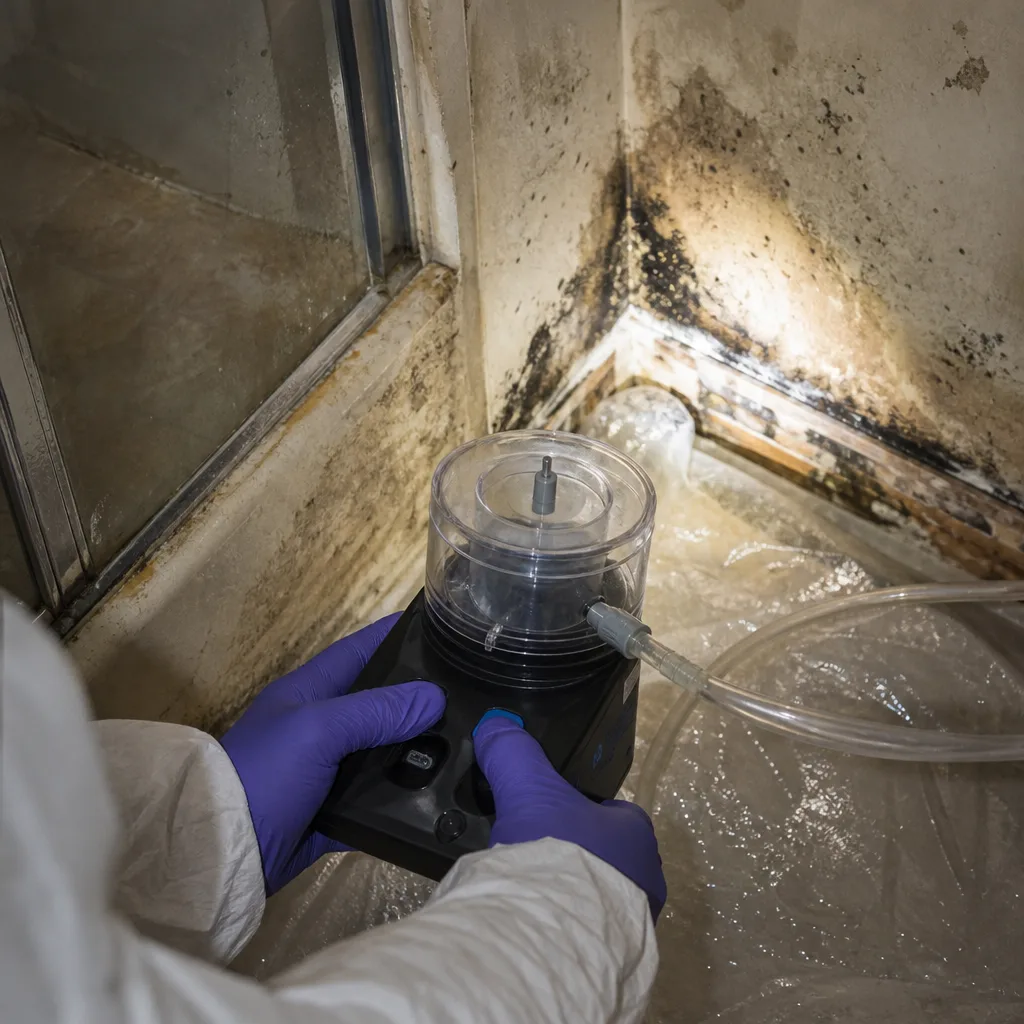
Surface mold on non-porous materials like tile or glass can be addressed with proper cleaning. Mold on porous materials like drywall, insulation, or wood framing requires source removal because hyphae penetrate below the visible surface. In Kent’s climate, we find that DIY cleaning attempts typically redistribute spores and add moisture, worsening the problem. The threshold for professional remediation is generally 10 contiguous square feet of visible growth, any growth in HVAC systems, or any growth associated with water damage that hasn’t been fully dried. Our mold assessments include air sampling and moisture mapping to determine the full extent before any work is scoped.
We coordinate directly with your adjuster, providing the documented photo record, daily drying logs, and written scope that adjusters need to approve payment. Our documentation is formatted to IICRC and RIA standards, the same standards most carriers use for claim evaluation. We don’t ask you to be the intermediary for technical questions. Haven Standard, Clause 1 requires that you receive a written price before work starts, so there are no surprises when the adjuster reviews the invoice. If your adjuster disputes scope or pricing, we provide itemized justification based on the documented conditions.
Maintenance preserves existing conditions and doesn’t change the building’s structure, systems, or use. You can document it yourself with photos, invoices, and dated notes. Permit work modifies the building envelope, structural elements, electrical, plumbing, or mechanical systems, or changes occupancy. In Kent, permits are issued by the building department on Fourth Avenue North and require inspection sign-off. The permit record becomes part of your property’s permanent file. For any project you’re unsure about, call Kent’s building department before starting work. Unpermitted work, even done correctly, can complicate future sales and claims.
The Bottom Line
Kent’s damage calendar isn’t balanced. The wet compression from November through March concentrates 80% of moisture risk into five months, while the dry window from May through September offers the only reliable access for prevention work. The homeowners who fare best are those who measure in July what February concealed, who document every maintenance action with dates and photos, and who understand that shoulder-season freeze-thaw cycles create damage patterns distinct from sustained rain. Professional restoration, when needed, is distinguished by documentation: written prices before work starts, daily drying logs with psychrometric data, photo records on every visit, and a warranty with an address. The Haven Standard exists because we’ve seen what its absence costs.
Written by Alicia Brennan, Owner at DryMark Restoration Kent, serving Kent since 2011.