
Last updated September 23, 2026
Free visual inspection and a written scope of work before any mitigation begins - photos, moisture readings, and drying logs go in your claim file
The scope we write is the scope we bill. Anything new gets shown to you, in writing, before we touch it.
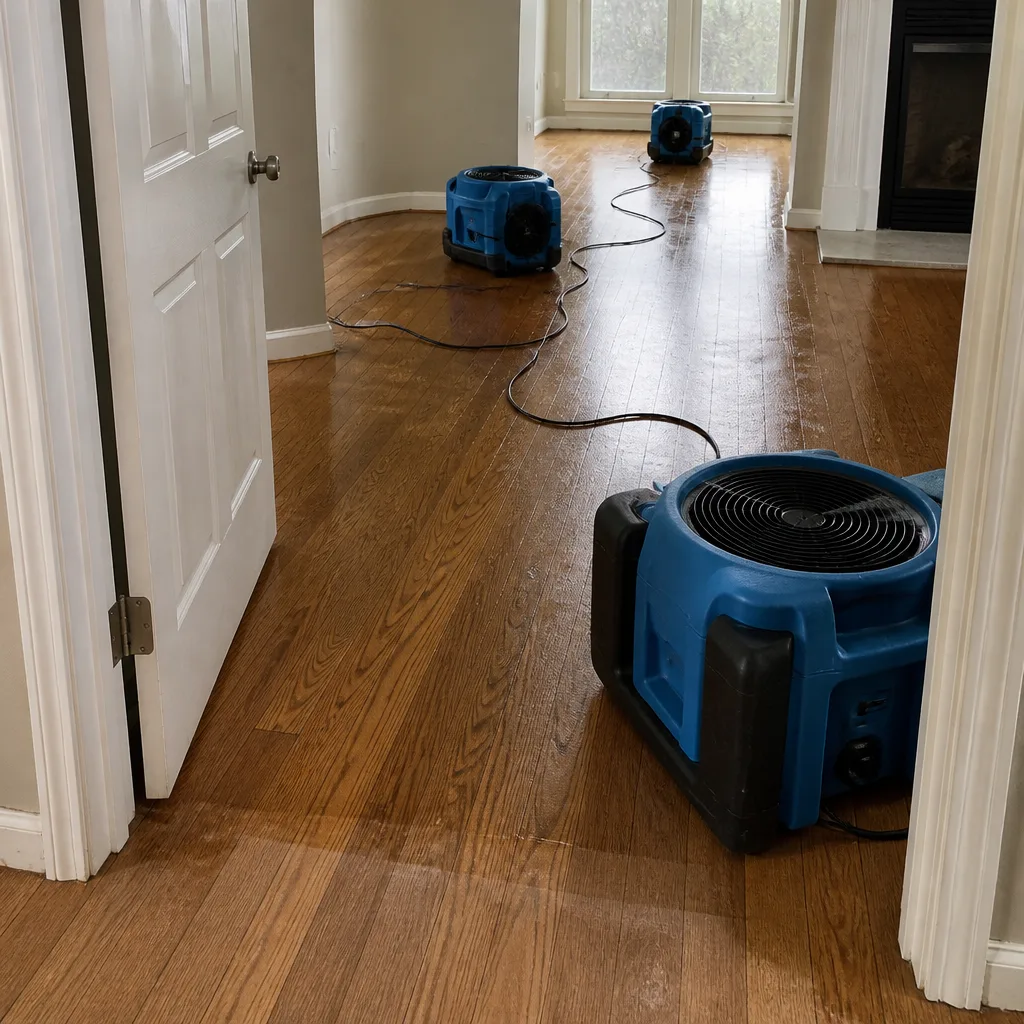
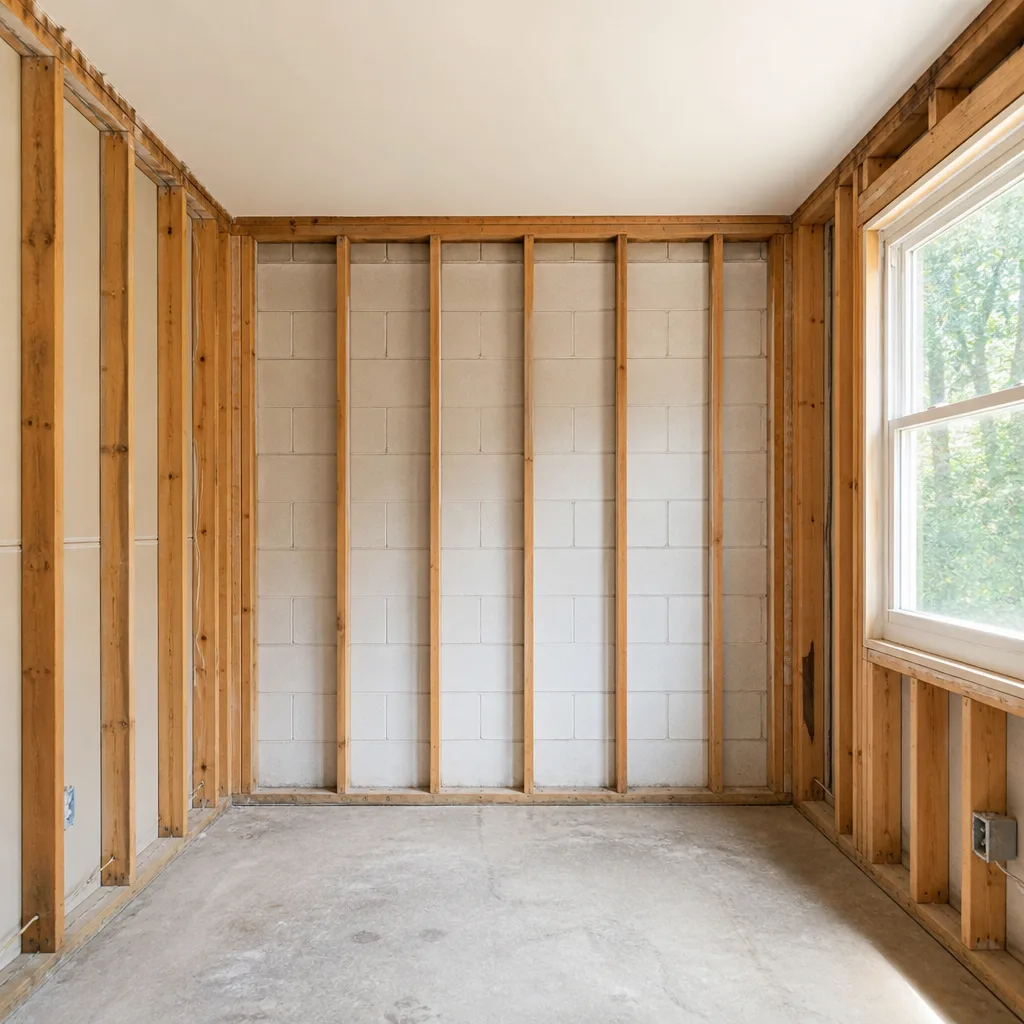
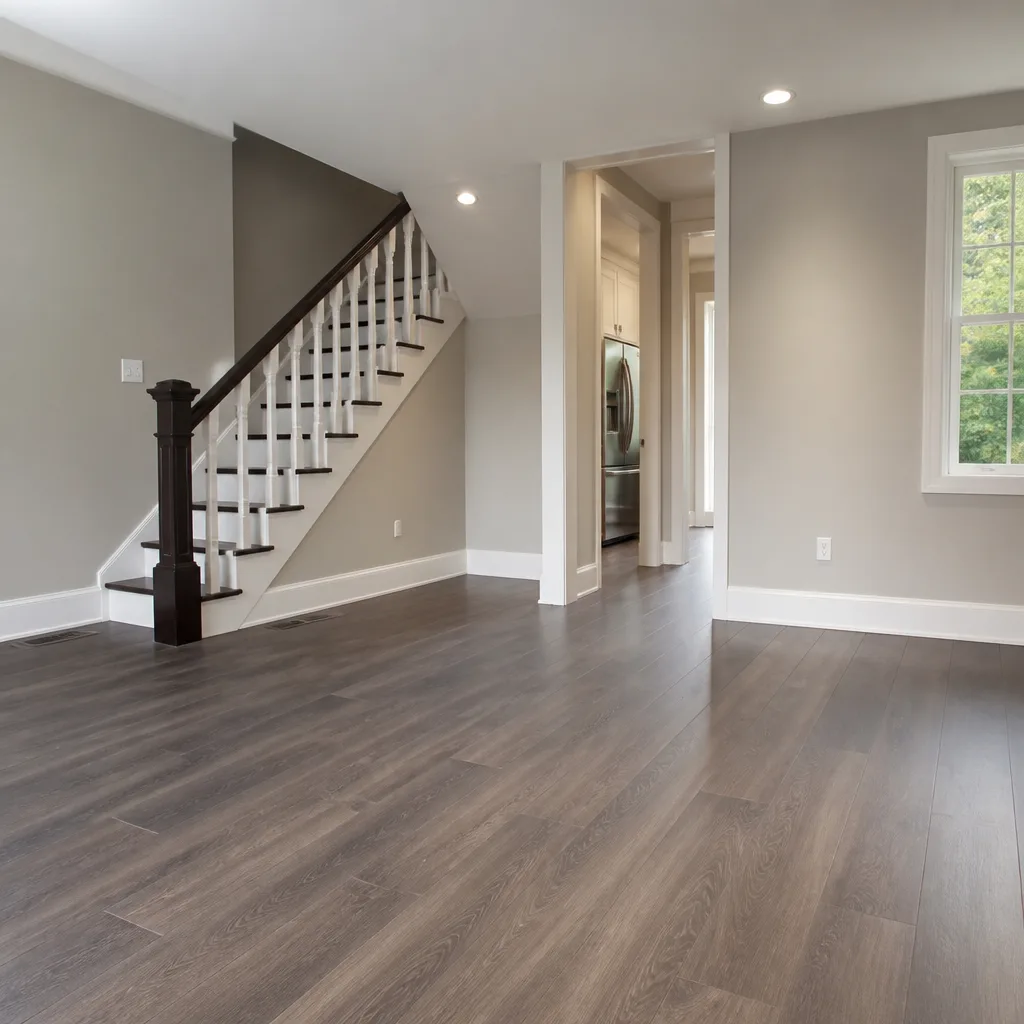
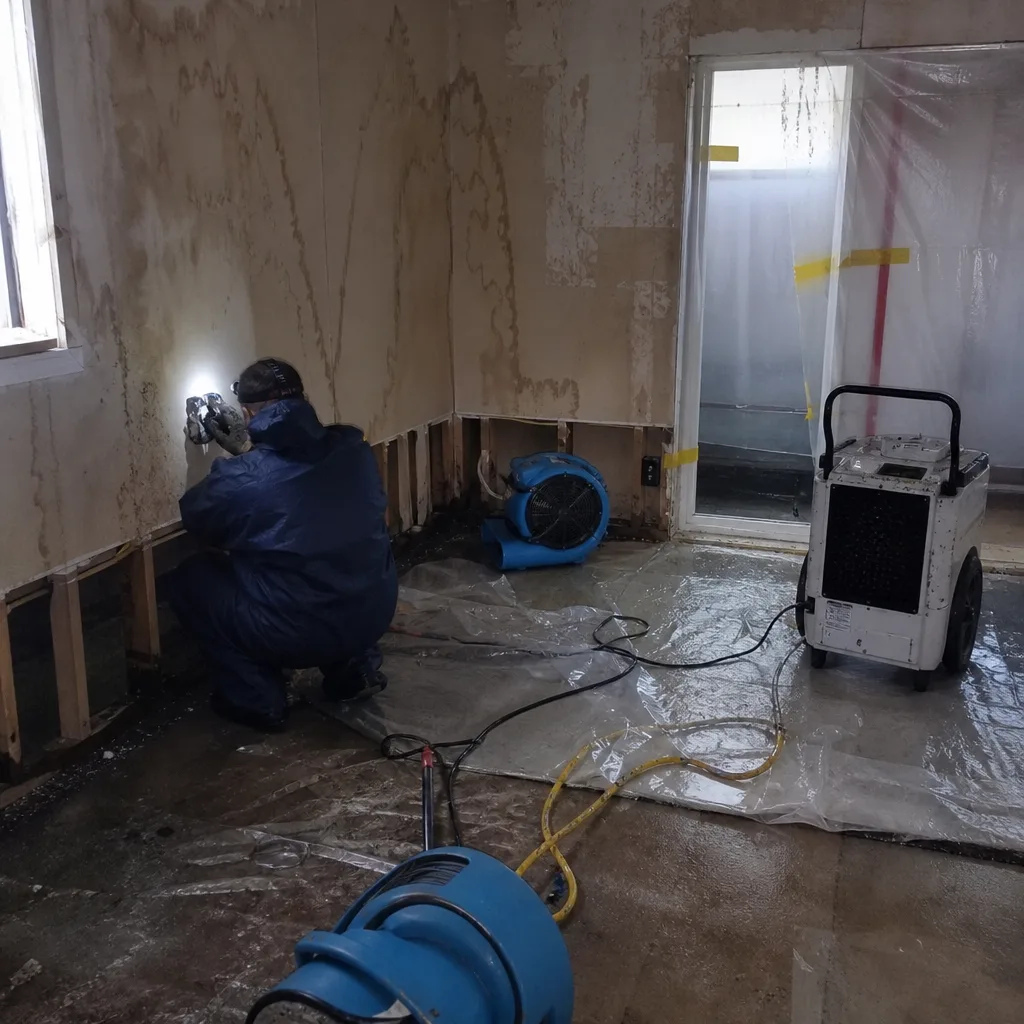 Before
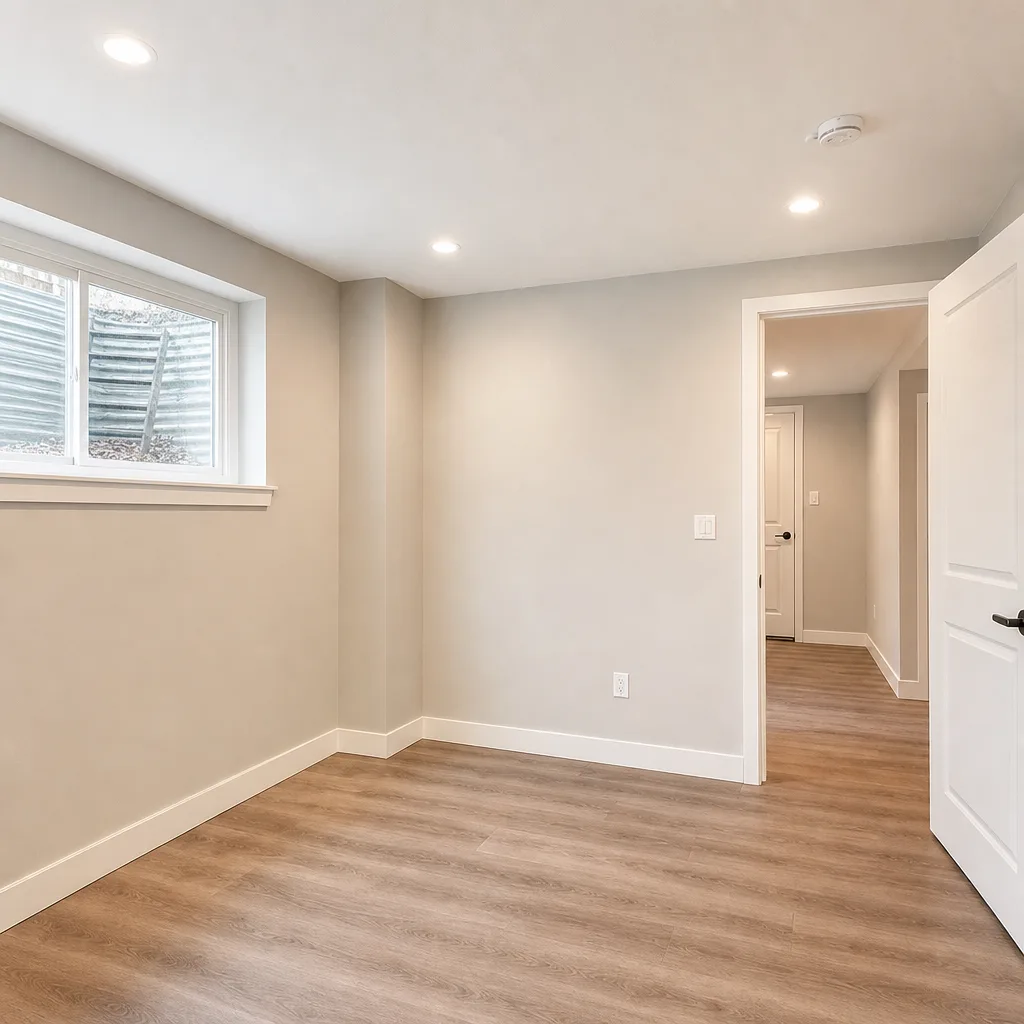 After
After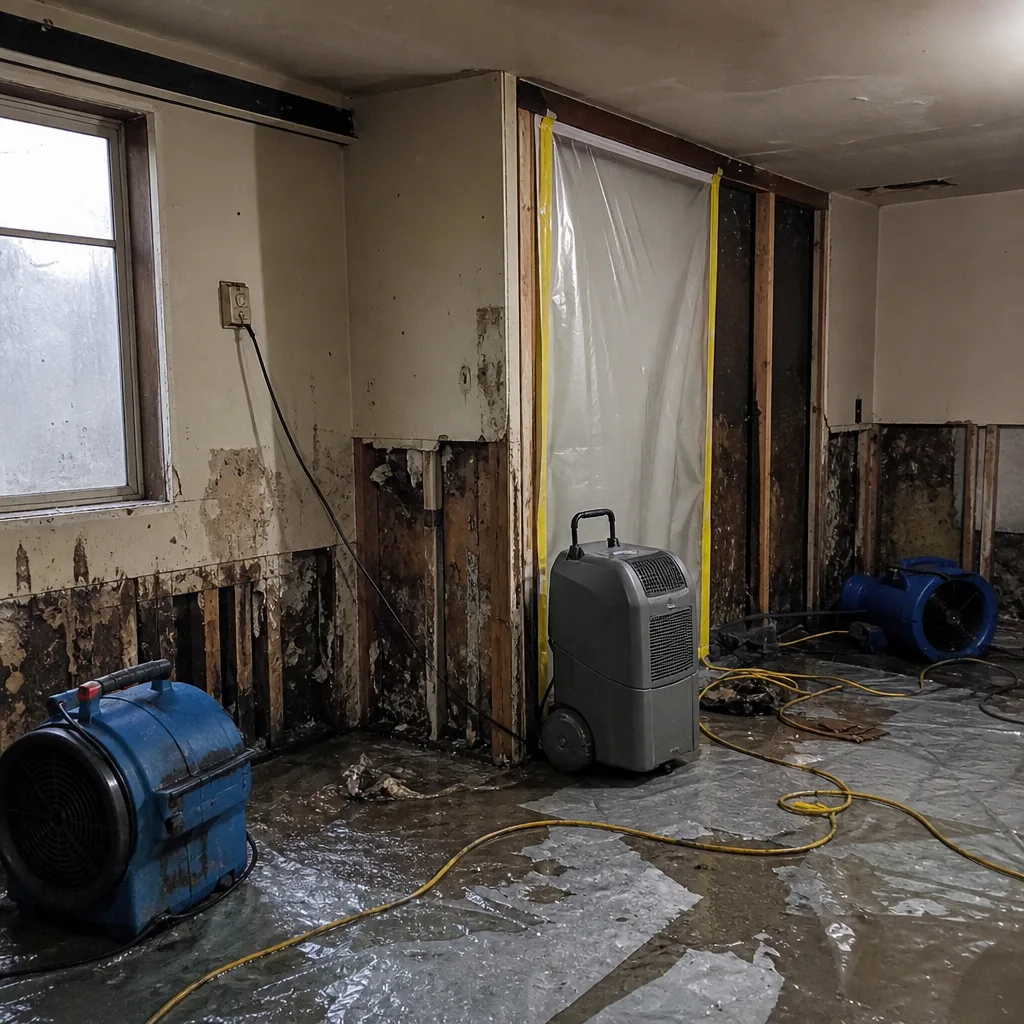 Before
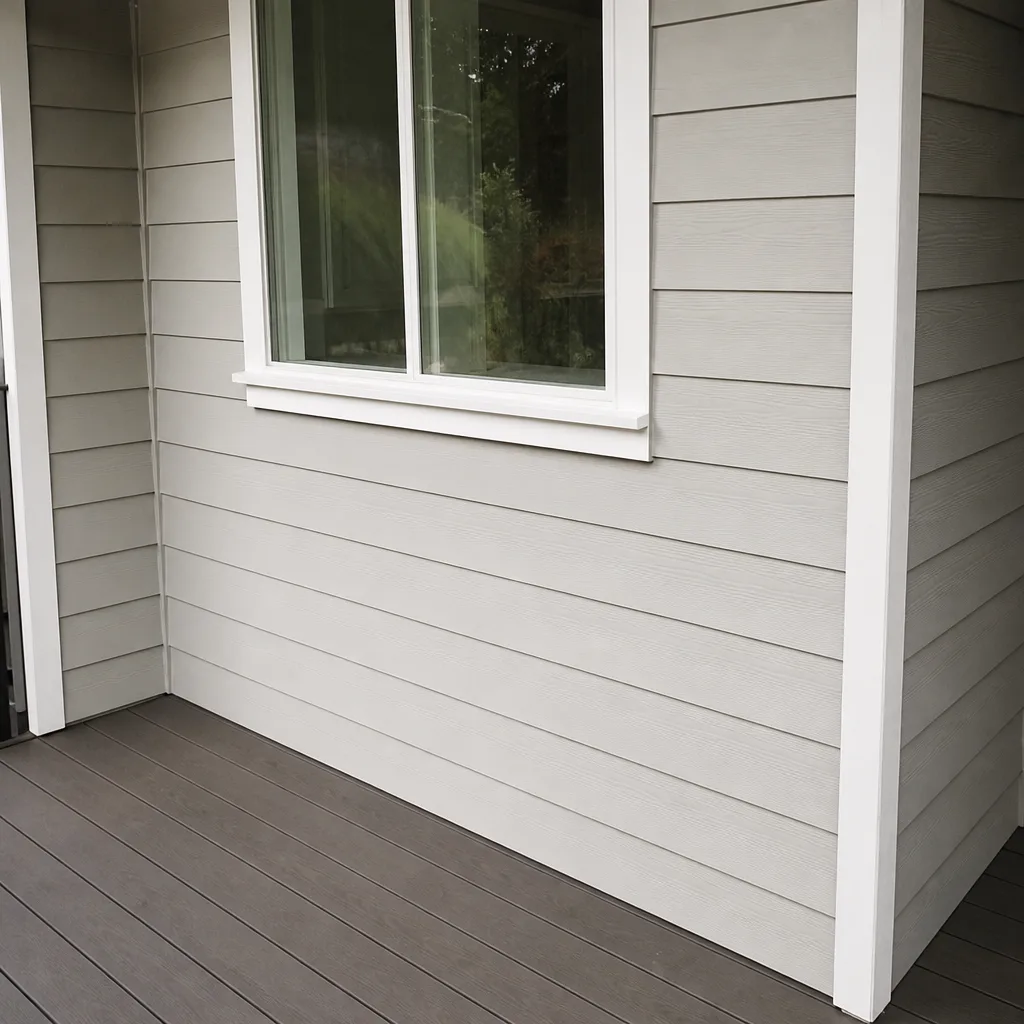 After
After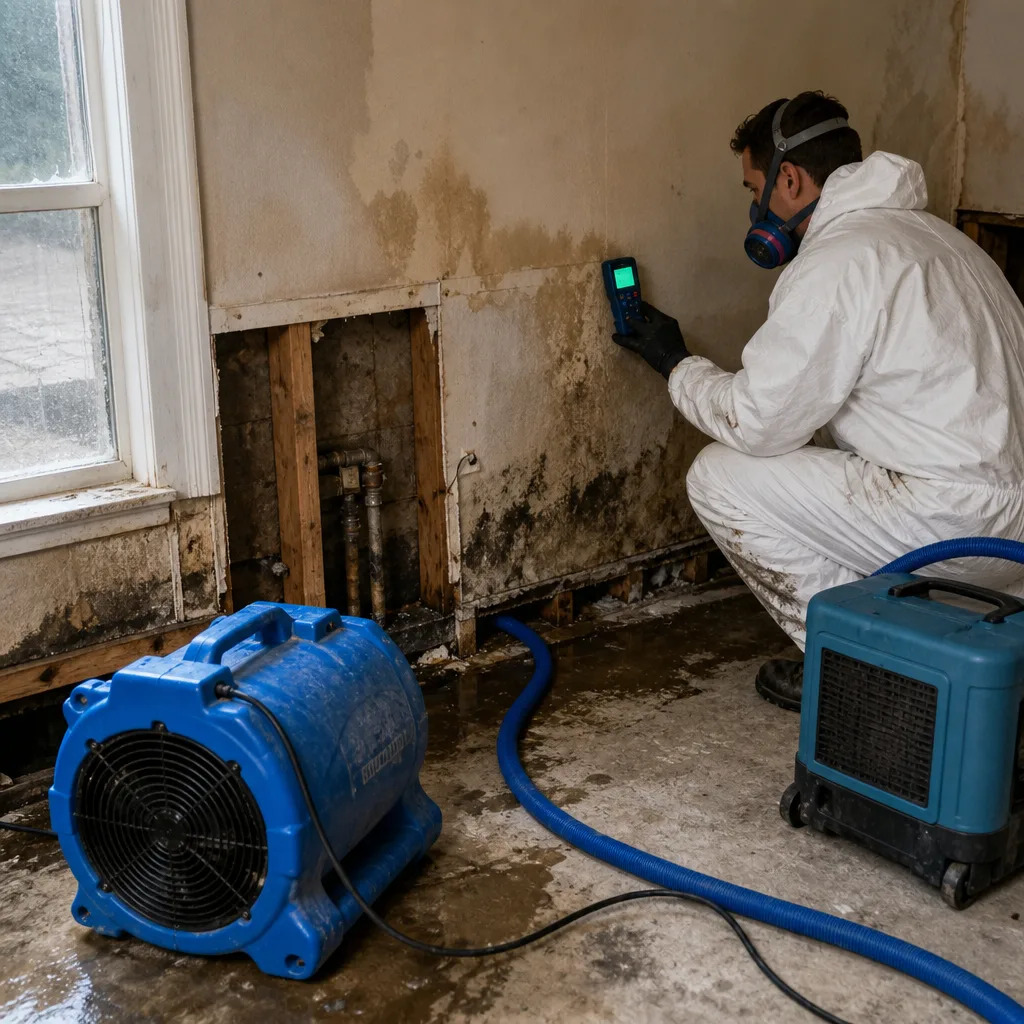 Before
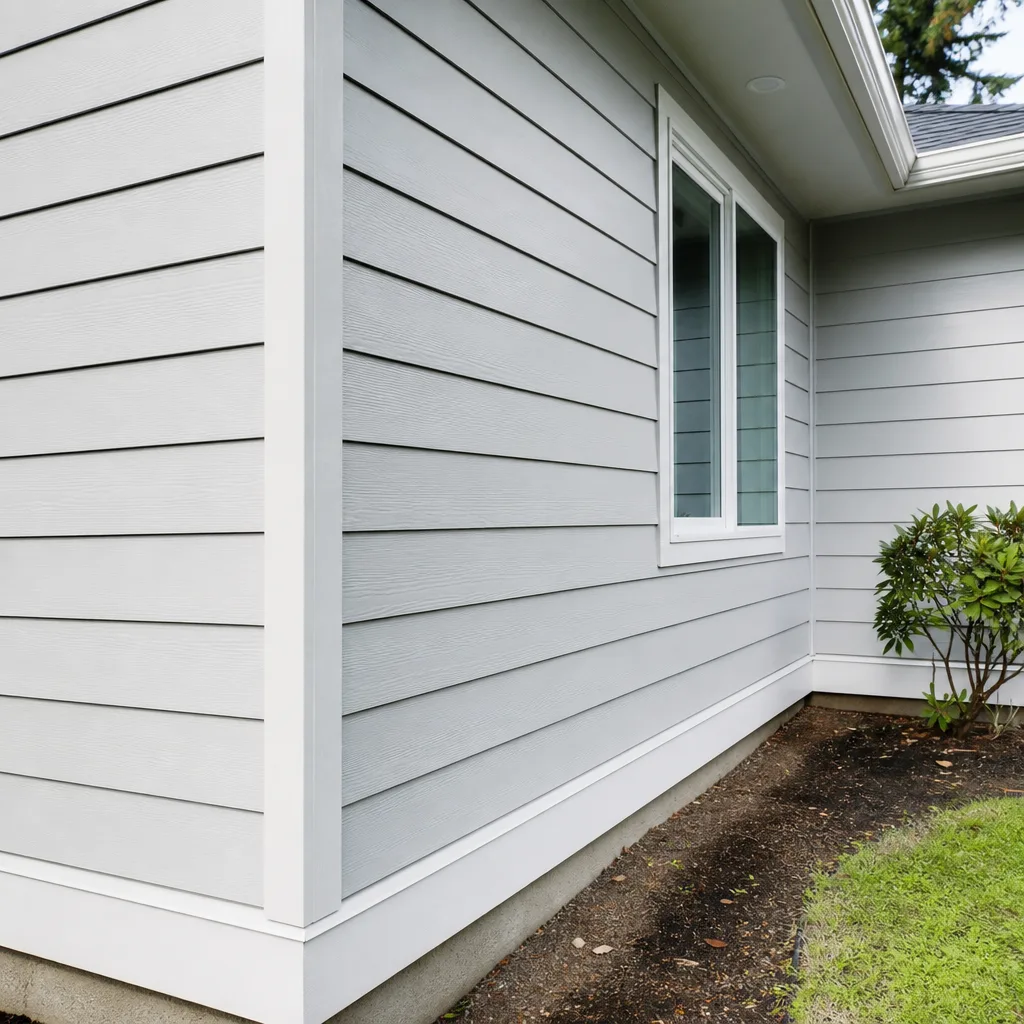 After
AfterWater Damage Restoration Maintenance Checklist for Kent Homeowners
Kent averages over 42 inches of rain annually, but most “Pacific Northwest maintenance checklists” were written for the dryer east side of the Cascades and skip crawl-space vapor barriers entirely. In our experience documenting 12,000+ restorations since 2011, the homes that stay dry aren’t the ones with the newest roofs - they’re the ones where someone checks the right numbers at the right time. This checklist - along with our Complete Guide to Damage Restoration in Kent - is built around measurable thresholds specific to Kent’s rainfall volume, older housing stock, and crawl-space construction. You’ll learn exact moisture readings that signal trouble before you see it, a crawl-space inspection sequence for pier-and-beam and cripple-wall foundations, seasonal timing tied to Kent’s actual precipitation calendar, and how to build a photo log that protects you if an insurer ever questions a claim.
Quick Answer
Kent homeowners should inspect water damage restoration risks monthly during peak rain months (October through April), checking crawl-space relative humidity, gutter downspout discharge, and foundation grading with measurable thresholds: wood moisture content above 16% or crawl-space relative humidity above 60% RH signals intervention is needed. Document each check with dated photos to strengthen your position if a future claim is disputed. Seasonal deep inspections in late September and early May should include vapor barrier integrity, sump pump function, and appliance supply line condition.
Table of Contents
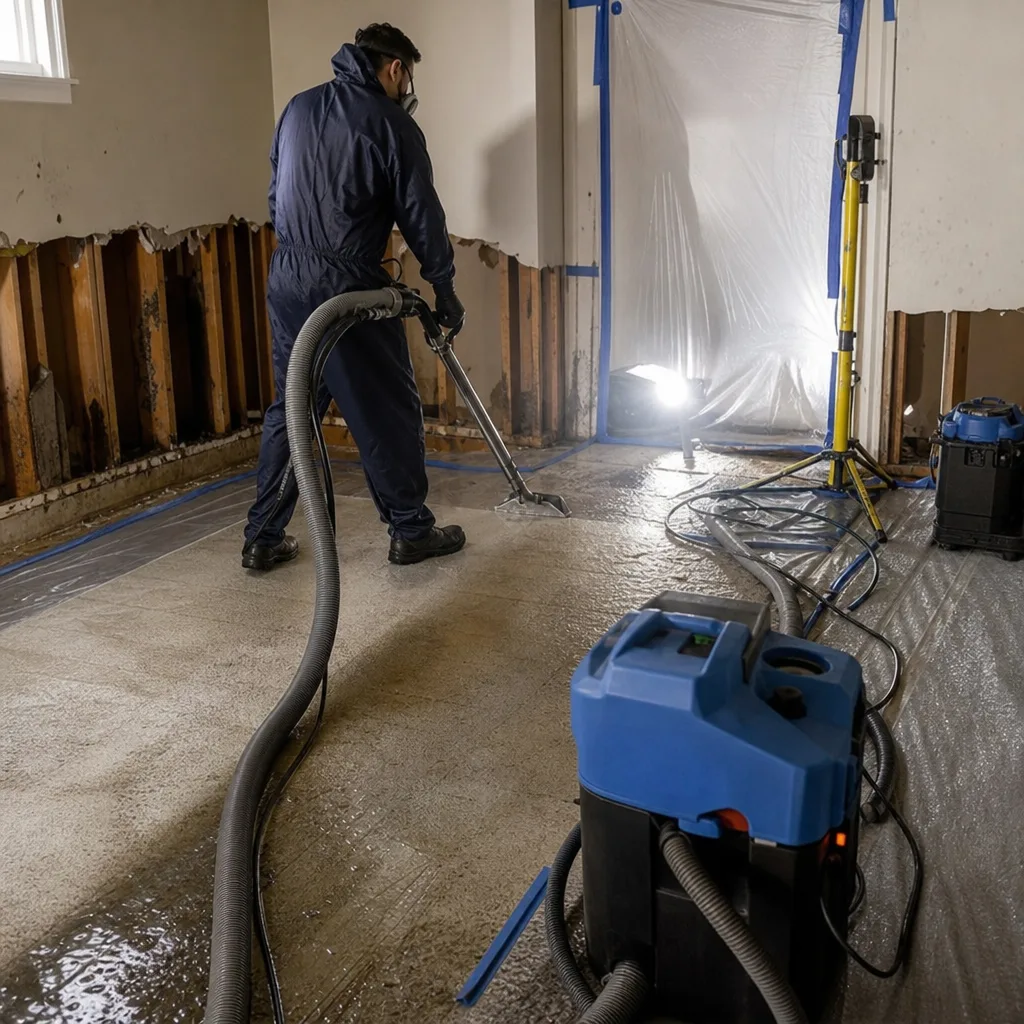
- How Kent’s 42-Inch Rainfall Changes What You Check and When
- The Measurable Thresholds: Exact Numbers That Signal Trouble
- Crawl-Space Inspection Sequence for Kent’s Pier-and-Beam and Cripple-Wall Foundations
- Seasonal Timing Tied to Kent’s Actual Precipitation Calendar
- Maintenance Failures That Trigger Insurance Neglect Exclusions in Kent
- Building a Photo Log That Strengthens Your Claim Position
- Tools, Supplies, and Where to Get Them in Kent
BeforeAfterHow Kent’s 42-Inch Rainfall Changes What You Check and When
Generic checklists treat October and November as “fall prep” months. In Kent, those two months alone deliver 28% of our annual rainfall - roughly 12 inches - and they’re followed by a secondary peak in March and April that adds another 8 inches. The ground is already saturated when the heavy season starts, which means water moves differently here than in drier climates where soil absorbs early-season rain.
We’ve documented this pattern across thousands of Kent-area jobs. The failures that generate our emergency calls cluster in three distinct periods: mid-November, when the first sustained saturation overwhelms gutters that were “fine” in September; late February, when freeze-thaw cycles split outdoor hose bibs and irrigation lines; and mid-April, when the secondary rain peak hits soil that never fully dried from winter.
Kent’s housing stock amplifies these risks. Homes built between 1950 and 1985 - a significant share of our inventory - often have original galvanized supply lines with 40-60 years of corrosion. The East Hill and West Hill neighborhoods in particular show high concentrations of pier-and-beam construction with unsealed crawl spaces, while newer developments around Kent Station and along the Green River corridor sit on fill soils with poor natural drainage. Water damage restoration in Kent requires understanding these local variables, not applying a template from Spokane or Boise.
The checklist below accounts for this specific climate and construction profile. Where generic advice says “check gutters seasonally,” we specify frequency by rainfall month. Where others say “watch for moisture,” we name the tool, the reading, and the threshold that triggers action.
The Measurable Thresholds: Exact Numbers That Signal Trouble
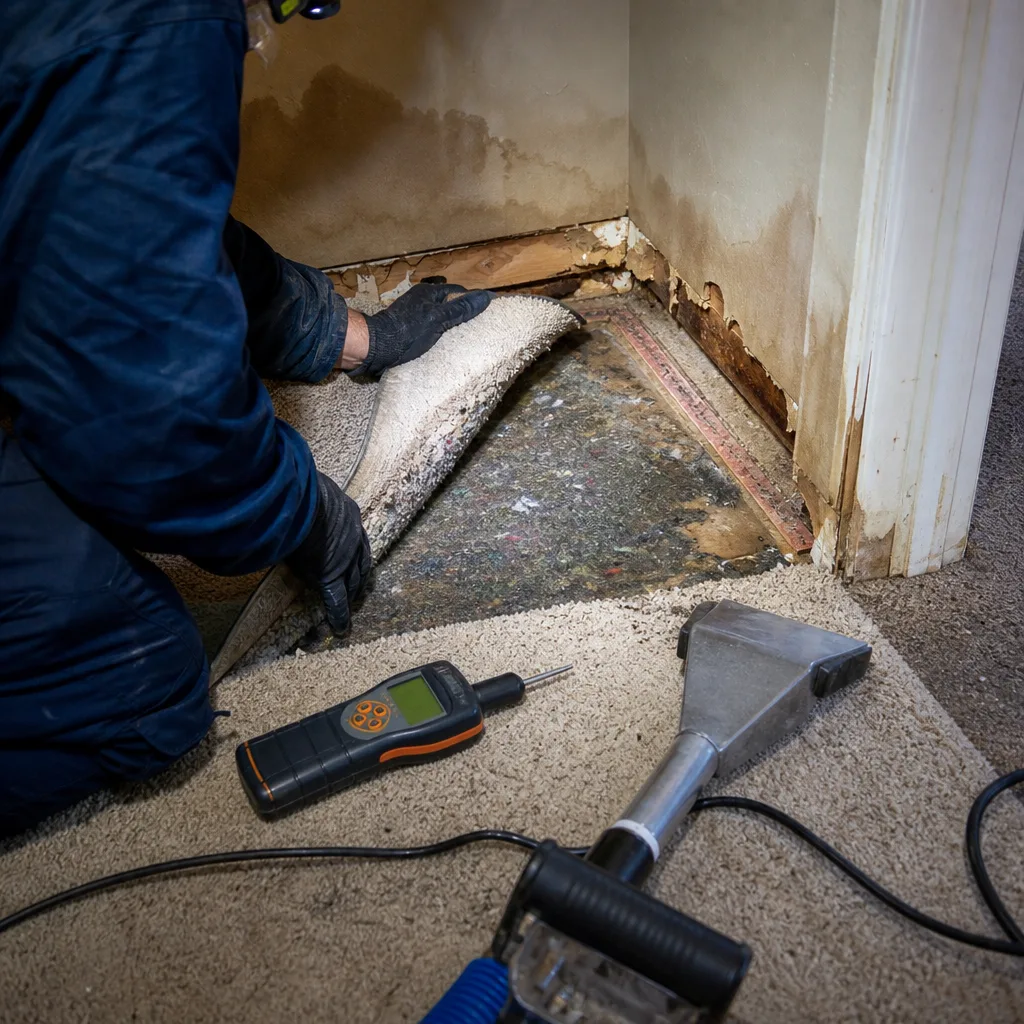
Visible water damage is late-stage damage. By the time you see staining or feel dampness, structural materials have been compromised and mold colonization may have begun. The goal of maintenance is catching conditions before they produce visible symptoms. These are the numbers we measure on every DryMark Restoration Kent home assessment, and they’re the same numbers homeowners can track with basic tools.
Crawl-Space Relative Humidity (%RH)
Relative humidity measures how much moisture the air holds relative to its capacity at a given temperature. In crawl spaces, the critical threshold is 60% RH sustained over 48 hours. Above this level, mold spores germinate on organic surfaces; at 70% RH, active mold growth accelerates significantly.
Our drying logs from Kent crawl spaces show that November through April, unconditioned crawl spaces in homes without vapor barriers routinely hit 75-85% RH during rain events. The homes that avoid damage are those where owners intervene at 60%, not those who wait for musty smells.
Tool needed: A digital hygrometer with remote sensor, placed 12 inches above crawl-space floor (not on the ground, which reads soil moisture, not air moisture). Cost: $25-$45. Available at hardware stores throughout Kent.
Threshold action:
- 55-60% RH: Increase ventilation, check vapor barrier condition
- 60-70% RH: Deploy supplemental dehumidification, inspect for standing water
- Above 70% RH: Document with photos, call for professional moisture assessment - this is the range where we find active microbial growth in Kent crawl spaces
Wood Moisture Content (%WMC)
Wood moisture content measures water in the material itself, not the surrounding air. Structural wood in Kent homes should read 9-14% WMC in normal conditions. At 16% WMC, decay fungi become active; at 20%, structural integrity begins degrading.
We use pin-type moisture meters on every job, testing at multiple depths. For homeowner maintenance, a pinless surface meter suffices for screening. Test floor joists, subfloor panels, and sill plates - the horizontal members that sit directly on foundation walls.
Tool needed: Pinless moisture meter with wood scale. Cost: $35-$60.
Threshold action:
- Below 14% WMC: Normal, no action
- 14-16% WMC: Identify moisture source, improve ventilation, retest in 7 days
- 16-20% WMC: Document with photos including meter reading, begin active drying or call for assessment - this is the zone where we document decay fungi in Kent’s older East Hill homes
- Above 20% WMC: Structural concern, professional assessment warranted
Vapor Pressure Differential (Simplified)
Vapor pressure differential drives moisture movement through materials. In practical terms: when warm, moist air contacts a cold surface, condensation occurs. In Kent crawl spaces, this happens when 55°F outside air meets 45°F concrete foundation walls during November rain events. You don’t need to calculate vapor pressure precisely; you need to recognize the condition that creates it.
Practical check: During or immediately after rain, inspect foundation walls and sill plates with an infrared thermometer. Surface temperatures more than 5°F below ambient air temperature indicate condensation risk. Condensation on these surfaces is the precursor to the rot we find in Kent’s 1960s-era cripple-wall construction.
Crawl-Space Inspection Sequence for Kent’s Pier-and-Beam and Cripple-Wall Foundations
Approximately 35% of Kent’s single-family housing stock includes crawl-space construction, concentrated in neighborhoods built before 1990: East Hill, West Hill, portions of the Meridian Valley, and the older sections of the Kent Valley floor. These spaces are where we document the most preventable damage, and where generic checklists fail most completely.
Perform this sequence in order. Each step builds on the previous one. Never skip ahead - the sequence is designed to catch cascading failures before they compound.
Step 1: External Access and Ventilation Check
Before entering, verify that crawl-space vents are open and unobstructed. In Kent, we see vents blocked with insulation, cardboard, or debris in approximately 30% of older homes. Blocked vents trap moisture; they don’t “keep the house warmer” in any meaningful way.
Count your vents. Standard code requires 1 square foot of vent area per 150 square feet of crawl-space floor. If your home has fewer vents than this ratio suggests, that’s a pre-existing condition to document for your insurance file - it may affect coverage arguments if damage occurs.
Step 2: Ground Cover and Vapor Barrier Integrity
The vapor barrier is the single most important moisture control in a Kent crawl space. It should be 6-mil polyethylene sheeting covering 100% of exposed soil, with seams overlapped 12 inches and sealed with appropriate tape. In our documentation of Kent claims, the most common vapor-barrier failure pattern is: gaps at perimeter walls (where the barrier doesn’t extend to the foundation), tears around plumbing penetrations, and “floating” barriers that have shifted to expose soil.
Inspection protocol:
- Photograph the full crawl space from the access point for baseline documentation
- Walk the perimeter, lifting barrier edges where accessible - look for soil exposure, standing water, or dark staining indicating past ponding
- Check each plumbing penetration: the main sewer line, water supply entry, and any floor drains
- Document gaps with photos including a measuring tape or coin for scale
- Mark locations needing repair with painter’s tape on the foundation wall
In Kent’s high water table areas - particularly near Mill Creek and along the Green River corridor - we regularly find standing water beneath intact vapor barriers. This indicates groundwater intrusion, not surface moisture, and requires a different intervention than barrier repair alone.
Step 3: Structural Wood Assessment
Test wood moisture content at these locations, working from the access point inward:
- Sill plate (the horizontal member on the foundation wall) - test at corners and mid-span
- Floor joist ends where they meet the sill - this is the most common rot location in Kent’s older homes
- Subfloor underside, particularly beneath bathrooms, kitchens, and laundry rooms
- Any locations where previous repairs or plumbing work has occurred
Record each reading with the location and date. A simple sketch of the crawl space with numbered test points takes 10 minutes and creates invaluable documentation.
Step 4: Active Systems Check
If your crawl space has a sump pump, test it by pouring 5 gallons of water into the sump pit. The pump should activate within 30 seconds and discharge water visibly. In Kent, we find failed sump pumps in approximately 15% of homes that have them - usually due to stuck float switches or failed check valves that allow backflow.
If you have a crawl-space dehumidifier, check the collection reservoir or drainage line, clean the air filter, and verify the humidistat setting. We recommend 50% RH as the target - lower than the 60% RH danger threshold, with margin for sensor inaccuracy.
Step 5: Documentation and Scheduling
Complete your photo log (detailed in a later section) and schedule any needed repairs before the next rain event. In Kent’s climate, “next week” often means “during a 2-inch rainstorm.”
Seasonal Timing Tied to Kent’s Actual Precipitation Calendar
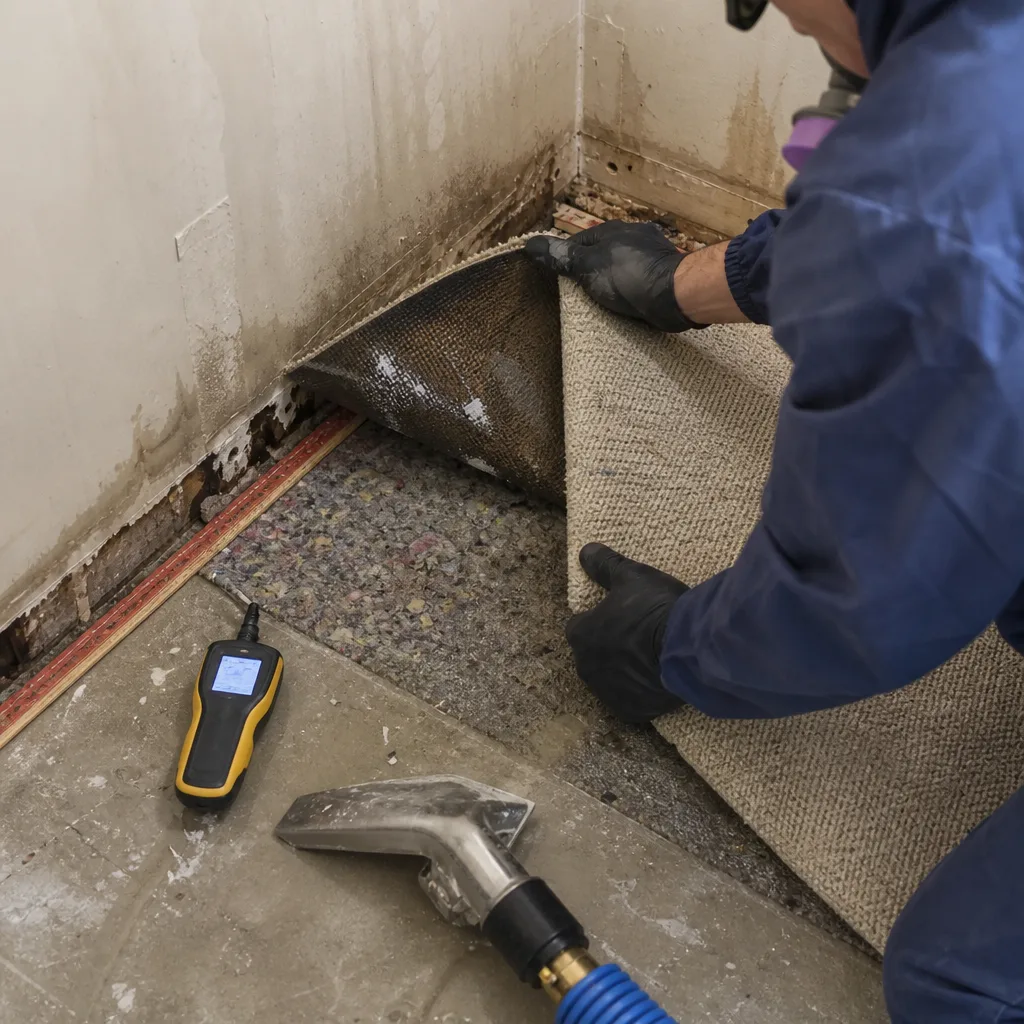
Kent’s rainfall pattern doesn’t match the generic “spring and fall maintenance” model. Our precipitation is bimodal: a primary peak October through December, a secondary peak March through April, with a distinct dry period July through September. Maintenance tasks should cluster before the peaks and verify condition after them.
Late September: Pre-Peak Preparation (4-6 hours)
This is your most important maintenance window. The ground is dry, access is easy, and you have 2-3 weeks before the October rains begin.
- Gutter and downspout system: Clean all gutters by hand or with a scoop, not just flush with a hose - the fir needles and maple samaras that dominate Kent’s canopy decompose into gutter-blocking sludge. Verify downspouts discharge at least 6 feet from foundation walls. In Kent’s clay-heavy soils, water discharged at the foundation saturates the soil perimeter and creates hydrostatic pressure that drives moisture through foundation cracks.
- Foundation grading: Soil should slope away from the foundation at 6 inches of drop per 10 feet of horizontal distance. Walk the perimeter with a 4-foot level. We find negative grading (sloping toward the house) in approximately 25% of Kent homes, usually where landscaping has settled or previous owners built raised beds against the wall.
- Roof and flashing: Binocular inspection from ground level suffices for most homes. Look for lifted shingles, damaged flashing at valleys and penetrations, and moss accumulation. Kent’s tree canopy and moderate temperatures create ideal moss conditions; left untreated, moss lifts shingles and creates capillary water paths.
- Crawl-space baseline: Complete the full inspection sequence above. Record moisture readings when conditions are at their driest - this is your comparison baseline for winter checks.
November: Mid-Peak Verification (1 hour)
After the first sustained rain event (typically 1+ inches over 48 hours), verify that your September preparations held:
- Check downspout discharge points - water should flow away from foundation, not pool
- Inspect basement or crawl space for new moisture - any change from September baseline readings triggers action
- Verify sump pump operation if present
January: Equipment and Systems Check (30 minutes)
The coldest month, with freeze risk. Check:
- Exterior hose bibs: disconnect hoses, verify frost-free bibs drain properly, check for cracks from prior freeze events
- Interior plumbing in exterior walls: run faucets briefly, check for reduced flow indicating partial freeze
- Crawl-space temperature: should remain above 40°F to prevent pipe freeze in ventilated spaces
Early May: Post-Peak Recovery (2-3 hours)
After the March-April secondary peak, assess what the wet season delivered:
- Complete full crawl-space inspection sequence - compare readings to September baseline
- Inspect attic for roof leaks that manifested during winter storms
- Clean gutters again - spring debris is lighter but can block critical early-summer drainage
- Service irrigation systems before activation - we see significant Kent water damage from pressurized lines with freeze damage that manifests only when systems are activated
July-August: Dry-Season Projects (variable)
This is the window for repairs that require dry conditions: vapor barrier replacement, exterior grading correction, foundation sealing. For expected costs, see our Damage Restoration Cost Breakdown: The Kent Homeowner’s Reference for 2026. Schedule major work now, not in October when contractors are booked and rain is imminent.
Maintenance Failures That Trigger Insurance Neglect Exclusions in Kent
We review hundreds of insurance claims annually. The ones that get denied or reduced under “neglect” or “maintenance” exclusions share common patterns. These are not obscure technicalities - they’re failures that adjusters document with photographs and moisture meter readings.
Understanding the exclusion: Standard homeowners policies cover “sudden and accidental” water damage, not damage from “continuous or repeated seepage” or “lack of maintenance.” The burden of proof is on the insurer to demonstrate neglect, but they routinely succeed when the damage pattern shows long-term moisture exposure.
Failure Pattern 1: Documented Recurring Moisture Without Intervention
The classic case: a homeowner who noticed a damp basement corner “for a couple years” but never addressed it. When the wall finally fails, the insurer’s moisture meter readings show 25%+ WMC extending 4 feet up the studs - a pattern that develops over months, not hours. The adjuster documents this, the claim is reduced or denied, and the homeowner faces $15,000-$40,000 in uncovered repairs.
In Kent’s East Hill neighborhood, we see this pattern frequently in 1950s-1970s homes with original concrete block foundations. The blocks are porous; without exterior waterproofing, they wick groundwater continuously. The maintenance standard is annual inspection and active management of perimeter drainage, not waiting for visible water.
Failure Pattern 2: Gutter Neglect with Foundation Damage
Overflowing gutters saturate soil at the foundation perimeter. Over 2-3 years, this creates hydrostatic pressure that cracks basement walls, pushes in block walls, or undermines footings. When the wall cracks and water enters, the insurer argues the damage resulted from years of gutter neglect, not a single storm.
We document this in Kent’s tree-dense neighborhoods - particularly around Lake Meridian and along the Cedar River corridor - where gutter cleaning is genuinely difficult due to canopy density. The maintenance standard is functional gutters year-round, not “we meant to clean them.”
Failure Pattern 3: Vapor Barrier Absence or Deterioration in Crawl Spaces
Kent’s building codes have required vapor barriers in new construction since the 1990s, but many older homes lack them entirely, or have barriers that have degraded to the point of uselessness. When floor joists rot and subfloors sag, insurers routinely invoke maintenance exclusions if the homeowner knew (or should have known) about the unprotected soil.
The critical documentation: a photo showing intact vapor barrier with dated inspection notes. Without this, the insurer may argue the condition existed for years without homeowner attention.
Failure Pattern 4: Hose Bib and Supply Line Freeze Damage
Freeze damage to exterior hose bibs is almost always excluded if the homeowner failed to disconnect hoses before freezing temperatures. More significantly, split supply lines inside exterior walls - common in Kent’s 1970s-1980s construction with minimal insulation - may be excluded if the home was unheated during a cold period.
The maintenance standard: hoses disconnected by November 1, exterior faucets drained, and minimum 55°F thermostat setting during freeze events.
Failure Pattern 5: Sump Pump Failure Without Backup
In Kent’s high water table areas, sump pump failure during rain events causes predictable flooding. If the pump failed due to age, lack of maintenance, or power outage without backup, insurers may argue the damage was foreseeable and preventable. A documented maintenance log showing annual pump testing and battery backup presence strengthens your position significantly. For more guides & resources on protecting your home, visit our blog.
Building a Photo Log That Strengthens Your Claim Position
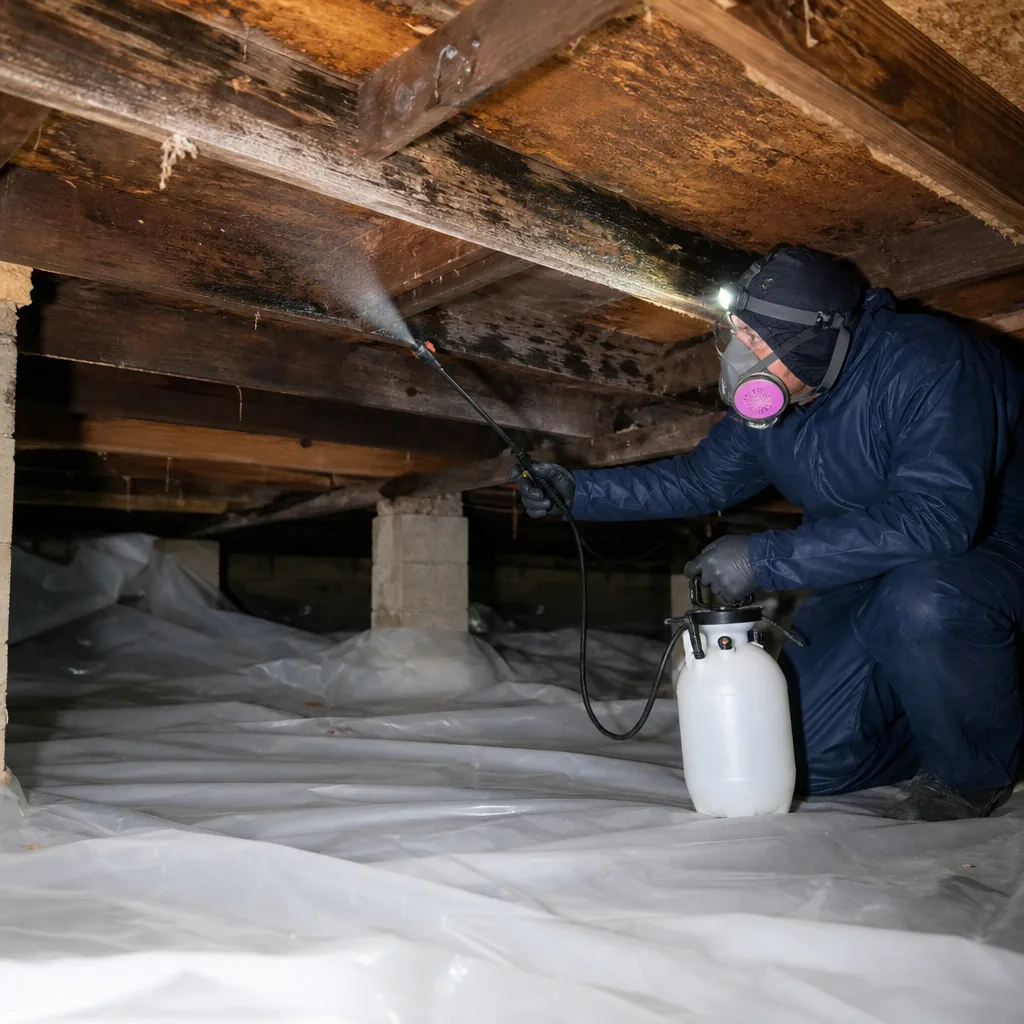
Our documentation-first approach at DryMark Restoration Kent exists because we’ve seen what sloppy documentation costs homeowners. The same principle applies to maintenance: a well-organized photo log transforms your maintenance from an unverifiable assertion into documented evidence.
You don’t need professional equipment. A smartphone with date-stamp enabled, a simple numbering system, and consistent practice suffice.
The Log Structure
Create a dedicated folder for each inspection date. Name format: YYYY-MM-DD-Location-Inspector. Example: 2024-09-15-KentHome-ABrennan.
Each folder contains:
- A location sketch (hand-drawn photo or digital note) showing test point numbers
- Photos of each test point with the measurement tool visible in frame
- Wide shots establishing context
- A text note or voice memo summaring findings and any action items
Photo Standards
- Include the measurement: The moisture meter or hygrometer display must be legible in the frame. We see too many homeowner photos of “the wet spot” with no quantitative data.
- Include scale reference: A measuring tape, coin, or familiar object establishes size for future reference.
- Include location identifier: A piece of painter’s tape with the test point number, or the numbered sketch held in frame.
- Shoot sequential: Wide establishing shot, medium shot of test area, close-up of measurement. This sequence tells the complete story.
Storage and Backup
Store in at least two locations: local device and cloud service. Email key inspections to yourself for timestamp verification. If you ever need this documentation for a claim, you’ll need to produce it in discoverable form - organized, dated, and consistent.
The photo log serves another purpose: it demonstrates pattern of care. A homeowner who can produce three years of dated inspection photos with consistent measurements is far more credible arguing “sudden and accidental” damage than one who claims “I checked it regularly” with no records.
Tools, Supplies, and Where to Get Them in Kent
Professional-grade documentation requires tools that produce reliable, repeatable measurements. These are the instruments we use in the field, specified for homeowner budgets and available locally.
| Tool | Purpose | Specification | Approximate Cost | Kent Source |
|---|---|---|---|---|
| Digital hygrometer with remote sensor | Crawl-space %RH monitoring | ±3% accuracy, data logging preferred | $25-$75 | Hardware stores on Kent-Kangley Road; industrial suppliers near Kent Station |
| Pinless moisture meter | Wood moisture content screening | Wood scale, 0.5% resolution, depth 3/4 inch | $35-$80 | Home improvement retailers; specialty tool suppliers |
| Infrared thermometer | Surface temperature for condensation risk | -20°F to 500°F range, laser pointer | $20-$40 | Widely available |
| 4-foot level | Foundation grading assessment | Standard construction level | $15-$30 | Any hardware store |
| 6-mil polyethylene sheeting | Vapor barrier repair/replacement | Clear or black, 10×25 foot minimum | $25-$40 per roll | Hardware stores, landscaping suppliers |
| Vapor barrier tape | Seaming and perimeter sealing | Polyethylene-compatible, 4 inch width | $12-$20 per roll | Same sources as sheeting |
For homeowners who want professional-grade capability, the same Dri-Eaz, Phoenix, and B-Air equipment we deploy on Kent jobs is available through select industrial suppliers, though rental typically makes more sense than purchase for occasional use. Injectidry systems for hardwood floor drying are specialized equipment requiring training - not a homeowner maintenance tool.
When professional assessment is warranted, our documentation includes the same measurements specified here, recorded to IICRC and RIA standards with daily drying logs that become part of your claim file. The homeowner who understands these measurements can read our documentation and verify its accuracy - a transparency standard that aligns with Haven Standard, Clause 1: written price before work begins, with the data to justify it.
Common Mistakes to Avoid
- Checking only during dry weather. The conditions you inspect in September don’t represent November reality. Always verify after the first major rain event, when gutters, grading, and drainage are actually stressed.
- Relying on “feels damp” instead of measured readings. Human moisture perception is unreliable below 70% RH. By the time a crawl space “feels damp,” mold has been active for weeks.
- Cleaning gutters from the ground with a hose only. This misses the compacted debris that causes overflow. Hand-cleaning or professional service is the standard for Kent’s needle-heavy canopy.
- Ignoring the secondary rain peak. March and April in Kent deliver serious precipitation on already-saturated ground. Homeowners who “did fall maintenance” and ignore spring verification miss critical failures.
- Photographing problems without baseline documentation. A photo of moldy joists proves damage exists; it doesn’t prove when it started or that you maintained diligently. Baseline photos from dry conditions are essential for claim defense.
- Deferring vapor barrier repair until “next year.” In Kent’s climate, “next year” means another full wet season of soil moisture evaporating into your crawl space. The cost of 6-mil polyethylene and a Saturday’s work is trivial against the cost of subfloor replacement.
- Assuming new construction doesn’t need inspection. Kent’s rapid development around Kent Station and along State Route 516 includes homes with construction-phase drainage failures that manifest in years 2-5, precisely when builder warranties expire.
When to Call a Professional
Some conditions exceed homeowner maintenance scope and require documented professional assessment. Call for evaluation when you find: wood moisture content above 20% anywhere in the structure; visible mold growth covering more than 10 square feet; standing water in crawl spaces that recurs after drainage improvement; foundation cracks that show active water intrusion; or any moisture condition that doesn’t respond to your intervention within 14 days.
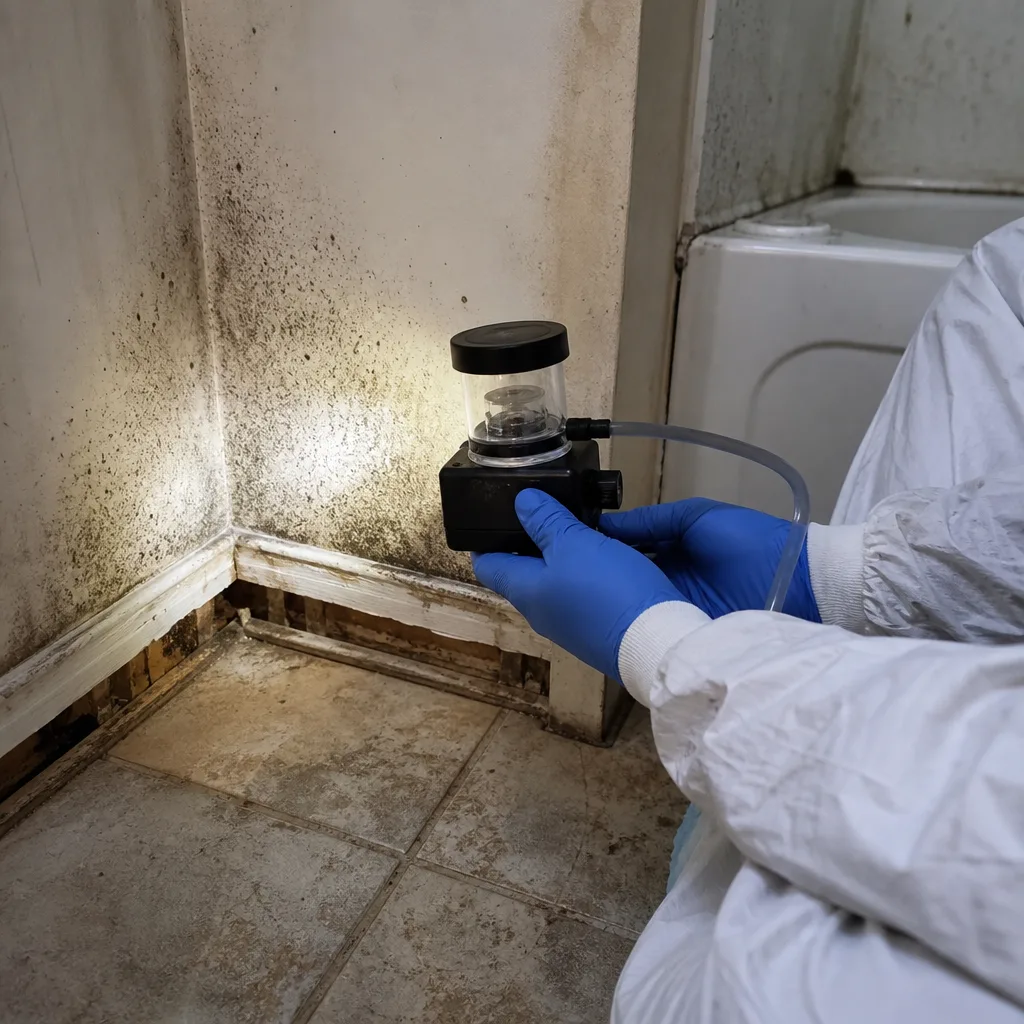
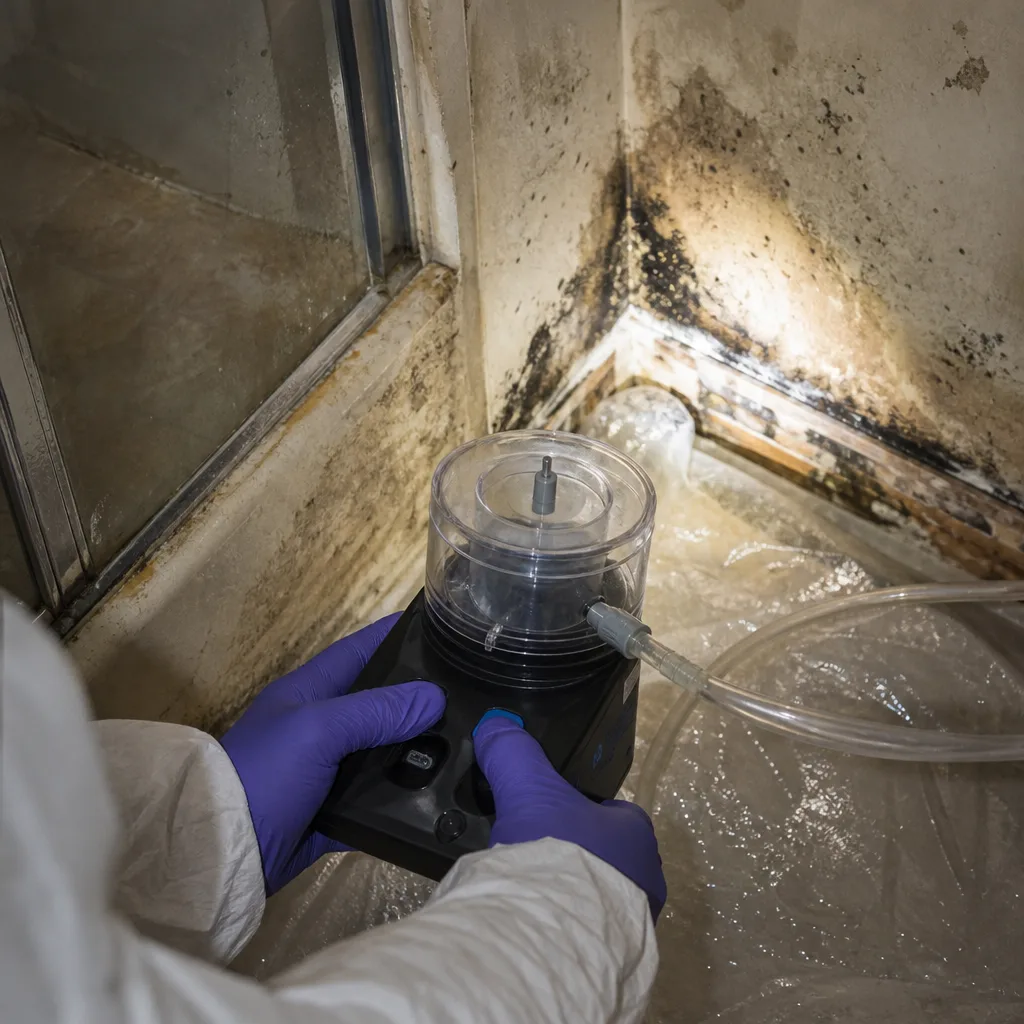
Professional assessment should include the same measurements specified in this checklist, plus thermal imaging to identify hidden moisture paths and air quality sampling if microbial growth is suspected. The documentation produced - moisture logs, photo records, written scope - becomes your claim file if insurance involvement becomes necessary.
DryMark Restoration Kent offers free estimates in Kent. Our assessments include written findings with measured data, a photo record, and a written price before any work begins, per Haven Standard, Clause 1. For emergency water damage, our live dispatch answers 24 hours a day, 7 days a week at (360) 997-2427. For non-urgent assessment or a free second opinion on any competitor’s written estimate, call the same number to schedule.
Frequently Asked Questions
Monthly checks during peak rain months (October through April), with full inspections in late September and early May tied to Kent’s bimodal precipitation pattern. The September inspection establishes baseline measurements; the May inspection assesses what the wet season delivered. Monthly checks during heavy rain periods verify that systems are functioning under actual load, not just in dry conditions.
Crawl-space relative humidity above 60% RH sustained for 48 hours signals conditions where mold becomes active; above 70% RH, we find active microbial growth in Kent homes. Wood moisture content above 16% indicates decay fungi risk; above 20% warrants professional assessment. These thresholds apply specifically to Kent’s climate - the same readings in Arizona or Florida would have different implications. Call (360) 997-2427 for a documented assessment with exact measurements.
Insurance covers “sudden and accidental” damage, not damage from continuous seepage or documented neglect. The critical factor is your ability to demonstrate pattern of care: dated inspection photos, moisture logs, and maintenance receipts. Without documentation, insurers routinely invoke maintenance exclusions for damage patterns that show long-term moisture exposure. A photo log from this checklist significantly strengthens your position. For claim documentation assistance, DryMark Restoration Kent provides photo-recorded assessments with written scopes.
A functional vapor barrier is 6-mil polyethylene covering 100% of exposed soil with 12-inch overlaps at seams, sealed with appropriate tape, and extending to foundation walls. In Kent’s climate, the practical test is: lift the barrier edge after rain. Dry soil beneath indicates the barrier is blocking evaporation; damp or muddy soil beneath an “intact” barrier indicates groundwater intrusion that barrier repair alone won’t solve. We find this groundwater pattern frequently in Kent’s Mill Creek and Green River corridor areas.
Consumer dehumidifiers are designed for conditioned living spaces, not unconditioned crawl spaces with temperatures that drop to 40°F or below in Kent winters. At these temperatures, standard compressor dehumidifiers ice up and become ineffective. Crawl-space-specific units with low-temperature operation and continuous drainage are required for reliable performance. For temporary moisture events, professional-grade drying systems from B-Air or similar manufacturers, deployed with proper air distribution, are more effective than consumer units. Call (360) 997-2427 for assessment of whether active drying is warranted.
Gutter overflow saturating foundation perimeters, leading to basement or crawl-space moisture that progresses to rot and mold over 2-4 years. This is particularly common in Kent’s mature neighborhoods - East Hill, West Hill, Lake Meridian area - where canopy density makes gutter maintenance genuinely difficult and homeowners defer it. The maintenance standard is functional gutters verified after each major rain event, not annual cleaning that may miss mid-season blockages. Documented gutter condition photos, dated and stored, protect against exclusion arguments if damage occurs.
The Bottom Line
Kent’s 42-inch annual rainfall and specific housing stock create water damage risks that generic checklists miss. Effective maintenance is measurement-based, not guesswork: 60% RH and 16% WMC are your intervention thresholds, documented with dated photos that protect your insurance position. Seasonal timing follows Kent’s actual precipitation - September preparation, November verification, May assessment - not abstract calendar seasons. Crawl-space construction, common in Kent’s older neighborhoods, demands specific inspection sequences that start with vapor barrier integrity and end with structural wood assessment. The homeowners who avoid emergency restoration calls are those who treat maintenance as documented evidence gathering, not occasional visual checks. The tools are inexpensive, the time commitment is modest, and the cost of omission is measured in thousands of dollars and months of disruption.
For professional assessment, documented drying, or reconstruction after water damage, DryMark Restoration Kent provides written estimates before work begins, photo-documented visits, and the 365-Day Done Right Promise backed by The Haven Standard. Call (360) 997-2427 for a free estimate or free second opinion on any competitor’s written quote.
Written by Alicia Brennan, Owner at DryMark Restoration Kent, serving Kent since 2011.