
Free visual inspection and a written scope of work before any mitigation begins - photos, moisture readings, and drying logs go in your claim file
The scope we write is the scope we bill. Anything new gets shown to you, in writing, before we touch it.
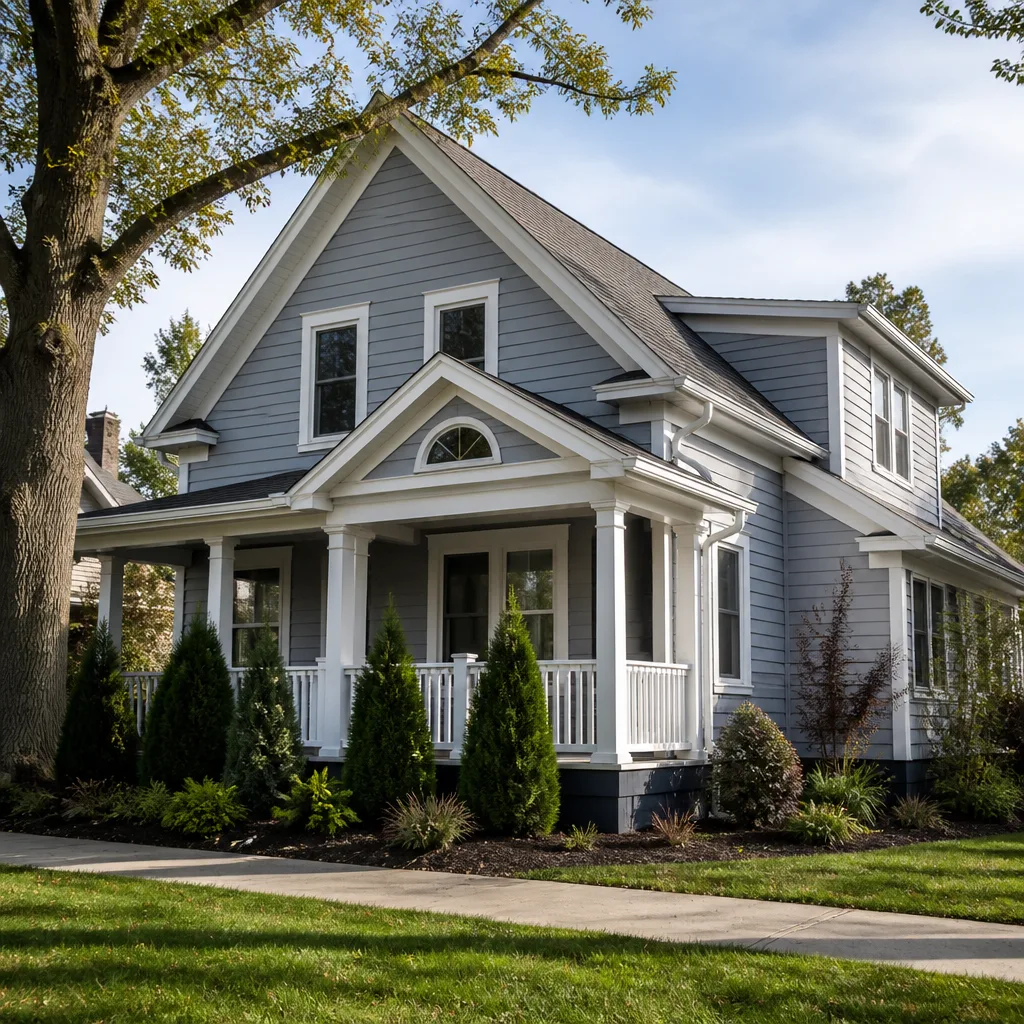
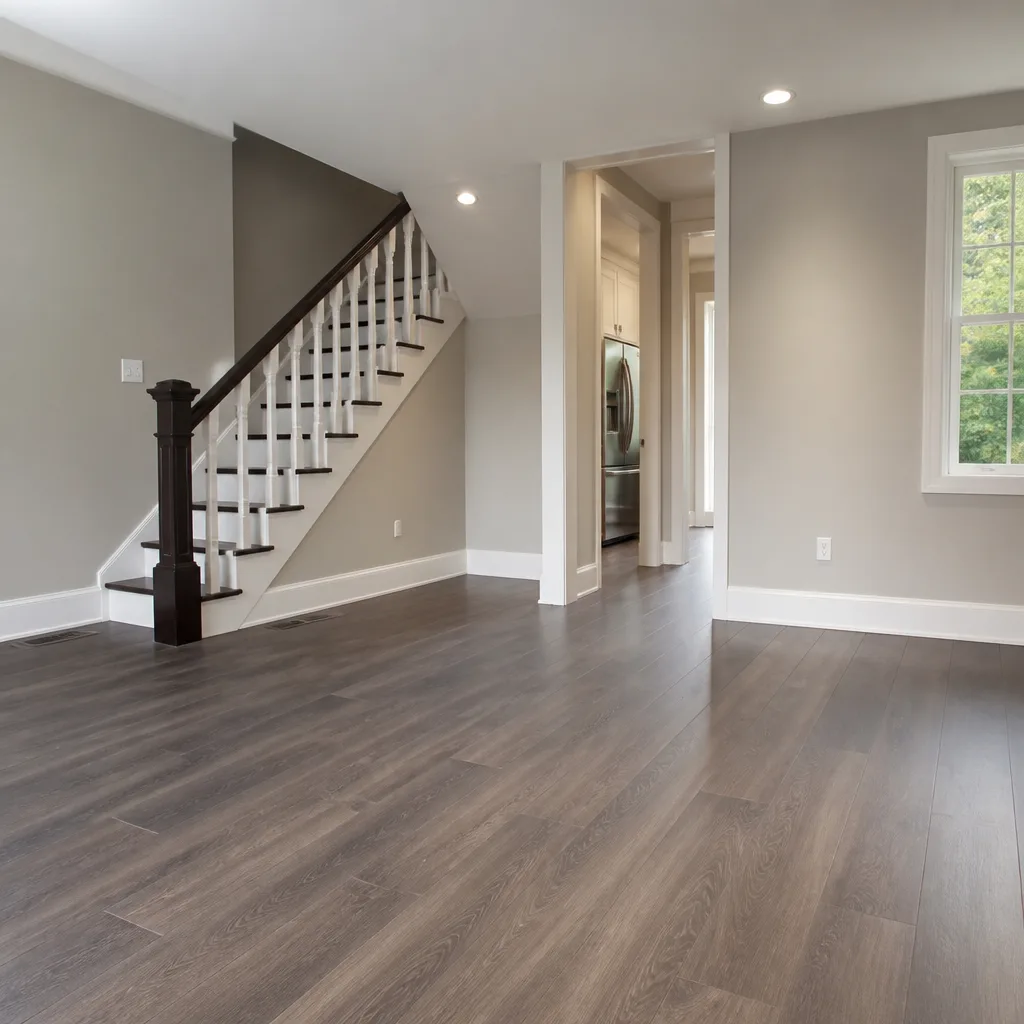
 Before
 After
After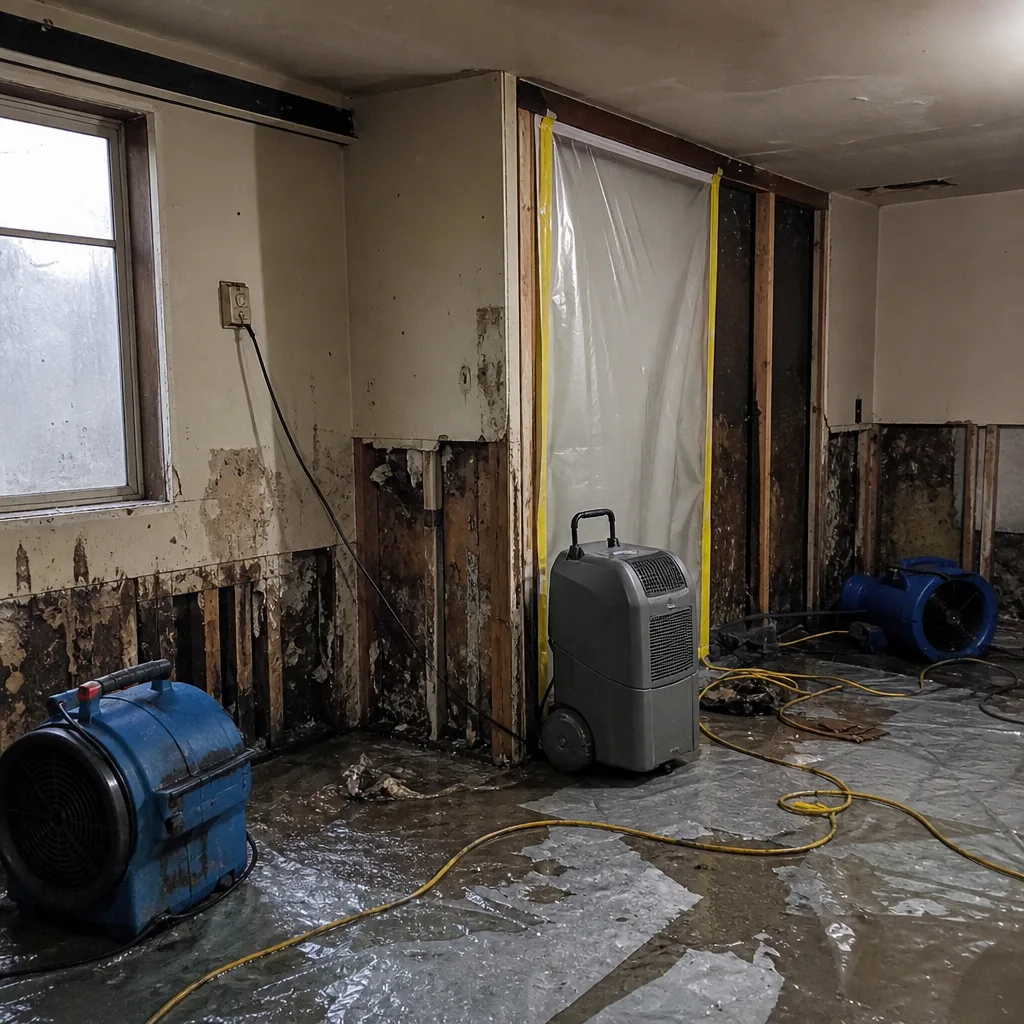 Before
 After
After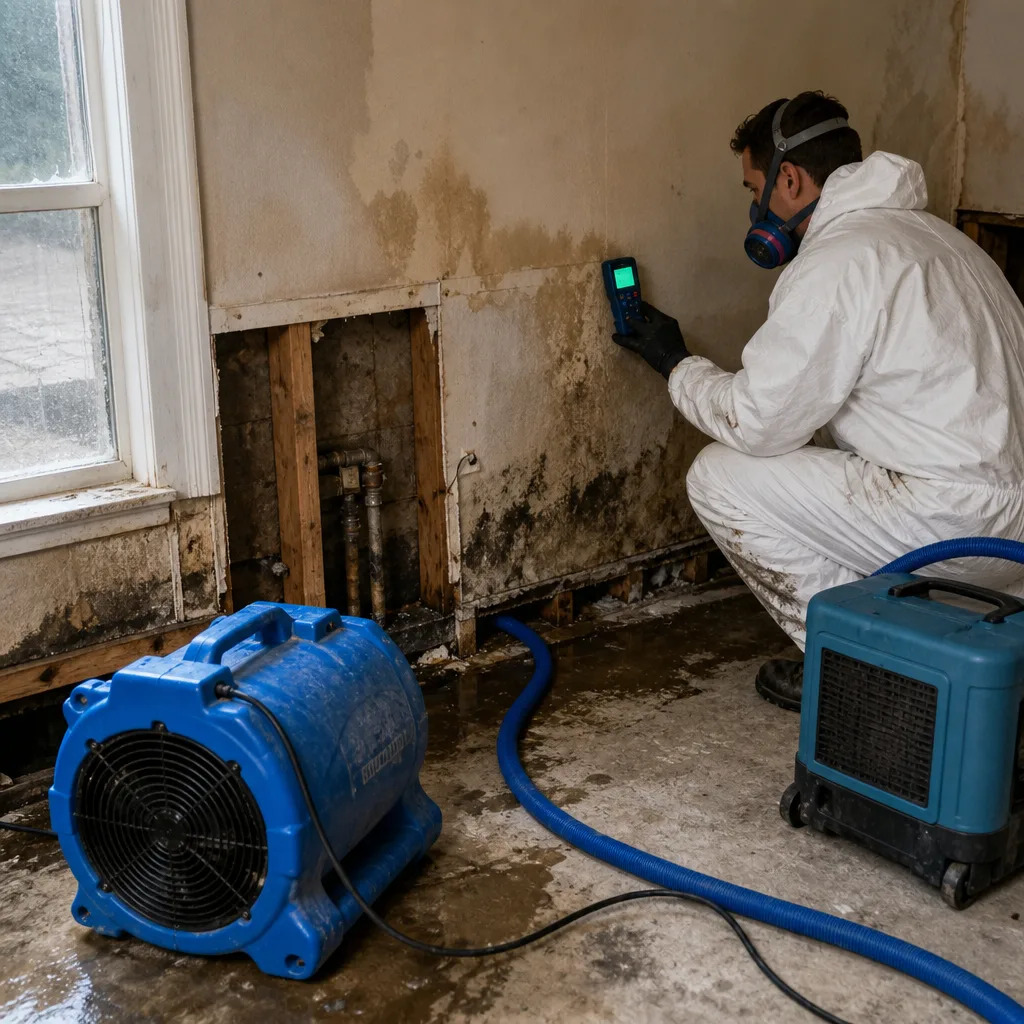 Before
 After
After24/7 Emergency Water Damage Restoration in Manchester
Water damage restoration in Manchester typically costs $2,800-$7,500 for residential extraction and drying, with most emergency calls in our coverage area receiving a crew within 45 minutes. Call (360) 997-2427 now and you’ll reach a live person, not a voicemail tree, because water doesn’t wait for business hours and neither do we. Our Water Damage Restoration team dispatches from our Seattle office with crews already routed through the Kitsap Peninsula, so Manchester properties on the bluff or down toward the shoreline get the same response speed as metro addresses.
The first hour determines whether you’re looking at drying and minor repairs or a full gut and mold remediation. Category 1 clean water left standing for more than 24 hours degrades to Category 2; in Manchester’s shaded, marine-climate conditions, that timeline compresses because evaporation happens slower here than inland. We offer a free visual inspection on every call, document moisture readings from the start, and deliver a written price before any equipment runs - Haven Standard, Clause 1.
Understanding Water Damage Restoration Severity in Manchester Properties
Water damage classification follows three categories. Category 1 is clean water from a burst supply line or overflowing sink. Category 2 is gray water with chemical or biological contamination, typical of dishwasher discharge or sump pump failures. Category 3 is black water - sewage, ground flooding, or any water that has passed through soil or waste systems. Manchester’s mid-century housing stock, mostly 1950s-1980s single-family homes on sloped wooded lots, complicates every category because these structures often lack modern vapor barriers and have unconditioned crawl spaces that act as secondary damage zones.
Moisture mapping with thermal imaging and penetrating hygrometers tells us what the eye cannot: how far water has wicked into sill plates, whether rim joists are saturated, and if the crawl space - where so many Manchester homes hide their real damage - needs dedicated dehumidification. Psychrometric data, the measurement of temperature, humidity, and vapor pressure differential, drives our drying strategy rather than guesswork. A vapor pressure differential is simply the force that moves moisture from wet materials into drier air; we engineer that differential with controlled airflow and heat, then log the readings daily so your insurer sees proof, not promises.
Why Manchester Property Owners Choose DryMark Restoration Kent
- 45-minute response commitment to Manchester addresses, with crews staged for Kitsap Peninsula dispatch from our Seattle coordination office.
- 24/7 live answer - a real person picks up every call, never an automated system or next-business-day callback while water is still migrating through your floor system.
- IICRC-certified crews holding WRT (Water Damage Restoration Technician), FSRT (Fire & Smoke Restoration Technician), and AMRT (Applied Microbial Remediation Technician) credentials, with license numbers documented on every job file.
- Free visual inspection at no charge, with moisture readings taken before any commitment and a written scope delivered before work begins.
- Direct insurance billing with photo-documented loss records, daily drying logs, and direct adjuster coordination that turns restoration invoices into payable claims.
- One team from extraction to reconstruction - no handoffs between mitigation and rebuild contractors, no gaps in documentation, no blame-shifting if moisture readings spike during repairs.
BeforeAfterOur Water Damage Restoration Process
1. Inspection & Assessment
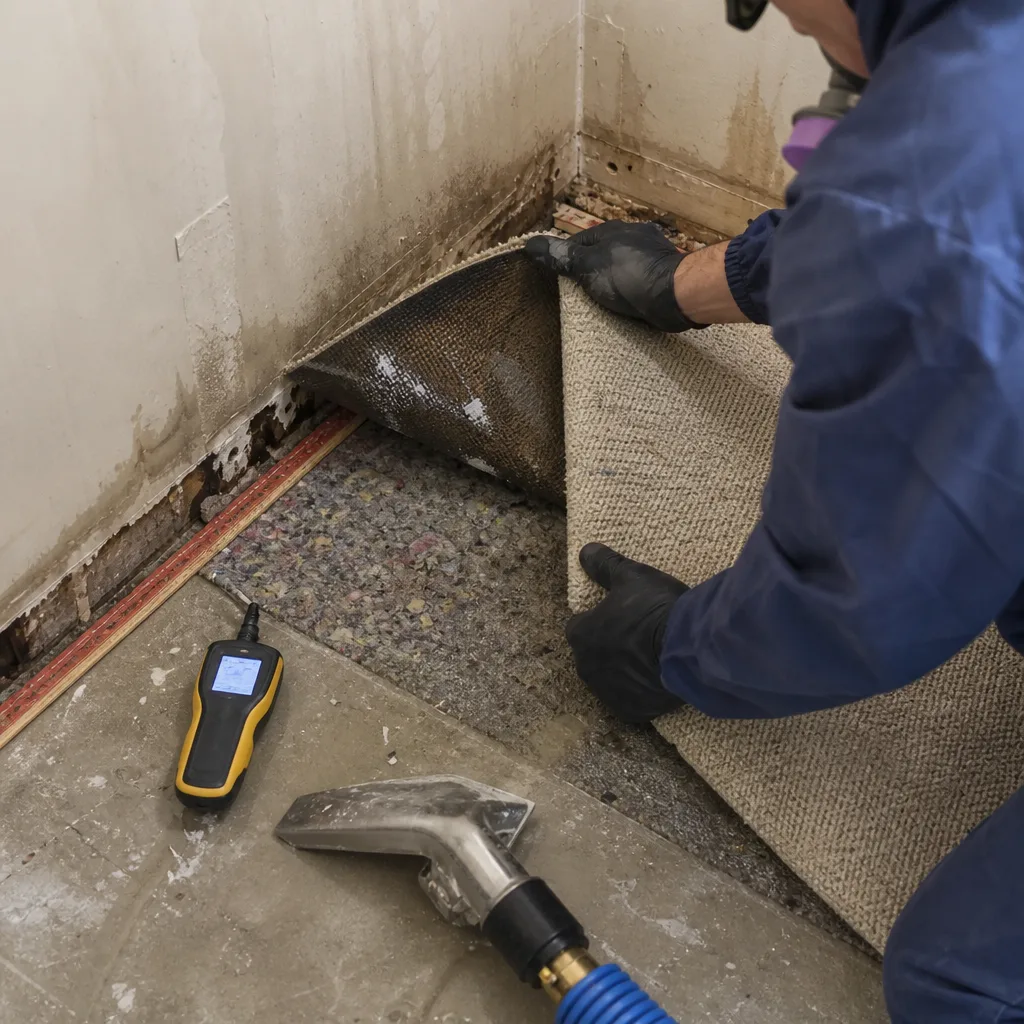
We arrive with thermal imaging cameras, penetrating and non-penetrating moisture meters, and hygrometers to map the full extent of water migration. In Manchester homes, this always includes the crawl space and attic because water travels horizontally along sill plates and vertically through wall cavities. We document every reading with photos and deliver a written scope and price before any equipment is placed - Haven Standard, Clause 1.
2. Water Extraction & Stabilization
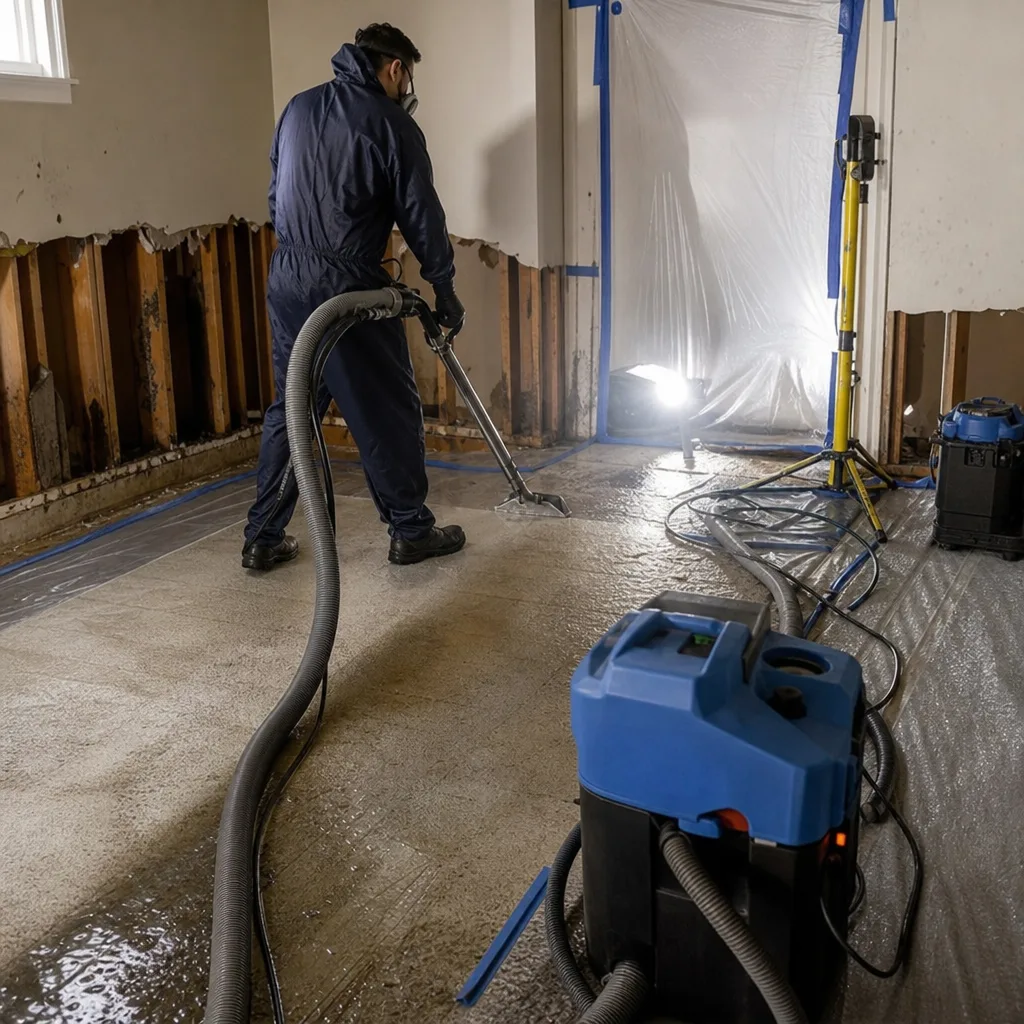
Standing water is removed with truck-mounted extraction systems and portable submersible pumps. For carpeted areas, we use weighted extraction wands that compress the pad and pull water from both face fibers and backing. If the source is active, we coordinate with your plumber or shut the main to stop further intrusion before drying begins.
3. Structural Drying & Dehumidification
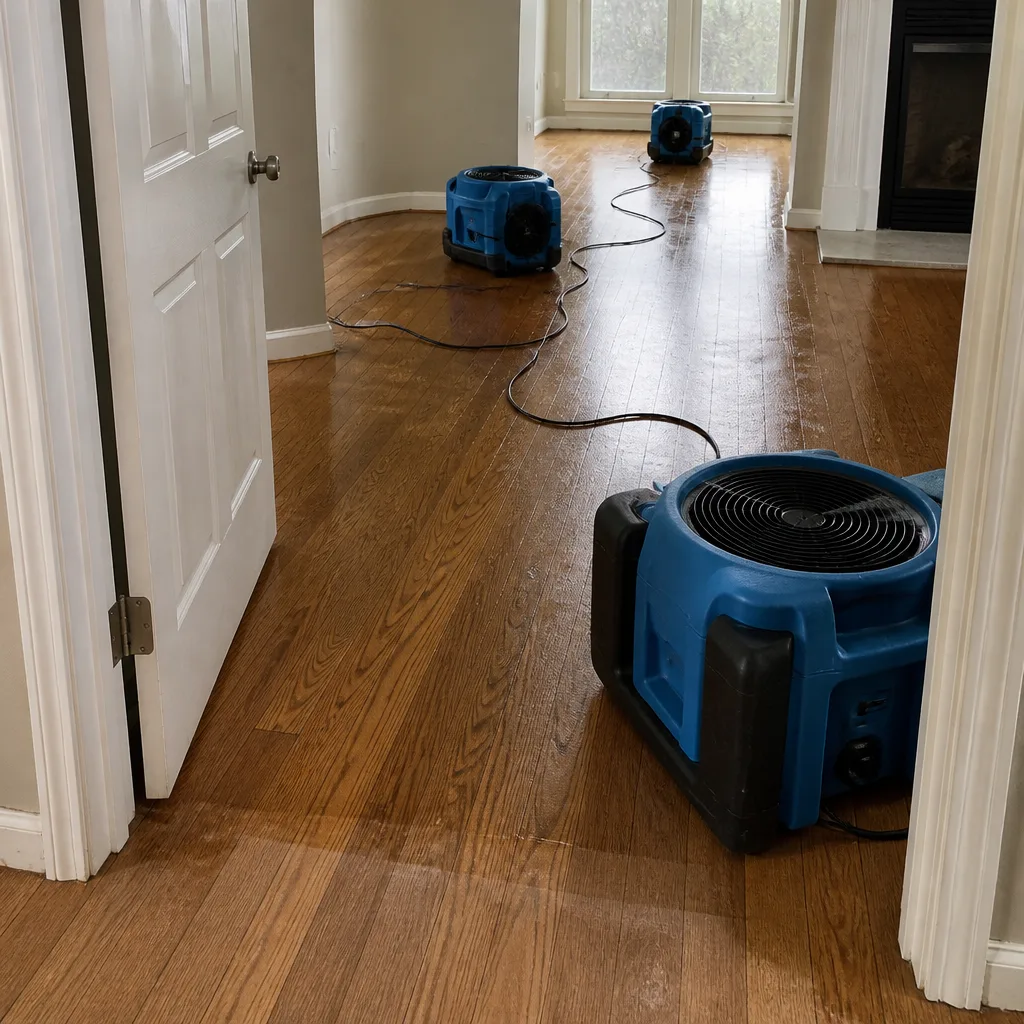
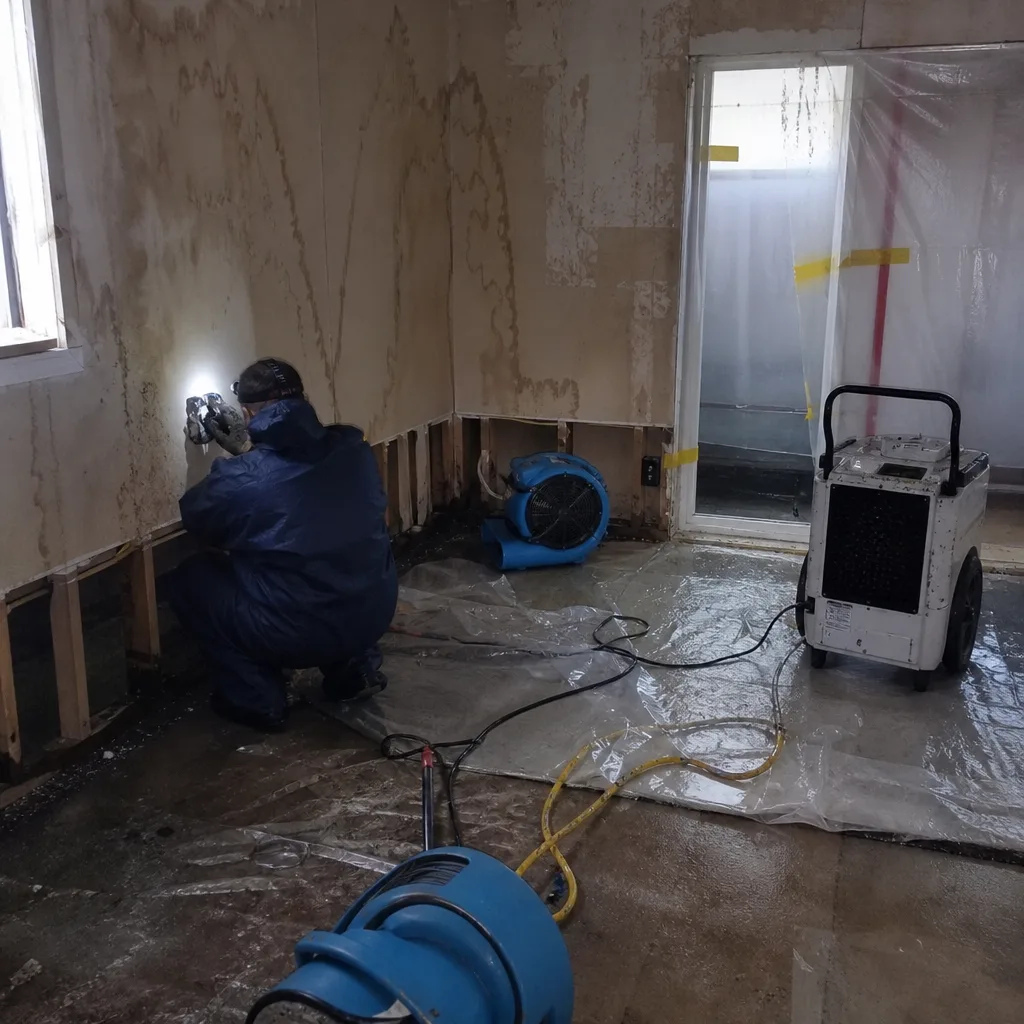
We deploy Dri-Eaz and Phoenix LGR dehumidifiers alongside XPOWER and B-Air axial air movers, positioned to create controlled airflow across wet surfaces. Injectidry panel systems and hose extensions dry inside wall cavities and beneath hardwood without full demolition when conditions allow. Daily moisture logs track specific humidity, temperature, and material moisture content until readings return to established dry standards.
4. Cleaning & Sanitization
All affected surfaces receive antimicrobial treatment appropriate to the water category. For Category 2 and 3 events, we apply EPA-registered disinfectants and HEPA vacuum before any rebuild. Air scrubbers with HEPA filtration run continuously during this phase to capture airborne particulates and maintain indoor air quality.
5. Mold Prevention & Tertiary Drying
Tertiary drying addresses residual moisture in dense materials like Douglas fir framing and plywood sheathing, common in Manchester’s mid-century construction. We extend dehumidification and apply targeted heat where moisture readings lag behind surface dryness. This phase prevents the mold escalation that Manchester’s shaded, slow-drying conditions make likely if rushed.
6. Repairs & Restoration
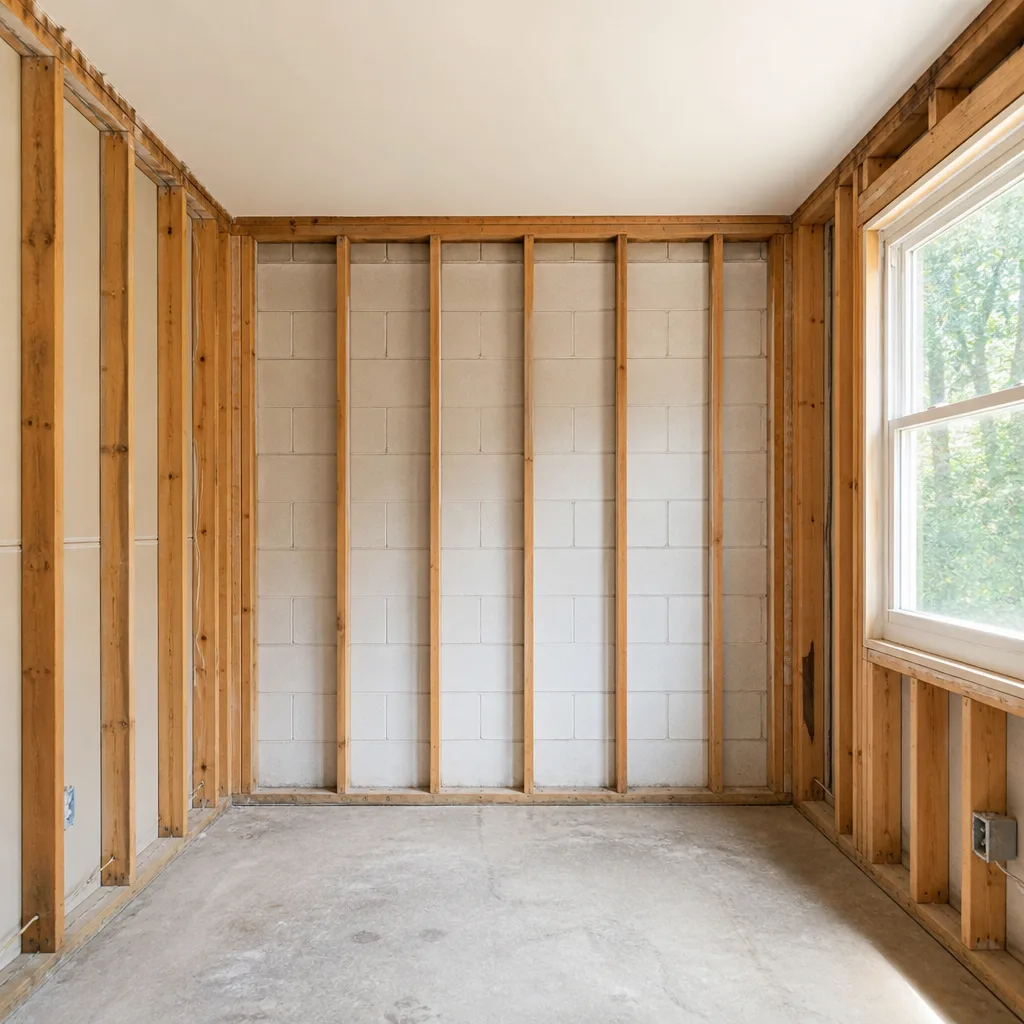
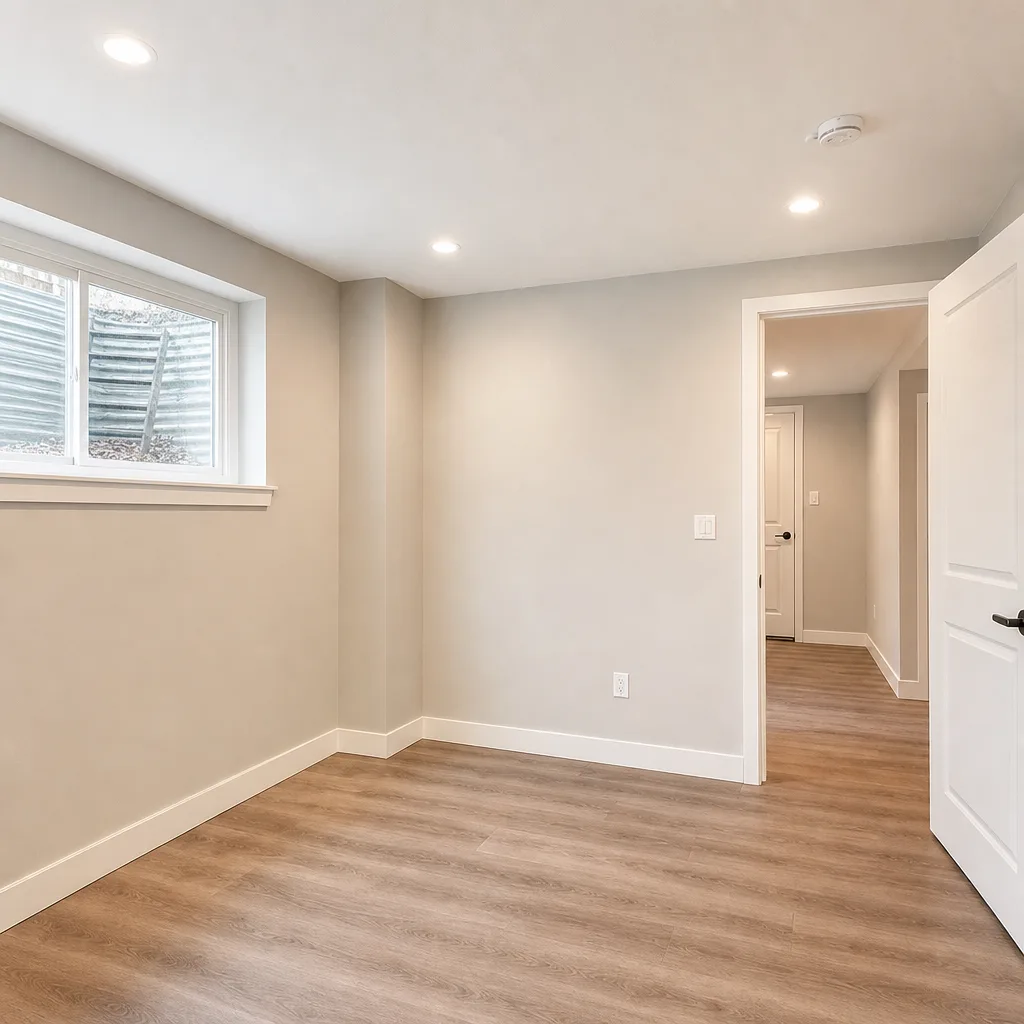
Once drying is verified by documented moisture readings, not calendar days, we repair or replace damaged materials. Drywall, insulation, flooring, and trim are restored to pre-loss condition. All work is photo-documented and covered by our 365-Day Done Right Promise under The Haven Standard.
Need Emergency Water Damage Restoration in Manchester Now?
Crews minutes away, answering live 24 hours a day. The sooner we start, the less it costs.
Working With Your Insurance Company
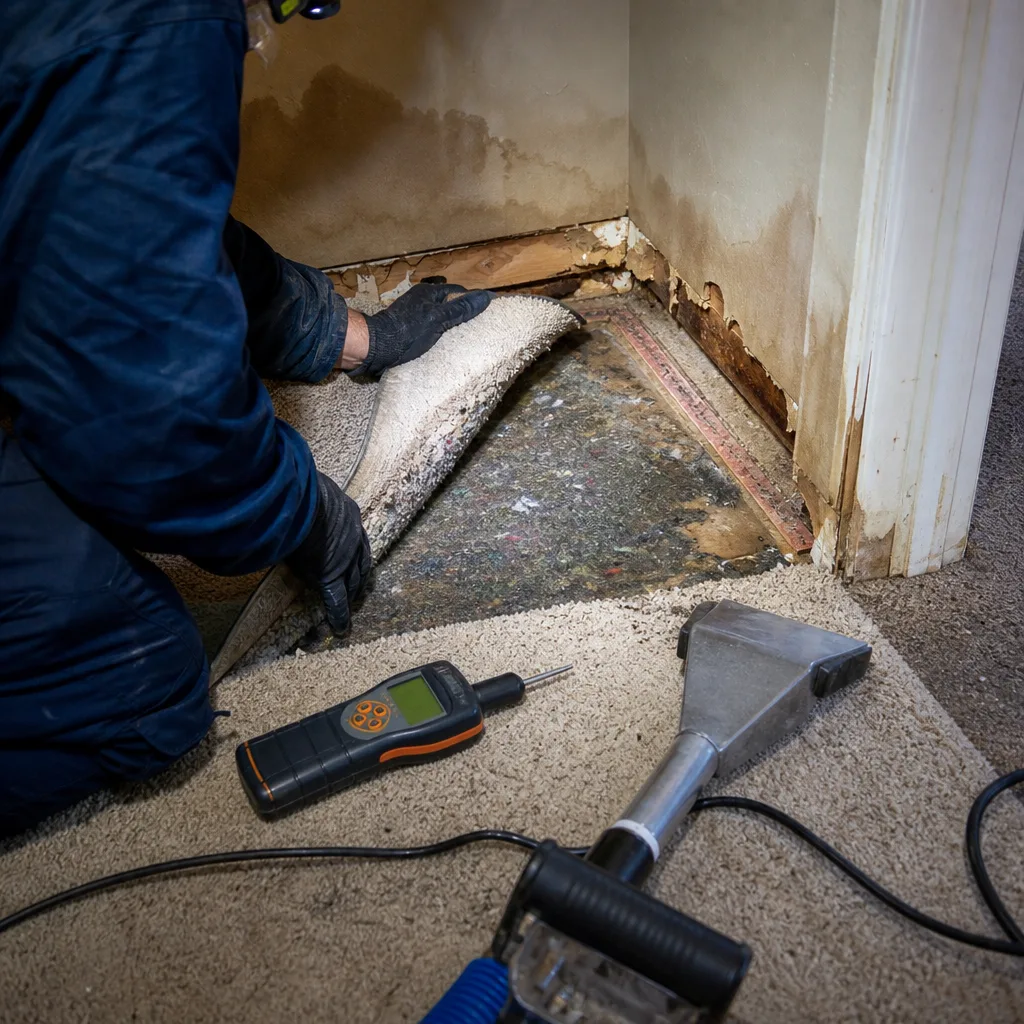
Insurance claims succeed or fail on documentation. We begin building your file from the first moisture reading, knowing that adjusters approve what they can verify. Our estimates follow industry-standard Xactimate pricing, and we communicate directly with your carrier’s adjuster rather than handing you a bill to fight alone. Every visit produces a photo record, every drying day produces a log, and every material decision is noted with its justification.
We’ve worked with carriers serving Manchester homeowners long enough to know which documentation packages move claims through efficiently and which get flagged for review. Our job is to keep your claim in the first category.
What We Provide Your Insurer
- Thorough documentation of the loss
- Photos of all damage, room by room
- Moisture readings and drying logs
- A detailed, line-item scope of work
- Direct coordination with your carrier
Built for Manchester’s Loss Calendar
January through March brings the deepest risk: windthrow season on the east-facing bluff. Saturated soils release mature Douglas firs onto rooftops with regularity, and because the same dense canopy that dropped the tree also blocks sun and airflow, a single strike converts into weeks of moisture and mold work before Fire & Smoke Damage Restoration in Manchester and structural repairs finish. Our crews carry tarps and extraction gear together because we’ve learned to expect both on the same call.
April through June shifts to groundwater intrusion and failed sump systems as the winter rain load percolates through Manchester’s sloped lots into crawl spaces with aging or absent vapor barriers. July and September offer brief drying windows, but marine overcast persists. October through December rebuilds the soil saturation that primes the next windthrow cycle. We schedule preventive inspections and vapor barrier assessments during the summer lull because the homeowners who prepare in August rarely call us in January.
Water Damage Restoration Across Manchester’s Neighborhoods
Properties off E Manchester Road and the surrounding bluff-top streets see the most windthrow-related water damage. The mature Douglas fir canopy there is 80-120 years old, and when it fails, it fails onto 1960s-1970s ranch and split-level homes with original cedar shake or early composition roofs. Our response route from the Seattle office comes across the Bremerton ferry or via Highway 3 through Gorst, so we know the travel time to these addresses precisely and stage crews accordingly.
The shoreline properties toward Manchester State Park face different patterns: bulkhead seepage, high-water-table crawl spaces, and the occasional tidal surge pushing groundwater through foundation walls. These homes, many built in the 1950s post-war boom, have minimal foundation waterproofing and often no perimeter drainage. We see recurring moisture in the same floor systems here, and our fix usually includes both drying and a vapor barrier retrofit recommendation.
The mid-slope neighborhoods between the bluff and the water, roughly along Colchester Drive and the connecting streets, get a combination of both failure modes: windthrow from above and groundwater from below. The 1970s-1980s construction in this zone frequently has the original 6-mil vapor barrier, now degraded, and original galvanized supply lines at end of service life. A burst pipe in one of these crawl spaces, discovered late because no one checks their crawl space monthly, is a standard winter call for us.
Specialized Water Damage Restoration Services We Offer in Manchester
Emergency Water Extraction
Truck-mounted and portable extraction for standing water of any depth, with weighted carpet wands that recover water from pad and backing simultaneously. In Manchester’s shaded conditions, we extract first and fast because standing water left even a few hours longer than inland norms starts microbial growth.
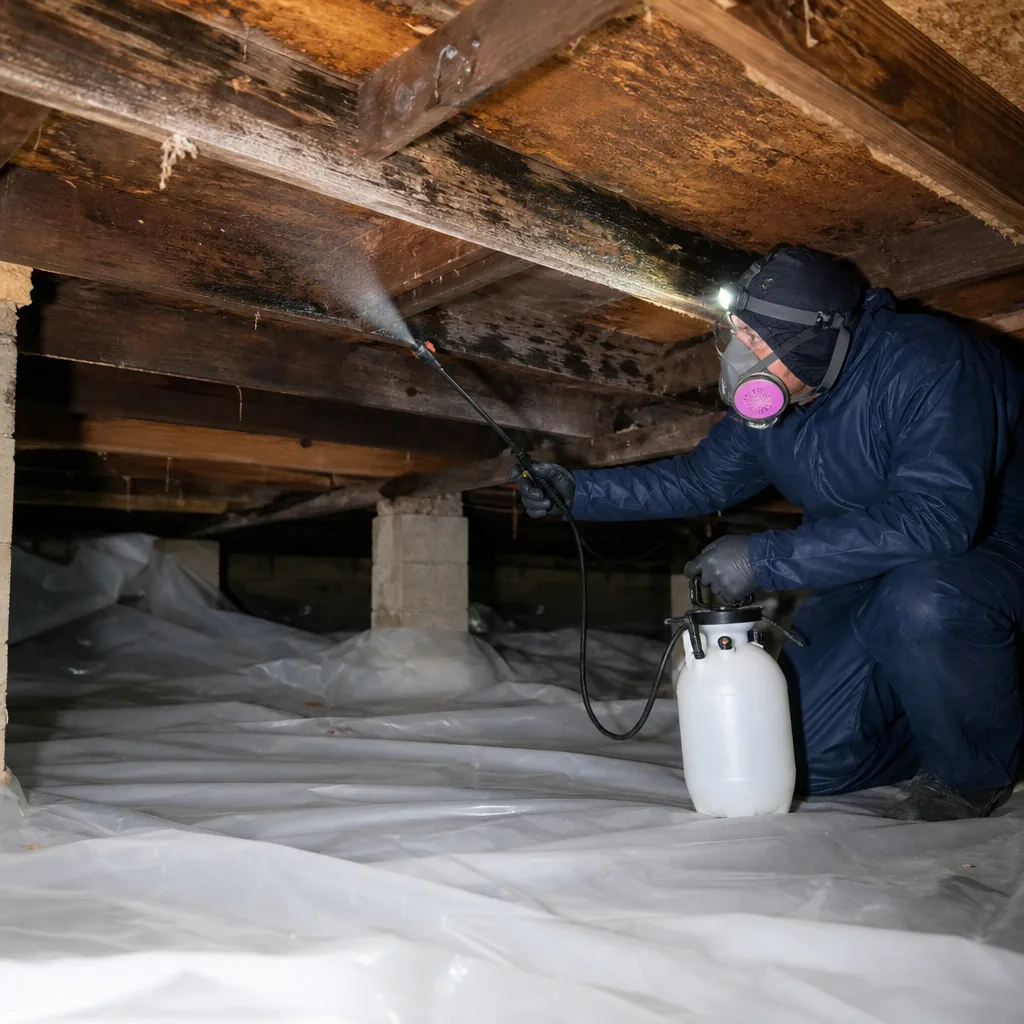
Structural Drying & Dehumidification
Phoenix and Dri-Eaz LGR dehumidifiers with Injectidry cavity drying systems for wall voids and ceiling assemblies. We run equipment until moisture readings confirm dryness, not until a standard timeline expires - critical here because Manchester’s blocked wind and marine overcast slow evaporation rates significantly.
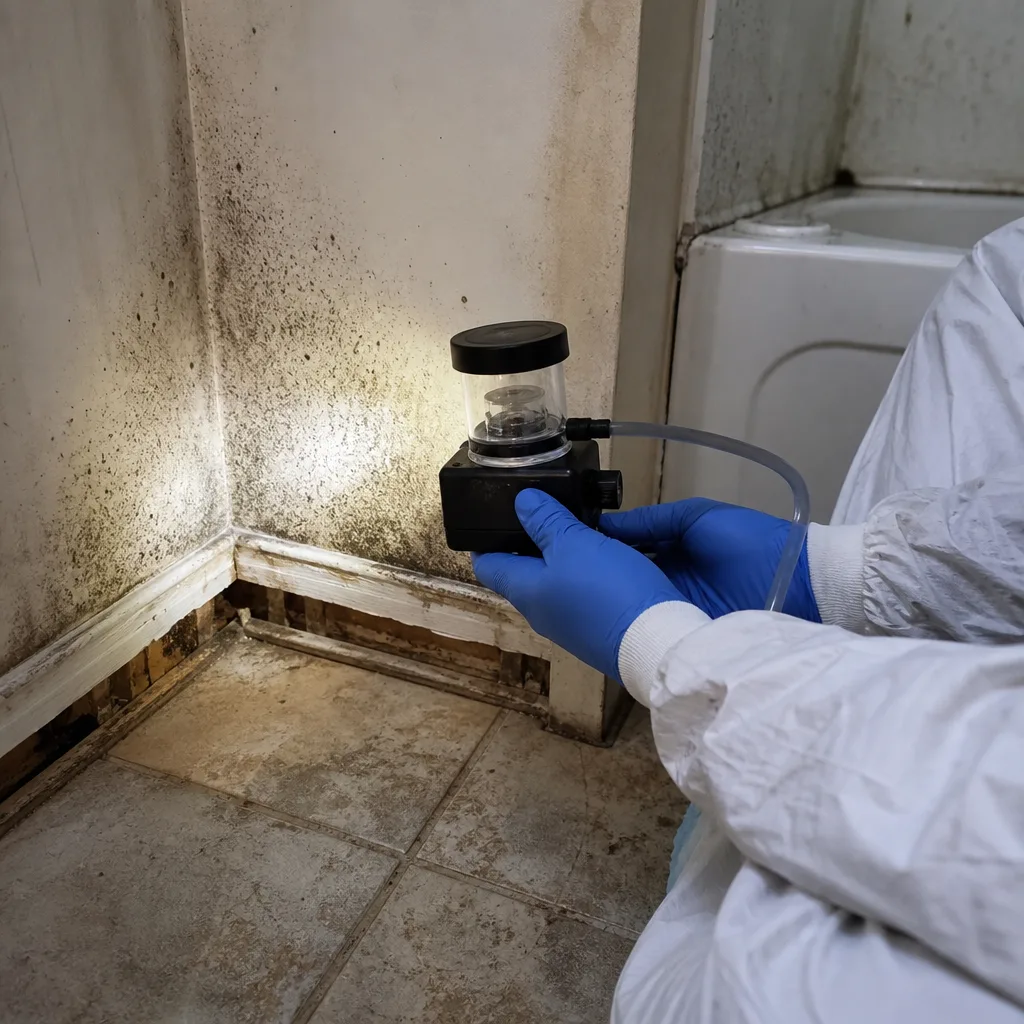
Flood Cleanup
Category 3 groundwater and tidal surge remediation with full PPE, antimicrobial application, and disposal of contaminated porous materials. Manchester’s shoreline properties and high-water-table lots make this a recurring need during king tide and storm-surge events.
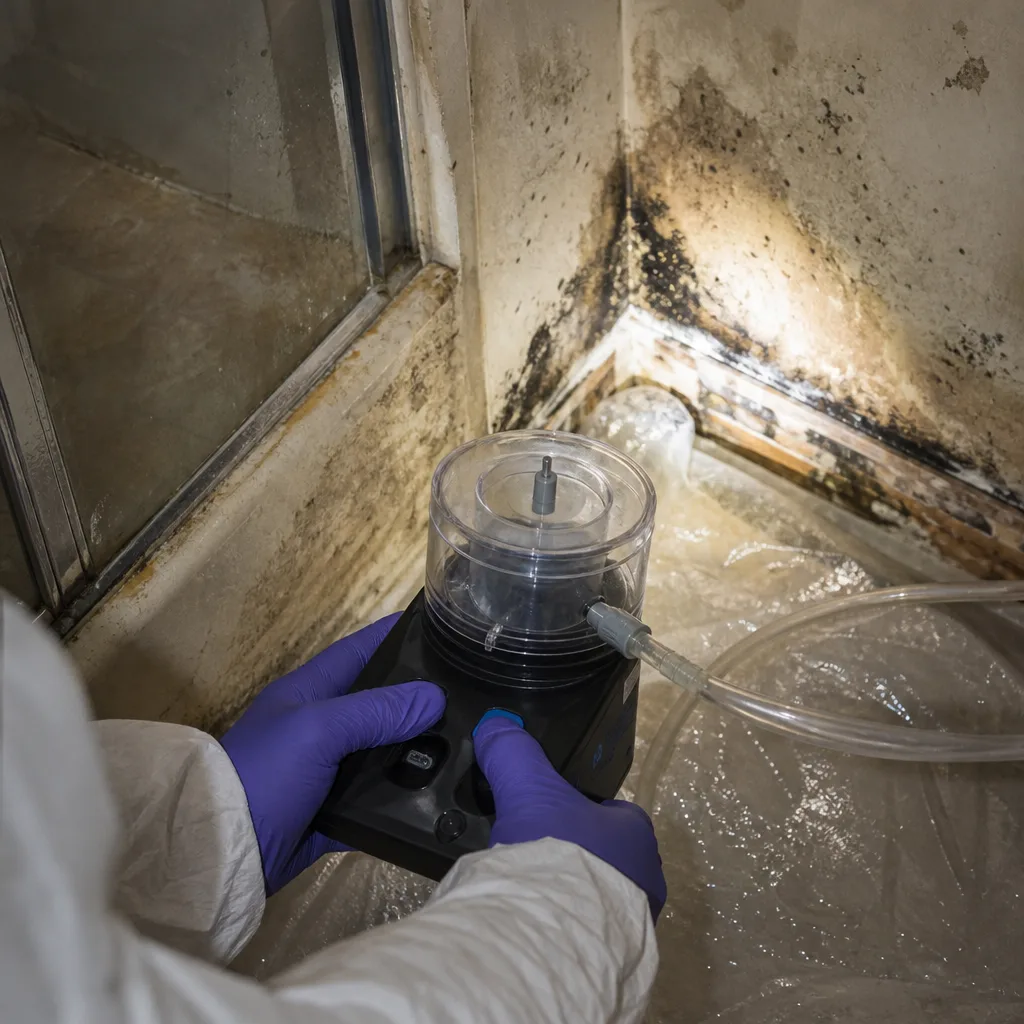
Burst Pipe Restoration
Extraction, drying, and repair coordination for supply line and pipe failures, common in Manchester’s original 1950s-1980s plumbing. We document the line material and failure point for your insurer and can recommend licensed plumbers familiar with Kitsap County unincorporated permit requirements.
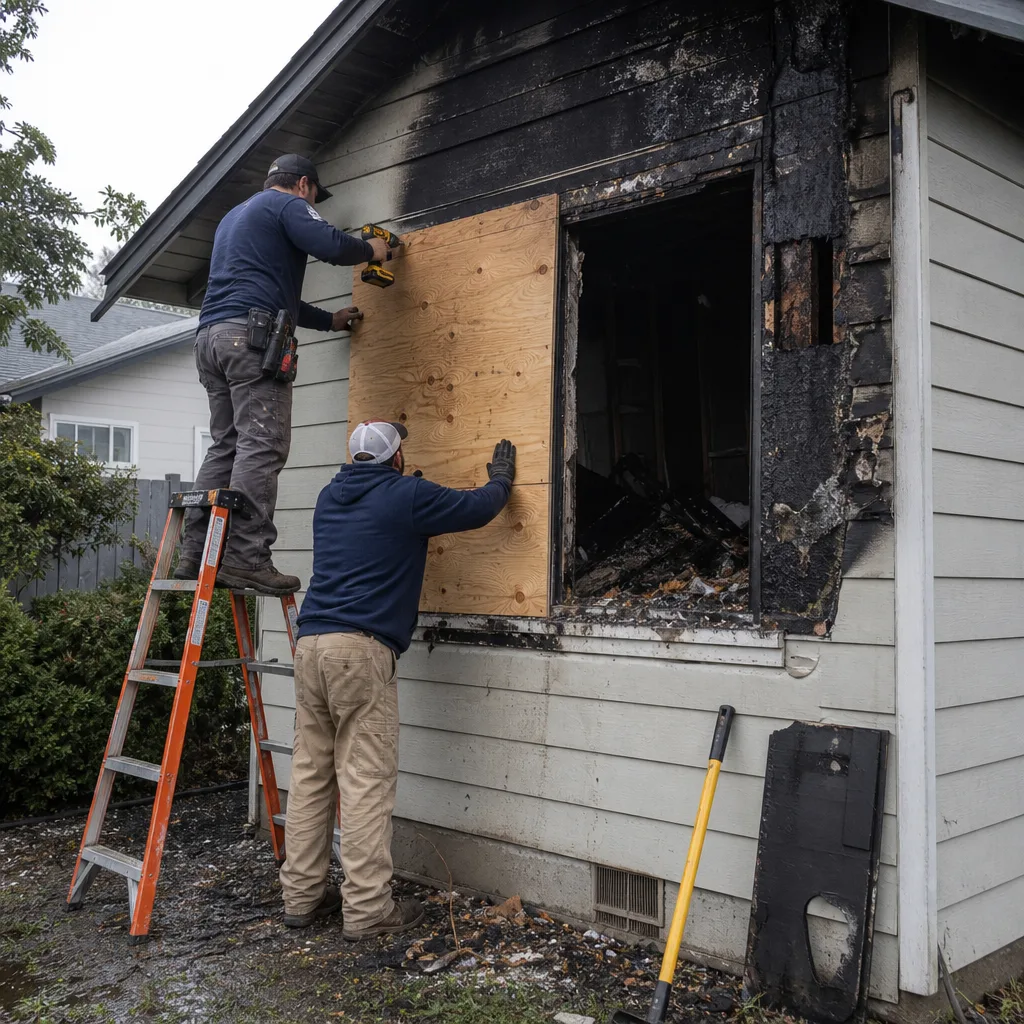
Basement Water Removal
Submersible pump deployment, extraction, and drying for below-grade spaces. Manchester’s sloped lots mean many “basements” are daylight or walkout with exposed foundation walls; we inspect for bulkhead and window well failures as part of every basement call.
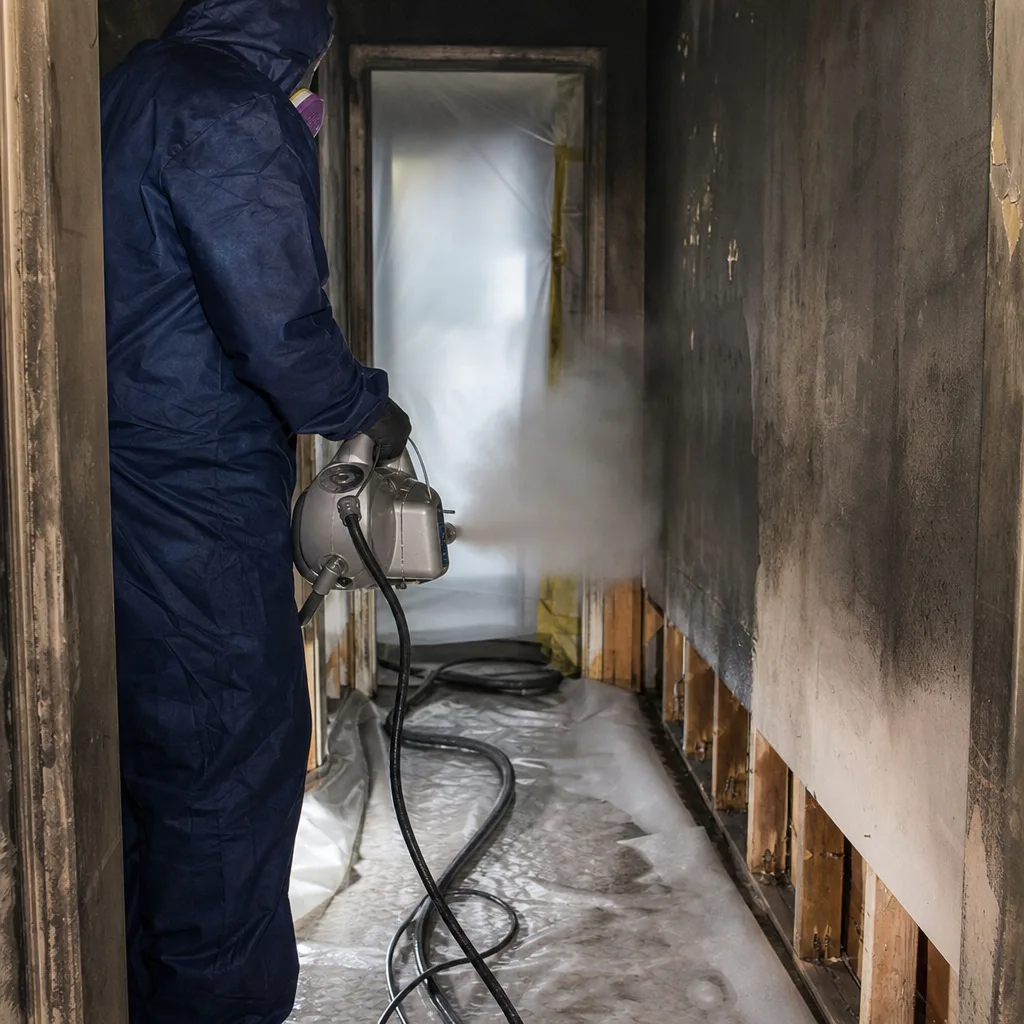
Ceiling & Roof Leak Water Damage
Tarping, interior protection, extraction, and drying for roof-penetration events. In Manchester, this service is most often windthrow-related, and we coordinate with tree removal services and roofing contractors while our drying equipment runs inside. The canopy that caused the leak typically prevents natural drying, so mechanical dehumidification runs longer here than the industry standard assumes.
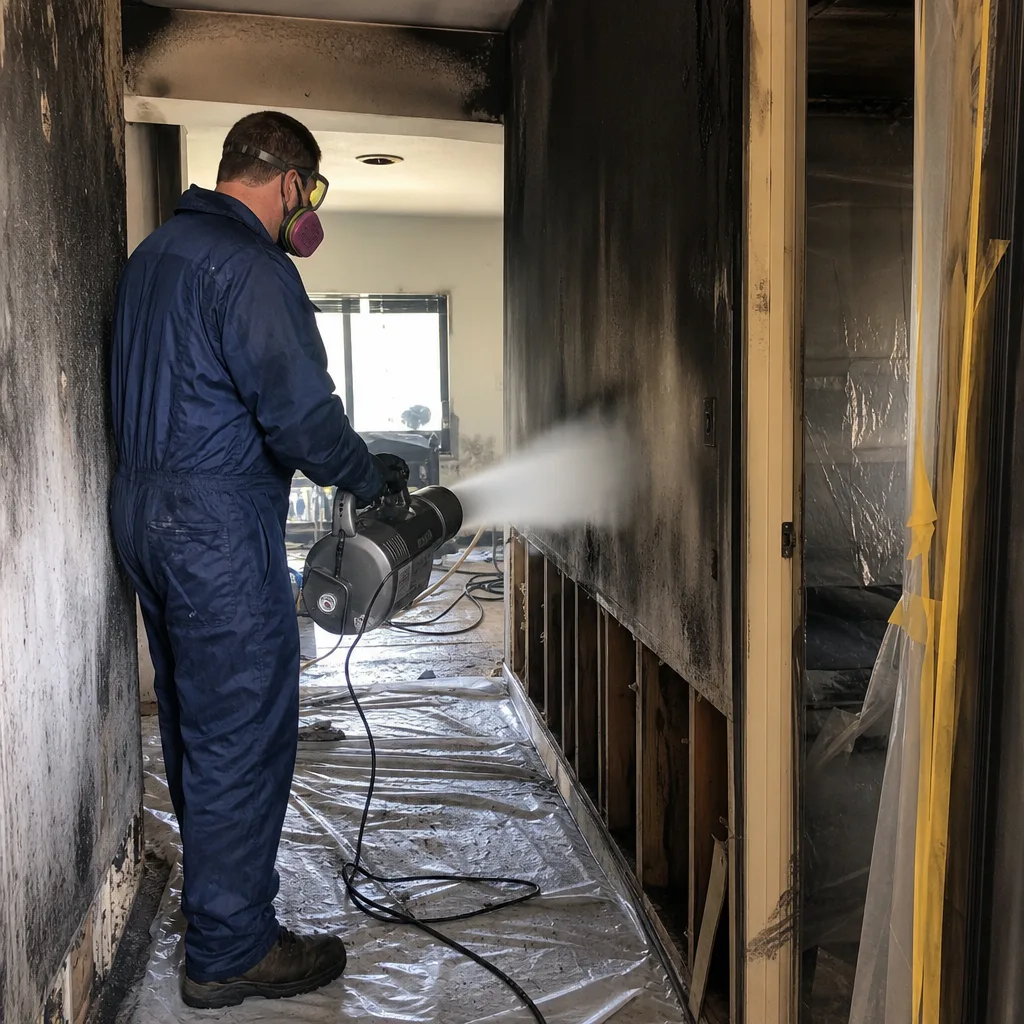
What happens when you call
- 1
A real person answersNo phone trees - you reach a local pro.
- 2
You get an upfront price rangeHonest numbers before anyone is dispatched.
- 3
A background-checked tech heads outLicensed & insured, dispatched right away.
- 4
You approve before work beginsNothing starts until you say go.
Water Damage Restoration Costs in Manchester, WA
Emergency water extraction and initial drying in Manchester typically runs $2,800-$4,500 for a standard single-family home with Category 1 or 2 water affecting 500-1,500 square feet. Category 3 sewage or groundwater flooding, or water that has sat long enough to require antimicrobial treatment and porous material removal, pushes the range to $5,500-$9,500. Full reconstruction after drying - drywall, flooring, trim, paint - adds $15-$35 per square foot depending on finish level and whether mold remediation preceded the rebuild.
What moves the price: the water category, the affected square footage, whether the crawl space is involved, and how long water sat before extraction began. A burst pipe caught in two hours with immediate shutoff is a different job than the same pipe discovered after a weekend away, with wicking into wall cavities and subfloor. Insurance typically covers sudden and accidental water damage; gradual leaks and maintenance-related failures are often excluded. We document the loss cause and timeline to support your coverage position, and we offer a Free Second Opinion on any competitor’s written estimate - bring it in and we’ll review it at no charge.
We Also Serve Cities Near Manchester
Our crews respond throughout the Kitsap Peninsula and across the Puget Sound metro, including Manchester and the surrounding communities. We also serve Seattle, Bellevue, Kirkland, and Renton with the same documentation standards and response protocols.
Serving Manchester, WA - Our Local Coverage Area
We’re based in the Manchester area and know this community well. Use the map below to see our service coverage - if you’re nearby, we can almost certainly help.
Manchester Water Damage Restoration Questions, Answered
A Douglas fir just came through our roof in Manchester - how fast does mold become a problem?
In Manchester’s conditions, mold can establish active colonies within 48-72 hours of water intrusion, and often faster under a dense conifer canopy that blocks sun and airflow.
The combination of Puget Sound marine moisture, shaded roof assemblies, and limited wind drying means our crews treat every windthrow event as a potential mold job from arrival. We start moisture mapping immediately, run air scrubbers during extraction, and extend drying timelines beyond inland standards because evaporation rates here are slower than national guidelines assume. If your roof is compromised and rain is forecast, tarping and interior drying equipment run simultaneously rather than sequentially. Call (360) 997-2427 for immediate response - estimates are free.
Why does our Manchester crawl space keep getting wet even when there’s no visible leak?
Manchester’s mid-century housing stock was built on sloped, wooded lots with unconditioned crawl spaces and frequently no vapor barrier beneath the floor system.
Ground moisture migrates upward through soil and evaporates into the crawl space air, then condenses on cooler floor joists and subfloor sheathing. Kitsap County’s 45-50 inches of annual rainfall keeps soil moisture high year-round, and the east-facing bluff position funnels storm tracks that saturate ground further. Without a proper vapor barrier and adequate ventilation or dehumidification, this is a continuous cycle, not a one-time event. We assess vapor barrier condition, soil grade, and perimeter drainage as part of every crawl space moisture call, and we can recommend permanent solutions after the immediate drying is complete.
Do Manchester water damage repairs need a city permit?
No - Manchester has no municipal building department because it is unincorporated Kitsap County territory.
All restoration permits run through Kitsap County’s building division in Port Orchard, a process that out-of-area crews unfamiliar with unincorporated jurisdiction frequently underestimate or mishandle. We’ve worked with Kitsap County permitting since 2011 and know the documentation requirements, inspection scheduling, and jurisdictional boundaries that keep restoration timelines on track. This local knowledge prevents the permit delays that leave wet framing sitting under Manchester’s shaded canopy for extra days. For permit-related questions on your specific job, call (360) 997-2427.
What’s the difference between Category 1, 2, and 3 water in a Manchester home?
Category 1 is clean water from a supply line, sink overflow, or rainwater - safe to handle with standard PPE, though it degrades to Category 2 within 24-48 hours if left standing.
Category 2 is gray water with chemical or biological load: dishwasher discharge, washing machine overflow, sump pump failures. It requires antimicrobial treatment and disposal of saturated porous materials. Category 3 is black water: sewage, ground flooding, or any water that has contacted soil or waste systems. It demands full PPE, containment, HEPA air filtration, and removal of all affected porous materials. Manchester’s frequent groundwater intrusion and occasional septic system backups mean we assess category carefully on every call because the remediation protocol and insurance coverage differ significantly.
Can you dry a Manchester home without cutting out the wet drywall?
Sometimes, if the water is Category 1, caught quickly, and the wall cavity is accessible for directed airflow.
We use Injectidry panel systems that force dry air into wall voids through small injection ports, avoiding full drywall removal when moisture readings support it. However, Manchester’s slower evaporation rates and frequent crawl space involvement mean we are conservative about this call. If moisture readings in the wall cavity don’t drop to dry standard within a reasonable timeline, or if there’s any indication of mold growth or Category 2/3 contamination, we recommend removal rather than risk. The decision is always documented with photos and readings, never guesswork. Call (360) 997-2427 for a free assessment of your specific situation.
How fast can DryMark Restoration Kent actually get to Manchester?
Our 45-minute response commitment applies to Manchester addresses, with crews dispatched from our Seattle coordination office via ferry or Highway 3 routes we know precisely.
We do not quote times we cannot meet. The bluff-top neighborhoods off E Manchester Road, the mid-slope areas along Colchester Drive, and the shoreline properties toward Manchester State Park are all within our committed coverage zone. Live phone coverage means your dispatch starts the moment you call, not the next business morning. For immediate dispatch, call (360) 997-2427.
Will insurance cover our water damage restoration in Manchester?
Most sudden and accidental water damage is covered under standard homeowners policies, but coverage depends on the water source, the damage timeline, and your specific policy language.
Slow leaks, maintenance failures, and groundwater flooding typically require separate endorsements or are excluded entirely. We document the loss cause, timeline, and extent from our first visit to support your coverage position, and we coordinate directly with your adjuster rather than leaving you to translate our invoice into claim language. Our photo records, moisture logs, and line-item scopes are formatted for insurer review because Alicia Brennan founded this company in 2011 specifically to close the documentation gap that costs homeowners their claims. For coverage questions specific to your loss, call (360) 997-2427.
What should we do in the first 30 minutes after discovering water damage?
Shut off the water source if you can identify it safely, turn off electricity to affected areas if water is near outlets or panels, and call (360) 997-2427 for live dispatch.
Do not enter standing water if electrical hazards are present, and do not attempt to lift wet carpet or padding without proper extraction equipment - improper handling can spread contamination and damage subfloor. Move small valuables and documents from the affected area if safe to do so, then wait for our crew. We arrive with moisture meters, extraction equipment, and the documentation tools that start your claim file correctly from minute one. The first 30 minutes are about stopping the source and calling for documented help, not DIY remediation.
After a late-January windthrow dropped a mature Douglas fir through the roof of a 1960s single-family home off E Manchester Road, our crew tarped the strike, pulled wet insulation, and started water extraction and moisture mapping before structural repairs could even be scoped. The canopy that shed the tree also kept the attic and rim joist shaded and still, so moisture readings stayed elevated for over a week; we ran Dri-Eaz and Phoenix air movers with Injectidry panels on the sheathing, logged daily drying logs, and applied antimicrobial treatment to the rafter bays. Because the crawl space below had no vapor barrier, we kept dehumidification running under the floor system as well, and the whole job was permitted through Kitsap County rather than any city building department.
Written by Alicia Brennan, Owner at DryMark Restoration Kent, serving Manchester since 2011.