
Free visual inspection and a written scope of work before any mitigation begins - photos, moisture readings, and drying logs go in your claim file
The scope we write is the scope we bill. Anything new gets shown to you, in writing, before we touch it.
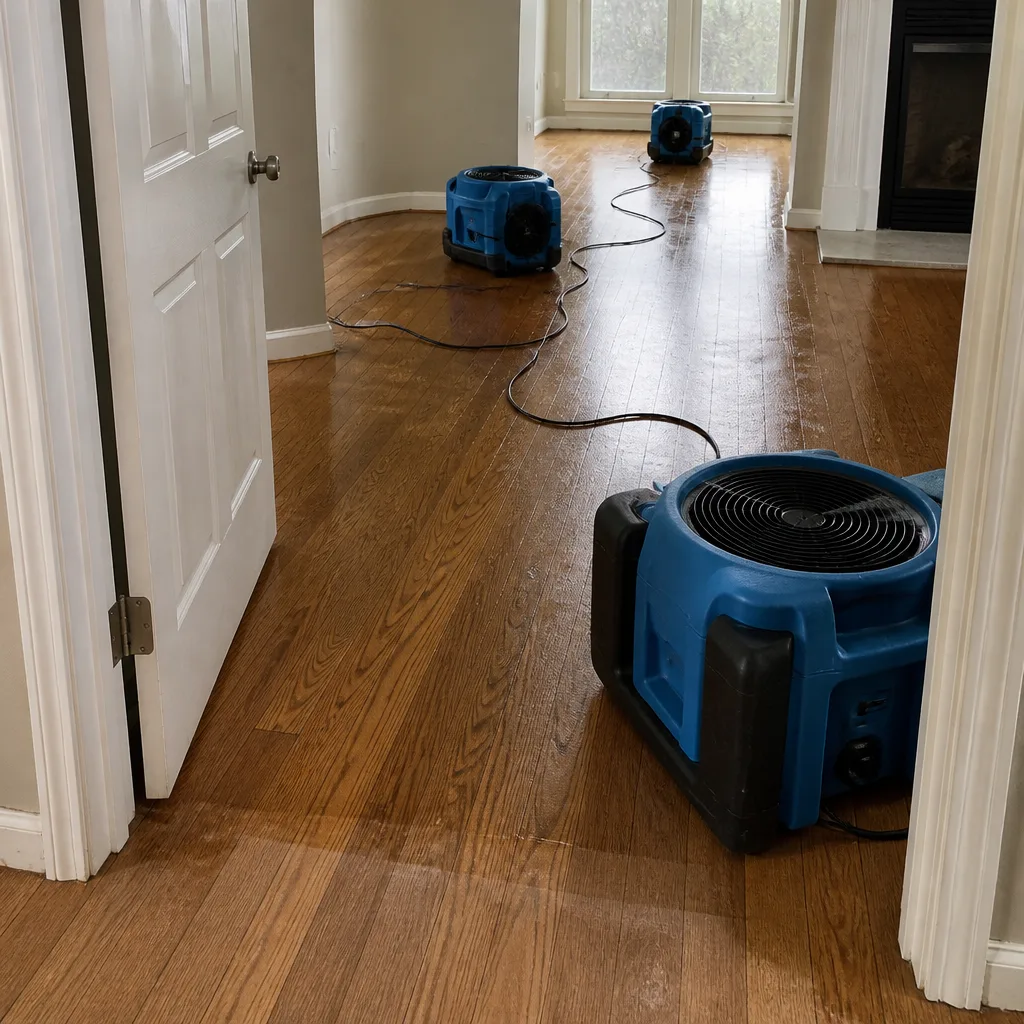
 Before
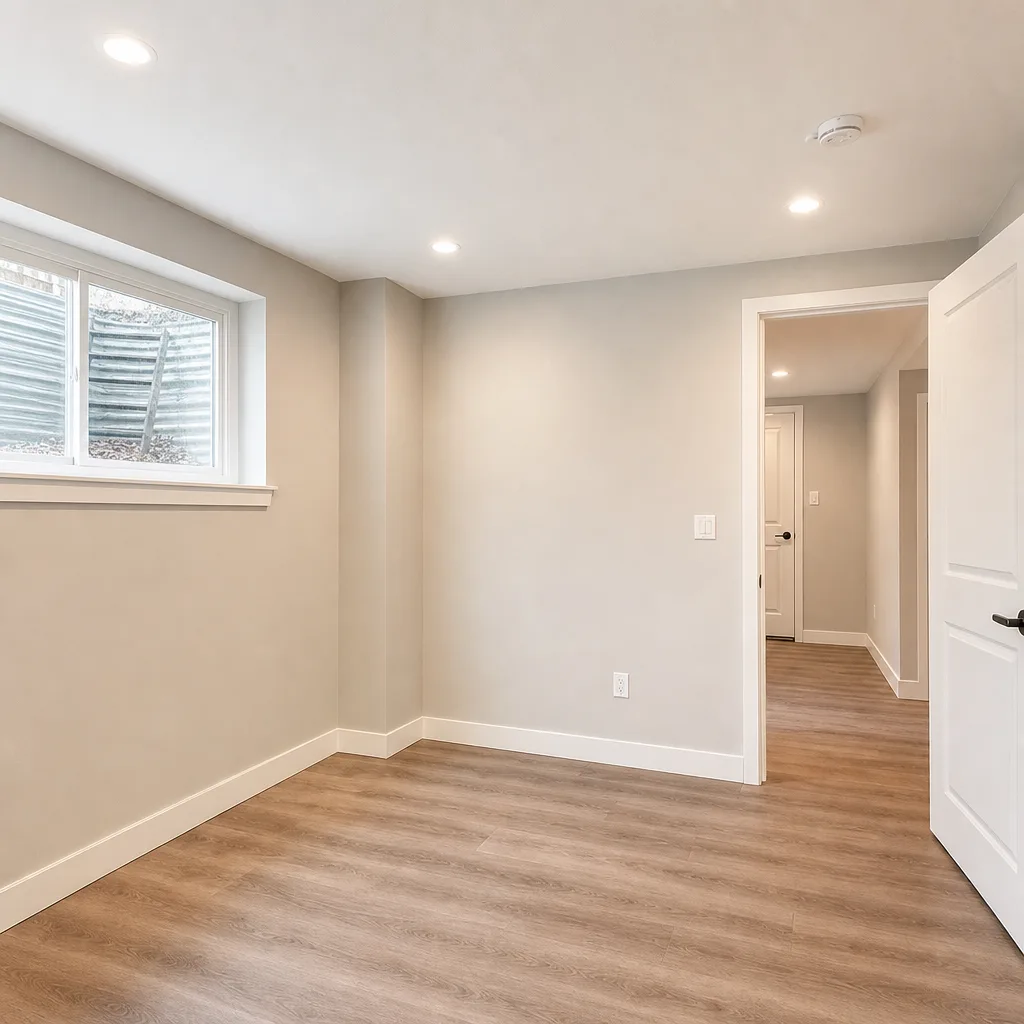 After
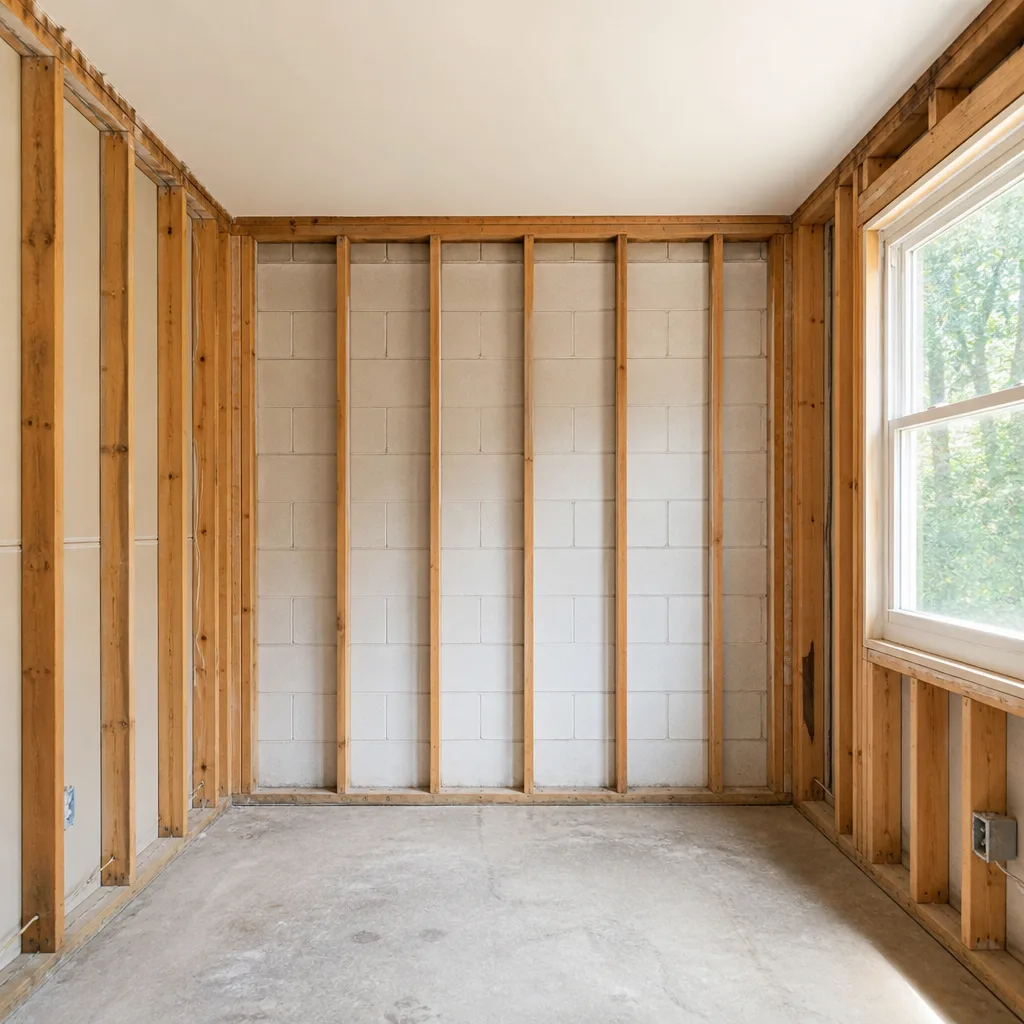
After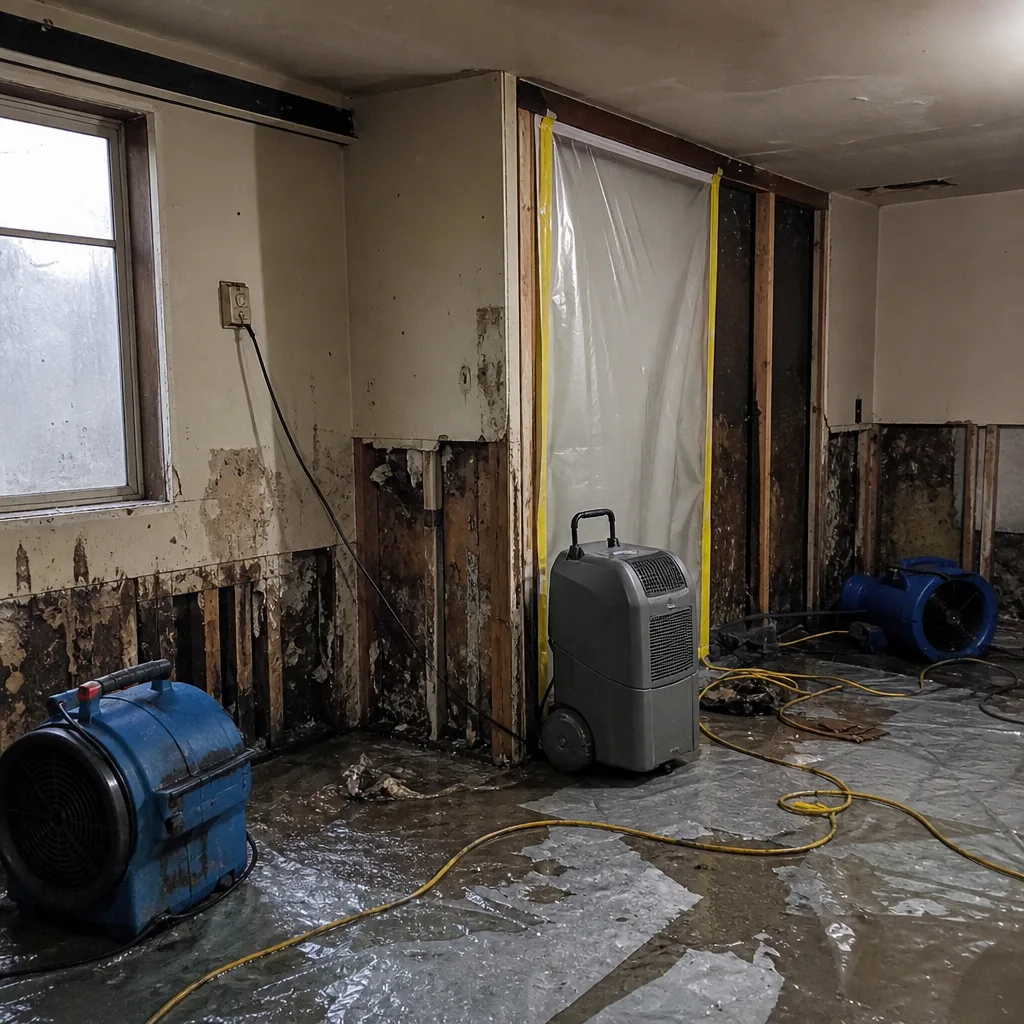 Before
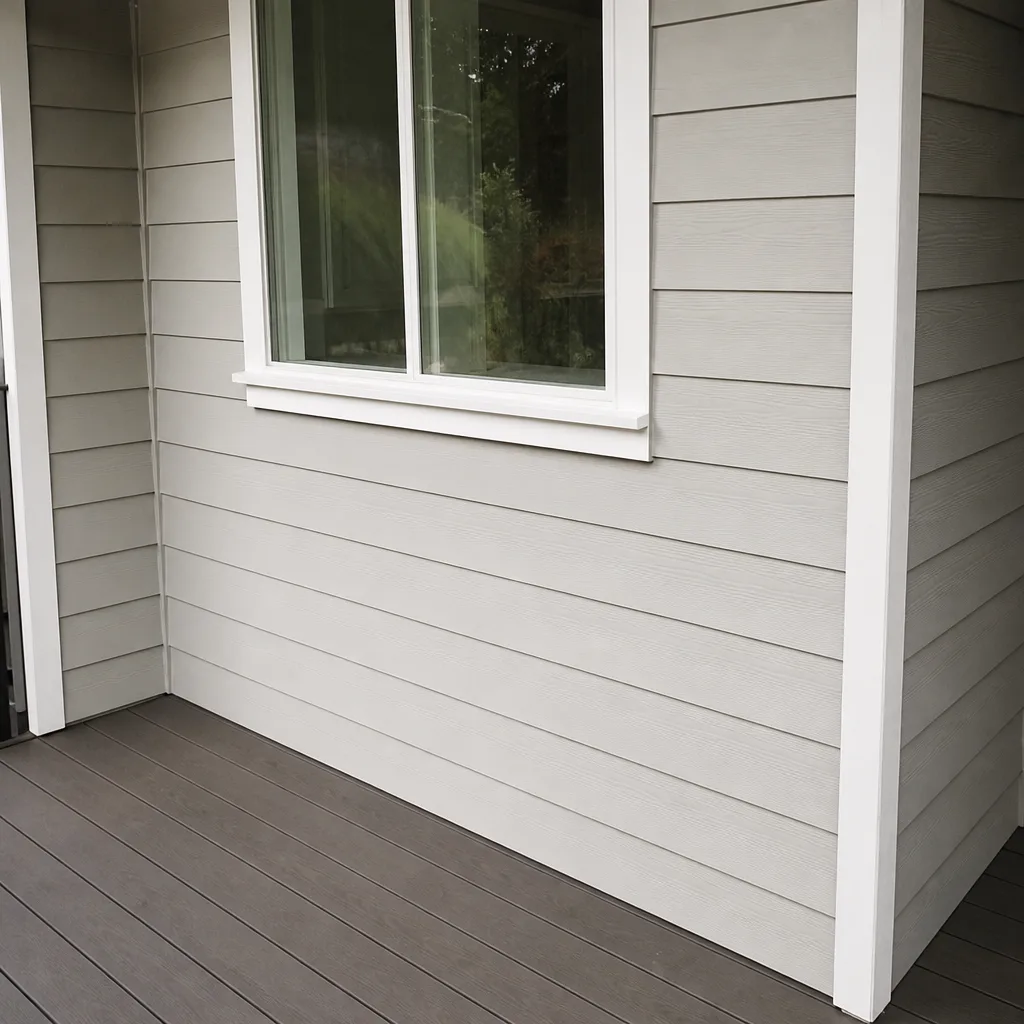 After
After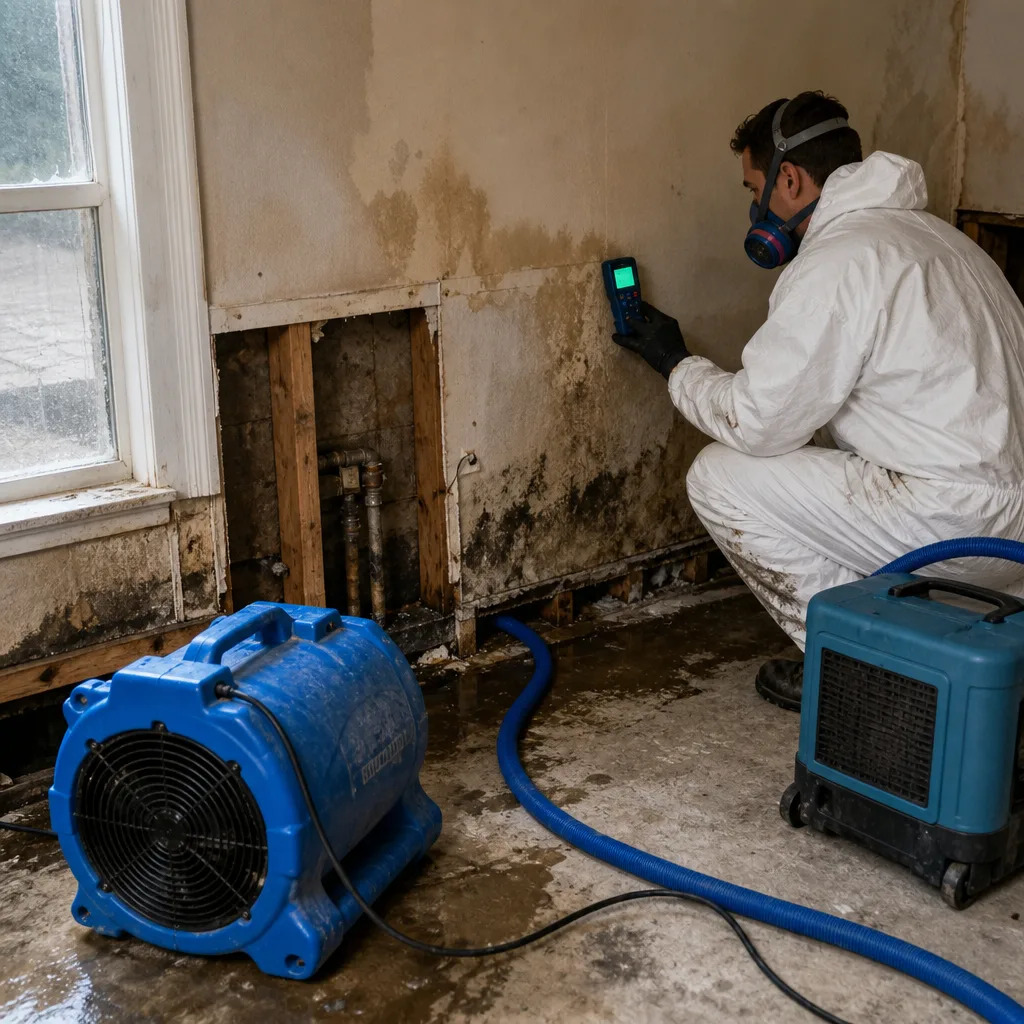 Before
 After
After24/7 Emergency Fire & Smoke Damage Restoration in Manchester
A small kitchen fire in a Manchester home typically produces smoke and soot damage spreading far beyond the room of origin, and the water used to extinguish it creates a secondary moisture problem within hours. Our crews answer live at (360) 997-2427 every hour of every day, and we can have a technician on-site anywhere in Manchester inside 45 minutes. The first hour after a fire determines how far smoke residue migrates into wall cavities, HVAC ducts, and the unconditioned crawl spaces common in Manchester’s mid-century housing stock. We provide a free visual inspection, document everything with photos, and deliver a written price before any work begins, Haven Standard, Clause 1.
Understanding Fire & Smoke Damage Restoration Severity in Manchester Properties
Fire damage in Manchester follows a predictable severity scale tied directly to the town’s housing stock: 1950s-1980s single-family homes built on sloped, wooded lots with unconditioned crawl spaces. A “small” grease fire in a 1962 rambler near the bluffs often produces dry smoke residue (fast-burning, high-heat, powdery soot) in the kitchen and wet smoke residue (slow-burning, low-heat, sticky, odorous) in adjacent rooms where oxygen was limited. The real complication is what happens next.
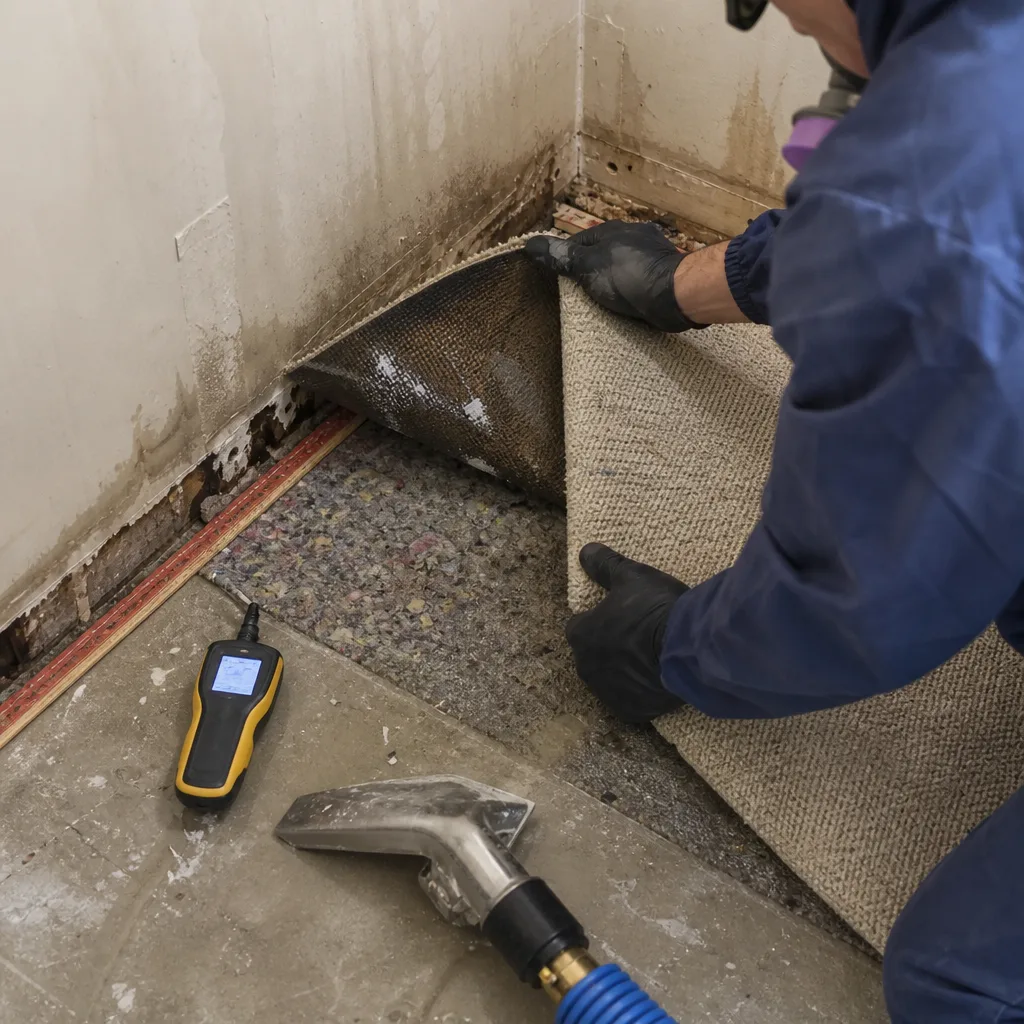
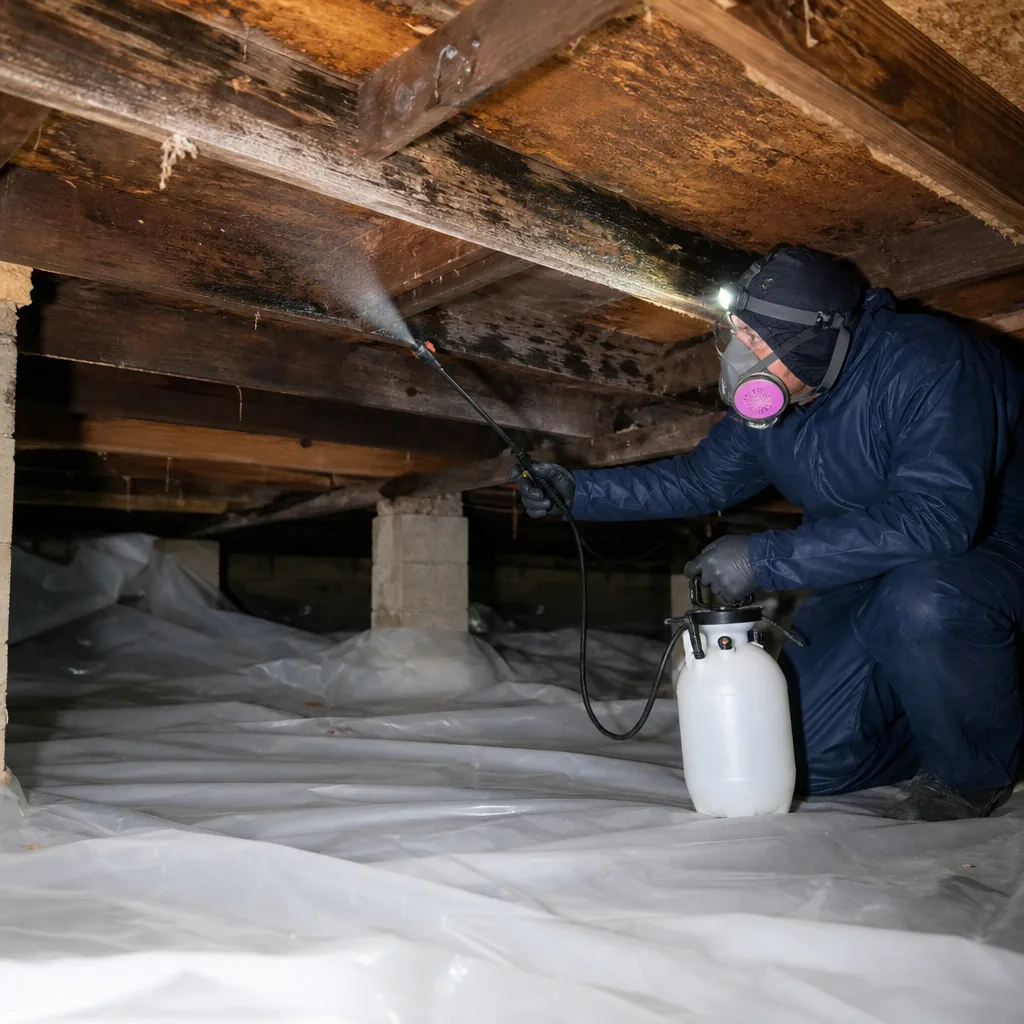
Firefighting water - 150-300 gallons for a typical residential kitchen fire - drains through floor systems into crawl spaces that frequently lack vapor barriers entirely. That water, now classified as Category 2 or 3 due to soot and smoke particulate contamination, sits on bare soil beneath the home. In Manchester’s dense conifer canopy, where Douglas fir and cedar block both sunlight and airflow, these crawl spaces don’t dry. Within 48-72 hours, we see active mold colonization on joists and subflooring that must be remediated before any structural fire repair permit can be issued by Kitsap County. Our Fire & Smoke Damage Restoration team maps smoke migration with thermal imaging, tests moisture content in wall cavities with pin and non-invasive meters, and produces psychrometric data - temperature, relative humidity, and vapor pressure differential - to prove when a structure is actually dry, not just surface-dry.
Why Manchester Property Owners Choose DryMark Restoration Kent
- 45-minute response commitment to any Manchester address, including the bluff-top neighborhoods and shoreline roads where winter windthrow complicates access.
- 24/7 live answer by a real person, never an automated system or voicemail tree - emergency lines are staffed around the clock because fire damage doesn’t wait for business hours.
- IICRC-certified crews holding FSRT (Fire and Smoke Restoration Technician) and WRT (Water Damage Restoration Technician) certifications, with AMRT (Applied Microbial Remediation Technician) qualification for the mold that follows firefighting water into Manchester’s unconditioned crawl spaces.
- Free visual inspection with photo documentation before any commitment or contract.
- Direct insurance billing and adjuster coordination - we speak the language of claims because our founder, Alicia Brennan, built this company after working as a claims adjuster and seeing how documentation gaps deny homeowners their coverage.
- One team from emergency board-up through structural fire repair and reconstruction, eliminating the finger-pointing that happens when mitigation and rebuild are handled by separate contractors.
BeforeAfterOur Fire & Smoke Damage Restoration Process
1. Inspection & Assessment
We arrive with thermal imaging cameras, moisture meters, and combustion residue testing kits. Every surface is documented: smoke-damaged drywall, soot-laden insulation, water-saturated subflooring, and the crawl space condition beneath. You receive a written scope and price before we start, Haven Standard, Clause 1.
2. Emergency Board-Up & Stabilization
Broken windows, compromised roofing, and damaged doors are secured with fire-rated plywood and weatherproof tarping. If a tree strike or windthrow caused the fire, we coordinate tree removal and temporary power disconnection before interior work begins.
3. Water Extraction & Structural Drying
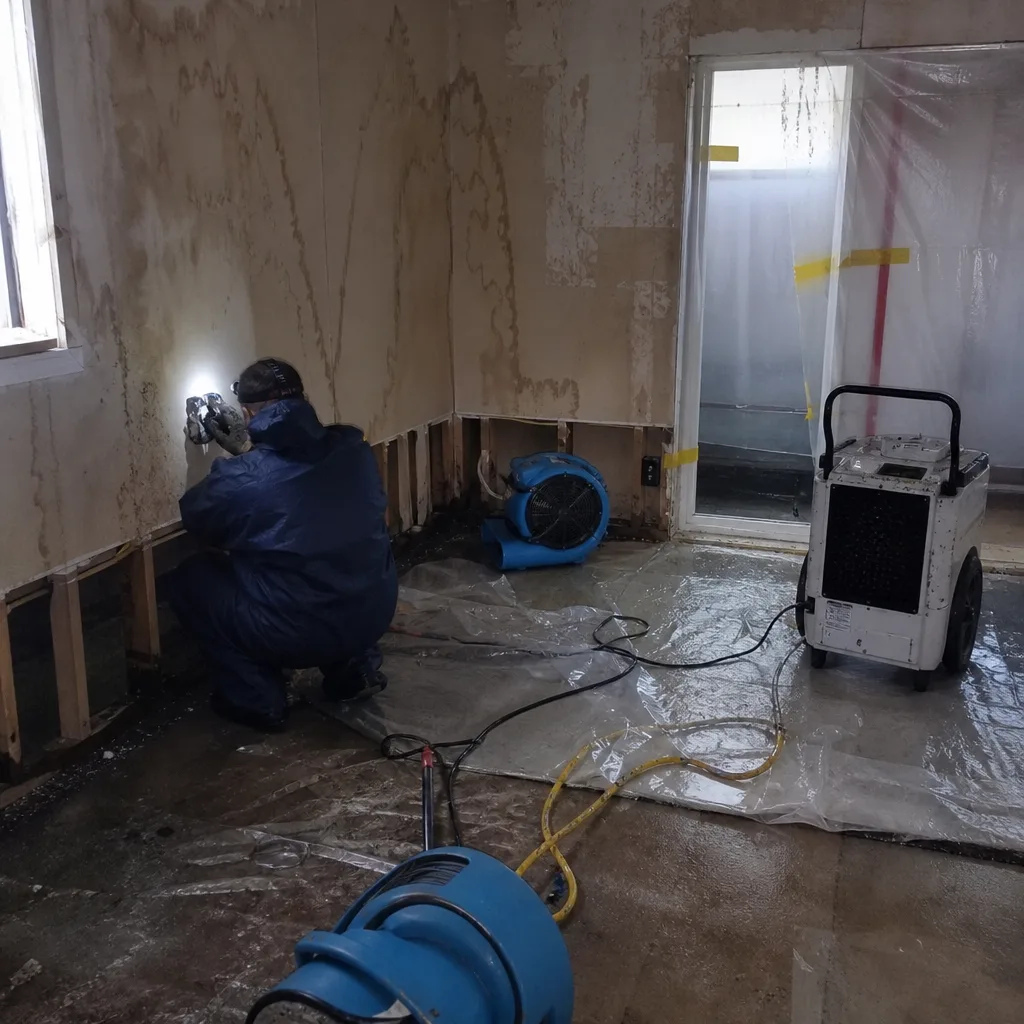
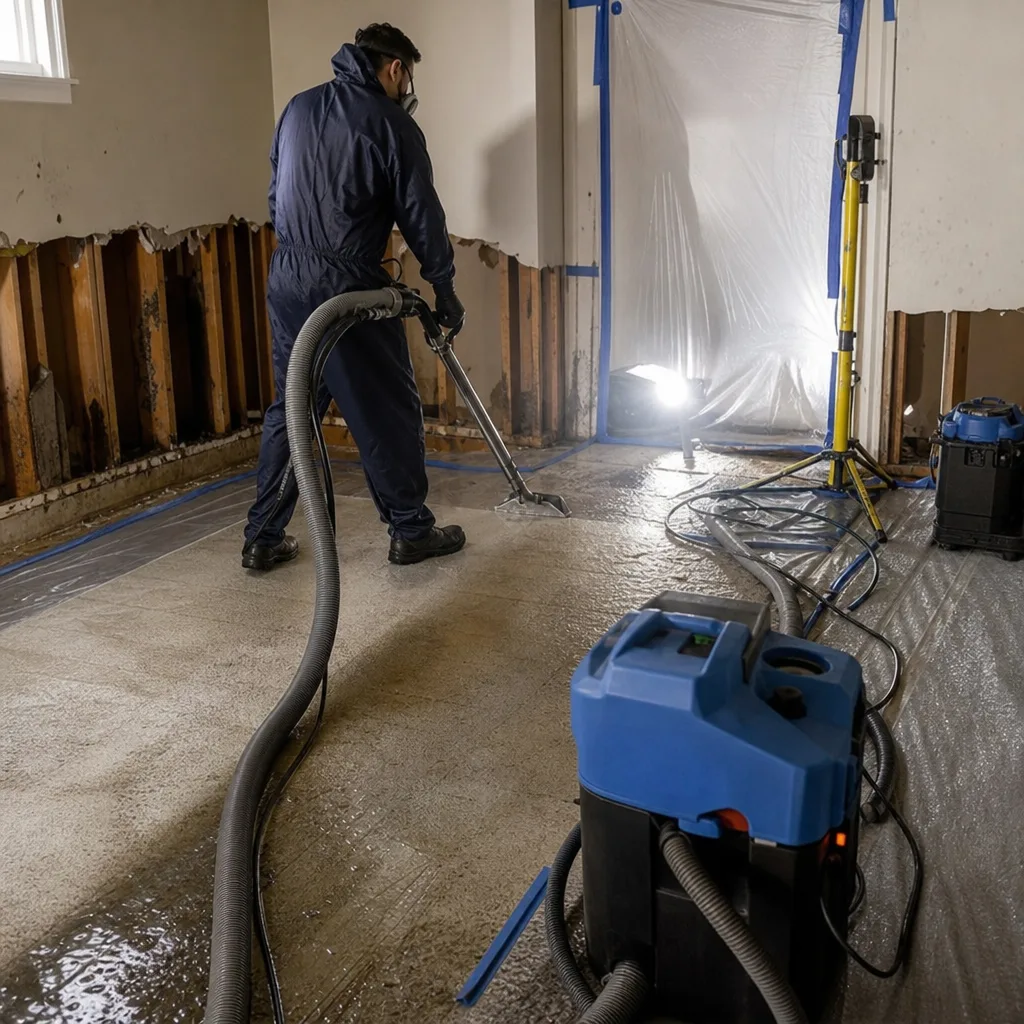
Firefighting water is extracted with truck-mounted systems, then Dri-Eaz and Phoenix LGR dehumidifiers are deployed with XPOWER and B-Air air movers positioned for optimal airflow patterns. In Manchester’s canopy-shaded crawl spaces, Injectidry mat systems and cavity-drying hoses often run for 3-5 days to achieve IICRC-dry standards.
4. Smoke & Soot Cleaning
Dry smoke, wet smoke, protein residue, and fuel oil soot each demand specific cleaning chemistry. We use HEPA vacuuming, dry sponging, and ultrasonic cleaning for non-porous contents, with every step documented to RIA and IFA standards for your insurance file.
5. Odor Removal & Deodorization
Thermal fogging, ozone treatment, and hydroxyl generators break odor molecules at the source. In Manchester’s older homes with minimal vapor barriers, we often find smoke odor has penetrated into crawl space soil and framing; these areas receive dedicated treatment before containment is lifted.
6. Repairs & Restoration
Structural fire repair is scoped to match pre-loss condition, with all permits submitted to Kitsap County (Manchester has no municipal building department). Our reconstruction crew rebuilds from framing through finish, with the 365-Day Done Right Promise stamped on every job under The Haven Standard.
Need Emergency Fire & Smoke Damage Restoration in Manchester Now?
Crews minutes away, answering live 24 hours a day. The sooner we start, the less it costs.
Working With Your Insurance Company
Fire claims are among the most documentation-intensive in property insurance. Adjusters need proof of pre-loss condition, line-item scope of damage, and evidence that mitigation was necessary and properly executed. We provide all of this from hour one. Alicia Brennan built Back to Dry Restoration in 2011 specifically to close the documentation gap that costs homeowners their claims, and every Manchester job follows that protocol.
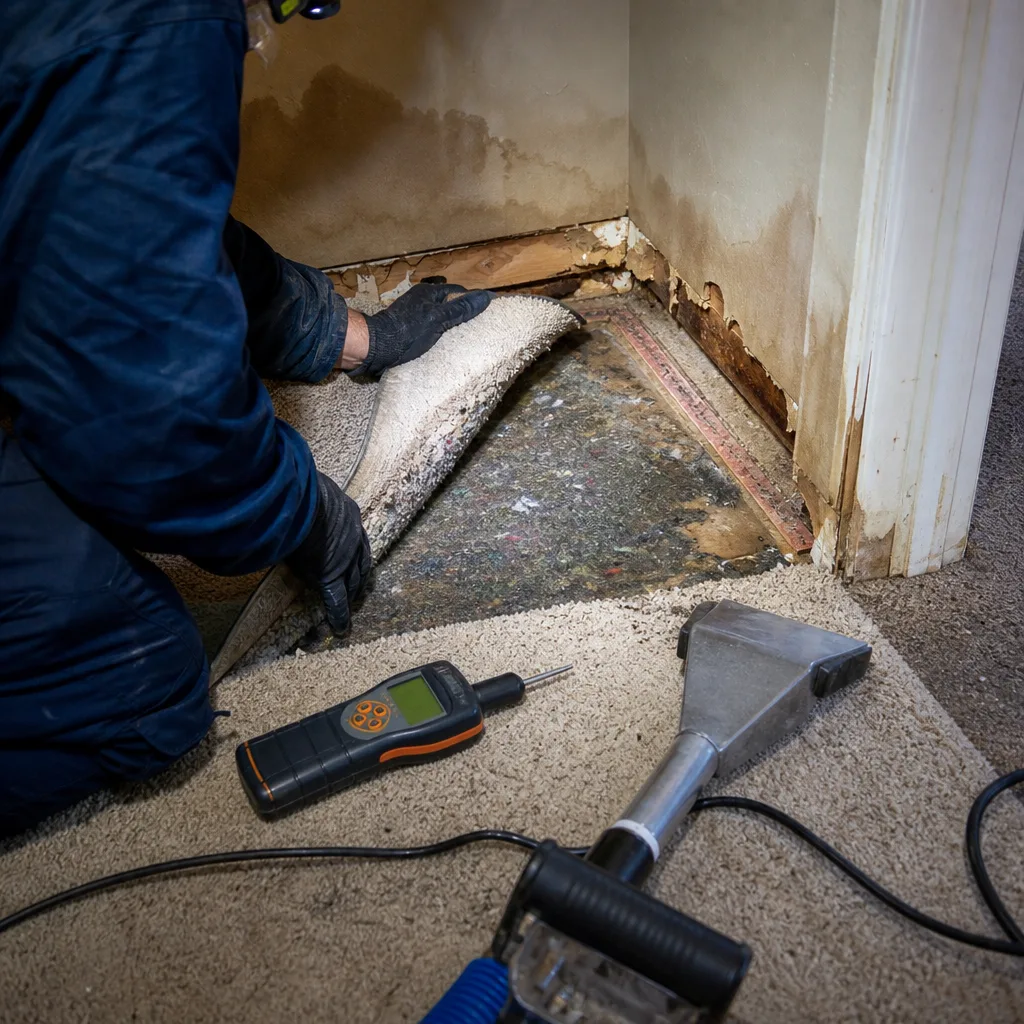
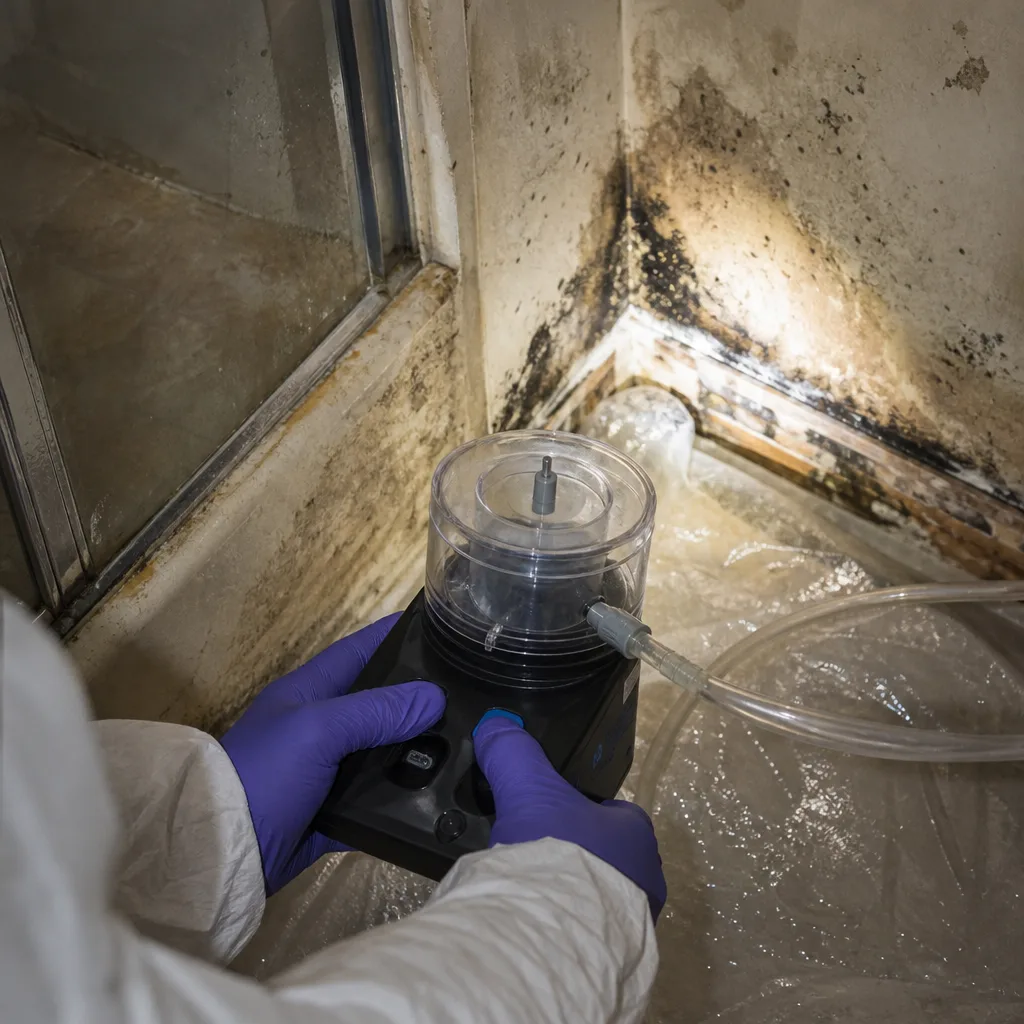
Our estimates are written in Xactimate, the industry-standard pricing platform, and we coordinate directly with your adjuster rather than handing you a bill to submit yourself. Photo documentation happens on every visit, not just the first. Drying logs show daily moisture readings by room and material. When a Manchester crawl space requires mold remediation before structural repairs can begin, that work is scoped separately with its own documentation package, so your carrier understands why the permit process paused and what was required to restart it.
What We Provide Your Insurer
- Thorough documentation of the loss
- Photos of all damage, room by room
- Moisture readings and drying logs
- A detailed, line-item scope of work
- Direct coordination with your carrier
Built for Manchester’s Loss Calendar
January through March brings the highest fire risk to Manchester homes. Heating systems in 1950s-1980s houses work harder, space heaters appear in outbuildings, and holiday lighting strains older electrical panels. November through February is windthrow season on the bluffs, when saturated soils release mature Douglas firs onto power lines and rooftops. A single tree strike can ignite a structure and leave the home exposed to 45-50 inches of annual Kitsap County rainfall while emergency services manage the scene.
Spring and summer see fewer structure fires but more outdoor cooking and wildfire smoke intrusion from regional fires. Even without direct flame, wildfire smoke particulates enter Manchester homes through attic vents and crawl space openings, settling on surfaces and in HVAC systems. Fall’s marine storms drive moisture into homes with compromised roofing from prior windthrow, creating the damp conditions where smoke odor compounds and mold colonies compete for the same humid environment.
Fire & Smoke Damage Restoration Across Manchester’s Neighborhoods
We respond throughout Manchester’s distinct residential areas, each with its own fire damage patterns. The bluff-top neighborhoods above Puget Sound - the streets climbing from the shoreline toward the Manchester Library and Fire Station 23 - contain dense concentrations of 1960s ramblers on steep lots. Fires here often start in kitchens or from electrical faults in aging service panels, and the slope drainage sends firefighting water downhill into crawl spaces that our crews access from the downhill side, sometimes through terrain that requires specialized equipment placement.
The shoreline roads along Colchester Drive and Beach Drive present different challenges: tighter setbacks, older septic systems that complicate water disposal, and the salt-air corrosion that degrades electrical connections in outdoor panels and generator hookups. We’ve restored fires in these homes where the initial damage was modest but smoke migrated through shared crawl spaces beneath duplexes and small multi-family buildings from the 1970s.
Inland from the water, the neighborhoods near Manchester Road and Middle Road include larger lots with detached garages and outbuildings. These structures often lack hardwired smoke detection and become total losses when heating devices or electrical faults ignite, with the main house surviving but requiring extensive odor remediation from smoke drift. Every Manchester response route is familiar to our dispatch team, coordinated from our Seattle office with crews serving Manchester locally.
Specialized Fire & Smoke Damage Restoration Services We Offer in Manchester
Fire Damage Cleanup
Structural cleaning after fire requires identifying the combustion source to select the correct chemistry. Protein fires from kitchen grease leave nearly invisible but pungent residues; wood and paper fires produce dry, powdery soot; synthetic fires create thick, oily smoke that etches glass and metal. In Manchester’s 1950s-1980s homes with original kitchen layouts, we often find that decades of cooking residue have pre-conditioned surfaces, making post-fire cleaning more intensive than in newer construction.
Smoke & Soot Removal
Smoke migrates to cooler areas: upper wall cavities, inside closets, behind electrical outlet plates, and into unconditioned crawl spaces. We remove outlet covers, vent registers, and baseboards to access these pathways, using HEPA vacuums and chemical sponges that lift soot without driving it deeper. In Manchester’s conifer-shaded homes, where crawl spaces stay cool year-round, this migration pattern is pronounced and frequently missed by crews who clean only visible surfaces.
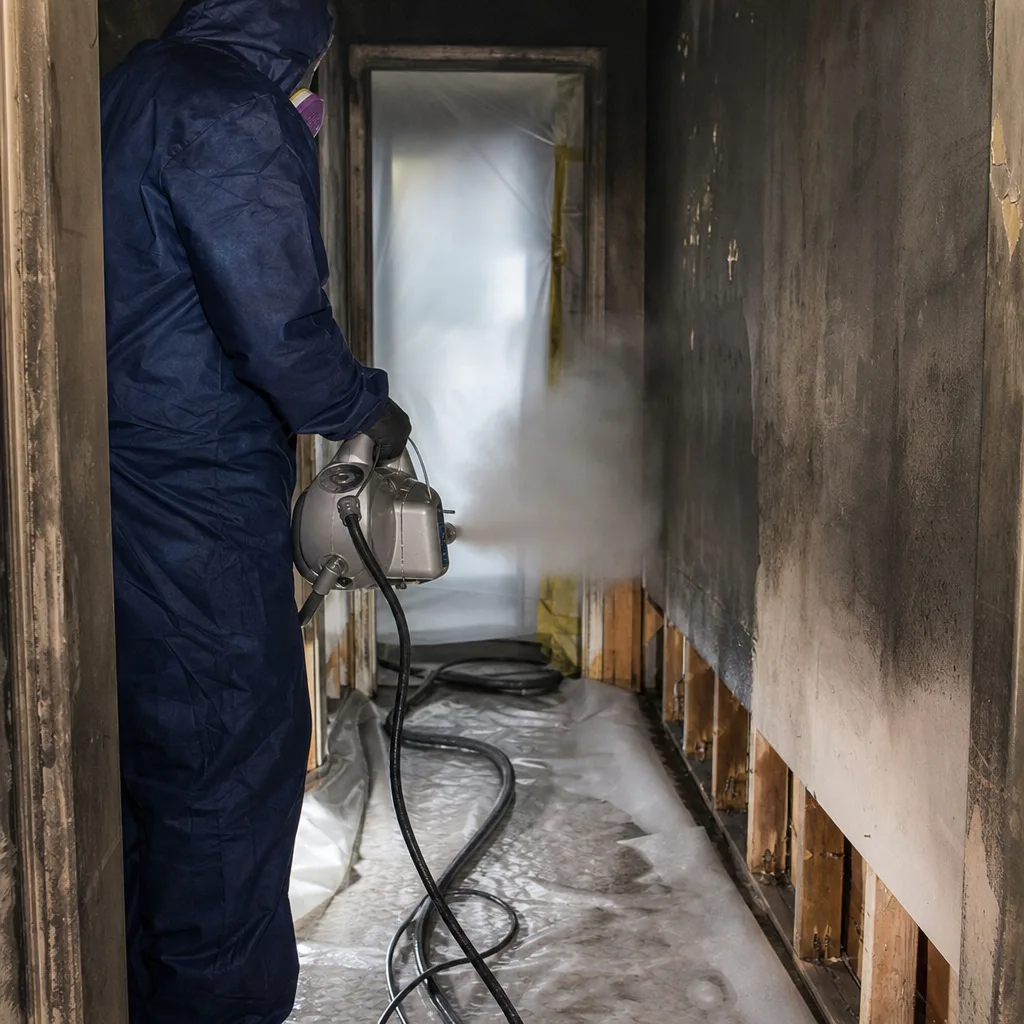
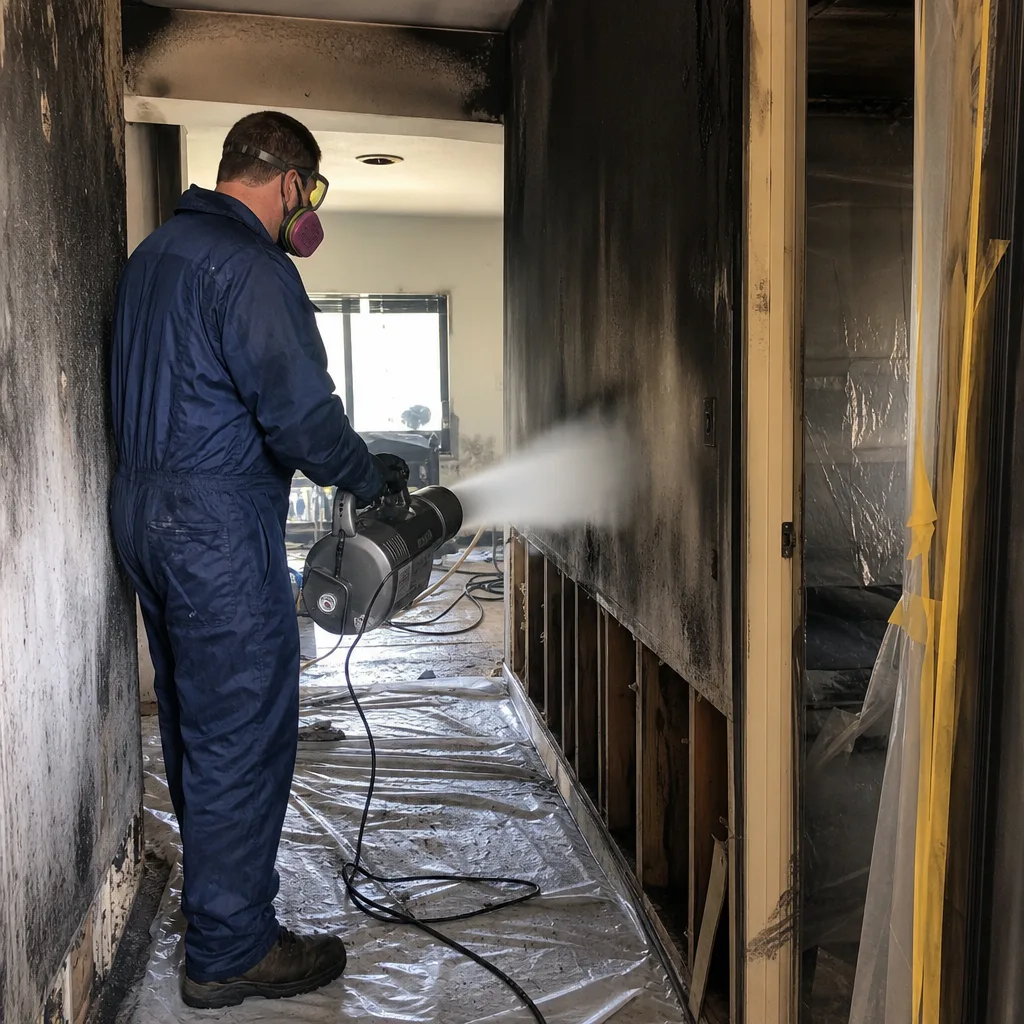
Odor Removal & Deodorization
Permanent odor elimination requires treating every material that absorbed smoke molecules, not masking with fragrances. Thermal fogging recreates the heat and pressure conditions that drove odor in, allowing neutralizing agents to penetrate equally. For Manchester homes with smoke-affected crawl spaces, we often excavate contaminated soil or apply vapor barriers after treatment to prevent recontamination from residual odor compounds in the ground.
Contents Cleaning & Pack-Out
Not every item can be cleaned on-site. Our pack-out service inventories, photographs, and transports affected contents to our Kent facility for ultrasonic cleaning, ozone treatment, and specialized textile restoration. We document pre-loss condition for every item, a critical step for insurance replacement value disputes. For Manchester’s waterfront homes with higher-value furnishings, this documentation often determines whether an item is restored or totaled.
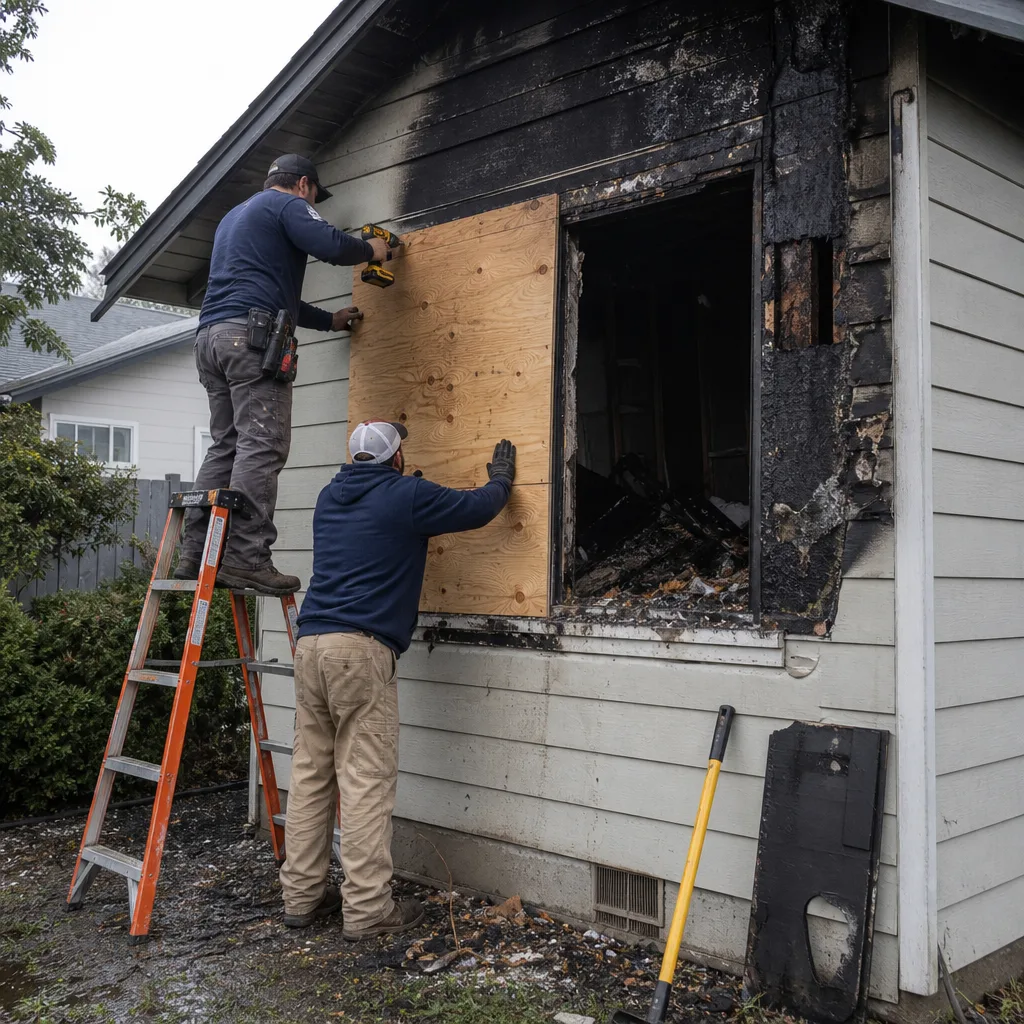
Emergency Board-Up & Tarping
Fire-damaged structures require immediate weatherproofing, especially in Manchester’s high-rainfall environment where a compromised roof or broken window admits moisture that compounds smoke damage with mold growth. We use fire-rated plywood and reinforced polyethylene tarps secured to undamaged framing, with documentation photos for your insurance file showing the structure was protected from further loss.
What happens when you call
- 1
A real person answersNo phone trees - you reach a local pro.
- 2
You get an upfront price rangeHonest numbers before anyone is dispatched.
- 3
A background-checked tech heads outLicensed & insured, dispatched right away.
- 4
You approve before work beginsNothing starts until you say go.
Fire & Smoke Damage Restoration Costs in Manchester, WA
Fire and smoke restoration pricing in Manchester reflects the specific challenges of the town’s housing stock and permitting environment. A typical kitchen fire with limited structural damage but smoke migration into adjacent rooms runs $4,200-$8,500 for cleaning, deodorization, and contents pack-out. When firefighting water enters an unconditioned crawl space and mold remediation is required before rebuild, that range extends to $11,000-$19,000, with drying equipment rental at $85-$140 per day per dehumidifier and air mover set.
Structural fire repair, scoped after mitigation is complete and Kitsap County permits are issued, typically starts at $15,000 for partial room rebuild and can exceed $45,000 for extensive framing, electrical, and finish work. Contents cleaning off-site runs $3.50-$7.50 per item for standard household goods, with specialized treatment for electronics, artwork, and textiles priced individually. Emergency board-up and tarping for a typical Manchester single-family home is $850-$1,800 depending on access and roof pitch.
Insurance coverage for fire damage is generally straightforward, though disputes arise over smoke damage to undamaged rooms and the necessity of crawl space mold remediation. Our written scopes, photo documentation, and drying logs are designed to resolve these disputes before they delay payment. Call (360) 997-2427 for a free inspection and exact written price, Haven Standard, Clause 1.
We Also Serve Cities Near Manchester
Our crews respond throughout the central Puget Sound region, including Seattle, Bellevue, Kirkland, and Renton. Each community receives the same documentation-first protocol, with local knowledge of building departments, housing stock, and climate conditions that affect restoration timelines and outcomes.
Serving Manchester, WA - Our Local Coverage Area
We’re based in the Manchester area and know this community well. Use the map below to see our service coverage - if you’re nearby, we can almost certainly help.
Manchester Fire & Smoke Damage Restoration Questions, Answered
Why does a small kitchen fire in Manchester turn into a larger mitigation job than the homeowner expects?
Smoke and soot travel far beyond the room of origin, and the water used to extinguish the fire drains into Manchester’s common unconditioned crawl spaces where missing vapor barriers allow moisture to persist and mold to develop. In the conifer canopy shading these homes, natural drying is minimal, so a kitchen fire routinely requires whole-structure assessment, crawl space drying, and often mold remediation before structural repairs can begin. Call (360) 997-2427 for a free inspection and written scope.
Who issues the permit for structural fire repair in Manchester, WA?
Kitsap County issues all structural repair permits for Manchester because the community is unincorporated and has no municipal building department. Out-of-area contractors frequently underestimate this permitting timeline, delaying rebuilds while moisture damage worsens. We submit complete documentation packages directly to Kitsap County and coordinate inspections as part of our standard project management. Call (360) 997-2427 for a free inspection and written scope.
How fast can mold start after firefighting water soaks a Manchester home?
Active mold colonization begins 48-72 hours after water intrusion in Manchester’s climate, where dense conifer canopy blocks sunlight and airflow to crawl spaces. The firefighting water, now Category 2 or 3 from soot and smoke contamination, provides ideal conditions on bare soil beneath homes with no vapor barrier. Our crews deploy Dri-Eaz dehumidifiers and XPOWER air movers within hours of arrival to interrupt this timeline. Call (360) 997-2427 for emergency response.
Do you pack out contents, or clean them on site after a fire in Manchester?
We do both, depending on damage severity and item type. Non-porous items and lightly affected textiles often clean successfully on-site with HEPA vacuuming and chemical sponging. Heavily smoke-damaged contents, electronics, artwork, and textiles requiring specialized treatment are inventoried, photographed, and transported to our Kent facility for ultrasonic cleaning and ozone treatment. Every item is documented for insurance replacement value. Call (360) 997-2427 for a free inspection and written scope.
What does it take to get smoke odor out of a Manchester home after a fire?
Permanent odor removal requires treating every surface and cavity where smoke molecules migrated, including the unconditioned crawl spaces common in Manchester’s 1950s-1980s homes. Thermal fogging, hydroxyl generation, and ozone treatment break odor compounds at the molecular level; masking agents or surface cleaning alone always fail. When crawl space soil is contaminated, we excavate or seal after treatment to prevent recontamination. Call (360) 997-2427 for a free inspection and written scope.
How quickly can your crew actually get to my Manchester home after a fire?
We commit to 45 minutes from call to arrival anywhere in Manchester, including the bluff-top neighborhoods and shoreline roads where winter windthrow can complicate access. Our emergency line at (360) 997-2427 is answered live 24 hours a day by a real person who dispatches the nearest available crew immediately, with no voicemail trees or next-business-day callbacks.
Will my insurance cover the full fire restoration, including the mold in my crawl space?
Fire damage and the water damage from firefighting are typically covered; mold remediation coverage depends on your policy language and whether the mold resulted from a covered peril within the reporting period. Our documentation package - photo records, moisture logs, drying logs, and written scope - is designed to demonstrate that mold was a direct consequence of the covered fire loss, not pre-existing or due to maintenance neglect. We coordinate directly with your adjuster to resolve coverage questions before work proceeds. Call (360) 997-2427 for a free inspection.
What should I do in the first 30 minutes after a fire is extinguished in my Manchester home?
Ensure everyone is safe and accounted for, then call (360) 997-2427 before touching anything or attempting cleanup. Do not enter until the fire department clears the structure. If safe to do so from outside, open windows slightly to begin ventilation, but do not operate HVAC systems which will distribute smoke particulates throughout the home. Our crew will arrive within 45 minutes to board up, assess, and begin documentation for your insurance claim.
We responded to a fire in a 1960s single-story near the Manchester bluffs after a November windthrow dropped a Douglas fir across the service drop, igniting a kitchen wall; our tech took moisture readings and found the smoke had pushed into an unconditioned crawl space with no vapor barrier, so we built containment and ran Dri-Eaz dehumidification and XPOWER air movers for three days before the Kitsap County permit inspection. The pack-out of contents went to our Kent facility, and we documented pre-loss condition with drying logs for the claim before the structural fire repair could start.
Manchester has no municipal building department, so every fire-damage structural repair permit runs through Kitsap County - and because smoke residue in these 1950s-1980s homes spreads into unconditioned crawl spaces with little or no vapor barrier, we often find pre-existing ground-moisture mold that must be scoped alongside the fire loss before any rebuild can be permitted. This is why out-of-area crews unfamiliar with Kitsap County’s unincorporated jurisdiction frequently underestimate timelines, leaving Manchester homes wet and vulnerable while permit paperwork stalls. Our team knows the county inspectors, the required documentation format, and the sequencing that keeps mitigation, mold remediation, and structural repair moving without gaps.
Written by Alicia Brennan, Owner at Back to Dry Restoration, serving Manchester since 2011.
Fire & Smoke Damage Restoration in Nearby Areas