Free visual inspection and a written scope of work before any mitigation begins - photos, moisture readings, and drying logs go in your claim file
The scope we write is the scope we bill. Anything new gets shown to you, in writing, before we touch it.
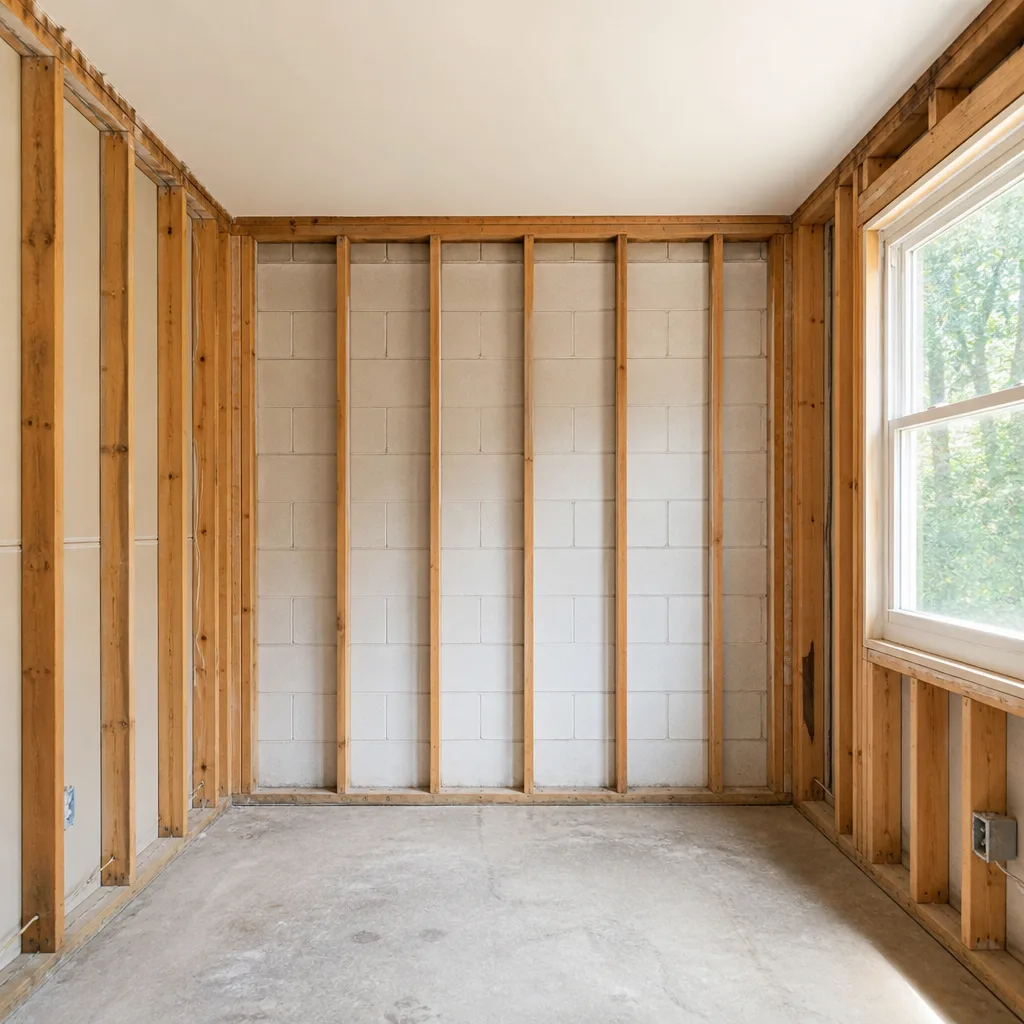
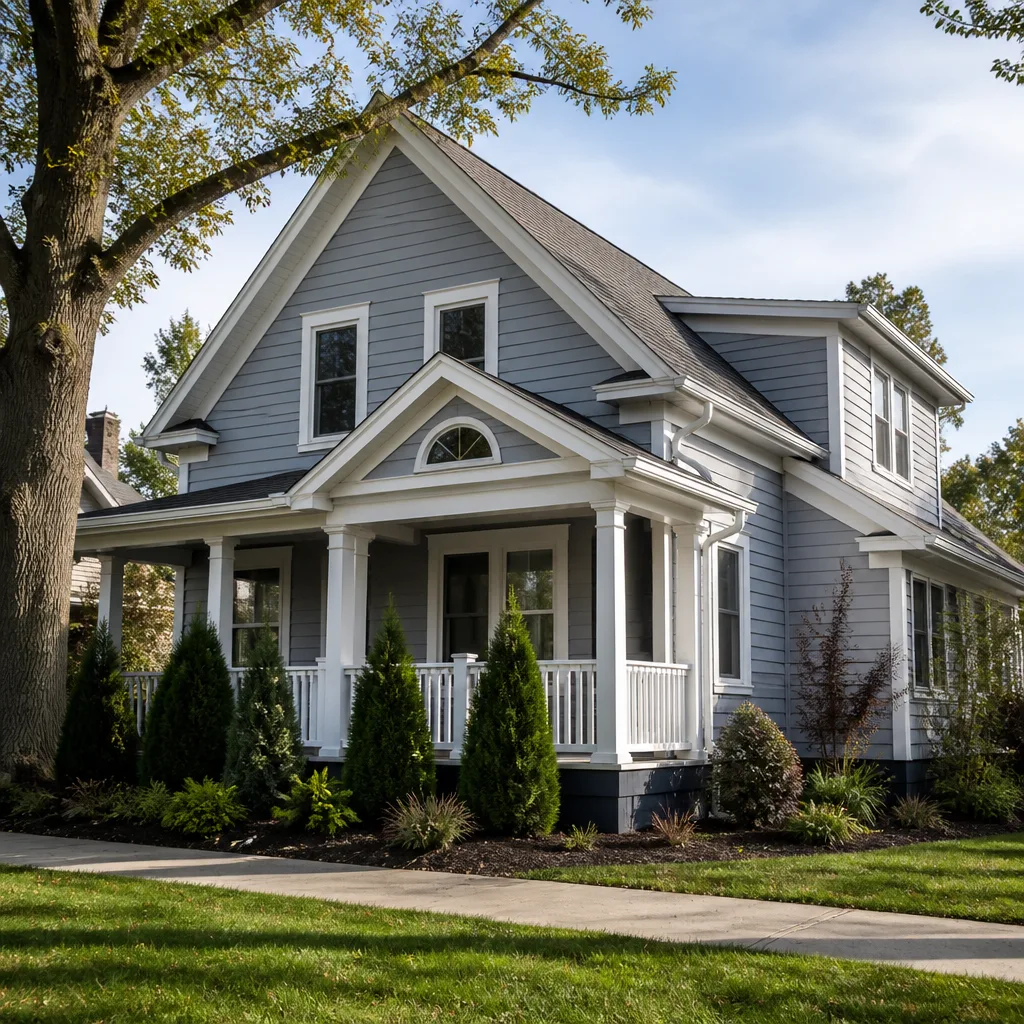
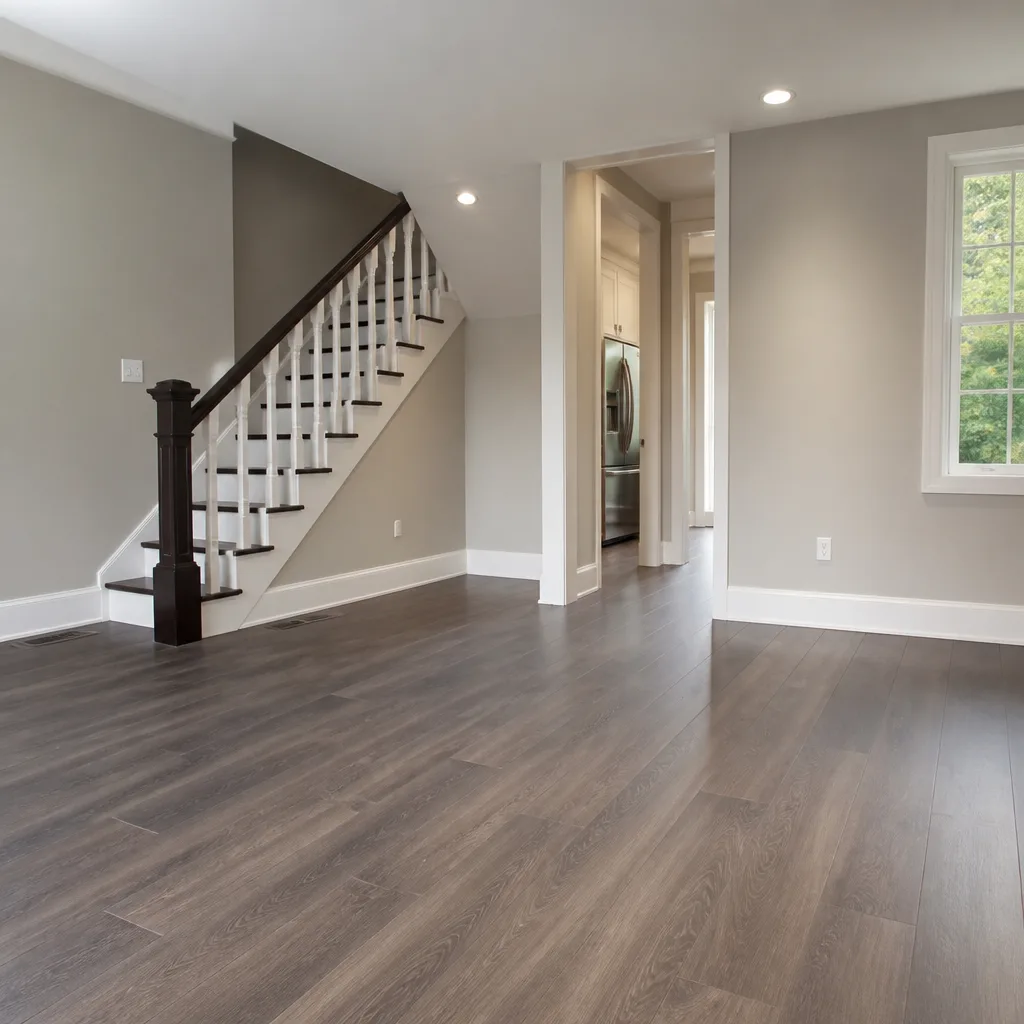
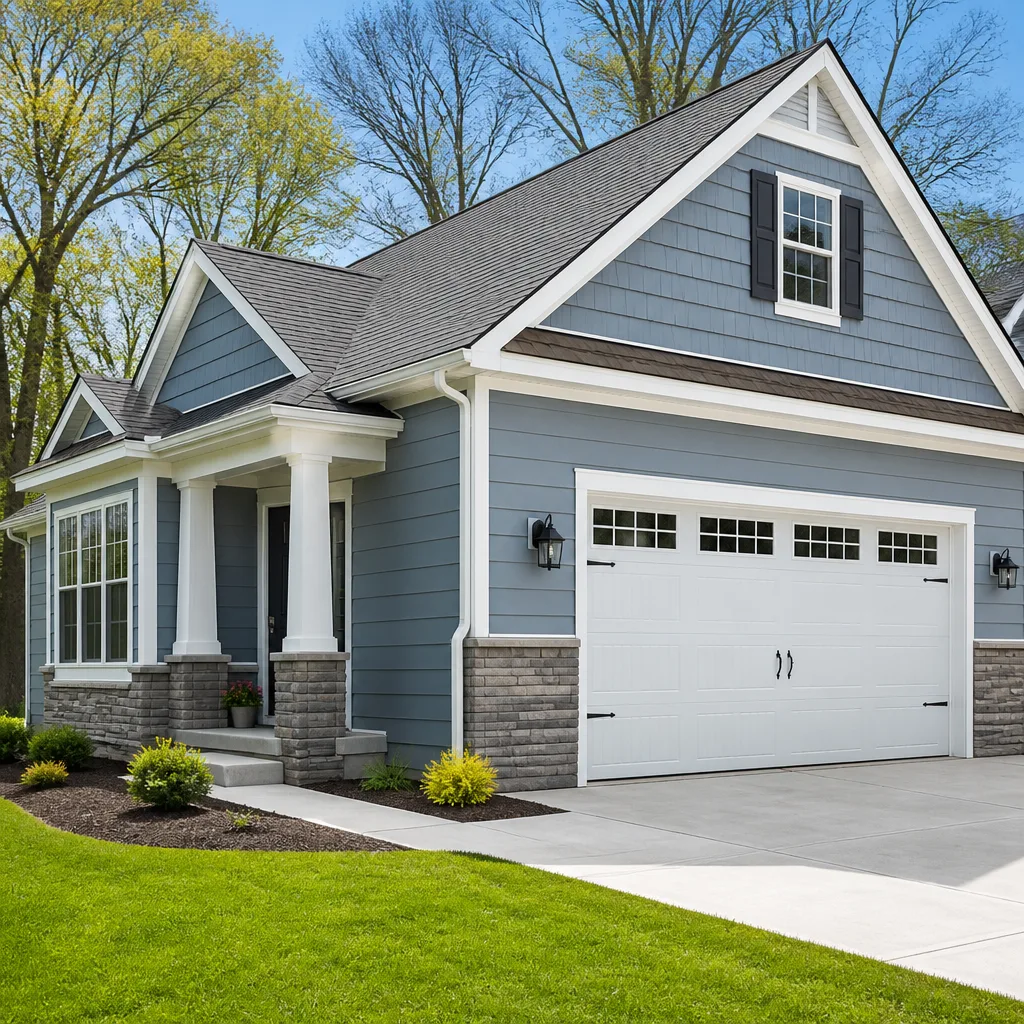
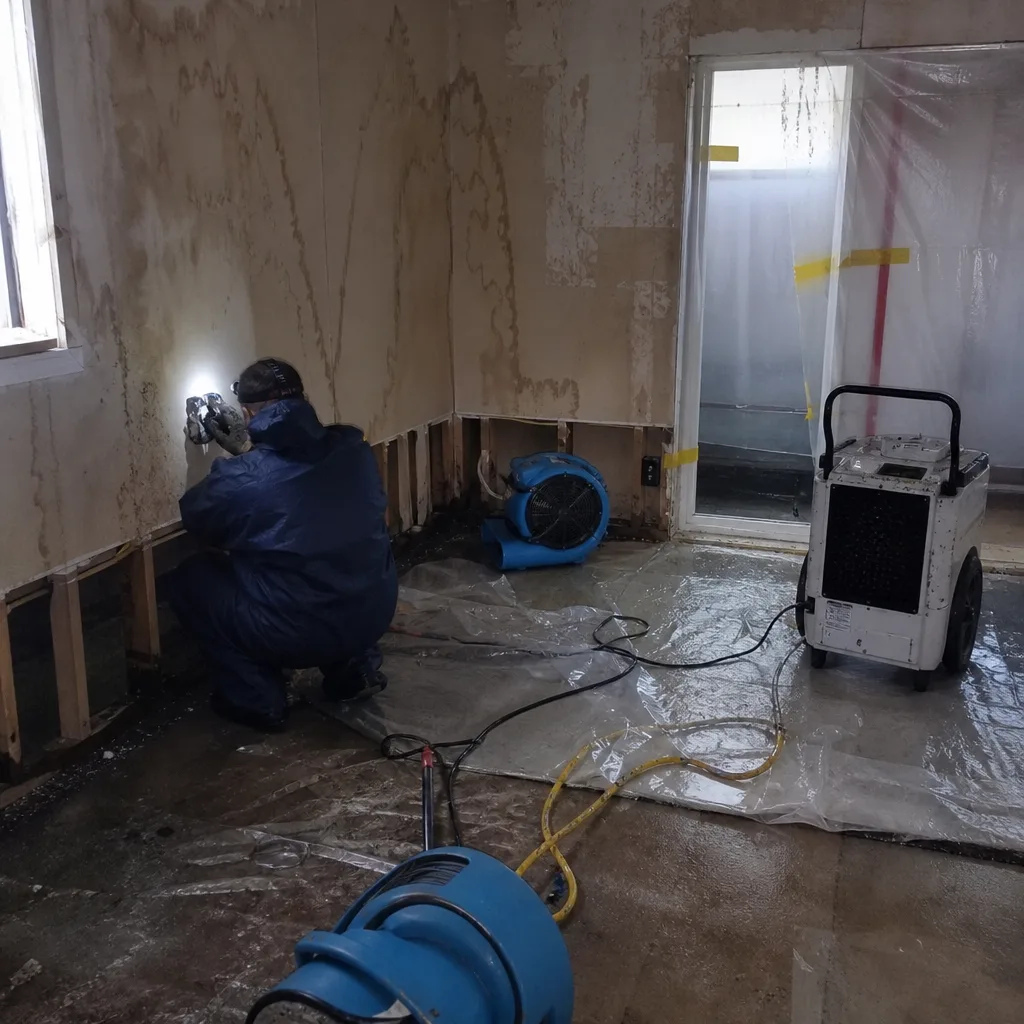 Before
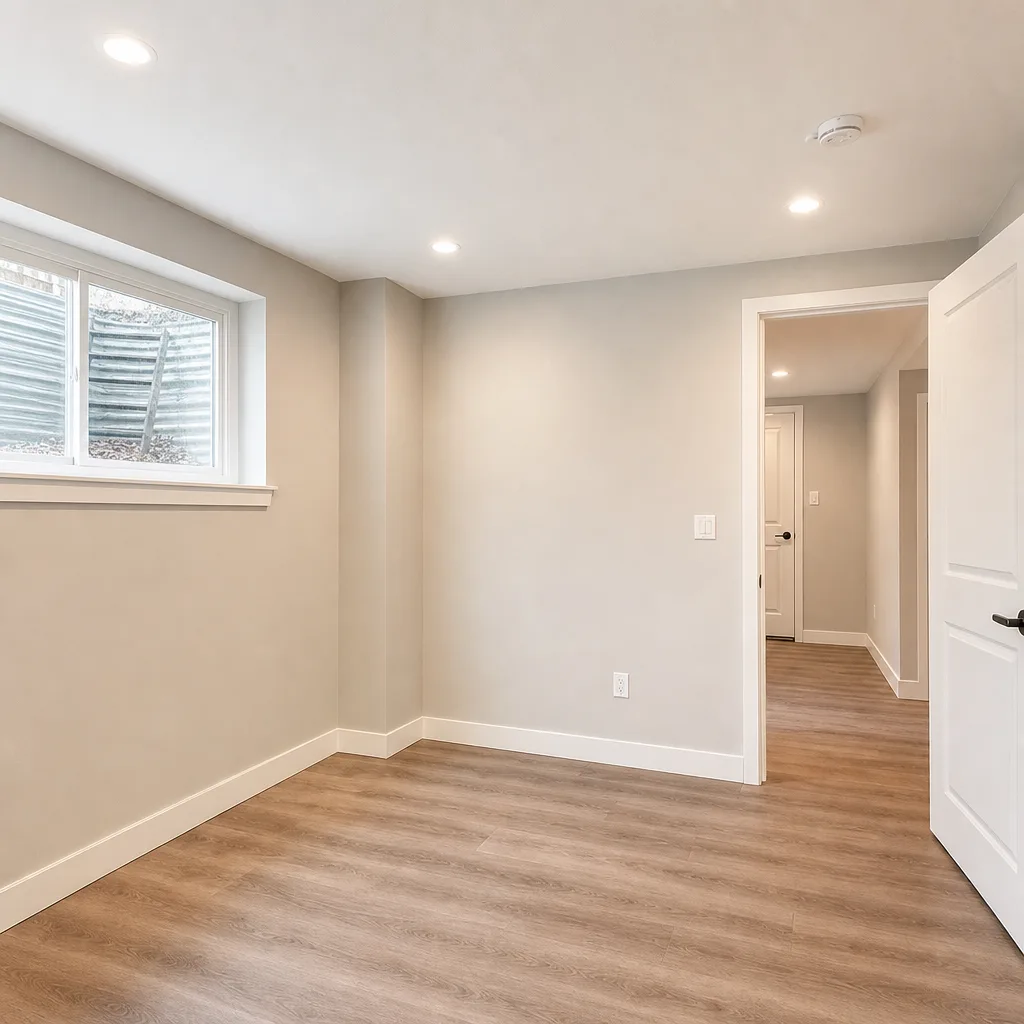 After
After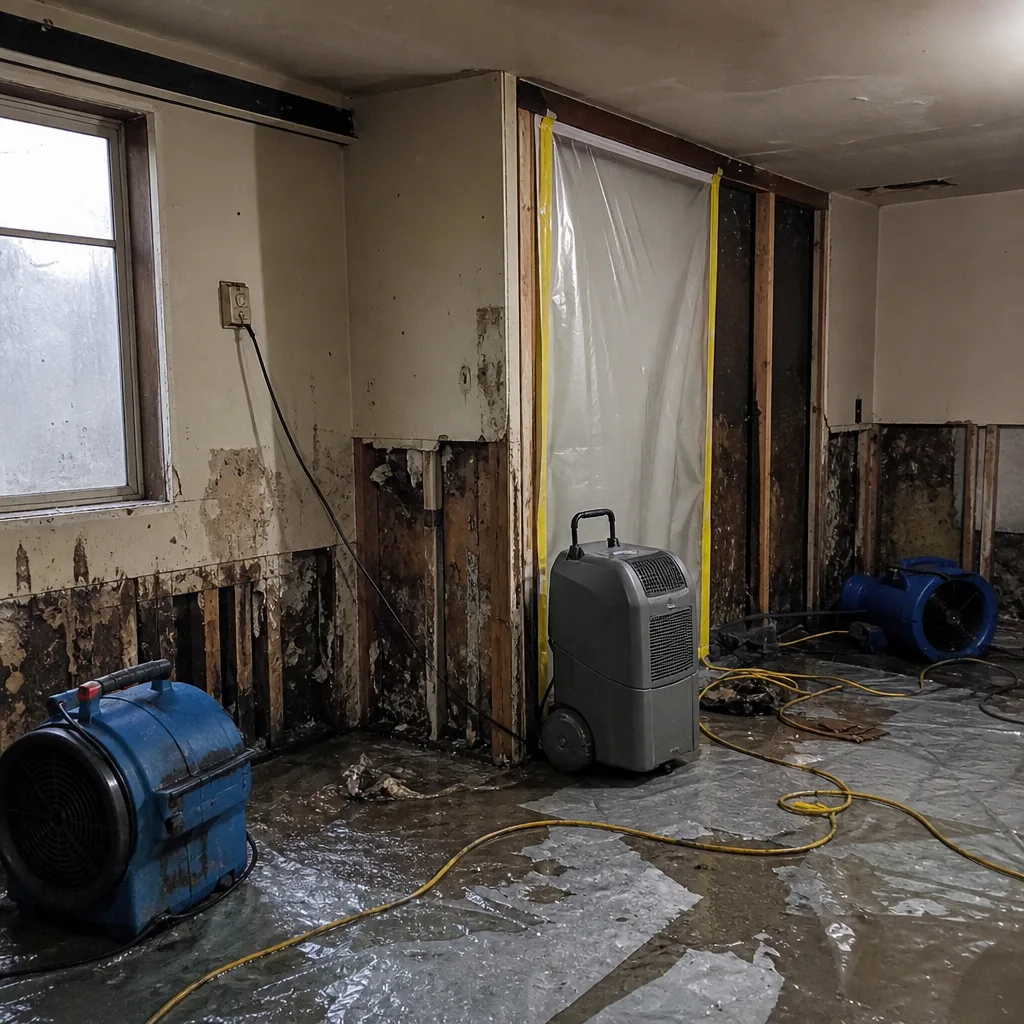 Before
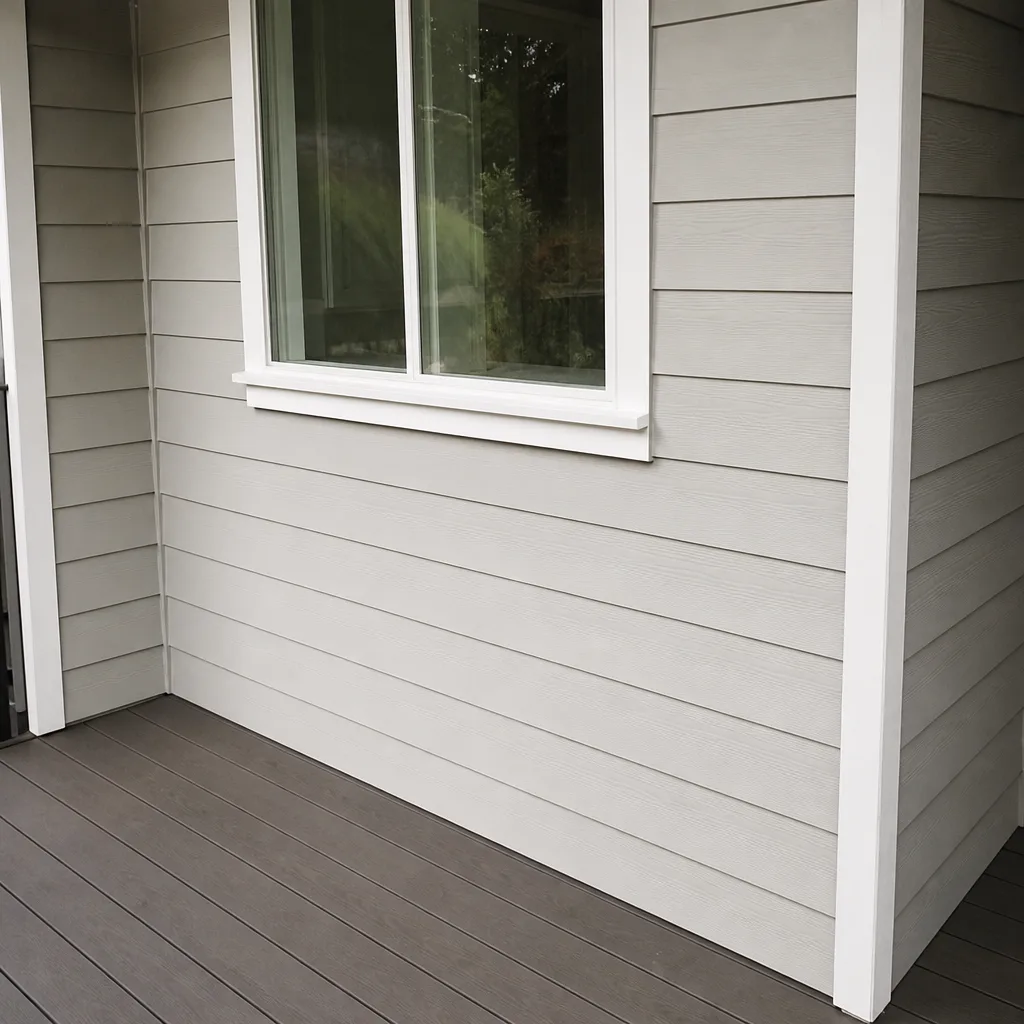 After
After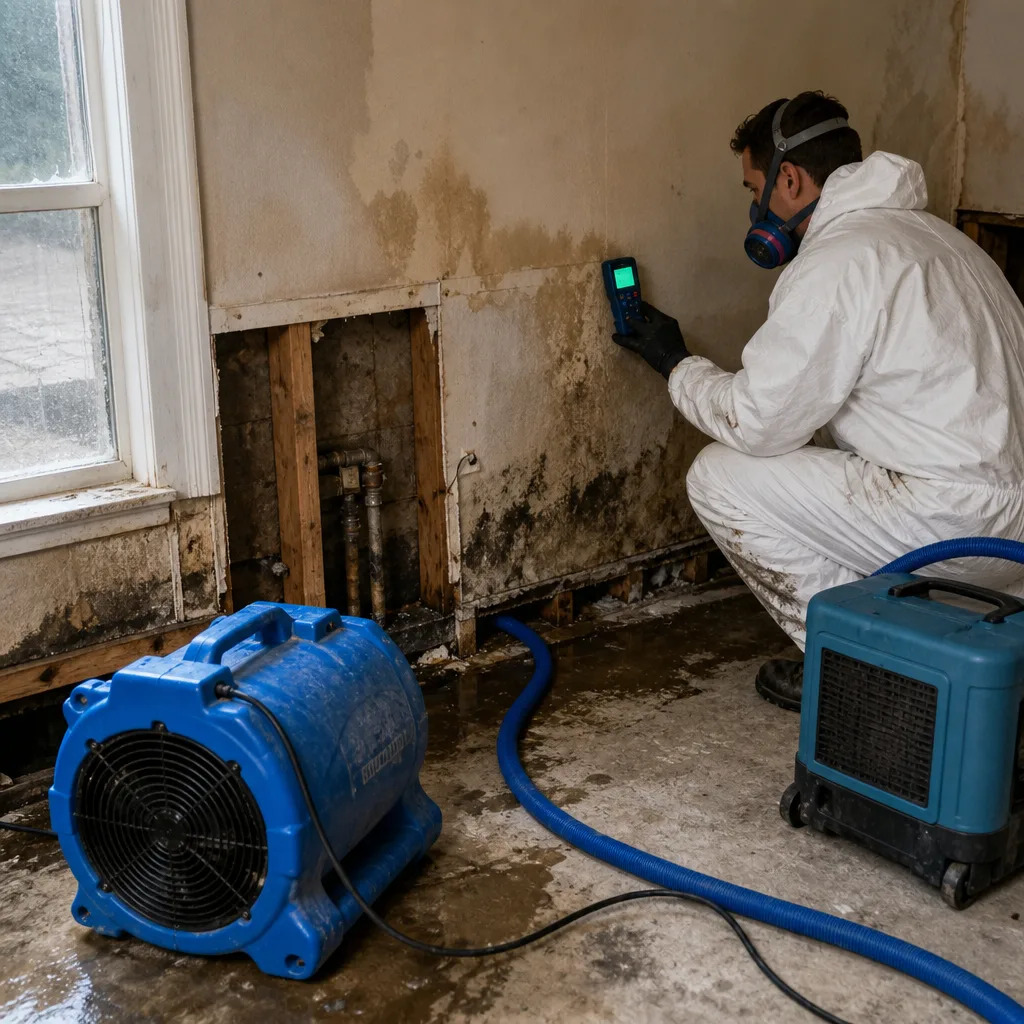 Before
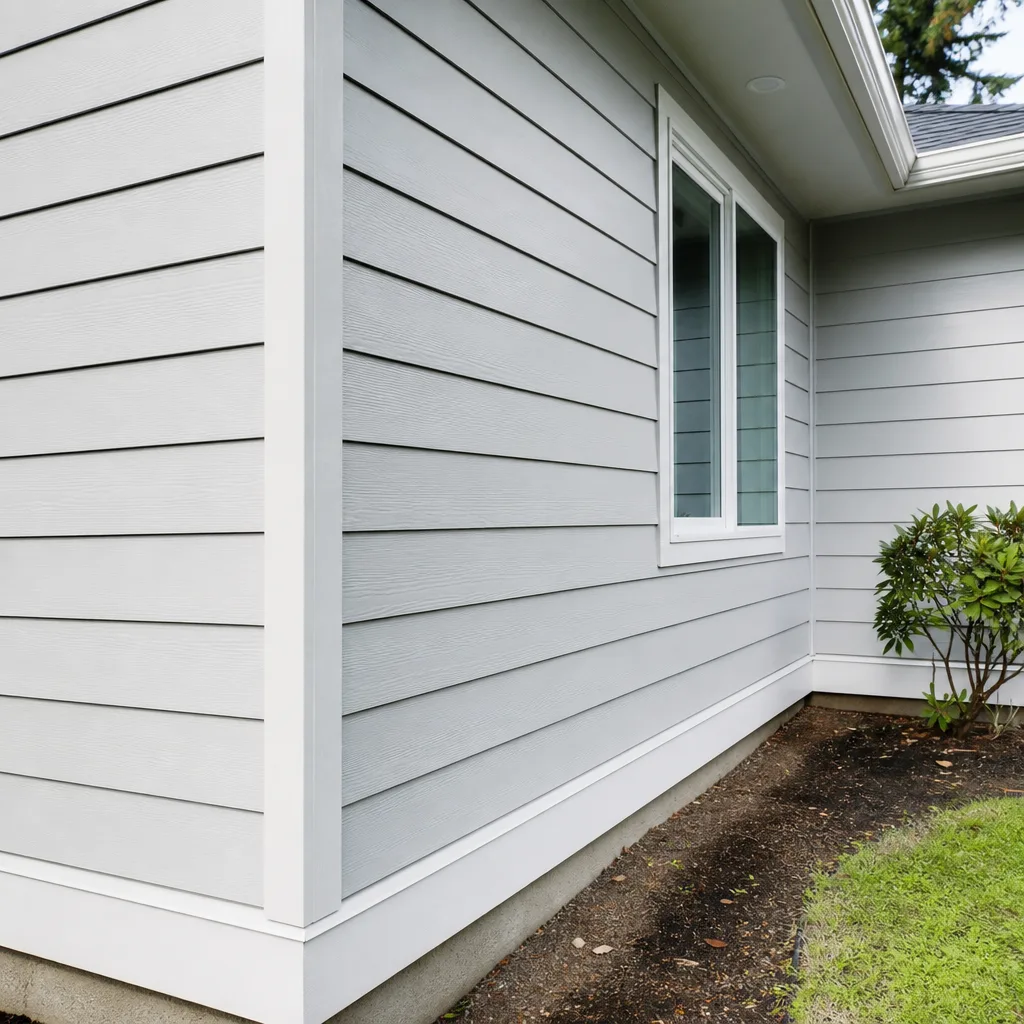 After
After24/7 Emergency Fire & Smoke Damage Restoration in Seattle
Fire and smoke damage restoration in Seattle typically costs $4,200-$18,500 depending on structural involvement, and our crews are dispatched within 45 minutes of your call to (360) 997-2427. We answer live, 24 hours a day, 7 days a week - no voicemail, no callback queues. The first hour after a fire determines how far smoke and soot migrate through your home’s HVAC system, insulation cavities, and porous materials; every minute of delay expands the affected square footage and the final restoration scope. Our Fire & Smoke Damage Restoration team provides a free visual inspection on arrival, documents the loss with photographs before anything is touched, and delivers a written price before any work begins - Haven Standard, Clause 1.
Understanding Fire & Smoke Damage Restoration Severity in Seattle Properties
Fire damage severity in Seattle is measured by the type of soot residue, the extent of smoke migration, and the secondary water damage from fire suppression - but here, the hidden variable is lateral groundwater intrusion. Dry smoke residue from fast-burning, high-heat fires produces a powdery, less-adherent soot that responds to dry cleaning methods. Wet smoke residue from slow, smoldering fires - common in Seattle’s moisture-heavy older homes where fires often start in electrical systems or heating appliances - is sticky, acidic, and penetrates deeply into cedar lap siding, original plaster, and unsealed subfloors. Protein residue from kitchen fires leaves a nearly invisible, extremely pungent film that standard cleaning misses entirely.
Smoke migration follows pressure differentials and temperature gradients, traveling through wall cavities, plumbing chases, and the gaps around single-pane windows that characterize Seattle’s Craftsman housing stock. The critical local complication: Seattle’s 1920s-1940s bungalows in Ballard, Fremont, and Wallingford were built with vented crawl spaces over exposed earth, and the glacial till hardpan beneath hillside lots forces groundwater sideways through foundation stem walls. A fire crew’s suppression water, combined with this lateral intrusion, can push subfloor moisture readings past 20% wood moisture equivalent - the threshold for mold colonization within 48-72 hours. Our assessments always include moisture mapping of the crawl space and foundation perimeter, not just the visible fire damage above.
Why Seattle Property Owners Choose DryMark Restoration Kent
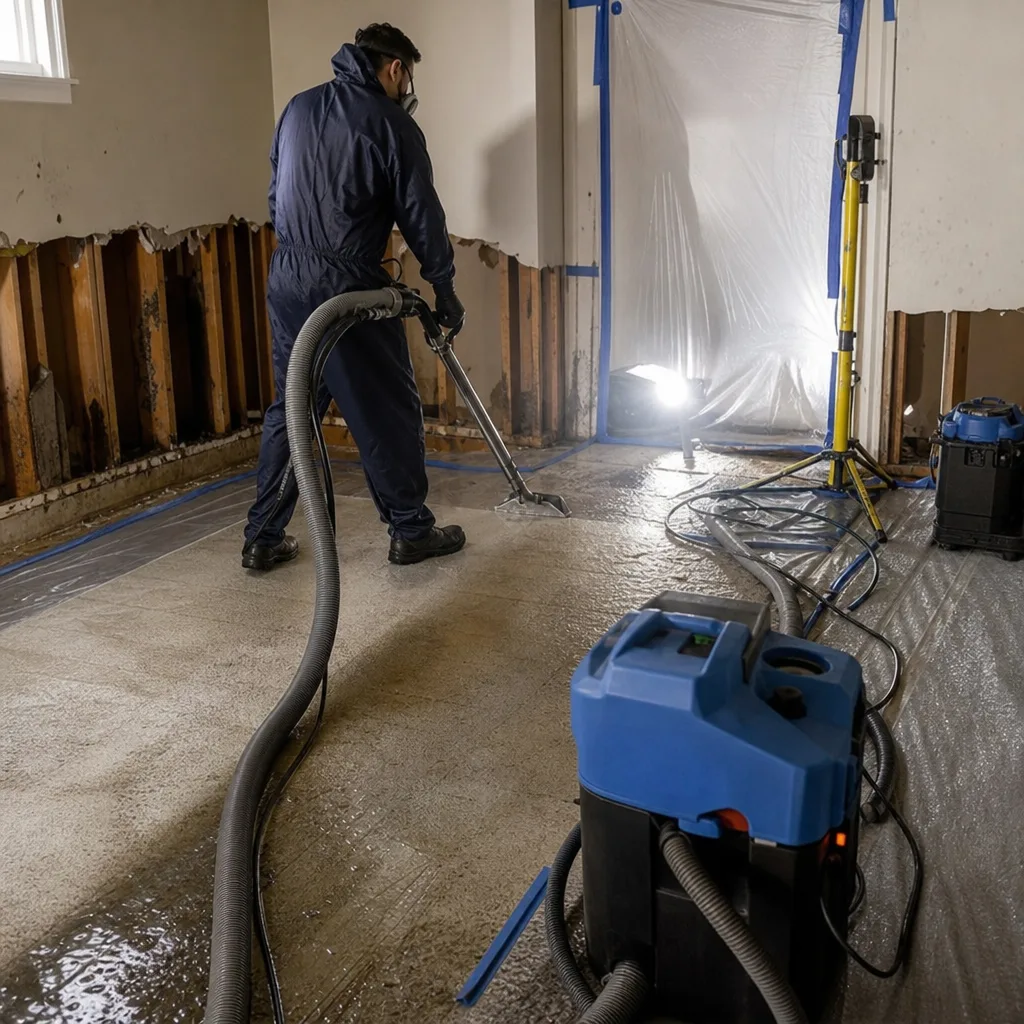
- 45-minute response commitment to any address within Seattle city limits, with dispatch coordinated from our Seattle office.
- 24/7 live answer - a real person, never an automated system or voicemail tree, on every call at (360) 997-2427.
- IICRC-certified crews holding FSRT (Fire and Smoke Restoration Technician) and WRT (Water Damage Restoration Technician) certifications, with AMRT (Applied Microbial Remediation Technician) credentials for the mold issues that follow Seattle fire suppression.
- Free visual inspection on every call, with no obligation and no pressure to authorize work on the spot.
- Direct insurance billing with photo-documented scopes, daily drying logs, and adjuster coordination included as standard.
- One team from board-up to reconstruction - no handoffs between mitigation and rebuild contractors that delay completion and fragment documentation.
BeforeAfterOur Fire & Smoke Damage Restoration Process
1. Inspection & Assessment
We document the fire damage with photographs, test soot residue type with surface sampling, and moisture-map the structure including crawl spaces and foundation perimeters. In Seattle’s hillside neighborhoods, we specifically check for lateral groundwater intrusion through stem walls - moisture readings above 17% WME trigger drainage evaluation before drying begins.
2. Emergency Board-Up & Stabilization
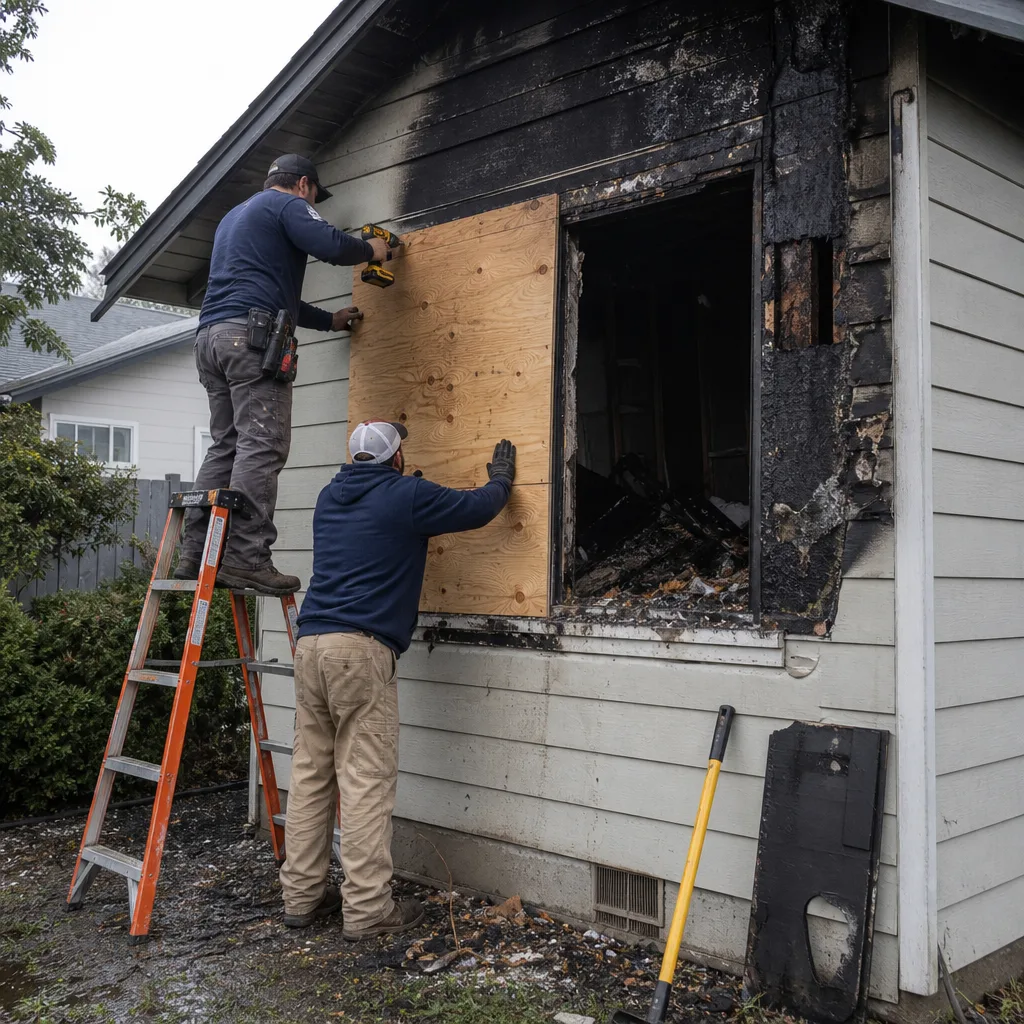
We secure roof breaches, broken windows, and compromised door assemblies with 3/4-inch plywood, heavy-duty tarps, and wind-rated temporary closures. On Seattle’s October-May windstorm schedule, an unsecured opening becomes a pressure breach that pulls rain into wall cavities within hours.
3. Water Extraction & Drainage
Fire suppression water and lateral groundwater are extracted with truck-mounted systems, then we evaluate whether the hardpan-saturated soil requires a temporary French drain or interior drainage channel before structural drying can succeed. Drying against active groundwater intrusion wastes equipment runtime and fails to reach dry standard.
4. Structural Drying & Dehumidification
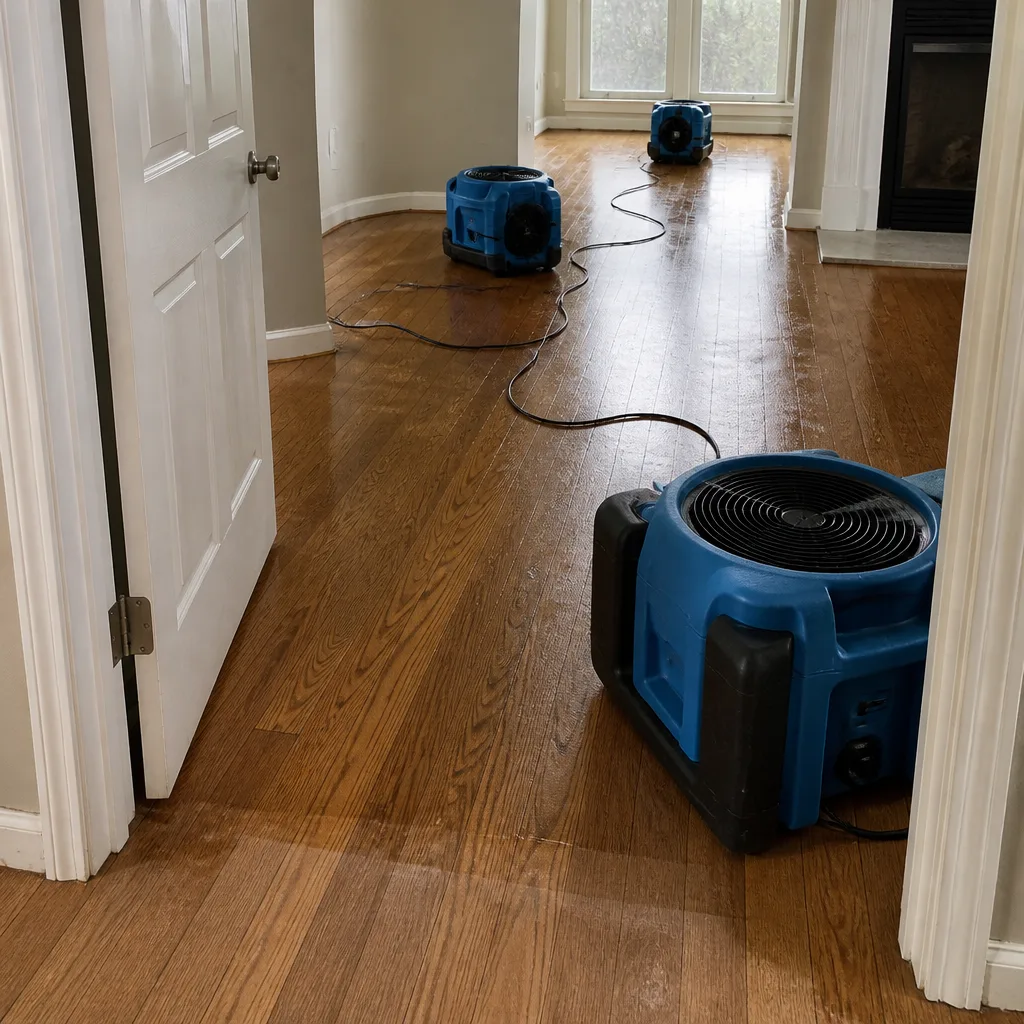
We deploy Dri-Eaz LGR dehumidifiers and XPOWER air movers with psychrometric monitoring - tracking temperature, relative humidity, and vapor pressure differential to drive moisture from deep within charred framing and subfloors. Daily moisture logs document progress to IICRC S500 standards.
5. Smoke & Soot Removal With Odor Treatment
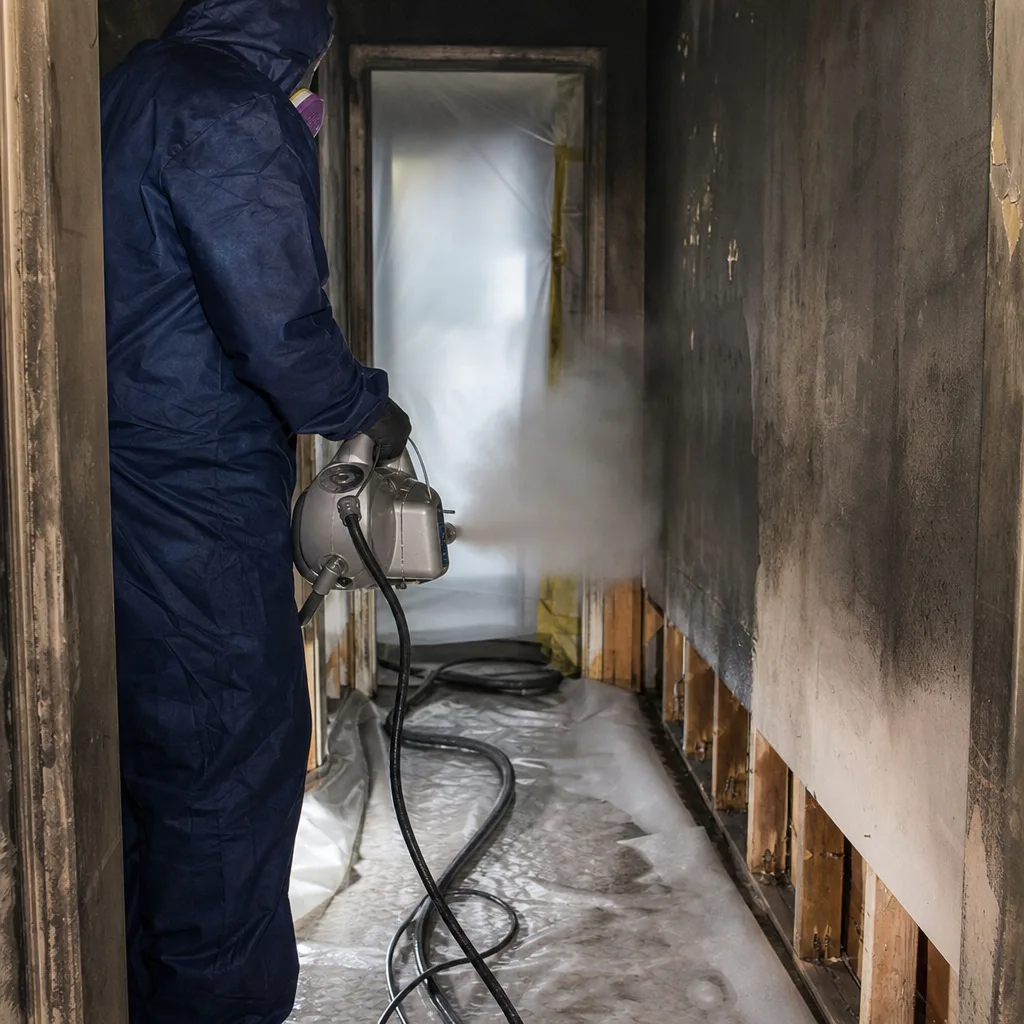
HEPA air scrubbers establish negative-pressure containment while we clean surfaces with chem sponges, ultrasonic systems for contents, and thermal fogging or hydroxyl generators for odor molecules bound into damp cedar and original window seals. Seattle’s marine humidity makes odor encapsulation without proper drying a temporary fix at best.
6. Structural Fire Repair & Reconstruction
Charred framing is removed to sound wood, antimicrobial treatment is applied to remaining structure, and rebuild proceeds with wind-rated door and window assemblies where code requires. A written scope, photo record, and signed 365-Day Done Right Promise close every job.
Need Emergency Fire & Smoke Damage Restoration in Seattle Now?
Crews minutes away, answering live 24 hours a day. The sooner we start, the less it costs.
Working With Your Insurance Company
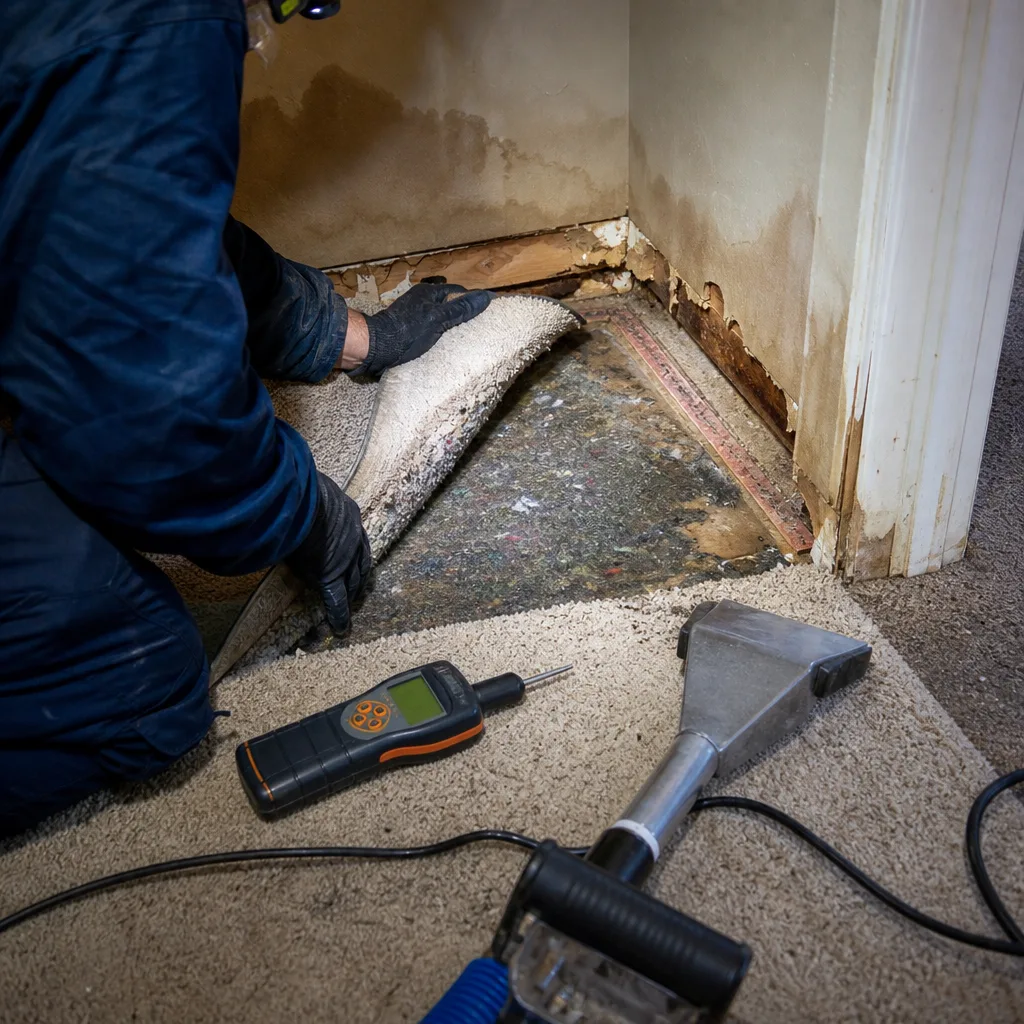
We build every claim file from the first hour with the documentation adjusters need to approve scope without dispute. Our estimates follow industry-standard Xactimate pricing with line-item detail, not lump-sum approximations that trigger review delays. Alicia Brennan founded Back to Dry Restoration in 2011 after working as a claims adjuster and watching homeowners lose coverage fights over incomplete photo records and missing moisture documentation. We do not let that happen on our jobs.
What We Provide Your Insurer
- Thorough documentation of the loss with timestamped photographs
- Photos of all damage, room by room, before any material is moved
- Moisture readings and daily drying logs with equipment placement maps
- A detailed, line-item scope of work with Xactimate pricing
- Direct coordination with your carrier and adjuster, including on-site meetings
Built for Seattle’s Loss Calendar
Seattle’s fire damage season runs counter to national patterns. Peak fire risk concentrates October through March - the same months as windstorm and heating-system strain. Portable space heaters, overloaded electrical circuits in aging knob-and-tube remnants, and chimney fires in original masonry flues drive winter residential fires. The compounding factor: fire suppression during these months occurs when the building envelope is already stressed by wind-driven rain, and crews often discover pre-existing moisture damage once walls are opened.
Spring and summer bring a secondary pattern. The aggressive renovation cycle in tech-boom neighborhoods like Capitol Hill and Ballard frequently exposes unpermitted electrical work, deteriorating cloth-insulated wiring, and gas line modifications that fail under load. Kitchen fires from high-BTU residential ranges - increasingly common in renovated Craftsman kitchens - produce protein residue fires that demand specialized cleaning protocols.
Wind season, October through May, adds a structural dimension. A fire-damaged door or window assembly that has lost its weatherstripping, flashing, or structural integrity becomes a pressure breach in 40+ mph gusts. Rain intrusion through these openings can exceed fire suppression water volumes within 24 hours. Our board-up protocol includes wind-rated temporary closures, and our repair scopes specify impact-rated or wind-rated replacement assemblies where the original location is exposed to prevailing westerlies.
Fire & Smoke Damage Restoration Across Seattle’s Neighborhoods
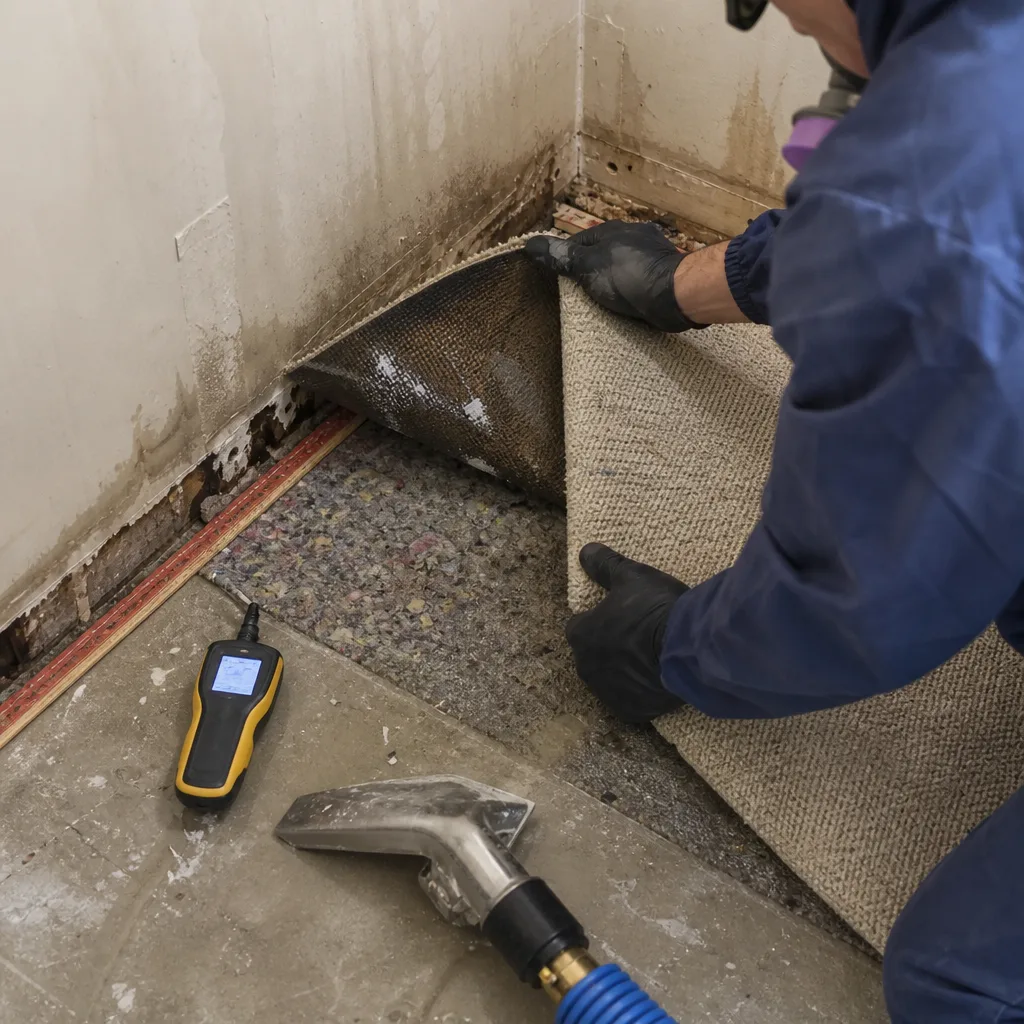
Ballard’s 1920s Craftsman bungalows, built on former tideflats with glacial till beneath, present our most common combined-loss scenario: fire damage to original cedar lap siding and knob-and-tube electrical systems, with lateral groundwater intrusion through crawl space stem walls that re-wet the structure during drying. We have installed temporary French drains on Ballard jobs where moisture mapping showed active water migration even after extraction.
Capitol Hill’s denser housing stock - converted duplexes, early apartment buildings, and renovated Victorians - introduces smoke migration through shared wall cavities and outdated HVAC ducting that connects units. Containment is critical; without it, a single-unit kitchen fire can require smoke remediation in three adjacent apartments. Our crews map airflow paths with thermal imaging before establishing negative pressure.
West Seattle and Beacon Hill’s hillside lots, with their pronounced grades and exposed foundations, show the hardest hardpan effects. We’ve found standing water in crawl spaces during fire damage assessments where the homeowner had no previous water issues - the fire department’s suppression water found the path of least resistance through the stem wall, and the hardpan prevented any downward drainage. These jobs require drainage installation before drying equipment can achieve dry standard.
Queen Anne’s mix of early-1900s estates and mid-century apartments sits on some of Seattle’s most dramatic grades. Fire damage here often involves roof breaches from chimney or electrical fires, with wind-driven rain compounding the loss while crews are still en route. Our 45-minute response commitment is designed for these exposures.
Specialized Fire & Smoke Damage Restoration Services We Offer in Seattle
Fire Damage Cleanup
We remove charred structural materials to sound wood, clean soot from salvageable surfaces with residue-appropriate methods, and apply antimicrobial treatment to prevent mold in Seattle’s humidity. Every removal is documented with before-and-after photographs for the scope of work.
Smoke & Soot Removal
Dry, wet, and protein soot residues each demand distinct cleaning chemistry and mechanical action. In Seattle’s damp Craftsman homes, wet smoke from slow fires penetrates deeply into unsealed cedar and original plaster; we use HEPA vacuuming, chem sponge cleaning, and ultrasonic immersion for contents, with moisture-content verification before sealing any surface.
Odor Removal & Deodorization
Smoke odor molecules bind to porous materials and reactivate with humidity changes. Seattle’s marine climate, with its narrow temperature swings and persistent moisture, makes temporary masking a predictable failure. We use hydroxyl generators for occupied spaces and thermal fogging for unoccupied structures, with vapor pressure monitoring to confirm that odor sources have been eliminated, not covered.
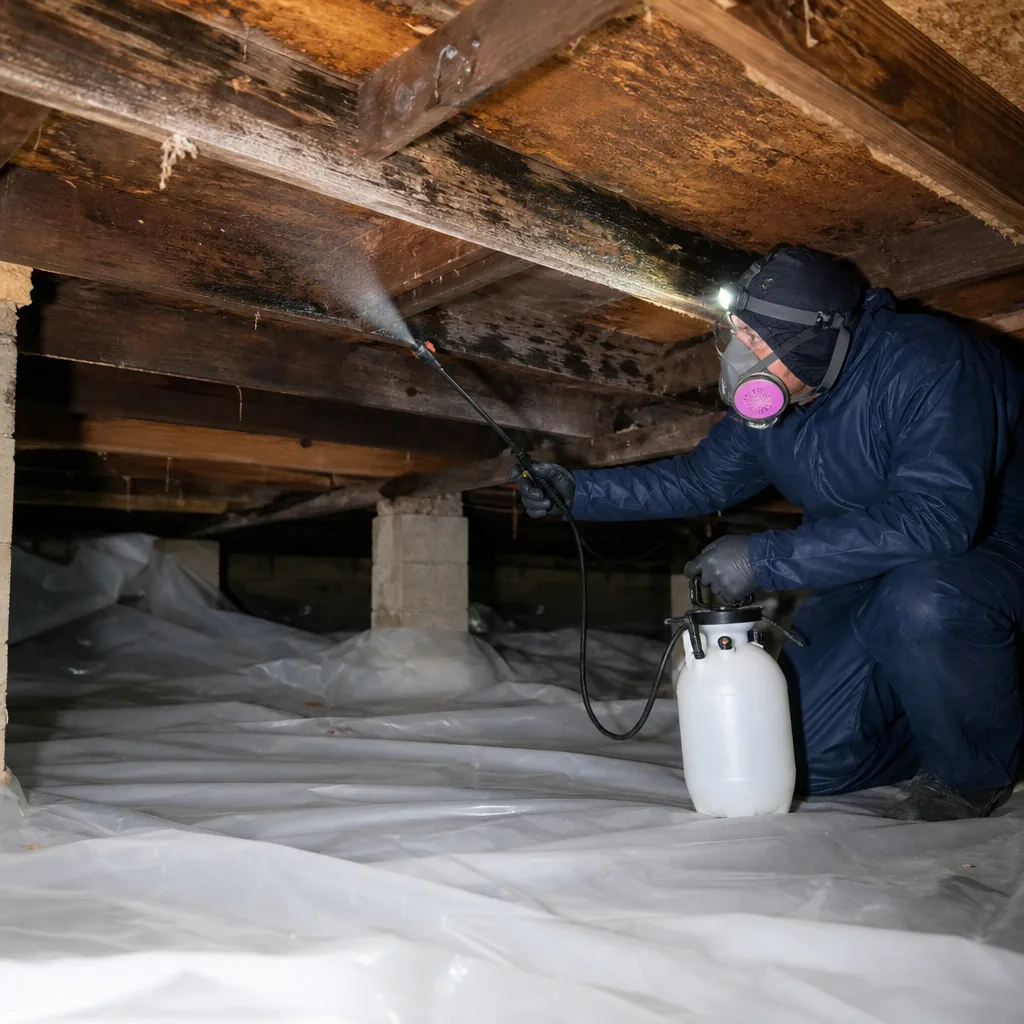
Contents Cleaning & Pack-Out
Smoke-damaged contents are inventoried, photographed, and packed out to our cleaning facility for ultrasonic, ozone, or specialized textile treatment. For Ballard bungalows and Capitol Hill apartments with limited staging space, pack-out clears the structure for faster remediation and protects items from secondary damage during drainage and drying work.
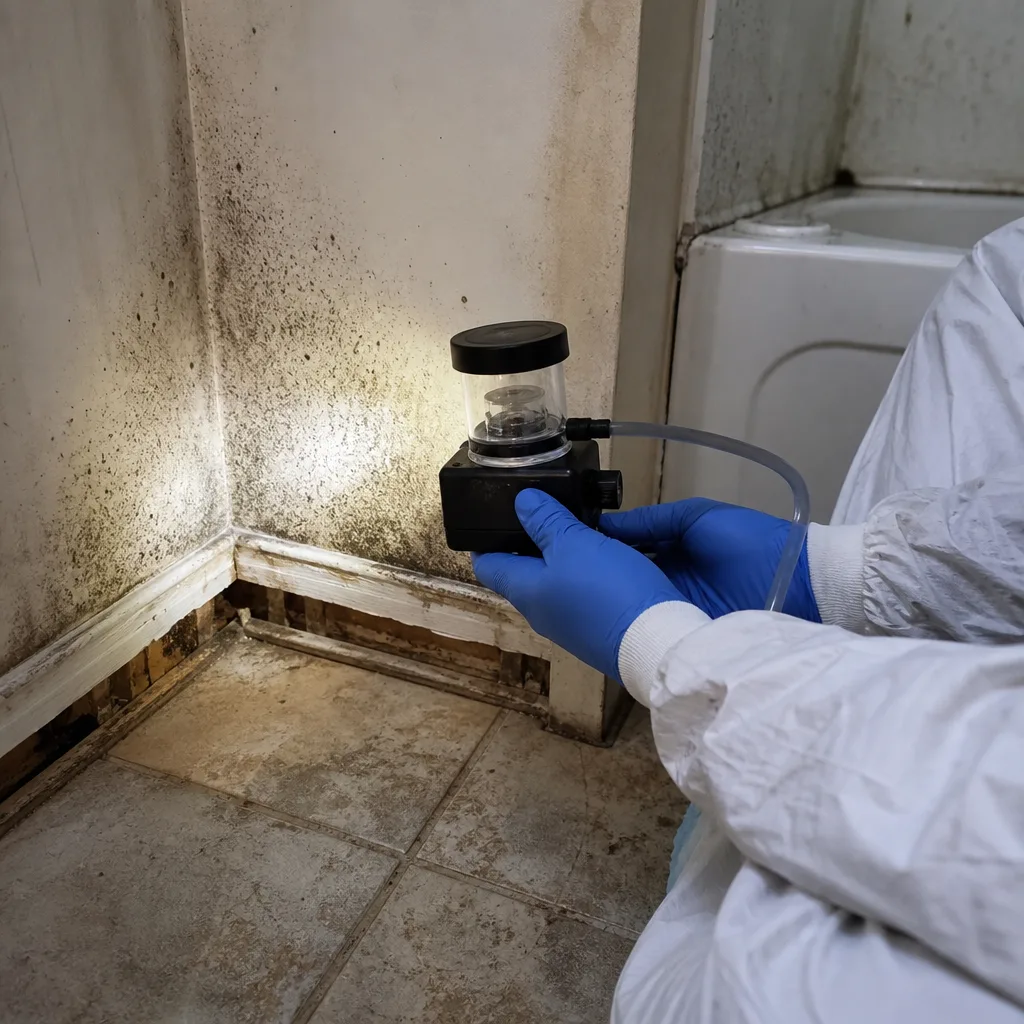
Emergency Board-Up & Tarping
We secure fire-damaged openings with materials rated for Seattle’s wind loads, not lightweight temporary coverings that fail in the first storm. Door and window assemblies are assessed for structural integrity; compromised frames receive reinforced temporary closures until wind-rated replacements are installed.
What happens when you call
- 1
A real person answersNo phone trees - you reach a local pro.
- 2
You get an upfront price rangeHonest numbers before anyone is dispatched.
- 3
A background-checked tech heads outLicensed & insured, dispatched right away.
- 4
You approve before work beginsNothing starts until you say go.
Fire & Smoke Damage Restoration Costs in Seattle, WA
Smoke and soot cleanup for a contained kitchen fire in a Seattle apartment or bungalow typically runs $4,200-$8,500. Structural fire repair involving charred framing, roof deck replacement, and wind-rated door or window installation ranges $12,000-$35,000 for partial-room involvement, with whole-structure losses exceeding $50,000. Contents cleaning and pack-out adds $1,800-$6,500 depending on inventory volume and contamination level.
What moves the price: the square footage of smoke migration (not just the burn area), the need for drainage installation before drying on hillside lots, the presence of hazardous materials like asbestos in pre-1970s insulation, and whether reconstruction requires permit-grade wind-rated assemblies. Insurance typically covers direct fire and smoke damage, plus water damage from suppression; our written scope separates covered and non-covered line items before work begins. Haven Standard, Clause 1: the price you approve is the price you pay. Call (360) 997-2427 for a free visual inspection and written estimate.
We Also Serve Cities Near Seattle
Our Seattle office dispatches crews throughout the metro area, including Bellevue, Kirkland, Redmond, and Renton. Each community receives the same documentation-first protocol: written price before work, photo record on every visit, and direct adjuster coordination.
Serving Seattle, WA - Our Local Coverage Area
We’re based in the Seattle area and know this community well. Use the map below to see our service coverage - if you’re nearby, we can almost certainly help.
Seattle Fire & Smoke Damage Restoration Questions, Answered
Why does my Seattle fire damage cleanup need a French drain before structural drying?
Because Seattle’s glacial till hardpan on hillside lots prevents groundwater from draining downward, forcing it sideways through your foundation stem wall. Fire suppression water saturates the soil around your home; without drainage, that moisture re-wets framing and subfloors as fast as dehumidifiers pull it out. We moisture-map the crawl space first. If readings show active lateral intrusion, we install temporary drainage before deploying drying equipment. Call (360) 997-2427 for a free inspection.
How does Seattle’s marine climate affect smoke odor removal after a fire?
Seattle’s persistent humidity keeps porous materials in a semi-absorptive state, allowing smoke odor molecules to penetrate deeper and reactivate with seasonal moisture changes. Odor treatments that work in drier climates often fail here within weeks. We verify that vapor pressure differentials have actually driven odor sources from materials, rather than masking them, before declaring the job complete. Call (360) 997-2427 for a free inspection.
What should I do about my fire-damaged door or window to prepare for Seattle’s wind season?
Have it assessed for structural integrity and weatherseal function immediately. A compromised door or window becomes a pressure breach in 40+ mph windstorms, pulling rain into wall cavities and converting fire damage into chronic moisture-envelope failure. Our board-up protocol uses wind-rated temporary closures; repair scopes specify impact-rated or wind-rated replacement assemblies where code requires. Call (360) 997-2427 for emergency board-up.
Can you clean and store my contents if my Ballard bungalow has fire damage?
Yes. We inventory, photograph, and pack out smoke-damaged contents to our cleaning facility for ultrasonic, ozone, or specialized textile treatment. Ballard’s compact lot sizes and limited staging space make pack-out particularly valuable; it clears the structure for faster remediation and protects items from secondary damage during drainage and drying work. Call (360) 997-2427 to schedule contents service.
Does fire damage in Seattle’s older homes always mean hidden water damage?
Not always, but frequently enough that we moisture-map every fire job. Seattle’s 1920s-1940s Craftsman stock has vented crawl spaces over exposed earth, single-pane windows with failed seals, and original cedar siding that wicks moisture. Fire suppression water, combined with the city’s chronic lateral groundwater intrusion on hillside lots, often produces hidden saturation that would become mold within 48-72 hours if unaddressed. Our inspection includes crawl space moisture readings as standard. Call (360) 997-2427 for a free visual inspection.
How fast can your crew actually get to my Seattle address?
We commit to 45 minutes from call to arrival for any address within Seattle city limits, with dispatch coordinated from our Seattle office. Live answer 24/7 at (360) 997-2427 - no voicemail, no callback queues. The first hour determines smoke migration extent; speed matters for final cost, not just convenience.
Will my insurance cover fire and smoke damage restoration?
Homeowners insurance typically covers direct fire and smoke damage, water damage from fire suppression, and necessary mitigation to prevent further loss. Coverage disputes usually arise from documentation gaps, not from the damage itself. We provide insurers with timestamped photographs, moisture readings, daily drying logs, and line-item Xactimate scopes - the documentation standard that gets claims approved. Call (360) 997-2427; we can review your policy and loss on the initial call.
What certifications do your fire restoration technicians hold?
Our lead technicians hold IICRC FSRT (Fire and Smoke Restoration Technician) certification, with WRT (Water Damage Restoration Technician) and AMRT (Applied Microbial Remediation Technician) credentials for the water and mold issues that follow fire suppression. All work is documented to IICRC, RIA, and IFA standards. Call (360) 997-2427 to verify current certifications for your assigned crew.
Written by Alicia Brennan, Owner at Back to Dry Restoration, serving Seattle since 2011.
Fire & Smoke Damage Restoration in Nearby Areas