
Free visual inspection and a written scope of work before any mitigation begins - photos, moisture readings, and drying logs go in your claim file
The scope we write is the scope we bill. Anything new gets shown to you, in writing, before we touch it.
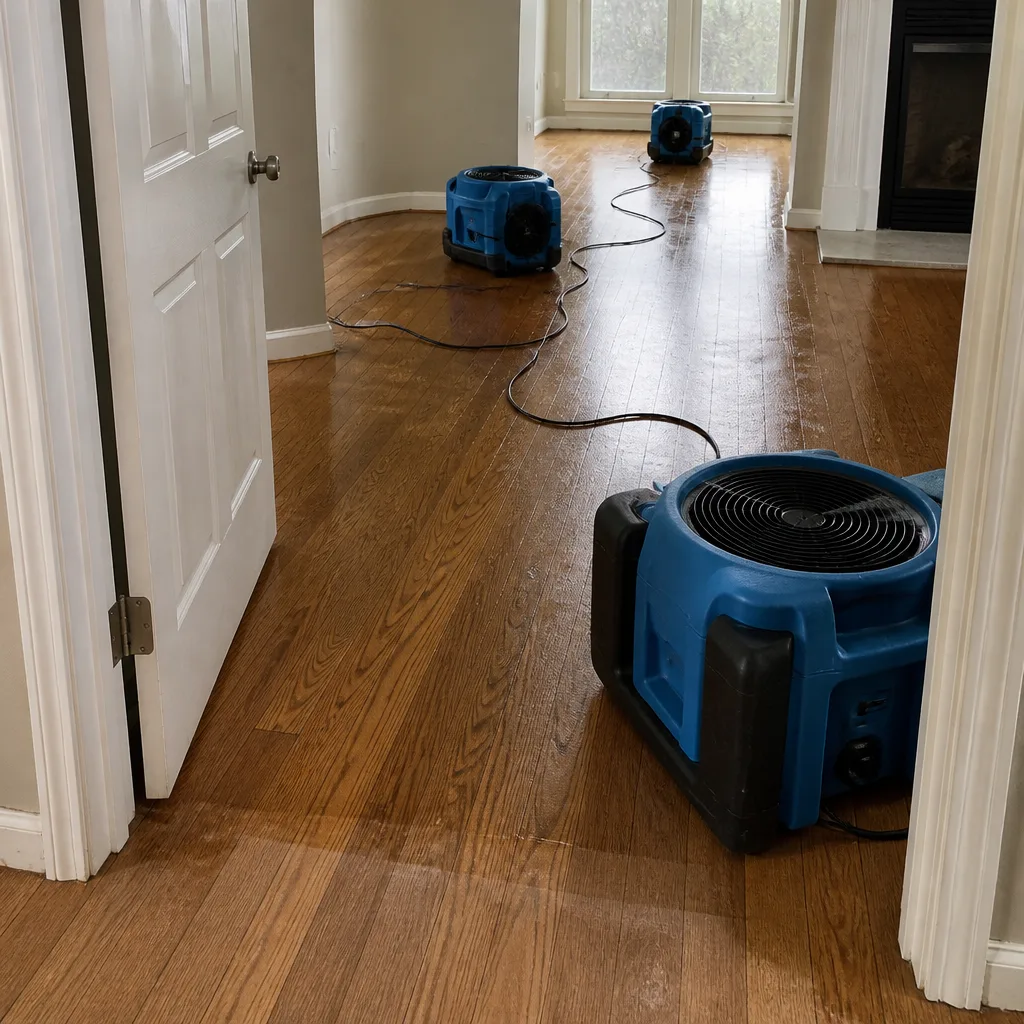
 Before
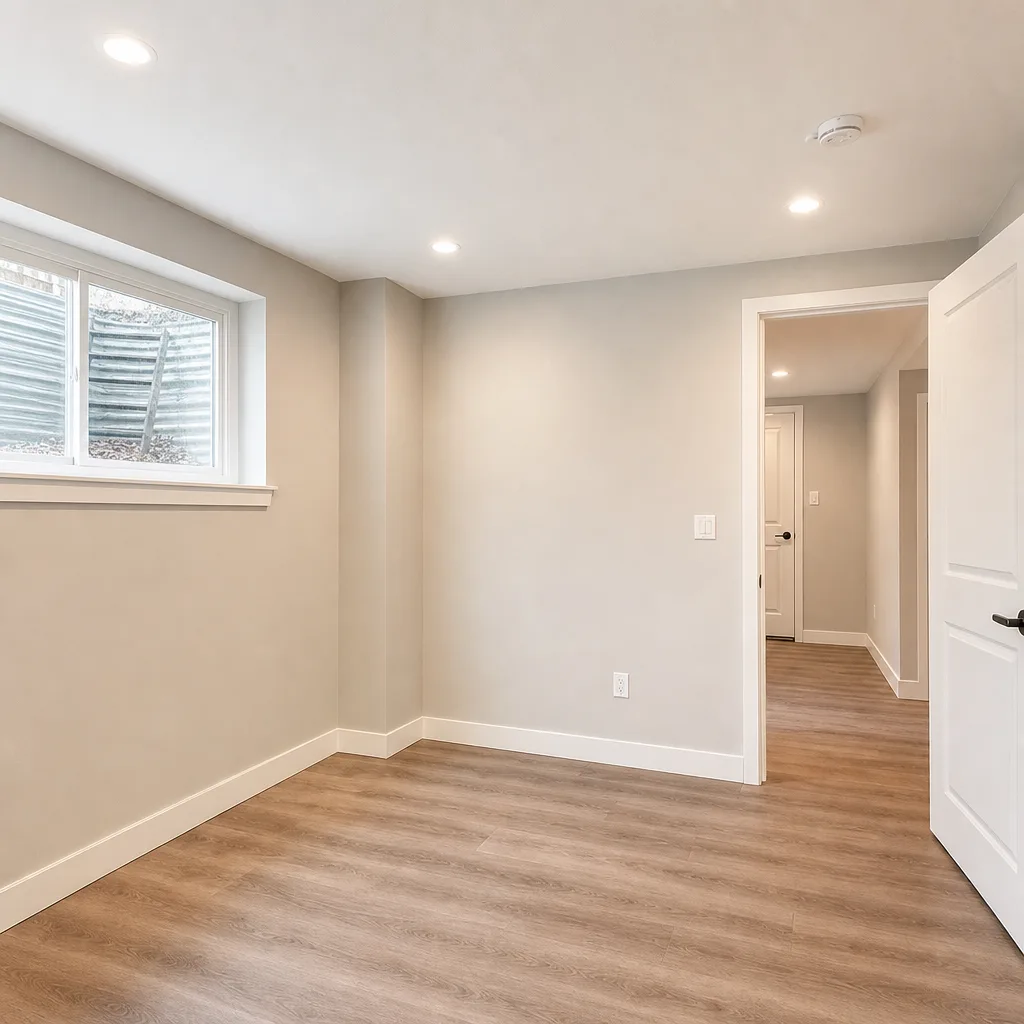 After
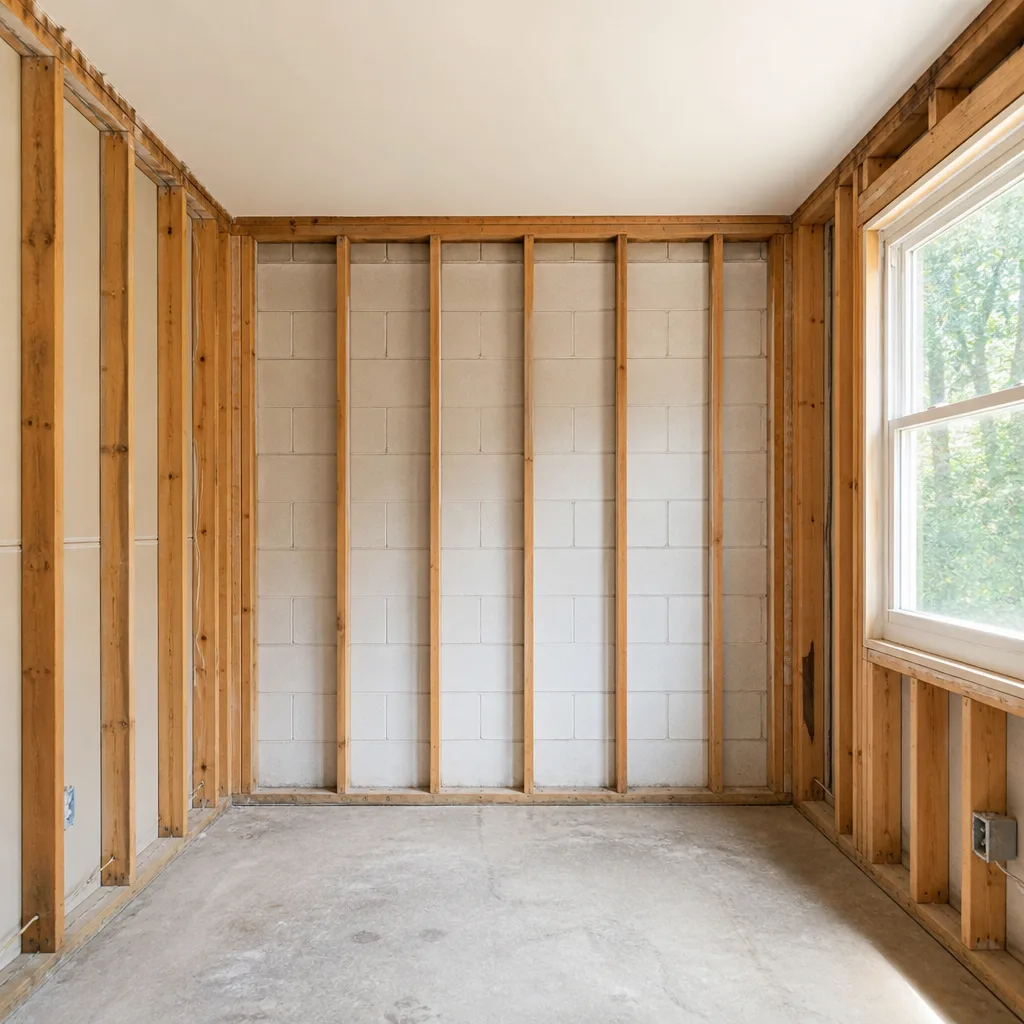
After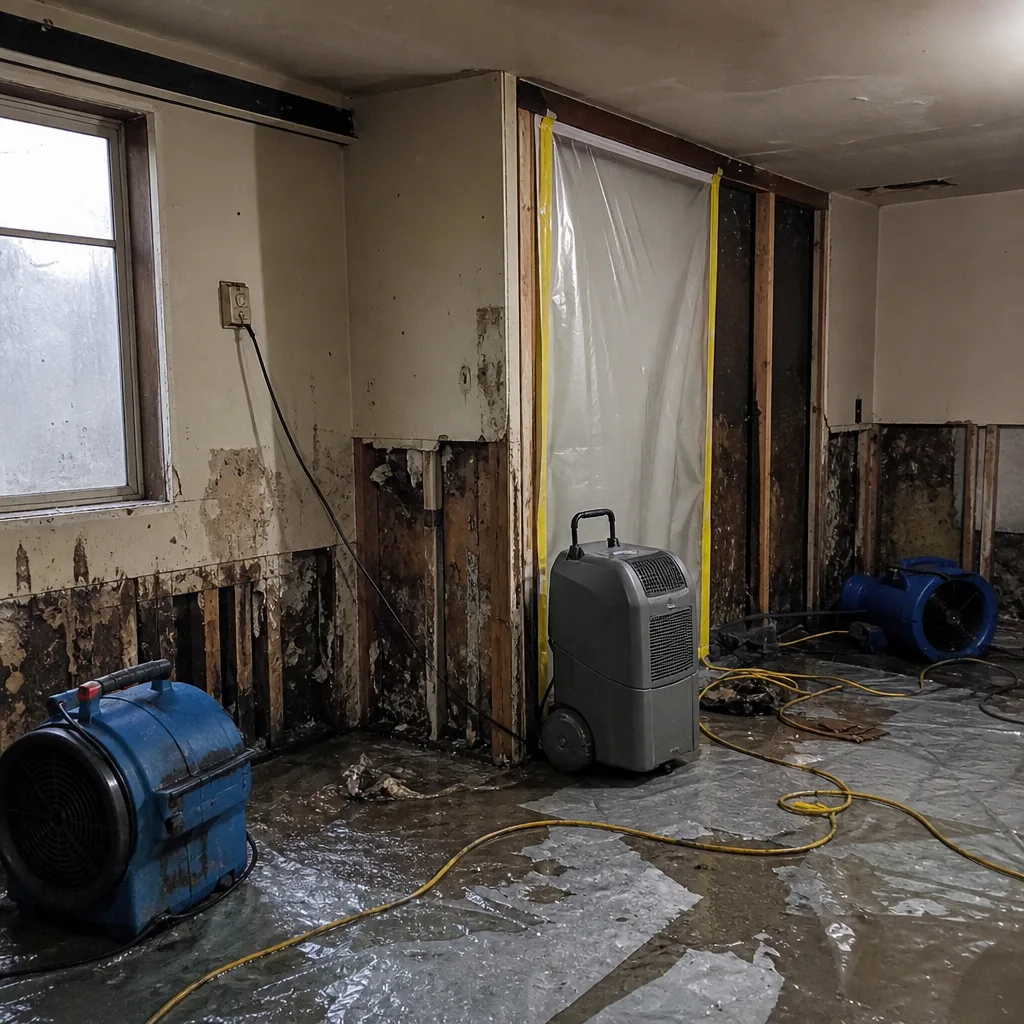 Before
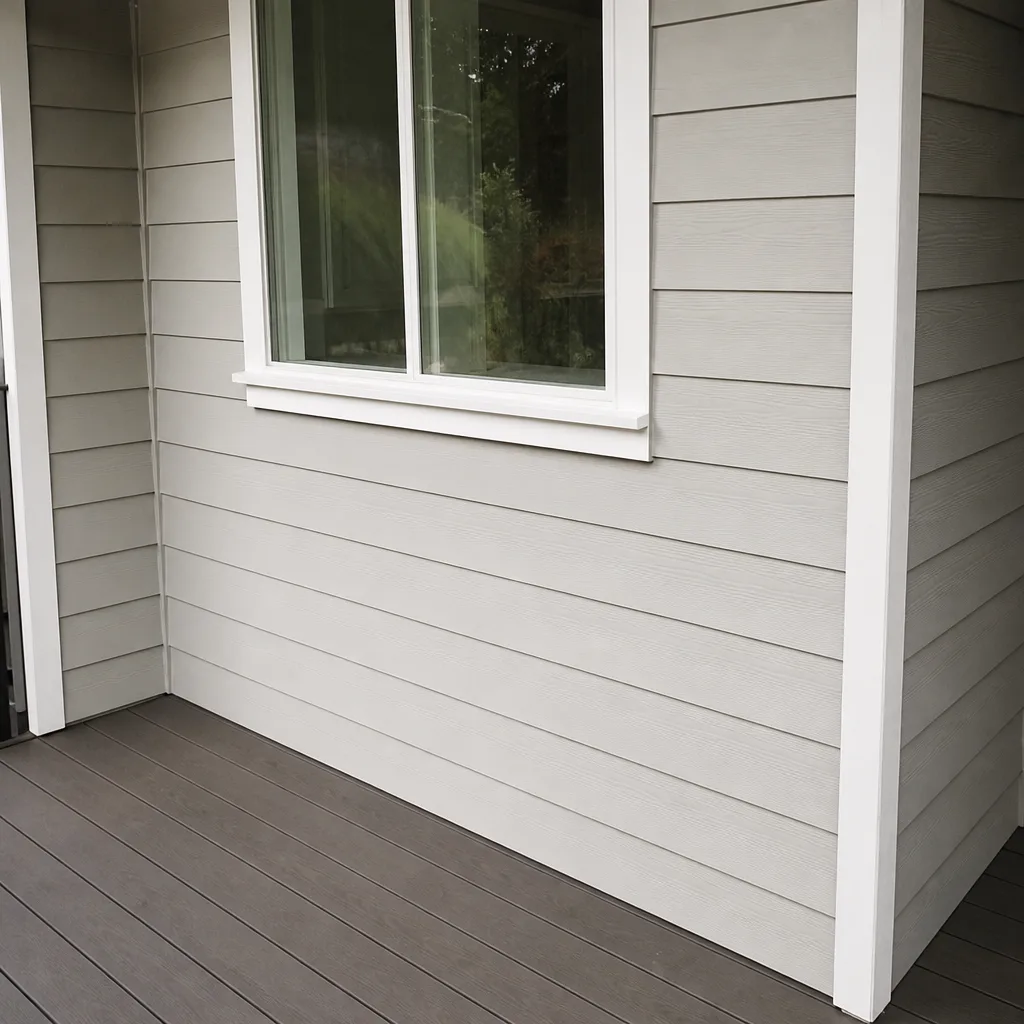 After
After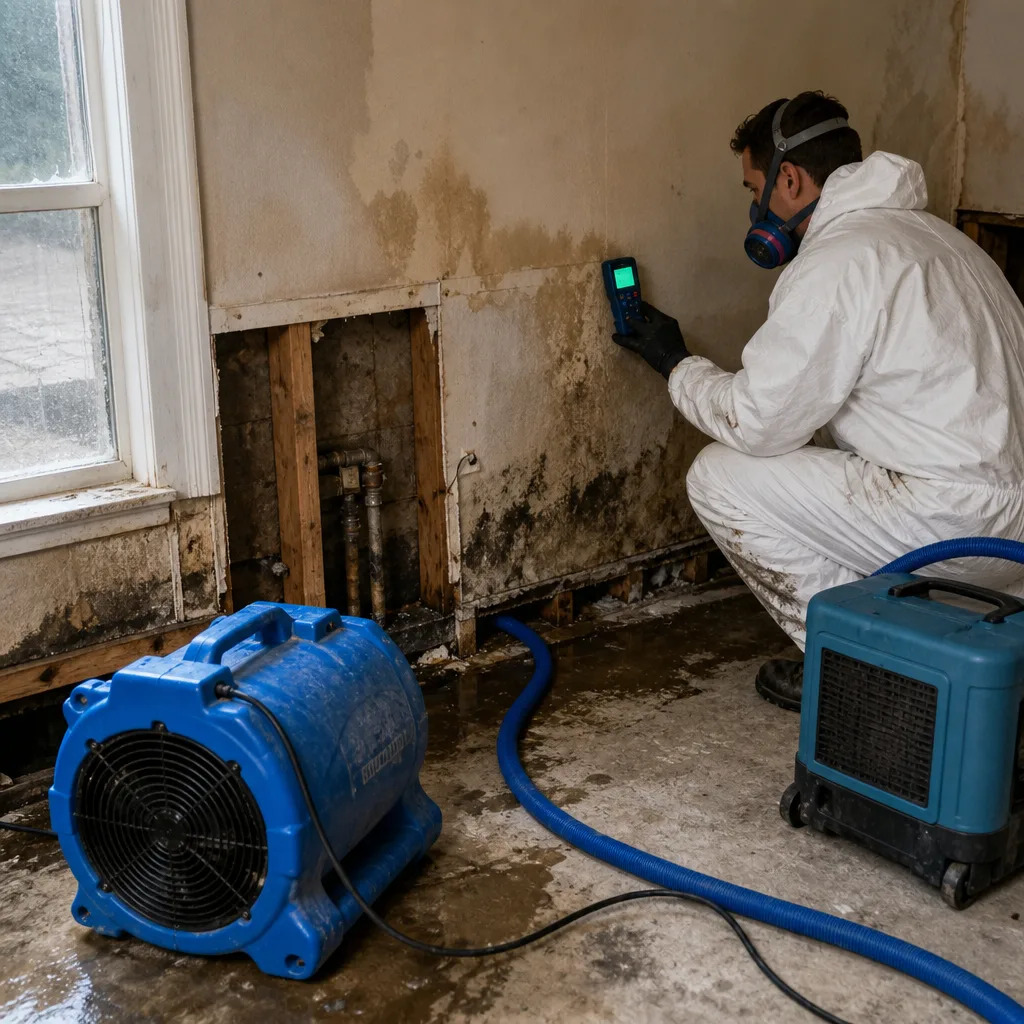 Before
 After
After24/7 Emergency Mold Remediation in Tukwila
Call (360) 997-2427 now. A live person answers every call, 24 hours a day, 7 days a week - no voicemail, no callback queues. Our crews dispatch throughout Tukwila from our Seattle coordination office, typically arriving within 45 minutes of your call. We provide a free visual inspection on arrival, document everything with photos, and deliver a written price before any work begins - Haven Standard, Clause 1.
The first hour matters more in mold remediation than in almost any other restoration discipline. Mold colonies establish within 24-48 hours of water intrusion, and in Tukwila’s Green River valley floor, that timeline compresses further. The local water table stays elevated from October through March, keeping subfloor cavities and crawl space soils saturated for months. Waiting means visible mold becomes hidden mold behind drywall, under cabinets, and inside HVAC plenums. Waiting also means your insurer questions whether you took reasonable steps to mitigate - and that question can cost you thousands in uncovered secondary damage.
Understanding Mold Remediation Severity in Tukwila Properties
Mold remediation severity is classified by affected square footage, material porosity, and the water category that initiated growth. Category 1 water - clean supply line breaks - produces the least complex mold jobs: non-porous surfaces, limited spread, straightforward containment with polyethylene sheeting and negative air pressure using HEPA-filtered air scrubbers. Category 2 water - gray water from washing machines or sump overflows - requires antimicrobial treatment of all affected porous materials and more aggressive air filtration. Category 3 water - black water containing sewage, chemicals, or floodborne contaminants - demands full removal of porous structural materials, extended drying protocols, and clearance testing before reconstruction.
In Tukwila, Category 3 jobs dominate. The lower Duwamish industrial waterway carries Superfund-corridor contaminants, and floodwater entering Tukwila structures routinely tests positive for elevated heavy metals and petroleum byproducts. Our crews treat every flood-originated mold job as Category 3 until lab results prove otherwise. The 1950s-1970s ranch and split-level homes in Foster, Riverton Heights, and Tukwila Village compound this challenge: their vented crawl spaces sit directly over low-lying, river-valley soils with failed or missing vapor barriers, creating chronic moisture reservoirs that reactivate mold colonies even after apparent remediation.
Why Tukwila Property Owners Choose DryMark Restoration Kent
- 45-minute response commitment to Tukwila addresses, with crews staged for the Green River valley corridor.
- 24/7 live answer - a real person, never an automated system or voicemail tree, on every call at every hour.
- IICRC-certified crews holding WRT (Water Damage Restoration Technician), AMRT (Applied Microbial Remediation Technician), and FSRT (Fire & Smoke Restoration Technician) credentials.
- Free visual inspection with documented photo record before any scope is written or any price is quoted.
- Direct insurance billing with adjuster coordination, including FEMA flood zone documentation where required.
- One team from mold containment through reconstruction - no handoffs to unfamiliar subcontractors.
BeforeAfterOur Mold Remediation Process
1. Inspection & Assessment
We map moisture intrusion using thermal imaging cameras, pin and pinless moisture meters, and psychrometric data - temperature, relative humidity, and vapor pressure differential, which is the force that drives moisture from wet materials into dry air. In Tukwila, we also check FEMA flood zone maps before scoping; many parcels carry Special Flood Hazard Area designations that trigger specific insurer documentation requirements.
2. Containment & Air Quality Control
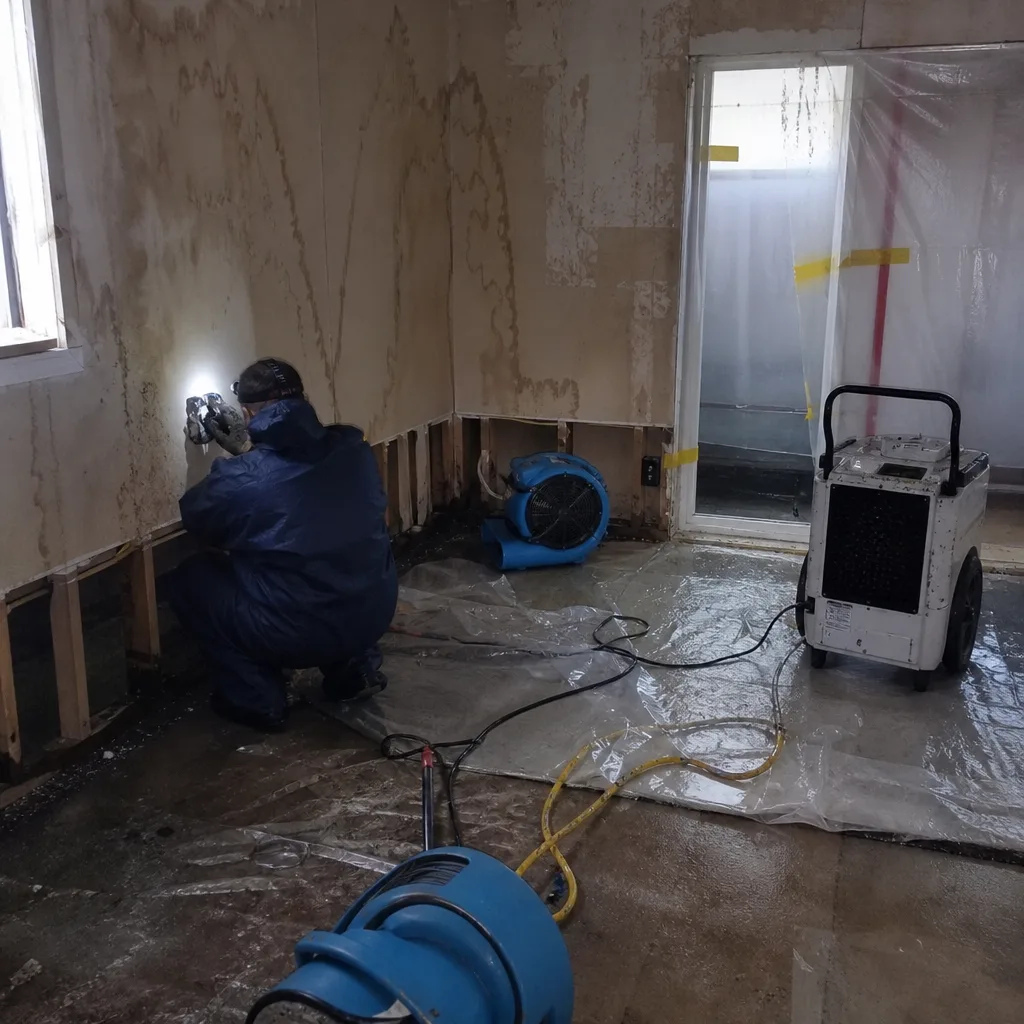
We establish polyethylene containment barriers and negative air pressure using HEPA-filtered air scrubbers rated at 99.97% efficiency at 0.3 microns. This prevents cross-contamination to unaffected areas, critical in Tukwila’s older homes with central HVAC systems that can distribute spores throughout the structure.
3. Moisture Extraction & Structural Drying
We deploy Dri-Eaz and Phoenix LGR dehumidifiers, XPOWER and B-Air axial air movers, and Injectidry cavity drying systems for wall voids and subfloor spaces. Tukwila’s high water table means drying logs often run 30-50% longer than comparable square footage in higher-elevation King County markets; we document every reading until materials reach established dry standards.
4. Cleaning & Antimicrobial Treatment
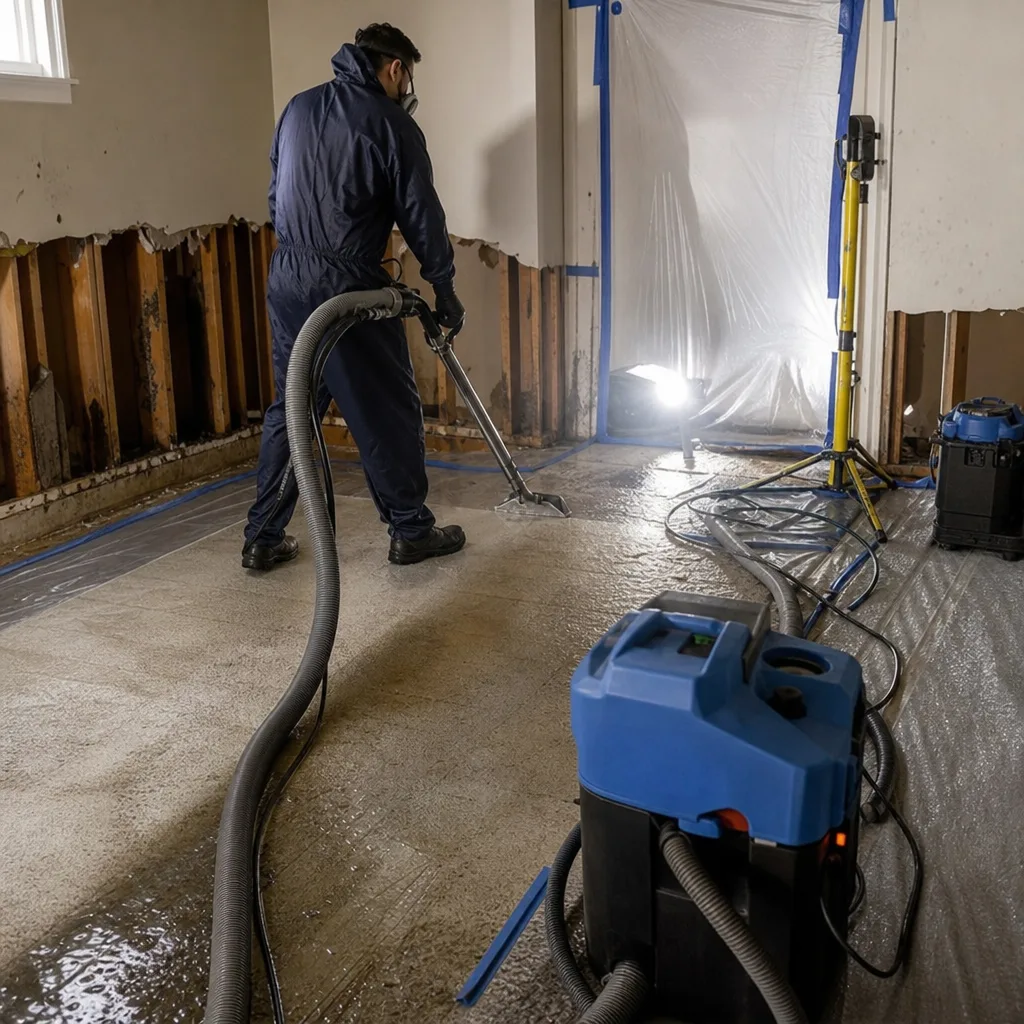
All affected non-porous surfaces receive HEPA vacuuming followed by EPA-registered antimicrobial application. Porous materials that have absorbed Category 3 water - insulation, drywall, particleboard subflooring - are removed and disposed of as regulated waste. We photograph every removal and document square footage for your insurer.
5. Crawl Space & Moisture Control
For Tukwila’s prevalent crawl space mold, we install or repair vapor barriers, seal foundation vents where appropriate, and recommend permanent moisture control solutions - dehumidifiers, sump pumps, or encapsulation - based on soil conditions and seasonal water table data from your specific property.
6. Clearance Testing & Restoration
Independent third-party lab analysis confirms airborne spore counts have returned to acceptable levels before containment is removed. Reconstruction follows, with our crew restoring removed materials to pre-loss condition. Every job carries the 365-Day Done Right Promise under The Haven Standard.
Need Emergency Mold Remediation in Tukwila Now?
Crews minutes away, answering live 24 hours a day. The sooner we start, the less it costs.
Working With Your Insurance Company
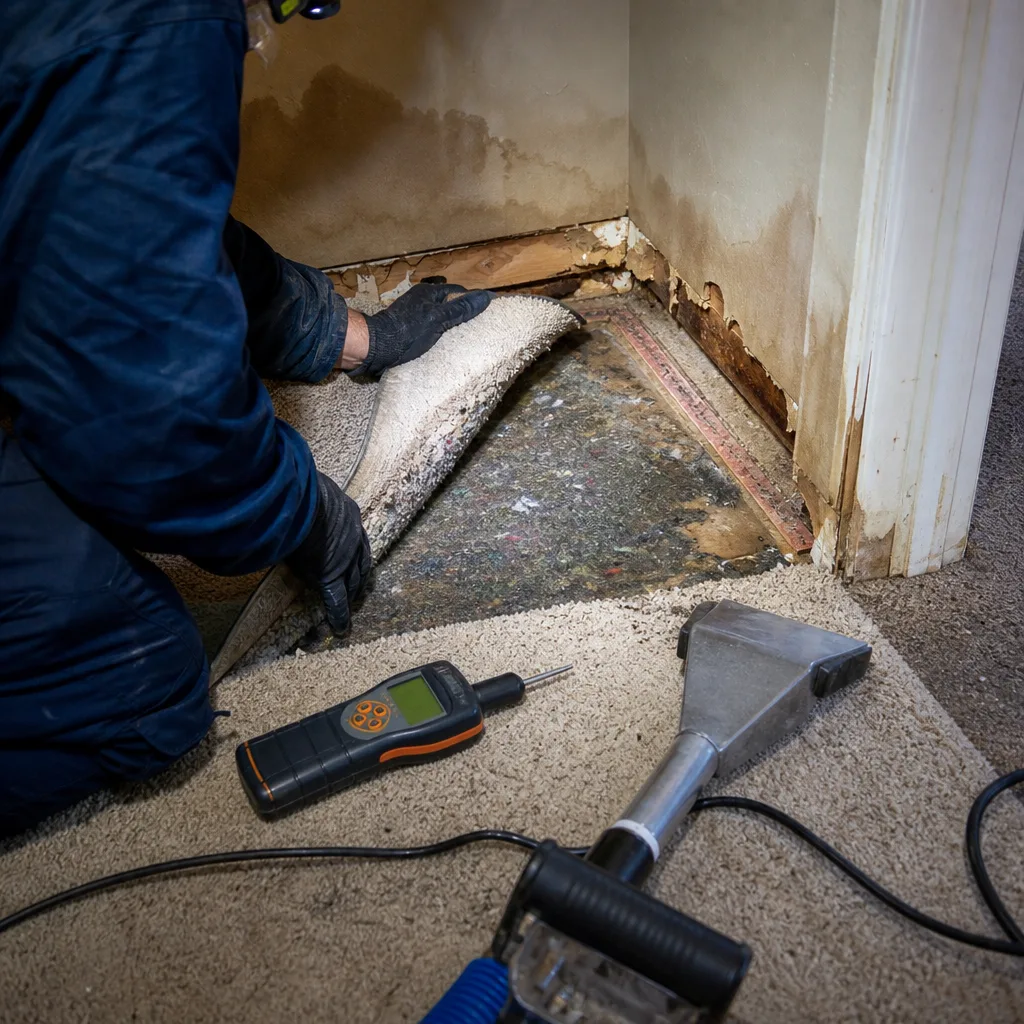
Documentation from the first hour is what turns a mold remediation invoice into a claim your insurer pays without dispute. We photograph every room on every visit, record moisture readings at each check, and maintain daily drying logs that meet IICRC, RIA, and IFA standards. Our estimates are written in line-item detail, not lump-sum language that triggers adjuster scrutiny.
For Tukwila properties in FEMA Special Flood Hazard Areas - a significant share of residential parcels here - we prepare additional documentation: flood zone verification, elevation certificates where available, and proof that mitigation began within the reasonable timeframe your policy requires. This paperwork burden rarely appears at this frequency in adjacent Renton or SeaTac neighborhoods, and skipping it leads to denied claims and incomplete billing.
What We Provide Your Insurer
- Thorough documentation of the loss, including water category determination and source identification
- Photos of all damage, room by room, with date and time stamps on every image
- Moisture readings and drying logs showing psychrometric conditions and progress toward dry standards
- A detailed, line-item scope of work with material classifications and waste disposal records
- Direct coordination with your carrier, including FEMA flood zone documentation where applicable
Built for Tukwila’s Loss Calendar
Tukwila’s mold season runs October through April, driven by the Green River valley’s unique hydrology rather than the calendar alone. Autumn rains begin saturating river-valley soils in October, elevating the water table beneath crawl spaces and slab edges weeks before surface flooding becomes visible. November and December bring the first crawl space mold calls - homeowners notice musty odors or warped flooring, often months after a minor leak they assumed had dried.
January and February deliver the heaviest losses: King County storm systems overwhelm drainage, the Howard Hanson Dam operates at capacity, and any seepage or overtopping sends Category 3 water into low-lying neighborhoods. Our crew was called to a 1960s ranch in Riverton Heights after a winter flood event. We found standing Category 3 water in the crawl space, with visible mold growth on floor joists and subfloor sheathing. After water extraction and moisture mapping, we set up containment, applied antimicrobial treatment, and installed Injectidry and Dri-Eaz drying equipment. The job required FEMA flood zone documentation before we could finalize the scope of work for the insurer.
March and April see secondary mold outbreaks - jobs where initial water mitigation was handled by crews unfamiliar with Tukwila’s extended drying requirements. Mold returns behind baseboards, under vinyl flooring, inside wall cavities. These are often the most expensive jobs: containment must be re-established, finished materials removed, and the original drying deficit corrected before remediation can proceed.
Mold Remediation Across Tukwila’s Neighborhoods
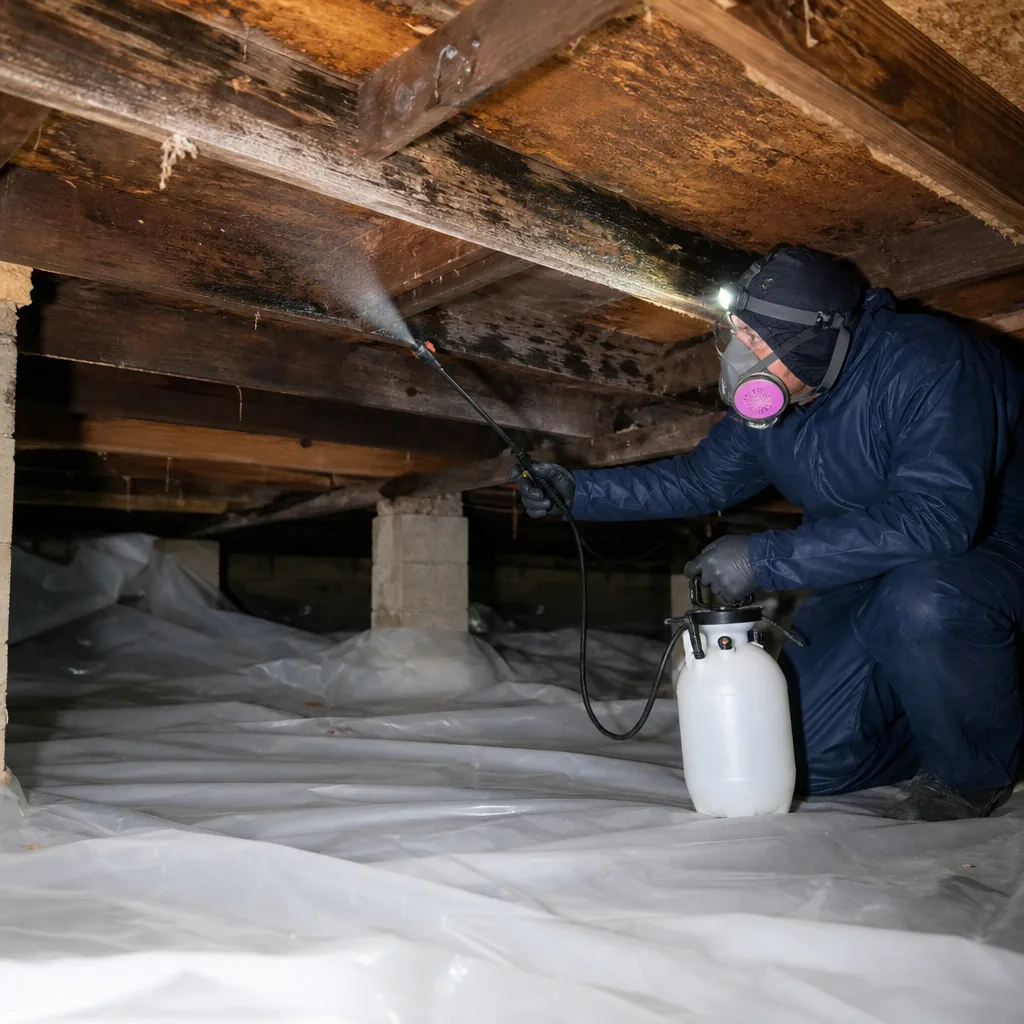
Foster, in Tukwila’s northwest corner, holds some of the city’s oldest residential stock - 1950s ranches on generous lots with original vented crawl spaces and no vapor barriers. We see chronic subfloor mold here, often discovered when homeowners remodel and find joists black with Stachybotrys growth. The soil stays wet from October through March; without active moisture control, remediation alone is temporary.
Riverton Heights, south of Interurban Avenue, sits lower in the floodplain and carries more SFHA-designated parcels. Flooding arrives faster here, and mold follows within days. The 1960s split-levels are particularly vulnerable: their mid-level entry design places living space directly above crawl spaces that flood first. We prioritize rapid moisture mapping in these homes to determine whether subflooring can be salvaged or must be removed.
Tukwila Village, the newer mixed-use core around Tukwila International Boulevard, presents different challenges. Multi-family structures share HVAC systems that can distribute spores across units; our containment protocols must account for common plenum spaces. The commercial-retail ground floors also see roof-drainage failures and slab moisture intrusion from poorly compacted fill soils.
The Southcenter and Andover Park West corridors - Tukwila’s commercial and warehouse backbone - feature large-footprint flat-roof structures where ponding water breaches membrane seams and HVAC condensate lines breed Aspergillus and Penicillium in ceiling plenums. These jobs require specialized lift equipment and after-hours scheduling to minimize business disruption.
Specialized Mold Remediation Services We Offer in Tukwila
Mold Inspection & Testing
We begin with visual inspection, moisture mapping, and air sampling analyzed by independent laboratories. In Tukwila, we also assess crawl space vapor barrier condition and soil saturation levels - factors that determine whether mold will return regardless of surface treatment. Testing distinguishes cosmetic staining from active colonization, and identifies species that may require enhanced containment protocols.
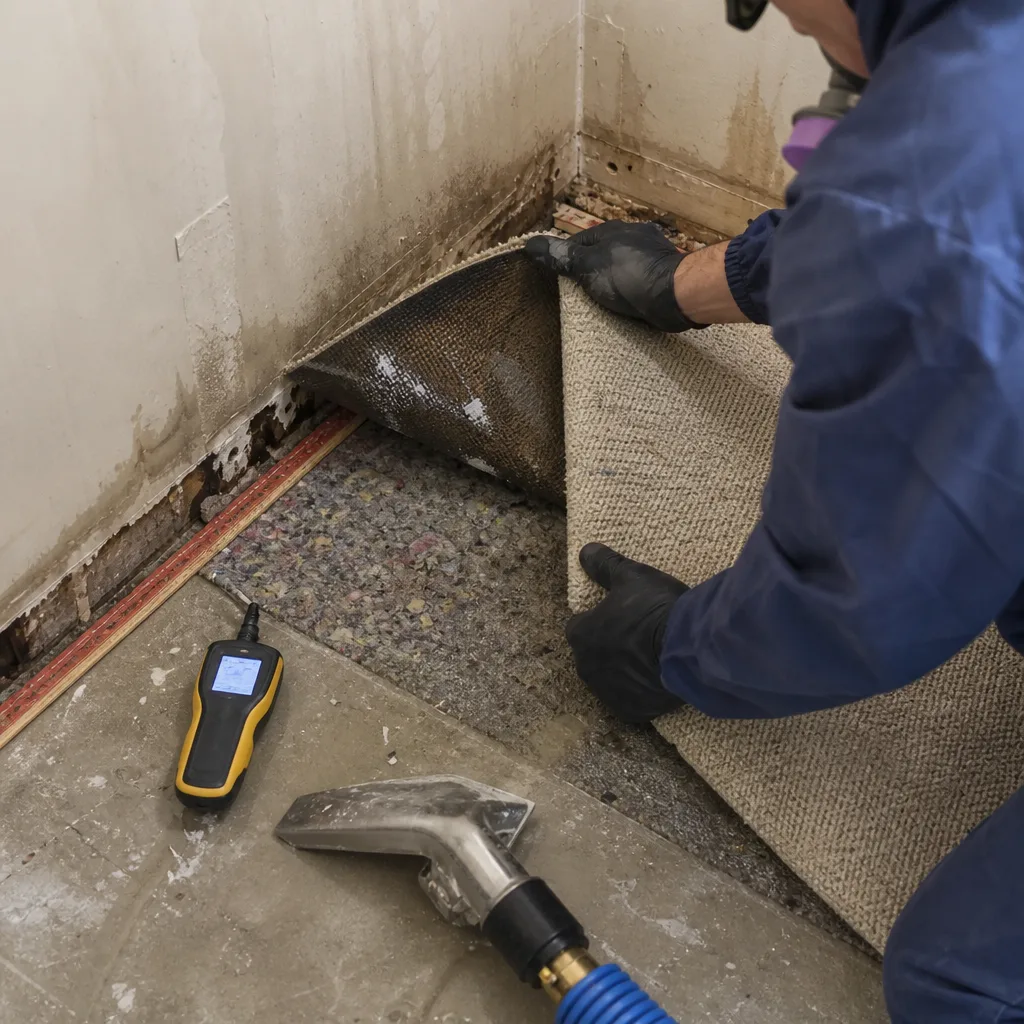
Mold Removal
Removal follows IICRC S520 standards: containment, negative air pressure, HEPA filtration, and controlled demolition of non-salvageable materials. For Tukwila’s Category 3-originated jobs, removal is more extensive - contaminated insulation, drywall, and particleboard must be treated as regulated waste. We document every square foot removed for your insurer and provide waste manifests upon request.
Black Mold Remediation
Stachybotrys chartarum and other toxigenic species require enhanced containment with double-layer polyethylene, dedicated decontamination chambers, and full-face respirator protection for technicians. Tukwila’s chronic crawl space moisture creates ideal conditions for black mold; we treat these jobs with the same protocols we apply to commercial biohazard sites, and we do not clear containment until independent lab results confirm safe airborne levels.
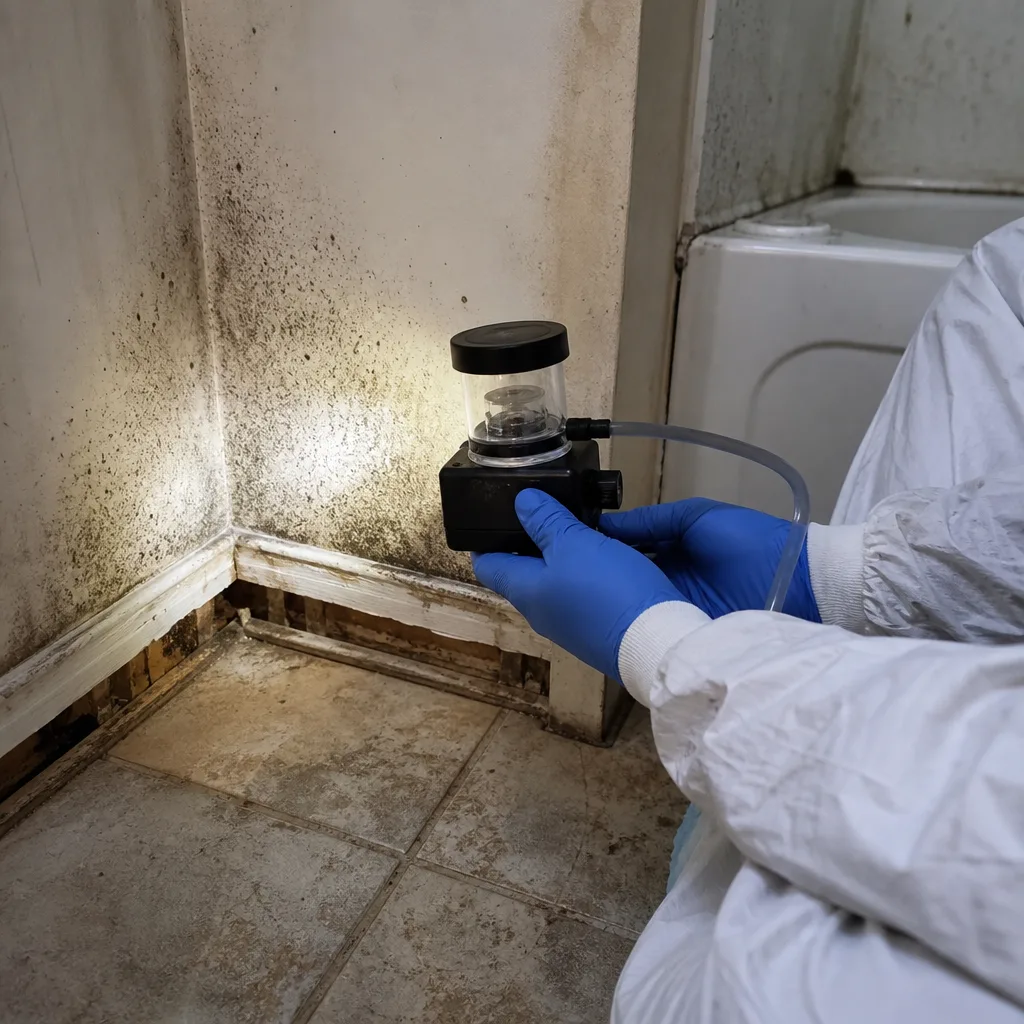
Air Quality Restoration
After remediation, we deploy HEPA air scrubbers and activated carbon filtration to remove residual spores and microbial volatile organic compounds (MVOCs) - the musty odors that persist even after visible mold is gone. In Tukwila’s tighter, energy-retrofitted homes, this step is essential; modern air sealing traps odors and particulates that older construction would have ventilated naturally.
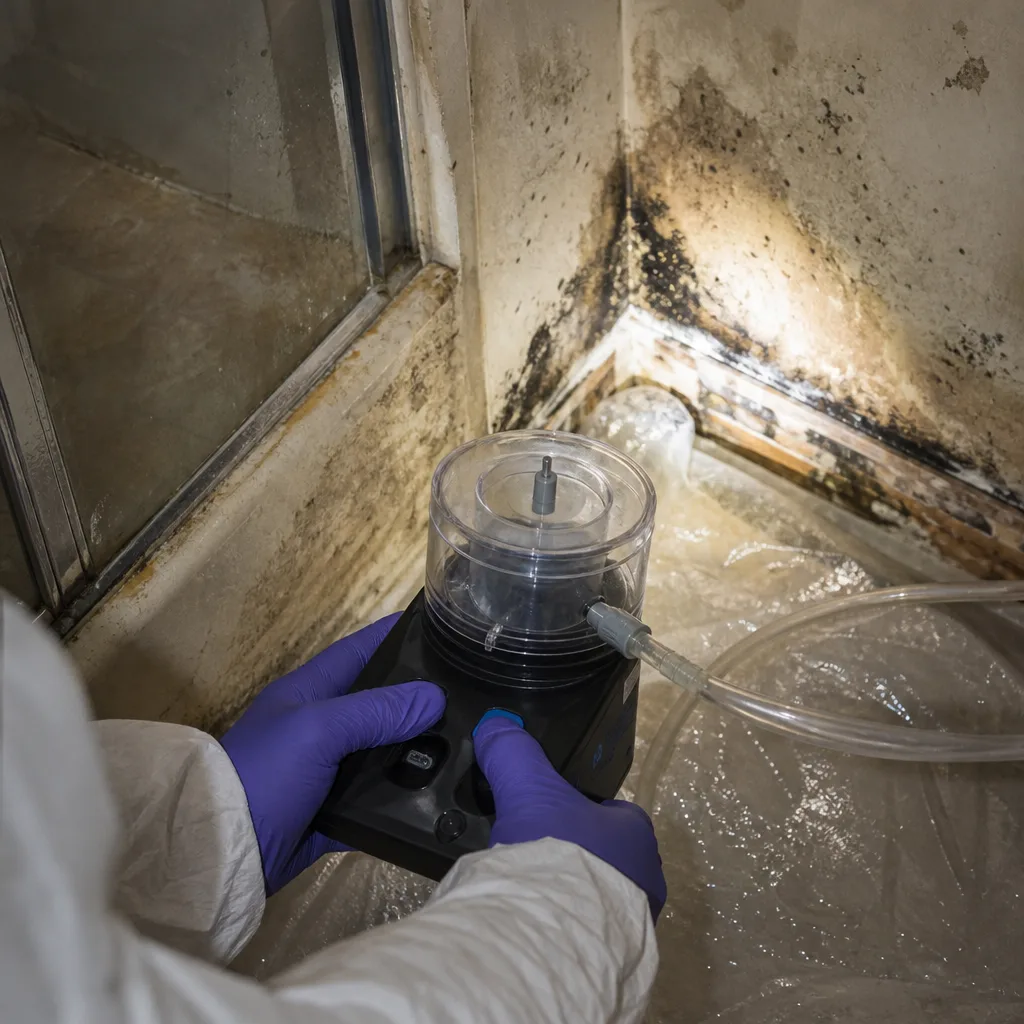
Crawl Space Treatment
Tukwila’s dominant restoration need. We remove contaminated insulation and vapor barriers, treat framing with antimicrobial solutions, and install new barriers rated for the local water table conditions. Where soil saturation is chronic, we recommend permanent dehumidification or full encapsulation - converting the crawl space from a moisture source to a conditioned, controlled environment.
What happens when you call
- 1
A real person answersNo phone trees - you reach a local pro.
- 2
You get an upfront price rangeHonest numbers before anyone is dispatched.
- 3
A background-checked tech heads outLicensed & insured, dispatched right away.
- 4
You approve before work beginsNothing starts until you say go.
Mold Remediation Costs in Tukwila, WA
A typical mold inspection with air sampling in Tukwila runs $350-$650. Contained, single-room mold removal for Category 1-originated growth starts around $1,800-$3,500. Crawl space mold remediation - Tukwila’s most common job type - ranges from $4,500-$12,000 depending on square footage, contamination depth, and whether structural members require replacement. Black mold remediation with enhanced containment and third-party clearance testing typically falls between $6,500-$18,000. Full-property air quality restoration after extensive colonization can reach $15,000-$30,000.
What moves the price: water category (Category 3 requires more removal), affected square footage, material type (solid lumber vs. engineered products), accessibility (crawl spaces cost more than open basements), and whether HVAC systems require cleaning. Insurance coverage varies by policy and cause of loss; sudden, accidental water damage is typically covered, while long-term maintenance-related mold may not be. We review your policy language and document the loss origin to support your claim. Call (360) 997-2427 for a free inspection and written scope - Haven Standard, Clause 1 applies to every job, including the estimate visit.
We Also Serve Cities Near Tukwila
Our crews respond throughout the Green River valley and south King County corridor, including Tukwila and neighboring Kent, Des Moines, SeaTac, and Auburn. Each city carries distinct flood risk profiles and building stock characteristics; our documentation protocols adapt to local conditions, insurer requirements, and municipal code variations.
Serving Tukwila, WA - Our Local Coverage Area
We’re based in the Tukwila area and know this community well. Use the map below to see our service coverage - if you’re nearby, we can almost certainly help.
Tukwila Mold Remediation Questions, Answered
How does Tukwila’s floodplain location affect mold remediation compared to nearby cities?
Tukwila’s position in the Green River/Duwamish floodplain means the local water table stays elevated for months, compressing mold-growth timelines below the standard 48-72 hour window and making Category 3 black water events routine rather than exceptional. Crews working in higher-elevation cities like Auburn or Kent rarely encounter the soil saturation levels and floodborne contamination we see here. Call (360) 997-2427 for a free inspection - we’ll assess your specific property’s flood risk and moisture conditions.
Why is black water remediation more common in Tukwila?
Floodwater entering Tukwila structures carries Superfund-corridor risk from the lower Duwamish industrial waterway, routinely testing positive for elevated contaminants that push jobs into Category 3 protocols. Many restoration contractors misclassify this water as Category 2, leaving contaminated materials in place and creating liability for homeowners. We test and document water category before any remediation begins. Call (360) 997-2427 if you’ve had flooding - we’ll determine the correct classification and scope.
What should I do if my Tukwila home floods and I suspect mold?
Call (360) 997-2427 immediately - our live dispatch answers 24/7. Do not enter standing water; turn off power to affected areas if safe to do so, and avoid disturbing visible mold, which releases spores. Document the flooding with photos for your insurer, then let our crew handle extraction, moisture mapping, and containment. The sooner we start, the less material requires removal.
Do you handle insurance paperwork for FEMA flood zone properties in Tukwila?
Yes - a significant share of Tukwila parcels carry Special Flood Hazard Area designations, and we prepare flood zone verification, elevation certificates where available, and proof of timely mitigation as standard documentation for your insurer. This paperwork burden rarely appears at this frequency in adjacent Renton or SeaTac neighborhoods. We coordinate directly with your adjuster to prevent claim delays. Call (360) 997-2427 to start the documentation process.
How long does crawl space mold remediation take in Tukwila?
Most crawl space jobs require 5-10 business days of active work, but drying logs in Tukwila often run 30-50% longer than comparable square footage in drier markets due to the high water table. We do not clear containment or submit final documentation until moisture readings confirm materials have reached established dry standards - rushing this step guarantees mold recurrence. Call (360) 997-2427 for a timeline based on your specific crawl space conditions.
Can my family stay in the home during mold remediation?
For contained, single-room jobs with HEPA air scrubbing, occupants often remain in unaffected areas. For whole-home or black mold remediation, we recommend temporary relocation until clearance testing confirms safe airborne levels - particularly in Tukwila’s older homes with shared HVAC plenums that can distribute spores. We discuss this during our free inspection and coordinate with your insurer if additional living expenses apply.
What certifications do your technicians hold for mold work?
Our mold remediation technicians hold IICRC AMRT (Applied Microbial Remediation Technician) certification, with WRT (Water Damage Restoration Technician) credentials for moisture source identification and FSRT (Fire & Smoke Restoration Technician) for jobs involving combined losses. All work is documented to IICRC, RIA, and IFA standards. We verify credentials before any technician enters your property, and license numbers are available on request.
What should I do in the first 30 minutes after discovering mold?
Stop the moisture source if possible - shut off the water supply for leaks, or call for emergency water extraction for flooding. Do not disturb the mold or attempt cleaning with bleach, which can worsen spore dispersal and does not penetrate porous materials. Document with photos, then call (360) 997-2427. Our live dispatch will guide immediate steps while a crew is en route for your free inspection.
Our Mold Remediation team serves Tukwila with the documentation-first approach that has defined Back to Dry Restoration since 2011. Every job starts with a written price, proceeds with photo-documented precision, and ends with the 365-Day Done Right Promise under The Haven Standard.
Written by Alicia Brennan, Owner at Back to Dry Restoration, serving Tukwila since 2011.
Mold Remediation in Nearby Areas