Free visual inspection and a written scope of work before any mitigation begins - photos, moisture readings, and drying logs go in your claim file
The scope we write is the scope we bill. Anything new gets shown to you, in writing, before we touch it.
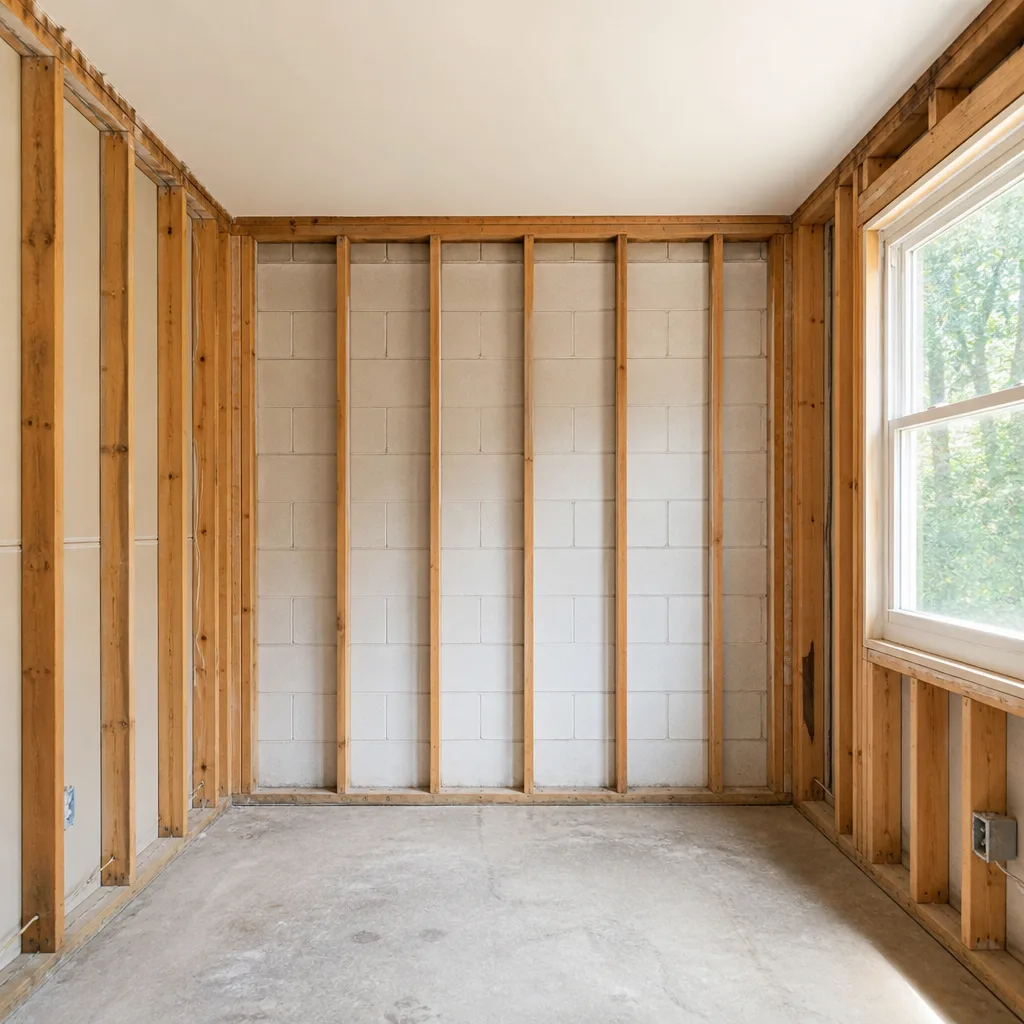
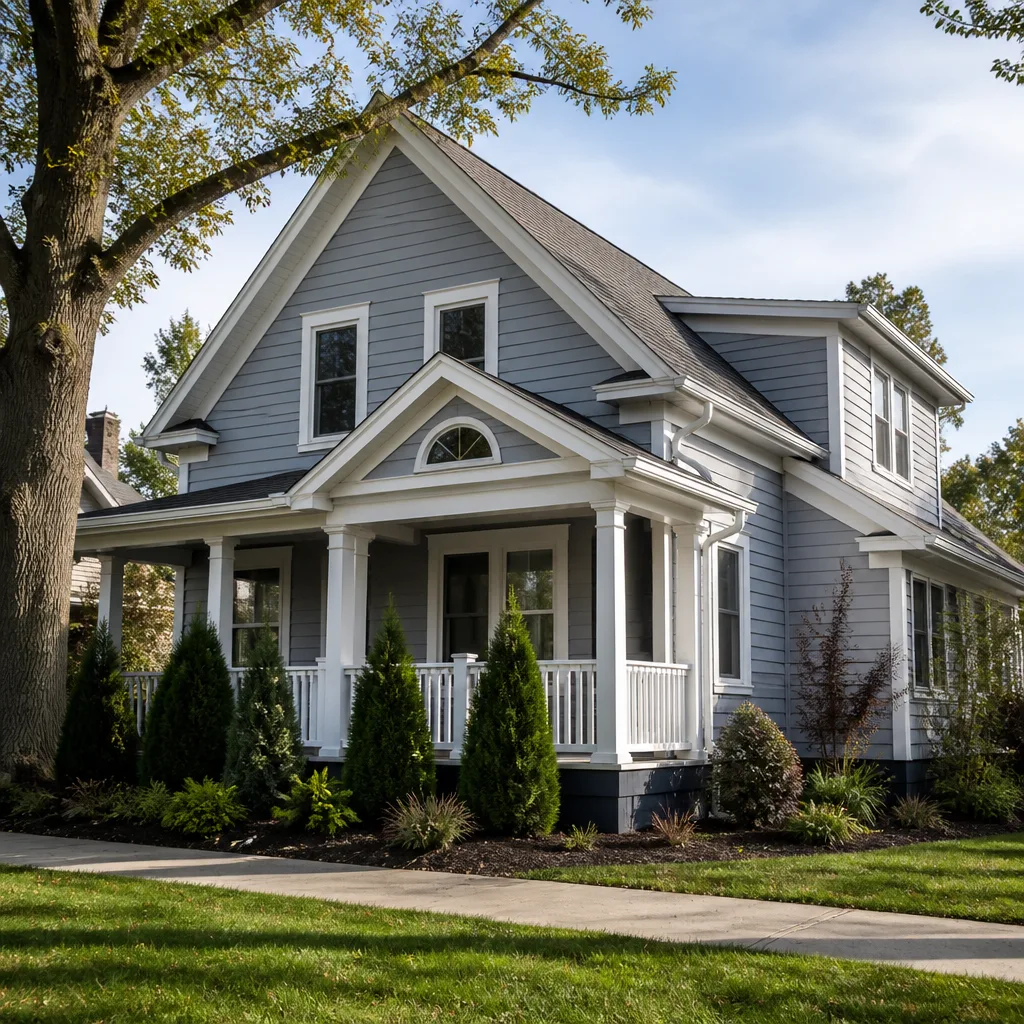
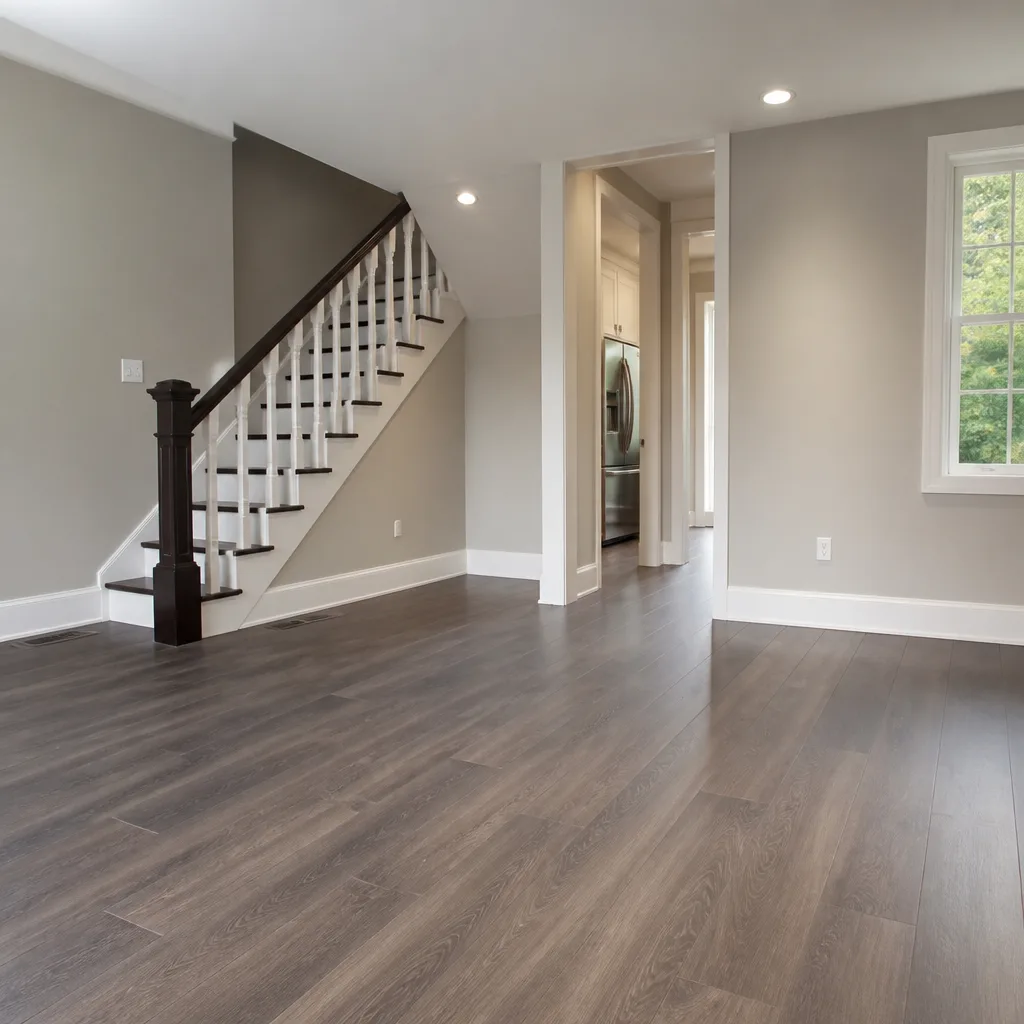
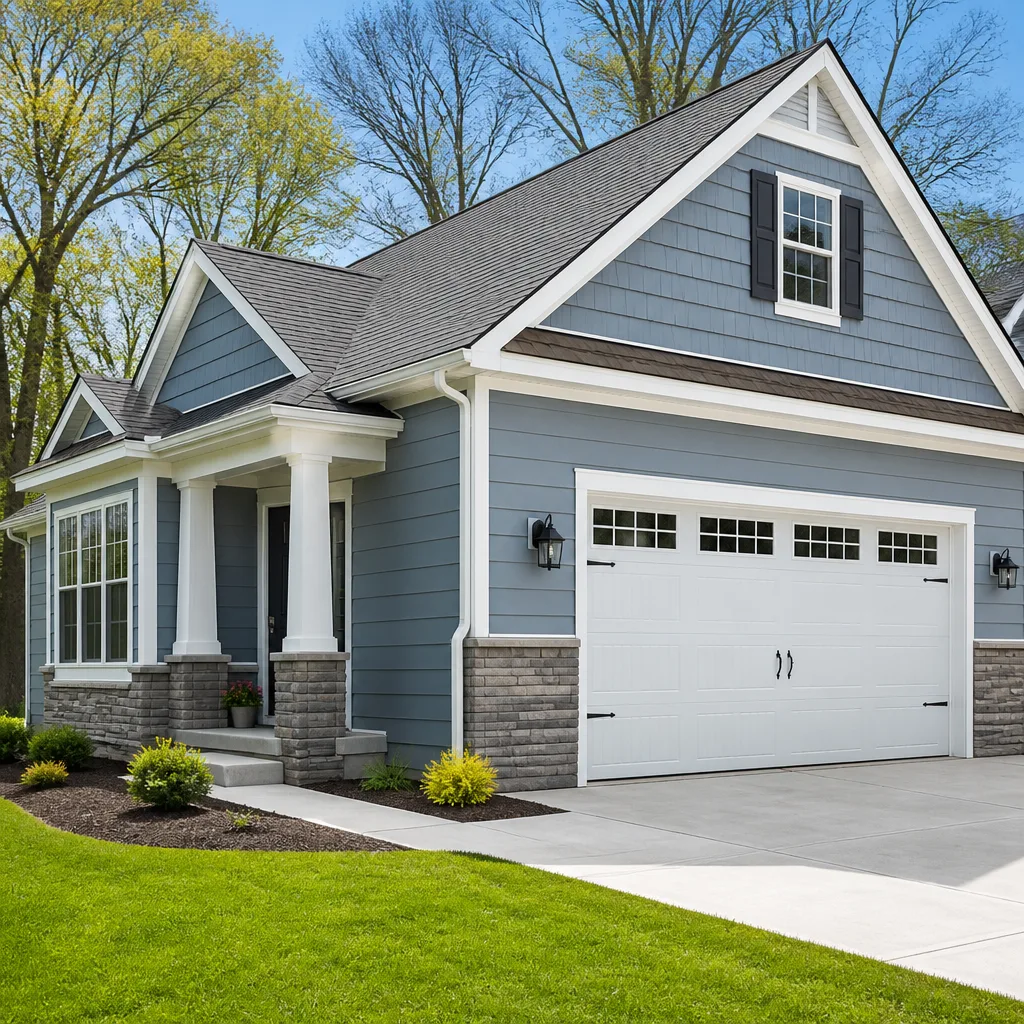
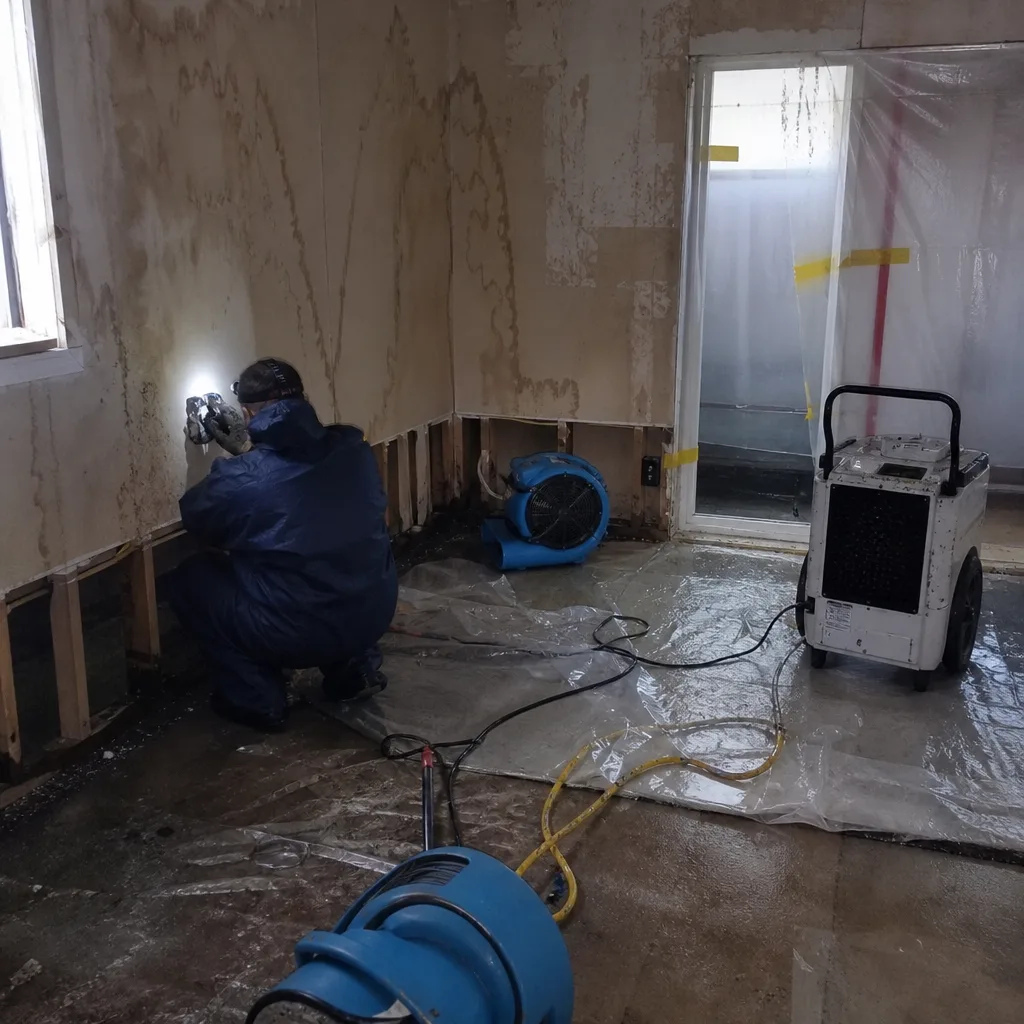 Before
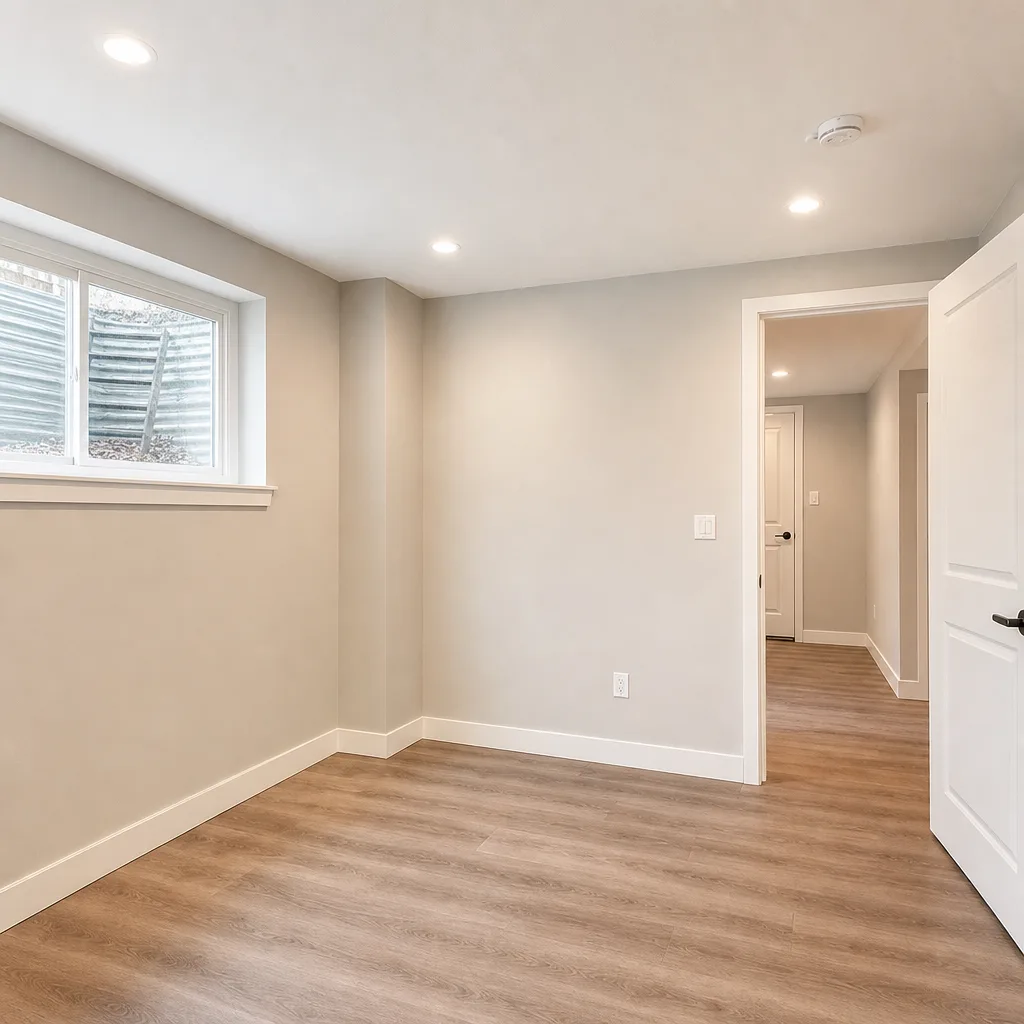 After
After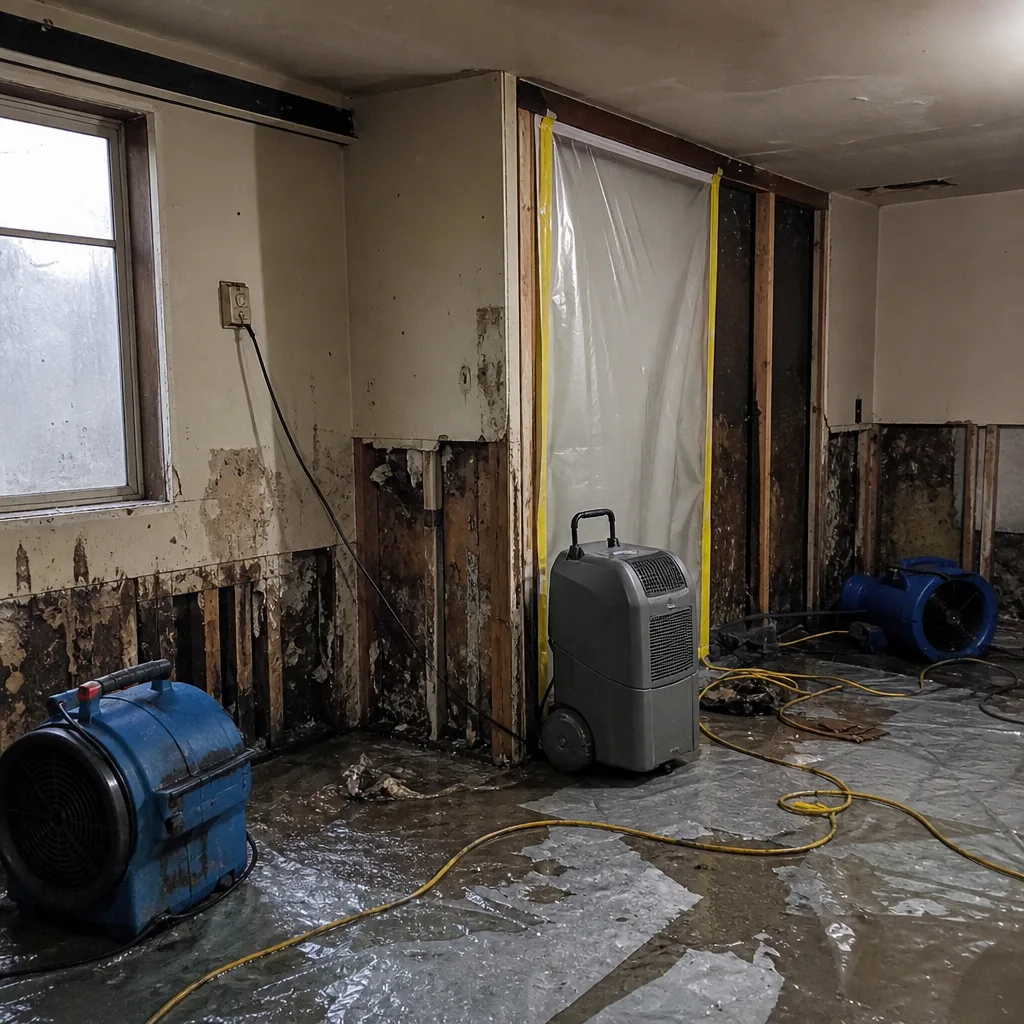 Before
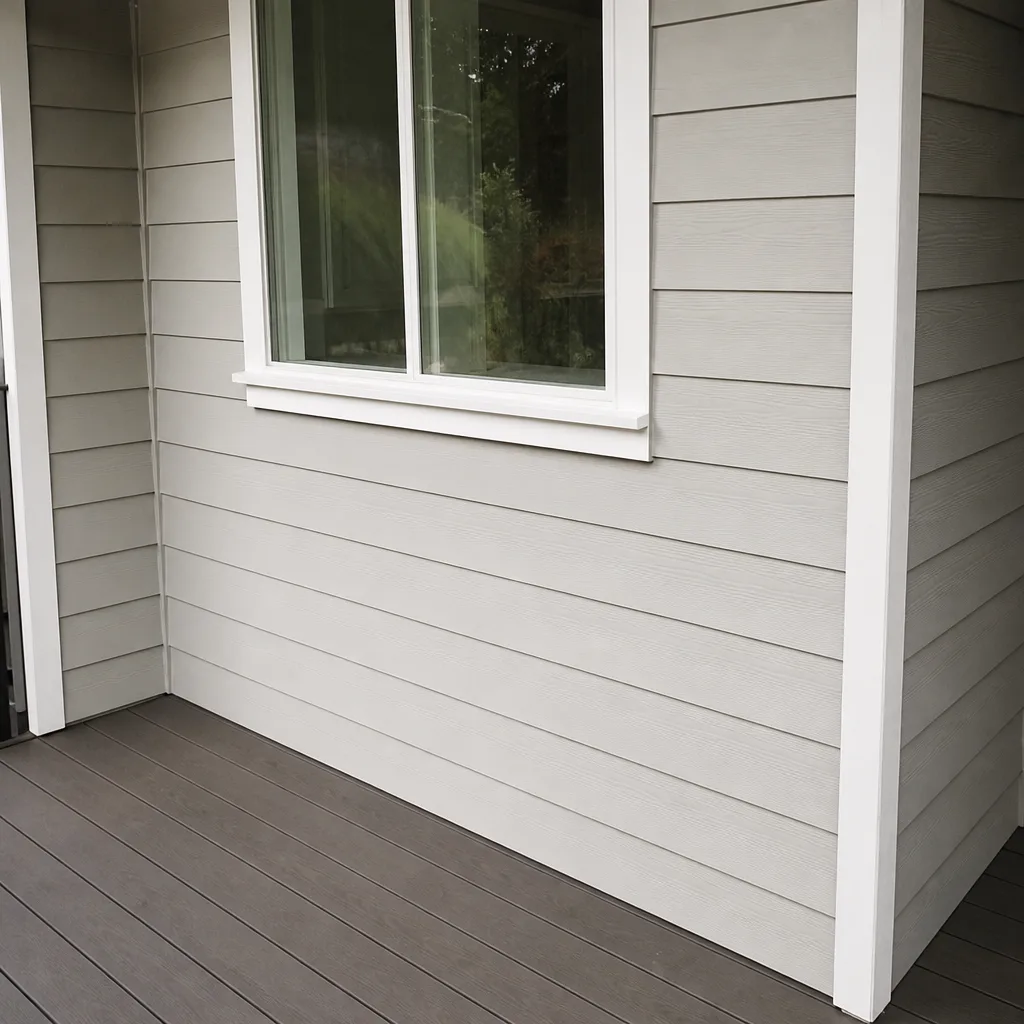 After
After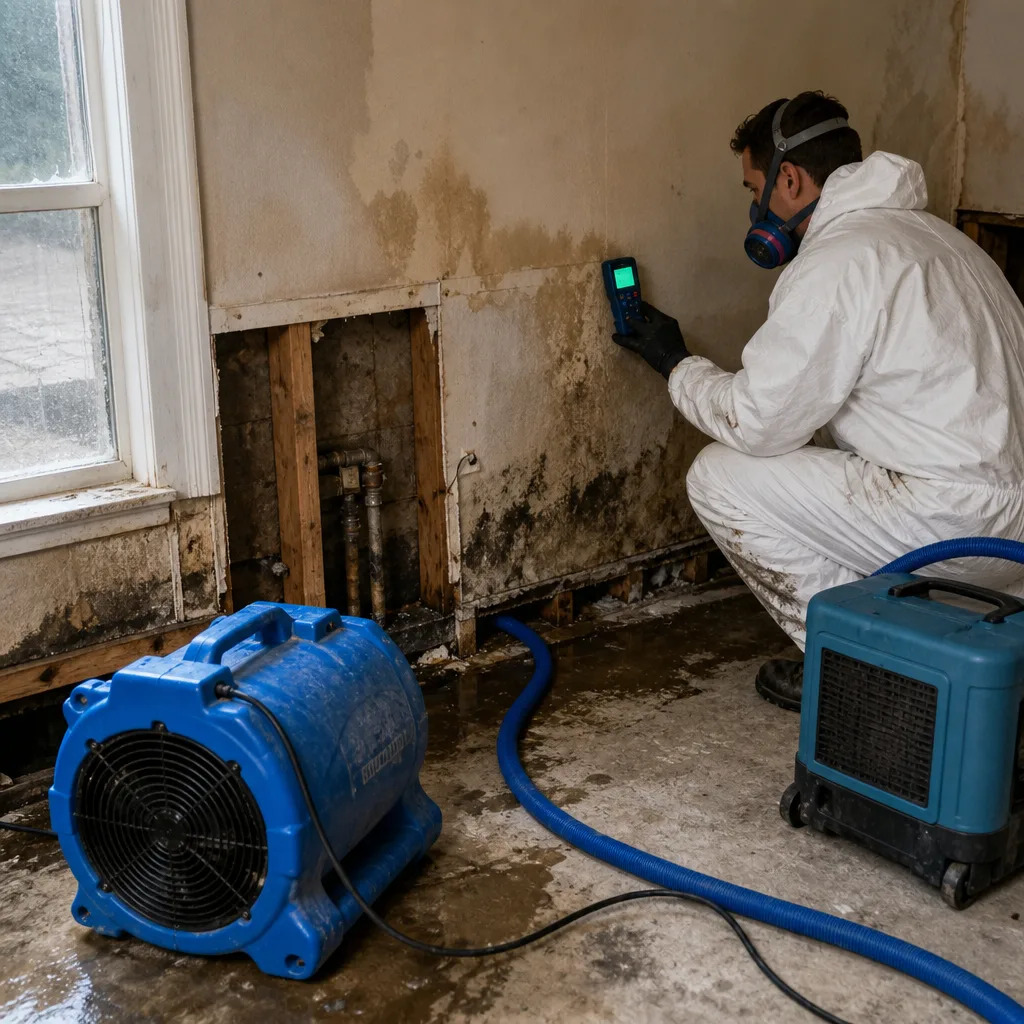 Before
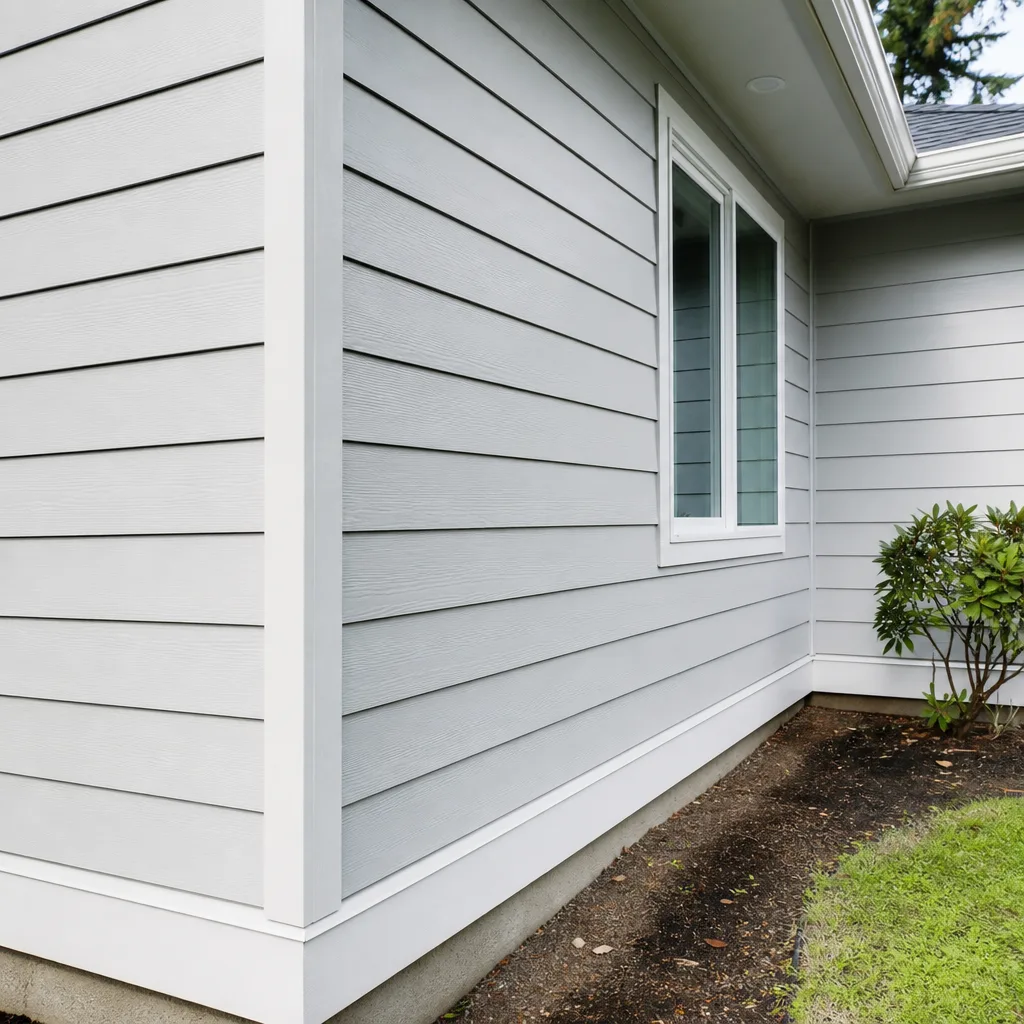 After
After24/7 Emergency Fire & Smoke Damage Restoration in Federal Way
Fire damage in Federal Way typically requires same-day board-up and immediate smoke mitigation to prevent secondary damage, with most restoration projects running $4,200-$18,500 depending on the affected square footage and whether structural repairs are needed. Call (360) 997-2427 now and a live person will answer, 24 hours a day, 7 days a week - no voicemail trees, no next-business-day callbacks while smoke residue continues etching into surfaces. Our crews dispatch throughout Federal Way from our Seattle office coordination center, and we provide a free visual inspection with a written scope before any work begins, every time, under Haven Standard, Clause 1.
The first hour after a fire determines how much of your home can be saved. Smoke migrates through HVAC systems, electrical penetrations, and the gaps in Federal Way’s common hardboard siding assemblies. Suppression water pools in wall cavities and crawl spaces. The longer these conditions sit, the more material must be removed rather than restored. We arrive with containment materials, HEPA air scrubbers, and moisture detection equipment to stop that clock.
Understanding Fire & Smoke Damage Restoration Severity in Federal Way Properties
Fire damage severity in Federal Way follows three practical categories: light smoke impact with no structural char, moderate fire with localized char and significant smoke migration, and heavy structural fire requiring reconstruction. Each level demands different documentation, equipment, and timeframes - and Federal Way’s 1980s-1990s housing stock changes the math on every one.
Light smoke impact might mean a cooking fire extinguished quickly, but in a Federal Way split-level with LP Inner-Seal siding, smoke has already entered the wall cavity through gaps the siding created. Moderate fire with charred framing requires moisture mapping behind that siding because suppression water wicks into the same voids. Heavy structural fire in these homes often reveals the cumulative envelope failure: hardboard rot, missing house-wrap, and crawl-space humidity above 85% that compounds odor problems.
Smoke residue types matter for cleaning protocol. Dry smoke from fast-burning, high-heat fires produces powdery, easily smeared residue. Wet smoke from slow, oxygen-starved burns is sticky and acidic, etching surfaces. Protein residue from kitchen fires is nearly invisible but pungent, penetrating cabinet interiors and wall cavities. Federal Way’s common kitchen fires in 1980s-era apartments and split-levels often produce protein smoke that standard surface cleaning misses entirely.
Smoke migration follows pressure differentials and temperature gradients, traveling through plumbing chases, electrical boxes, and the gaps endemic to hardboard-clad walls. Our crews use thermal imaging to track migration paths, then establish containment and negative air pressure with HEPA scrubbers to stop further spread.
Why Federal Way Property Owners Choose DryMark Restoration Kent
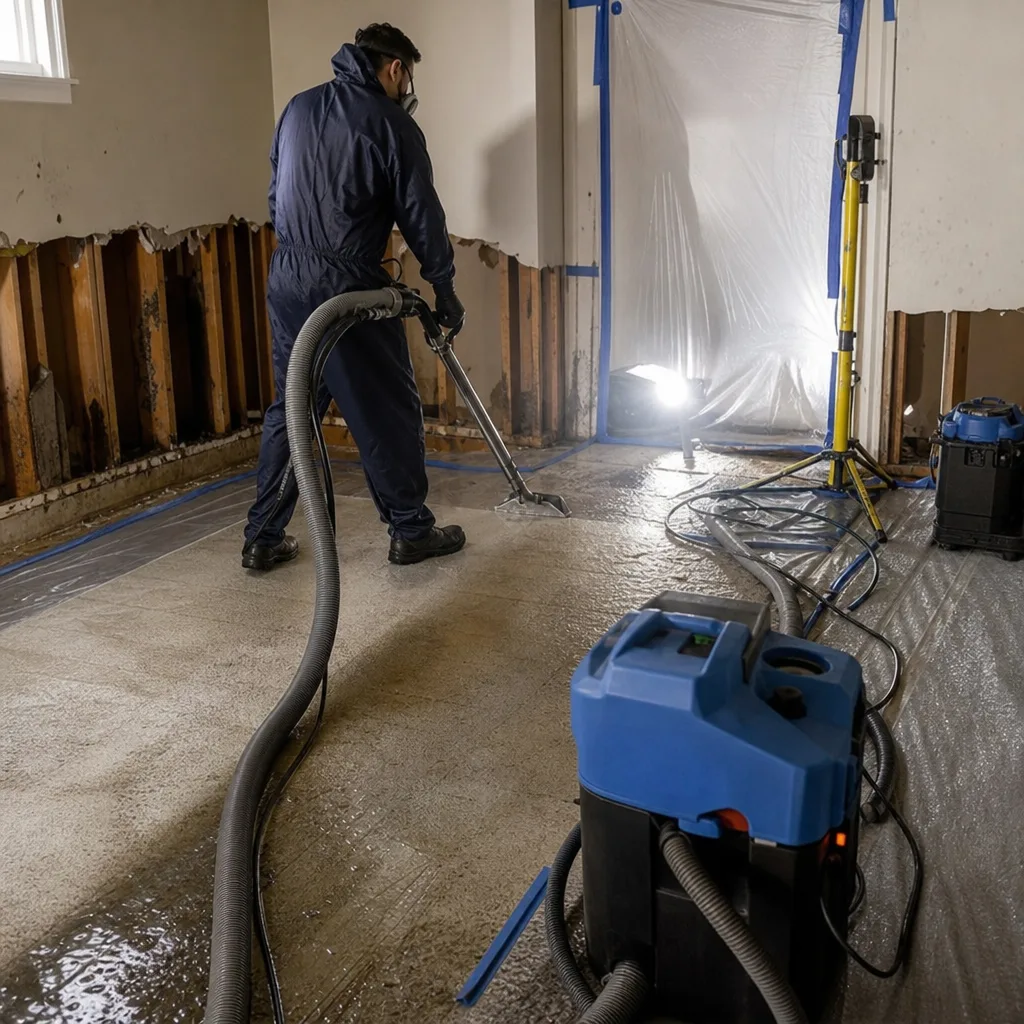
- 45-minute response commitment to Federal Way addresses - our Seattle office dispatches crews who know the corridor from I-5 to Steel Lake, Pacific Highway S to the Milton border.
- 24/7 live answer: a real person, never an automated system, picks up every call to (360) 997-2427 within three rings.
- IICRC-certified crews holding FSRT (Fire and Smoke Restoration Technician) and WRT (Water Damage Restoration Technician) credentials, with AMRT (Applied Microbial Remediation Technician) certification for the mold that follows suppression water.
- Free visual inspection with a written scope delivered before any work starts - Haven Standard, Clause 1, no exceptions.
- Direct insurance billing with photo-documented estimates formatted to your carrier’s requirements, plus direct adjuster coordination on every claim.
- One team from emergency board-up through structural repair - no handoffs between mitigation and reconstruction contractors, no gaps in documentation.
BeforeAfterOur Fire & Smoke Damage Restoration Process
1. Inspection & Assessment
We document the full loss with photos, thermal imaging, and moisture readings in every affected room and cavity. In Federal Way’s hardboard-clad homes, we specifically probe behind siding for trapped suppression water and test crawl-space humidity - skipping either means the smell comes back.
2. Emergency Board-Up & Tarping
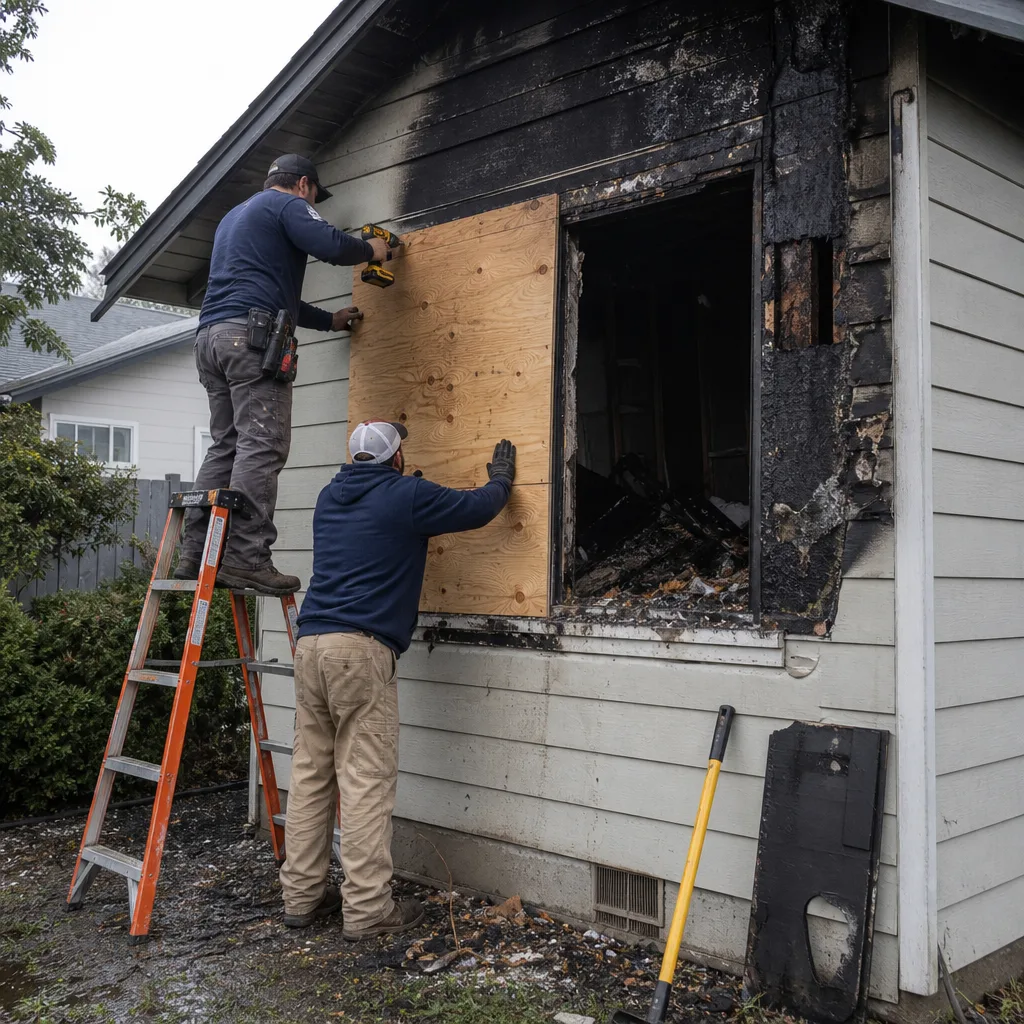
Broken windows, burned roofing, and compromised exterior walls get immediate weather protection. We use fire-rated plywood and tarps sized to the opening, secured to withstand Federal Way’s winter wind gusts off Puget Sound until permanent repairs begin.
3. Water Extraction & Structural Drying
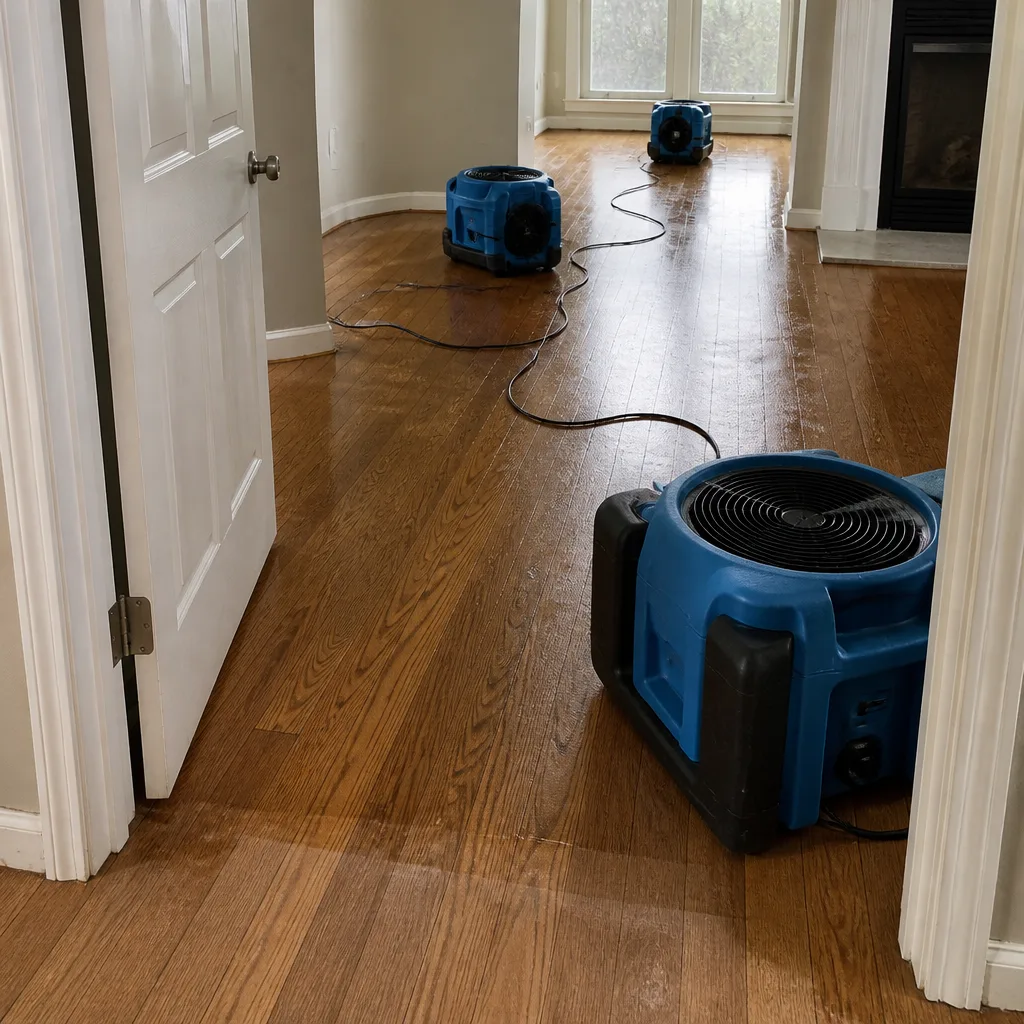
Suppression water is rarely clean after passing through char and soot - we test and classify it, then deploy Dri-Eaz and Phoenix dehumidifiers with Injectidry cavity-drying systems to pull moisture from behind Federal Way’s failing hardboard envelopes. Daily moisture logs track progress to IICRC standards.
4. Smoke & Soot Removal
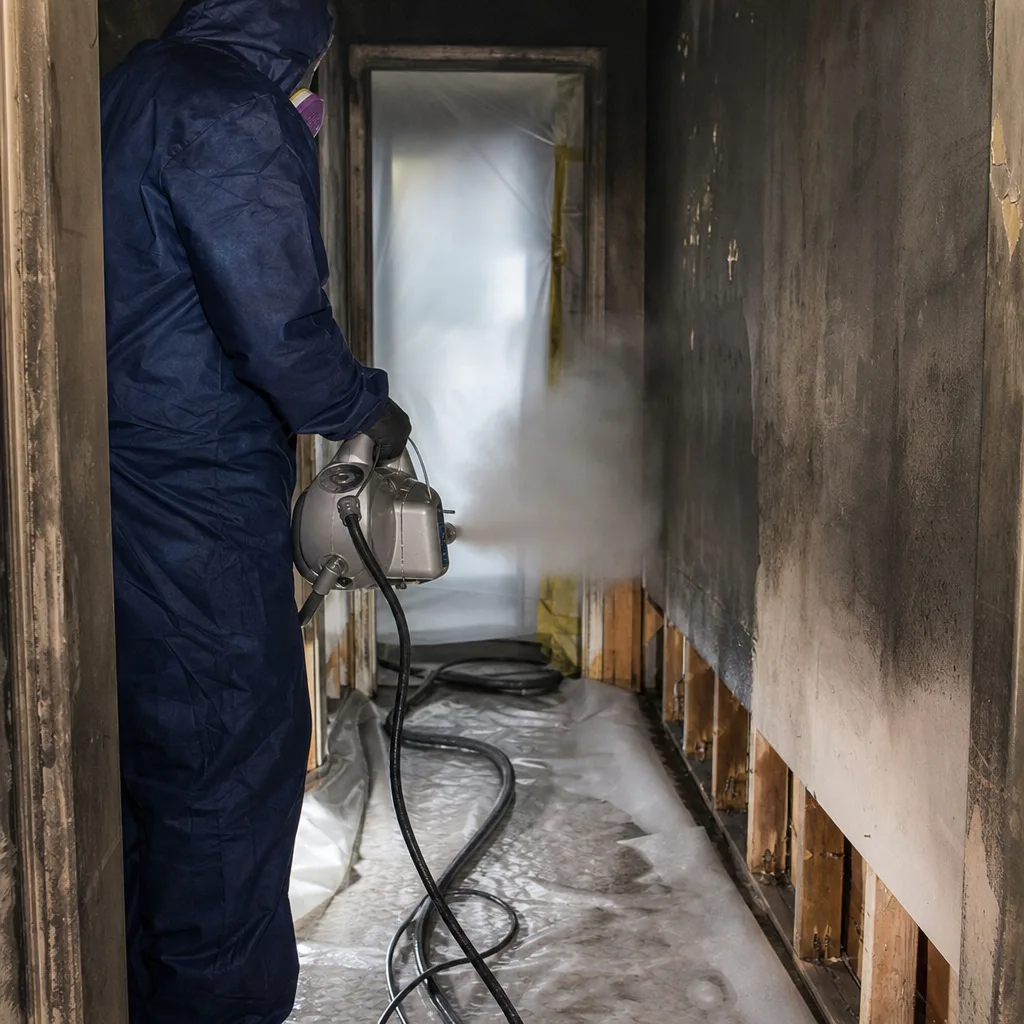
Dry, wet, and protein residues each get specific cleaning agents and methods. HEPA air scrubbers run continuously during this phase, with negative air pressure containment preventing recontamination of cleaned areas. We clean every surface, duct, and cavity the smoke reached.
5. Odor Removal & Deodorization
Surface cleaning removes visible residue; odor removal requires reaching every molecule smoke contacted. We use thermal fogging, ozone treatment, and hydroxyl generators depending on the material and occupancy status, with follow-up odor testing to confirm elimination before we sign off.
6. Structural Repair & Reconstruction
Charred framing gets sistered or replaced. Drywall, insulation, and flooring go back to pre-loss condition. We rebuild with proper house-wrap and moisture barriers where the original 1980s assembly failed, documented with photos for your insurer and our 365-Day Done Right Promise file.
Need Emergency Fire & Smoke Damage Restoration in Federal Way Now?
Crews minutes away, answering live 24 hours a day. The sooner we start, the less it costs.
Working With Your Insurance Company
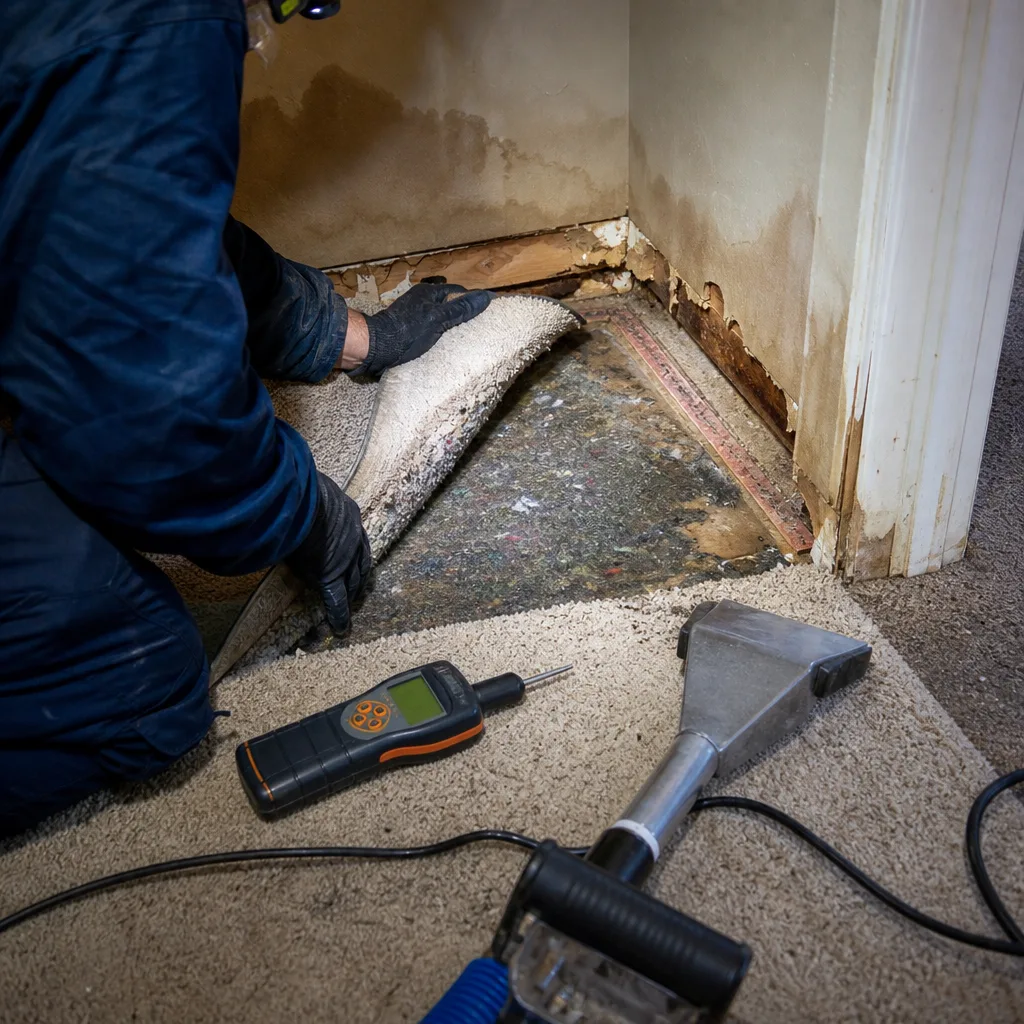
Fire claims fail on documentation gaps. Adjusters deny line items they can’t verify, and homeowners eat costs that should be covered. We close that gap from hour one.
Our process produces the file an adjuster needs to approve payment without back-and-forth: dated photos of every room, moisture readings with equipment model numbers, daily drying logs showing psychrometric data (temperature, relative humidity, vapor pressure differential - the measurable conditions that prove drying is working), and a line-item scope written to Xactimate or Symbility standards. We coordinate directly with your carrier’s adjuster, attend inspections when requested, and provide supplemental documentation if the initial estimate misses hidden damage.
The Haven Standard requires this documentation on every job. It’s not an upsell. It’s how we make sure your claim pays what it should.
What We Provide Your Insurer
- Thorough documentation of the loss
- Photos of all damage, room by room
- Moisture readings and drying logs
- A detailed, line-item scope of work
- Direct coordination with your carrier
Built for Federal Way’s Loss Calendar
Fire patterns in Federal Way track the region’s rhythms more than its weather. January through March brings portable heater and fireplace incidents in the city’s 1980s-era apartments and split-levels, often in units with original baseboard heating supplemented by space heaters. The holiday cooking surge from Thanksgiving through New Year’s produces kitchen fires in the dense apartment corridors along Pacific Highway S and the Steel Lake neighborhood - protein smoke jobs that demand full cabinet and cavity cleaning.
Spring’s persistent drizzle, not dramatic storms, creates the secondary damage window. Fire suppression water that entered wall cavities in January stays wet through March because Federal Way’s 80%+ relative humidity prevents natural drying. Crews working the neighborhoods around Steel Lake and North Lake routinely find that original 1980s poly vapor barriers in crawl spaces have shifted, pooled condensation, or torn entirely - the clay-heavy glacial till soils hold moisture long after rain ends, and by late March crawl-space humidity readings above 85% are common, meaning fire restoration jobs that started as smoke cleanup almost always escalate to include crawl-space drying and antimicrobial treatment before the customer will pass a re-inspection.
Summer’s drier weeks are the only reliable window for reconstruction phases that require exterior work - replacing the hardboard siding that failed, installing proper house-wrap, sealing the envelope that the original builder left vulnerable.
Fire & Smoke Damage Restoration Across Federal Way’s Neighborhoods
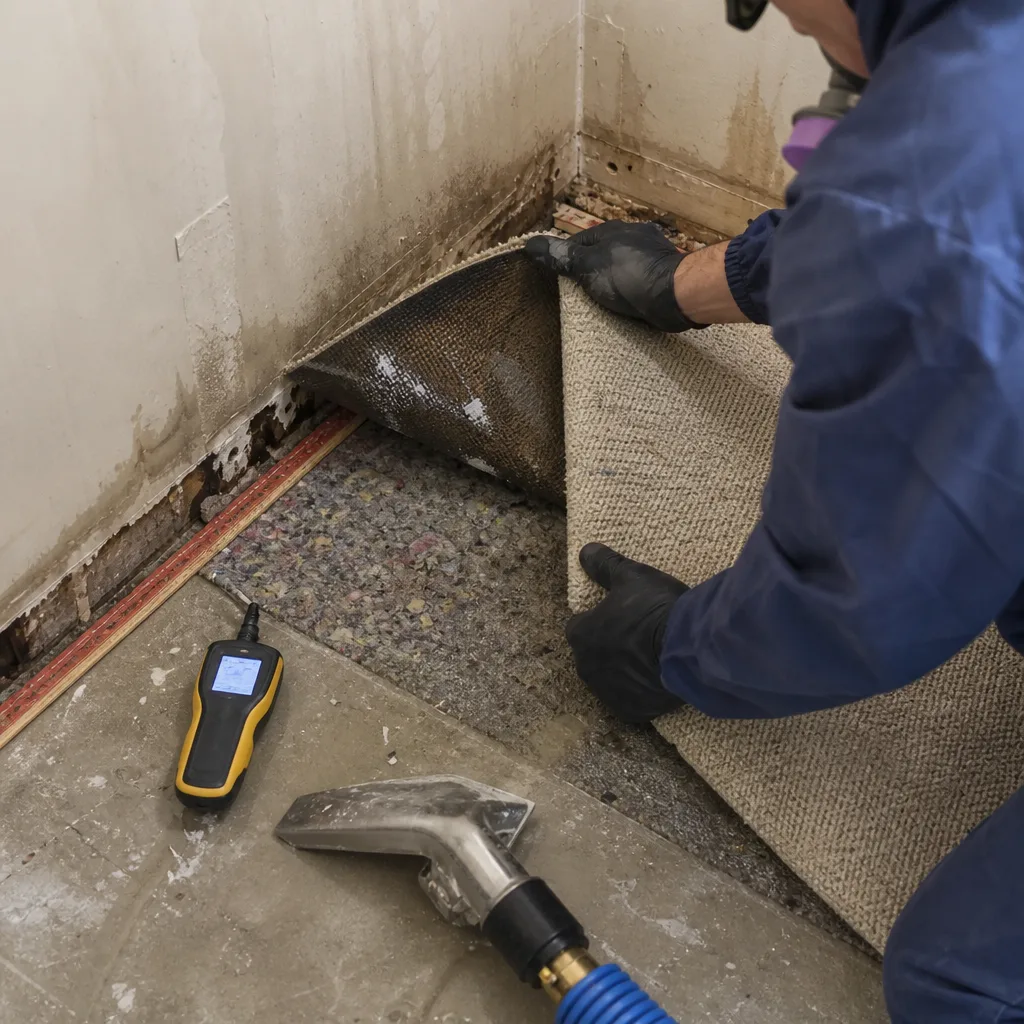
Federal Way’s geography shapes every fire restoration job we take.
The Steel Lake area, with its 1980s split-levels and rambblers on larger lots, produces the full-complexity jobs: kitchen fires in homes with LP Inner-Seal siding that wicks suppression water into wall cavities, original poly vapor barriers in crawl spaces that failed decades ago, and mature landscaping that limits equipment access. Our crews carry extension hoses and portable power for these properties.
North Lake and the West Hylebos Wetlands corridor sit on some of Federal Way’s highest water tables. Basement seepage and crawl-space flooding are year-round concerns here, not storm-season events. After a fire, the suppression water has nowhere to drain. We deploy submersible pumps and high-capacity Phoenix dehumidifiers from day one, and we never skip crawl-space moisture mapping.
The Pacific Highway S / SR-99 commercial strip, built during the same pre-incorporation boom, adds flat-roof and EIFS-cladding structures to our workload. Kitchen fires in restaurants and apartment complexes above retail produce heavy protein smoke loads and complex occupancy issues - we coordinate with property managers and code officials for safe re-entry timelines.
The Milton border neighborhoods, with larger acreage properties and detached workshops, bring their own challenges: longer driveways for equipment staging, outbuildings with separate electrical that complicate the origin investigation, and homeowners who need the full scope before committing to reconstruction. We bring the written price to the first meeting, every time.
Specialized Fire & Smoke Damage Restoration Services We Offer in Federal Way
Fire Damage Cleanup
We remove charred material, test structural integrity, and classify all water involved - suppression water that ran through fire debris is Category 3 black water, not clean, and treating it otherwise means material that must come out gets dried instead. In Federal Way’s hardboard-clad homes, we map the full cavity before calling any surface “clean.”
Smoke & Soot Removal
Dry, wet, and protein residues each demand specific chemistry and technique. We identify the residue type, select the appropriate cleaning agent, and work from top to bottom, cleanest to dirtiest, with HEPA air scrubbers maintaining negative pressure. Federal Way’s common kitchen fires in 1980s apartments almost always involve protein residue that standard degreasers won’t touch.
Odor Removal & Deodorization
Smoke odor returns when molecules remain in porous materials or cavities. We use thermal fogging for structural voids, hydroxyl generators for occupied spaces, and ozone treatment for unoccupied contents - each method documented with before-and-after odor readings. In Federal Way’s leaky-envelope homes, we seal the cavity after cleaning or the next drizzle reactivates any remaining odor molecules.
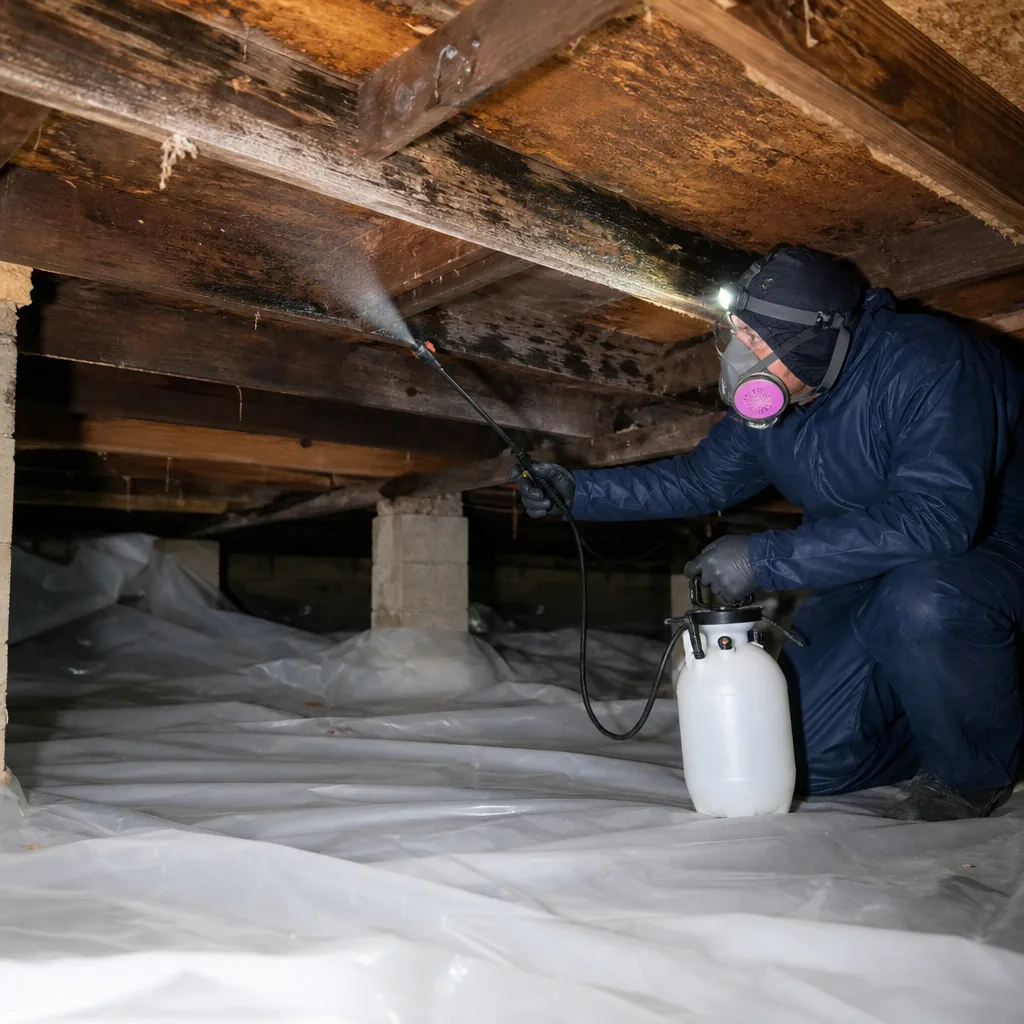
Contents Cleaning & Pack-Out
Smoke-damaged contents get inventoried, photographed, and transported to our cleaning facility for ultrasonic, immersion, or dry-cleaning treatment as appropriate. We provide the itemized list your insurer requires, and we store cleaned items until reconstruction is complete. After a kitchen fire in a Federal Way apartment complex, this means coordinating with building management for access and elevator scheduling.
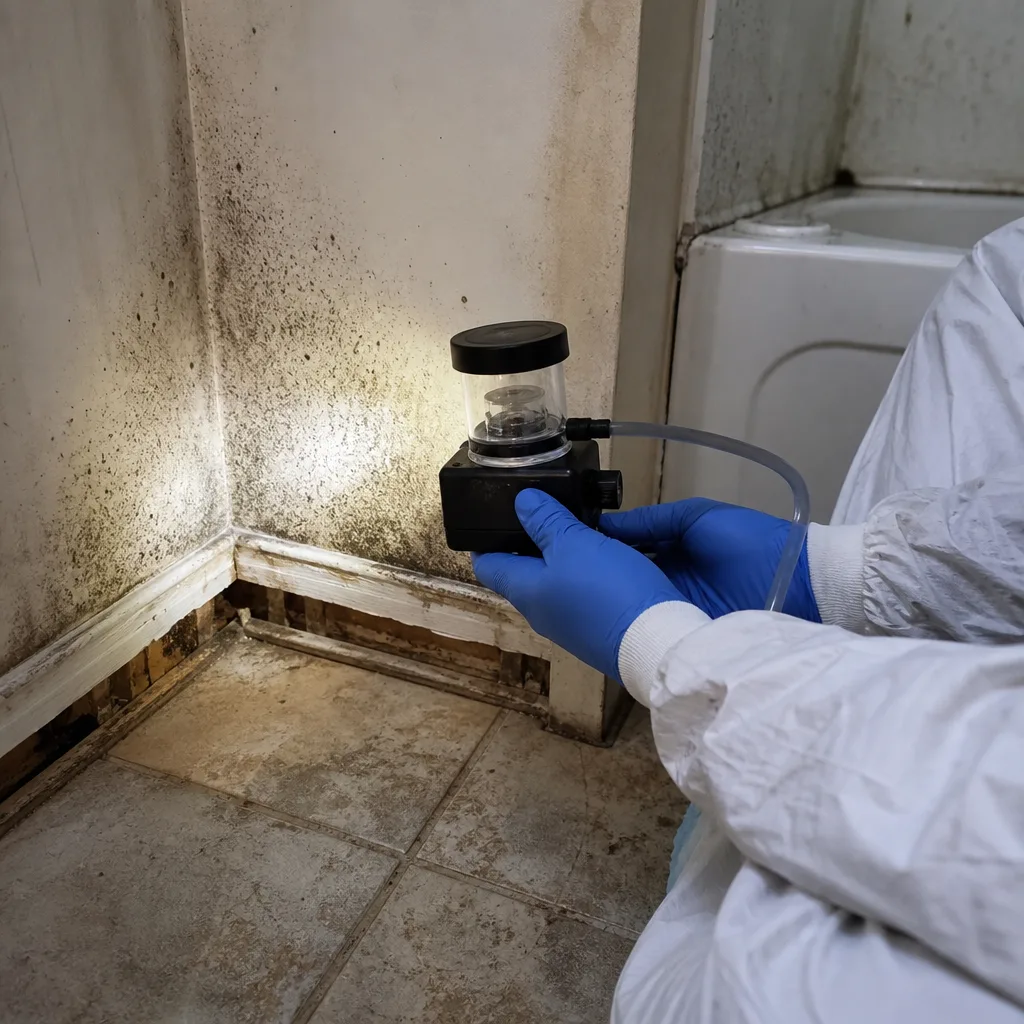
Emergency Board-Up & Tarping
We secure burned openings with fire-rated plywood and weather-resistant tarps, sized to withstand Federal Way’s maritime wind exposure. This isn’t temporary plywood leaned against a wall - it’s framed, anchored, and weatherproofed to protect the structure through the full restoration timeline.
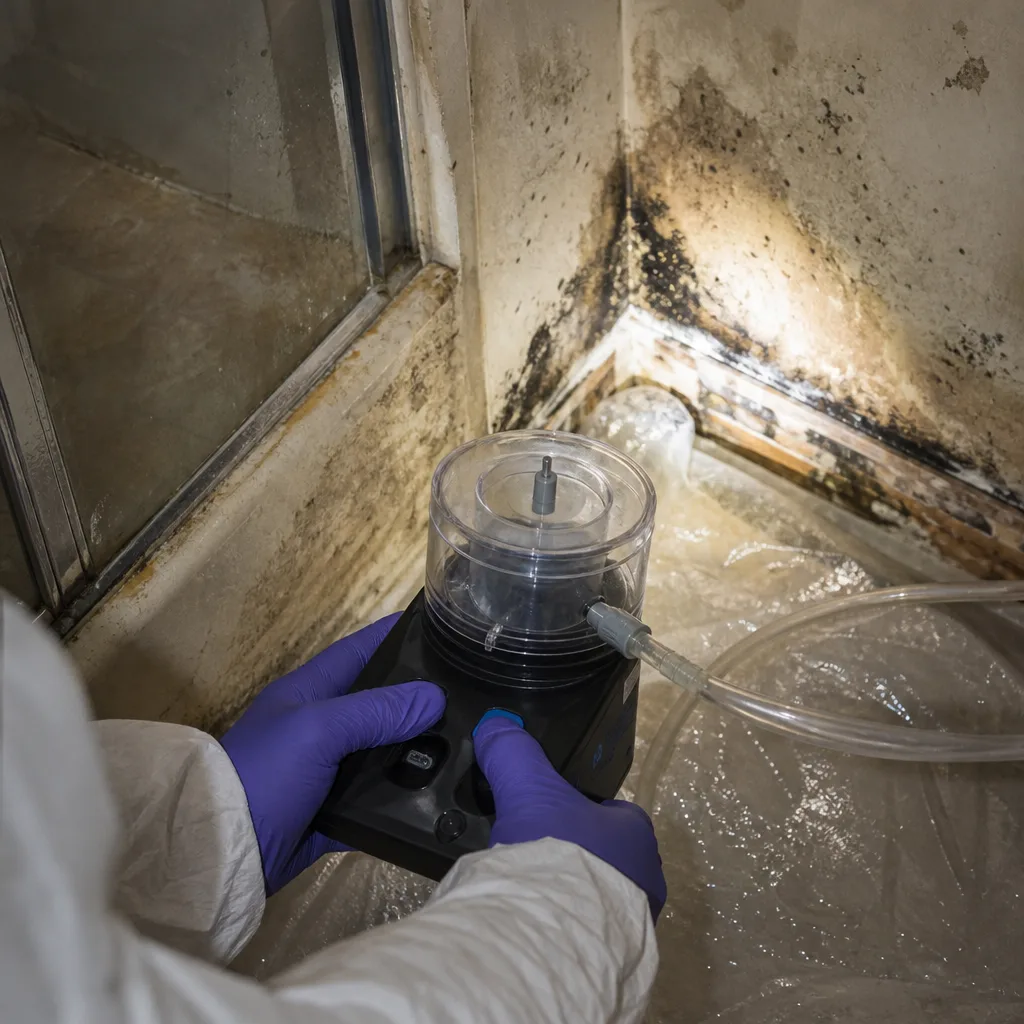
What happens when you call
- 1
A real person answersNo phone trees - you reach a local pro.
- 2
You get an upfront price rangeHonest numbers before anyone is dispatched.
- 3
A background-checked tech heads outLicensed & insured, dispatched right away.
- 4
You approve before work beginsNothing starts until you say go.
Fire & Smoke Damage Restoration Costs in Federal Way, WA
Here’s what fire and smoke damage restoration actually costs in Federal Way’s market:
| Service | Typical Range |
|---|---|
| Light smoke cleanup, single room | $1,800 - $3,500 |
| Moderate fire with smoke migration, 2-3 rooms | $4,200 - $9,500 |
| Heavy structural fire with reconstruction | $12,000 - $35,000+ |
| Emergency board-up and tarping | $800 - $2,200 |
| Contents pack-out and cleaning | $2,500 - $7,500 |
| Odor removal and deodorization | $1,500 - $4,500 |
What moves the price: the affected square footage, whether smoke reached HVAC ducts, the presence of Category 3 suppression water requiring full material removal, and whether Federal Way’s failing hardboard siding conceals hidden moisture that demands cavity drying. Insurance typically covers direct fire and smoke damage plus necessary suppression water mitigation; our written scope identifies every line item for adjuster review. Call (360) 997-2427 for a free visual inspection and exact written price - Haven Standard, Clause 1, no exceptions.
We Also Serve Cities Near Federal Way
Our crews respond throughout the south King County and north Pierce County corridor, including Federal Way and the surrounding communities: Auburn to the east, Milton to the south, Kent to the north, and Tacoma to the southwest. Each city’s building stock and code history create distinct restoration challenges - we bring the same documentation-first approach to every call.
Serving Federal Way, WA - Our Local Coverage Area
We’re based in the Federal Way area and know this community well. Use the map below to see our service coverage - if you’re nearby, we can almost certainly help.
Federal Way Fire & Smoke Damage Restoration Questions, Answered
Why does smoke smell come back weeks after a Federal Way house fire is ‘cleaned’?
Smoke odor returns when residue remains in hidden cavities or porous materials, then reactivates with humidity changes. Federal Way’s pre-incorporation homes with LP Inner-Seal and hardboard siding have gaps and failed house-wrap that let smoke penetrate wall cavities where surface cleaning can’t reach; when Puget Sound’s maritime humidity rises, those trapped odor molecules re-emerge. We moisture-map and cavity-dry behind the siding before sealing, or the smell comes back with the next drizzle. Call (360) 997-2427 for an inspection that finds what surface cleaning missed.
Does fire damage restoration here always include crawl-space work?
Not always, but often enough that we check every time. Federal Way’s high water table and shifted 1980s poly vapor barriers push late-March crawl-space humidity above 85% in many neighborhoods; suppression water from above-grade fires drains down, and a closed crawl space compounds odor problems that won’t pass re-inspection. We test and document crawl conditions on every job, then include drying and antimicrobial treatment in the written scope only when readings justify it. Call (360) 997-2427 and we’ll show you the numbers.
What is your approach to emergency board-up and tarping on a Federal Way fire loss?
We secure burned openings with fire-rated plywood framed and anchored to withstand wind exposure, not temporary lean-to coverage. For Federal Way’s common 1980s split-levels and rambler-style homes, we size protection to cover both the immediate opening and adjacent siding that may be compromised by the same LP Inner-Seal or hardboard failure that let smoke in. The board-up gets photo-documented for your insurer, and we maintain it until permanent repairs begin. Call (360) 997-2427 for immediate dispatch.
How do you handle contents after a kitchen fire in a Federal Way apartment complex?
We inventory, photograph, and pack out smoke-damaged contents for facility cleaning, providing the itemized documentation your insurer and property manager require. Federal Way’s dense apartment corridors along Pacific Highway S often mean coordinating elevator access and move-out windows with building management; we schedule around these constraints and store cleaned items until reconstruction is complete and the unit passes re-inspection. Call (360) 997-2427 to discuss your specific building’s requirements.
Can you tell the difference between clean suppression water and contaminated water after a fire?
Yes, and misclassifying it costs homeowners thousands. Suppression water that has run through char, soot, and the rot common in Federal Way’s failing hardboard siding is Category 3 black water - it requires full material removal, not drying. We test with ATP meters and visual inspection for contamination, document the classification with photos, and write the scope accordingly. Competitors who dry Category 3 material leave structural rot and ongoing odor. Call (360) 997-2427 for a second opinion on any estimate that doesn’t specify water classification.
How fast can your crew actually get to Federal Way?
We commit to 45 minutes for emergency calls in Federal Way, dispatched from our Seattle office coordination center. Crews carry board-up materials, HEPA scrubbers, and moisture detection equipment on every truck, so work starts on arrival, not after a supply run. Live phone coverage at (360) 997-2427 means no voicemail delay - a real person answers, confirms your address, and dispatches immediately.
Will my insurance cover the full restoration, or will I pay out of pocket?
Homeowners policies typically cover direct fire and smoke damage, necessary suppression water mitigation, and reasonable restoration to pre-loss condition - but only with documentation that proves each line item. We provide that documentation: dated photos, moisture logs, equipment readings, and a line-item scope written to industry standard estimating platforms. Our direct adjuster coordination means fewer denied items and faster payment. Out-of-pocket costs usually apply only to your deductible and any upgrades beyond pre-loss condition. Call (360) 997-2427 and we’ll review your policy’s specific coverage with you.
What should I do in the first 30 minutes after the fire is out?
Ensure everyone is safe and accounted for, then call (360) 997-2427 before touching anything in the affected area. Do not attempt DIY cleanup - soot residue is acidic and improper cleaning etches surfaces permanently; suppression water may be electrically hazardous; and Federal Way’s compromised hardboard siding conceals structural and moisture risks that aren’t visible. Our live dispatcher will guide you through immediate safety steps while the crew is en route.
Written by Alicia Brennan, Owner at Back to Dry Restoration, serving Federal Way since 2011 under The Haven Standard.
Fire & Smoke Damage Restoration in Nearby Areas