
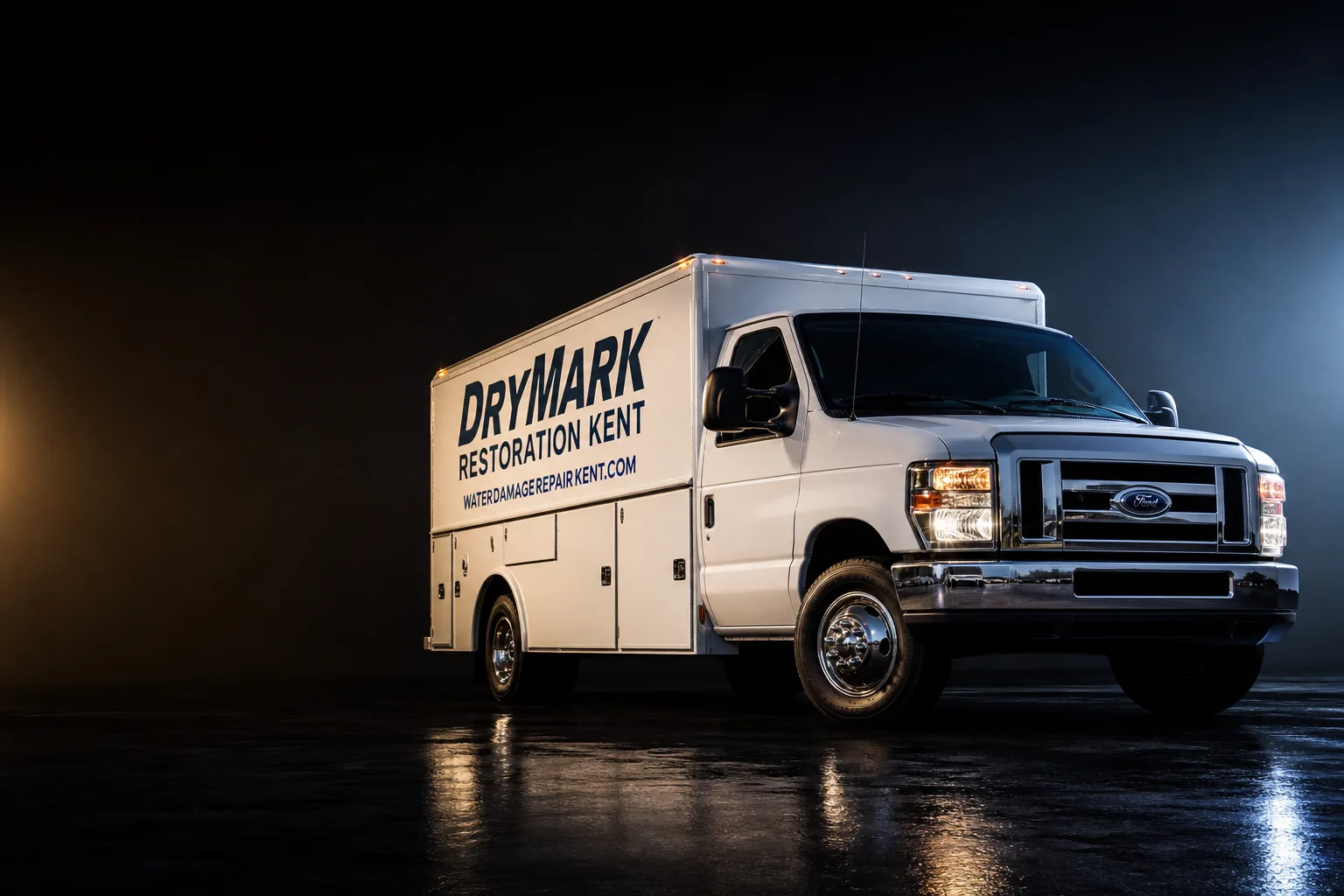
Free visual inspection and a written scope of work before any mitigation begins - photos, moisture readings, and drying logs go in your claim file
The scope we write is the scope we bill. Anything new gets shown to you, in writing, before we touch it.
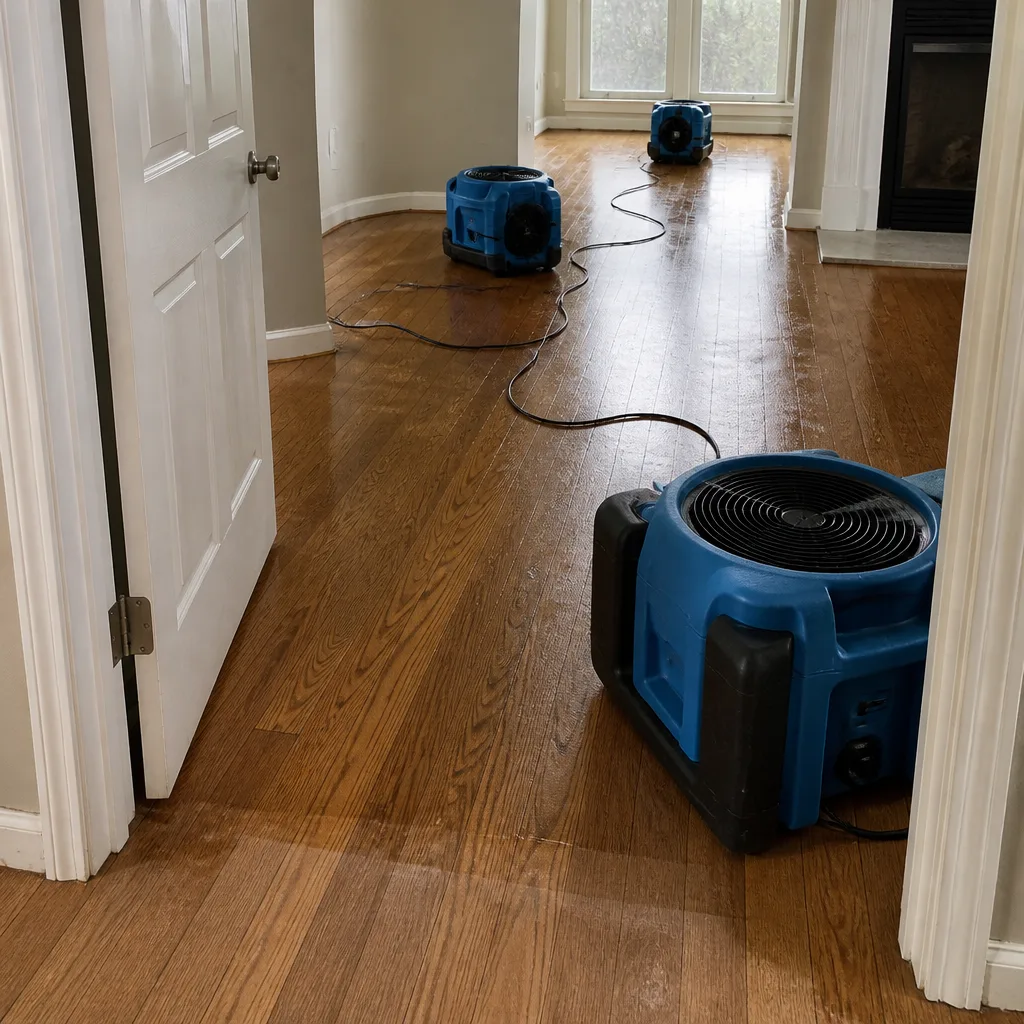
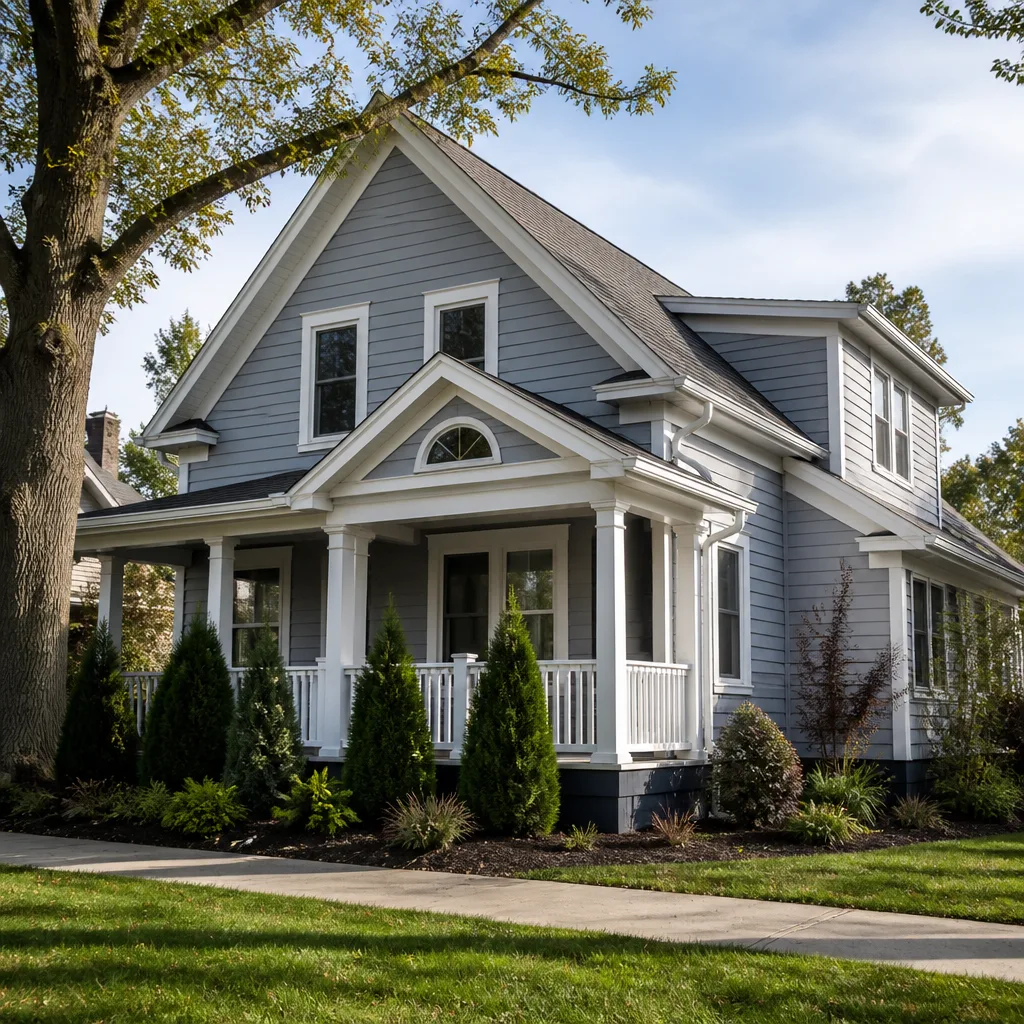
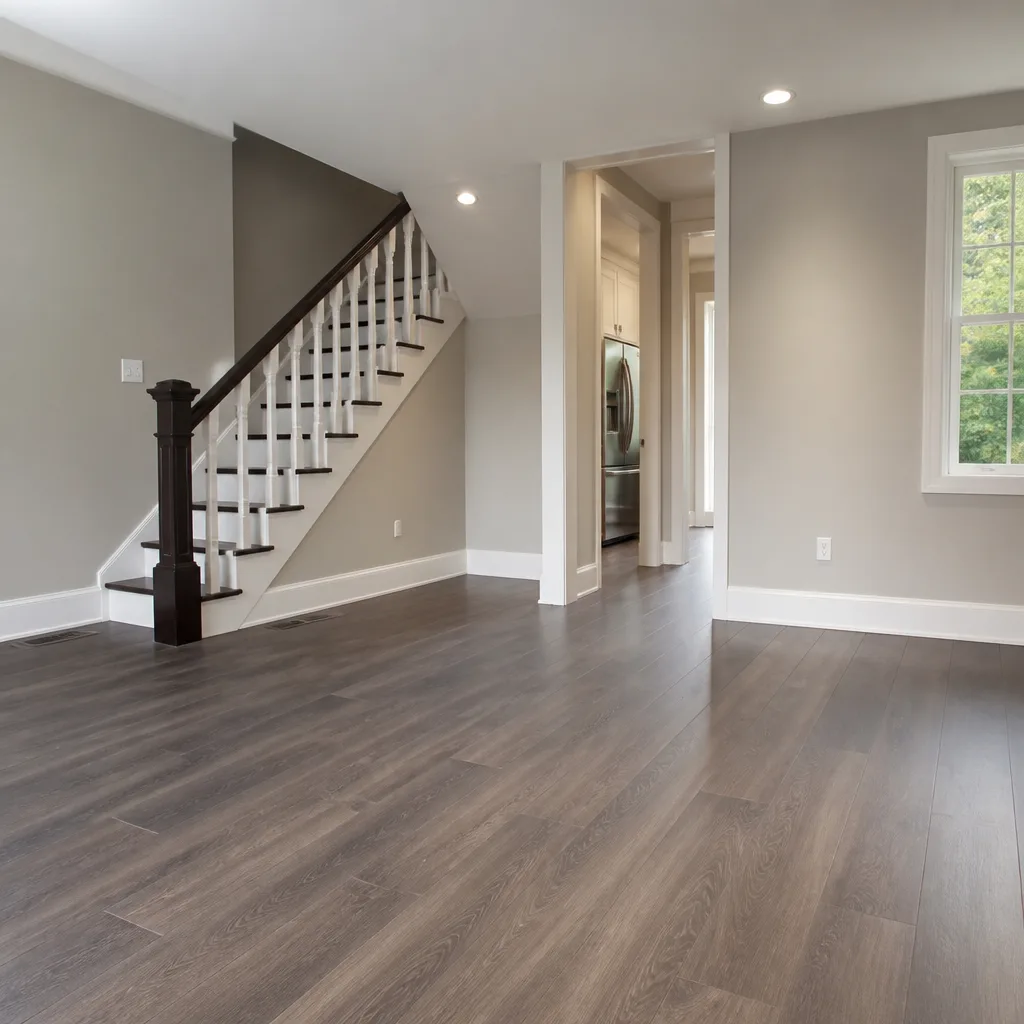
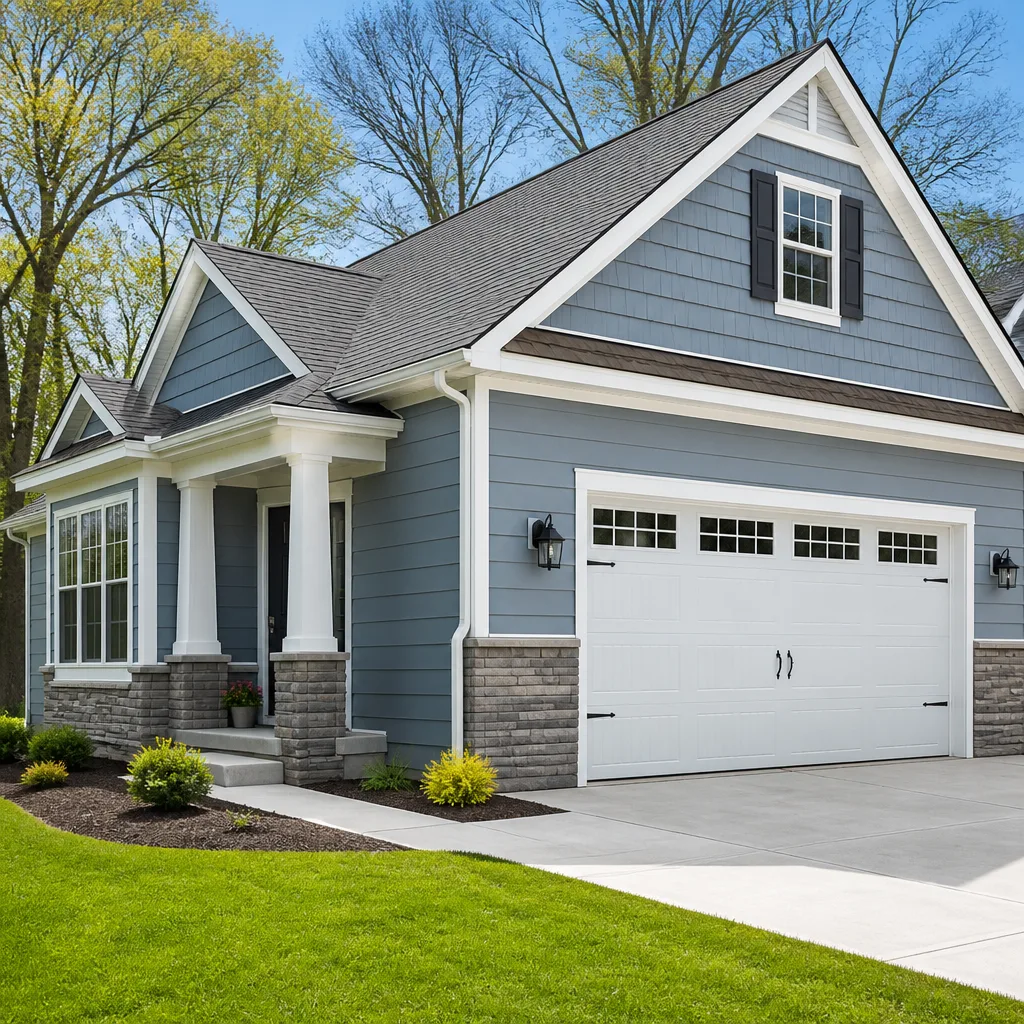
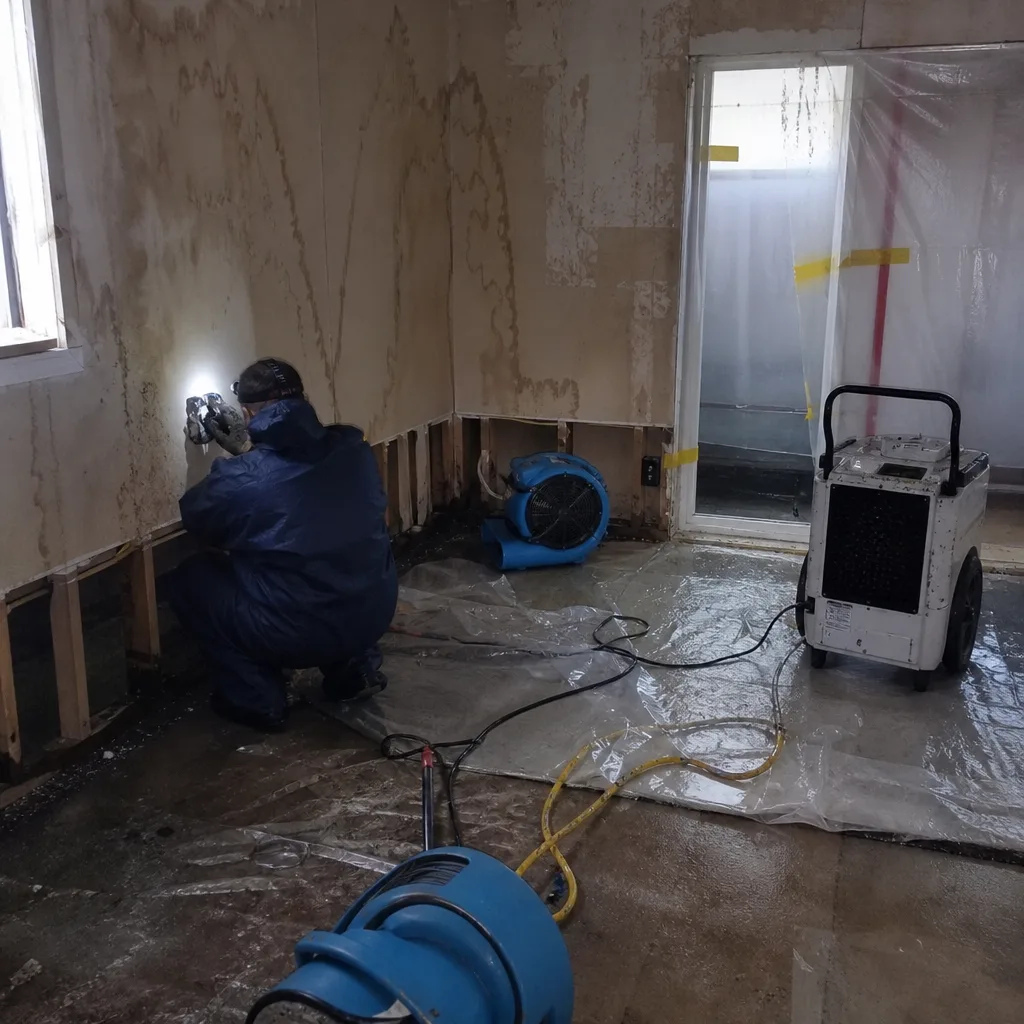 Before
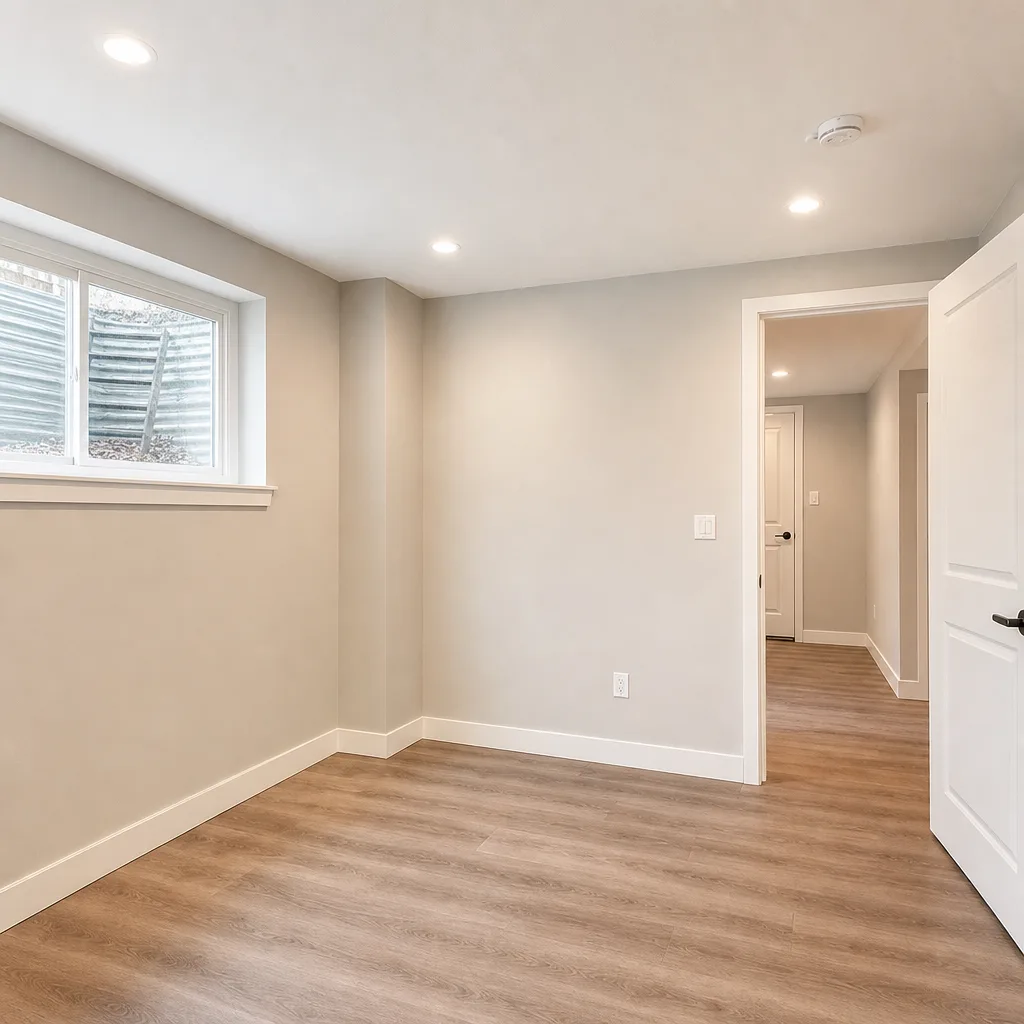 After
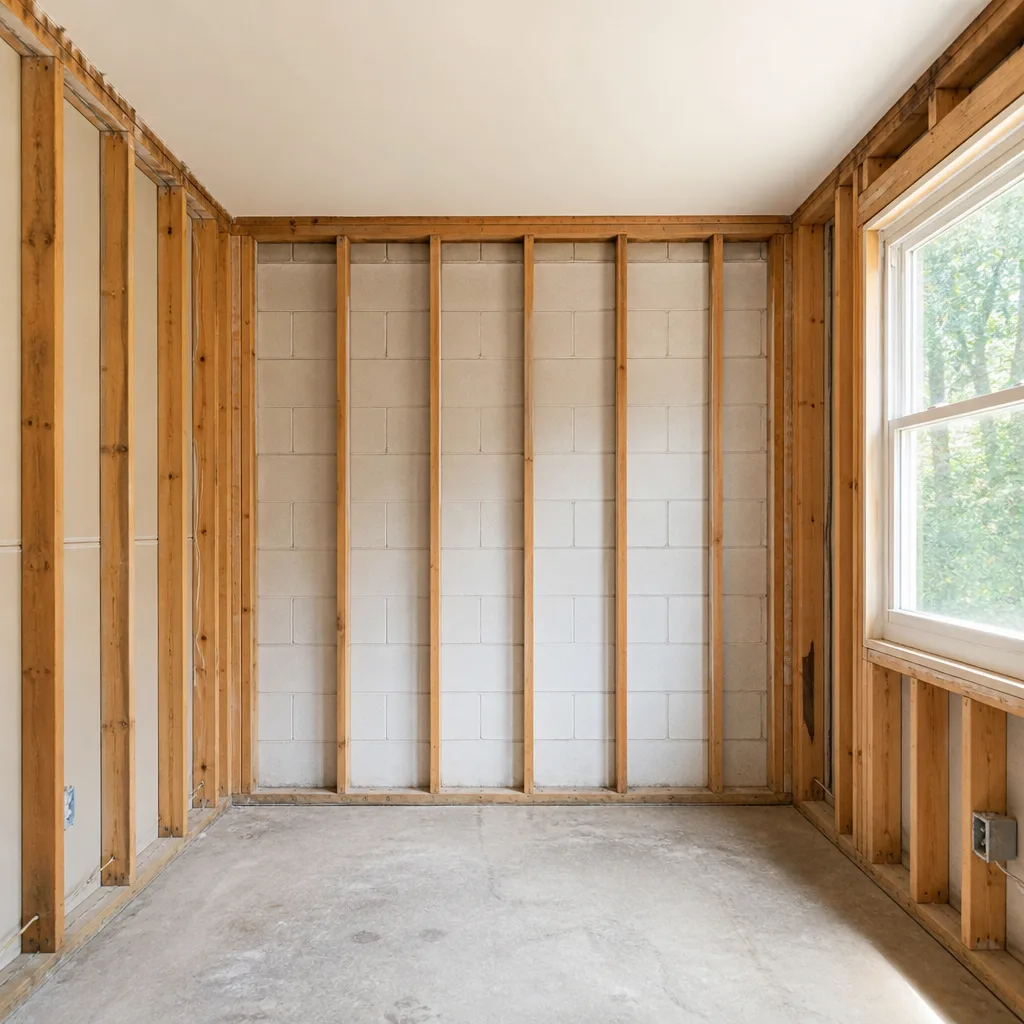
After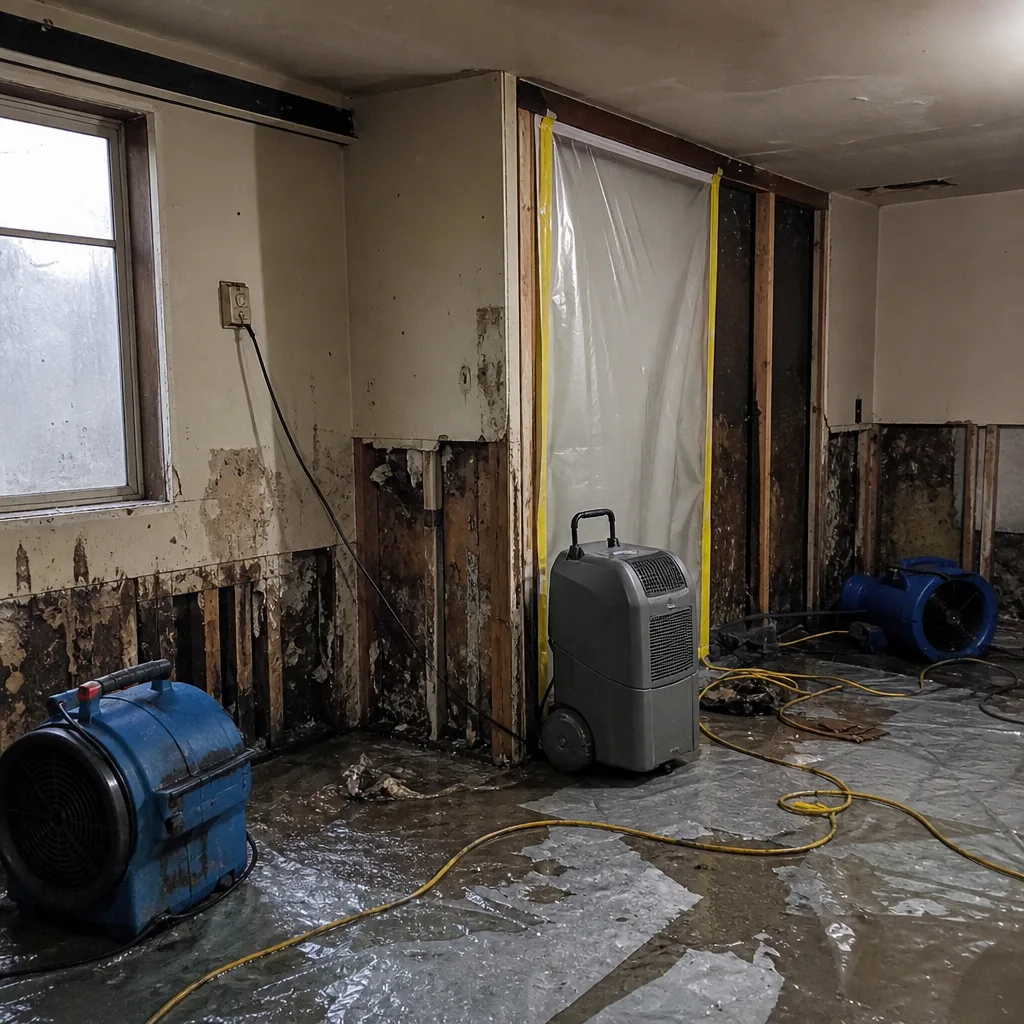 Before
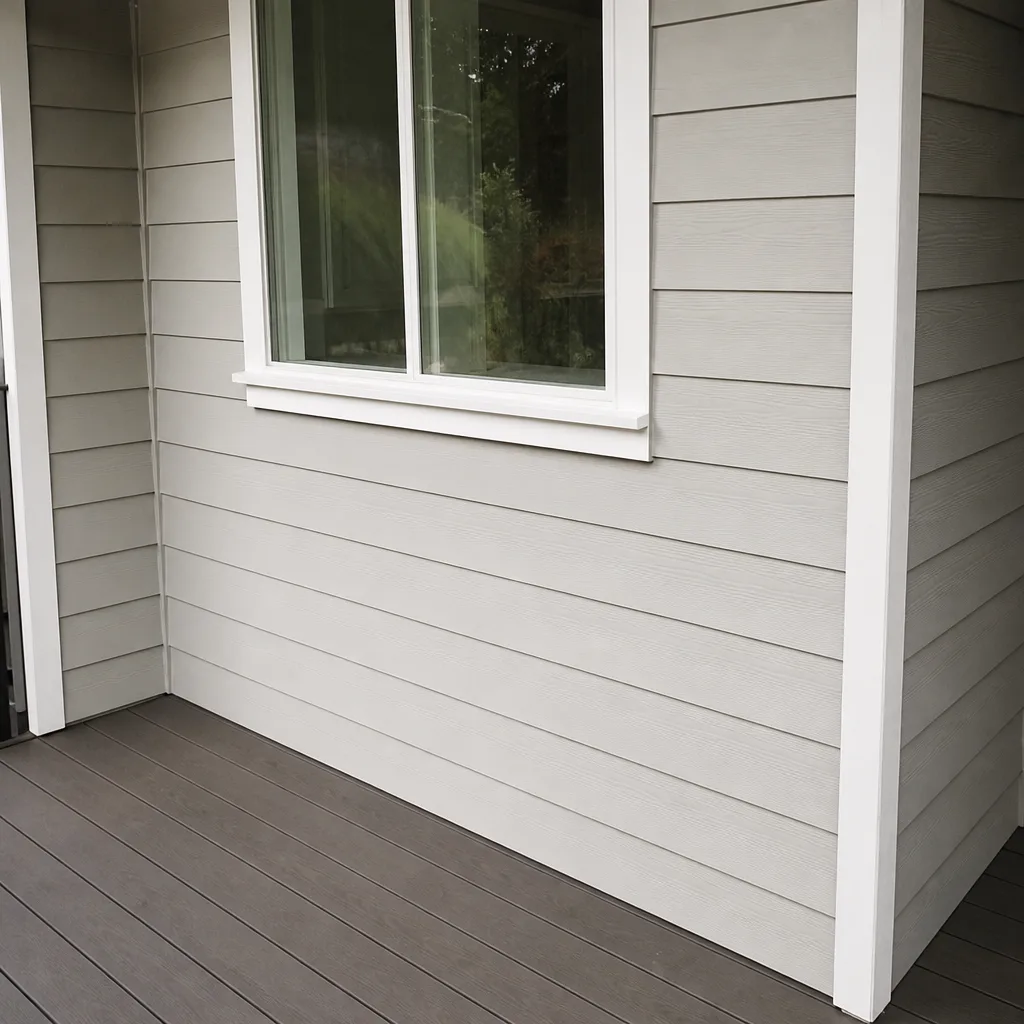 After
After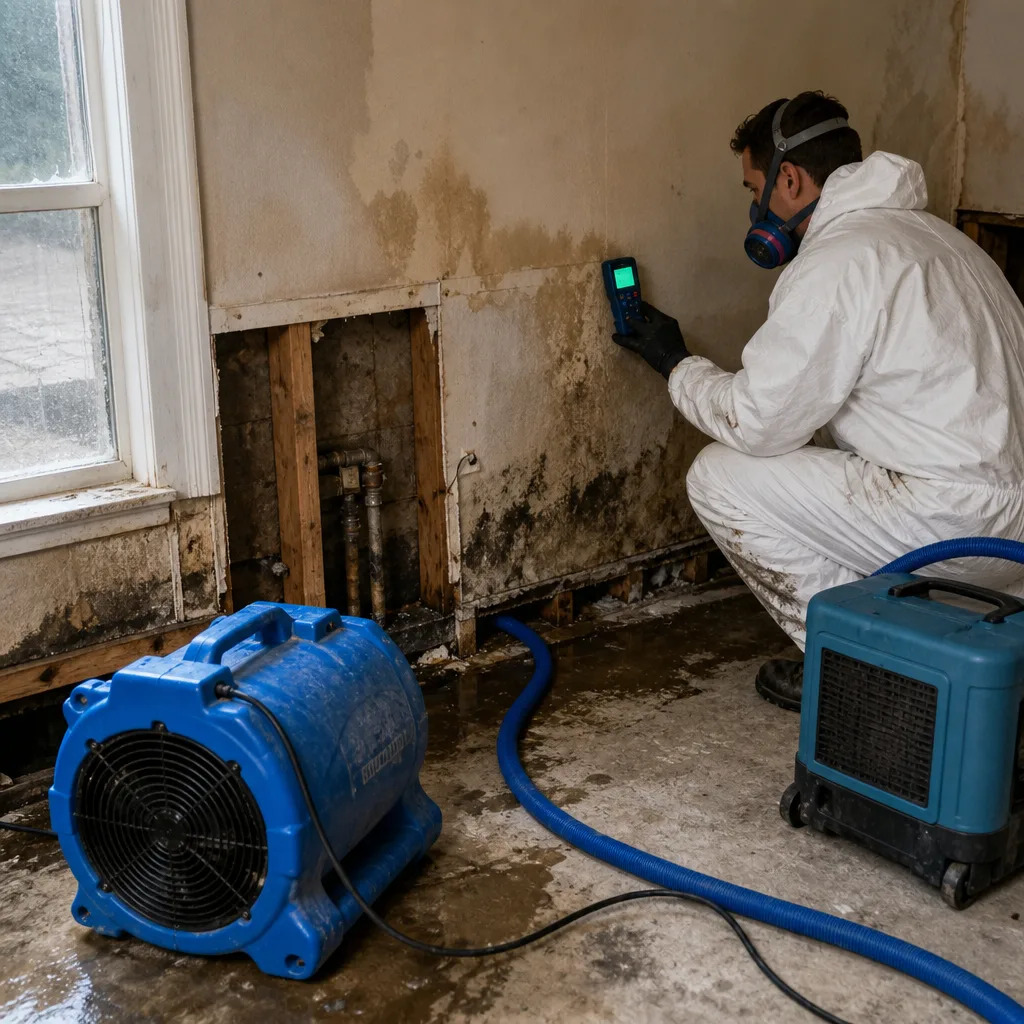 Before
 After
After24/7 Emergency Water Damage Restoration in Federal Way
Water damage restoration in Federal Way typically costs $1,800-$5,500 for most residential jobs, with emergency extraction starting at $400-$800 and full structural drying running $1,200-$3,200 depending on square footage and water category. Crews from our Federal Way response area can be on-site within 45 minutes, and a live person answers every call at (360) 997-2427 - no voicemail trees, no next-business-day callbacks while water is still moving through your walls. The first hour determines whether you’re looking at extraction and drying or a full pack-out with reconstruction. Water travels horizontally through Federal Way’s 1980s-era wall assemblies faster than most homeowners expect, wicking into hardboard siding and minimal house wrap before you’ve finished locating the shutoff valve. We provide a free visual inspection, a written price before any work starts, and documented photo records from the moment we arrive.
Understanding Water Damage Restoration Severity in Federal Way Properties
Water damage falls into three categories that dictate everything from PPE to disposal protocols. Category 1 is clean water from a supply line - still urgent, but manageable with extraction and rapid structural drying. Category 2 carries contaminants, typically from dishwasher or washing machine discharge, requiring antimicrobial treatment and affected porous materials removed. Category 3 is black water: sewage, ground flooding, or any water that has passed through soil or building materials - this demands full containment, HEPA air scrubbing, and often a pack-out of salvageable contents while unsalvageable structural elements are removed.
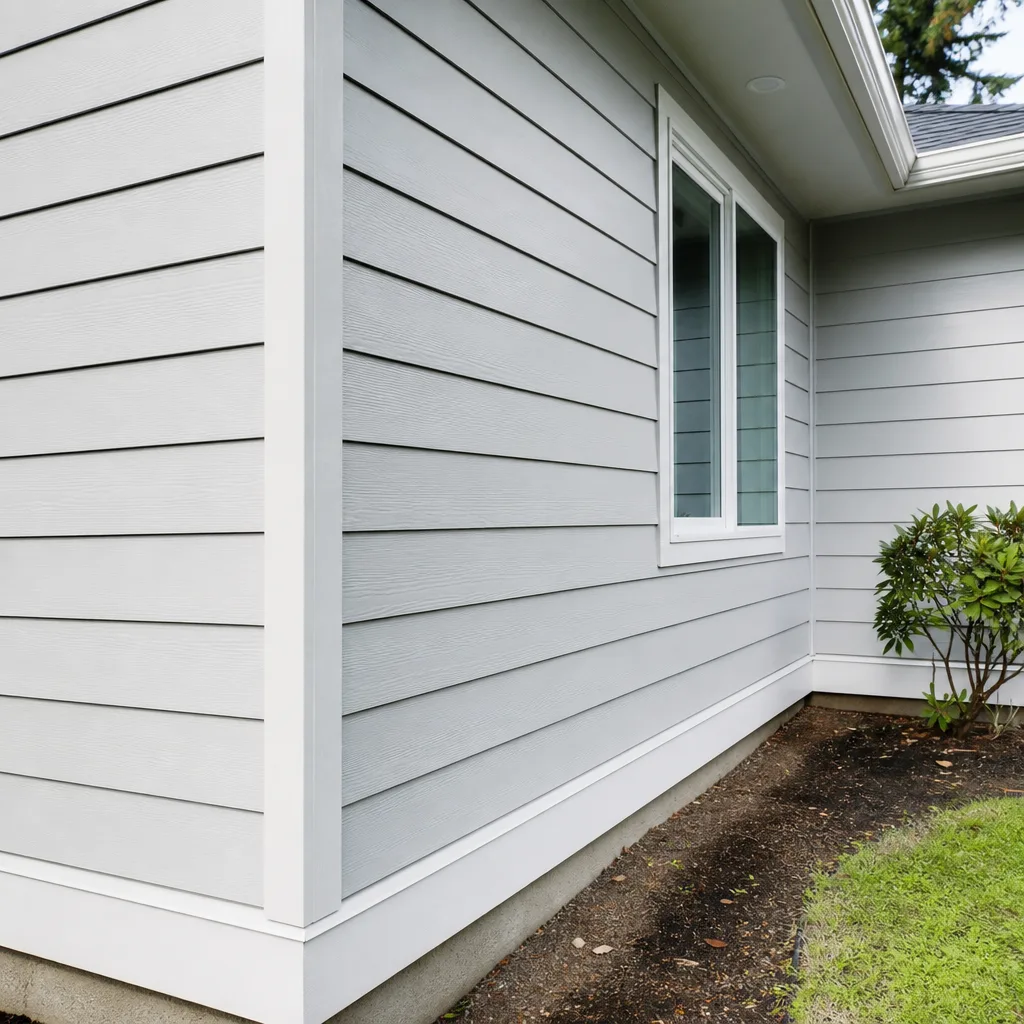
Federal Way’s housing stock complicates every category. The 1980s-1990s wood-framed tract homes built during the pre-incorporation boom feature LP Inner-Seal hardboard siding, minimal house wrap, and vented crawl spaces with original poly vapor barriers now thirty-plus years old. We’ve found that a Category 1 supply-line leak in these homes often degrades to Category 2 or 3 conditions before the homeowner calls, because the siding wicks moisture into the wall cavity and the compromised vapor barrier traps it against framing. Moisture mapping with thermal imaging reveals the true extent; surface dryness means nothing when rim joists read 85% relative humidity. Our crews document every reading to IICRC S500 standards, producing the psychrometric data - temperature, relative humidity, and vapor pressure differential - that insurers require to approve drying equipment rental extensions.
Why Federal Way Property Owners Choose DryMark Restoration Kent
- 45-minute response commitment to Federal Way addresses, with dispatch coordinated from our Seattle office and crews already positioned along the I-5 corridor.
- 24/7 live answer by a real person, never an automated system - emergency lines ring through to our operations center without voicemail trees.
- IICRC-certified crews holding WRT (Water Damage Restoration Technician) and AMRT (Applied Microbial Remediation Technician) credentials, with license numbers provided on every written scope.
- Free visual inspection with moisture mapping and thermal imaging before any commitment or charge.
- Direct insurance billing with photo-documented estimates formatted to carrier standards, plus direct adjuster coordination on every claim.
- One team from extraction through reconstruction - no handoffs between mitigation and rebuild contractors, no gaps in documentation.
BeforeAfterOur Water Damage Restoration Process
1. Inspection & Assessment
We arrive with moisture meters, thermal imaging cameras, and hygrometers to map the full water perimeter, not just the visible stain. In Federal Way’s 1980s homes, we pay particular attention to hardboard siding interfaces and crawl-space vapor barrier condition. You receive a written scope and price before any work begins - Haven Standard, Clause 1.
2. Water Extraction & Stabilization
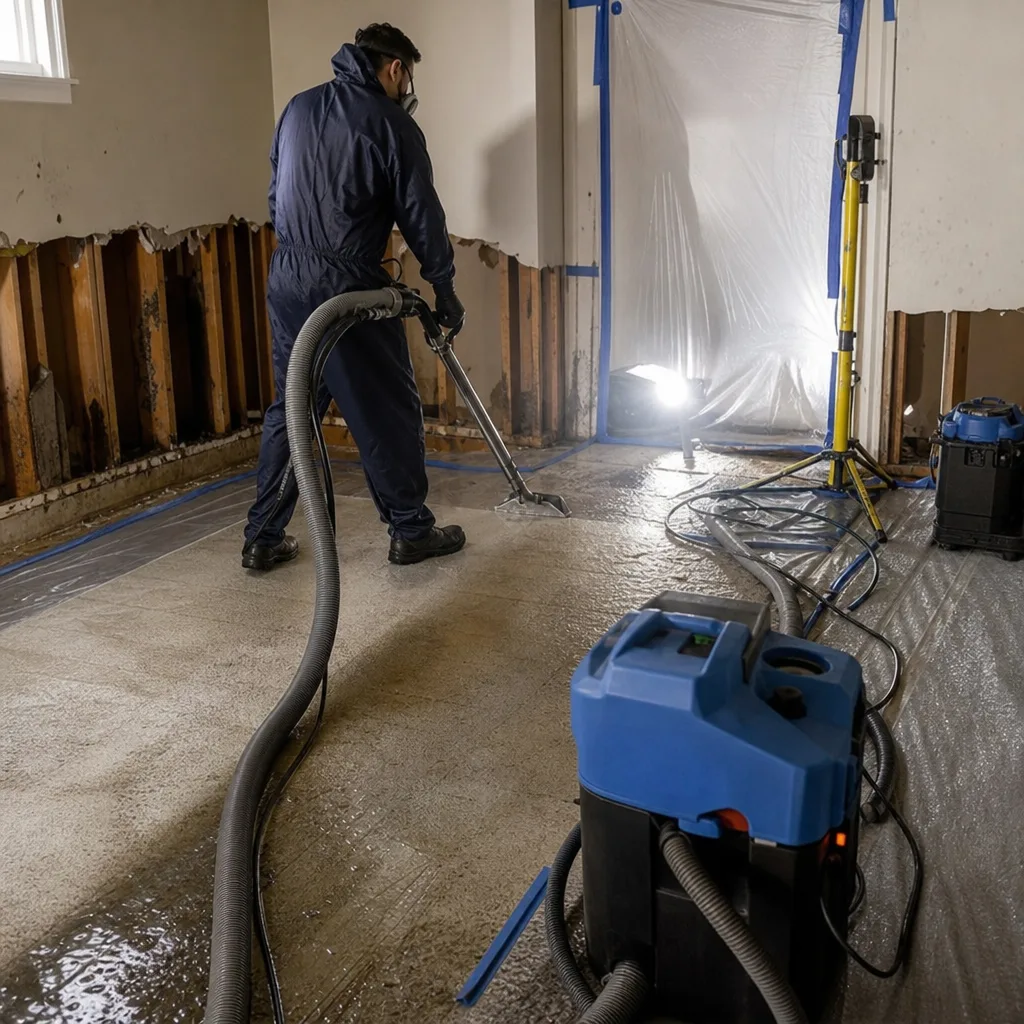
Truck-mounted extraction units remove standing water; submersible pumps handle crawl-space pooling. We deploy weighted extraction tools on saturated carpet and pad. The goal is to remove liquid water before it vaporizes - once it does, drying time and cost multiply.
3. Structural Drying & Dehumidification
We size the drying system to the job: Dri-Eaz and Phoenix LGR dehumidifiers, XPOWER and B-Air air movers, and Injectidry cavity-drying systems for wall voids. Daily moisture logs track specific humidity, grains per pound, and material moisture content until readings return to pre-loss baselines.
4. Cleaning & Sanitization
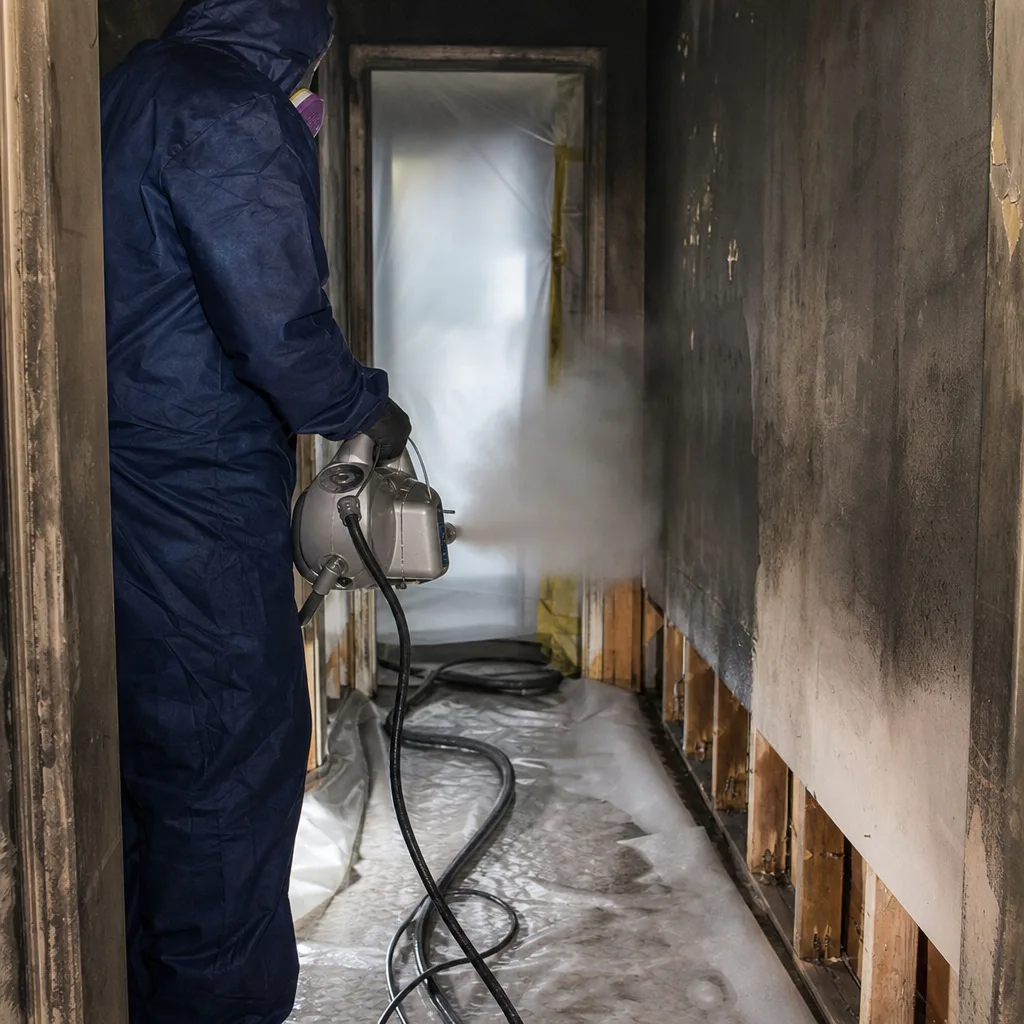
Antimicrobial treatment applied to all affected surfaces, with HEPA air scrubbers running during application. Category 2 and 3 losses receive EPA-registered disinfectants; porous materials that cannot be sanitized are removed and documented for insurance.
5. Antimicrobial Treatment & Encapsulation
Federal Way’s damp crawl spaces often require more than drying. We apply botanical or synthetic antimicrobials to framing, then recommend crawl-space encapsulation - a new vapor barrier, sealed vents, and permanent dehumidification - to prevent recurrence in clay-heavy soils that hold moisture for weeks after rain ends.
6. Repairs & Restoration
Our reconstruction team replaces removed drywall, flooring, and trim, matching existing finishes. Every repair is documented with before-and-after photos and covered by our 365-Day Done Right Promise under The Haven Standard.
Need Emergency Water Damage Restoration in Federal Way Now?
Crews minutes away, answering live 24 hours a day. The sooner we start, the less it costs.
Working With Your Insurance Company
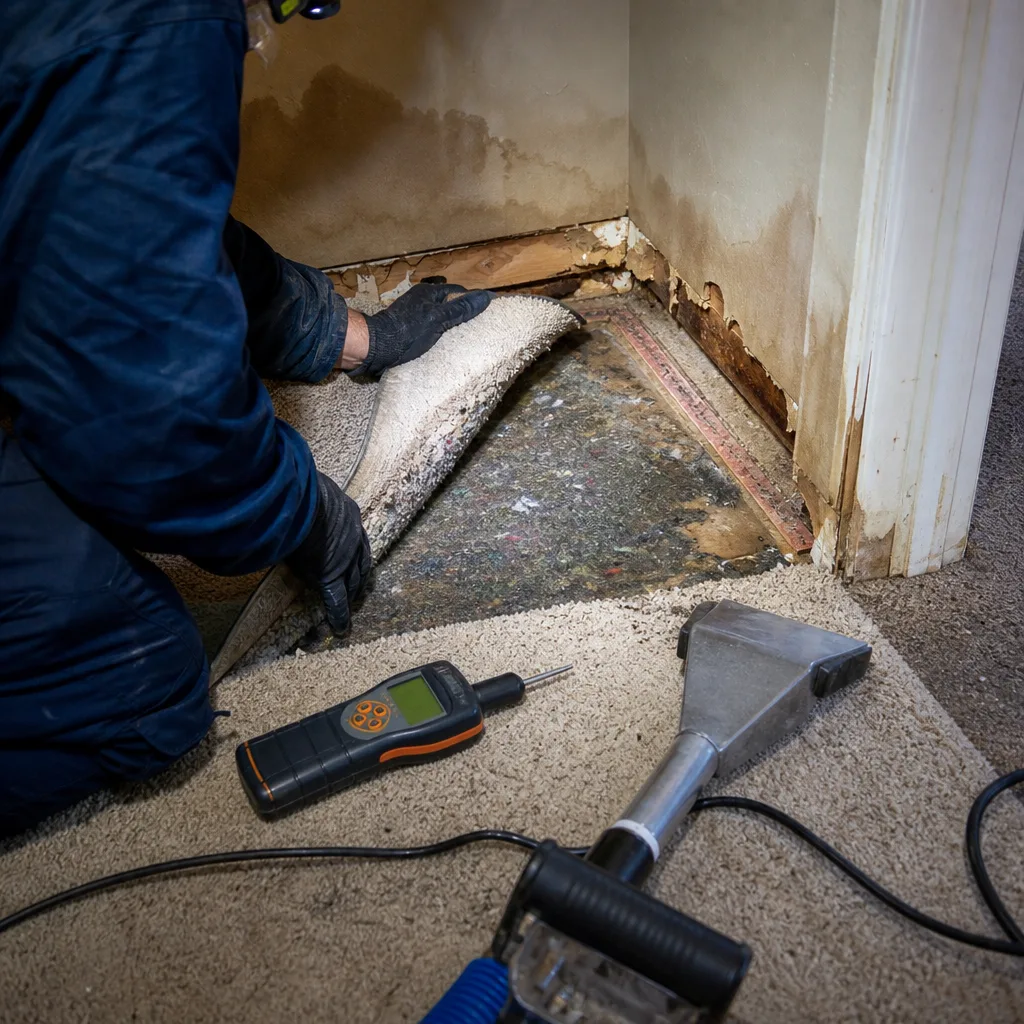
Documentation from the first hour is what turns a disputed claim into a paid one. Our Water Damage Restoration team photographs every room before moving contents, records moisture readings at each structural element, and maintains daily drying logs that satisfy IICRC, RIA, and IFA documentation standards. We write estimates to Xactimate or Symbility formats depending on your carrier’s preference, and we communicate directly with your adjuster - no phone-tag between you, us, and the claims department.
The most common point of contention in Federal Way claims is whether damage was sudden and accidental or the result of long-term maintenance neglect. Our photo record and moisture-mapping timeline establish the loss profile: a burst pipe shows a sharp moisture spike in one area, while failed vapor barrier damage spreads gradually across multiple seasons. That distinction determines coverage. We do not inflate scopes or pad line items; our written price before work starts protects you from surprise bills and protects us from chargeback disputes.
What We Provide Your Insurer
- Thorough documentation of the loss
- Photos of all damage, room by room
- Moisture readings and drying logs
- A detailed, line-item scope of work
- Direct coordination with your carrier
Built for Federal Way’s Loss Calendar
January through March brings the worst crawl-space conditions we see all year. The Puget Sound’s maritime drizzle keeps relative humidity above 80% for weeks, and by late March the original poly vapor barriers in homes near Steel Lake and North Lake have typically pooled condensation or torn entirely against clay-heavy glacial till. April through June, homeowners finally investigate musty smells that started in January - calls that present as “mold remediation” but trace back to water intrusion that began months earlier. July and August offer brief drying windows; we use them for encapsulation work that couldn’t proceed in saturated conditions. September through December, the cycle restarts with early rains and the first reports of basement seepage along the West Hylebos Wetlands corridor. There is no true “off-season” for water damage in Federal Way, only seasons of acute emergency and seasons of discovered chronic damage.
Water Damage Restoration Across Federal Way’s Neighborhoods
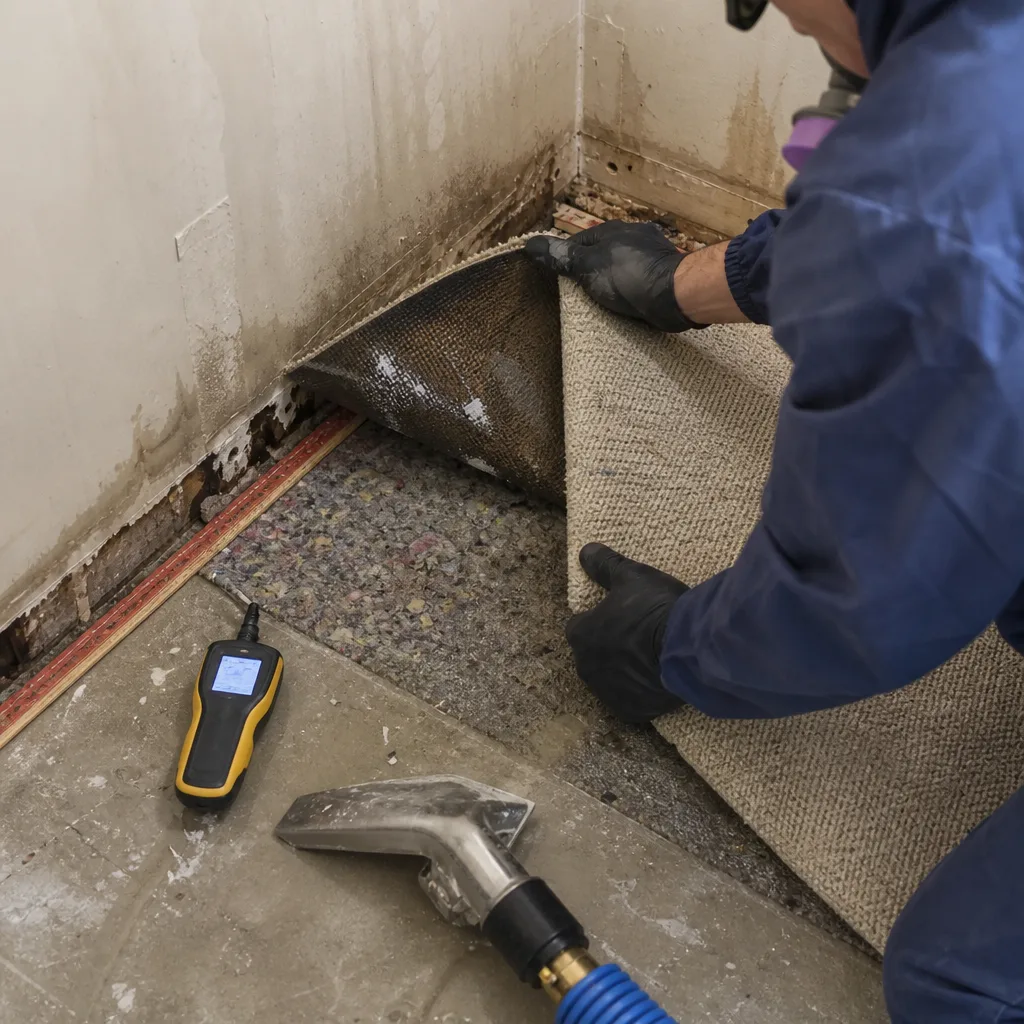
Homes near Steel Lake and North Lake sit on some of the highest water table elevations in the city, with clay soils that percolate slowly. We’ve responded to crawl-space flooding on clear days in these neighborhoods - no storm required, just a high water table meeting a failed sump pump or degraded foundation seal. The West Hylebos Wetlands area presents similar challenges with the added complexity of older septic systems and drain fields that back up during sustained wet periods.
The Pacific Highway S corridor and commercial strips along SR-99 bring a different workload: flat-roof buildings from the 1980s and 1990s with EIFS cladding that traps water behind the facade until interior drywall softens. Property managers in these buildings often discover damage when ceiling tiles sag, by which time the substrate has been wet for multiple rain cycles.
Residential neighborhoods between Dash Point Road and the Milton border - the Enchanted Parkway corridor, Twin Lakes, and the older tracts near Celebration Park - tend toward the classic Federal Way profile: LP Inner-Seal siding, vented crawl spaces, and homeowners who’ve lived with a faint musty odor longer than they admit before calling. Our response times to these areas average under 40 minutes during daylight hours.
We got a call from a homeowner near Steel Lake about a musty smell in the crawl space. Our techs ran moisture mapping and found the original 1980s poly vapor barrier had torn and pooled condensation against the LP Inner-Seal siding, with moisture readings pegging above 85% on the rim joists. We set up containment, applied antimicrobial treatment, and used Dri-Eaz dehumidifiers and XPOWER air movers to bring the assembly back to pre-loss condition, ultimately recommending full crawl-space encapsulation so it would pass re-inspection.
Specialized Water Damage Restoration Services We Offer in Federal Way
Emergency Water Extraction
Truck-mounted and portable extraction units remove standing water within hours of your call. In Federal Way’s 1980s homes with hardboard siding, speed matters - the siding wicks moisture laterally into wall cavities, expanding the affected area by square footage every hour. We extract first, then map.
Structural Drying & Dehumidification
Our drying systems are sized to the specific psychrometric conditions of your structure, not generic square-footage charts. Federal Way’s persistent 80%+ relative humidity means outdoor air is never a drying solution here; we rely on sealed, conditioned drying chambers with LGR dehumidifiers and calculated air mover placement. Daily logs track progress to IICRC S500 dry standards.
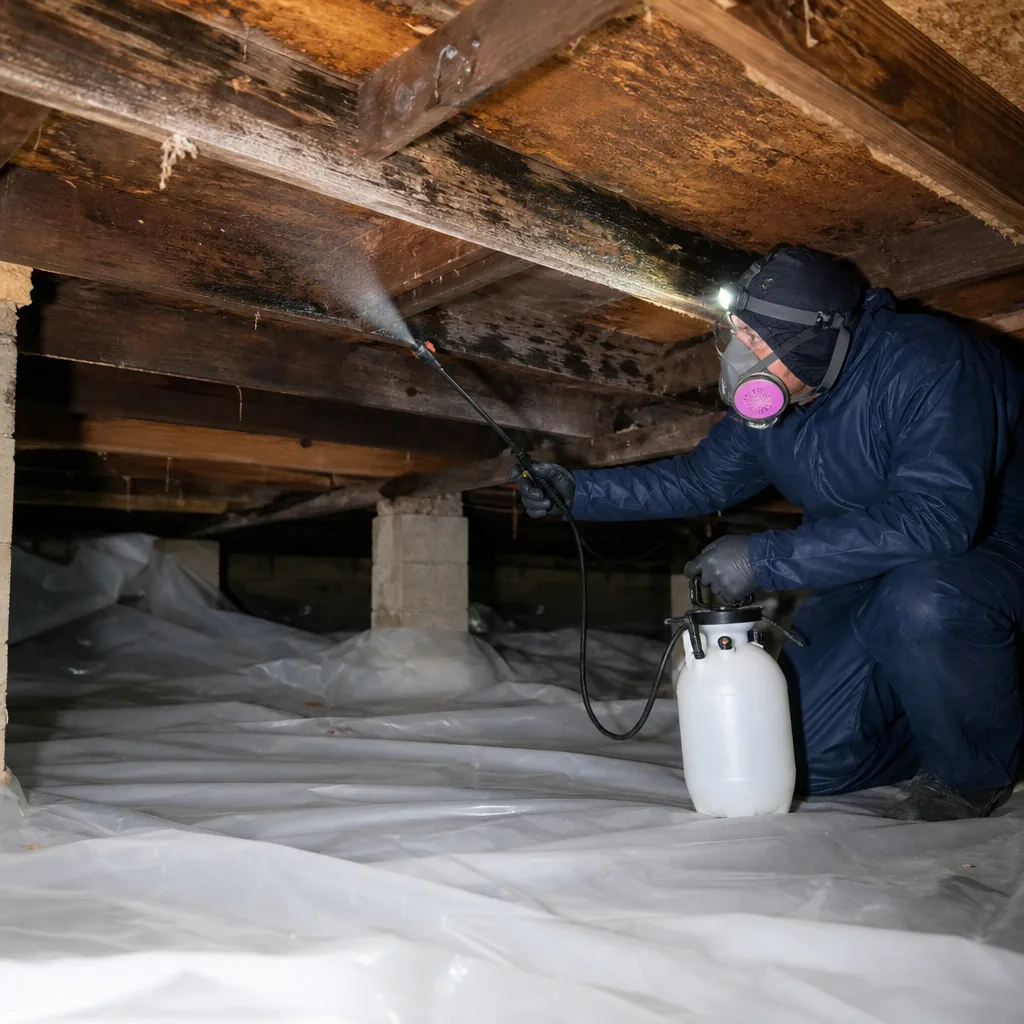
Flood Cleanup
Groundwater flooding in Federal Way - whether from overwhelmed storm systems near the wetlands or failed sump pumps in lake-adjacent neighborhoods - is Category 3 by definition. Full PPE, containment, HEPA air scrubbing, and disposal of porous materials per local waste regulations. We document everything for your adjuster.
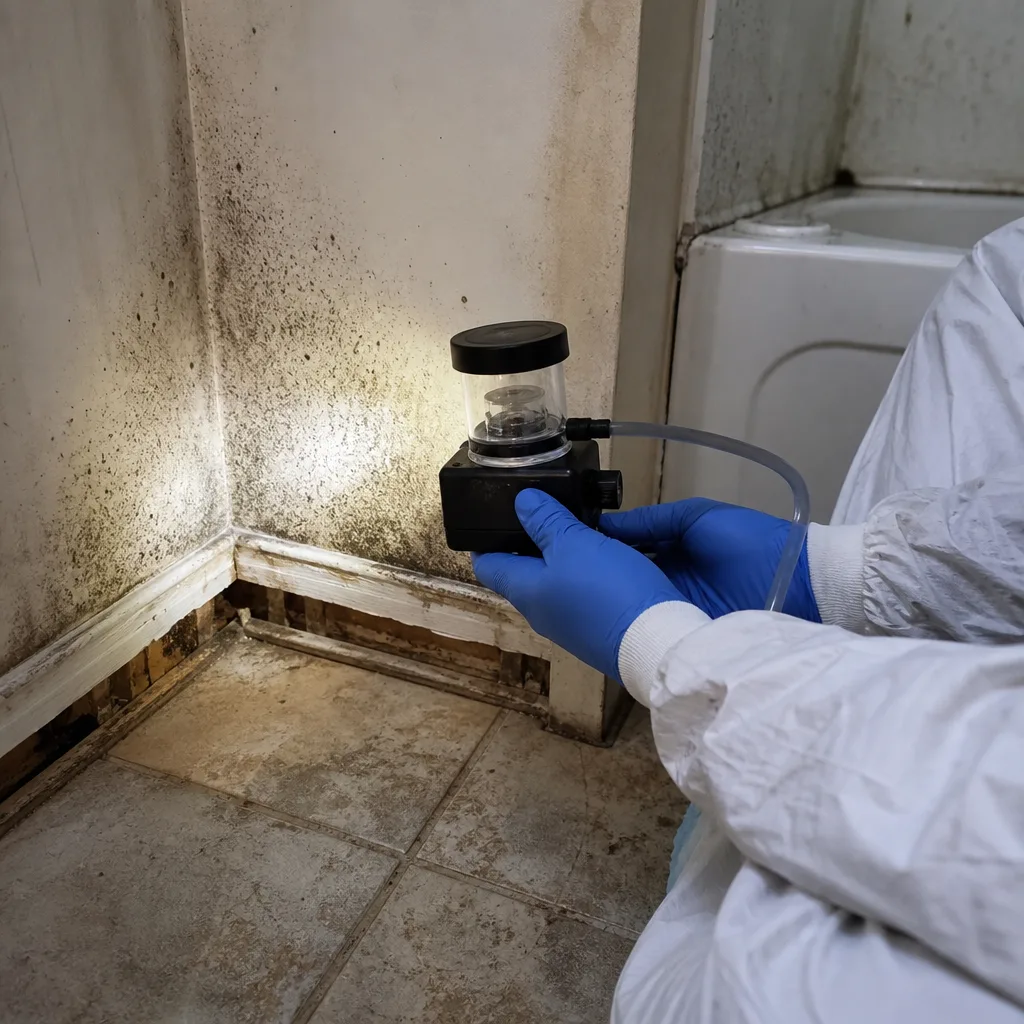
Burst Pipe Restoration
Supply-line bursts in Federal Way’s older homes often occur at copper-to-PVC transitions or where original galvanized lines remain. We extract, dry, and document the water damage; we do not perform plumbing repairs, but we coordinate with your plumber of choice and resume drying immediately after their repair.
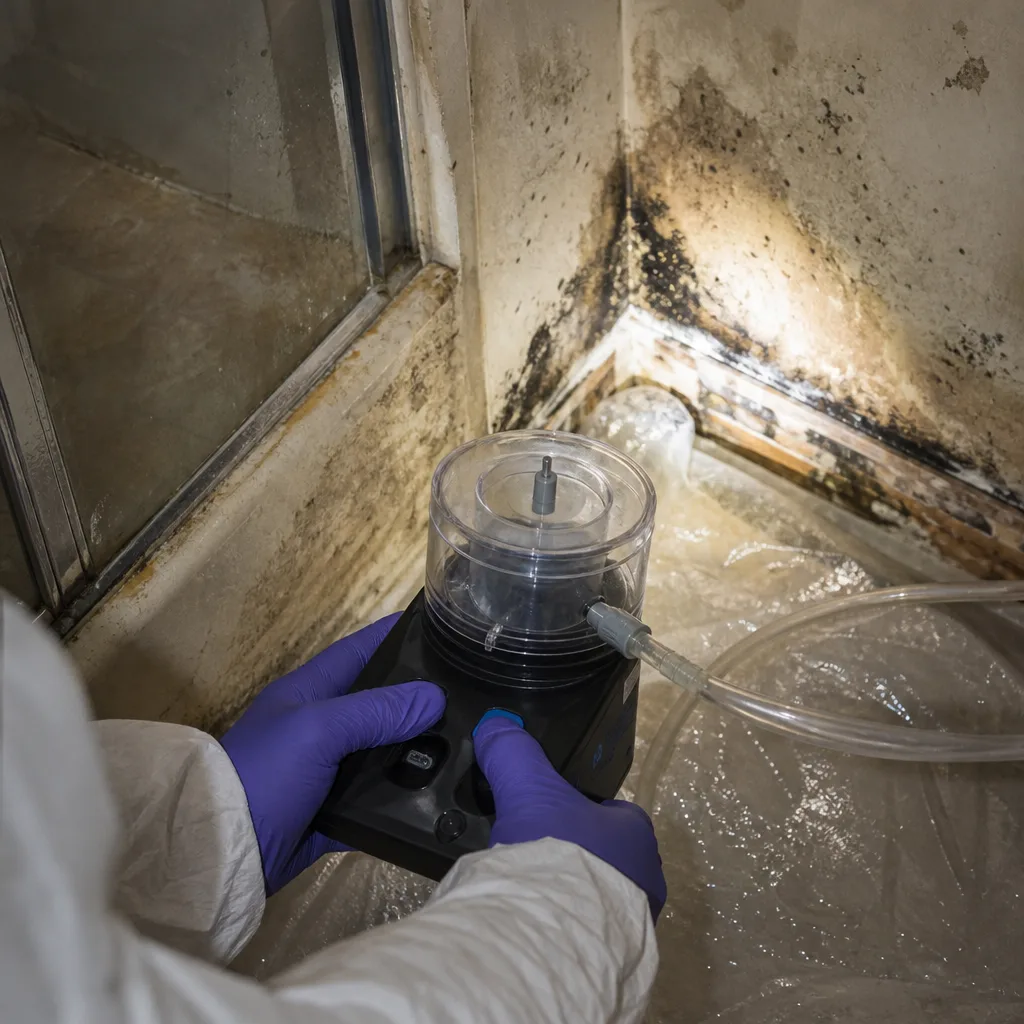
Basement Water Removal
Federal Way basements, particularly in lower-lying neighborhoods near Steel Lake and the West Hylebos corridor, face hydrostatic pressure through foundation walls and slab edges. We install temporary sump pumps, extract standing water, and apply negative-pressure drying to wall cavities. Long-term solutions - interior drain tile, exterior waterproofing, or sump pump upgrades - are scoped separately.
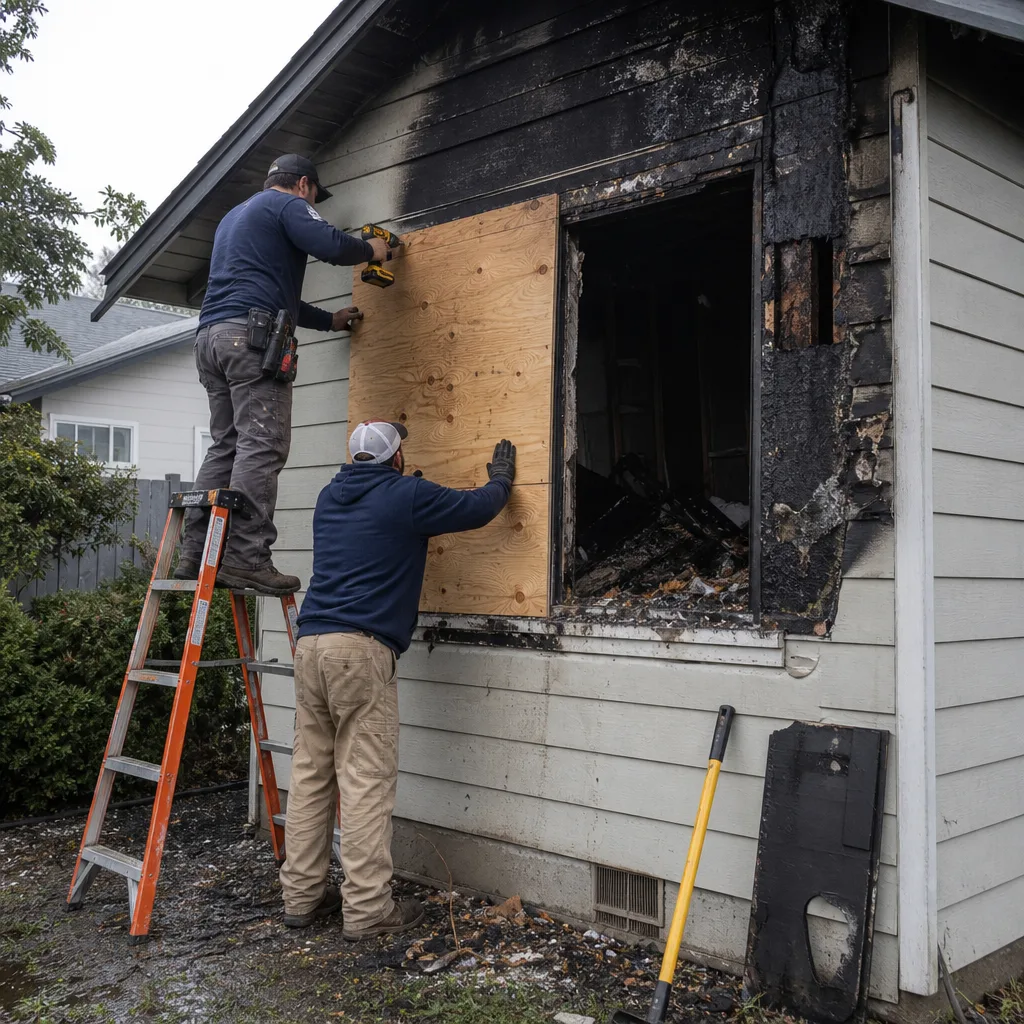
Ceiling & Roof Leak Water Damage
Roof leaks in Federal Way rarely announce themselves dramatically. Slow drips through compromised flashing or aging composite shingles saturate insulation and drywall over weeks. We remove affected ceiling sections to inspect structural members, treat for mold if readings warrant, and dry the cavity before any repair work begins.
What happens when you call
- 1
A real person answersNo phone trees - you reach a local pro.
- 2
You get an upfront price rangeHonest numbers before anyone is dispatched.
- 3
A background-checked tech heads outLicensed & insured, dispatched right away.
- 4
You approve before work beginsNothing starts until you say go.
Water Damage Restoration Costs in Federal Way, WA
Emergency water extraction in Federal Way typically runs $400-$800 for residential jobs up to 1,000 square feet. Structural drying and dehumidification adds $1,200-$3,200 depending on equipment count and duration, with most Federal Way homes requiring 3-5 days of active drying. Category 3 flood cleanup starts higher, at $2,500-$5,500, due to containment, antimicrobial treatment, and disposal requirements. Crawl-space encapsulation, recommended for many Federal Way homes after water damage, ranges $3,500-$8,000 depending on access and square footage.
What moves the price: water category (clean vs. contaminated), affected square footage, whether contents must be packed out, and whether the vapor barrier or siding assembly requires remediation beyond standard drying. Insurance typically covers sudden and accidental water damage; long-term moisture intrusion from failed vapor barriers may be excluded. We provide a free visual inspection and written scope before any work begins - Haven Standard, Clause 1 - so you know exactly what you’re paying for and what your carrier will likely cover.
We Also Serve Cities Near Federal Way
Our crews respond throughout south King and north Pierce counties, including Auburn to the east along Highway 18, Milton to the south near the Pierce County line, Kent to the northeast along the I-5 corridor, and Tacoma to the south. Each city presents distinct housing stock and moisture patterns; our documentation protocols adapt to local building ages and soil conditions.
Serving Federal Way, WA - Our Local Coverage Area
We’re based in the Federal Way area and know this community well. Use the map below to see our service coverage - if you’re nearby, we can almost certainly help.
Federal Way Water Damage Restoration Questions, Answered
My Federal Way home was built in the 1980s with LP Inner-Seal siding. Does that change how you handle water damage restoration?
Yes. LP Inner-Seal and similar hardboard sidings wick moisture laterally through the substrate, so water entering at a window or roof line travels far beyond the visible interior stain. Our inspection protocol includes moisture mapping of the exterior wall assembly, not just the interior drywall. We often find that crews who only dry the interior miss the exterior moisture reservoir, and the repair fails within months. Call (360) 997-2427 for a free inspection with thermal imaging.
Why do crawl spaces in Federal Way stay damp even when it hasn’t rained in days?
The clay-heavy glacial till soils in Federal Way hold moisture for weeks after rain ends, and the high water table in neighborhoods near Steel Lake, North Lake, and the West Hylebos Wetlands creates constant hydrostatic pressure against foundation walls. Original 1980s poly vapor barriers have shifted, torn, or pooled condensation over decades, allowing soil moisture to evaporate directly into the crawl space. Without commercial dehumidification and a rebuilt or encapsulated vapor barrier, box fans and open vents simply move humid air around. Call (360) 997-2427 for moisture readings and a written scope.
How quickly can mold start growing after water damage in a Federal Way home?
Mold colonization can begin within 24-48 hours on organic materials at moisture readings above 16% wood moisture equivalent. In Federal Way’s climate, where crawl-space humidity routinely exceeds 85% by late March, that timeline compresses. We apply antimicrobial treatment during the drying phase, not after, to prevent colonization rather than remediate it. If you suspect water damage, call (360) 997-2427 - waiting for visible mold increases cost and complexity significantly.
What’s the difference between Category 1, 2, and 3 water, and how does it affect my cleanup?
Category 1 is clean water from a supply line - extraction and drying typically suffice. Category 2 contains contaminants like dishwasher or washing machine discharge, requiring antimicrobial treatment and removal of saturated porous materials. Category 3 is black water: sewage, ground flooding, or water that has passed through soil or building materials - this demands full containment, HEPA air scrubbing, and often a pack-out of contents. In Federal Way’s 1980s homes, Category 1 leaks often degrade to Category 2 or 3 before discovery due to hardboard siding wicking and vapor barrier failure. Call (360) 997-2427 for category assessment and a written scope.
Do you use drying logs and documentation for insurance claims on Federal Way water damage jobs?
Yes. Every job receives daily moisture logs, room-by-room photo documentation, and a detailed scope of work formatted to carrier standards. Our documentation is built to IICRC, RIA, and IFA standards, producing the evidence base that turns restoration invoices into payable claims. Direct adjuster coordination is included at no additional charge. Call (360) 997-2427 to discuss your specific claim documentation needs.
How fast can your crew actually get to my Federal Way home?
Our response commitment to Federal Way addresses is 45 minutes during emergency hours, with dispatch coordinated from our Seattle office and crews positioned along the I-5 corridor. Live phone coverage is available 24 hours a day, 7 days a week with no voicemail on emergency lines. The sooner we start extraction, the less square footage the water claims. Call (360) 997-2427 now.
Will my insurance cover the full cost of water damage restoration?
Coverage depends on the source and duration of the water damage. Sudden and accidental events - burst pipes, appliance failures, storm intrusion through damaged roofing - are typically covered. Long-term moisture intrusion from failed vapor barriers, degraded siding, or maintenance neglect may be excluded. Our documentation establishes the loss profile to support your claim, and we provide a free second opinion on any competitor’s written estimate. Call (360) 997-2427 for a free inspection and honest assessment of likely coverage.
Can I stay in my home during water damage restoration?
For Category 1 losses limited to one or two rooms, most homeowners remain in residence with containment barriers and air scrubbers running. Category 2 and 3 losses, or any job involving crawl-space or wall-cavity work, may require temporary relocation due to noise, equipment heat, or containment requirements. We discuss livability during our initial inspection and include any relocation considerations in your written scope. Call (360) 997-2427 to discuss your specific situation.
Water damage in Federal Way doesn’t resolve on its own, and the region’s persistent humidity and high water table make delayed action costly. Our crews are minutes away, documentation is standard on every visit, and you’ll have a written price before any work begins. Call (360) 997-2427 for 24/7 live answer and a free visual inspection.
Written by Alicia Brennan, Owner at Back to Dry Restoration, serving Federal Way since 2011 under The Haven Standard.
Water Damage Restoration in Nearby Areas