
Free visual inspection and a written scope of work before any mitigation begins - photos, moisture readings, and drying logs go in your claim file
The scope we write is the scope we bill. Anything new gets shown to you, in writing, before we touch it.
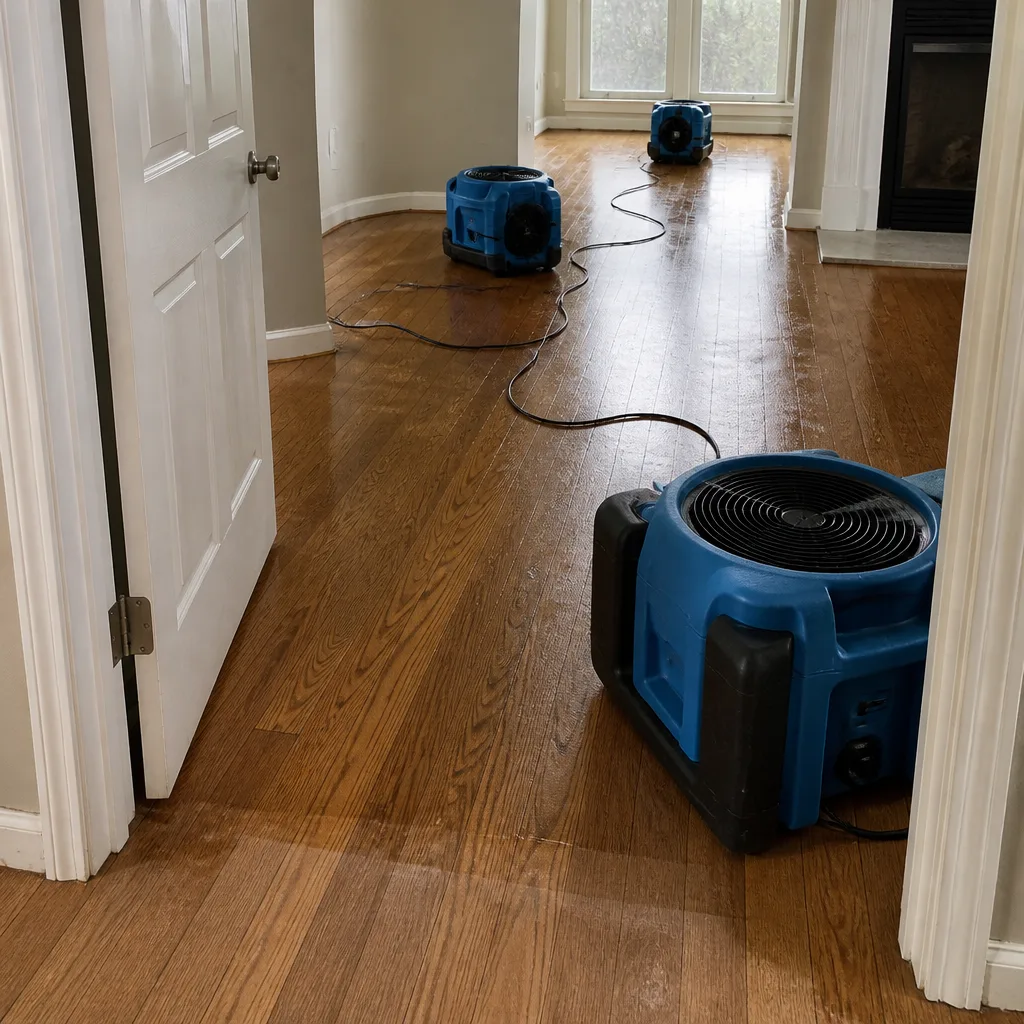
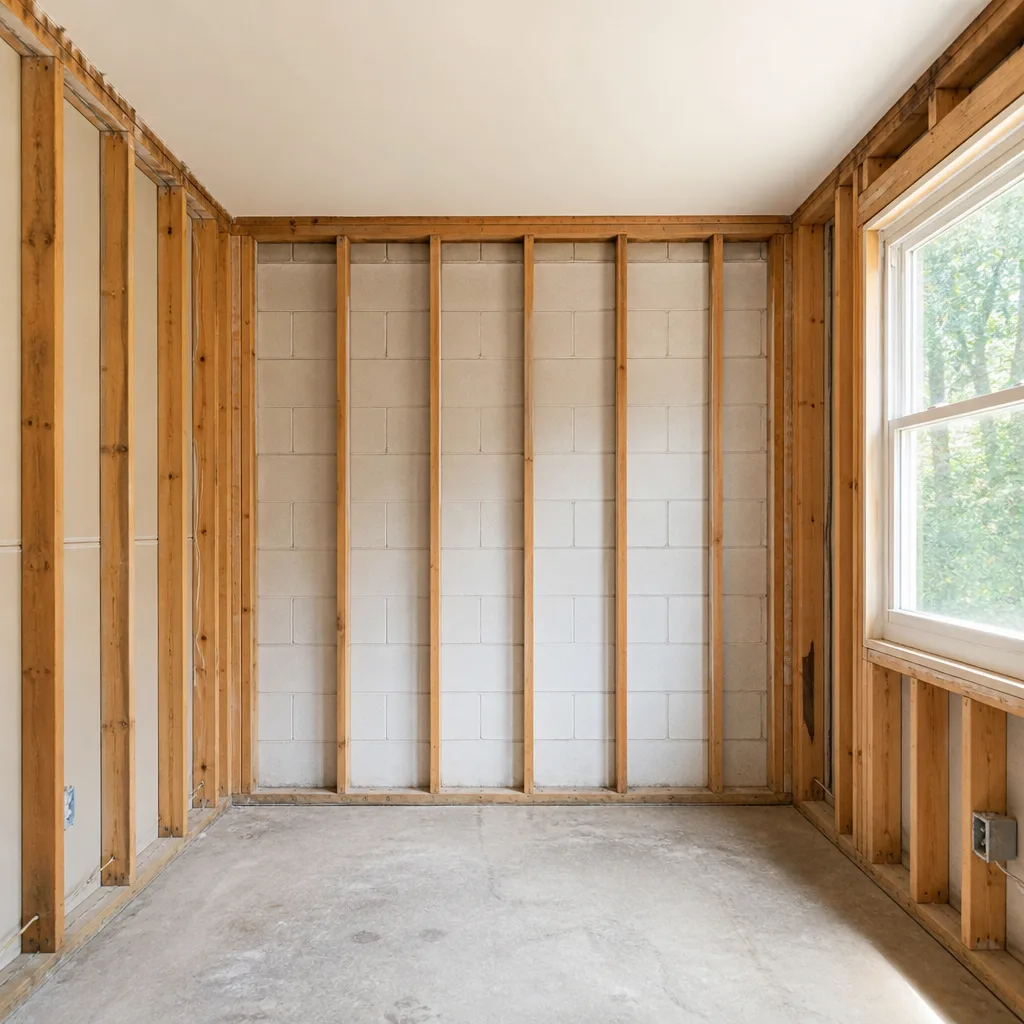
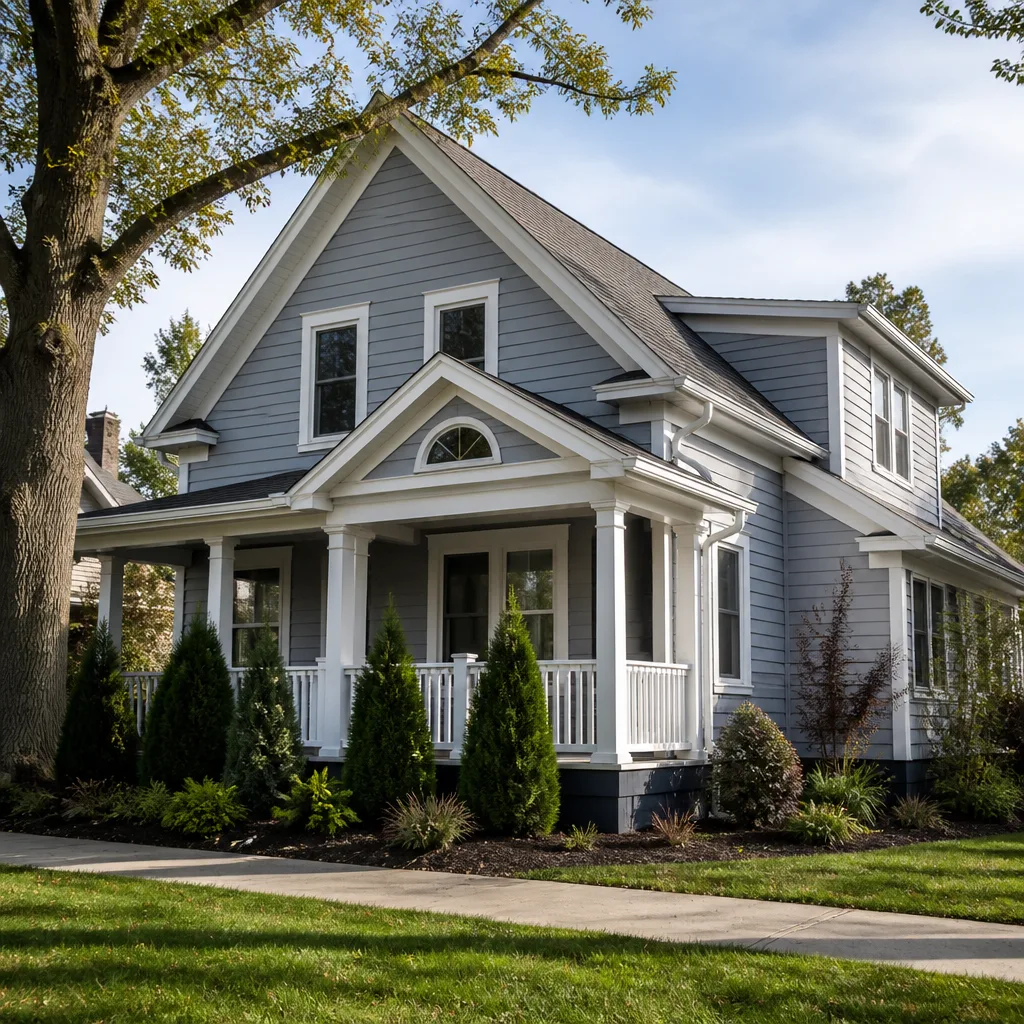
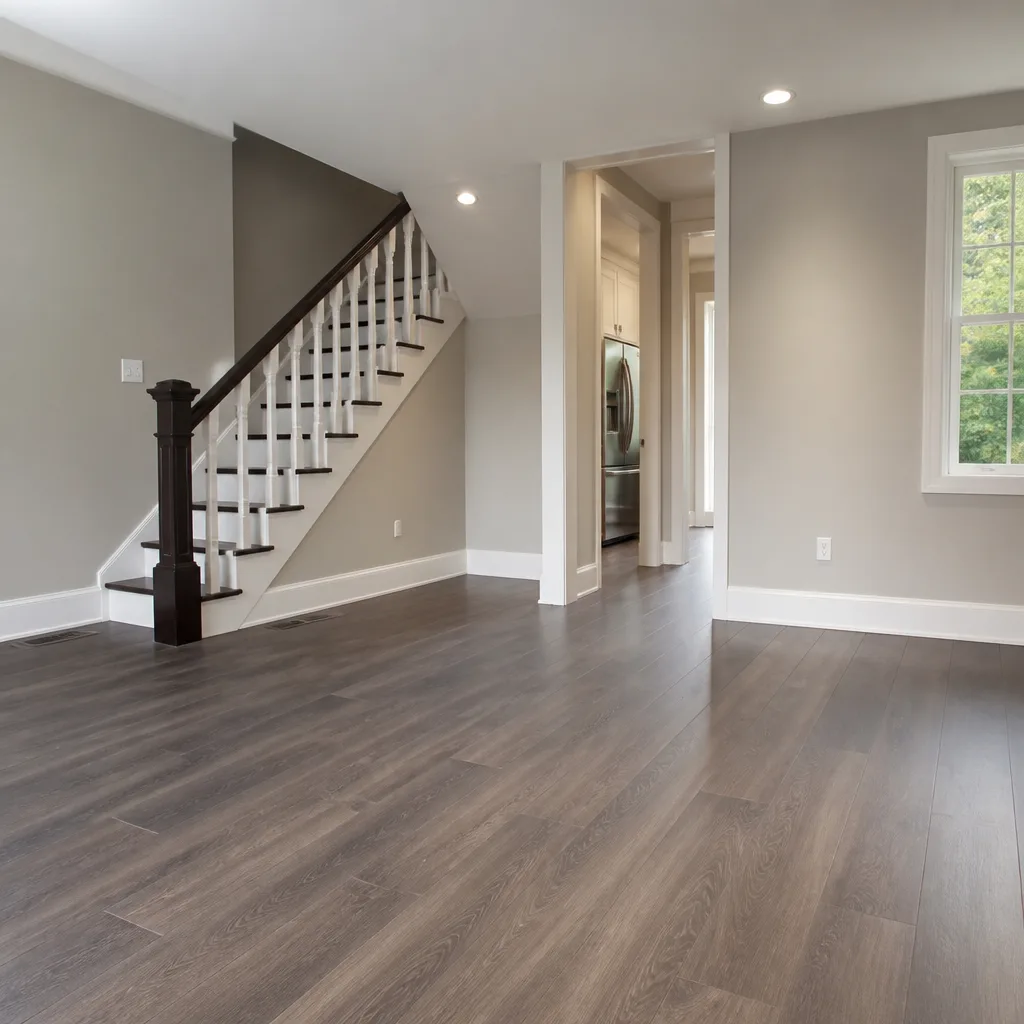

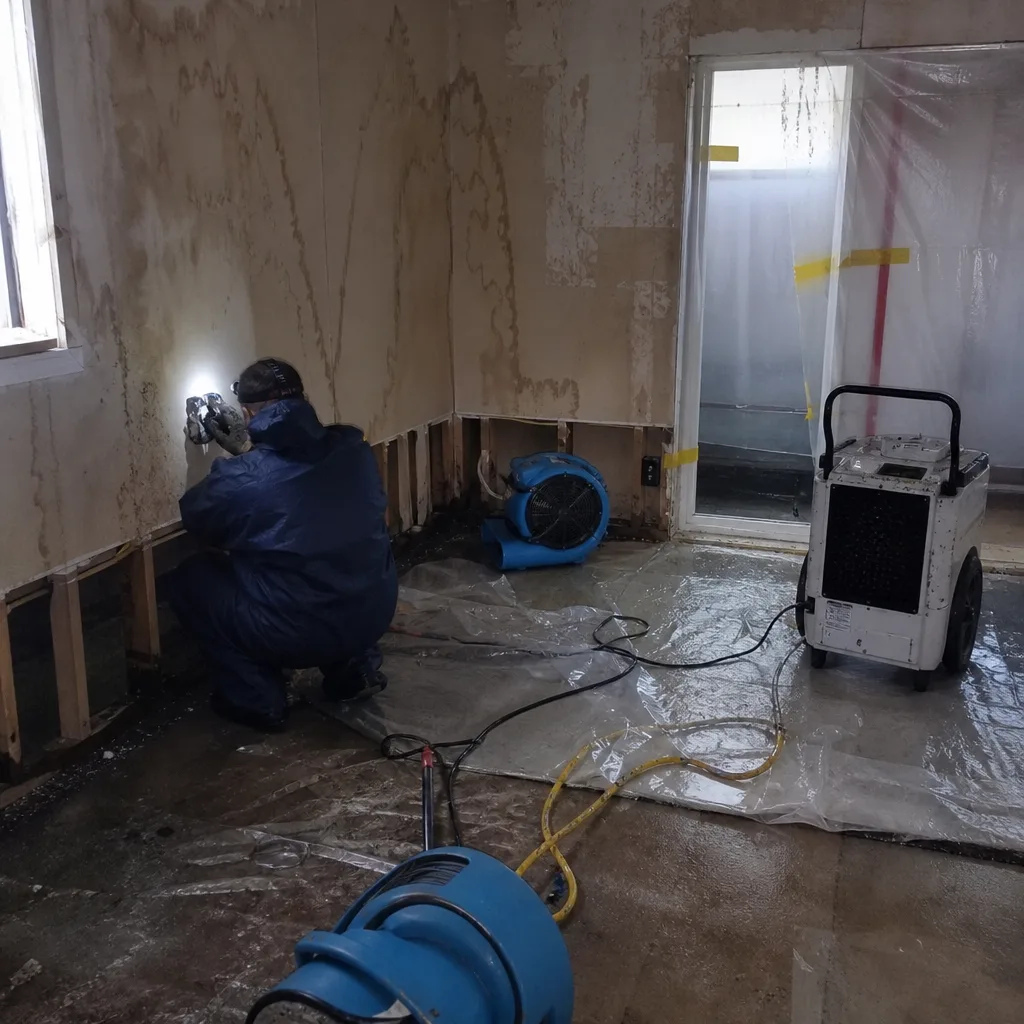 Before
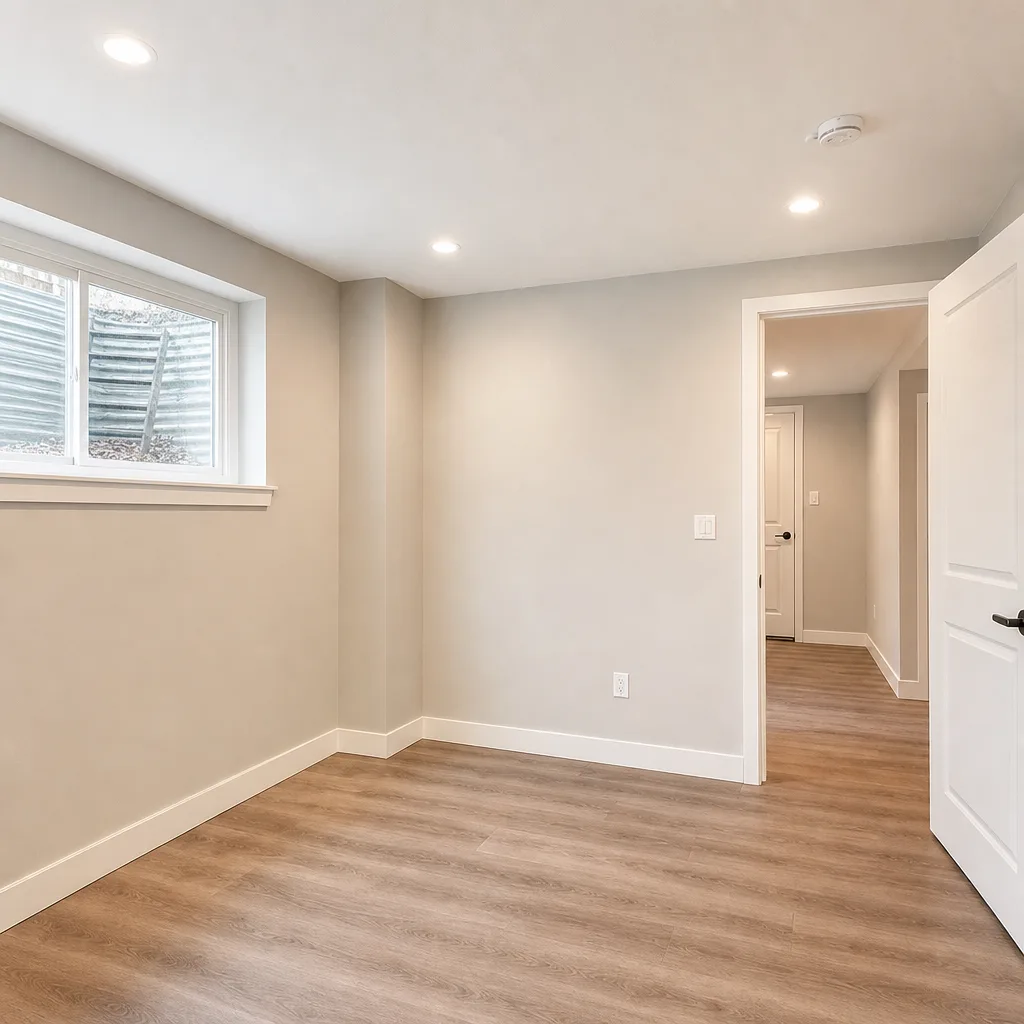 After
After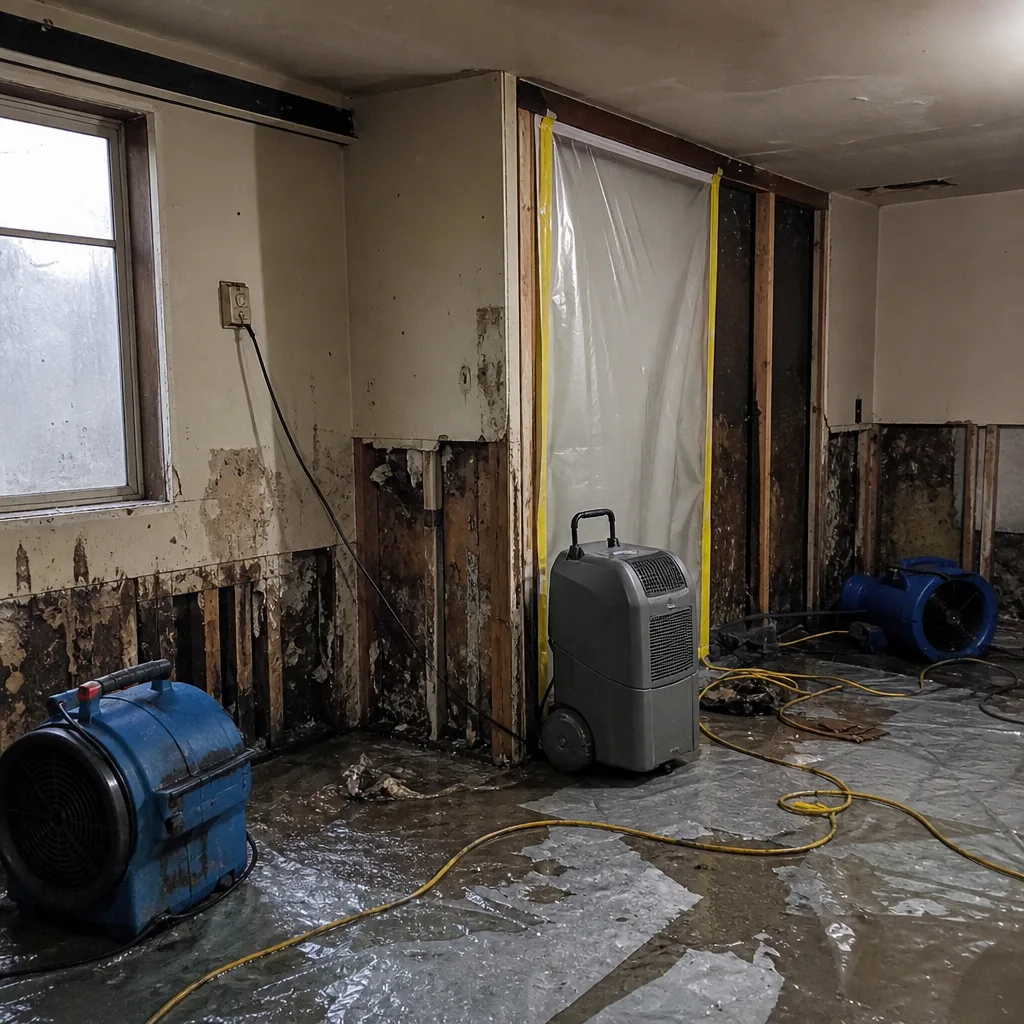 Before
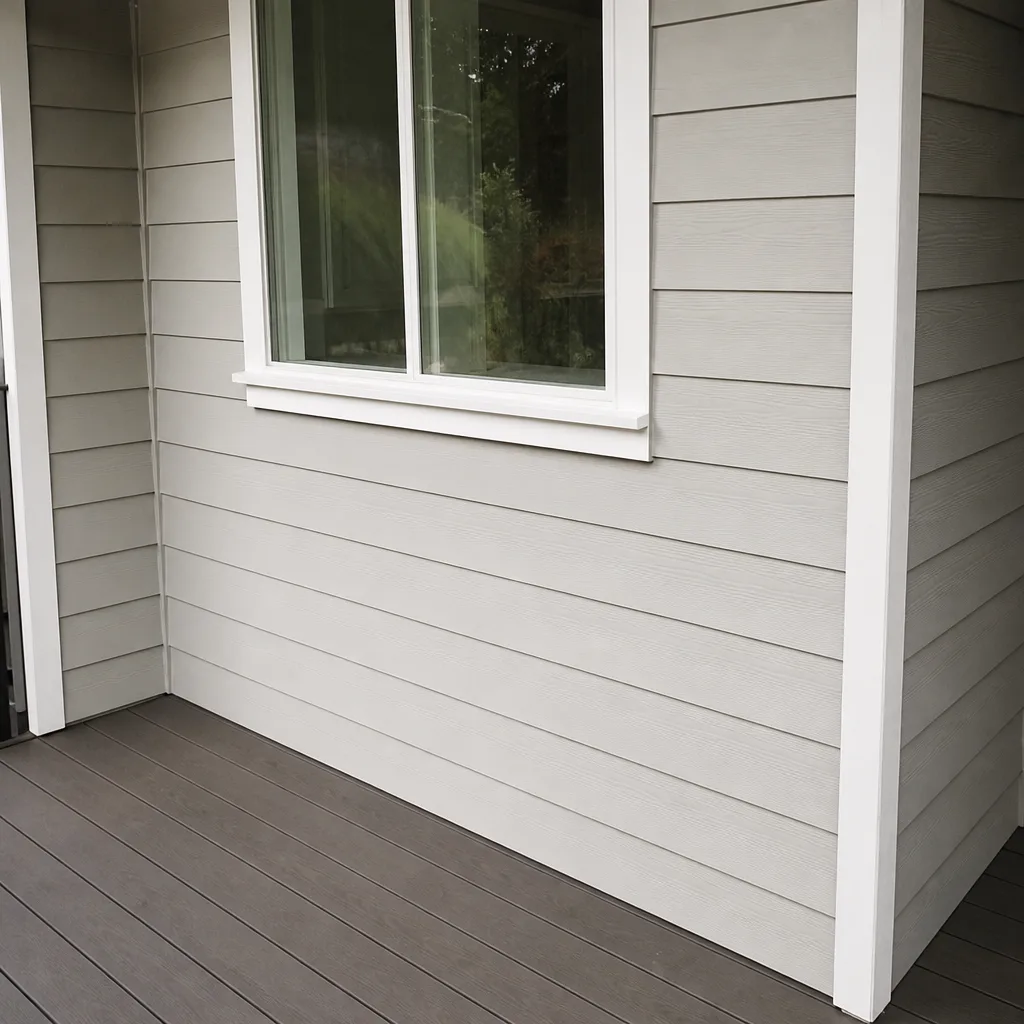 After
After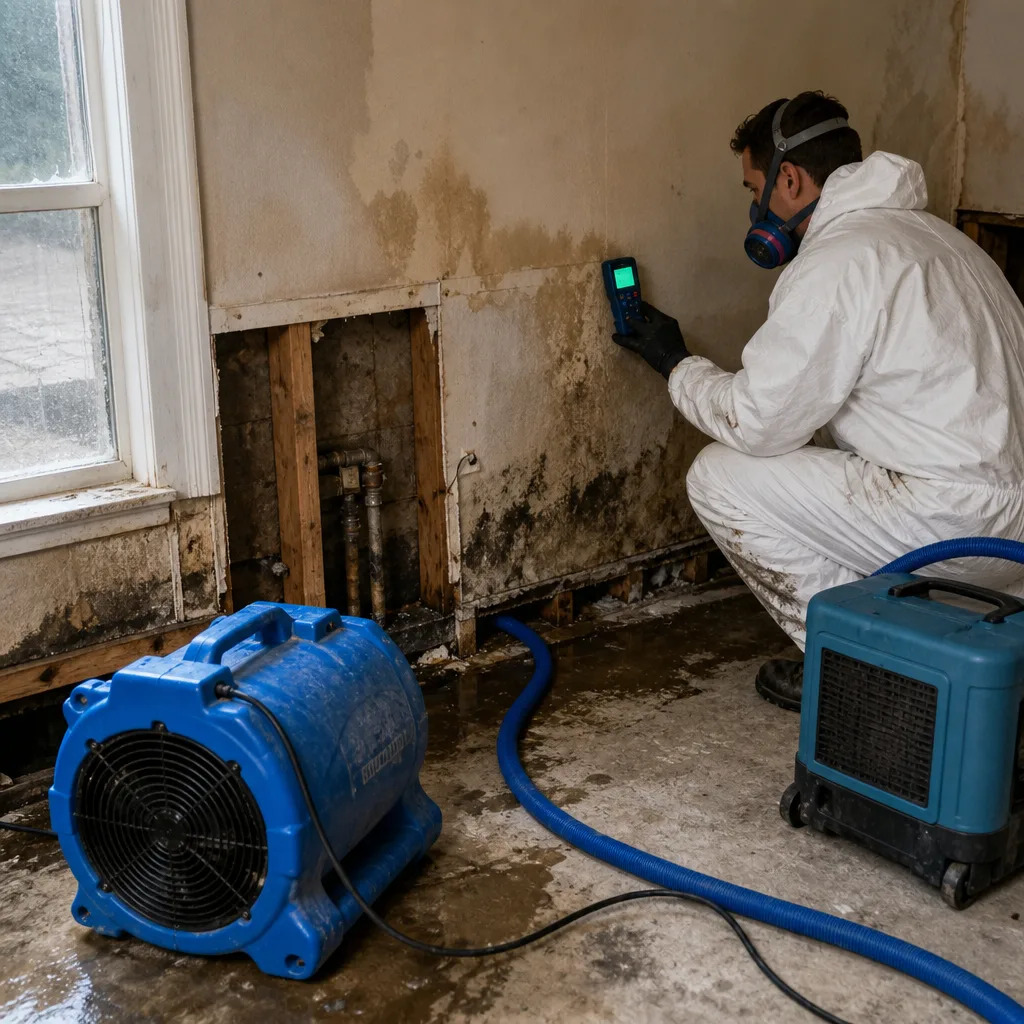 Before
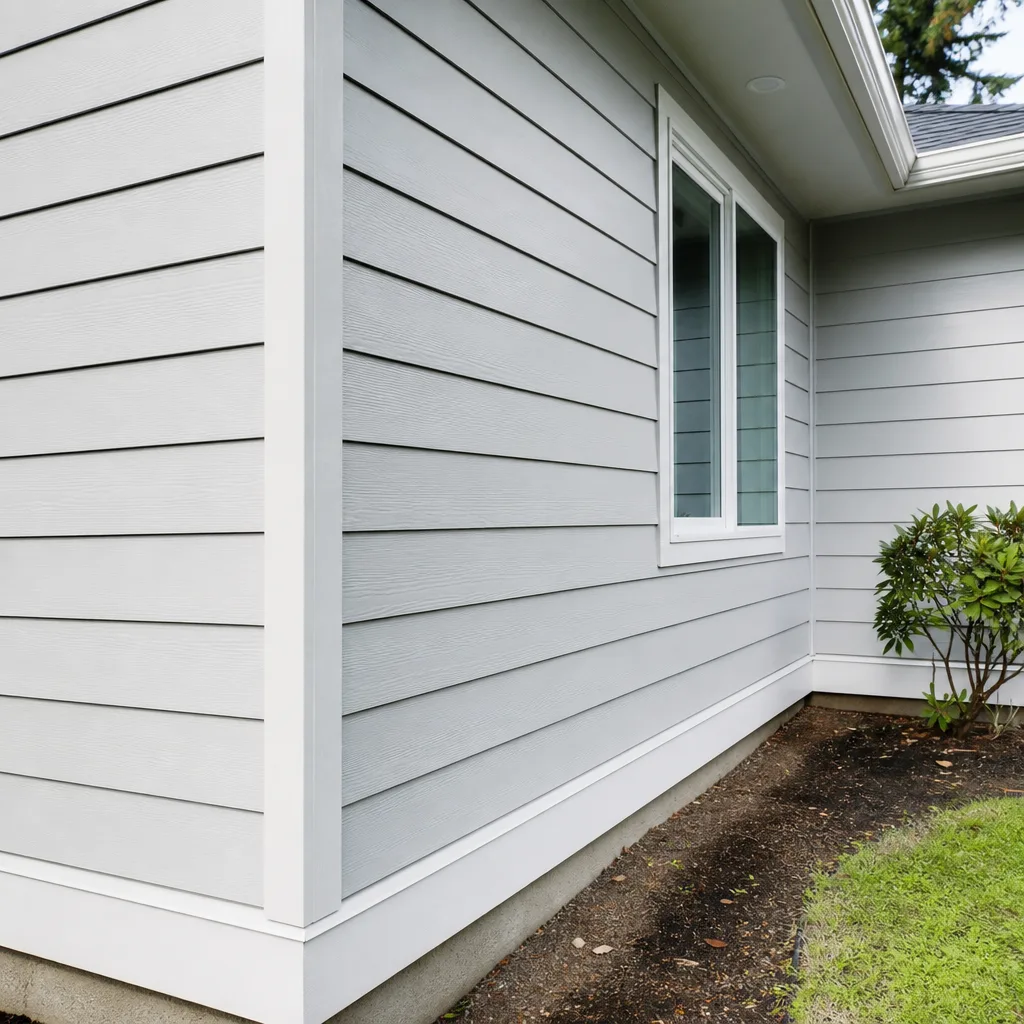 After
After24/7 Emergency Mold Remediation in Maple Valley
Mold remediation in Maple Valley typically runs $2,200-$6,500 for whole-home crawl-space treatments, with smaller contained jobs starting around $850. Most homeowners need same-day containment to stop spore spread, and crews can be dispatched within 45 minutes when you call (360) 997-2427. We answer live, every hour, with no voicemail trees - a real person who can dispatch a team while you’re still on the line.
The first hours matter because mold in Maple Valley doesn’t follow the timeline you’d expect in drier suburbs. The dense Douglas fir canopy and Cascade foothill rainfall keep exterior sheathing wet for months, which means when a roof breach or plumbing leak adds active water, the mold-growth window compresses from weeks to days. Our crews carry Dri-Eaz and Phoenix dehumidification systems, HEPA air scrubbers, and thermal imaging to locate the moisture source behind walls and under floors before containment goes up.
Understanding Mold Remediation Severity in Maple Valley Properties
Mold severity in restoration work is classified by affected square footage, material porosity, and whether the contamination is contained or has spread through the HVAC system. In Maple Valley, we map three tiers: limited growth under 10 square feet on non-porous surfaces like tile or sealed concrete; moderate growth between 10 and 100 square feet involving porous materials like drywall, insulation, or OSB sheathing; and extensive growth exceeding 100 square feet or involving the HVAC, which requires full containment with negative air pressure and third-party clearance testing.
Maple Valley’s housing stock - virtually all built 1990-2010 with vented crawl spaces and LP Inner-Seal hardboard siding - creates a predictable failure pattern. The OSB sheathing used in that era swells and delaminates above 16% moisture content, which it hits routinely under the perpetual shade of Douglas fir canopy. Vapor barriers in original crawl spaces have degraded, and the galvanized fasteners common to that construction window are corroding through. We see this combination in neighborhoods from Lake Wilderness to the cul-de-sacs off Witte Road: a small plumbing leak or groundwater wick meets compromised housewrap, and mold colonizes the crawl space before the homeowner smells anything upstairs.
Our Mold Remediation teams use psychrometric data - temperature, relative humidity, and vapor pressure differential - to determine whether a structure is actually dry or merely surface-dry. Surface-dry OSB with elevated vapor pressure behind it will regrow mold within a season. That’s why our drying logs document moisture content at depth, not just ambient readings.
Why Maple Valley Property Owners Choose DryMark Restoration Kent
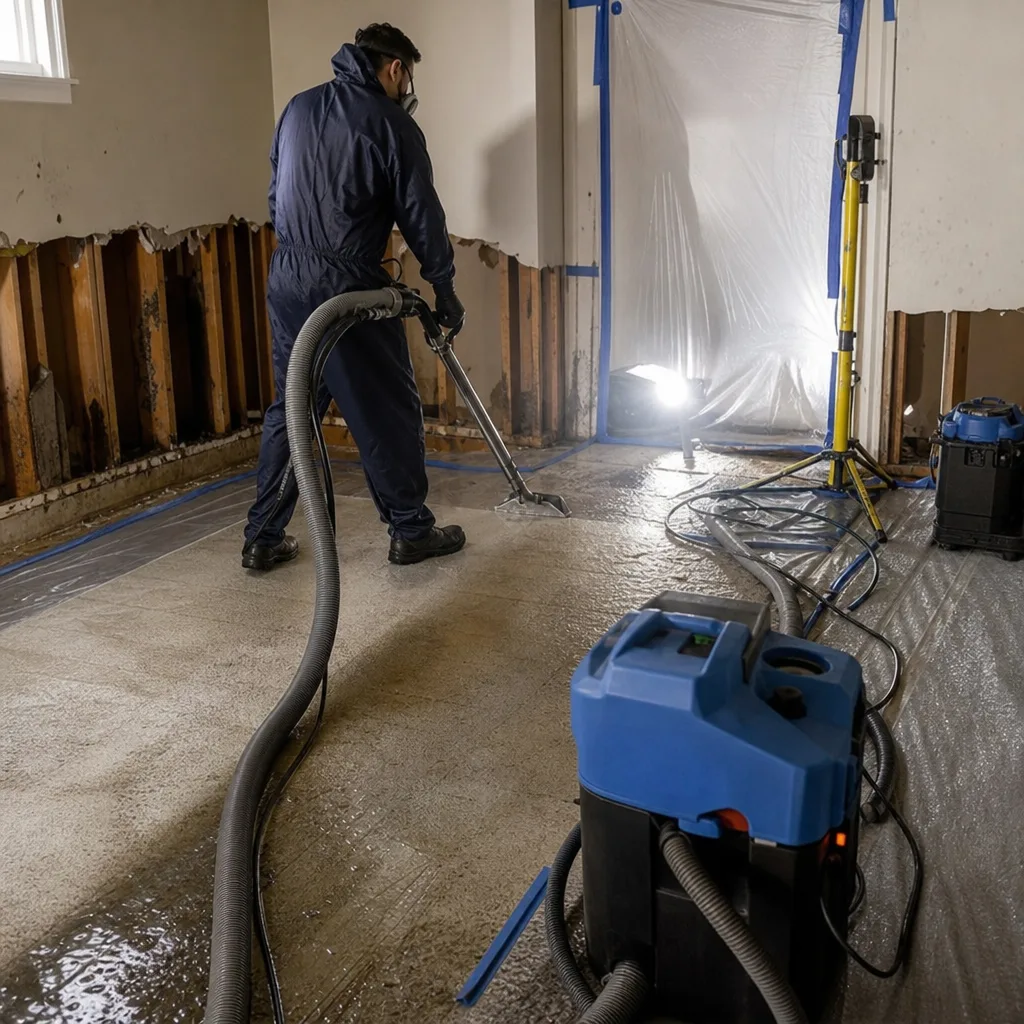
- 45-minute response commitment to Maple Valley addresses, with crews staged for foothill road conditions.
- 24/7 live answer by a real person - never an automated system, never a callback queue while water keeps moving.
- IICRC-certified crews holding AMRT (Applied Microbial Remediation Technician) and WRT (Water Damage Restoration Technician) credentials, with license numbers provided on request.
- Free visual inspection and moisture mapping before any work is authorized or priced.
- Direct insurance billing with photo-documented estimates that adjusters recognize and pay without dispute.
- One team from containment through reconstruction - no handoffs between remediation and rebuild contractors.
BeforeAfterOur Mold Remediation Process
1. Inspection & Assessment
We start with thermal imaging and moisture mapping using Dri-Eaz meters to find the water source, not just the visible mold. In Maple Valley crawl spaces, we check vapor barrier integrity, foundation vent function, and OSB sheathing moisture content at multiple depths. You receive a written scope and price before any containment is built - Haven Standard, Clause 1.
2. Containment & Air Filtration
We erect polyethylene containment barriers with negative air pressure, running HEPA air scrubbers at 4-6 air changes per hour to prevent spore migration to unaffected areas. For whole-crawl-space jobs common in Maple Valley, this means sealing access points and duct registers before any disturbed material is removed.
3. Moisture Source Elimination
Dehumidification runs on Phoenix LGR units and Dri-Eaz Revolution systems until structural materials reach pre-loss moisture content, verified by daily readings. In Maple Valley’s shaded lots, this phase often extends standard timelines because OSB sheathing holds moisture longer than plywood - our drying logs prove when it’s actually done, not when it looks dry.
4. Removal & Cleaning
Porous materials exceeding contamination thresholds are removed and bagged within containment. Non-porous surfaces receive HEPA vacuuming and antimicrobial treatment. We document every square foot with photos for your insurer and our 365-Day Done Right Promise file.
5. Crawl Space Treatment & Humidity Control
We replace degraded vapor barriers, seal foundation vents where appropriate, and install permanent dehumidification or humidity-monitoring systems. For Maple Valley’s vented-crawl-space stock, this step prevents the recurrence pattern we see when competitors treat mold as a surface problem and miss the moisture source.
6. Clearance Testing & Restoration
Third-party air sampling confirms spore counts at or below outdoor baseline before containment comes down. Reconstruction follows the same written scope, with no additions once work begins - Haven Standard, Clause 1 applies to rebuild as well.
Need Emergency Mold Remediation in Maple Valley Now?
Crews minutes away, answering live 24 hours a day. The sooner we start, the less it costs.
Working With Your Insurance Company
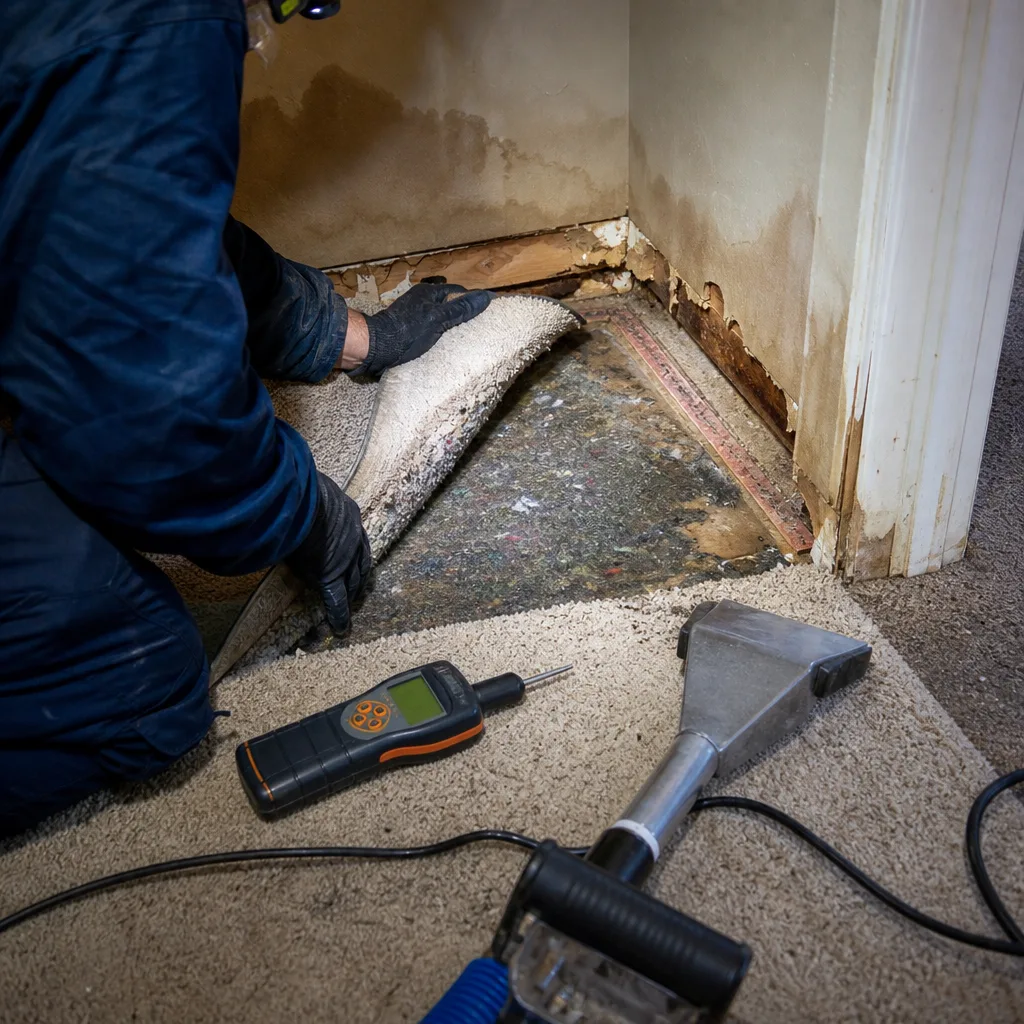
Insurance claims for mold damage fail when documentation is thin or the scope is disputed. We build the file from the first hour: timestamped photos, moisture readings with equipment serial numbers, and daily drying logs that show psychrometric conditions and progress. Our estimates follow industry-standard formats that adjusters process without back-and-forth, and we coordinate directly with your carrier’s representative rather than handing you a bill to submit.
Alicia Brennan founded Back to Dry Restoration in 2011 after years as a claims adjuster watching homeowners lose coverage over documentation gaps. That origin shapes every file we build. The photo record, the written scope, the signed warranty - these are standard deliverables, never upsells.
What We Provide Your Insurer
- Thorough documentation of the loss with cause-and-origin analysis
- Photos of all damage, room by room, with date and time stamps
- Moisture readings and daily drying logs with equipment documentation
- A detailed, line-item scope of work priced before any labor begins
- Direct coordination with your carrier’s adjuster, including supplemental requests if hidden damage emerges
Built for Maple Valley’s Loss Calendar
January through March brings the deepest soil saturation in the Cascade foothills. Atmospheric river events - Pineapple Express storms - dump warm rain on snowpack and saturated ground, causing root failure in large Douglas firs on wooded lots. We dispatch to wind-damage calls in the Lake Wilderness area and along SE 256th Street where a fallen fir has breached the roof, and our moisture mapping almost always finds the crawl space was already wicking groundwater before the tree fell.
April through June shifts to groundwater intrusion as snowmelt meets spring rains. Vented crawl spaces with degraded vapor barriers take on moisture through soil contact, and the warming temperatures accelerate mold growth in dark, humid conditions. July and September offer brief drying windows, but the conifer canopy keeps north-facing walls shaded enough that surface moisture persists. October through December returns to atmospheric river season, and the cycle repeats with homes that never fully dried from spring.
We responded to a wind-damage call on a 1998 tract home off Witte Road where a fallen Douglas fir had breached the roof; moisture mapping with our Dri-Eaz meters revealed the crawl space had been wicking groundwater for months. We set containment and air movers, ran dehumidification for four days, and applied antimicrobial treatment to the OSB sheathing - the drying logs showed the structure was back to pre-loss condition before we packed out the owner’s stored items.
Mold Remediation Across Maple Valley’s Neighborhoods
Lake Wilderness: The original plat homes here date to the early 1990s, with full basements and daylight foundations that are less prone to crawl-space mold but vulnerable to groundwater seepage through foundation cracks. We see finished basement drywall and carpet jobs where vapor barriers were omitted behind framing, and mold spreads behind baseboards before odor alerts the homeowner.
Witte Road corridor and SE 256th Street: Dense cul-de-sacs with mature Douglas fir canopy and minimal setbacks. These lots stay shaded year-round, and the 1995-2005 tract homes have original vented crawl spaces with failed vapor barriers. Our dominant call here is whole-crawl-space remediation with vapor barrier replacement and humidity control installation.
Four Corners and surrounding developments: Slightly newer stock, 2000-2010, with some conditioned crawl space experiments that failed when builders omitted mechanical dehumidification. We find mold on OSB sheathing where conditioned crawl spaces were vented to the exterior without humidity control, creating a greenhouse effect.
Wilderness Rim and east Maple Valley: Larger lots with deeper tree canopy and more exposed foundation perimeters. Seasonal creek drainage and spring seeps keep soil moisture high, and perimeter foundation vents become entry points for humid exterior air rather than exhaust points for crawl space moisture.
Dispatch and scheduling for Maple Valley are coordinated from our Seattle office, with crews serving these neighborhoods directly.
Specialized Mold Remediation Services We Offer in Maple Valley
Mold Inspection & Testing
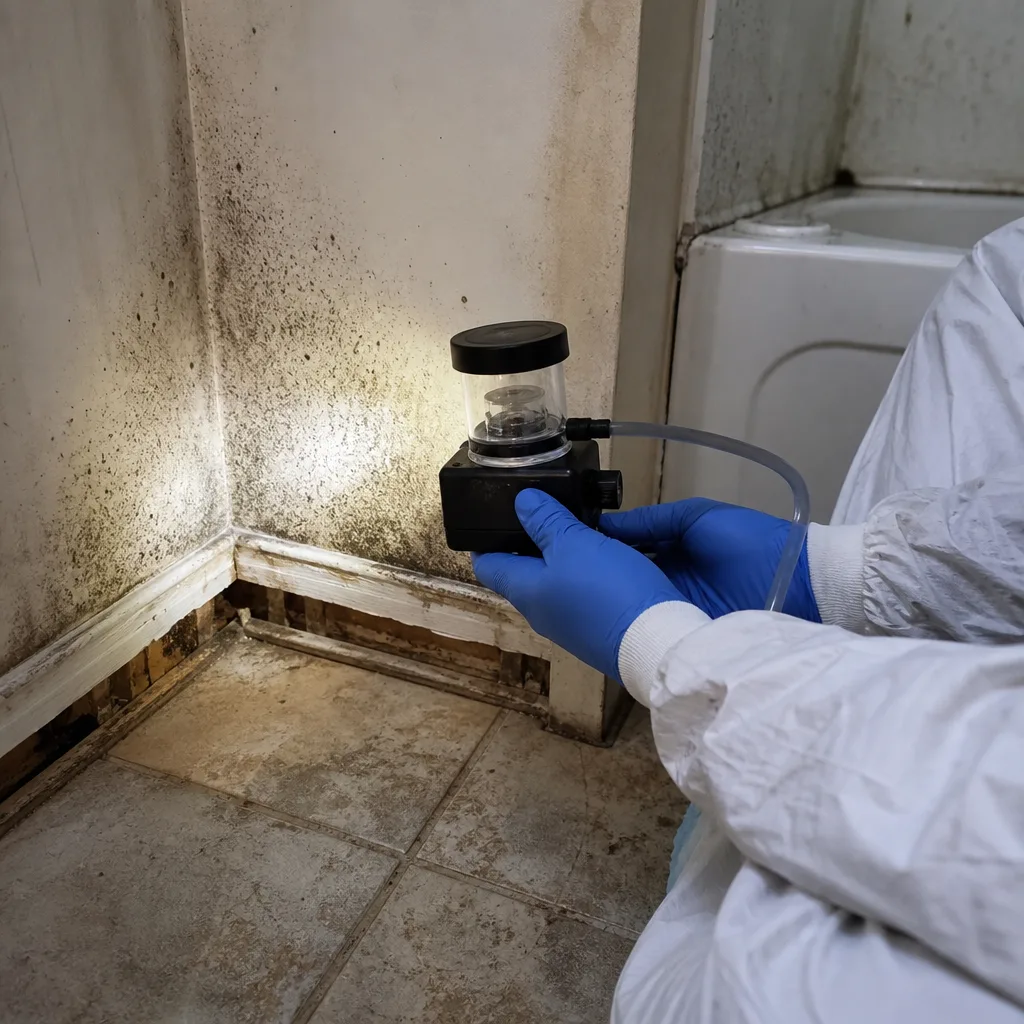
Our inspections start with moisture mapping, not air sampling. In Maple Valley’s crawl-space-dominant housing stock, we find the moisture source first, then collect spore trap or ERMI samples if needed for medical documentation or clearance. Air sampling without moisture mapping is guessing; we don’t guess.
Mold Removal
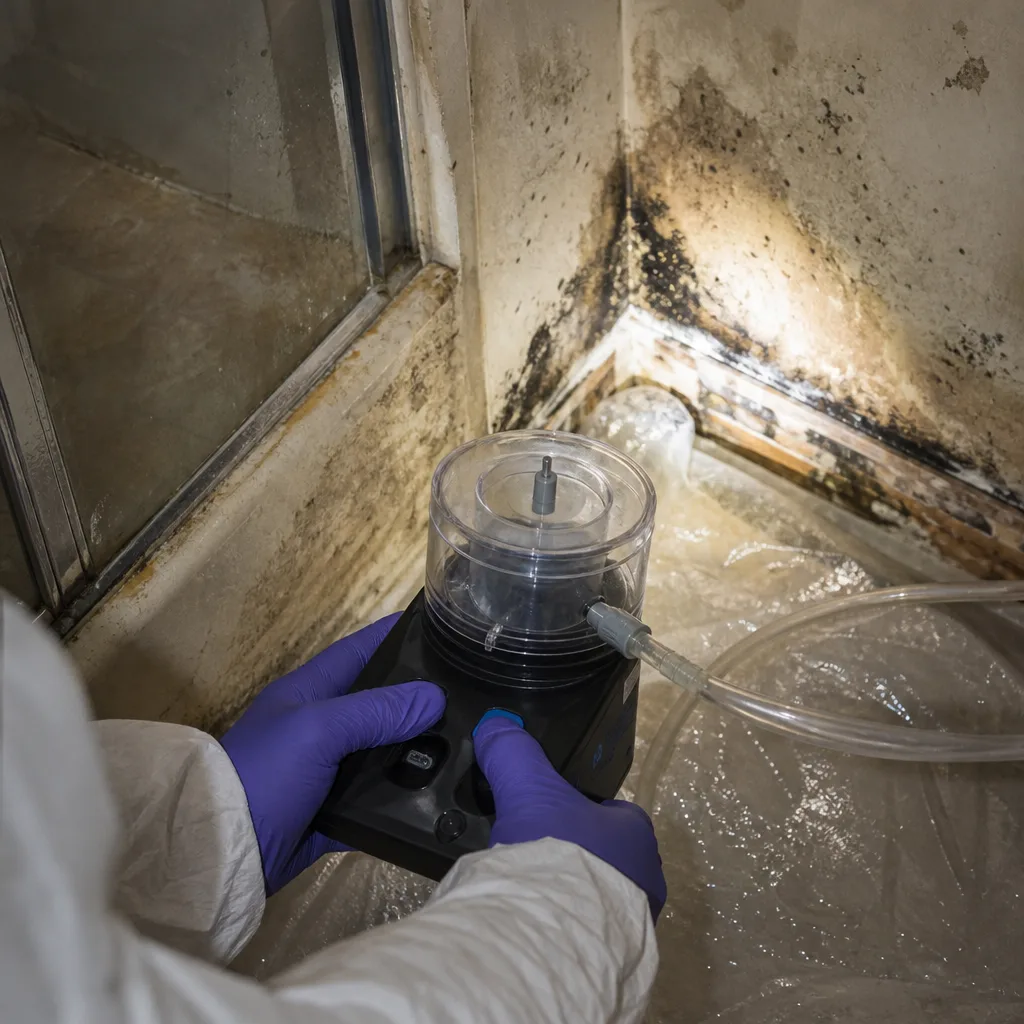
Removal follows IICRC S520 standards for containment, negative air, and disposal. For Maple Valley’s uniform 1990-2010 construction, we know the likely wall assemblies and can estimate scope accurately before opening cavities - which means a written price you can rely on, not a low opener with additions later.
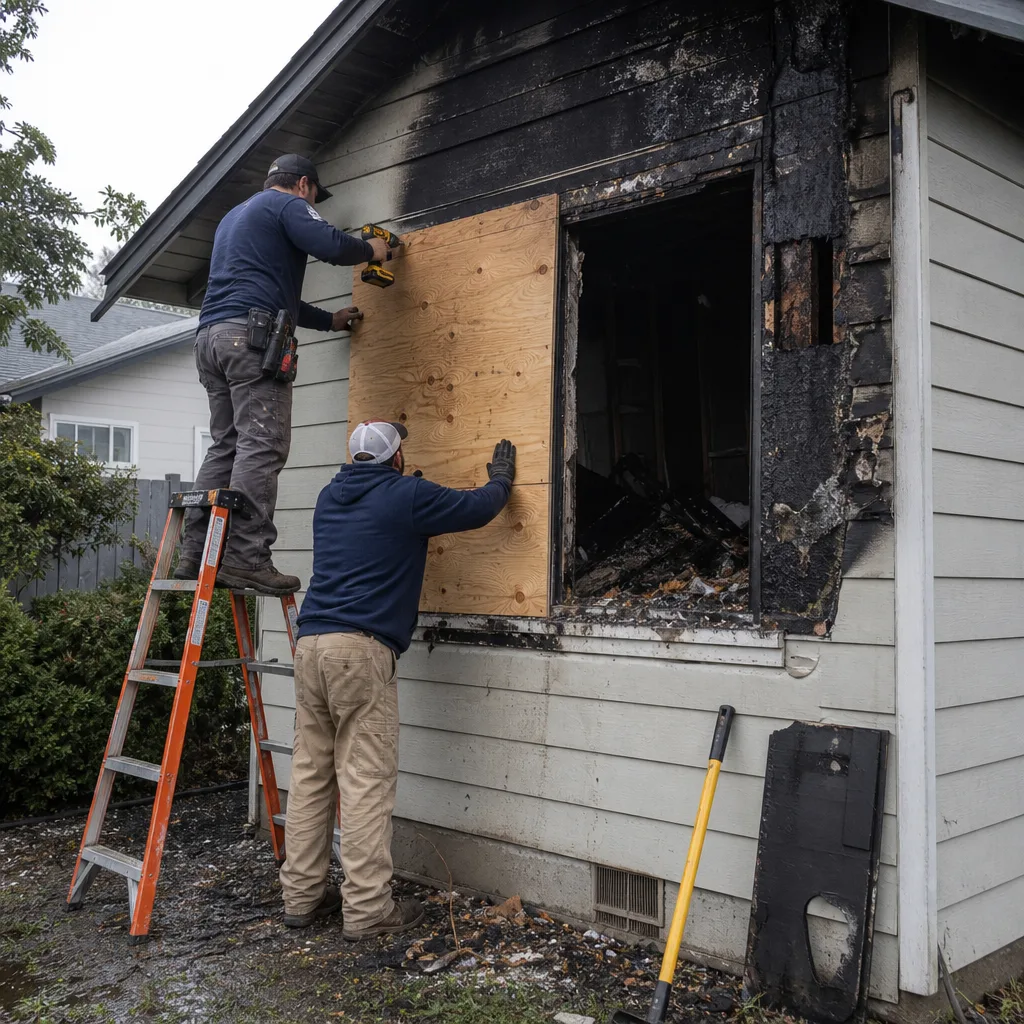
Black Mold Remediation
Stachybotrys chartarum and other toxigenic species require the same containment protocols but stricter PPE and disposal. We don’t use “black mold” as a scare term; we identify the species through lab analysis, document the findings for your insurer, and remediate to clearance standards regardless of color or genus.
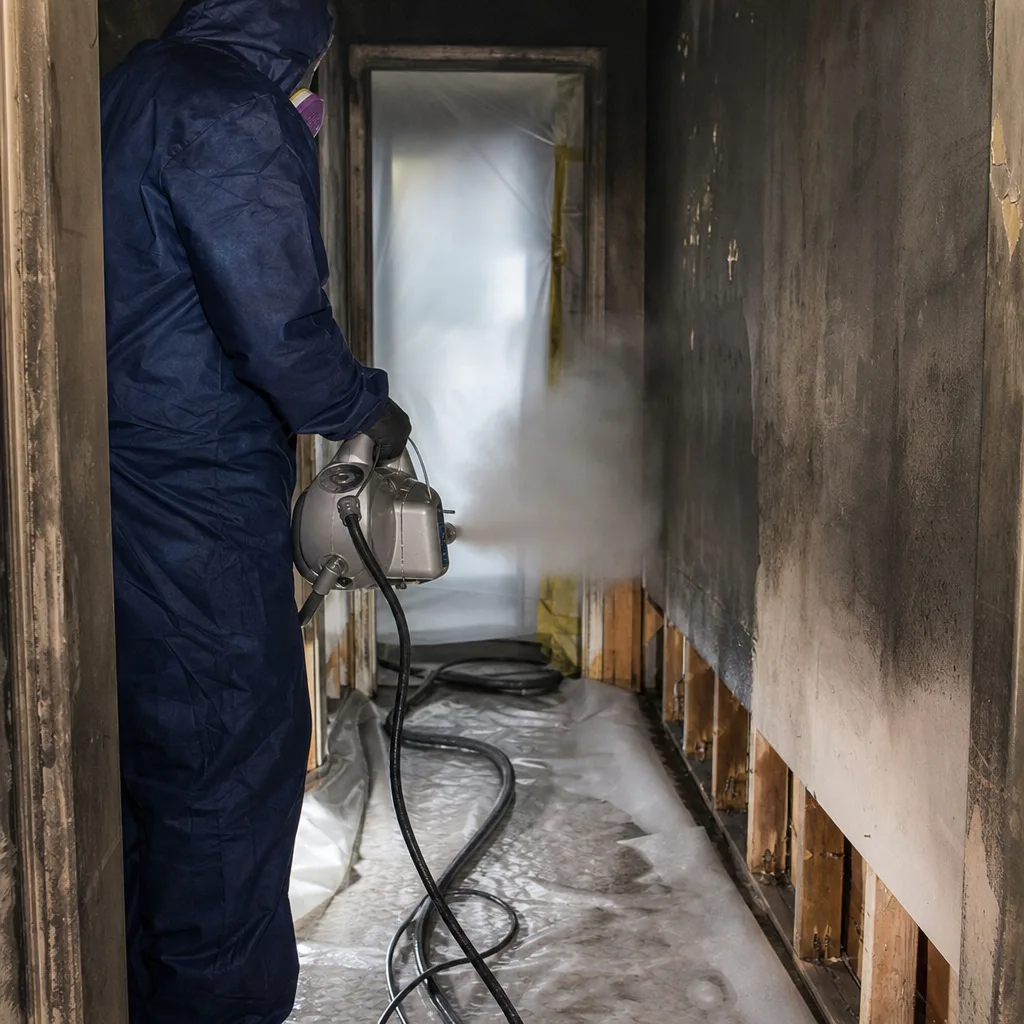
Air Quality Restoration
After remediation, we verify air quality through third-party clearance testing comparing indoor spore counts to outdoor baseline. For Maple Valley homes with forced-air systems, we inspect ductwork for cross-contamination and recommend cleaning or sealing where spore deposition occurred.
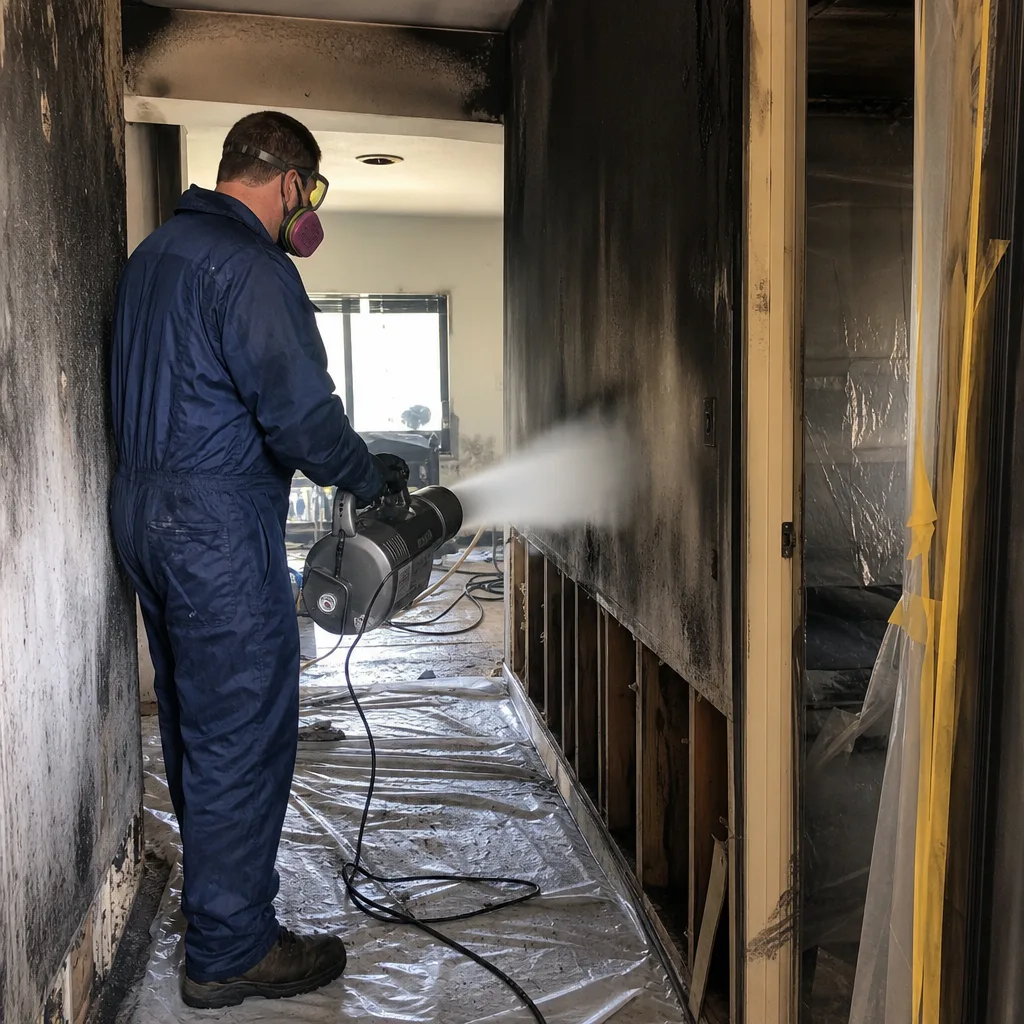
Crawl Space Treatment
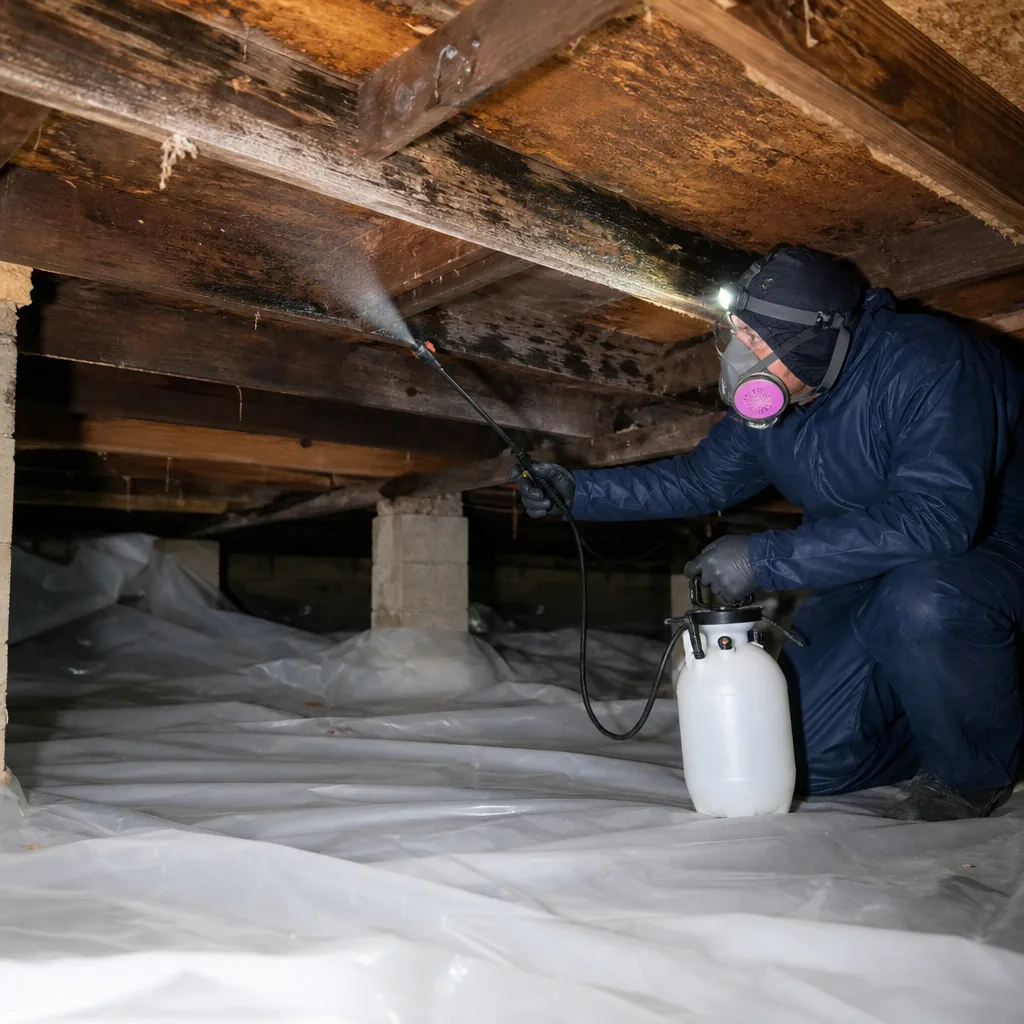
This is our dominant Maple Valley service. We remove degraded vapor barriers, treat soil and framing, install new barriers sealed to foundation walls, and add mechanical dehumidification or humidity monitoring. Without this step, crawl space mold returns within a season - we’ve documented the pattern across dozens of local jobs.
Moisture & Humidity Control
Permanent humidity control means right-sizing equipment to the crawl space volume and ventilation rate, not installing a generic unit. We calculate vapor pressure differentials and specify Phoenix or Dri-Eaz dehumidification systems with remote monitoring, so you have drying-log-level documentation year-round.
What happens when you call
- 1
A real person answersNo phone trees - you reach a local pro.
- 2
You get an upfront price rangeHonest numbers before anyone is dispatched.
- 3
A background-checked tech heads outLicensed & insured, dispatched right away.
- 4
You approve before work beginsNothing starts until you say go.
Mold Remediation Costs in Maple Valley, WA
| Service | Typical Range in Maple Valley |
|---|---|
| Contained area remediation (under 10 sq ft) | $850-$1,400 |
| Moderate crawl space or room (10-100 sq ft) | $2,200-$4,500 |
| Whole-home crawl space with vapor barrier replacement | $4,800-$6,500 |
| HVAC contamination or extensive spread | $5,500-$9,000+ |
| Third-party clearance testing | $350-$650 |
What moves the price: the affected square footage, whether porous materials like drywall and insulation require removal, the accessibility of the crawl space or wall cavity, and whether the HVAC system is involved. Maple Valley’s dense canopy and shaded lots often extend drying timelines compared to open suburban markets, which affects equipment rental days in the scope.
Insurance coverage for mold varies by policy and cause of loss. Sudden water damage from a covered peril typically includes resulting mold remediation; long-term maintenance issues usually don’t. We document cause and origin to support your claim, and we provide a Free Second Opinion on any competitor’s written estimate if you’re unsure the scope is complete. Call (360) 997-2427 for a free inspection and written price - Haven Standard, Clause 1, no exceptions.
We Also Serve Cities Near Maple Valley
Our crews respond throughout southern King County, including Kent with its older pre-war and mid-century stock, Issaquah in the Sammamish plateau with similar foothill moisture patterns, Renton with its mix of vintage and new construction, and Auburn where valley-floor drainage differs meaningfully from Maple Valley’s hillside hydrology. Each market gets the same documentation-first approach, adjusted for local building stock and climate conditions.
Serving Maple Valley, WA - Our Local Coverage Area
We’re based in the Maple Valley area and know this community well. Use the map below to see our service coverage - if you’re nearby, we can almost certainly help.
Maple Valley Mold Remediation Questions, Answered
Why does my Maple Valley crawl space keep growing mold even after I clean it?
Because surface cleaning doesn’t fix the moisture source, and in Maple Valley’s 1990-2010 tract homes, that source is almost always a failed vapor barrier in a vented crawl space combined with soil moisture wicking year-round. The dense Douglas fir canopy keeps exterior humidity high, so vented crawl spaces draw in wet air rather than exhausting it. We replace the vapor barrier, seal foundation vents where appropriate, and install mechanical dehumidification so the structure stays below 16% moisture content - the threshold where mold stops growing. Call (360) 997-2427 for a free inspection that finds the actual source.
How fast does mold grow in Maple Valley compared to Seattle?
Significantly faster - days rather than weeks for colonization after a water event. Maple Valley’s Cascade foothill position produces higher annual rainfall than Seattle or Bellevue, and the dense conifer canopy keeps exterior surfaces shaded and wet for months. OSB sheathing, standard in local 1990-2010 construction, stays above mold-growth moisture content for extended periods. In open Seattle neighborhoods with more sun exposure and older plywood sheathing, the same leak dries before mold establishes. Our crews carry more dehumidification capacity per job in Maple Valley for this reason. Call (360) 997-2427 for same-day moisture mapping.
What is the difference between a mold inspection on a slab home versus a crawl-space home in Maple Valley?
Slab homes direct inspection toward wall cavities, plumbing chases, and window leaks; crawl-space homes require substructure access and soil-moisture assessment. In Maple Valley, where crawl spaces dominate, our inspections spend significant time on vapor barrier condition, foundation drainage, and OSB sheathing moisture readings at the rim joist. A slab inspection in this market is rare - most of our mold calls originate below grade, not in the living space. We document both with photos and moisture logs. Call (360) 997-2427 to schedule the right inspection for your foundation type.
My home has LP Inner-Seal siding - does that mean I have mold behind the walls?
Not necessarily, but it means your wall assembly is more vulnerable to moisture intrusion than other products. LP Inner-Seal hardboard siding was subject to class-action litigation over moisture-related delamination, and the settlement window has closed. In Maple Valley’s wet climate with perpetual shade, any breach in caulking or flashing allows water behind the siding, where it meets OSB sheathing that swells and supports mold growth. We use thermal imaging to check wall cavity moisture without removing siding, and we document findings for your insurer if damage is present. Call (360) 997-2427 for a non-invasive assessment.
Does Maple Valley’s windstorm season cause hidden mold problems?
Yes, through a compound failure pattern we see repeatedly. Fall and winter windstorms - often from saturated soils and root failure in large Douglas firs - cause roof breaches that dispatch as wind damage. Our moisture mapping then finds the crawl space was already wicking groundwater for months before the tree fell, meaning the home has both acute water intrusion and pre-existing mold colonization. Insurance covers the sudden damage; the pre-existing mold may not be covered unless documented as directly caused by the storm event. We photograph and log both conditions separately for your adjuster. Call (360) 997-2427 immediately after any storm damage.
Will my insurance cover mold remediation in Maple Valley?
Coverage depends on cause of loss, not mold presence. Sudden and accidental water damage from a covered peril - burst pipe, storm breach, appliance failure - typically includes resulting mold remediation if documented promptly. Long-term maintenance issues like a failed vapor barrier or gradual plumbing leak are usually excluded. We document cause and origin from the first visit, photograph the sequence of damage, and write scopes that adjusters can process without dispute. Direct billing to your carrier is standard. Call (360) 997-2427 and we’ll review your policy specifics during the free inspection.
How long does mold remediation take in Maple Valley?
Contained small-area jobs: 1-2 days. Moderate crawl space or room remediation: 3-5 days including drying. Whole-crawl-space treatments with vapor barrier replacement: 5-7 days. Extensive HVAC-involved jobs: 7-10 days plus clearance testing turnaround. Maple Valley’s shaded lots and OSB sheathing often extend drying phases compared to sunnier markets - our drying logs prove completion with moisture readings, not calendar estimates. We don’t remove containment until third-party clearance confirms spore counts at or below outdoor baseline. Call (360) 997-2427 for a timeline based on your specific scope.
Can my family stay in the home during mold remediation?
For limited contained areas with no HVAC involvement, often yes. For moderate or extensive remediation, especially crawl-space jobs with negative air pressure and HEPA scrubbers running, we recommend temporary relocation until clearance testing is complete. We build containment to prevent spore migration, but disturbance during active remediation elevates airborne counts temporarily. We coordinate with your insurer on additional living expense documentation when displacement is medically advisable or required by the scope. Call (360) 997-2427 to discuss your specific situation.
Every job we complete in Maple Valley carries the 365-Day Done Right Promise under The Haven Standard: if it’s not done right, we make it right. That promise is written, signed, and filed with your documentation - not a verbal assurance, a contract term.
Written by Alicia Brennan, Owner at Back to Dry Restoration, serving Maple Valley since 2011.
Mold Remediation in Nearby Areas