
Free visual inspection and a written scope of work before any mitigation begins - photos, moisture readings, and drying logs go in your claim file
The scope we write is the scope we bill. Anything new gets shown to you, in writing, before we touch it.
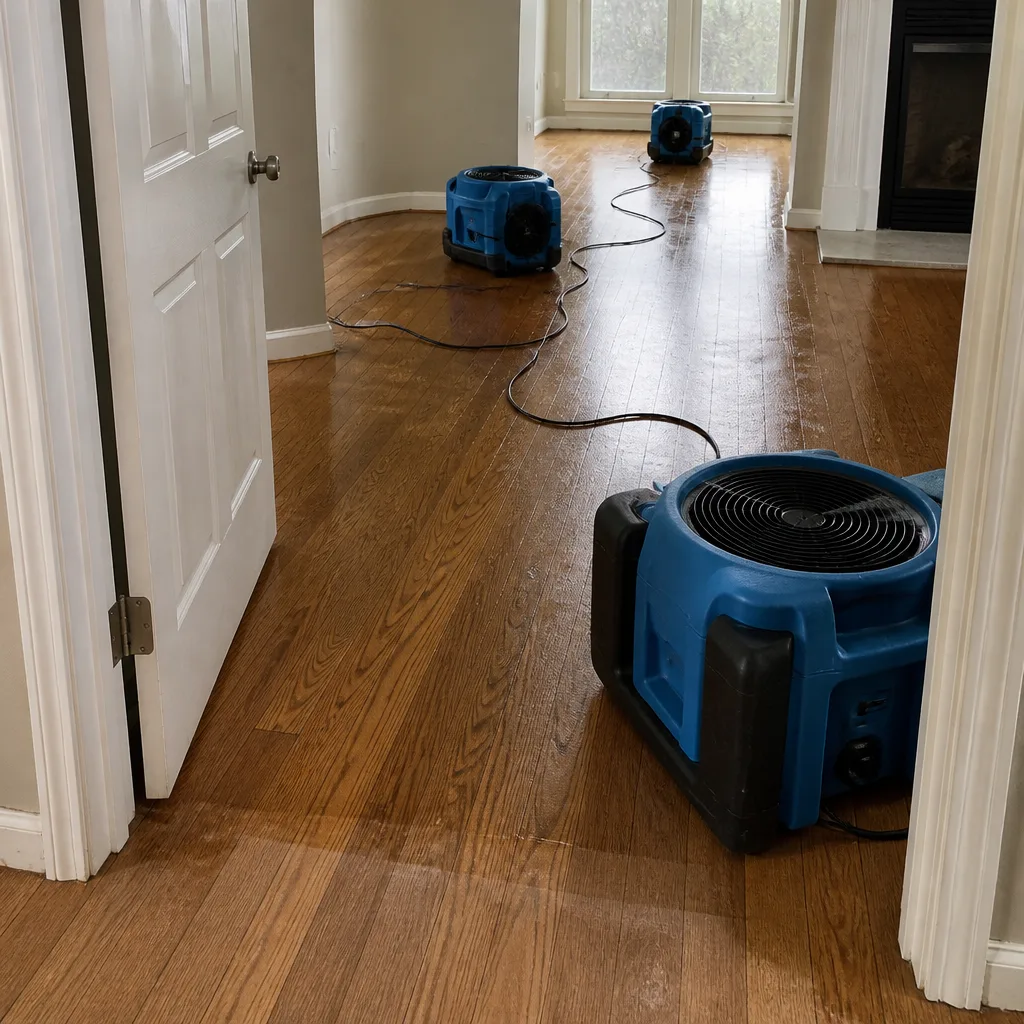
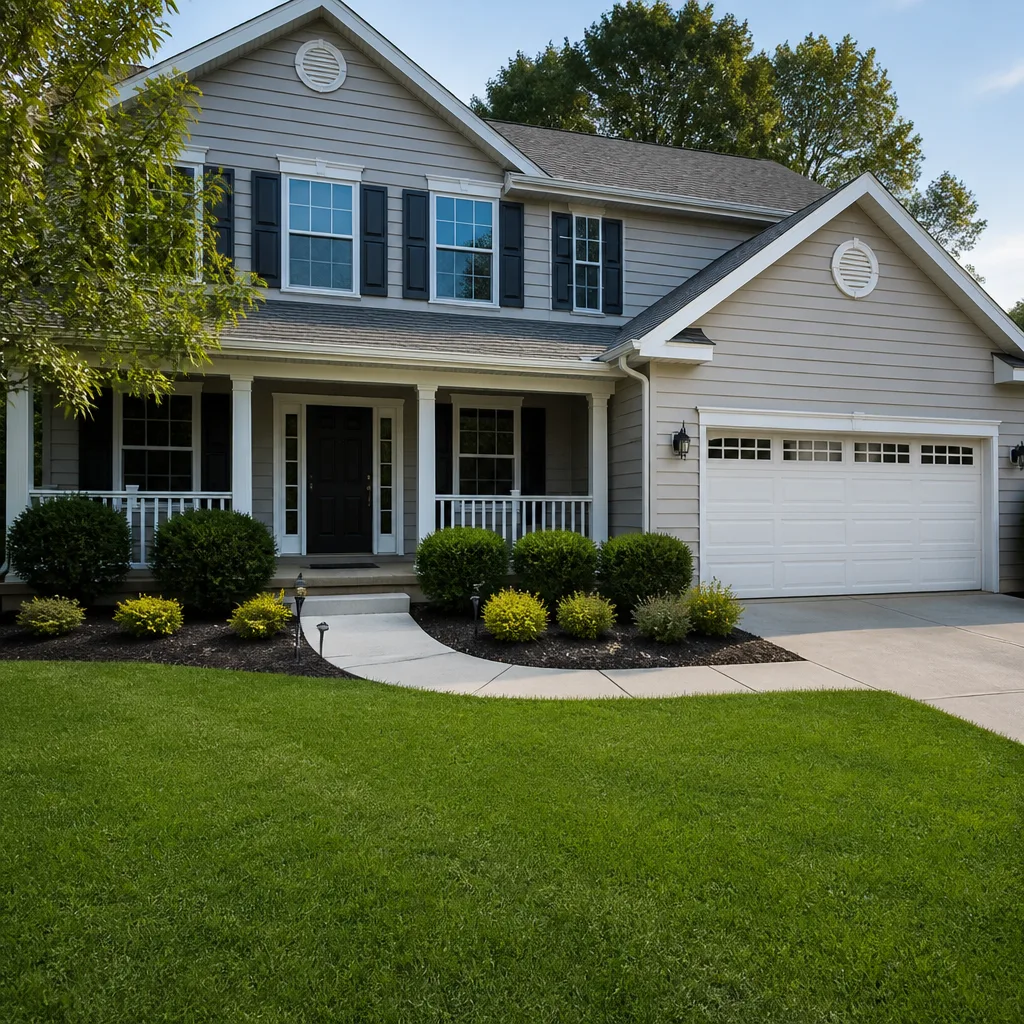
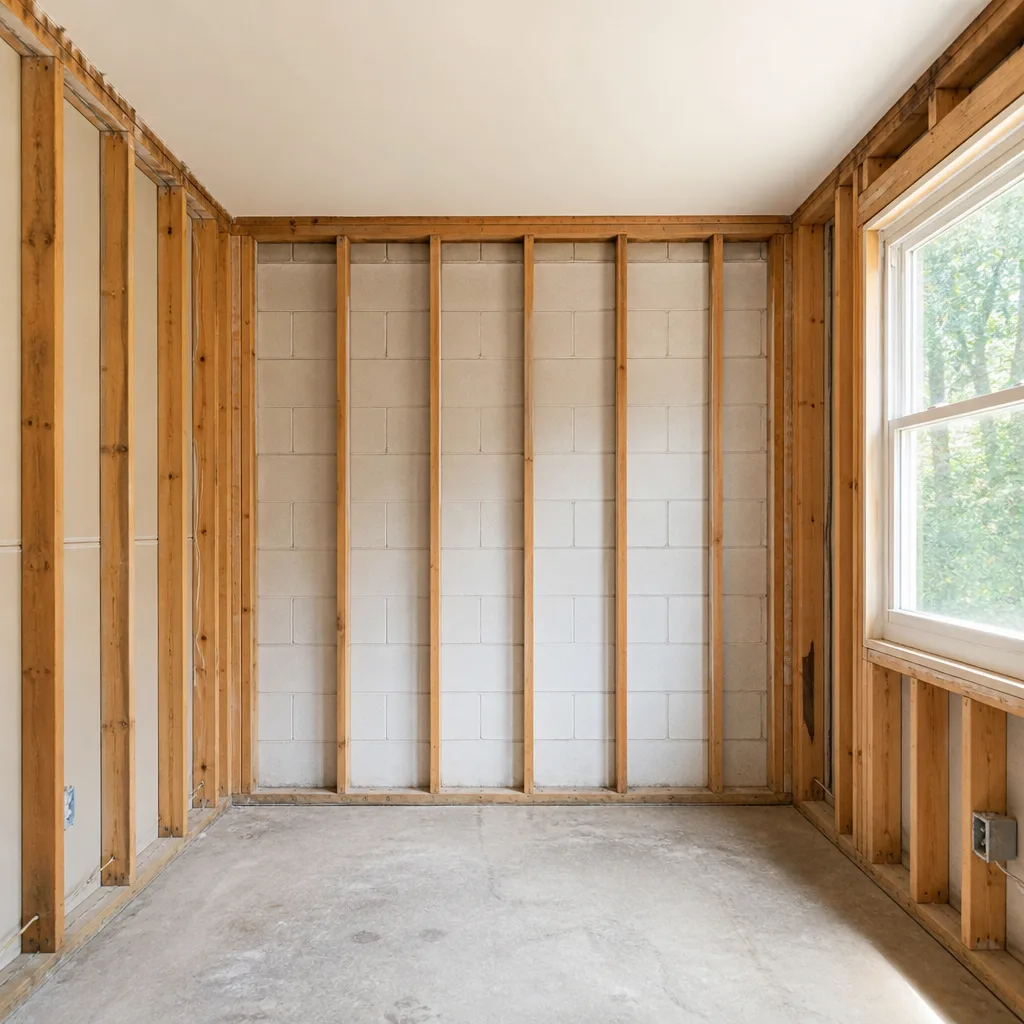
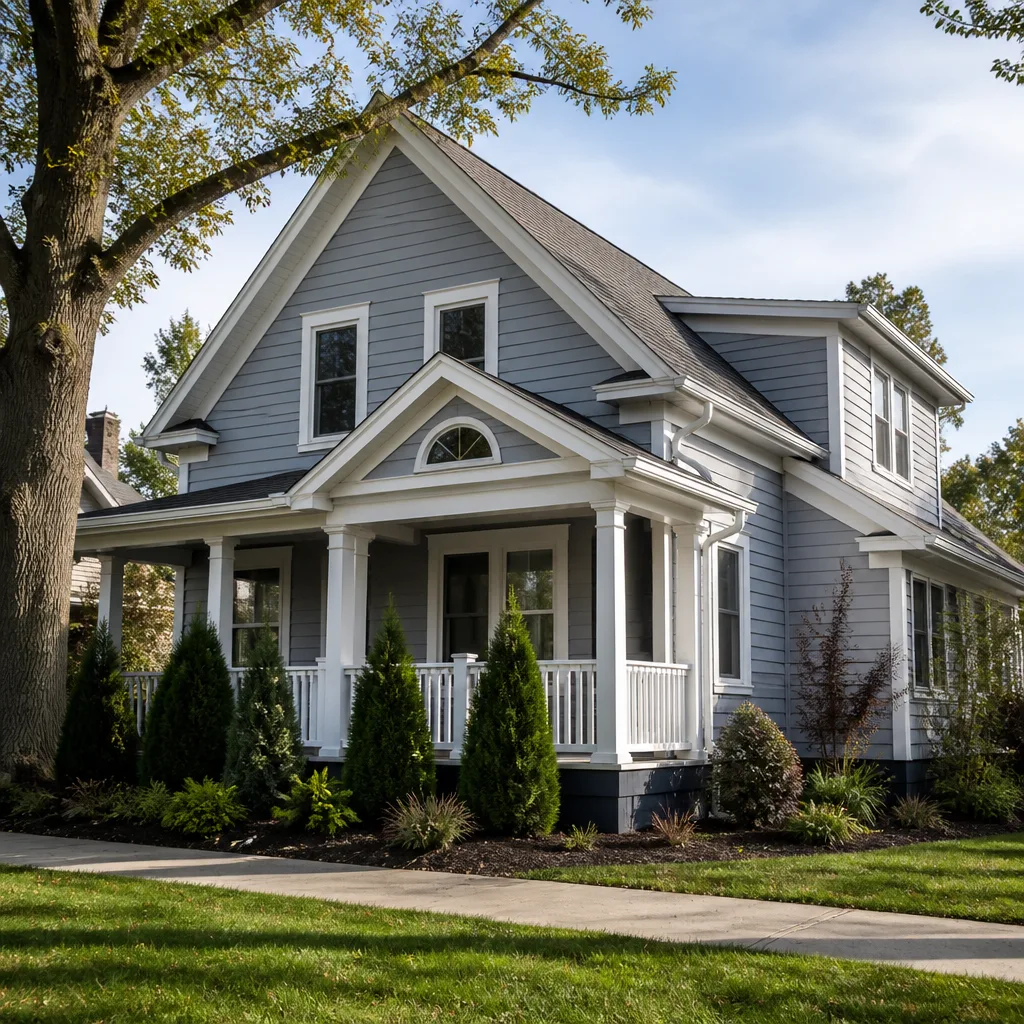
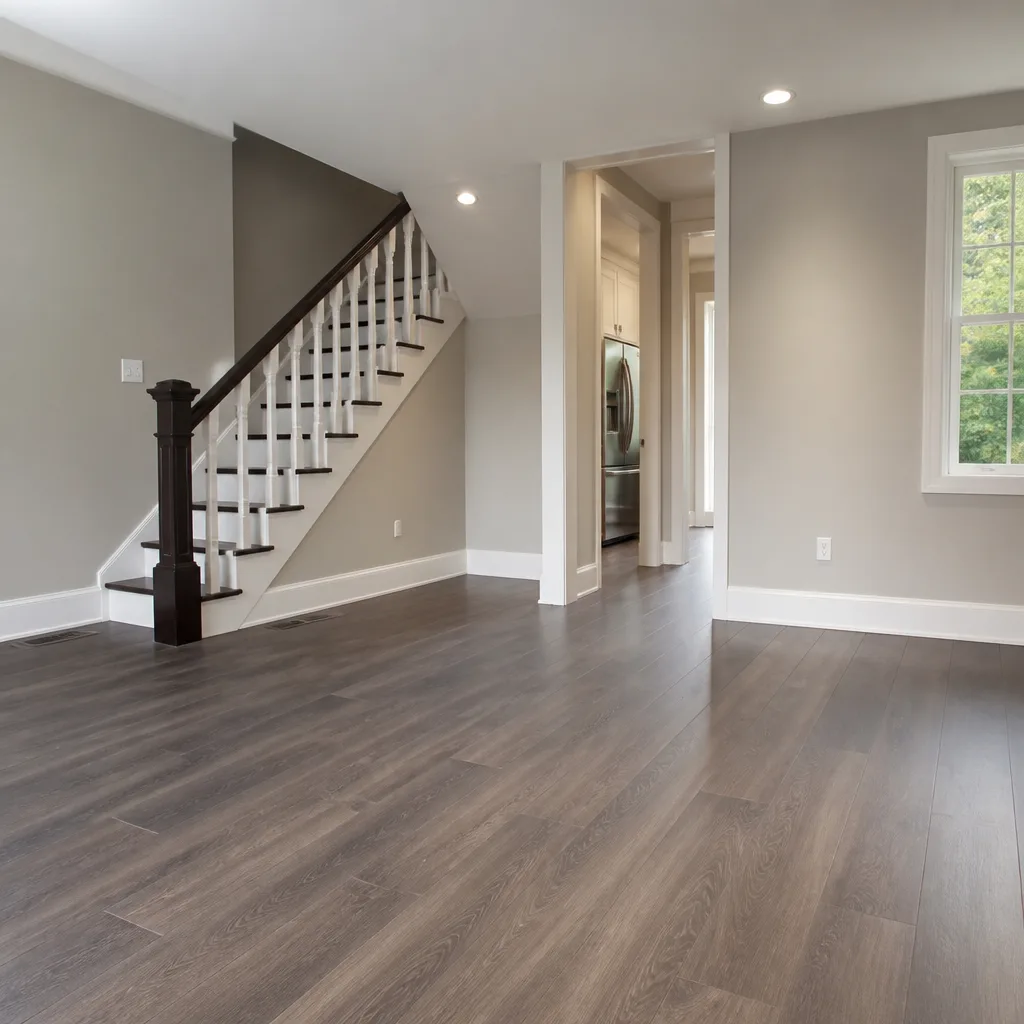

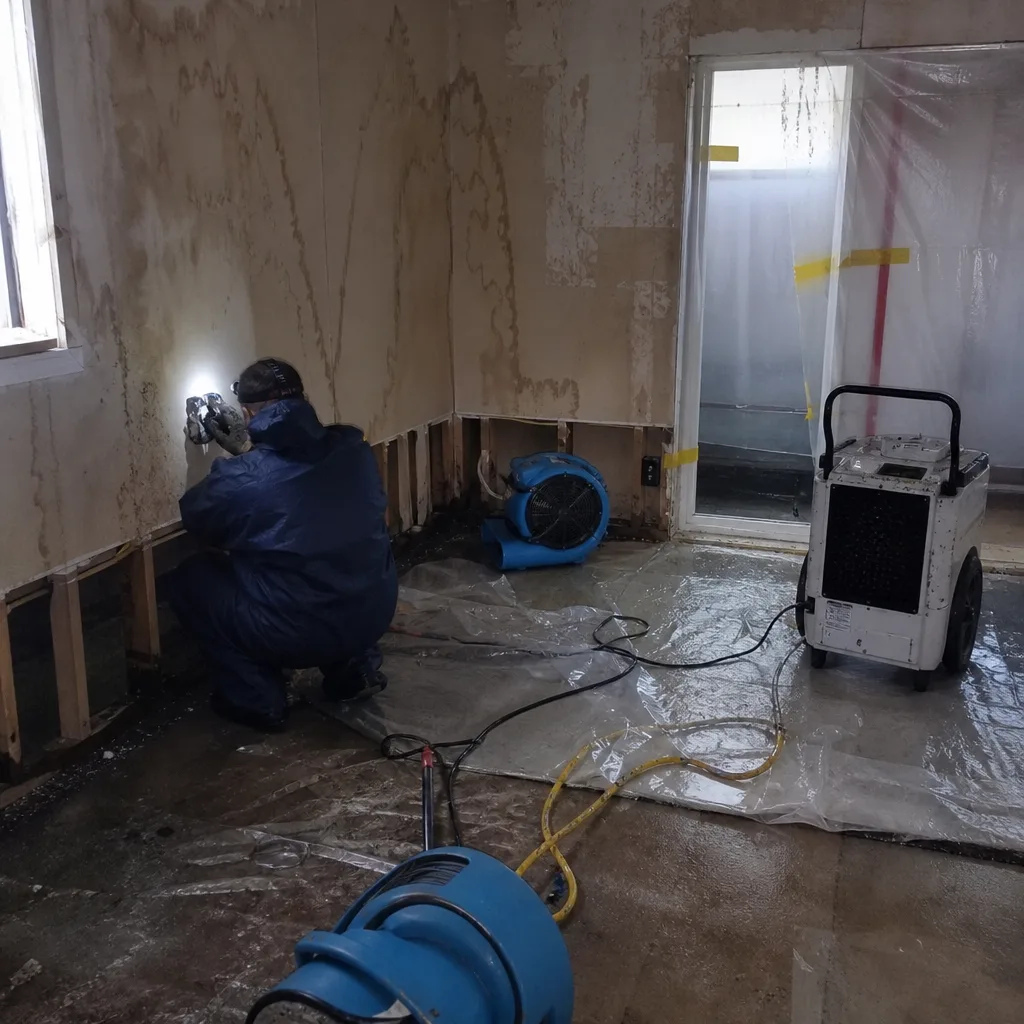 Before
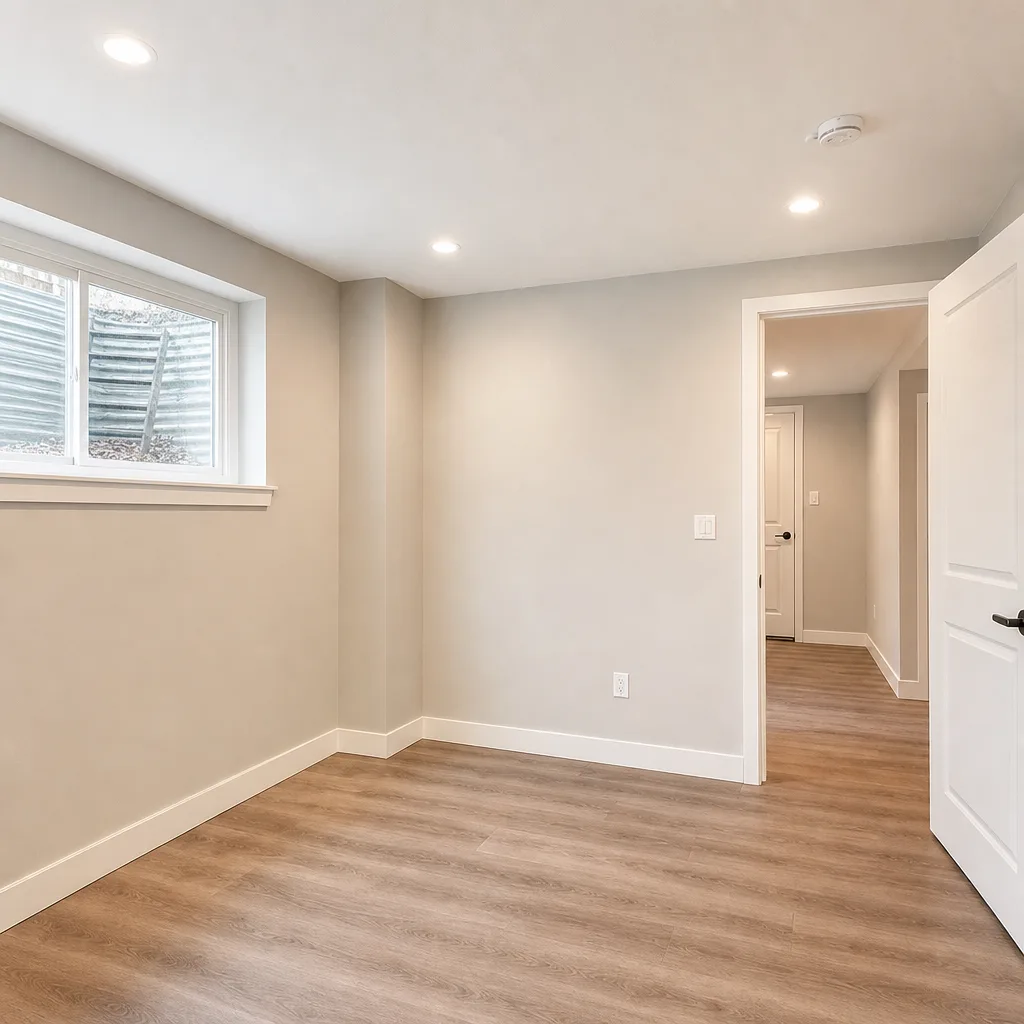 After
After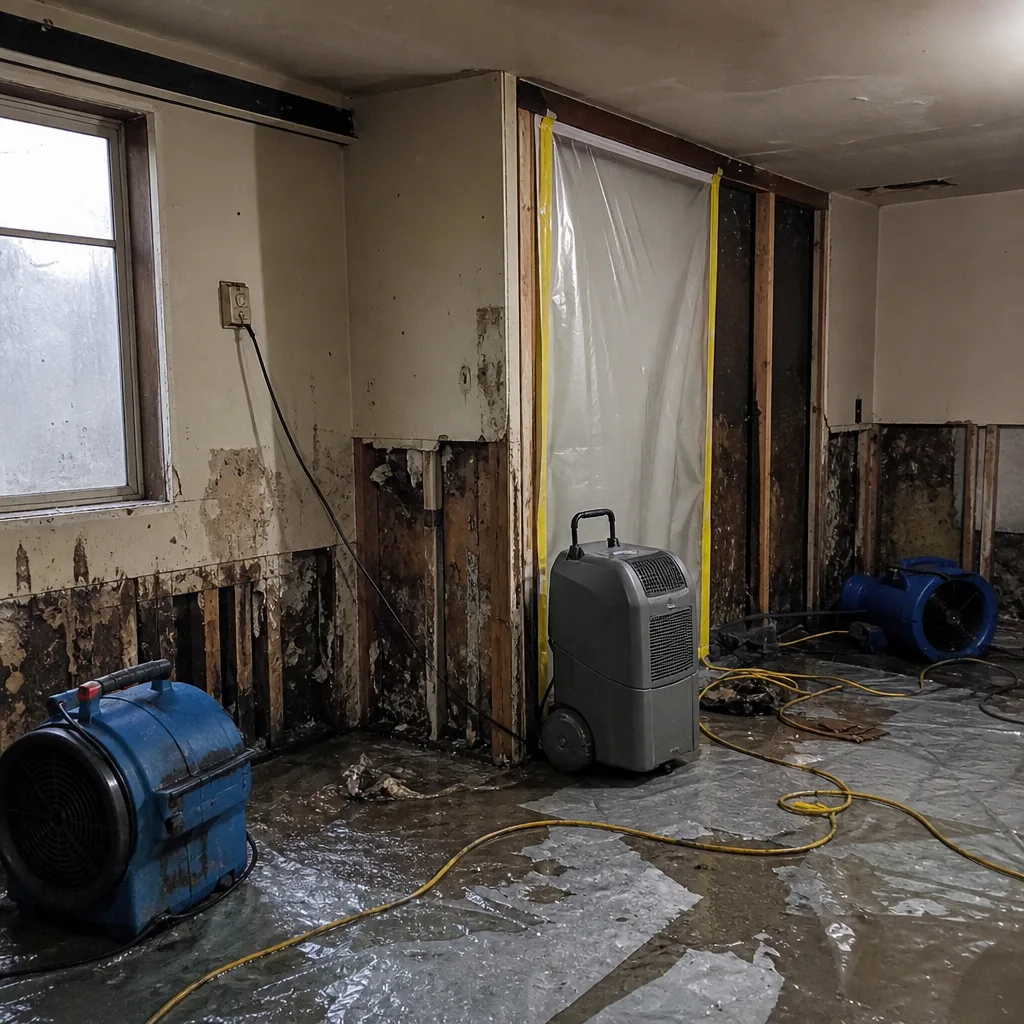 Before
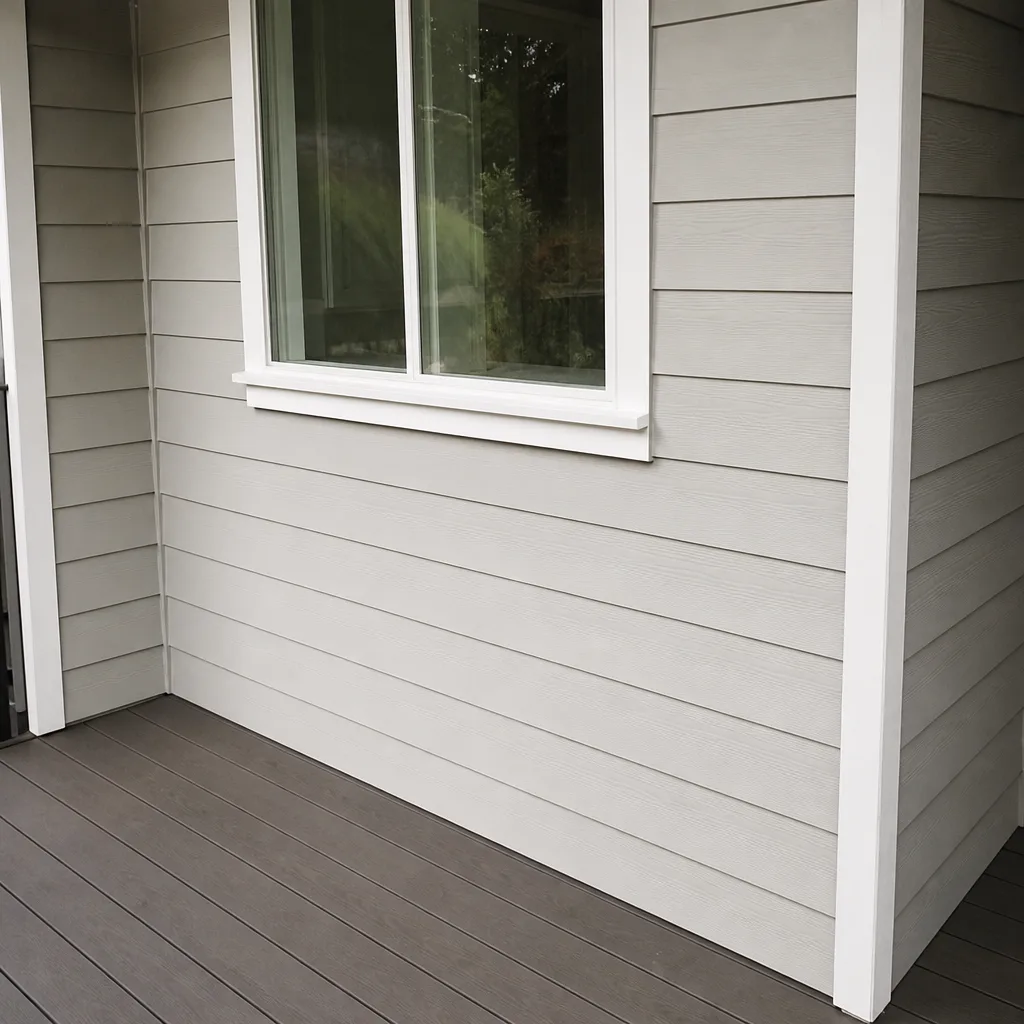 After
After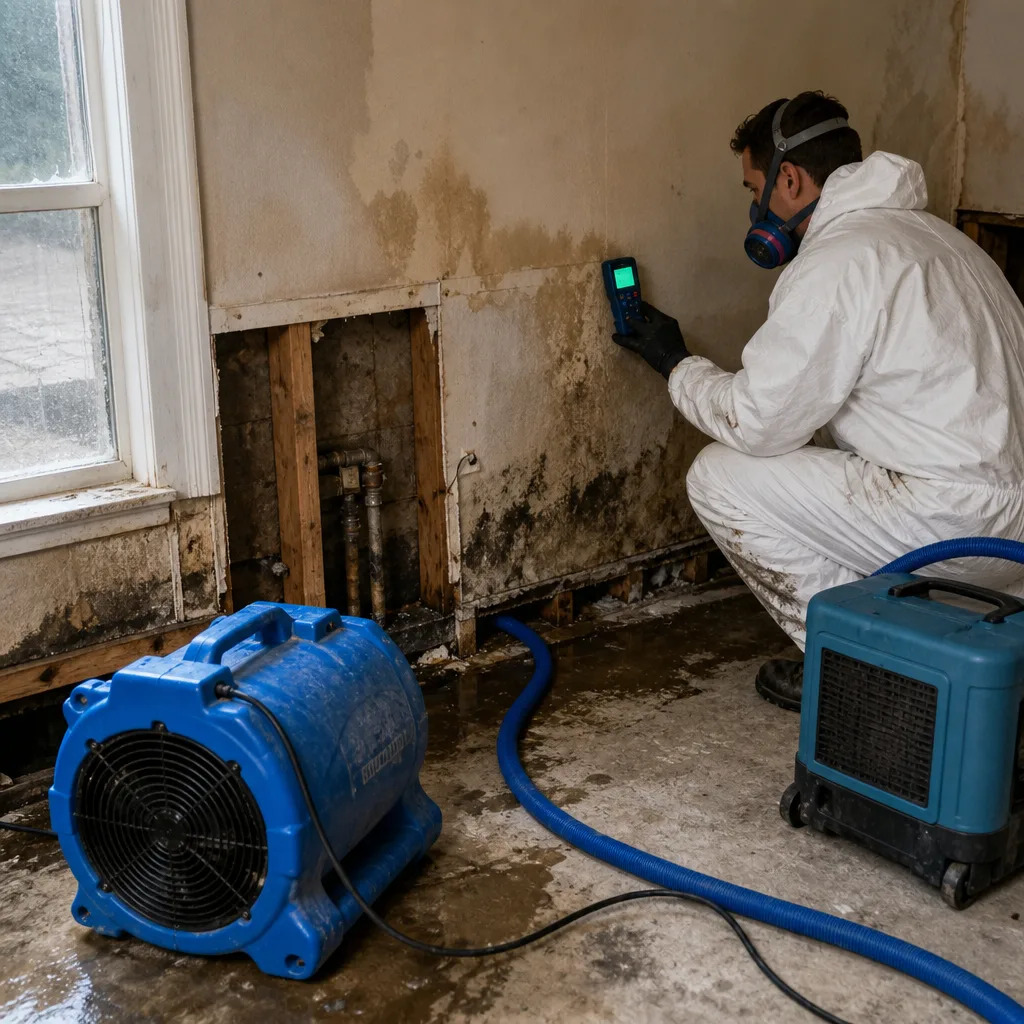 Before
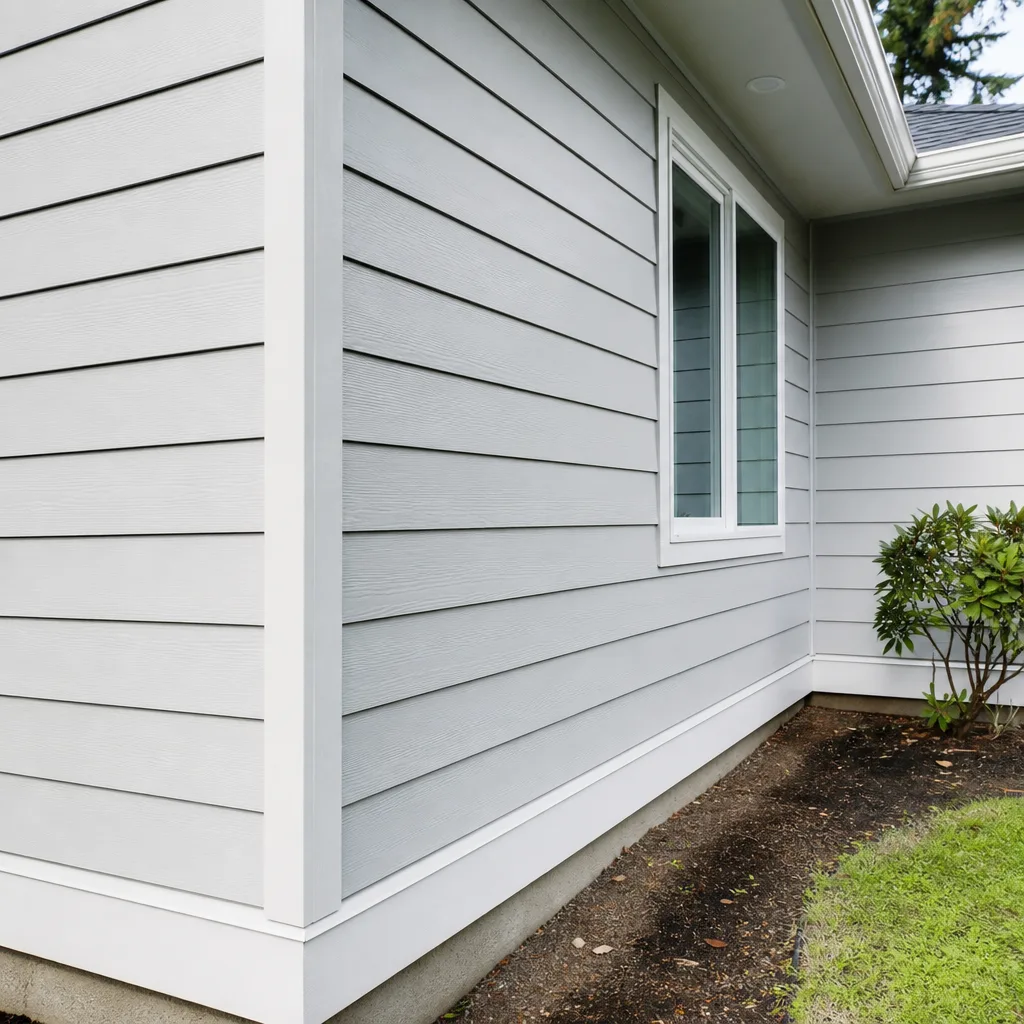 After
AfterMeet the Kent Team Behind DryMark Restoration Kent
We’re the crew that shows up when water’s still moving through your walls or smoke’s settled in your attic. Every person on this page has been background-checked, licensed, and trained to the same standard we hold across Washington. What unites us isn’t a handbook. It’s that each of us has seen what happens when restoration work gets rushed or documented poorly, and none of us will let that be the last thing a homeowner remembers about their worst week.
Our People
Alicia Brennan, Owner
I started Back to Dry in 2011 after six years as a claims adjuster watching homeowners lose tens of thousands on denied claims, not because the damage wasn’t real, but because the restoration company never produced the documentation to prove it. I built this company around one problem: the gap between what happened in a house and what an insurance file could show. Every crew member I hire is trained to close that gap. I still review the photo records on jobs over $10,000, and I answer the phone myself when the overnight dispatcher flags a complex loss. The Haven Standard has twelve clauses; I wrote them because I got tired of telling people their claim was denied for something a camera and a moisture log would have fixed.
Marcus T., Lead Water Technician
Marcus has been drying structures for fourteen years, starting with commercial losses in Tacoma before joining us in Kent in 2019. He’s certified in Applied Structural Drying and holds an IICRC Water Damage Restoration Technician designation, which means he can read a psychrometric chart, the humidity and temperature graph that tells us whether your walls are actually dry or just surface-dry. Marcus runs the Dri-Eaz and Phoenix dehumidifier fleets on our Kent jobs, and he’s the person who decides when to switch from primary drying, the heavy extraction phase, to tertiary drying, the slower vapor-pressure work that finishes a job without warping oak or cracking plaster. He keeps a laminated photo in his truck of a Bellevue kitchen he had to tear out completely because the previous company skipped that second phase. He shows it to homeowners who ask why we’re still running equipment on day four.
Dana K., Senior Mold Remediation Installer
Dana came to us from the asbestos abatement world, which is why she’s meticulous about containment. She builds negative-air chambers with polyethylene sheeting and HEPA-scrubbed exhaust, the sealed work zones that keep mold spores from migrating through your HVAC while we remove contaminated drywall. She’s completed over 400 mold jobs in King County, including a 2022 whole-house remediation in East Hill where a slow roof leak had spread Stachybotrys through three floors of a 1970s split-level. Dana is also the team member who calls homeowners the morning after containment goes up, because she’s learned that waking up to plastic sheeting in your hallway is disorienting and a two-minute check-in prevents three days of anxiety. She lives in Renton with two retired racing greyhounds who, she says, have lower resting heart rates than she does during a containment setup.
Jesse R., Service Coordinator
Jesse is the voice you’ll likely hear first when you call (360) 997-2427 at 2 a.m. He’s been dispatching our Kent crews since 2017, and before that he worked overnight intake at Harborview’s emergency department, which trained him to extract accurate information from people who are not at their most articulate. Jesse maintains the schedule, the equipment staging lists, and the direct adjuster hotline we use to start documentation before a truck even leaves our Kent warehouse. He can tell you which Dri-Eaz LGR 7000XLi units are available, which Phoenix 200MAX is due for filter service, and whether Marcus is currently inside a containment suit without checking a screen. He keeps a whiteboard behind his desk with every active job’s moisture target and current reading, updated twice daily. He does not trust software for this.
Devon P., Restoration Apprentice
Devon joined us in 2024 after completing the construction trades program at Green River College. He’s currently working toward his IICRC Fire and Smoke Restoration Technician certification while rotating through every phase of our work: water extraction, pack-out and contents cleaning, demolition, and reconstruction estimating. Right now he’s shadowing Dana on mold containment builds and learning to document vapor pressure differentials, the measurable gap between the moisture in your wall cavity and the ambient air that tells us whether our drying plan is actually working. Devon grew up in the Kent Valley and still lives near Lake Meridian; he knows which 1960s neighborhoods have the original galvanized plumbing that’s prone to pinhole failure, and he mentions it on initial calls because he’s seen three of those failures this year alone. He asks more questions than he answers, which is exactly what we want at this stage.
One Standard, Every Job
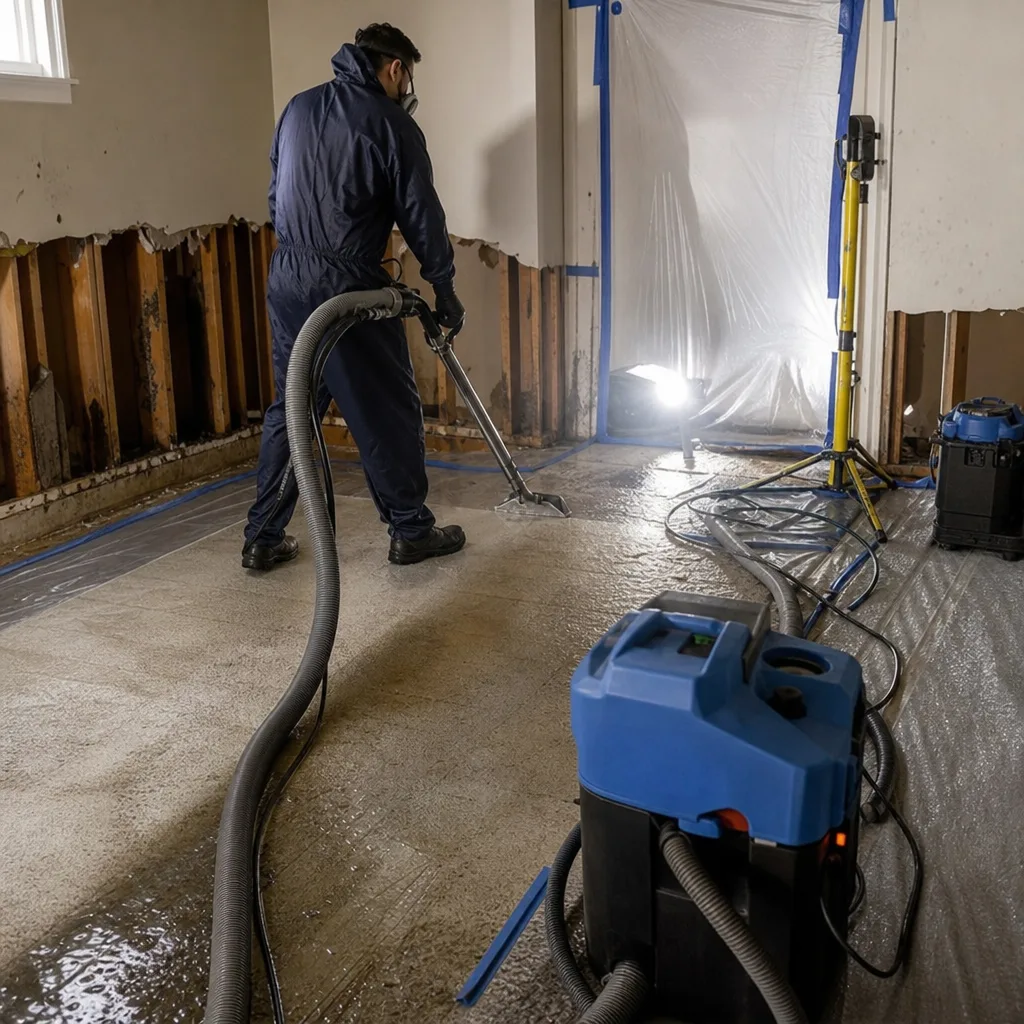
We’re independently owned and operated under The Haven Standard, the same twelve-clause framework that governs every Back to Dry crew in Washington. That means Kent homeowners get identical documentation standards, identical equipment specifications, and identical warranty terms as any other customer in our network. Haven Standard, Clause 1: you’ll receive a written price before any work starts, with no additions once the crew is inside your home. Clause 7: a photo record from every visit, delivered with your final invoice, not sold as an upgrade. Our 365-Day Done Right Promise applies here exactly as it applies everywhere else, because a signed guarantee shouldn’t change at the county line. The equipment in our Kent warehouse, the Dri-Eaz, Phoenix, XPOWER, B-Air, and Injectidry systems, is the same professional-grade inventory deployed across the state. The moisture logs we produce, documented to IICRC, RIA, and IFA standards, are formatted identically because insurance adjusters read them identically, and your claim shouldn’t depend on which crew happened to be available. We’re the local team you call. The standard is what makes that call worth making.
Written by Alicia Brennan, Owner at DryMark Restoration Kent, serving Kent since 2011.