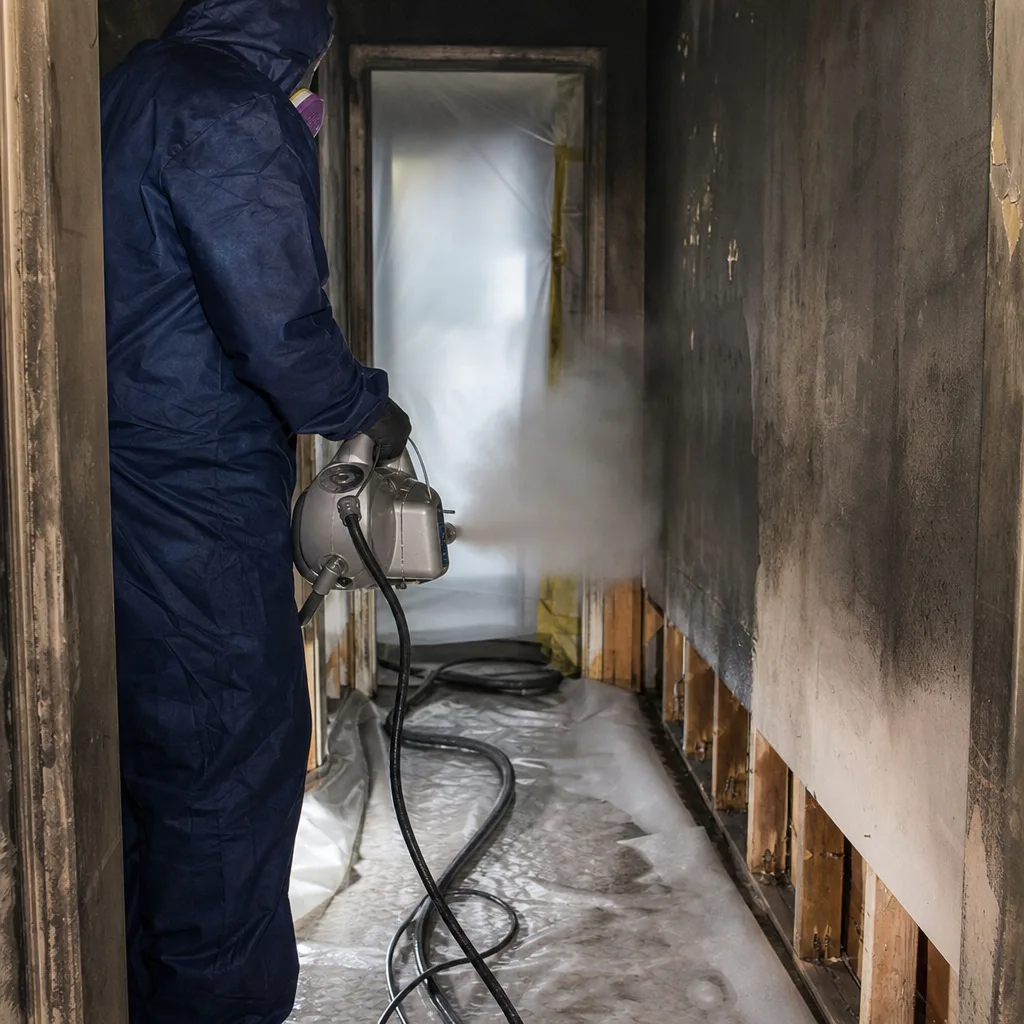
Free visual inspection and a written scope of work before any mitigation begins - photos, moisture readings, and drying logs go in your claim file
The scope we write is the scope we bill. Anything new gets shown to you, in writing, before we touch it.
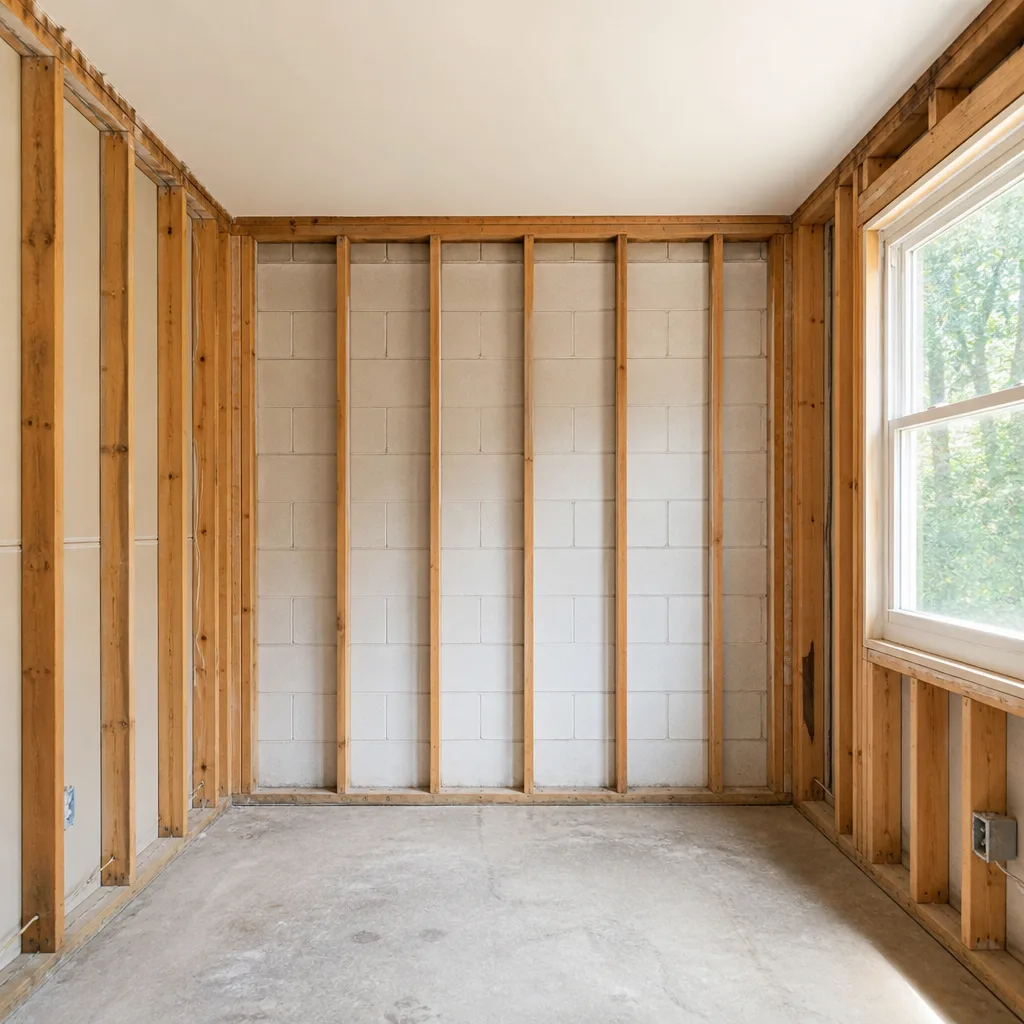
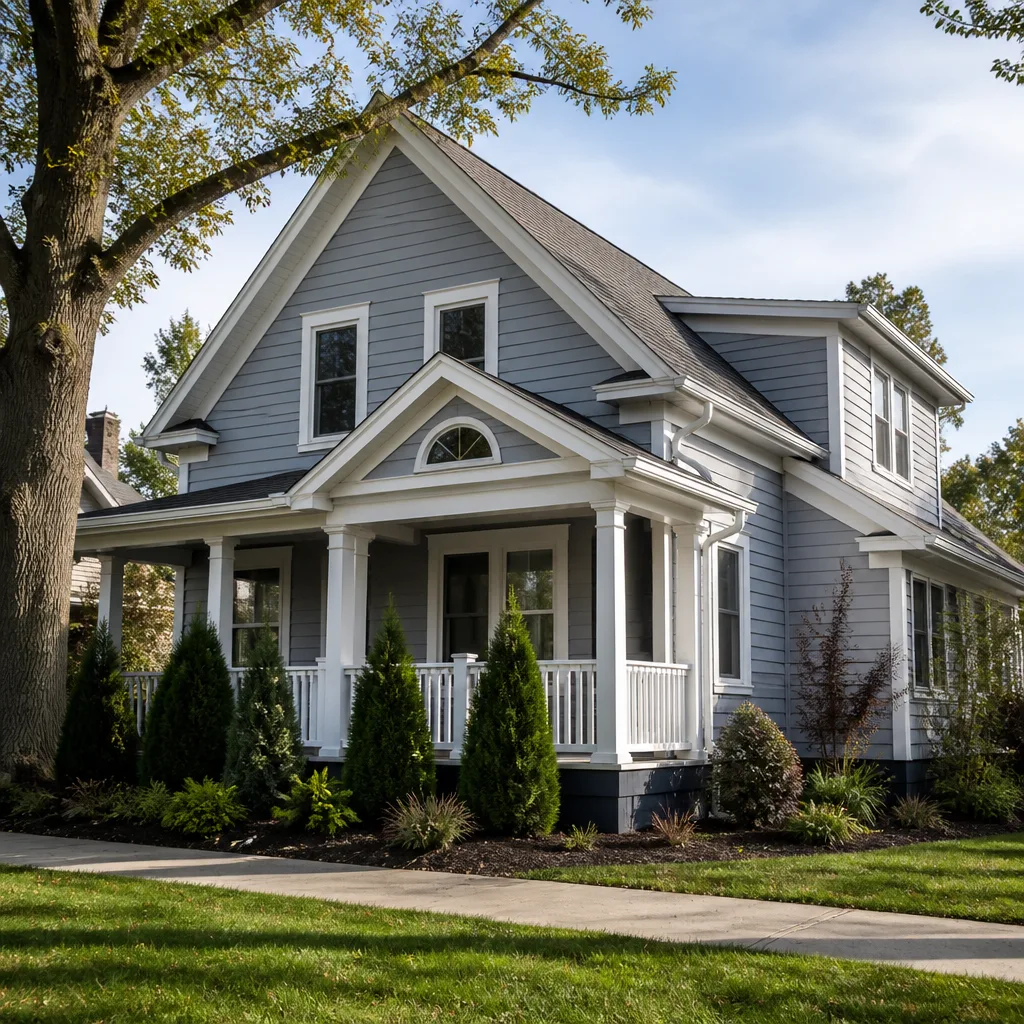
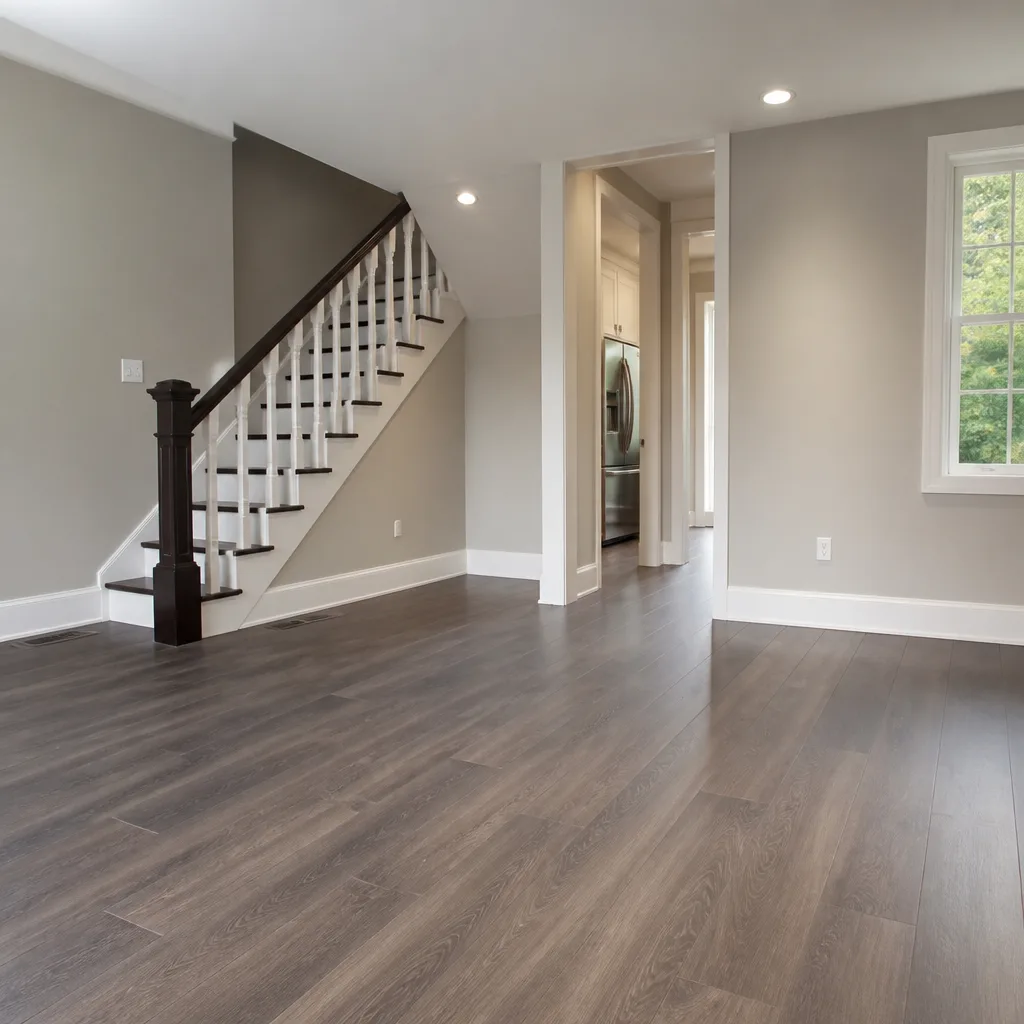
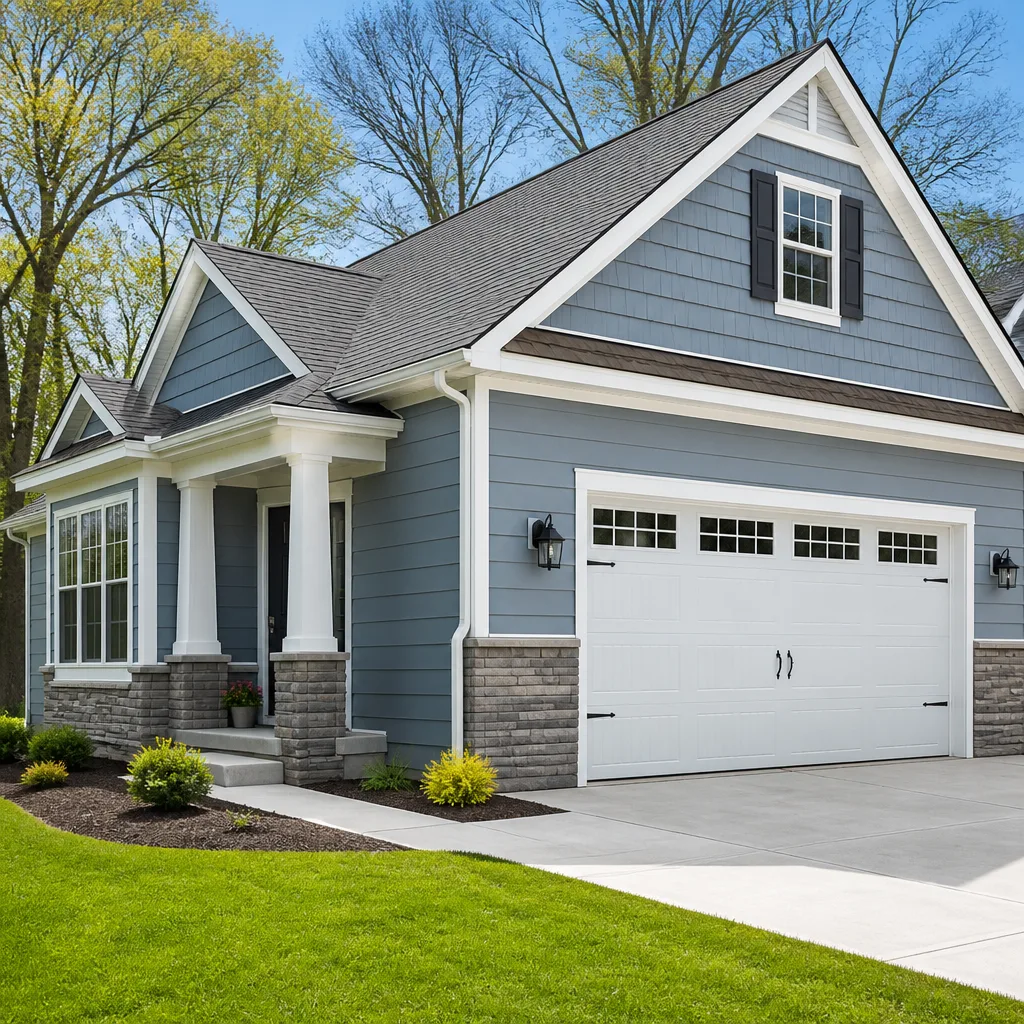
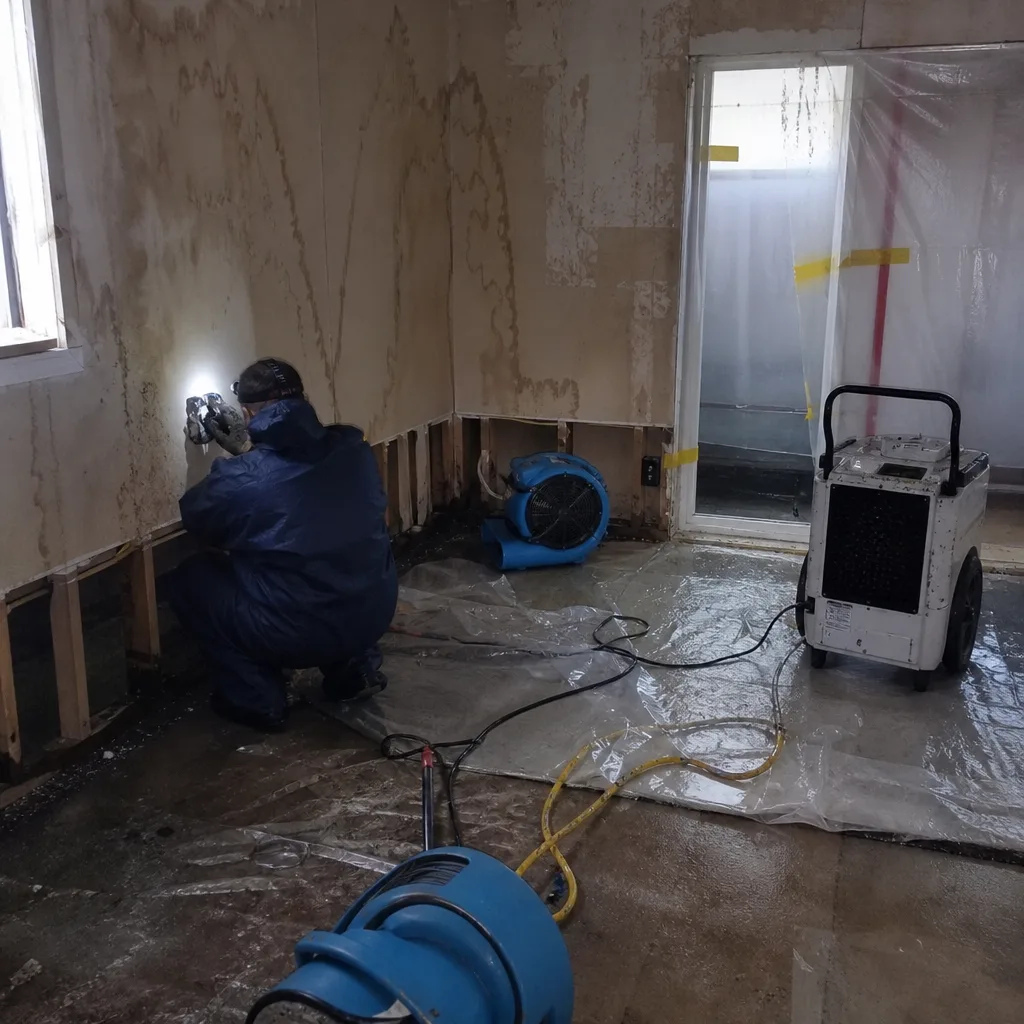 Before
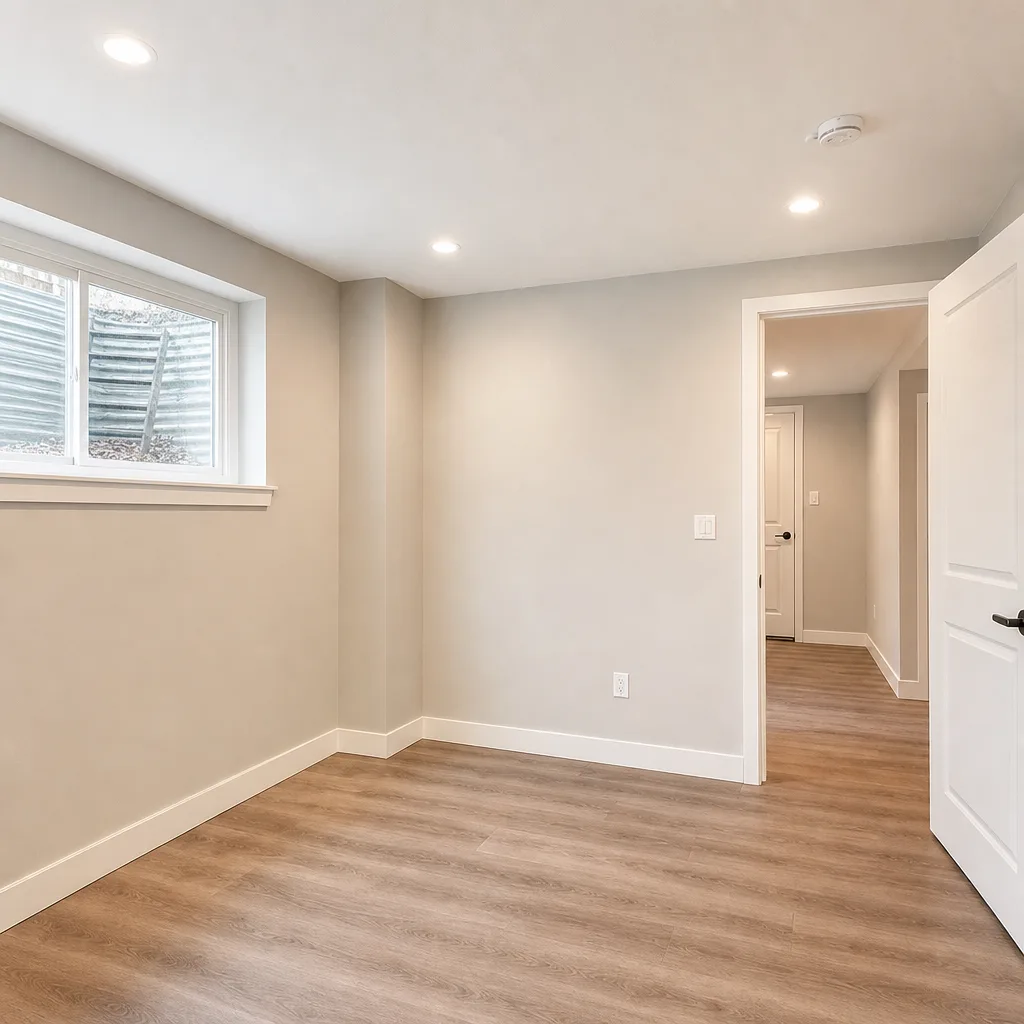 After
After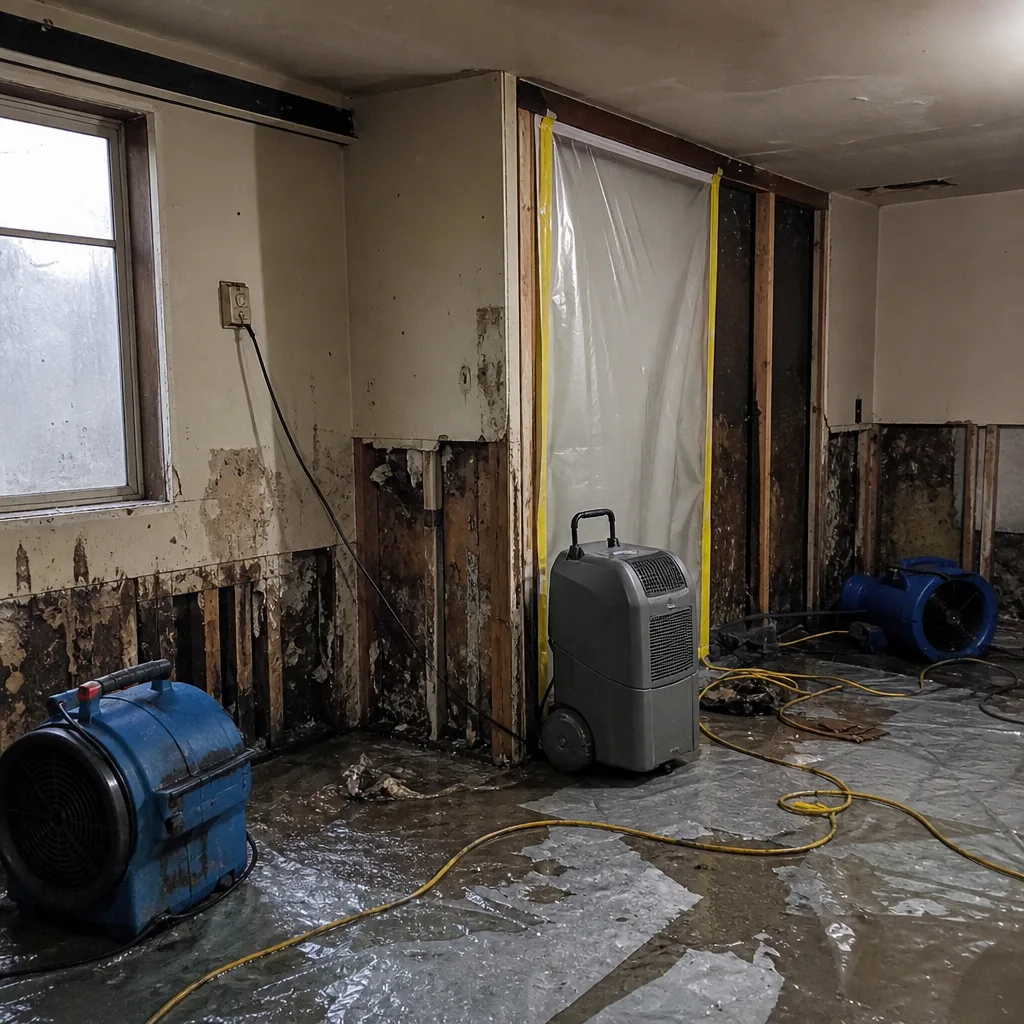 Before
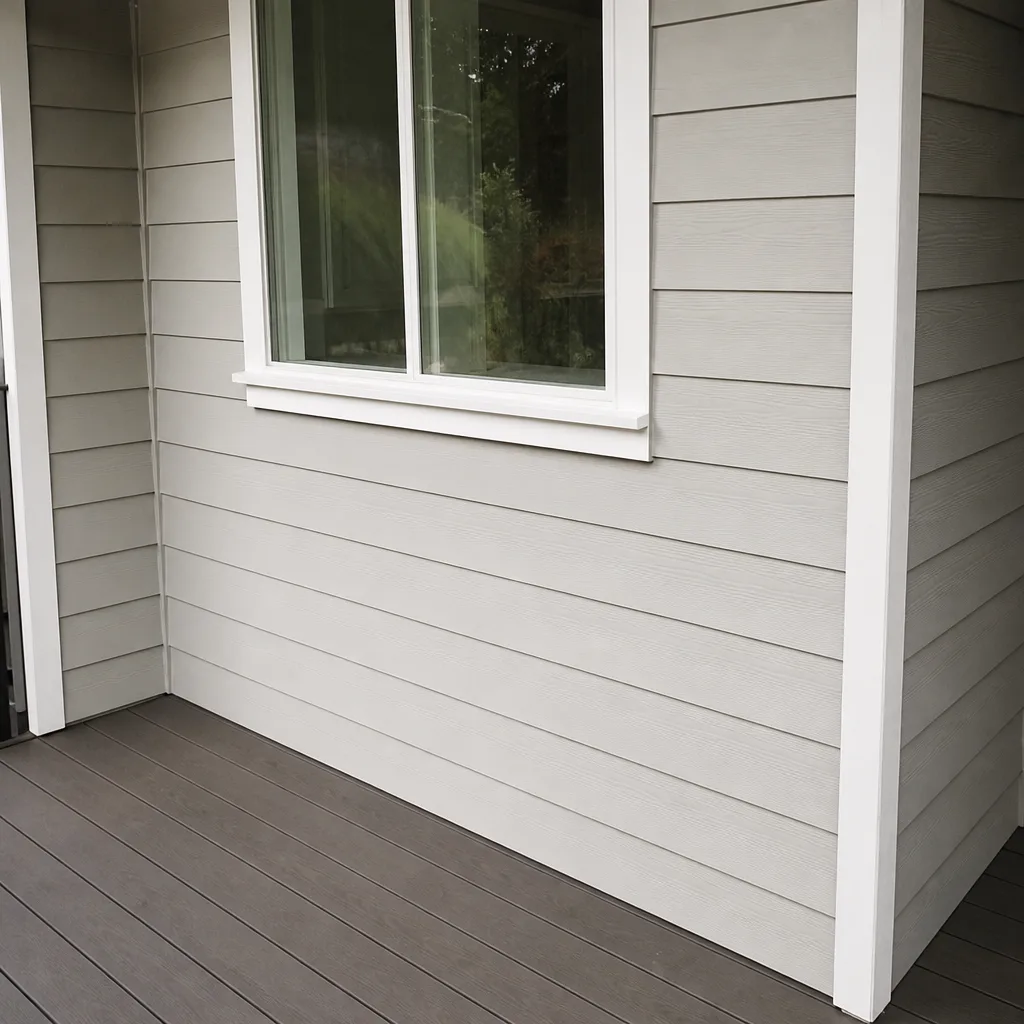 After
After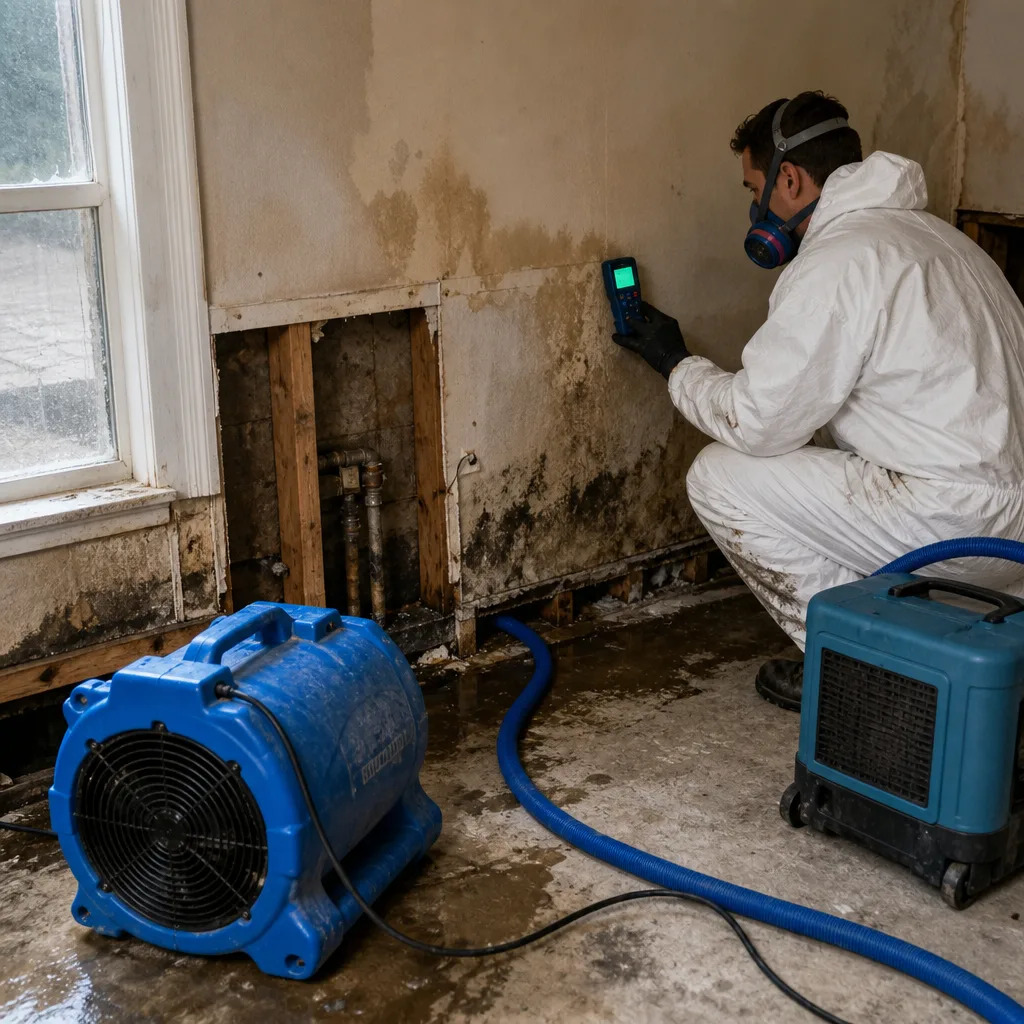 Before
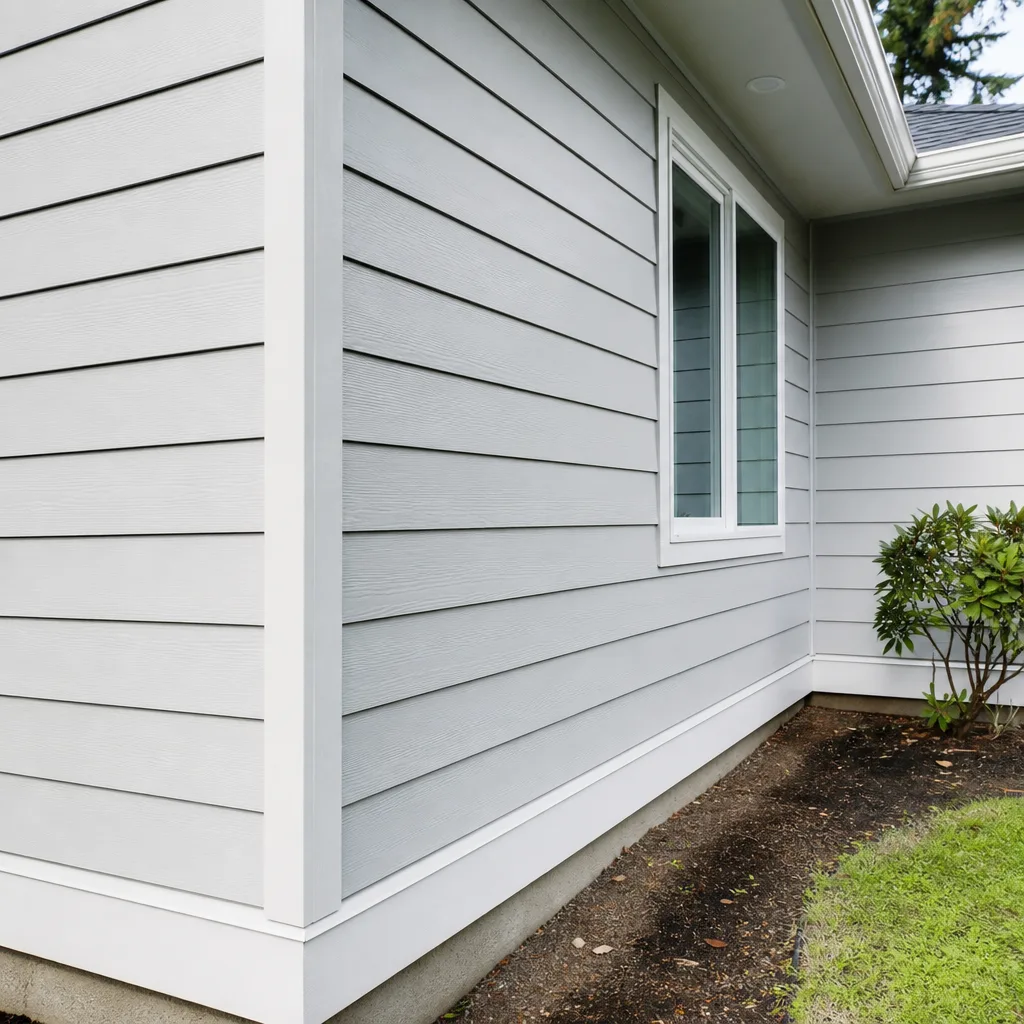 After
After24/7 Emergency Water Damage Restoration in Bellevue
Water damage restoration in Bellevue typically costs $2,800-$7,500 for a standard residential loss, with emergency extraction and structural drying usually underway within 45 minutes of your call. Crews from our Seattle office serve Bellevue directly, and we answer live at (360) 997-2427 every hour of every day. The first 60 minutes after water enters a structure determines whether you’re looking at drying and repair, or full gutting and reconstruction. Moisture moves laterally through Bellevue’s common 1960s-1980s split-level construction faster than most homeowners expect, wicking into wall cavities and subfloors while you’re still locating the shutoff valve. We provide a free visual inspection, document everything with photos from arrival, and deliver a written scope and price before any equipment runs - Haven Standard, Clause 1.
Understanding Water Damage Restoration Severity in Bellevue Properties
Water damage in Bellevue falls into three categories that dictate safety protocols, equipment, and cost. Category 1 is clean water from a burst supply line or failed water heater - common in downtown Bellevue’s luxury high-rises where a single line can flood multiple units through stacked bathrooms. Category 2, gray water, carries contaminants from dishwasher discharge or sump pump failures, the usual profile in hillside daylight basements where hydrostatic pressure forces groundwater through foundation walls. Category 3, black water, originates from sewage backup or storm intrusion through overwhelmed drainage - we see this in Bellevue’s older crawl spaces during prolonged November-January storm sequences when saturated glacial clay soils stop percolating entirely.
Our crews use moisture mapping with thermal imaging and pinless moisture meters to locate migration paths invisible to the eye. Psychrometric data - temperature, relative humidity, and vapor pressure differential, which is the force that drives moisture from wet materials into dry air - governs our drying strategy. A split-level in Somerset with water in the daylight basement often shows secondary saturation in the main-floor subfloor above, traced through vapor pressure readings across the assembly. Bellevue’s building stock, dominated by 1960s-1980s construction with minimal original waterproofing, rarely contains damage to the visible flood zone alone.
Why Bellevue Property Owners Choose DryMark Restoration Kent
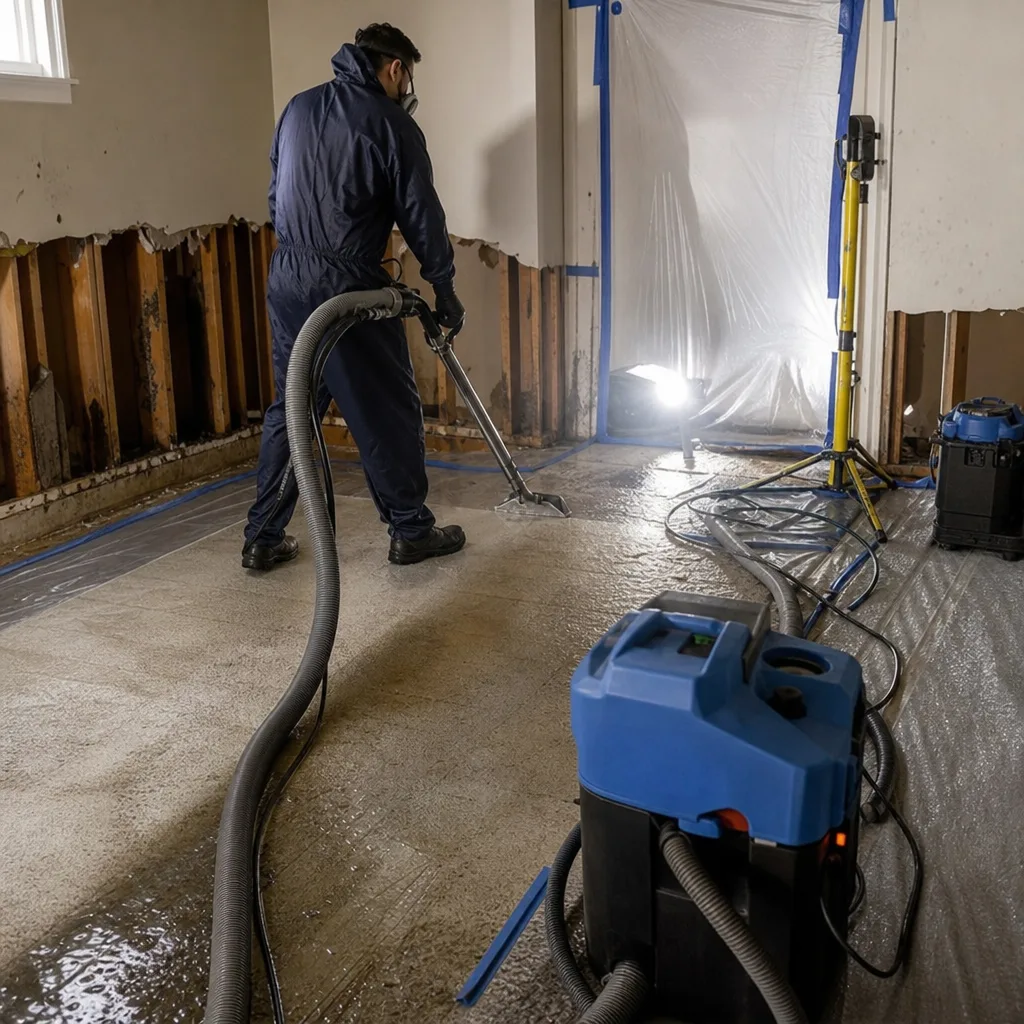
- 45-minute response commitment to Bellevue addresses, with crews staged from our Seattle office and no callback delays while water continues spreading.
- 24/7 live answer - a real person picks up every call, never an automated system or voicemail tree, because documentation starts with the first conversation.
- IICRC-certified crews holding WRT (Water Damage Restoration Technician) and AMRT (Applied Microbial Remediation Technician) certifications, with license numbers verified and displayed on every technician’s ID.
- Free visual inspection with moisture readings, photo documentation, and a written scope delivered before you decide - no pressure, no charge for the assessment.
- Direct insurance billing with adjuster coordination from day one; our daily drying logs and line-item scopes are formatted for claims review and payment without dispute.
- One team from extraction to reconstruction - no handoffs between contractors, no gaps in documentation, no conflicting scopes that slow insurance approval.
BeforeAfterOur Water Damage Restoration Process
1. Inspection & Assessment
We arrive with thermal imaging cameras, pin and pinless moisture meters, and hygrometers to map the full extent of water migration. In Bellevue’s hillside homes, this includes checking the uphill foundation wall for hydrostatic intrusion even when the apparent source is a plumbing failure. You receive a photo-documented assessment and written scope with pricing before we start - Haven Standard, Clause 1.
2. Extraction & Stabilization
Standing water is removed with truck-mounted extraction systems and portable submersible pumps. For Bellevue’s high-rise units, we deploy portable extraction with containment protocols to protect common hallways and elevator lobbies. Category 2 and 3 losses receive immediate antimicrobial application to prevent amplification.
3. Drying & Dehumidification
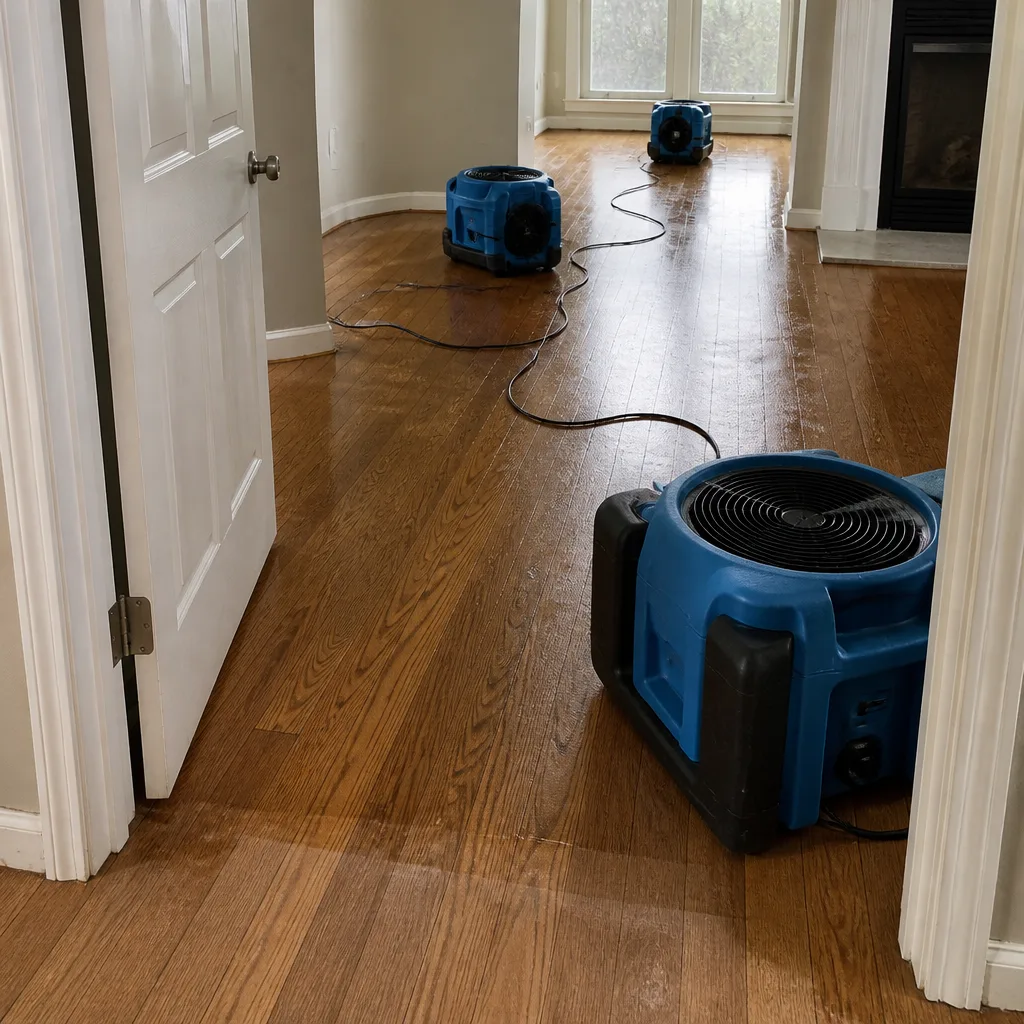
We deploy Dri-Eaz and Phoenix LGR dehumidifiers, XPOWER and B-Air air movers, and Injectidry floor-drying systems for hardwood and subfloor assemblies. In Bellevue’s unvented crawl spaces lacking vapor barriers, we use specialized low-grain refrigerant dehumidifiers and tenting to achieve vapor pressure differential sufficient for tertiary drying - the final phase where bound moisture releases from dense materials.
4. Cleaning & Sanitization
All affected surfaces receive HEPA vacuuming and antimicrobial treatment per IICRC S520 standards. Air scrubbers with HEPA filtration run continuously during this phase, with particle counts logged to document indoor air quality restoration - critical for insurance claims and occupant safety.
5. Foundation Waterproofing Coordination
Where hillside hydrostatic intrusion is identified - common in Somerset, Newport Hills, and Eastgate - we coordinate directly with our foundation waterproofing partners to install perimeter drainage, membrane systems, or sump pump solutions before closing walls. This step, rarely needed in flat-terrain markets, prevents recurrence and protects your structural drying investment.
6. Repairs & Restoration
Drywall, flooring, trim, and finishes are restored to pre-loss condition with materials matched to Bellevue’s high-value interiors. We provide a final photo record, signed drying log, and the 365-Day Done Right Promise under The Haven Standard before demobilizing.
Need Emergency Water Damage Restoration in Bellevue Now?
Crews minutes away, answering live 24 hours a day. The sooner we start, the less it costs.
Working With Your Insurance Company
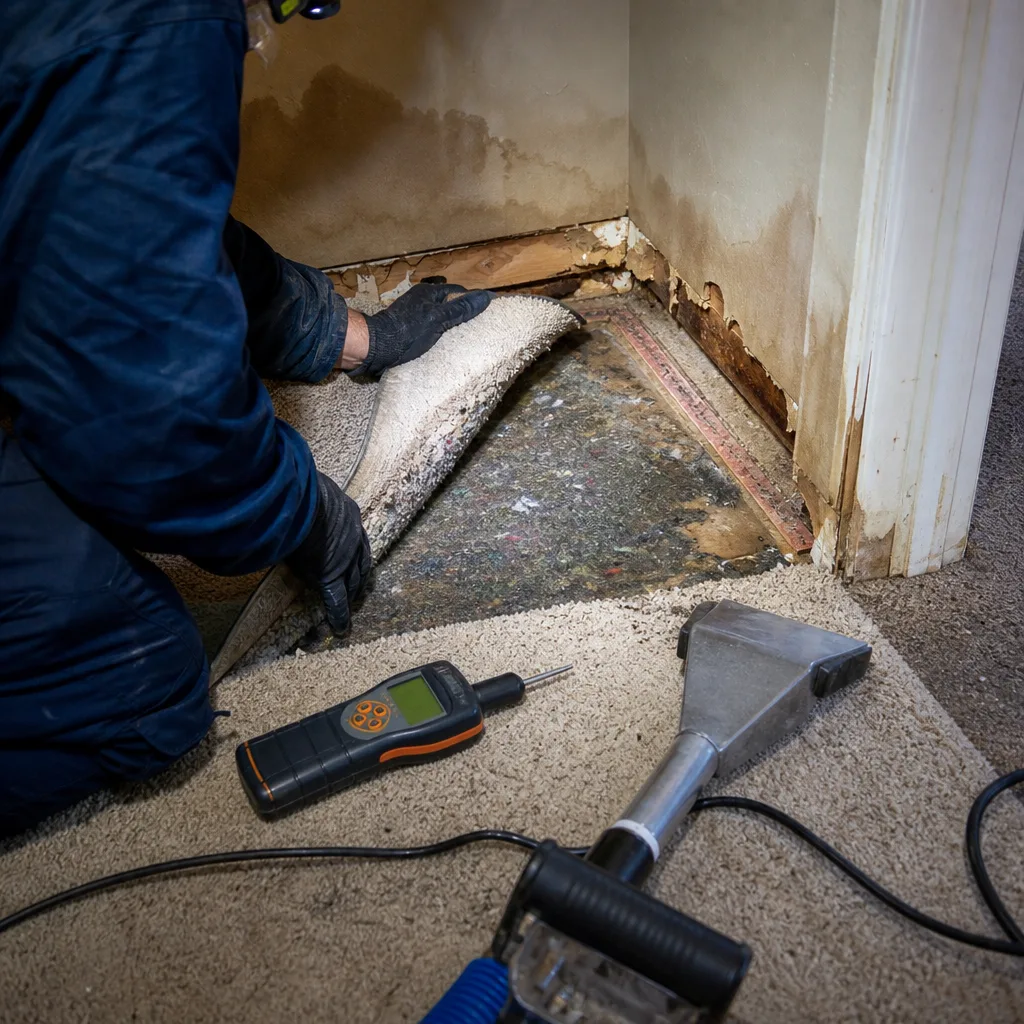
Insurance claims succeed or fail on documentation quality. We begin building your file the moment we arrive, photographing every room, every material, every moisture reading. Our estimates follow Xactimate or Symbility industry standards, line-itemed so adjusters can verify each charge against policy coverage. We speak directly with your adjuster, provide supplemental documentation when scope expands, and never ask you to float costs while waiting for approval.
Bellevue’s extreme property values mean most losses exceed deductibles significantly, making full restoration the economically rational choice even after major events. Our documentation package supports that outcome.
What We Provide Your Insurer
- Thorough documentation of the loss
- Photos of all damage, room by room
- Moisture readings and drying logs
- A detailed, line-item scope of work
- Direct coordination with your carrier
Built for Bellevue’s Loss Calendar
Bellevue’s damage calendar runs October through April, when 37-38 inches of annual rainfall arrives as prolonged drizzle and frontal storms rather than intense summer events. Building envelopes never fully dry between weather systems. January brings the deepest saturation point: glacial clay soils reach field capacity, downslope foundations experience hydrostatic pressure peaks, and daylight-basement walls that seemed dry in September weep continuously.
February and March deliver freeze-thaw cycles that split outdoor hose bibs and irrigation backflow preventers. May’s brief dry window is when we perform the most foundation waterproofing coordination - homeowners discover winter damage as they finish basements for summer use. Summer losses are rare but severe: failed water heaters in downtown high-rises, where a single tankless unit’s supply line can flood twelve floors before the HOA’s main valve is located.
Water Damage Restoration Across Bellevue’s Neighborhoods
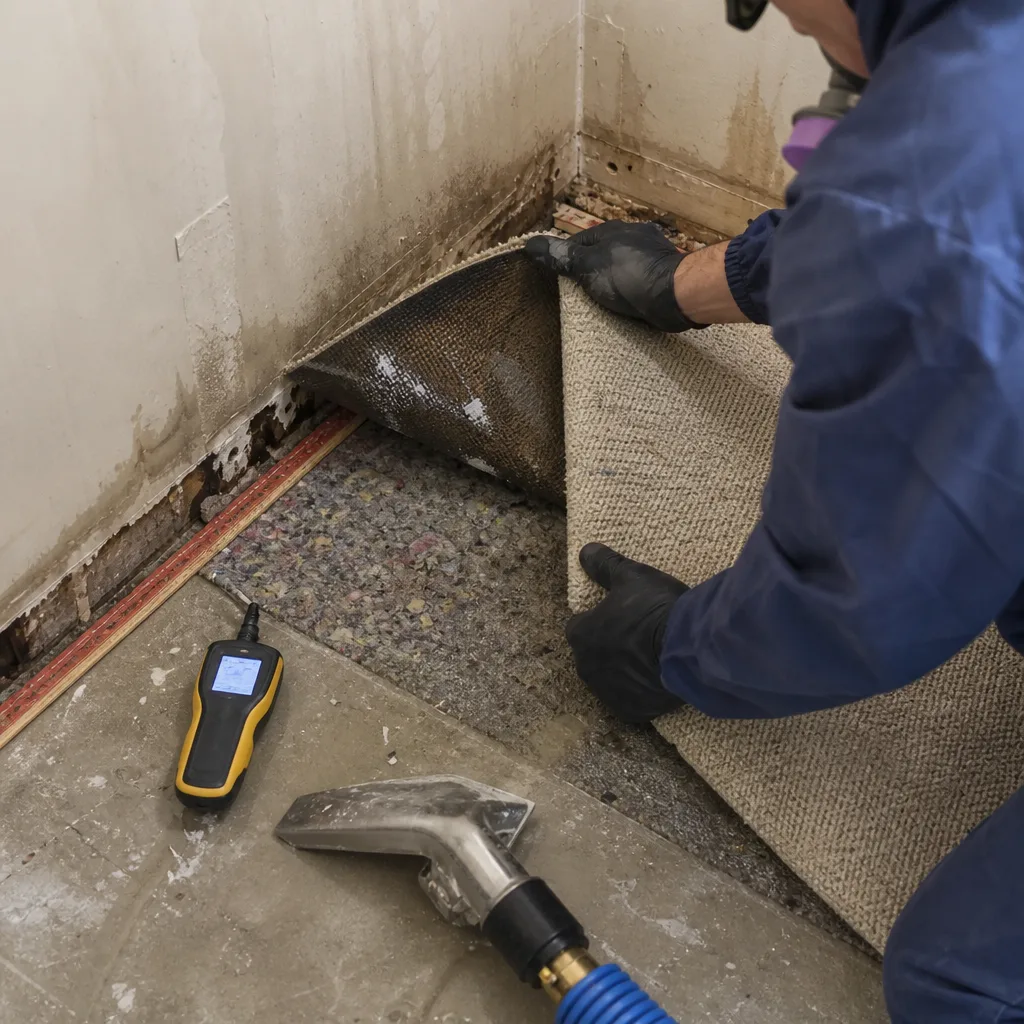
Somerset and Newport Hills sit on ridgelines above 500 feet, where early-1970s split-levels were sited with daylight-basement walls poured directly against the uphill cut. No perimeter drain tile, just backfilled glacial till. We got a call from a homeowner on Somerset’s ridge streets about a persistent damp smell in their early-1970s split-level. Our techs brought extra negative-air machines before opening the finished daylight-basement wall - just as we’ve learned to do on those hillside streets - and found active seepage channels behind the drywall from the uphill cut, with established mold colonies on the backside. We set up containment, performed antimicrobial treatment, and logged moisture readings across the wall assembly while coordinating with a foundation waterproofing partner, then ran structural drying until the cavity met IICRC dry standards.
Eastgate shares the same hillside hydrostatic profile with more 1980s construction, meaning similar intrusion pathways but often with finished living spaces at higher replacement cost. Downtown Bellevue and the Bel-Red corridor present the opposite challenge: luxury high-rise condominiums where a failed supply line or roof drain triggers multi-unit damage claims requiring HOA coordination, large-loss protocols, and documentation that satisfies both individual unit policies and the master association’s carrier. Crews serving Bellevue must carry both skill sets - hillside groundwater remediation and vertical high-rise containment - because the same dispatch radius covers both.
Specialized Water Damage Restoration Services We Offer in Bellevue
Emergency Water Extraction
Standing water removal within 45 minutes of call, using truck-mounted systems for residential losses and portable containment-equipped extractors for downtown Bellevue high-rise units where elevator access and HOA rules constrain equipment choices. Category 2 and 3 losses receive immediate antimicrobial application.
Structural Drying & Dehumidification
Psychrometrically controlled drying with Dri-Eaz and Phoenix LGR dehumidifiers, air movers, and Injectidry systems for hardwood and subfloor assemblies. In Bellevue’s hillside homes, we monitor vapor pressure differential across the main-floor subfloor above daylight basements, where secondary saturation is routine but often missed.
Flood Cleanup
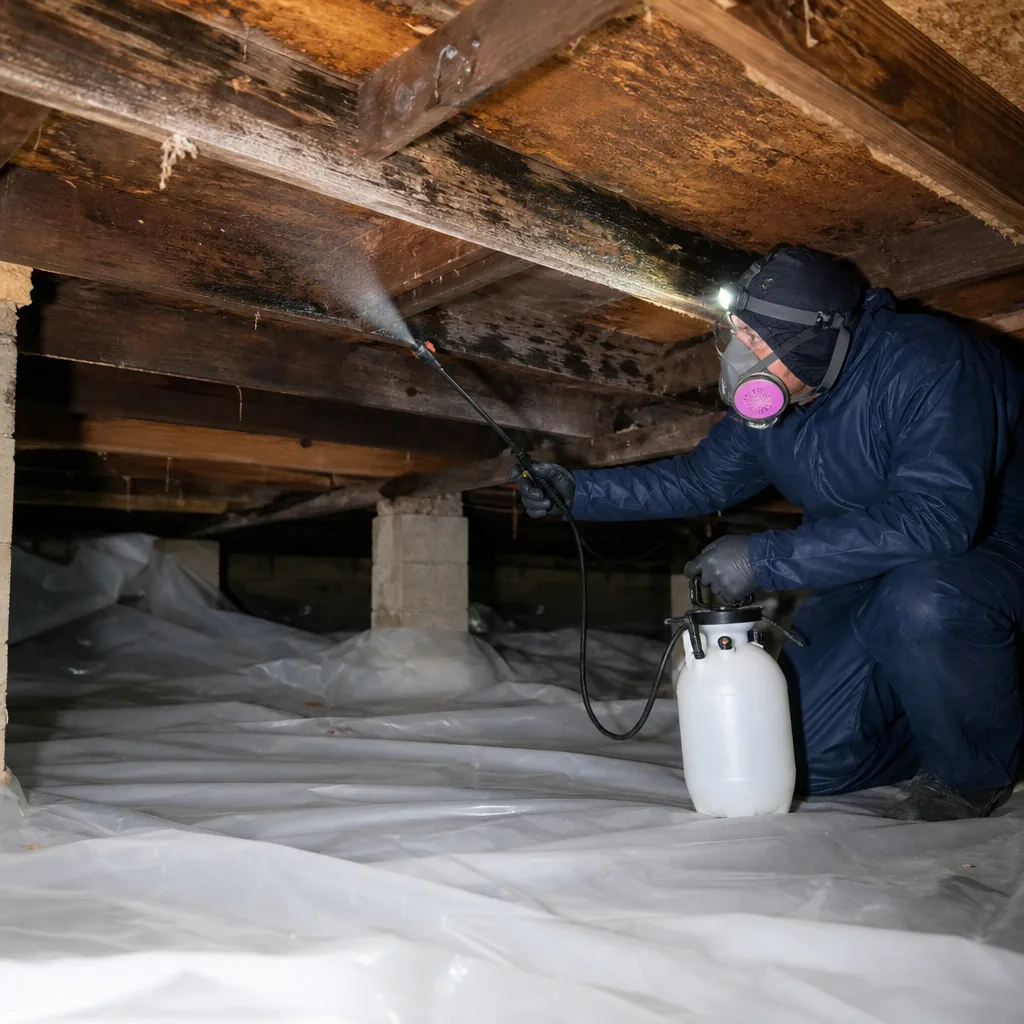
Storm-driven Category 3 losses, common in Bellevue’s older crawl spaces during prolonged winter saturation events. Full PPE, HEPA containment, and disposal per IICRC S500 and S520 standards, with documentation for potential flood insurance claims separate from standard homeowner coverage.
Burst Pipe Restoration
January freeze-thaw failures in exterior walls and unconditioned crawl spaces. We locate the break, extract, dry the assembly, and coordinate with licensed plumbers for repair - all documented under a single scope with one point of contact.
Basement Water Removal
Our most called service in Bellevue. Hillside hydrostatic intrusion, failed sump pumps, and plumbing leaks in daylight basements all require different extraction and drying protocols. We determine the actual source before equipment selection, because treating groundwater intrusion as a simple pipe burst leaves seepage channels active after the drying equipment departs.
What happens when you call
- 1
A real person answersNo phone trees - you reach a local pro.
- 2
You get an upfront price rangeHonest numbers before anyone is dispatched.
- 3
A background-checked tech heads outLicensed & insured, dispatched right away.
- 4
You approve before work beginsNothing starts until you say go.
Water Damage Restoration Costs in Bellevue, WA
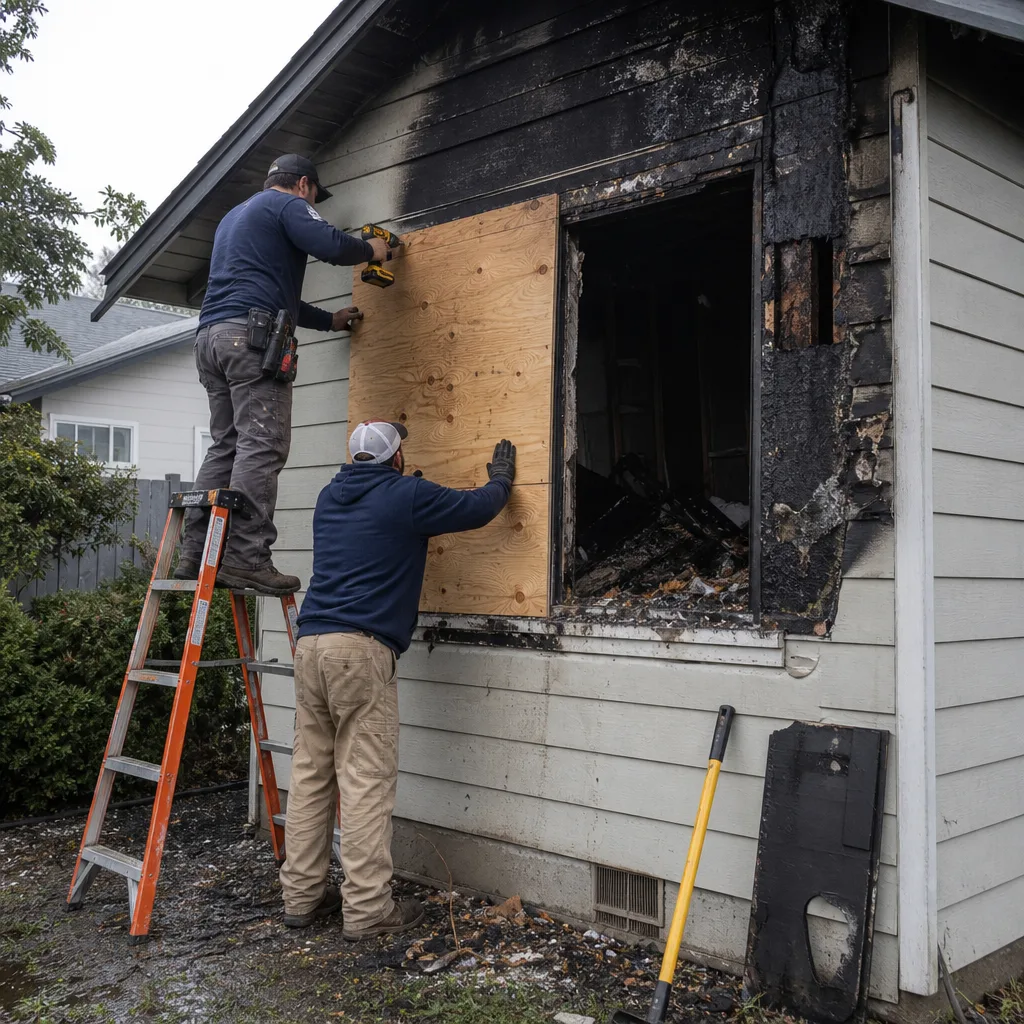
Typical water damage restoration in Bellevue runs higher than regional averages due to hillside hydrostatic complexity and elevated reconstruction costs tied to local property values.
| Service | Typical Range in Bellevue |
|---|---|
| Emergency water extraction (initial visit) | $350-$650 |
| Structural drying & dehumidification (per day) | $185-$340 |
| Basement water removal with hydrostatic intrusion | $3,200-$8,500 |
| Crawl space drying (no vapor barrier) | $2,400-$5,800 |
| High-rise unit extraction & drying | $2,800-$6,200 |
| Full restoration with reconstruction | $8,500-$35,000+ |
What moves the price: water category (Category 3 requires more containment and disposal), affected square footage, whether the loss involves hillside hydrostatic intrusion requiring foundation waterproofing coordination, and the presence of established mold. Insurance typically covers sudden and accidental water damage; gradual seepage may be excluded without proper documentation of the triggering event. Our free visual inspection produces a firm, written scope - not an estimate range - so you know exactly before work begins. Haven Standard, Clause 1.
We Also Serve Cities Near Bellevue
Our Water Damage Restoration crews serve Bellevue directly from our Seattle office, with rapid response to Kirkland across the 520 bridge, Redmond to the northeast, Seattle to the west, and Sammamish to the east. Each city’s terrain and housing stock creates distinct loss patterns - Kirkland’s lakefront properties face different hydrostatic pressures than Bellevue’s hillside construction - and our documentation protocols adapt accordingly.
Serving Bellevue, WA - Our Local Coverage Area
We’re based in the Bellevue area and know this community well. Use the map below to see our service coverage - if you’re nearby, we can almost certainly help.
Bellevue Water Damage Restoration Questions, Answered
How fast can you get to Bellevue?
Our crews typically arrive within 45 minutes of your call, dispatched from our Seattle office with equipment pre-loaded for Bellevue’s common loss types. We answer live at (360) 997-2427 24 hours a day - no voicemail, no callback delays while water spreads. Call now if you’re actively flooding.
How is water damage restoration different on Bellevue’s hillside versus flat cities like Redmond?
Hillside neighborhoods like Somerset, Newport Hills, and Eastgate concentrate groundwater against daylight-basement walls that were often poured directly against the uphill cut without perimeter drain tile. This creates hydrostatic seepage channels that flat-terrain crews miss, treating the loss as a simple pipe burst and leaving the actual intrusion pathway active. Our crews bring extra negative-air equipment and coordinate foundation waterproofing alongside structural drying - a scope expansion that flat-city templates don’t anticipate. Call (360) 997-2427 for a written scope that addresses the actual source.
Why do so many Bellevue daylight-basement homes develop mold after a wet season?
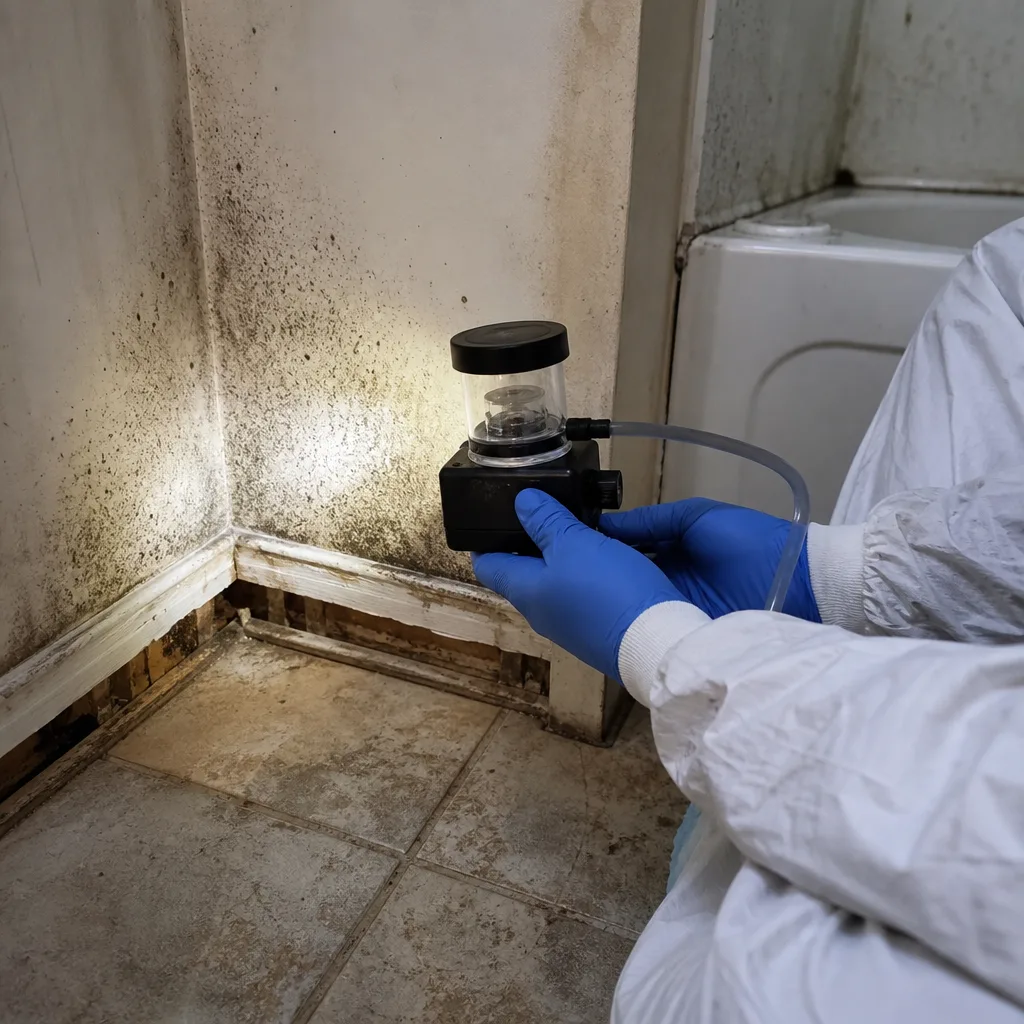
Original construction in 1960s-1980s split-levels often skipped vapor barriers in crawl spaces and used backfilled glacial till instead of proper drainage against basement walls. Five-plus months of continuous moisture saturation each October-April lets mold establish behind finished drywall before occupants detect any odor. By the time you smell it, the colony is typically established across the wall cavity. We find this pattern so predictable on Somerset and Newport Hills ridge streets that our techs prepare containment before opening walls. Call (360) 997-2427 for inspection and a written remediation scope.
What water category do you typically deal with in Bellevue’s luxury high-rises?
Most high-rise losses begin as Category 1 clean water from failed supply lines, water heaters, or roof drains. The category escalates if the loss contacts building materials or sits beyond 24 hours, which happens when HOA valve location delays response. Multi-unit damage requires containment protocols for common areas and documentation that satisfies both individual and master association policies. We handle both. Call (360) 997-2427 for immediate response.
How do you handle crawl space drying in Bellevue’s older homes with no vapor barrier?
Standard air movers alone fail in unvented crawl spaces with bare soil floors - the moisture source is continuous, and evaporation just re-saturates the air. We deploy low-grain refrigerant dehumidifiers with tenting or containment, sometimes adding Injectidry systems for subfloor assemblies above. Drying logs track specific humidity and vapor pressure differential until the space meets IICRC dry standards, not just “feels dry.” This documentation is what turns your invoice into a payable claim. Call (360) 997-2427 for assessment.
Will insurance cover my water damage restoration?
Sudden and accidental water damage is typically covered; gradual seepage or maintenance-related failure may be excluded. The critical factor is documentation that establishes the sudden event - our photo record, moisture mapping, and written scope from the first hour build that file. We bill insurance directly and coordinate with your adjuster on scope and supplementals. Bring any competitor’s written estimate for our free second opinion. Call (360) 997-2427 to start documentation.
How long does structural drying take in Bellevue?
Standard residential drying runs 3-5 days for Category 1 losses with prompt extraction. Hillside hydrostatic intrusion in Bellevue’s daylight basements extends this to 7-10 days because the moisture source may reactivate if foundation waterproofing isn’t coordinated. We don’t pull equipment until daily moisture logs confirm the assembly meets IICRC dry standards - typically 12-16% moisture content for wood framing. Call (360) 997-2427 for a timeline specific to your loss.
What does a Bellevue water damage scope of work typically include that a generic crew might miss?
Foundation waterproofing coordination for hillside homes, vapor-pressure monitoring across split-level subfloors, negative-air containment before opening finished basement walls, and documentation formatted for Bellevue’s high-value insurance claims. Generic crews from flat markets often miss the hydrostatic pathway entirely, skip containment and release mold colonies, or fail to produce the daily drying logs that justify the invoice. Our written scope addresses each before work begins - Haven Standard, Clause 1. Call (360) 997-2427 for your scope.
Water damage in Bellevue doesn’t follow the same patterns as flat-terrain markets, and restoration that treats it like it does costs homeowners twice: once for incomplete drying, again for the mold remediation that follows. Our documentation-first approach, built by a former claims adjuster who founded this company in 2011 to close the gap that denies homeowners their claims, produces the evidence your insurer needs and the dry home you need.
Written by Alicia Brennan, Owner at DryMark Restoration Kent, serving Bellevue since 2011 under The Haven Standard.
Water Damage Restoration in Nearby Areas