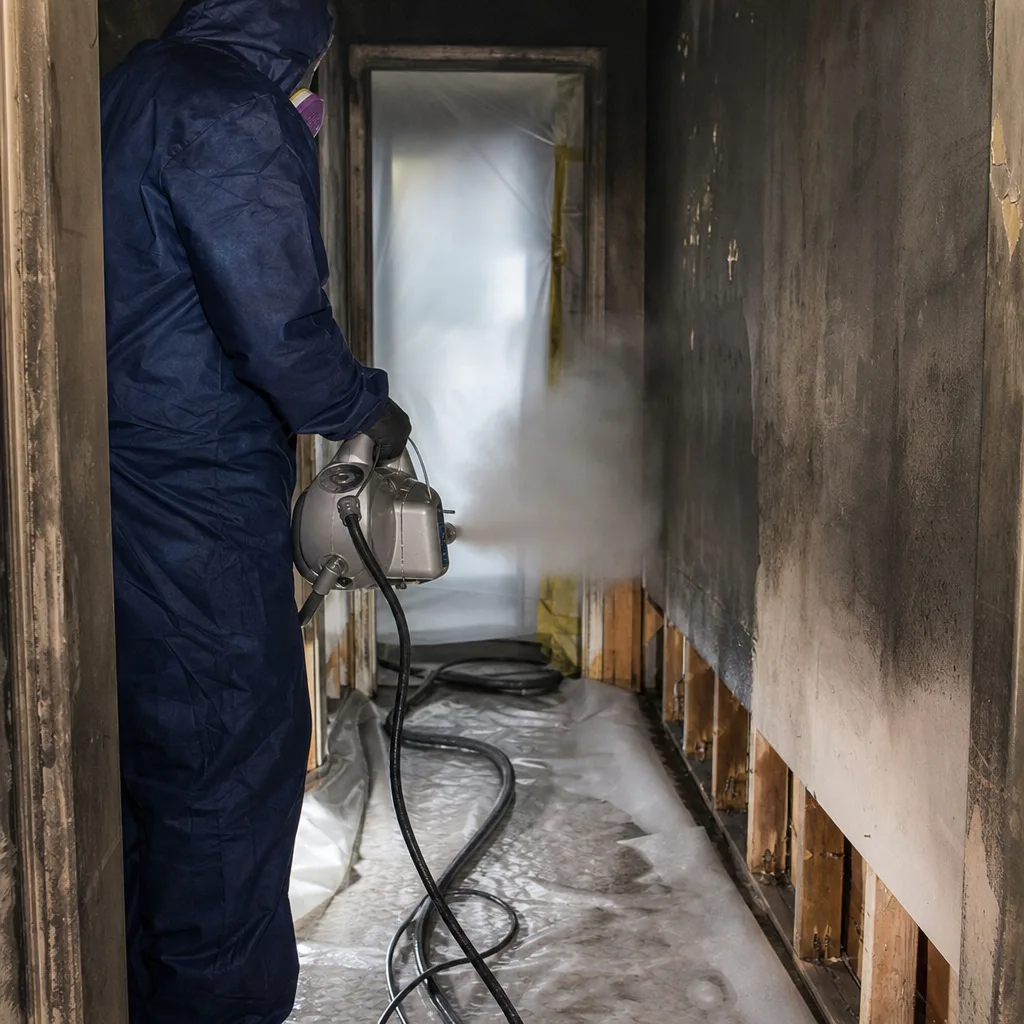
Free visual inspection and a written scope of work before any mitigation begins - photos, moisture readings, and drying logs go in your claim file
The scope we write is the scope we bill. Anything new gets shown to you, in writing, before we touch it.
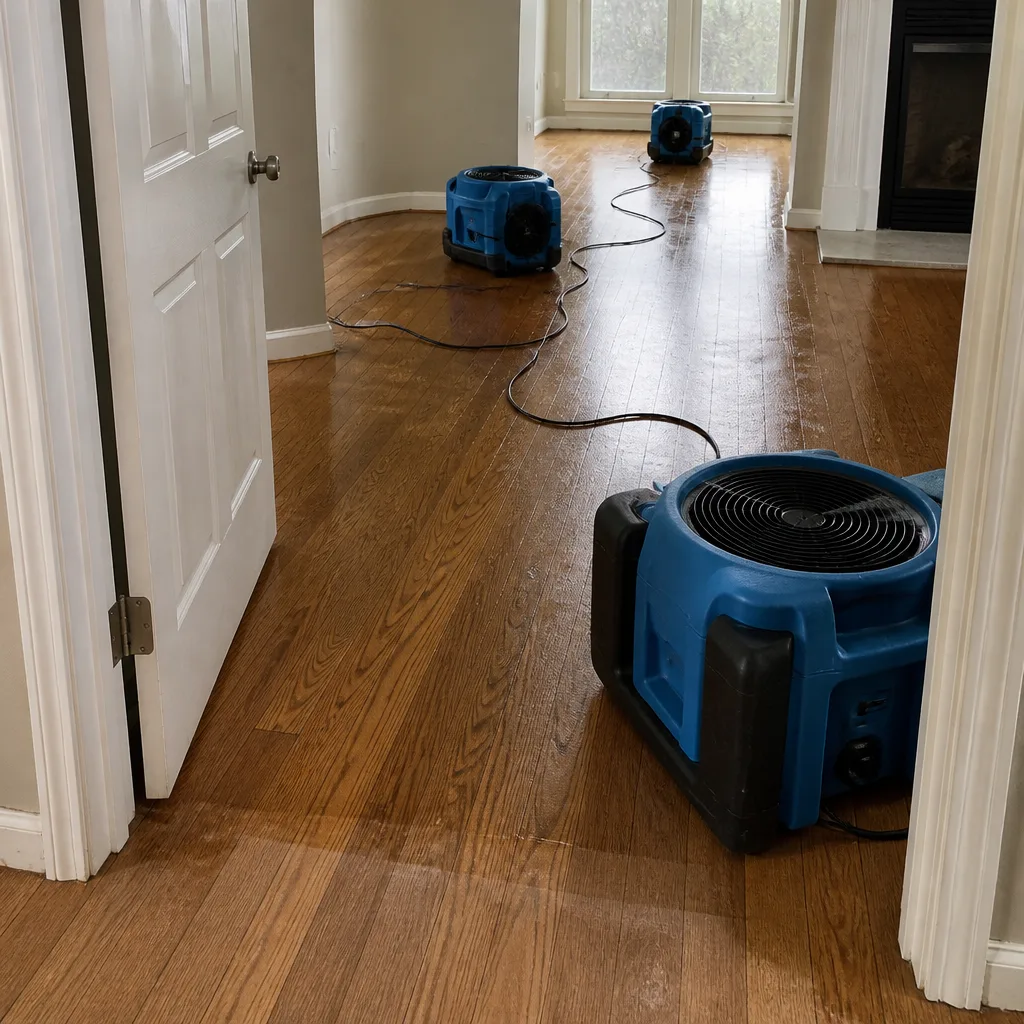
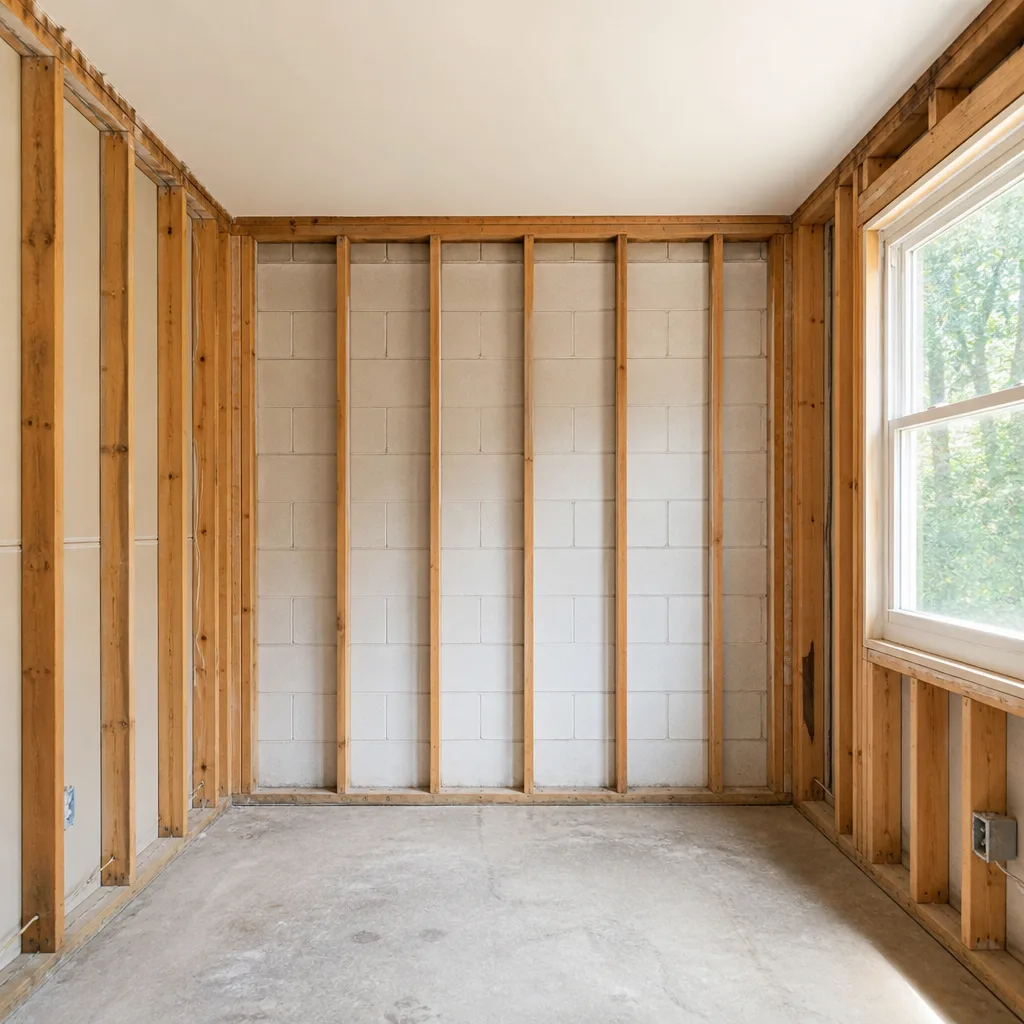
 Before
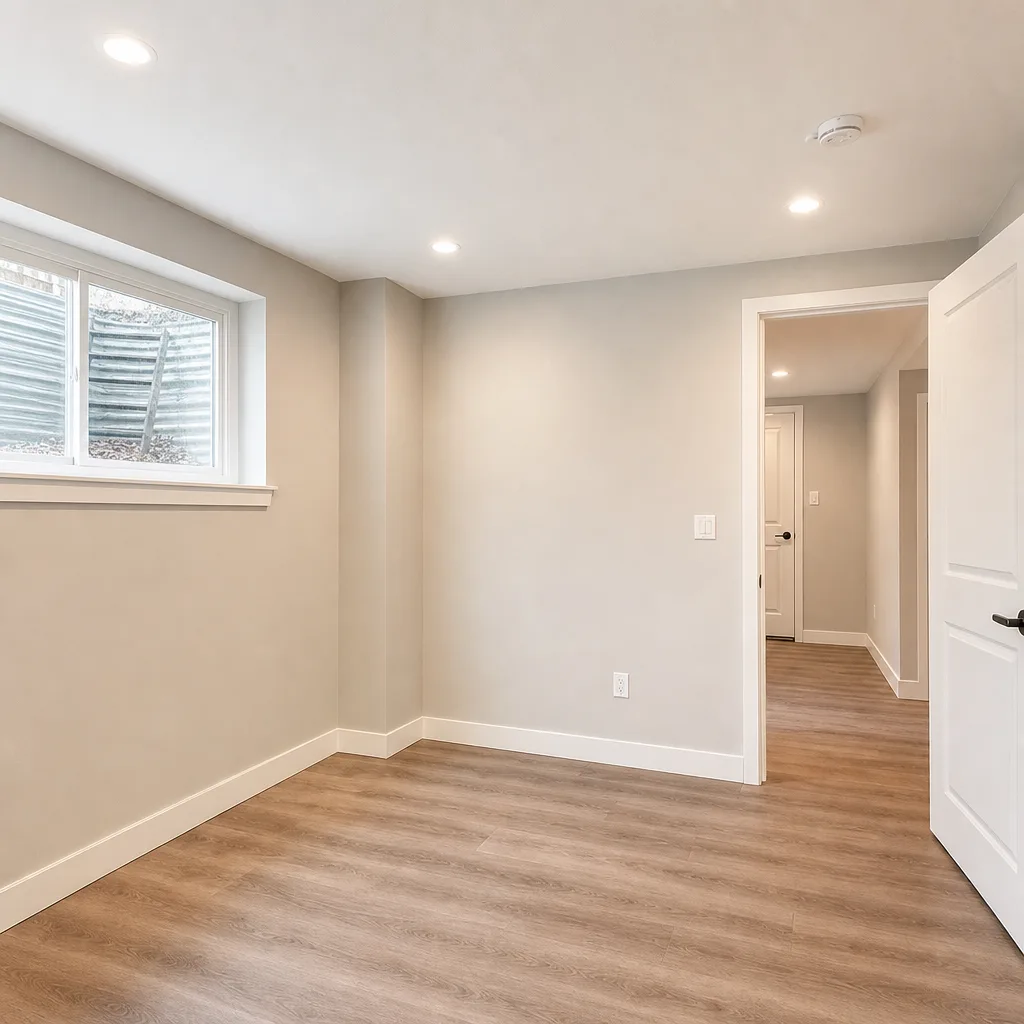 After
After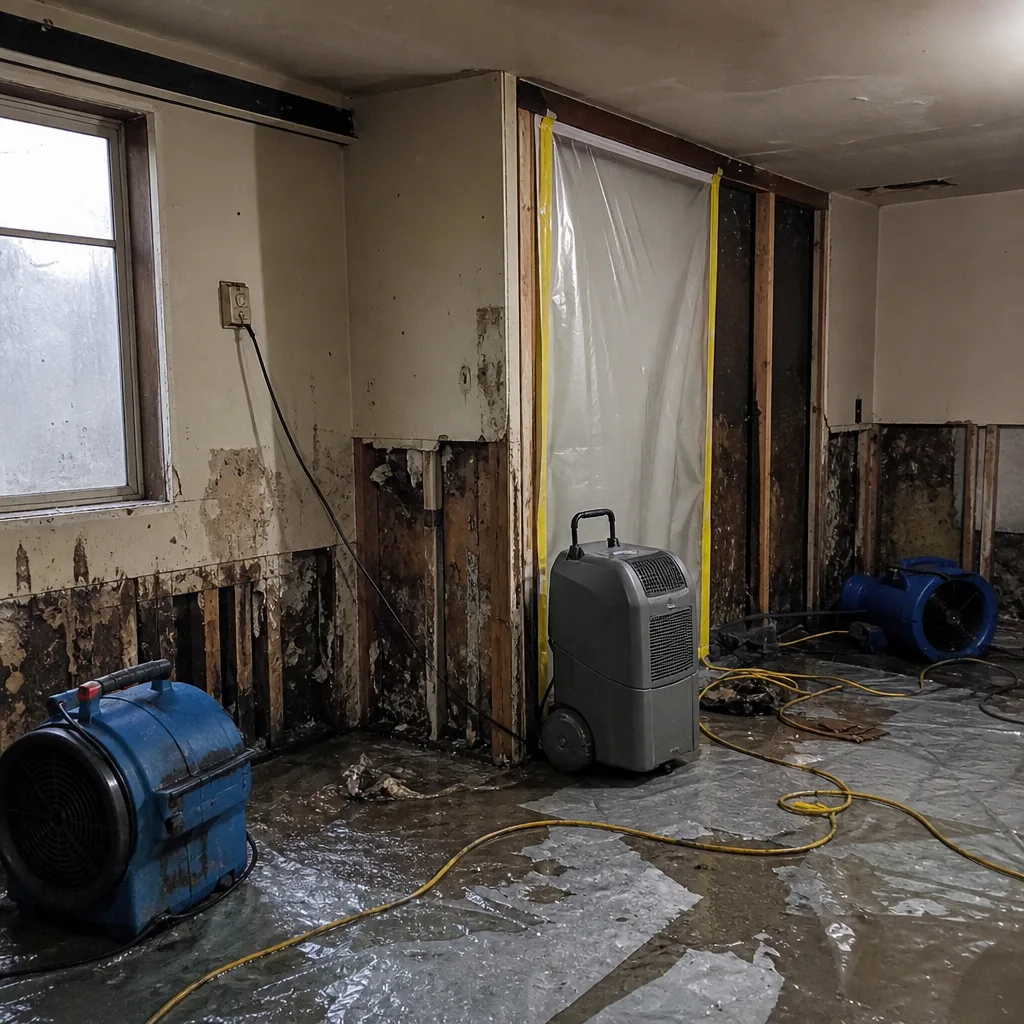 Before
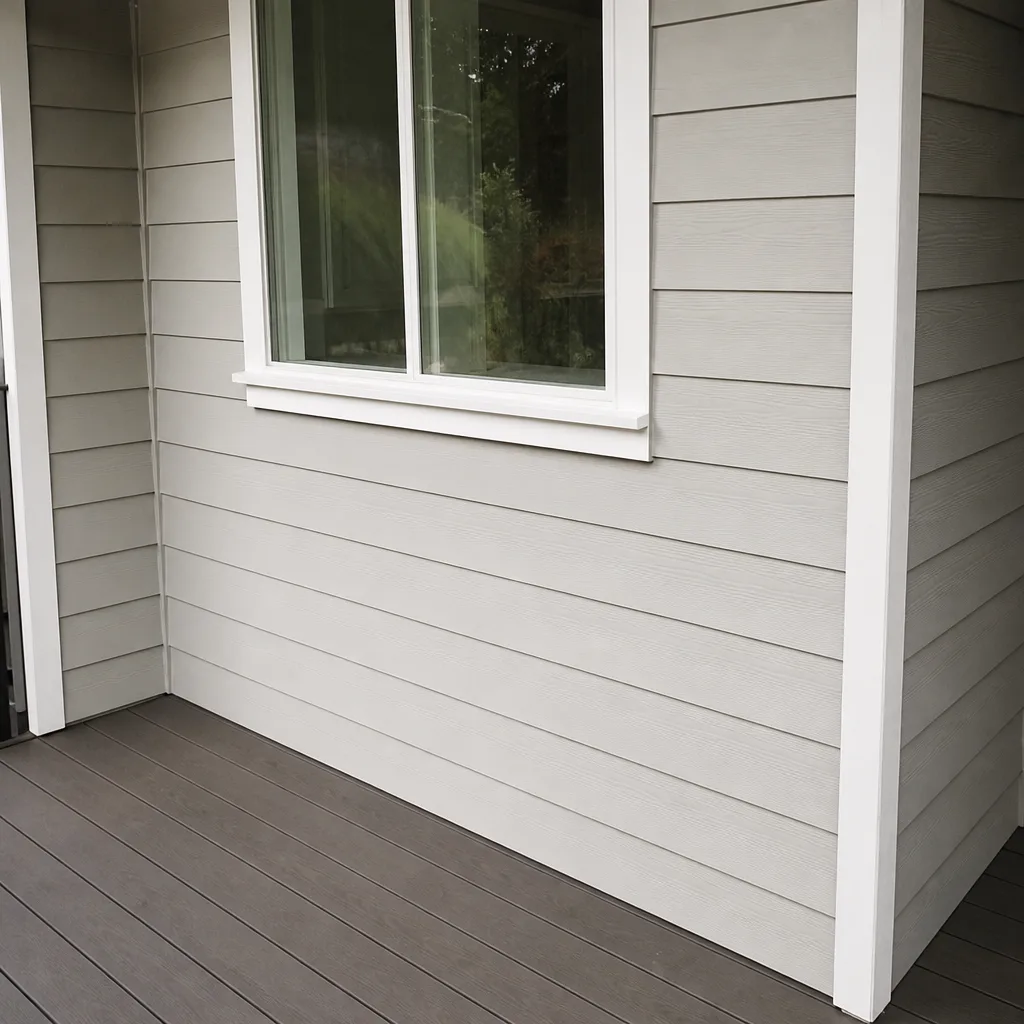 After
After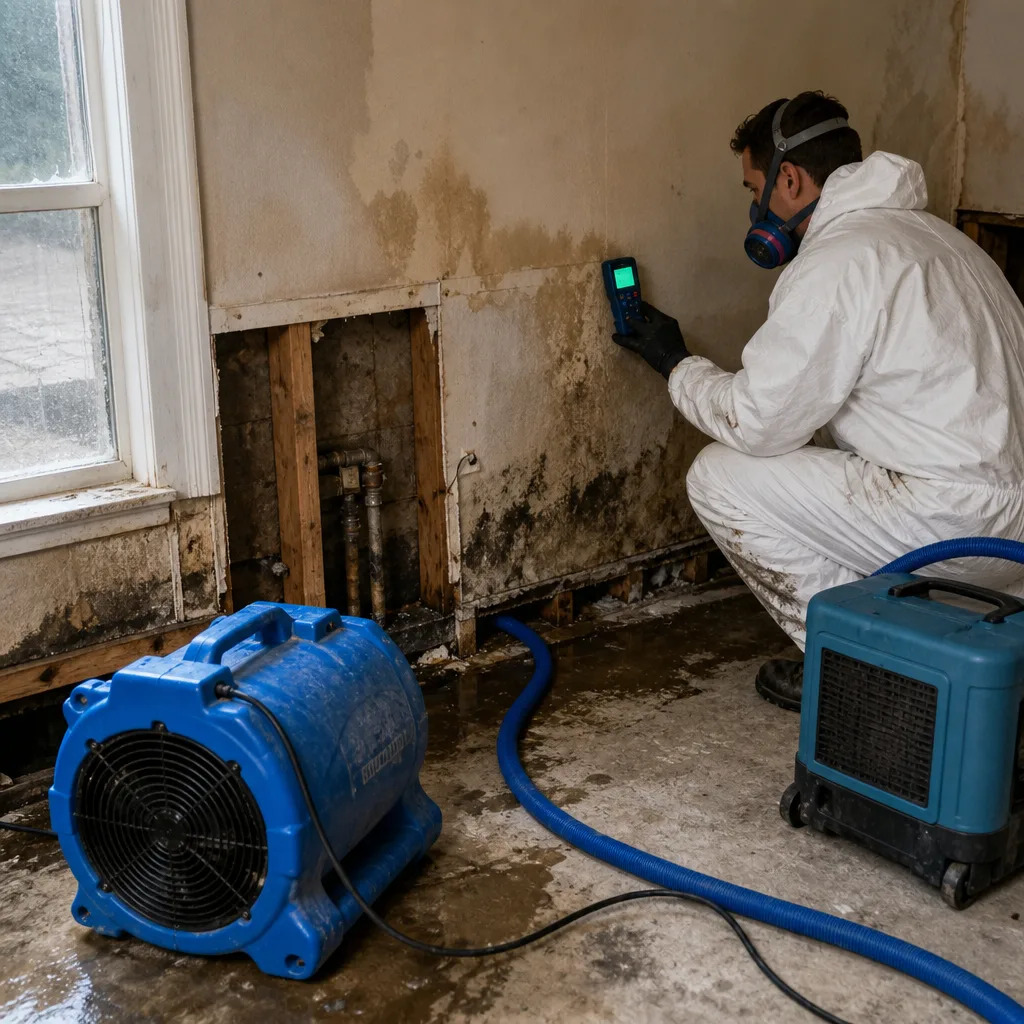 Before
 After
After24/7 Emergency Water Damage Restoration in Auburn
Water damage restoration in Auburn typically costs $2,800-$7,500 for a standard residential mitigation, with emergency extraction starting at $450-$950 and full structural drying running $1,800-$4,200 depending on affected square footage and water classification. Most Auburn homes we serve require 3-5 days of active drying, though properties on the valley floor with clay-soil hydrostatic pressure can extend that timeline. Call (360) 997-2427 now and a live person will answer, 24 hours a day, 7 days a week - no voicemail trees, no next-business-day callbacks while water is still moving through your walls.
Our crews dispatch throughout the Auburn area from our Seattle office, typically arriving within 45 minutes for emergency calls. The first hour matters more than most homeowners realize: Category 1 clean water becomes Category 2 gray water in 24-48 hours as microbial growth accelerates, and Category 3 black water contamination can establish within 72 hours. We provide a free visual inspection on arrival, document everything with photos from the threshold inward, and deliver a written price before any equipment is powered on - Haven Standard, Clause 1.
Understanding Water Damage Restoration Severity in Auburn Properties
Water damage classification follows IICRC S500 standards: Category 1 originates from a sanitary source like a supply line, Category 2 contains significant contamination from sump failures or appliance overflows, and Category 3 carries pathogenic or toxic agents from sewage intrusion or ground surface flooding. In Auburn, we see a disproportionate number of Category 2 jobs misclassified as Category 1 - particularly in 1960s-1980s ranch homes where sump pump failures draw in silt and bacterial load from the valley’s clay alluvial soils.
Moisture mapping with thermal imaging and pinless meters reveals the true migration pattern, which in Auburn’s slab-on-grade and pier-and-beam construction often travels horizontally along foundation plates rather than vertically through wall cavities. Our psychrometric data - temperature, relative humidity, and vapor pressure differential, which is the force that drives moisture from wet materials into drier air - determines equipment placement and daily drying log targets. Tertiary drying, the final phase where bound moisture is removed from dense structural materials, routinely takes 30-40% longer in Auburn’s low-lying neighborhoods than in hillside communities like Kent’s East Hill or Federal Way’s Marine Hills because exterior hydrostatic pressure continues wicking moisture inward even after the source is eliminated.
Why Auburn Property Owners Choose DryMark Restoration Kent
- 45-minute response commitment to Auburn addresses - our dispatchers know the difference between Lea Hill’s winding residential streets and the warehouse corridor along West Valley Highway, and route crews accordingly.
- 24/7 live answer by a real person, never an automated system; our emergency line rings to a human who can dispatch, not a voicemail tree that promises a callback.
- IICRC-certified crews holding WRT (Water Damage Restoration Technician) and ASD (Applied Structural Drying) certifications, with AMRT (Applied Microbial Remediation Technician) on staff for Category 2 and 3 jobs.
- Free visual inspection with moisture readings and photo documentation before any scope is proposed - you receive evidence, not a sales pitch.
- Direct insurance billing with adjuster coordination from day one; we speak the same language as your carrier’s claims department because our founder came from that world.
- One team from extraction through reconstruction - no handoffs to unknown subcontractors, no gaps in documentation between mitigation and rebuild.
BeforeAfterOur Water Damage Restoration Process
1. Inspection & Assessment
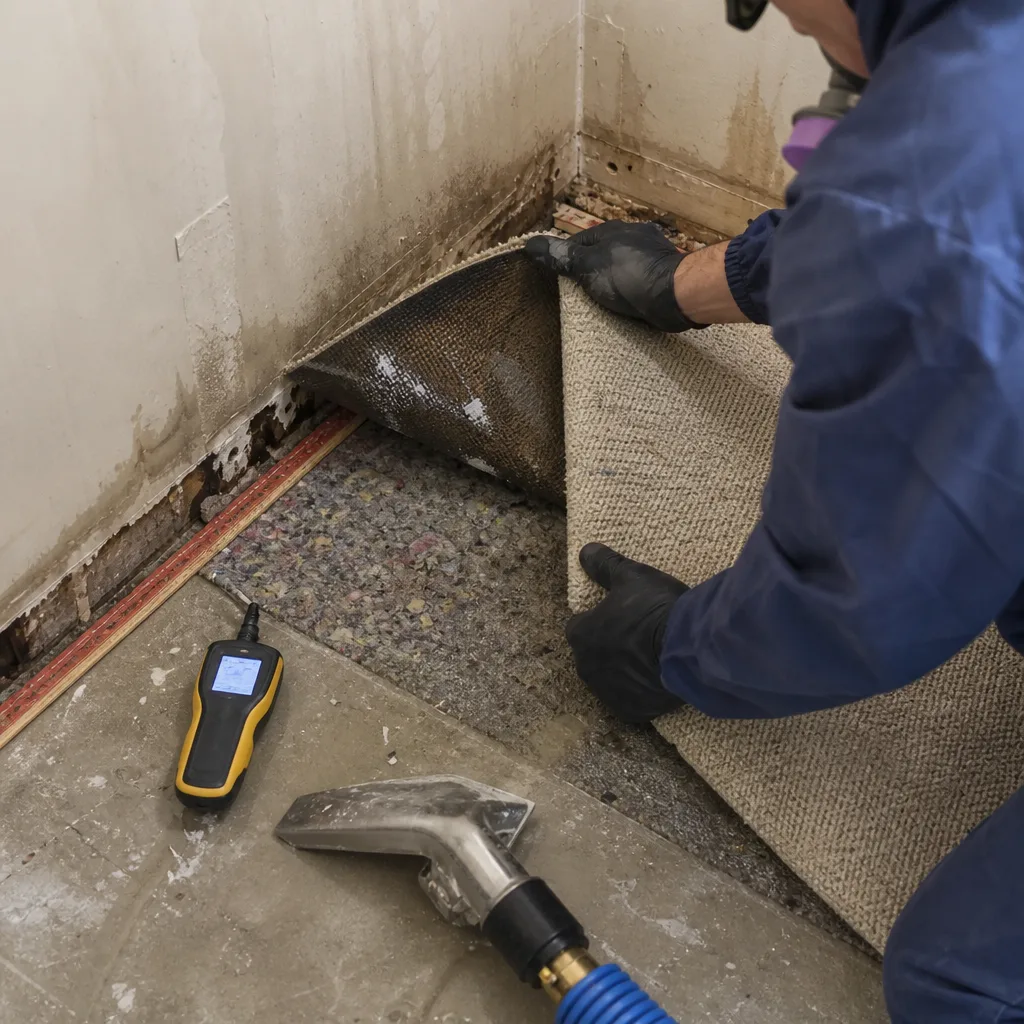
We arrive with thermal imaging cameras, pin and pinless moisture meters, and hygrometers to map the full extent of migration. In Auburn’s older pier-and-beam homes near downtown, we check subfloor cavities and crawlspace vapor barriers that newer equipment often misses. You receive a written scope and price before we start - Haven Standard, Clause 1.
2. Extraction & Stabilization
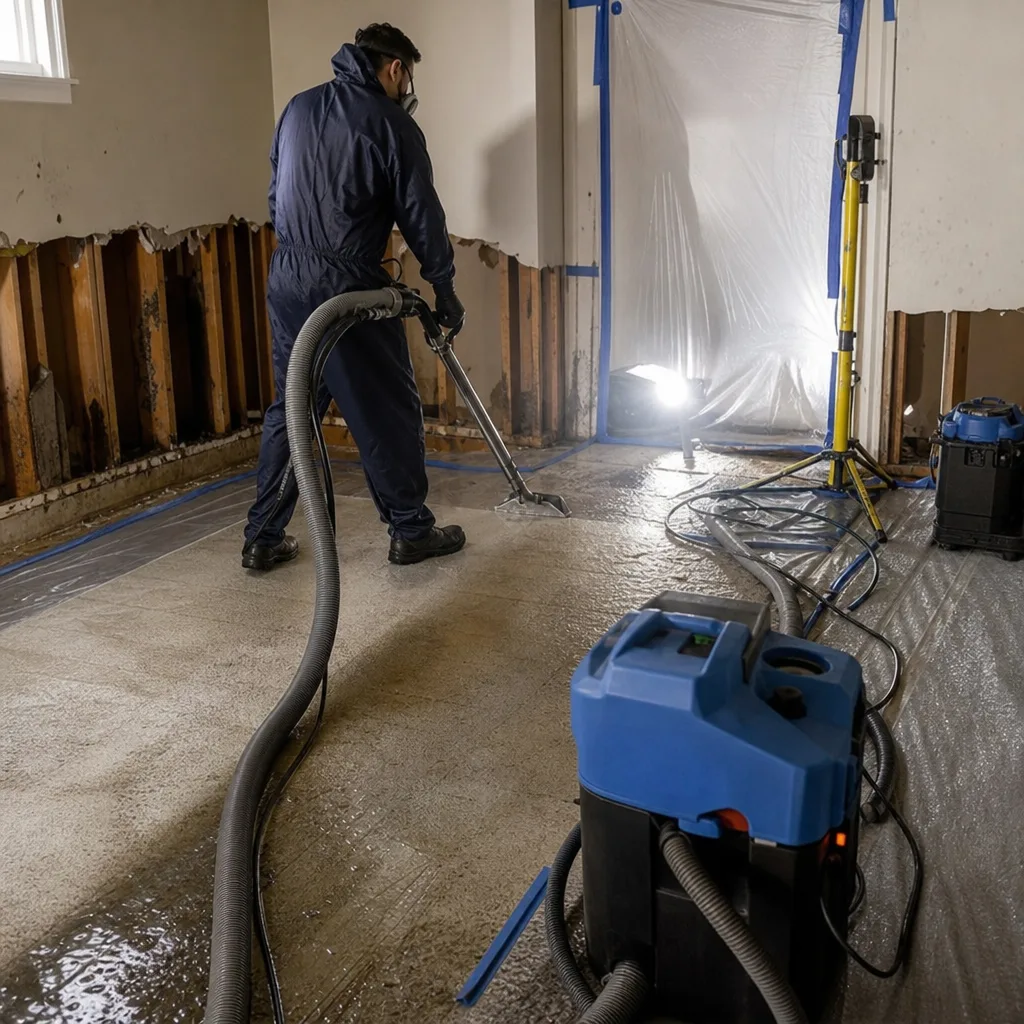
Standing water is removed with truck-mounted extraction systems and weighted water claws for carpeted areas. For Auburn’s frequent sump pump failures, we deploy submersible pumps and establish temporary power if electrical panels are compromised. Containment barriers isolate unaffected areas.
3. Structural Drying & Dehumidification
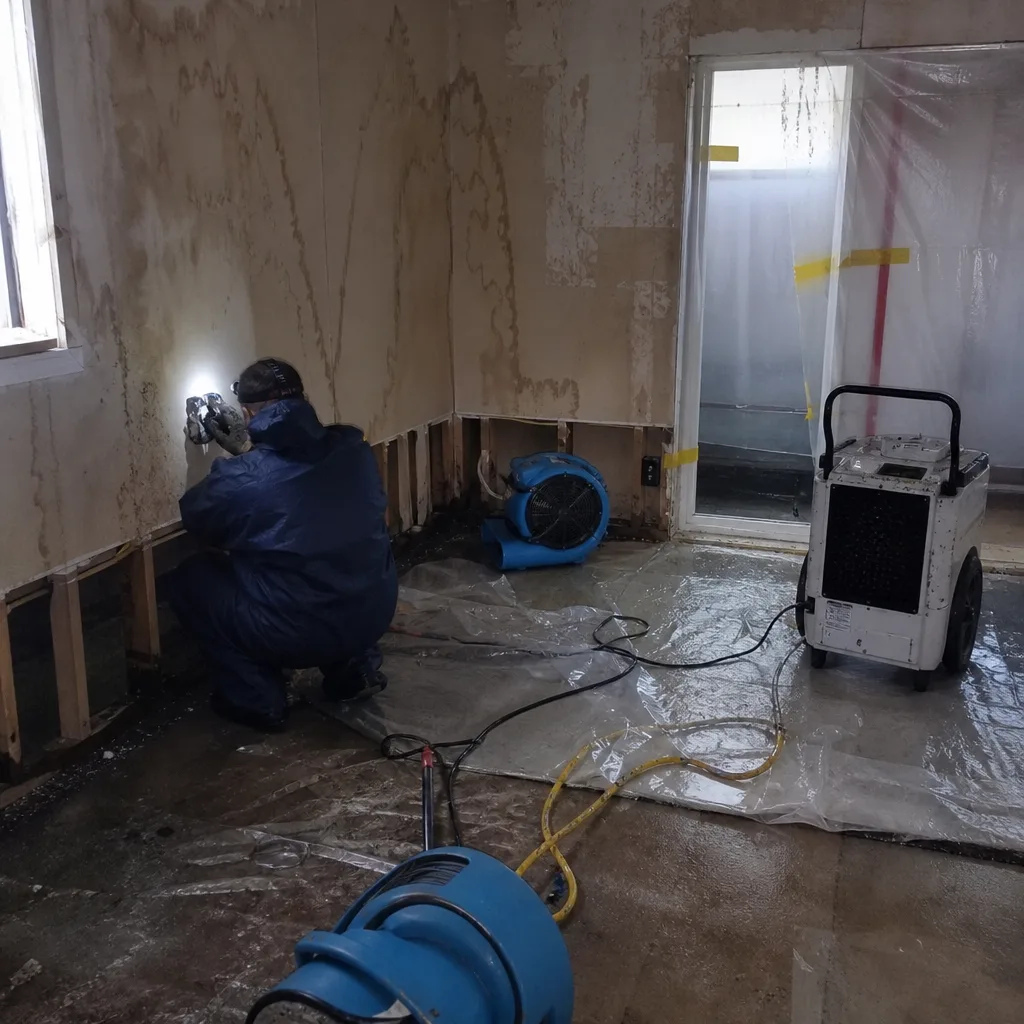
We place Dri-Eaz and Phoenix low-grain refrigerant dehumidifiers alongside XPOWER and B-Air axial air movers, calculated at one air mover per 50-60 square feet of affected wet area. In Auburn’s clay-soil conditions, we monitor exterior hydrostatic pressure and adjust drying timelines accordingly - standard psychrometric targets often aren’t enough when the ground outside stays saturated.
4. Cleaning & Sanitization
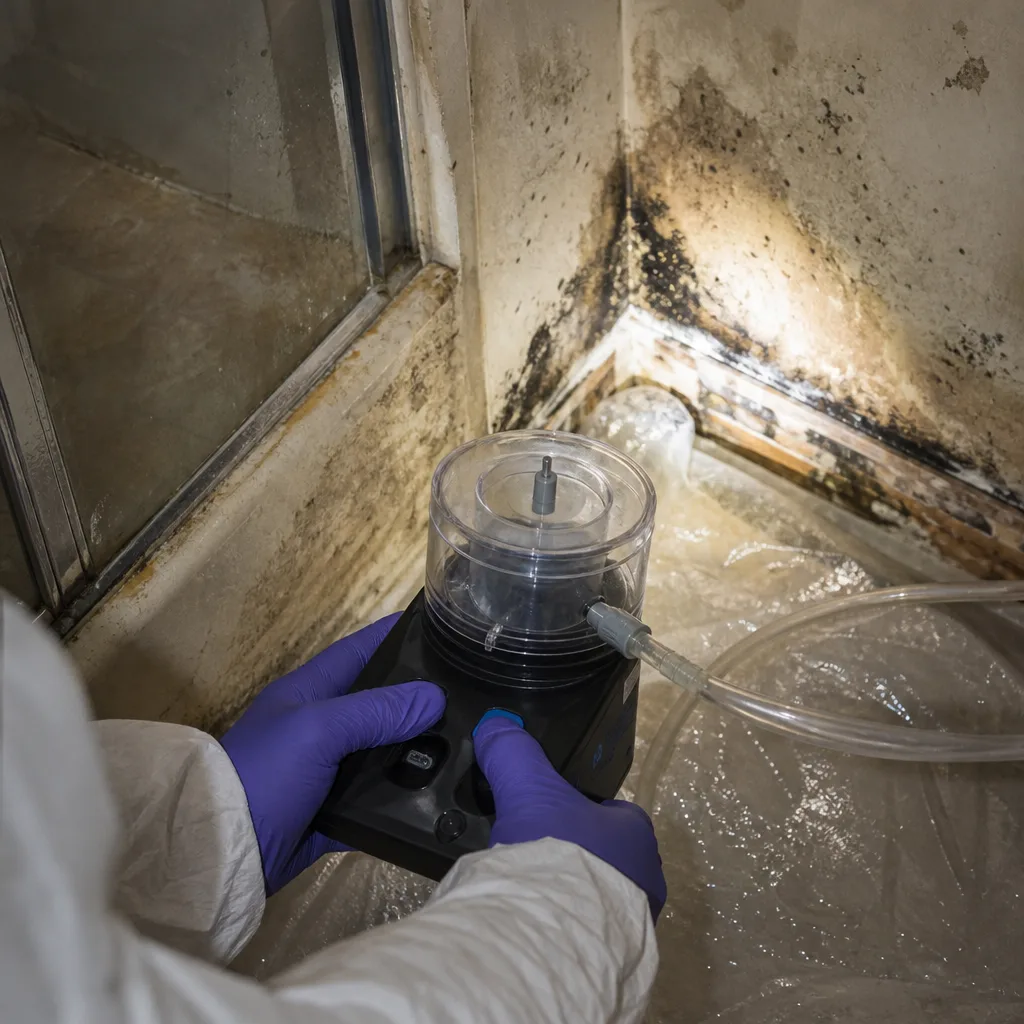
Category 2 and 3 water requires antimicrobial treatment of all affected surfaces. We apply EPA-registered disinfectants and deploy HEPA air scrubbers to capture airborne particulates. Odor counteractants address the musty signature of mold colonization before it becomes visible.
5. Moisture Verification & Documentation
Daily moisture logs track specific humidity readings by room, material type, and depth. Our documentation package - photos, readings, equipment placement maps, and drying log - becomes the evidence your insurer needs to approve the invoice without dispute. This is where our Water Damage Restoration documentation-first approach protects your claim.
6. Repairs & Restoration
Once moisture readings confirm pre-loss conditions, we scope repairs: drywall replacement, flooring restoration, cabinet toe-kick drying or rebuild, and any structural elements compromised by prolonged exposure. One team, one chain of documentation from first call to final walkthrough.
Need Emergency Water Damage Restoration in Auburn Now?
Crews minutes away, answering live 24 hours a day. The sooner we start, the less it costs.
Working With Your Insurance Company
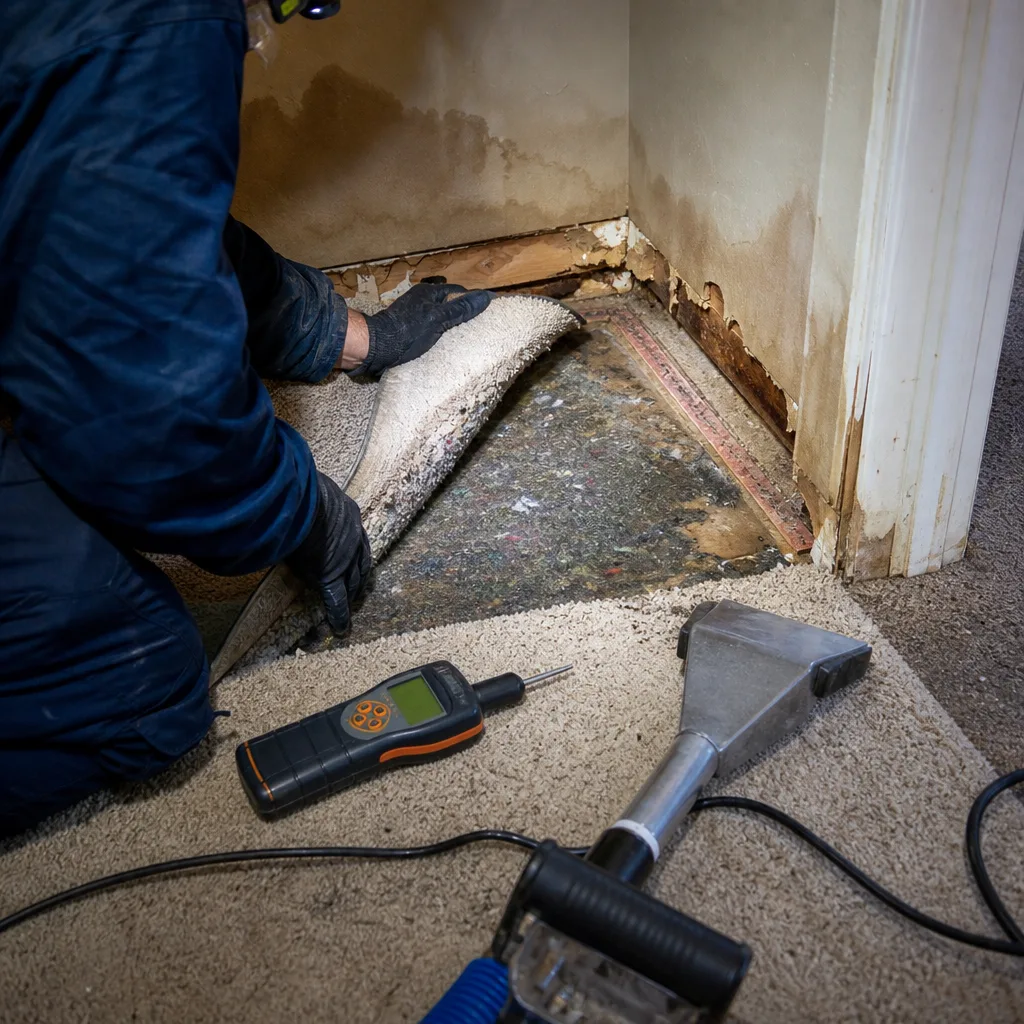
We document from the first hour because we’ve seen what incomplete records cost homeowners. Our founder spent years reading restoration invoices as a claims adjuster before founding Back to Dry Restoration in 2011, and built this company around the documentation gap that denies legitimate claims. Every Auburn job produces a photo record on every visit, room-by-room moisture readings with equipment serial numbers, and a detailed line-item scope written to Xactimate or Symbility standards - the same estimating platforms your carrier’s adjuster uses.
We coordinate directly with your insurance company, attending adjuster inspections when requested and defending our scope against low-ball initial offers with the data we’ve collected. Direct billing is available with most major carriers, so you’re not floating thousands in mitigation costs while waiting for claim approval.
What We Provide Your Insurer
- Thorough documentation of the loss
- Photos of all damage, room by room
- Moisture readings and drying logs
- A detailed, line-item scope of work
- Direct coordination with your carrier
Built for Auburn’s Loss Calendar
January through March brings the highest risk: atmospheric river events saturate the Green River watershed, Army Corps of Engineers advisories on Howard Hanson Dam capacity escalate, and the combination of frozen hose bibs on 1920s craftsman bungalows and overwhelmed sump pumps in 1970s ranches produces our busiest call volume. April’s snowmelt and spring rains extend basement seepage season, particularly in manufactured-home parks on the valley floor where perimeter drainage was never engineered for sustained hydrostatic pressure.
June through September sees fewer volume events but more burst supply lines from aging polybutylene and copper systems in the pre-1980s housing stock. October’s return of the rainy season brings crawlspace moisture issues to the surface - homeowners notice musty odors as vapor pressure differentials reverse with cooling temperatures. November and December atmospheric rivers can push the Green River to action stage rapidly, and that’s when we monitor Corps advisories hourly, because an evacuation warning for the lower valley means we’re pulling equipment and re-planning scopes for jobs already in progress.
Water Damage Restoration Across Auburn’s Neighborhoods
Lea Hill’s 1960s-1980s ranch subdivisions sit on some of Auburn’s better-draining upland soils, but they’re not immune: sump pump failures during January storms are our most common call there, and the finished basements that make these homes attractive to young families become the most expensive losses when gray water soaks insulation and drywall. We know the response routes through Lea Hill’s winding streets and which homes sit on fill soils that complicate exterior drainage.
The old downtown core and its surrounding craftsman bungalows present a different challenge. These 1920s-1940s homes have pier-and-beam foundations, original galvanized supply lines, and no vapor barriers in crawlspaces. Water from a burst pipe doesn’t just flood the floor; it saturates structural timbers that have been absorbing seasonal moisture for decades. Our moisture mapping in these properties always includes crawlspace readings, and our drying protocols account for the thermal mass of old-growth framing that releases bound water slowly.
Auburn’s warehouse-and-distribution corridor along West Valley Highway and the industrial areas south of Highway 18 represent a scale of loss most residential contractors can’t handle. When the Green River approaches flood stage, we’re not talking about a few thousand square feet - we’re talking about millions of square feet of logistics facilities with racking systems, inventory, and 24-hour operations that can’t simply close for a week. Our crews have extracted water from 100,000-square-foot distribution floors and understand the compressed timelines these commercial clients face.
The manufactured-home parks on the valley floor, particularly those between downtown and the Green River, combine all of Auburn’s risk factors: slab or pier foundations on alluvial soils, perimeter drainage systems overwhelmed by any significant rain event, and residents who often lack the resources to absorb an out-of-pocket mitigation cost. We work with these homeowners’ insurance carriers directly and document aggressively to keep their out-of-pocket exposure minimal.
Specialized Water Damage Restoration Services We Offer in Auburn
Emergency Water Extraction
Standing water removal within 45 minutes of your call, using truck-mounted extraction systems capable of removing thousands of gallons per hour. In Auburn’s commercial facilities, we deploy multiple truck-mounts and portable units simultaneously to meet business-continuity deadlines.
Structural Drying & Dehumidification
Calculated equipment placement based on psychrometric targets, not guesswork. In Auburn’s clay-soil conditions, we extend drying timelines and increase dehumidifier capacity to overcome exterior hydrostatic pressure that standard protocols don’t account for. Daily moisture logs document progress to IICRC S500 standards.
Flood Cleanup
Green River flooding and dam-release scenarios produce Category 3 water requiring full personal protective equipment, antimicrobial treatment, and disposal of porous materials per EPA guidelines. We monitor Corps advisories to protect partially completed work from re-flooding, and scope multi-phase projects when evacuation warnings are probable.
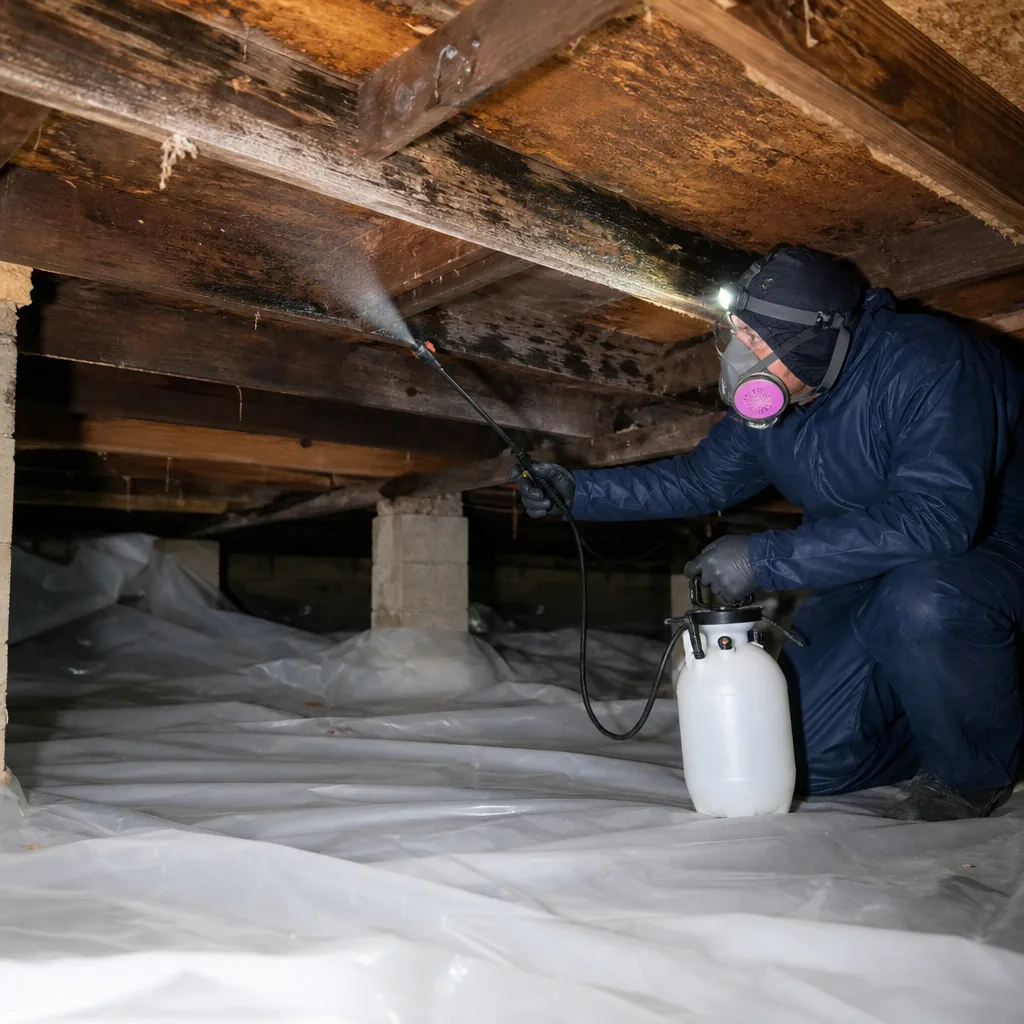
Burst Pipe Restoration
Auburn’s January freeze events split copper and PEX lines in crawlspaces and exterior walls. We extract, dry, and document - then coordinate with licensed plumbers for permanent repair, maintaining one chain of documentation for your insurer.
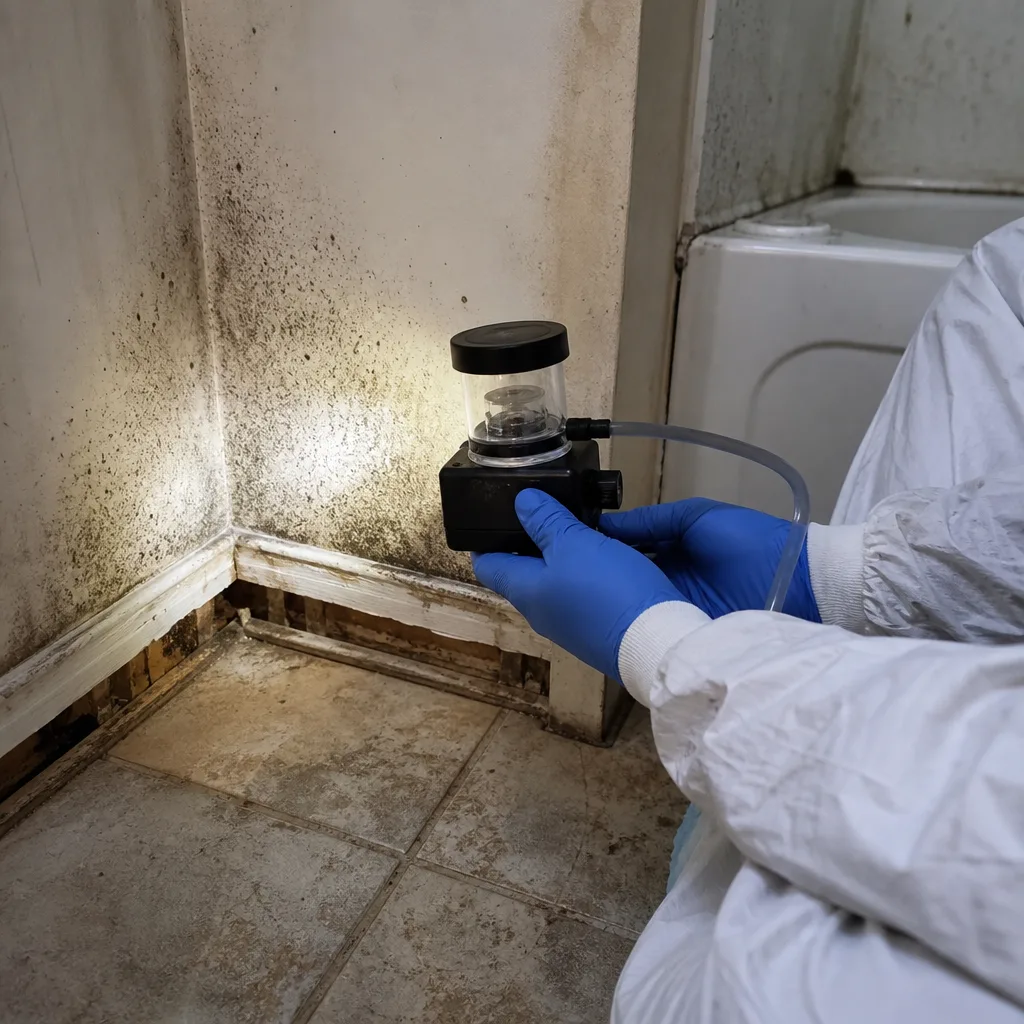
Basement Water Removal
Finished basements in Lea Hill and the Lake Tapps plateau area represent significant investment. We remove water from carpet pad, assess drywall salvageability with moisture meters, and deploy Injectidry mat systems to dry hardwood flooring in place when possible. Antimicrobial treatment prevents mold colonization in the compressed remediation windows that Auburn’s soil moisture creates.
What happens when you call
- 1
A real person answersNo phone trees - you reach a local pro.
- 2
You get an upfront price rangeHonest numbers before anyone is dispatched.
- 3
A background-checked tech heads outLicensed & insured, dispatched right away.
- 4
You approve before work beginsNothing starts until you say go.
Water Damage Restoration Costs in Auburn, WA
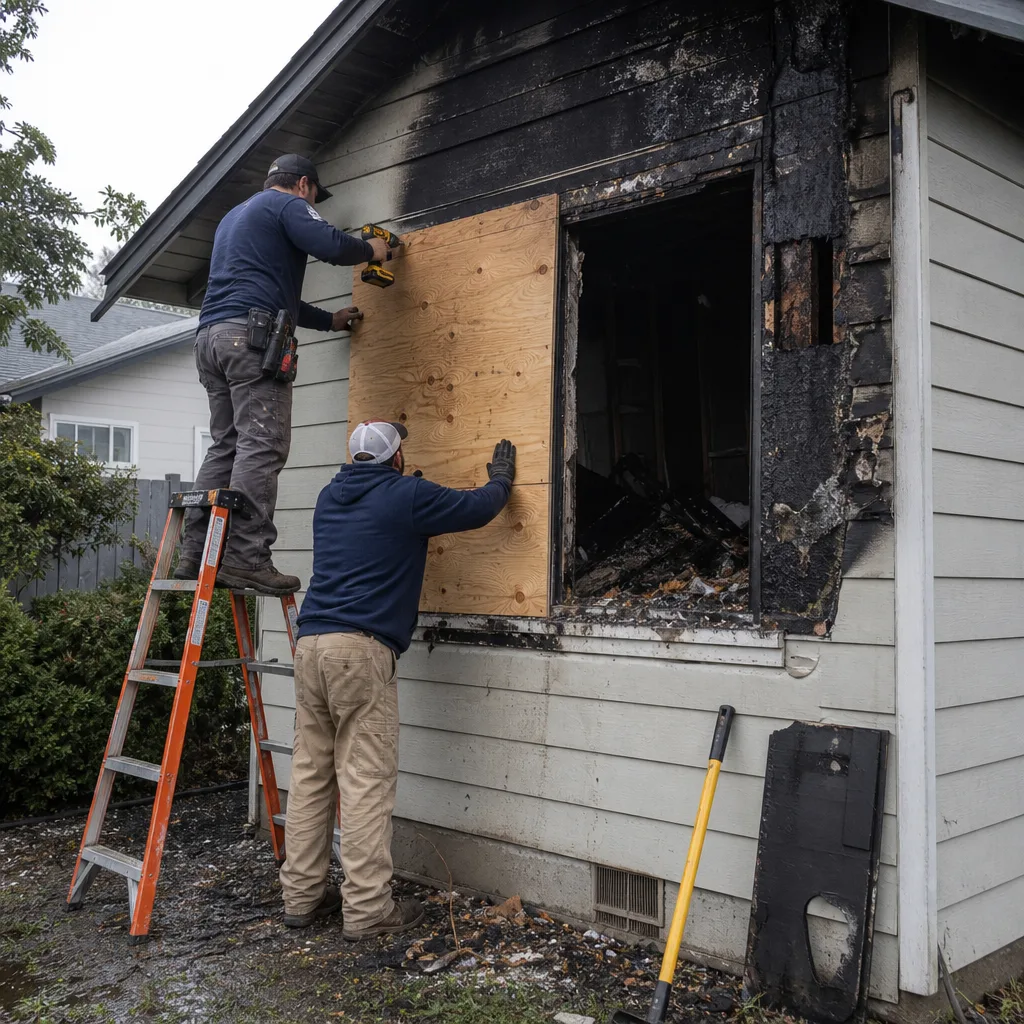
Emergency water extraction in Auburn runs $450-$950 for residential properties, with commercial facilities scaling from $1,200-$3,500 depending on square footage and access constraints. Structural drying and dehumidification typically costs $1,800-$4,200 for a standard 2,000-square-foot home with Category 1 or 2 water affecting multiple rooms. Full mitigation including demolition, antimicrobial treatment, and drying of a Category 3 flood loss in a finished basement can reach $6,500-$12,000.
What moves the price: water classification (Category 3 requires more labor and disposal), affected square footage, whether flooring can be dried in place or must be removed, and the presence of finished basements with insulation and drywall. Auburn’s clay-soil conditions can extend drying timelines by 30-50%, increasing equipment rental days. Insurance typically covers sudden and accidental water damage from burst pipes or appliance failures; gradual seepage from foundation issues or maintenance neglect is usually excluded. We provide a free visual inspection and written scope before any work begins - bring a competitor’s written estimate and we’ll review it at no charge.
We Also Serve Cities Near Auburn
Our crews respond throughout the Green River Valley and surrounding communities. We regularly serve Auburn alongside Federal Way to the west, Milton to the northwest, Kent to the north, and Puyallup to the south - each with its own soil conditions, housing stock, and flood risk profile that our documentation protocols address.
Serving Auburn, WA - Our Local Coverage Area
We’re based in the Auburn area and know this community well. Use the map below to see our service coverage - if you’re nearby, we can almost certainly help.
Auburn Water Damage Restoration Questions, Answered
Why does water damage restoration in Auburn take longer than in neighboring cities?
Auburn’s position on the Green River Valley floor means clay-heavy alluvial soils drain slowly and sustain hydrostatic pressure against foundations long after the water source is eliminated. While a hillside home in Kent or Federal Way might reach pre-loss moisture readings in 72 hours, Auburn’s slab-on-grade and pier-and-beam properties often require 4-6 days of active drying, with extended dehumidifier runs to overcome exterior moisture wicking. Our daily drying logs document this extended timeline for your insurer so equipment days aren’t disputed. Call (360) 997-2427 for a free inspection and written timeline.
How does the Howard Hanson Dam affect water damage restoration in Auburn?
The Howard Hanson Dam upstream is the primary structural barrier preventing catastrophic flooding of the Green River Valley, and when Corps of Engineers advisories indicate critical capacity during high-rain winters, an already-flooded Auburn home could face re-flooding before initial mitigation is complete. We monitor these advisories in real time during active jobs and will pull equipment and re-scope for multi-phase work if evacuation warnings are issued - protecting your investment and documenting the interruption for insurance purposes. This is a risk that simply doesn’t exist in hillside cities outside the valley. Call (360) 997-2427 to discuss flood-specific protocols.
What should I do if my Auburn basement floods from a burst pipe?
Shut off the main water supply immediately, then call (360) 997-2427 - do not enter standing water if electrical outlets or panels are submerged. While waiting for our crew, remove small valuables from the affected area but do not attempt DIY extraction on Category 2 or 3 water, which requires proper PPE and antimicrobial protocols. Our 24/7 live answer dispatches crews with electrical hazard training and the equipment to extract safely, document thoroughly, and deliver a written price before work begins - Haven Standard, Clause 1.
Can mold grow in my Auburn home after a minor water leak?
Yes, and faster than most homeowners expect. Mold colonization can begin within 24-48 hours on organic materials at moisture content above 16%, and Auburn’s sustained soil moisture from clay alluvial soils creates exterior vapor pressure that keeps wall cavities humid even after surface drying appears complete. We find hidden mold regularly in Auburn homes where “minor” leaks were dried with household fans rather than professional dehumidification. Our moisture mapping with thermal imaging reveals these pockets before they become visible colonies. Call (360) 997-2427 for moisture verification - estimates are free.
Do I need a permit for water damage restoration in Auburn?
Permits are not typically required for water extraction, drying, and cleaning - the emergency mitigation phase. However, repairs involving structural elements, electrical systems, or plumbing modifications do require permits from the City of Auburn’s Community Development Services department, located on East Main Street. We include permit coordination in our reconstruction scope when applicable, and our documentation package supports permit applications with the photo record and moisture verification your inspector will want to see. Call (360) 997-2427 and we’ll clarify permit requirements for your specific situation.
How fast can someone actually get to my Auburn home?
We commit to 45-minute response times for Auburn addresses, with crews dispatched from our Seattle office via routes our dispatchers know from experience - West Valley Highway for the industrial corridor, Auburn Way for downtown and Lea Hill, Peasley Canyon Road for the south valley. Live answer 24/7 means your call reaches a human who can dispatch immediately, not a voicemail promising a callback. During major regional events when all restoration companies are overwhelmed, our documentation-first reputation with insurers means we’re often prioritized for adjuster-directed assignments. Call (360) 997-2427 now.
Will insurance cover my water damage restoration in Auburn?
Sudden and accidental water damage - burst pipes, appliance failures, storm intrusion through damaged roofing - is typically covered under standard homeowners policies. Gradual damage from maintenance neglect, foundation seepage, or repeated flooding in FEMA-mapped zones usually is not, though separate flood insurance through the NFIP may apply. We document every loss from hour one with the photos, moisture readings, and line-item scopes that insurers require for clean claim approval, and we coordinate directly with your adjuster to prevent delays. Call (360) 997-2427 - we’ll review your coverage situation during the free inspection.
What certifications do your Auburn water damage restoration technicians hold?
Our technicians hold IICRC WRT (Water Damage Restoration Technician) and ASD (Applied Structural Drying) certifications at minimum, with AMRT (Applied Microbial Remediation Technician) certification on staff for Category 2 and 3 losses. All work is documented to IICRC S500, RIA, and IFA standards - the same standards your insurance company’s independent adjuster uses to evaluate scope reasonableness. We don’t claim credentials we can’t produce; ask to see current certification cards when our crew arrives. Call (360) 997-2427 to verify credentials or schedule service.
During a January storm, our crew responded to a 1960s ranch-style home in the Lea Hill area of Auburn where a sump pump failure sent Category 2 water into the finished basement. We deployed Dri-Eaz air movers and a Phoenix dehumidifier, completed moisture mapping, and set up containment with antimicrobial treatment. After three days of structural drying, moisture readings returned to pre-loss condition levels, but we had to account for exterior hydrostatic pressure from saturated clay soils that kept the foundation zone damp longer than usual. We also logged daily drying logs to document progress for the homeowner’s insurance.
Auburn sits on the floor of the Green River Valley, where FEMA-mapped flood zones cover large swaths of both residential neighborhoods and the city’s enormous warehouse-and-distribution corridor - and the Howard Hanson Dam upstream is the primary structural barrier preventing catastrophic valley inundation. Damage restoration here is uniquely shaped by riverine flood risk at commercial scale: when the Green River rises, contractors aren’t just responding to individual homes but to millions of square feet of logistics facilities, a scope of work that simply doesn’t exist in the surrounding hillside cities. Our documentation protocols were built for this scale, and our crews understand that an Auburn flood loss can become a multi-phase, months-long project if Corps advisories escalate during active mitigation.
Ready to stop the damage and start the documentation? Call (360) 997-2427 for 24/7 live answer, free visual inspection, and a written price before any work begins - Haven Standard, Clause 1. Our 365-Day Done Right Promise means if it’s not done right, we make it right. That’s not marketing language; it’s a signed guarantee stamped on every job.
Written by Alicia Brennan, Owner at Back to Dry Restoration, serving Auburn since 2011.
Water Damage Restoration in Nearby Areas