Free visual inspection and a written scope of work before any mitigation begins - photos, moisture readings, and drying logs go in your claim file
The scope we write is the scope we bill. Anything new gets shown to you, in writing, before we touch it.
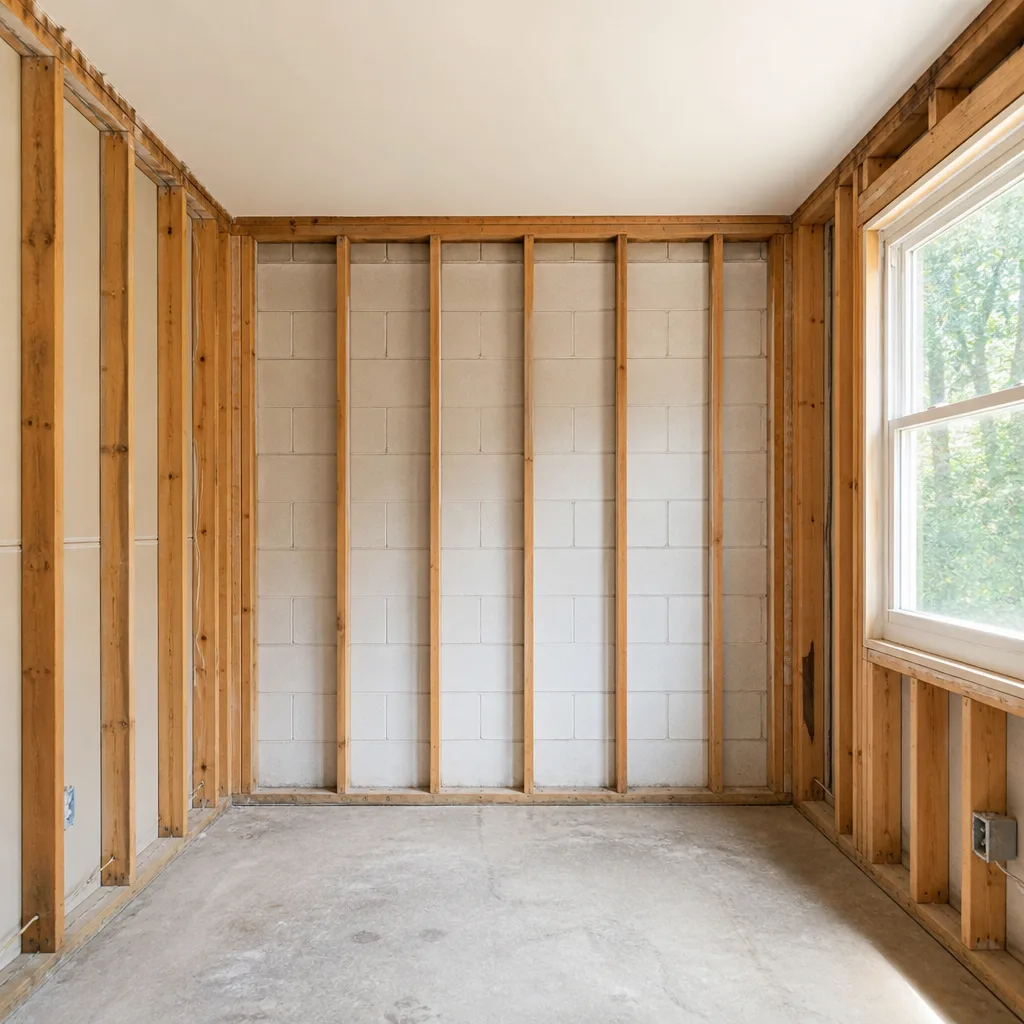
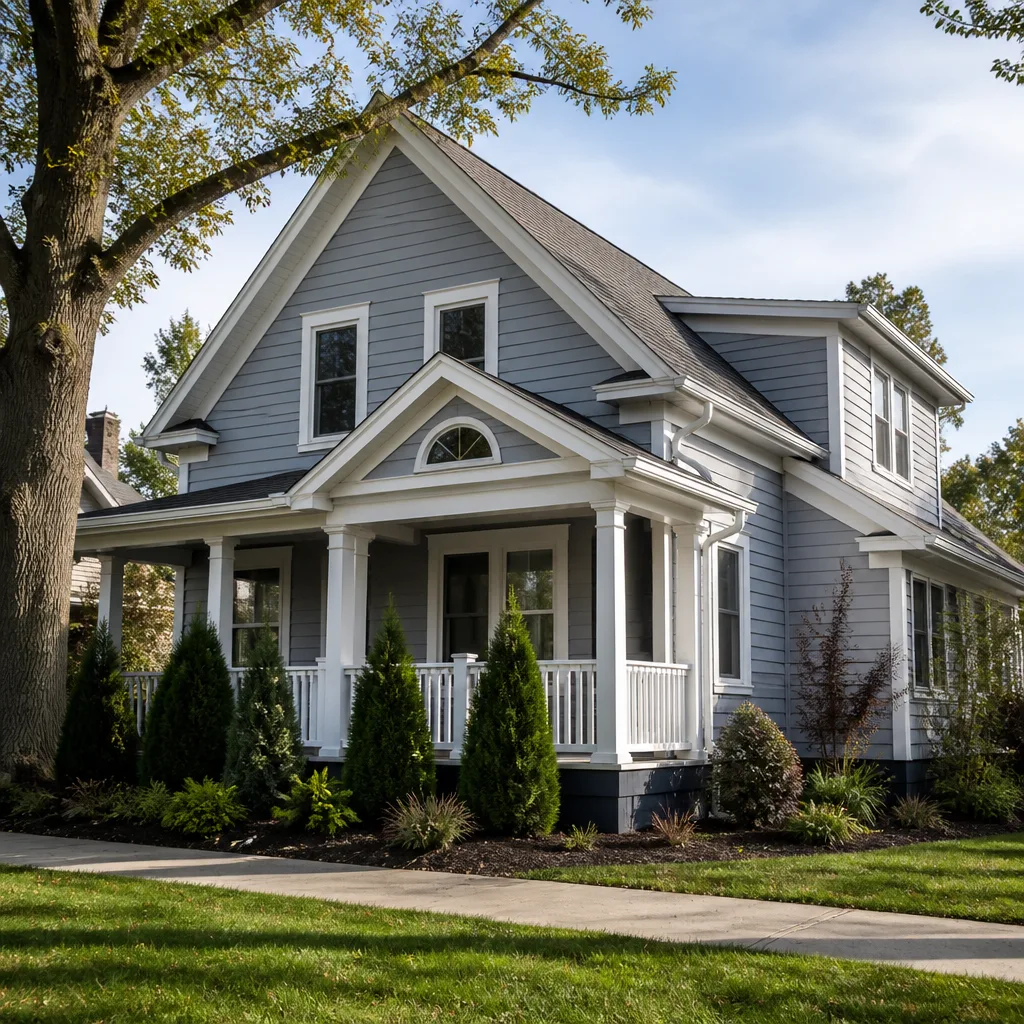
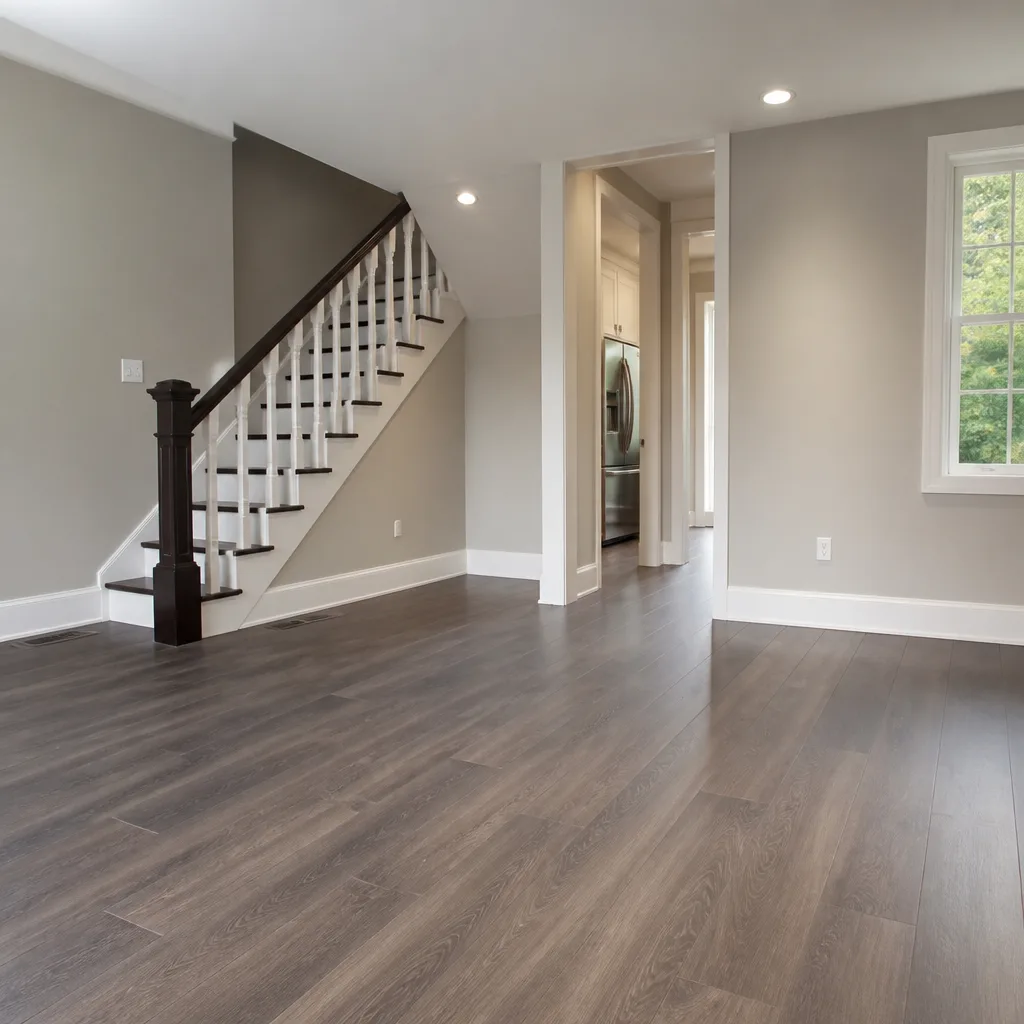
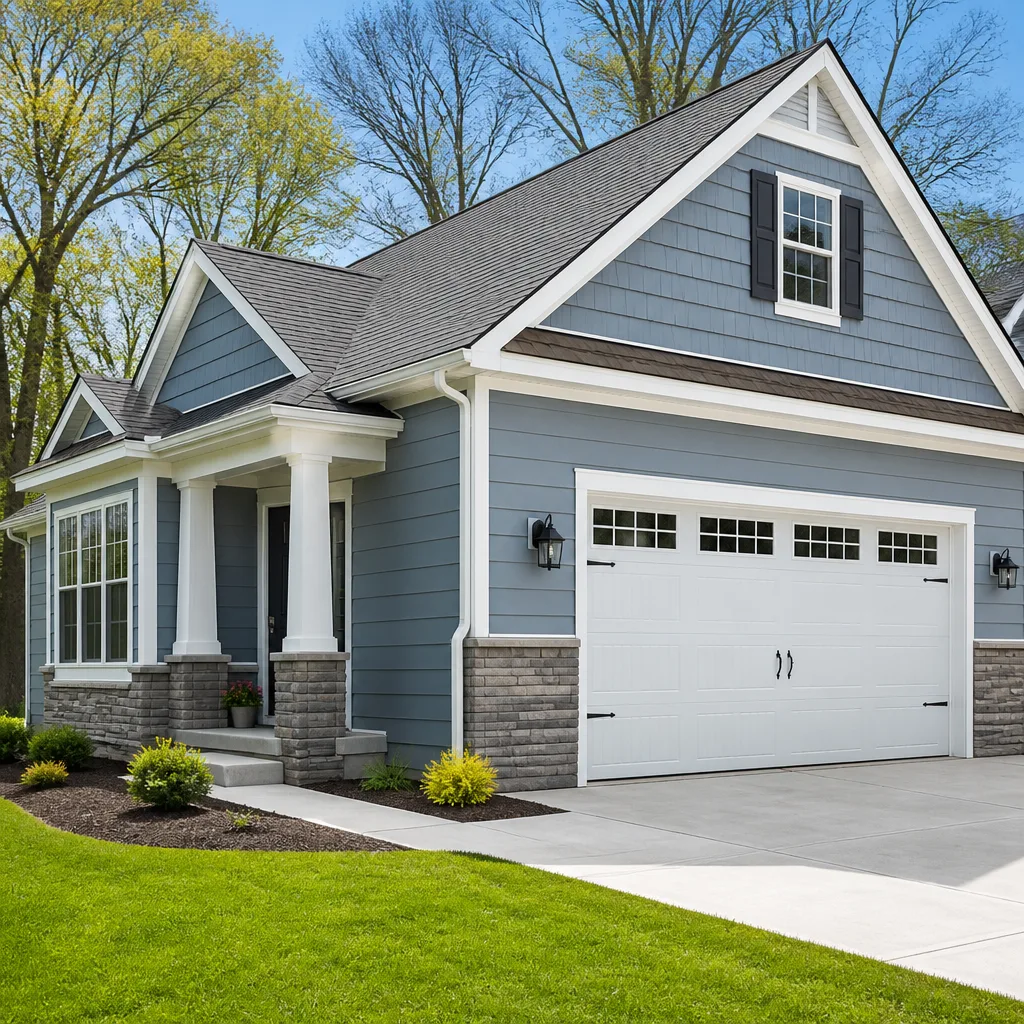
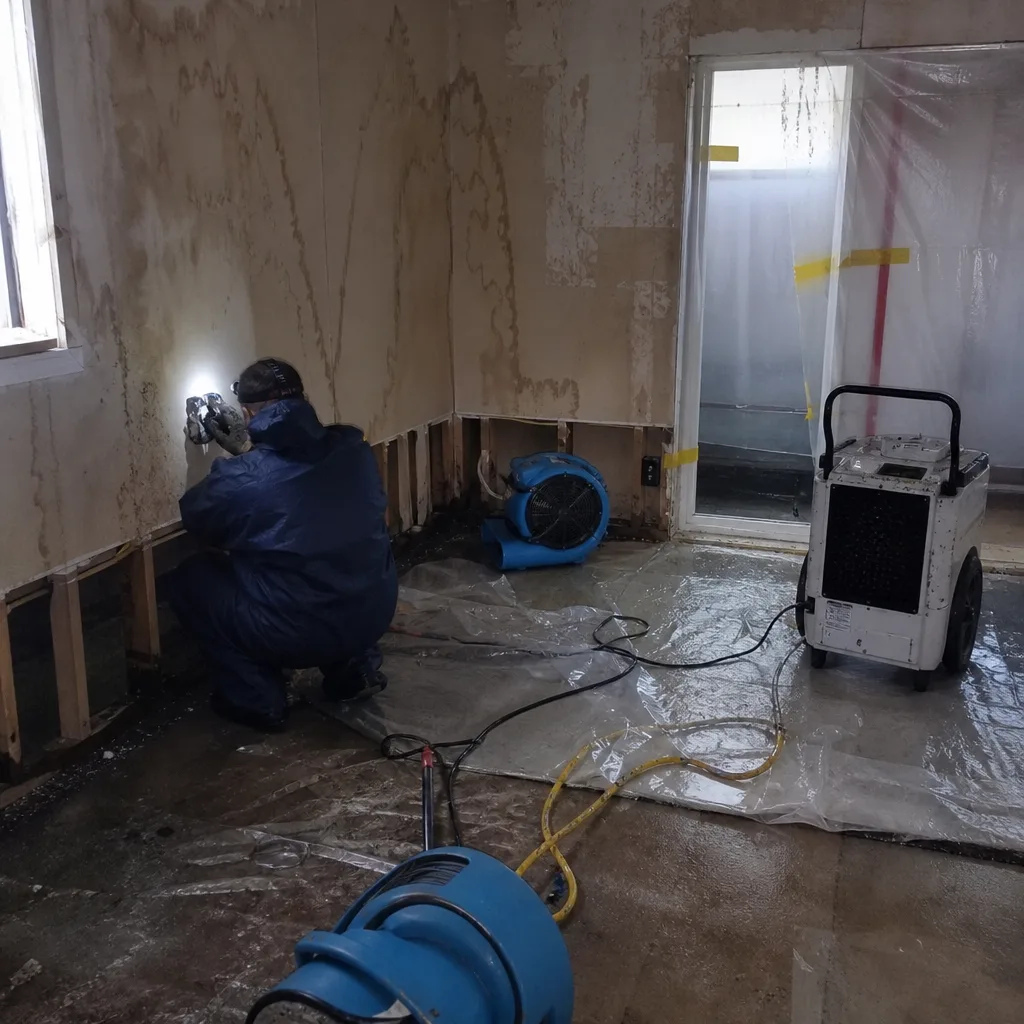 Before
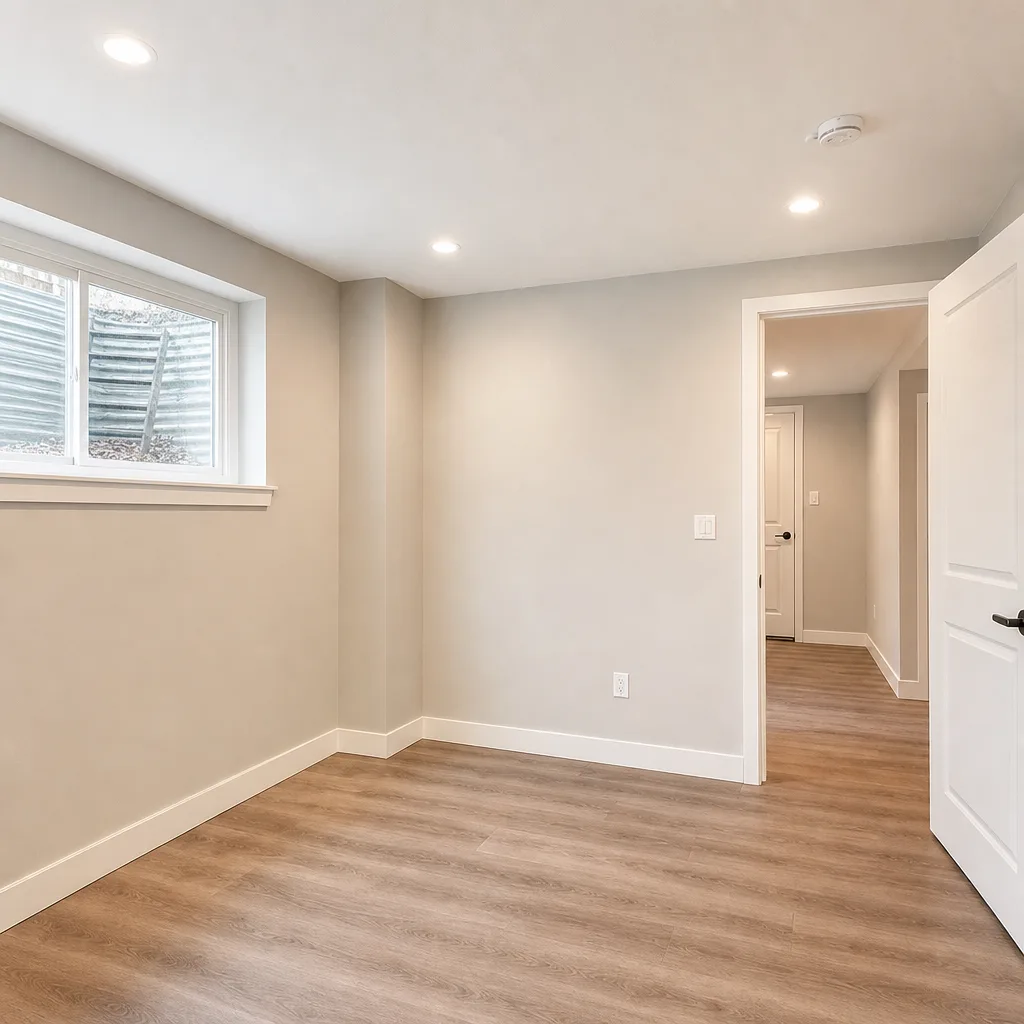 After
After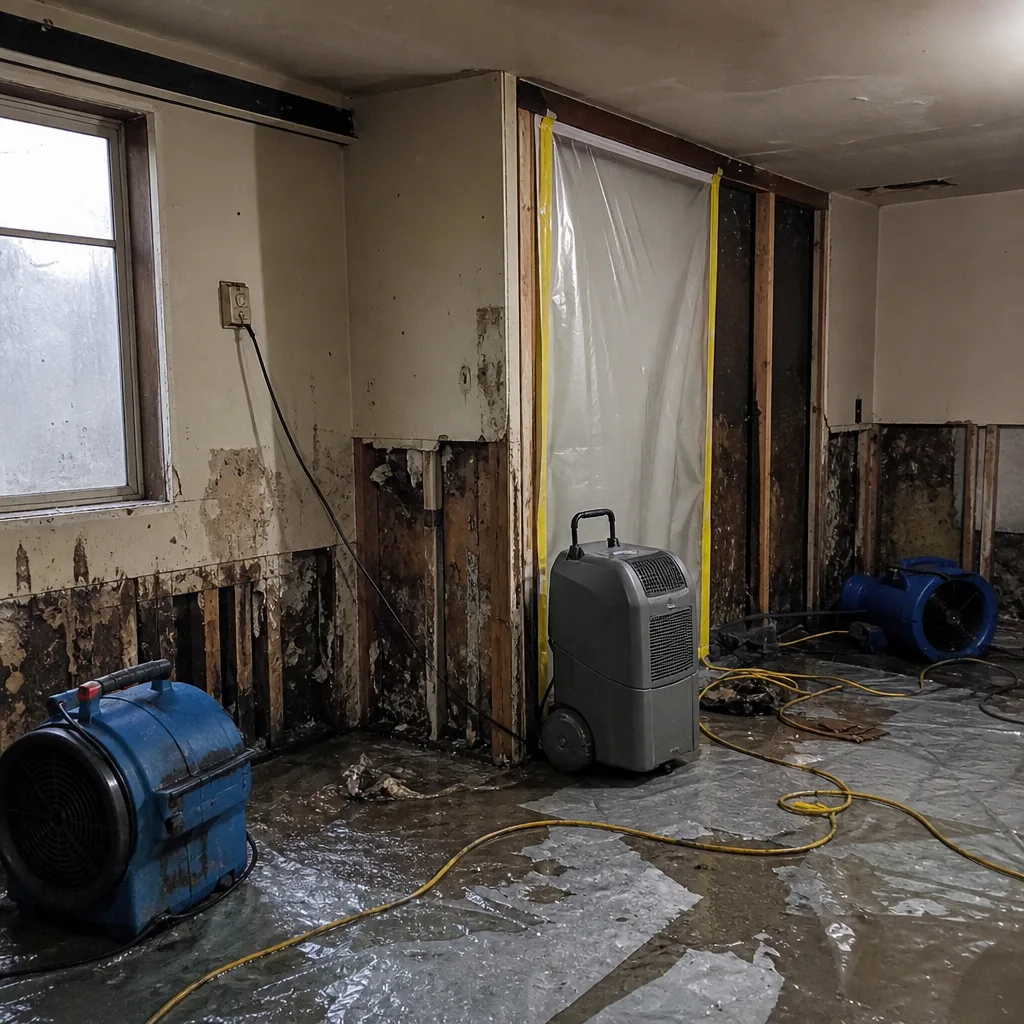 Before
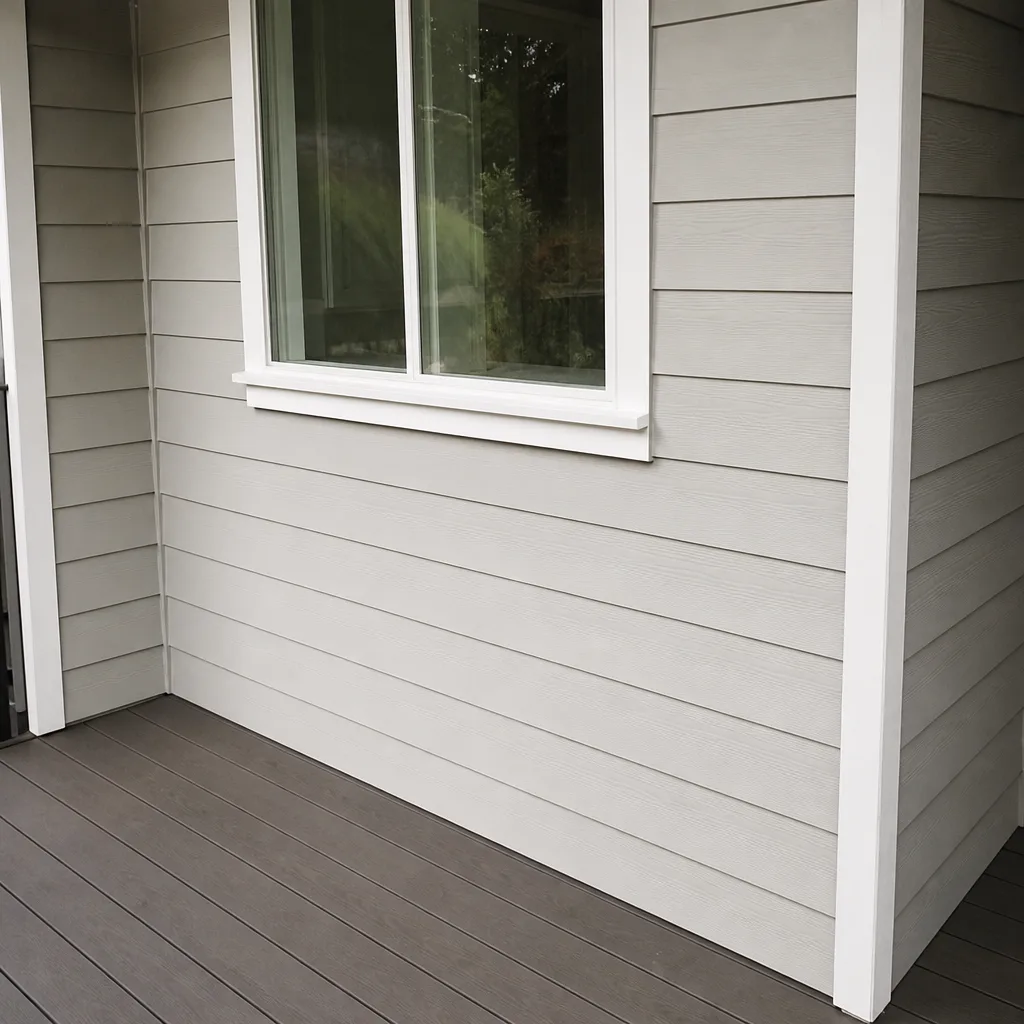 After
After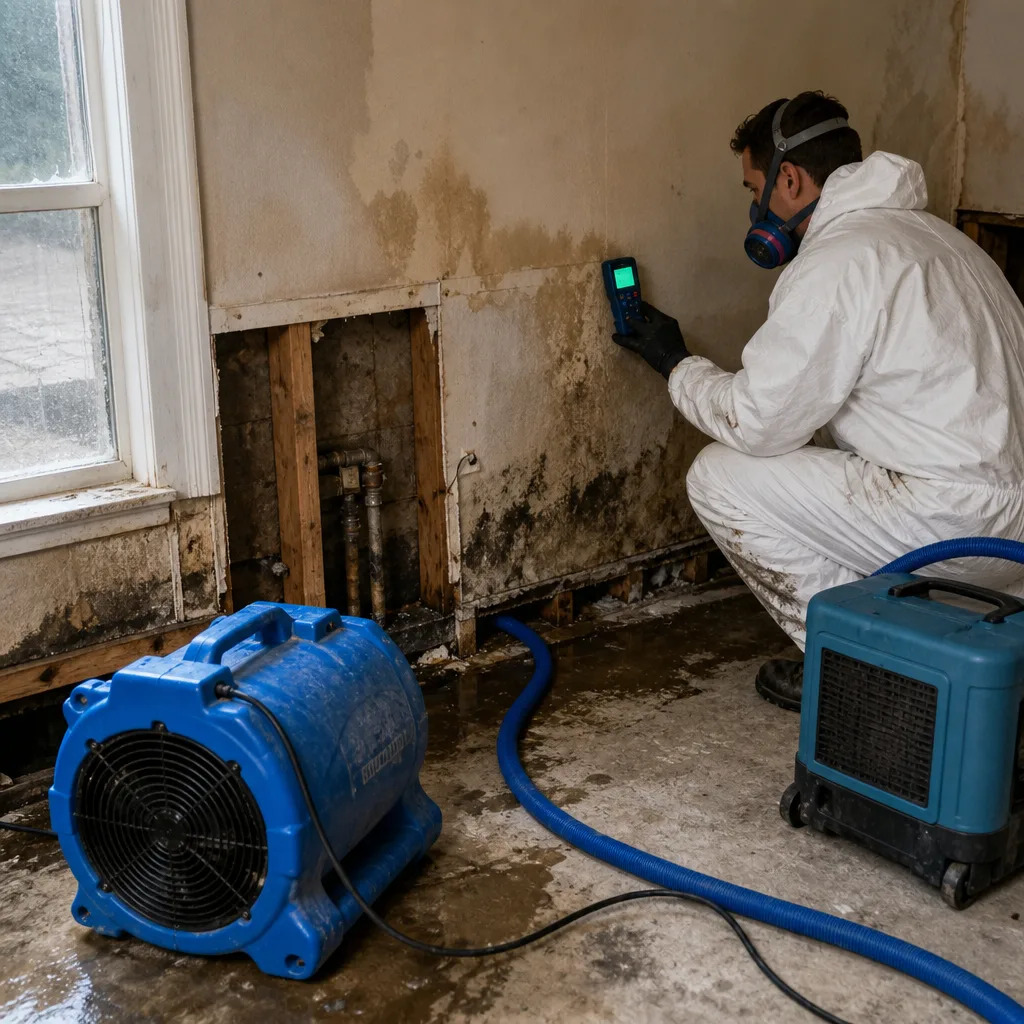 Before
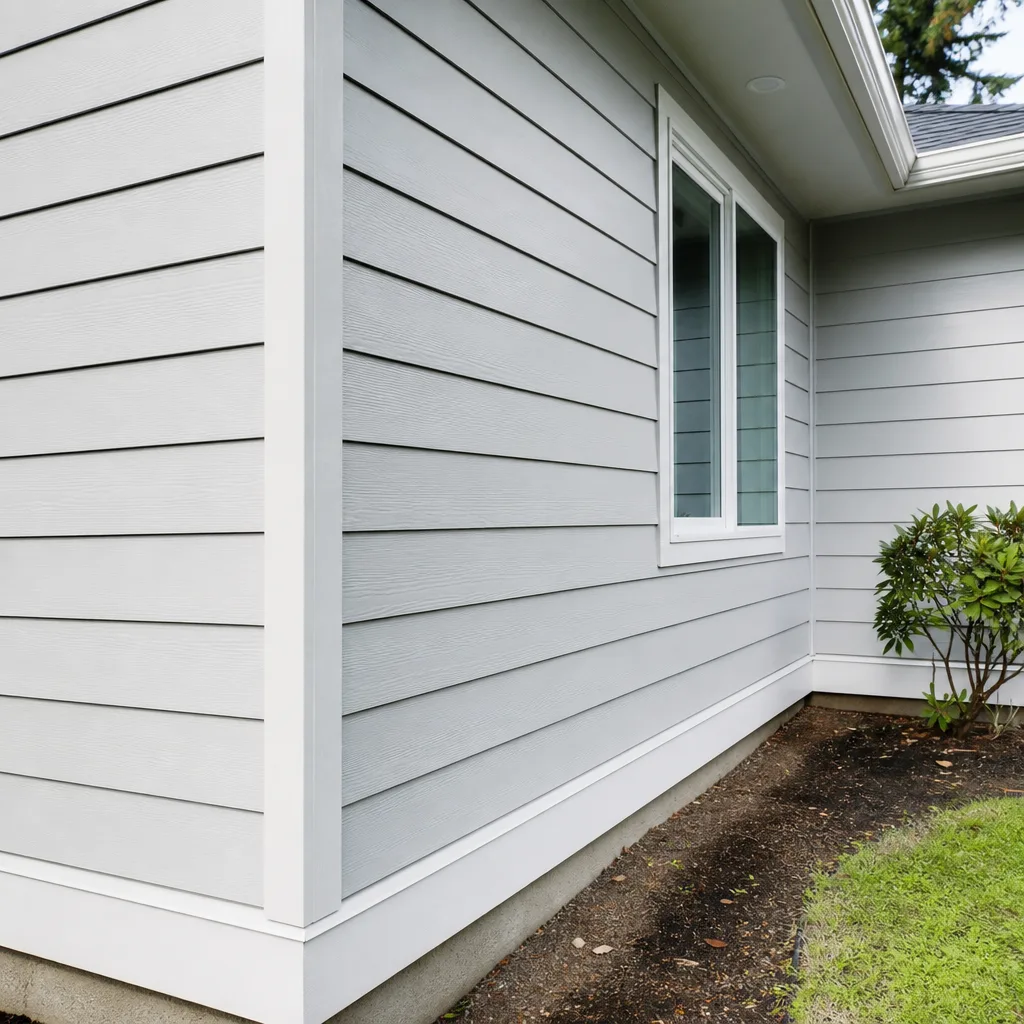 After
After24/7 Emergency Mold Remediation in Seattle
Mold remediation in Seattle typically costs $1,800-$6,500 depending on affected square footage and whether the source is a contained leak or lateral groundwater intrusion through the foundation. Most inspections can be scheduled same-day, and crews carry containment, HEPA filtration, and moisture-mapping equipment on every truck. Call (360) 997-2427 now for a free visual inspection - a live person answers 24 hours a day, no voicemail trees, and we’ll have a technician to your door in Seattle inside 45 minutes.
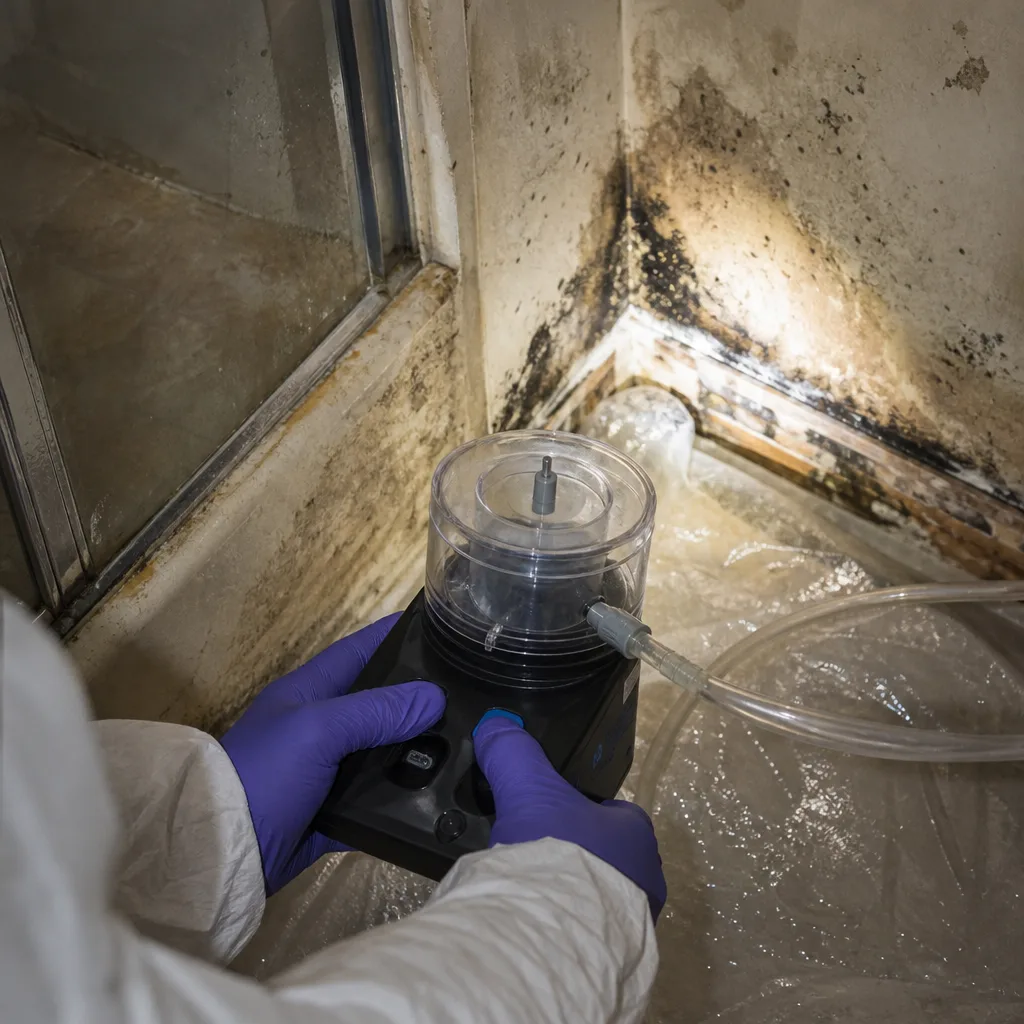
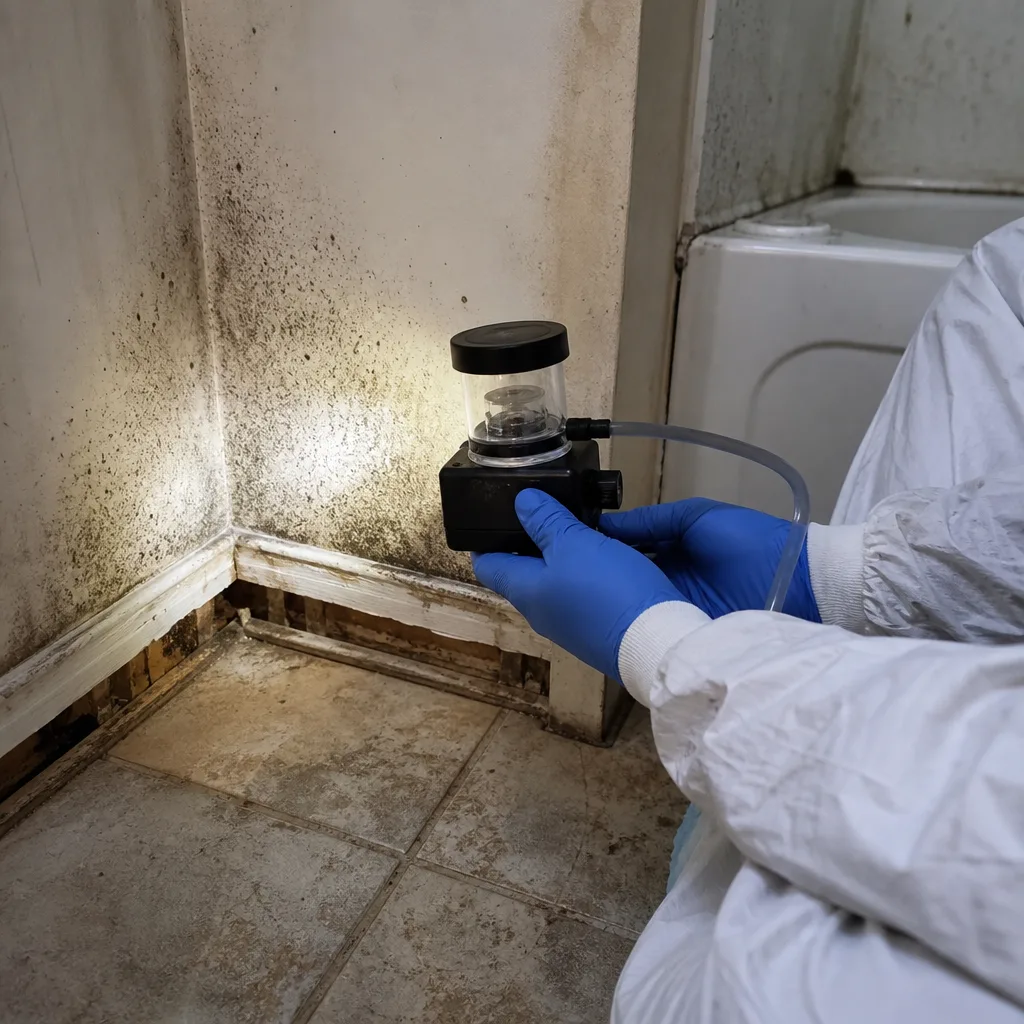
The first hours matter because mold colonies on wet drywall in Seattle’s marine climate can begin producing spores within 24-48 hours. Once airborne, those spores migrate through HVAC systems and wall cavities, turning a localized crawl space or bathroom problem into a whole-house air quality issue. Our crews arrive with thermal imaging cameras, pin and non-invasive moisture meters, and air sampling pumps to map the full extent before containment goes up.
Understanding Mold Remediation Severity in Seattle Properties
Mold damage in Seattle falls into three severity tiers tied directly to moisture source and duration. Category 1 sources - a supply line leak or condensation from failed window flashing - produce clean water that becomes a mold risk after 72 hours of saturation. Category 2, or gray water, carries chemical or biological load: dishwasher discharge, sump pump failures, or groundwater wicking through Seattle’s glacial till. Category 3, black water, includes sewage backup or prolonged groundwater flooding with soil contaminants.
Seattle’s housing stock amplifies these risks. The Craftsman bungalows in Ballard, Fremont, and Wallingford built between 1900 and 1940 sit on vented crawl spaces over bare earth, with cedar siding that breathes moisture inward during the 200-plus overcast days each year. Single-pane windows, still common in Capitol Hill rentals and owner-occupied homes alike, lose their glazing putty and channel rain directly into wall cavities. Our moisture mapping distinguishes between roof-source intrusion, which hits rim joists and top plates, and the lateral stem-wall wicking unique to Seattle’s hillside neighborhoods - a difference that changes the entire scope of work.
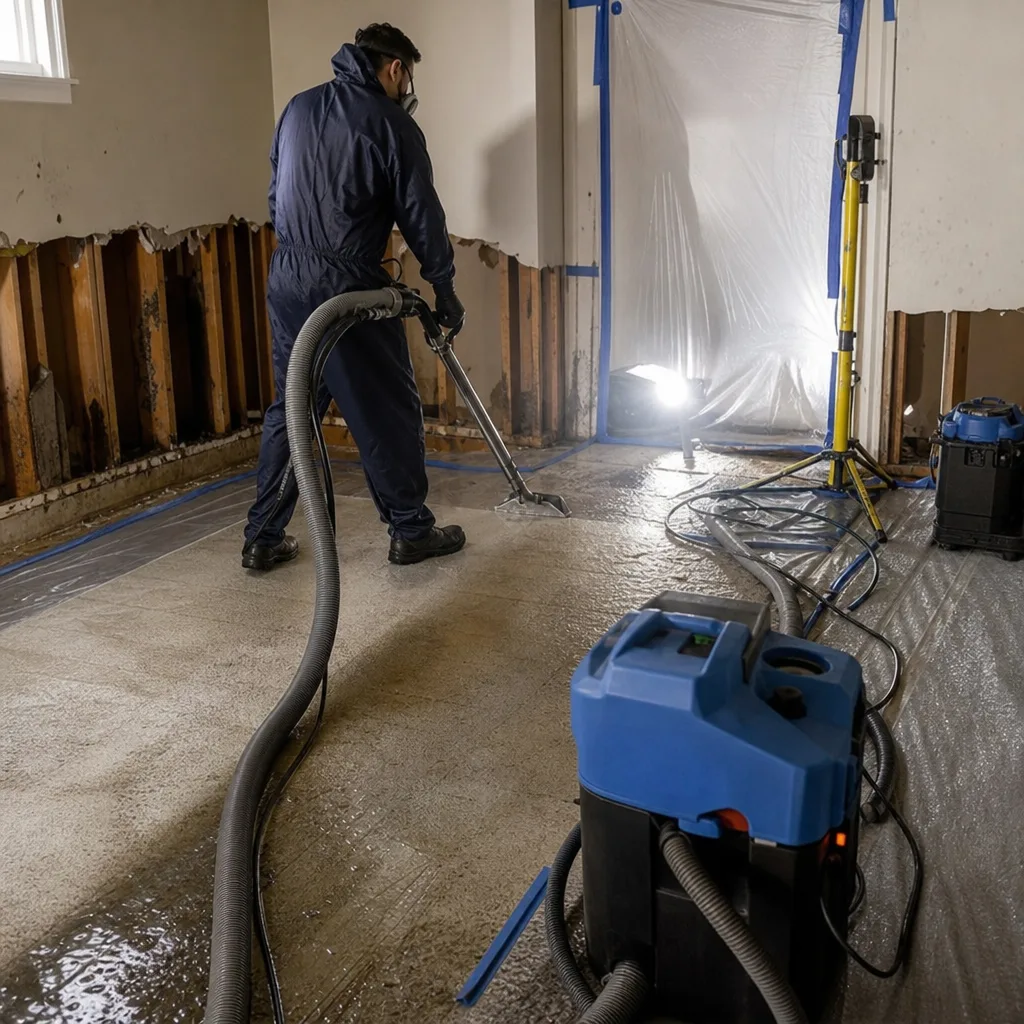
Containment strategy follows severity. Limited containment - polyethylene sheeting sealed with painter’s tape around a single bathroom or closet - suffices for areas under 10 square feet with Category 1 origin. Full containment with negative air pressure, HEPA-scrubbed airlocks, and sealed HVAC isolation becomes mandatory for Category 2 or 3 sources, or any colonization exceeding 30 contiguous square feet. Air scrubbers run at 4-6 air changes per hour until post-remediation clearance testing passes.
Why Seattle Property Owners Choose DryMark Restoration Kent
- 45-minute response commitment to any address in Seattle, Bellevue, Kirkland, Redmond, or Renton - our dispatch is coordinated from our Seattle office, with crews staged for immediate deployment.
- 24/7 live answer - a real person, never an automated system or callback queue, because mold does not observe business hours and neither do we.
- IICRC-certified crews holding WRT (Water Damage Restoration Technician), AMRT (Applied Microbial Remediation Technician), and FSRT (Fire & Smoke Restoration Technician) credentials - the specific codes relevant to your loss type are noted on your written scope.
- Free visual inspection - no charge to assess, measure, and document moisture readings and visible colonization before any work is proposed.
- Direct insurance billing - we coordinate with your adjuster, provide line-item estimates in Xactimate format, and do not require upfront payment on covered claims.
- One team from extraction to reconstruction - the same technicians who set containment and remove colonized materials return to install new drywall, trim, and finishes, eliminating handoff errors and disputed scope gaps.
BeforeAfterOur Mold Remediation Process
1. Inspection & Assessment
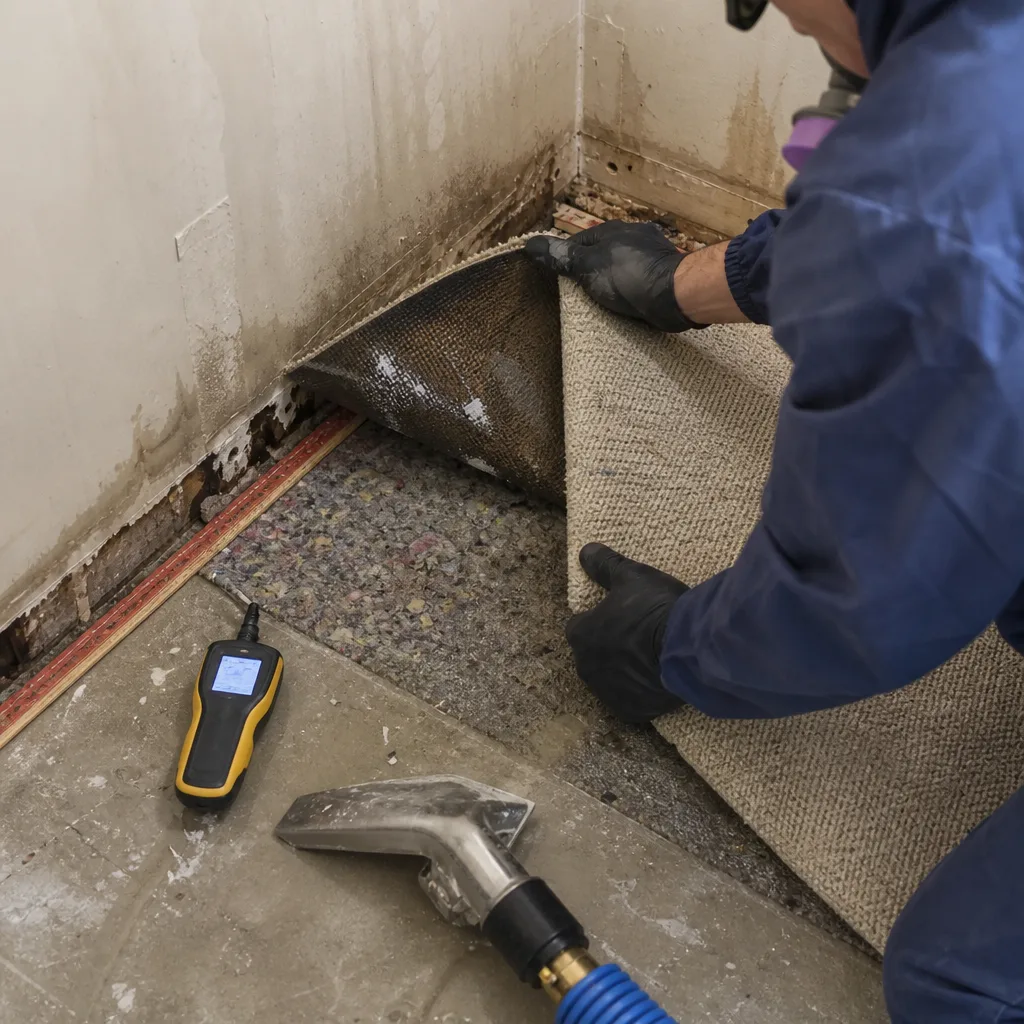
We arrive with thermal imaging, pin-type and non-invasive moisture meters, and air sampling equipment. Our techs document moisture readings by room, identify the water category by source, and photograph all visible colonization. In Seattle hillside neighborhoods, we specifically test stem walls for lateral wicking from perched water tables - a step flat-terrain protocols skip.
2. Containment & Source Control
Polyethylene barriers seal the work zone; negative air machines with HEPA filtration maintain pressure differential so spores cannot escape. For crawl spaces with active groundwater intrusion, we install temporary sump pumps or interior drainage channels before any drying begins - drying equipment cannot outrun a saturated till hillside.
3. Structural Drying & Dehumidification
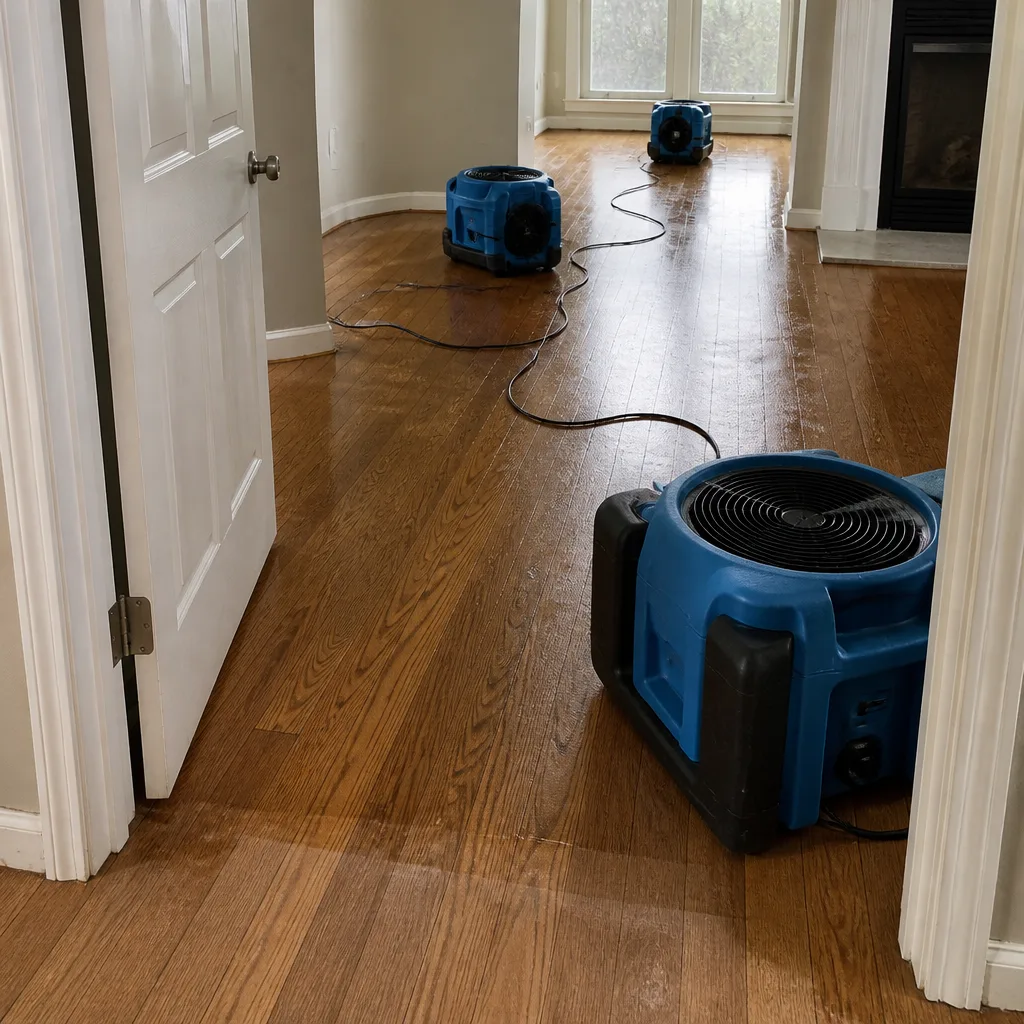
Dri-Eaz and Phoenix LGR dehumidifiers pull vapor pressure below 60% RH; air movers create laminar airflow across wet surfaces. Daily psychrometric readings - temperature, relative humidity, and vapor pressure differential - go into your drying log, the documentation your insurer needs to approve the invoice.
4. Cleaning & Antimicrobial Treatment
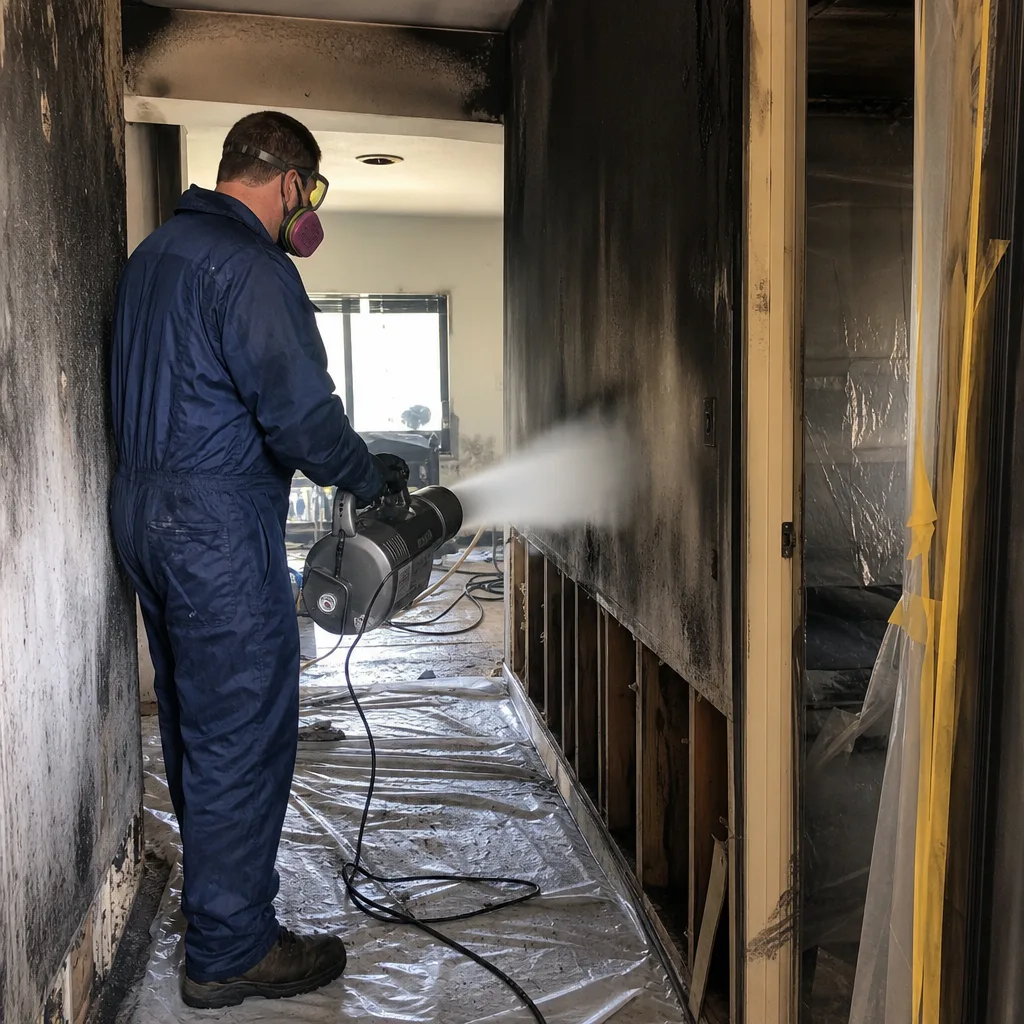
HEPA vacuuming removes loose spores; EPA-registered antimicrobial agents treat remaining substrate. We do not fog over active mold - every colony must be physically removed first, per IICRC S520 standards. In Seattle’s persistent moisture environment, surface-only treatment guarantees rebound.
5. Crawl Space & Moisture Control
For Seattle’s signature lateral-intrusion failures, we install permanent drainage: interior perimeter channels, sump pumps with battery backup, and vapor barriers sealed to foundation walls. Without this step, October’s return rains re-saturate the till and the mold returns within one wet season.
6. Repairs, Restoration & Clearance
We replace removed drywall, subfloor, insulation, and trim to match existing finishes. Post-remediation clearance testing - air sampling and surface swabs analyzed by an independent laboratory - confirms spore counts at or below outdoor baseline. Your 365-Day Done Right Promise, backed by The Haven Standard, is signed and delivered.
Need Emergency Mold Remediation in Seattle Now?
Crews minutes away, answering live 24 hours a day. The sooner we start, the less it costs.
Working With Your Insurance Company
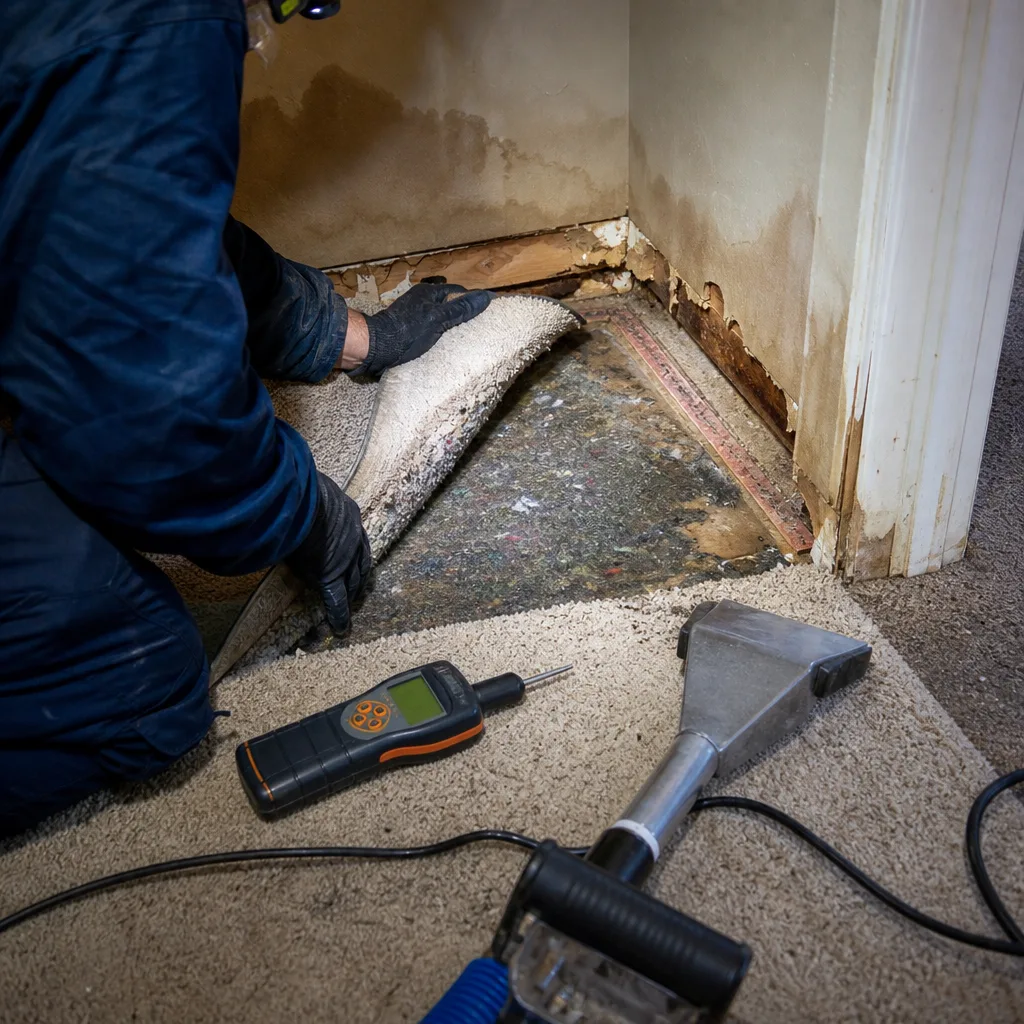
Insurance claims for mold damage fail most often on documentation gaps - the adjuster cannot verify the loss was sudden and accidental, or cannot distinguish between pre-existing maintenance neglect and covered water damage. We close those gaps from the first hour. Every DryMark Restoration Kent job includes a photo record on every visit, room-by-room moisture readings logged daily, and a written scope with line-item pricing delivered before any work begins. Haven Standard, Clause 1: written price before work starts. No exceptions.
Our estimates are prepared in Xactimate, the industry-standard pricing platform adjusters recognize. We speak directly with your carrier, provide supplementary documentation on request, and do not collect deductible or uncovered portions until you have approved the scope in writing. For Seattle homeowners in neighborhoods like Queen Anne and Beacon Hill, where lateral groundwater intrusion complicates coverage determinations, our documentation package specifically identifies the water source, duration, and pathway to establish whether the loss falls under sudden discharge or seepage exclusions.
What We Provide Your Insurer
- Thorough documentation of the loss
- Photos of all damage, room by room
- Moisture readings and drying logs
- A detailed, line-item scope of work
- Direct coordination with your carrier
Built for Seattle’s Loss Calendar
Seattle’s mold season does not begin and end; it shifts intensity. October through May brings the chronic phase - 200-plus days of low-intensity rain that defeats aging building envelopes gradually. Crawl spaces in West Seattle and Beacon Hill take on groundwater laterally through stem walls as the glacial till above saturates. Vented crawl spaces over bare earth, standard in pre-1940s Craftsman construction, exchange humid air with the soil below and the atmosphere above, creating relative humidity levels that sustain active mold growth at temperatures as low as 55°F.
June through September offers the remediation window - drier conditions allow structural drying to proceed faster, and contractors can install exterior drainage and foundation waterproofing without working in standing water. This is when we schedule the permanent repairs that prevent recurrence: French drains, interior perimeter channels, crawl space encapsulation with closed-cell foam or reinforced vapor barrier. The homeowners who call us in March for active colonization and again in August for prevention are the ones who never call a third time.
Tech-boom renovation cycles add a secondary pattern. Homes in Ballard and Fremont purchased for teardown or gut renovation frequently reveal decades of hidden water damage behind intact plaster or cedar siding. Contractors open walls and find black mold on sheathing, requiring full containment before construction can resume. We coordinate with builders to isolate the affected zone, remediate, and provide clearance documentation so the project proceeds without insurance or permit delays.
Mold Remediation Across Seattle’s Neighborhoods
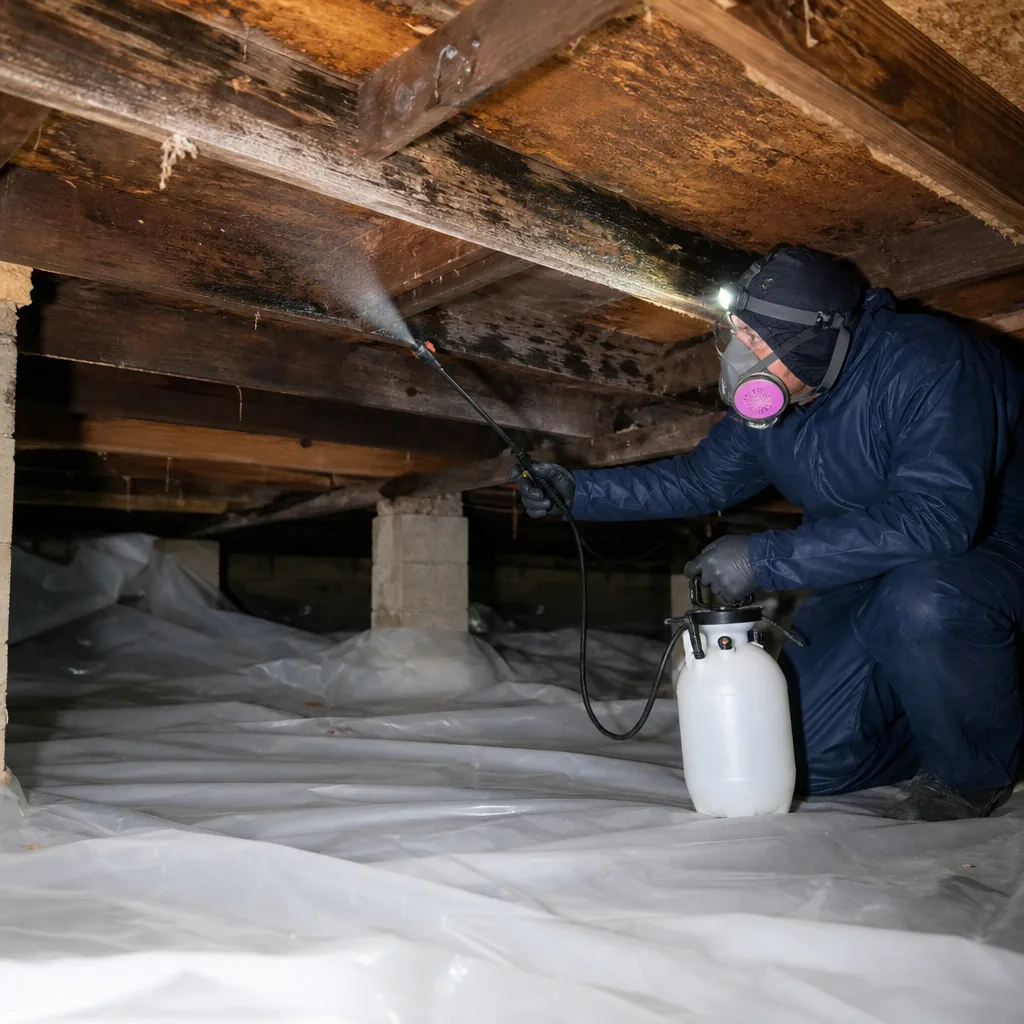
Queen Anne’s south and east slopes see the highest concentration of lateral-intrusion crawl space mold in our Seattle portfolio. The 1920s Craftsman homes there sit on steep grades with glacial till hardpan 4-8 feet below surface; perched water tables push moisture through stem walls continuously from October through April. We got a call from a homeowner on Queen Anne’s south slope whose 1920s Craftsman had visible mold along the crawl space joists despite a dry, recently replaced roof. Our tech’s moisture mapping showed elevated moisture readings on the stem wall facing the hillside - not the rim joists under the roofline - confirming lateral wicking from saturated till. We installed an interior drainage channel and sump before starting structural drying with Dri-Eaz dehumidification and air movers, then ran antimicrobial treatment and clearance testing; without the drainage step first, drying would have been futile.
Ballard and Fremont present a different profile: pre-1940s bungalows with vented crawl spaces over bare earth, many never upgraded since original construction. The marine layer here sits low and persistent; even on days without recorded rainfall, relative humidity in unsealed crawl spaces hovers at 75-85%. Mold species here trend toward Cladosporium and Penicillium on joists and subfloor, with occasional Stachybotrys where supply line leaks or sewer backups have introduced cellulose-saturated conditions.
Capitol Hill’s older apartment buildings and converted mansions introduce vertical migration patterns. Failed roof drains, window flashing, and plumbing stacks in walls allow Category 2 or 3 water to travel between floors, producing hidden colonization in ceiling cavities and behind baseboards. Our thermal imaging catches these before demolition; without it, a bathroom leak on the third floor becomes a mold job across two units below.
West Seattle’s hillside lots, particularly in Admiral and Alaska Junction, replicate Queen Anne’s lateral intrusion pattern with added salt-air corrosion of foundation waterproofing. The combination of saturated till and degraded membrane means we frequently encounter standing water 6-12 inches deep in crawl spaces that appear dry from the access hatch. Moisture mapping is non-negotiable here.
Specialized Mold Remediation Services We Offer in Seattle
Mold Inspection & Testing
Our inspections combine visual assessment, moisture mapping, and air sampling to distinguish active colonization from old, dormant growth. In Seattle, we specifically test for lateral stem-wall moisture on hillside properties - a finding that redirects the entire remediation strategy from roof repair to drainage installation. Air samples are analyzed by independent laboratories; results arrive in 48-72 hours with species identification and spore count comparisons to outdoor baseline.
Mold Removal
Physical removal, not chemical masking, is the only IICRC-recognized remediation method. We HEPA-vacuum all colonized materials, bag them in 6-mil polyethylene, and dispose as regulated waste when Category 2 or 3 water is involved. For Seattle’s older homes with lath-and-plaster or cedar shingle sheathing, we use controlled demolition to preserve structurally sound materials while removing compromised substrate.
Black Mold Remediation
Stachybotrys chartarum and other toxigenic species require full containment with negative air pressure, sealed HVAC isolation, and personnel in PPE. We do not test for “toxic mold” as a marketing category - we test for species, concentration, and health risk context, then remediate to clearance. In Seattle, black mold most often appears where Category 3 water has saturated drywall or carpet for more than 72 hours.
Air Quality Restoration
Post-remediation, HEPA air scrubbers run 24-48 hours before clearance sampling. For Seattle homes with forced-air heating - common in post-war ranches in Northgate and Lake City - we inspect and clean ductwork to remove spore deposition. Independent lab confirmation that indoor spore counts match or fall below outdoor baseline is our standard deliverable, not an upsell.
Crawl Space Treatment
Seattle’s signature service. We do not treat crawl space mold without first addressing the water source. For hillside properties, that means drainage. For flat-grade homes in Rainier Valley or Georgetown, that may mean vapor barrier encapsulation, dehumidification, or sump installation. Our Mold Remediation team documents every step with photos and moisture logs, because crawl space work is invisible to homeowners and heavily scrutinized by adjusters.
Moisture & Humidity Control
Permanent prevention requires controlling the conditions that allow mold to colonize. We install permanent dehumidification, seal crawl space vents, and apply closed-cell foam to stem walls where appropriate. In Seattle’s climate, maintaining below-60% RH year-round is achievable only with active mechanical control - passive ventilation simply exchanges humid outside air for humid inside air.
What happens when you call
- 1
A real person answersNo phone trees - you reach a local pro.
- 2
You get an upfront price rangeHonest numbers before anyone is dispatched.
- 3
A background-checked tech heads outLicensed & insured, dispatched right away.
- 4
You approve before work beginsNothing starts until you say go.
Mold Remediation Costs in Seattle, WA
Typical mold remediation in Seattle runs $1,800-$6,500, with most residential crawl space jobs falling in the $2,800-$4,200 range. Contained bathroom or closet remediation with Category 1 source and limited containment starts around $1,800. Full crawl space remediation with lateral groundwater intrusion, requiring drainage channel and sump pump installation before drying and antimicrobial treatment, extends to $5,500-$6,500.
| Service | Typical Seattle Range |
|---|---|
| Mold inspection & moisture mapping | $0 (free visual) - $450 (with air sampling) |
| Limited containment, <10 sq ft, Category 1 | $1,800 - $2,400 |
| Moderate remediation, 10-50 sq ft, Category 2 | $2,800 - $4,200 |
| Full crawl space with drainage installation | $5,500 - $6,500 |
| Post-remediation clearance testing | $350 - $600 |
What moves the price: affected square footage, water category (Category 3 requires more PPE and waste disposal), accessibility (crawl spaces under 18 inches add labor), and whether permanent moisture control is included. Insurance typically covers sudden and accidental water damage and resulting mold; long-term seepage or maintenance neglect is usually excluded. We provide the documentation that helps your adjuster make that determination. Haven Standard, Clause 1: your written price before any work starts. Call (360) 997-2427 for your free inspection and firm scope.
We Also Serve Cities Near Seattle
Our Seattle office dispatches crews throughout the metro: Bellevue for Eastside hillside properties with similar glacial-till conditions; Kirkland for waterfront homes with bulkhead and foundation exposure; Redmond for newer construction with crawl space ventilation design flaws; Renton for valley-floor homes with high water tables and seasonal flooding. The same documentation standards, written pricing, and 365-Day Done Right Promise apply in every city.
Serving Seattle, WA - Our Local Coverage Area
We’re based in the Seattle area and know this community well. Use the map below to see our service coverage - if you’re nearby, we can almost certainly help.
Seattle Mold Remediation Questions, Answered
Why does mold keep coming back in my Seattle crawl space even after professional remediation?
Because the moisture source was never eliminated. In Seattle’s hillside neighborhoods, glacial-till hardpan prevents downward drainage and pushes groundwater sideways through stem walls - drying equipment cannot outrun continuous saturation. We install interior drainage and sump systems before remediation, then verify with post-season moisture readings. Call (360) 997-2427 for a free inspection that identifies the true source.
How quickly can mold start growing on wet drywall in a Seattle home?
Within 24-48 hours in Seattle’s marine climate, where temperatures rarely drop below 40°F and relative humidity stays elevated year-round. Drywall with facing paper provides ideal cellulose substrate; once colonization begins, spore production follows within 72-96 hours. Speed of response is the single biggest cost control factor. Our crews arrive within 45 minutes to begin moisture mapping and source control.
What’s the difference between the water categories and why does it matter for mold remediation in Seattle?
Category 1 is clean water from supply lines; Category 2 carries chemical or biological load from appliances or groundwater; Category 3 is sewage or contaminated groundwater. The category determines PPE requirements, waste disposal classification, and antimicrobial treatment selection. Seattle’s lateral groundwater intrusion through glacial till is often Category 2 or 3 due to soil contaminants, which changes containment and disposal protocols significantly. Misclassification by crews trained for flat-terrain markets is a common and costly error here.
Do you need to test for mold before remediation, or can you just start removing it?
Testing is not always legally required, but it is professionally necessary. Pre-remediation sampling establishes species, concentration, and baseline for clearance comparison; without it, you cannot prove the job was done. In Seattle, we also test for moisture source identification - stem-wall readings versus rim-joist readings tell us whether to install drainage or repair roofing. The inspection is free; the information it yields prevents redundant work.
Why do crawl space mold jobs in Seattle often need a drainage system before drying equipment?
Because Seattle’s steep hillside topography and glacial-till hardpan create perched water tables that push groundwater laterally through foundation walls continuously. Drying equipment lowers humidity temporarily, but re-wetting resumes as soon as equipment is removed. We learned this on a Queen Anne south slope job where stem-wall moisture readings climbed back to 28% wood moisture content within 72 hours of drying - until we installed an interior drainage channel and sump. Permanent drainage is the only solution that allows drying to hold. Call (360) 997-2427 for an assessment of your crawl space’s moisture source.
Will my insurance cover mold remediation in Seattle?
Insurance covers mold that results from sudden and accidental water damage - burst pipes, appliance failures, storm damage - but typically excludes mold from long-term seepage, maintenance neglect, or repeated groundwater intrusion. Our documentation package specifically identifies the water source, duration, and pathway to help your adjuster make that coverage determination. We coordinate directly with carriers and provide Xactimate estimates they recognize. Bring any competitor’s written estimate for our free second opinion.
How long does mold remediation take in Seattle?
Most residential jobs require 3-7 days of active work: 1 day for inspection and containment setup, 2-3 days for removal and drying, 1-2 days for antimicrobial treatment and air scrubbing, plus 48 hours for lab clearance results. Jobs requiring drainage installation add 1-2 days. We do not declare a job complete until independent clearance testing confirms spore counts at or below outdoor baseline - and we document every day with photos and moisture logs.
Can my family stay in the home during mold remediation?
For limited containment under 10 square feet with Category 1 source, usually yes. For full containment with negative air pressure, or any Category 2/3 source, we recommend temporary relocation until clearance testing passes. We seal HVAC returns in the work zone to prevent spore migration, but airborne particles can still travel through building cavities. We provide a written safety assessment before work begins so you can make an informed decision. Call (360) 997-2427 to discuss your specific situation.
Written by Alicia Brennan, Owner at Back to Dry Restoration, serving Seattle since 2011.
Mold Remediation in Nearby Areas