
Free visual inspection and a written scope of work before any mitigation begins - photos, moisture readings, and drying logs go in your claim file
The scope we write is the scope we bill. Anything new gets shown to you, in writing, before we touch it.
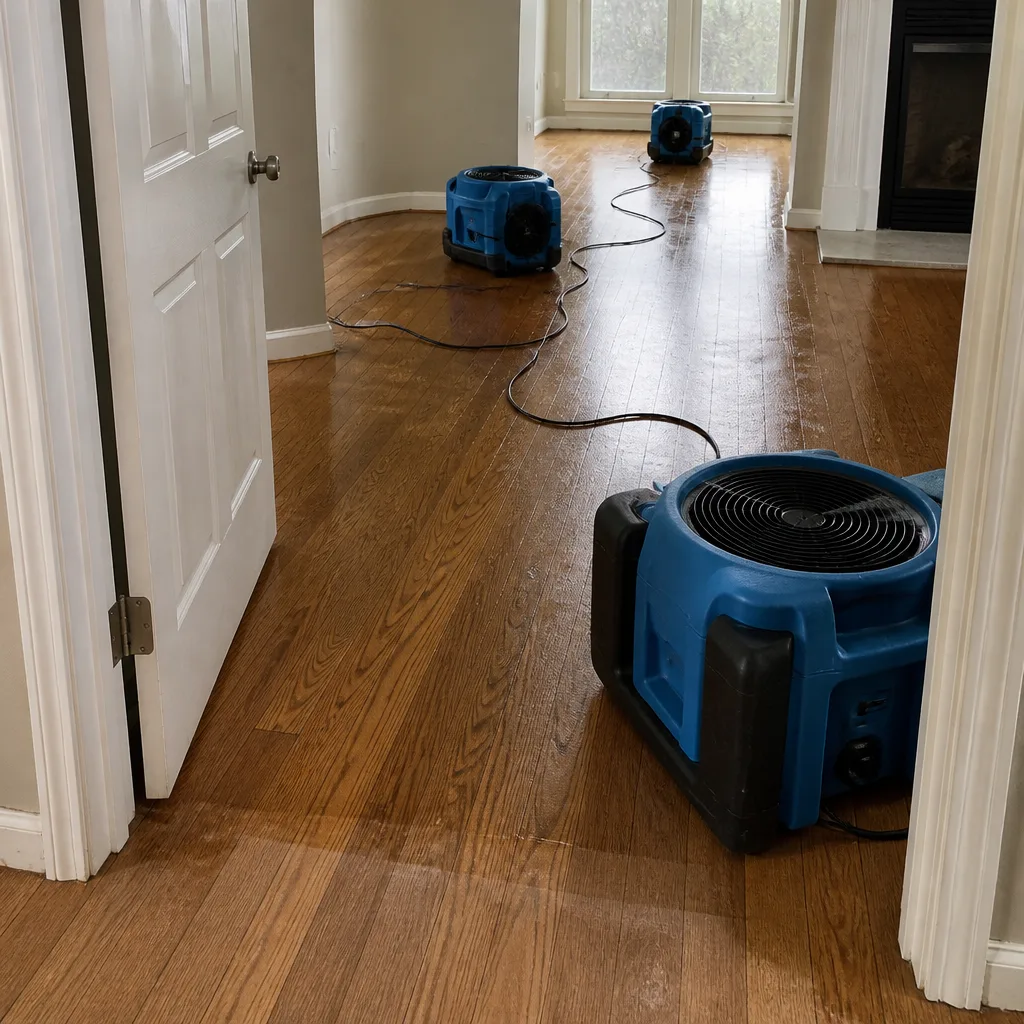
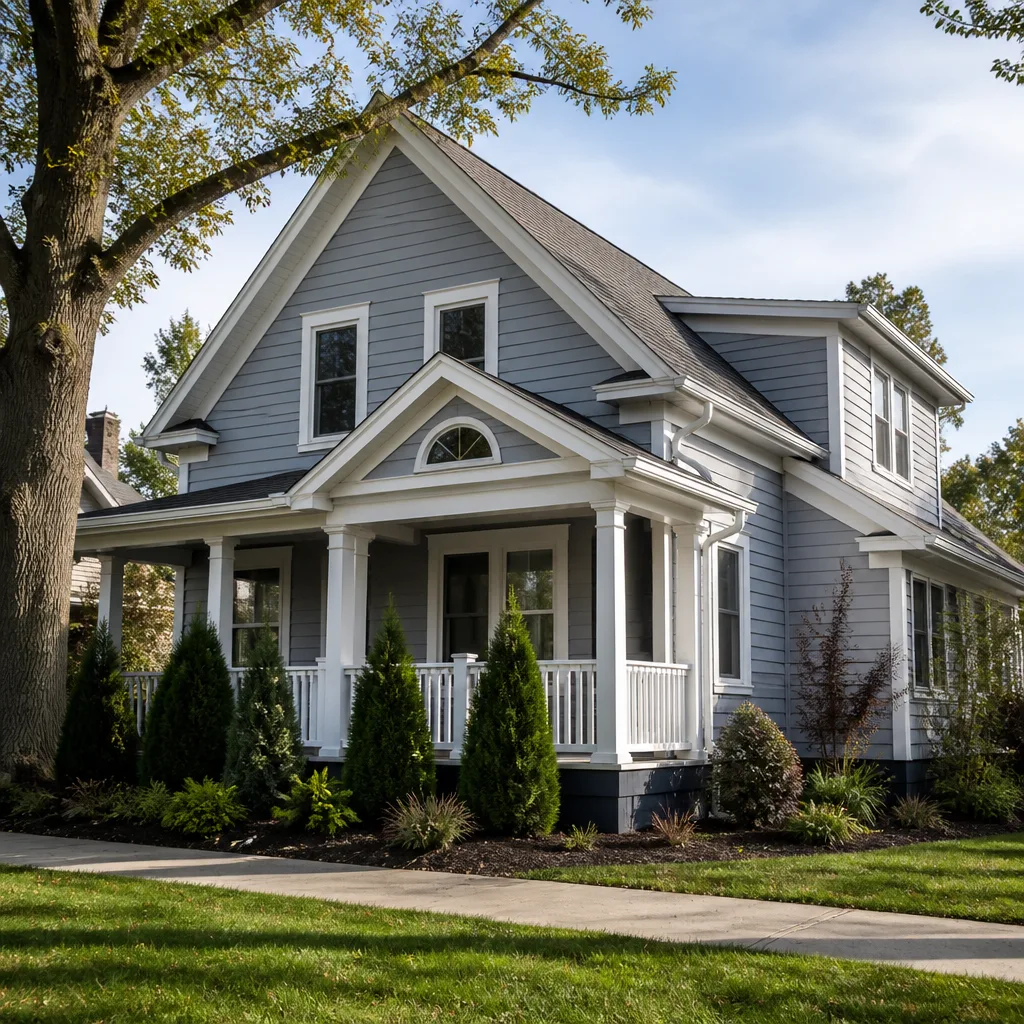
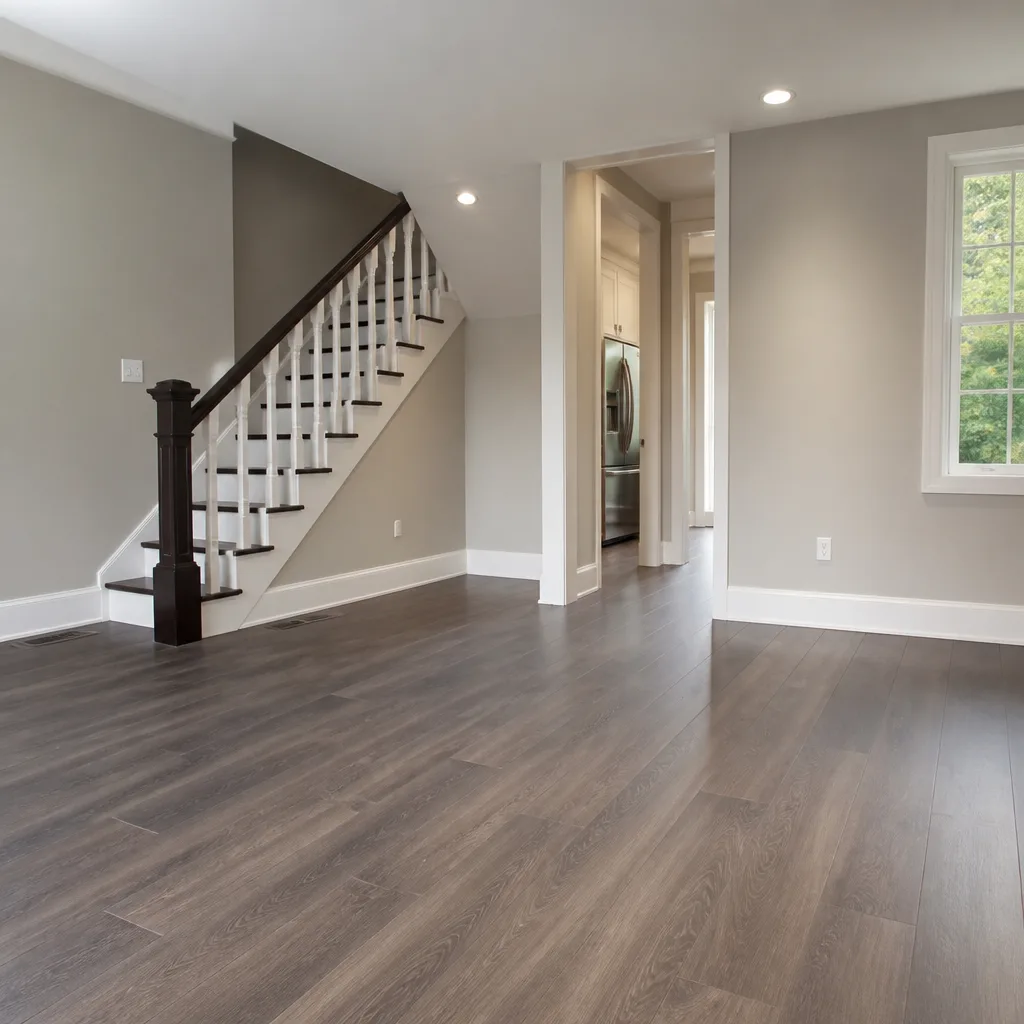
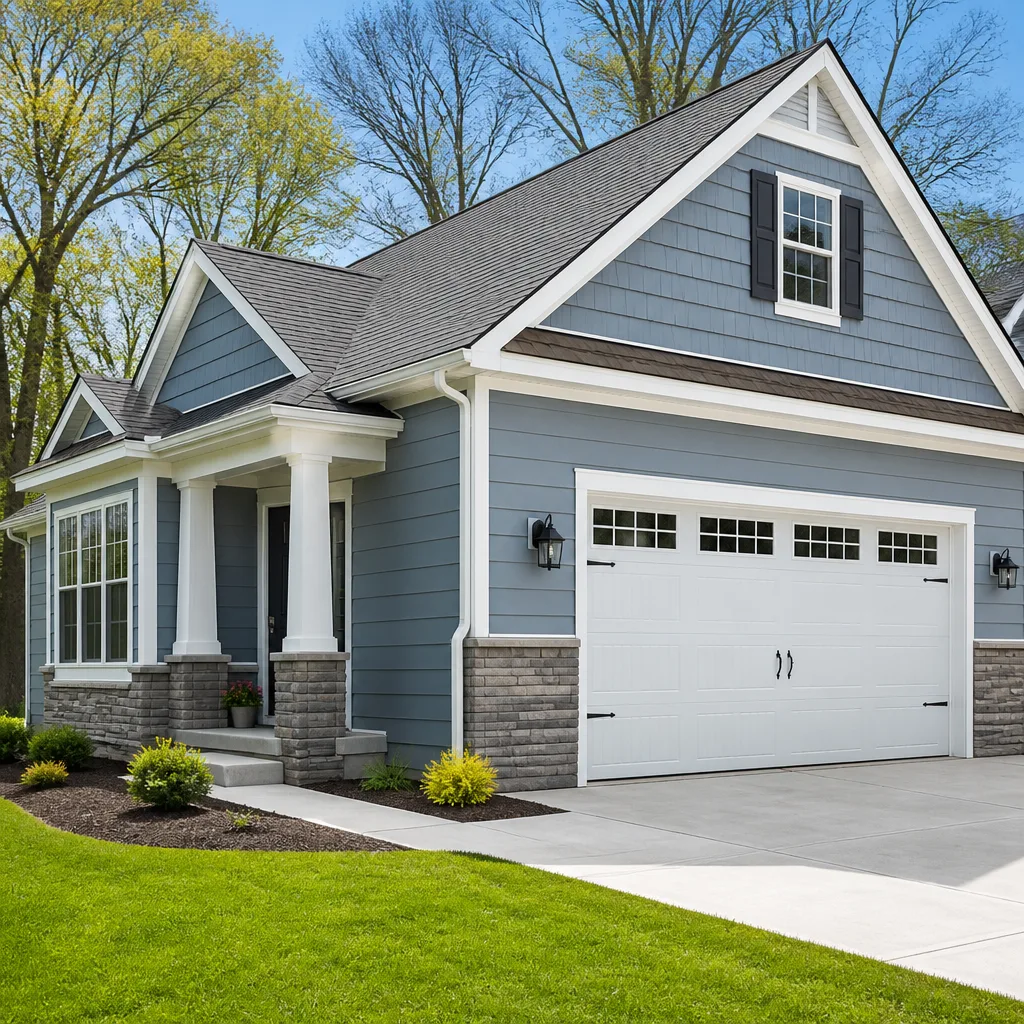
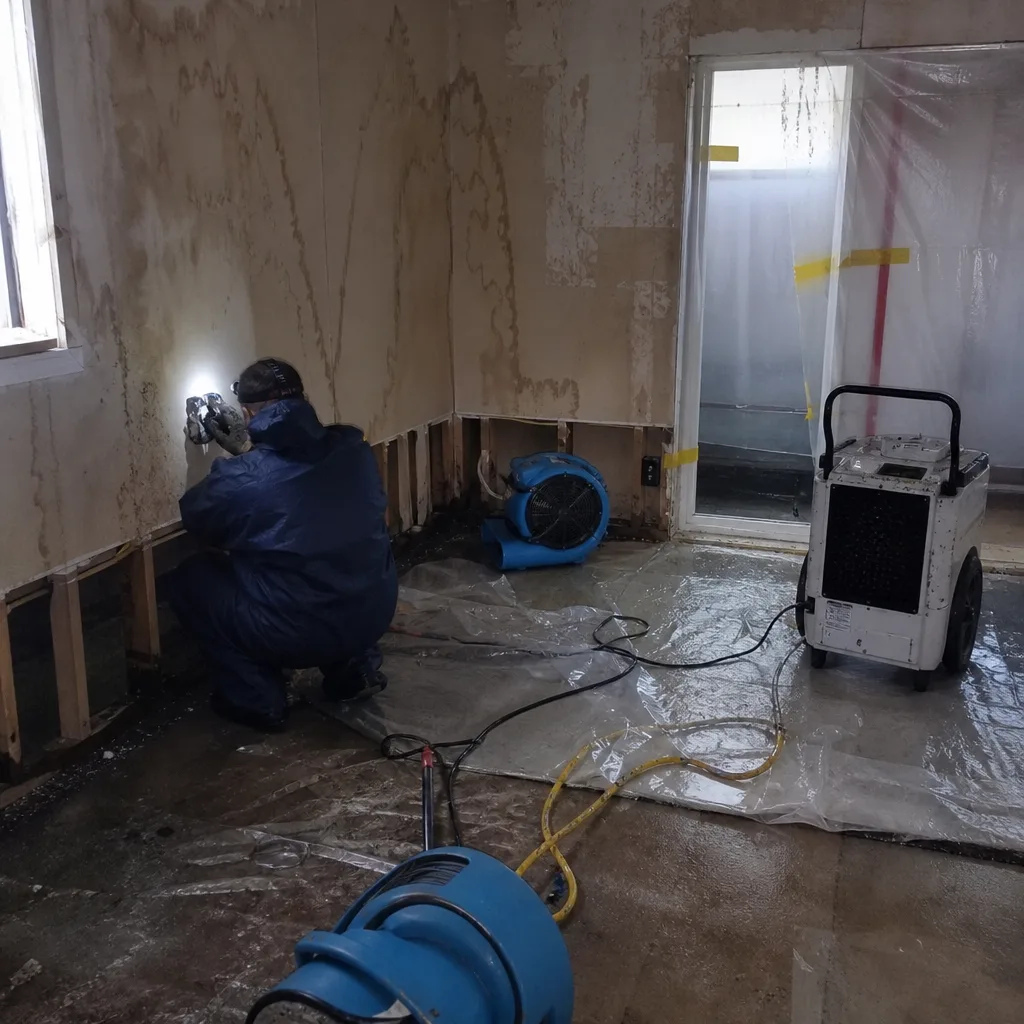 Before
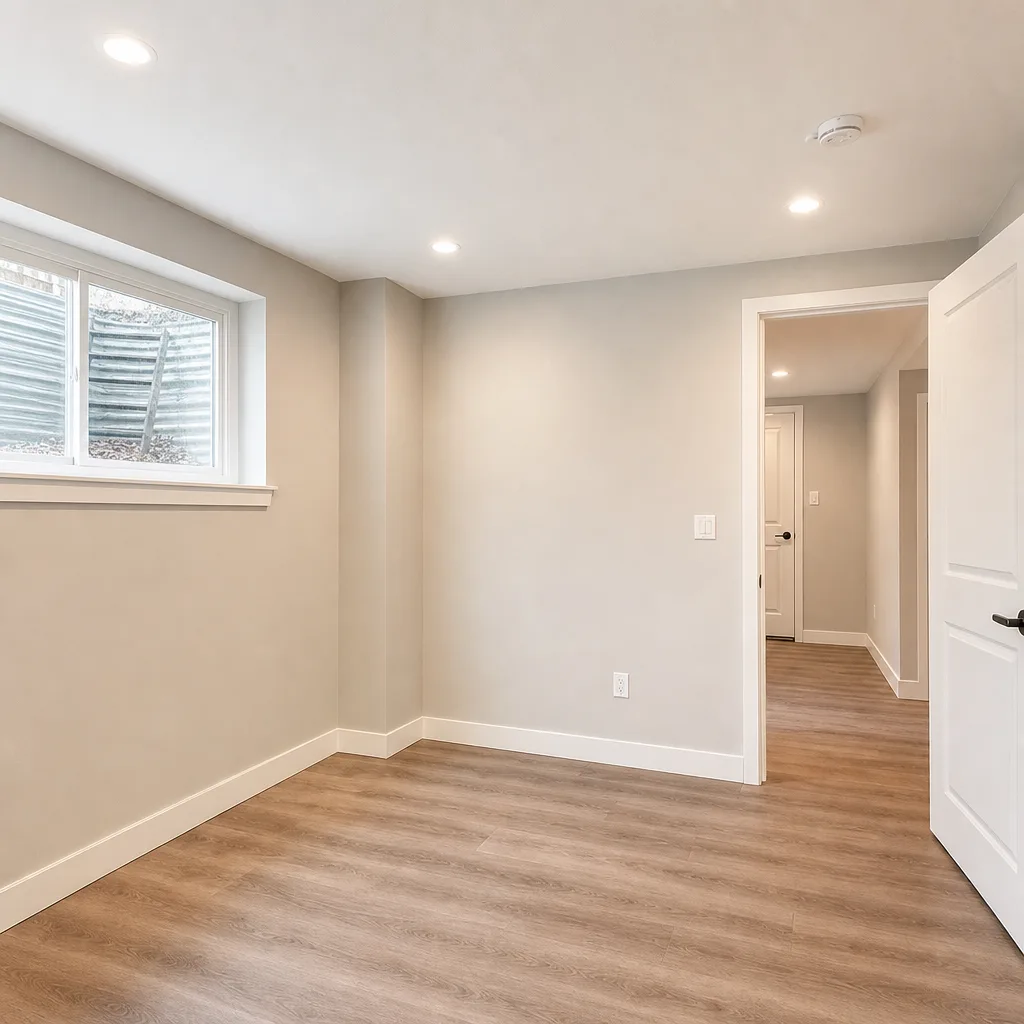 After
After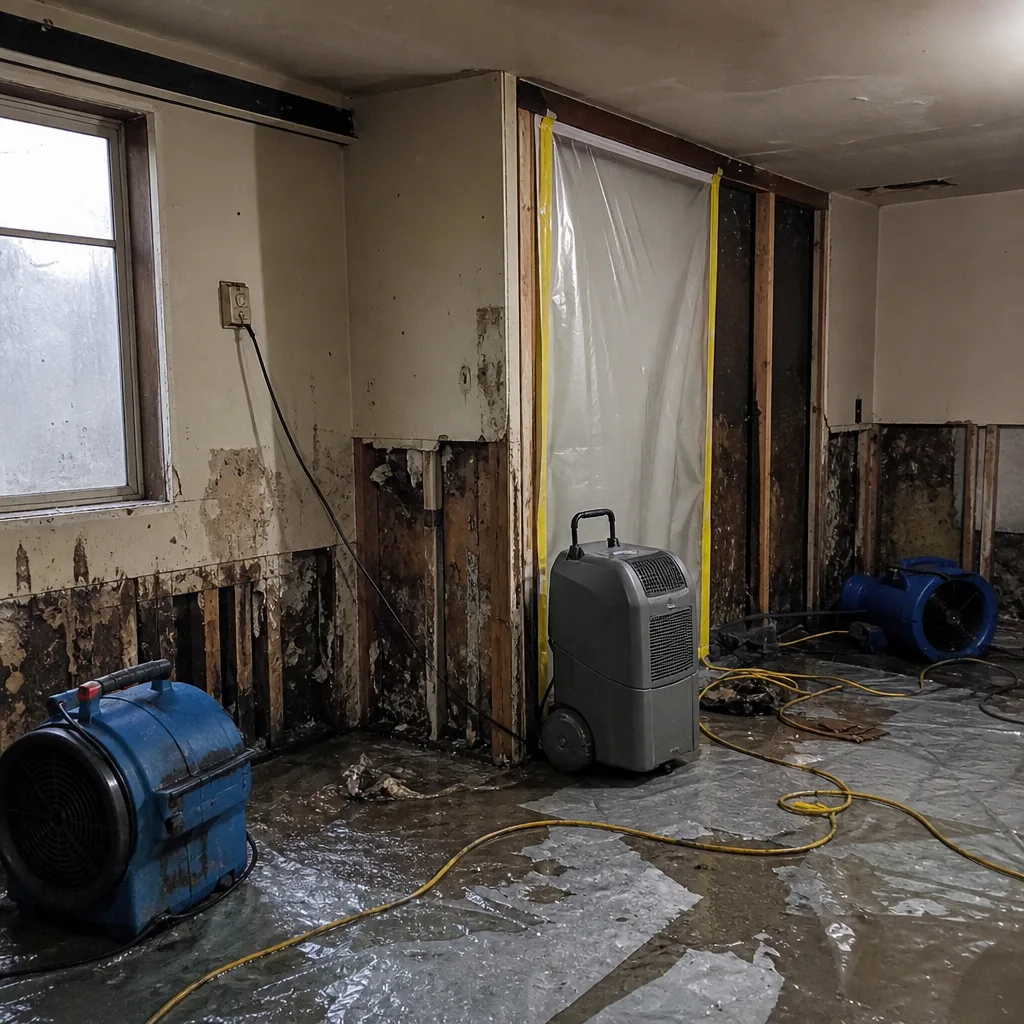 Before
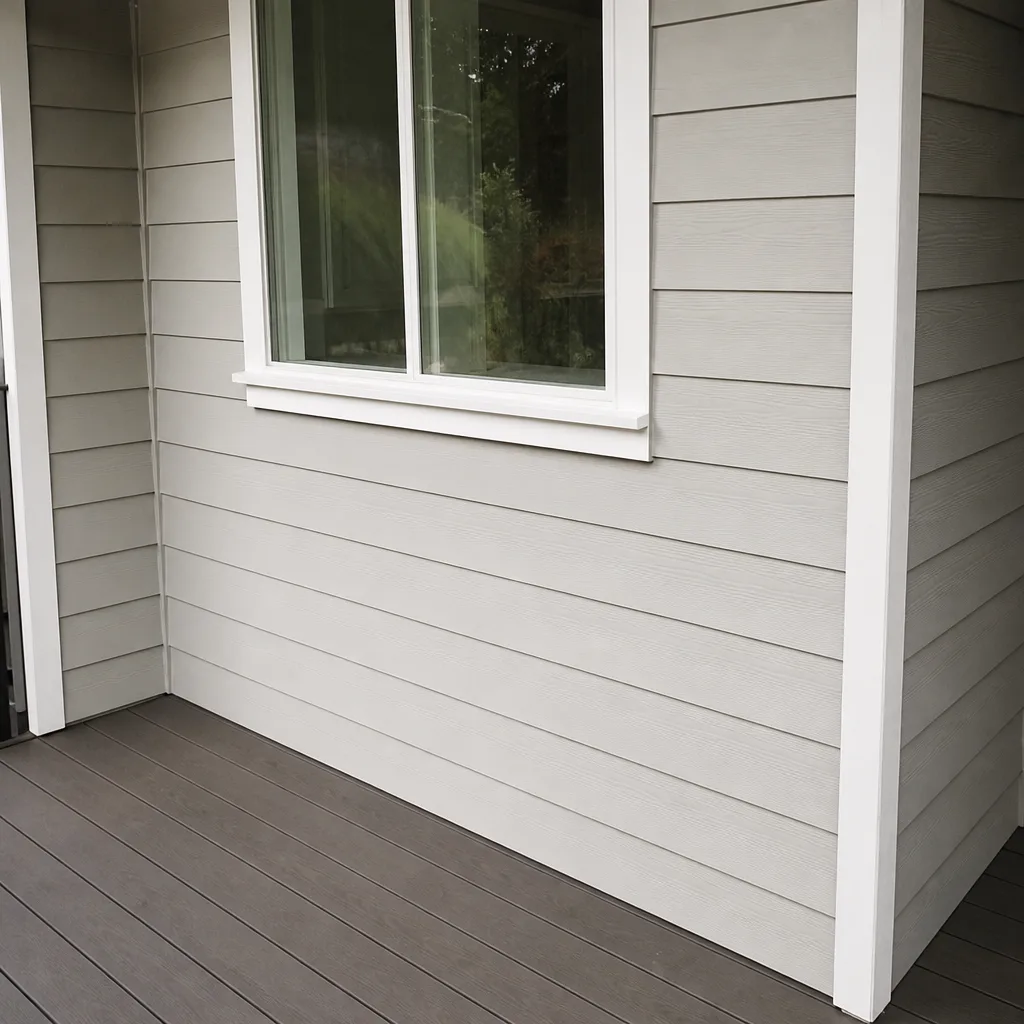 After
After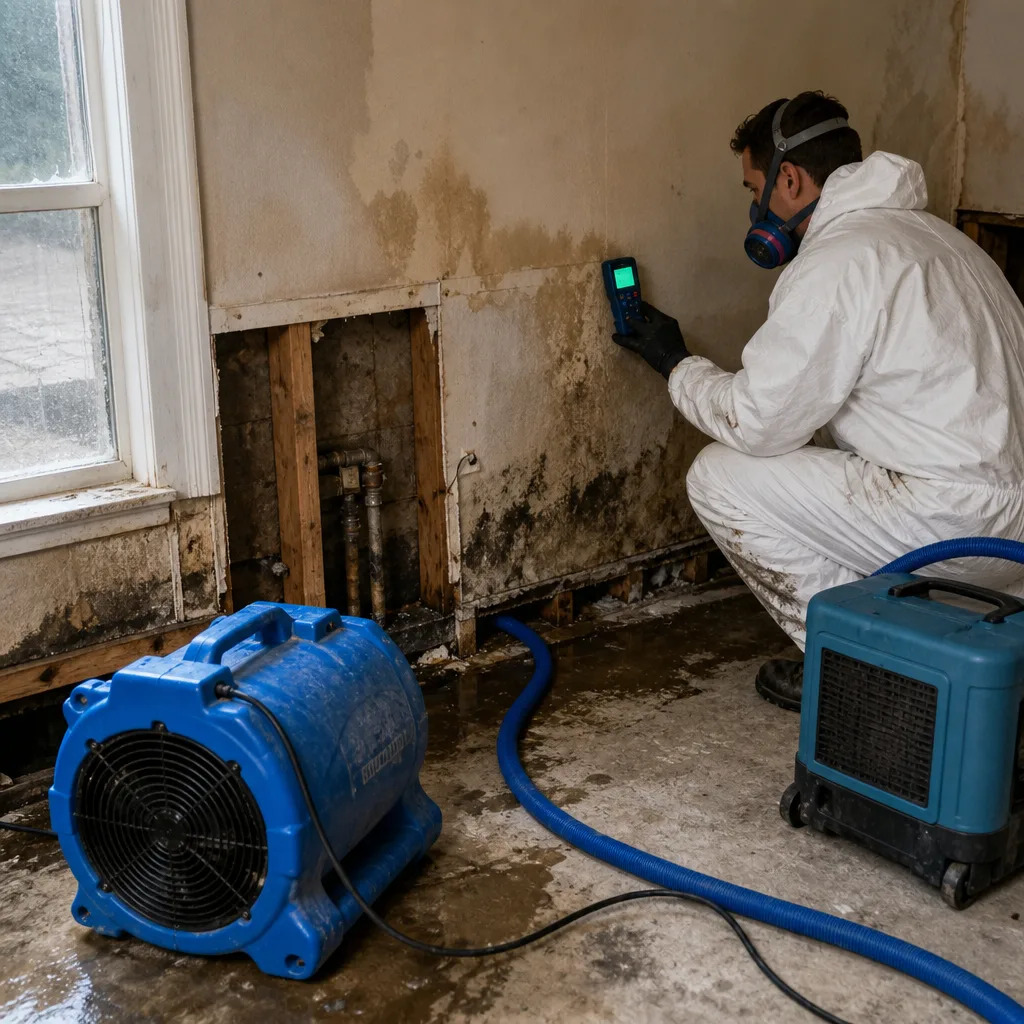 Before
 After
After24/7 Emergency Mold Remediation in Sammamish
Mold remediation in Sammamish typically runs $1,800-$6,500 depending on affected square footage and whether the source is contained to a single wall cavity or has spread through crawl space framing. Most Sammamish homes built during the 1990s-2000s tech boom use OSB sheathing and engineered wood products that deteriorate fast once moisture penetrates, so same-day containment matters. Call (360) 997-2427 and a live person will answer - no voicemail, no callback queue - and dispatch crews already working the Sammamish Plateau area. We offer a free visual inspection with moisture mapping, and we bring containment materials on the first truck so we can seal the affected zone before spores migrate to HVAC systems or finished living spaces.
Understanding Mold Remediation Severity in Sammamish Properties
Mold damage in Sammamish falls into three containment tiers based on square footage, material porosity, and whether the moisture source is active. Level I covers isolated growth on non-porous surfaces under 10 square feet - typically a single window jamb or baseboard section where flashing failed. Level II spans 10-100 square feet across porous materials like drywall, carpet pad, or OSB sheathing, requiring full containment with polyethylene sheeting and negative air pressure from HEPA-filtered air scrubbers. Level III exceeds 100 square feet or involves HVAC contamination, demanding critical-barrier containment and possible temporary relocation.
Sammamish’s housing stock intensifies every level. The engineered I-joists and LVL beams common in Plateau subdivisions don’t dry like solid lumber - they delaminate and lose structural capacity while still reading “damp” on standard meters. Complex rooflines with multiple valleys, standard in upscale designs from this era, create repeated water-entry points that technicians often trace to identical flashing details. Heavy clay soils against crawl space foundations keep relative humidity elevated for weeks after rain stops. We map vapor pressure differentials across these assemblies to find where moisture is still moving, not just where it landed.
Why Sammamish Property Owners Choose DryMark Restoration Kent
- 45-minute response commitment to Sammamish addresses - our crews stage from the Seattle office and maintain dedicated routes across the Plateau.
- 24/7 live answer: a real person picks up every call, never an automated system or voicemail tree, because mold doesn’t wait for business hours.
- IICRC-certified crews hold AMRT (Applied Microbial Remediation Technician) and WRT (Water Damage Restoration Technician) certifications, with license numbers documented on every job file.
- Free visual inspection with moisture mapping and thermal imaging - no charge to confirm whether you’re looking at surface staining or active colonization behind the wall.
- Direct insurance billing with photo-documented scopes written to Xactimate standards, so adjusters pay without supplemental requests.
- One team from containment through reconstruction - no handoffs between remediation contractors and rebuild crews that lose continuity on moisture-source identification.
BeforeAfterOur Mold Remediation Process
1. Inspection & Assessment
We arrive with thermal imaging cameras, penetrating and non-penetrating moisture meters, and hygrometers to map the moisture boundary. In Sammamish, we specifically check window valleys, roof-to-wall intersections, and crawl space perimeters where clay soil holds groundwater against foundations. Every reading is logged with room location, material type, and timestamp.
2. Containment & Air Filtration
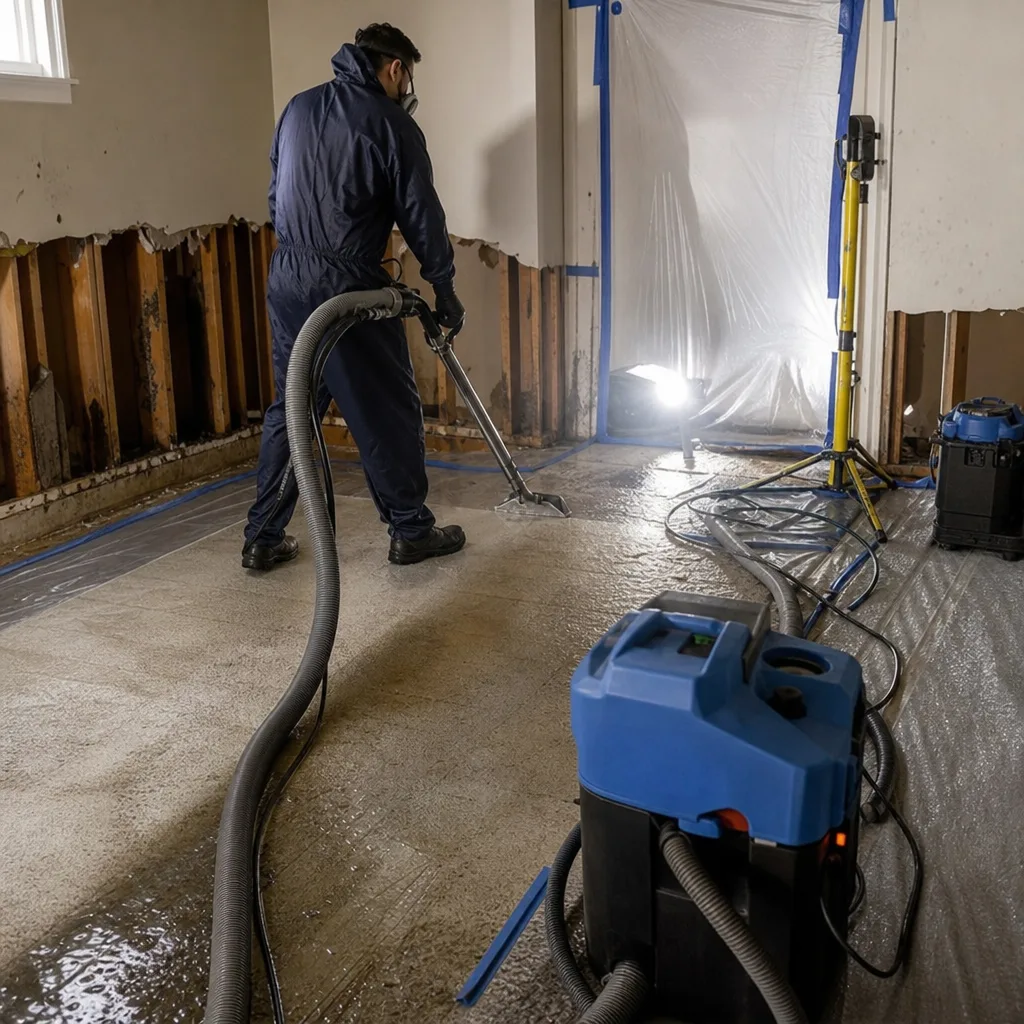
Active growth areas are sealed with 6-mil polyethylene sheeting under negative air pressure maintained by HEPA-filtered air scrubbers. We calculate air changes per hour based on containment volume and run continuous filtration until post-remediation verification sampling clears. No containment comes down early.
3. Source Elimination & Structural Drying
Moisture source is repaired or stabilized - failed flashing sealed, drainage improved, leak stopped - before drying begins. We deploy Injectidry mat systems and specialized drying chambers for engineered wood assemblies, documenting psychrometric data daily: temperature, relative humidity, and specific humidity at multiple points.
4. Removal of Contaminated Materials
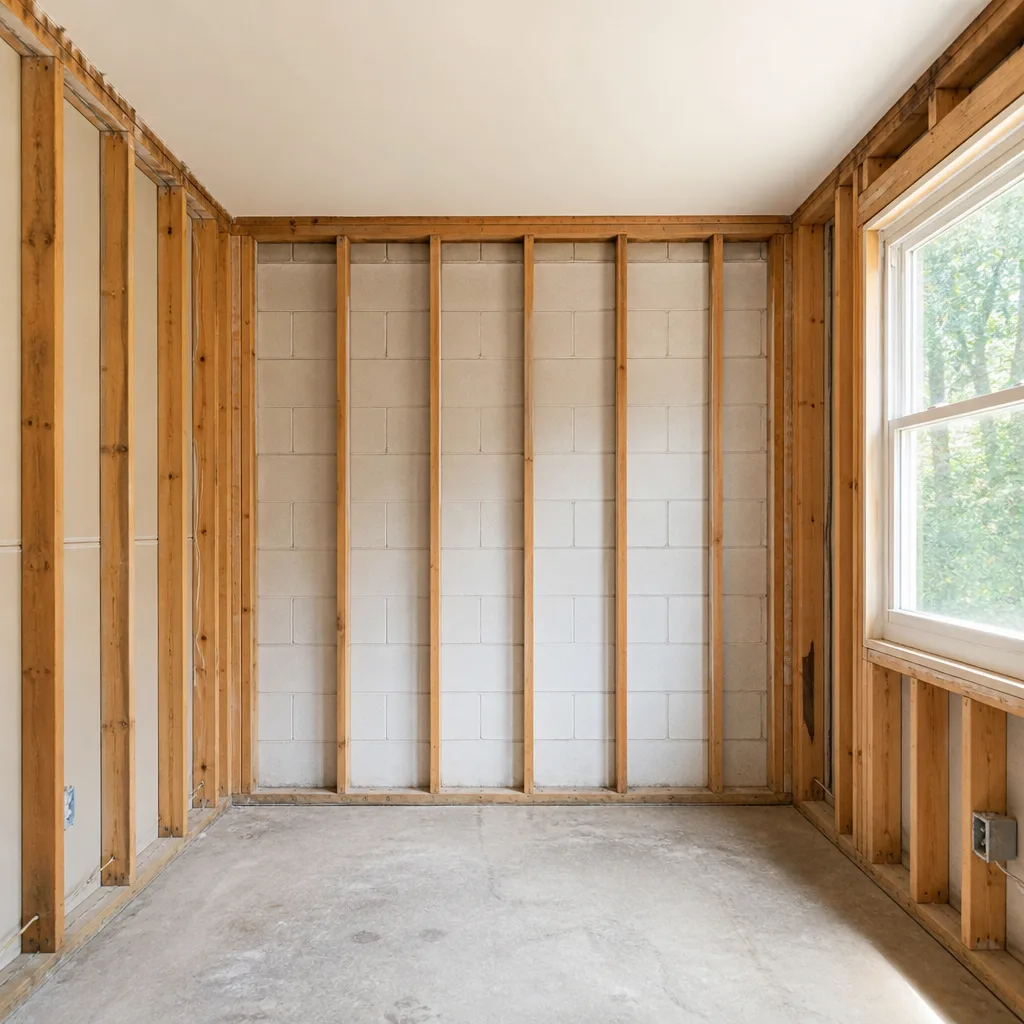
Porous materials with confirmed colonization are removed under containment: drywall, insulation, carpet pad, and deteriorated OSB sheathing. Non-porous framing is HEPA-vacuumed and treated with antimicrobial solutions appropriate to the material classification and occupancy sensitivity.
5. Crawl Space Treatment & Moisture Control
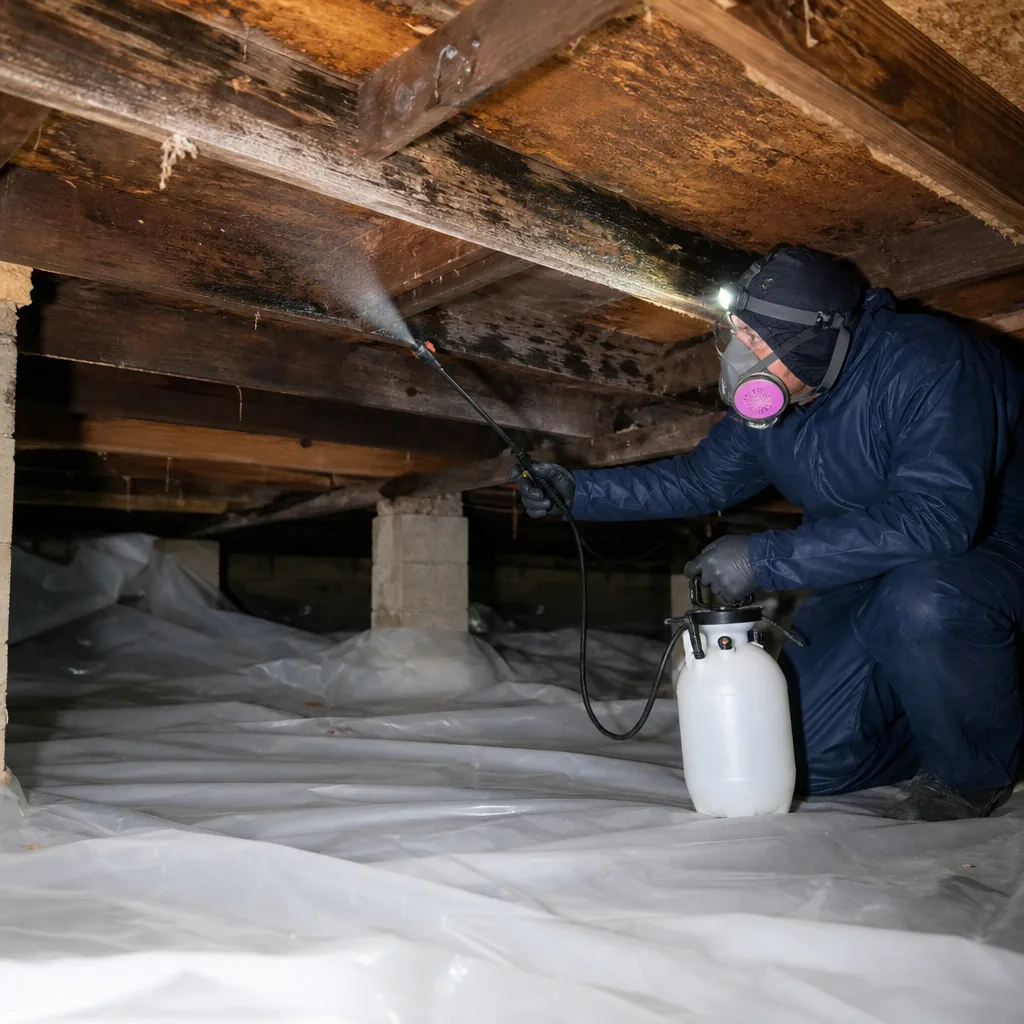
For Sammamish’s prevalent crawl space mold, we address the soil moisture driving recurrence. This may include vapor barrier installation, dehumidification, or full encapsulation depending on groundwater conditions and the home’s original construction details. We don’t leave until the moisture source is controlled, not just the visible growth.
6. Clearance Testing & Documentation
Post-remediation verification includes air sampling and surface sampling where indicated, with results from an independent lab. You receive the complete photo record, drying logs, material removal inventory, and a written scope of all work performed - the documentation package that turns a restoration invoice into a payable insurance claim.
Need Emergency Mold Remediation in Sammamish Now?
Crews minutes away, answering live 24 hours a day. The sooner we start, the less it costs.
Working With Your Insurance Company
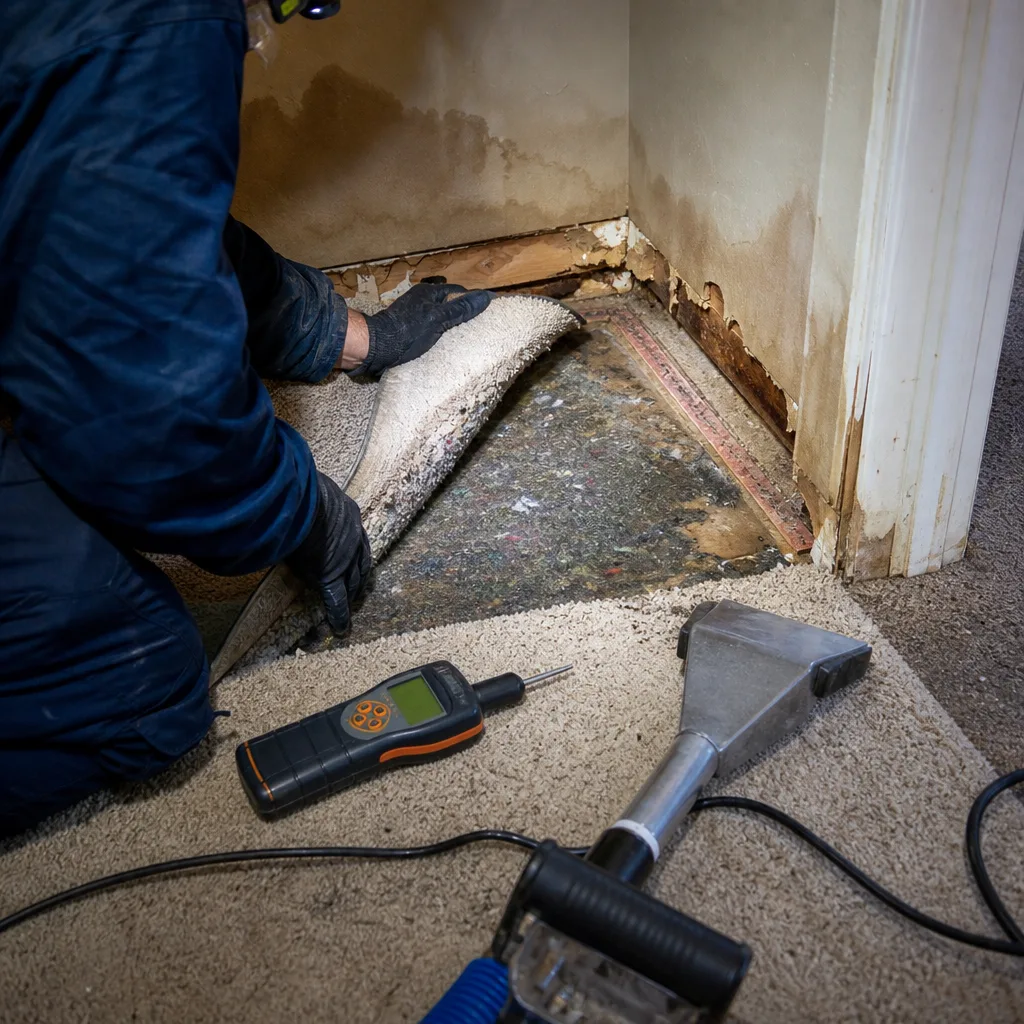
Most mold claims in Sammamish originate from covered water losses - burst supply lines, appliance failures, or storm damage - and insurers pay when the documentation supports the causal chain. We start photographing from the first minute. Our estimates are written to Xactimate line-item standards, and we coordinate directly with your adjuster rather than handing you an invoice to explain.
Haven Standard, Clause 1: your written price before any work starts. No scope-creep additions once our crew is inside your home. If a competitor has already provided an estimate, we offer a Free Second Opinion - we’ll review their scope at no charge and identify what’s missing or inflated.
What We Provide Your Insurer
- Thorough documentation of the loss with dated photos from arrival through completion
- Photos of all damage, room by room, with moisture readings visible on camera
- Daily moisture logs and psychrometric data showing drying progress
- A detailed, line-item scope of work with material classifications and quantities
- Direct coordination with your carrier’s adjuster, including field meetings when requested
Built for Sammamish’s Loss Calendar
January through March brings freeze-thaw cycling at the Plateau’s 400-500 foot elevation, splitting caulked window perimeters and opening flashing seams that stayed sealed in milder lowland winters. Spring rains saturate the heavy clay soils until May, pushing groundwater against crawl space vapor barriers that weren’t designed for sustained hydrostatic pressure. June through September’s dry spell lulls homeowners - but attic mold from winter roof leaks keeps growing in hot, poorly ventilated truss spaces.
October storms restart the cycle. November and December deliver the heaviest precipitation, and by then the same flashing details that failed in Trossachs five years ago are failing in identical houses three doors down. We see it every year. The homes don’t age independently - they age in synchrony, because they were built from the same plans with the same materials by the same crews in the same compressed construction window.
Mold Remediation Across Sammamish’s Neighborhoods
In Trossachs, the field vignette repeats: a homeowner notices musty odor upstairs, our tech finds elevated moisture inside an exterior wall below a second-story window valley, traces it to the builder’s original flashing detail, and sets up containment with HEPA filtration and Injectidry mats to dry the OSB sheathing and LVL header. That same week we confirmed the identical intrusion pattern at three neighboring homes. The builder’s detail failed with age, and it failed across the street simultaneously.
Inglewood Hill corridor homes share the same vulnerability - back-to-back construction by regional builders using identical housewrap and window-integration details. When we get a call from one address, we now ask about neighbors. Early containment at four houses beats full remediation at one that spread.
Pine Lake and the plateau’s western edge sit higher and wetter, with more freeze-thaw exposure and longer soil saturation periods. Crawl spaces here need encapsulation more often than simple mold removal, because the clay holds moisture for six to eight weeks after surface conditions read dry.
Sahalee and the golf course perimeter include some of the area’s earliest 1990s construction, now past thirty years on original roofing and flashing. These homes show the advanced stage of the same failure modes: repeated window leaks that homeowners patched cosmetically while OSB sheathing and insulation cavity mold progressed to Level II or III containment requirements.
Specialized Mold Remediation Services We Offer in Sammamish
Mold Inspection & Testing
We don’t guess based on odor or discoloration. Our Sammamish inspections combine thermal imaging, moisture mapping, and air quality assessment with specific attention to the window-valley and roof-to-wall intersections that fail predictably in local construction. Lab analysis confirms species and concentration, distinguishing active colonization from old staining that doesn’t require remediation.
Mold Removal
Removal follows containment, never precedes it. In Sammamish’s engineered wood assemblies, we remove deteriorated OSB and delaminated LVL components rather than attempting surface treatment on compromised structural materials. What stays gets HEPA vacuuming and antimicrobial treatment under continuous air scrubbing.
Black Mold Remediation
Stachybotrys and other toxigenic species require the same containment rigor regardless of color, but black mold calls trigger understandable urgency. We respond with the same documentation-first approach: contain, test, remove, verify. No scare tactics, no unnecessary demolition beyond what the moisture map and lab results support.
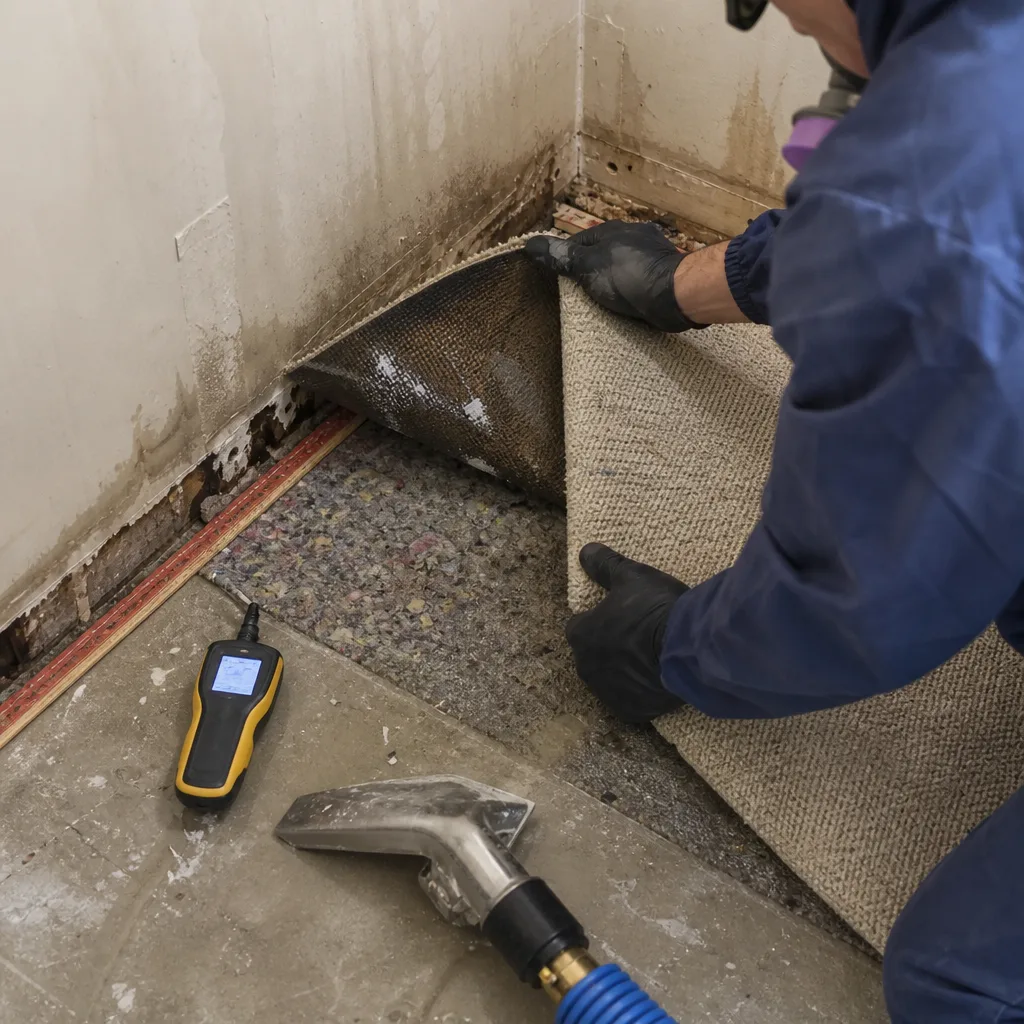
Air Quality Restoration
Post-remediation air scrubbing runs until independent lab samples confirm particulate levels below industry benchmarks. For Sammamish homes with forced-air systems, we inspect ductwork for spore deposition and recommend cleaning when visual or sampling evidence supports it.
Crawl Space Treatment
This is where Sammamish’s clay soils make generic remediation fail. We install vapor barriers, dehumidification, or full encapsulation based on actual groundwater conditions measured at your foundation, not a product package. Without this step, mold returns within two seasons on virtually every Plateau crawl space job.
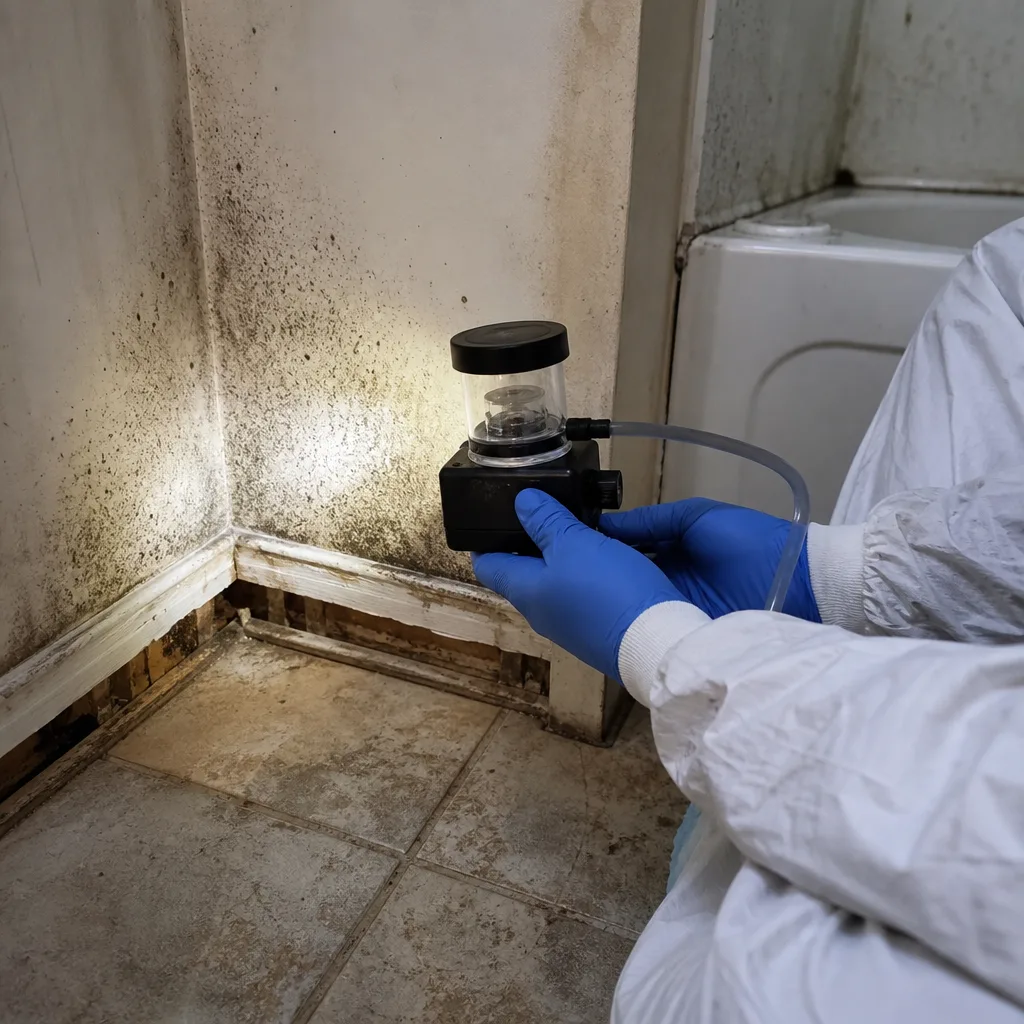
Moisture & Humidity Control
We leave Sammamish homes with documented moisture baselines and recommendations specific to their construction era and site conditions. For 1990s-2000s OSB-sheathed homes, that often means enhanced attic ventilation, improved crawl space air exchange, or targeted dehumidification - not generic advice, but measured solutions tied to your drying logs.
What happens when you call
- 1
A real person answersNo phone trees - you reach a local pro.
- 2
You get an upfront price rangeHonest numbers before anyone is dispatched.
- 3
A background-checked tech heads outLicensed & insured, dispatched right away.
- 4
You approve before work beginsNothing starts until you say go.
Mold Remediation Costs in Sammamish, WA
A typical Level I mold remediation in Sammamish - isolated surface treatment under 10 square feet with no structural material removal - runs $1,800-$2,800. Level II containment with limited drywall and insulation removal spans $3,500-$5,500. Level III or whole-crawl-space remediation with encapsulation can reach $6,500-$12,000, with full encapsulation adding $3,000-$7,000 depending on crawl space square footage and existing access conditions.
What moves the price: affected square footage, whether engineered wood assemblies require removal (LVL headers and I-joists cost more than drywall), crawl space accessibility, and whether independent clearance testing is requested. Insurance typically covers mold resulting from a covered water loss when documented properly; long-term humidity or maintenance-related mold may fall to homeowner responsibility. We provide a written price before any work starts - Haven Standard, Clause 1 - and a Free Second Opinion on any competitor’s written estimate.
We Also Serve Cities Near Sammamish
Our crews work the full Eastside corridor from the Seattle office, with regular response routes through Sammamish and neighboring Redmond, Bellevue, Kirkland, and Issaquah. Each city’s construction era and soil conditions produce distinct mold patterns - Redmond’s older mixed housing, Bellevue’s high-rise and mid-rise inventory, Kirkland’s waterfront exposure, Issaquah’s hillside drainage - and our Mold Remediation protocols adapt to each.
Serving Sammamish, WA - Our Local Coverage Area
We’re based in the Sammamish area and know this community well. Use the map below to see our service coverage - if you’re nearby, we can almost certainly help.
Sammamish Mold Remediation Questions, Answered
How quickly can mold start growing in a Sammamish home after a roof or window leak?
Mold colonization begins 24-72 hours after moisture intrusion on organic materials at temperatures above 60°F. In Sammamish’s 1990s-2000s homes, OSB sheathing and engineered wood products provide ideal substrate, and the Plateau’s cool, humid conditions slow drying while extending the viable colonization window. If you’ve had a leak, call (360) 997-2427 for a free moisture inspection - waiting for visible mold means the problem is already behind your walls.
Why do so many homes on the same Sammamish street have the same mold problem?
Because entire blocks in subdivisions like Trossachs and the Inglewood Hill corridor were built simultaneously by the same regional builders using identical window-flashing and housewrap details. When those details age out - typically 15-25 years after installation - they fail the same way on every house with the same exposure. Our technicians now recognize these patterns and can alert neighbors when we find a systemic builder detail failure. Call (360) 997-2427 if you’ve noticed similar symptoms to homes near you.
Does a mold problem in my Sammamish crawl space need full encapsulation?
Not always, but often in Sammamish. The heavy clay soils on the Plateau hold groundwater against foundations for weeks after rain events, creating sustained humidity that surface mold removal alone won’t control. We measure actual soil moisture and vapor pressure at your crawl space before recommending encapsulation, dehumidification, or vapor barrier installation. A written scope with pricing comes before any work starts - call (360) 997-2427 to schedule assessment.
What does the water category mean for mold remediation in my home?
Water category - Category 1 (clean source), Category 2 (gray water with contaminants), or Category 3 (black water with sewage) - determines antimicrobial treatment intensity and material disposal requirements. Category 1 leaks that are caught within 24 hours may allow drying of some structural materials; Category 2 or 3 incidents, or any leak exceeding 48 hours before discovery, typically require removal of porous materials regardless of visible mold. We classify your loss during the free inspection and document the rationale for your insurer. Call (360) 997-2427 to schedule.
How does DryMark’s mold remediation process handle Sammamish’s complex rooflines?
Multiple valleys and intersecting roof planes common in Sammamish’s upscale 1990s-2000s designs create repeated water-entry points that are easy to miss during initial assessment. Our inspection protocol includes thermal imaging of all valley-to-wall intersections and attic moisture mapping across the full roof plane, not just the area below the visible leak. Drying logs document every affected cavity. Call (360) 997-2427 for inspection - estimates are free.
How long does mold remediation take in a typical Sammamish home?
Level I projects complete in 1-2 days. Level II containment with material removal and structural drying typically runs 3-5 days, with drying time dependent on material porosity and ambient conditions. Level III or crawl space encapsulation extends to 5-10 days. We don’t declare a job complete until moisture mapping and independent clearance testing confirm dry, clean conditions - not by calendar estimate. Call (360) 997-2427 for a timeline specific to your situation.
Can my family stay in the home during mold remediation?
For Level I containment, usually yes. Level II may require temporary relocation from affected rooms. Level III or any toxigenic species involvement typically requires full temporary relocation until clearance testing confirms safe reoccupation. We specify occupancy restrictions in your written scope before work begins - no surprises once containment is up. Call (360) 997-2427 to discuss your specific situation.
What certifications do DryMark’s mold remediation technicians hold?
Our crews hold IICRC AMRT (Applied Microbial Remediation Technician) and WRT (Water Damage Restoration Technician) certifications, with documented continuing education. All work is performed to IICRC S520 standards for mold remediation and documented with the photo records, drying logs, and written scopes that insurers expect. License numbers are provided on every job file. Call (360) 997-2427 to verify credentials before scheduling.
Written by Alicia Brennan, Owner at Back to Dry Restoration, serving Sammamish since 2011 under The Haven Standard.
Mold Remediation in Nearby Areas