
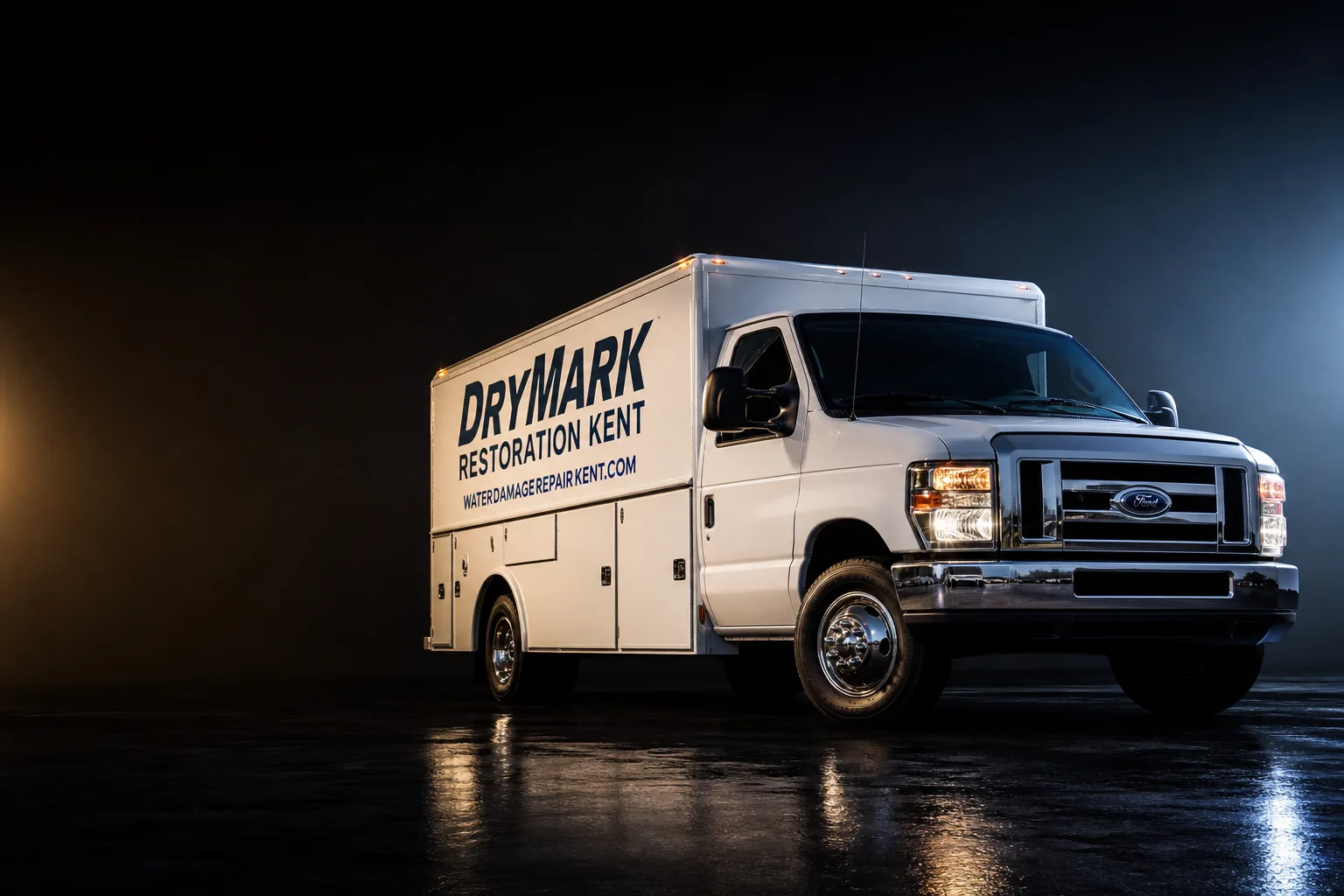
Free visual inspection and a written scope of work before any mitigation begins - photos, moisture readings, and drying logs go in your claim file
The scope we write is the scope we bill. Anything new gets shown to you, in writing, before we touch it.
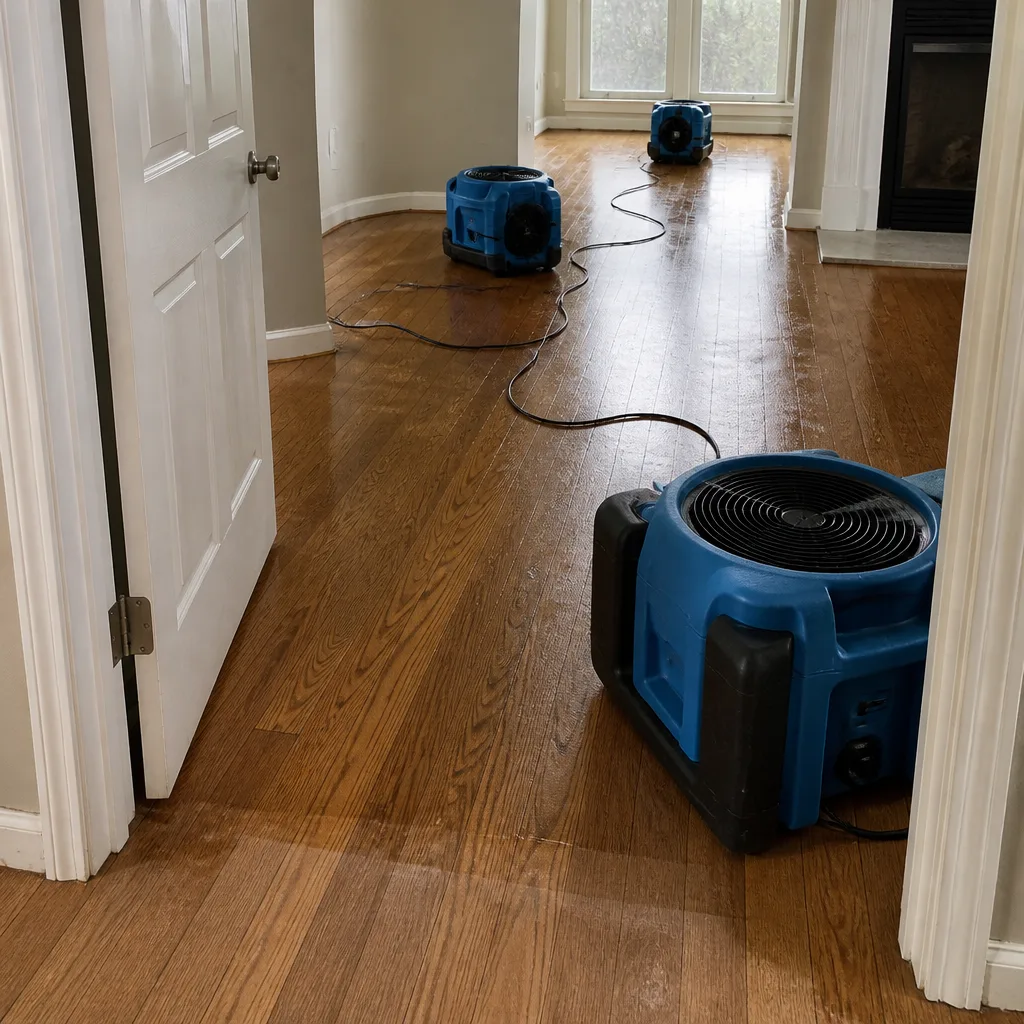
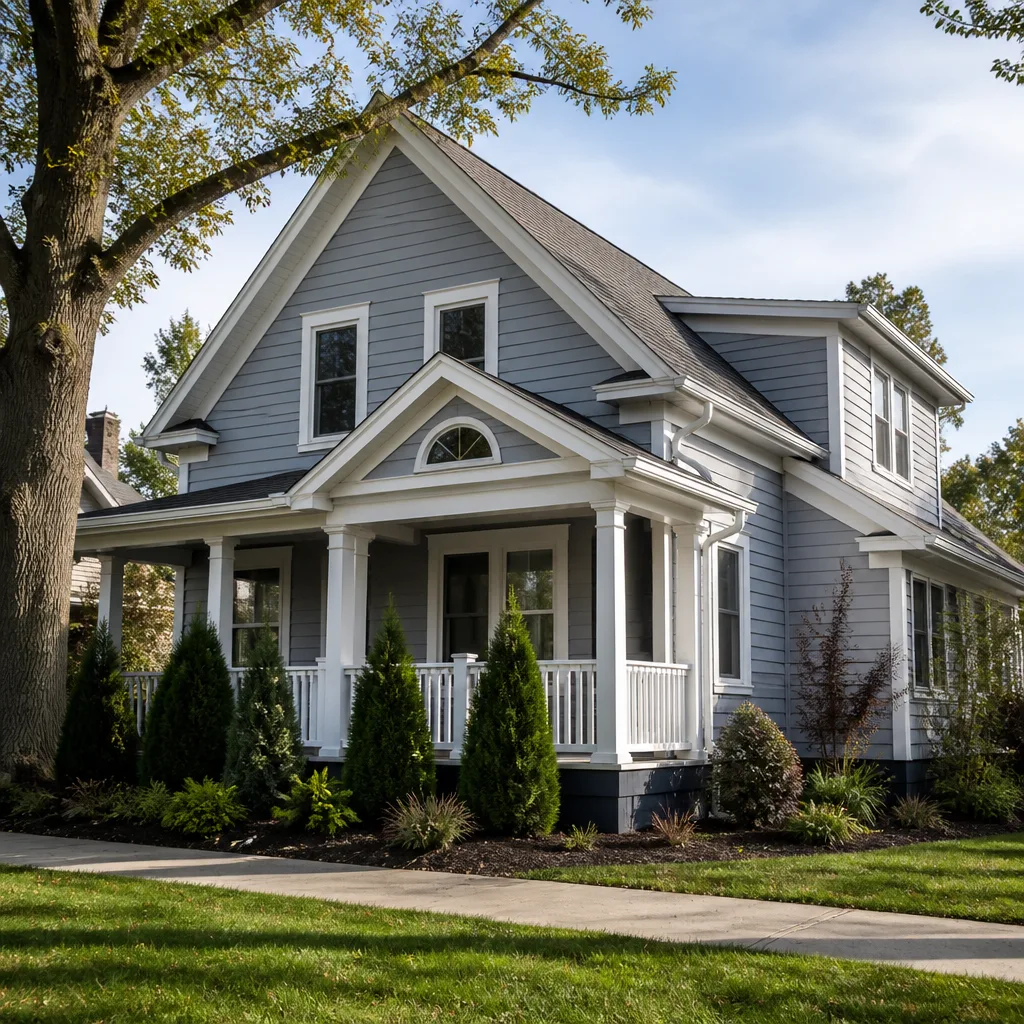
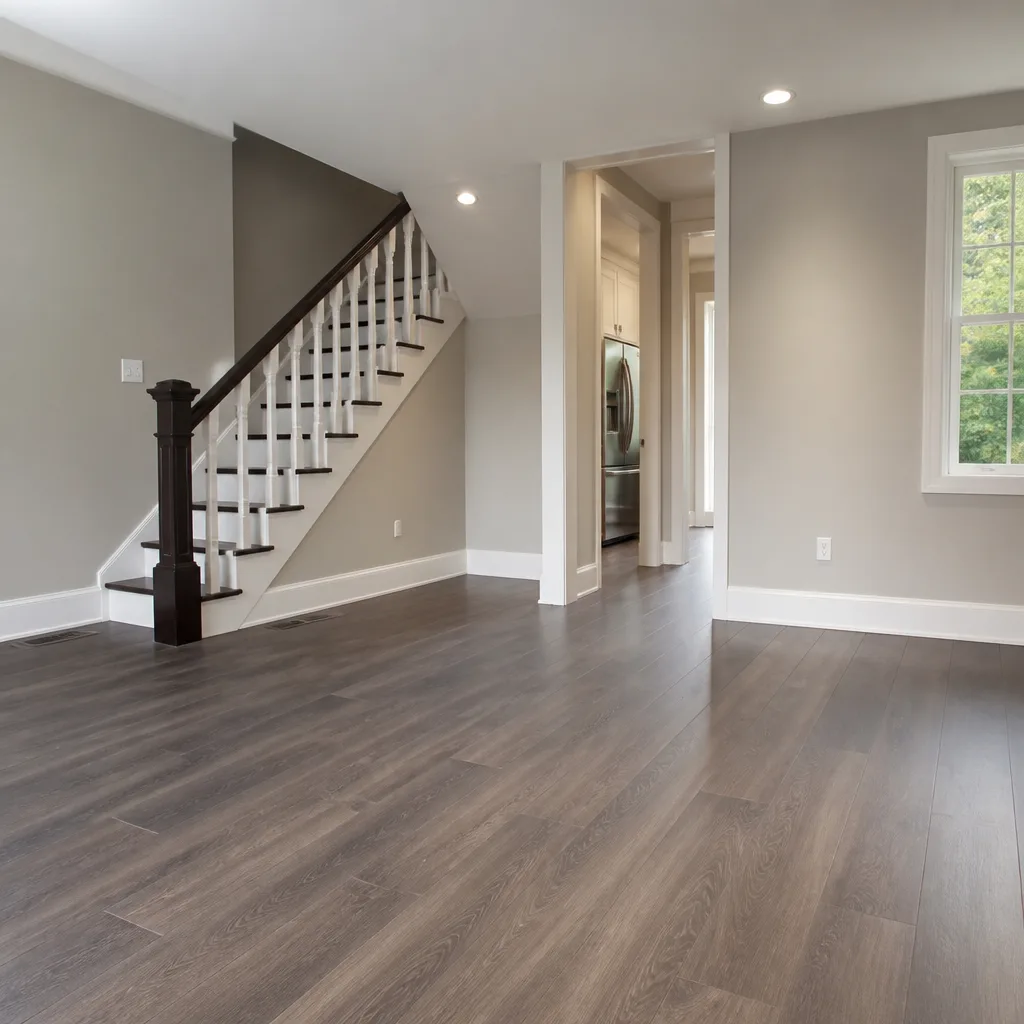
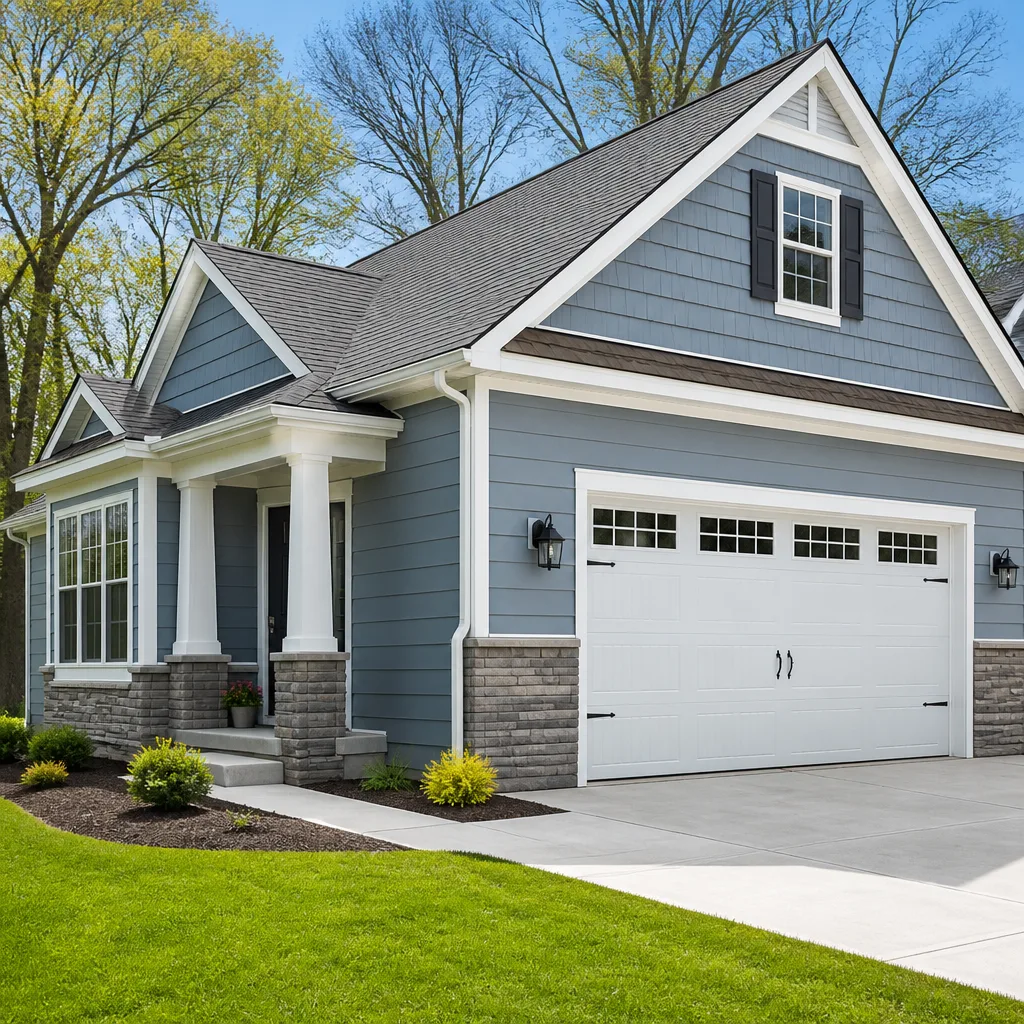
 Before
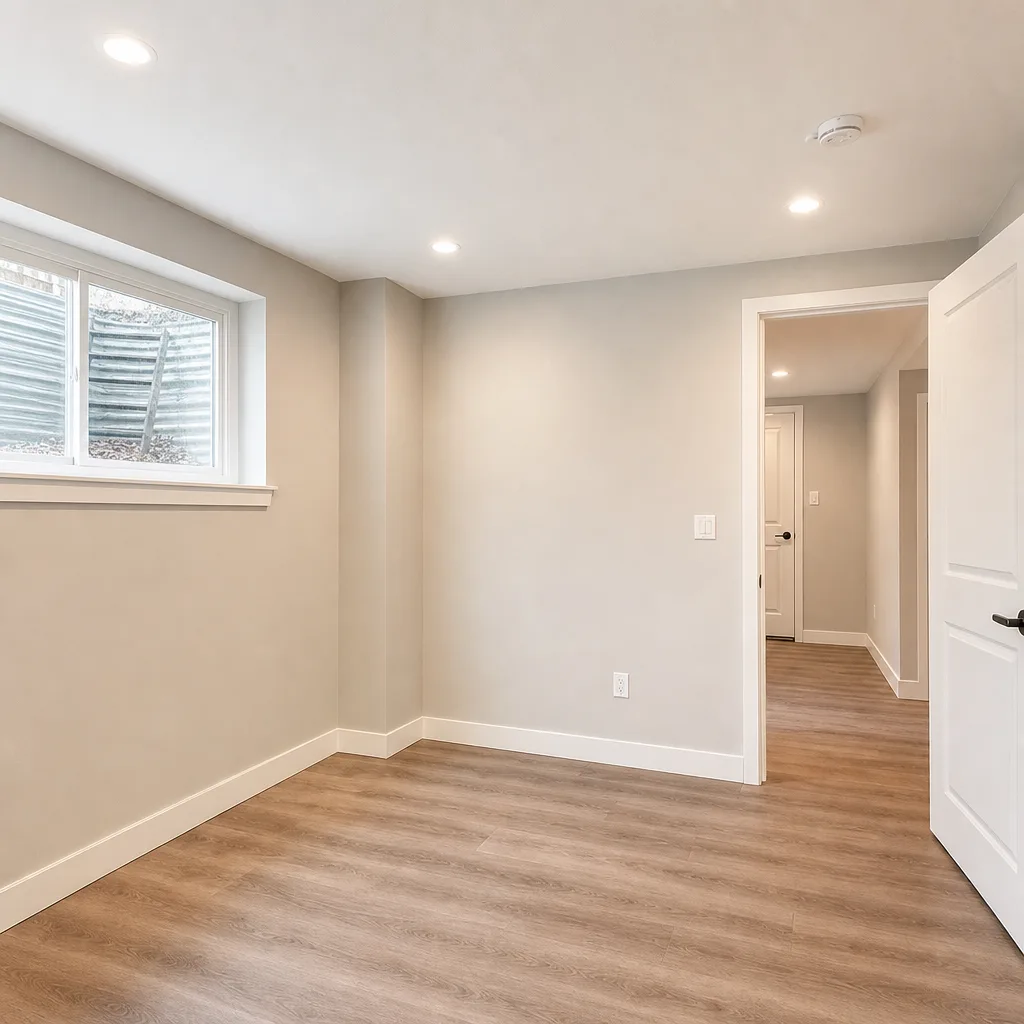 After
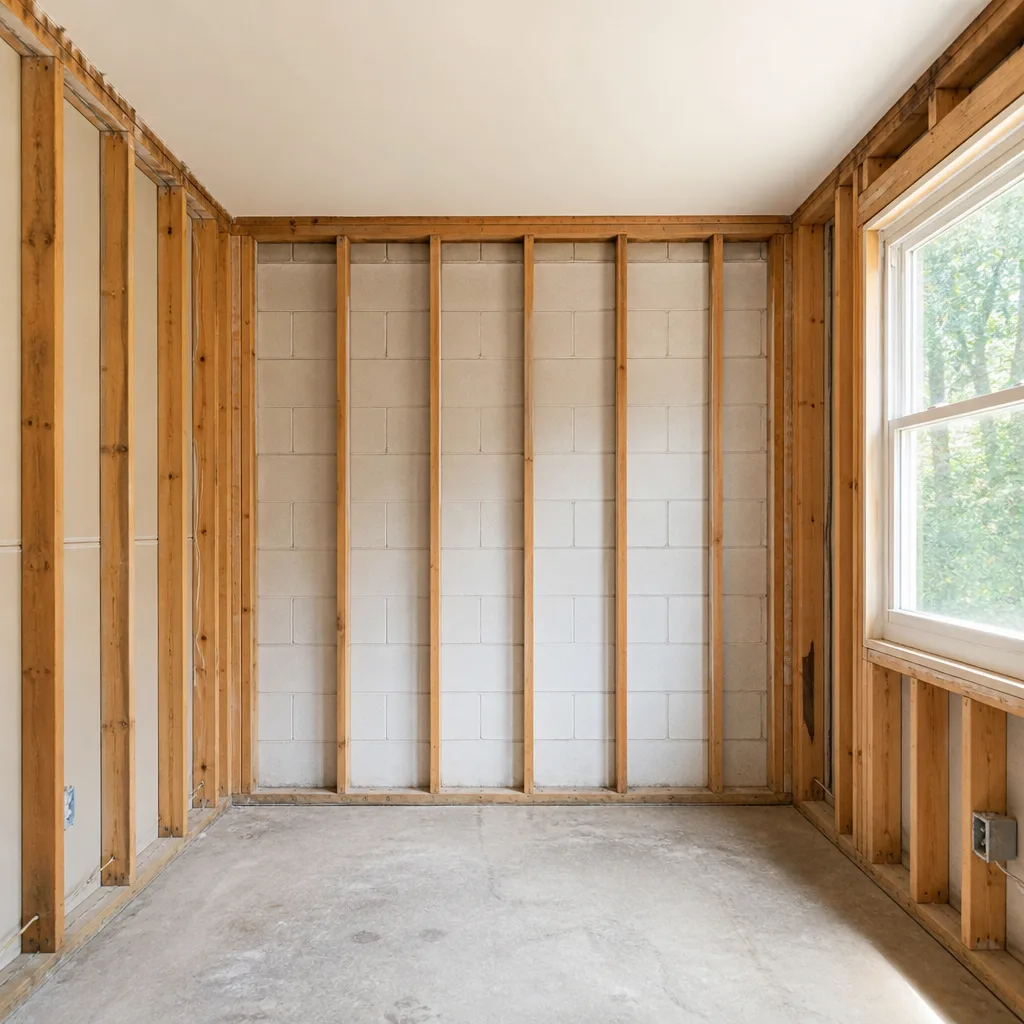
After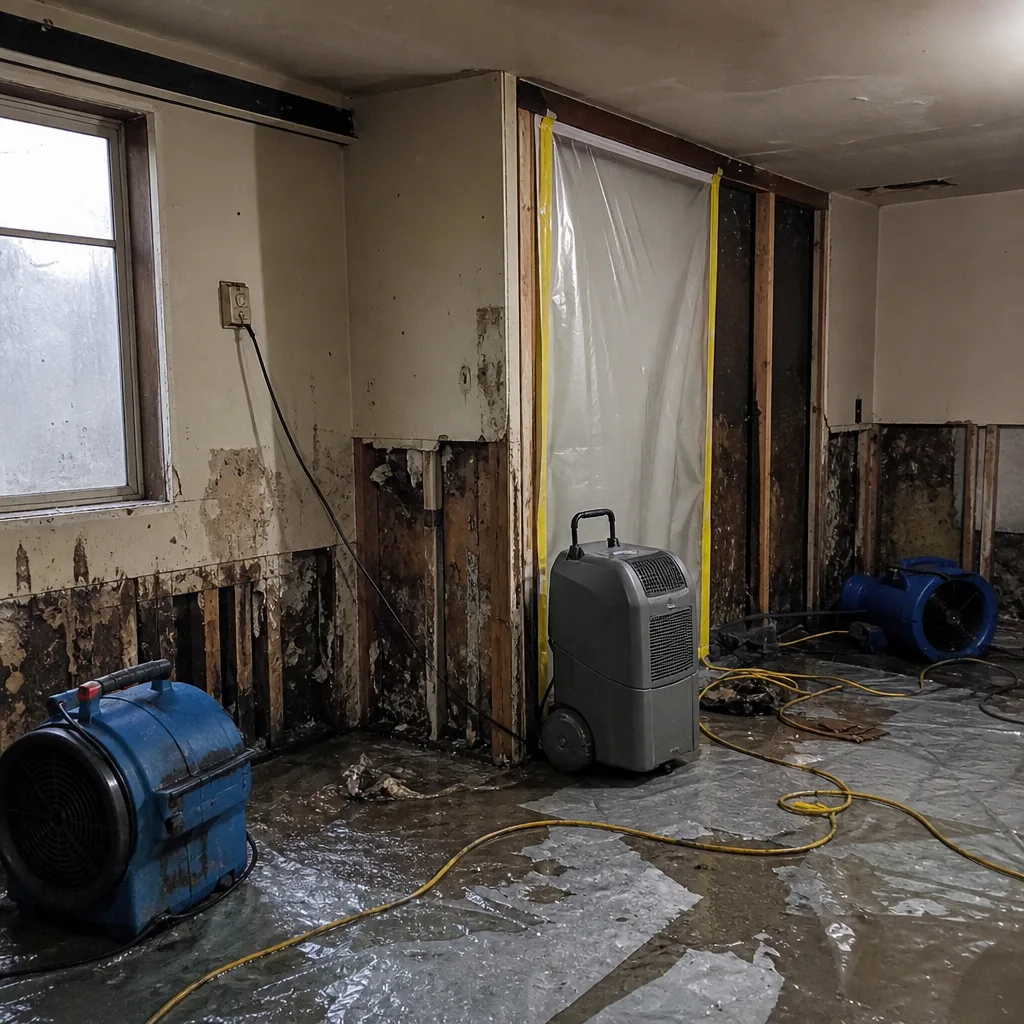 Before
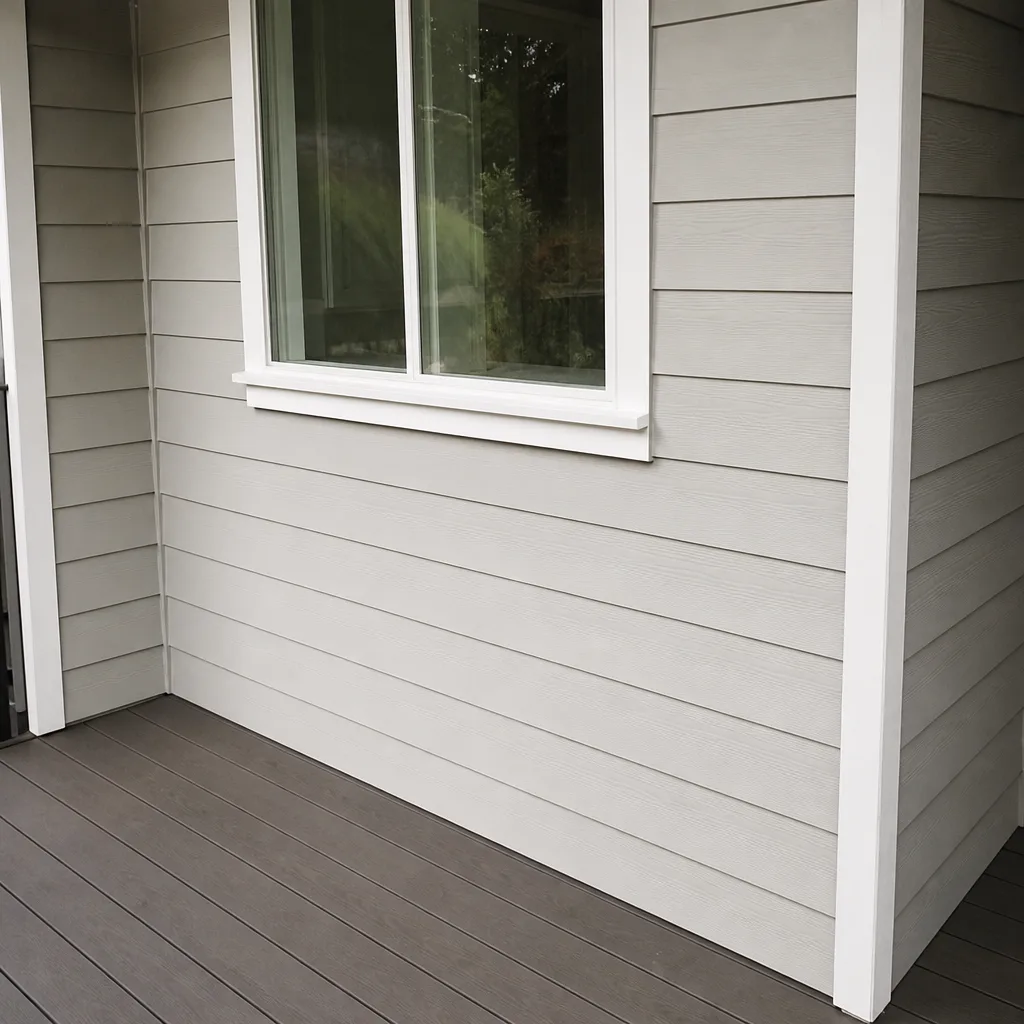 After
After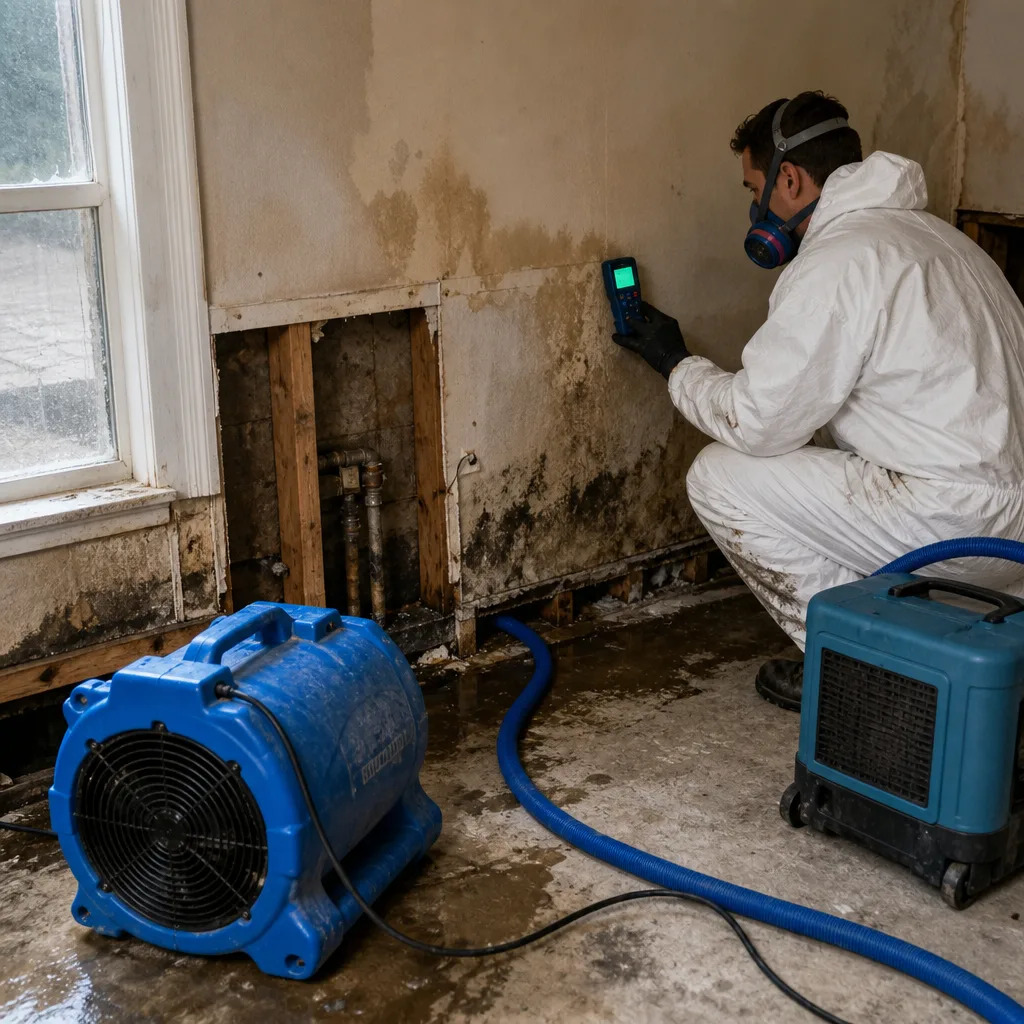 Before
 After
After24/7 Emergency Mold Remediation in Kent
Mold remediation in Kent typically costs $1,200-$4,500 for contained residential jobs and $5,000-$15,000+ for whole-structure treatments, with most East Hill and valley-floor properties falling in the $2,800-$6,500 range after water intrusion events. Our crews answer live at (360) 997-2427 24 hours a day, 7 days a week - no voicemail, no callback queues. We dispatch from our Seattle office and can have a technician to your Kent property within 45 minutes for emergency calls.
The first hour matters because mold colonizes drywall and framing in 24-72 hours after moisture exposure. In Kent’s damp valley climate, that window shrinks. Standing water on the valley floor, saturated crawl spaces in East Hill homes, or wind-driven rain behind aging siding - each scenario accelerates spore activation. We provide a free visual inspection, document moisture readings with thermal imaging, and deliver a written scope before any containment goes up.
Understanding Mold Remediation Severity in Kent Properties
Mold severity in Kent follows three practical categories: limited surface growth under 10 square feet, moderate colonization in wall cavities or crawl spaces from 10-100 square feet, and extensive structural infestation exceeding 100 square feet or involving HVAC systems. Each level demands different containment, air-scrubbing capacity, and material removal.
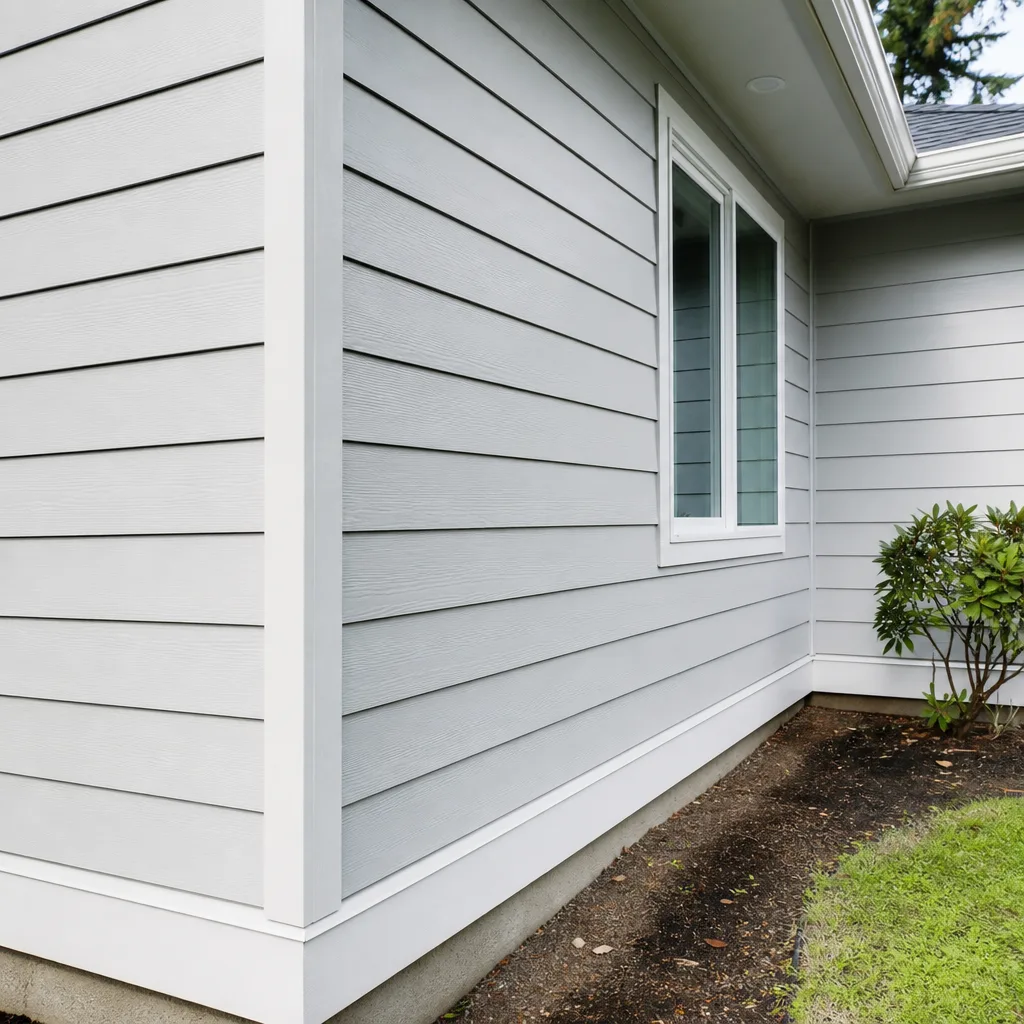
Kent’s housing stock drives these patterns. On East Hill, we regularly find 1970s-1990s wood-frame tract homes with original housewraps and composition siding past their service life. Chronic moisture intrusion behind exterior walls produces hidden mold blooms that extend 3-4 feet beyond visible staining. The valley floor adds another variable: mid-century light-industrial buildings and older residential pockets on former agricultural land with poor subsurface drainage. Here, hydrostatic pressure pushes moisture through concrete slabs year-round, creating secondary mold events weeks after surface water appears controlled.
Our crews classify water damage by IICRC standards - Category 1 (clean water), Category 2 (gray water with chemical or biological contamination), Category 3 (black water with sewage or ground contact). Kent’s October-April stormwater ponding frequently contacts soil and slab, upgrading what homeowners assume is Category 1 to Category 2 or 3. Wrong classification means material that should be removed gets dried in place, leaving viable mold colonies behind.
Why Kent Property Owners Choose DryMark Restoration Kent
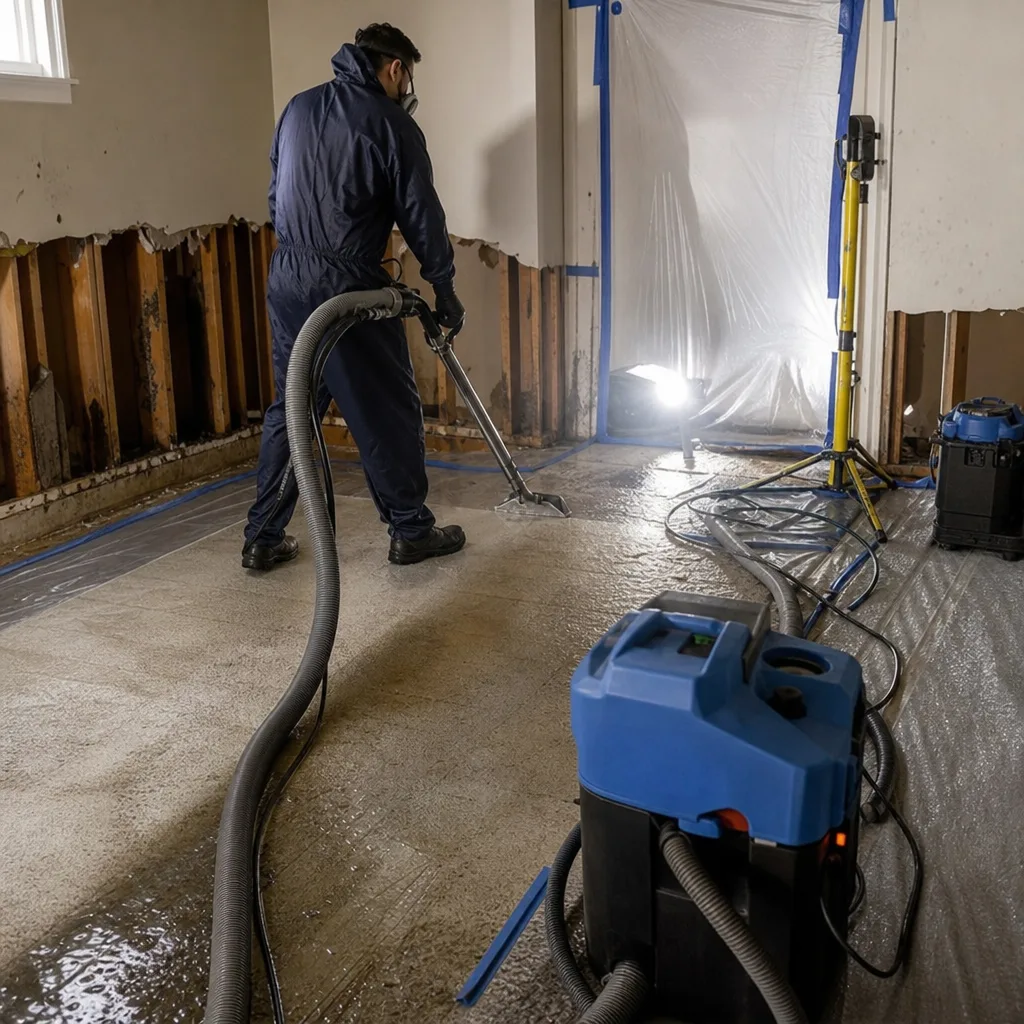
- 45-minute response commitment to Kent addresses - dispatch coordinates from our Seattle office with crews already staged for the Kent Valley.
- 24/7 live answer: a real person picks up every call, never an automated system or voicemail tree, because mold doesn’t wait for business hours.
- IICRC-certified crews holding WRT (Water Damage Restoration Technician) and AMRT (Applied Microbial Remediation Technician) certifications - we name the credential, not just the acronym.
- Free visual inspection with moisture mapping and thermal imaging before any work is proposed.
- Direct insurance billing with photo-documented estimates formatted for adjuster review, reducing claim disputes.
- One team from containment to reconstruction - no handoffs between remediation and rebuild contractors.
BeforeAfterOur Mold Remediation Process
1. Inspection & Assessment
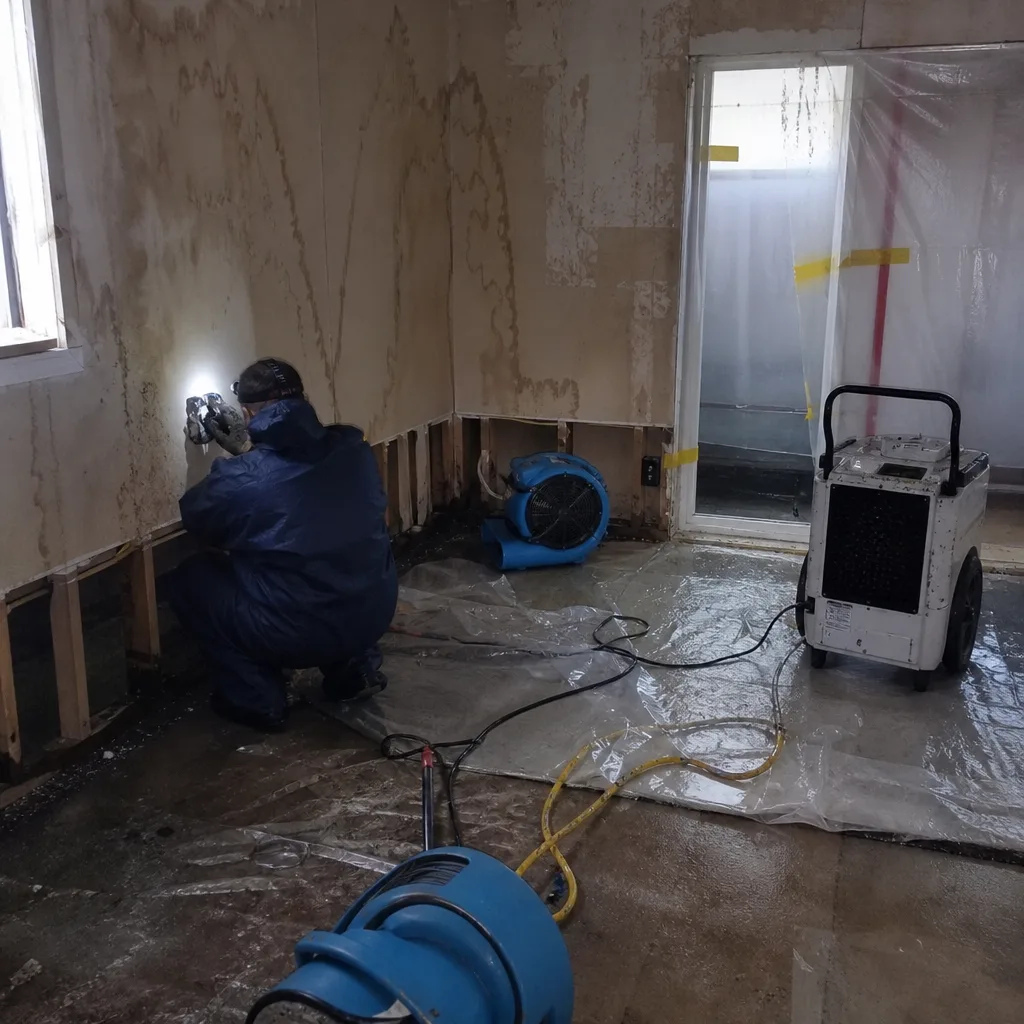
We map moisture with thermal imaging and penetrating hygrometers, identify water category, and define containment boundaries. On a 1978 wood-frame tract home off James Street on East Hill, our tech pulled baseboard in a finished basement and got 28% moisture readings on the bottom plate with visible mold bloom three days after a wind-driven rain event, even though nothing had “flooded.” We set containment, ran HEPA air scrubbers with XPOWER air movers and a Phoenix dehumidifier, gave the cavity an antimicrobial treatment, and logged daily moisture readings against pre-loss condition - the culprit was aged housewrap and failing composition siding letting water sit against the sheathing for years.
2. Containment & Air Filtration
We establish negative-pressure containment with 6-mil polyethylene barriers and run HEPA air scrubbers at 4-6 air changes per hour to prevent cross-contamination. Kent’s tight valley-floor homes and compact East Hill floor plans make proper containment critical - one breached barrier can seed the entire structure.
3. Moisture Control & Drying
We deploy Phoenix dehumidifiers and Dri-Eaz air movers with real-time psychrometric monitoring - tracking temperature, relative humidity, and vapor pressure differential (the force that drives moisture from wet materials into dry air). On Kent valley-floor slabs, we add subsurface drying mats and monitor for hydrostatic rebound, a condition surface extraction alone won’t solve.
4. Mold Removal & Cleaning
Non-salvageable materials come out. Salvageable framing and sheathing receive HEPA vacuuming and antimicrobial treatment per IICRC S520 standards. We document every removed square foot with photos for your insurer and our drying log.
5. Crawl Space & Air Quality Treatment
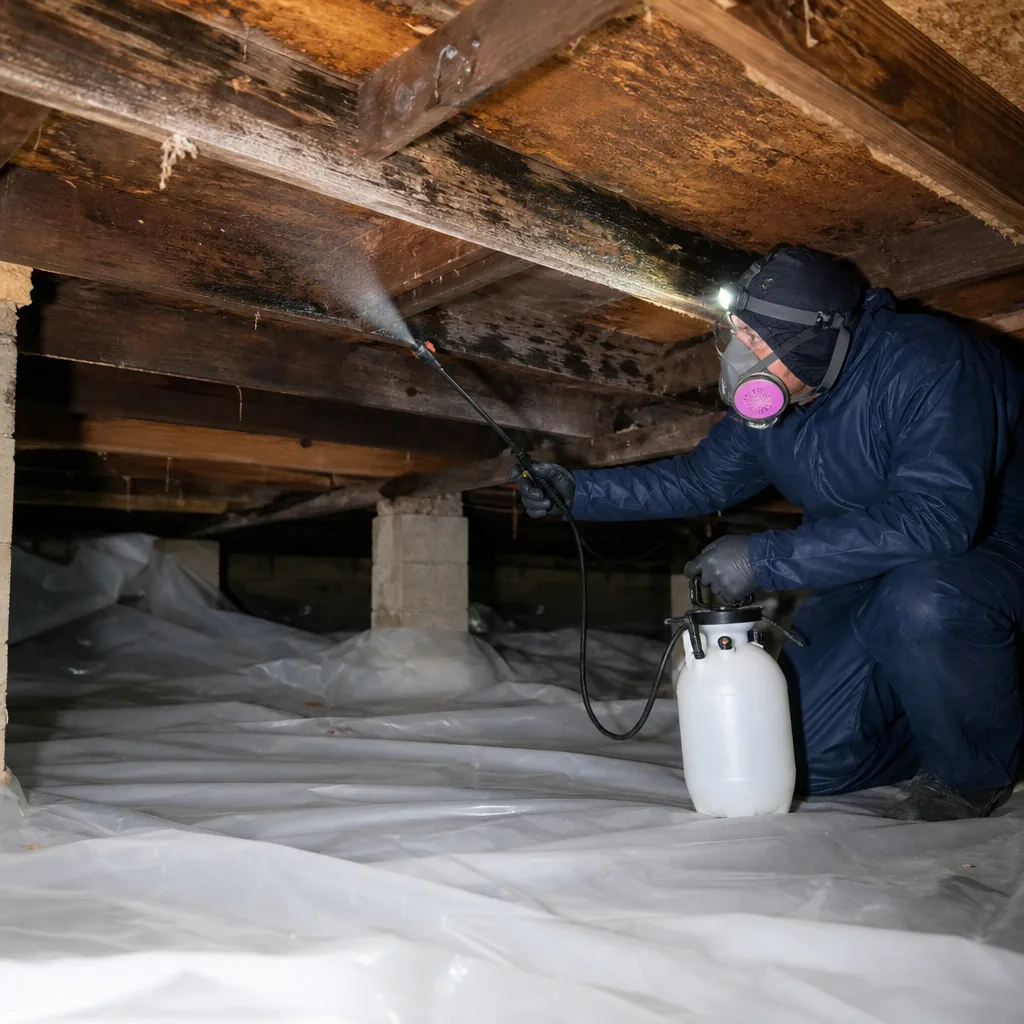
Crawl spaces get vapor-barrier assessment, dehumidification sizing, and ongoing humidity control planning. For occupied structures, we verify air quality with particle counts and musty-odor elimination before clearance. This is where our Mold Remediation work connects directly to long-term building health.
6. Repairs & Restoration
We rebuild what we removed - drywall, insulation, flooring, siding - with moisture-resistant materials where code allows. Every job closes with a written completion certificate, photo record, and our 365-Day Done Right Promise under The Haven Standard.
Need Emergency Mold Remediation in Kent Now?
Crews minutes away, answering live 24 hours a day. The sooner we start, the less it costs.
Working With Your Insurance Company
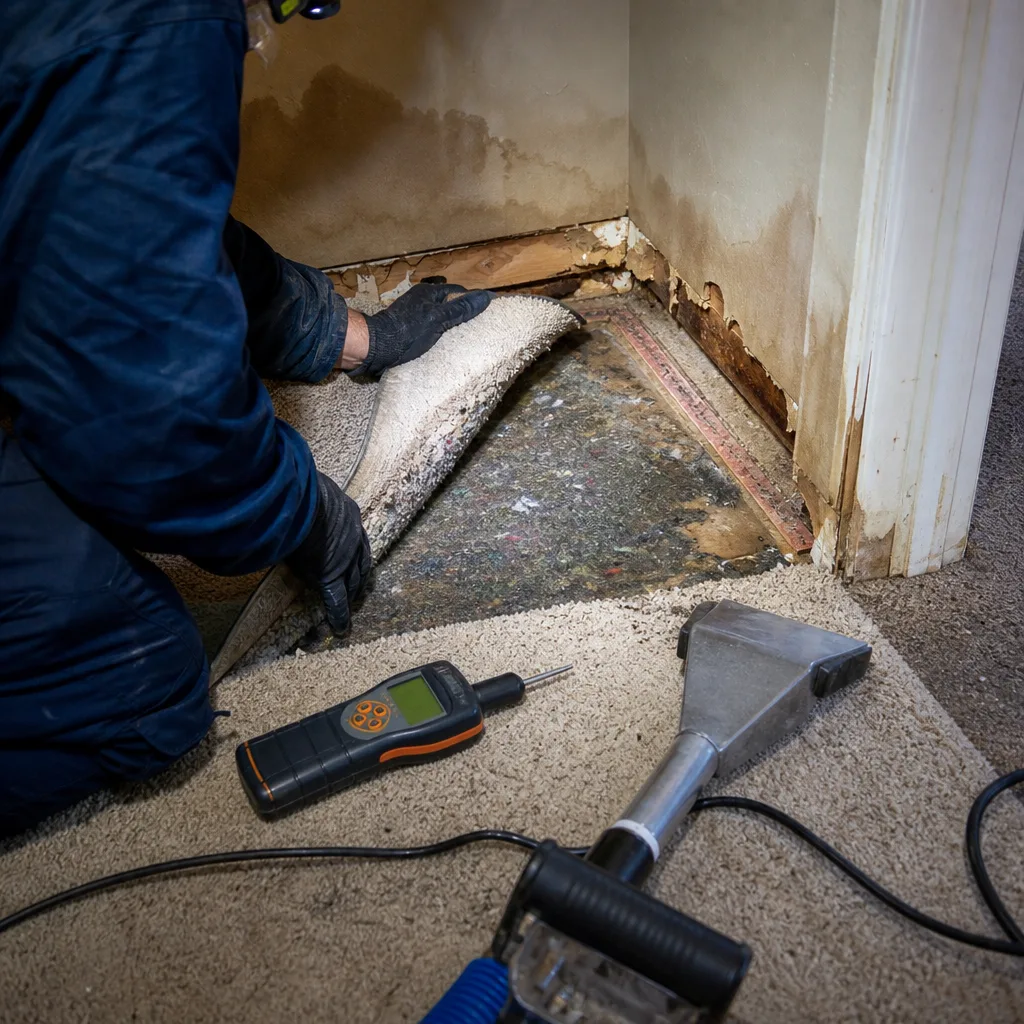
Insurance claims for mold damage fail most often on documentation gaps - missing moisture readings, no photo record of pre-loss condition, or a scope that doesn’t explain why materials were removed rather than dried. We close those gaps from the first hour.
Our technician documents the loss with room-by-room photos, thermal imaging, and written moisture readings. We produce industry-standard estimates formatted for adjuster review, with line-item justification for each removal and treatment. Direct coordination with your carrier means fewer denied items, fewer supplement requests, and faster payment. Alicia Brennan built this company in 2011 after seeing how documentation gaps cost homeowners their claims - that origin shapes every file we open.
What We Provide Your Insurer
- Thorough documentation of the loss
- Photos of all damage, room by room
- Moisture readings and drying logs
- A detailed, line-item scope of work
- Direct coordination with your carrier
Built for Kent’s Loss Calendar
Kent’s mold season runs October through April, when the Green River Valley traps cold, saturated air and stormwater has nowhere fast to drain. October brings the first sustained rains; by November, East Hill homes with compromised exterior envelopes show cavity moisture. December through February, valley-floor properties face slab wicking as the water table rises. March and April deliver the heaviest sustained precipitation, often overwhelming older drainage on light-industrial sites.
Summer brings a secondary pattern: warm, humid days with no drying wind, especially in crawl spaces and basements where winter moisture never fully evacuated. We see more “mystery” mold calls in July and August than any other months - homeowners noticing musty odors after months of closed-up humidity. Year-round, Mold Remediation in Kent requires understanding both flood-driven and chronic moisture pathways.
Mold Remediation Across Kent’s Neighborhoods
East Hill, from James Street north toward Benson Highway, is dense with 1970s-1990s wood-frame tract homes. We’ve pulled siding on dozens of these properties to find sheathing rot extending well beyond interior stain lines. The aged housewrap acts as a wick, not a barrier. Crews working here plan for 30-50% more cavity removal than visible mold suggests.
The Kent Valley floor, along West Valley Highway and the industrial corridor toward South 228th Street, mixes mid-century warehouse buildings with older residential pockets. Subsurface drainage is poor - this was agricultural floodplain before it was commercial. Slab-on-grade structures here need subsurface moisture monitoring even when surface water appears controlled. We schedule follow-up readings at 14 and 30 days to catch hydrostatic rebound.
The West Hill and Meridian area, slightly elevated, sees less slab wicking but more wind-driven rain intrusion through aging roof-to-wall intersections. Panorama Heights and the Lake Meridian corridor have 1980s-2000s construction with better original envelopes, though we still find attic mold from bathroom venting into soffits rather than through the roof.
Near the Green River itself, between Meeker Street and the river levee, properties carry genuine flood risk. When Howard Hanson Dam releases exceed channel capacity, these areas see overbank flooding. Mold work here requires flood-aware containment and material classification - water that has contacted soil and river sediment is Category 3, regardless of how “clean” it appears.
Specialized Mold Remediation Services We Offer in Kent
Mold Inspection & Testing
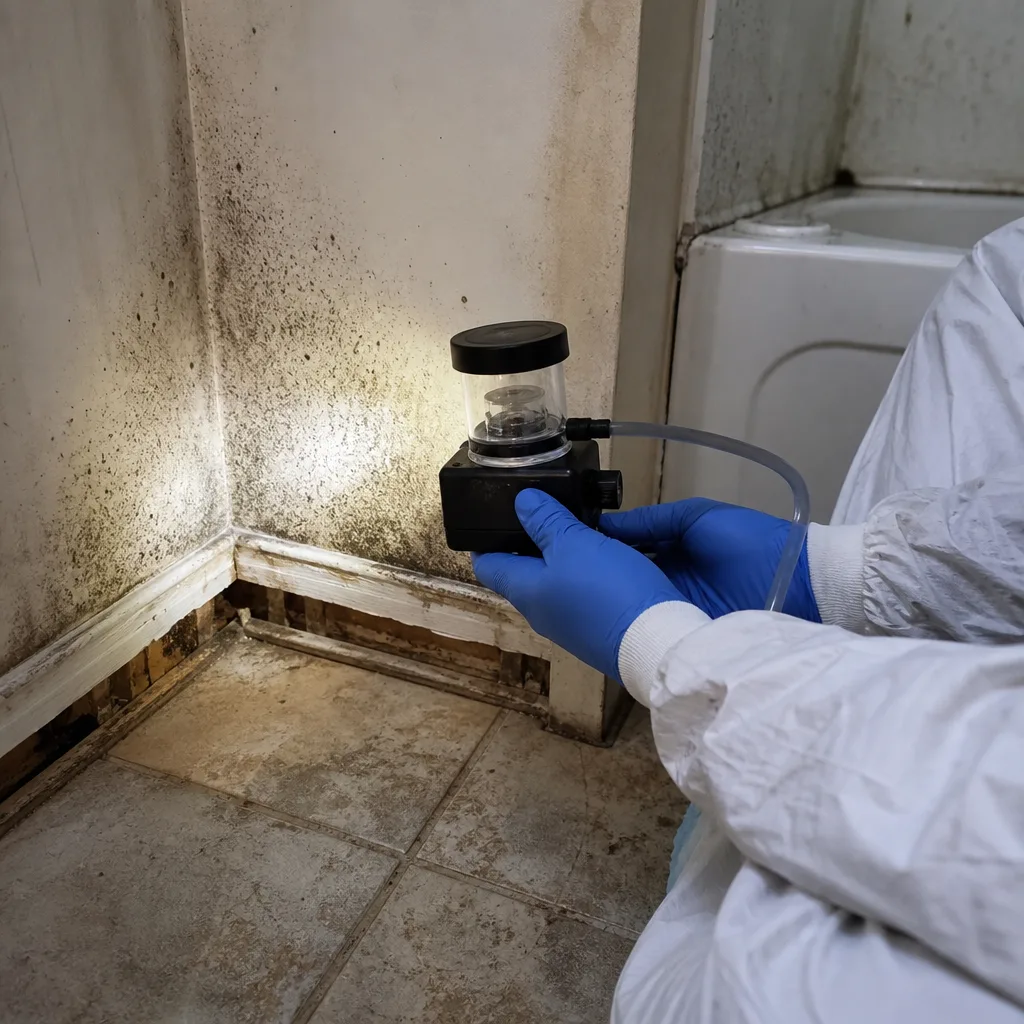
We start with visual inspection, moisture mapping, and thermal imaging - not guesswork. Air sampling and surface testing go to third-party labs when health concerns or dispute resolution require documented spore identification. Kent’s varied housing ages mean we test for different mold genera: Stachybotrys in chronic water-intrusion cavities, Aspergillus and Penicillium in humid crawl spaces.
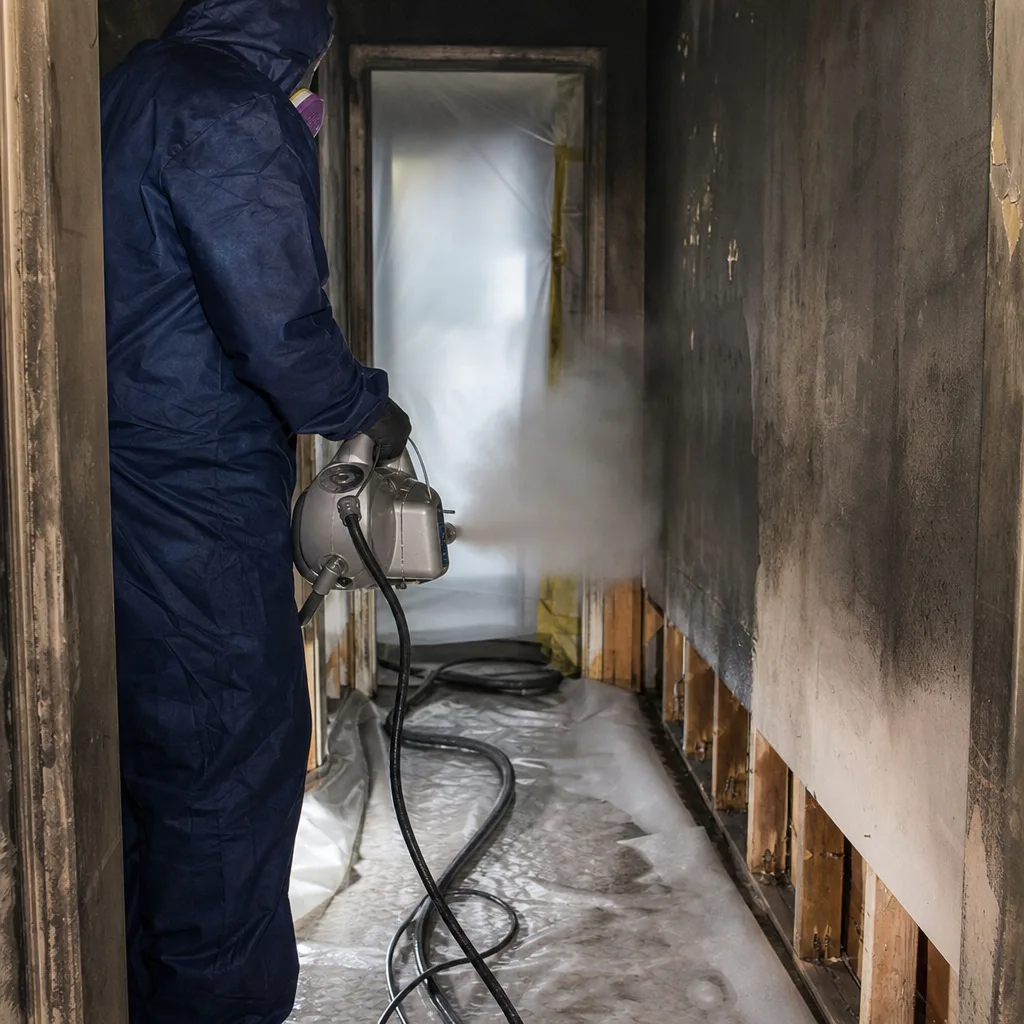
Mold Removal
Containment, HEPA filtration, controlled demolition, and antimicrobial treatment per IICRC S520. We remove only what must come out, document why, and rebuild with moisture-resistant materials. Every removal decision is photographed and logged.
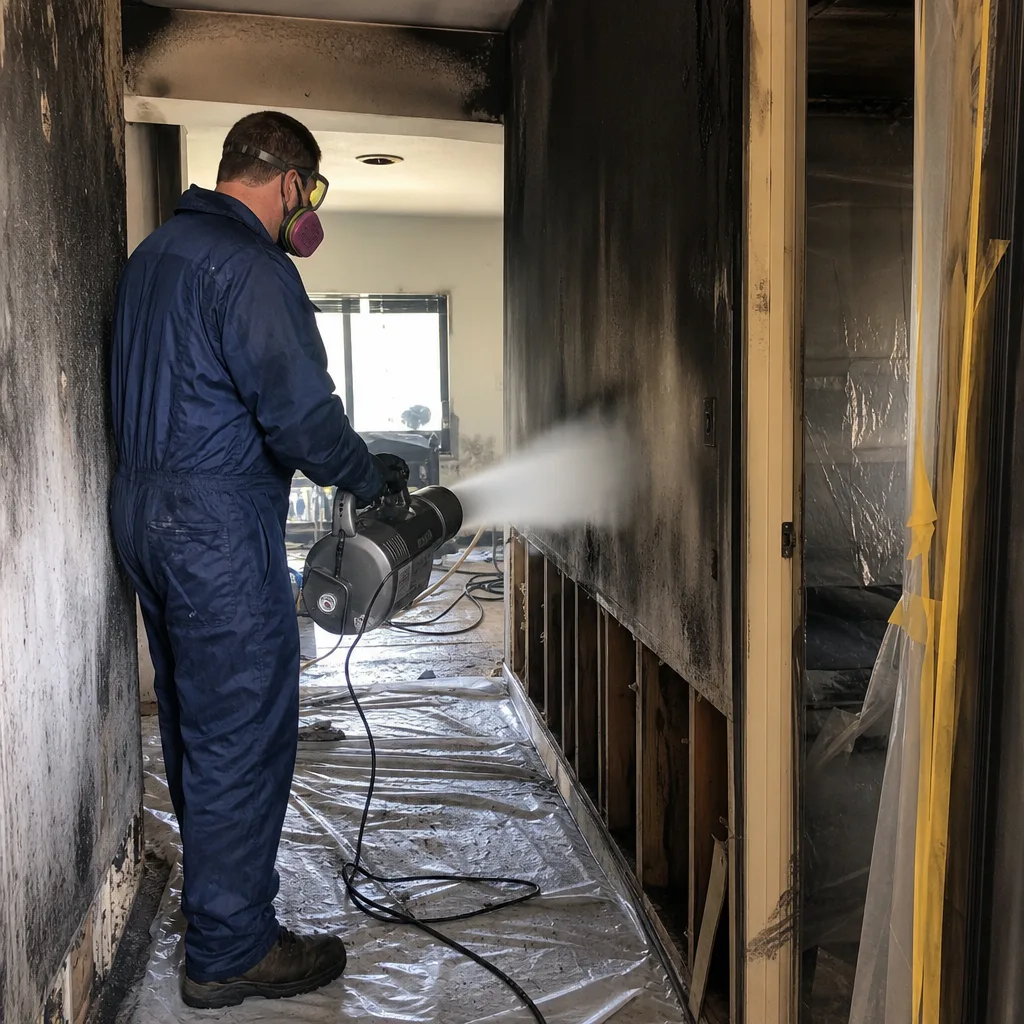
Black Mold Remediation
Stachybotrys chartarum and other toxigenic species require enhanced containment, full-face respirator protocols, and extended air scrubbing. We don’t use “black mold” as a scare term - we identify the species, explain the health implications, and treat accordingly.
Air Quality Restoration
Post-remediation, we verify air quality with particle counts and odor assessment. For Kent homes with occupied basements or converted attics, we size permanent dehumidification and recommend ventilation improvements to maintain sub-60% relative humidity.
Crawl Space Treatment
Kent’s valley-floor crawl spaces stay wet because hydrostatic pressure from the high water table reintroduces moisture even after surface water is gone. We install vapor barriers, seal vents where appropriate, and size dedicated dehumidifiers - not just temporary drying equipment - for lasting control.
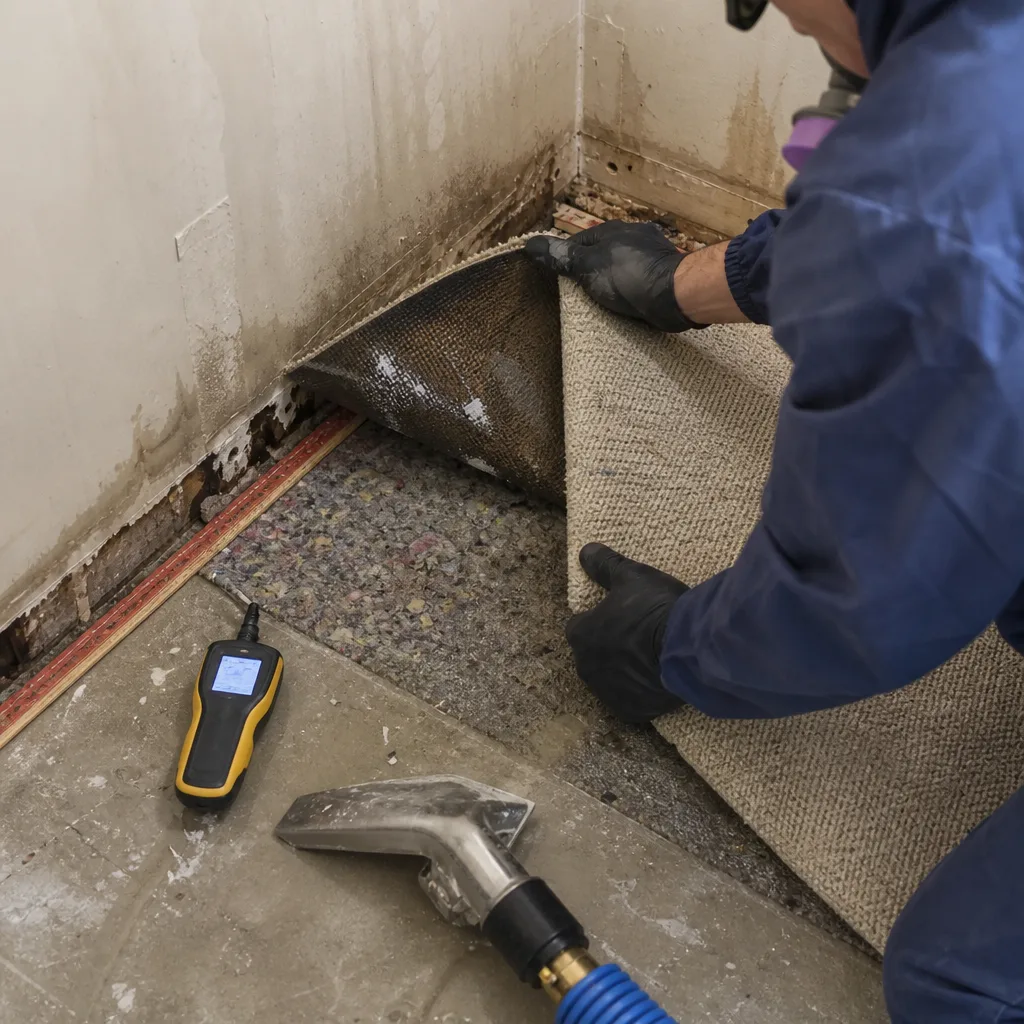
Moisture & Humidity Control
Long-term mold prevention requires managing the conditions that allow colonization. We provide psychrometric data from your property, explain vapor pressure differential in plain terms, and specify permanent humidity control solutions sized to your structure.
What happens when you call
- 1
A real person answersNo phone trees - you reach a local pro.
- 2
You get an upfront price rangeHonest numbers before anyone is dispatched.
- 3
A background-checked tech heads outLicensed & insured, dispatched right away.
- 4
You approve before work beginsNothing starts until you say go.
Mold Remediation Costs in Kent, WA
| Service | Typical Range in Kent |
|---|---|
| Visual inspection & moisture mapping | Free |
| Limited surface mold removal (under 10 sq ft) | $1,200 - $2,800 |
| Moderate cavity/crawl space remediation (10-100 sq ft) | $2,800 - $6,500 |
| Extensive structural remediation (100+ sq ft, HVAC involved) | $6,500 - $15,000+ |
| Crawl space vapor barrier & dehumidification | $3,500 - $8,000 |
| Post-remediation air quality testing | $350 - $650 |
What moves the price: affected square footage, material type (drywall vs. plaster vs. wood framing), accessibility (crawl space vs. open basement), and whether HVAC systems require cleaning. Insurance typically covers mold remediation when it results from a covered water loss - burst pipe, storm damage, appliance failure - but may exclude long-term maintenance-related mold. We review your policy, document the loss origin, and coordinate with your adjuster. Haven Standard, Clause 1: your written price before any work starts, every time, with no exceptions. Bring a competitor’s written estimate and we’ll review it free - our Free Second Opinion.
We Also Serve Cities Near Kent
Our crews respond throughout south King County from the same Kent Valley staging - Kent properties get the same 45-minute commitment as our work in Renton, Auburn, Federal Way, and Maple Valley. Each city’s elevation, drainage, and housing stock create different mold patterns; we adjust our approach accordingly.
Serving Kent, WA - Our Local Coverage Area
We’re based in the Kent area and know this community well. Use the map below to see our service coverage - if you’re nearby, we can almost certainly help.
Kent Mold Remediation Questions, Answered
We didn’t flood - it was just wind-driven rain. Why is there mold behind our East Hill wall?
Wind-driven rain penetrates aging housewrap and composition siding on East Hill tract homes, saturating sheathing and bottom plates for days before anyone notices interior staining. By the time you see it, mold has colonized the cavity. We find this exact pattern on 1970s-1990s homes from James Street to Benson Highway - the visible mold is small, but the actual colonized cavity typically extends 3-4 feet in every direction. Call (360) 997-2427 for a free inspection with thermal imaging.
Why do valley-floor Kent crawl spaces stay wet even months after the water is gone?
The Green River Valley’s high water table pushes moisture up through concrete slabs and crawl space floors year-round - surface extraction and air movers alone won’t finish the dry-out. We install vapor barriers and dedicated dehumidification sized to the space, then monitor with follow-up readings at 14 and 30 days to confirm hydrostatic pressure isn’t rebounding. This condition is far less common on East or West Hill neighborhoods just a few hundred feet higher. Call for a crawl space assessment - estimates are free.
Does my Kent home sit in the Howard Hanson Dam evacuation zone, and does that matter for mold work?
Large portions of the Kent Valley floor were under mandatory evacuation orders during the 2009 dam seepage crisis. If your property is in this zone, it faces elevated flood risk and faster water table rise after heavy rain - which means mold remediation must account for recurring moisture intrusion, not just a one-time event. We document flood-zone status for your insurer and design moisture control accordingly. Call (360) 997-2427 to discuss your property’s specific risk profile.
What’s the difference between Category 1 and Category 3 water in a Kent restoration job?
Category 1 is clean water from a supply line; Category 3 is grossly contaminated from sewage, ground contact, or river flooding. Kent’s October-April stormwater ponding on the valley floor frequently contacts soil and slab, upgrading what looks like clean rainwater to Category 2 or 3. Wrong classification means contaminated material stays in your structure. We test and document water category before any removal decisions. Call for a free assessment - we’ll show you the difference on your property.
Can you dry out a Kent warehouse or light-industrial building on the valley floor without a pack-out?
Sometimes, but valley-floor industrial buildings on former agricultural land often have poor subsurface drainage and slab-on-grade construction that complicates in-place drying. We evaluate contents sensitivity, contamination level, and structural access, then recommend pack-out or contained drying based on documented moisture readings - not a default template. Phoenix and Dri-Eaz equipment with real-time monitoring lets us dry in place when conditions allow. Call (360) 997-2427 for a scope-specific recommendation.
How fast can DryMark Restoration Kent actually get here?
We answer live 24/7 and dispatch crews within 45 minutes for emergency calls in Kent. Our Seattle office coordinates staging for the Kent Valley corridor. The sooner we start containment and drying, the less material requires removal - and the lower your final cost. Call (360) 997-2427 now.
Will insurance cover mold remediation in Kent?
Insurance covers mold that results from a sudden, covered water loss - burst pipe, storm damage, appliance failure - but typically excludes long-term maintenance-related mold. We document the loss origin with photos, moisture readings, and written scope to establish coverage. Our estimates are formatted for direct adjuster review, and we coordinate with your carrier throughout. Bring any competitor’s written estimate for our Free Second Opinion. Call to review your specific situation.
Can we stay in our Kent home during mold remediation?
For limited surface remediation under 10 square feet with no HVAC involvement, often yes. For moderate or extensive jobs with containment, air scrubbing, or toxigenic species, we recommend temporary relocation - especially for occupants with respiratory conditions, infants, or elderly family members. We specify occupancy status in your written scope before work begins, so there are no surprises. Call (360) 997-2427 to discuss your household’s needs.
Back to Dry Restoration serves Kent with mold remediation built on documentation, not promises. Every job starts with a free visual inspection, a written price before any work begins, and a photo record that turns your restoration invoice into a payable claim. Our 365-Day Done Right Promise under The Haven Standard means if it’s not done right, we make it right - in writing, not as a verbal assurance.
Call (360) 997-2427 now. A live person answers 24 hours a day, and we’ll have a technician to your Kent property with moisture mapping equipment and a written scope process ready to begin.
Written by Alicia Brennan, Owner at Back to Dry Restoration, serving Kent since 2011.