
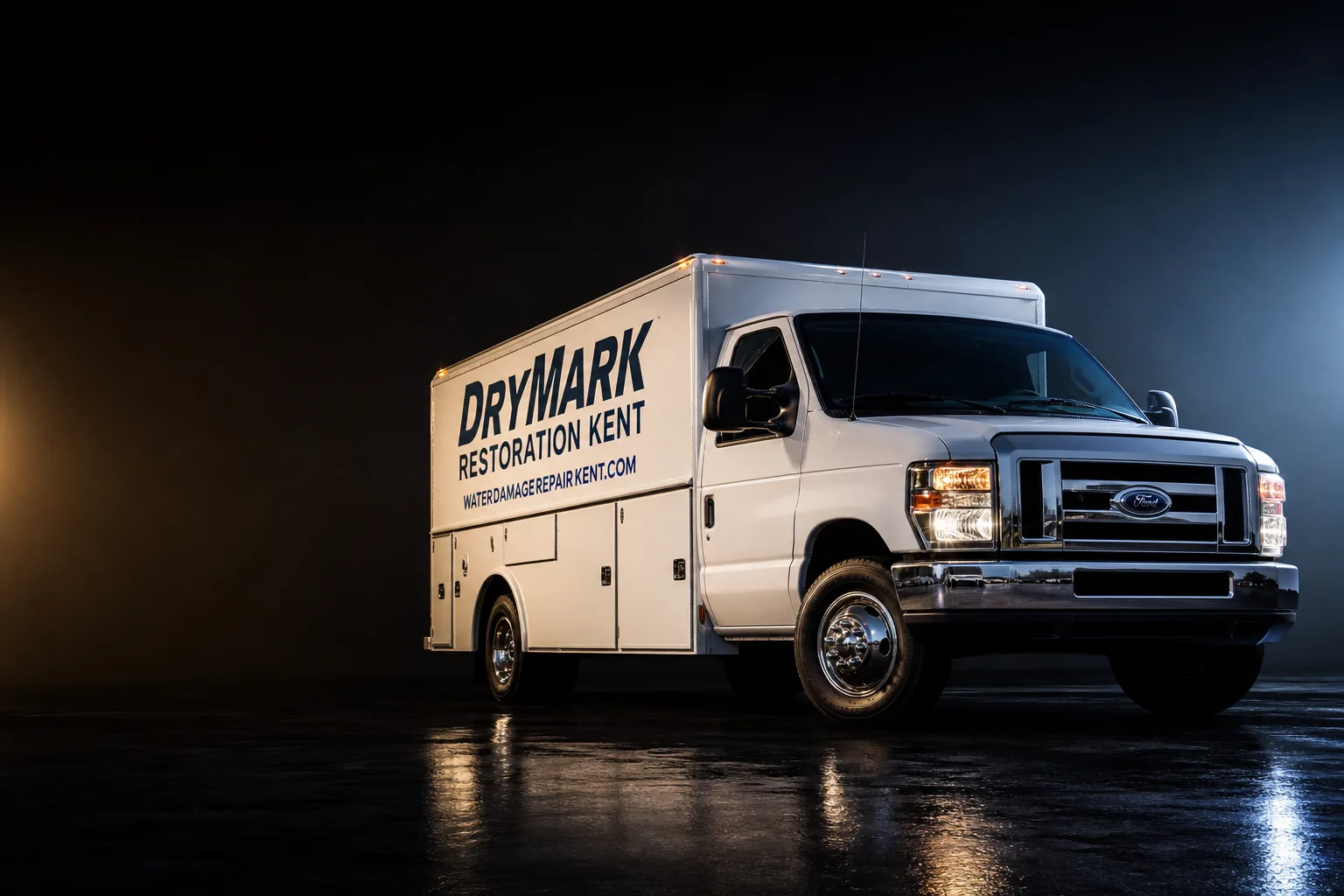
Free visual inspection and a written scope of work before any mitigation begins - photos, moisture readings, and drying logs go in your claim file
The scope we write is the scope we bill. Anything new gets shown to you, in writing, before we touch it.
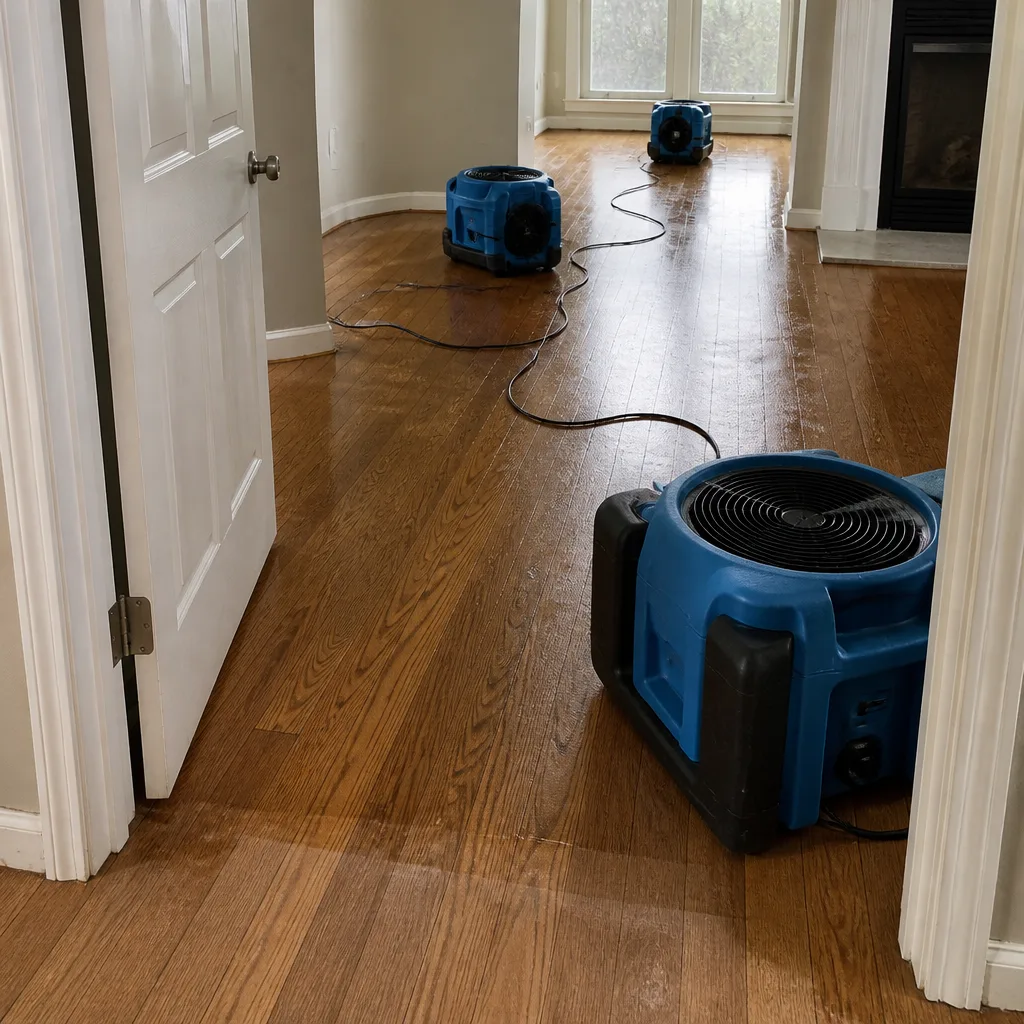
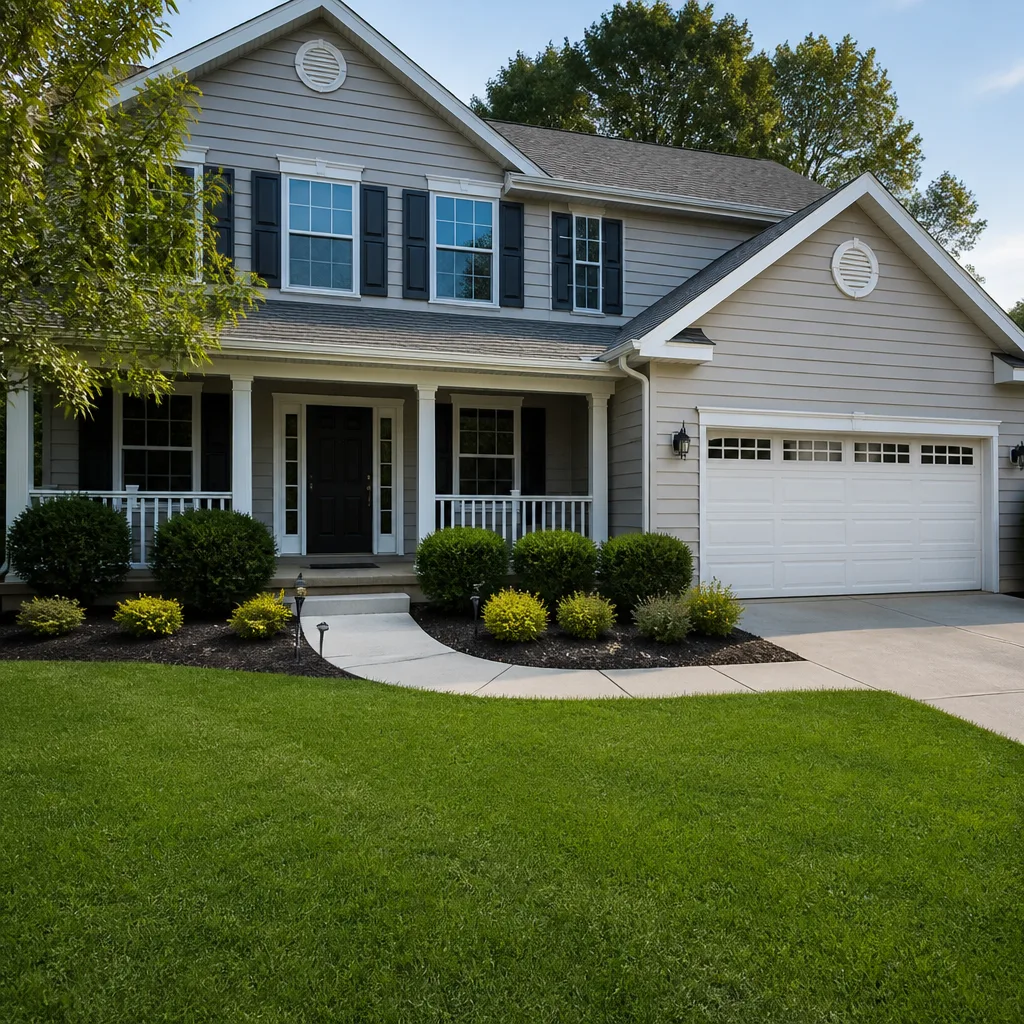
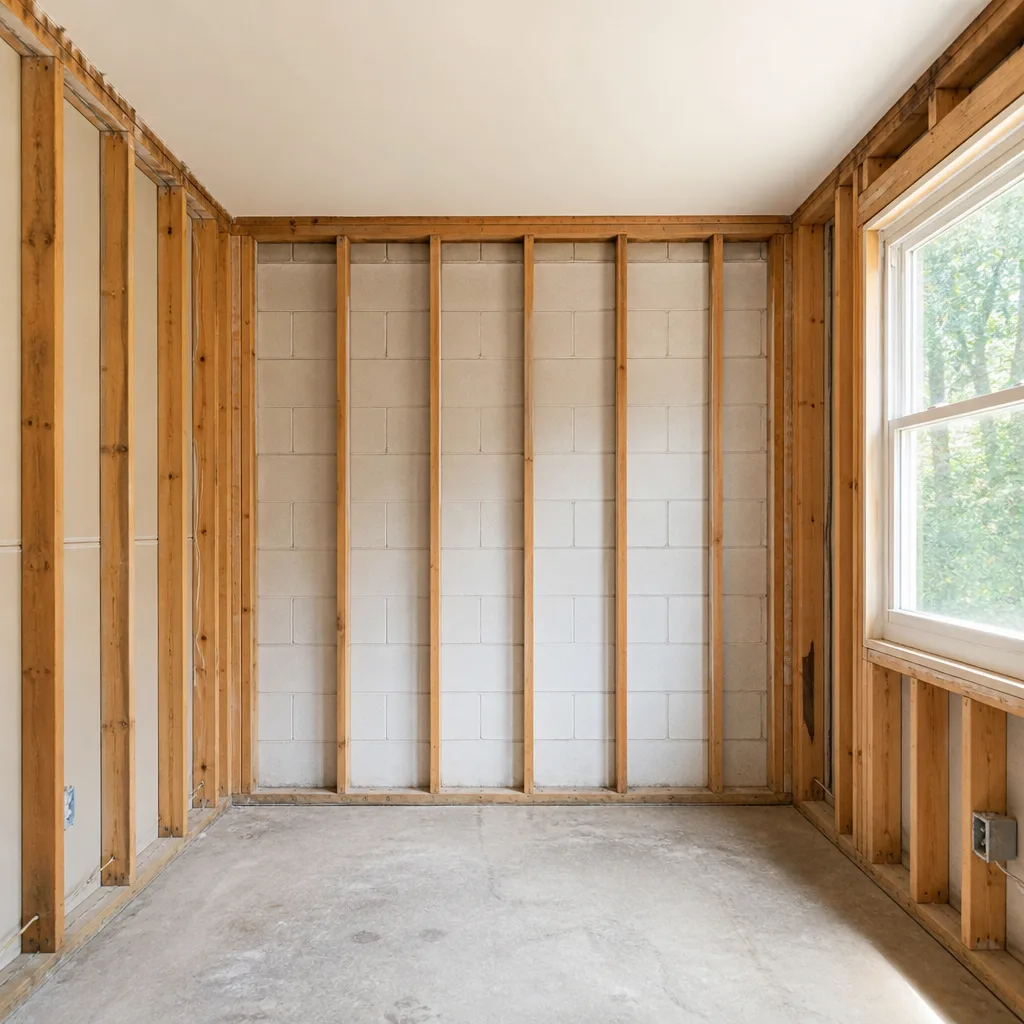
 Before
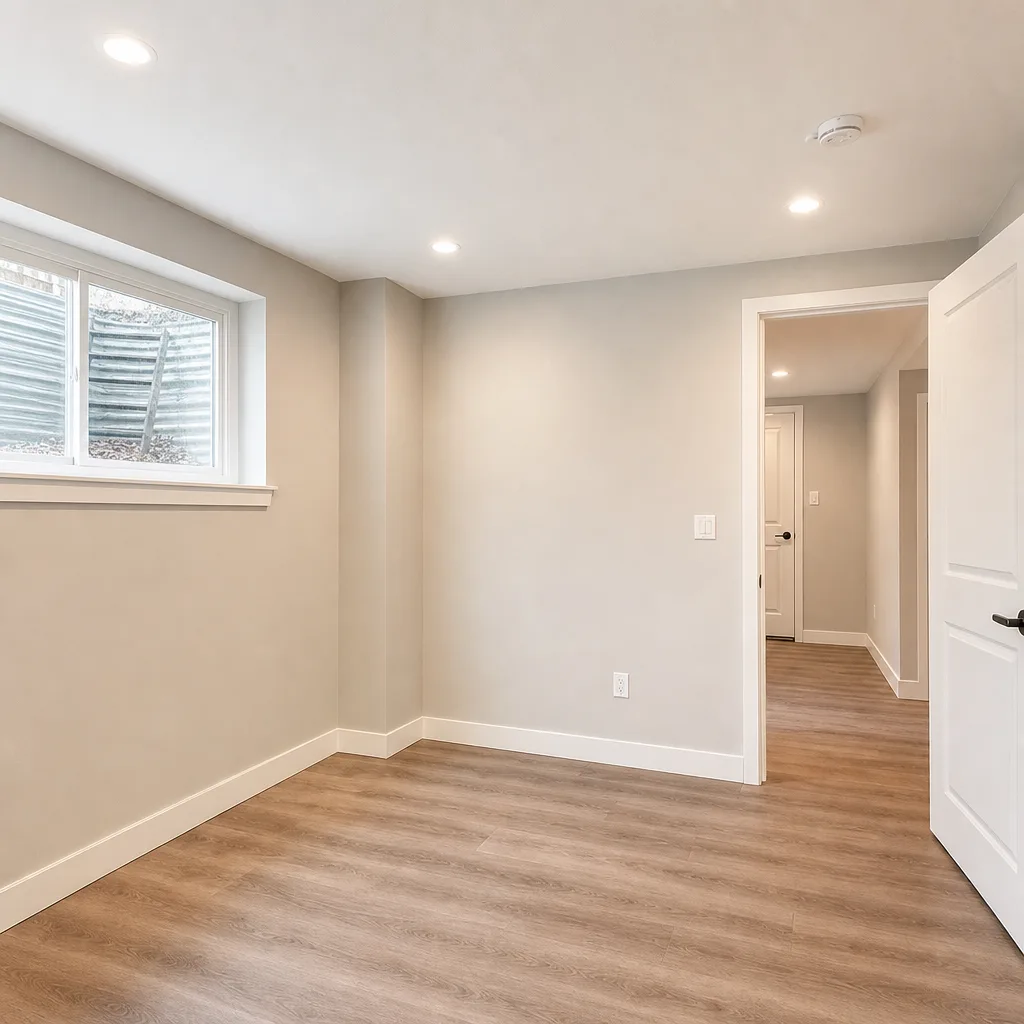 After
After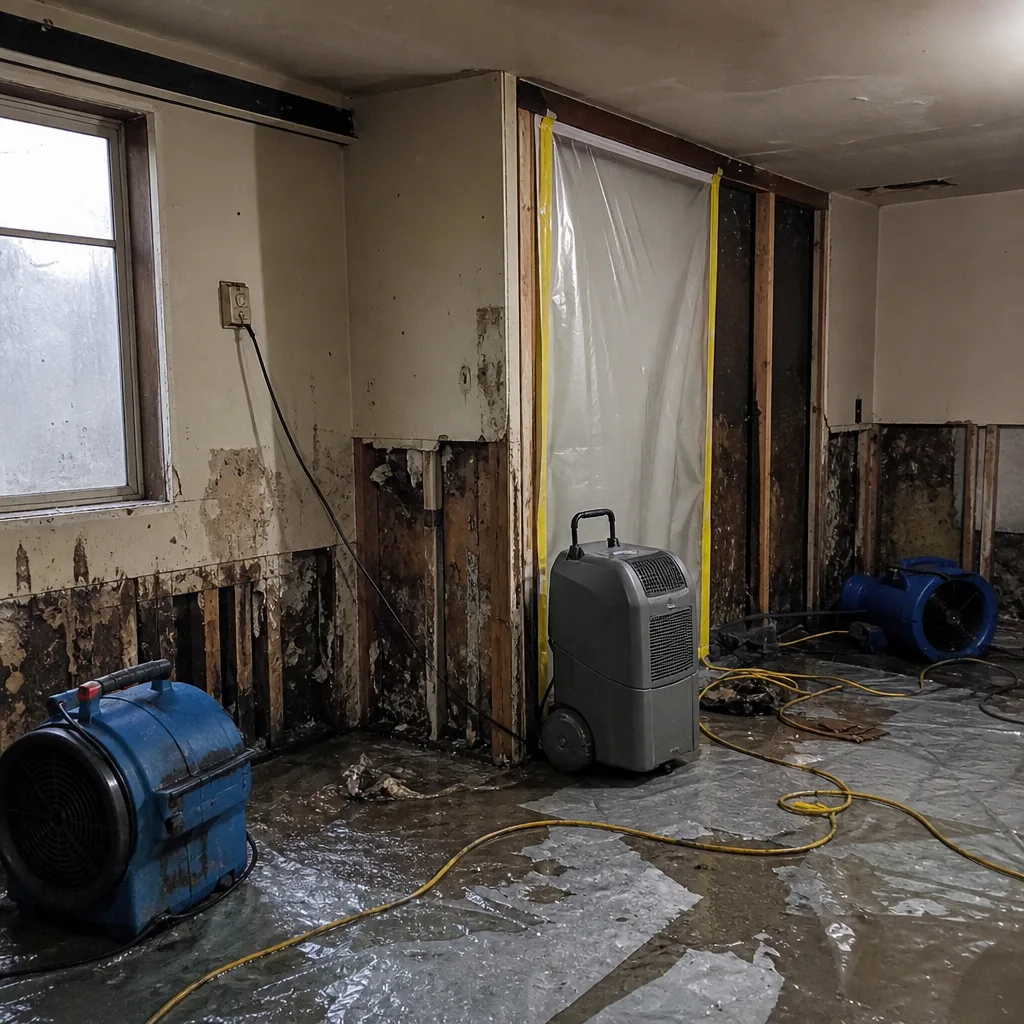 Before
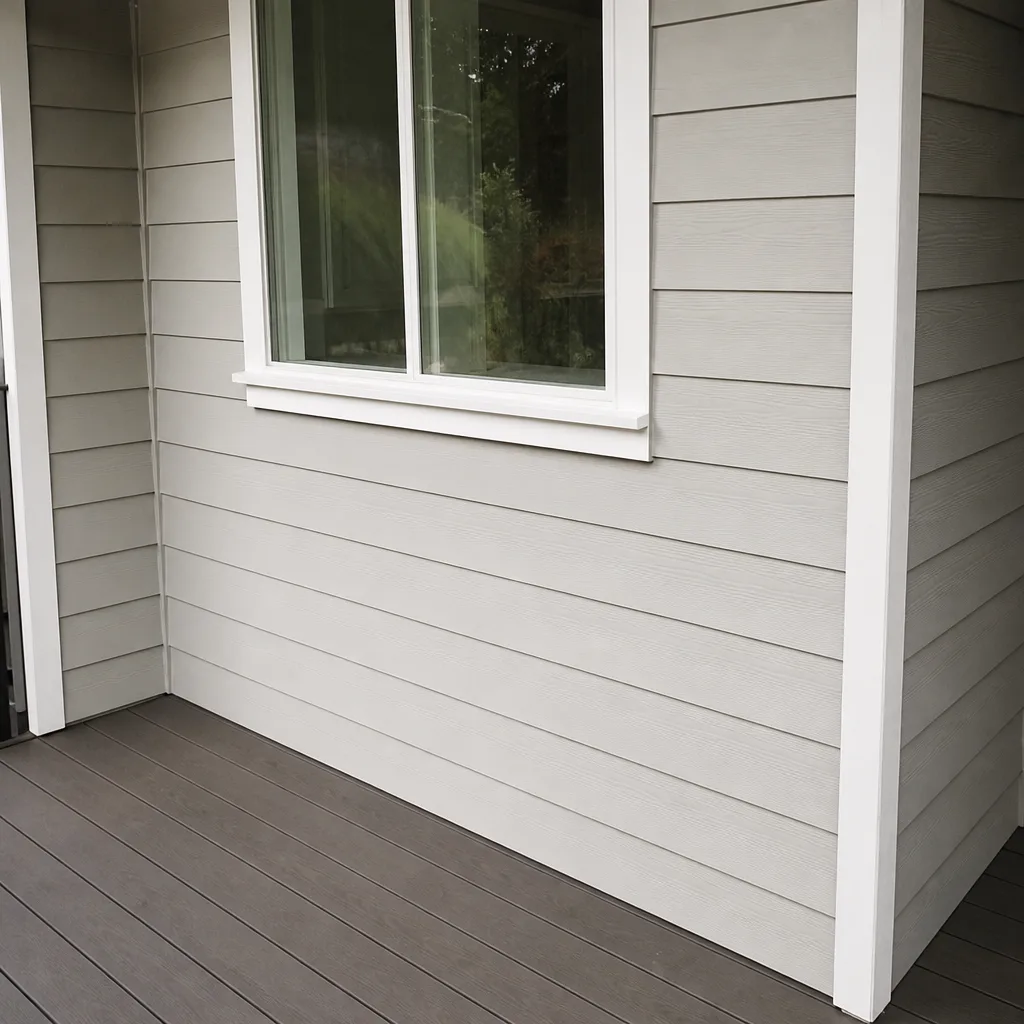 After
After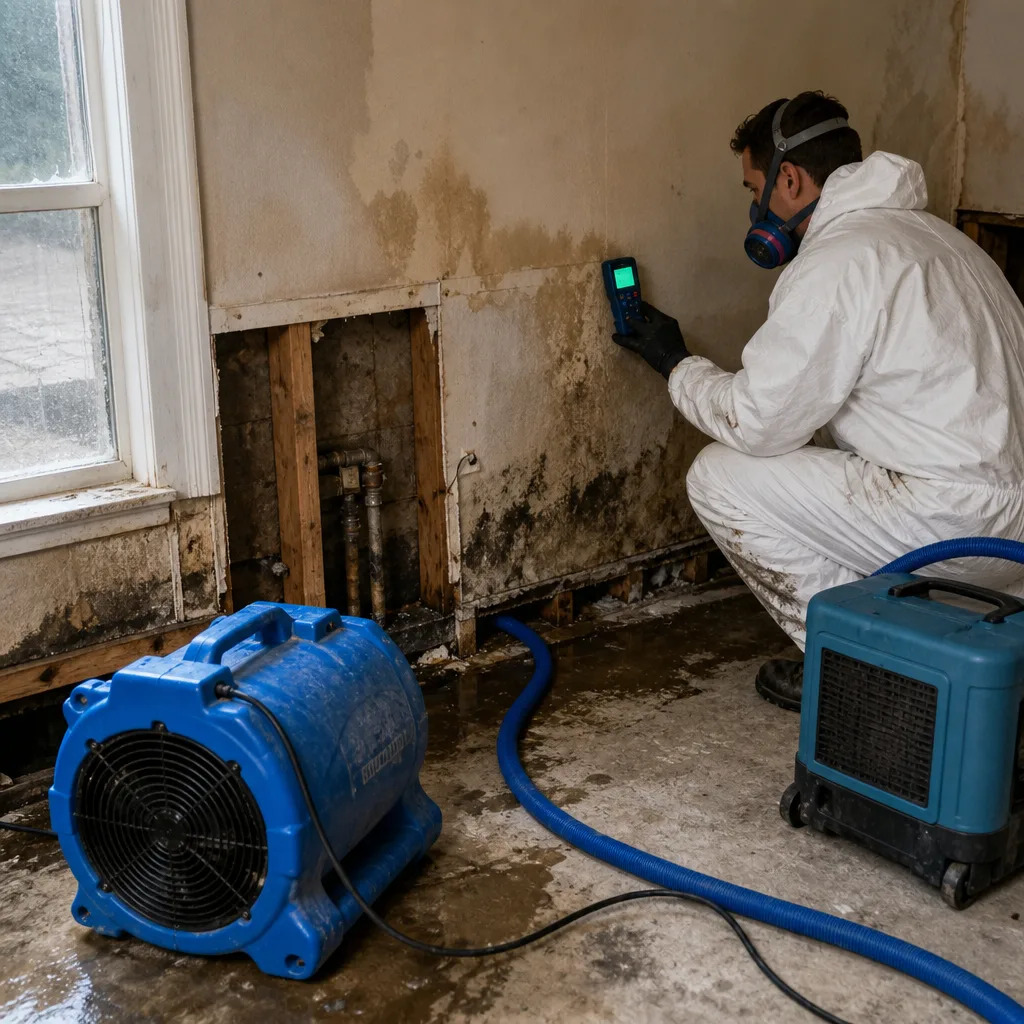 Before
 After
After24/7 Emergency Mold Remediation in Bellevue
Mold remediation in Bellevue typically costs $2,800-$7,500 for contained residential jobs and $8,000-$18,000+ for whole-home or hillside foundation work, with most projects scoped and started within 24 hours of call. Call (360) 997-2427 now and a live person will answer, 24 hours a day, no voicemail. Crews dispatch from our Seattle office and are usually on-site in Bellevue within 45 minutes. We provide a free visual inspection and a written price before any work begins - Haven Standard, Clause 1 - because mold spreads through spore release when disturbed, and the first hour of proper containment determines whether you’re looking at a single room or a whole-house protocol.
Understanding Mold Remediation Severity in Bellevue Properties
Mold damage in Bellevue sorts into three containment levels based on square footage, material porosity, and whether the source moisture is still active. Level 1 covers under 10 square feet of non-porous surfaces - think ceramic tile or sealed concrete in a Downtown Bellevue condo bathroom. Level 2 runs 10-30 square feet and requires full containment with 6-mil polyethylene sheeting and HEPA-negative-air machines. Level 3, anything over 30 square feet or involving HVAC contamination, demands critical barriers, dedicated decontamination chambers, and third-party clearance testing.
Bellevue’s housing stock pushes most calls into Level 2 or 3. The 1960s-1980s split-levels in Somerset and Newport Hills were built with crawl spaces that rarely have adequate vapor barriers, and their daylight-basement walls were poured against uphill cuts with no perimeter drain tile. That means Category 2 or Category 3 water - gray water with chemical or biological loading, or black water with sewage or ground intrusion - has often been feeding mold colonies for months before anyone smells it. We map moisture with thermal imaging and pinless meters, classify the water source per IICRC S500 standards, and build the remediation scope from that data, not from visual guesswork.
Why Bellevue Property Owners Choose DryMark Restoration Kent
- 45-minute response commitment to Bellevue addresses, with crews staged from our Seattle office and routed via I-405 or I-90 depending on traffic patterns.
- 24/7 live answer - a real person, never an automated system - on every call, because mold doesn’t wait for business hours and neither do we.
- IICRC-certified crews holding WRT (Water Damage Restoration Technician) and AMRT (Applied Microbial Remediation Technician) credentials, with license numbers documented on every job file.
- Free visual inspection with moisture mapping included; you receive a written scope and price before any containment is set or material is removed.
- Direct insurance billing with photo-documented drying logs and line-item estimates formatted to carrier standards, reducing claim friction.
- One team from microbial remediation through reconstruction, so your ARB-compliant panel matching and finish carpentry aren’t handed off to a separate contractor who doesn’t know the job history.
BeforeAfterOur Mold Remediation Process
1. Inspection & Assessment
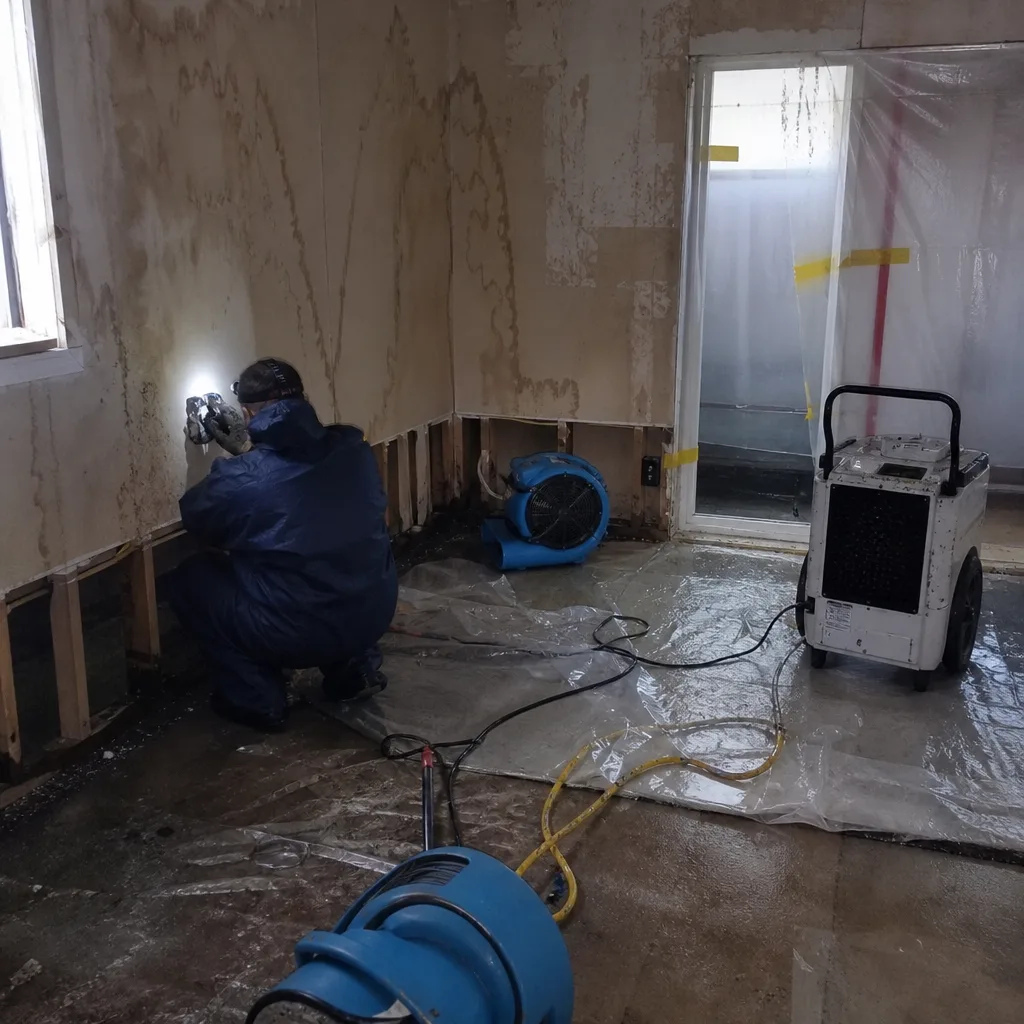
We arrive with thermal imaging cameras, pin and pinless moisture meters, and hygrometers to map the full moisture envelope. In Bellevue’s hillside neighborhoods, we specifically check for hydrostatic seepage behind finished basement walls - the pattern our crews know from repeated calls in Somerset and Newport Hills. Air sampling and surface testing follow if visible mold exceeds 10 square feet or if occupants report respiratory symptoms.
2. Containment & Air Filtration
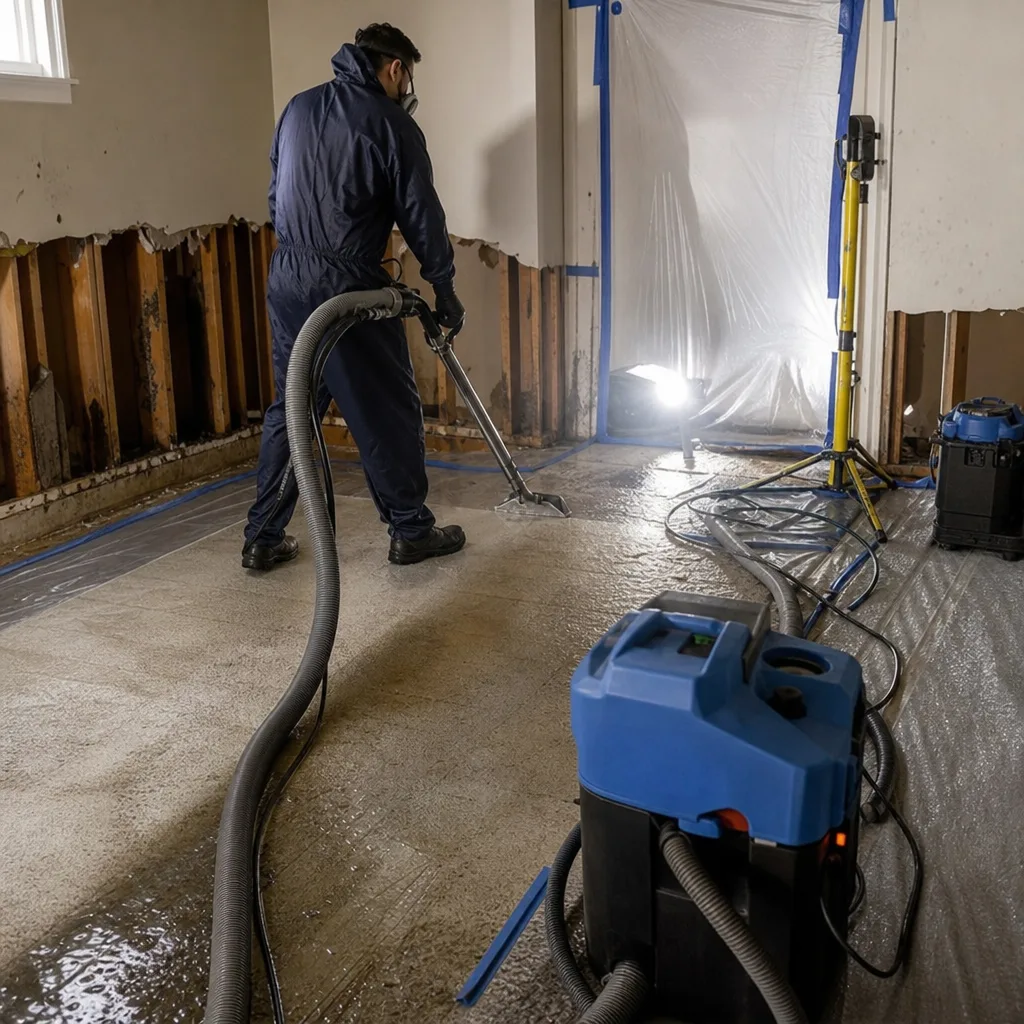
Negative-air containment with 6-mil poly sheeting and HEPA scrubbers prevents spore migration during removal. For Bellevue HOAs with quiet-hours rules, we spec electric-powered XPOWER and Dri-Eaz equipment rather than diesel units, and we coordinate run times with property management before setup.
3. Mold Removal & Material Disposal
Affected porous materials - drywall, insulation, carpet pad, particleboard subflooring - are removed per IICRC S520 standards and bagged for regulated disposal. Non-porous surfaces are HEPA-vacuumed and treated with antimicrobial solutions. We document pre-loss condition with photos before touching anything.
4. Cleaning & Sanitization
Remaining structural elements are cleaned with HEPA vacuuming and antimicrobial application, then sealed with encapsulant where appropriate. Air scrubbers run continuously during this phase, with particle counts logged to establish clearance baselines.
5. Structural Drying & Moisture Control
Dri-Eaz dehumidifiers and Injectidry drying systems reduce ambient humidity to below 60% relative humidity, with daily moisture readings logged to IICRC standards. In Bellevue’s persistent wet-season climate, this phase often runs 5-7 days - longer than drier inland markets - because exterior vapor drive remains high through April.
6. Repairs, Restoration & ARB Compliance
We replace removed materials with panels, trim, and finishes that match your community’s architectural review board standards, documented with manufacturer data sheets and color codes. Our crew coordinates directly with your HOA on approved products and installation sequences, so you don’t face a violation notice after the mold is gone.
Need Emergency Mold Remediation in Bellevue Now?
Crews minutes away, answering live 24 hours a day. The sooner we start, the less it costs.
Working With Your Insurance Company
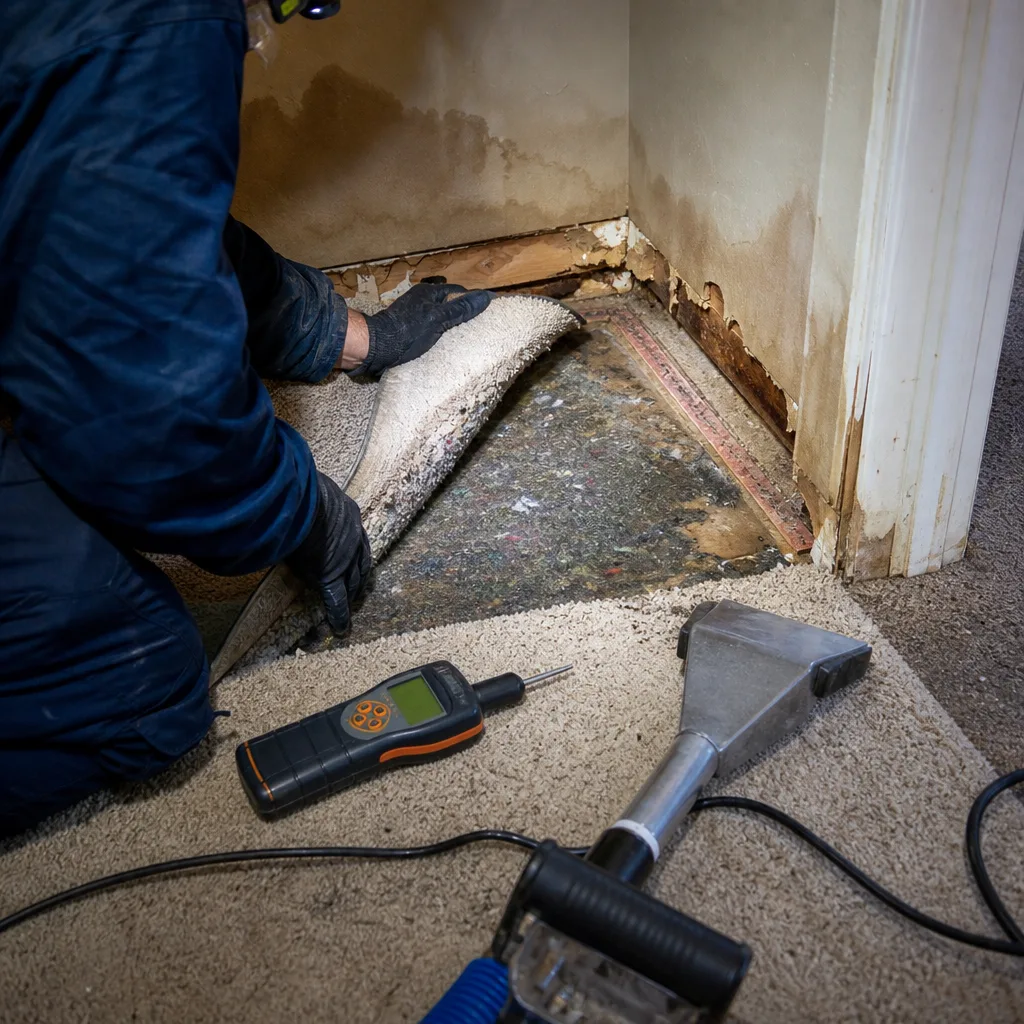
Mold claims succeed or fail on documentation. We begin photo records from the first hour, annotate moisture readings with equipment serial numbers and calibration dates, and produce drying logs that adjusters can trace day by day. Our estimates are formatted to Xactimate standards, and we communicate directly with your carrier’s assigned representative rather than handing you a bill to fight alone.
Most Bellevue homeowners’ policies cover mold remediation when it results from a covered water loss - a burst supply line, storm intrusion, or appliance failure. Long-term maintenance issues, like the gradual seepage through a failed 1970s foundation wall, may be excluded or capped. We document the proximate cause with moisture-mapping timelines to support your coverage position, and we provide a Free Second Opinion on any competitor’s written estimate if your adjuster questions the scope.
What We Provide Your Insurer
- Thorough documentation of the loss
- Photos of all damage, room by room
- Moisture readings and drying logs
- A detailed, line-item scope of work
- Direct coordination with your carrier
Built for Bellevue’s Loss Calendar
Bellevue’s mold season runs October through April, when 37-38 inches of annual rainfall arrives as prolonged drizzle and frontal storms rather than summer downpours. Building envelopes stay saturated for five consecutive months. Crawl spaces without vapor barriers reach equilibrium moisture content above 20%, and hillside homes in Eastgate and Somerset see hydrostatic pressure build against foundation walls that were never designed for it.
January and February bring the heaviest calls: freeze-thaw cycles stress aging supply lines in 1970s-era split-levels, and the resulting slow leaks feed mold in wall cavities for weeks before detection. March and April see surge events as accumulated groundwater finds paths through foundation cracks. Summer calls drop but don’t disappear - failed condensate lines in Bel-Red corridor high-rises and irrigation backflow in lake-level properties keep crews moving year-round.
Mold Remediation Across Bellevue’s Neighborhoods
In Somerset and Newport Hills, our Mold Remediation team knows the pattern by heart. Early-1970s split-levels sit on ridges with daylight-basement walls poured directly against the uphill cut, backfilled with glacial till, no drain tile. A “damp smell” call here means we’ll find active seepage channels and established mold colonies behind finished drywall. We bring extra negative-air machines before opening the wall. The job almost always requires coordinated foundation waterproofing alongside microbial remediation, and the reconstruction phase demands ARB-compliant panel matching for these architecturally controlled neighborhoods.
Eastgate presents similar hillside geology with a denser 1980s ranch stock, many with crawl spaces that vent directly to downslope air. Cross-ventilation helps drying but also pulls spores through the subfloor if contamination isn’t fully contained. We seal crawl-space vents and run dedicated dehumidification rather than relying on passive air movement.
Downtown Bellevue and the Bel-Red corridor add luxury high-rise condominiums where a single failed supply line triggers multi-unit damage. Our crews work within HOA quiet-hours rules, coordinate with building engineers on riser access, and document pre-loss condition for every affected unit to prevent cross-claims.
Lake Washington shoreline properties in West Bellevue face different pressure: capillary rise through slab foundations and seasonal lake-level fluctuation that re-wets previously dried materials. We install vapor barriers and capillary breaks as standard protocol, not afterthoughts.
Specialized Mold Remediation Services We Offer in Bellevue
Mold Inspection & Testing
Our inspections include air sampling, surface swab analysis, and ERMI dust sampling where occupants have documented respiratory sensitivity. In Bellevue’s 1960s-1980s housing stock, we specifically test crawl-space air and subfloor cavities - the most common hidden reservoirs. Results are interpreted against EPA and AIHA guidelines, not alarmist thresholds.
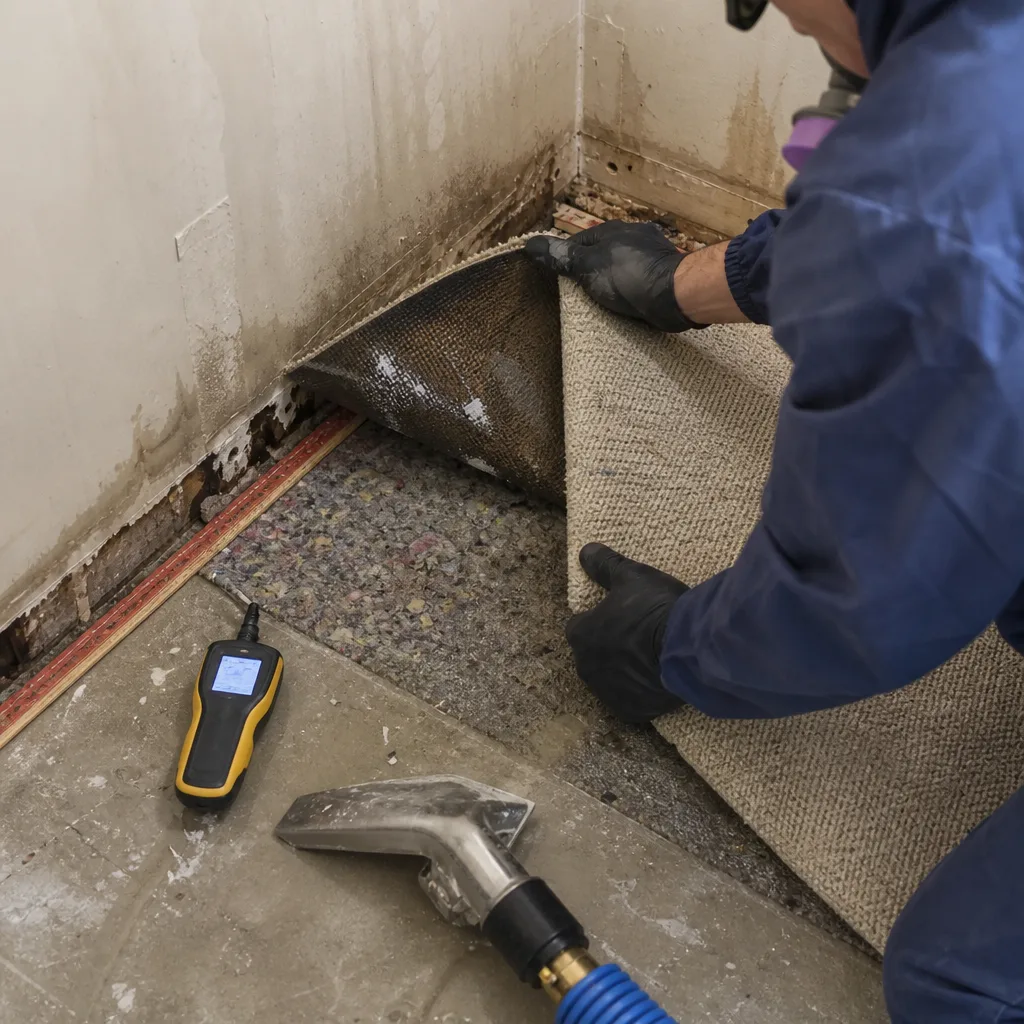
Mold Removal
Removal follows IICRC S520 containment protocols scaled to the contamination level. In Bellevue’s hillside homes, we often find that “surface” mold on basement drywall masks deeper colonization in the stud bay and sill plate. Our scopes include exploratory opening and full structural assessment, not just spot cleaning that guarantees a callback.
Black Mold Remediation
Stachybotrys chartarum and other toxigenic species require Level 3 containment with full PPE, decontamination chambers, and third-party clearance testing. Bellevue’s prolonged wet season creates ideal conditions for these slow-growing species in chronically damp crawl spaces and behind foundation walls. We don’t guess at species - we sample, identify, and build the protocol from lab results.
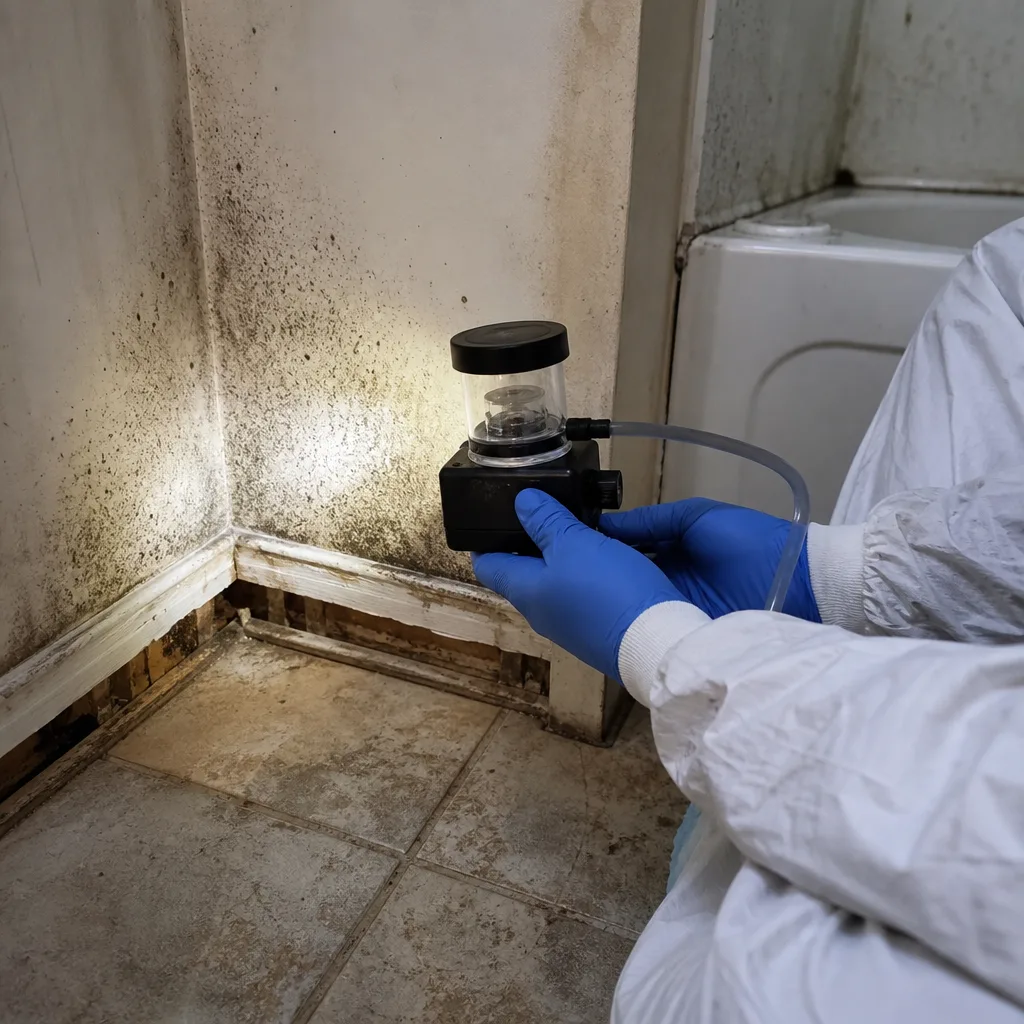
Air Quality Restoration
Post-remediation, we run HEPA scrubbers and measure particle counts, CO2, and volatile organic compounds to confirm the environment is safe for re-occupancy. For Bellevue’s tight, energy-efficient newer construction, we also assess ventilation rates against ASHRAE 62.1 standards.
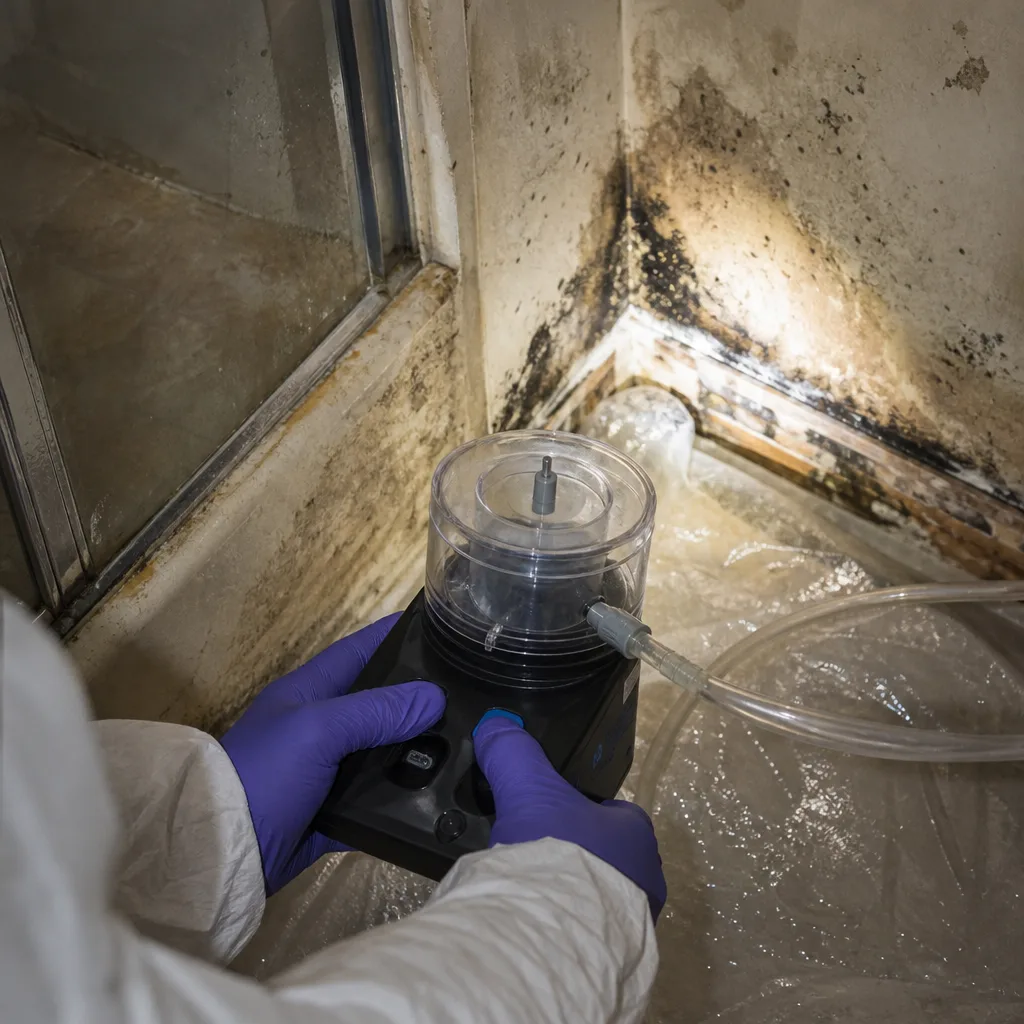
Crawl Space Treatment
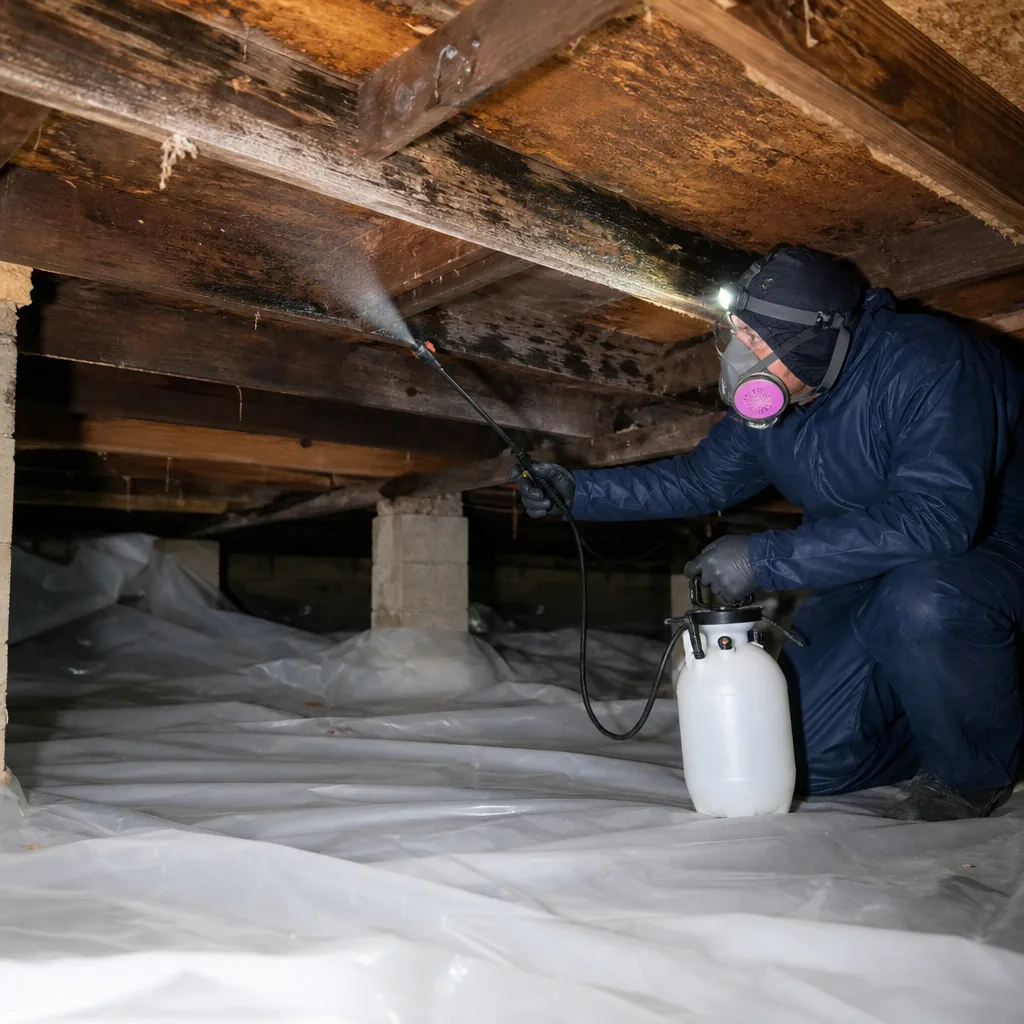
Bellevue’s dominant housing stock has crawl spaces that almost universally lack adequate vapor barriers. We install polyethylene ground covers, seal perimeter vents, and run dedicated dehumidification to break the moisture cycle that feeds annual mold recurrence. This is structural prevention, not cosmetic treatment.
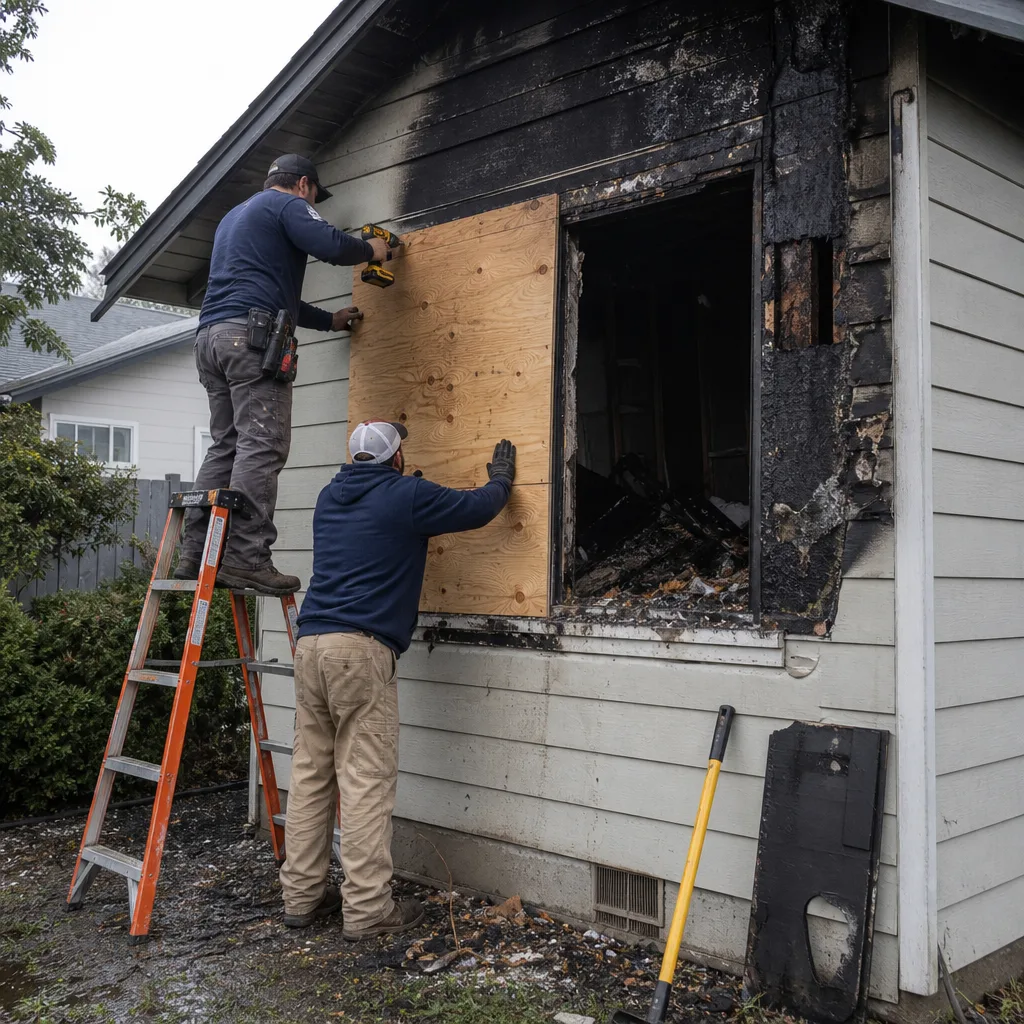
What happens when you call
- 1
A real person answersNo phone trees - you reach a local pro.
- 2
You get an upfront price rangeHonest numbers before anyone is dispatched.
- 3
A background-checked tech heads outLicensed & insured, dispatched right away.
- 4
You approve before work beginsNothing starts until you say go.
Mold Remediation Costs in Bellevue, WA
A contained single-room mold remediation in Bellevue typically runs $2,800-$4,500. Crawl-space treatment with vapor-barrier installation adds $3,500-$6,000. Full daylight-basement remediation with foundation waterproofing coordination, common in Somerset and Newport Hills, ranges $8,000-$18,000 depending on finished square footage and whether structural repairs are needed.
What moves the price: the containment level required, whether the source moisture is still active, the need for third-party clearance testing, and whether reconstruction includes ARB-compliant materials. Insurance covers remediation from sudden water losses; long-term seepage may fall under maintenance exclusions. We provide a written scope and price before work begins - Haven Standard, Clause 1 - and offer a Free Second Opinion on any competitor’s estimate.
We Also Serve Cities Near Bellevue
Our crews respond throughout the Eastside and Seattle metro from our Seattle office, with regular dispatch to Bellevue, Kirkland, Redmond, Seattle, and Sammamish. Each city’s geology and housing stock shape its typical loss patterns, and we adjust our protocols accordingly.
Serving Bellevue, WA - Our Local Coverage Area
We’re based in the Bellevue area and know this community well. Use the map below to see our service coverage - if you’re nearby, we can almost certainly help.
Bellevue Mold Remediation Questions, Answered
Why do mold problems keep coming back in Bellevue daylight basements even after remediation?
Because the source moisture was never eliminated. In Bellevue’s hillside neighborhoods, groundwater against 1970s foundation walls - built without drain tile on glacial clay - creates hydrostatic seepage channels behind finished drywall. Crews who remove visible mold but don’t address the seepage path guarantee a callback the next wet season. Our scopes include moisture-source identification and, where needed, coordination with foundation waterproofing specialists. Call (360) 997-2427 for an assessment that targets the cause, not just the symptom.
Do I need HOA or ARB approval before you remove and replace moldy drywall in my Bellevue home?
Yes, in most architecturally controlled Bellevue communities. Somerset, Newport Hills, and many Downtown Bellevue condos require pre-approval of panel styles, trim profiles, and paint colors. We handle this coordination as part of our reconstruction scope, submitting manufacturer data sheets and color codes to your board before work begins. This prevents violation notices and second tear-outs. Call (360) 997-2427 and we’ll review your community’s specific requirements during the inspection.
How quickly can mold start growing after a Bellevue water intrusion?
Mold colonization begins 24-48 hours after water contact on organic materials at temperatures above 60°F. Bellevue’s mild climate means this window is rarely extended by cold weather. In a daylight basement with chronic seepage, colonization is often already established before the homeowner detects musty odor. Speed matters for initial water damage; for suspected mold, containment and proper assessment matter more than rush. Call (360) 997-2427 for same-day inspection.
What does ‘Category 2’ or ‘Category 3’ water mean for my Bellevue mold remediation scope?
Category 2 water - gray water with chemical or biological loading from sources like dishwasher discharge or sump pump failures - requires removal of affected porous materials and antimicrobial treatment of remaining surfaces. Category 3 water - black water from sewage, ground intrusion, or seawater - demands more aggressive removal, extended dwell times for disinfectants, and often third-party clearance testing. Bellevue’s hillside seepage is frequently Category 2 or 3 due to soil contamination and organic loading in glacial till. This classification directly affects disposal costs, PPE requirements, and whether your insurer covers full replacement. We document the category with moisture-source analysis and photos. Call (360) 997-2427 to review your specific situation.
Can you run drying equipment overnight in my Bellevue condo or HOA community?
Only with explicit coordination. Many Bellevue HOAs enforce quiet hours from 10 PM to 7 AM, and some prohibit diesel-powered equipment entirely. We spec electric Dri-Eaz and XPOWER units, submit run schedules to property management, and install sound-dampening barriers where needed. Violating HOA rules can stop work mid-project and create liability for the homeowner. We handle this compliance as standard protocol, not an afterthought. Call (360) 997-2427 to discuss your community’s specific requirements.
How fast can your crew get to my Bellevue property?
We typically arrive within 45 minutes of call confirmation, routed from our Seattle office via I-405 or I-90 depending on traffic and your Bellevue location. Live dispatch is available 24 hours a day, 7 days a week - no voicemail, no next-business-day callbacks. For active water intrusion with suspected mold, same-day containment setup prevents spore release during the assessment. Call (360) 997-2427 to confirm current ETA.
Will my insurance cover mold remediation in Bellevue?
Insurance covers mold remediation when it results from a covered sudden water loss - burst pipes, appliance failures, storm intrusion. Long-term maintenance issues like gradual foundation seepage are typically excluded or capped at $10,000 on standard HO-3 policies. We document the proximate cause with moisture-mapping timelines and photo records to support your coverage position, and we coordinate directly with your adjuster. If your carrier disputes scope, we provide a Free Second Opinion on any competitor’s written estimate. Call (360) 997-2427 to review your policy specifics.
What certifications do your mold remediation technicians hold?
Our technicians hold IICRC WRT (Water Damage Restoration Technician) and AMRT (Applied Microbial Remediation Technician) credentials, with ongoing education to RIA and IFA standards. License numbers are documented on every job file. For Bellevue’s complex hillside projects, we also assign crew leads with experience in structural drying and foundation moisture management. Call (360) 997-2427 to request credential verification for your project.
Ready for a written scope and price before any work begins? Call DryMark Restoration Kent at (360) 997-2427. We answer live 24 hours a day, and our Bellevue-area crews are typically on-site within 45 minutes. Every job carries our 365-Day Done Right Promise under The Haven Standard - if it’s not done right, we make it right.
Written by Alicia Brennan, Owner at Back to Dry Restoration, serving Bellevue since 2011.
Mold Remediation in Nearby Areas