
Free visual inspection and a written scope of work before any mitigation begins - photos, moisture readings, and drying logs go in your claim file
The scope we write is the scope we bill. Anything new gets shown to you, in writing, before we touch it.
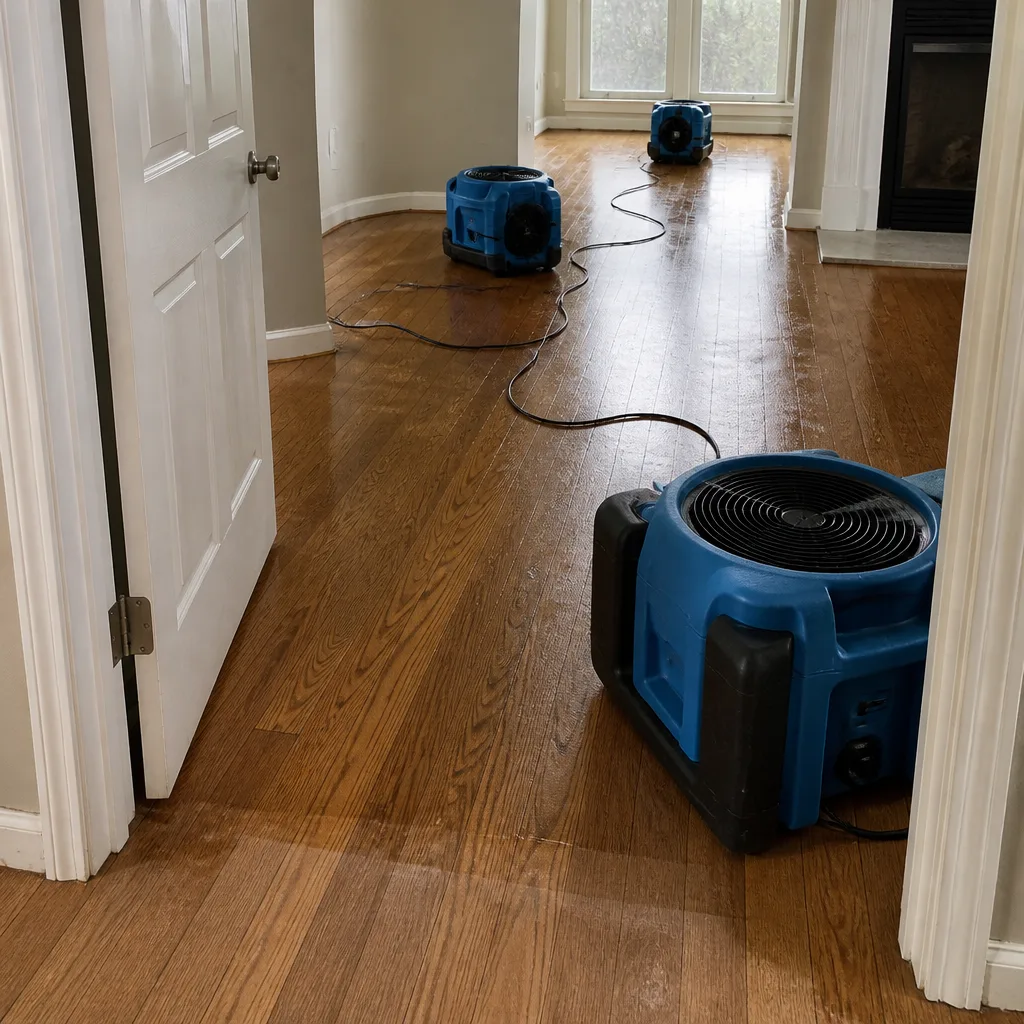
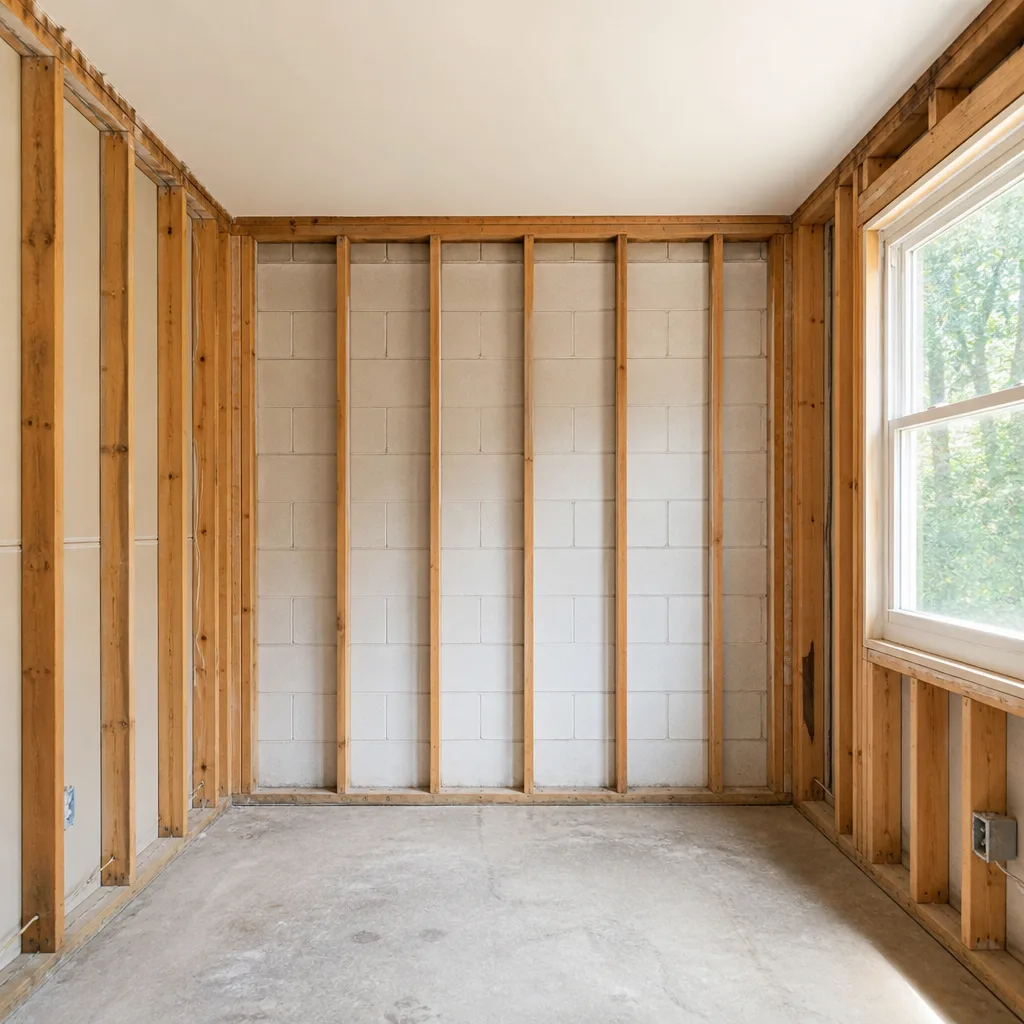
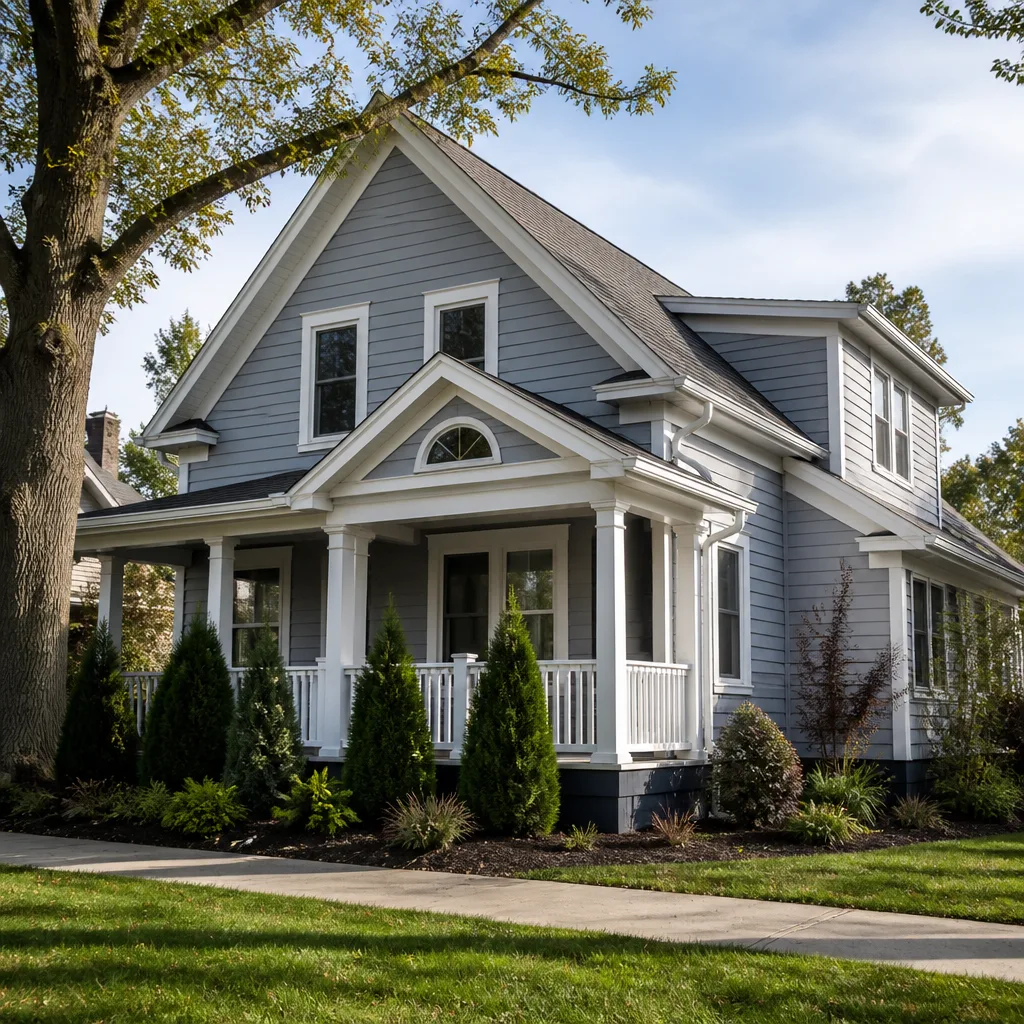
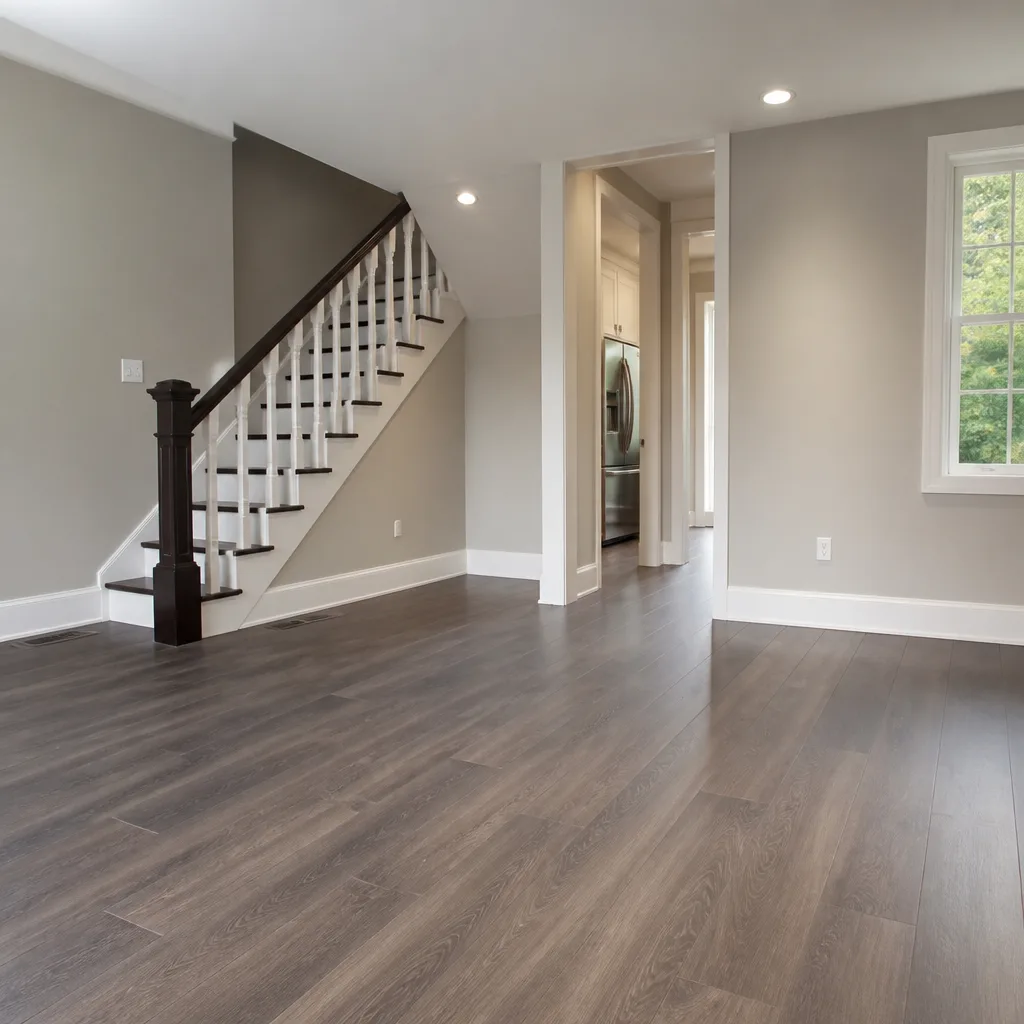
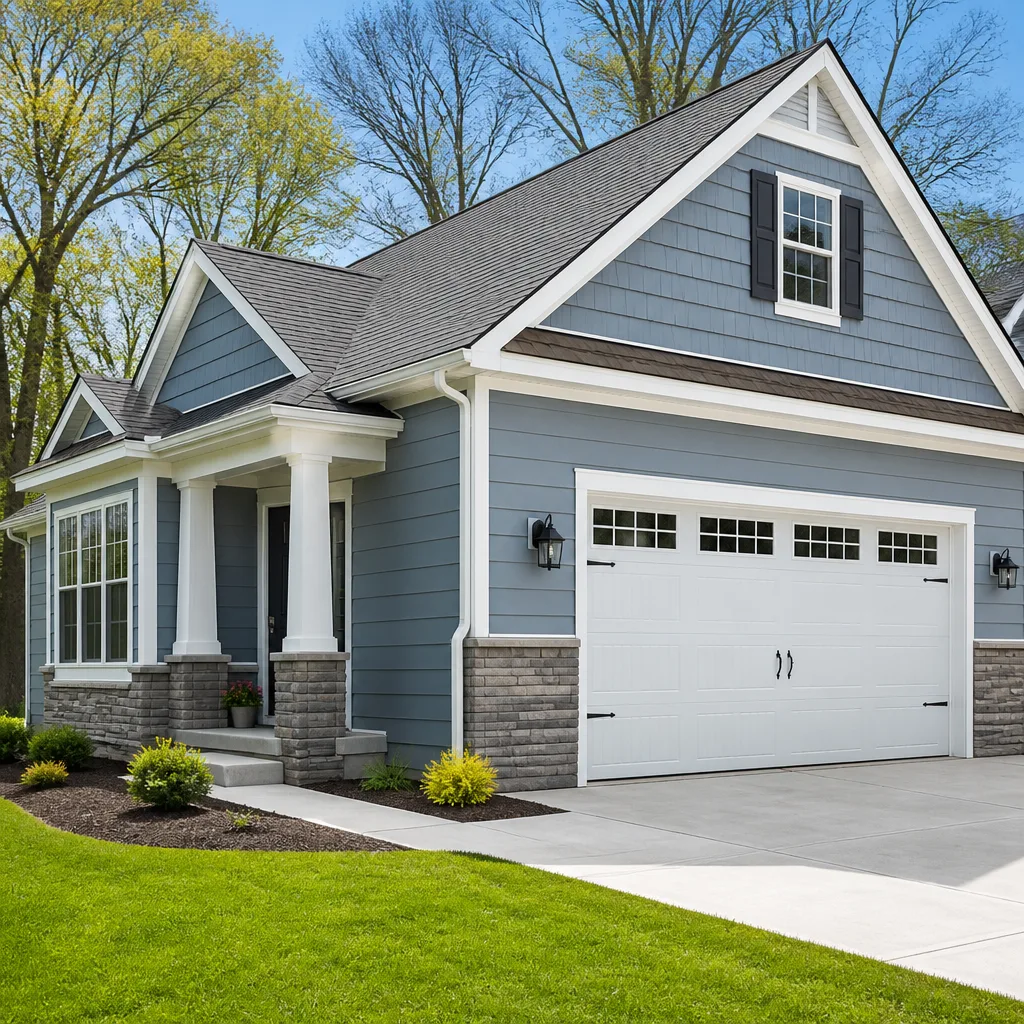
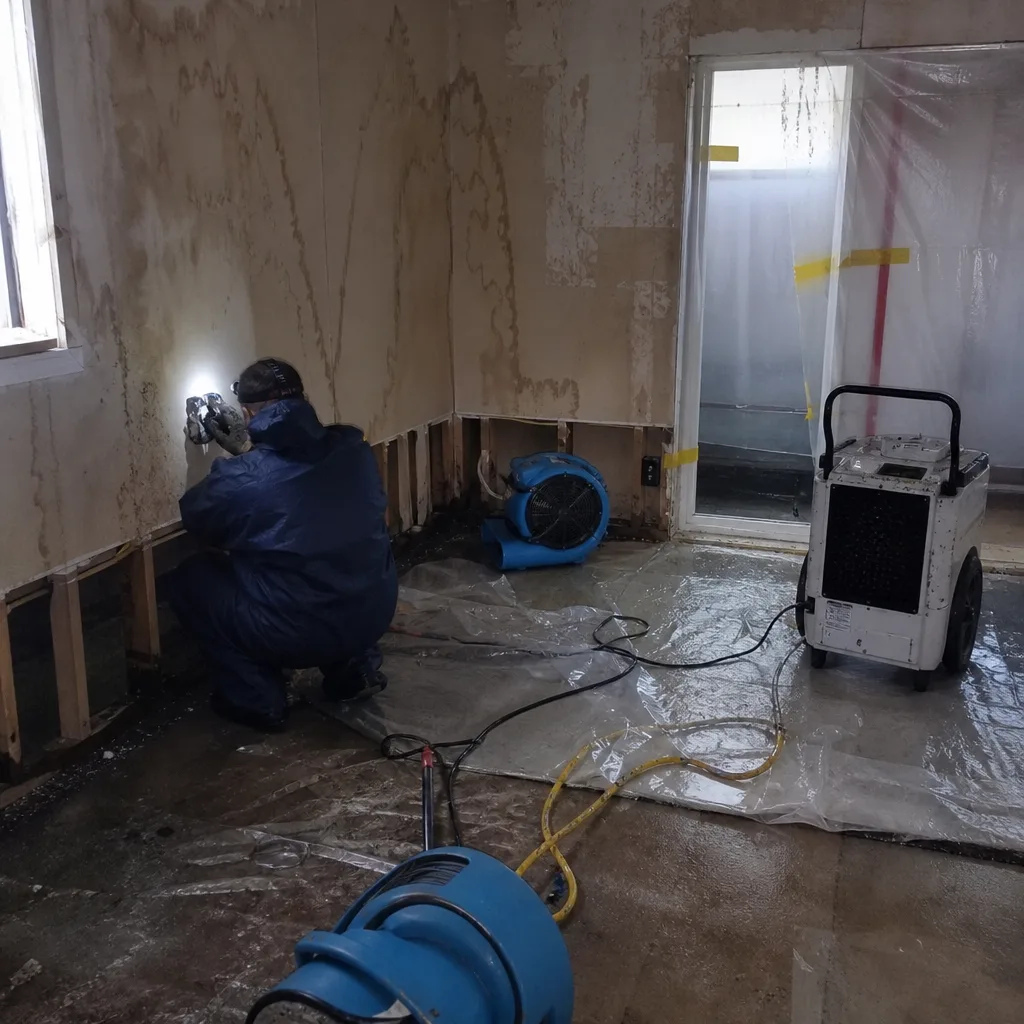 Before
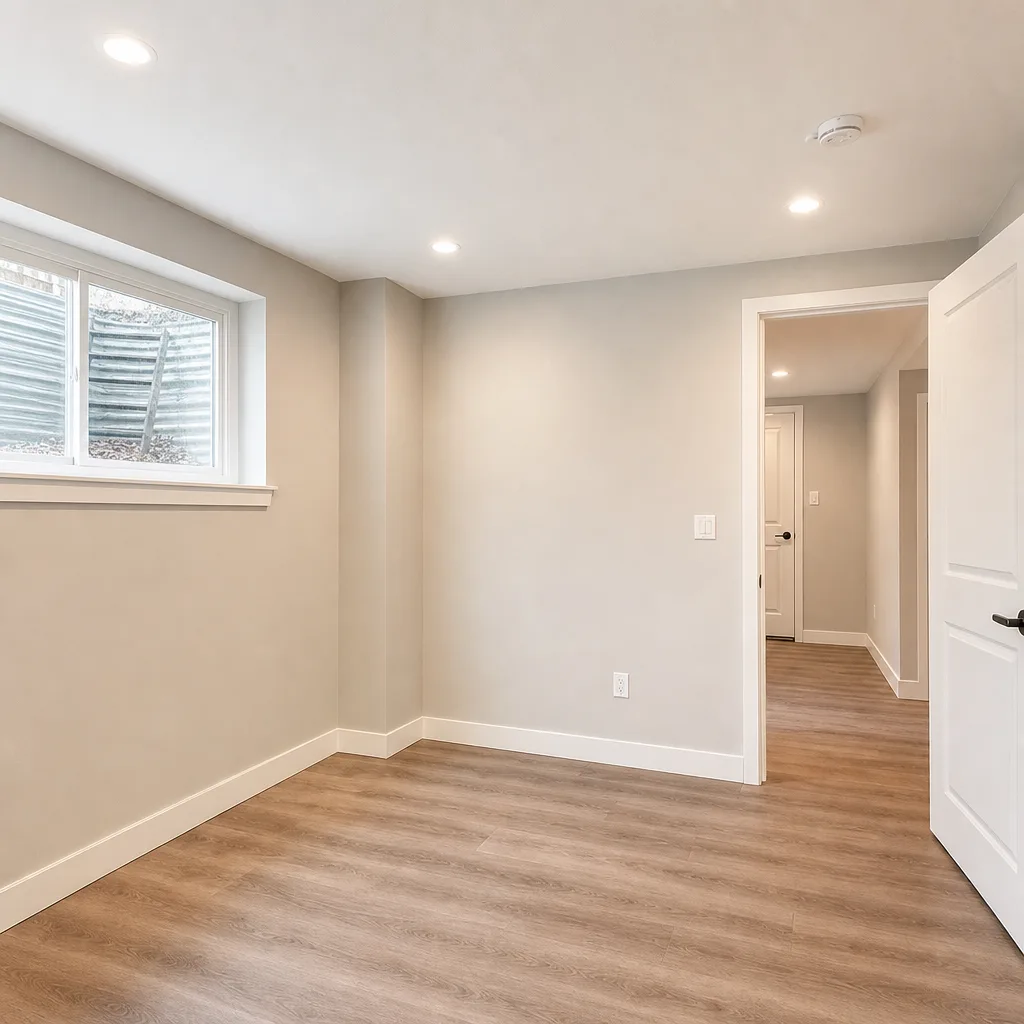 After
After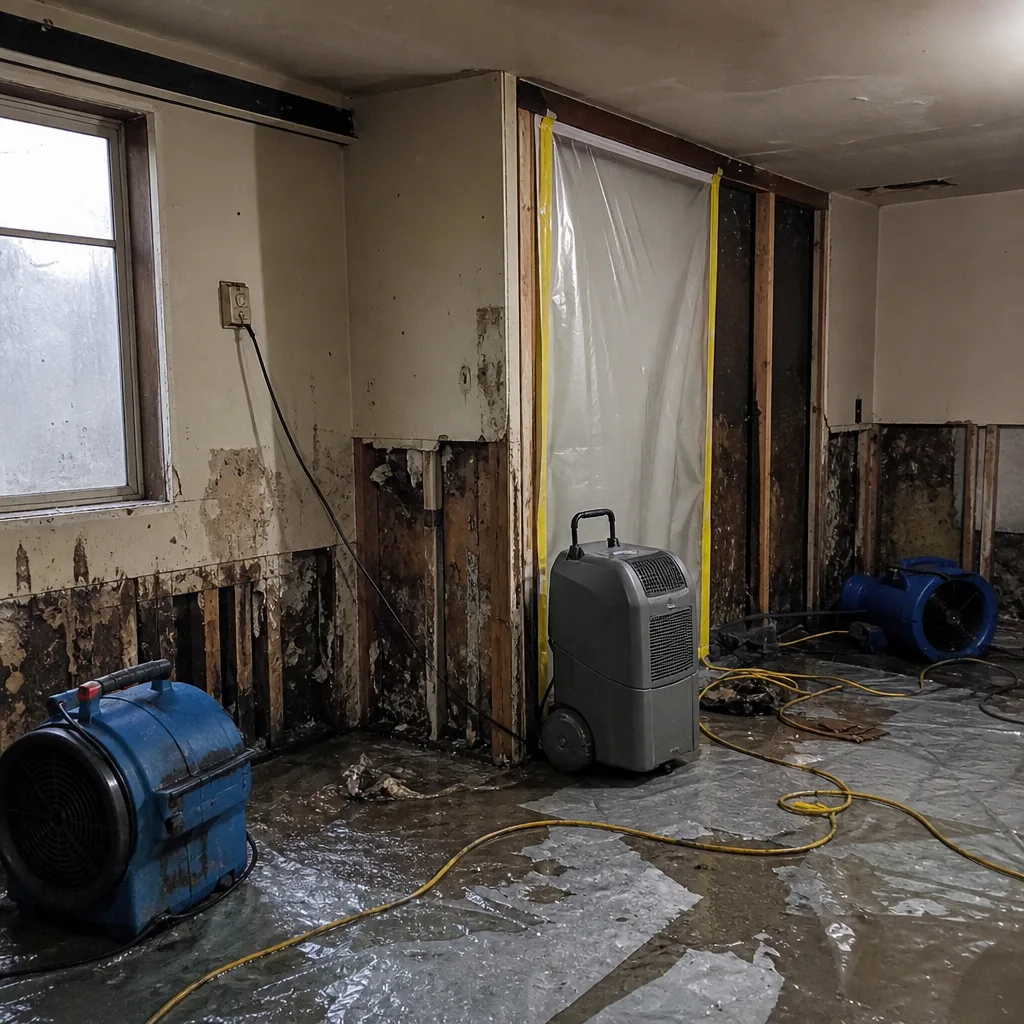 Before
 After
After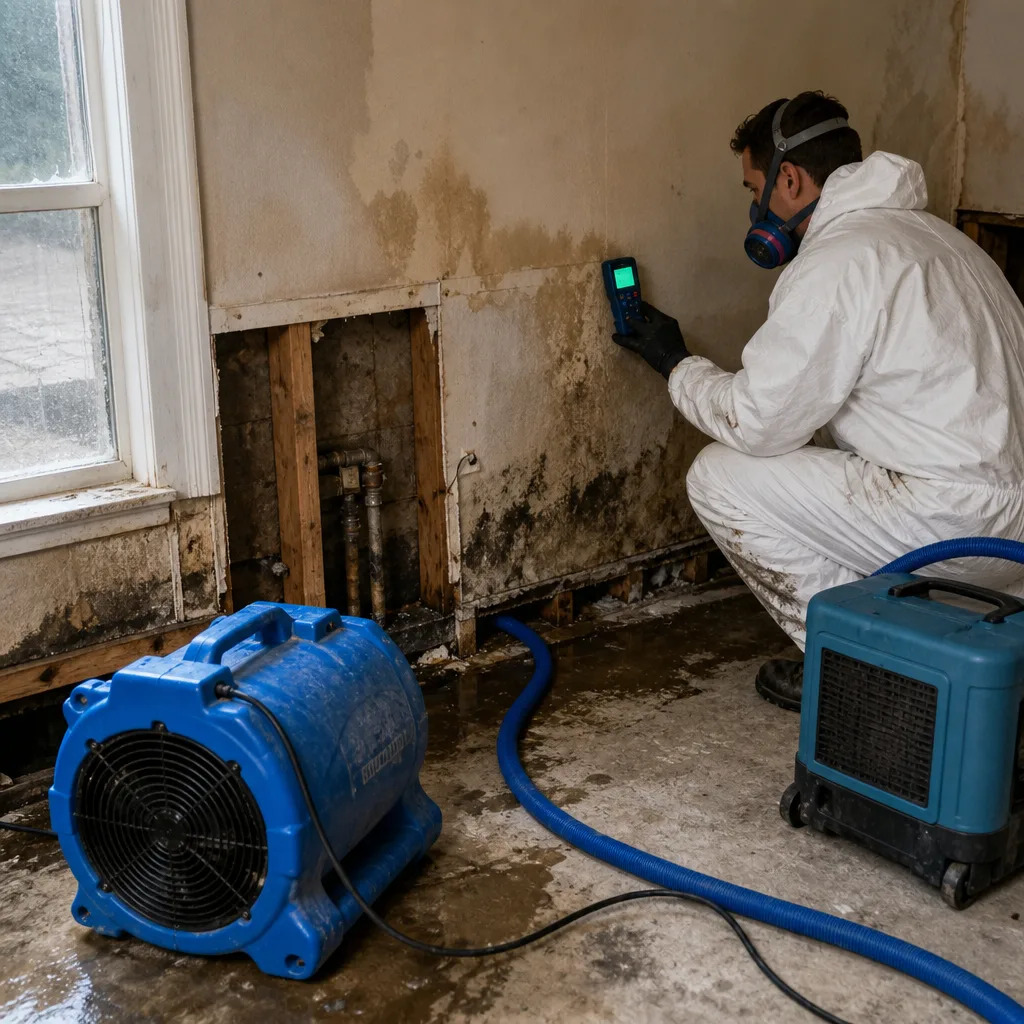 Before
 After
After24/7 Emergency Fire & Smoke Damage Restoration in SeaTac
Fire and smoke damage restoration in SeaTac typically costs $2,800-$8,500 for residential cleanup and repair, with emergency board-up and stabilization starting same-day. Crews from our Fire & Smoke Damage Restoration in SeaTac operation answer live at (360) 997-2427 around the clock - no voicemail, no callback queues. We dispatch to SeaTac neighborhoods within 45 minutes of your call, including the tight streets off International Boulevard, the townhome clusters near Angle Lake, and the post-WWII ranchers lining South 154th Street.
The first hour after a fire determines how far smoke and soot migrate through your property. Heat opens pores in drywall, plastics, and textiles; as surfaces cool, acidic soot bonds to them. Firefighting water adds a second threat: category 2 water soaking into insulation and subflooring, where SeaTac’s Sound Insulation Program retrofits have eliminated the natural air exchange that would otherwise promote drying. We stabilize the structure, document everything, and begin extraction before secondary damage takes hold.
Understanding Fire & Smoke Damage Restoration Severity in SeaTac Properties
Fire damage in SeaTac breaks down into three severity tiers, each demanding a different response. Dry smoke residue - from fast-burning, high-heat fires - powders and wipes from hard surfaces but drives deep into porous materials. Wet smoke residue, produced by slow, smoldering fires in oxygen-starved spaces, is sticky, acidic, and tenacious; it etches metal and discolors paint within hours. Protein residue, nearly invisible but pungent, comes from kitchen fires and coats surfaces with a varnish-like film that standard cleaners cannot touch.
Smoke migration follows pressure differentials and HVAC pathways, not logic. In SeaTac’s split-levels and ranches, smoke travels through wall cavities and into attics where Sound Insulation Program retrofit materials - added fiberglass batts, vapor barriers, and sealed soffits - trap particulates that would ventilate out of leakier construction. Tertiary damage, the kind that appears weeks later, often starts in these sealed cavities: mold colonization behind vapor barriers, corrosion of electrical junctions from acidic soot, and persistent odor compounds reactivating with humidity changes. Our crews map smoke migration with thermal imaging and test residue type before selecting cleaning chemistry - alkaline cleaners for wet smoke, solvent-based agents for protein, dry sponges for dry smoke.
Why SeaTac Property Owners Choose DryMark Restoration Kent
- 45-minute response commitment to any SeaTac address, including the SR-99 corridor and Angle Lake townhomes where alley access limits crew staging.
- 24/7 live answer - a real person, never an automated system, picks up every call to (360) 997-2427 and begins documentation immediately.
- IICRC-certified crews holding FSRT (Fire and Smoke Restoration Technician) and WRT (Water Damage Restoration Technician) credentials, with AMRT (Applied Microbial Remediation Technician) certification for the mold that follows firefighting water.
- Free visual inspection with a written scope and line-item price before any work begins - Haven Standard, Clause 1.
- Direct insurance billing with photo-documented estimates, daily drying logs, and adjuster coordination that turns restoration invoices into payable claims.
- One team from board-up to reconstruction - no handoffs between mitigation and rebuild contractors that delay permit approvals and inflate overhead.
BeforeAfterOur Fire & Smoke Damage Restoration Process
1. Inspection & Assessment
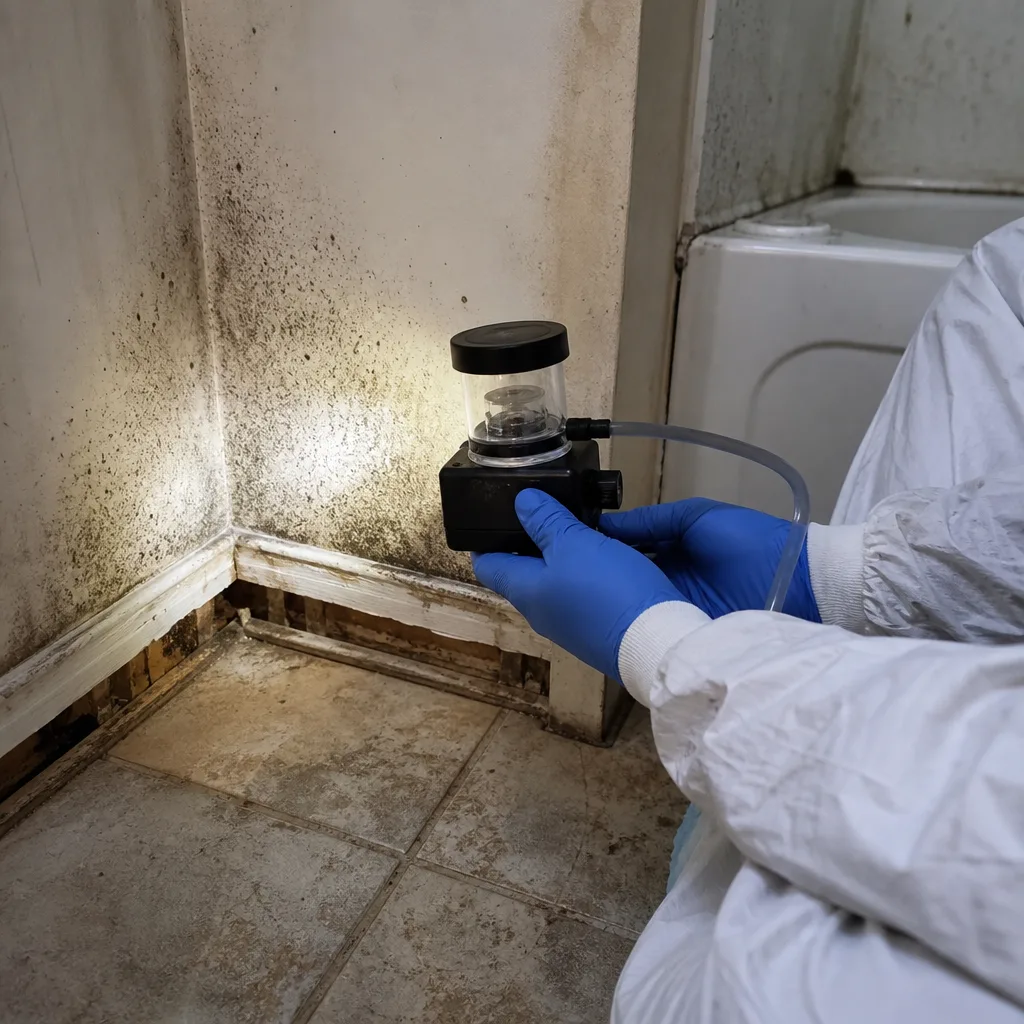
We arrive with thermal imaging cameras, hygrometers, and soot-testing kits to classify residue type and map smoke migration. In SeaTac’s Sound Insulation Program homes, we specifically test behind retrofit vapor barriers where trapped moisture and smoke particulates hide from visual inspection. Every finding is photographed and logged.
2. Emergency Board-Up & Stabilization
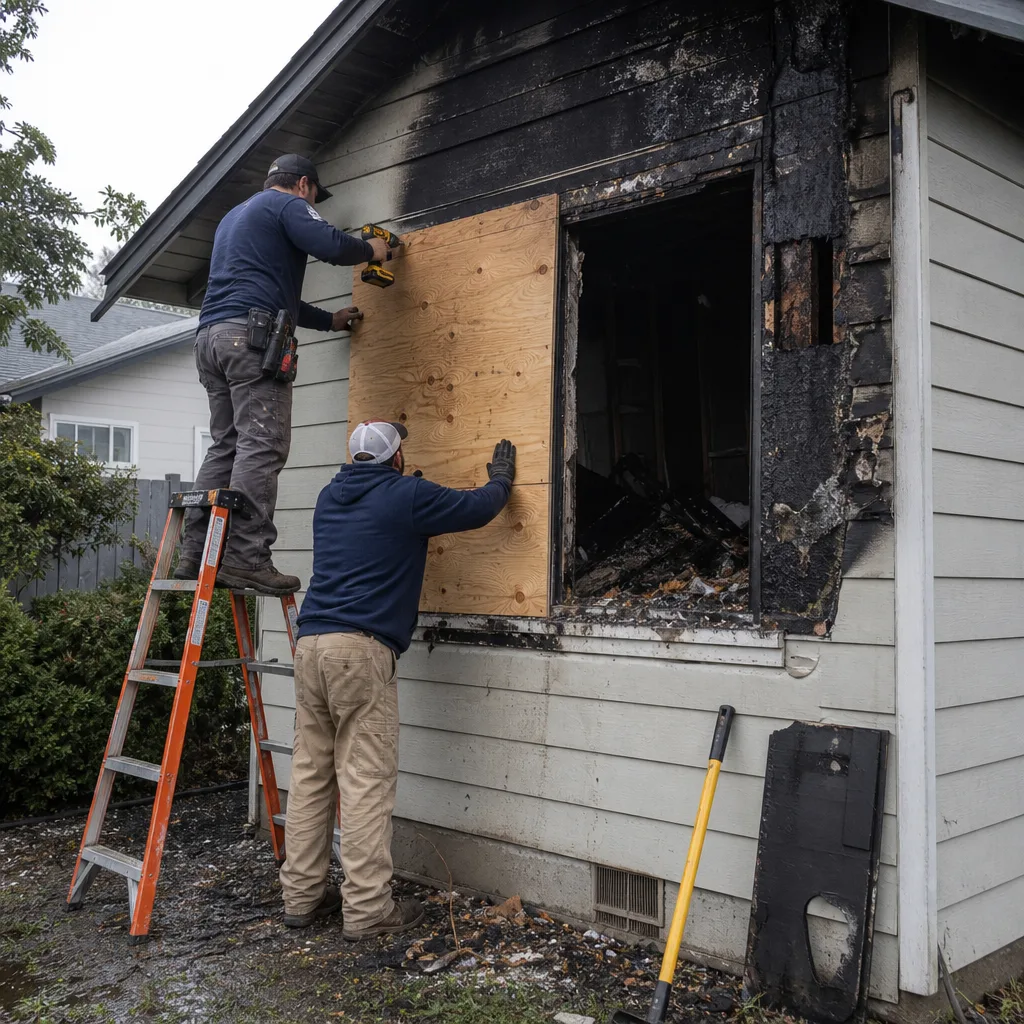
Broken windows, compromised roofing, and damaged doors get secured with plywood and weatherproof tarps. On narrow SeaTac streets off International Boulevard, our crews stage materials to minimize alley blockage and coordinate with property managers for multi-unit access.
3. Water Extraction & Structural Drying
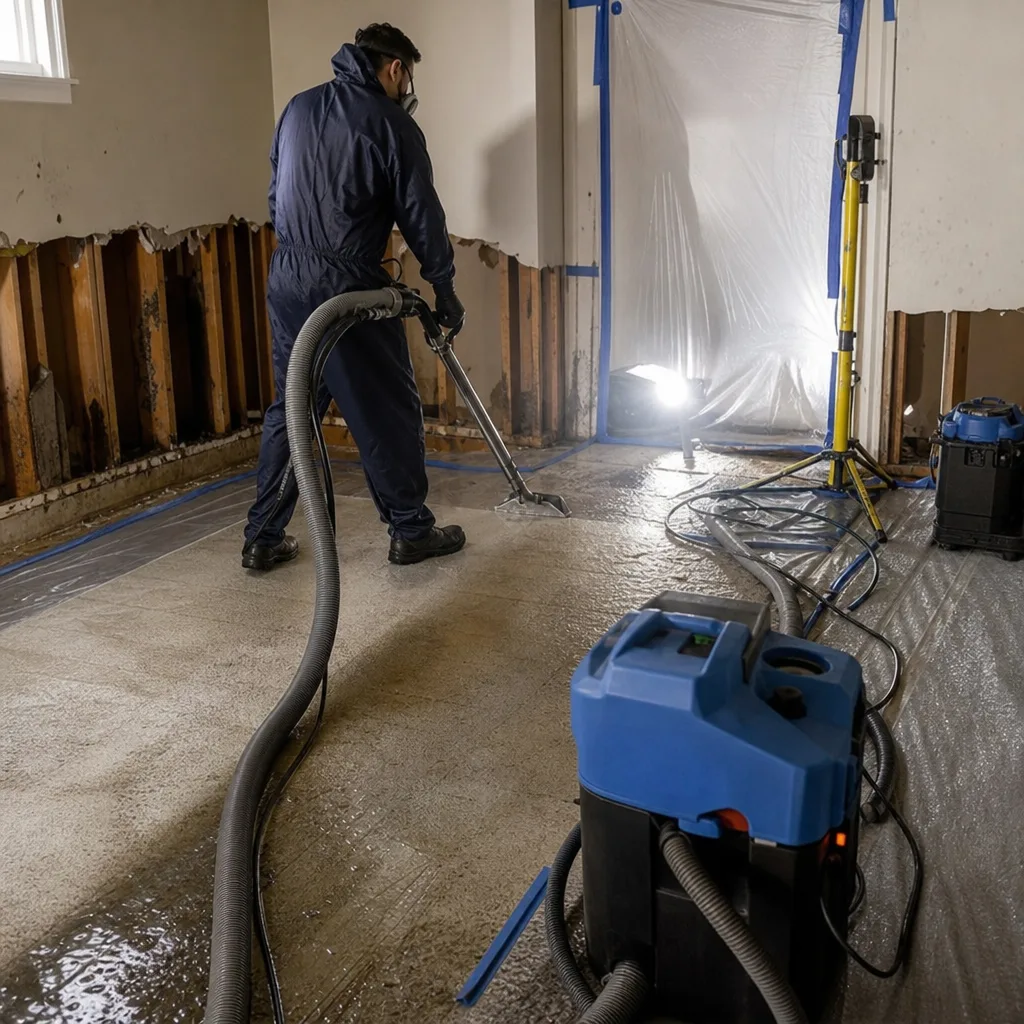
Firefighting water is category 2 at minimum - chemically contaminated and time-sensitive. We deploy Dri-Eaz and Phoenix dehumidifiers, XPOWER air movers, and Injectidry mat systems to pull moisture from subfloors and wall cavities. Daily psychrometric readings track vapor pressure differential until materials return to pre-loss moisture content.
4. Smoke & Soot Cleaning
Residue-specific chemistry removes soot without driving it deeper. HEPA air scrubbers run continuously during cleaning, capturing particulates as small as 0.3 microns. In SeaTac’s tight building envelopes, we establish negative air pressure containment to prevent cross-contamination to unaffected rooms.
5. Odor Removal & Deodorization
Surface cleaning alone cannot neutralize odor molecules bonded to porous materials. We deploy thermal fogging, ozone treatment, or hydroxyl generators depending on occupancy status and material sensitivity. SeaTac’s sealed homes often require extended treatment cycles; we verify elimination with olfactory testing and air sampling, not guesswork.
6. Repairs & Restoration
Our reconstruction team replaces damaged drywall, insulation, flooring, and finish carpentry to match existing materials. Every repair is scoped in writing, priced before work begins, and covered by our 365-Day Done Right Promise under The Haven Standard.
Need Emergency Fire & Smoke Damage Restoration in SeaTac Now?
Crews minutes away, answering live 24 hours a day. The sooner we start, the less it costs.
Working With Your Insurance Company
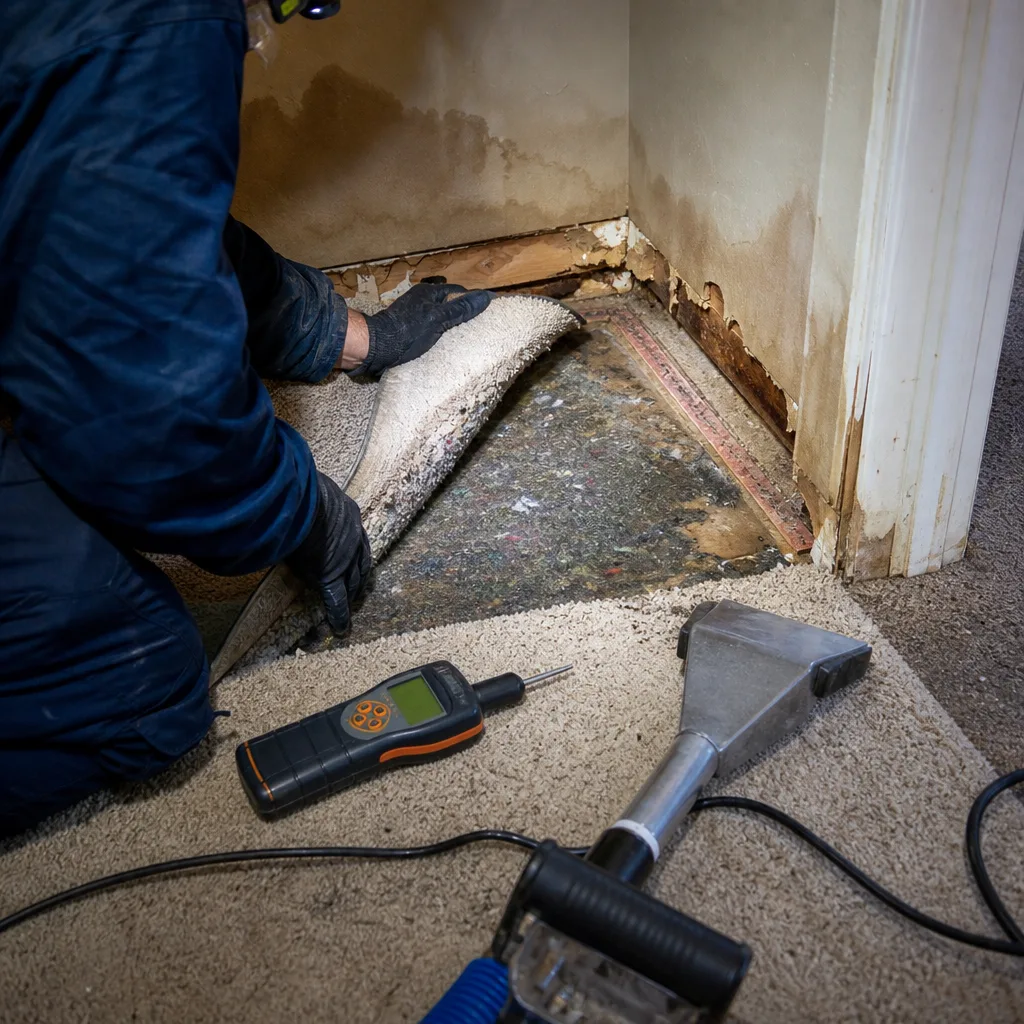
Insurance claims for fire damage fail most often on documentation gaps: missing photos, unrecorded moisture readings, scopes that don’t line up with policy language. We close those gaps from the first hour. Our field techs photograph every room, every elevation, every damaged item before anything moves. We produce industry-standard estimates in Xactimate format, the same platform adjusters use, and we speak their vocabulary: line-item depreciation, code-upgrade coverage, and additional living expense documentation.
Direct adjuster coordination means your claim file grows complete and coherent, not piecemeal. We attend inspections when requested, supplement estimates when hidden damage emerges, and provide the drying logs that prove mitigation was necessary and properly executed. Our Fire & Smoke Damage Restoration team has handled claims with every major carrier serving King County; we know which adjusters want daily updates and which prefer summary reports at job completion.
What We Provide Your Insurer
- Thorough documentation of the loss
- Photos of all damage, room by room
- Moisture readings and drying logs
- A detailed, line-item scope of work
- Direct coordination with your carrier
Built for SeaTac’s Loss Calendar
SeaTac’s fire damage patterns track its housing stock and climate with uncomfortable precision. January through March, heating system failures in aging post-WWII ranchers peak - cracked heat exchangers in original furnaces, space heater misuse in rental units along International Boulevard, and electrical overload from baseboard heating in sound-insulated additions that were never designed for the load. These fires smolder longer in tight envelopes, producing wet smoke residue that bonds to retrofit window seals and added insulation.
May through September brings dryer conditions but higher kitchen fire incidence: open windows during cooking, distracted preparation during longer daylight hours, and grease fires that activate suppression systems in commercial kitchens serving SeaTac’s hospitality corridor. Fall returns to heater-related risk, compounded by holiday electrical loads and candle use. Year-round, the city’s dense motel and apartment stock along SR-99 generates repeat calls for small fires that become major restoration jobs when delayed detection allows smoke to saturate shared HVAC systems.
Fire & Smoke Damage Restoration Across SeaTac’s Neighborhoods
Angle Lake and its surrounding townhome developments present tight alley-loading constraints and shared-wall construction where smoke migrates through party-wall penetrations. Our crews stage compact equipment trailers and coordinate access with HOA managers to avoid blocking residential parking. The McMicken Heights area, with its larger mid-century ranches on bigger lots, allows more aggressive exterior ventilation - but many of these homes received Sound Insulation Program retrofits that still trap interior smoke unless we establish mechanical air exchange.
The International Boulevard corridor, from South 188th to the city limit, mixes aging motel properties with low-rise apartments and small commercial kitchens. Fires here often trigger multi-unit evacuations; we work with SeaTac Fire Department incident command to secure the structure, then with property managers to sequence unit-by-unit assessment. South 154th Street and the residential blocks west of the airport represent the classic SeaTac profile: 1950s-1970s ranches with retrofitted windows and added attic insulation that our techs immediately flag for sealed-cavity moisture risk. We know which blocks enrolled in which phase of the Port program; it changes our drying strategy.
Because SeaTac’s Sound Insulation Program homes have near-zero passive air exchange, fire and smoke residue lingers indoors for days after a blaze - and soot residue can settle on the same tight window and door seals that were installed to block jet noise, making odor removal measurably harder than in leakier 1950s houses. Our crews account for this in equipment selection and treatment duration, not with surprise add-ons once work is underway.
Specialized Fire & Smoke Damage Restoration Services We Offer in SeaTac
Fire Damage Cleanup
Structural cleaning after fire requires residue classification before chemistry selection. We handle complete contents inventory, salvage triage, and disposal documentation for insurance replacement - critical in SeaTac’s dense housing where storage space is limited and displaced families need rapid decisions on what stays and what goes.
Smoke & Soot Removal
Acidic soot etches metal and discolors paint within hours; alkaline soot from electrical fires corrodes copper wiring. Our FSRT-certified techs select cleaning agents by residue type and substrate, then verify removal with surface pH testing. In SeaTac’s Sound Insulation Program homes, we pay particular attention to soot accumulation on retrofit window tracks and door seals where jet-noise gaskets double as smoke traps.
Odor Removal & Deodorization
Odor molecules bond to porous materials at the molecular level; masking agents fail. We deploy thermal fogging for unoccupied structures, hydroxyl generators for occupied spaces with sensitive electronics, and ozone treatment for contents in controlled chambers. SeaTac’s tight building envelopes typically extend treatment cycles by 20-40% compared to leakier construction; we build this into our scopes upfront, not as a mid-project revision.
Contents Cleaning & Pack-Out
Salvageable items receive ultrasonic cleaning, dry cleaning, or specialized deodorization at our facility. Non-salvageable items are inventoried with photo documentation for insurance replacement. In SeaTac’s townhomes and apartments, pack-out timing is critical: limited parking and elevator access mean coordinated loading windows, and delays push odor deeper into shared building systems.
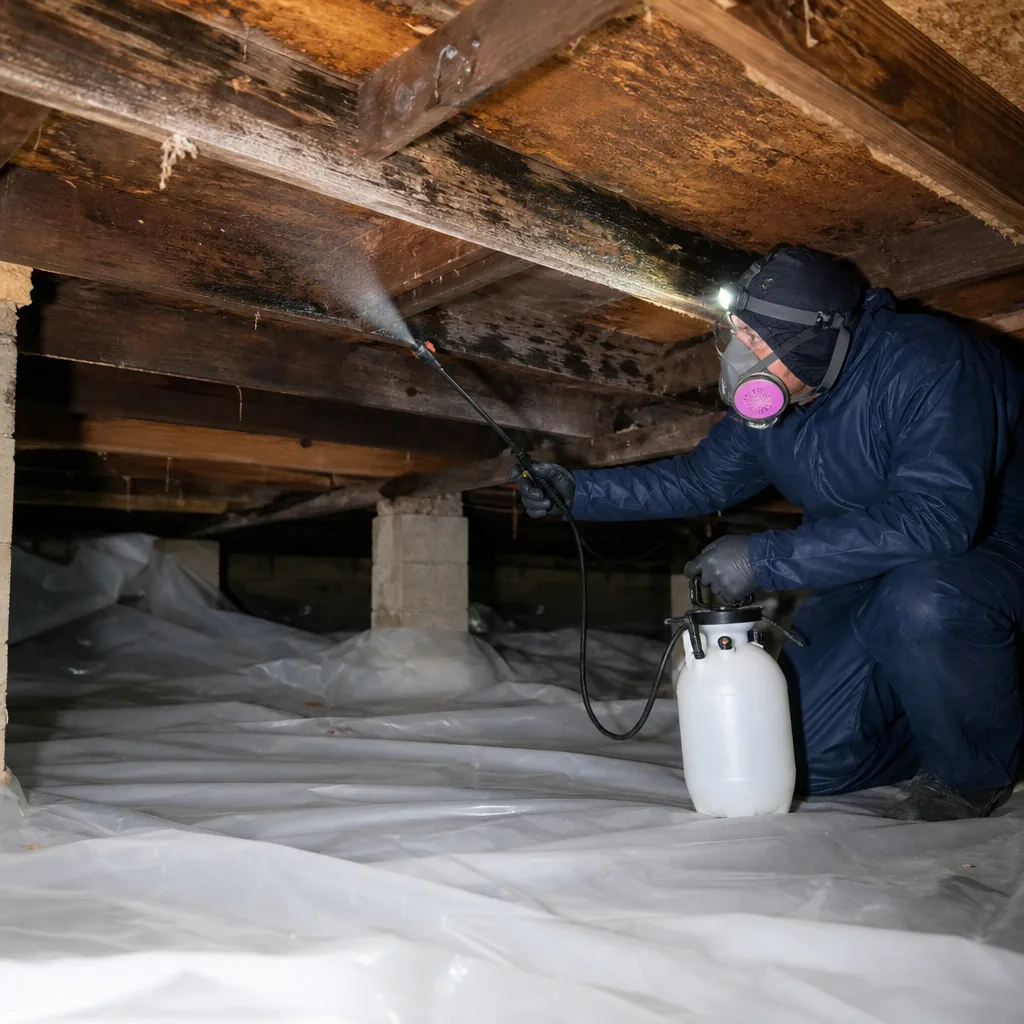
Emergency Board-Up & Tarping
Fire-damaged structures need immediate weatherproofing and security. On SeaTac’s narrow residential streets and limited-alley commercial properties, our crews arrive with pre-cut plywood and rapid-deployment tarps sized for common SeaTac building types - rancher picture windows, split-level sliding doors, motel unit entries. We coordinate with SeaTac building inspections for emergency permit status when structural integrity is compromised.
What happens when you call
- 1
A real person answersNo phone trees - you reach a local pro.
- 2
You get an upfront price rangeHonest numbers before anyone is dispatched.
- 3
A background-checked tech heads outLicensed & insured, dispatched right away.
- 4
You approve before work beginsNothing starts until you say go.
Fire & Smoke Damage Restoration Costs in SeaTac, WA
Emergency board-up and stabilization in SeaTac runs $400-$1,200 depending on access difficulty and the number of openings secured. Smoke and soot cleanup for a single affected room typically ranges $1,500-$3,800; whole-house cleaning after a significant fire runs $4,500-$8,500. Odor removal and deodorization adds $800-$2,400 depending on treatment cycle length, which extends in Sound Insulation Program homes with sealed envelopes. Structural repairs - drywall, flooring, insulation replacement, painting - are scoped separately after mitigation completion.
What moves the price: square footage affected, residue type (wet smoke requires more labor than dry), accessibility constraints on narrow SeaTac streets, and whether firefighting water created secondary damage requiring full structural drying. Insurance typically covers direct fire and smoke damage plus necessary mitigation; our written scopes distinguish covered restoration from improvement upgrades so you know what’s claimable before work begins. Haven Standard, Clause 1: the price you approve is the price you pay. Call (360) 997-2427 for a free visual inspection and firm written scope.
We Also Serve Cities Near SeaTac
Our crews respond daily to SeaTac and surrounding communities: Kent, where we handle commercial kitchen fires in the warehouse district; Des Moines, with its waterfront properties and marine-grade recovery challenges; Auburn, where older farm conversions and new construction mix; and Renton, with its dense Boeing-era housing and similar Sound Insulation Program profiles. Dispatch and scheduling are coordinated from our Seattle office; crews serve SeaTac locally with no regional upcharge.
Serving SeaTac, WA - Our Local Coverage Area
We’re based in the SeaTac area and know this community well. Use the map below to see our service coverage - if you’re nearby, we can almost certainly help.
SeaTac Fire & Smoke Damage Restoration Questions, Answered
Does SeaTac’s Sound Insulation Program affect how long smoke odor lingers after a fire?
Yes - homes with Port of Seattle Sound Insulation Program retrofits have near-zero passive air exchange, so smoke odor lingers 20-40% longer than in leakier original construction.
The same tight window and door seals that block jet noise also trap odor molecules inside. Our crews extend deodorization treatment cycles and establish mechanical air exchange during cleaning. We identify Program homes by their uniform replacement windows and added insulation, then adjust our scope accordingly. Call (360) 997-2427 for an inspection that accounts for your home’s specific envelope.
How fast can mold grow after firefighting water soaks drywall in a SeaTac home?
Mold colonization can begin within 24-72 hours on water-soaked drywall, and SeaTac’s Sound Insulation Program homes accelerate this timeline by preventing natural drying.
The vapor barriers added during retrofit trap moisture against wall cavities where firefighting water intrudes. We extract water and begin structural drying within hours, not days, using Injectidry systems to pull moisture from sealed cavities. Daily moisture readings document progress until materials return to pre-loss levels. Call (360) 997-2427 for immediate response - delays in tight envelopes cost exponentially more.
Can you board up and tarp a fire-damaged property on the narrow streets off International Boulevard?
Yes - our crews are equipped for compact staging and have completed board-up on alleys and narrow lots throughout the International Boulevard corridor.
We arrive with pre-cut plywood and rapid-deployment tarps sized for common SeaTac building types, and we coordinate with property managers for multi-unit access where parking is restricted. Emergency permits are filed same-day with SeaTac building inspections when structural compromise requires it. Call (360) 997-2427 for immediate securing of your property.
How do you remove smoke odor from a SeaTac townhome where the smell has reached shared walls?
We establish containment with negative air pressure, then treat affected units sequentially while sealing party-wall penetrations to prevent cross-contamination.
Shared-wall construction in SeaTac townhomes allows smoke migration through electrical outlets, plumbing chases, and HVAC ductwork. Our FSRT-certified techs map migration paths with thermal imaging, clean all affected surfaces with residue-specific chemistry, and deploy HEPA air scrubbers during treatment. Odor removal may require access to adjacent units; we coordinate with neighbors and property management. Call (360) 997-2427 for a scope that addresses the full migration path.
Do you handle fire damage restoration in SeaTac’s older post-WWII ranchers with Vashon glacial till crawl spaces?
Yes - these properties represent a significant portion of our SeaTac work, and their crawl spaces present specific moisture management challenges after firefighting water intrusion.
Vashon glacial till is nearly impermeable; water that enters crawl spaces cannot drain downward and instead spreads laterally, saturating floor joists and subflooring. We deploy specialized crawl space drying systems with low-profile air movers and targeted dehumidification, documenting daily moisture readings until wood moisture content returns to acceptable levels. Our crews know the typical construction of these ranchers and can assess structural integrity efficiently. Call (360) 997-2427 for inspection.
Will my insurance cover fire and smoke damage restoration in SeaTac?
Homeowners insurance typically covers direct fire damage, smoke damage, and necessary mitigation including water extraction and structural drying.
Documentation quality determines claim success: our photo records, moisture logs, and line-item Xactimate estimates are built to adjuster standards from day one. We distinguish covered restoration from non-covered improvements, coordinate directly with your carrier, and provide the drying documentation that proves mitigation was necessary. Haven Standard, Clause 1 means your written scope arrives before work starts, so you know what’s claimable. Call (360) 997-2427 to begin documentation.
How long does complete fire damage restoration take in a SeaTac home?
Typical timelines range from 5-14 days for mitigation (cleanup, drying, deodorization) plus 2-6 weeks for structural repairs, depending on severity and envelope tightness.
Sound Insulation Program homes often extend the deodorization phase due to trapped particulates. We provide a written schedule with your scope, update it daily as conditions change, and never proceed to repair phase until moisture readings and odor testing confirm mitigation is complete. One team handles both phases, eliminating contractor handoff delays. Call (360) 997-2427 for a timeline specific to your loss.
What should I do in the first 30 minutes after a fire in my SeaTac property?
Ensure everyone is safe and accounted for, then call (360) 997-2427 to begin emergency response - do not re-enter until SeaTac Fire Department clears the structure.
Do not attempt DIY cleanup: soot is acidic and chemically complex, and firefighting water may have compromised electrical systems. Do not operate HVAC, which will distribute smoke particulates throughout the building. Our live-answer dispatch begins documentation immediately and can guide you through immediate safety steps while crews are en route. Speed matters: the first hour determines smoke migration extent and secondary damage severity.
We were called to a split-level on South 154th Street after a stove fire; the home had Port-program replacement windows that had sealed in acrid smoke odor. Our tech ran moisture readings and set up containment with HEPA air scrubbers, Dri-Eaz dehumidifiers, and air movers, then used Injectidry mats on the engineered flooring. After four days of structural drying and an antimicrobial treatment, the drying logs showed pre-loss moisture levels and the homeowner could reopen the tightly sealed windows without smelling the fire.
Written by Alicia Brennan, Owner at DryMark Restoration Kent, serving SeaTac since 2011.